The Innovative Toilet Seva App by Maha Metro: A New Era of Convenience

In today’s fast-paced world, every second counts, especially when you’re on the move. Imagine you’re traveling on the Maha Metro in Nagpur, and suddenly, you need to find the nearest restroom. The inconvenience of searching for a clean, accessible toilet can disrupt your journey and cause unnecessary stress. But fret not—Maha Metro has introduced an innovative solution: the Toilet Seva App. This groundbreaking mobile application, designed by IT engineer Amol Bhinge, who works in the US, is set to revolutionize the way Metro riders locate and access toilets. In this article, we’ll delve into the many features of the Toilet Seva App, its benefits for different groups of passengers, and how it aims to enhance the overall commuting experience.

 What is the Toilet Seva App?

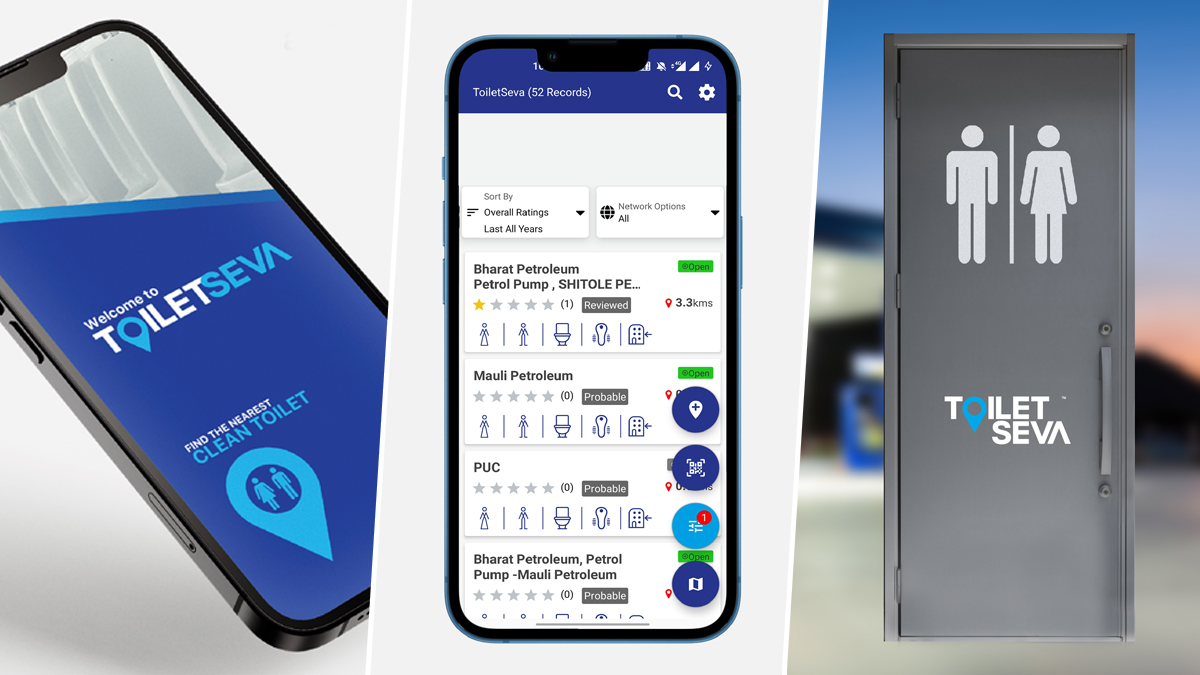
The Toilet Seva App is a mobile application created to help commuters using the Maha Metro in Nagpur easily locate the nearest toilets. Available for free download on both Android and iOS platforms, this app is a must-have for anyone who values convenience, hygiene, and ease of access while traveling.

 The Vision Behind the Toilet Seva App

The App was developed by Amol Bhinge, an IT engineer with a vision to make commuting easier and more comfortable for everyone. By addressing a fundamental need—finding clean and accessible restrooms—the app reflects a commitment to enhancing public amenities for Metro riders in Nagpur.

 User-Friendly Interface and Accessibility

One of the standout features of the Toilet Seva App is its user-friendly interface. Even those who are not tech-savvy will find it easy to navigate. The app’s simple design ensures that users can quickly find what they need without having to wade through complicated menus or settings.

 How to Download the Toilet Seva App

Downloading the Toilet App is a breeze. Users can either go to the Play Store or App Store, search for “Toilet Seva,” and install the app. Alternatively, they can scan the QR code displayed at any of the Metro stations or on the signage near the toilets to download the app directly.

 Key Features of the Toilet Seva App

The Toilet Seva App offers a variety of features designed to meet the diverse needs of Metro riders.

 Real-Time Location Tracking

The app provides real-time tracking of nearby toilets, allowing users to find the closest restroom without any hassle. This is especially useful for those who may not be familiar with the area or the layout of the Metro stations.

 Accessibility for All

The app is particularly beneficial for women, persons with disabilities, and senior citizens. It not only helps them locate the nearest toilet but also ensures that these facilities are accessible and meet the necessary standards for their specific needs.

 Hygiene and Maintenance Alerts

One of the most innovative aspects of the  Seva App is the ability for users to report cleanliness issues or lack of amenities like water. If a toilet is not up to standard, users can notify the relevant authorities directly through the app, ensuring that maintenance is carried out promptly.

 Ensuring Clean and Hygienic Facilities

By allowing users to report issues, the app helps maintain high standards of cleanliness and hygiene across all Metro toilets. This feature not only improves the user experience but also fosters a sense of responsibility among the public to keep shared spaces clean.

Why the Toilet Seva App is a Game-Changer

The introduction of the  App is a significant step forward in enhancing public facilities in Nagpur. Here’s why:

Empowering Commuters

With the  App, commuters have more control over their journey. They can plan their trips better, knowing they have easy access to clean and accessible restrooms whenever needed.

Promoting Inclusivity

The app’s focus on accessibility for women, persons with disabilities, and senior citizens ensures that the needs of all commuters are considered. This inclusivity promotes a more equitable public transportation system.

Enhancing Public Health

By facilitating access to clean and hygienic toilets, the Toilet Seva App contributes to better public health standards. It helps reduce the spread of diseases that can result from unsanitary conditions.

The Role of Technology in Public Transportation

The Toilet App is a prime example of how technology can be leveraged to improve public transportation. By integrating IT solutions with public amenities, Maha Metro is setting a precedent for other cities to follow.

The Future of Smart Cities

As cities evolve into smart cities, the integration of technology with public services becomes increasingly important. The  App is a step in the right direction, showcasing how digital solutions can enhance urban living.

How to Make the Most of the Toilet Seva App

For those new to the app, here are a few tips to get the most out of the Toilet Seva experience:

Keep the App Updated

Make sure to update the app regularly to benefit from the latest features and improvements.

Provide Feedback

Your feedback is crucial in helping the developers enhance the app. Don’t hesitate to report any issues or suggest improvements.

Share with Others

If you find the app useful, share it with your fellow commuters. The more people use it, the more effective it becomes.

Challenges and the Road Ahead

Like any new initiative, the Toilet Seva App may face challenges, such as ensuring consistent maintenance of toilets and encouraging widespread adoption among commuters. However, with continuous improvements and user engagement, these challenges can be effectively addressed.

The Toilet Seva App by Maha Metro is more than just a convenience tool; it’s a step towards a more inclusive, hygienic, and user-friendly public transportation system. By providing easy access to clean and accessible toilets, the app not only improves the commuting experience but also contributes to the overall well-being of Metro riders. As the app continues to evolve, it will undoubtedly set a new standard for public amenities in Nagpur and beyond.

Q1: Is the Toilet Seva App free to use?
Yes, the Toilet Seva App is completely free to download and use.

Q2: Can I use the app without an internet connection?
No, the app requires an internet connection to provide real-time location tracking of toilets.

Q3: How can I report a problem with a toilet through the app?
You can report any issues such as cleanliness or lack of water directly through the app, and the relevant authorities will be notified.

Q4: Is the Toilet Seva App available on both Android and iOS?
Yes, the app is available for download on both the Play Store for Android users and the App Store for iOS users.

Q5: Can the app be used outside of Nagpur?
Currently, the app is designed specifically for use with the Maha Metro in Nagpur.

Incomplete KYC Forces Scores Of Ladki Bahins To Queue Up At Banks

Mukhyamantri scheme: The state government’s ambitious scheme, Mukhyamantri – Mazi Ladki Bahin, designed to empower women across the state, has recently encountered a significant roadblock. The crux of the issue? Incomplete Know Your Customer (KYC) details, leaving numerous beneficiaries in a state of frustration as they find themselves unable to access their entitled funds. The situation has escalated to the point where banks across Nagpur are witnessing long, chaotic queues of women who are met with delays and confusion over unresolved banking formalities.

The Unforeseen Hurdle: Incomplete KYC

Why KYC is Essential

KYC, or Know Your Customer, is a critical process mandated by the Reserve Bank of India to prevent money laundering and ensure the legitimacy of financial transactions. For the Mazi Ladki Bahin scheme, completing KYC is essential to access the funds allocated to each beneficiary. However, a significant number of women have found themselves stuck due to incomplete or outdated KYC details.

Beneficiaries Struggling to Access Funds

Jayshree Kakde, a beneficiary of the scheme, shared her frustrations: “The scheme’s amount was credited to my account, but I couldn’t withdraw it. The bank had long queues, possibly due to incomplete KYC issues. I was asked to return in two days to sort it out.” This sentiment is echoed by many others who have faced similar issues, highlighting a widespread problem.

The Chaos at Banks

Banks Overwhelmed by Beneficiaries

Banks across Nagpur have been overwhelmed by the sheer number of beneficiaries flocking to update their KYC details. The situation has been exacerbated by inconsistent information provided by different bank branches, leaving many women unsure of the exact steps required to access their funds.

Rural Beneficiaries Face the Brunt

The problem is particularly acute for beneficiaries from rural areas. Many of these women are unfamiliar with the intricacies of banking procedures and are finding it difficult to navigate the KYC process. The result has been long queues and significant delays, with many beneficiaries having to make multiple trips to their banks.

Inconsistent Information Adding to the Confusion

Different Branches, Different Rules

One of the major issues contributing to the chaos is the inconsistent information being provided by different bank branches. While some branches are efficient in processing KYC updates, others are struggling, leading to confusion among beneficiaries. Lawyer Akshay Gandhi, who was at an SBI branch on Saturday, noted, “Many beneficiaries were stuck in long queues due to incomplete KYC. Some were also dealing with problems related to maintaining a minimum balance in their accounts.”

The Problem of Minimum Balance

In addition to incomplete KYC details, some beneficiaries are also facing issues related to maintaining a minimum balance in their accounts. In a few cases, part of the aid was deducted due to an insufficient balance, adding to the frustration of those affected.

The Role of Private vs. Nationalized Banks

Private Banks Manage Better

While the situation has been challenging across the board, private banks seem to have handled the situation more effectively compared to their nationalized counterparts. Beneficiaries visiting private banks have reported fewer delays and clearer communication regarding the steps needed to complete their KYC updates.

Nationalized Banks Struggle

On the other hand, nationalized banks, which handle a larger volume of beneficiaries, have faced significant challenges. The higher number of beneficiaries and the existing workload have made it difficult for these banks to manage the influx efficiently, leading to longer queues and more confusion.

The Beneficiaries’ Frustration

Promises vs. Reality

One of the most common complaints among beneficiaries is the discrepancy between what was promised and what is being delivered. An irritated beneficiary said, “We were told the money would be directly transferred to our accounts, but now they are saying we need to complete KYC. I have been waiting for hours and still have no clarity on what to do.”

The Emotional Toll

The emotional toll on the beneficiaries cannot be understated. Many of these women were counting on these funds to meet essential needs, and the delays and confusion have added an extra layer of stress to their lives. The situation has also led to a loss of trust in the system, with many questioning why such a crucial detail was overlooked in the rollout of the scheme.

The Way Forward

Urgent Need for Clarity

The first step towards resolving this issue is clear communication from the banks and the government. Beneficiaries need to be provided with accurate and consistent information about the steps required to complete their KYC updates. This could be done through public announcements, SMS alerts, or dedicated help desks at bank branches.

Training for Bank Staff

Bank staff, particularly at nationalized banks, need to be trained to handle the situation more effectively. This includes providing them with the tools and resources necessary to assist beneficiaries, especially those from rural areas who may not be familiar with banking procedures.

Streamlining the KYC Process

There is also a need to streamline the KYC process itself. Simplifying the documentation required and offering assistance with filling out forms could go a long way in reducing the time spent by beneficiaries at the bank. Additionally, banks could consider extending their hours or opening dedicated KYC counters to manage the influx more efficiently.

The Mukhyamantri – Mazi Ladki Bahin scheme is a well-intentioned initiative that aims to empower women across the state. However, the current issues related to incomplete KYC details are causing significant delays and frustrations among beneficiaries. By addressing these challenges through better communication, training for bank staff, and streamlining the KYC process, the government and banks can ensure that the scheme fulfills its promise of providing timely financial assistance to those in need.

  1. What is the Mukhyamantri – Mazi Ladki Bahin scheme?
    • The Mukhyamantri – Mazi Ladki Bahin scheme is a state government initiative aimed at empowering women by providing financial assistance directly into their bank accounts.
  2. Why is KYC important for this scheme?
    • KYC is important because it ensures the legitimacy of financial transactions and prevents money laundering. Without completing KYC, beneficiaries cannot access their funds.
  3. What can beneficiaries do if their KYC is incomplete?
    • Beneficiaries should visit their bank branch to complete their KYC process. It’s advisable to carry all necessary documents and seek assistance from bank staff if needed.
  4. How are private banks handling the situation differently from nationalized banks?
    • Private banks have generally managed the situation better by providing clearer communication and faster processing of KYC updates, resulting in fewer delays for beneficiaries.
  5. What steps can be taken to avoid future issues with the scheme?
    • To avoid future issues, the government and banks need to improve communication, provide better training for bank staff, and streamline the KYC process to ensure timely access to funds.

High Court Slams PWD for Inordinate Delay in Ambazari Bridge Completion

High Court Ambazari Bridge Delay: The Ambazari bridge project in Nagpur has been a topic of significant concern due to repeated delays in its completion. On Monday, the Nagpur bench of the Bombay High Court expressed its dissatisfaction with the Public Works Department (PWD) for the inordinate delays in finishing the bridge. This article delves into the details of the case, the reasons for the delays, and the court’s response, along with an exploration of the broader issues related to the Ambazari dam area.

 Background of the Ambazari Bridge Project

The Ambazari bridge was initially slated for completion by August 15. However, the PWD first extended the deadline to August 30, and now another extension until September 30 has been requested. The constant delays have not only frustrated the local populace but also caught the attention of the judiciary.

 Reasons Cited by PWD for the Delay (High Court Ambazari Bridge Delay)

In its defense, the PWD listed several reasons for the repeated delays. These included:

  • Hard Rock Obstruction: The department cited challenges in cutting through hard rock as a major factor delaying the construction.
  • Electrical Cable Shifting Issues: Difficulties in relocating electric cables further impeded progress.
  • Heavy Rainfall: Monsoon rains disrupted the construction timeline, exacerbating the delays.
  • Labor Shortage: Many laborers returned to their villages for crop sowing, leading to a significant workforce reduction.

 High Court’s Response to PWD’s Excuses

A division bench comprising Justices Nitin Sambre and Abhay Mantri expressed their discontentment with the PWD’s rationale. The court emphasized that these challenges should have been anticipated and addressed in the project’s planning phase. The bench was particularly dissatisfied with the department’s failure to expedite the bridge’s completion, given the recurring issues.

Legal Proceedings and the Court’s Directives

During the hearing of the public interest litigation (PIL No. 56/2023), filed by Ramgopal Bachuka and others, the court scrutinized the broader implications of the delays. The judges underscored the necessity of completing the bridge without further procrastination.

 The Impact of the Delays

The Ambazari bridge’s (High Court Ambazari Bridge Delay) incomplete state has had far-reaching consequences, particularly in terms of local infrastructure and public safety. The bridge’s construction is crucial for managing the flow of excess water from the Ambazari dam, which has caused severe flooding in nearby localities.

 Flooding Issues Linked to the Ambazari Dam

The bridge’s incomplete status (High Court Ambazari Bridge Delay) has obstructed the natural flow of water from the dam, leading to significant flooding in the surrounding areas. The flooding on September 23 of the previous year highlighted the urgent need for the bridge’s completion.

 Environmental Concerns and Legal Compliance

Petitioners’ counsel, Tushar Mandlekar, raised concerns about the environmental impact of ongoing construction projects in the Ambazari area, including the erection of a Vivekananda statue and associated structures.

 Legal Irregularities in Construction

Mandlekar pointed out that these constructions were undertaken without the necessary building and occupancy certificates, raising questions about their legality. Moreover, the Maharashtra Engineering Research Institute in Nashik corroborated these concerns, noting the risks associated with construction in the vicinity of the Ambazari dam.

 Court’s Stance on Environmental Issues

The court took these concerns seriously, urging the responsible parties to address the environmental risks and legal irregularities associated with the ongoing constructions.

 Future Implications for PWD and Other Authorities

The High Court’s reprimand is likely to have significant implications for the PWD and other authorities involved in the Ambazari bridge project. The court’s insistence on timely completion and legal compliance underscores the judiciary’s commitment to accountability and public welfare.

 Potential Consequences for Further Delays

Should the PWD fail to meet the new deadline, it may face further legal scrutiny and potential sanctions. The court’s strong stance suggests that future delays will not be tolerated lightly.

 Broader Impacts on Infrastructure Projects

The issues surrounding the Ambazari bridge reflect broader challenges faced by infrastructure projects in India, where delays often stem from a combination of poor planning, bureaucratic hurdles, and external factors like weather conditions.

 Lessons for Future Projects

This case highlights the importance of thorough planning and anticipation of potential challenges in infrastructure projects. Future projects must consider environmental factors, legal compliance, and community impact from the outset to avoid similar issues.

 The ‘Seven Wonders of the World’ Project Controversy

In addition to the Ambazari bridge, the court is also addressing concerns about the ‘Seven Wonders of the World’ project by MahaMetro. Petitioners have called for a halt to this project, citing similar concerns about environmental impact and legal compliance.

 Legal Challenges and Public Concerns

The court has granted additional time for the NMC to file a reply, and the hearing is adjourned until August 28. This ongoing legal battle underscores the complexities involved in balancing development with environmental and legal considerations.

The High Court’s strong stance against the PWD’s repeated delays in completing the Ambazari bridge sends a clear message about the importance of accountability in public projects. The case also highlights the broader issues of environmental compliance and legal oversight in infrastructure development. As the court continues to monitor the situation, it remains to be seen how the PWD and other authorities will respond to the judiciary’s directives.

1. Why has the Ambazari bridge construction been delayed? The delays have been attributed to difficulties in cutting through hard rock, issues with shifting electric cables, heavy rainfall, and a shortage of laborers.

2. What did the High Court say about the delays? The High Court expressed dissatisfaction with the PWD’s excuses for the delays, emphasizing that these issues should have been anticipated and addressed in the planning stage.

3. What are the environmental concerns related to the Ambazari bridge project? Concerns have been raised about the legality and environmental impact of constructions in the Ambazari area, including a Vivekananda statue and associated structures.

4. What are the potential consequences for the PWD if the delays continue? The PWD may face further legal scrutiny and potential sanctions if it fails to meet the new deadline set by the court.

5. What is the ‘Seven Wonders of the World’ project controversy? The project, undertaken by MahaMetro, has faced legal challenges due to concerns about its environmental impact and compliance with legal requirements.

Nagpur Traffic Police Issues Over 5,000 Challans on 78th Independence Day, Collects ₹25.53 Lakh in Fines

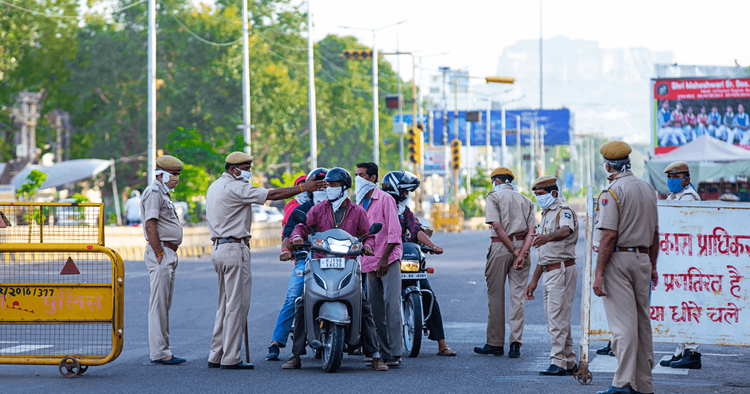
Nagpur Traffic Police Fines | Nagpur Traffic Violations Nagpur Challans: On the occasion of the 78th Independence Day, the Nagpur City Traffic Police launched a rigorous crackdown on traffic violations across the city. This operation, driven by a commitment to enhancing road safety, resulted in the issuance of over 5,000 challans and the collection of ₹25,53,700 in fines. The initiative underscored the city’s determination to uphold traffic regulations and ensure safer roads for all.

A Day of Strict Enforcement (Nagpur Traffic Police Fines)

The Scale of the Crackdown

Independence Day celebrations took a serious turn as the Nagpur Traffic Police rolled out a city-wide crackdown on traffic offenders. The operation wasn’t just a symbolic gesture; it was a full-scale effort aimed at curbing the increasing instances of traffic violations in the city. By the end of the day, over 5,000 challans had been issued, a clear indication of the widespread nature of traffic offenses.

Key Violations Identified ( Nagpur Challans)

Among the various violations recorded, some stood out more prominently than others. Drunk driving, a perennial issue, topped the list with a staggering 2,669 cases. This was followed closely by helmet violations, where 1,897 motorists were fined for failing to comply with the mandatory helmet rule under section 129/177 of the Motor Vehicles Act (MVA).

Mobile Phone Usage While Driving

One of the more alarming violations was the use of mobile phones while driving. Despite numerous awareness campaigns, 266 motorists were caught using mobile communication devices while on the move, leading to penalties under section 184(C) MVA. This highlights a persistent disregard for road safety norms that endangers not just the offenders but also other road users.

Parking and Passenger Violations

Improper parking is another issue that plagues urban areas, and Nagpur is no exception. During the Independence Day operation, 135 cases of parking on roads were registered under section 122/177 MVA. Additionally, carrying excess passengers, a common sight on Indian roads, led to 184 challans under section 194A MVA.

Other Notable Offenses

The crackdown also brought to light several other traffic violations, including:

  • Failure to Stop Before the Stop Line: 51 cases under MMVR 237/177 MVA.
  • Triple Seat Violations: 178 cases under section 128/177 MVA.
  • Fancy Number Plates: 29 cases under section 51/50 CMVR.
  • Seat Belt Violations: 60 drivers were fined for not wearing seat belts.
  • Heavy Vehicles in Restricted Zones: 14 cases were recorded under section 199/177 CMVR.

The Impact of the Crackdown

A Step Towards Safer Roads

The fines collected on Independence Day amounting to ₹25,53,700 are not just a monetary figure; they represent a significant step towards improving road safety in Nagpur. The Traffic Police’s stringent measures serve as a stern reminder to motorists about the importance of adhering to traffic rules. This operation also sends a clear message that the authorities are vigilant and serious about enforcing the law.

Public Response and Awareness

Public response to the crackdown has been mixed. While some appreciate the efforts of the Traffic Police in maintaining order, others view it as an inconvenience. However, the broader goal of such operations is to instill a sense of responsibility among road users, encouraging them to follow traffic rules not out of fear of fines, but out of a commitment to safety.

Long-Term Effects on Traffic Discipline ( Nagpur Challans)

It is expected that such stringent measures, if sustained, will lead to a long-term improvement in traffic discipline in Nagpur. By regularly conducting these operations, the Traffic Police can gradually change the mindset of motorists, making adherence to traffic laws a norm rather than an exception.

The Nagpur Traffic Police’s Independence Day operation was a resounding success in terms of both enforcement and the message it conveyed. With over 5,000 challans issued and ₹25,53,700 collected in fines, the operation highlighted the ongoing issues of traffic violations in the city and underscored the need for continuous vigilance. As Nagpur continues to grow and evolve, ensuring road safety will remain a top priority for the authorities.

RSS Chief Hoists National Flag at Sangh Headquarters: Celebrating 78 Years of Independence

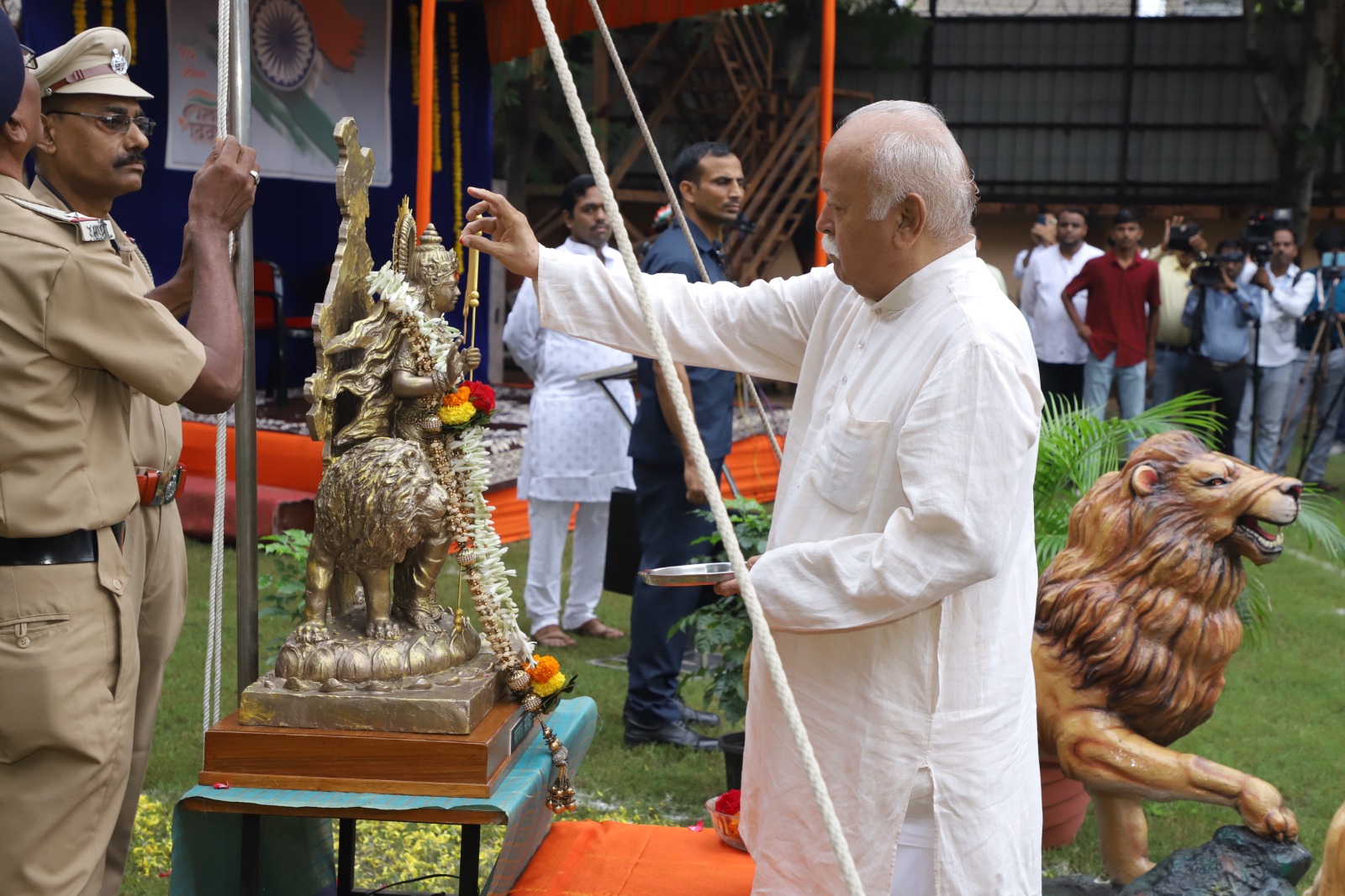
RSS Chief Hoists National Flag: On the auspicious occasion of the 78th Independence Day, RSS Chief Mohan Bhagwat had the honor of hoisting the national flag at the RSS Headquarters. This significant event not only commemorates the country’s long journey to freedom but also serves as a reminder of the sacrifices made by countless individuals who contributed to India’s independence.

A Moment of Reflection

The ceremony was a poignant moment, filled with reflection and pride. Mohan Bhagwat’s (RSS Chief Hoists National Flag) address highlighted the profound impact of independence on the nation and its people. His words served as a tribute to the heroes of the past and a call to uphold the values of freedom and unity.

The Legacy of Independence

In his speech, Bhagwat acknowledged the 78 years of independence that India has enjoyed. He emphasized the sacrifices made by those who fought for freedom and the role of society in shaping the country post-independence. This segment of his address was a tribute to the generations that laid down their lives for the nation, a reminder of the values they stood for, and an appeal for the current generation to continue safeguarding these ideals.

Challenges and Responsibilities

Bhagwat also touched upon the challenges faced by neighboring countries and the impact on the Indian diaspora living there. His comments reflected a deep sense of empathy and responsibility, illustrating India’s role not just as a sovereign nation but as a compassionate global citizen.

Key Points from Bhagwat’s Address

  • Acknowledgment of Sacrifices: The speech honored the sacrifices of freedom fighters.
  • National Responsibility: Emphasis on India’s role in maintaining peace and helping others.
  • Challenges Abroad: Recognition of the struggles faced by Indian communities in neighboring countries.

Reflections on National Security

Bhagwat’s address also included reflections on national security and the ongoing efforts to maintain peace. He reassured the audience that despite global tensions, India remains committed to a stance of non-aggression and aid.

India’s Tradition of Peace

One of the significant aspects of Bhagwat’s speech was the emphasis on India’s tradition of non-aggression. He highlighted how India has consistently refrained from initiating conflict and instead has extended a helping hand to those in need. This historical perspective on India’s foreign policy underscores a commitment to peace and benevolence.

Celebrating Independence Day

The Independence Day ceremony at the RSS Headquarters was more than just a symbolic act; it was a celebration of India’s journey and an affirmation of its values. The event brought together people from various walks of life, united in their pride for their nation and its achievements.

Community and Unity

The ceremony fostered a sense of community and unity among attendees. It was a moment to reflect on the past, celebrate the present, and look forward to the future. Such events play a crucial role in reinforcing national pride and collective responsibility.

The 78th Independence Day celebration at the RSS Headquarters, marked by RSS Chief Mohan Bhagwat’s address and the hoisting of the national flag, was a meaningful tribute to India’s past and a reaffirmation of its future. Bhagwat’s words echoed the values of sacrifice, responsibility, and peace, reminding us all of the importance of preserving the legacy of independence.

  1. What was the main message of Mohan Bhagwat’s speech on Independence Day?
    • The speech focused on honoring the sacrifices of freedom fighters, recognizing India’s role in global peace, and empathizing with challenges faced by neighboring countries.
  2. How does the RSS celebrate Independence Day?
    • The RSS typically celebrates Independence Day with a flag hoisting ceremony and speeches that highlight national pride and reflect on the values of freedom and unity.
  3. What is the significance of the 78th Independence Day?
    • It marks 78 years of India’s independence, celebrating the country’s journey and the values that underpin its freedom and sovereignty.
  4. How does Mohan Bhagwat view India’s role in global affairs?
    • Bhagwat views India as a responsible global citizen committed to peace and aid, refraining from aggression while helping those in need.
  5. What role do events like these play in national unity?
    • Such events foster a sense of community and pride, reinforcing national unity and collective responsibility among citizens.

Big EV Push: NMC to Double Charging Points Across Nagpur

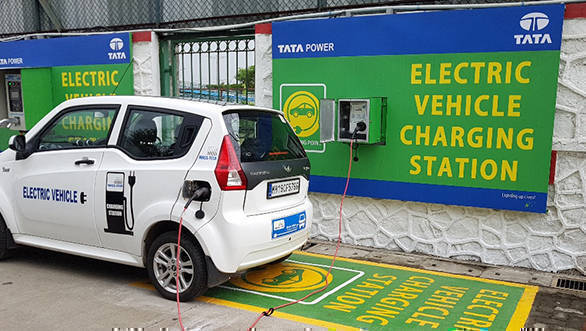
EV Infrastructure Expansion Nagpur: The Nagpur Municipal Corporation (NMC) is taking significant strides toward bolstering its electric vehicle (EV) infrastructure. With a goal to increase EV penetration dramatically by 2040, NMC plans to expand its public charging points from 150 to 300 by 2027. This initiative is part of the broader Nagpur City EV Readiness Plan, which also includes the establishment of 100 public or semi-public battery-swapping stations by 2025. These efforts aim to support the growing number of EVs on Nagpur’s roads and ensure the city is well-prepared for the future of transportation.

Nagpur’s Growing EV Ecosystem (EV Infrastructure Expansion Nagpur)

Nagpur has witnessed an impressive rise in electric vehicle adoption over recent years. In 2024, EVs made up 22% of new vehicle registrations, a significant leap from just 1% in 2020. This shift reflects the city’s commitment to sustainable transport and the increasing awareness among citizens of the benefits of EVs. With the NMC’s plans to enhance charging infrastructure, Nagpur is set to become a leading example of an EV-friendly city in India.

Key Targets of the Nagpur City EV Readiness Plan

The Nagpur City EV Readiness Plan outlines several ambitious targets to be achieved by 2027. These include:

  • Doubling Public Charging Points: Increasing the number of public charging stations to 300 by 2027, ensuring that EV users have convenient access to charging facilities across the city.
  • Battery Swapping Stations: Establishing 100 battery swapping stations by 2025, offering a quicker and more flexible alternative to traditional charging.
  • Public Transport Electrification: Electrifying 50% of the public bus fleet by 2026, contributing to the reduction of the city’s carbon footprint.

Infrastructure Expansion: A Closer Look

The expansion of charging points and battery swapping stations is a critical component of Nagpur’s EV strategy. Currently, the city has 83 public charging stations, primarily located along metro lines and major roads. The NMC’s plan to double this number is a testament to its forward-thinking approach and dedication to making EVs more accessible to the public.

Charging Points: Meeting the Demand

With the anticipated rise in EV ownership, the demand for charging infrastructure is expected to soar. By 2027, Nagpur aims to have a well-distributed network of charging stations that caters to both two-wheelers and four-wheelers. This will not only support current EV users but also encourage more citizens to make the switch from traditional fuel vehicles.

Battery Swapping: The Future of Quick Refueling

Battery swapping stations represent a revolutionary approach to EV refueling. Instead of waiting for a vehicle to charge, drivers can quickly swap out a depleted battery for a fully charged one. This system is particularly beneficial for commercial vehicles and public transport, where time is a critical factor. NMC’s goal to establish 100 such stations by 2025 is a step towards making this technology a common sight in Nagpur.

CNG Rates Slashed from ₹92 to ₹88/kg in Nagpur: What It Means for You

A Breath of Fresh Air for CNG Users in Nagpur

CNG price cut | Nagpur CNG rates | eco-friendly fuel Nagpur: In a significant move that is expected to have a far-reaching impact on the citizens of Nagpur, HCG Nagpur Private Limited has announced a reduction in the rates of Compressed Natural Gas (CNG) from ₹92.04 to ₹88 per kilogram. This price cut is set to take effect from Independence Day and has been hailed as a positive step towards promoting the use of cleaner energy in the city.

The Decision Behind the Price Cut

Why the Reduction? (CNG price cut)

The decision to slash CNG rates, despite leading to a reduction in profit margins, was made with a vision to encourage the use of CNG among the residents of Nagpur. Deepak Sawant, the President of HCG Nagpur Private Limited, emphasized that this move aims to increase the consumer base, particularly in the automobile sector.

Current Use of CNG in Nagpur (eco-friendly fuel Nagpur)

CNG, which is primarily sourced in liquid form from Gujarat, is predominantly used by the automobile sector in Nagpur. The city currently consumes approximately 12,000 kg of CNG daily, with private vehicles and city buses operated by the Nagpur Municipal Corporation (NMC) sharing an equal portion of this consumption.

The Impact of Reduced CNG Prices

A Boost for the Automobile Sector

The reduction in CNG prices is expected to serve as a catalyst for increased adoption of CNG vehicles in the city. This could potentially lead to a decrease in air pollution levels, as more vehicles switch from petrol and diesel to CNG, a cleaner alternative.

Increased Accessibility

With the current number of CNG filling stations at 10, the company has ambitious plans to increase this number to 28 in the near future. This expansion will make CNG more accessible to a larger portion of the population, further incentivizing the shift towards this eco-friendly fuel.

Long-Term Vision: CNG for Domestic Use

CNG Beyond Automobiles

Interestingly, the plans for CNG in Nagpur do not end with the automobile sector. There is a future vision to expand the use of CNG to domestic cooking, providing households with a cleaner and more cost-effective alternative to traditional cooking fuels.

Environmental and Economic Benefits

The introduction of CNG for domestic use would not only reduce household energy costs but also contribute significantly to reducing the city’s overall carbon footprint. This aligns with broader environmental goals and reinforces Nagpur’s commitment to sustainability.

Challenges and Considerations

Economic Viability

While the price cut is beneficial for consumers, it does pose challenges for HCG Nagpur Private Limited in terms of maintaining profitability. Balancing the reduced profit margins with the goal of increasing the CNG user base will be a key challenge moving forward.

Infrastructure Development

The planned increase in CNG filling stations is a positive development, but it will require significant investment and logistical planning. Ensuring that these stations are well-distributed across the city will be crucial to their success.

The decision to reduce CNG prices in Nagpur is a commendable move that is likely to have multiple benefits for the city’s residents, the environment, and the economy. By making CNG more affordable and accessible, HCG Nagpur Private Limited is paving the way for a cleaner, more sustainable future.

  1. What prompted the reduction in CNG prices in Nagpur?
    • The reduction was aimed at encouraging more people to use CNG, thereby promoting cleaner energy use in the city.
  2. How will the price cut impact the availability of CNG?
    • With plans to increase the number of filling stations from 10 to 28, CNG is expected to become more accessible across Nagpur.
  3. Will the price reduction affect the profitability of HCG Nagpur Private Limited?
    • Yes, the price reduction will lead to a decrease in profit margins, but it is seen as a strategic move to increase the user base.
  4. Is there a plan to use CNG for domestic purposes in Nagpur?
    • Yes, there are plans to expand the use of CNG to domestic cooking, which would offer both economic and environmental benefits.
  5. When will the new CNG prices take effect?
    • The new prices will be effective from Independence Day.

NMC Explores Suitable Sites to Relocate Vivekananda Statue: A Comprehensive Update

The Nagpur Municipal Corporation (NMC) has embarked on a meticulous and strategic initiative to address the potential flood risks posed by the Vivekananda statue situated near a critical spillway. This endeavor involves a collaborative effort with the Central Water and Power Research Station (CWPRS) in Pune, aiming to ensure both public safety and the preservation of the city’s cultural heritage.

Understanding the Context: Why Relocation is Being Considered

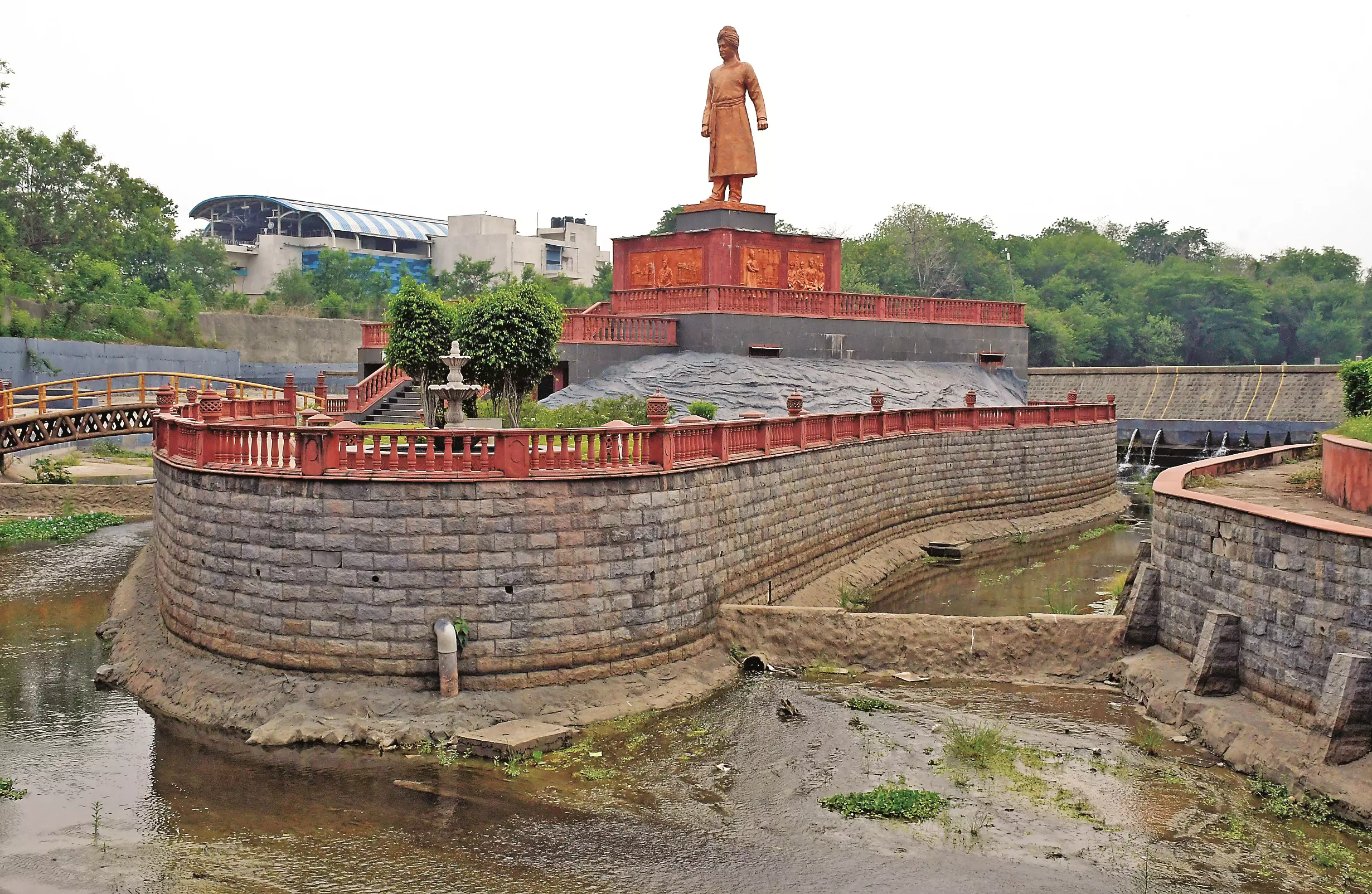
The Vivekananda statue, a prominent landmark in Nagpur, has recently come under scrutiny due to concerns regarding its impact on the adjacent spillway’s functionality. The statue is positioned alarmingly close—approximately 4.2 meters—to the spillway’s edge, raising fears that it could obstruct the flow of water, particularly during heavy rainfall or flood events. The spillway channel, which currently measures only 5.7 meters wide, falls short of the 60 square meters required to maintain an adequate water velocity, as stipulated by engineering standards.

Local residents, who suffered devastating losses during the severe flooding of September 2023, have voiced their concerns, leading to a legal battle where the relocation of the statue has become a central demand. With over Rs 300 crore in damages affecting more than 25,000 private properties, the need for effective flood mitigation measures has never been more urgent.

The Role of CWPRS: A Comprehensive Hydrological Study

In response to these concerns, NMC has tasked CWPRS with conducting a thorough hydrological analysis of the spillway and the statue’s current positioning. This study is not just about assessing the present risks but also about identifying the most viable solutions to prevent future disasters. The CWPRS will evaluate various factors, including:

  • Soil Conditions: Understanding the soil’s stability is crucial to determining whether the statue’s current location is safe or if the ground could exacerbate flood risks.
  • Water Levels: By studying the fluctuations in water levels during different seasons, the CWPRS aims to predict how the statue might impact water flow during peak flood periods.
  • Feasibility of Relocation: If the study concludes that the statue poses a significant risk, the CWPRS will recommend alternative sites where the statue could be safely relocated.

Exploring Alternative Locations: Potential New Homes for the Statue

Given the possibility that the statue might need to be relocated, NMC is proactively exploring alternative sites within Nagpur. Two locations that have emerged as strong candidates are:

  • Sakkardara Lake: Known for its scenic beauty and tranquil surroundings, Sakkardara Lake offers a spacious environment that could serve as a fitting new home for the Vivekananda statue. The site’s ample space and serene atmosphere could enhance the memorial’s aesthetic appeal while ensuring it does not interfere with any critical infrastructure.
  • Krazy Castle: Another potential site under consideration, Krazy Castle, is a well-known recreational spot in Nagpur. Its large, open areas provide plenty of room for the statue, making it an ideal location for relocation. The combination of space and accessibility makes Krazy Castle a viable option that could accommodate the statue without compromising public safety.

Legal and Regulatory Considerations

The legal framework surrounding the statue’s current location is also a key factor driving the relocation discussions. According to regulations, there should be a minimum distance of 55 meters between any structure and the spillway to ensure safe water flow. The current positioning of the statue at just 4.2 meters from the spillway falls drastically short of this requirement, making it imperative to reassess its placement.

Moreover, the irrigation department has imposed strict guidelines prohibiting construction within an area equivalent to five times the height of the dam. The statue’s current location violates these regulations, further underscoring the need for immediate action.

Public Sentiment and the High Court Case

The push for relocating the Vivekananda statue is not just a technical or administrative matter; it’s a deeply emotional issue for the residents affected by the 2023 floods. The High Court has become a battleground where flood victims are demanding justice, with the statue’s relocation being a non-negotiable condition for many. The court’s involvement has added a layer of urgency to the situation, compelling the NMC to explore every possible solution to meet both legal and public expectations.

Potential Impacts on the City’s Cultural Landscape

Relocating a statue of such significance is not just a logistical challenge; it also has profound cultural implications. The Vivekananda statue is more than a physical structure—it’s a symbol of inspiration and spirituality for many residents. Moving it to a new location must be done with great sensitivity, ensuring that the statue’s new home reflects its cultural importance while also safeguarding public safety.

The proposed sites at Sakkardara Lake and Krazy Castle are being carefully considered not just for their practicality but also for their ability to maintain the statue’s symbolic presence in the community. The NMC is committed to ensuring that the statue remains a focal point of pride for Nagpur, even if it must be relocated.

Next Steps: Awaiting the CWPRS Report

As the NMC waits for the final report from CWPRS, the city’s administrators are preparing for all possible outcomes. If the report concludes that the statue does not contribute to flooding, it may remain in its current location, subject to any necessary modifications to enhance safety. However, if the statue is found to be a significant risk, NMC is ready to move forward with its relocation plans.

The CWPRS report will be a critical document, guiding the NMC’s decisions and ensuring that any actions taken are backed by solid scientific evidence. In the meantime, the exploration of alternative sites continues, with the goal of finding a location that balances cultural significance with public safety.

The ongoing efforts by the Nagpur Municipal Corporation to assess and potentially relocate the Vivekananda statue are a testament to the city’s commitment to both its residents’ safety and the preservation of its cultural heritage. By working closely with experts from CWPRS and considering every possible factor, the NMC is taking a proactive approach to ensure that Nagpur remains resilient in the face of future challenges.

Court Rebukes Collector for Inaction on Zero Mile’s Upkeep

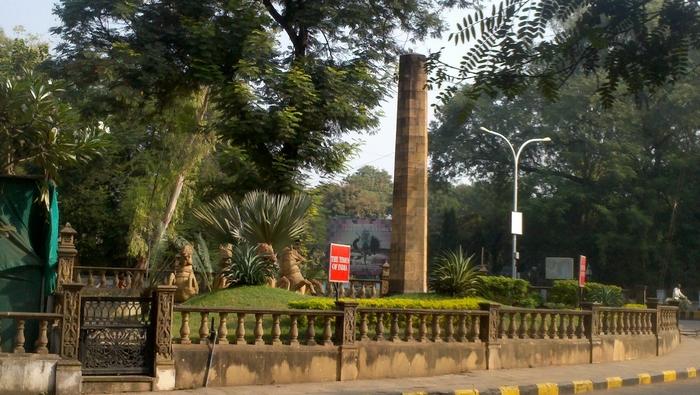
Nagpur Collector| Bombay High Court | Zero Milestone Nagpur: Nagpur’s Iconic Zero Milestone Neglected: High Court Takes Action

The Nagpur bench of the Bombay High Court recently delivered a stern rebuke to the district collector for neglecting the maintenance and upkeep of the iconic Zero Milestone in Nagpur. This reprimand highlights the ongoing concerns surrounding the preservation of this historical monument, a symbol of the city’s rich cultural heritage. The court’s strong words came after the collector suggested that the funds for the project could be sourced from the Nagpur Municipal Corporation’s (NMC) Heritage Committee account. The proposal triggered the court’s admonition, emphasizing the collector’s failure to proactively manage the situation.

Understanding the Significance of Zero Milestone

The Historical Importance of Zero Milestone

Zero Milestone in Nagpur is not just a geographical marker; it is a testament to the city’s historical significance. Traditionally, it has been the point from which all distances in India were measured during the British era. Over the years, it has evolved into a symbol of Nagpur’s central role in the country’s geography and history.

Why Preservation Is Crucial

Preserving such monuments is vital for maintaining the cultural and historical integrity of a place. When landmarks like Zero Milestone are neglected, it isn’t just the structure that deteriorates—it’s a part of the city’s identity that is lost. This makes the court’s intervention particularly important, as it underscores the need for vigilant stewardship of our cultural heritage.

The Court’s Intervention: A Critical Turning Point

The High Court’s Reprimand

On Thursday, the Nagpur bench of the Bombay High Court, consisting of Justices Nitin Sambre and Abhay Mantri, reprimanded the district collector for shirking his responsibility towards the upkeep of Zero Milestone. The court criticized the collector’s suggestion to use funds from the NMC Heritage Committee, implying a lack of initiative on the part of the administration.

Mandate to Submit Recommendations

The court has instructed the collector to submit his recommendations regarding the maintenance of Zero Milestone through an affidavit by August 13. This directive signals the court’s intent to ensure accountability and to see concrete actions taken towards the monument’s preservation.

Public Interest Litigation: A Call for Accountability

Suo Motu PIL and Its Implications

The High Court’s involvement comes as part of a suo motu Public Interest Litigation (PIL), which was initiated due to the neglect that has led to the deterioration of Zero Milestone. The PIL underscores the importance of the monument and the collective responsibility of government bodies to preserve such landmarks.

Role of the Amicus Curiae

Kartik Shukul, appointed as amicus curiae, plays a crucial role in this litigation. His appointment is a clear indication of the seriousness with which the court is treating this issue. The amicus curiae’s involvement ensures that an impartial perspective is brought to the case, facilitating a fair and just resolution.

Nagpur Municipal Corporation’s Role in Preservation

Funding Challenges and Heritage Committee’s Involvement

The proposal to use funds from the NMC Heritage Committee raises important questions about the allocation of resources for heritage preservation. The Heritage Committee’s funds are derived from a 2% cess levied on building plan approvals by the NMC and Nagpur Improvement Trust (NIT). This cess is intended to support the maintenance of heritage sites, including Zero Milestone.

Collector’s Proposal Under Scrutiny

The collector’s suggestion to tap into these funds indicates a reactive approach rather than a proactive one. The court’s response reflects its dissatisfaction with this approach, highlighting the need for more comprehensive and forward-thinking planning in heritage preservation.

The Broader Implications for Heritage Preservation

Neglect of Heritage Sites: A National Issue

The situation with Zero Milestone is emblematic of a broader issue facing many heritage sites across India. Neglect and insufficient maintenance of such sites lead to the gradual erosion of the country’s cultural fabric. This case serves as a wake-up call for authorities nationwide to prioritize heritage preservation.

Legal Framework and Preservation Efforts

India has a robust legal framework for the protection of heritage sites, but implementation often falls short. The Antiquities and Art Treasures Act, 1972, and the Ancient Monuments and Archaeological Sites and Remains Act, 1958, provide a legal foundation for preservation efforts. However, the enforcement of these laws is often inconsistent, leading to the neglect seen in cases like Zero Milestone.

The Importance of Public Awareness and Involvement

Community Engagement in Preservation

One of the key takeaways from this case is the importance of public awareness and community involvement in heritage preservation. When the public is engaged and informed, there is greater accountability, and the chances of preserving historical sites increase.

Educational Initiatives

Educational initiatives aimed at increasing awareness about the significance of heritage sites like Zero Milestone can play a critical role in their preservation. Schools, colleges, and community groups should be encouraged to take an active interest in local heritage, fostering a sense of pride and responsibility.

Steps Forward: Ensuring the Preservation of Zero Milestone

Strategic Planning for Maintenance

Going forward, it is crucial that authorities develop a strategic plan for the maintenance and preservation of Zero Milestone. This plan should include regular maintenance schedules, appropriate allocation of funds, and clear lines of responsibility among different government bodies.

Collaboration Between Government Bodies

Effective preservation of heritage sites requires collaboration between various government bodies, including the NMC, NIT, and the district administration. Clear communication and cooperation are essential to ensuring that preservation efforts are well-coordinated and effective.

Innovative Approaches to Preservation

Innovative approaches, such as the use of modern technology for monitoring and maintaining heritage sites, should be explored. For example, 3D scanning and digital archiving can help in the restoration of deteriorated parts of the monument, ensuring that its historical integrity is preserved.

The Role of Judiciary in Heritage Preservation

Judicial Activism in Heritage Protection

The judiciary plays a vital role in the protection of heritage sites. Cases like this one demonstrate the power of judicial activism in holding authorities accountable and ensuring that they fulfill their responsibilities towards heritage preservation.

Precedents Set by the High Court

The Nagpur bench of the Bombay High Court has set a precedent with its firm stance on the Zero Milestone issue. This case may serve as a reference for future legal actions concerning the neglect of heritage sites across the country.

The rebuke from the Nagpur bench of the Bombay High Court to the district collector regarding the upkeep of Zero Milestone is a significant moment in the ongoing struggle to preserve India’s cultural heritage. This case highlights the importance of proactive management, accountability, and public involvement in the preservation of historical sites. As the court continues to monitor the situation, it is imperative that all stakeholders, including government bodies, the judiciary, and the public, work together to ensure that Zero Milestone and other heritage sites are preserved for future generations.

1. What is the historical significance of Zero Milestone?

Zero Milestone in Nagpur is a historical landmark from which all distances in India were measured during the British era. It symbolizes Nagpur’s central role in India’s geography.

2. Why did the High Court reprimand the district collector?

The High Court reprimanded the collector for neglecting the maintenance of Zero Milestone and for suggesting that the funds for its upkeep be sourced from the NMC Heritage Committee, indicating a lack of proactive management.

3. What is a suo motu Public Interest Litigation (PIL)?

A suo motu PIL is a legal action initiated by a court on its own accord, without a formal complaint, usually in the interest of the public or to address a significant issue.

4. How does the NMC Heritage Committee fund heritage preservation?

The NMC Heritage Committee is funded by a 2% cess levied on building plan approvals, which is intended for the maintenance and preservation of heritage sites in Nagpur.

5. What steps can be taken to improve the preservation of heritage sites?

Improving preservation efforts requires strategic planning, collaboration between government bodies, innovative approaches like digital archiving, and active public involvement.

Ambazari Bridge Completion Delayed: Bridge to Open by September 30, Says Contractor

Ambazari Bridge Completion Delay: In a disappointing turn of events, the much-anticipated completion of the four-lane Ambazari Bridge has been delayed. Initially promised to open by August 30, the contractor has now pushed the date back to September 30. This delay is expected to increase the inconvenience for the residents of West Nagpur and other road users who are already grappling with severe traffic jams.

The Announcement

During a recent meeting of infrastructure contractors, convened by Dr. Ravinder Singal, Commissioner of Police, at the Police Bhavan, the contractor announced the delay. Deputy Commissioner of Police (Traffic) Shashikant Satav expressed his frustration over the delay during the meeting. “The completion deadline was set for August 30 as per the contract. It’s imperative that the work is done on time,” Satav stressed. The contractor, however, was less reassuring, stating, “We will not be able to finish the work by the original deadline. The bridge will be opened for traffic only by September 30.”

Reasons for the Delay (Ambazari Bridge Completion Delay)

Dr. Singal probed further into the reasons behind the delay. “Are you facing a shortage of labor or materials?” he asked. The contractor explained that the delay was due to the time required for the concrete to set properly. “We received the work order up to March 11, 2025, and are aiming to complete the bridge by September 30,” the contractor clarified. The contractor also highlighted additional complications. “The design we received from the Public Works Design Department made it impossible to complete half of the work. Additionally, there were seven to eight 33 kV power lines from MSETCL running through the site, which caused a month-long delay,” he said.

Challenges Faced (Ambazari Bridge Completion Delay)

  • Concrete Setting Time: The primary reason cited for the delay is the time required for the concrete to set properly. This is crucial to ensure the structural integrity and longevity of the bridge.
  • Design Issues: The contractor mentioned that the design provided by the Public Works Design Department was flawed, making it impossible to complete half of the work within the stipulated time.
  • Power Lines: The presence of seven to eight 33 kV power lines from MSETCL running through the construction site caused a significant delay.

Response from Authorities

In response to these challenges, Dr. Singal sought assurances from MSETCL officials, who promised to cooperate with the contractor to expedite the work. The bridge, once completed, will feature a widened span of 21 meters with three box-type channels and an increased height of 7 meters.

Impact on Residents

The delay comes as a major blow to the residents of West Nagpur, who have been facing worsening traffic conditions due to the ongoing construction. The small lanes of West Nagpur have become increasingly congested, with more four-wheelers than usual navigating through them.

Traffic Alleviation Efforts

In an effort to alleviate traffic issues, the Bombay High Court recently directed that the road inside VNIT be opened for two-wheelers. The High Court had also previously instructed authorities to expedite the bridge construction work. Despite these directives, the involved agencies have failed to meet the prescribed deadlines.

Future Prospects

The completion of the Ambazari Bridge is eagerly awaited, as it is expected to significantly reduce traffic congestion in the area. The bridge will not only provide a direct route for commuters but also enhance the overall infrastructure of West Nagpur.

Current Traffic Scenario

With the delay in the bridge’s completion, the current traffic scenario in West Nagpur remains grim. Commuters are forced to take longer, more congested routes, leading to increased travel time and frustration.

Authorities’ Assurance

Authorities have assured residents that every effort is being made to complete the bridge by the new deadline. Cooperation between the contractor and MSETCL is crucial to ensure timely completion.

What’s Next?

Residents are hopeful that the new deadline will be met and the bridge will open for traffic by September 30. This project, once completed, will be a significant milestone in improving the infrastructure of West Nagpur.

The delay in the completion of the Ambazari Bridge is indeed a setback for the residents of West Nagpur. However, the authorities are working tirelessly to ensure that the bridge is completed by the new deadline. The successful completion of this project will bring much-needed relief to the commuters and enhance the overall infrastructure of the area.

1. Why has the completion of the Ambazari Bridge been delayed?

The delay is primarily due to the time required for the concrete to set properly, design issues from the Public Works Design Department, and the presence of power lines running through the construction site.

2. When is the new expected completion date for the Ambazari Bridge?

The new expected completion date for the Ambazari Bridge is September 30.

3. How will the delay impact the residents of West Nagpur?

The delay will continue to cause severe traffic congestion, leading to longer travel times and increased frustration among commuters.

4. What measures are being taken to alleviate traffic issues in West Nagpur?

The Bombay High Court has directed that the road inside VNIT be opened for two-wheelers to alleviate traffic issues. Authorities are also working to expedite the bridge construction.

5. What are the features of the new Ambazari Bridge?

The new Ambazari Bridge will feature a widened span of 21 meters, three box-type channels, and an increased height of 7 meters.

Exit mobile version