Nagpur Airport’s Daily 8-Hour Shutdown: Bombay HC Seeks Response from Civil Aviation Ministry, AAI

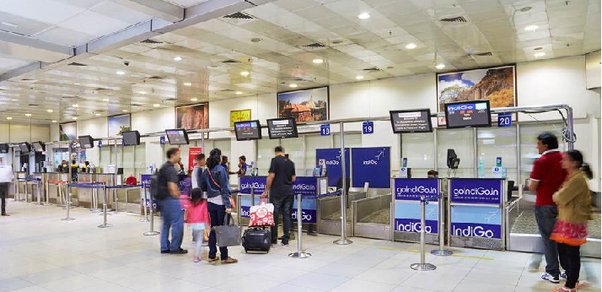
The Bombay High Court has recently taken notice of the Nagpur airport’s daily eight-hour shutdown, which has been in effect since March 2024. This situation has led to significant inconvenience for passengers, prompting the court to seek responses from the Union Ministry of Civil Aviation, the Airport Authority of India (AAI), and other relevant bodies. The court’s intervention is a significant development in addressing the ongoing issues at this crucial transport hub.

 Understanding the Nagpur Airport Shutdown

 The Initial Shutdown and Its Impact

The shutdown of Nagpur airport for eight hours each day since March 2024 has created a ripple effect of disruptions. The shutdown, intended for maintenance and repairs, has been prolonged, raising questions about the efficiency and planning of the authorities involved.

 The Reason Behind the Shutdown

While the exact reasons for the prolonged shutdown are not fully transparent, reports suggest that the initial intent was to carry out necessary maintenance. However, the lack of visible progress over the past four months has been a point of contention.

 Judicial Intervention and Public Interest

 The Role of the Bombay High Court

A division bench comprising Justices N W Sambre and Abhay Mantri has taken cognizance of the issue, citing media reports about the minimal repair efforts. The court emphasized the strategic importance of Nagpur’s geographical location, which serves as a central hub for travelers in India.

 Notices Issued to Authorities

In response to the ongoing shutdown, the court has issued notices to the Union Civil Aviation Ministry, AAI, the Maharashtra Government’s Department of Civil Aviation, the Maharashtra Airport Development Company, and the Multi-Modal International Cargo Hub and Airport at Nagpur (MIHAN). The respondents have been instructed to submit their affidavits, with the matter scheduled for a hearing on August 14.

 Passenger Inconvenience and Economic Impact

 Decline in Passenger Numbers

The shutdown has led to a notable decline in the number of passengers using Nagpur airport. During the April to June quarter of 2024, passenger traffic dropped by 93,000 compared to the same period last year, representing a 12% decline. This decrease from over 762,000 passengers in the previous year to 666,000 passengers highlights the significant impact on travel.

 Economic Repercussions

The reduction in passenger numbers has broader economic implications. The decrease in foot traffic affects airport revenue, local businesses, and the overall economic activity associated with air travel.

 Strategic Importance of Nagpur Airport

 Central Hub for Travel

Nagpur’s location in the heart of India makes its airport a crucial node for domestic and international travel. The prolonged shutdown disrupts connectivity and convenience for travelers from central India.

 Calls for Accountability and Transparency

 Public and Media Scrutiny

The prolonged shutdown and the lack of substantial repair work have drawn criticism from the public and media. There is a growing demand for accountability and transparency from the authorities responsible for managing the airport’s operations and maintenance.

 Looking Ahead: Potential Solutions and Resolutions

 Accelerating Repair Work

One of the primary solutions proposed is to expedite the repair and maintenance work to restore the airport to full operational capacity. This requires coordinated efforts from the involved authorities and clear communication with the public.

 Improved Planning and Execution

To avoid future disruptions, there is a need for better planning and execution of maintenance schedules. Implementing regular inspections and timely repairs can help prevent prolonged shutdowns.

Enhancing Passenger Communication

Effective communication with passengers regarding the reasons for the shutdown and expected timelines for completion is crucial. Providing alternative travel arrangements and updates can help mitigate inconvenience.

 Legal and Administrative Measures

 Court-Mandated Oversight

The involvement of the Bombay High Court introduces a level of oversight that can ensure accountability. The court’s directives and deadlines may compel the authorities to act swiftly and efficiently.

 Policy Reforms

Long-term solutions may involve policy reforms in the aviation sector, focusing on maintenance protocols, emergency response strategies, and passenger rights during disruptions.

 Community and Stakeholder Involvement

 Engaging Local Businesses

Local businesses affected by the decline in airport traffic should be engaged in finding solutions. Collaborative efforts can help develop strategies to mitigate economic impacts.

Passenger Advocacy Groups

Passenger advocacy groups can play a role in voicing concerns and ensuring that passenger rights are protected during such disruptions.

The Nagpur airport’s daily eight-hour shutdown has highlighted significant issues in airport management and maintenance. The intervention by the Bombay High Court marks a critical step towards resolving these issues, with a focus on accountability, transparency, and efficient operations. As the court proceedings continue, it is hoped that the involved authorities will take swift action to restore normalcy and ensure that such disruptions are avoided in the future.

Q1: Why has Nagpur airport been shut down for eight hours daily since March 2024?

The shutdown is primarily for maintenance and repair work. However, the prolonged duration has raised concerns about the efficiency of these efforts.

Q2: What is the significance of the Bombay High Court’s intervention?

The court’s involvement ensures accountability and transparency, compelling the authorities to address the issues promptly.

Q3: How has the shutdown affected passenger traffic at Nagpur airport?

Passenger traffic declined by 93,000 during the April to June quarter of 2024 compared to the same period last year, representing a 12% decrease.

Q4: What measures are being proposed to resolve the shutdown issues?

Proposed measures include expediting repair work, improving planning and execution of maintenance schedules, and enhancing communication with passengers.

Q5: What are the economic impacts of the airport shutdown?

The shutdown has affected airport revenue, local businesses, and overall economic activity related to air travel in the region.


HC Grills NMC on Hospital Bed Shortage as Dengue, Chikungunya Cases Surge

Nagpur dengue | hospital bed shortage: The Nagpur bench of the Bombay High Court has expressed grave concern over the rising number of dengue and chikungunya cases in the city. The court has questioned the Nagpur Municipal Corporation (NMC) regarding its measures to address the shortage of hospital beds for affected patients. This article delves into the details of the court’s inquiry, the alarming rise in disease cases, and the response from NMC and other stakeholders.

The High Court’s Concern

Rising Dengue and Chikungunya Cases

The division bench, comprising Justices Nitin Sambre and Abhay Mantri, directed NMC to respond within two weeks to the issues raised by petitioner Tejal Agre. Agre, a lawyer-activist, submitted a detailed affidavit highlighting the surge in dengue and chikungunya cases and the subsequent bed shortage in city hospitals.

Statistics and Reports

According to a Times of India report from July 28, 2024, there have been 38 confirmed dengue cases and 88 chikungunya cases since January. The petitioner criticized NMC’s inadequate preventive measures, stating that the city’s residents and healthcare professionals are deeply concerned about the insufficient action taken by the corporation.

Impact on Nagpur (Nagpur dengue)

Geographical Spread of Diseases

Chikungunya cases have spiked particularly in the Mangalwari zone, with 36 cases reported, followed by Dharampeth with 16 cases. Dengue has spread evenly across all ten zones, with Mangalwari leading the count. The recent heavy rains have exacerbated the situation, creating numerous mosquito breeding grounds.

Effects of Severe Flooding

Agre noted that the city experienced severe flooding, with many roads and residential areas inundated. The overflow of the Ambazari lake particularly affected low-lying areas in its vicinity, further contributing to the mosquito breeding problem.

Concerns for School Children

Spread Among Younger Age Groups

The petition also raised concerns about the spread of dengue and malaria among school children, especially younger age groups. Agre urged the court to direct NMC and school management to address this issue on a priority basis, emphasizing the need to control mosquito breeding in school premises.

Importance of Preventive Measures

“It’s imperative that all stakeholders, including legal authorities, healthcare institutions, and the community, collaborate diligently to curtail the ongoing dengue outbreak,” Agre stated. This collaborative approach is crucial to ensuring the safety and health of school children and the broader community.

NMC’s Response and Preventive Actions

Current Measures and Shortcomings

The NMC has been under scrutiny for its handling of the situation. Despite the rising number of cases, there has been a perceived lack of adequate preventive measures and public health initiatives. The court’s directive to NMC to file a reply within two weeks underscores the urgency of the matter.

Potential Solutions and Strategies

Enhancing Hospital Capacity

To address the bed shortage, NMC needs to consider expanding hospital capacity and possibly setting up temporary medical facilities. This can help accommodate the increasing number of patients and provide timely medical care.

Improving Mosquito Control Efforts

Intensifying mosquito control efforts, including regular fumigation and public awareness campaigns about preventive measures, is crucial. Educating residents on how to eliminate breeding grounds around their homes can significantly reduce the mosquito population.

Community Involvement and Public Health

Role of Residents

Community involvement is essential in combating the spread of dengue and chikungunya. Residents can play a pivotal role by ensuring their surroundings are free from stagnant water, which serves as a breeding ground for mosquitoes.

Collaborative Efforts

Collaborative efforts between the NMC, healthcare providers, and the community can lead to more effective management of the outbreak. Regular community meetings and updates on the situation can keep everyone informed and involved in the prevention efforts.

Government and Legal Interventions

Support from Higher Authorities

The involvement of higher government authorities and legal bodies can provide the necessary support and resources to tackle the outbreak. This includes financial aid, medical supplies, and additional healthcare (hospital bed shortage) personnel.

Legal Mandates and Directives

Legal mandates and directives from the court can ensure that NMC and other relevant bodies take the required actions promptly. This can lead to better preparedness and response to public health crises (hospital bed shortage) in the future.

The surge in dengue and chikungunya cases in Nagpur has highlighted significant gaps in the public health infrastructure. The High Court’s intervention is a crucial step towards addressing these issues and ensuring that NMC and other stakeholders take the necessary actions. By enhancing hospital capacity, improving mosquito control efforts, and fostering community involvement, Nagpur can better manage this public health crisis.

1. What are the symptoms of dengue and chikungunya?

Symptoms of dengue include high fever, severe headache, pain behind the eyes, joint and muscle pain, rash, and mild bleeding. Chikungunya symptoms include sudden fever, severe joint pain, muscle pain, headache, nausea, fatigue, and rash.

2. How can I protect myself from mosquito bites?

You can protect yourself by using mosquito repellent, wearing long-sleeved clothing, using mosquito nets while sleeping, and ensuring there is no stagnant water around your home where mosquitoes can breed.

3. What should I do if I suspect I have dengue or chikungunya?

If you suspect you have dengue or chikungunya, seek medical attention immediately. Stay hydrated, rest, and follow the treatment plan prescribed by your healthcare provider.

4. How is the NMC addressing the outbreak?

The NMC is working on expanding hospital capacity and intensifying mosquito control efforts. However, there have been criticisms regarding the adequacy of their actions, leading to the High Court’s intervention.

5. How can the community help in preventing the spread of these diseases?

The community can help by eliminating mosquito breeding grounds, participating in public health initiatives, and spreading awareness about preventive measures. Collaborative efforts can significantly reduce the spread of these diseases.

Flood of Complaints: Gadkari’s Janata Durbar Inundated with Water-Logging Cases

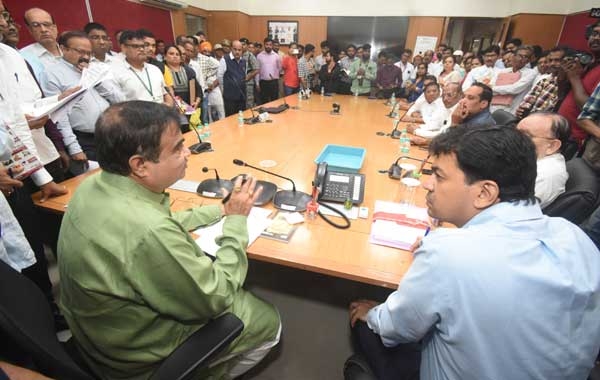
Water-logging complaints Nagpur: Sunday saw a significant influx of Nagpurians at the Nagpur Municipal Corporation (NMC) headquarters. The occasion? A ‘Janata Durbar’ convened by Nitin Gadkari, Union Minister for Road Transport and Highways. The primary concern raised by the citizens was water-logging caused by recent rains. Complaints poured in about the faulty drainage system and choked stormwater drains throughout the city. This article delves into the details of the event, the issues raised, and the responses from officials.

The Janata Durbar: A Flood of Complaints (Water-logging complaints Nagpur)

The Scene at NMC Headquarters

Nagpurians flocked to the NMC headquarters to voice their grievances at the ‘Janata Durbar’ called by Nitin Gadkari. The overwhelming majority of complaints centered around water-logging, blamed primarily on the city’s concrete roads and inadequate drainage systems. As citizens made their submissions in the meeting hall, many surrounded Gadkari even as he exited the venue, desperate for solutions.

Volume of Complaints

According to a press release from Gadkari’s office, more than 1,500 complaints were received. These ranged from ongoing infrastructure development inconveniences to rainwater entering homes, water-logged streets, and potholes. Recognizing the severity and volume of complaints, Gadkari directed Dr. Abhijeet Chaudhari, the Municipal Commissioner, to conduct a zone-wise inspection and submit a detailed report.

Addressing the Core Issues (Water-logging complaints Nagpur)

Water-Logging and Drainage Problems

The majority of complaints were about water-logging and choked drainage lines. Gadkari sought explanations from the Public Health Engineering Department of NMC and warned of strict actions if similar issues arose in the future. He directed Shweta Banerjee, Superintending Engineer, to personally visit affected sites, investigate the causes, and find lasting solutions.

Concrete Roads: A Misunderstood Culprit?

Contrary to popular belief, Gadkari refused to blame concrete roads for water-logging. He argued that choked drainage channels adjacent to concrete roads were the real problem. Citing the Ambazari floods of the previous year, Gadkari noted that prompt actions by NMC had prevented a repeat of such incidents.

Efforts for Resolution

Immediate Actions and Future Plans

Gadkari assured the citizens that all complaints would be reviewed and addressed promptly. A zone-wise report would be handed over to NMC, and a follow-up meeting would be scheduled with the Municipal Commissioner and technical team to ensure resolution. Despite over 1,500 complaints, only around 200 complainants were able to present their cases due to time constraints.

Token System to Manage Crowd

To manage the large crowd, a token system was implemented. This system allowed citizens entry into the meeting hall based on tokens issued beforehand, avoiding overcrowding and ensuring a more orderly process.

A Study to Tackle Water-Logging

Utilizing the Dry Spell

Gadkari announced that during the dry spell, a comprehensive study would be conducted to identify the causes of water-logging at all reported spots. Immediate corrective actions, including cleaning drainage channels, would be initiated.

Future Preparations

From next year, all drainage lines will be cleaned three to four months ahead of the monsoon season to prevent water-logging. The Central Government has allocated Rs 2,400 crore for the Nag river pollution abatement project in collaboration with the Japan International Cooperation Agency (JICA).

Enhancing Drainage and Reducing Pollution

Nag River Pollution Abatement Project

Gadkari highlighted the Nag river pollution abatement project, aimed at improving the drainage system in four Legislative Assembly constituencies and reducing river pollution. An additional Rs 180 crore has been earmarked for rehabilitating those affected by the river rejuvenation plan.

Innovative Solutions for Unauthorized Layouts

Addressing the issue of unauthorized layouts, Gadkari suggested innovative low-cost road solutions to provide relief to residents. He mentioned that if the Nagpur Improvement Trust (NIT) provides road, water, and drainage infrastructure in unauthorized layouts, NMC could absorb them within its jurisdiction.

Infrastructure Improvements and Water Supply

Completion of Related Infrastructure Works

Gadkari assured that there is almost no water shortage in Nagpur due to the completion of several related infrastructure projects. Old water and drainage pipelines are being replaced under the Atal Mission for Rejuvenation and Urban Transformation (AMRUT) scheme.

Strict Measures and Accountability

Gadkari emphasized the need for strict measures and accountability among officials to prevent future water-logging issues. He warned of stringent actions against officials if similar complaints arise again.

Community Involvement and Feedback

Citizen Participation in Governance

The ‘Janata Durbar’ highlighted the importance of citizen participation in governance. By providing a platform for grievances, Gadkari ensured that the voices of the common people were heard and addressed.

Continuous Monitoring and Improvement

Continuous monitoring and improvement of the drainage system and other infrastructure will be essential to prevent future water-logging issues. Gadkari’s proactive approach aims to ensure long-term solutions rather than temporary fixes.

The ‘Janata Durbar’ organized by Nitin Gadkari served as a vital platform for Nagpurians to voice their concerns about water-logging and drainage issues. With over 1,500 complaints received, it underscored the pressing need for efficient drainage systems and better urban planning. Gadkari’s assurances and immediate actions offer hope for a more resilient and water-logging-free Nagpur in the future.

Q1: What was the main focus of the complaints at the Janata Durbar?

The main focus of the complaints was water-logging caused by recent rains, faulty drainage systems, and choked stormwater drains.

Q2: How did Gadkari respond to the complaints about concrete roads?

Gadkari refused to blame concrete roads for water-logging, attributing the issue to choked drainage channels adjacent to the roads.

Q3: What immediate actions were announced by Gadkari to address water-logging?

Gadkari directed a comprehensive study to identify choke-points and initiated plans to clean all drainage lines three to four months ahead of the monsoon.

Q4: What long-term solutions were proposed to prevent future water-logging?

Long-term solutions include the Nag river pollution abatement project, replacing old pipelines under the AMRUT scheme, and innovative road solutions for unauthorized layouts.

Q5: How were citizens’ complaints managed during the Janata Durbar?

A token system was implemented to manage the crowd, allowing citizens to present their complaints in an orderly manner.

Cops to Go Digital with Wireless Network

The Nagpur Police Commissionerate is stepping into the future with a significant digital upgrade to its wireless network. This change aims to enhance communication, streamline operations, and ensure seamless connectivity across its expanded jurisdiction. This article delves into the details of this digital transformation, its necessity, and the anticipated benefits for modern policing.

Why the Digital Upgrade?

Growing Jurisdiction Requires Advanced Communication

With the inclusion of Hingna and Kamptee Police Stations, previously under Nagpur Rural Police, the Commissionerate’s jurisdiction has expanded considerably. This growth has stretched the capabilities of the existing analogue network, necessitating a more robust digital system.

Modern Policing Needs

The current network, while functional, has limitations that hinder efficient communication. Dr. Ashwini Patil, Deputy Commissioner of Police, Headquarters, Nagpur City Police, emphasized the need for an overhaul to keep pace with contemporary policing demands. The shift to a digital network is expected to eliminate these limitations and provide clear, reliable communication channels.

Key Features of the Digital Network Upgrade

Seamless Integration of Communication Channels

The upgraded digital communication system will integrate four crucial channels:

  1. General communication for officers
  2. Broadcasts
  3. Traffic control
  4. Bandobast operations

These channels will work in unison, ensuring uninterrupted communication across all operational aspects.

Inter-Connect Capability

The new system will leverage existing microwave links and MPLS VPN link (backup) to connect all repeaters in IP multi-site connect mode. This integration will extend coverage throughout the Nagpur Commissionerate, enhancing overall network reliability.

Roaming Feature for Walkie-Talkies

A significant feature of the upgrade is the activation of the roaming feature for walkie-talkies and SETs. This will enable seamless movement within the jurisdiction without the need to change channels, thereby ensuring constant communication.

Infrastructure Enhancements

New Antenna Installations

To support the digital upgrade, new 10b antennas will be installed at strategic locations:

  • Lakadganj
  • YCCE
  • Chinchbhavan
  • UOTC

Each site will have two units to manage communication traffic effectively.

Microwave Links

Microwave links will be established from Raj Bhavan to key locations including YCCE, Juni Kamthi, Lakadganj, Chinchbhavan, and UOTC. This will ensure comprehensive coverage of the entire Commissionerate.

Vehicle Antenna Upgrades

To extend the range of the police vehicles’ communication capabilities, 3 dB Magnetic Base Antennas will replace existing ones. This upgrade will ensure coverage across the entire policing area.

Implementation Strategy

Turn-Key Project Execution

The project is awarded on a turnkey basis. The successful bidder will be responsible for supplying the necessary materials, erecting equipment at strategic sites, and casting foundations for microwave towers and antennas.

Network Strengthening

Strengthening the network is a key focus. This includes addressing current black spots where signal drops disrupt communication. The comprehensive upgrade will ensure robust and reliable connectivity throughout the jurisdiction.

Timeline and Complexity

Dr. Patil acknowledges the complexity of the project and advises patience for its completion. The work involves laying new cabling to interconnect the microwave links with other antennas and repeaters, a task that requires meticulous planning and execution.

The digital upgrade of the Nagpur Police Commissionerate’s wireless network marks a significant step towards modernizing its communication infrastructure. This transformation will not only enhance operational efficiency but also ensure seamless and reliable communication across the expanded jurisdiction. As the project progresses, the Nagpur police force will be better equipped to meet the demands of contemporary policing.

  1. Why is the Nagpur Police Commissionerate upgrading its wireless network? The upgrade is necessary due to the expanded jurisdiction and the limitations of the current analogue system, which cannot meet the modern demands of policing.
  2. What are the key features of the new digital network? The new digital network will integrate four communication channels, provide inter-connect capability, and enable roaming features for walkie-talkies.
  3. How will the infrastructure be enhanced? New antennas will be installed at strategic locations, microwave links will be established, and vehicle antennas will be upgraded to extend communication range.
  4. What does the turn-key project execution involve? The project involves supplying materials, erecting equipment, and laying new cabling to ensure a robust and interconnected network.
  5. What is the expected timeline for the project completion? Due to the complexity of the project, a specific timeline is not provided, but patience is advised as meticulous planning and execution are required.

Advantage Vidarbha: Maha Nod to ₹40k Cr Nagpur Investments

Nagpur investments | Vidarbha projects: The state cabinet sub-committee on industries has recently approved proposals worth over ₹40,000 crore for various projects, ranging from alternate energy to alcohol, all set to be established in Nagpur. These investments are anticipated to generate over 14,000 employment opportunities, promising a significant boost to the region’s economy. With the state offering an exceptionally competitive package of incentives, Maharashtra aims to attract a multitude of industries to Vidarbha and Marathwada.

Massive Investments to Transform Nagpur

Lithium Iron Battery Plant by JSW Energy PSP

The most substantial investment involves a ₹25,000 crore lithium iron battery plant by JSW Energy PSP, expected to create 5,000 jobs. This project marks a significant step towards advancing alternative energy solutions and fortifying the region’s industrial base.

Solar PV Modules and Electrolyzers Plant by AWAADA Electro Limited

Following closely is AWAADA Electro Limited’s ₹13,000 crore investment in a plant for manufacturing solar PV modules and electrolyzers. This initiative underscores the state’s commitment to renewable energy, aligning with global trends towards sustainability.

Pernod Ricard’s Malt Spirit Production

Pernod Ricard India Pvt Ltd is set to invest ₹1,785 crore in a malt spirit production facility. This venture will not only enhance the local manufacturing landscape but also generate significant employment opportunities.

Competitive Incentives to Attract Industries

Incentives Up to 110%

To lure industries, the state is offering incentives that can go up to 110% of the invested amount, with additional benefits reserved for projects in Vidarbha and Marathwada. These include a State Goods and Services Tax (SGST) refund on a gross basis, unlike the net basis provided by other states.

Capital Subsidy and Interest Subvention

State Principal Secretary Harshadeep Kamble highlighted that the incentives comprise a capital subsidy ranging from 30% to 35% and an interest subvention of 4%. These financial benefits are designed to reduce the overall project costs and make investments more attractive.

Enhanced SGST Refund

Maharashtra offers a unique SGST refund mechanism that includes input tax credit as a refund, further enhancing the financial viability of these projects. This policy is expected to significantly benefit companies investing in the region.

Government’s Strategic Move

Addressing Past Criticisms

The Mahayuti government has faced criticism for losing investments and performing poorly in Vidarbha and Marathwada during the Lok Sabha elections. The approval of these investment proposals is a strategic move to address these issues and demonstrate the state’s commitment to regional development.

Immediate Action by Investors

With the approval of the sub-committee, investors are expected to promptly begin work on their respective projects. This swift action underscores the confidence that the state’s competitive incentive package has instilled in potential investors.

Vidarbha’s Share of Investments

Half of State’s Total Proposals

Vidarbha has secured half of the total investment proposals cleared for the entire state, marking a significant milestone in its development journey. This influx of investments is set to transform the region’s economic landscape.

Offer Letters and Next Steps

Following the sub-committee’s approval, the state government will extend offer letters to the companies, enabling them to proceed with the remaining processes, such as land acquisition and other formalities.

Impact on Employment and Economy

14,000 Employment Opportunities

The collective investment proposals are expected to generate over 14,000 employment opportunities, providing a much-needed boost to the local job market and enhancing the overall economic health of the region.

Long-term Economic Growth

These investments are poised to drive long-term economic growth, making Vidarbha a hub for various industries and fostering a vibrant business ecosystem.

The state government’s approval of over ₹40,000 crore in investment proposals for Nagpur represents a monumental step towards regional development. With substantial projects in alternative energy and manufacturing, coupled with a highly competitive incentive package, Maharashtra is set to transform Vidarbha and Marathwada into industrial powerhouses. The creation of thousands of jobs and the influx of significant capital will undoubtedly boost the local economy and pave the way for sustained growth.

Q1: What types of projects are included in the ₹40,000 crore investment?
The investment includes projects in alternate energy, alcohol production, and more, with notable investments in lithium iron battery manufacturing, solar PV modules, and malt spirit production.

Q2: How will these investments impact employment in Nagpur?
The investments are expected to generate over 14,000 employment opportunities, significantly boosting the local job market.

Q3: What incentives is the Maharashtra government offering to attract these investments?
Incentives include up to 110% of the invested amount, SGST refunds on a gross basis, a capital subsidy of 30%-35%, and an interest subvention of 4%.

Q4: Why is the state focusing on Vidarbha and Marathwada for these projects?
Vidarbha and Marathwada are receiving additional incentives to stimulate economic growth and address past criticisms of underdevelopment in these regions.

Q5: When are the projects expected to commence?
Investors are expected to begin work on their projects promptly following the state government’s issuance of offer letters.

Waterlogging Triggers Jams: Traffic Police Remind NMC It’s Time to Act

Nagpur waterlogging solutions: Waterlogging during monsoon season has become a persistent issue in Nagpur, causing significant disruptions to traffic movement. Deputy Commissioner of Police (Traffic) Shashikant Satao has raised serious concerns over this matter in a letter to the Nagpur Municipal Corporation (NMC). This article delves into the areas affected, proposed solutions, and the collaborative efforts needed to tackle this pressing problem.

Impact of Waterlogging on Traffic

Severe Disruptions in Key Areas

Waterlogging has been a thorn in the side of Nagpur’s traffic management, especially during heavy rains. The deputy commissioner identified several critical spots where water accumulation leads to severe traffic disruptions. These include:

  • Loha Pul railway underbridge (RuB) at Manas Chowk
  • Dhantoli RuB on Mokshdham Road
  • Manish Nagar RuB
  • Narendra Nagar RuB
  • RuB near Gaddigodam gurdwara

List of Affected Underpasses

Other underpasses facing similar issues include Uppalwadi on Kamptee Road, Faras on Koradi Road near Shani Mandir, and Sonba railway crossing. These areas become particularly hazardous during the monsoon season.

NMC’s Role and Responsibilities

Need for Efficient Drainage Systems

The traffic police have emphasized the importance of a well-prepared and efficient drainage system. Regular cleaning and maintenance of drainage systems are crucial to prevent waterlogging. NMC needs to ensure these systems are functional, especially before the onset of the monsoon.

Installation of High-Capacity Water Pumps

Another immediate measure suggested is the installation of high-capacity water pumps at critical points. These pumps can quickly remove accumulated water, ensuring smoother traffic flow even during heavy rains.

Deployment of Emergency Response Teams

Having emergency response teams ready to clear waterlogged areas can significantly reduce traffic disruptions. These teams should be equipped to handle the situation swiftly and efficiently.

Long-Term Solutions

Improving Drainage Infrastructure

For a long-term solution, improving the city’s drainage infrastructure is essential. This involves upgrading existing systems and creating new ones, particularly in low-lying areas and underpasses prone to flooding.

Collaboration with Traffic Department

NMC can work closely with the traffic department and other relevant authorities to ensure a coordinated response to waterlogging incidents. Setting up a dedicated control room for real-time monitoring and resource dispatch can enhance the effectiveness of these efforts.

Public Awareness Campaigns

Educating Citizens

Public awareness campaigns can play a significant role in mitigating waterlogging issues. Educating citizens about the dangers of waterlogging and preventive measures, such as avoiding driving through waterlogged areas and maintaining safe speeds, can help reduce the impact on traffic.

Preparing for Possible Diversions

Informing the public about potential diversions and delays can help them plan their journeys better, reducing the overall strain on the traffic system.

Conclusion

Waterlogging during the monsoon season in Nagpur is a serious concern that requires immediate and long-term solutions. The collaborative efforts of the NMC, traffic department, and citizens are essential to mitigate this issue. With efficient drainage systems, emergency response measures, and public awareness, Nagpur can hope to see a significant reduction in traffic disruptions caused by waterlogging.

1. What are the main causes of waterlogging in Nagpur?

Waterlogging in Nagpur is primarily caused by inadequate drainage systems and heavy monsoon rains.

2. How can the public contribute to reducing waterlogging?

The public can help by avoiding littering, reporting clogged drains, and following traffic advisories during heavy rains.

3. What are the immediate measures suggested by the traffic police?

The traffic police have suggested regular cleaning of drainage systems, installation of high-capacity water pumps, and deployment of emergency response teams.

4. Why is collaboration between NMC and the traffic department important?

Collaboration ensures a coordinated and effective response to waterlogging incidents, reducing traffic disruptions and improving public safety.

5. How can long-term solutions help in managing waterlogging?

Long-term solutions like improving drainage infrastructure can provide a sustainable way to manage waterlogging, preventing recurrent issues during monsoons.

Nagpur District Authorities to Crack Down on Illegal Dhabas and Bars

Nagpur illegal dhabas crackdown: The district authorities in Nagpur have declared a firm stand against illegal dhabas and bars, particularly focusing on illegal alcohol consumption. The rising incidents of road accidents due to drunk driving at these establishments have led to serious concerns. To tackle this issue, the formation of a robust task force has been announced.

Background of the Issue

Rise in Illegal Dhabas and Bars

Illegal dhabas and bars have mushroomed across urban and rural areas in Nagpur. These establishments often operate without necessary permits, flouting various legal regulations. This has resulted in increased illegal alcohol consumption and related issues.

Impact on Road Safety

One of the critical concerns is the spike in road accidents attributed to drunk driving. These incidents not only endanger lives but also strain the resources of law enforcement and emergency services.

Formation of the Task Force

Composition of the Task Force

To effectively address these issues, a multi-departmental task force will be formed. This task force will include members from:

  • Excise Department
  • Police Department
  • Food and Drug Administration
  • Municipal Corporation
  • Tehsildar’s Office
  • Block Development Officers

Mandate of the Task Force

The primary mandate of this task force is to enforce strict actions against violators. This includes:

  • Filing direct criminal cases
  • Conducting regular inspections
  • Verifying permits of hotel and dhaba operators

Recent Developments

District Collector’s Meeting

A significant meeting was held at the District Collector’s office to strategize measures against illegal dhabas and bars. Key attendees included:

  • Dr. Vipin Itankar, District Collector
  • Soumya Sharma, Chief Executive Officer of Zilla Parishad
  • Harsh Poddar, District Superintendent of Police
  • Nimish Goyal, Deputy Commissioner of Police
  • Surajkumar Ramod, Superintendent of the District Excise Department
  • Senior officials from the Police and Food and Drug Administration departments

Action Taken So Far

The Excise Department reported actions against 78 dhabas over the past three months. This indicates a proactive approach, but more comprehensive measures are needed.

Challenges Faced

Permits and Approvals

Many hotels and dhabas continue to operate without the required permits. The verification of these permits is a crucial step in the crackdown process.

Coordination Among Departments

Ensuring seamless coordination among various departments is essential for the success of the task force. Each department’s role needs to be clearly defined and executed.

Public Response and Concerns

Community Feedback

There has been a mix of support and apprehension from the community. While many support the crackdown for safety reasons, some fear it might impact local businesses and employment.

Addressing Public Concerns

District authorities have assured that the actions are aimed at illegal operators and not lawful businesses. Efforts will be made to minimize any adverse impact on legitimate establishments.

Future Steps

Enhanced Inspections

Regular and surprise inspections will be conducted to ensure compliance with legal standards. This will help in identifying and penalizing illegal operators swiftly.

Public Awareness Campaigns

Educating the public about the dangers of illegal alcohol consumption and drunk driving is crucial. Awareness campaigns will be rolled out to inform and engage the community.

Support for Legal Operators

Support mechanisms for legal dhaba and bar operators will be strengthened. This includes assistance in obtaining necessary permits and ensuring they operate within legal frameworks.

The crackdown on illegal dhabas and bars in Nagpur is a necessary step to ensure public safety and lawfulness. The formation of a dedicated task force and the measures being implemented reflect the authorities’ commitment to addressing this issue comprehensively. With enhanced inspections, public awareness, and support for legal operators, the district aims to create a safer environment for all.

1. What are the main reasons for the crackdown on illegal dhabas and bars in Nagpur?

The primary reasons are the rise in illegal alcohol consumption and the increase in road accidents due to drunk driving at these establishments.

2. Who are the members of the newly formed task force?

The task force includes members from the Excise Department, Police Department, Food and Drug Administration, Municipal Corporation, Tehsildar’s Office, and Block Development Officers.

3. What actions will be taken against illegal dhabas and bars?

Strict actions, including filing direct criminal cases, conducting inspections, and verifying permits, will be undertaken against violators.

4. How has the community responded to the crackdown?

The community has shown a mix of support and apprehension. Many support the crackdown for safety reasons, while some are concerned about its impact on local businesses.

5. What future steps are planned to ensure the success of this initiative?

Future steps include enhanced inspections, public awareness campaigns, and support for legal dhaba and bar operators to ensure they comply with legal standards.

Ambazari Lake Teeters on Overflow, Civic Body Races to Pump Out Water

Ambazari Lake Overflow: Nagpur’s Ambazari Lake is on the brink of overflowing, and with forecasts predicting more rain, anxiety among local residents is rising. Despite efforts by the Nagpur Municipal Corporation (NMC) to manage the situation, the water level continues to threaten overflow. This article delves into the measures being taken and the concerns of the local populace.

The monsoon season has brought moderate rains to Nagpur, causing Ambazari Lake’s water level to rise precariously. With just inches to go before it overflows, residents and authorities are on high alert. This article explores the ongoing situation, the actions taken by the NMC, and the implications for the local community.

The Rising Water Level

Current Situation

Ambazari Lake’s water level has surged significantly due to recent rains. On Saturday, the lake’s water level reached 316.20 meters, just below the overflow point of 316.24 meters. The NMC’s efforts to pump out water have not been entirely successful, with the water level remaining “almost to the brim.”

Forecasted Rain

The weather department has forecasted more rain in the next 24 hours, which could push the lake over its limit. This prediction adds to the anxiety of residents living near the lake, who fear potential flooding.

Efforts by the Nagpur Municipal Corporation

Dewatering Measures

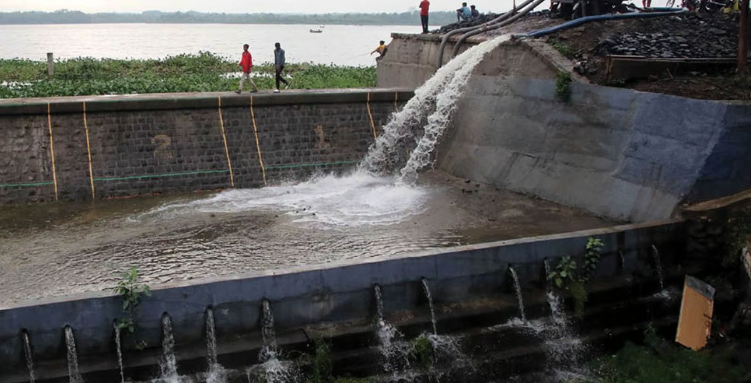
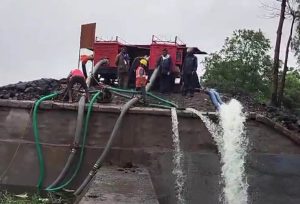
To manage the rising water, the NMC has installed four pumps near the lake’s spillway point. Two of these pumps are actively releasing water into the Nag River. Additionally, a 150mm diameter pipe has been installed to aid in water diversion.

Challenges Faced

Despite these efforts, the water level has not receded significantly. One of the workers mentioned, “Whether it rains or not, the lake is bound to overflow tonight or by Sunday.”

Safety Concerns

Structural Issues

Last year’s flash floods prompted the irrigation department to reduce the height of the lake’s spillway wall for safety reasons. However, this measure has brought the overflow level closer, raising concerns about the lake’s ability to handle additional water.

Obstructions

During a site visit, it was observed that state PWD laborers were absent at the bridge construction site. Obstructions in the still basin and riverbed have not been removed, and the ramp for unloading construction material remains unchanged.

Resident Fears

Local residents are worried about a repeat of last year’s catastrophic flash flood. They criticized the NMC for not clearing obstructions, which could lead to water clogging and road flooding.

Potential Consequences

Overflow and Flooding

If the lake overflows, the water will flow into the spillway and potentially clog the bridge construction site, leading to road flooding. The insufficient passage for water flow from the bridge to the Nag River could exacerbate this issue.

Impact on Daily Life

Flooded roads and clogged water channels can disrupt daily life for residents, affecting transportation and access to essential services.

Suggestions from Residents

Alternative Water Diversion

Residents have suggested that the outlet pipe should deliver water directly into the nullahs or river instead of pouring it into the spillway. This could prevent clogging and reduce the risk of flooding.

Clearing Obstructions

Clearing the obstructions in the still basin and riverbed is crucial to ensure smooth water flow and prevent clogging.

The situation at Ambazari Lake is critical, with the water level teetering on the brink of overflow. While the NMC is taking measures to manage the water, the challenges remain significant. Local residents are understandably anxious, and their suggestions for alternative water diversion and clearing obstructions should be considered urgently to prevent potential flooding.

1. What is the current water level of Ambazari Lake?

The water level of Ambazari Lake is currently at 316.20 meters, just below the overflow point of 316.24 meters.

2. What measures is the NMC taking to prevent overflow?

The NMC has installed four pumps and a 150mm diameter pipe to pump out water and release it into the Nag River.

3. Why are residents concerned about potential flooding?

Residents fear a repeat of last year’s catastrophic flash flood and criticize the NMC for not clearing obstructions that could lead to water clogging and road flooding.

4. What are the suggested alternative measures for water diversion?

Residents suggest that the outlet pipe should deliver water directly into the nullahs or river instead of pouring it into the spillway.

5. What are the potential consequences if Ambazari Lake overflows?

If the lake overflows, it could lead to clogged water channels, road flooding, and significant disruptions to daily life for residents.

City Police & Parents Join Hands to Take Up Cudgels Against Drugs

Fight Against Drugs Nagpur: With a clear and resonant message, Commissioner of Police Ravinder Singal urged parents to engage in open and honest conversations with their children, educating them about the dangers of narcotics. Speaking at the awareness program ‘Fight Against Drugs’ organized by Nagpur Police at Chitnavis Centre, Singal emphasized the critical role parents play in combating drug abuse among youth.

The Role of Parents in Drug Prevention

Parents are the first line of defense against drug abuse. The extensive exposure children receive in this internet age can be detrimental due to negative influences. Honest and open dialogue between parents and children is essential to counter these threats.

The Internet Age: A Double-Edged Sword

The internet, while a valuable resource, can expose children to harmful content. Parents must monitor and guide their children’s online activities to prevent exposure to negative influences, including drug-related content.

The Rise of Vaping Among Youth

Singal highlighted the alarming rise in vaping among the youth. Parents are urged to actively discourage their children from engaging in such activities, which can be a gateway to more serious drug use.

Understanding the Dark Web

The dark web poses significant risks, offering easy access to illegal substances. Singal assured that the cyber cell is vigilantly monitoring these sites to protect the community.

The Drug Issue: A Nationwide Concern

Drawing from his experiences in Haryana, Singal noted that the drug problem is not limited to Punjab but has spread across the country. However, he remains optimistic, noting that the situation in Haryana is beginning to improve, offering hope for Nagpur.

Recent Operations and Success Stories

In a recent operation, Nagpur police arrested a criminal with 306 grams of narcotics valued at Rs 5,000 per gram. Along with the drugs, two pistols were seized, showcasing the police’s commitment to tackling this issue head-on.

Factors Contributing to Drug Abuse

Several factors contribute to the spread of drug abuse, including accessibility, financial means, and a lack of knowledge and information. Understanding these drivers is key to addressing the problem.

Accessibility and Financial Means

Easy access to drugs and the financial ability to purchase them are significant factors in the spread of drug abuse. Efforts must be made to limit accessibility and educate the youth on the financial pitfalls of drug use.

Lack of Knowledge and Information

A lack of awareness about the dangers of drug abuse contributes to its prevalence. Education and information dissemination are crucial in the fight against drugs.

Nagpur’s Strategic Location and Its Challenges

Nagpur’s central location, with extensive railway and bus connections to Hyderabad, Madhya Pradesh, and other parts of the country, facilitates the rapid movement of drugs. This geographic factor presents unique challenges in combating drug trafficking.

The Importance of Open Dialogue

Open dialogue between parents and children is essential in identifying and addressing drug-related issues early. Building a strong rapport can help children feel comfortable discussing their concerns and experiences.

Early Identification of Drug-Related Issues

Early identification of drug-related problems can prevent escalation. Parents and educators should be vigilant and proactive in recognizing the signs of drug abuse.

The Role of Police and Community in Combating Drug Abuse

The police are committed to helping individuals overcome drug-related challenges and breaking the drug supply chain. Singal emphasized the importance of community involvement in this effort.

Building Community Confidence

The police department aims to instill confidence in citizens to join the movement against drugs. The Good Samaritan law provides legal protection to those who assist in emergencies, encouraging community participation.

Breaking the Drug Supply Chain (Fight Against Drugs Nagpur)

Efforts to break the drug supply chain are crucial in reducing the availability of drugs. The police are dedicated to this mission, working tirelessly to intercept and dismantle drug trafficking networks.

Community Programs and Awareness Initiatives

Awareness programs and community initiatives play a vital role in educating the public about the dangers of drug abuse and the importance of prevention.

Educational Workshops and Seminars

Organizing workshops and seminars can provide valuable information and resources to parents, educators, and community members, empowering them to take action against drug abuse.

Collaboration with Schools and Colleges

Collaborating with educational institutions ensures that students receive consistent and accurate information about the dangers of drug use, promoting a drug-free environment.

  • What role do parents play in preventing drug abuse? Parents are crucial in monitoring their children’s activities, fostering open dialogue, and educating them about the dangers of drugs.
  • How can the internet influence drug abuse among youth? The internet can expose youth to harmful content, including drug-related information, making parental supervision essential.
  • What are the common signs of drug abuse in teenagers? Common signs include sudden behavioral changes, withdrawal from social activities, and unexplained financial issues.
  • How does Nagpur’s location affect drug trafficking? Nagpur’s central location with extensive transport connections facilitates the rapid movement of drugs, posing unique challenges.
  • What is the Good Samaritan law, and how does it help in the fight against drugs? The Good Samaritan law provides legal protection to those who assist in emergencies, encouraging community involvement in drug prevention efforts.

Traffic Chaos in Sitabuldi: Hydraulic Parking System Fails as Street Vendors Block Roads

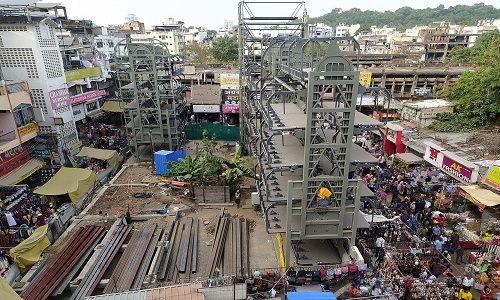
Traffic Chaos Sitabuldi Hydraulic Parking Sitabuldi: Heavy rains on Saturday led to widespread waterlogging throughout the city, causing considerable inconvenience to residents. The city’s (Nagpur) streets transformed into rivers, further complicating the situation in the central Sitabuldi market area, which features a hydraulic parking system. Despite this facility, residents are struggling with challenges due to encroachments and deteriorating road conditions.

Introduction

The hydraulic parking system in Sitabuldi was expected to revolutionize parking in this bustling market area. Instead, it has turned into a symbol of urban chaos. With street vendors encroaching on the roads and continuous rains worsening the situation, navigating Sitabuldi has become a nightmare for residents and visitors alike.

The Initial Impact of the Hydraulic Parking System

Hopes and Expectations

The hydraulic parking system was introduced with high hopes. It was designed to maximize parking space in the crowded Sitabuldi market area, offering a modern solution to the age-old problem of parking in busy urban centers.

Challenges Faced by Local Shopkeepers

However, the installation of this system initially impacted local shopkeepers. The construction process caused disruptions, and many were concerned about the long-term effects on their businesses.

Encroachment by Street Vendors

Street Vendors Taking Over

Despite the presence of the hydraulic parking facility, street vendors have encroached on the roads, leaving no room for vehicles and two-wheelers to navigate. This has created a chaotic environment where pedestrians also face unnecessary difficulties due to the poor condition of the roads.

Impact on Traffic Flow

The presence of street vendors has narrowed the roads in Sitabuldi, affecting all types of vehicle drivers and customers. This bottleneck has made traffic management a herculean task.

The Role of Continuous Rains

Weather Woes

Continuous rains in Nagpur have further worsened the condition of the roads. The already narrow streets have become filled with potholes and mud, adding to the woes of the residents.

Waterlogging Issues

Heavy rains on Saturday led to widespread waterlogging throughout the city, causing considerable inconvenience to residents. The city’s streets transformed into rivers, further complicating the situation in Sitabuldi.

Pedestrian Challenges

Navigating Through Obstacles

Pedestrians are finding it increasingly difficult to navigate through the crowded and deteriorating roads. The combination of street vendors, potholes, and waterlogged streets has turned a simple walk through the market into an obstacle course.

Safety Concerns

The poor condition of the roads and the encroachment by street vendors have raised significant safety concerns. Accidents and injuries have become more common, and residents are demanding immediate action.

The Need for Immediate Action

Possible Solutions

Addressing the traffic chaos in Sitabuldi requires a multifaceted approach. Solutions may include stricter enforcement of anti-encroachment laws, improved road maintenance, and better management of the hydraulic parking system.

Government Intervention

Local authorities need to step in and take decisive action to restore order. This could involve relocating street vendors to designated areas and upgrading the infrastructure to handle heavy rains more effectively.

The situation in Sitabuldi is a classic example of how urban planning and infrastructure can fail when not properly managed. The hydraulic parking system, intended to ease parking woes, has been rendered ineffective due to street vendor encroachments and deteriorating road conditions. Immediate action is needed to address these issues and restore normalcy to this vital market area.

Exit mobile version