NMC Draining Basements for ₹500 per Hour

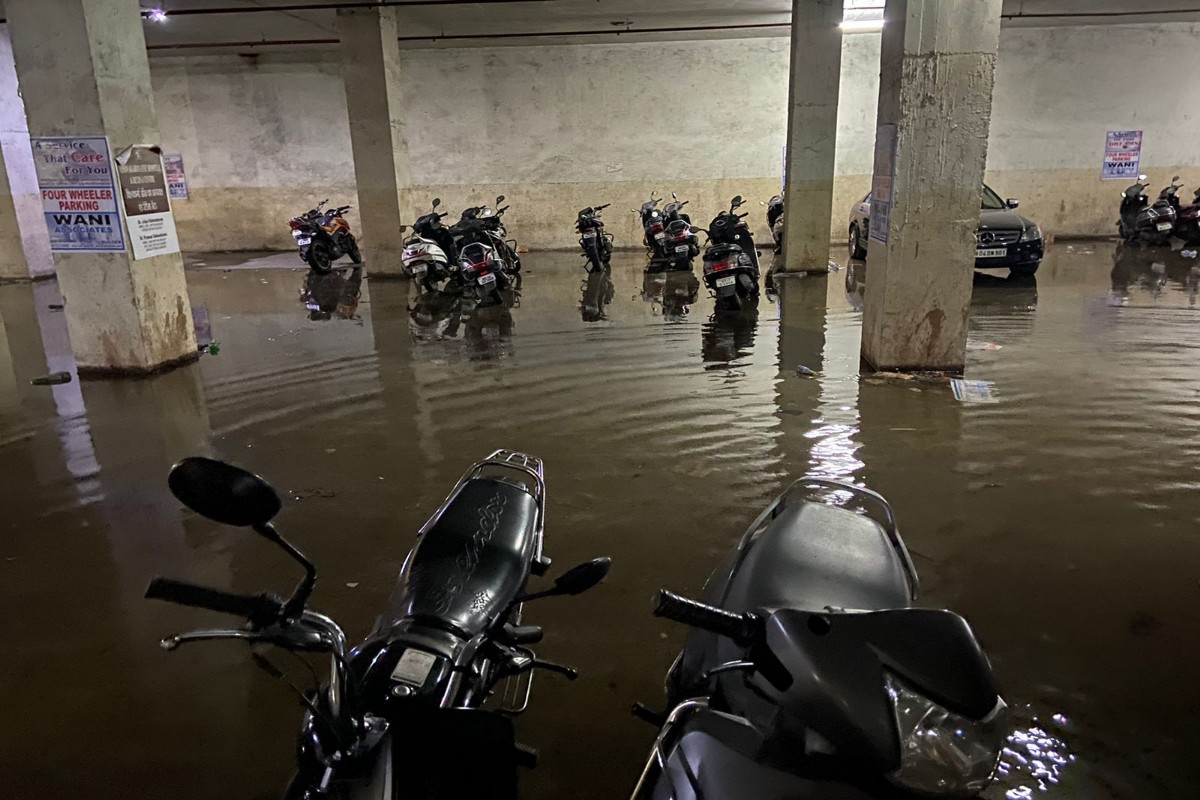
NMC basement draining | Nagpur: After successfully draining water from over 100 localities, the Nagpur Municipal Corporation (NMC)’s fire and emergency services department has turned its attention to waterlogged basements of private establishments. This effort, led by Chief Fire Officer BP Chandankhede, aims to alleviate the significant problems caused by the recent heavy rains on July 20.

Overview of NMC’s Initiative

A Vital Service for Nagpur Residents (NMC basement draining)

Nagpur has recently experienced severe rainfall, leading to widespread waterlogging and flooding. The NMC’s fire and emergency services department has been on the front lines, tirelessly working to drain water from over 100 localities. Now, their focus has shifted to the basements of residential and commercial establishments, providing a much-needed service at a nominal fee of ₹500 per hour.

Historical Context

In the past, NMC had assisted in draining rain-filled basements for free. However, this service was discontinued under former municipal commissioner Shyam Wardhane, who urged building occupants to arrange for their own dewatering solutions. This change in policy reflects a shift towards encouraging property owners to take greater responsibility for the maintenance and safety of their premises.

Current Challenges and Solutions

The Impact of Waterlogged Basements

Water accumulation in basements is more than just an inconvenience. It can lead to:

  • Structural Damage: Prolonged water exposure can weaken the foundation and structure of buildings.
  • Electrical Hazards: Waterlogged areas increase the risk of electrical short circuits and fires.
  • Mold and Mildew Growth: Damp environments are breeding grounds for mold, which can cause health issues and further property damage.

NMC’s Role in Addressing These Issues

NMC’s proactive approach in draining inundated dwellings is providing significant relief to affected residents. By charging ₹500 per hour, the NMC ensures that their services are accessible while also covering operational costs. This fee structure also aligns with the broader policy of encouraging property owners to be proactive in managing their buildings.

Detailed Breakdown of the Service (NMC basement draining)

Process of Draining Basements

The NMC’s team uses high-capacity pumps to extract water from submerged basements. The process involves:

  1. Assessment: Evaluating the extent of waterlogging and potential risks.
  2. Preparation: Setting up pumps and ensuring safety protocols are in place.
  3. Pumping: Efficiently removing water and monitoring progress.
  4. Post-Drainage Inspection: Checking for any residual issues and advising property owners on preventive measures.

Response to Heavy Rains

The heavy rains on July 20 resulted in numerous calls to the NMC regarding basement flooding. The NMC prioritized areas that were fully submerged, addressing the most critical situations first. So far, they have attended to eight calls specifically for basement dewatering.

Community Response and Expectations

Resident Reactions

The decision to charge for dewatering services has surprised some residents, many of whom expected free assistance from the NMC. However, this move has been communicated as part of a broader strategy to promote self-sufficiency among property owners.

Building Owners’ Responsibilities

Building owners are now more aware of the need to ensure their basements are properly waterproofed and have adequate drainage systems in place. This responsibility includes regular maintenance and the implementation of preventive measures to avoid water accumulation.

Long-Term Benefits and Consequences

Preventive Measures

Proper waterproofing and drainage can prevent many of the issues associated with waterlogged basements. Building owners are encouraged to:

  • Inspect and Maintain Drainage Systems: Regular checks can identify potential blockages or issues before they become major problems.
  • Install Sump Pumps: These can provide an automatic solution to remove water during heavy rains.
  • Seal Cracks and Gaps: Ensuring that basements are sealed can prevent water ingress.

NMC’s Ongoing Efforts

The NMC’s efforts are crucial in mitigating the immediate impacts of heavy rains. Their services help prevent the long-term consequences of water damage, ensuring that residents can recover more quickly from such events.

The Nagpur Municipal Corporation’s initiative to drain waterlogged basements for ₹500 per hour is a significant step in addressing the challenges posed by heavy rains. This service not only provides immediate relief to affected residents but also promotes a culture of responsibility and preparedness among property owners. As Nagpur continues to face unpredictable weather patterns, the NMC’s proactive approach will be vital in safeguarding the city’s infrastructure and wellbeing.

  1. What is the NMC’s new service for waterlogged basements?
    • The NMC is now offering to drain waterlogged basements of residential and commercial properties for ₹500 per hour.
  2. Why did the NMC start charging for this service?
    • The charge aligns with the policy of encouraging building owners to take responsibility for their properties, covering operational costs, and ensuring sustainable service provision.
  3. How does waterlogging affect buildings?
    • Waterlogging can cause structural damage, electrical hazards, and mold growth, leading to long-term issues if not addressed promptly.
  4. What should building owners do to prevent basement flooding?
    • Owners should ensure proper waterproofing, maintain drainage systems, install sump pumps, and seal any cracks or gaps in their basements.
  5. How effective has the NMC been in addressing basement flooding?
    • The NMC has successfully drained water from over 100 localities and attended to eight specific calls for basement dewatering, providing much-needed relief to affected residents.


Unique Aircraft-Themed Fine Dining Restaurant to Open in Nagpur

Haldiram Project | Aircraft-Themed Fine Dining to Open in Nagpur: Excitement brews in Nagpur as a distinctive fine dining experience prepares to take flight within the shell of a decommissioned Air India aircraft near Butibori. Set to replicate the allure of luxury in-flight dining, this innovative restaurant promises a novel culinary adventure in an airplane-themed setting.

As reports suggest, the upcoming establishment will offer the facility to dine inside a meticulously refurbished airplane. Although grounded, the restaurant aims to recreate the ambiance and comfort of first-class air travel, offering patrons a unique dining experience unlike any other in the region.

The brainchild of renowned food chain Haldiram, the project is set to transform the Butibori area into a hub for gastronomic innovation. Construction efforts, temporarily paused due to the monsoon season, are scheduled to resume shortly. Once complete, the restaurant is expected not only to cater to culinary enthusiasts but also to stimulate local economic growth by generating employment opportunities.

For those eager to savor gourmet cuisine in a one-of-a-kind setting, this airplane-themed restaurant is poised to become a must-visit destination in Nagpur’s vibrant culinary scene.

A Journey Through Culinary Innovation

The Concept Behind the Restaurant (Aircraft-Themed Fine Dining to Open in Nagpur)

The idea of turning a decommissioned aircraft into a restaurant is both unique and ambitious. It reflects a trend of transforming unusual spaces into dining venues, creating a memorable experience for customers. This concept marries the thrill of aviation with the sophistication of fine dining, appealing to a broad audience.

The Allure of In-Flight Dining

First-class in-flight dining is synonymous with luxury and exclusivity. This restaurant aims to bring that experience to the ground, offering patrons a taste of the high life. With meticulous attention to detail, the ambiance will replicate the comfort and elegance of an aircraft’s first-class section.

Renovation and Refurbishment

Transforming an old airplane into a fine dining establishment is no small feat. The refurbishment process involves stripping the aircraft’s interior and redesigning it to accommodate dining tables, a kitchen, and other necessary facilities. The result will be a blend of aviation history and modern culinary art.

Dining Experience (Aircraft-Themed Fine Dining to Open in Nagpur)

Menu and Cuisine

The menu promises to be as unique as the setting. It will feature a blend of international and local cuisines, prepared with the finest ingredients. Expect gourmet dishes that tantalize the taste buds and leave a lasting impression.

Ambiance and Decor

Every detail of the restaurant’s interior will contribute to an authentic in-flight experience. From the seating arrangements to the lighting, everything is designed to mimic the luxurious feel of first-class air travel. The decor will be a nod to aviation history, with elements that reflect the glory days of Air India.

Service and Hospitality

Service is a crucial part of the dining experience. The staff will be trained to provide impeccable service, ensuring that every guest feels pampered. The goal is to offer an experience that rivals the best first-class airlines.

Economic Impact

Boost to Local Economy

The restaurant is expected to be a significant boost to the local economy. By attracting diners from Nagpur and beyond, it will generate revenue for the area. Moreover, it will create jobs, from construction workers during the refurbishment phase to staff once the restaurant opens.

Tourism and Attraction

This unique dining venue is poised to become a major attraction in Nagpur. It will draw food enthusiasts, aviation buffs, and tourists, putting Nagpur on the map as a culinary destination.

Community Engagement

Haldiram’s initiative reflects a commitment to community engagement. By investing in this project, they are supporting local businesses and fostering a sense of pride in the community.

Challenges and Solutions

Weather and Construction Delays

Monsoon season has temporarily halted construction, but plans are in place to resume as soon as possible. The project team is working diligently to ensure that the restaurant opens on schedule.

Maintaining Authenticity

One of the biggest challenges is maintaining the authenticity of the in-flight experience. This involves sourcing the right materials, designing the layout accurately, and training the staff to provide top-notch service.

Sustainability Efforts

Sustainability is a priority for the project. Efforts are being made to use eco-friendly materials and practices wherever possible (Haldiram Project), ensuring that the restaurant is not only unique but also environmentally responsible.

Customer Experience

Reservations and Seating

To manage the expected high demand, the restaurant will implement a reservation system. This will ensure that guests can enjoy their meal without long waits. The seating arrangement will be carefully planned to offer privacy and comfort.

Special Events and Promotions

The restaurant will host special events and promotions to keep the dining experience exciting. From themed nights to seasonal menus, there will always be something new to look forward to.

Feedback and Improvement

Customer feedback will be crucial in refining the dining experience. The management will actively seek and incorporate suggestions to continually improve the service and offerings.

The upcoming aircraft-themed fine dining restaurant in Nagpur is more than just a place to eat; it is a destination that promises a unique blend of luxury, history, and culinary excellence. As anticipation builds, it is clear that this innovative project will leave a lasting impact on Nagpur’s culinary landscape and offer a dining experience like no other.

1. When is the restaurant expected to open? The exact opening date has not been announced, but construction (Haldiram Project) is set to resume soon after the monsoon season.

2. Can we make reservations in advance? Yes, the restaurant will have a reservation system to manage high demand and ensure a seamless dining experience.

3. What type of cuisine will be served? The menu will feature a blend of international and local cuisines, prepared with the finest ingredients to create a gourmet dining experience.

4. Is the restaurant suitable for special events? Absolutely. The restaurant will host special events and promotions, making it an ideal venue for celebrations and gatherings.

5. How does the restaurant contribute to the local economy? By generating employment opportunities and attracting tourists, the restaurant will provide a significant boost to the local economy.

Loss Assessment: Collector Starts Panchnamas of Rain-Affected Areas

Nagpur Floods: On a rainy Saturday, Nagpur found itself grappling with nature’s fury as torrential rains led to severe flooding across the district. The heavy downpour caused widespread disruption, submerging roads, inundating houses, and bringing normal life to a standstill. In response, the district administration swiftly initiated panchnamas to assess the damage and plan relief measures.

The Panchnama Process Begins (Nagpur Floods)

Collector Vipin Itankar, in collaboration with the Nagpur Municipal Corporation (NMC), has begun the process of conducting panchnamas in the affected areas. The aim is to meticulously document the extent of damage caused by the deluge. Immediate relief of Rs 2,500 will be provided to affected citizens upon completion of these assessments.

Understanding Panchnama

For those unfamiliar, a panchnama is a detailed survey conducted to record the damage or loss incurred due to a specific incident. In this context, it’s being used to gauge the impact of the rain on local infrastructure and residential areas.

Impact on Urban and Rural Areas (Nagpur Floods)

The severe weather affected both urban and rural regions of Nagpur, leading to the submergence of roads and homes. According to initial reports, no houses were completely or partially damaged, but the flooding caused significant inconvenience. Hundreds of homes were breached by water, emphasizing the need for a comprehensive assessment to understand the full scope of the damage.

Preliminary Findings

A preliminary report revealed that the heavy rainfall had damaged items in 72 houses across the district. The breakdown is as follows:

  • Kuhi: 29 houses
  • Bhiwapur: 16 houses
  • Umred: 15 houses
  • Mauda: 9 houses
  • Kalmeshwar: 2 houses
  • Hingna: 1 house

Rescue Operations and Evacuations

In response to the flooding, rescue operations were promptly initiated. A total of 202 people were evacuated, with 160 from Nagpur rural, 5 from Hingna, and 36 from Kamptee area. These operations were crucial in ensuring the safety of residents in the most affected areas.

Relief and Compensation Measures

The district administration has put forth a structured plan for relief and compensation:

  • Immediate Relief: Rs 2,500 for affected citizens after panchnamas.
  • Compensation for Property Damage: Rs 10,000 for house owners and Rs 50,000 for shopkeepers if their properties have suffered damage.
  • Compensation for Fatalities: Families of victims who have died due to the rain will also receive compensation.

Focus of the Survey

The primary objective of the survey is to document the impact of the rainfall on local infrastructure and residential areas. By doing so, the administration can plan appropriate relief measures and ensure that help reaches those who need it the most.

Conducting the Panchnamas

The panchnama process is expected to take about a week. During this time, officials will visit the affected areas, document the damage, and compile the data. This comprehensive assessment is crucial for the administration to understand the extent of the damage and plan effective relief measures.

Challenges in the Assessment

Conducting panchnamas is a challenging task, especially in areas where access is difficult due to flooding. However, the administration is committed to ensuring that every affected area is surveyed, and appropriate relief measures are taken.

Community Response and Support

The community has shown remarkable resilience in the face of this disaster. Neighbors have come together to help each other, providing food, shelter, and support to those in need. This collective effort has been instrumental in mitigating the impact of the floods.

Role of Local Authorities

Local authorities, including the NMC, have played a crucial role in the response efforts. From conducting rescue operations to providing immediate relief, their efforts have been commendable. The administration’s swift action has been pivotal in managing the crisis.

Looking Ahead: Long-Term Measures (Nagpur Floods)

While immediate relief is essential, the administration is also looking at long-term measures to prevent such incidents in the future. This includes improving drainage systems, constructing flood barriers, and implementing better urban planning practices.

Building Resilience

Building resilience against such natural disasters is crucial. This involves not only infrastructural improvements but also community education and preparedness. By equipping residents with the knowledge and resources to deal with such events, the impact of future disasters can be minimized.

The heavy rains in Nagpur have posed significant challenges, but the response from the administration and the community has been swift and effective. The ongoing panchnamas will provide a clear picture of the damage, enabling targeted relief measures. As Nagpur rebuilds and recovers, it is crucial to focus on both immediate relief and long-term resilience to ensure the safety and well-being of its residents.

1. What is a panchnama? A panchnama is a detailed survey conducted to record damage or loss due to a specific incident. In this context, it’s used to assess the impact of the heavy rains on Nagpur.

2. How long will the panchnama process take? The panchnama process is expected to take about a week to complete.

3. What immediate relief is being provided to affected citizens? Affected citizens will receive an immediate relief of Rs 2,500 after the panchnamas are completed.

4. What compensation is available for property damage? House owners can receive Rs 10,000, while shopkeepers can receive Rs 50,000 if their properties have suffered damage.

5. How is the community supporting each other during this crisis? Neighbors are coming together to provide food, shelter, and support to those affected by the floods, showcasing a strong sense of community resilience.

The Wagh Nakh Returns: A Historic Exhibition in Nagpur

Nagpur Exhibition: In a monumental announcement, Maharashtra’s cultural minister, Sudhir Mungantiwar, revealed that the legendary Wagh Nakh, the tiger claw dagger used by Chhatrapati Shivaji Maharaj to slay the Mughal general Afzal Khan in 1659, will be displayed in Nagpur and across the state over the next three years. This exhibit promises to be a significant event, connecting the present to a rich historical past.

A Legendary Weapon’s Journey

The Wagh Nakh’s Historic Significance

Chhatrapati Shivaji Maharaj, a revered Maratha warrior, used the Wagh Nakh in a strategic and bold move to kill Afzal Khan. This weapon, symbolizing valor and strategic brilliance, has since been an iconic artifact of Indian history.

Current Location

The Wagh Nakh is currently housed at the Victoria and Albert Museum in London. The museum has preserved this artifact, which has attracted numerous visitors interested in the rich history it represents.

The Grand Display in Maharashtra

Arrival in India

The much-anticipated arrival of the Wagh Nakh in India is set for July 19. This marks the beginning of its three-year display across various locations in Maharashtra.

Initial Exhibition in Satara

The inaugural event in Satara will be a grand affair, attended by descendants of Shivaji Maharaj. This event will celebrate the return of a crucial piece of Maratha heritage to its homeland.

Showcase in Nagpur (Nagpur Exhibition)

In Nagpur (Nagpur Exhibition), the Wagh Nakh will be displayed at the Ajab Bangla (Central Museum) in Civil Lines. This museum is preparing to host the artifact, providing visitors a rare glimpse into the past.

Financial Aspects

Cost of the Exhibition

Minister Mungantiwar clarified that the government is not paying any rent for the display of the Wagh Nakh. The expenditure, amounting to ₹14.08 lakh, was solely for travel to London and formalizing the agreement with the museum.

Authenticity and Historical Debates

Historical Verification

There have been rumors regarding the authenticity of the Wagh Nakh. Historian Indrajeet Sawant highlighted communications with the Victoria and Albert Museum, which suggested uncertainty about whether this specific artifact was the one used by Shivaji Maharaj.

Government’s Stand

Mungantiwar addressed these concerns by presenting photo evidence from Maharaj’s followers, indicating that the box at the London museum identified the weapon as the one used to kill Afzal Khan. The coordination involved the Prime Ministers of India and the UK, along with museum authorities, confirming the artifact’s authenticity.

Cultural Impact

Symbol of Maratha Pride

The Wagh Nakh is not just a weapon but a symbol of Maratha pride and heritage. Its display will instill a sense of history and valor among the people of Maharashtra.

Educational Opportunities

The exhibit will serve as an educational tool, enlightening visitors about the historical significance of the Maratha Empire and Shivaji Maharaj’s strategic prowess.

Public Engagement

Visitor Experience

Museums across Maharashtra are gearing up to provide an immersive experience for visitors. Interactive displays, detailed descriptions, and guided tours will enhance the learning experience.

Community Involvement

The exhibit aims to involve the community through various cultural programs, discussions, and activities that celebrate Maratha history.

Future Exhibitions

Statewide Tour

After its display in Nagpur, the Wagh Nakh will tour other parts of Maharashtra, ensuring that people across the state have the opportunity to witness this historical artifact.

International Interest

The display of the Wagh Nakh in India has also garnered international attention, attracting historians, scholars, and enthusiasts from around the world.

The display of the Wagh Nakh in Nagpur and other parts of Maharashtra is a historic event that bridges the past and present. It not only celebrates the valor of Chhatrapati Shivaji Maharaj but also educates and inspires future generations. This exhibition is a testament to the enduring legacy of Maratha pride and heritage.

  1. What is the significance of the Wagh Nakh? The Wagh Nakh symbolizes Chhatrapati Shivaji Maharaj’s bravery and strategic brilliance in defeating Afzal Khan.
  2. Where is the Wagh Nakh currently located? It is currently housed at the Victoria and Albert Museum in London.
  3. When will the Wagh Nakh be displayed in Nagpur? The Wagh Nakh will be displayed in Nagpur starting July 19, at the Ajab Bangla (Central Museum).
  4. Is there any cost associated with displaying the Wagh Nakh? The government has only spent ₹14.08 lakh on travel and formalizing the agreement; no rent is being paid for the display.
  5. How will the exhibit benefit the public? The exhibit will provide educational opportunities, instill a sense of history and pride, and offer an immersive visitor experience.

Crackdown on Paan Shops and Tobacco Sellers Near Schools and Colleges in Nagpur

Crackdown on Tobacco Sellers | Near Schools Nagpur: Nagpur has taken a bold step to ensure the safety and health of its students by cracking down on paan shops and tobacco sellers located near educational institutions. This operation, led by the Nagpur Municipal Corporation (NMC) and local police, targets vendors within a 100-meter radius of schools and colleges in the Sadar Police Station area. Here’s a detailed look into this significant operation and its implications.

The Operation at a Glance

Leadership and Coordination

The operation was spearheaded by Additional Commissioner Ajay Charthankar and Assistant Commissioner Harish Raut. Their leadership and the coordinated efforts of the NMC and local police played a crucial role in the success of this crackdown.

Target Area

The focus was on the Sadar Police Station area, known for its high density of educational institutions. This area has been under scrutiny due to the easy availability of tobacco products, posing a significant risk to students.

Results of the Crackdown (Near Schools Nagpur)

In a decisive move, actions were taken against 21 establishments. The seized goods, valued at ₹1.1499 lakh, included tobacco, gutkha, cigarettes, and bidis. This operation not only disrupted the local sale of these harmful products but also sent a strong message to other vendors.

Specific Seizures from Various Locations

  1. Suresh Traders: Goods worth ₹5,000 seized.
  2. Sheikh Rosha Sheikh Amir Sheikh Paan Shop: Goods worth ₹4,000 seized.
  3. Ramesh Pan Shop: Goods worth ₹2,000 seized.
  4. Shweta Chaurasia, Chaurasia Paan Shop: Goods worth ₹30,000 seized.
  5. Anil Tilde Anil Paan Shop at VC Ground Civil Lines: Goods worth ₹3,200 seized.
  6. Moksl Shop, Utkarsh Building: Goods worth ₹10,000 seized.
  7. Raj Food Bhai: Goods worth ₹1,000 seized.
  8. Sheshrao Paal Shop: Goods worth ₹990 seized.
  9. Arshdi Amrit Tuly: Goods worth ₹6,000 seized.
  10. Amar Shahi Shop: Goods worth ₹3,000 seized.
  11. Samand Paan Shop: Goods worth ₹2,000 seized.
  12. Tex Moksh Shop: Goods worth ₹2,000 seized.
  13. Vijay Pardika Civil Lines: Goods worth ₹1,050 seized.
  14. Magilwar: Goods worth ₹900 seized.
  15. Bharat Tea Stall: Goods worth ₹1,000 seized.

Implications of the Crackdown

Creating a Safe Environment

The primary goal of this crackdown is to create a safer and healthier environment for students. By reducing the availability of tobacco products near schools and colleges, the operation aims to decrease the exposure of young individuals to these harmful substances.

Public Health Impact

This move is expected to have a significant impact on public health. By limiting access to tobacco products, the initiative hopes to reduce the number of young tobacco users, ultimately leading to a decrease in tobacco-related health issues.

Legal and Regulatory Framework

The crackdown also highlights the importance of enforcing existing laws and regulations regarding the sale of tobacco products. It serves as a reminder to vendors about the legal boundaries and the serious consequences of violating them.

Community Response

Support from Parents and Educators

The initiative has received widespread support from parents and educators who have long been concerned about the easy access to tobacco products near educational institutions. They believe this move will contribute to a healthier learning environment.

Reactions from Vendors

While some vendors have expressed concern over the impact on their business, the majority understand the importance of complying with regulations designed to protect public health. This crackdown serves as a wake-up call for those who have been operating outside the legal framework.

Future Plans

Continued Monitoring

The NMC and local police plan to continue monitoring the area to ensure compliance with the new regulations. This ongoing vigilance is essential to maintain the progress made and to prevent a resurgence of illegal tobacco sales.

Educational Campaigns

In addition to enforcement, the authorities plan to launch educational campaigns aimed at raising awareness about the dangers of tobacco use. These campaigns will target both students and the general public, emphasizing the long-term health risks associated with tobacco.

The crackdown on paan shops and tobacco sellers near schools and colleges in Nagpur marks a significant step towards safeguarding the health of the city’s youth. Through decisive action and ongoing efforts, the NMC and local police are working to create a safer environment for students and to promote a healthier community overall.

  1. What prompted the crackdown on paan shops and tobacco sellers in Nagpur? The operation was initiated to protect students from the harmful effects of tobacco by limiting the availability of these products near educational institutions.
  2. Who led the crackdown in Nagpur? The crackdown was led by Additional Commissioner Ajay Charthankar and Assistant Commissioner Harish Raut, in coordination with the NMC and local police.
  3. What was the outcome of the crackdown? Actions were taken against 21 establishments, and goods valued at ₹1.1499 lakh were seized, including tobacco, gutkha, cigarettes, and bidis.
  4. How has the community responded to this initiative? The initiative has received support from parents and educators, while vendors have been reminded of the importance of complying with regulations.
  5. What are the future plans following the crackdown? The authorities plan to continue monitoring the area and launch educational campaigns to raise awareness about the dangers of tobacco use.

Passport Waiting Time Reduced to 23 Days in Nagpur

Passport Waiting Time Reduced: Following persistent coverage by Lokmat Times highlighting significant delays, the Zonal Passport Office in Nagpur has slashed the waiting time for normal passport appointments from 3 months to just 23 days. This improvement comes after the office increased the appointment quota from 70 to 150 on Saturday.

Earlier this year, the introduction of new TCS software at the passport office had initially caused complications in passport issuance. In an effort to manage the influx of applicants, the office had reduced the daily appointment quota, inadvertently prolonging appointment waiting times.

Responding to public concern and media attention, the authorities took proactive steps to enhance the appointment availability, effectively addressing the issue of long waiting periods.

Are you tired of waiting for months to get your passport in Nagpur? Well, the wait is finally over! Thanks to continuous coverage by Lokmat Times and the proactive measures taken by the Zonal Passport Office, the waiting time for normal passport appointments has been significantly reduced. Let’s dive into the details of this remarkable change.

The Persistent Problem of Long Waiting Times

A Glimpse into the Past

For the longest time, residents of Nagpur faced excruciatingly long waiting times for passport appointments. The delay was primarily due to the introduction of new TCS software, which, instead of streamlining the process, led to a host of complications.

The Media’s Role

Lokmat Times played a crucial role in bringing this issue to the forefront. Through persistent coverage, they highlighted the significant delays and the impact it was having on the public.

The Turning Point

Increased Appointment Quota

The breakthrough came when the Zonal Passport Office decided to increase the appointment quota from 70 to 150. This simple yet effective measure slashed the waiting time from 3 months to just 23 days!

Proactive Measures by Authorities

Realizing the gravity of the situation, the authorities took swift and proactive steps to enhance appointment availability. This move was a direct response to the public’s concerns and the media’s spotlight on the issue.

Impact of the New TCS Software

Initial Complications

When the new TCS software was introduced, it was expected to streamline passport issuance. However, it initially caused more harm than good by creating complications and delaying the process.

Managing the Influx of Applicants

To manage the influx of applicants, the office had to reduce the daily appointment quota. This decision, unfortunately, led to prolonged waiting times, frustrating many applicants.

The Solution: Enhancing Appointment Availability

Responding to Public Concerns

The authorities couldn’t ignore the growing public dissatisfaction. They responded by increasing the appointment quota, which drastically reduced the waiting time.

Effectively Addressing Long Waiting Periods

By enhancing appointment availability, the Zonal Passport Office effectively addressed the issue of long waiting periods. This improvement has been a significant relief for many residents of Nagpur.

The Road Ahead

Ensuring Smooth Operations

Moving forward, it’s crucial to ensure that the new system runs smoothly. Continuous monitoring and timely interventions will be necessary to maintain the efficiency of the passport issuance process.

Public Awareness and Communication

Keeping the public informed about any changes or updates in the process will help in managing expectations and reducing any potential frustrations.

The reduction in passport waiting time in Nagpur is a testament to the power of media coverage and proactive governance. By increasing the appointment quota and addressing public concerns, the Zonal Passport Office has made a significant improvement in its services. This change brings much-needed relief to the residents of Nagpur, who can now get their passports in just 23 days.

1. How long is the current waiting time for a passport appointment in Nagpur?

The current waiting time for a normal passport appointment in Nagpur is now just 23 days.

2. What caused the initial delays in passport issuance?

The initial delays were caused by the complications that arose from the introduction of new TCS software at the passport office.

3. How did the Zonal Passport Office address the issue of long waiting times?

The office increased the appointment quota from 70 to 150, which significantly reduced the waiting time for passport appointments.

4. What role did Lokmat Times play in this improvement?

Lokmat Times highlighted the significant delays in passport issuance through persistent coverage, prompting the authorities to take action.

5. What measures can be taken to ensure smooth operations in the future?

Continuous monitoring, timely interventions, and keeping the public informed about any changes or updates in the process can help ensure smooth operations.

Nagpur Smart City Project Date Extended Again Till March 2025

Nagpur’s Journey Towards a Smarter Future

Nagpur Smart City Project: Nagpur has been on a transformative journey since it was selected under the Smart Cities Mission in 2016. This ambitious project aims to revolutionize urban living by integrating cutting-edge technology and sustainable practices. However, the road to becoming a smart city has been fraught with delays and challenges.

A History of Deadlines

Initially, the deadline for the Nagpur Smart City Project was set for June 2021. This was later extended to June 2023, and then to June 2024. Now, just a day before the June 30 deadline, the Ministry of Housing and Urban Affairs has once again pushed the date to March 31, 2025.

The Role of NSSCDCL

The Nagpur Smart and Sustainable City Development Corporation Limited (NSSCDCL) is the special purpose vehicle (SPV) created to oversee this project. NSSCDCL has been pivotal in managing the funds and ensuring the project’s components are executed efficiently.

Funding and Financials

Central Government’s Contribution

The central government has allocated a significant sum of ₹741.63 crore to the project. This funding is divided into two main components: the Smart and Safe City Project and area-based development.

State Government’s Support

Former Chief Minister Devendra Fadnavis played a crucial role by approving an additional ₹400 crore from the state exchequer. This was supplemented by ₹124 crore from the Smart Cities Mission, bringing the total funding to ₹524 crore for the Smart and Safe City Project.

Components of the Smart City Project

Smart and Safe City Project

This component, worth ₹524 crore, includes 17 different types of smart solutions. These solutions aim to enhance the safety, security, and efficiency of urban living. Remarkably, this part of the project is already complete.

Technological Innovations

The Smart and Safe City Project incorporates advanced technologies such as integrated traffic management systems, smart street lighting, and enhanced surveillance systems. These innovations are designed to create a safer and more efficient urban environment.

Area-Based Development

The second component focuses on developing 1,743 acres in Pardi, Bharatwada, Bhandewadi, and Punapur in east Nagpur. This initiative aims to create sustainable and livable urban spaces.

Sustainable Urban Planning

The area-based development plan emphasizes sustainable urban planning, including green spaces, efficient waste management systems, and eco-friendly infrastructure. The goal is to create a model for future urban development in India.

Challenges and Delays

Unforeseen Obstacles

Several unforeseen obstacles have contributed to the repeated extensions of the project deadline. These include administrative delays, logistical challenges, and the impact of the COVID-19 pandemic.

Community Involvement

One of the critical challenges has been ensuring community involvement and acceptance. Effective communication and collaboration with local residents are essential for the successful implementation of the project.

Looking Ahead: March 2025

Renewed Commitment

The new deadline of March 31, 2025, provides an opportunity for renewed commitment and focused efforts. The additional time will allow for the resolution of existing challenges and the completion of pending tasks.

Future Prospects

The successful completion of the Nagpur Smart City Project holds immense potential for the city’s future. It promises to improve the quality of life for residents, attract investments, and set a benchmark for other cities in India.

The Nagpur Smart City Project is a testament to the city’s ambition and resilience. Despite the delays, the commitment to transforming Nagpur into a smart and sustainable city remains unwavering. With the extended deadline, there is renewed hope and determination to realize this vision.

  1. Why has the Nagpur Smart City Project deadline been extended again? The deadline has been extended to address administrative delays, logistical challenges, and the impact of the COVID-19 pandemic.
  2. What are the main components of the Nagpur Smart City Project? The project consists of two main components: the Smart and Safe City Project and area-based development.
  3. How much funding has the project received? The project has received ₹741.63 crore from the central government and additional support from the state government, totaling ₹524 crore for the Smart and Safe City Project.
  4. What technological innovations are included in the Smart and Safe City Project? The project includes integrated traffic management systems, smart street lighting, and enhanced surveillance systems.
  5. What areas are being developed under the area-based development component? The area-based development component focuses on Pardi, Bharatwada, Bhandewadi, and Punapur in east Nagpur.

India Wins T20 World Cup: Nagpur Celebrates

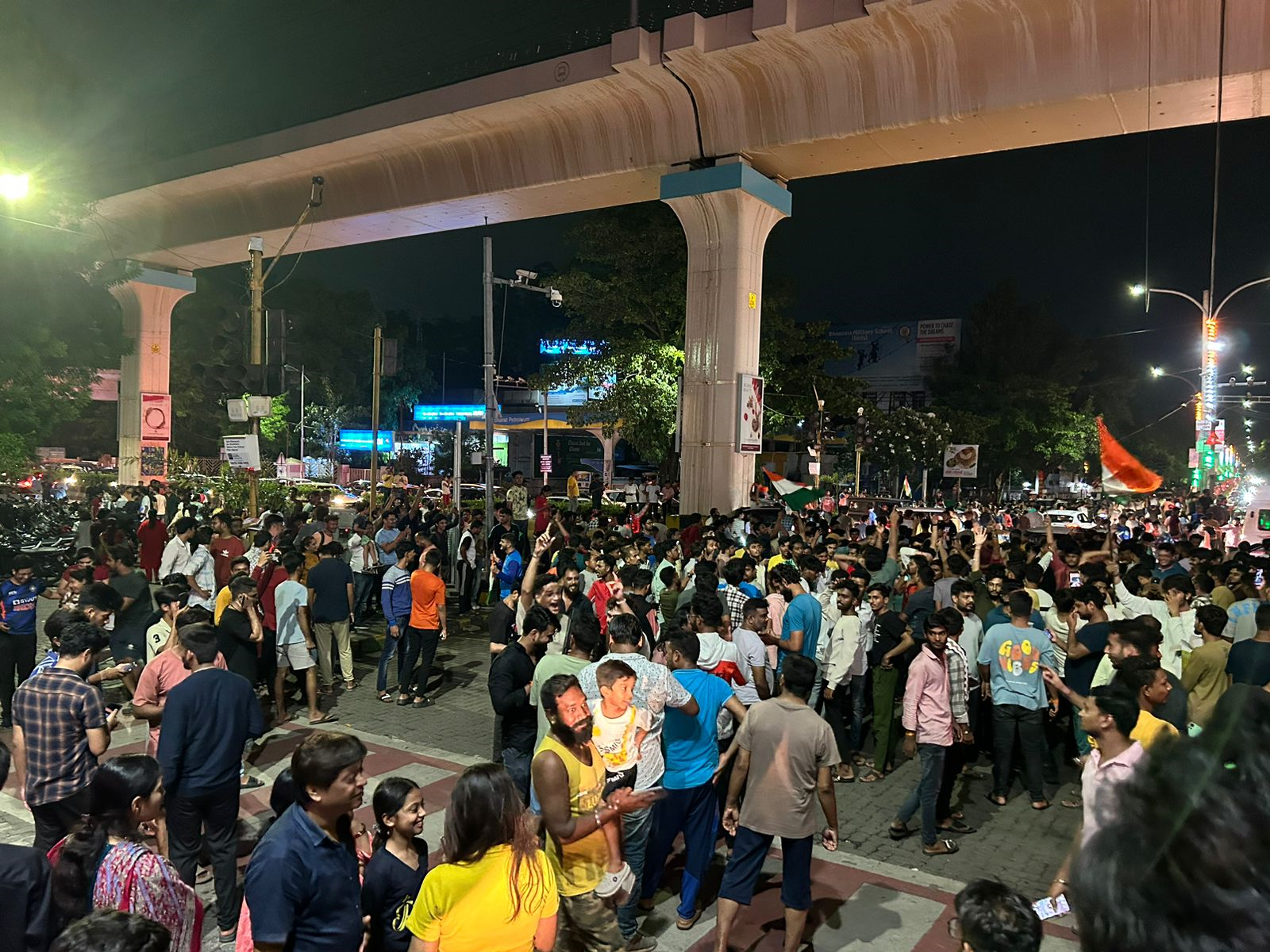
India T20 World Cup 2024: The long wait for an ICC title ended for Team India as the Men in Blue clinched the T20 World Cup 2024 by defeating South Africa. Emotions ran high among the players and over 150 crore Indians, and Nagpurians were no exception! Nagpurians thronged the Dharampeth area to celebrate India’s T20 World Cup victory over South Africa. Crackers were burst and citizens danced to the tunes of “Chak De India” and “Lehra Do.” Celebrations are still ongoing as of the filing of this news.

A Historic Win for India

The Road to Victory

India’s journey to the T20 World Cup 2024 was nothing short of spectacular. The team faced numerous challenges but emerged victorious through sheer determination and skill.

Key Players and Their Performances

Virat Kohli: The Captain’s Knock

Virat Kohli led from the front, with his exceptional leadership and batting prowess. His performance in the final was crucial to India’s success.

Jasprit Bumrah: The Bowler Extraordinaire

Jasprit Bumrah’s bowling spells were game-changers throughout the tournament. His ability to take wickets at critical moments was a major asset for the team.

Memorable Matches Leading Up to the Final

India vs. Pakistan: The Nail-Biter

The match against Pakistan was one of the most thrilling encounters, with India narrowly securing a win in the last over.

India vs. England: The Dominant Display

In the semi-finals, India showcased a dominant performance against England, setting the stage for the final showdown.

Nagpur’s Unmatched Enthusiasm

The Heart of Celebrations: Dharampeth

Dharampeth became the epicenter of celebrations in Nagpur. The streets were filled with jubilant fans, fireworks, and music.

Street Performances and Flash Mobs

Local artists and dance groups performed spontaneous flash mobs, adding to the festive atmosphere.

The Role of Social Media

Social media played a significant role in spreading the joy. Live videos, photos, and updates kept everyone connected and engaged.

Community Spirit and Unity

Local Heroes and Their Contributions

Community Leaders and Volunteers

Local leaders and volunteers ensured that the celebrations were safe and well-organized. Their efforts were instrumental in managing the large crowds.

Businesses Joining the Festivities

Shops and Restaurants Offering Discounts

Many local businesses joined in the celebrations by offering discounts and special deals to customers.

The Emotional High

Stories from the Streets

Personal Anecdotes

Residents shared personal stories and memories of previous cricket victories, adding to the emotional high.

Fan Reactions

Fans of all ages expressed their joy and pride in India’s achievement, with many shedding tears of happiness.

Family Gatherings and Community Feasts

Families and communities came together to celebrate with feasts and gatherings, strengthening bonds and creating lasting memories.

Looking Ahead: Future Prospects

The Next Generation of Cricketers

Youth Programs and Initiatives

The victory has inspired many young aspiring cricketers. Local sports academies have seen a surge in enrollments.

Sustaining the Momentum

Continuous Support and Development

Maintaining this momentum is crucial for the future. Continued support and development programs will help nurture the next generation of talent.

Global Reactions

International Praise and Congratulations

Messages from Other Teams

Teams and players from around the world sent their congratulations and praised India’s performance.

Media Coverage and Highlights

Global News Outlets

The victory was covered extensively by international media, highlighting the significance of the win.

Nagpur’s Unique Celebration Traditions

Cultural Performances and Events

Traditional Dances and Music

Nagpur’s rich cultural heritage was on full display, with traditional dances and music performances adding to the celebrations.

Community Parades

Local Floats and Decorations

Parades featuring decorated floats and local artists were organized, showcasing the city’s creativity and spirit.

Safety and Order During Celebrations

Police and Security Measures

Ensuring Public Safety

Local authorities and police worked tirelessly to ensure that the celebrations were safe and orderly.

Emergency Services on Standby

Quick Response Teams

Emergency services were on standby to handle any potential issues, ensuring that the festivities could continue without disruption.

Economic Impact of the Victory

Boost to Local Businesses

Increased Sales and Revenue

The celebrations brought a significant boost to local businesses, with increased sales and revenue.

Tourism and Hospitality

Attracting Visitors

Nagpur saw an influx of visitors, boosting the tourism and hospitality sectors.

India’s T20 World Cup victory has brought immense joy and pride to the nation, and Nagpur’s celebrations have been a testament to the city’s vibrant spirit. The unity, enthusiasm, and community spirit displayed during the celebrations have made this victory even more special. As the celebrations continue, the focus now shifts to nurturing the next generation of cricketers and sustaining this momentum for future successes.

  1. What was the key factor in India’s victory in the T20 World Cup 2024? The key factor was the exceptional performances of both the batsmen and bowlers, along with strategic leadership by the captain.
  2. How did Nagpur celebrate India’s T20 World Cup win? Nagpur celebrated with street parties, fireworks, music, and dance, particularly in the Dharampeth area.
  3. What impact did social media have on the celebrations? Social media played a significant role by connecting people, sharing live updates, and spreading the joy of the victory.
  4. How has this victory inspired the next generation of cricketers? The victory has inspired many young aspiring cricketers to pursue their dreams, leading to increased enrollments in local sports academies.
  5. What measures were taken to ensure safety during the celebrations? Local authorities and police ensured public safety through security measures and emergency services on standby.

Nagpur Metro: Beginning Monday Trains Every 10 Mins from 8 am to 8 pm

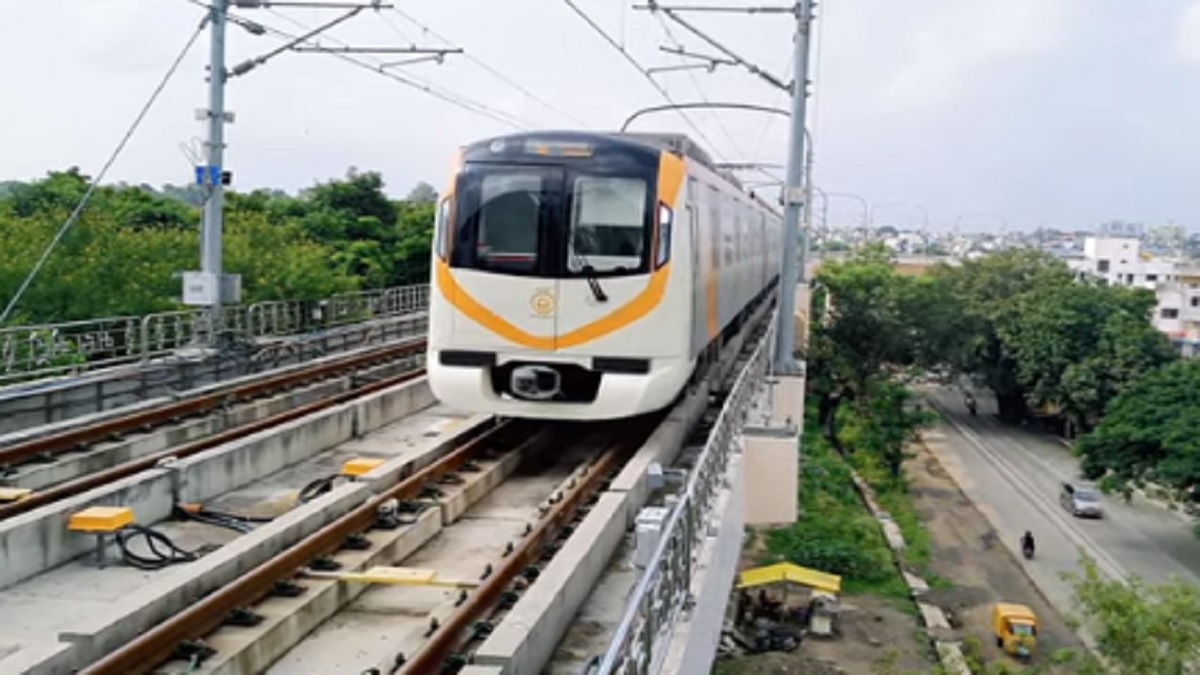
Nagpur Metro Train Schedule: With the new academic session kicking off in Nagpur, Maha Metro is stepping up to ensure that students, office-goers, and the general public have access to frequent and reliable transportation. Starting June 24th, Nagpur Metro will increase its train frequency to every 10 minutes between 8 am and 8 pm from the four terminal stations: Khapri, Automotive Square, Prajapati Nagar, and Lokmanya Nagar.

The New Schedule: What You Need to Know

Increased Train Frequency

Nagpur Metro has revamped its schedule to better serve the community. From Monday, trains will run every 10 minutes from 8 am to 8 pm. This increase from the previous 15-minute intervals aims to accommodate the growing number of commuters, especially with the academic session in full swing.

Terminal Stations Covered

The four terminal stations that will see this increased frequency are:

  • Khapri
  • Automotive Square
  • Prajapati Nagar
  • Lokmanya Nagar

These stations are crucial hubs for students, office workers, and other daily commuters.

Benefits for Students and Parents

Aligning with School Schedules

With schools and colleges resuming, the new schedule aligns perfectly with school timings. Students can now rely on the Metro to get to and from school safely and on time, without the hassle of road traffic.

Extended Hours for Extra Classes

Recognizing that many students attend extra classes that run until 6 pm or later, the Metro’s operational hours have been extended to 8 pm, ensuring that students have a safe and reliable way to get home.

Nagpur Metro Train Schedule: Fare Rationalization: A Boon for Commuters

Reduced Fares

Nagpur Metro has rationalized its fare structure, leading to a 33% reduction in train fares. This move makes daily commutes more affordable for everyone.

Student Discounts

Students benefit even more with a 30% discount on the Maha Card, effectively reducing the fare for school and college students by about 50% compared to pre-rationalization days.

Increased Ridership

The fare reduction has positively impacted Metro ridership, as more people are opting for this economical and efficient mode of transport.

Safety and Convenience: Why Choose Nagpur Metro?

Safe Travel

In light of recent road mishaps, traveling by Metro is a safer alternative. The Metro ensures a secure journey, minimizing the risks associated with road travel.

Bicycle-Friendly

Students can carry their bicycles inside the Metro at no extra charge, providing seamless connectivity and encouraging eco-friendly transportation.

WhatsApp Ticketing: A Smart Move

Hassle-Free Ticketing

Nagpur Metro’s introduction of WhatsApp ticketing is a game-changer. Commuters can now book their tickets via WhatsApp, eliminating the need to stand in long queues.

Eco-Friendly

This digital ticketing system saves paper, contributing to environmental conservation.

Multiple Ticketing Options

Nagpur Metro offers various ticket purchasing methods to cater to different commuter preferences:

  • Ticket Window Cash
  • Ticket Vending Machines
  • Maha Metro Ticket Booking App
  • Maha Card (10% Discount)
  • Student Maha Card (30% Discount)
  • WhatsApp Ticketing

Operational Hours

While the increased frequency from 8 am to 8 pm primarily targets students and office-goers, the Metro services operate from 6 am to 10 pm, benefiting the entire community, including the trading and business sectors.

Encouraging Metro Travel

With the academic activity ramping up, Nagpur Metro urges students and their parents to prioritize Metro travel. It offers a comfortable, economical, and secure journey, ideal for daily commutes.

Nagpur Metro’s decision to increase train frequency and rationalize fares is a significant step towards enhancing urban mobility in the city. This initiative not only caters to the needs of students but also benefits office-goers, traders, and the broader community. The emphasis on safety, convenience, and affordability makes Nagpur Metro an excellent choice for daily travel.

  1. What are the new operational hours for Nagpur Metro?
    • The Metro operates from 6 am to 10 pm, with increased frequency from 8 am to 8 pm.
  2. How often will trains run starting June 24th?
    • Trains will run every 10 minutes from 8 am to 8 pm.
  3. Are there any discounts available for students?
    • Yes, students can avail a 30% discount on the Maha Card.
  4. Can students carry bicycles on the Metro?
    • Yes, students can carry bicycles inside the Metro at no extra charge.
  5. What ticketing options does Nagpur Metro offer?
    • Ticket Window Cash, Ticket Vending Machines, Maha Metro Ticket Booking App, Maha Card, Student Maha Card, and WhatsApp Ticketing.

Metro Plans WhatsApp Services for Booking Auto-Rickshaws Too

Metro WhatsApp Auto-Rickshaw Booking: The Nagpur Metro has taken a significant leap in digital convenience by launching a new WhatsApp ticketing system. This initiative, in collaboration with Billeasy, aims to revolutionize the way commuters book tickets and stay informed about their travel. Akash Patil, the founder and CEO of Billeasy, highlights the system’s multifaceted functionality, which includes not just ticket booking but also updates on metro schedules and maintenance. The goal is to extend this service to auto-rickshaws, creating a seamless travel experience for commuters from the metro station to their final destination.

A New Era of Ticketing

Introduction to WhatsApp Ticketing

The WhatsApp ticketing system is a groundbreaking move by MahaMetro to integrate digital solutions into public transportation. This service enables commuters to book their metro tickets through WhatsApp, making the process quick, easy, and accessible.

How It Works

  • Step 1: Scan the QR code available at all Nagpur Metro stations or send a “Hi” to +918624888568 on WhatsApp.
  • Step 2: You will be directed to the official WhatsApp account where you can initiate the booking process.
  • Step 3: Click on “Book Now” to access the list of stations.
  • Step 4: Select your departure and destination stations.
  • Step 5: Choose your preferred payment method, whether it’s online payment or UPI.
  • Step 6: Complete your payment, and you will receive a QR code ticket on WhatsApp.
  • Step 7: Scan this QR code at the metro gate to enter.

Expanding the Service to Auto-Rickshaws

Future Plans

Akash Patil has announced plans to extend the WhatsApp booking service to auto-rickshaws. This addition will allow commuters to book feeder services seamlessly, ensuring they can travel from the metro station to their final destination without any hassle.

Expected Adoption Rates

Initially, it is anticipated that 10% to 15% of commuters will use the WhatsApp ticketing facility. As awareness and familiarity with the service grow, these numbers are expected to increase significantly.

Current Adoption and Usage

Multiple Digital Options

Currently, around 40% of metro passengers use various digital options such as mobile apps, online payments, and MahaCards to book their tickets. The introduction of the WhatsApp ticketing system is expected to enhance these digital options, providing more convenience and flexibility to commuters.

MahaCard and QR Codes

Over 85,000 citizens have already received the MahaCard, with an average of 100 cards being issued daily. QR codes are also extensively used for making payments, further streamlining the ticketing process.

Inauguration and Support Metro WhatsApp Auto-Rickshaw Booking

Launch Event

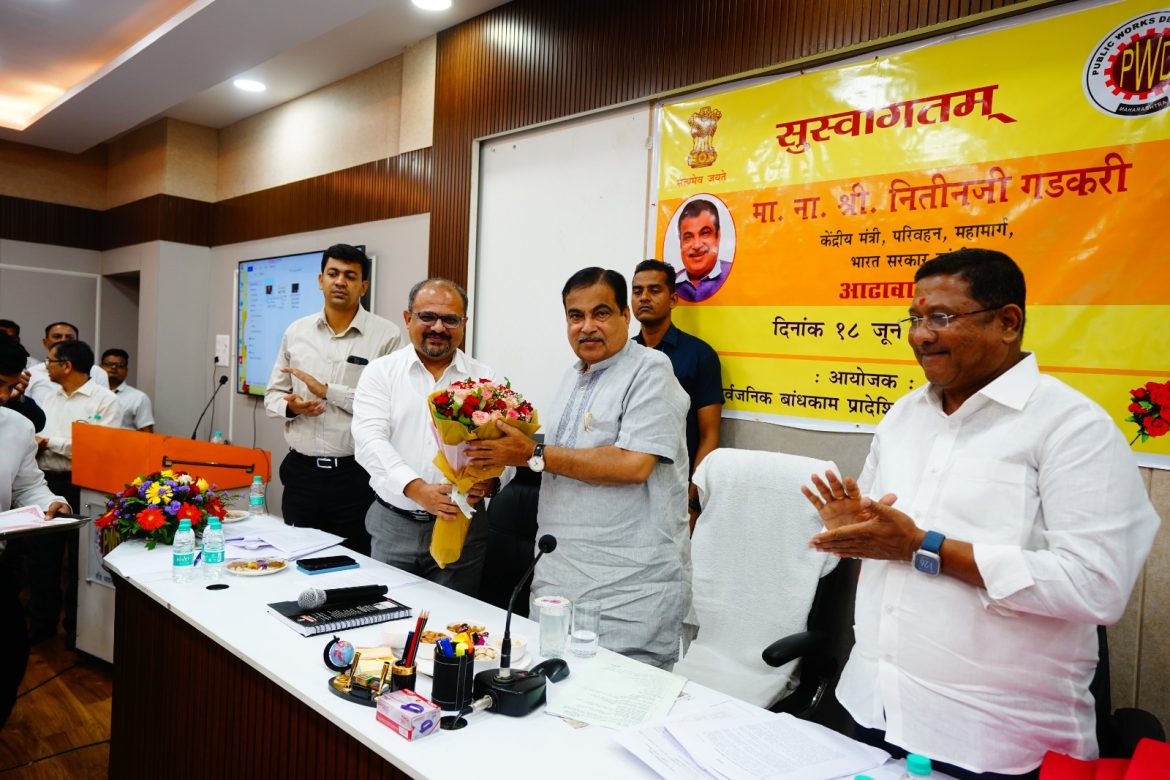
The new WhatsApp ticketing system was launched by Union Minister for Road Transport and Highways, Nitin Gadkari. The event was attended by several dignitaries including MLA Mohan Mate, Collector Dr. Vipin Itankar, NMC Commissioner Abhijit Chaudhary, Director of Strategic Planning MahaMetro Anil Kokate, and Director of Projects Rajiv Tyagi.

Encouraging Digital Transactions

The number of metro passengers is on the rise, and with it, the adoption of cashless transactions. The WhatsApp ticketing system is a part of MahaMetro’s initiative to encourage digital mediums for buying tickets.

Discounts and Promotions

Weekend and Holiday Discounts

MahaMetro is offering a 30% discount on metro travel during weekends (Saturday and Sunday) and on gazetted holidays. This initiative is aimed at promoting the use of metro services and encouraging more commuters to switch to cashless transactions.

Ease of Payment

The WhatsApp ticketing system supports various payment methods, including debit cards, online payments, and UPI. This flexibility ensures that commuters can choose the payment option that suits them best.

The introduction of the WhatsApp ticketing system by MahaMetro marks a significant advancement in the digitalization of public transportation in Nagpur. By offering a convenient, fast, and user-friendly way to book metro tickets and stay informed, MahaMetro is setting a new standard for urban mobility. With plans to extend this service to auto-rickshaws, the future looks promising for seamless, integrated travel solutions.

1. How do I book a metro ticket using WhatsApp?

To book a metro ticket using WhatsApp, simply scan the QR code at any Nagpur Metro station or send a “Hi” to +918624888568. Follow the prompts to complete your booking and payment.

2. What payment methods are available for WhatsApp ticketing?

You can choose from various payment methods including online payment, UPI, and debit card options.

3. Will the WhatsApp ticketing system be extended to other services?

Yes, there are plans to extend the WhatsApp ticketing system to include auto-rickshaw bookings, providing a seamless travel experience from the metro station to your final destination.

4. Are there any discounts available for metro travel?

Yes, MahaMetro offers a 30% discount on metro travel during weekends (Saturday and Sunday) and on gazetted holidays.

5. How many people are currently using the MahaCard?

Over 85,000 citizens have received the MahaCard, with an average of 100 cards being issued daily.

Exit mobile version