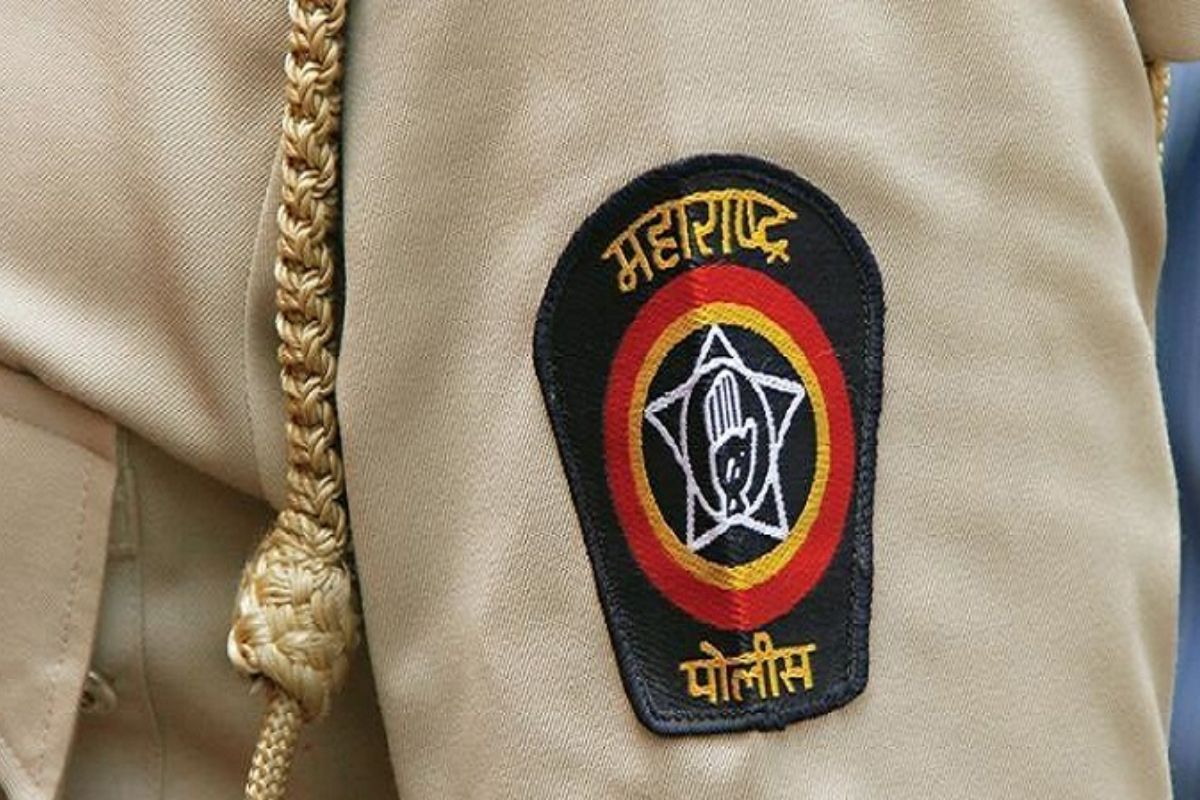
Graduates, Post-grads, Transgenders Apply for 347 Posts of Police Constables

Police Constable Recruitment Nagpur: The Nagpur Police Commissionerate has announced a recruitment drive for 347 posts of constables, receiving an overwhelming 29,987 applications. The recruitment process, set to begin on June 19, 2024, at the Police Headquarters in Takli, has seen applications from a diverse pool of candidates, including 7,713 women and five transgender individuals. This article explores the details of this extensive recruitment drive, shedding light on the inclusive approach and meticulous planning involved.

Understanding the Recruitment Drive

Huge Turnout for Police Constable Positions

The sheer volume of applications for the 347 police constable positions highlights the enthusiasm and readiness of candidates to join the police force. With graduates and post-graduates forming the bulk of the applicants, the competition promises to be fierce.

Biometric Screening for Authenticity

To ensure the integrity of the recruitment process, biometric details of each candidate are being recorded. This measure aims to prevent impersonation during the written and physical tests, ensuring a fair selection process.

Vigilance Against Unfair Practices

The police units are on high alert to detect and deter any unfair means. Officers are instructed to be extra vigilant during the physical fitness and written exams. Additionally, the Anti-Corruption Bureau is actively monitoring the process to maintain transparency and fairness.

The Role of Key Officials

Commissioner of Police and Joint Commissioner’s Roles (Police Constable Recruitment Nagpur)

Commissioner of Police Dr. Ravinder Singal and Joint Commissioner of Police Aswati Dorje are at the helm of this massive recruitment drive. Their leadership is crucial in overseeing the entire process, ensuring that it runs smoothly and efficiently.

Additional CP and Recruitment of Jail Sepoys

Additional CP (Crime) Sanjay Patil is responsible for the recruitment of jail sepoys. With 55,297 applications for 252 sepoy posts at Nagpur Central Jail, including 15,618 from women and five from transgender individuals, this segment of the recruitment is equally significant. The drive for these posts will commence on July 11 and continue until August 17.

Ensuring Security and Transparency

Extensive CCTV Surveillance

To maintain a transparent and secure environment, more than 250 CCTV cameras will be installed to monitor the recruitment process. This extensive surveillance aims to deter and detect any misconduct, ensuring a smooth operation.

Deployment of Police Personnel

A substantial number of police personnel, including two deputy commissioners, three assistant commissioners, 46 police inspectors, assistant police inspectors, and 261 constables, will be deployed. This deployment ensures that the recruitment drive is well-managed and that any issues are promptly addressed.

Inclusive Approach in Recruitment

Encouraging Diversity

The inclusion of transgender individuals in the recruitment process marks a significant step towards diversity and inclusion within the police force. This move not only provides equal opportunities but also enriches the force with varied perspectives and experiences.

Opportunities for Women

With a notable number of women applicants, the recruitment drive underscores the growing interest and participation of women in law enforcement. This trend is encouraging for the future of gender diversity in the police force.

Preparation and Participation

Physical and Written Exams

Candidates are required to undergo rigorous physical and written exams. These tests are designed to assess their physical fitness and academic knowledge, ensuring that only the most capable individuals are selected.

Role of ACP (Headquarters)

The ACP (Headquarters) serves as the nodal officer, coordinating various aspects of the recruitment process. This role is pivotal in ensuring that the process is seamless and that all logistical aspects are handled efficiently.

Community and Family Considerations

Avoiding Conflicts of Interest

To avoid any potential conflicts of interest, police personnel with family members, relatives, or close friends applying for the posts have been kept away from the recruitment drive. This measure ensures impartiality and fairness.

Engaging the Community

The recruitment drive has garnered significant interest from the community, reflecting the respect and aspiration the public holds for the police force. This engagement is vital for building trust and cooperation between the police and the community.

Technical and Logistical Aspects

Advanced Biometric Systems

The use of advanced biometric systems exemplifies the commitment to a transparent and tamper-proof recruitment process. These systems are essential in maintaining the integrity of the exams and selections.

Effective Communication Channels

Clear and effective communication channels have been established to keep all stakeholders informed. This includes updates on the recruitment stages, exam schedules, and any changes in procedures.

Challenges and Solutions

Managing High Application Volumes

Handling the high volume of applications is a significant challenge. However, meticulous planning and efficient resource allocation have been implemented to manage this effectively.

Ensuring Fairness and Transparency

Ensuring fairness and transparency remains a top priority. Continuous monitoring and the involvement of multiple oversight bodies help in maintaining the highest standards.

The Nagpur Police Commissionerate’s recruitment drive for 347 police constable posts is a monumental task, reflecting the aspirations of thousands of candidates. With a robust system in place, led by dedicated officials and supported by advanced technology, the process aims to be fair, transparent, and inclusive. The inclusion of diverse candidates, including women and transgender individuals, marks a progressive step towards a more representative police force.

1. What measures are in place to ensure a fair recruitment process?

The recruitment process includes biometric screenings, extensive CCTV surveillance, and active monitoring by the Anti-Corruption Bureau to ensure fairness and transparency.

2. How many applications were received for the police constable positions?

The Nagpur Police Commissionerate received 29,987 applications for 347 police constable positions.

3. When does the recruitment drive start?

The recruitment drive for police constables starts on June 19, 2024, and for jail sepoys, it begins on July 11, 2024.

4. How are conflicts of interest being avoided?

Police personnel with family members, relatives, or close friends applying for the posts are kept away from the recruitment process to ensure impartiality.

5. What is the significance of including transgender individuals in the recruitment?

Including transgender individuals promotes diversity and inclusion within the police force, providing equal opportunities and enriching the force with varied perspectives.


Nagpur’s Divya Deshmukh Wins World Junior Girls Chess Championship 2024 Title

Nagpur’s International Master (IM) Divya Deshmukh has emerged victorious, adding another prestigious title to her name by winning the World Junior Girls’ Chess Championship 2024. This monumental win, held at the Gift City Club in Gandhinagar, saw the talented 18-year-old triumph over Grand Master Beloslava Krasteva of Bulgaria in the final round. Her exceptional performance in the tournament further solidifies her standing in the world of chess.

Divya Deshmukh’s Journey to the Top

A Determined Champion

Divya Deshmukh’s determination and hard work have been key factors in her success. She expressed her joy after winning the championship, stating, “I was determined to win the World Junior Championship. I had prepared well for the competition and my hard work paid off.” Her recent victory at the Sharjah Challengers in Sharjah was a testament to her continuous effort and focus.

Unbeaten Streak

Divya’s performance in the World Junior Girls’ Chess Championship was nothing short of spectacular. She remained unbeaten throughout the tournament, finishing with 10 points out of a possible 11. This included nine wins and two draws, demonstrating her dominance and consistency.

Strong Competition

The championship saw participation from over 100 players representing 27 countries. Despite the tough competition, Divya’s strategic gameplay and unwavering focus helped her maintain the lead from start to finish.

The Final Rounds

Dominant Performance

Divya’s lead was evident after seven rounds, where she was half a point ahead of Mariam Mkrtchyan of Armenia. Her penultimate round victory against fellow Indian Sachi Jain further secured her position at the top.

A Memorable Tournament

For Divya, this tournament was particularly special. It marked her maiden World Junior Girls’ Chess Championship title, a milestone in her already impressive career. Her parents, Dr. Jitendra and Namrata, surely take immense pride in their daughter’s accomplishments.

The Advantage of Playing at Home

Home Ground Advantage

Playing in Gandhinagar provided Divya with the comfort of being at home. She acknowledged the advantage but also highlighted the challenges, stating, “Yes, playing at home is always helpful but yes I had to fight for this crown.”

Building Confidence

Divya’s confidence soared after her victory in the sixth round against WIM Allahverdiyeva Ayan of Azerbaijan. This win boosted her morale and set the tone for the rest of the tournament.

The Final Showdown

Starting Strong

In the final round, Divya, playing with white pieces, started brilliantly. Her Queen Pawn opening set the stage for a better middle game against Beloslava Krasteva.

Strategic Gameplay

Divya’s constant pressure weakened her opponent’s pawn structure. In the ensuing Queen and Rook endgame, Divya secured a pawn, making Krasteva’s king vulnerable. This tactical play led to a winning position, forcing the Bulgarian to concede.

Joining the Elite

Historic Achievement

Divya Deshmukh’s victory places her among the elite group of Indian women chess players who have won the Under-20 world titles. She is now the fourth Indian woman to achieve this feat, following in the footsteps of Koneru Humpy (2001), Dronavalli Harika (2008), and Soumya Swaminathan (2009).

Divya Deshmukh’s triumph at the World Junior Girls’ Chess Championship 2024 is a testament to her dedication, skill, and strategic prowess. Her unbeaten run and exceptional performance have not only brought pride to Nagpur but also to India. As she continues to rise in the world of chess, her future looks incredibly bright.

1. Who is Divya Deshmukh?

Divya Deshmukh is an 18-year-old International Master from Nagpur, India, who recently won the World Junior Girls’ Chess Championship 2024.

2. How did Divya Deshmukh perform in the World Junior Girls’ Chess Championship 2024?

Divya Deshmukh remained unbeaten throughout the tournament, finishing with 10 points out of a possible 11, including nine wins and two draws.

3. Who did Divya Deshmukh defeat in the final round of the championship?

Divya Deshmukh defeated Grand Master Beloslava Krasteva of Bulgaria in the final round to win the championship.

4. What other notable achievement did Divya Deshmukh recently accomplish?

Divya Deshmukh recently won the Sharjah Challengers in Sharjah before her victory at the World Junior Girls’ Chess Championship 2024.

5. Who are the other Indian women chess players who have won the Under-20 world titles?

The other Indian women chess players who have won the Under-20 world titles are Koneru Humpy (2001), Dronavalli Harika (2008), and Soumya Swaminathan (2009).

With Swastik Model, Oxygen Man Aims to Nurture 8cr Trees

Tree Plantation| Oxygen Man | Nagpur: ‘Oxygen Man’ AS Nathan’s innovative ‘Swastik’ model of plantation is rapidly gaining popularity across the state, providing a strategic method to combat heat waves and the impacts of climate change. This model involves planting saplings of multiple species in a 100×100 ft plot arranged in the shape of a ‘Swastik,’ a design that has proven to be both unique and sustainable for afforestation.

The Genesis of the Swastik Model

The ‘Swastik’ model was first implemented on June 5, 2022, in Kapshi (Akola) by then district collector Nima Arora and CEO Sourabh Katyar. Since its inception, the model has been adopted in various districts including Washim, Latur, Buldhana, Amravati, and Pune.

A Vision Rooted in Research

“I developed the concept after extensive research,” says Nathan. “The aim is to create a diverse ecosystem by planting various tree species, including fruit-bearing, medicinal, and timber-yielding trees, in a pattern resembling the auspicious ‘Swastik’ symbol. This approach not only increases the green cover but also ensures the long-term sustainability of the plantation.”

How the Swastik Model Works (Tree Plantation)

The Swastik model involves planting saplings in a specific pattern, which offers numerous ecological and practical benefits.

Diversity and Sustainability

The model emphasizes planting a diverse range of tree species, enhancing the overall biodiversity of the area. This diversity attracts various species of birds, insects, and small animals, creating a thriving ecosystem.

Optimal Space Utilization

The Swastik pattern allows for the optimal use of space and resources. Each tree (Tree Plantation) receives adequate sunlight, water, and nutrients, promoting healthy growth. Additionally, the spaces between the plantations can be utilized as children’s play areas, making the model community-friendly.

Nathan’s Journey: From Film Industry to Forestry

Nathan, originally from Port Blair, was an assistant film director and a film production manager with a firm owned by playback singer Udit Narayan. His transition from the film industry to forestry was inspired by India’s computer scientist Dr. Vijay Bhatkar.

A Call to Action

“Dr. Bhatkar, who hails from Akola where heat waves are severe, appreciated my model and encouraged me to implement it in Akola. I left the film industry in 2015 and relocated to Akola. Since then, I’ve been organizing workshops and promoting schemes like ‘one student, one tree’ and ‘one birth, one tree’,” Nathan shares.

Achievements and Future Goals

Nathan has successfully implemented 70,000 Swastik plantations on government land and dreams of planting 8,000 crore trees. “The country has over 460 lakh hectares of wasteland, which can be utilized for plantations. I’m in touch with district collectors and CEOs to implement the model on government department lands. I work without any commercial interest,” says Nathan.

Community Involvement and Local Adaptation

One of the key strengths of the Swastik model is its adaptability to local environments. The selection of tree species can be tailored to suit the local climate and soil conditions.

Building a Sense of Ownership

The involvement of local communities in the plantation process fosters a sense of ownership and responsibility towards the trees, ensuring their long-term care and protection.

Statewide Promotion and Implementation

The success of the Swastik model in Kapshi, Akola, has inspired other districts and organizations to adopt this innovative approach. The state government actively promotes the implementation of the model.

A Green Future

Akola collector Ajit Kumbhar plans to plant 10 lakh saplings this monsoon, reflecting the growing commitment to afforestation across the state.

AS Nathan’s Swastik model offers a promising solution to the pressing issues of deforestation and climate change. By combining traditional symbols with modern ecological principles, Nathan’s approach not only enhances biodiversity but also engages communities in sustainable practices. As more districts adopt this model, the dream of nurturing 8 crore trees seems well within reach, marking a significant step towards a greener future.

1. What is the Swastik model of plantation?
The Swastik model involves planting saplings in a 100×100 ft plot in the shape of a Swastik, promoting biodiversity and optimal space utilization.

2. Who is AS Nathan?
AS Nathan, known as the ‘Oxygen Man,’ is the creator of the Swastik plantation model and a former film industry professional dedicated to afforestation.

3. How does the Swastik model benefit the environment?
The model enhances biodiversity, ensures sustainable growth of trees, and optimally utilizes space and resources.

4. Where has the Swastik model been implemented?
The model has been implemented in several districts, including Akola, Washim, Latur, Buldhana, Amravati, and Pune.

5. What are Nathan’s future goals?
Nathan aims to plant 8,000 crore trees across the country, utilizing wasteland and engaging local communities in the process.

Rs 37 Lakh Gold, Gadgets, Banned Cigarettes Seized at Nagpur Airport

 Gold, Gadgets, Cigarettes Seized: In a significant breakthrough, customs officials at Dr. Babasaheb Ambedkar International Airport in Nagpur intercepted a smuggling attempt involving gold bars, high-end electronic gadgets, and foreign-origin cigarettes. This notable seizure has drawn attention due to the high value of the confiscated items, totaling over Rs 37 lakh. The operation, executed with precision, underscores the vigilance and efficiency of the Air Intelligence Unit (AIU) and Air Customs Unit (ACU) of Nagpur Customs.

Details of the Seizure

Gold Bars Seized

On a routine Sunday morning, officials discovered 200 grams of 24k gold valued at Rs 14,20,000/-. The gold was concealed meticulously by two passengers, Mohammad Tarique Shaikh and Sunny Bhola Yadav, both residents of Mumbai. These gold bars, each weighing 100 grams, were cleverly hidden but eventually unearthed by the alert customs team.

Electronic Gadgets Confiscated

Alongside the gold, an array of high-end electronic gadgets was seized. This included:

  • 20 iPhone 15 Pro Max devices valued at Rs 18,61,930/-
  • 8 refurbished Dell laptops valued at Rs 2,59,992/-
  • One iPad Air valued at Rs 42,022/-

The total value of these electronic devices amounted to Rs 21,63,944/-. The smugglers aimed to bypass customs duties, which significantly increase the retail prices of such imported gadgets in India.

Banned Cigarettes Intercepted

Adding to the haul, the officials also seized 14,400 cigarette sticks of foreign origin, valued at Rs 1,98,000/-. The import of these cigarettes is heavily regulated, and they often find their way into the country through illegal channels, avoiding hefty import duties.

The Smuggling Attempt ( Gold, Gadgets, Cigarettes Seized)

The Passengers Involved

The operation spotlighted two individuals: Mohammad Tarique Shaikh and Sunny Bhola Yadav. These passengers arrived from Sharjah on Air Arabia Flight No. G9-415. The duo’s plan to smuggle these items was thwarted by the combined efforts of the AIU and ACU.

Operational Tactics

The customs officials employed a mix of intelligence and advanced screening techniques to identify and intercept the contraband. The vigilance of the officials and the use of sophisticated technology played a pivotal role in this successful operation.

Key Personnel

The operation was conducted under the guidance and supervision of Sanjay Kumar, Commissioner of Customs, Nagpur, and Peeyoush Bhati, Additional Commissioner of Customs, Nagpur. The direct execution was handled by Anjum Tadvi, Assistant Commissioner (AC) of AIU, with substantial support from V Laxminarayana, AC of ACU, and other dedicated officials including Alexander Lakra, Manish Pandharpurkar, Rajesh Khapre, Prakash Kapse, Vishal Bhopte, Shubham Kori, Yogita Mulani, Aditya Bairwa, Krishna Kant Dhakar, and Priyanka Meena.

Team Effort

The coordinated effort of the entire team was crucial. Each member played a significant role in ensuring the smuggling attempt was foiled. This collaborative approach highlights the strength and efficiency of Nagpur Customs in dealing with complex smuggling operations.

Impact of the Seizure ( Gold, Gadgets, Cigarettes Seized)

Economic Implications

This seizure is not just about preventing illegal goods from entering the market; it has broader economic implications. By intercepting these items, customs officials prevented significant revenue loss in the form of unpaid import duties and taxes.

Market Regulations

The confiscation of these items helps maintain market stability. Illegally imported goods often flood the market at lower prices, undercutting legitimate businesses and affecting the overall economy.

Public Safety and Health

Banned cigarettes pose a significant health risk. Their unregulated entry into the market can lead to increased public health issues. This seizure helps in controlling the availability of such harmful products.

The recent operation by Nagpur Customs at Dr. Babasaheb Ambedkar International Airport exemplifies the effectiveness of diligent and coordinated efforts in combating smuggling. The seizure of gold, high-end electronics, and banned cigarettes worth over Rs 37 lakh is a testament to the vigilance and commitment of customs officials. Their success in this operation not only protects economic interests but also ensures public safety and market regulation.

1. What was the total value of the seized items at Nagpur Airport?

  • The total value of the seized items was Rs 37,81,944/-.

2. Which electronic gadgets were confiscated during the operation?

  • The confiscated gadgets included 20 iPhone 15 Pro Max devices, 8 refurbished Dell laptops, and one iPad Air.

3. How much gold was seized and what was its value?

  • 200 grams of 24k gold valued at Rs 14,20,000/- was seized.

4. Who were the passengers involved in the smuggling attempt?

  • The passengers involved were Mohammad Tarique Shaikh and Sunny Bhola Yadav, both residents of Mumbai.

5. How did the customs officials manage to intercept the smuggled goods?

  • The officials used a combination of intelligence and advanced screening techniques to identify and intercept the contraband.

Ram Jhula Accident: Dinesh Malu Arrested for Tampering with Evidence, Ritu Malu Still at Large

Ram Jhula accident: The Ram Jhula incident has shaken the community and drawn significant attention to the actions of Dinesh Malu and his wife, Ritu Malu. Here’s an in-depth look into the case, its repercussions, and the ongoing search for justice.

The Incident on Ram Jhula

On the night of February 24, a tragic accident occurred on Ram Jhula involving a Mercedes car driven by Ritu Malu. Under the influence of alcohol, Ritu lost control of the vehicle, resulting in the deaths of two young men, Mohd Hussain Gulam Mustafa (34) and Mohd Atif Mohd Jiya (32).

Victims of the Tragedy

Mohd Hussain Gulam Mustafa

  • Age: 34
  • Residence: Naal Sahab Square, Mominpura
  • Background: Hussain was a well-respected member of his community, known for his kind nature and willingness to help others.

Mohd Atif Mohd Jiya

  • Age: 32
  • Residence: Jafar Nagar
  • Background: Atif was a beloved friend and family member, whose untimely death left a significant void in the lives of those who knew him.

Immediate Aftermath

Following the accident, Ritu Malu and her companion, Madhuri Shishir Sarda, fled the scene. The community was left in shock and grief, demanding swift justice for the lives lost.

Charges Against Ritu Malu

The Tehsil Police swiftly registered a case against Ritu under several sections of the Indian Penal Code (IPC) and the Motor Vehicle Act:

  • Section 279: Rash driving or riding on a public way.
  • Section 338: Causing grievous hurt by act endangering life or personal safety of others.
  • Section 304(a): Causing death by negligence.
  • Section 184 of the Motor Vehicle Act: Driving dangerously.

The Arrest of Dinesh Malu

Accusations of Evidence Tampering

On Monday, Dinesh Bajranglal Malu, Ritu’s husband, was arrested by the Tehsil Police on charges of tampering with evidence. The police alleged that Dinesh had interfered with the investigation to protect his wife.

Court Proceedings

The police presented Dinesh before the court and requested custody to further aid in the search for Ritu. However, the court rejected the plea and granted Dinesh bail, raising questions about the handling of the case.

Ritu Malu: Still at Large

Despite the arrest of Dinesh, Ritu Malu remains at large. The police are actively searching for her, urging the public to come forward with any information that might lead to her capture.

Community Reaction

Public Outcry

The incident has sparked outrage within the community. Residents have organized rallies and social media campaigns, demanding justice for the victims and harsher penalties for those involved in such reckless behavior.

Family Statements

The families of Hussain and Atif have publicly expressed their grief and frustration, calling for immediate action to bring Ritu Malu to justice.

Impact on Road Safety Awareness

The Ram Jhula accident has brought to light the critical issue of road safety and the consequences of driving under the influence. Advocacy groups are using this incident to push for stricter enforcement of traffic laws and better education on the dangers of drunk driving.

Legal Implications and Responsibilities

Responsibilities of Vehicle Owners

The case highlights the legal responsibilities of vehicle owners and drivers. Under Indian law, those who own and operate vehicles must ensure they are not used negligently or recklessly.

Potential Legal Repercussions for Tampering

Tampering with evidence in a legal investigation is a serious offense, potentially resulting in significant penalties, including imprisonment.

Search for Ritu Malu

The ongoing search for Ritu Malu involves multiple police departments and community efforts. Authorities are confident that with continued pressure and public assistance, they will soon locate and apprehend her.

The Ram Jhula accident is a tragic reminder of the dangers of reckless driving and the far-reaching consequences of such actions. The arrests and ongoing search efforts underscore the importance of accountability and justice. As the community mourns the loss of two young lives, the call for justice grows louder, and the hope remains that those responsible will be held accountable.

1. What charges were filed against Ritu Malu?

Ritu Malu was charged under Sections 279, 338, and 304(a) of the Indian Penal Code, along with Section 184 of the Motor Vehicle Act.

2. Why was Dinesh Malu arrested?

Dinesh Malu was arrested on charges of tampering with evidence related to the investigation of the Ram Jhula accident.

3. What are the implications of tampering with evidence?

Tampering with evidence can lead to serious legal repercussions, including fines and imprisonment, as it obstructs the judicial process.

4. How has the community responded to the incident?

The community has responded with outrage and demands for justice, organizing rallies and social media campaigns to raise awareness and pressure authorities.

5. What steps are being taken to find Ritu Malu?

The police are actively searching for Ritu Malu, involving multiple departments and seeking public assistance to locate her.

Businessman Karan Tuli Accused of Molesting Female Doctor and Making Kidnapping Threats

Karan Tuli Molestation Case: A troubling case has emerged involving businessman Karan Tuli, who allegedly molested a female doctor and threatened to kidnap her. Based on the victim’s complaint, the Sadar police have registered a case against Tuli for molestation and intimidation. This incident has sent shockwaves through the city’s medical community.

The Incident Unfolds

Hospital Admission and Departure

The victim, a 44-year-old doctor, runs a hospital in Sadar with her husband. Karan Tuli, a regular patient at the hospital, was admitted for treatment on May 22 and left on May 25 without notifying the staff or settling his bill.

Unpaid Bills and Broken Promises

Upon discovering the unpaid bill, the doctor’s husband contacted Tuli, who promised to have his brother pay the amount within a few days. However, instead of fulfilling his promise, Tuli began harassing the female doctor with late-night phone calls.

Harassment Begins

Inappropriate Late-Night Calls

According to the victim’s complaint, Tuli made inappropriate comments during these calls. On the night of June 1, he called her on WhatsApp, expressing a desire to be readmitted to the hospital.

Escalating Threats

The harassment didn’t stop there. Tuli’s calls grew more frequent and menacing, culminating in threats of kidnapping, causing immense distress to the doctor and her family.

Impact on the Medical Community

Raising Awareness

This case has raised serious concerns among the city’s doctors, highlighting the need for stronger measures to protect healthcare professionals from such threats and harassment.

Support from Medical Associations

Medical associations have rallied behind the victim, demanding justice and better protection for healthcare workers. They emphasize the vulnerability of doctors to such abuses and the pressing need for systemic changes.

Case Registration

Based on the victim’s complaint, the Sadar police have registered a case against Tuli for molestation and intimidation. The investigation is ongoing, with authorities gathering evidence and testimonies to build a robust case.

Community Outcry

The incident has sparked outrage within the community, with calls for swift and strict action against Tuli. Many argue that leniency in such cases only emboldens perpetrators.

Strengthening Security in Hospitals

One of the primary concerns is the need for enhanced security measures in hospitals. Ensuring the safety of medical professionals is paramount to maintaining trust in healthcare institutions.

Training and Awareness Programs

Regular training and awareness programs can empower healthcare workers to handle such situations more effectively. Knowing how to respond to threats and harassment can make a significant difference.

The Psychological Toll

Impact on the Victim (Karan Tuli Molestation Case)

The psychological impact on the victim cannot be understated. Such incidents can lead to long-term trauma, affecting both personal and professional lives.

Support Systems

Establishing strong support systems, including counseling and peer support, is crucial in helping victims recover and continue their vital work without fear.

Community Response

Public Support

Public support for the victim has been overwhelming, with many expressing their solidarity and calling for justice. This collective voice is essential in driving change and ensuring accountability.

Social Media Campaigns

Social media has played a pivotal role in amplifying the victim’s story, drawing attention to the broader issue of harassment in the medical field. Campaigns and hashtags have kept the conversation alive, pushing for real action.

Moving Forward

There is a growing demand for legal reforms to provide better protection for healthcare professionals. Clearer laws and stricter enforcement are necessary to deter such incidents.

Community Involvement

Community involvement is key to addressing and preventing harassment. By fostering a culture of respect and support, we can create safer environments for everyone.

The case of Karan Tuli allegedly molesting a female doctor and making kidnapping threats has shed light on the vulnerabilities faced by healthcare professionals. As the legal process unfolds, it is crucial to address the systemic issues that allow such incidents to occur. Strengthening security, providing support, and advocating for legal reforms are steps in the right direction. The medical community and the public must stand united in ensuring justice and safety for all healthcare workers.

1. What are the charges against Karan Tuli?

Karan Tuli has been charged with molestation and intimidation based on the complaint filed by the victim.

2. How has the medical community responded to this incident?

The medical community has expressed outrage and called for stronger measures to protect healthcare professionals from such threats and harassment.

3. What steps can hospitals take to prevent similar incidents?

Hospitals can enhance security measures, conduct regular training and awareness programs, and establish robust support systems for their staff.

4. How can the public support the victim and other healthcare professionals?

The public can show support by raising awareness, participating in social media campaigns, and advocating for legal reforms to protect healthcare workers.

5. What are the long-term effects of such incidents on victims?

Victims can suffer from long-term psychological trauma, impacting their personal and professional lives. Strong support systems and counseling are essential for their recovery.

Pench Tiger Reserve Gets AI-Based Fire Detection System

The Pench Tiger Reserve (PTR) in Maharashtra has taken a significant leap forward in forest fire management with the launch of an advanced artificial intelligence (AI)-based system designed for early detection of forest fires. This cutting-edge technology is set to revolutionize the way fire detection efforts are conducted in the reserve, enhancing both efficiency and responsiveness.

Imagine being able to detect a forest fire almost as soon as it starts. That’s the incredible promise of the new AI-based system now in place at the Pench Tiger Reserve. Let’s delve into how this state-of-the-art technology works and why it’s a game-changer for forest conservation.

The AI System: A Game Changer

Why AI for Fire Detection?

Forest fires are notoriously difficult to manage, primarily because they can spread rapidly and are often detected too late. Traditional methods, relying heavily on satellite-based alerts, have their limitations. Enter AI: a transformative technology that brings real-time precision to fire detection efforts.

Key Features of the System

  • High-Resolution Camera: Installed at one of the highest points in the reserve near Kirringisarra village, this camera has a visual range of 15 km, covering more than 350 sq km of the reserve.
  • Pantera AI Platform: This platform integrates camera feeds and satellite data to provide real-time alerts of forest fires within three minutes.
  • Differentiation Capability: One of the standout features is the system’s ability to distinguish between smoke and clouds, a crucial aspect for accurate detection.

How It Works

The Tower and Control Room Setup

The system comprises a tower with a high-resolution camera and a control room located in the West Pench range office at Kolitmara. The camera’s vantage point on a high hill allows it to survey vast areas, feeding live data to the control room where AI processes the information.

Real-Time Alerts

Upon detecting smoke or fire, the AI system can send alerts in under three minutes. This rapid response time is vital for preventing small fires from becoming uncontrollable infernos.

Enhanced Detection with Weather Data

Integration with Meteorological Data

The system also receives weather data, including temperature, precipitation, and wind conditions. This information is crucial for predicting how a fire might spread and strategizing the best response.

Forecasting Future Fires

By analyzing past fire data and current weather conditions, the AI system can forecast potential future fires, enabling proactive measures.

Collaboration and Funding

Collaborative Efforts

This project is a collaborative effort involving PTR, the Satpuda Foundation, Umgrameio (Brazil), and Forest Fire Tech, a division of Scaale Inc., USA.

Funding

The implementation of this advanced system was funded partly by Solar Industries India Limited, Nagpur, and the remaining by the state government.

Benefits of AI-Based Fire Detection

Faster Detection Times

The speed at which the AI system can detect fires allows for quicker response times, potentially saving vast areas of forest and wildlife from destruction.

Increased Accuracy

The ability to differentiate between smoke and clouds reduces false alarms and ensures that fire-fighting resources are used efficiently.

Proactive Fire Management

With predictive capabilities, forest managers can anticipate and mitigate fire risks before they become significant threats.

Challenges and Solutions

Initial Implementation Hurdles

As with any new technology, the initial setup and integration of the AI system presented challenges, including training staff to use the new system effectively.

Ongoing Monitoring and Maintenance

Continuous monitoring and maintenance are required to ensure the system operates optimally. This includes regular updates to the AI algorithms and hardware checks.

Future Prospects

Expanding the Technology

The success of this AI-based fire detection system at Pench Tiger Reserve sets a precedent for other reserves and forests across India and potentially worldwide.

Continuous Improvement

As technology evolves, so will the capabilities of the AI system, incorporating more data points and improving predictive accuracy.

The launch of the AI-based fire detection system at Pench Tiger Reserve marks a significant milestone in forest conservation efforts. By leveraging advanced technology, PTR is now better equipped to protect its precious flora and fauna from the devastating impacts of forest fires.

1. How does the AI system differentiate between smoke and clouds?

The system uses advanced algorithms to analyze visual data, identifying unique characteristics of smoke and clouds to make accurate distinctions.

2. What is the range of the high-resolution camera?

The camera has a visual range of 15 km, effectively covering over 350 sq km of the reserve.

3. How quickly can the system detect a fire?

The AI system can detect and send alerts of a fire within three minutes of detection.

4. Who funded the AI-based fire detection system?

The project was funded by Solar Industries India Limited, Nagpur, and the state government of Maharashtra.

5. Can this technology be used in other reserves?

Yes, the success of this system at Pench Tiger Reserve sets a model that can be replicated in other reserves and forests globally.

Look Out Circular Against Ritika Malu

fatal accident Ram Jhula: The City Police have issued a Look Out Circular (LoC) against Ritika, also known as Ritu Dinesh Malu (39), who is accused of causing a fatal accident while driving a Mercedes car on Ram Jhula on February 24 of this year. The proposal for the LoC was submitted by Deputy Commissioner of Police (DCP) Zone III, Gorakh Bhamre, to the Immigration Department, which issued the LoC on Saturday.

Background of the Incident

The Fatal Accident

Ritika Malu, a resident of Deshpande Lay-out, is accused of driving recklessly and causing the deaths of two individuals, Mohd Hussain Gulam Mustafa (34), a resident of Naal Sahab Square, Mominpura, and his friend Mohd Atif Mohd Jiya (32), residing in Jafar Nagar, on the night of February 24. Following the accident, Ritika and her companion, Madhuri Shishir Sarda (37), a resident of Wardhaman Nagar, fled the scene.

Immediate Aftermath

Despite fleeing the scene, Ritika and Madhuri later surrendered to the police and admitted their involvement in the incident. The Tehsil police registered a case under Sections 279, 338, and 304 (a) of the Indian Penal Code, along with Section 184 of the Motor Vehicle Act. However, Ritika’s evasion of the police following the accident and court order prompted the issuance of the LoC.

Issuance of the Look Out Circular

DCP Gorakh Bhamre stated that the LoC was issued against Malu because she had been evading the police even after a court order. The LoC serves as an alert to immigration authorities to prevent Malu from leaving the country, ensuring she faces legal proceedings for her alleged crimes.

Court Orders and Police Custody

The police seek custody of Malu to determine who aided her after the accident, as she was absconding for three hours. This period is crucial for the investigation, as it may reveal additional parties involved in aiding her evasion.

Medical Examination

Following her surrender, Ritika underwent a medical examination, which revealed the presence of 0.030 ml of alcohol in her blood. She had consumed the alcohol during a dinner at CP Club, which further complicates her legal standing in the case.

Impact on the Victims’ Families

Loss and Grief

The tragic loss of Mohd Hussain Gulam Mustafa and Mohd Atif Mohd Jiya has left their families devastated. The families are seeking justice for their loved ones, hoping that the legal system will hold Ritika accountable for her actions.

Public Outcry

The incident has sparked public outrage, with many calling for stricter enforcement of traffic laws and harsher penalties for reckless driving. The community is rallying behind the victims’ families, demanding justice and accountability.

Understanding the Look Out Circular

What is a Look Out Circular?

A Look Out Circular is a directive used by law enforcement agencies to monitor and control the movement of individuals who are required by the police or court in a legal matter. It is particularly effective in preventing absconding individuals from leaving the country.

Purpose of the LoC Against Ritika Malu

In this case, the LoC against Ritika Malu ensures she cannot flee the country, thereby avoiding legal consequences for the fatal accident. It is a crucial step in ensuring that justice is served for the victims and their families.

Sections of the Indian Penal Code

Ritika Malu has been charged under several sections of the Indian Penal Code:

  • Section 279: Rash driving or riding on a public way.
  • Section 338: Causing grievous hurt by an act endangering life or personal safety of others.
  • Section 304 (a): Causing death by negligence.

Motor Vehicle Act Violation

In addition to the IPC sections, Ritika is also charged under Section 184 of the Motor Vehicle Act, which deals with driving dangerously or recklessly.

Potential Consequences

If found guilty, Ritika could face severe penalties, including imprisonment and fines. The legal proceedings will determine the extent of her culpability and the appropriate punishment.

Public and Media Reaction

Media Coverage

The case (fatal accident Ram Jhula) has garnered significant media attention, highlighting issues of road safety and the consequences of reckless driving. News outlets are closely following the developments, providing updates on the legal proceedings and public reaction.

Public Sentiment

Public sentiment is largely in favor of stringent action against Ritika Malu. Social media platforms are abuzz with discussions about the case, with many expressing their support for the victims’ families and calling for justice.

Role of the Police and Judicial System

Police Investigation

The police are conducting a thorough investigation to gather all the evidence needed to build a strong case against Ritika Malu. They are also looking into who might have helped her evade the police initially.

Judicial Proceedings

The judicial system will play a crucial role in ensuring a fair trial and delivering justice. The court’s decisions will be based on the evidence presented and the testimonies of those involved.

Societal Implications

Need for Stricter Traffic Laws

The incident has highlighted the need for stricter traffic laws and better enforcement. Many believe that harsher penalties for reckless driving could deter such behavior and save lives.

Awareness and Education (fatal accident Ram Jhula)

There is also a growing call for increased awareness and education about road safety. Educational campaigns could play a significant role in preventing similar incidents in the future.

The Look Out Circular against Ritika Malu is a crucial step in ensuring justice for the victims of the fatal accident. As the legal proceedings unfold, it is imperative that the judicial system upholds the law and delivers a fair verdict. The case serves as a stark reminder of the consequences of reckless driving and the importance of road safety.

1. What is a Look Out Circular (LoC)?

A Look Out Circular (LoC) is a directive issued by law enforcement agencies to prevent individuals required in legal matters from leaving the country.

2. Why was the LoC issued against Ritika Malu?

The LoC was issued against Ritika Malu because she had been evading the police even after a court order, and to ensure she faces legal proceedings for the fatal accident she is accused of causing.

3. What charges has Ritika Malu been charged with?

Ritika Malu has been charged under Sections 279, 338, and 304 (a) of the Indian Penal Code, along with Section 184 of the Motor Vehicle Act.

4. What was the result of Ritika Malu’s medical examination?

The medical examination revealed the presence of 0.030 ml of alcohol in Ritika Malu’s blood, which she had consumed during a dinner at CP Club.

5. How has the public reacted to the incident?

The public has reacted with outrage, calling for stricter traffic laws and harsher penalties for reckless driving. There is significant support for the victims’ families and a demand for justice.

Jamshed Singh Kapoor: The Selfless Hero Feeding Nagpur’s Hungry, One Meal at a Time

Langar Seva: In a world where many are driven by money and self-interest, some individuals shine through their selfless acts of kindness. Jamshed Singh Kapoor is one such beacon of hope, dedicating his life to feeding the hungry in Nagpur. Every day, he ensures that 400 people receive a hearty meal, exemplifying his unwavering commitment to the less fortunate.

The Significance of World Langar Day

On World Hunger Day, Kapoor redefines the occasion as World Langar Day. He emphasizes the importance of seva (selfless service) and the duty to aid those in need.

A Life Devoted to Seva

“Helping others isn’t just about giving; it’s a way of life to connect with the divine,” Kapoor explains. He believes that true peace comes from altruism, without expecting anything in return. This philosophy drives his daily mission to provide for the needy.

Early Beginnings and Growing Commitment

Kapoor began his langar seva in 2013, but his journey of helping others started much earlier. Foregoing celebrations and personal luxuries, he saved money to serve his community. Despite his impressive academic background—three Master’s degrees and a Diploma in Paralegal Practices—Kapoor chose to dedicate his life to this noble cause.

Daily Routine of Compassion

Every day, Kapoor rides his two-wheeler around Nagpur, carrying vessels filled with home-cooked thepla and khichdi. His day starts early, serving from 7 am to 12 noon and 2 pm to 8:30 pm, ensuring that no one goes hungry.

A Familiar Sight in Nagpur

Dressed in his white “Langar Seva” T-shirt, Kapoor is a familiar and beloved figure in Nagpur. His simple attire and humble demeanor embody his mission of service.

A Touching Encounter

One memorable incident stands out in Kapoor’s journey. A beggar, who regularly received food from Kapoor, entrusted him with a bag of clothes to be given to the needy after his death. To Kapoor’s surprise, the bag contained Rs 25,000 in cash—a testament to the beggar’s gratitude and Kapoor’s impact.

Community Support and Resource Management

“According to the United Nations, millions of people go to bed hungry each night, so free meal services like this are crucial,” says Kapoor. The community’s generous donations of grains and disposable plates have ensured that Kapoor’s mission never faces a shortage of resources.

Unwavering Service During the Pandemic

Even during the COVID-19 pandemic, Kapoor’s dedication did not waver. Despite the health risks, he continued his langar seva, adhering to safety protocols. “I underwent medical check-ups and followed safety protocols, but I did not fear death while doing seva,” he says.

Personal Tragedies and Unbroken Spirit

Kapoor’s commitment remained steadfast even in the face of personal loss. After losing his son and later his mother, he continued his service, honoring their wishes by serving food on their funeral days. His resilience is a testament to his devotion to seva.

Future Aspirations: A Gurudwara for Langar Seva

Looking ahead, Kapoor dreams of building a Gurudwara in Nagpur dedicated to providing langar seva 24 hours a day. This vision reflects his enduring commitment to feeding the hungry and inspiring others to contribute to the welfare of the community.

Restoring Faith in Humanity

Kapoor’s relentless efforts serve as a powerful reminder of the impact one individual can have. His story is not just about feeding the hungry but about rekindling faith in humanity through selfless service.

Conclusion

Jamshed Singh Kapoor’s journey is a beacon of hope and compassion in a world often overshadowed by self-interest. His unwavering commitment to feeding the hungry, even in the face of personal and global challenges, underscores the profound impact of selfless service. By dedicating his life to helping others, Kapoor restores faith in humanity and inspires us all to give a little more of ourselves to those in need.

1. What inspired Jamshed Singh Kapoor to start his langar seva?

Kapoor was inspired by the principles of seva and the joy of helping others without expecting anything in return. His commitment to aiding the hungry began with small acts of kindness and grew into a daily mission.

2. How does Kapoor manage to feed 400 people every day?

Kapoor relies on community donations of grains and disposable plates. His daily routine involves preparing and distributing home-cooked meals, supported by the generosity of local donors.

3. What is the significance of World Langar Day?

World Langar Day, as defined by Kapoor, highlights the importance of selfless service and community support in addressing hunger. It emphasizes the power of giving and the role of shared meals in fostering unity.

4. How did Kapoor handle his langar seva during the COVID-19 pandemic?

Despite the risks, Kapoor continued his service by following safety protocols and undergoing regular medical check-ups. His dedication ensured that the langar seva remained uninterrupted.

5. What are Kapoor’s future plans for his langar seva?

Kapoor dreams of building a Gurudwara in Nagpur that will offer langar seva 24/7, providing continuous support to those in need and furthering his mission of selfless service.

Nagpur: The Sessions Court’s Rejection of Ritika Maloo’s Pre-Arrest Bail in the Ram Jhula Accident Case

Ram Jhula Accident Case | Nagpur Sessions Court: The recent decision by the Nagpur Sessions Court to reject the pre-arrest bail application of Ritika Maloo has sparked significant attention. The court’s strong observations highlighted the gravity of the alleged offence, shedding light on the intricacies of the case and the legal proceedings that followed.

The Ram Jhula Accident: A Brief Overview

On the day of the incident, Ritika Maloo was involved in a tragic accident at Ram Jhula, Nagpur. The accident resulted in the loss of life, bringing forth severe charges against Maloo.

Details of the Accident

According to the police, Ritika Maloo was driving her car (No. MH49/AS-6111) at a high speed in a rash and negligent manner. The vehicle reportedly collided with pedestrians, leading to fatal consequences.

Charges Filed

Ritika was arrested under Section 304 of the Indian Penal Code (IPC), which pertains to causing death due to negligence. Other charges included rash driving and driving under the influence of alcohol.

Initial Arrest and Bail

Despite being a bailable offence, the gravity of the situation prompted the Tehsil police to take swift action, arresting Ritika on the same day. However, she sought anticipatory bail to avoid re-arrest.

Court’s Strong Observations

Prima Facie Evidence

The Sessions Court, while rejecting the anticipatory bail, made strong observations. It stated that Ritika drove in a high-speed, rash, and negligent manner without considering the road conditions, under the influence of alcohol.

Consideration of Circumstances

The court emphasized that Ritika, being intoxicated, should have been aware that her actions could result in an accident, potentially causing death or injuries.

Rejection of Bail

Given the severity of the alleged offence, the court deemed it unjust and improper to grant anticipatory bail to Ritika Maloo at this stage.

Tehsil Police’s Next Steps

Approaching JMFC Court

Following the rejection of the anticipatory bail, the Tehsil police plan to approach the Judicial Magistrate First Class (JMFC) court to seek an order for Ritika’s re-arrest.

Withdrawal of Revision Petition

The police also intend to request permission from the Sessions Court to withdraw a revision petition previously filed against the JMFC’s order.

Impact on Ritika Maloo

The rejection of bail significantly impacts Ritika’s legal standing. She is required to surrender before the JMFC court and seek fresh bail.

Public and Media Response

The case has garnered widespread media coverage and public interest, highlighting issues related to road safety and the legal system’s handling of such incidents.

Expert Opinions

Legal experts have weighed in on the court’s decision, noting the importance of adhering to legal guidelines and ensuring justice is served.

Supreme Court Guidelines

The decision aligns with the Supreme Court’s guidelines on handling cases involving severe negligence and accidents under the influence of alcohol.

The Nagpur Sessions Court’s rejection of Ritika Maloo’s pre-arrest bail in the Ram Jhula accident case underscores the seriousness of the charges against her. The court’s observations and subsequent legal actions reflect a stringent approach to addressing negligence and ensuring accountability.

  1. What charges were filed against Ritika Maloo?
    • Ritika Maloo was charged under Section 304 of IPC for causing death due to negligence, among other charges like rash driving and driving under the influence of alcohol.
  2. Why did the court reject Ritika’s anticipatory bail?
    • The court rejected the bail due to the severity of the alleged offence, noting her high-speed, negligent driving under the influence of alcohol.
  3. What are the next steps for the Tehsil police?
  4. How does this case align with Supreme Court guidelines?
    • The case follows Supreme Court guidelines on handling severe negligence and intoxication-related accidents.
  5. What is the public reaction to the case?
    • The case has drawn significant media attention and public interest, focusing on road safety and the legal proceedings involved.
Exit mobile version