DCPs Go Undercover, Find Violations Galore at Pubs

Nagpur Police Crack Down on Pub Violations: A Deep Dive

Pub violations: In an effort to ensure public safety and adherence to legal norms, Nagpur police officers, including deputy commissioners and assistant commissioners, went undercover on a Saturday night to investigate several pubs and lounges in the city. This covert operation, inspired by the recent Pune Porsche accident case, revealed numerous violations, including the illegal serving of liquor and hookah to minors. The operation’s findings are expected to lead to significant repercussions for the establishments involved.

The Undercover Operation

Initiation and Objectives (Pub violations)

The undercover operation was initiated to uncover violations related to safety and licensing norms at various pubs and lounges. Senior officers disguised as customers aimed to gather concrete evidence to present to Commissioner of Police (CP) Ravinder Singal.

Methods and Tactics

To blend in, the officers drove private vehicles, paid entry charges, and mingled with weekend revelers. They also collected evidence from parking lots, adding to the comprehensive nature of the investigation.

Findings of the Operation

Minors Served Alcohol and Hookah

One of the most alarming discoveries was that some establishments were serving alcohol and hookah to minors without verifying their ages. This practice poses severe risks to young individuals and is a blatant violation of legal norms.

Lack of Age Verification

Despite regulations requiring age verification before serving alcohol, many pubs and lounges failed to adhere to this rule. This negligence has significant legal and ethical implications.

Concealment of Illegal Activities

To evade detection during police raids, several establishments had watchers and CCTV cameras at entry and exit points. These measures allowed them to quickly hide hookah pots and other illegal items when alerted to police presence.

Ignoring Licensing Norms

Many of the inspected pubs and lounges were found to be ignoring licensing norms. Such disregard not only undermines regulatory authority but also jeopardises the safety and well-being of patrons.

Inadequate Safety Measures

The investigation revealed that safety measures, such as the installation of CCTV cameras, were either inadequate or non-existent in some places. Proper surveillance is crucial for maintaining order and ensuring patron safety.

Impact of the Pune Porsche Accident Case

A Wake-Up Call

The Pune Porsche accident case, where a teenager, after leaving a pub, caused a fatal accident, served as a catalyst for the undercover operation. It highlighted the need for stricter enforcement of existing laws and better monitoring of establishments serving alcohol.

Deputy Chief Minister’s Response

Deputy Chief Minister Devendra Fadnavis emphasised the importance of age verification and the installation of CCTV cameras to prevent such tragedies. His statements underscored the urgency of the Nagpur police’s undercover operation.

Consequences for Violating Establishments

The collected evidence will be presented in court and to revenue authorities, with recommendations for cancelling the licences of the violating establishments. This action aims to enforce accountability and ensure compliance with legal standards.

Long-Term Plans for Regulation

CP Ravinder Singal mentioned that a long-term plan is being developed to regulate pubs and lounges more effectively. This plan will likely include periodic inspections and stricter enforcement of licensing and safety norms.

Public Reaction and Future Implications

Public Support

The undercover operation has garnered significant public support. Citizens appreciate the police’s proactive approach to ensuring safety and upholding the law.

Implications for Other Cities

Nagpur’s initiative could serve as a model for other cities facing similar issues. By demonstrating the effectiveness of undercover operations, it sets a precedent for enhanced regulatory measures nationwide.

The undercover operation by Nagpur police has exposed serious violations in the city’s pubs and lounges, particularly concerning the serving of alcohol and hookah to minors. The evidence gathered is set to lead to legal actions, including the cancellation of licences for the offending establishments. This operation not only underscores the importance of regulatory compliance but also highlights the need for continued vigilance to ensure public safety.

FAQs

1. What prompted the Nagpur police to go undercover?

The undercover operation was inspired by the Pune Porsche accident case, which highlighted severe safety and regulatory lapses in pubs and lounges.

2. What violations did the undercover officers find?

The officers found several violations, including the serving of alcohol and hookah to minors and a lack of proper age verification and safety measures.

3. What will happen to the establishments that violated regulations?

The evidence will be presented to court and revenue authorities, with recommendations to cancel the licences of the violating establishments.

4. How did the pubs and lounges try to evade detection?

Many establishments had watchers and CCTV cameras at entry and exit points to alert them to police presence, allowing them to quickly hide illegal items.

5. What long-term measures are being planned by the Nagpur police?

A long-term plan is being developed to regulate pubs and lounges more effectively, including periodic inspections and stricter enforcement of safety and licensing norms.

MPCB to Install Four Noise Monitoring Stations Soon

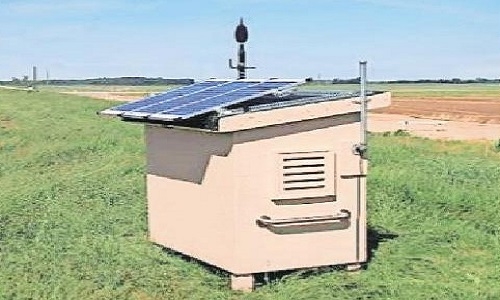
In an ambitious stride towards combating noise pollution, the Maharashtra Pollution Control Board (MPCB) has announced the installation of four Continuous Noise Monitoring Stations (CNMS) in Nagpur. This is the first time such an initiative is being undertaken in the city, promising a significant leap in environmental monitoring and pollution control.

Significance of Noise Monitoring

Noise pollution is an often overlooked but critical environmental issue. Prolonged exposure to high noise levels can lead to numerous health problems, including stress, hearing loss, and cardiovascular diseases. Therefore, continuous monitoring is essential for timely intervention and mitigation.

Real-Time Data Collection

The CNMS will provide real-time data on noise levels throughout the city, functioning 24 hours a day. This continuous data flow will be automatically uploaded to the MPCB website, offering transparency and accessibility for researchers, policymakers, and the general public.

Locations for the CNMS

The four CNMS will be strategically placed at key locations in Nagpur to ensure comprehensive coverage:

  1. Town Hall in Mahal
  2. Visvesvaraya National Institute of Technology (VNIT) near IT Park
  3. Laxminarayan Institute of Technology (LIT) at Amravati Road
  4. MPCB Office in Civil Lines

These locations were chosen due to their existing infrastructure, which includes Continuous Ambient Air Quality Monitoring Stations (CAAQMS).

Integration with Existing Infrastructure

By installing the CNMS alongside the CAAQMS, the MPCB aims to create a more integrated and efficient environmental monitoring network. This integration will facilitate the simultaneous tracking of both air and noise pollution, providing a more holistic view of the city’s environmental health.

Challenges and Solutions

Human Interference

One of the challenges highlighted by Hema Deshpande, Regional Officer, MPCB, is the increased human interference near the CAAQMS in Town Hall, Mahal. To address this, the MPCB plans to relocate the CAAQMS and CNMS to a new site provided by the Nagpur Municipal Corporation (NMC).

Tendering Process

The tendering process for the installation of the CNMS is currently underway. Ensuring that the process is completed efficiently and transparently is crucial for the timely deployment of these stations.

Current Noise Monitoring Practices

At present, the MPCB conducts manual noise monitoring during major festivals like Diwali and Ganesh Chaturthi. These efforts, though valuable, provide only a snapshot of the noise levels in the city. The CNMS will enhance these efforts by offering continuous data, thereby enabling more accurate and comprehensive analysis.

Advantages of Continuous Monitoring

Continuous noise monitoring offers several advantages over periodic manual monitoring:

  • Detailed Data Collection: Continuous monitoring captures fluctuations in noise levels throughout the day and night.
  • Timely Interventions: Real-time data allows for prompt actions to mitigate noise pollution.
  • Policy Formulation: Accurate data supports the development of effective noise control policies.

Mitigation Measures

No Honking Rule

The police department in Nagpur has implemented a ‘No Honking’ rule on city roads as a measure to reduce noise pollution. This rule, coupled with data from the CNMS, will help in identifying and addressing the primary sources of noise pollution in the city.

Public Awareness

Raising public awareness about the impacts of noise pollution and the importance of reducing it is crucial. Educational campaigns and community engagement can play a significant role in fostering a more noise-conscious society.

Future Prospects

The installation of the CNMS is a significant step towards better noise pollution management in Nagpur. However, this is just the beginning. The MPCB plans to extend this initiative to other parts of the state, aiming for a wider and more effective noise monitoring network.

Technological Advancements

Leveraging advancements in technology will be key to the success of these initiatives. Future plans may include the use of advanced sensors, data analytics, and machine learning to predict and mitigate noise pollution more effectively.

Collaboration and Research

Collaboration with academic institutions, research organizations, and other stakeholders will be essential for the continuous improvement of noise pollution management strategies. These partnerships can provide valuable insights and innovative solutions to tackle noise pollution.

The installation of four Continuous Noise Monitoring Stations in Nagpur marks a significant milestone in the fight against noise pollution. By providing real-time data, these stations will enable more effective monitoring, analysis, and mitigation of noise pollution in the city. As the MPCB continues to expand and enhance its noise monitoring capabilities, Nagpur can look forward to a quieter, healthier environment.

1. What are Continuous Noise Monitoring Stations (CNMS)?

CNMS are advanced systems designed to monitor noise levels continuously in real-time. They provide 24/7 data, which is essential for effective noise pollution management.

2. Why is noise pollution monitoring important?

Noise pollution can lead to various health issues, including stress, hearing loss, and cardiovascular problems. Monitoring helps in identifying noise sources and implementing measures to mitigate them.

3. Where will the CNMS be installed in Nagpur?

The CNMS will be installed at Town Hall in Mahal, VNIT near IT Park, LIT at Amravati Road, and MPCB Office in Civil Lines.

4. How will the CNMS data be used?

The real-time data from CNMS will be uploaded to the MPCB website, aiding researchers, policymakers, and the public in understanding and managing noise pollution.

5. What other measures are being taken to reduce noise pollution in Nagpur?

Apart from installing CNMS, the police department has implemented a ‘No Honking’ rule, and public awareness campaigns are being conducted to educate citizens about the impacts of noise pollution.

Dr. Vikas Mahatme is now President of AIIMS Nagpur

The Ministry of Health and Family Welfare of India has nominated Padmashri Dr. Vikas Mahatme as the President of AIIMS Nagpur. A former Member of Parliament and a distinguished figure in community healthcare, Dr. Vikas Mahatme brings a wealth of experience and dedication to his new role.
Dr. Mahatme’s nomination as President marks a significant milestone for AIIMS Nagpur. His deep-rooted commitment to patient care and his extensive experience in healthcare will be instrumental in furthering the institution’s mission. “I am eagerly looking forward to this new responsibility and will put in all my efforts to contribute to this new role. I express my gratitude towards Honourable Prime Minister Narendra Modi Ji, Health & Family Welfare Minister Hon. Mansukhbhai Mandaviya, Road Transport & Highways Minister Nitinji Gadkari Ji, and Maharashtra’s Deputy CM Devendra Ji Fadanvis for giving me this opportunity,” said Dr Mahatme.
Over the past few decades, Dr. Mahatme has been a pioneer in community healthcare, underscoring the importance of paramedics and capacity building. His philosophy that “patient is supreme” resonates deeply with AIIMS Nagpur’s comprehensive vision to serve the community.
Dr. Mahatme’s expertise and commitment to healthcare will undoubtedly enhance AIIMS Nagpur’s ability to serve those in need, elevating its status as a premier institution recognized not only in Nagpur but across the nation.

No More Cheers to Minors: CP Orders City Pubs & Bars

CP orders city pubs bars: Nagpur’s pubs and bars are under scrutiny following reports of alcohol being served to minors. The Police Commissioner, Ravinder Singal, has announced strict measures to ensure compliance with the law. This move follows a tragic incident in Pune where a minor, driving a Porsche, caused a fatal accident. This article delves into the details of the new regulations and their implications.

The Incident That Sparked Change

The Pune Tragedy

The catalyst for the crackdown was a horrific accident in Pune. A minor, driving a high-end Porsche, collided with a motorcycle, resulting in the deaths of two tech professionals. This incident not only highlighted the dangers of underage driving but also brought attention to the issue of minors accessing alcohol.

Public Outrage and Government Response

The accident led to widespread outrage and prompted Deputy Chief Minister Devendra Fadnavis to intervene. The gravity of the situation necessitated immediate action to prevent further such tragedies.

CP’s Directive to Pubs and Bars

Strict Warnings and Potential Actions

Police Commissioner Ravinder Singal (CP orders city pubs bars) has issued stern warnings to pubs and bars regarding the sale of alcohol to minors. Establishments found violating these regulations may face severe consequences, including the revocation of their operating licenses.

Mandatory Precautionary Measures

Singal emphasized the need for pub and bar owners to adhere to strict guidelines. These include verifying the age of patrons and implementing measures to ensure that intoxicated individuals do not drive. A notification has been issued making it mandatory to alert the police about any suspicious activities.

Ensuring Responsible Operation

Collaboration with Civic Bodies

The CP plans to collaborate with various agencies to gather information on pubs and lounges. This includes ensuring compliance with parking regulations and emergency exit protocols.

Public Responsibility and Reporting

Patrons are encouraged to report any unusual activities or violations they observe in these establishments. This collective effort aims to create a safer environment for everyone.

Holding Parents Accountable

The law clearly states that parents will be held liable if their minor children are caught driving. This measure aims to prevent accidents by emphasizing the responsibility of parents to ensure their children do not engage in illegal activities.

Strict Penalties for Violations

Parents of minors found driving will face severe legal consequences, including prosecution and punishment if accidents occur. This serves as a deterrent to prevent underage driving and its associated risks.

Community Involvement and Vigilance

Role of the Community

The community plays a vital role in ensuring the effectiveness of these regulations. By staying vigilant and reporting any breaches, residents can contribute to a safer city environment.

Creating Awareness

Public awareness campaigns can help educate both parents and minors about the dangers of underage drinking and driving. These initiatives are crucial for long-term change.

Impact on Pub and Bar Operations

Adjusting Business Practices

Pubs and bars need to adjust their business practices to comply with the new regulations. This includes implementing stricter age verification processes and ensuring responsible service of alcohol.

Potential Economic Impact

While these measures may initially impact business, the long-term benefits of a safer community outweigh the temporary inconvenience. Establishments that comply with the regulations will likely gain a positive reputation.

The crackdown on serving alcohol to minors in Nagpur’s pubs and bars is a necessary step to ensure public safety. By holding both establishments and parents accountable, the city aims to prevent future tragedies and create a safer environment for all residents.

1. What prompted the new regulations on pubs and bars in Nagpur?

The new regulations were prompted by a tragic accident in Pune involving a minor driving a Porsche, which resulted in the deaths of two tech professionals.

2. What actions can be taken against pubs and bars serving alcohol to minors?

Establishments found serving alcohol to minors may face severe consequences, including the revocation of their operating licenses.

3. How can patrons contribute to ensuring compliance in pubs and bars?

Patrons can contribute by reporting any suspicious activities or violations they observe to the police.

Parents of minors caught driving will face prosecution and strict legal penalties if accidents occur.

5. What steps can pubs and bars take to comply with the new regulations?

Pubs and bars can implement stricter age verification processes, ensure responsible service of alcohol, and report any unusual activities to the police.

No Honking Campaign from Today: Commissioner Police Issued a Warning

No Honking Campaign Beginning today, the Nagpur city police are launching a targeted initiative to tackle the persistent issue of excessive honking on urban roads. This effort aims to both educate and enforce adherence to noise regulations.

Campaign Overview and Goals

Commissioner of Police Dr. Ravinder Singal has drawn attention to the significant disruption caused by incessant vehicle horn honking, contributing to heightened stress levels and increased noise pollution throughout Nagpur’s bustling thoroughfares. Dr. Singal stressed the necessity of adhering to noise level standards established by the Supreme Court, which dictate limits of 45 decibels for residential zones and 55 decibels for commercial areas. However, frequent honking has led to noise levels consistently surpassing these thresholds.

Phase One: Awareness and Prevention

The initial phase of the campaign will involve senior police personnel stationed at strategic points across the city, commencing this Monday. They will actively encourage citizens to minimize unnecessary honking, particularly in sensitive locales such as hospitals and educational institutions. Dr. Singal (Nagpur Police) emphasized, “The incessant use of horns, particularly in sensitive areas, is cause for concern,” underscoring the importance of fostering responsible behaviour among drivers.

Educating the Public

Police officers will distribute pamphlets and conduct briefings at major traffic intersections, aiming to raise awareness about the detrimental effects of noise pollution. This initiative is crucial for informing the public about the health risks associated with high noise levels, such as hearing loss, hypertension, and sleep disturbances.

Strategic Signage Installation

In addition to on-ground activities, strategic signage will be installed throughout the city to remind drivers of the noise regulations and encourage compliance. These signs will be particularly prominent around schools, hospitals, and residential areas.

Phase Two: Enforcement and Penalties

Implementing Penalties

As the campaign progresses, the focus will shift towards stricter enforcement. Drivers caught honking unnecessarily will face fines and other penalties. This step aims to reinforce the message that noise pollution is a serious issue with tangible consequences.

Crackdown on DJs

Additionally, the campaign incorporates rigorous measures targeting DJs operating sound systems at events and gatherings. Numerous instances have surfaced where DJs flout Supreme Court directives by playing excessively loud music at venues like lawns and wedding halls, posing a threat to public health. Police (Nagpur Police) will confiscate equipment from DJs found violating regulations.

Regular Monitoring

Police units will employ sound level meters to regularly monitor noise levels in various parts of the city. This data will help identify hotspots where honking and other sources of noise pollution are most prevalent, allowing for targeted interventions.

The Impact of Noise Pollution

Health Implications

Excessive noise, such as persistent honking, has been linked to a range of health problems. Chronic exposure to high noise levels can lead to hearing impairment, cardiovascular issues, and elevated stress levels. Reducing honking is not just about reducing annoyance; it’s about safeguarding public health.

Environmental Consequences

Noise pollution also affects urban wildlife. Birds and other animals rely on sound for communication, navigation, and mating. Excessive noise can disrupt these activities, leading to negative impacts on local ecosystems.

The Role of the Community

Citizen Participation

For the campaign to succeed, active participation from the community is essential. Residents are encouraged to report instances of excessive honking and noise pollution to the police (Nagpur Police). This collaborative approach ensures that everyone plays a role in creating a quieter, more peaceful city.

Support from Local Businesses

Local businesses, especially those near high-traffic areas, can support the campaign by displaying educational materials and promoting noise reduction practices among their customers. This partnership helps amplify the campaign’s message and reach a broader audience.

Success Stories from Other Cities

Mumbai’s Quiet Zones

Mumbai successfully implemented ‘quiet zones’ around hospitals and educational institutions, resulting in a noticeable decrease in noise pollution. These zones were marked with clear signage and strictly enforced, serving as a model for Nagpur’s initiative.

International Examples

Cities like New York and London have also launched successful anti-honking campaigns. These cities employed a mix of public awareness efforts and stringent enforcement, leading to significant reductions in noise pollution and improved quality of life for residents.

The No Honking Campaign in Nagpur is a vital step towards creating a quieter, healthier, and more livable city. By focusing on both education and enforcement, the campaign aims to reduce the harmful impacts of noise pollution. Community involvement and strict adherence to regulations will be crucial in ensuring the campaign’s success.

1. Why is the No Honking Campaign important?

The campaign addresses the serious issue of noise pollution, which affects public health and quality of life. Reducing honking can lead to lower stress levels, fewer health problems, and a more peaceful environment.

2. What penalties will be imposed for unnecessary honking?

Drivers caught honking unnecessarily will face fines and other penalties. The specifics of these penalties will be enforced by the police to ensure compliance.

3. How can residents report noise pollution?

Residents can report instances of excessive honking and other noise pollution to the local police via dedicated helplines or online portals set up for this purpose.

4. What areas are considered sensitive zones?

Sensitive zones include areas around hospitals, schools, and residential neighborhoods where noise pollution can have the most detrimental impact on health and wellbeing.

5. How can local businesses support the campaign?

Local businesses can support the campaign by displaying educational materials about the dangers of noise pollution and encouraging their customers to minimize honking.

41% Drop In Aapli Bus Accidents, All Thanks to ADAS Technology

Nagpur has seen a significant decline in Aapli Bus accidents, thanks to the Advanced Driver Assistance System (ADAS) technology. The Nagpur Municipal Corporation (NMC) reported a 41% decrease in accidents involving ADAS-equipped buses from January 2023 to August 2023. This remarkable improvement underscores the effectiveness of ADAS in enhancing road safety.

Introduction to ADAS Technology

ADAS, or Advanced Driver Assistance Systems, are a suite of safety technologies designed to improve driver, passenger, and pedestrian safety. These systems use sensors, cameras, and advanced algorithms to assist drivers in making safer decisions on the road. In Nagpur, the iRASTE project has integrated ADAS into Aapli Buses to reduce accidents and improve overall road safety.

What is the iRASTE Project?

The iRASTE (Intelligent Solutions For Road Safety Through Technology and Engineering) project aims to enhance road safety through innovative technological solutions. By equipping Aapli Buses with ADAS, iRASTE has managed to significantly lower accident rates, showcasing the potential of technology in mitigating road mishaps.

Impact of ADAS on Aapli Bus Safety

Significant Reduction in Accidents

The introduction of ADAS in Aapli Buses has led to a 41% drop in accidents, a testament to the system’s effectiveness. This reduction is based on data collected from January to August 2023, comparing buses with and without ADAS.

Enhanced Driver Awareness

ADAS technology continuously monitors the road and provides real-time alerts to drivers about potential hazards. This constant vigilance helps drivers adopt safer driving practices, significantly reducing the risk of accidents.

Lowering Driver Risk Scores

Since the implementation of ADAS, monthly driver risk scores have decreased by 30%. These scores measure the likelihood of a driver being involved in an accident, and the reduction indicates that drivers are becoming more cautious and responsible on the road.

Addressing Road Safety Concerns

Identifying and Mitigating Blackspots

The iRASTE project has also focused on addressing road safety concerns at identified blackspots in Nagpur. Blackspots are areas with a high incidence of accidents. The project team proposed geometric design plans for 38 such locations, submitting these plans to relevant road-owning agencies for implementation.

Predicting and Preventing Greyspots

For the first time in India, the iRASTE project has introduced a technique to predict greyspots – potential future blackspots. By combining ADAS data with static road parameters, the team identified 16 greyspots and proposed measures to mitigate risks.

Community Involvement and Emergency Response

Trystander Cells for Immediate Aid

To enhance community-based emergency response, iRASTE established ‘Trystander cells’ at eight blackspot locations. These cells are equipped with first aid resources and have saved 36 road crash victims so far. Local volunteers are trained to provide immediate assistance, significantly improving the chances of survival and recovery for accident victims.

Behavioural Changes Among Drivers

The efforts of iRASTE have also contributed to behavioural changes among Aapli bus drivers. Continuous monitoring and feedback have encouraged drivers to adopt safer driving habits, further reducing the risk of accidents.

Challenges and Future Plans

Interagency Coordination

While the iRASTE project has achieved significant success, challenges remain. One major issue is the coordination between various road-owning agencies, which can delay the implementation of safety measures at identified blackspots.

Expansion to Other Regions

Building on the success in Nagpur, similar projects are being implemented on intercity national highway corridors in Telangana. This expansion aims to replicate the success of ADAS technology in improving road safety across India.

The introduction of ADAS technology in Nagpur’s Aapli Buses has proven to be a game-changer for road safety. With a 41% reduction in accidents and a notable decrease in driver risk scores, ADAS has demonstrated its potential to create safer roads. The success of the iRASTE project highlights the importance of leveraging innovative technologies to enhance public safety and reduce road mishaps.

1. What is ADAS technology?

ADAS stands for Advanced Driver Assistance Systems. It includes safety features like collision avoidance, lane departure warnings, and automated braking to assist drivers and enhance road safety.

2. How has ADAS impacted Aapli Buses in Nagpur?

ADAS has significantly reduced accidents involving Aapli Buses by 41% from January to August 2023. It has also lowered driver risk scores by 30%, indicating safer driving practices.

3. What is the iRASTE project?

iRASTE (Intelligent Solutions For Road Safety Through Technology and Engineering) is a project aimed at improving road safety through technological solutions like ADAS. It has successfully reduced accident rates in Nagpur.

4. What are blackspots and greyspots?

Blackspots are locations with a high incidence of road accidents. Greyspots are potential future blackspots identified using predictive analysis. The iRASTE project addresses both to enhance road safety.

5. What challenges does the iRASTE project face?

The main challenge is coordinating between various road-owning agencies, which can delay the implementation of safety measures. However, efforts are ongoing to streamline these processes.

Nagpur Central Jail: Transforming Lives and Generating Revenue through Inmate Production

Empowering Inmates for a Brighter Future

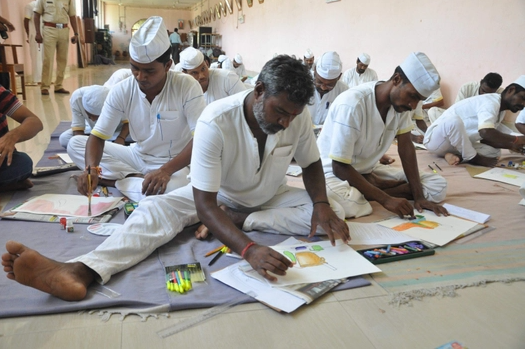
At Central Jail Nagpur, the dedication and hard work of inmates have led to remarkable achievements, with the prison administration witnessing a surge in productivity. This surge has translated into a substantial financial contribution of nearly Rs 2.5 crore by the inmates. Under the theme of ‘Reformation and Rehabilitation,’ the prison administration is committed to enhancing the lives of inmates through various skill-based training programs. These programs equip inmates with the necessary skills to reintegrate into society successfully after completing their sentences. Moreover, the items produced by inmates not only facilitate personal development but also serve as a crucial source of financial support for their families, covering daily needs and legal fees.

Record-breaking Productivity

Last year marked a record-breaking achievement for Central Jail Nagpur as 166 jail inmates showcased their skilled work, resulting in a substantial income for the institution. In addition to manufacturing, the prison engages in agriculture, further diversifying its revenue streams. From April 2023 to March 2024, the institution generated an impressive income of Rs 29.50 lakh from agricultural activities. The quality and durability of goods manufactured within the prison walls have garnered recognition, especially within judicial circles.

Showcasing Superior Craftsmanship

An annual sale and exhibition of prison-produced goods, held during Diwali, have become a significant event, attracting many for their superior craftsmanship. Wooden and iron furniture, in particular, have gained popularity and are increasingly becoming the preferred choice for courts. Products from Nagpur Jail are highly sought after in courts across neighbouring districts such as Arvi, Washim, Bhandara, and throughout the Vidarbha region. Notably, Central Jail Nagpur has received numerous orders to supply furniture to various government offices, including four courts in Vidarbha.

The success story of Nagpur Central Jail is a testament to the transformative power of rehabilitation and skill development. Through meaningful engagement and training, inmates are not only preparing for a better future but also making significant contributions to society. Central Jail Nagpur serves as a beacon of hope, demonstrating that with the right support and opportunities, individuals can rebuild their lives and positively impact their communities.

  1. How does Central Jail Nagpur support the families of inmates? Central Jail Nagpur’s inmate production program provides a source of income for inmates, enabling them to support their families financially.
  2. Are the products manufactured by inmates of high quality? Yes, the products manufactured within Central Jail Nagpur are known for their quality and durability, garnering recognition within judicial circles.
  3. What types of products are popular from Nagpur Jail? Wooden and iron furniture are particularly popular, with their superior craftsmanship making them sought after in courts and government offices.
  4. How does Central Jail Nagpur celebrate the achievements of its inmates? The institution organizes an annual sale and exhibition of prison-produced goods during Diwali, showcasing the skills and craftsmanship of its inmates.
  5. Does Central Jail Nagpur engage in activities other than manufacturing? Yes, in addition to manufacturing, the prison also engages in agriculture, diversifying its revenue streams and providing further opportunities for inmate participation.

Unveiling the Legacy of Shivaji Maharaj’s ‘Wagh Nakh’ at Central Museum

Shivaji Maharaj, the legendary Maratha warrior king, continues to mesmerize the world even centuries after his reign. Among the treasures of his era, one artifact stands out — the formidable ‘Wagh Nakh’. This knuckle-duster adorned with metallic nails, reminiscent of tiger claws, holds a significant place in history. And now, it’s set to captivate the public eye at the Central Museum, Nagpur.

A Glimpse into History

Dating back to the 17th century, the ‘Wagh Nakh’ symbolizes the valor and indomitable spirit of Chhatrapati Shivaji Maharaj. It was wielded by the king himself during the historic encounter with Afzal Khan, the ruthless General of the Bijapur Adilshahi empire, in 1659. This lethal weapon served as a tool of liberation, enabling Shivaji Maharaj to defend his people against tyranny.

A Journey from Across the Seas

In a remarkable initiative, Maharashtra Cultural Affairs Minister Sudhir Mungantiwar initiated the retrieval of the ‘Wagh Nakh’ from the prestigious Victoria & Albert Museum, London. Through a Memorandum of Understanding signed with Dr Tristram Hunt, the Director of the museum, Maharashtra secured the opportunity to showcase this invaluable relic on home soil for three years. The tireless efforts of the Maharashtra Government, in collaboration with British authorities, culminated in the return of this historic artifact.

The Story of Retrieval

The journey to reclaim the ‘Wagh Nakh’ was laden with diplomatic intricacies and historical significance. Correspondence between Maharashtra officials and representatives of the Victoria & Albert Museum marked the beginning of this endeavor. Notably, during a pivotal meeting with Imogen Stone and Alan Gammell, key figures in British-Indian relations, the groundwork for repatriation was laid. The tiger claw weapon, once in the possession of James Grant Duff, eventually found its way back to its roots, courtesy of a descendant’s benevolence.

An Iconic Display

Mayuresh Khadke, the Curator of the Central Museum, expressed enthusiasm about the forthcoming exhibition. He confirmed Nagpur’s inclusion in the list of venues where the ‘Wagh Nakh’ will be showcased, offering visitors a glimpse into the rich heritage of Maharashtra. Moreover, the State Government’s endeavor to retrieve ‘Jagdamba,’ the ceremonial sword of Shivaji Maharaj, underscores their commitment to preserving and promoting cultural legacy.

As the ‘Wagh Nakh’ prepares to grace the halls of the Central Museum, it serves as a poignant reminder of Shivaji Maharaj’s enduring legacy. This historic artifact not only embodies the valor of the Maratha warrior but also signifies the resilience of a people in the face of oppression. Through concerted efforts, Maharashtra celebrates its heritage and invites the world to embark on a journey through time.

1. What is the significance of the ‘Wagh Nakh’?

The ‘Wagh Nakh’ symbolizes the valor and martial prowess of Chhatrapati Shivaji Maharaj, particularly during his encounter with Afzal Khan.

2. How long will the ‘Wagh Nakh’ be displayed at the Central Museum?

The artifact will be on display for a period of three years, allowing ample opportunity for visitors to appreciate its historical significance.

3. Who initiated the retrieval of the ‘Wagh Nakh’ from the Victoria & Albert Museum?

Maharashtra Cultural Affairs Minister Sudhir Mungantiwar played a pivotal role in securing the return of this iconic artifact.

4. Are there any other artifacts associated with Shivaji Maharaj being brought back to Maharashtra?

Efforts are underway to retrieve ‘Jagdamba,’ the ceremonial sword of Shivaji Maharaj, from the United Kingdom, showcasing the State Government’s commitment to preserving cultural heritage.

5. How can visitors learn more about Shivaji Maharaj’s legacy?

In addition to the ‘Wagh Nakh’ exhibition, visitors can explore various museums across Maharashtra, including those in Satara, Kolhapur, and Mumbai, to delve deeper into the life and times of the Maratha warrior king.

Discom Revolution: Powering Up Nagpur & Wardha with Over 84k New Connections

Illuminating Growth: Nagpur’s Power Surge

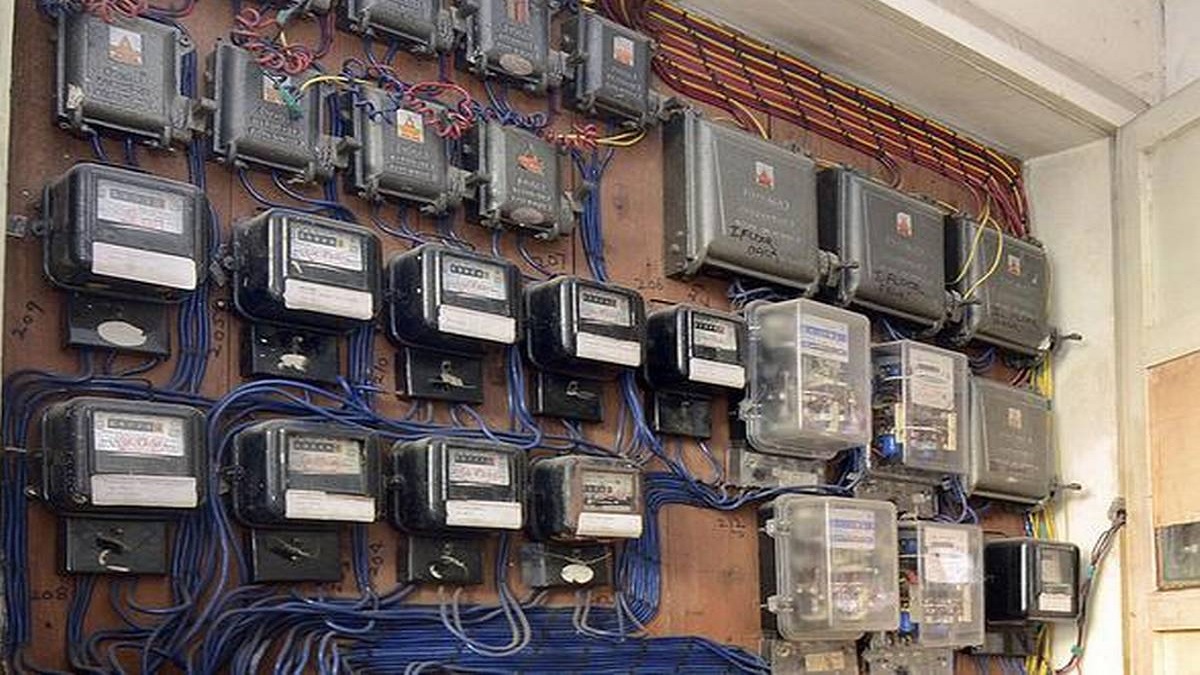
In a bold move towards progress, the Maharashtra State Electricity Distribution Company Limited (MSEDCL) has electrified Nagpur and Wardha districts, providing a staggering 84,672 new low-voltage power connections in the last fiscal year. This surge marks a significant leap from the previous 5,000 to 6,000 connections per month, now averaging around 7,000 monthly connections.

Diverse Connections for Every Need

Diving into the statistics, the provided connections encompass various sectors, with 65,027 catering to domestic needs, 10,507 serving commercial purposes, 1,349 facilitating industrial operations, and 5,551 supporting agricultural endeavors. Additionally, MSEDCL has taken a step towards the future by installing connections for 42 E-vehicle charging stations, indicating a growing adoption of electric vehicles in urban and rural landscapes.

Urban vs. Rural: Bridging the Gap

Within the 84,672 connections, Nagpur city takes the lead with 47,462 connections, followed by Nagpur Rural (22,915) and Wardha district (14,295). The distribution within Nagpur city illustrates 38,858 domestic connections, 6,670 commercial, and 613 industrial connections. This strategic allocation ensures equitable access to power, bridging the urban-rural divide.

Empowering Ease of Living

Lokesh Chandra, Chairman, and Managing Director of MSEDCL, champions the cause of enhancing customer service by accelerating new power connections. Emphasizing the concept of ‘Ease of Living’, Chandra highlights the remarkable increase in connections, surpassing 84,500 in the last fiscal year, compared to the previous average of 60,000 to 70,000 connections annually.

Streamlining Processes: A Commitment to Efficiency

Efforts towards efficiency are evident through department-wise reviews led by Suhas Rangari, the regional director, and Dilip Dodke, the chief engineer of the Nagpur Zone. Their vigilance ensures the swift provision of electricity meters for new connections, streamlining the process and enhancing overall service delivery.

Accelerated Pace: Fueling Progress

Yogesh Vitankar, MSEDCL PRO, notes a significant increase in the pace of new connections, rising from 6,000 connections per month to a commendable 7,000 connections monthly. This acceleration reflects the organization’s dedication to keeping pace with growing demands and fostering continued development.

The surge of over 84,000 new connections by MSEDCL heralds a new era of progress and accessibility in Nagpur and Wardha districts. With a steadfast commitment to efficiency and customer satisfaction, MSEDCL paves the way for a brighter, more connected future.

  1. How has the number of new connections in Nagpur and Wardha changed over time?
  2. What sectors do the new connections cater to?
    • The connections serve diverse needs, including domestic, commercial, industrial, and agricultural sectors.
  3. How does the distribution of connections vary between urban and rural areas?
  4. What initiatives are in place to enhance customer service?
    • Department-wise reviews and swift provision of electricity meters for new connections ensure efficient service delivery.
  5. What is the significance of the increase in E-vehicle charging stations?
    • It reflects a growing adoption of electric vehicles, signaling a shift towards sustainable transportation solutions.

Nagpur’s Resilience: Understanding the Safety Amidst Mild Earthquakes

Mild Tremors in Nagpur

Nagpur Earthquake: In recent days, Nagpur district has witnessed a series of low-intensity earthquakes, causing concern among its citizens. However, reassurance comes from Dr. Vipin Itankar, the Nagpur District Collector, who emphasizes that these tremors pose no significant threat. Let’s delve deeper into why Nagpur remains a safe zone despite these seismic activities.

Nagpur’s Seismic Activity: A Detailed Analysis

The Geological Survey of India has meticulously monitored seismic activities in Nagpur. Their data reveals that the earthquakes recorded in the district are of very mild intensity, ranging between 2 to 2.8 on the Richter scale. Despite these occurrences, citizens have reported no noticeable effects or damages.

Understanding Earthquake Zones in India

India is segmented into various earthquake zones based on their propensity to seismic activity. Nagpur falls within Zone II, signifying a relatively low risk compared to other zones. This classification categorizes the district as a safe zone, providing residents with a sense of security amidst sporadic tremors.

Reassurance from the District Administration

Dr. Itankar, along with the district administration, urges citizens not to succumb to panic. Their appeal aims to instill confidence and provide necessary information to alleviate concerns. For further inquiries or assistance, individuals can reach out to the District Disaster Management Department at 0712-2562668.

Nagpur’s Steadfastness in the Face of Adversity

Despite recent seismic activity, Nagpur remains steadfast in its resilience. The district’s classification as a safe zone, coupled with the proactive measures taken by the administration, underscores its preparedness to handle such occurrences with poise and efficacy.

1. How frequent are the earthquakes in Nagpur?

Mild earthquakes occur sporadically in Nagpur, with no discernible pattern in their frequency.

2. Is there any risk of significant damage from these earthquakes?

Given their low intensity, the earthquakes pose minimal risk of causing substantial damage to property or infrastructure.

3. What precautions should residents take during these seismic activities?

While the earthquakes are mild, it’s advisable for residents to stay informed and prepared by following safety guidelines provided by local authorities.

4. How does Nagpur compare to other earthquake-prone regions in India?

Nagpur’s classification as Zone II signifies a lower risk compared to other more seismically active areas in the country.

5. Are there any ongoing studies or initiatives to further understand Nagpur’s seismic activity?

The Geological Survey of India has been requested to conduct a Micro Earthquake Investigation & Study of the entire Nagpur district to enhance our understanding of these phenomena.

Exit mobile version