Futala Musical Fountain Set to Return: Final Phase Underway as French Team Expected and Special Cables Arrive

Published: May 12, 2026 | Category: Nagpur Local | Futala lake fountain Nagpur | By: Nagpur Updates Desk


Good news for Nagpur. After years of delays, legal battles, and international disruptions, the city’s much-loved Futala Lake Musical Fountain is finally entering its final revival phase.

The last batch of special underwater cables has arrived in Nagpur. A French technical team — critical to completing the advanced lighting and projection systems — is expected to visit soon. Work at the lakefront is in full swing. And the Maharashtra Metro Rail Corporation (MahaMetro) is pushing hard to complete the project at the earliest.

Nagpur is close to getting back one of its most iconic attractions.


What Is the Futala Musical Fountain?

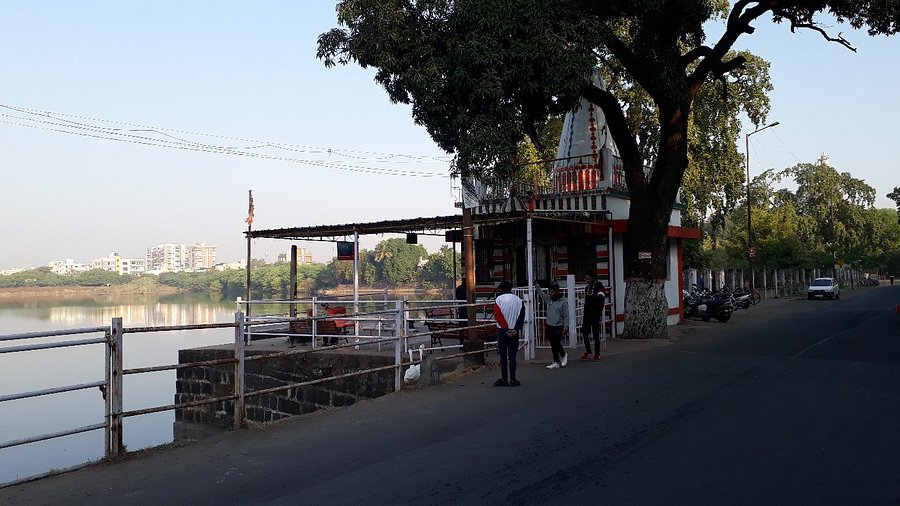
Futala Lake is one of Nagpur’s most popular destinations. It sits in the heart of the city and draws thousands of visitors every evening.

The musical fountain project was conceived by Union Minister Nitin Gadkari as a major transformation of the lakefront. The vision was spectacular — a world-class musical fountain with laser displays, light shows, and a multimedia projection system — transforming Futala into a premier tourist destination that would rival attractions in India’s biggest cities.

The project was built at a cost of approximately ₹50 crore. However, it never got the chance to shine. The fountain malfunctioned even before its scheduled inauguration in May 2023 — mainly due to cable damage caused by algae accumulation in the polluted lake water. A project that was meant to dazzle Nagpur before it could even open its eyes.


A Troubled Journey: From Supreme Court to War Delays

The years that followed were not kind to the Futala fountain.

Legal challenges stalled the project soon after the malfunction was discovered. In January 2024, the Supreme Court of India issued a status quo order — effectively halting all restoration work and pushing the project into an extended period of uncertainty.

It was not until October 2025 that the Supreme Court allowed activities to resume. By then, several components had deteriorated further during the years of non-operation — forcing authorities to restart multiple elements from scratch.

MahaMetro took over the project from the Nagpur Improvement Trust (NIT) and initiated a comprehensive restoration effort. However, restoration costs had already crossed ₹10 crore, with a fresh order for replacement cables alone worth ₹3 crore. Citizens raised legitimate concerns about the rising public expenditure on a project that had never worked from day one.

Then came another unexpected setback. The French technical team — specialists in the advanced lighting and projection systems at the heart of the fountain — was unable to travel to India. The reason? The US-Israel-Iran conflict had disrupted international travel routes, making it impossible for the team to reach Nagpur.

The fountain waited. Nagpur waited.


May 2026: The Final Push Begins

The wait is finally nearing its end.

As of May 12, 2026, the project has entered what officials are describing as its final phase. Here is where things stand:

Cable replacement — nearly complete. The removal of old, damaged underwater fountain cables has been completed. The last batch of special replacement cables has now arrived in Nagpur. Nearly 80% of the new cable infrastructure required for the upgraded system had already been procured in earlier phases. The final consignment brings the installation to the home stretch.

French technical team en route. The specialists from France — delayed for months by the Gulf conflict — are now expected to arrive in Nagpur soon via an alternative travel route. Their visit is critical. The advanced lighting, laser, and multimedia projection systems cannot be made fully operational without their on-site technical expertise and hands-on calibration.

Lakefront beautification underway. Even as the technical work progresses, the area surrounding the lake is being beautified. The contractor, Khadatkar Construction Studio One, has been carrying out preparatory and aesthetic work around the lakefront to prepare the site for its eventual public reopening.

IIT Bombay inspection done. Experts from the Indian Institute of Technology (IIT) Bombay have already inspected the system and confirmed the restoration plan. Their assessment has guided the current phase of cable replacement and equipment installation.


The Environmental Challenge: Sewage in Futala Lake

The revival of the fountain cannot be discussed without acknowledging the elephant — or rather, the sewage — in the room.

Untreated sewage continues to flow into Futala Lake. This is the very problem that damaged the original fountain cables. Algae growth, accelerated by sewage-polluted water, destroyed the underwater systems before the fountain could even open. The issue is currently before the Western Zone Bench of the National Green Tribunal (NGT).

Discussions between NIT and NMC are underway regarding the establishment of a Sewage Treatment Plant (STP) for the lake. However, the STP will take time to implement.

This raises a legitimate and important question — one that Nagpur’s citizens are asking openly: What happens to the new cables if the sewage issue is not resolved before the fountain becomes operational?

It is a question that MahaMetro and the civic authorities must answer clearly and publicly before the fountain reopens — so that history does not repeat itself and crores of public money are not wasted again.


What Nagpur Can Expect When It Opens

When the Futala Musical Fountain finally becomes operational, it promises to be a genuinely world-class attraction.

The full system includes:

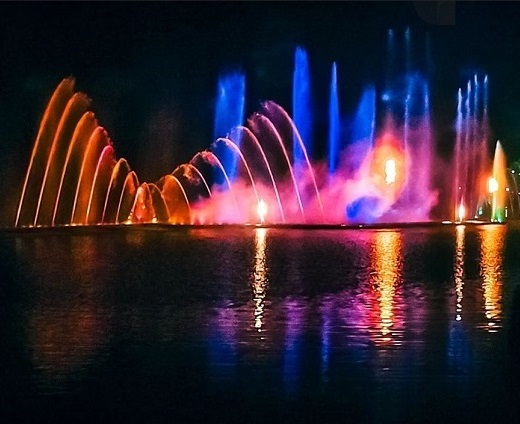
  • Musical fountain jets — water displays choreographed to music
  • Underwater LED lighting — illuminating the fountain from below the lake surface
  • Laser projection system — dramatic laser light displays over the water
  • Multimedia projection show — visual storytelling projected on the fountain’s water curtain
  • Lakefront beautification — improved surroundings for visitors

The combination of music, water, light, and laser is designed to create a stunning evening spectacle — one that would make Futala a must-visit destination not just for Nagpur residents but for tourists from across Vidarbha and beyond.


Public Money, Public Accountability

The Futala fountain has cost Nagpur’s taxpayers significantly. The original project cost ₹50 crore. Restoration has added another ₹10 crore and counting. Citizens are right to expect transparency, accountability, and — most importantly — a fountain that actually works when it finally opens.

The concerns raised by Nagpur’s residents are valid. The project was conceived without adequate public consultation. It failed before inauguration. Legal battles added years of delay. Restoration costs have kept climbing. And the fundamental environmental problem — sewage in the lake — has still not been resolved.

MahaMetro and the civic administration owe Nagpur a clear, honest communication plan — one that explains the final timeline, the total cost, and the steps being taken to ensure the fountain does not suffer the same fate as before.

Just as Nagpur is investing in smart civic infrastructure — from AI-powered traffic management at 32 city junctions to the One Nation One Card system for Nagpur Metro — the Futala fountain deserves to be a success story, not a cautionary tale.


Nagpur Is Watching

The Futala Musical Fountain carries emotional weight for this city. It represents the aspiration to give Nagpur a landmark that it can be proud of — a beautiful, world-class public attraction that enhances the quality of life for every resident.

That aspiration has not dimmed — despite all the delays and disappointments.

With the final cables in place and the French team on its way, the fountain is closer to becoming a reality than it has ever been. Nagpur is watching, hoping, and — cautiously — excited.

Nagpur Updates will keep you informed on the exact opening date of the Futala Musical Fountain the moment it is confirmed. Stay tuned!


Tags: Futala Lake, Musical Fountain Nagpur, MahaMetro Nagpur, Nitin Gadkari, Nagpur Tourism, Nagpur Development, French Technical Team, Nagpur Local News 2026

Ambazari Lake High on Weed – A Growing Environmental Crisis

Ambazari Lake, one of Nagpur’s most significant water bodies, is battling a severe infestation of Eichhornia (water hyacinth). Despite substantial efforts and expenses by the local administration, the problem continues to escalate. With a sewage treatment plant (STP) under construction and industrial waste being a major concern, it is high time authorities take a more proactive approach to restore the lake’s health.

What is Eichhornia and Why is it a Problem?

The Rapid Spread of Water Hyacinth

Eichhornia, commonly known as water hyacinth, is an invasive aquatic plant notorious for its rapid growth. It thrives in nutrient-rich water, forming dense mats that choke lakes, disrupt aquatic life, and lead to flooding by blocking natural water flow.

Impact on Ambazari Lake

  • Reduces Oxygen Levels: The thick cover of Eichhornia depletes dissolved oxygen, leading to fish deaths.
  • Obstructs Water Flow: It clogs drainage systems, causing water stagnation and increasing flood risks.
  • Encourages Mosquito Breeding: Stagnant water provides a perfect breeding ground for mosquitoes, leading to health hazards.
  • Affects Biodiversity: The weed outcompetes native plants and disrupts the ecological balance.

Efforts to Combat the Eichhornia Infestation

Ongoing Cleaning Operations

The Nagpur Municipal Corporation (NMC) is spending a significant amount on manually removing the weed daily. However, without addressing the root cause, these efforts remain ineffective in the long term.

Sewage Treatment Plant (STP) – A Ray of Hope?

An 11 MLD STP is under construction in Wadi to treat sewage before it enters the lake. Authorities believe this plant, expected to be operational in six months, could help curb the Eichhornia spread by reducing nutrient load in the lake.

Industrial Waste Intrusion – A Major Concern

Studies indicate that industrial effluents from MIDC Hingna may be contaminating the lake. However, the Maharashtra Pollution Control Board (MPCB) has not found conclusive evidence against MIDC, leading to ongoing disputes about the actual source of pollution.

The 2023 Nagpur Floods – A Warning Sign

How Ambazari Lake Contributed to the Disaster

In September 2023, Nagpur witnessed severe flooding in the Nag River due to the overflow of Ambazari Lake. The Eichhornia mats blocked a crucial culvert under a bridge, worsening the flood situation and affecting hundreds of families.

Lack of Administrative Action

Despite clear warnings from experts, the administration failed to take timely action, leaving affected families to struggle with losses amounting to crores of rupees.

Public Concerns and Local Impact

Decline in Fishing and Swimming Activities

Local fishermen report a drastic reduction in fish populations due to oxygen depletion caused by the weeds. Similarly, regular swimmers now avoid the lake due to the deteriorating water quality.

Health Risks for Nearby Residents

  • Mosquito-borne diseases: Increased cases of malaria and dengue.
  • Water contamination: Higher risk of waterborne illnesses.
  • Air pollution: Decomposing weeds emit foul odors, affecting air quality.

Need for Long-Term Solutions

Comprehensive Cleanup Strategy

  • Use of Biological Controls: Introducing weevils and other natural predators of Eichhornia.
  • Mechanical Removal: Deploying advanced weed harvesters for efficient removal.
  • Chemical Treatment: Using eco-friendly herbicides to control growth.

Policy Changes and Stricter Regulations

  • Industrial Waste Monitoring: Conducting frequent water quality tests near industrial zones.
  • Strict Waste Disposal Laws: Enforcing penalties for industries dumping untreated waste.
  • Regular Maintenance: Allocating funds for periodic cleaning and monitoring of the lake.

The infestation of Eichhornia in Ambazari Lake is a pressing environmental issue that demands immediate attention. While efforts like the STP construction and daily cleaning are steps in the right direction, a more robust and sustainable strategy is needed. The authorities must take strict action against pollution sources and implement long-term ecological solutions to restore the lake’s health.

1. Why is Eichhornia growing so fast in Ambazari Lake?

Eichhornia thrives in nutrient-rich water, primarily fueled by untreated sewage and industrial waste entering the lake.

2. How does Eichhornia contribute to flooding?

The thick weed mats block water flow and drainage points, leading to water stagnation and overflow during heavy rains.

3. Can the problem be solved permanently?

Yes, through a combination of biological control, mechanical removal, strict pollution control, and long-term maintenance plans.

4. What can local residents do to help?

Residents can avoid dumping waste into the lake, participate in cleanup drives, and report pollution sources to authorities.

5. What role does the STP play in solving this issue?

The STP will help reduce nutrient levels in the water, limiting the excessive growth of Eichhornia and improving overall water quality.

Sonegaon Lake: A Seeping Issue

Nagpur: Sonegaon Lake, once a symbol of Nagpur’s rich history and ecological balance, is now facing a severe environmental threat. The lake is being contaminated by untreated sewage water, which seeps in due to inefficient waste management. Despite rejuvenation efforts, the water quality remains questionable, putting aquatic life at risk. This article explores the issue, its causes, the ongoing restoration project, and what can be done to save this historic water body.

The Historical Significance of Sonegaon Lake

Sonegaon Lake has been an integral part of Nagpur’s landscape for centuries. It not only serves as a recreational spot but also plays a crucial role in maintaining groundwater levels and supporting local biodiversity.

The Current Crisis: Sewage Contamination

How Did Sewage Start Seeping into the Lake?

In June 2024, reports from The Hitavada revealed that untreated sewage was entering Sonegaon Lake through a nearby nullah. The Nagpur Improvement Trust (NIT) had set up a sewage treatment plant (STP) to treat wastewater before discharging it into the lake, but concerns were raised regarding the efficiency of the treatment process.

NMC’s Response to the Issue

The Nagpur Municipal Corporation (NMC) issued a show cause notice to NIT, demanding proper treatment of sewage water before it entered the lake. However, NIT maintains that only clean water is being released into the water body.

Environmental Impact of Contaminated Water

Harm to Aquatic Life

Pollution in Sonegaon Lake threatens the survival of fish and other aquatic organisms. The presence of toxic substances reduces oxygen levels, leading to fish kills and disruption of the ecosystem.

Health Hazards for Locals

Contaminated water can cause serious health issues for people living nearby. It increases the risk of waterborne diseases and makes the lake unsuitable for recreational activities.

The Restoration Project: A Step Towards Revival

Phase 1: Initial Efforts

The first phase of the lake’s rejuvenation began in June 2021 and was inaugurated in April 2024. With an estimated cost of ₹17 crore, the project focused on the east and north sides of the lake, including:

  • Retaining wall construction
  • Walking track development
  • Beautification efforts

Phase 2: The Current Progress

The second phase, expected to be completed by September 2, 2025, is estimated at ₹25 crore. This includes work on the west and south sides of the lake, along with the addition of amenities such as:

  • A food court
  • A recharge shaft
  • A toilet block
  • Landscaping improvements

Challenges Faced During Rejuvenation

Delayed Completion

Despite significant investments, the project has been delayed due to bureaucratic red tape and insufficient planning.

Ongoing Water Contamination

While the infrastructure around the lake is improving, the fundamental problem—untreated sewage water—remains unresolved.

Can Sonegaon Lake Be Saved?

The rejuvenation of Sonegaon Lake can only be successful if the quality of water improves. Authorities must ensure strict monitoring of the STP and take immediate action against negligence.

Sonegaon Lake’s revival is crucial for Nagpur’s environment and historical heritage. While beautification projects are a positive step, addressing the root cause of contamination is necessary. Only through collective efforts from authorities and citizens can we restore the lake to its former glory.

1. What is the main cause of pollution in Sonegaon Lake?

The main cause is untreated sewage water seeping into the lake through a nullah, which should have been processed by an STP before discharge.

NIT Plans Indoor Sports Hub at North Ambazari Swimming Facility

Transforming Nagpur’s Recreational Landscape

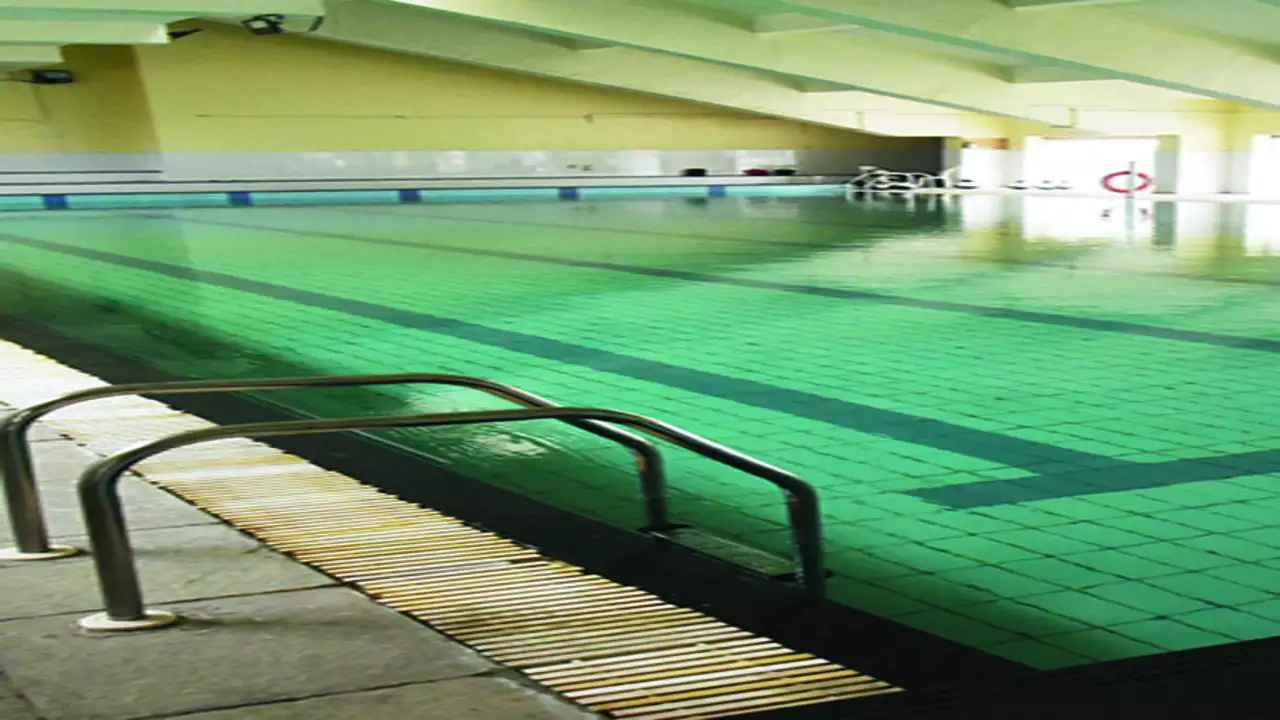
Indoor Sports Hub Nagpur: The Nagpur Improvement Trust (NIT) is on a mission to redefine urban recreation by turning the North Ambazari Road swimming facility’s underused diving pool complex into a cutting-edge indoor sports hub. With a vision that aligns with Nagpur’s aspirations of becoming a smart city, this redevelopment project is set to offer state-of-the-art amenities and elevate the city’s sports infrastructure.


A Glimpse Into the Ambitious Project

Scope and Scale

Spanning approximately half an acre, the project aims to maximize the potential of the existing space. By repurposing the unused diving pool area, the facility will cater to indoor sports enthusiasts while continuing to support aquatic activities in the main swimming pool.

Government Approval Secured

The groundwork for this visionary project is complete. NIT has successfully secured approvals from the government, with a Union Minister’s endorsement signaling strong support for the initiative. This milestone clears the path for expedited implementation.


Key Features of the Indoor Sports Hub

Multi-Sport Facilities

The reimagined space will host a variety of indoor sports, addressing the growing demand for modern recreational infrastructure in Nagpur. Some proposed facilities include:

  1. Badminton Courts: For both casual players and professional training.
  2. Table Tennis Zones: To nurture competitive and leisure gaming.
  3. Yoga and Fitness Areas: Promoting holistic well-being.
  4. Multipurpose Halls: Flexible spaces for sports events and workshops.

Modern Amenities

  • High-Quality Flooring: Suitable for diverse indoor sports.
  • Advanced Lighting: Ensuring optimal visibility and ambiance.
  • Ventilation Systems: For a comfortable playing environment.

Parking Solutions

Recognizing the need for visitor convenience, NIT plans to develop a dedicated parking area adjacent to the facility, minimizing congestion and enhancing accessibility.


Stakeholder Engagement and Feedback

Positive Reception

NIT has actively engaged with stakeholders throughout the planning phase. Feedback sessions have garnered enthusiastic support and valuable suggestions, reinforcing the project’s alignment with community needs.

Commitment to Excellence

The administration’s dedication to delivering a world-class facility is evident. By incorporating stakeholder insights, NIT aims to create a hub that is not just functional but also a source of pride for Nagpur’s residents.


The Role of the Indoor Sports Hub in Nagpur’s Smart City Vision

Enhancing Urban Livability

The project contributes to Nagpur’s smart city goals by fostering a healthier, more active community. Modern recreational spaces are pivotal in elevating the quality of urban life.

Boosting Sports Culture

Nagpur’s budding athletes will benefit immensely from the facility. By offering access to professional-grade infrastructure, the sports hub can nurture talent and encourage greater participation in indoor sports.

Economic and Social Impact

  • Job Creation: Construction and operations will generate employment opportunities.
  • Tourism Potential: The facility could attract regional tournaments and events, boosting local tourism.

Timeline and Implementation

Project Milestones

  1. Government Approvals: Completed.
  2. Stakeholder Consultations: Successfully conducted.
  3. Commencement of Construction: Expected to begin shortly.
  4. Estimated Completion: Within the next two years.

Community Benefits and Future Prospects

Inclusive Access

The facility aims to be accessible to all, offering affordable memberships and provisions for differently-abled individuals.

Educational Opportunities

Workshops and training sessions will be a regular feature, providing learning avenues for students and enthusiasts alike.


Conclusion

The transformation of the North Ambazari Road swimming facility into an indoor sports hub is a testament to NIT’s commitment to enhancing Nagpur’s urban landscape. This ambitious project not only meets the city’s growing recreational needs but also aligns with its broader aspirations as a smart city. With strong governmental support and active community participation, the facility promises to be a landmark development that uplifts the city’s social, economic, and cultural fabric.


1. What is the purpose of the indoor sports hub?

The hub aims to provide modern recreational facilities, support Nagpur’s smart city goals, and promote a healthy, active lifestyle among residents.

2. What sports will the facility offer?

The hub will cater to a variety of indoor sports, including badminton, table tennis, yoga, and multipurpose activities.

3. When will construction begin?

Construction is expected to commence soon, with an estimated completion timeline of two years.

4. Will the facility be accessible to differently-abled individuals?

Yes, the facility will include features to ensure accessibility for all, including differently-abled individuals.

5. How will this project benefit Nagpur?

The project enhances urban livability, promotes sports culture, creates jobs, and aligns with Nagpur’s smart city vision.

Deekshabhoomi Parking Lot Pit to be Leveled by September 20

Deekshabhoomi Restoration Project: The historic site of Deekshabhoomi in Nagpur is set for a significant transformation as the Nagpur Improvement Trust (NIT) commits to restoring the land by September 20. This initiative is in preparation for Dhammachakra Pravartan Din, an event that attracts lakhs of devotees annually. The decision to level the parking lot pit follows considerable controversy and public outcry regarding the underground parking project. Here’s a comprehensive look into the developments and their implications.

The Restoration Plan

Commitment to Deadlines

NIT chairman Sanjay Meena has assured that the restoration will be completed in time for Dhammachakra Pravartan Din. This assurance comes amid intense pressure from various Ambedkarite organizations, who have been vocal in their demands for the land to be restored before the event.

Financial Implications

NIT officials have pointed out that halting the project has significant financial ramifications. The state exchequer is expected to incur costs between ₹25-28 crore due to the extent of work already undertaken. The remaining work includes the completion of the slab, while other structures like the museum and auditorium are nearly finished. The restoration alone is estimated to cost about ₹3 crore.

Background of the Controversy

Protests and Backlash

The decision to halt the underground parking project was influenced by widespread protests. On July 1, thousands of people from various Ambedkarite organizations gathered at Deekshabhoomi, opposing the construction. They argued that the project endangered the sanctity of the stupa and the Bodhi tree, both of which hold immense cultural and historical significance.

Political Involvement

The issue also gained traction in the Maharashtra assembly, where opposition members, led by Maha Vikas Aghadi (MVA) constituents, demanded an immediate stop to the construction activities. This political pressure added another layer to the controversy, compelling NIT to reconsider their plans.

Legal and Administrative Actions

High Court Involvement

Advocate Shailesh Narnaware, who filed a Public Interest Litigation (PIL) in the Nagpur bench of Bombay High Court, has been a pivotal figure in the legal battle for the beautification and development of Deekshabhoomi. He requested additional land for expansion, specifically 3.84 acres from the Cotton Research Institute (CRI) and 16.44 acres from the public health department. The High Court has asked the Maharashtra government and other relevant parties to provide explanations regarding this plea.

High-Powered Committee Proposal

In response to the demands, a proposal has been submitted to the Maharashtra government’s high-powered committee (HPC). This committee is now tasked with evaluating the feasibility and implications of restoring the land and possibly reallocating additional land as requested.

Current Status of the Project

Rainwater Removal

As part of the restoration efforts, NIT has begun the process of removing accumulated rainwater from the pit. This is a critical step to ensure that the land is ready for the planned leveling and restoration activities.

Project Abandonment

Despite significant progress in the construction, the decision to abandon the project was made after a crucial meeting with Dr. Ambedkar Smarak Samiti (DASS). This move reflects NIT’s acknowledgment of the public sentiment and the cultural sensitivity surrounding Deekshabhoomi.

Community and Cultural Impact

Significance of Deekshabhoomi

Deekshabhoomi is not just a historic site but a symbol of social justice and equality. It is where Dr. B.R. Ambedkar, the architect of the Indian Constitution, embraced Buddhism along with thousands of his followers in 1956. The site holds immense spiritual and cultural importance for millions of people.

Dhammachakra Pravartan Din

The annual celebration of Dhammachakra Pravartan Din is a major event, drawing lakhs of devotees to Deekshabhoomi. It commemorates the day Dr. Ambedkar converted to Buddhism, marking a significant moment in Indian history. Ensuring that the site is in pristine condition for this event is of paramount importance.

Future Prospects and Development Plans

Beautification and Expansion

Looking ahead, the focus will be on the beautification and expansion of Deekshabhoomi. The proposed additional land from CRI and the public health department will play a crucial role in this development. These plans aim to enhance the site’s capacity to accommodate the growing number of visitors and improve the overall visitor experience.

Sustainable Development

Any future development plans will need to consider sustainable and environmentally friendly practices. Preserving the sanctity of the site while accommodating modern infrastructure requirements will be a challenging but essential task.

The restoration of Deekshabhoomi’s parking lot pit by September 20 marks a significant step in addressing the concerns of devotees and preserving the cultural heritage of the site. The decision to halt the underground parking project reflects a sensitive approach to the historical and spiritual significance of Deekshabhoomi. As the NIT works towards restoring and enhancing this iconic landmark, the involvement of various stakeholders, including the public, political entities, and legal bodies, underscores the collective effort required to honor and maintain the legacy of Dr. B.R. Ambedkar.

1. Why was the underground parking project at Deekshabhoomi controversial?

The project faced backlash because it was perceived as a threat to the sanctity of the stupa and the Bodhi tree, both of which are culturally and historically significant.

2. What are the financial implications of halting the project?

Halting the project is expected to cost the state exchequer ₹25-28 crore due to the work already completed, with an additional ₹3 crore estimated for restoration.

3. Who is advocating for the restoration and expansion of Deekshabhoomi?

Various Ambedkarite organizations, advocate Shailesh Narnaware, and the Dr. Ambedkar Smarak Samiti are key advocates for the restoration and expansion.

4. What is Dhammachakra Pravartan Din?

Dhammachakra Pravartan Din commemorates the day Dr. B.R. Ambedkar converted to Buddhism. It is a major event that attracts lakhs of devotees to Deekshabhoomi annually.

5. What future developments are planned for Deekshabhoomi?

Future plans include the beautification and expansion of the site, with proposals to acquire additional land from the Cotton Research Institute and the public health department.

Coming Soon: Science Centre for Underprivileged Children in Nagpur

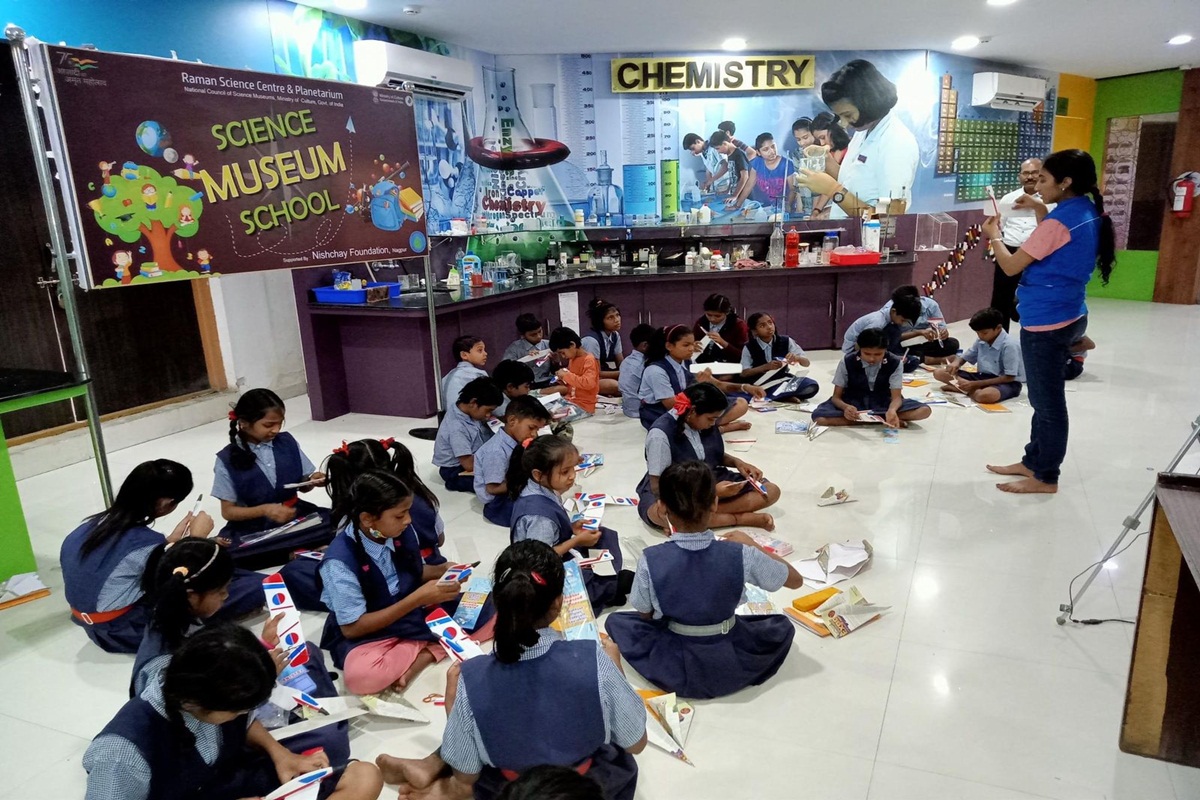
Science Centre Nagpur: The Nagpur Improvement Trust (NIT) is embarking on an ambitious project that promises to bring world-class science education to the underprivileged children of Nagpur. With a commitment to providing top-notch facilities for students from economically, socially, and educationally backward families, this initiative is set to transform lives and foster a deep interest in science.

The Vision Behind the Science Centre

A Dream for Equal Opportunity

Union Minister for Road Transport and Highways, Nitin Gadkari, has championed the cause of equal educational opportunities. In a recent meeting, he expressed confidence that the upcoming science centre would serve as a beacon of hope for students from disadvantaged backgrounds.

Support and Confirmation

NIT Chairman Sanjay Meena has confirmed that the development project report will be ready soon. Once completed, the project’s cost and intricate details will be finalized, setting the stage for groundbreaking work.

Features of the Science Centre

World-Class Exhibits

The science centre will showcase scientific experiments and models from India and around the world. Exhibits will include models of Chandrayaan and Mangalyaan, offering visual knowledge and sparking curiosity among young minds.

Interactive Displays

To engage students actively, the centre will feature interactive displays that allow hands-on learning experiences. These displays will cover various scientific principles, making learning both fun and informative.

Small Hall for Experiments

A dedicated small hall will be available for students to conduct their own scientific experiments. This hands-on approach aims to deepen their understanding of scientific concepts through practical application.

E-Library and Mini-Theatre

E-Library

An e-library equipped with a vast collection of digital resources will be an integral part of the centre. Students will have access to a wealth of information at their fingertips, enhancing their learning experience.

Mini-Theatre

The mini-theatre, with a seating capacity of 100 to 200, will screen educational films and documentaries on the lives of great personalities. This feature will provide inspiration and broaden the horizons of young learners.

Sustainability Initiatives

Solar Energy

In line with sustainable development goals, the entire building will be powered by solar energy. This eco-friendly approach ensures that the centre operates with minimal environmental impact.

Cafeteria

A cafeteria within the centre will provide nutritious meals, ensuring that students have the energy and focus needed for their studies.

Location and Design

Strategic Location

The NIT will establish the science centre on a one-acre plot in Garoba Maidan, previously occupied by a closed NMC-run school. This strategic location is easily accessible to students from various parts of the city.

Architectural Excellence

Gadkari has emphasized the importance of consulting top architects to design the centre. The goal is to create a facility that is not only functional but also aesthetically pleasing, inspiring students and visitors alike.

The Role of Rashtrabhasha Parivar

Annual Science Fair

For years, the Rashtrabhasha Parivar has been organizing an annual science fair attended mostly by students of NMC-run schools. This tradition of promoting science education will continue and expand with the new centre.

Collaboration and Support

Key figures such as Suresh Agrawal from Rashtrabhasha Parivar, Collector Vipin Itankar, MahaMetro MD Shravan Hardikar, NMC Commissioner Abhijeet Chaudhari, and other officials have pledged their support for this project.

Impact on the Community (Science Centre Nagpur)

Educational Upliftment

The science centre will be a game-changer for students from underprivileged backgrounds. By providing access to world-class facilities and resources, it will help bridge the educational gap and pave the way for future scientists and innovators.

Inspiring Future Generations (Science Centre Nagpur)

With its state-of-the-art exhibits and engaging learning environment, the centre will inspire future generations to pursue careers in science and technology. This initiative will contribute to the overall development of the community and the nation.

The upcoming science centre in Nagpur is a testament to the power of education and the impact it can have on underprivileged children. By providing world-class facilities and fostering a love for science, this project will transform lives and inspire a new generation of scientists and innovators.

1. When will the science centre be completed?
The development project report will be ready soon, and the project timeline will be finalized after that.

2. Who can visit the science centre?
The centre is primarily aimed at students from economically, socially, and educationally backward families, but it will be open to all interested in science.

3. What exhibits will be featured at the centre?
The centre will showcase scientific experiments and models, including those of Chandrayaan and Mangalyaan.

4. Will there be any fees for students?
Details regarding fees or free access will be finalized once the project report is complete.

5. How can the community support this initiative?
Community members can support by volunteering, donating resources, or spreading awareness about the centre and its benefits.

NIT’s Grand Initiative to Restore Bakht Buland Shah’s Grave

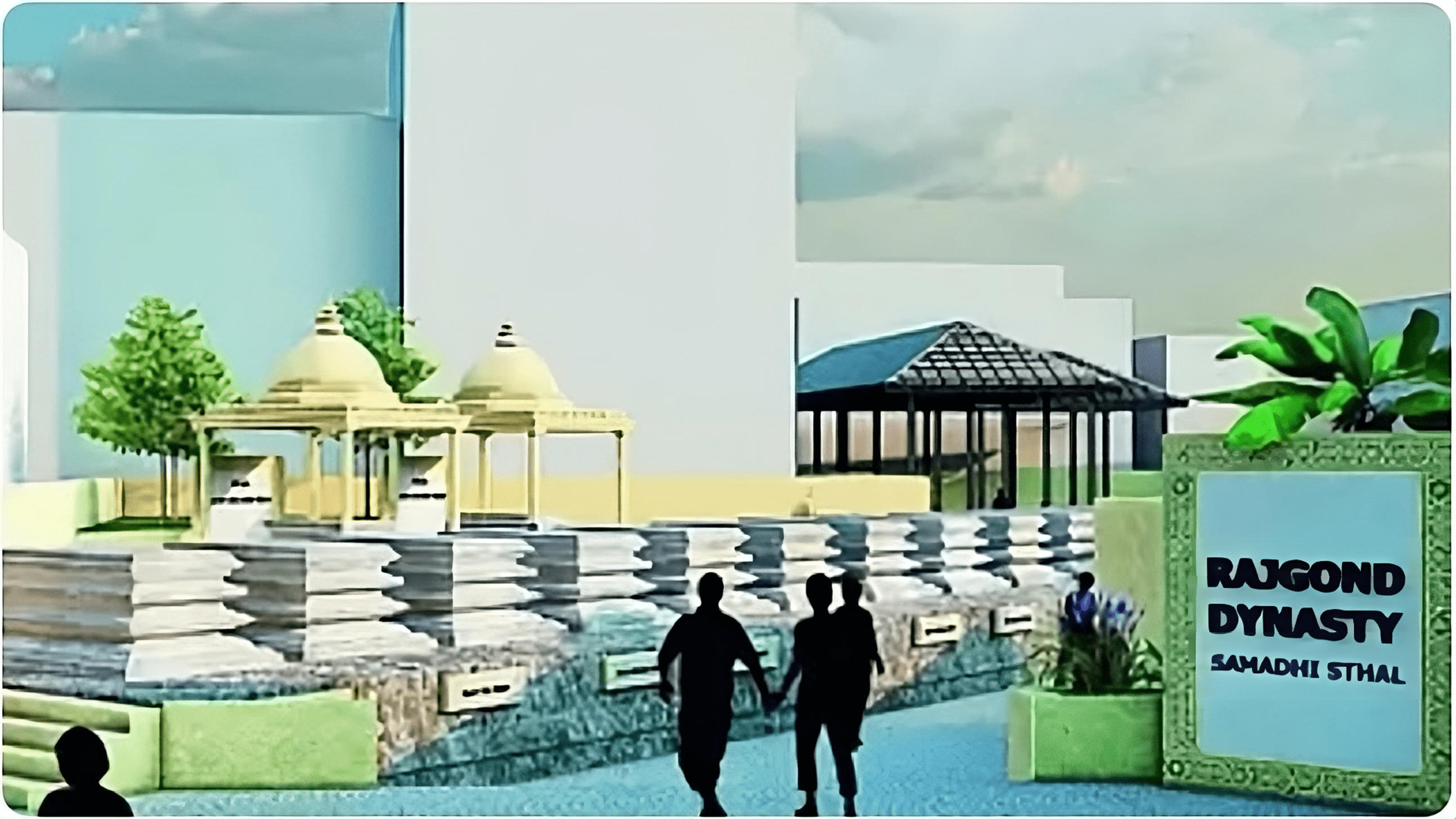
In a historic move, the Nagpur Improvement Trust (NIT) has undertaken a noble mission to restore and rejuvenate the final resting place of the illustrious Bakht Buland Shah. The grave, nestled in a once-royal family graveyard dating back to the early 17th century, has long been neglected, overshadowed by encroachments and the passage of time.

A Heritage in Ruins

A Graveyard Lost in Time

For over 300 years, Bakht Buland Shah’s grave has endured neglect, situated in an unkempt and nondescript royal family graveyard spanning one acre in Sakkardara. The burial ground houses 27 graves of Gond King Azam Shah’s forefathers, making it a vital historical site.

Menacing Encroachments

The heritage site, a testament to Nagpur’s foundation, faces encroachment from all sides by vendors and residents. The Nagpur Improvement Trust aims to reclaim the sanctity of this historic ground.

NIT’s Pledge to Restoration

A Heritage in Need

Recognizing the significance of the graveyard as a national heritage, NIT chairman Manojkumar Suryawanshi affirms their commitment to restoring and renovating Bakht Buland Shah’s final resting place.

Abiding by Heritage Norms

In an exclusive statement to TOI, Suryawanshi assures that the restoration work will strictly adhere to heritage norms, ensuring the preservation of the historical authenticity of the site.

Current State of Despair

Encroachments and Neglect

The mausoleums in Azamshah layout, Sakkardara, housing the royal family’s final resting places, are not only encroached upon but also neglected by both authorities and descendants.

NIT’s Anti-Encroachment Drive

As part of their development plan, NIT’s anti-encroachment squad recently demolished illegal constructions in the vicinity, setting the stage for the upcoming restoration project.

The Detailed Makeover Plan

Beyond Tombstones

Chairman Suryawanshi emphasizes NIT’s holistic approach, stating that the makeover plan encompasses not only the graves but the entire premises. The restoration will not just revive its past glory but also redefine the aesthetic of the entire area.

NIT’s Vision

“We will concentrate on the whole premises, not just the graves. The restoration work will not only restore its past glory but will also give a new look to the premises,” Suryawanshi said, highlighting NIT’s vision for the project.

NIT to Renovate Bakht Buland Shah’s Grave

NIT’s decision to renovate Bakht Buland Shah’s grave underscores their dedication to preserving the historical legacy of Nagpur.

Frequently Asked Questions

Q1: Why is Bakht Buland Shah’s grave significant?

A1: Bakht Buland Shah laid the foundation of Nagpur over 300 years ago, making his grave a crucial historical site.

Q2: How will NIT ensure the preservation of heritage norms?

A2: NIT chairman Manojkumar Suryawanshi has assured that the restoration work will strictly adhere to heritage norms.

Q3: What is NIT’s development plan for the entire premises?

A3: NIT aims to beautify the existing place without disturbing the tombstones, focusing on the holistic restoration of the entire premises.

Q4: Why did NIT conduct an anti-encroachment drive?

A4: NIT’s anti-encroachment drive was part of their development plan to clear illegal constructions and pave the way for the restoration project.

Q5: What is the significance of the mausoleums in Azamshah layout?

A5: The mausoleums in Azamshah layout house the final resting places of the royal family, adding to the historical value of the site.

Q6: How does NIT plan to achieve a new look for the premises?

A6: Chairman Suryawanshi envisions a comprehensive restoration that goes beyond the graves, providing a fresh and revitalized aesthetic to the entire area.

The Nagpur Improvement Trust’s initiative to renovate Bakht Buland Shah’s grave marks a pivotal moment in the preservation of Nagpur’s rich history. With a detailed makeover plan, a commitment to heritage norms, and a vision for the holistic restoration of the premises, NIT stands as a beacon of hope for the revival of this historic site. As Bakht Buland Shah’s legacy is honored, Nagpur takes a significant step towards reclaiming its past.

नागपुर के विकास को प्रमुख बढ़ावा: NIT ने 450 करोड़ रुपये की शहरी संवर्धन परियोजना को मंजूरी दी”

नागपुर इम्प्रूवमेंट ट्रस्ट (NIT) ने 450 करोड़ रुपये की शहरी विकास परियोजनाओं को मंजूरी दे दी है। इन पहलों का उद्देश्य नागपुर के बुनियादी ढांचे और सांस्कृतिक पेशकशों को बढ़ाना है, जिसमें एक कैंसर अस्पताल, छत्रपति शिवाजी महाराज को समर्पित एक थीम पार्क और कोराडी मंदिर परिसर का विस्तार शामिल है।

इन परियोजनाओं में से, सबसे उल्लेखनीय सरकारी मेडिकल कॉलेज और अस्पताल (GMCH) में एक कैंसर अस्पताल की योजना है। देवेन्द्र फड़नवीस के कार्यकाल के दौरान 2012 में शुरू किए गए इस अस्पताल को निर्माण कार्य शुरू करने के लिए बाधाओं का सामना करना पड़ा था, जिसे अब दूर कर लिया गया है।

सांस्कृतिक संवर्धन को संबोधित करते हुए, NIT ने मराठा नेता छत्रपति शिवाजी महाराज के जीवन को चित्रित करते हुए “शिवश्रुष्टि” नामक एक विषयगत पार्क को मंजूरी दी। पुणे के एक प्रतिष्ठान से प्रेरित, 150 करोड़ रुपये के बजट वाले इस पार्क में शिवाजी महाराज की विरासत का सम्मान करते हुए 14 किलों और युद्ध भित्ति चित्रों की प्रतिकृतियां हैं।

नवाचारों में फ़ुटाला फाउंटेन परियोजना भी शामिल है, जिसे शैवाल विकास के मुद्दों का सामना करना पड़ा। IIT मुंबई के साथ सहयोग करते हुए, NIT ने स्थापना और परीक्षण के लिए विशेष पाइप तैयार किए। सफल परीक्षण परियोजना की गति को पुनर्जीवित कर सकते हैं। फ़ुटाला फाउंटेन परियोजना के लिए स्वामी विवेकानन्द प्रकाश और संगीत शो स्क्रिप्ट अनुमोदन और विशेष पाइप कार्यान्वयन भी चल रहा है, जो इस महीने परीक्षण के लिए तैयार है।

एनआयटीने दक्षिण नागपुरातील क्रिकेट अकादमीची योजना केली मंजूर.

नागपूर इम्प्रूव्हमेंट ट्रस्ट (NIT) दक्षिण नागपुरात नवीन क्रिकेट स्टेडियम आणि अकादमी विकसित करणार आहे. गुरुवारच्या विश्वस्त मंडळाच्या बैठकीत या विषयावर सविस्तर चर्चा होऊन जागा निश्चित करण्यात आली. उमरेड रोडवरील दिघोरी येथे जकात चौकीच्या पलीकडे एनआयटीकडे पाच ते सहा एकर जमीन उपलब्ध आहे. या जमिनीचा वापर मिनी क्रिकेट स्टेडियम विकसित करण्यासाठी केला जाईल, असे अधिकाऱ्यांनी सांगितले.
योजनेनुसार हे स्टेडियम पूर्ण क्षमतेने होणार नाही. त्याऐवजी, आगामी खेळाडूंसाठी सराव खेळपट्टीसह एक सुविधा असेल. क्रिकेट हा देशातील सर्वात लोकप्रिय खेळ असल्याने, सराव खेळपट्टी आणि छोटे मैदान अकादमीचे स्वरूप घेऊ शकतात. नवोदित खेळाडूंसाठी ही सुविधा खूप उपयुक्त ठरू शकते. हा प्रस्ताव विश्वस्त मंडळाने मान्य केला. एनआयटीचे अध्यक्ष मनोजकुमार सुर्यवंशी यांच्या अध्यक्षतेखाली ही बैठक झाली.

मोहन मते, आमदार संदीप इटकेलवार, दोन्ही विश्वस्त;जिल्हाधिकारी डॉ. विपिन इटनकर यांच्यासह या बैठकीला नगररचना विभागाच्या सहसंचालक सुप्रिया थूल उपस्थित होत्या. आणखी एक महत्त्वाचा प्रस्ताव जो अजेंडावर होता तो म्हणजे पाळीव प्राण्यांसाठी सुविधा विकसित करणे. योजना अशी आहे की जर एखाद्या नागरिकाला बाहेरगावी जायचे असेल तर त्यांना त्यांच्या पाळीव प्राण्यांच्या सुरक्षिततेच्या समस्येचा सामना करावा लागतो. यासाठी, एनआयटीने पार्किंग प्लाझाप्रमाणेच 2,000 ते 4,000 चौरस फूट क्षेत्रफळात पसरलेली सुविधा उपलब्ध करून देण्याची योजना पुढे आणली आहे. शहरातील पाळीव प्राण्यांची लोकसंख्या मोठ्या प्रमाणात वाढल्याने आजच्या काळात आवश्यक असलेली सुविधा उभारण्यासाठी मंडळाने जमीन शोधण्यास सांगितले.


Exit mobile version