NMC Budget 2026-27 Nagpur: Good news for Nagpur residents. Your property tax is not going up this year.
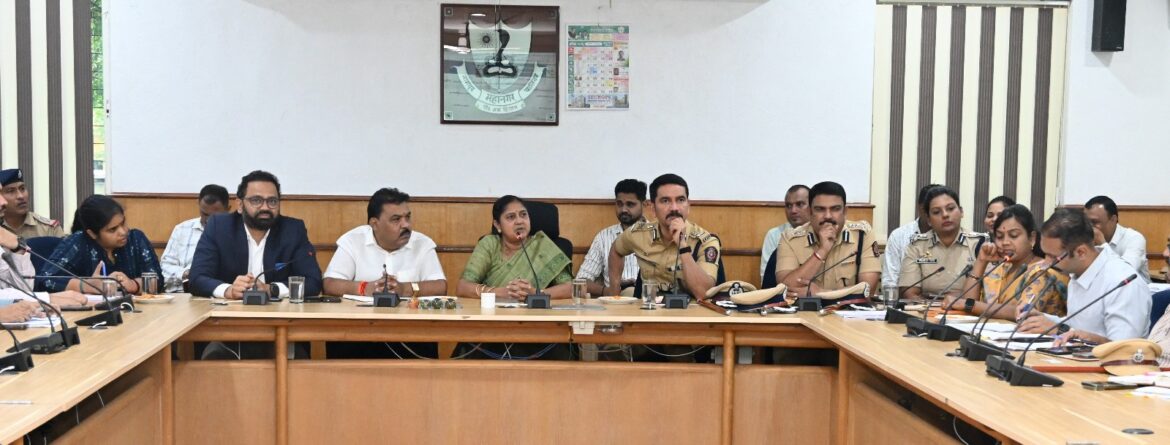
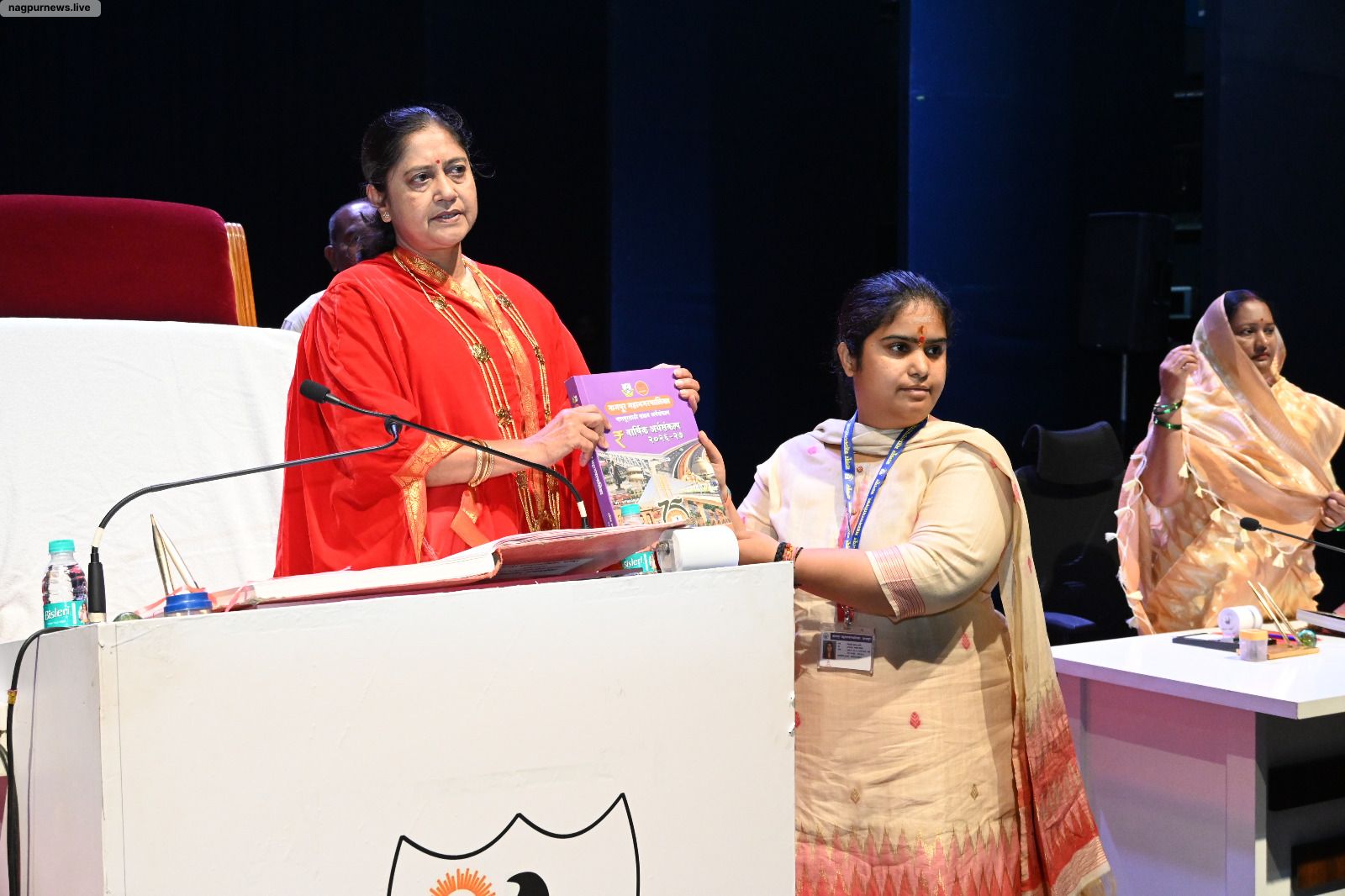
The Nagpur Municipal Corporation presented a ₹6,202.99 crore surplus budget for the financial year 2026-27 on Saturday. The budget focuses on comprehensive urban development. No additional taxes have been imposed on citizens. Standing Committee Chairperson Shivani Dani-Vakhare presented the budget before Mayor Nita Thakre in the civic body’s General House.
This is one of the biggest NMC budgets in recent years. So what is in it for you? Let’s go section by section.
The Numbers: How Big Is This Budget?
First, let us understand the basic financial picture.
NMC expects total revenue of ₹5,690.37 crore during 2026-27. Including an opening balance of ₹512.61 crore, the total receipts are projected at ₹6,202.99 crore. Total expenditure has been estimated at ₹6,202.48 crore. This leaves a closing surplus of approximately ₹50.18 lakh.
So the city earns more than it spends. That is called a surplus budget. It is a positive sign for Nagpur’s financial health.
Mayor Nita Thakre described it as an inclusive and citizen-centric budget that will accelerate all-round development while providing relief to the common man.
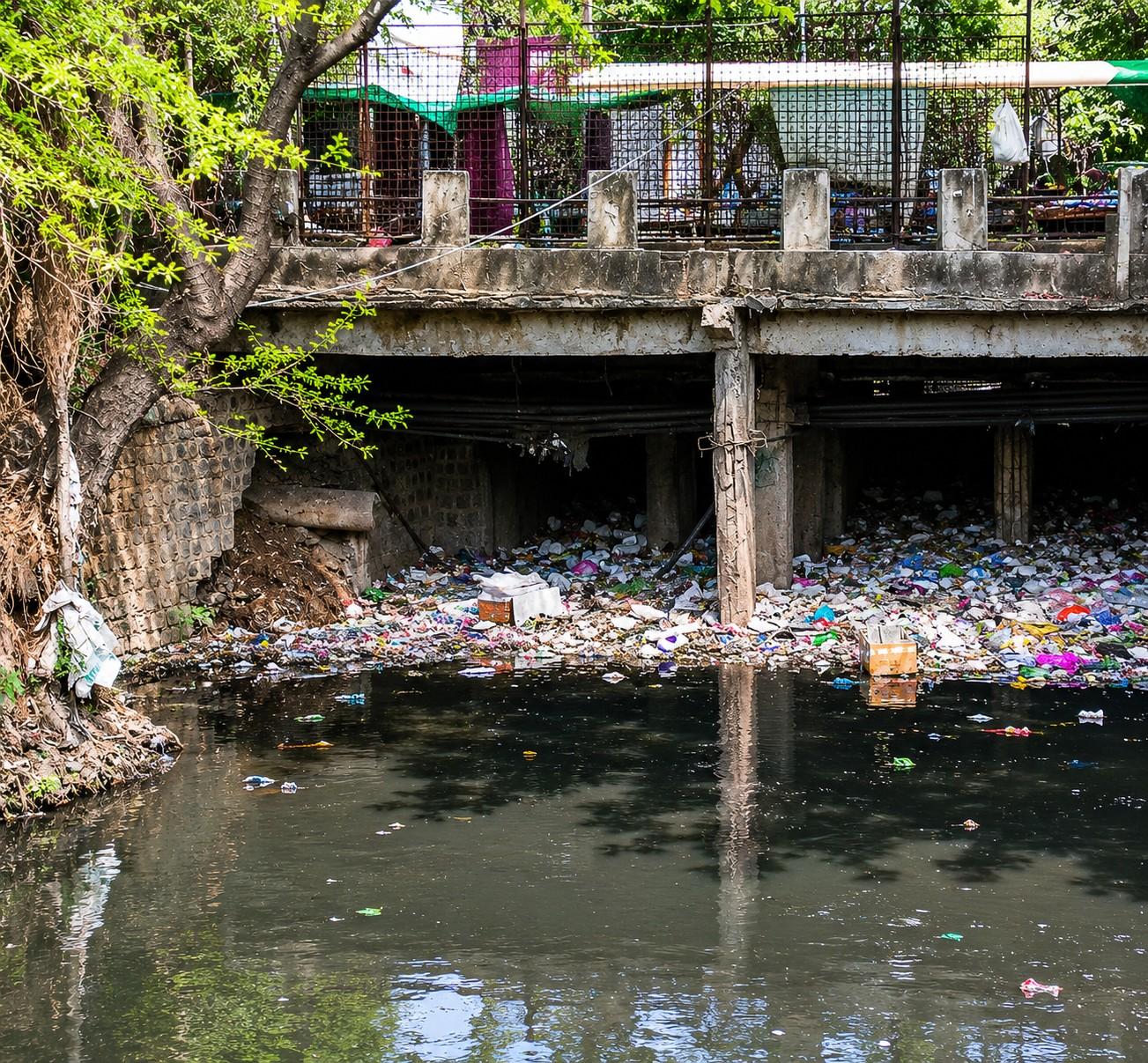
Nag River to Be Cleaned With ₹200 Crore Municipal Bonds
This is the most talked-about announcement in the budget.
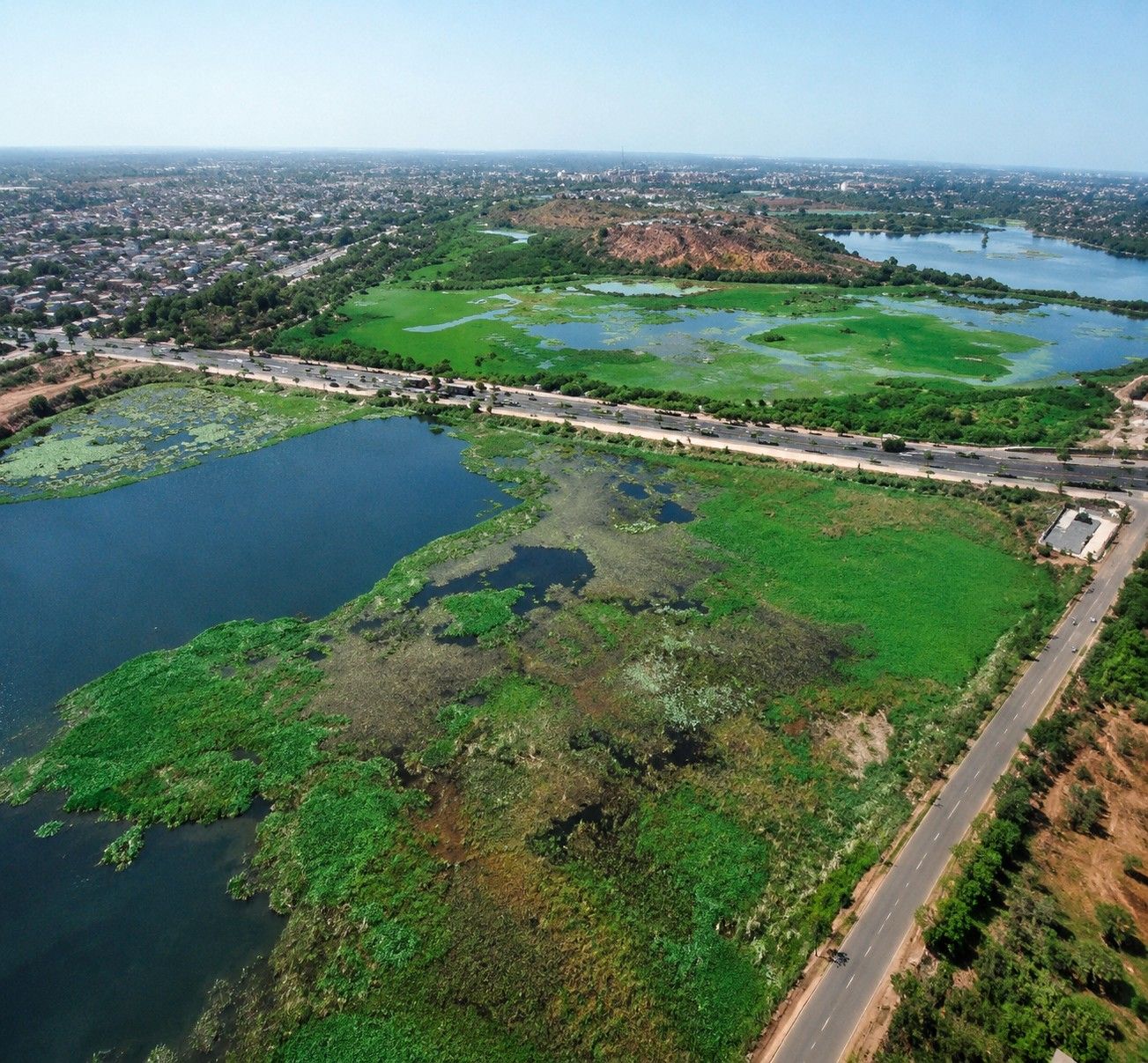
NMC plans to raise ₹200 crore through municipal bonds to make the Nag River pollution-free.
The Nag River has been polluted for decades. It passes through many dense areas of Nagpur. Cleaning it has been a long-pending demand of residents. Using municipal bonds to raise money is a smart move. It avoids putting the burden on the city’s existing funds.
Sports Gets ₹45 Crore — 200 Playgrounds Planned
Nagpur is getting serious about sports infrastructure.
Following suggestions by Chief Minister Devendra Fadnavis and Union Minister Nitin Gadkari, NMC has set a target of developing 200 playgrounds. Out of these, 75 playgrounds are planned during the Amrit Mahotsav year. The budget earmarks ₹45 crore for sports development and continued operations of the newly built mega sports complex.
This is a major step. Nagpur has long lacked quality playgrounds in residential areas. 200 new grounds will directly benefit children and youth across all wards.
Corporator Development Fund Raised to ₹25 Lakh
Every ward in Nagpur will get more money for local development.
Every corporator will now receive ₹25 lakh as ward development funds for public utility projects. Additionally, ₹41.38 crore has been allocated for pending and legally approved projects from previous financial years.
This means your local corporator has more money to fix roads, drains, footpaths, and other issues in your area. The clearance of pending projects is also a big relief. Many old projects had been stuck due to lack of funds.
Tourism Gets a Big Push — Marbat, Savji Festival and QR Codes
Nagpur’s cultural identity is finally getting official financial backing.
The civic body announced the Nagpur Tourism Development Scheme. Under this scheme, information about the city’s heritage, culture and landmarks will be made available through QR codes at 100 city squares. Special emphasis will be placed on promoting the Marbat Festival to attract tourists. A seven-day Savji Bunakar Festival will showcase the city’s cuisine to national and international visitors. NMC will also publish a comprehensive Visit Nagpur guidebook featuring tourist attractions, food destinations and an annual festival calendar.
This is smart city thinking. QR codes at 100 squares make Nagpur more tourist-friendly. The Marbat Festival is unique to Nagpur. It deserves national attention. The Savji food promotion could put Nagpur on India’s food tourism map.
Heritage Museum and Experience Centre
Nagpur’s 300-year history will now have a home.
As part of Amrit Mahotsav celebrations, NMC will establish a Centenary Museum showcasing the city’s history. An audio-visual Experience Centre depicting Nagpur’s 300-year history will also be developed inside the heritage Municipal Town Hall.
This will serve as both a tourist attraction and an educational destination for Nagpur’s residents and students.
Healthcare: Free Eye Surgeries, Dental Help and 12 New Health Centres
The budget has strong healthcare announcements. Every resident should know about these.
The budget includes citywide health screenings to work toward making Nagpur cancer-free. Under the Mayor Harsh Muskan Scheme, ₹25 lakh has been set aside for dental treatment of girls below 18 years. The Mayor Netra Jyoti Scheme will provide free eye camps, cataract surgeries and spectacles in collaboration with Mahatme Eye Bank. NMC also plans to construct 12 new Urban Primary Health Centres, with a target of 53 UPHCs over the next five years.
Free eye surgery and dental treatment for girls are standout announcements. These will directly benefit thousands of families in Nagpur’s lower-income areas.
Senior Citizens Get Special Attention
Older residents of Nagpur have not been forgotten.
Special provisions have been made for senior citizens. These include health camps, recreational tours, awareness and wellness programmes, and formation of senior citizens’ groups in every ward. Each corporator has been allotted ₹2 lakh for senior citizen welfare activities.
Senior citizen groups in every ward is a practical idea. It gives elderly residents a structured community to be part of.
Education: 12 Schools to Be Rebuilt, Free Bicycles for Girls
Students in NMC schools are getting major support.
The budget proposes reconstruction of 12 municipal schools with an NMC allocation of ₹30 crore. Seventy-five free bicycles will be distributed to meritorious girls under the Pushpatai Ghode Bicycle Bank Scheme. Affordable UPSC and MPSC guidance centres will be established in every Assembly constituency under the Sushma Swaraj Scheme. E-library facilities for learning Japanese, German and French will be offered under the Pramilatai Mendhe Language Centre.
The UPSC-MPSC guidance centres are a game-changer. Many students in Nagpur cannot afford coaching. Free guidance centres in every constituency will open doors for thousands of young aspirants.
Smart Wards — Best Wards Get ₹50 Lakh Reward
NMC is introducing a reward system for well-performing wards.
Under the My Ward Smart Ward initiative, wards excelling in tax collection, cleanliness and innovative governance will receive ₹50 lakh special grants. Labour rest centres called Thiyya will also be set up across all zones for workers who come to Nagpur for employment.
This is a competitive but fair system. It motivates corporators and residents to keep their wards clean and compliant.
Pay-and-Park on Five Roads — Pilot Project
Parking chaos in Nagpur may finally get a solution.
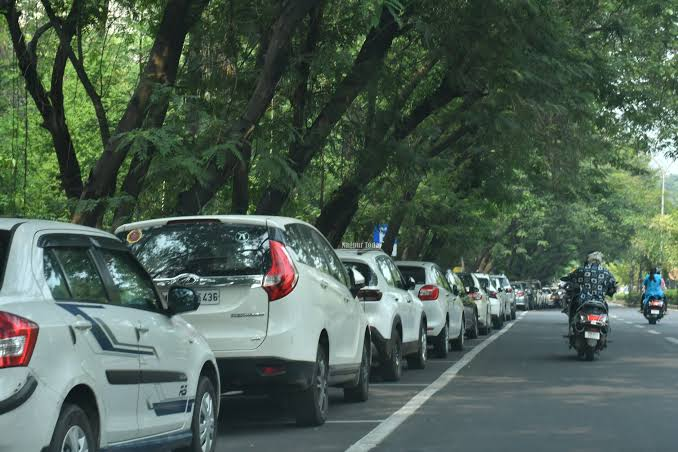
NMC will launch a Pay-and-Park scheme on five major roads on a pilot basis. If successful, the civic body plans to implement a comprehensive citywide parking policy.
Unplanned parking is one of Nagpur’s biggest daily frustrations. A proper pay-and-park system could reduce road congestion significantly.
Digital Transformation — AI Chatbots and Data Centre
NMC is stepping into the digital age in a big way.
NMC will develop AI-powered audio and text chatbots for tax and water services. An advanced municipal Data Centre will be established for secure and integrated management of civic data. A dedicated digital grievance redressal system and dashboard for corporators will also be launched.
AI chatbots for tax and water queries mean residents can get answers without standing in queues. The digital grievance dashboard will make it easier to track complaints.
Aquarium, Startup Centre and Solar Stoves
These are some of the more exciting new announcements.
In collaboration with the Maharashtra Fisheries Department, NMC will facilitate establishment of a state-of-the-art aquarium in Nagpur. NMC also announced plans for the Jamsetji Tata Incubation Centre to encourage entrepreneurship among Gen Z. Additionally, 5,000 solar stoves will be distributed to promote clean and affordable energy. A hotel classification and certification system will also be introduced to improve hospitality standards.
An aquarium is a massive addition to Nagpur’s tourism. It will give families a new weekend destination. The startup incubation centre puts Nagpur alongside Pune and Mumbai in the entrepreneurship ecosystem.
Shivaji Maharaj Statues at Two Locations
NMC has allocated ₹50 lakh for installing equestrian statues of Chhatrapati Shivaji Maharaj at the Municipal Headquarters and Shivaji Maharaj Square in Vardhaman Nagar.
Rainwater Harvesting — 209 Recharge Shafts
Water conservation is a key focus of this budget.
NMC has proposed installation of 209 recharge shafts across the city for rainwater harvesting. Mandatory rainwater harvesting provisions will be included in major road and development projects. Rooftop rainwater harvesting will be required in government buildings. Large water consumers using over one lakh litres daily will be directed to install sewage treatment or effluent treatment plants.
With water scarcity becoming a concern every summer, these steps are both timely and necessary.
The Budget Was Dedicated to Mothers of Martyrs
The presentation had an emotional and patriotic tone.
Standing Committee Chairperson Shivani Dani-Vakhare dedicated the budget to the mothers of brave soldiers, from Rajmata Jijau to the martyrs of Operation Sindoor. She concluded her speech with a poem by legendary Marathi poet Suresh Bhat, declaring: our direction will never change and the lamp of Nagpur’s development will not be extinguished by any wind.
Full Budget at a Glance
| Category |
Allocation / Detail |
| Total Budget Size |
₹6,202.99 crore |
| Total Revenue Expected |
₹5,690.37 crore |
| Opening Balance |
₹512.61 crore |
| Total Expenditure |
₹6,202.48 crore |
| Closing Surplus |
₹50.18 lakh |
| New Tax Hike |
None |
| Nag River Cleaning |
₹200 crore via municipal bonds |
| Sports Development |
₹45 crore |
| Playgrounds Target |
200 (75 this year) |
| Corporator Fund |
₹25 lakh per ward |
| School Reconstruction |
12 schools, ₹30 crore |
| New Health Centres |
12 UPHCs this year, 53 in 5 years |
| Solar Stoves |
5,000 units |
| Rainwater Recharge Shafts |
209 across the city |
| Smart Ward Reward |
₹50 lakh per qualifying ward |
| Shivaji Maharaj Statues |
₹50 lakh |
| Senior Citizen Fund per Ward |
₹2 lakh per corporator |
Frequently Asked Questions
Is there any tax hike in NMC Budget 2026-27?
No. The NMC budget 2026-27 does not impose any new taxes on Nagpur residents. The civic body plans to increase revenue through government grants and new revenue streams — not by increasing citizen tax burden.
What is the total size of NMC Budget 2026-27?
The total budget is ₹6,202.99 crore. It is a surplus budget, meaning NMC plans to spend slightly less than it earns.
Who presented the NMC Budget 2026-27?
Standing Committee Chairperson Shivani Dani-Vakhare presented the budget before Mayor Nita Thakre at the NMC General House meeting on June 27, 2026.
What is the plan for Nag River cleaning?
NMC plans to raise ₹200 crore through municipal bonds specifically for making the Nag River pollution-free.
What health schemes are announced in NMC Budget 2026-27?
Key health schemes include the Mayor Netra Jyoti Scheme for free eye camps and cataract surgeries, Mayor Harsh Muskan Scheme for dental treatment of girls under 18, cancer screening drives, and construction of 12 new Urban Primary Health Centres.
What is the My Ward Smart Ward initiative?
It is a reward scheme where wards that perform best in tax collection, cleanliness and governance will receive ₹50 lakh special grants from NMC.
Will Nagpur get an aquarium?
Yes. NMC has announced plans to set up a state-of-the-art aquarium in Nagpur in collaboration with the Maharashtra Fisheries Department.
Nagpur’s ₹6,202 crore budget is ambitious. It covers everything — from rivers to roads, from school kids to senior citizens, from AI chatbots to aquariums. The real test, as always, is execution. But on paper, this is one of the most wide-ranging civic budgets Nagpur has ever seen.