Nagpur’s Historic Cotton Market Set for a Smart, Eco-Friendly Makeover

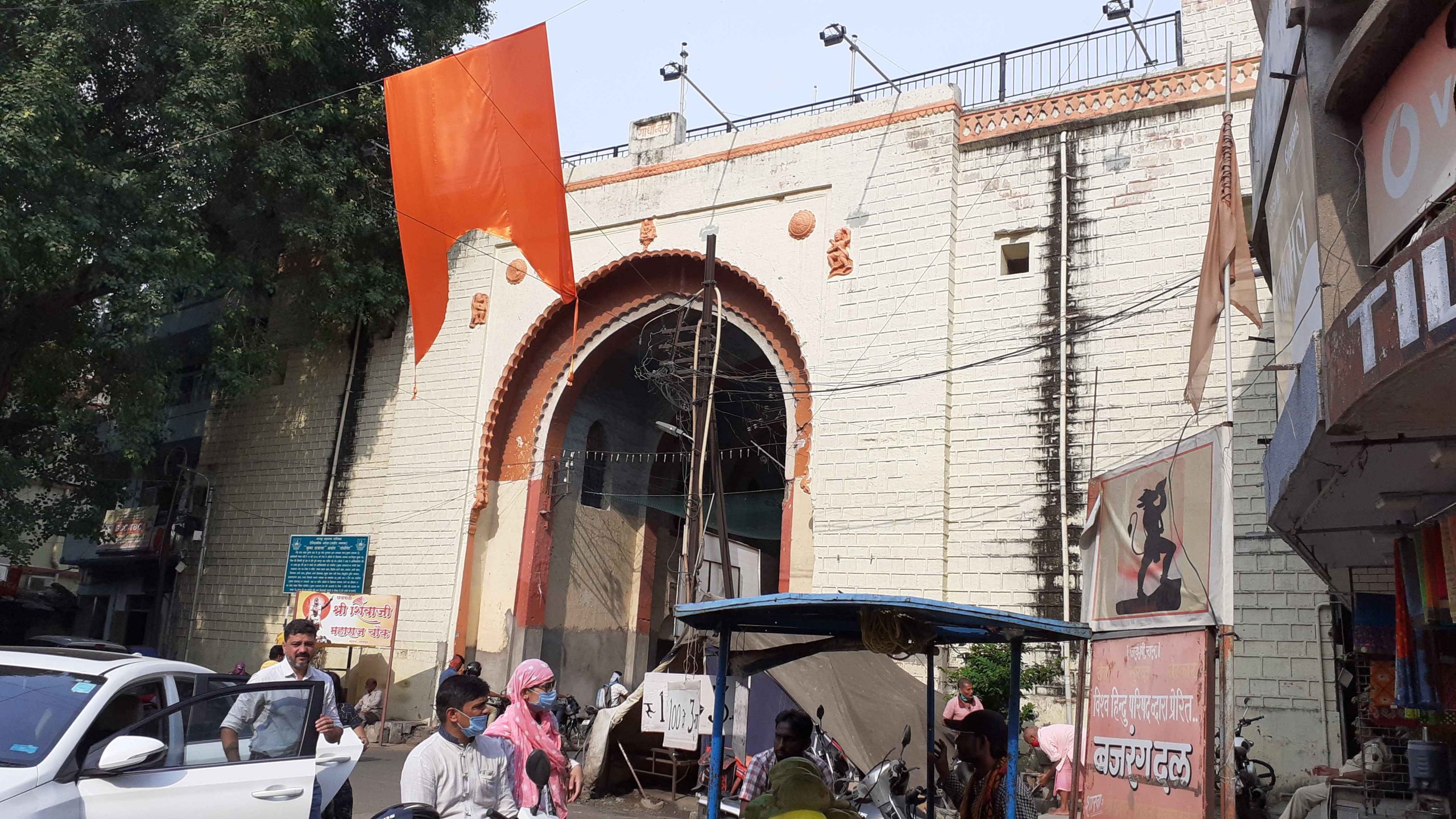
Nagpur Cotton Market Makeover: Nagpur’s historic Cotton Market in Sitabuldi is undergoing a major transformation. The Nagpur Municipal Corporation (NMC), in partnership with the Maharashtra State Infrastructure Development Corporation Limited (MSIDC), has unveiled a redevelopment plan that promises a modern, sustainable, and eco-friendly commercial hub. This initiative aims to preserve the market’s rich heritage while incorporating state-of-the-art infrastructure and green technology.

A Vision for Sustainable Urban Renewal

The redevelopment project, known as the Sustainable & Holistic Urban Renewal and Transformation of NMC’s Cotton Market Site (Phase-1), aims to breathe new life into this historic trading hub.

Key Highlights of the Project | Nagpur Cotton Market Makeover

  • Project Area: 9,875 square meters
  • Two High-Rise Towers:
    • 24-floor tower – Residential units and serviced apartments
    • 20-floor tower – Commercial office spaces and retail outlets
  • Connectivity: The two towers will be linked by a banquet hall on the 4th floor
  • Facilities:
    • 500 retail units
    • 200 office spaces
    • 50 hotel rooms
    • 80 serviced apartments
    • Multi-level parking for 304 vehicles
    • Modern public toilets
    • Landscaped green areas

Revamping Commercial and Retail Spaces

One of the primary goals of the project is to restructure the existing commercial and retail spaces while ensuring that existing shop owners and hawkers retain their businesses.

Rehabilitation of Shop Owners and Hawkers

  • 2,200 square meters have been reserved for shopkeepers
  • Spaces will be provided at construction cost rates
  • A designated hawker zone with specially designed ottas for street vendors

This ensures that the transformation is inclusive, allowing traditional traders and small vendors to continue their operations in an organized, well-planned environment.

Eco-Friendly and Smart Infrastructure

The project integrates cutting-edge sustainable technologies to promote environmental conservation and energy efficiency.

Green Building Certifications

The redevelopment will adhere to:

  • IGBC Platinum Certification
  • GRIHA 5-Star Green Building Standards

Renewable Energy Integration

  • Solar and wind energy systems to power commercial and residential spaces
  • Rainwater harvesting to conserve water
  • Green roofs and energy-efficient HVAC systems
  • Smart lighting and waste management systems

Advanced Waste Management Solutions

A comprehensive waste management system will be implemented, featuring:

  • On-site composting units for organic waste
  • Segregated waste collection for efficient recycling
  • Sustainable sewage and drainage systems

Boosting Nagpur’s Commercial Landscape

This project is set to elevate Nagpur’s urban appeal by:

  • Attracting new businesses and investors
  • Providing modern office and retail spaces
  • Enhancing urban living with state-of-the-art residential facilities

Economic Impact

  • Increased employment opportunities through retail, hospitality, and office spaces
  • Higher property values due to modern infrastructure
  • Greater tourism appeal with improved aesthetics and public amenities

Budget and Timeline

The redevelopment comes with an estimated budget of ₹376 crore, ensuring that the transformation is well-funded and strategically executed.

Nagpur’s Cotton Market redevelopment is more than just an infrastructure upgrade—it is a blueprint for a sustainable urban future. By blending modernization with heritage conservation, the project ensures that this historic marketplace remains relevant, vibrant, and eco-friendly for generations to come.

1. What is the main objective of Nagpur’s Cotton Market redevelopment?

The project aims to modernize the market with sustainable infrastructure while preserving its historical significance and supporting local traders.

2. How will shop owners and hawkers be accommodated?

A dedicated space of 2,200 square meters has been allocated for shopkeepers at construction cost rates, along with a designated hawker zone.

3. What green technologies are being used in the redevelopment?

The project incorporates solar and wind energy, rainwater harvesting, green roofs, and efficient waste management systems to meet IGBC Platinum and GRIHA 5-Star certifications.

4. What types of facilities will be available in the new Cotton Market?

The market will feature retail units, office spaces, hotel rooms, serviced apartments, banquet halls, multi-level parking, and modern public amenities.

5. When is the project expected to be completed?

The exact timeline is yet to be announced, but the project is estimated to be completed within the next few years as per government planning.

Ambazari Bridge to Open for Public on April 1: Govt to HC

The long-awaited opening of the Ambazari Bridge in Nagpur has been officially announced. According to an affidavit presented in the Nagpur Bench of the Bombay High Court, the bridge will be fully operational for public use starting April 1, 2025. This announcement follows years of construction delays, bureaucratic hurdles, and public inconvenience. The Public Works Department (PWD) and Maharashtra State Electricity Transmission Company Limited (MSETCL) have assured the completion of all pending works by March 31, 2025.


Project Background and Timeline

Why Was the Bridge Delayed?

The construction of the Ambazari Bridge faced repeated delays due to multiple factors, including:

  • Shifting of 132KV High-Tension Cables – A crucial factor in the delay was the relocation of these power lines.
  • Lack of Timely Funds – The government had not sanctioned the necessary budget on time.
  • Bureaucratic Approvals – Coordination between multiple agencies led to unnecessary lags.

Court’s Intervention

The Nagpur Bench of Bombay HC took note of the persistent delays and issued strong directives to expedite the project. The court emphasized that prolonged construction was leading to severe traffic congestion near the Vivekananda Memorial at Ambazari Lake, creating daily challenges for commuters.


Breakthrough Decisions and Final Steps

Government’s Commitment to Completion

After continuous pressure from the High Court, the state government finally sanctioned ₹3.77 crore for the relocation of high-tension cables. These funds were directed to MSETCL, allowing them to complete the relocation process without further hindrance.

Key Meetings and Progress Reports

A high-power committee meeting was held on February 10, 2025, under the leadership of Additional Divisional Commissioner Madhavi Khode Chaware. In this meeting, the officials from PWD, MSETCL, the Irrigation Department, and the Nagpur Municipal Corporation (NMC) reviewed the project status and committed to an April 1 deadline.


Impact on Traffic and Commuters

Traffic Congestion Challenges

The delay in opening the Ambazari Bridge led to:

  • Increased congestion on alternative routes
  • Longer travel times for daily commuters
  • Unsafe conditions for pedestrians

Expected Relief After Opening

With the full opening of the bridge, commuters can expect:

  • Smoother traffic flow
  • Reduced travel time
  • Improved safety for vehicles and pedestrians

Structural Enhancements and Flood Control Measures

Flood Mitigation Efforts

The Central Water and Power Research Station (CWPRS) conducted an independent study that ruled out the Swami Vivekananda statue as a cause of flash floods in Nagpur. Instead, their report pointed out that limited passage beneath the old bridge was a primary reason for water overflow during heavy rains.

To prevent future flooding, authorities have introduced:

  • Enhanced water drainage mechanisms
  • Improved flood mitigation barriers

Strengthening of the Ambazari Dam

The Irrigation Department confirmed that 95% of dam-strengthening work is completed, with the remaining work set to finish by March 31.


Lessons Learned and Future Infrastructure Plans

Avoiding Future Delays

One of the key takeaways from this project is the importance of inter-departmental coordination. The high-power committee has recommended:

  • Better project oversight to ensure future timelines are met
  • Proactive problem-solving measures to avoid bureaucratic roadblocks
  • Regular updates to the public on large-scale projects

Upcoming Infrastructure Projects in Nagpur

With the successful completion of Ambazari Bridge, the government aims to focus on:

  • Upgrading road networks to support the increasing population
  • Expanding flyovers to reduce congestion in high-traffic areas
  • Improving public transport connectivity

After years of delays, the much-needed Ambazari Bridge will finally open to the public on April 1, 2025. The project faced multiple obstacles, from fund shortages to bureaucratic hurdles, but judicial intervention and public pressure ensured its completion. Commuters can now look forward to smoother travel and reduced congestion in the area. Moving forward, it is crucial for authorities to learn from these delays and implement better planning strategies to prevent similar setbacks in future projects.


1. When will the Ambazari Bridge open?

The bridge will be fully open for public use on April 1, 2025.

2. Why was the bridge construction delayed?

The project faced delays due to funding issues, bureaucratic approvals, and the relocation of high-tension power cables.

3. How will the bridge impact traffic in Nagpur?

Once open, the bridge will reduce congestion, cut down travel time, and improve road safety in the area.

4. What measures were taken to prevent flooding near the bridge?

The CWPRS study identified water drainage issues, leading to the construction of flood mitigation barriers to prevent future flooding.

5. What lessons have been learned from this project?

The project highlighted the importance of timely funding, better inter-departmental coordination, and proactive problem-solving to prevent unnecessary delays.

Ambazari Lake High on Weed – A Growing Environmental Crisis

Ambazari Lake, one of Nagpur’s most significant water bodies, is battling a severe infestation of Eichhornia (water hyacinth). Despite substantial efforts and expenses by the local administration, the problem continues to escalate. With a sewage treatment plant (STP) under construction and industrial waste being a major concern, it is high time authorities take a more proactive approach to restore the lake’s health.

What is Eichhornia and Why is it a Problem?

The Rapid Spread of Water Hyacinth

Eichhornia, commonly known as water hyacinth, is an invasive aquatic plant notorious for its rapid growth. It thrives in nutrient-rich water, forming dense mats that choke lakes, disrupt aquatic life, and lead to flooding by blocking natural water flow.

Impact on Ambazari Lake

  • Reduces Oxygen Levels: The thick cover of Eichhornia depletes dissolved oxygen, leading to fish deaths.
  • Obstructs Water Flow: It clogs drainage systems, causing water stagnation and increasing flood risks.
  • Encourages Mosquito Breeding: Stagnant water provides a perfect breeding ground for mosquitoes, leading to health hazards.
  • Affects Biodiversity: The weed outcompetes native plants and disrupts the ecological balance.

Efforts to Combat the Eichhornia Infestation

Ongoing Cleaning Operations

The Nagpur Municipal Corporation (NMC) is spending a significant amount on manually removing the weed daily. However, without addressing the root cause, these efforts remain ineffective in the long term.

Sewage Treatment Plant (STP) – A Ray of Hope?

An 11 MLD STP is under construction in Wadi to treat sewage before it enters the lake. Authorities believe this plant, expected to be operational in six months, could help curb the Eichhornia spread by reducing nutrient load in the lake.

Industrial Waste Intrusion – A Major Concern

Studies indicate that industrial effluents from MIDC Hingna may be contaminating the lake. However, the Maharashtra Pollution Control Board (MPCB) has not found conclusive evidence against MIDC, leading to ongoing disputes about the actual source of pollution.

The 2023 Nagpur Floods – A Warning Sign

How Ambazari Lake Contributed to the Disaster

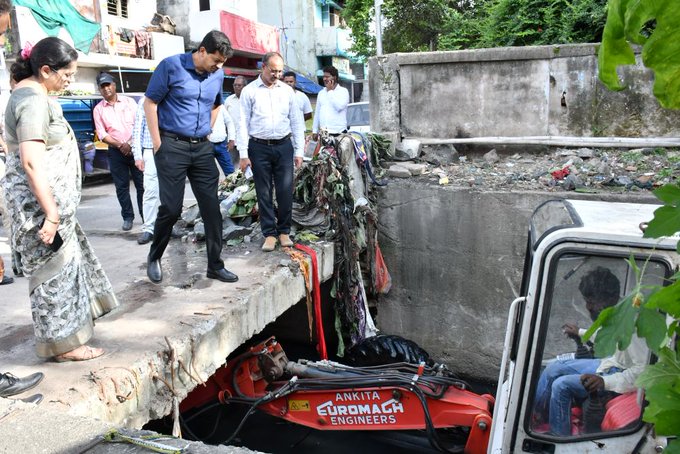
In September 2023, Nagpur witnessed severe flooding in the Nag River due to the overflow of Ambazari Lake. The Eichhornia mats blocked a crucial culvert under a bridge, worsening the flood situation and affecting hundreds of families.

Lack of Administrative Action

Despite clear warnings from experts, the administration failed to take timely action, leaving affected families to struggle with losses amounting to crores of rupees.

Public Concerns and Local Impact

Decline in Fishing and Swimming Activities

Local fishermen report a drastic reduction in fish populations due to oxygen depletion caused by the weeds. Similarly, regular swimmers now avoid the lake due to the deteriorating water quality.

Health Risks for Nearby Residents

  • Mosquito-borne diseases: Increased cases of malaria and dengue.
  • Water contamination: Higher risk of waterborne illnesses.
  • Air pollution: Decomposing weeds emit foul odors, affecting air quality.

Need for Long-Term Solutions

Comprehensive Cleanup Strategy

  • Use of Biological Controls: Introducing weevils and other natural predators of Eichhornia.
  • Mechanical Removal: Deploying advanced weed harvesters for efficient removal.
  • Chemical Treatment: Using eco-friendly herbicides to control growth.

Policy Changes and Stricter Regulations

  • Industrial Waste Monitoring: Conducting frequent water quality tests near industrial zones.
  • Strict Waste Disposal Laws: Enforcing penalties for industries dumping untreated waste.
  • Regular Maintenance: Allocating funds for periodic cleaning and monitoring of the lake.

The infestation of Eichhornia in Ambazari Lake is a pressing environmental issue that demands immediate attention. While efforts like the STP construction and daily cleaning are steps in the right direction, a more robust and sustainable strategy is needed. The authorities must take strict action against pollution sources and implement long-term ecological solutions to restore the lake’s health.

1. Why is Eichhornia growing so fast in Ambazari Lake?

Eichhornia thrives in nutrient-rich water, primarily fueled by untreated sewage and industrial waste entering the lake.

2. How does Eichhornia contribute to flooding?

The thick weed mats block water flow and drainage points, leading to water stagnation and overflow during heavy rains.

3. Can the problem be solved permanently?

Yes, through a combination of biological control, mechanical removal, strict pollution control, and long-term maintenance plans.

4. What can local residents do to help?

Residents can avoid dumping waste into the lake, participate in cleanup drives, and report pollution sources to authorities.

5. What role does the STP play in solving this issue?

The STP will help reduce nutrient levels in the water, limiting the excessive growth of Eichhornia and improving overall water quality.

Sonegaon Lake: A Seeping Issue

Nagpur: Sonegaon Lake, once a symbol of Nagpur’s rich history and ecological balance, is now facing a severe environmental threat. The lake is being contaminated by untreated sewage water, which seeps in due to inefficient waste management. Despite rejuvenation efforts, the water quality remains questionable, putting aquatic life at risk. This article explores the issue, its causes, the ongoing restoration project, and what can be done to save this historic water body.

The Historical Significance of Sonegaon Lake

Sonegaon Lake has been an integral part of Nagpur’s landscape for centuries. It not only serves as a recreational spot but also plays a crucial role in maintaining groundwater levels and supporting local biodiversity.

The Current Crisis: Sewage Contamination

How Did Sewage Start Seeping into the Lake?

In June 2024, reports from The Hitavada revealed that untreated sewage was entering Sonegaon Lake through a nearby nullah. The Nagpur Improvement Trust (NIT) had set up a sewage treatment plant (STP) to treat wastewater before discharging it into the lake, but concerns were raised regarding the efficiency of the treatment process.

NMC’s Response to the Issue

The Nagpur Municipal Corporation (NMC) issued a show cause notice to NIT, demanding proper treatment of sewage water before it entered the lake. However, NIT maintains that only clean water is being released into the water body.

Environmental Impact of Contaminated Water

Harm to Aquatic Life

Pollution in Sonegaon Lake threatens the survival of fish and other aquatic organisms. The presence of toxic substances reduces oxygen levels, leading to fish kills and disruption of the ecosystem.

Health Hazards for Locals

Contaminated water can cause serious health issues for people living nearby. It increases the risk of waterborne diseases and makes the lake unsuitable for recreational activities.

The Restoration Project: A Step Towards Revival

Phase 1: Initial Efforts

The first phase of the lake’s rejuvenation began in June 2021 and was inaugurated in April 2024. With an estimated cost of ₹17 crore, the project focused on the east and north sides of the lake, including:

  • Retaining wall construction
  • Walking track development
  • Beautification efforts

Phase 2: The Current Progress

The second phase, expected to be completed by September 2, 2025, is estimated at ₹25 crore. This includes work on the west and south sides of the lake, along with the addition of amenities such as:

  • A food court
  • A recharge shaft
  • A toilet block
  • Landscaping improvements

Challenges Faced During Rejuvenation

Delayed Completion

Despite significant investments, the project has been delayed due to bureaucratic red tape and insufficient planning.

Ongoing Water Contamination

While the infrastructure around the lake is improving, the fundamental problem—untreated sewage water—remains unresolved.

Can Sonegaon Lake Be Saved?

The rejuvenation of Sonegaon Lake can only be successful if the quality of water improves. Authorities must ensure strict monitoring of the STP and take immediate action against negligence.

Sonegaon Lake’s revival is crucial for Nagpur’s environment and historical heritage. While beautification projects are a positive step, addressing the root cause of contamination is necessary. Only through collective efforts from authorities and citizens can we restore the lake to its former glory.

1. What is the main cause of pollution in Sonegaon Lake?

The main cause is untreated sewage water seeping into the lake through a nullah, which should have been processed by an STP before discharge.

Nagpur Municipal Corporation’s Property Tax Recovery: A Race Against Time

NMC Property Tax Recovery: As the fiscal year draws to a close on March 31, 2025, the Nagpur Municipal Corporation (NMC) finds itself in a challenging position. With just over a month remaining, the civic body is striving to bridge a significant gap in its property tax collection target. Let’s delve into the current scenario, the strategies employed, and the road ahead for the NMC.

Current Collection Status

The NMC had set an ambitious property tax collection target of Rs. 350 crore for the 2024-25 fiscal year. As of now, the corporation has successfully collected Rs. 205 crore, leaving a shortfall of Rs. 145 crore. This gap underscores the urgency for intensified recovery efforts to meet the fiscal objectives.

Strategies Implemented for Recovery

To address the shortfall, the NMC has adopted several measures aimed at accelerating property tax recovery:

  1. Issuance of Warrants: The corporation has issued warrants to property owners with outstanding dues, signaling the seriousness of the recovery drive.

  2. Property Attachments: In cases of continued non-payment, the NMC has initiated the attachment of properties, a move that underscores the consequences of defaulting on tax obligations.

  3. Amnesty Schemes: To encourage taxpayers to clear their dues, the NMC introduced an amnesty scheme offering significant rebates. Property owners who paid their full property tax for FY 2024-25 online received a 10% rebate, while offline payments qualified for a 5% rebate.

Zone-Wise Recovery Analysis

A closer look at the zone-wise recovery reveals varying levels of compliance among property owners:

  • Nehru Nagar Zone: This zone recorded the highest collection, with Rs. 108.9 million contributed by 24,526 property owners.

  • Ashi Nagar Zone: Following closely, this zone saw a collection of Rs. 95.1 million.

  • Laxmi Nagar Zone: Property owners here contributed Rs. 87.2 million.

  • Dharampeth Zone: This zone reported the lowest collection, with Rs. 47 million from 5,820 taxpayers.

Challenges Faced

Despite the concerted efforts, the NMC faces several challenges in its tax recovery drive:

  • Taxpayer Reluctance: A significant number of property owners remain hesitant to clear their dues, necessitating more stringent enforcement measures.

  • Dependence on Traditional Payment Methods: Despite efforts to promote online payments, a majority of taxpayers continue to prefer traditional methods, which can slow down the collection process.

The Road Ahead

With the fiscal year-end approaching, the NMC is expected to ramp up its enforcement measures. This includes:

  • Intensified Recovery Drives: Continued issuance of warrants and property attachments to deter defaulters.

  • Legal Actions: Initiating legal proceedings against major defaulters to expedite recovery.

  • Public Awareness Campaigns: Educating property owners about the importance of timely tax payments and the benefits of availing rebate schemes.

The NMC’s efforts to recover property tax dues are crucial for maintaining and developing the city’s infrastructure and services. As the deadline approaches, it is imperative for property owners to fulfill their tax obligations, not only to avoid penalties but also to contribute to the city’s growth and development.

  1. What is the current property tax collection status of the NMC?

    As of now, the NMC has collected Rs. 205 crore against a target of Rs. 350 crore for the 2024-25 fiscal year.

  2. What measures has the NMC implemented to recover outstanding property taxes?

    The NMC has issued warrants, attached properties of defaulters, and introduced amnesty schemes offering rebates to encourage timely payments.

  3. Are there any rebates available for property tax payments?

    Yes, property owners who paid their full property tax for FY 2024-25 online received a 10% rebate, while offline payments qualified for a 5% rebate.

  4. What are the consequences of not paying property taxes on time?

    Defaulters may face property attachments, legal actions, and penalties, including a 2% monthly interest on outstanding dues.

  5. How can property owners pay their taxes?

    Taxes can be paid online via the NMC’s official website or by visiting the respective zone offices.

Devendra Fadnavis Launches NMC’s Helpline 155304

NMC Helpline 155304 Nagpur: Nagpur citizens now have a new, more effective way to voice their concerns. Maharashtra’s Deputy Chief Minister, Devendra Fadnavis, officially launched the Nagpur Municipal Corporation (NMC) grievance redressal helpline – 155304. The helpline aims to enhance public engagement and provide a streamlined complaint resolution mechanism.

The Launch Event

The helpline was inaugurated at Ramgiri residence in the presence of key officials:

  • Dr. Abhijeet Chaudhari, Municipal Commissioner & Administrator, NMC
  • Anchal Goyal, Additional Municipal Commissioner
  • Shweta Banerjee, Superintending Engineer

Dr. Abhijeet Chaudhari assured the CM that every complaint would be directed to the appropriate department, with feedback mechanisms in place.

Objective of the Helpline

The primary goal of helpline 155304 is to bridge the gap between citizens and municipal authorities by:

  • Providing a toll-free grievance redressal system
  • Ensuring swift action on complaints
  • Strengthening public trust in Nagpur Municipal Corporation

Helpline Operational Timings

The helpline operates at the following times:

  • Weekdays: 8 AM – 8 PM
  • Weekends: 10 AM – 8 PM

A Step Towards Better Governance

The initiative is part of a larger effort to improve public service delivery. Despite existing platforms like:

  • ‘My Nagpur’ mobile app
  • Online grievance portal

These services have fallen short of expectations. The new helpline is expected to fill this gap effectively.

How Does the Helpline Work?

  1. Citizens dial 155304 and register their complaints.
  2. The issue is forwarded to the concerned department.
  3. Regular follow-ups ensure timely resolution.
  4. Feedback collection helps assess service improvement.

Challenges Faced by Previous Services

Previous grievance platforms failed due to:

  • Delayed response times
  • Lack of accountability
  • Failure to resolve issues effectively

The Role of the City Operations Center

The Shradhey Atal Bihari Vajpayee City Operation Centre, located at NMC headquarters, will monitor and ensure:

  • Smooth operations of the helpline
  • Timely tracking of complaints
  • Accountability for resolutions

How This Helpline Benefits Citizens

  • Direct access to municipal officials
  • Timely redressal of grievances
  • Transparency in complaint management
  • Encourages civic participation

Comparison With Other Complaint Platforms

Feature My Nagpur App Online Grievance Portal Helpline 155304
Accessibility Limited Requires Internet Toll-Free
Response Time Delayed Unreliable Quick
User Engagement Low Moderate High
Feedback Mechanism Weak Non-existent Strong

Citizens’ Expectations

Nagpur residents expect this initiative to bring real change, unlike previous attempts where official notices were ignored, and services remained stagnant.

Authorities’ Appeal to Citizens

The NMC urges people to make use of helpline 155304 actively, ensuring its effectiveness by:

  • Reporting genuine grievances
  • Providing honest feedback
  • Encouraging participation from their communities

The launch of helpline 155304 is a significant step toward better governance and citizen engagement in Nagpur. If implemented efficiently, it can transform how municipal grievances are handled, setting an example for other cities.

1. How do I register a complaint on helpline 155304?

Simply dial 155304, explain your grievance, and your complaint will be forwarded to the concerned department.

2. Is the helpline available 24/7?

No, the service operates from 8 AM – 8 PM on weekdays and 10 AM – 8 PM on weekends.

3. Can I track my complaint status?

Yes, feedback will be collected, and citizens will be updated on their complaint status.

4. What happens if my complaint is not resolved?

You can follow up via the helpline or escalate the issue through the ‘My Nagpur’ app or online grievance portal.

5. Is this helpline free to call?

Yes, helpline 155304 is completely toll-free for Nagpur residents.

NMC Unveils Innovative Digital Portal for Hoarding Management

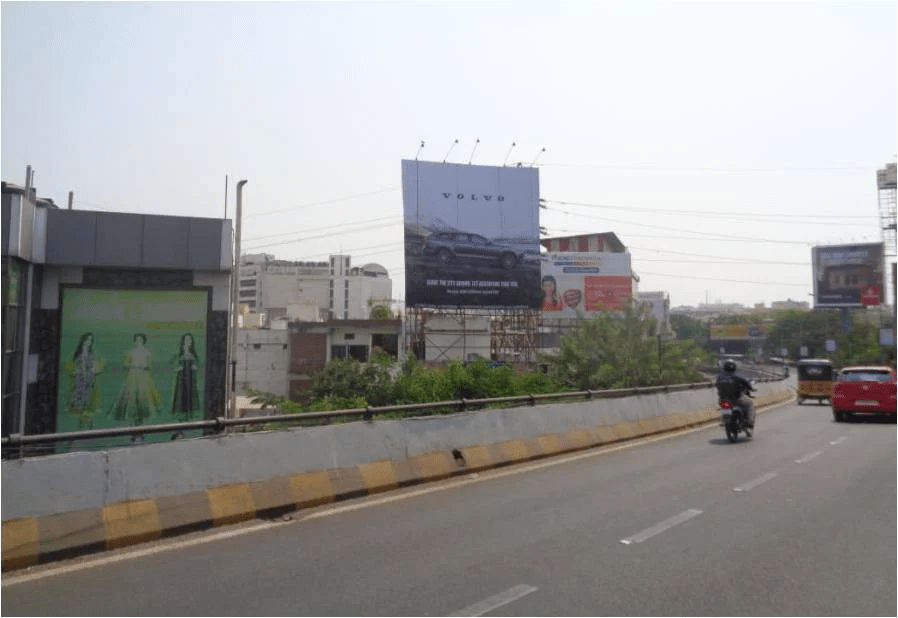
NMC Digital Hoarding Portal: In a groundbreaking move, the Nagpur Municipal Corporation (NMC) has launched an advanced digital portal, www.nmcnagpurskysign.co.in, to revolutionize the hoarding management process. This innovative platform, touted as the first of its kind in Maharashtra and possibly the entire country, seeks to enhance transparency, streamline operations, and boost public confidence in the city’s development initiatives.

What is the NMC Digital Portal?

Imagine a centralized hub where all things related to hoardings in Nagpur come together. The NMC digital portal does just that. By providing a seamless interface for advertisers and municipal authorities, this platform transforms the way hoardings are managed, approved, and maintained.

Key Objectives of the Portal

  • Transparency: Eliminating confusion and ensuring clear communication.
  • Efficiency: Reducing delays with streamlined online processes.
  • Accessibility: Making information available at the click of a button.

Key Features of the Portal

1. Online Requests and Approvals

Advertisers can now submit requests for hoarding placements online. Approvals are processed faster than ever, ensuring timely operations.

2. Payment Processing Made Easy

No more standing in queues! The portal allows users to make payments online, with receipts and transaction histories available for download.

3. Notifications and Reminders

Stay updated with automated notifications for renewals, payments, and approvals. Forgetting deadlines is now a thing of the past.

4. Real-Time Data Access

Get instant access to SkySign details, hoarding locations, and other relevant information. Whether you’re an advertiser or a municipal official, all data is just a click away.

5. Seamless Communication

Advertisers can directly interact with NMC officials through the portal, ensuring queries are resolved promptly.

Impact on Nagpur’s Advertising Landscape

The introduction of this portal signifies a monumental shift in how advertising operates in Nagpur. With 978 private hoardings, 151 tender hoardings, 3,500 kiosks, 550 banner stands, and 600 metro kiosks, the city’s advertising landscape is vast. Managing such an extensive inventory manually was cumbersome, but the new portal simplifies this process dramatically.

Projected Revenue Growth

NMC anticipates earning ₹10 crore annually from hoardings, banners, and kiosks. The digital portal is expected to streamline revenue collection, ensuring every penny is accounted for.

A Step Towards Digital Transformation

Enhanced Functionality for Advertisers

Advertisers can now:

  • Provide precise hoarding details, including coordinates and dimensions.
  • Update contact information directly on the platform.
  • Track approval statuses in real-time.

Transparency in Operations

Every stage of the hoarding management process is documented, ensuring both public and government stakeholders are well-informed.

Presentation Highlights by NMC Advertisement Department

To familiarize advertisers with the portal, NMC’s advertisement department organized a detailed presentation. Attendees explored the platform’s features and learned how to maximize its potential.

Why This Matters

The initiative not only improves operational efficiency but also strengthens trust between advertisers and municipal authorities. It’s a win-win situation that promises long-term benefits for all stakeholders.

The Bigger Picture: Setting a Benchmark

The NMC digital portal sets a precedent for other municipal corporations across India. By embracing technology, NMC showcases its commitment to innovation and public service. Could this be the future of urban management? It certainly seems so.

Nagpur’s leap into digital hoarding management is a testament to the city’s progressive outlook. The NMC digital portal isn’t just a tool; it’s a vision of how technology can simplify lives, foster transparency, and drive growth. As the platform evolves, it’s poised to become a cornerstone of Nagpur’s urban development initiatives.

1. What is the purpose of the NMC digital portal?

The portal aims to streamline the hoarding management process, ensuring transparency and efficiency for advertisers and municipal authorities alike.

2. How does the portal improve transparency?

By centralizing information and providing real-time data access, the portal ensures every stakeholder is well-informed.

3. Can advertisers interact with NMC officials through the portal?

Yes, the portal facilitates direct communication between advertisers and NMC officials, ensuring quick resolution of queries.

4. What revenue does NMC expect from this initiative?

NMC projects annual revenue of ₹10 crore from hoardings, banners, and kiosks.

5. Is this portal a first in India?

While similar initiatives may exist, the NMC portal is touted as the first of its kind in Maharashtra and potentially the entire country.

NMC’s Push for 18-Storey Sokhta Bhavan Complex Endangers Gandhibagh Garden

Nagpur: The Nagpur Municipal Corporation’s (NMC) ambitious plan to build an 18-storey commercial complex at Sokhta Bhavan land in Gandhibagh has sparked controversy. The project, while promising significant revenue and urban development, threatens to encroach upon Gandhibagh garden, one of the city’s few remaining green spaces. Let’s dive into the details and implications of this proposed venture.


What is the Sokhta Bhavan Project?

NMC has unveiled plans to transform the Sokhta Bhavan plot into a state-of-the-art commercial complex. The site, spanning 35,785.47 square meters, is strategically located in Nagpur’s bustling wholesale market area near Central Avenue. The proposed structure will include 18 floors and a terrace, with facilities like a shopping mall, multiplex, gym, and even a rooftop pool.


Revenue Generation Goals

The project aims to generate revenue exceeding ₹224 crore for the civic body. This is part of NMC’s broader strategy to monetize its land assets. The construction cost is estimated at ₹141.69 crore, with developers set to receive a Floor Space Index (FSI) of 4 under the Transit-Oriented Development (ToD) policy.


The PPP Model Explained

NMC plans to execute this project through a Public-Private Partnership (PPP) model. Under this model, the developer will be responsible for designing, constructing, selling, and maintaining the complex. The construction timeline is capped at 36 months, with no extensions allowed.


Features of the New Complex

1. State-of-the-Art Facilities

  • Rooftop Pool & Gym: The terrace will feature a swimming pool, gymnasium, and gaming zone.
  • Food Court & Clubhouse: A food court and clubhouse will enhance the recreational experience.

2. Parking Infrastructure

Three basement floors will accommodate parking for 183 cars, 500 scooters, and 366 bicycles. Developers may also opt for mechanized or stacked parking solutions.

3. Multipurpose Floors

  • 17th Floor: Citizen Facilitation Centre, small auditorium, and NMC office.
  • Other Floors: Dedicated to shopping malls, theatres, and commercial spaces.

Environmental Concerns: The Threat to Gandhibagh Garden

Gandhibagh garden is a vital green lung for the city, providing much-needed open space in the dense wholesale market area. However, locals allege that the project encroaches upon the garden, despite NMC’s assurances to the contrary.

Broken Promises?

Earlier, NMC pledged not to include any part of the garden in the project. Yet, maps reveal that portions of the garden are marked for development. This contradiction has fueled protests from local citizens and environmental activists.


Public Backlash: Citizens Speak Up

Raman Paigwar, founder of the Gandhibagh Garden Bachao Samiti, is leading efforts to protect the garden. According to him, the city already lacks sufficient open spaces, and the project prioritizes revenue over public welfare.


Urban Development vs. Environmental Sustainability

While the Sokhta Bhavan project promises economic growth, it raises critical questions about the balance between urbanization and ecological preservation. Can Nagpur afford to sacrifice its green spaces for commercial gains?


The Developer’s Responsibilities

Developers must secure environmental clearances and complete the project within the stipulated timeline. Unsold units after the eight-year mark will attract additional stamp duty charges, emphasizing the need for swift execution and sales.


 A Controversial Trade-Off

The Sokhta Bhavan project highlights the growing tension between urban development and environmental conservation. While NMC’s vision could transform the area into a commercial hub, it risks losing a valuable green space that serves as a lifeline for the community. Striking a balance between these competing interests is crucial for sustainable urban planning in Nagpur.

1. What is the proposed height of the Sokhta Bhavan complex?
The complex will be 18 stories tall, with a terrace featuring recreational facilities.

2. How much revenue is the project expected to generate?
NMC estimates revenue upwards of ₹224 crore from this venture.

3. Will Gandhibagh garden be affected?
Despite assurances, maps suggest portions of the garden may be included in the development.

4. What facilities will the complex offer?
The complex will include a shopping mall, multiplex, gym, rooftop pool, and parking infrastructure.

5. What is the timeline for the project’s completion?
The developer must complete construction within 36 months.

Gandhi Sagar Lake’s Rs 35 Crore Makeover: A Step Towards Rejuvenation

Gandhi Sagar Lake Makeover: Nagpur’s historic Gandhi Sagar Lake and the adjacent Bhauji Pagey Udyan have undergone a stunning Rs 35 crore redevelopment, aiming to restore their charm and ecological balance. Spearheaded by the Nagpur Municipal Corporation (NMC), this project is a testament to urban revitalization. Let’s dive into the fascinating details of this transformation.


 The Vision Behind the Redevelopment

 Breathing New Life into Gandhi Sagar Lake (Gandhi Sagar Lake Makeover)

What was once a neglected water body has now become a centerpiece of modern recreation and cultural engagement. The NMC’s goal? To offer Nagpur a serene yet vibrant public space.

 A Sustainable Approach

The redevelopment wasn’t just about beautification. A strong focus was placed on ecological preservation, ensuring that this rejuvenation stood the test of time.


 Key Highlights of the Renovation

 Bhauji Pagey Udyan: A Green Paradise

The garden, once forlorn, now boasts:

  • Lush Greenery: Verdant landscapes perfect for relaxation.
  • Paved Walkways: A haven for morning walkers and joggers.
  • Floral Displays: Vibrant flowers that captivate the senses.
  • Ambient Lighting: A nighttime spectacle, transforming the space into a magical retreat.

 Infrastructure Upgrades at the Lake

The enhancements to the lake include:

  1. Desilting Efforts: Removal of 2,79,000 cubic meters of silt to improve water retention.
  2. Decorative Arches: Adding a historical touch with 29 intricately designed arches.
  3. Foot Overbridge: A 75-meter pedestrian bridge offering picturesque views.
  4. Jetty Construction: A 165-square-meter jetty for boating and leisure.

 Focus on Safety and Sustainability

 Strengthening the Lake’s Perimeter

The installation of 2,325 square meters of MS grills ensures safety while maintaining visual appeal. Additionally, 3,778 square meters of stone pitching and 526 cubic meters of filter media prevent erosion, protecting the lake’s ecosystem.

 Advanced Sewage Treatment

A 650-kilolitre-per-day Sewage Treatment Plant (STP) using MBBR technology ensures that only clean water flows into the lake.


 Challenges in Opening to the Public

Despite the garden being ready, delays caused by the enforcement of the Model Code of Conduct during the recent state assembly elections have pushed the formal opening by several months. For now, it remains underutilized, save for morning yoga enthusiasts.


 What’s Next? Phase II of the Project

 Future Enhancements

The second phase promises even more attractions:

  • Multipurpose Hall: Ideal for cultural events and gatherings.
  • Musical Fountain: A dazzling display of water and lights.
  • 4D Theatre and Museum: A technological marvel bringing history and culture to life.

 Why Gandhi Sagar Lake Matters

 A Cultural Hub

Once operational, Gandhi Sagar is expected to host a myriad of cultural and recreational activities, strengthening its identity as a city hotspot.

 A Place for Everyone

Be it morning walks, family picnics, or cultural events, this revamped space offers something for everyone.

Gandhi Sagar Lake’s transformation is more than just a facelift; it’s a commitment to preserving Nagpur’s heritage while embracing modernity. As we await its official reopening, this rejuvenated space promises to be a cornerstone of the city’s cultural and ecological landscape.

 1. When will Gandhi Sagar Lake open to the public?

The official opening is expected in a few months, once formalities are completed.

 2. What new attractions are planned in Phase II?

Phase II will include a multipurpose hall, a musical fountain, and a 4D theatre museum.

 3. How was the lake’s water quality improved?

A state-of-the-art sewage treatment plant ensures clean water flows into the lake.

 4. Can the public access the garden now?

Currently, the garden is accessible for morning yoga but remains closed for other activities.

5. What is the significance of the redevelopment?

This project aims to blend heritage preservation with modern amenities, making it a hub for recreation and cultural engagement.

NMC Extends Property Tax Payment Deadline to Dec 31

NMC Property Tax Deadline: Managing your property taxes might not top your list of fun activities, but avoiding late fees and penalties sure sounds appealing, doesn’t it? In a recent development, the Nagpur Municipal Corporation (NMC) has decided to extend the deadline for paying pending property taxes for the financial year 2024-25 to December 31, giving citizens one last chance to settle their dues and even enjoy a generous discount.


Why Is This Extension a Big Deal?

Let’s face it: deadlines can be overwhelming, especially when juggling work, family, and finances. By extending the deadline, NMC is giving property owners some breathing space and encouraging them to act quickly before it’s too late.


 The Numbers Tell a Story

The statistics around property tax payments in Nagpur are eye-opening:

  • Total Pending Taxes: ₹900 crore.
  • Property Owners in Nagpur: 6.67 lakh.
  • Dues Cleared (as of June): Only 2.60 lakh property owners.
  • Remaining Defaulters: 4.08 lakh property owners.

 Who Benefits from This Extension?

If you’re among the 4.08 lakh defaulters, this extension is your golden ticket. Not only can you avoid hefty penalties, but you can also grab a 10% discount by settling your taxes promptly.


How to Pay Your Property Taxes

Paying property taxes is easier than ever. Here’s a simple guide:

  1. Online Payment: Visit the NMC Website and follow the payment instructions.
  2. Offline Payment: Head to your respective zone office with the necessary documents and make the payment in person.

 The Rise of Online Payments

This year, over one lakh citizens chose online payment methods, collectively paying ₹60 crore and receiving a whopping ₹5.40 crore in discounts. Clearly, online payment is becoming the preferred choice for many.


What Happens if You Miss the Deadline?

Procrastinators, beware! NMC has made it clear: if you fail to pay your dues by December 31, you’ll face a 2% penalty per month on the outstanding amount. That’s like throwing money down the drain for no good reason.


Benefits of Paying Your Taxes On Time

Let’s break down the perks of timely payments:

  • Financial Relief: No penalties or late fees.
  • Discounts: Save 10% on your dues.
  • Peace of Mind: No more worrying about accumulating fines.

 The Domino Effect on Civic Infrastructure

When property taxes are paid on time, the funds contribute directly to improving civic amenities like roads, sanitation, and public parks. So, by paying your taxes, you’re investing in a better Nagpur.


Why Online Payment is a Game-Changer

The shift to online payment methods is a win-win for both the NMC and property owners. Here’s why:

  • Convenience: Pay anytime, anywhere.
  • Transparency: Get instant receipts and updates.
  • Faster Processing: Avoid long queues and delays.

Steps to Pay Online

  1. Visit the NMC website.
  2. Log in using your credentials.
  3. Enter your property details.
  4. Review the due amount and discounts.
  5. Make the payment using a secure gateway.

 Tips for First-Time Online Payers

  • Keep your property ID handy.
  • Double-check your payment details before confirming.
  • Save a copy of your payment receipt for future reference.

Key Dates to Remember

  • Extended Deadline: December 31, 2024.
  • Penalty Implementation: From January 1, 2025.

 Make the Most of the Extension

Why wait until the last minute? Avoid the rush and settle your taxes today to enjoy the 10% discount and steer clear of penalties.

The extended deadline is a lifeline for thousands of property owners in Nagpur. Whether you’re a seasoned taxpayer or a first-timer, this is your chance to clear your dues, save money, and contribute to your city’s development. Let’s make Nagpur a model city by fulfilling our responsibilities on time.

1. What is the new deadline for paying NMC property taxes?

The deadline has been extended to December 31, 2024.

2. Can I still get a discount on my pending taxes?

Yes, you can avail a 10% discount if you pay before the deadline.

3. How do I pay my property taxes online?

You can visit the NMC Website and follow the simple steps outlined above.

4. What happens if I miss the deadline?

A 2% penalty per month will be levied on the outstanding amount.

5. Is it safe to pay taxes online?

Yes, the NMC website uses secure payment gateways to ensure your transactions are safe.

Exit mobile version