Wathoda Depot Ready to Charge 150 E-Buses

Wathoda depot e-buses: The city of Nagpur is taking a giant leap toward eco-friendly public transport. The Wathoda depot has been transformed into a state-of-the-art facility, ready to support the charging needs of 150 electric buses. This step is a significant milestone in making the city’s transportation system greener and more efficient.


 A Modern Hub for Electric Buses in Nagpur

 What is the Wathoda Depot?

The Wathoda depot, located in Nagpur, is now fully equipped to serve as the backbone of the city’s electric bus fleet under the ‘Aapli Bus’ service. Spanning a sprawling 10.6 acres, this depot is designed with cutting-edge infrastructure and facilities to support the growing fleet of electric vehicles.


 Why is the Depot Crucial for Nagpur’s Transit?

Electric buses are the future, and Nagpur is leading the charge (pun intended). This depot ensures that the buses are charged, maintained, and ready to serve the city’s growing transportation needs.


 The Vision Behind the Development

 A Collaborative Effort

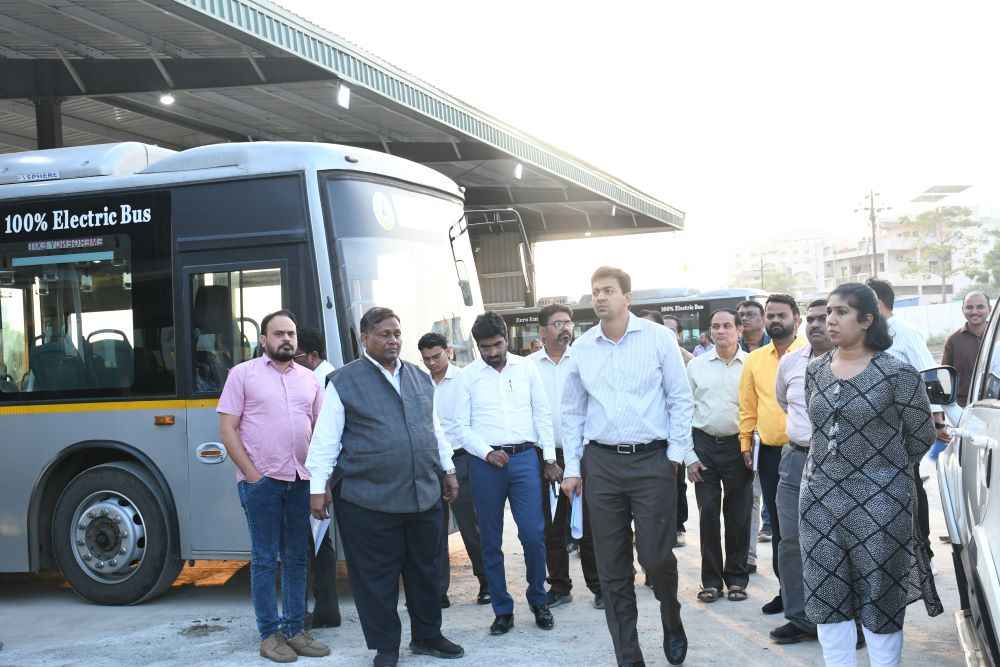
During a recent inspection, Nagpur Municipal Corporation (NMC) Commissioner Abhijeet Chaudhari evaluated the readiness of the depot. Alongside him were key figures like transport manager Vijay Jadhav and PMI Electro Mobility Solutions chairman CK Goyal. PMI Electro Mobility Solutions is responsible for managing the depot’s operations and maintenance.


 Central Government’s Push for Green Mobility

Under the 15th Finance Commission, the central government has allocated 144 new electric buses to Nagpur. Of these, 86 buses have already joined the fleet, with more expected soon.


 Key Features of the Wathoda Depot

 Charging Capacity

  •  Infrastructure Built to Last
    The depot boasts 22 charging stations that can charge up to 44 buses at once. This ensures minimal downtime and maximum efficiency.
  •  Future-Ready Facilities
    With a capacity to handle 150 buses, the depot is poised to meet the demands of Nagpur’s growing fleet.

 Safety and Convenience

  •  Advanced Lighting
    The depot is equipped with robust lighting systems, ensuring safety and ease of operation, even at night.
  •  Essential Amenities
    The facility includes driver shelters, drinking water provisions, and bus servicing areas, ensuring the welfare of the personnel involved.

 The Role of PMI Electro Mobility Solutions

 Efficient Management

PMI Electro Mobility has played a pivotal role in setting up and managing the depot. Their expertise ensures smooth operations and effective maintenance of the facility.


 Commitment to Green Transportation

The collaboration between NMC and PMI is a testament to the city’s dedication to a sustainable future.


 The Impact on Nagpur’s Transportation

 Reduced Carbon Footprint

Electric buses significantly reduce emissions, helping Nagpur combat pollution and improve air quality.


 Enhanced Commuter Experience

These buses promise a quieter, smoother, and more eco-friendly commute for the city’s residents.


 Looking Ahead

 Future Plans for Expansion

With ongoing construction projects for additional amenities, the depot is set to become a benchmark for sustainable transportation hubs across India.


 A Model for Other Cities

Nagpur’s initiative serves as an inspiration for other urban centers to adopt green transit solutions.

The Wathoda depot stands as a shining example of what a city can achieve with vision, collaboration, and a commitment to sustainability. As Nagpur embraces green technology, it sets a precedent for cities worldwide to follow suit.

Q1: How many electric buses can the Wathoda depot charge simultaneously?
The depot can charge up to 44 buses at the same time using its 22 charging stations.

Q2: Who manages the Wathoda depot’s operations?
PMI Electro Mobility Solutions Pvt Ltd is responsible for the operation and maintenance of the depot.

Q3: How large is the Wathoda depot?
The depot spans an impressive 10.6 acres.

Q4: What are the key benefits of this facility?
It reduces downtime for buses, promotes eco-friendly transport, and provides essential amenities for drivers and staff.

Q5: How does the Wathoda depot support sustainability?
By facilitating the use of electric buses, it reduces the city’s carbon footprint and promotes green mobility.

NMC Launches Citywide Playground Cleanliness Drive

Playground Cleanliness Drive Nagpur: The Nagpur Municipal Corporation (NMC) has launched a proactive playground cleanliness campaign across the city’s playgrounds, aiming to transform these open spaces into safe, clean, and inviting areas for the community. Covering all ten city zones, this drive is set to run until November 16, focusing on meticulous cleaning, weed removal, and maintenance work.

After the heavy monsoon season, weeds and unwanted vegetation have spread across many playgrounds, not only spoiling the visual appeal of these open spaces but also creating breeding sites for mosquitoes. The NMC’s efforts in prioritizing playgrounds signify its commitment to enhancing the quality of life for the citizens by ensuring that these areas remain accessible and enjoyable for everyone.

The Purpose Behind the Playground Cleanliness Drive

NMC’s playground cleanliness drive aims to address a few key community concerns: (Playground Cleanliness Drive Nagpur)

  • Public Safety: Overgrown vegetation and debris can become dangerous and limit visibility.
  • Health Concerns: Weeds, puddles, and damp ground serve as breeding sites for mosquitoes, raising the risk of diseases.
  • Aesthetic Enhancement: By removing unwanted vegetation, the campaign makes playgrounds more visually appealing and welcoming.

Through this focused effort, the NMC hopes to maintain a healthier environment across neighborhoods, allowing residents to make the best use of these community spaces.

First Day Success: 42 Playgrounds Cleaned

In just the first day, the NMC made significant strides by cleaning 42 playgrounds across Nagpur. Teams removed weeds, cut overgrown grass, and cleared debris. This initial success is a promising start, and the drive’s momentum is expected to continue throughout the campaign.

How the Clean-Up Works: Team Effort Across Zones

Each zone’s Zonal Officers, along with Cleanliness Inspectors, are leading the clean-up efforts. The systematic approach to cleaning includes:

  1. Ground Preparation: Inspecting each playground to identify major problem areas.
  2. Weed Removal: Cutting down overgrown grass and removing weeds to create a more organized space.
  3. Trash Collection: Clearing playgrounds of litter, debris, and vegetation waste.

The NMC’s structured plan ensures that playgrounds in all ten zones receive attention.

Spotlight on Laxmi Nagar Zone’s Playgrounds

In the Laxmi Nagar Zone, playgrounds in notable areas like West Samarth Nagar, Hanuman Temple Ground in Ujjwal Nagar, Indian Gymkhana, Dhantoli, and the basketball ground in Bajaj Nagar were cleaned thoroughly on the first day. Residents of this zone can already see a significant difference in their local playgrounds, and community feedback has been highly positive.

Additional Playgrounds Covered Across Nagpur

Beyond Laxmi Nagar, the NMC has also extended its efforts to other significant playgrounds:

  • Sita Nagar Dhawad College
  • Hanuman Mandir-Pande Layout
  • Futala Lake Ground at Dharampeth Layout
  • Priyadarshani Colony and Civil Lines
  • The garden at Gandhi Square, Sadar
  • The ground behind Sule School, Dhantoli
  • Yoga Bhavan and Mahalaxmi Nagar Square Ground

This extensive reach across Nagpur’s various neighborhoods ensures that every community benefits from the drive.

Key Benefits of the Playground Cleanliness Drive

The cleanliness drive is not just about tidying up—it has broader benefits for the community as a whole:

1. Safer Play Areas for Kids and Families

With the removal of overgrown weeds and unwanted debris, playgrounds are safer for children to play in, minimizing hazards from hidden sharp objects or pests.

2. Community Health Benefits

By reducing mosquito breeding grounds, the NMC is actively combating potential health risks like malaria and dengue, which can spread rapidly through stagnant water and unkempt vegetation.

3. Enhanced Community Spirit

Clean and well-maintained playgrounds invite more community activities, from sports and exercise to social gatherings, fostering a sense of community and shared responsibility.

Public Feedback: How Citizens Are Responding

Residents have voiced their appreciation for NMC’s proactive approach to cleaning up playgrounds. Community members feel more encouraged to spend time outdoors, engage in recreational activities, and participate in maintaining these spaces.

Some Resident Testimonials

  • Amit P.: “It’s refreshing to see the playground near my home finally cleaned up. My kids love playing there, and now I don’t have to worry about weeds and trash.”
  • Meena R.: “The NMC’s clean-up campaign is a wonderful initiative! It’s encouraging to see our taxes being put to good use.”
  • Kiran S.: “I’ve noticed fewer mosquitoes around the playground in my area, and it’s making a real difference for my family.”

Challenges Faced by the NMC

While the drive has been successful, it has not been without challenges:

  • Monsoon Aftermath: The heavy rains left behind waterlogged and muddy areas, making weed and grass removal difficult.
  • Limited Resources: Mobilizing resources and manpower for such an extensive drive across all ten zones has been demanding.
  • Community Awareness: While feedback has been positive, encouraging long-term maintenance by the community remains a challenge.

What’s Next for NMC? Maintaining Cleanliness in Playgrounds

The NMC plans to sustain these cleanliness efforts beyond the November 16 end date. They have proposed:

  • Regular Clean-Up Days: Designating specific days each month for cleaning up playgrounds.
  • Community Involvement Initiatives: Encouraging residents to actively participate in playground maintenance.
  • Educational Campaigns: Raising awareness on the importance of keeping public spaces clean and free of litter.

The NMC’s citywide playground cleanliness drive is an inspiring initiative that shows the impact of prioritizing community health, safety, and well-being. Through their comprehensive cleaning and maintenance efforts, playgrounds across Nagpur have been transformed into safe, welcoming spaces that encourage outdoor activities and strengthen community ties. With continued public support and participation, these playgrounds can remain well-maintained for the long term.

1. Why did the NMC launch the playground cleanliness drive?
The drive aims to enhance playground safety, reduce mosquito breeding grounds, and improve the visual appeal of community spaces following the monsoon season.

2. How long will the cleanliness drive last?
The drive is scheduled to run until November 16, covering playgrounds in all ten zones of Nagpur.

3. How many playgrounds has the NMC cleaned so far?
As of the first day, the NMC cleaned 42 playgrounds, with plans to continue until all playgrounds are addressed.

4. What are the benefits of this initiative?
The drive makes playgrounds safer for children, reduces health risks from mosquitoes, and enhances the appearance of community spaces.

5. How can the community support this initiative?
Community members can support the initiative by keeping playgrounds clean, avoiding littering, and participating in clean-up efforts organized by the NMC.

NMC Installs Signal Bollards at Key Intersections in Pratap Nagar and Sawarkar Nagar

The Nagpur Municipal Corporation (NMC) has taken significant steps to enhance road safety in South-West Nagpur. By installing advanced signal bollards at crucial intersections, the city is tackling traffic management and pedestrian safety head-on. In this article, we explore the details of the project, its purpose, and the broader impact on the city’s traffic flow.

What Are Signal Bollards?

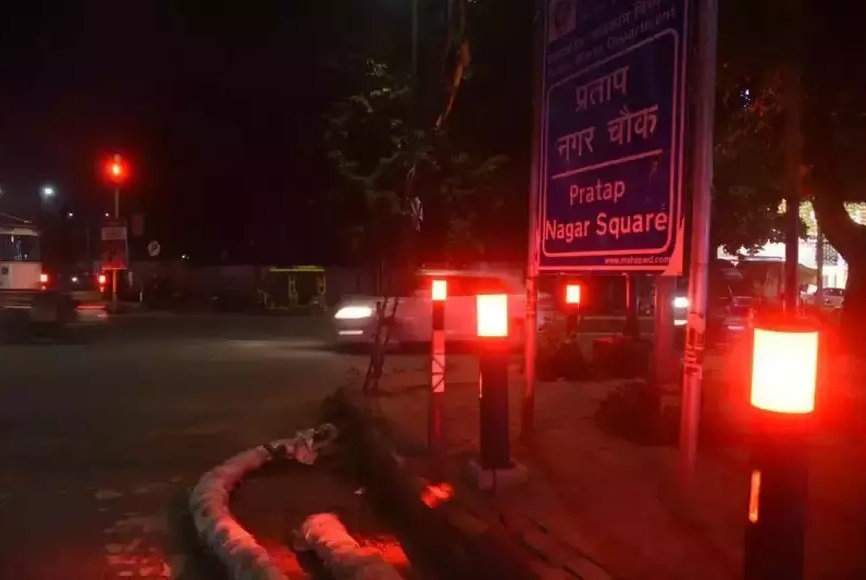
Signal bollards are illuminated structures installed at road junctions, synced with traffic lights to provide clear guidance for drivers and pedestrians. They act as visual aids, enhancing road safety by marking pedestrian zones and ensuring that vehicles stay within their designated paths.

Why NMC Installed Signal Bollards

Traffic congestion and pedestrian safety have been long-standing concerns in Nagpur, particularly in busy areas such as Pratap Nagar and Sawarkar Nagar Square. The installation of these bollards aims to streamline the movement of vehicles while keeping pedestrians safe, reducing accidents and confusion at intersections.

Key Areas of Installation

The project covers seven major intersections, including:

  • Pratap Nagar Square
  • Sawarkar Nagar Square
  • Various T-points across four key routes in South-West Nagpur

These areas are known for high traffic density, making them prime locations for the installation of signal bollards.

How Signal Bollards Improve Traffic Flow

Bollards guide drivers by providing a visual cue to stop before the designated pedestrian zones. This minimizes the tendency of drivers to cross stop lines, which often leads to chaos and accidents at busy intersections. As a result, the flow of traffic becomes more organized and predictable, improving overall efficiency.

Enhancing Pedestrian Safety

For pedestrians, the bollards act as markers, guiding them to crosswalks and keeping them away from moving vehicles. The illuminated nature of the bollards ensures visibility at night, providing a safer environment for people walking after dark. With these bollards in place, the distance between vehicles and pedestrians is more controlled, reducing the likelihood of accidents.

Improved Night-Time Safety

Nighttime visibility has always been a challenge in urban traffic management. The new illuminated bollards shine bright at night, significantly improving the safety of pedestrians crossing busy intersections. Their lights are synced with traffic signals, further reinforcing safe crossing practices.

Feedback from the Community

The response from locals has been overwhelmingly positive. Residents, especially motorists, have noted improvements in the behavior of drivers at these intersections. According to motorist Dinesh Kale, “Earlier, drivers would often stop beyond the stop line, but now they are more disciplined.”

Positive Impact on Pratap Nagar Square

Pratap Nagar Square, one of the busiest intersections in the city, has seen a marked improvement in traffic discipline since the installation of the signal bollards. Drivers are now more likely to stop behind the designated stop lines, reducing congestion and confusion at the junction.

Cost and Funding of the Project

The cost of each signal bollard is estimated to be around ₹20,000. The NMC has utilized funds originally sanctioned for the G20 Summit to complete the project, making efficient use of unspent resources.

Strategic Placement of Bollards

The placement of these bollards was carefully planned to cover high-traffic areas and intersections where pedestrian movement is frequent. By marking safe zones and directing both vehicle and pedestrian movement, the NMC is ensuring that traffic flows smoothly without compromising on safety.

Other Traffic Management Initiatives

This bollard installation is part of a broader effort by the NMC to improve traffic conditions in South-West Nagpur. In addition to the bollards, the NMC has been working on the following:

  • Improving the geometry of intersections: This involves redesigning the layout of roads to ease the flow of traffic and reduce bottlenecks.
  • New road markings: Road markings have been upgraded to improve visibility and guide drivers more effectively.
  • Repairs and upgrades: Ongoing roadwork aims to address any structural issues and improve the overall driving experience.

Future Plans for Traffic Improvement

The NMC has ambitious plans to continue its work on traffic management across the city. In addition to the current upgrades, 12 more junctions are scheduled for development. These efforts are part of a long-term vision to make Nagpur’s roads safer and more efficient for both drivers and pedestrians.

The Importance of Road Markings

In addition to bollards, new road markings have been installed to complement the bollards’ functionality. These markings help delineate pedestrian zones, stop lines, and vehicle lanes, creating a more organized traffic system.

Enhancing the City’s Aesthetic Appeal

Beyond safety, the NMC’s traffic improvement initiatives aim to beautify the city. By upgrading intersections with advanced technology and thoughtful design, Nagpur is set to not only improve traffic but also enhance the overall appearance of its roadways.

The installation of signal bollards at key intersections in South-West Nagpur is a significant step forward in improving both traffic flow and pedestrian safety. The project, which utilizes funds effectively and addresses long-standing issues, has already shown positive results in areas like Pratap Nagar Square. As the NMC continues to upgrade more intersections, residents can look forward to a safer and more organized traffic system.

1. What are the benefits of signal bollards?

Signal bollards improve both vehicle and pedestrian safety by providing clear, illuminated guidance at intersections, reducing accidents, and organizing traffic flow.

2. How much does each bollard cost?

Each signal bollard costs approximately ₹20,000, with funding drawn from unspent G20 Summit resources.

3. Which areas in Nagpur have received these bollards?

The installation has been completed at seven intersections, including Pratap Nagar Square and Sawarkar Nagar Square, along with several T-points in South-West Nagpur.

4. How do signal bollards improve night-time safety?

The illuminated bollards enhance visibility at night, making it easier for drivers and pedestrians to navigate busy intersections safely.

5. What are the future plans for traffic improvements in Nagpur?

The NMC plans to upgrade 12 additional junctions across the city and continue improving the geometry of intersections to streamline traffic flow.

Drowning in Dues: Rs 208 Crore NMC-OCW’s Pending Water Bills Hit

NMC-OCW | Nagpur Water Bill : Water is a precious resource, but in Nagpur, managing the finances tied to it has become a massive challenge. The shift from a quarterly water billing system to a monthly one has stirred some conversation, with Orange City Water (OCW) claiming that the move is for consumer convenience. However, data from the Nagpur Municipal Corporation (NMC) shows another pressing reason behind the change – Rs 208 crore in outstanding water bills. Let’s dive deep into this issue, uncover the real reasons, and explore what it means for Nagpur residents.

 Why the Shift to Monthly Water Billing?

 Consumer Convenience or Debt Collection Strategy?

While OCW has positioned the shift to monthly billing (Nagpur Water Bill )as a way to make payment easier for consumers, it’s hard to ignore the massive Rs 208 crore debt looming over the NMC. The decision appears to be driven by the pressing need to expedite the collection of these outstanding dues.

The Rs 208 Crore Problem

Breaking Down the Debt by Zone

The figures tell a shocking story. Various zones within Nagpur have accumulated massive dues:

  • Satranjipura Zone: Rs 44.57 crore
  • Ashi Nagar Zone: Rs 40.65 crore
  • Gandhibagh Zone: Rs 26.61 crore
  • Lakadganj Zone: Rs 25.10 crore
  • Dharampeth Zone: Rs 20.35 crore
  • Nehru Nagar Zone: Rs 16.73 crore
  • Mangalwari Zone: Rs 16.71 crore
  • Laxmi Nagar Zone: Rs 7.20 crore
  • Dhantoli Zone: Rs 6.05 crore
  • Hanuman Nagar Zone: Rs 4.82 crore

It’s clear from the data that some zones are significantly lagging in payments, with Satranjipura leading the pack.

How Did We Get Here?

The water bill arrears have been building up over time. OCW-NMC generates Rs 58.88 crore worth of water bills (Nagpur Water Bill )each quarter for nearly 400,000 consumers. However, only 53.35% of these bills are paid, leaving a massive portion unpaid each cycle.

 Water Theft – A Hidden Issue?

 Water Usage vs. Billing Discrepancy

Interestingly, while Nagpur receives about 700 million liters of water daily, bills are only being generated for about 400 million liters. What about the remaining 300 million liters? This discrepancy raises questions about potential water theft or unmonitored water usage.

 The Impact on Nagpur Residents

 A Financial Burden on the City

The mounting unpaid water bills have placed immense financial pressure on the city’s infrastructure. While OCW claims that shifting to a monthly billing system will help consumers by offering more manageable payment options, it’s also clear that the NMC is struggling to recoup funds essential for the city’s water supply system.

 How Will Monthly Billing Affect Consumers?

For residents, the shift to a monthly system may offer benefits. Shorter billing cycles could help reduce the accumulation of unpaid dues and make budgeting for water bills easier. However, for those who are already behind on payments, this could mean even more pressure to stay on top of their finances.

 Challenges in Collecting Payments

 The OCW-NMC Struggle to Recover Dues

The recovery of water bill payments has been an ongoing challenge for OCW. Despite providing water services to hundreds of thousands of consumers, a significant portion fails to pay their dues. This has led to a cumulative outstanding amount of Rs 208 crore.

 Why Are Consumers Not Paying?

One reason could be a lack of awareness or understanding of the billing system. For others, it may simply be a matter of financial strain, particularly in economically weaker zones. Some consumers may also be neglecting their bills due to inconsistent water supply or dissatisfaction with services.

 OCW’s Plan to Tackle the Problem

 Monthly Billing to the Rescue?

To address these issues, OCW has switched to a monthly billing system. They argue that this will offer more manageable payment schedules, allowing consumers to pay smaller amounts more frequently, which in turn may help reduce unpaid bills.

 Public Awareness Campaigns

In addition to the billing cycle change, OCW may need to consider launching awareness campaigns to educate consumers about the importance of paying bills on time and the consequences of defaulting. Such campaigns could also address the issue of water theft by encouraging residents to report illegal water connections.

 The Road Ahead for NMC and OCW

 Can NMC-OCW Recover the Rs 208 Crore?

Recovering Rs 208 crore is no small feat, especially when more than half of consumers are not paying their bills on time. The transition to monthly billing is just one step, but more aggressive strategies, such as stricter enforcement and better water monitoring, may be necessary.

 Improving Water Supply Infrastructure

Another solution could involve improving the infrastructure for water supply. Ensuring a consistent water supply may incentivize more consumers to pay their bills on time.

A Long Way to Go

The switch to monthly billing by OCW is undoubtedly a strategic move aimed at addressing a serious financial challenge. With Rs 208 crore in outstanding water bills, Nagpur faces a significant issue that must be tackled head-on. While the move may ease some financial strain on consumers, it remains to be seen whether it will significantly improve payment collection. OCW and NMC must work hand-in-hand to improve public awareness and streamline water management to secure the city’s future.

Q1: What led to the Rs 208 crore debt?
A: The debt accumulated due to unpaid water bills over multiple billing cycles, with only about 53.35% of bills being paid each quarter.

Q2: Why did OCW switch to a monthly billing cycle?
A: OCW transitioned to monthly billing to help consumers manage their payments better and to expedite the collection of outstanding dues.

Q3: What zones owe the most in water bills?
A: The Satranjipura Zone leads with Rs 44.57 crore in unpaid dues, followed by Ashi Nagar with Rs 40.65 crore.

Q4: How does water theft factor into the issue?
A: Nagpur’s water supply is 700 million liters daily, but bills are generated for only 400 million liters, suggesting potential water theft or unmonitored usage.

Q5: What can be done to recover the dues?
A: Stricter enforcement, better monitoring of water supply, public awareness campaigns, and improving infrastructure could help recover the unpaid amounts.

Bhandewadi Dumping Yard to Become Buffer Zone-Free: Relief for Residents

Krishna Khopde: The Bhandewadi dumping yard in Nagpur has long been a point of concern for the city’s residents. However, according to recent developments, this long-standing issue is on the verge of being resolved. East Nagpur MLA Krishna Khopde has announced that the Bhandewadi dumping yard is set to become a buffer zone-free area. This decision follows a report submitted by the National Environmental Engineering Research Institute (NEERI) to the Nagpur Municipal Corporation (NMC), which recommends the removal of the buffer zone surrounding the yard.

In this article, we’ll explore the significance of this development, the challenges posed by the dumping yard over the years, and what the removal of the buffer zone means for the people living near the area.

The Bhandewadi dumping yard, located in Nagpur, has been a major waste disposal site for years. It was established during the Congress administration, and since its inception, residents have voiced concerns over its environmental and health impacts. The yard collects a significant portion of the city’s waste, leading to pollution and foul odors that have made life difficult for those living in the vicinity.

Challenges Faced by Nearby Residents

Living near a dumping yard is no easy task. Residents in the surrounding areas have had to deal with poor air quality, water contamination, and lack of access to basic amenities. Despite the yard playing a crucial role in managing the city’s waste, its proximity to residential areas has long been a subject of criticism.

MLA Krishna Khopde Efforts to Resolve the Issue

East Nagpur MLA Krishna Khopde has been vocal about the challenges faced by his constituents due to the Bhandewadi yard. He raised the issue in the legislative assembly, which led to a review of the buffer zone around the site. In a press statement, Khopde emphasized that a majority of the waste at the yard had been cleared, yet residents continued to face restrictions due to the buffer zone.

What Is a Buffer Zone?

A buffer zone is an area that limits construction or development near a site to prevent environmental hazards. In the case of the Bhandewadi yard, the buffer zone has limited the ability of residents to improve their infrastructure and access essential services.

The Role of NEERI and Its Report

The National Environmental Engineering Research Institute (NEERI) played a pivotal role in this decision. The industries minister, Uday Samant, directed NEERI to evaluate the situation at the Bhandewadi yard. After conducting an in-depth assessment, NEERI submitted a report recommending that the buffer zone around the yard be reduced to zero.

NEERI’s Findings

NEERI’s report suggests that the 500-meter buffer zone, which was reduced to 300 meters during former Chief Minister Devendra Fadnavis’s tenure, should now be entirely eliminated. According to NEERI, the boundary should only extend to the outer compound wall and the road, allowing for development in nearby areas.

Impact of the Dumping Yard on Nearby Residents

Residents living near the Bhandewadi yard have been adversely affected by the buffer zone restrictions. The restrictions have prevented infrastructure improvements, limiting access to schools, healthcare, and other essential services. By removing the buffer zone, the community stands to gain significant improvements in their quality of life.

A Step Toward Development

With the buffer zone set to be eliminated, residents can look forward to the development of basic facilities, such as roads, sewage systems, and public utilities, which were previously restricted due to environmental concerns.

Reduction of Buffer Zone Under Fadnavis Government

During Devendra Fadnavis’s time as Chief Minister of Maharashtra, the buffer zone around the Bhandewadi yard was reduced from 500 meters to 300 meters. While this move was seen as a positive step, it still did not alleviate all the challenges faced by residents.

Congress and the History of the Dumping Yard

Khopde has been critical of the Congress party’s role in the establishment of the Bhandewadi yard. He accused the party of failing to prevent its construction during their tenure, calling it a “misdeed” that has led to years of suffering for the local population.

Political Implications

Krishna Khopde statements have added a political dimension to the issue, with Congress defending its past decisions and criticizing the current administration’s handling of the situation.

Potential Benefits of Removing the Buffer Zone

The removal of the buffer zone around the Bhandewadi yard could lead to numerous benefits for the community:

  • Access to Infrastructure: Roads, schools, and hospitals can be built and improved, offering better living conditions.
  • Environmental Relief: NEERI’s report suggests that the environmental risks posed by the yard have been mitigated, meaning the buffer zone is no longer necessary.
  • Economic Development: With the restrictions lifted, there is potential for new businesses and housing developments in the area, which could boost the local economy.

NMC’s Stance on NEERI’s Report

While Khopde has been optimistic about the buffer zone being lifted, the Nagpur Municipal Corporation (NMC) commissioner, Abhijeet Chaudhari, has stated that he is unaware of NEERI submitting any such report. This statement has created some uncertainty about the timeline and official approval for the removal of the buffer zone.

Concerns Raised by the Opposition

Opposition parties have raised concerns about the long-term environmental impacts of removing the buffer zone entirely. They argue that while infrastructure development is important, environmental protection should not be compromised.

Next Steps for the Buffer Zone-Free Area

With NEERI’s recommendation in place, the next step is for the Nagpur Municipal Corporation to review and implement the report. If approved, the removal of the buffer zone could pave the way for infrastructure projects to begin immediately.

Environmental and Health Impacts

While the buffer zone has been a barrier to development, it has also served as a precautionary measure to protect the environment and public health. The removal of this zone must be done carefully, with proper waste management systems in place to prevent future pollution.

Public Reaction and Expectations

The news of the buffer zone removal has been met with mixed reactions. While many residents are hopeful that the changes will bring improvements, others remain skeptical about the long-term environmental and health impacts. It remains to be seen how this decision will play out in the coming months.


 A New Chapter for Bhandewadi Residents

The removal of the buffer zone around the Bhandewadi dumping yard marks a significant step forward for the residents of Nagpur. After years of living with restrictions, the community can finally look forward to improved infrastructure and access to essential services. However, it’s crucial that environmental concerns remain a priority as development progresses.

  1. What is the Bhandewadi dumping yard? The Bhandewadi dumping yard is a waste disposal site in Nagpur that has been a source of environmental and health concerns for years.
  2. What is a buffer zone? A buffer zone is an area that limits development around a particular site to prevent environmental hazards.
  3. Why is the buffer zone being removed? NEERI’s report recommends removing the buffer zone to allow for infrastructure development, as the environmental risks have been mitigated.
  4. What benefits will removing the buffer zone bring? The removal of the buffer zone will allow for improved infrastructure, better access to services, and potential economic growth in the area.
  5. What are the concerns about removing the buffer zone? Some are concerned that removing the buffer zone could lead to environmental degradation if proper waste management systems are not in place.

‘Rabies-Mukt’ City: Over 20,000 Dogs Vaccinated in Nagpur

Rabies Vaccination Nagpur: Rabies remains a dangerous threat, but cities like Nagpur are making impressive strides in combating this deadly disease. Thanks to a dedicated campaign, Nagpur vaccinated over 20,000 dogs in a month-long effort that went above and beyond expectations. Let’s dive into the details of this campaign, its challenges, and what this means for the city’s mission to become ‘Rabies-Mukt’ (Rabies-free).

What is Rabies, and Why is It So Dangerous?

Rabies is a viral disease that is almost always fatal if not treated immediately. Spread primarily through bites or scratches from infected animals, rabies affects the brain and nervous system of mammals, including humans. The virus is notorious for being both preventable and deadly, making vaccination critical for both animals and humans alike.

Nagpur’s ‘Rabies-Mukt’ Campaign: An Overview

The Nagpur Municipal Corporation (NMC), in partnership with Mission Rabies, launched the ‘Rabies-Mukt Nagpur’ (Rabies Vaccination Nagpur) initiative on September 1. The original goal? To vaccinate 15,000 dogs in 15 days. However, the efforts exceeded expectations, resulting in the vaccination of over 20,000 dogs—20,392 to be exact—by the campaign’s end on World Rabies Day, September 28.

Who Was Involved in the Campaign?

This large-scale project involved collaboration between several key players:

  • Nagpur Municipal Corporation (NMC): The city’s municipal body that oversaw the project.
  • Mission Rabies: A global charity dedicated to eradicating rabies through mass vaccination campaigns.
  • Nagpur Veterinary College: The academic institution that provided veterinary students as vaccinators and data collectors.
  • Nirmiti People’s and Animal Welfare Society (NPAWS): A local organization that played a pivotal role in executing the vaccination drive on the ground.

Breaking Down the Campaign’s Two Phases

The campaign was divided into two phases:

  1. Phase One (First 15 Days): Nine teams comprising veterinary students and dog catchers worked tirelessly to vaccinate 17,392 dogs. This phase saw heavy involvement from both Nagpur Veterinary College students and organizations like HOPE and Animal Trust.
  2. Phase Two (Last 15 Days): Two dedicated teams focused on vaccinating the remaining 3,000 dogs, ensuring that no dog was left behind.

A Milestone Reached on World Rabies Day

The timing of this achievement is significant. World Rabies Day, observed on September 28, aims to raise awareness about the impact of rabies and promote initiatives to eliminate it. Concluding the campaign on this day highlighted the city’s commitment to both global and local health goals.

Educational Initiatives: Reaching Schools and Communities

Beyond just vaccinations, the campaign included an extensive educational component. Teams visited 20 schools, educating 2,673 students and 164 teachers on rabies prevention, responsible pet ownership, and how to handle dog bites. Additionally, 27 local communities were engaged in discussions about rabies and pet care.

Why Rabies Education is Crucial

Vaccinating animals is just one part of the equation. Educating communities on how to prevent rabies through responsible pet ownership and how to act when exposed to potentially rabid animals can help reduce the spread of this disease. This awareness can save lives by encouraging timely medical intervention after a bite or scratch.

The Role of Veterinary Students and Local Organizations

One of the campaign’s highlights was the participation of 38 veterinary students from Nagpur Veterinary College. Their involvement not only provided hands-on experience but also boosted the overall workforce required for such a massive project. Furthermore, NPAWS chairman Dr. Rahul Bombatkar and his team played a critical role in organizing and executing the on-the-ground efforts.

Why the Success of this Campaign Matters

The success of Nagpur’s ‘Rabies-Mukt’ campaign serves as a model for other cities. It shows that with proper planning, collaboration, and community involvement, a significant public health threat like rabies can be effectively tackled. By vaccinating 20,392 dogs, Nagpur is making strides toward creating a safer and healthier environment for both humans and animals.

The Importance of Rabies Vaccination in Urban Areas

Urban areas, where human and animal populations interact frequently, are especially vulnerable to the spread of rabies. Vaccination drives in cities like Nagpur are crucial in breaking the cycle of transmission. This not only protects humans from potential exposure but also helps control the stray dog population by ensuring their health and safety.

Rabies and Its Global Impact

Rabies claims tens of thousands of lives annually, with the majority of cases occurring in Asia and Africa. In India alone, around 20,000 people die each year from rabies, primarily due to unvaccinated dogs. Initiatives like Nagpur’s ‘Rabies-Mukt’ campaign are essential steps toward reducing these numbers and eradicating rabies globally.

What’s Next for Nagpur?

While this campaign has been a major success, the work is far from over. Continuous efforts in vaccination, public education, and animal care will be necessary to maintain Nagpur’s rabies-free status. The collaboration between government bodies, educational institutions, and non-profits will continue to play a key role in the city’s fight against rabies.

 A Rabies-Free Future for Nagpur?

The ‘Rabies-Mukt Nagpur’ (Rabies Vaccination Nagpur) campaign has set a remarkable example of how communities can come together to address public health challenges. With over 20,000 dogs vaccinated and thousands of people educated, Nagpur is well on its way to becoming a rabies-free city. The efforts of NMC, Mission Rabies, Nagpur Veterinary College, and NPAWS are commendable, but the journey doesn’t end here. With sustained efforts, Nagpur could lead the way in creating rabies-free cities across India.

1. What is the ‘Rabies-Mukt’ campaign in Nagpur?
The ‘Rabies-Mukt’ campaign was an initiative by the Nagpur Municipal Corporation, in collaboration with Mission Rabies, to vaccinate over 20,000 dogs and prevent rabies in the city.

2. Why is rabies vaccination important?
Rabies vaccination is crucial because rabies is a deadly viral disease that can be transmitted from animals to humans. Vaccinating animals, especially dogs, is the most effective way to prevent its spread.

3. Who participated in the Nagpur campaign?
Key participants included the Nagpur Municipal Corporation, Mission Rabies, Nagpur Veterinary College, and the Nirmiti People’s and Animal Welfare Society (NPAWS).

4. How many dogs were vaccinated during the campaign?
A total of 20,392 dogs were vaccinated, surpassing the original goal of 15,000.

5. What future steps will Nagpur take to combat rabies?
Nagpur will continue its efforts through regular vaccination drives, public education, and animal welfare initiatives to maintain its progress toward becoming rabies-free.

Nagpur’s Eco-Friendly Durga Idol Immersions: A Sustainable Move

Durga idol immersion Nagpur.: The immersion of Durga idols is a significant ritual that marks the end of the Navratri festival in India. In Nagpur, this tradition saw a unique twist in October 2024 as citizens and the Nagpur Municipal Corporation (NMC) came together to promote eco-friendly practices. A total of 648 Durga idols were immersed at various artificial tanks between October 12 and 14, emphasizing the city’s commitment to preserving its natural water bodies.

Nagpur’s Approach to Durga Idol Immersions (Durga idol immersion Nagpur.)

The NMC, in collaboration with district authorities, arranged three key artificial immersion sites—Sonegaon, Gandhi Sagar, and Koradi. These locations were set up to ensure that traditional rituals could be conducted in an environmentally responsible manner.

Koradi Artificial Tank: Leading in Numbers

Among the three tanks, Koradi artificial tank witnessed the highest number of immersions. Over the three-day period, 535 idols were immersed, marking this location as the hub of activity. The busiest day was October 13, when a staggering 320 idols were immersed at Koradi alone.

Sonegaon Artificial Tank: A Steady Flow

The Sonegaon artificial tank accounted for 76 immersions during the same period. While smaller in comparison to Koradi, this location saw a peak in activity on October 13, with 38 idols being immersed in a single day.

Gandhi Sagar Artificial Tank: A Modest Count

The Gandhi Sagar artificial tank recorded the fewest immersions. Over the three days, just 37 idols were immersed, with 6 idols making up the final count on October 14.

October 13: The Busiest Day of Immersion

The most activity across all three locations occurred on October 13, with a total of 382 idols being immersed on this day alone. This surge demonstrated the cultural significance of the immersion process on the last day of Navratri celebrations.

Eco-Friendly Immersions: A Collective Effort

In recent years, Nagpur has made a concerted effort to shift from traditional water body immersions to artificial tanks. The NMC, backed by public support, has taken stringent measures to ban idol immersion in lakes and rivers, safeguarding these vital water sources.

Artificial Tanks: A Sustainable Solution

The NMC’s decision to set up artificial tanks has helped minimize the environmental impact of idol immersion(Durga idol immersion Nagpur.). These tanks were designed to contain the remains of the idols, preventing pollutants from entering natural water bodies and ensuring a smooth, well-organized process.

Community Support: A Driving Force

Nagpur’s citizens have shown immense support for the NMC’s initiative. In previous years, immersion in natural water bodies caused significant environmental damage. By embracing the use of artificial tanks, residents have played a crucial role in protecting the city’s lakes and rivers.

The Role of the Nagpur Municipal Corporation

The success of the eco-friendly immersion process can largely be attributed to the proactive efforts of the NMC. Through public awareness campaigns and collaborations with district administrations, the NMC ensured that the process was streamlined and well-managed.

District Administrations: Key Partners

The NMC worked closely with district authorities to set up the artificial tanks and ensure that the necessary arrangements were in place. This partnership was essential in managing the influx of devotees and maintaining order at each immersion site.

Smooth Operations: A Credit to Planning

One of the highlights of this year’s immersion process was the level of organization. Each site was equipped with facilities to manage the large number of devotees, ensuring a hassle-free experience for those participating in the immersion ritual.

Looking Ahead: Sustainability in Focus

Nagpur’s approach to Durga idol immersion highlights the city’s commitment to sustainability. As environmental awareness grows, it’s likely that eco-friendly practices will continue to play a key role in future festivals.

Promoting Eco-Conscious Celebrations

The trend toward eco-conscious celebrations is gaining momentum across India, and Nagpur is setting an example for other cities to follow. By prioritizing the environment and finding ways to balance tradition with sustainability, the city is paving the way for a greener future.

Key Highlights of the Immersion Process

  1. A Total of 648 Idols Immersed: Spread across three days and three locations.
  2. Koradi Leads the Way: 535 idols immersed, with the busiest day being October 13.
  3. Eco-Friendly Practices: Artificial tanks set up to protect natural water bodies.
  4. Community Engagement: Nagpur’s residents played an active role in supporting the use of artificial tanks.
  5. Efficient Management: The NMC and district authorities ensured the smooth execution of the immersion process.

A Step Toward Sustainable Festivities

Nagpur’s 2024 Durga idol immersion process was a shining example of how tradition and sustainability can coexist. By embracing eco-friendly practices and using artificial tanks, the city has set a positive precedent for the rest of the country. As more citizens become aware of the environmental impact of traditional immersion methods, the shift toward sustainable celebrations will likely become the new norm.

  1. Why were artificial tanks used for Durga idol immersions in Nagpur?
    • Artificial tanks were set up to protect the city’s natural water bodies from pollution and ensure an eco-friendly immersion process.
  2. Which site saw the highest number of Durga idol immersions?
    • The Koradi artificial tank saw the highest number, with 535 idols immersed between October 12 and 14.
  3. How did the NMC promote eco-friendly practices?
    • The NMC enforced a ban on immersions in natural water bodies and provided artificial tanks for idol immersion.
  4. What role did the community play in this eco-friendly initiative?
    • Nagpur’s residents supported the initiative by opting to immerse idols in artificial tanks rather than lakes or rivers.
  5. Will Nagpur continue with eco-friendly immersion practices in the future?
    • Given the success of the 2024 immersion process, it’s likely that Nagpur will continue promoting sustainable practices in future celebrations.

NMC Issues NOCs to Only 21 Durga Mandals in Nagpur for Navratri 2024

NMC Durga mandals NOC Navratri: Navratri, one of the most significant festivals in India, is celebrated with grandeur, and Durga Puja mandals play an integral role in this festivity. In Nagpur, the preparation for the 2024 Navratri season has come under the spotlight as the Nagpur Municipal Corporation (NMC) issued No Objection Certificates (NOCs) to only 21 Durga mandals, although they received 328 online applications. The issue has sparked curiosity and concern, primarily due to online payment complications and delays in document verification.

What are NOCs and Why Do They Matter?

NOCs, or No Objection Certificates, are legal documents issued by authorities like the NMC, allowing mandals to conduct their religious and cultural activities. These certificates are crucial because they ensure that the festivals are celebrated in an organized manner, adhering to safety standards and avoiding disruption in public services.

Why Only 21 Out of 328? (NMC Durga mandals NOC Navratri)

Despite receiving 328 applications, the NMC granted NOCs to just 21 mandals. So, what went wrong? According to NMC officials, the primary bottleneck was online payment issues. Several mandals faced delays in completing the payment process, leading to delays in the approval of their NOCs. The NMC had implemented an online system two years ago to streamline the application process, but technical difficulties have led to roadblocks.

The Online Application System: A Game Changer with Flaws

When the NMC introduced the online application system, it was aimed at simplifying the process. Mandals no longer had to visit traffic police zones, police stations, or fire stations to obtain permissions. The system, in theory, made it easier for organizers to apply from the comfort of their homes. However, this year’s delay shows that there are still some kinks to work out.

NMC’s Fee Structure for NOCs

The NMC charges a nominal fee of Rs 1,000 for issuing an NOC. This fee ensures that the process remains accessible to all mandals, irrespective of their size or scale of celebration. However, it’s the online payment failures that have led to a bottleneck this year, leaving most of the applications unapproved.

The Importance of Timely NOCs

Without an NOC, mandals are not permitted to conduct the Durga Puja celebrations. (NMC Durga mandals NOC Navratri) The certificate serves as a guarantee that all safety protocols have been followed, including fire safety measures, traffic management, and other public safety concerns. In other words, an NOC is not just a formality—it’s essential for the smooth conduct of the festival.

NMC’s Role in Regulating Durga Puja Celebrations

The NMC plays a crucial role in regulating public events like Durga Puja, especially during major festivals. The civic body ensures that these events are conducted without causing inconvenience to the public, particularly in terms of noise pollution, traffic disruptions, and waste management.

Challenges Mandals Face in Getting NOCs

Apart from online payment issues, mandals face several challenges when applying for NOCs:

  • Documentation: Mandals need to submit a host of documents, including safety clearances from various departments.
  • Time Constraints: With Navratri approaching, the pressure to get approvals on time increases.
  • Technical Glitches: The online system, while more convenient, has proven to be a hurdle for many, especially those unfamiliar with the process.

How Mandals Can Overcome These Challenges

There are several ways that mandals can navigate these challenges and secure their NOCs:

  1. Early Application: Submitting applications well in advance can help avoid last-minute delays.
  2. Double-Checking Documents: Ensuring that all documents are in order before submitting the application can save time.
  3. Seeking Help: For those struggling with the online system, reaching out to NMC officials for assistance can speed up the process.

Why Are NOCs Important for the Community?

NOCs ensure that festivals like Navratri are celebrated in a way that respects public safety and convenience. They prevent overcrowding, reduce traffic disruptions, and ensure that fire safety measures are in place. For the community, this means a safer, more enjoyable festival experience.

Fire Safety Regulations

One of the primary concerns during large public gatherings is fire safety. Mandals are required to submit fire safety clearances, ensuring that fire hazards are minimized. NOCs are only granted once these clearances are in place, making them a crucial part of the approval process.

Traffic Management

Navratri celebrations often attract large crowds, leading to potential traffic jams. The NMC coordinates with traffic police to ensure that the movement of vehicles and pedestrians is managed efficiently. An NOC guarantees that these arrangements are in place.

How Are Mandals Reacting to the Delay?

Many mandals are understandably frustrated with the delays in the approval process. The technical glitches have caused anxiety, especially as the festival draws closer. However, some have expressed hope that the NMC will resolve the issues in time for the celebrations.

 NOCs are Essential for a Smooth Navratri Celebration

In conclusion, while the delays in issuing NOCs have caused concern, their importance cannot be understated. These certificates ensure that the Navratri festival is celebrated in a manner that is safe, organized, and convenient for the public. As we move towards more digitalized systems, it’s crucial that technical issues are addressed to prevent such delays in the future.

  1. Why did the NMC only issue 21 NOCs? The delay in issuing NOCs was primarily due to online payment issues, which affected the approval process for many mandals.
  2. What is the NMC’s role during Navratri? The NMC regulates public events like Durga Puja by ensuring safety protocols are followed, including fire safety and traffic management.
  3. How can mandals ensure timely NOC approvals? Mandals should apply early, double-check their documents, and seek help if they face difficulties with the online application system.
  4. Why are NOCs important for public safety? NOCs ensure that festivals are conducted in a safe, organized manner, minimizing risks like fire hazards and traffic disruptions.
  5. What is the fee for obtaining an NOC from NMC? The NMC charges a nominal fee of Rs 1,000 for issuing an NOC.

Over 22k Fined Rs1.12cr for Garbage Dumping in Open Spaces in 19 Months

Nagpur garbage dumping: Nagpur, once renowned for its lush greenery and civic pride, is now grappling with a monumental issue—illegal garbage dumping. Between January 1, 2023, and September 30, 2024, the Nagpur Municipal Corporation (NMC) reported 22,096 cases of illegal dumping in open spaces across the city. Despite imposing fines amounting to Rs 1.12 crore, the issue remains rampant, raising concerns over the effectiveness of penalties and waste management efforts.

The Growing Garbage Crisis in Nagpur

Nagpur’s cleanliness problem is multifaceted, but one thing is clear—the fines imposed by the NMC have not been enough to curb the behavior of habitual offenders. Most violations come from roadside vendors, who, without access to proper waste disposal methods, dump their trash onto roads and open spaces, exacerbating the city’s waste problem.

What the Numbers Say: A Closer Look

Let’s break down the staggering numbers. The NMC’s special nuisance detection squad (NDS), led by commandant Virsen Tambe, worked tirelessly to recover Rs 1.12 crore from 22,096 violators. But it wasn’t just the fines that caught the attention—it’s the stark difference in violation rates across various zones in the city.

Laxmi Nagar: The Biggest Offender

  • Garbage Dumping Cases: 5,724
  • Fines Recovered: Rs 27.14 lakh

Laxmi Nagar leads the way in terms of garbage dumping cases. With over 5,700 reported incidents, this zone alone contributed significantly to the total violations. Commercial activity, dense populations, and inadequate waste collection mechanisms make it a hotspot for illegal dumping.

Dharampeth: Runner-Up in the Race to Cleanliness

  • Garbage Dumping Cases: 1,978
  • Fines Recovered: Rs 14.72 lakh

In Dharampeth, nearly 2,000 cases were recorded. Though this is a far cry from Laxmi Nagar’s numbers, it still indicates gaps in waste management and public compliance.

Hanuman Nagar and Dhantoli: More Garbage, More Problems

  • Hanuman Nagar Cases: 1,723 | Fines Recovered: Rs 7.98 lakh
  • Dhantoli Cases: 1,995 | Fines Recovered: Rs 9.95 lakh

Both Hanuman Nagar and Dhantoli face similar issues. Despite fewer cases than Laxmi Nagar, the numbers show that garbage dumping is still widespread.

Low-Violation Zones: What’s Working?

On the flip side, zones like Lakadganj (696 cases) and Satranjipura (782 cases) report significantly fewer cases. Fines in these zones amounted to Rs 5.85 lakh and Rs 1.29 lakh, respectively, suggesting either better public awareness or more robust waste management systems in place.

The Private Sector’s Role in Waste Management

Despite the NMC declaring Nagpur a “bin-free city” in 2009, the reality is quite different. Hundreds of black spots—areas notorious for garbage accumulation—are scattered across the city. The two private agencies entrusted with managing door-to-door garbage collection, AG Enviro and BVG India, have struggled to make a substantial impact.

Swachh Bharat Survekshan: A Wake-Up Call

Nagpur’s efforts in the Swachh Bharat Survekshan, an annual cleanliness survey, took a major hit last year. The city scored zero marks in garbage management under the “Garbage-Free City” category, sending shockwaves through the administration and raising questions about its Smart City ambitions.

Civic Responsibility: Mahatma Gandhi’s Vision

In an effort to engage citizens and foster civic responsibility, the NMC is organizing a “shram daan” on Mahatma Gandhi’s birth anniversary, October 2. Various heritage sites across Nagpur, including Kasturchand Park, Freedom Park Square, and Zero Mile T-point, will be cleaned as part of this initiative.

The Path Forward: Long-Term Solutions

While fines and short-term cleanup efforts like “shram daan” are valuable, Nagpur needs to adopt long-term solutions to address its growing garbage problem. Here are a few strategies that could help:

1. Public Awareness Campaigns

Educating citizens, especially roadside vendors, about proper waste disposal is critical. Without active public participation, penalties alone won’t solve the issue.

2. Infrastructure Development

Investing in more waste collection points and bins across commercial areas will prevent garbage from piling up on roads.

3. Strict Enforcement

The NMC needs to take stricter action against repeat offenders. Penalties need to be supplemented with other forms of deterrence, such as community service or license suspension for businesses that repeatedly violate waste disposal laws.

4. Collaboration with Private Agencies

Private waste management companies must improve their door-to-door collection efficiency. Stronger collaboration with local authorities will ensure that Nagpur’s “bin-free” vision can be realized.

Nagpur’s battle with illegal garbage dumping highlights broader issues of civic responsibility, infrastructure, and enforcement. While the fines collected may seem like a significant amount, they have done little to act as a deterrent. Until long-term strategies focusing on education, enforcement, and infrastructure are implemented, the city will continue to struggle with waste management. The time to act is now, and both authorities and citizens need to come together to make Nagpur cleaner and greener.

1. Why is Nagpur struggling with illegal garbage dumping? Nagpur faces challenges due to inadequate waste disposal infrastructure and poor public awareness, especially among roadside vendors.

2. What are garbage black spots? Garbage black spots are areas where waste consistently accumulates due to improper disposal practices.

3. What can citizens do to help reduce garbage dumping? Citizens can play a role by properly disposing of waste, spreading awareness, and participating in civic initiatives like “shram daan.”

4. Why did Nagpur score zero in the Swachh Bharat Survekshan? Nagpur received zero marks due to its poor performance in the “Garbage-Free City” category, highlighting failures in waste management.

5. How can long-term solutions address the garbage problem in Nagpur? Long-term solutions involve improving infrastructure, stricter enforcement, public awareness campaigns, and better collaboration with private waste management companies.

603 Garden Mitras to Assist NMC in Maintaining Gardens

 Greening the City with the Help of Garden Mitras

Nagpur parks: Nagpur, a city with a growing urban population, has placed significant importance on its green spaces. The Nagpur Municipal Corporation (NMC) has recently launched an innovative initiative enlisting 603 volunteers, known as “Garden Mitras,” to help maintain and enhance the city’s 182 parks. This initiative is an exciting development for residents, nature lovers, and anyone passionate about the environment. With urbanization on the rise, ensuring that parks and gardens are well-maintained is crucial for both mental and physical well-being.

The Importance of Green Spaces in Urban Areas

Green spaces are often referred to as the “lungs” of a city. They offer a respite from the hustle and bustle, provide space for recreation, and contribute to environmental health. But maintaining these spaces is no easy task, especially in a fast-growing city like Nagpur. That’s why the introduction of 603 Garden Mitras comes as a much-needed breath of fresh air.

Who Are the Garden Mitras?

The Garden Mitras are volunteers selected by the NMC to aid in the maintenance of gardens and parks across the city. They are spread across 33 of Nagpur’s largest gardens, where their responsibilities include everything from monitoring cleanliness to overseeing the maintenance of lawns, play areas, green gyms, and fountains.

Roles and Responsibilities of Garden Mitras

 1. Monitoring Cleanliness

Cleanliness is a top priority for these volunteers. Garden Mitras ensure that the parks remain litter-free, creating a clean and welcoming environment for visitors.

 2. Overseeing Lawn Maintenance

The lush lawns that visitors enjoy need constant care, and the Garden Mitras help maintain their green, healthy appearance.

 3. Managing Green Gyms

Green gyms are an excellent way for residents to stay fit while enjoying the outdoors. Garden Mitras ensure these spaces are well-maintained and accessible to the public.

 4. Inspecting Play Areas and Fountains

Children’s play areas and fountains often experience wear and tear. Garden Mitras are tasked with inspecting these areas regularly to ensure they are safe and functional.

The Role of NMC in the Initiative

 Encouraging Public Participation

Municipal Commissioner Abhijeet Chaudhari has stressed the importance of public participation in maintaining Nagpur’s parks. The Garden Mitra initiative is a way of empowering citizens to take ownership of their green spaces. By working together, the NMC and Garden Mitras hope to improve the overall quality of Nagpur’s parks.

 A Collective Effort Towards a Greener City

Additional Commissioner Aanchal Goyal emphasized that maintaining a city’s parks is not just the job of the government but a collective effort. The Garden Mitra initiative is seen as a stepping stone toward making Nagpur one of the greenest cities in India.

Recognizing the Efforts of Garden Mitras

Outstanding Garden Mitras will be recognized for their efforts with certificates of appreciation. This recognition not only serves as a thank you but also as motivation for continued excellence in service.

Introduction of the QR Code-Based Feedback System

To further enhance the initiative, the NMC has introduced a QR code-based Garden Feedback and Complaint Redressal System at 26 of the city’s major parks. This allows citizens to report issues directly to the garden department and provide real-time feedback.

 How the QR Code System Works

By scanning the QR code placed at the park entrances, visitors can quickly share feedback or complaints, making the process more efficient. This innovative system encourages community involvement in maintaining public spaces.

What the Future Holds for Nagpur’s Gardens

 Planned Flower Shows

Building on the success of previous events, the NMC plans to organize flower shows in 26 gardens from December to February. These events will not only beautify the parks but also encourage public participation and community bonding.

 Potential Impact on Nagpur’s Green City Ranking

With the combined efforts of the NMC and Garden Mitras, Nagpur has the potential to climb the ranks in terms of green city initiatives. Such projects are essential as cities across the world focus more on environmental sustainability.

The Benefits of Green Spaces

 Physical and Mental Well-Being

Green spaces are known to improve physical health by encouraging exercise and outdoor activity. They also promote mental well-being by providing a peaceful environment to relax and unwind.

 Environmental Impact

Beyond the personal benefits, green spaces play a critical role in environmental conservation. They help reduce pollution, cool urban areas, and provide habitats for wildlife.

Why Community Involvement is Key

The Garden Mitra initiative is a perfect example of how community involvement can make a big difference. By empowering citizens to take charge of their local green spaces, the NMC is fostering a sense of pride and ownership that will benefit the city for years to come.

A Greener Nagpur is on the Horizon

The Garden Mitra initiative is a crucial step towards making Nagpur a greener, healthier city. With 603 volunteers working tirelessly to maintain the city’s parks, and the NMC’s innovative feedback systems and plans for future flower shows, Nagpur is well on its way to becoming one of India’s greenest urban areas.

  1. What is the role of a Garden Mitra? A Garden Mitra is responsible for maintaining cleanliness, overseeing lawn care, and ensuring play areas and green gyms are well-maintained in Nagpur’s parks.
  2. How many parks are being maintained by Garden Mitras in Nagpur? Garden Mitras are assigned to maintain 182 parks, with a special focus on the 33 largest gardens.
  3. What is the QR Code-Based Feedback System? It’s a system where citizens can scan QR codes at 26 major parks to report issues or provide feedback directly to the garden department.
  4. How does NMC recognize the efforts of Garden Mitras? Outstanding volunteers are awarded certificates of appreciation for their efforts in maintaining the city’s parks.
  5. What future events are planned for Nagpur’s gardens? The NMC plans to organize flower shows in 26 gardens from December to February, encouraging public participation.
Exit mobile version