NMC Cracks Down on PoP Idols: Rs4.2 Lakh in Fines as Ganesh Festival Approaches

Eco-friendly Ganesh idols: As the Ganesh festival draws closer, the Nagpur Municipal Corporation (NMC) has taken a firm stance against the sale of Plaster of Paris (PoP) idols. With Rs4.2 lakh in fines imposed on 42 violators, this crackdown aims to safeguard the environment by preventing the immersion of non-biodegradable idols in water bodies. This proactive step is aligned with the judiciary’s environmental directives and follows a series of legal actions to combat pollution during major festivals.

The Need for Action

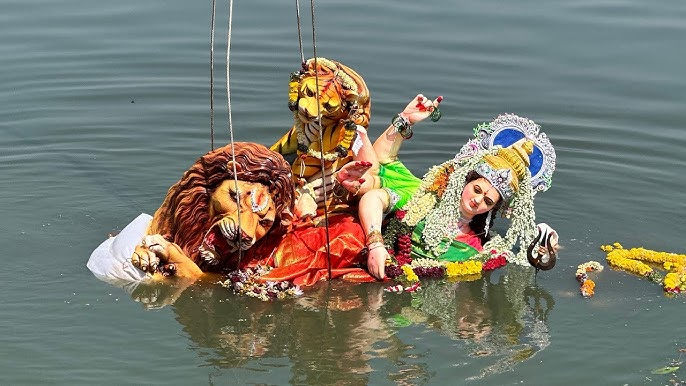
The sale and use of PoP idols have long been a concern due to their adverse impact on water bodies. When these idols are immersed in lakes and rivers, they don’t dissolve easily and release harmful chemicals. This creates significant environmental challenges, including water contamination and harm to aquatic life. To curb this, the NMC has launched a stringent campaign just two days before the festival, ensuring that the guidelines from the Central Pollution Control Board (CPCB) are strictly followed.

Rs4.2 Lakh in Fines Imposed

In a major move, the NMC fined 42 sellers of PoP idols, imposing penalties amounting to Rs4.2 lakh. The fines are a part of the city’s broader efforts to ensure compliance with environmental regulations ahead of the Ganesh festival. These fines serve as a warning to those who continue to sell idols made of harmful materials despite repeated warnings and legal mandates.

Why Is PoP Harmful?

Plaster of Paris is a non-biodegradable material. When immersed in water, it doesn’t break down naturally, unlike clay or eco-friendly materials. This leads to the accumulation of toxic substances in water bodies, which harms the ecosystem. PoP idols, painted with hazardous chemicals, further aggravate the issue by introducing dangerous elements like mercury and lead into the water, posing threats to both aquatic life and humans.

The Judiciary’s Role

The Nagpur bench of the Bombay High Court has played a critical role in addressing this issue. Through a suo motu Public Interest Litigation (PIL No. 3/2021), the court has been actively monitoring the environmental damage caused by PoP idol immersion. The bench, led by Justices Nitin Sambre and Abhay Mantri, has directed local authorities to take robust measures to curb the use of such idols.

Shreerang Bhandarkar as Amicus Curiae

Shreerang Bhandarkar, appointed as amicus curiae, has been instrumental in advising the court on the environmental repercussions (Eco-friendly Ganesh idols) of PoP idols. His involvement underscores the seriousness with which the judiciary is handling this matter. With his guidance, the court has been able to enforce stricter regulations, aiming for more eco-friendly celebrations.

NMC’s Affidavit and Extensive Preparations

The NMC, represented by counsel Jemini Kasat, submitted an affidavit to the court outlining their preparations for the upcoming Ganesh festival(Eco-friendly Ganesh idols). These preparations include setting up 419 artificial ponds and deploying 22 mobile immersion units to facilitate eco-friendly idol immersions. These initiatives are designed to offer devotees an alternative to immersing idols in natural water bodies.

Promotion of Eco-Friendly Idol Immersions

To encourage the use of environmentally friendly alternatives, the NMC has rolled out various campaigns promoting the immersion of clay idols in artificial ponds. These eco-friendly practices aim to reduce the pollution caused by PoP idols. The mobile immersion units, in particular, are expected to ease the process for devotees, making it convenient for them to follow the guidelines.

Mandals Must Comply with New Guidelines

The court has also directed the NMC to obtain written assurances from Ganesh and Durga Utsav Mandal organizers. These groups must ensure that they will not use PoP idols in their festivities. This requirement comes in accordance with CPCB guidelines, which strictly prohibit the immersion of non-biodegradable materials in natural water bodies.

Condition No. 15: A Step Forward

The NMC has revised its permissions for idol installations, incorporating a new Condition No. 15. This condition explicitly bans the use of PoP or similar materials and mandates compliance with CPCB and the Maharashtra Government’s Environment and Climate Change Department’s directives. This move signifies a major step forward in aligning with environmental protection regulations.

Penalties for Violators

During the court’s previous hearing, it was made clear that any violation of CPCB guidelines would result in strict prosecution under the Pollution Control Act, 1974. The court emphasized the importance of adhering to these rules to prevent further damage to the environment. Violators risk not only hefty fines but also legal action, making compliance non-negotiable.

Consequences of Non-Compliance

Failing to comply with the guidelines could lead to irreversible damage to water bodies. The accumulation of PoP in lakes and rivers is already causing severe environmental issues, including reduced oxygen levels in water, which threatens aquatic life. If PoP use continues unchecked, these effects could become catastrophic over time.

Court’s Future Hearings

The next hearing on this matter is scheduled for Friday, where the court will review the progress made by the NMC and other stakeholders. It remains to be seen how effective these measures will be during the festival, but the judiciary’s proactive stance suggests that non-compliance will be met with severe repercussions.

Public Support for Eco-Friendly Celebrations

The push for eco-friendly Ganesh and Durga Utsav celebrations has gained significant public support in recent years. Many devotees are now opting for clay idols and natural dyes, showing a growing awareness of environmental issues. This shift in public sentiment is critical in the long-term success of reducing PoP idol usage.

The Role of Artificial Ponds

Artificial ponds provide a safe and controlled environment for idol immersion, reducing the strain on natural water bodies. These ponds are specifically designed to handle large volumes of idol immersions, making them a sustainable solution for future festivals.

The NMC’s crackdown on PoP idols is a decisive step toward protecting Nagpur’s water bodies and promoting eco-friendly festivities. By imposing fines and implementing strict regulations, the city is setting a strong example for others to follow. With continued efforts from the judiciary, local authorities, and the public, we can ensure that our festivals are celebrated without compromising the environment.

  1. Why are PoP idols banned?
    PoP idols are harmful to the environment as they don’t dissolve in water and release toxic chemicals, causing water pollution.
  2. What is the alternative to PoP idols?
    Eco-friendly idols made from clay and natural dyes are encouraged as they dissolve easily in water without harming the environment.
  3. How does the NMC enforce these rules?
    The NMC imposes fines and conducts inspections to ensure compliance with the CPCB’s guidelines.
  4. What happens if Mandals use PoP idols?
    Mandals that use PoP idols face legal action, including fines and possible prosecution under environmental laws.
  5. Can devotees immerse idols in natural water bodies?
    No, devotees are encouraged to use artificial ponds or mobile immersion units to prevent water pollution.

Nagpur@2025: Empowering Students to Build a Greener Future with Eco-Bricks

Nagpur@2025: A Visionary Initiative

Nagpur is on the verge of a transformative journey, thanks to the ambitious Nagpur@2025 initiative. Spearheaded by the Vidarbha Economic Development Council, Nagpur Municipal Corporation (NMC), and Nagpur City Police, this project is a bold step toward addressing key urban challenges. These challenges include waste management, traffic congestion, public sanitation, lake rejuvenation, and the conservation of heritage sites. However, beyond these objectives, Nagpur@2025 is about fostering a collective sense of pride and ownership among citizens, NGOs, administrators, and corporations.

The Plastic Waste Challenge in Nagpur

The Growing Problem of Single-Use Plastic (SUP)

Nagpur, like many other urban centers, faces a daunting challenge: the disposal of single-use plastic (SUP). SUP is a major environmental hazard, often ending up in landfills, clogging drain pipes, and polluting water bodies. The city’s limited recycling facilities exacerbate the problem, making the need for a sustainable solution more urgent than ever.

The Environmental Impact of Plastic Waste

Plastic waste is not just an eyesore; it poses significant threats to the environment. It contaminates soil, endangers wildlife, and contributes to the degradation of natural resources. The long-term damage caused by plastic waste necessitates innovative solutions that can mitigate its impact on the environment.

Eco-Bricks: A Sustainable Solution

What Are Eco-Bricks?

Eco-bricks are an innovative and sustainable solution to the plastic waste problem. Developed by the Paryavaran Sanrakshan Gatividhi organization, eco-bricks are made by tightly packing clean, dry, non-biodegradable plastic waste into plastic bottles. This simple yet effective method diverts plastic from landfills and waterways, prevents it from being burned, and reduces overall pollution.

The Benefits of Eco-Bricks

Eco-bricks offer a practical use for plastic waste, transforming it into valuable building materials. These bricks can be used in a variety of construction projects, including creating tree guards, benches, and tables. By turning waste into something useful, eco-bricks not only address the plastic problem but also contribute to the development of the city’s infrastructure.

Nagpur@2025 and the Eco-Brick Initiative

The Launch of the Eco-Brick Initiative

The eco-brick initiative is one of the most impactful projects under the Nagpur@2025 umbrella. Since its launch in the 2023 academic year, the initiative has gained significant traction. Schools under the NMC and other educational institutions have been actively involved in spreading awareness about eco-bricks and encouraging their production.

Student Participation and Impact

The initiative’s success is evident in the enthusiastic participation of students. In the first phase, 756 students from classes 5th, 6th, and 7th across 10 schools produced 3,581 eco-bricks. These bricks have already been put to practical use in an educational installation at NMC Nullah in Civil Lines, showcasing their potential in real-world applications.

Expanding the Initiative in the 2024-25 Academic Session

Building on its initial success, Nagpur@2025 aims to expand the eco-brick movement in the 2024-25 academic session. The goal is to engage even more schools and communities, encouraging widespread participation in this sustainable initiative.

The Role of Volunteers and Environmental Advocates

Guiding the Next Generation

The success of the eco-brick initiative is largely attributed to the dedication of volunteers and environmental advocates. Individuals like Aarti Deshpande (Paryavaran Sanrakshan Gatividhi), Ashish Deshpande (Saving Dreamz Foundation), Nisha Thakur (CMCA/Chitnavis Trust), Naresh Baldwa (Rotary Club of Nagpur Ishanya), and Suraj Shrivastav (Nagpur Ploggers) have played pivotal roles in educating students and communities about sustainable waste management.

Educating and Empowering Communities

These volunteers not only guide students in making eco-bricks but also educate them about the broader implications of their actions. By empowering students with knowledge and practical skills, they are fostering a generation of environmentally conscious citizens.

How to Get Involved in the Eco-Brick Movement

Creating Your Own Eco-Brick

Creating an eco-brick is a simple process that anyone can do. All it takes is a clean, dry plastic bottle and some non-biodegradable plastic waste. By filling a 1-liter bottle with SUP, you can save approximately 100 square feet of land from plastic contamination.

Joining the Nagpur@2025 Initiative

Nagpur@2025 is an inclusive movement that welcomes participation from individuals, NGOs, and schools. Whether you’re a student, a teacher, or a concerned citizen, you can contribute to this cause by making eco-bricks, spreading awareness, or volunteering your time.

Contact Information for Participation

To get involved, you can reach out to Nagpur@2025 via WhatsApp at 8380002025. By participating, you’ll be playing a crucial role in creating a cleaner, greener Nagpur and leaving a legacy of environmental stewardship.

The Future of Nagpur: A Cleaner, Greener City

Long-Term Goals of Nagpur@2025

The Nagpur@2025 initiative is more than just a short-term project; it’s a long-term vision for the city’s future. By addressing urban challenges like waste management and promoting sustainable practices, the initiative aims to create a cleaner, greener Nagpur by the year 2025.

The Role of Citizens in Shaping Nagpur’s Future

The success of Nagpur@2025 depends on the active participation of its citizens. By taking ownership of their city and contributing to initiatives like the eco-brick movement, Nagpur’s residents can help shape a brighter future for generations to come.

A Call to Action for a Cleaner Nagpur

Nagpur@2025 is more than just an initiative; it’s a call to action for every citizen. By turning plastic waste into eco-bricks, students are not only contributing to a cleaner city but also learning valuable lessons in environmental stewardship. As the initiative continues to grow, it offers a powerful example of how collective action can lead to meaningful change. Let’s all join hands and work towards making Nagpur a model city for sustainability and innovation.

1. What are eco-bricks, and how are they made?

Eco-bricks are building materials made by tightly packing clean, dry, non-biodegradable plastic waste into plastic bottles. The process is simple and can be done by anyone.

2. How can I contribute to the eco-brick initiative in Nagpur?

You can contribute by making eco-bricks, spreading awareness, or volunteering with Nagpur@2025. Contact the initiative via WhatsApp at 8380002025 to get involved.

3. What impact do eco-bricks have on the environment?

Eco-bricks help divert plastic waste from landfills and waterways, reducing pollution and contributing to a cleaner environment.

4. Who is leading the eco-brick initiative in Nagpur?

The initiative is led by volunteers and environmental advocates, including Aarti Deshpande, Ashish Deshpande, Nisha Thakur, Naresh Baldwa, and Suraj Shrivastav.

5. What are the long-term goals of Nagpur@2025?

The long-term goals of Nagpur@2025 include addressing urban challenges, promoting sustainable practices, and creating a cleaner, greener city by the year 2025.

Vinayak Mahamuni Appointed New CEO of Nagpur Zilla Parishad

Vinayak Mahamuni CEO Nagpur ZP: In a significant administrative reshuffle, Vinayak Mahamuni has taken over as the new Chief Executive Officer (CEO) of the Nagpur Zilla Parishad (ZP). The transition comes after the previous CEO, Saumya Sharma, was reassigned to the role of CEO at Nagpur Smart City. This appointment has captured the attention of both the public and officials alike, as it represents a key moment in the ongoing administrative changes within the region.

Who is Vinayak Mahamuni?

A Journey from Petrochemical Engineering to Civil Service

Vinayak Mahamuni’s career trajectory is nothing short of remarkable. Hailing from the Latur district, he pursued a degree in Petrochemical Engineering from Dr. Babasaheb Ambedkar Technological University. His career began at IBM, but the corporate world was not where he saw his future. Mahamuni had a deeper calling—the civil services.

The Grueling Path to Success

Mahamuni’s journey to becoming a civil servant was not easy. After four unsuccessful attempts, he finally cleared the UPSC exam on his fifth attempt in 2020. His perseverance is a testament to his dedication and commitment to serving the public.

The Role of Nagpur Zilla Parishad CEO (Vinayak Mahamuni CEO Nagpur ZP)

Significance of the Position

The CEO of Nagpur Zilla Parishad holds a pivotal role in the administration of the district. The position involves overseeing the implementation of government policies, managing resources, and ensuring that developmental programs reach the grassroots level.

Challenges Ahead

Mahamuni steps into this role at a challenging time. His predecessor, Saumya Sharma, faced criticism and a potential no-confidence motion during her tenure. The Zilla Parishad has been under scrutiny, and Mahamuni will need to navigate these complexities while ensuring the smooth functioning of the administration.

Transition from Saumya Sharma to Vinayak Mahamuni

Reasons for the Change

Saumya Sharma’s reassignment to Nagpur Smart City comes amid recent tensions within the Zilla Parishad. Her tenure was marked by disagreements with the ruling party, leading to a turbulent period for the administration. The decision to bring in Mahamuni is seen as a strategic move to stabilize the situation.

Expectations from Mahamuni

With his background in civil service and engineering, Mahamuni is expected to bring a fresh perspective to the role. His appointment is seen as an opportunity to strengthen the administrative framework of the Zilla Parishad and address the issues that have plagued the administration.

Vinayak Mahamuni’s Vision for Nagpur Zilla Parishad

Focus on Developmental Programs

Mahamuni’s vision for the Nagpur Zilla Parishad includes a strong focus on implementing developmental programs that benefit the rural population. He aims to ensure that government schemes reach every corner of the district, improving the quality of life for its residents.

Transparency and Accountability

One of Mahamuni’s key priorities is to increase transparency and accountability within the administration. He believes that a transparent administration is crucial for gaining public trust and ensuring the effective implementation of policies.

Strengthening Rural Infrastructure

Mahamuni has expressed a keen interest in strengthening rural infrastructure, particularly in the areas of education, healthcare, and sanitation. He plans to work closely with local bodies to identify and address the specific needs of each region.

Challenges Mahamuni May Face

Political Pressures

Navigating political pressures will be one of the biggest challenges for Mahamuni. The recent history of tensions between the Zilla Parishad and the ruling party suggests that he will need to carefully balance his duties with the expectations of various stakeholders.

Administrative Reforms

Implementing administrative reforms is another area where Mahamuni may face resistance. Any significant changes in the existing structure or processes could meet with opposition from within the administration.

Public Expectations

As the new CEO, Mahamuni will also have to manage the expectations of the public. Given the scrutiny that the Zilla Parishad has been under, there will be a close watch on how he handles the challenges and whether he can deliver on his promises.

Mahamuni’s Previous Experience

Deputy Collector of Nandurbar

Before his appointment as CEO of Nagpur Zilla Parishad, Mahamuni served as the Deputy Collector of Nandurbar. In this role, he gained valuable experience in managing administrative functions and implementing government policies at the district level.

Lessons Learned

Mahamuni’s experience in Nandurbar has equipped him with the skills needed to tackle the challenges he will face in Nagpur. His ability to work under pressure and his understanding of the administrative landscape will be crucial in his new role.

Comparisons with Saumya Sharma

Different Leadership Styles

Mahamuni and Sharma have different leadership styles, which may impact how they approach the role of CEO. While Sharma’s tenure was marked by controversy, Mahamuni’s calm and methodical approach may help in restoring stability to the Zilla Parishad.

Public Perception

Public perception of Sharma and Mahamuni also differs. While Sharma faced criticism, Mahamuni’s appointment has been met with optimism, with many hoping that he will bring positive changes to the administration.

Mahamuni’s Strategic Priorities

Improving Governance

One of Mahamuni’s strategic priorities is to improve governance within the Zilla Parishad. He plans to implement measures that will streamline administrative processes and make the government more responsive to the needs of the people.

Enhancing Public Services

Mahamuni is committed to enhancing public services, particularly in rural areas. He aims to ensure that essential services such as healthcare, education, and sanitation are accessible to all residents.

Strengthening Communication

Mahamuni believes that effective communication is key to good governance. He plans to establish open channels of communication between the administration and the public, allowing for greater transparency and feedback.

The Impact of Mahamuni’s Appointment

Short-Term Impact

In the short term, Mahamuni’s appointment is expected to bring stability to the Nagpur Zilla Parishad. His calm demeanor and strategic approach are likely to help ease tensions and improve the functioning of the administration.

Long-Term Impact

In the long term, Mahamuni’s focus on development and governance could lead to significant improvements in the district. If he is successful in implementing his vision, the Nagpur Zilla Parishad could serve as a model for other districts in the region.

Mahamuni’s Leadership Philosophy

People-Centric Approach

Mahamuni’s leadership philosophy centers around a people-centric approach. He believes that the primary role of the administration is to serve the people and that all policies and programs should be designed with this goal in mind.

Emphasis on Teamwork

Mahamuni also places a strong emphasis on teamwork. He believes that collaboration among different departments and stakeholders is essential for achieving the administration’s goals.

Vinayak Mahamuni’s appointment as the new CEO of Nagpur Zilla Parishad marks a new chapter in the administration of the district. With his strong background in civil service and engineering, Mahamuni is well-equipped to tackle the challenges that lie ahead. His vision for the Zilla Parishad, which includes a focus on development, transparency, and accountability, is one that holds great promise for the future of Nagpur.

As Mahamuni steps into this pivotal role, the eyes of the district will be on him, watching to see how he navigates the complexities of the position and whether he can deliver on the expectations placed upon him.

  1. Who is Vinayak Mahamuni?
    Vinayak Mahamuni is the newly appointed CEO of Nagpur Zilla Parishad. He previously served as the Deputy Collector of Nandurbar and has a background in Petrochemical Engineering.
  2. Why was Saumya Sharma reassigned?
    Saumya Sharma was reassigned amid tensions within the Zilla Parishad and has taken on the role of CEO at Nagpur Smart City.
  3. What are Mahamuni’s key priorities as CEO?
    Mahamuni’s key priorities include improving governance, enhancing public services, and strengthening rural infrastructure.
  4. What challenges might Mahamuni face in his new role?
    Mahamuni may face challenges such as political pressures, resistance to administrative reforms, and managing public expectations.
  5. What is the significance of Mahamuni’s appointment?
    Mahamuni’s appointment is significant as it comes at a time of administrative change and is expected to bring stability and development to the Nagpur Zilla Parishad.

41,858 Mosquito-Breeding Spots Identified in NMC Survey

mosquito breeding spots: In a recent survey conducted by the Nagpur Municipal Corporation (NMC), an alarming number of mosquito-breeding spots were identified across the city. The survey uncovered a staggering 41,858 potential breeding sites within approximately 6.44 lakh households. This article delves into the details of the survey, its implications, and the steps being taken to combat the rising threat of mosquito-borne diseases like chikungunya and dengue.

Survey Overview

Scope and Findings

The NMC’s extensive survey aimed to pinpoint areas contributing to mosquito proliferation. It found that common household items, including earthen plant pots, water storage utensils, tyres, and cooler tanks, were heavily infested with mosquito larvae. Specifically, 41,858 such items were identified as breeding grounds.

Primary Causes of Mosquito Breeding

  • Earthen Plant Pots: These are frequently watered, creating ideal conditions for mosquito larvae.
  • Water Storage Utensils: Steel and iron pans, often used to store water, were found to harbor mosquito larvae in 5,590 instances.
  • Tyres: Accumulated rainwater in old tyres was identified at 3,538 locations.
  • Cooler Tanks: Instances of coolers becoming breeding grounds were found in 1,677 cases.

Impact on Public Health

Rising Cases of Chikungunya and Dengue

The survey’s findings come amid a sharp rise in chikungunya and dengue cases in Nagpur. The Health Department has been proactive in addressing this issue, advising citizens to observe a “dry day” each week to minimize mosquito breeding opportunities.

Survey Methodology

The survey was conducted in three stages:

  1. Initial Inspection: Health teams inspected potential breeding sites such as wells, cooler tanks, and flower pots.
  2. Follow-Up Visits: Asha workers conducted thorough home visits to detect mosquito larvae.
  3. Data Analysis: Statistics were analyzed to gauge the effectiveness of the survey and subsequent interventions.

Steps Taken to Address the Issue

Public Awareness Campaigns

The NMC has launched awareness campaigns to educate citizens on effective mosquito control measures. These include tips on reducing standing water and proper maintenance of household items.

Chemical Treatments

Chemical sprays were applied to identified breeding sites to eradicate mosquito larvae. This step is crucial in breaking the mosquito life cycle and reducing the overall population.

Community Involvement

The survey emphasizes the importance of community involvement in mosquito control efforts. Citizens are encouraged to participate actively in keeping their surroundings clean and free from standing water.

Results and Impact

Decrease in Ailments

The survey has already shown promising results. Initially, around 16,159 individuals exhibited symptoms of mosquito-borne illnesses. By the third round of the survey, this number had significantly reduced to just 507.

Zone-wise Breakdown

  • Dharampeth Zone: Reported the highest number of affected individuals, totaling 1,888.
  • Mangalwari Zone: Followed closely with 1,559 cases.

The NMC’s survey highlights a critical issue regarding mosquito-breeding sites in Nagpur. The significant number of identified spots underscores the need for continuous monitoring and public engagement in mosquito control practices. With ongoing efforts and community cooperation, the city aims to curb the spread of mosquito-borne diseases and improve public health outcomes.

1. What were the main causes of mosquito breeding identified in the NMC survey?

The main causes were earthen plant pots, water storage utensils, tyres, and cooler tanks.

2. How did the NMC address the mosquito-breeding issue?

The NMC addressed the issue through public awareness campaigns, chemical treatments, and community involvement.

3. What was the impact of the survey on mosquito-borne illness cases?

The survey led to a significant decrease in the number of cases, from 16,159 to 507.

4. Which areas were most affected by mosquito-borne illnesses?

Dharampeth Zone and Mangalwari Zone were the most affected, with 1,888 and 1,559 cases respectively.

5. What steps can residents take to prevent mosquito breeding?

Residents should avoid storing water in open containers, regularly clean potential breeding sites, and participate in community cleanup efforts.

{finish}

NMC Installs Iron Mesh on Nullah Bridges to Curb Waste Dumping

NMC Iron Mesh Waste Curb: In a significant move to combat the escalating problem of waste dumping in Nagpur, the Nagpur Municipal Corporation (NMC) has launched an ambitious project to install iron mesh on nullah bridges across the city. This initiative is not just a routine maintenance task but a strategic measure designed to tackle a pressing environmental issue that has been affecting the city’s water systems for years.

The Project Overview

The project aims to install iron mesh on both sides of key bridges throughout Nagpur’s 10 zones. The primary goal is to prevent the dumping of waste into the city’s nullahs and rivers, which has been causing severe blockages in drainage systems and disrupting the flow of water, especially during the monsoon season.

Why Iron Mesh?

Iron mesh is chosen for its durability and effectiveness in blocking waste while allowing water to flow freely. This material is robust enough to withstand various weather conditions and is expected to be a long-term solution to the waste dumping problem.

Inspection and Implementation

Municipal Commissioner and Administrator Abhijeet Chaudhari has been closely monitoring the progress of this initiative. His recent visit to the nullah near the railway underpass at Vijay Talkies in Ward 17 underscores his commitment to the project’s success (NMC Iron Mesh Waste Curb).

Emphasis on Public Awareness

During his inspection, Chaudhari highlighted the importance of public cooperation. To this end, informative messages will be displayed on the mesh, aiming to educate citizens about the impact of waste dumping and encourage responsible behavior.

Progress Across Zones

The installation of iron mesh is underway in several key areas of the city. Here’s a breakdown of the progress by zone:

Laxmi Nagar Zone

In the Laxmi Nagar zone, work is ongoing at five critical locations:

  • Khamla Chowk
  • Sahakar Nagar Ghat

Dharampeth Zone

Dharampeth has identified 11 sites for mesh installation, including:

  • Ambazari Overflow
  • Yashwant Stadium Nag River

Other Zones

Installation efforts are also active in:

  • Hanuman Nagar
  • Dhantoli
  • Nehru Nagar
  • Gandhi Bagh
  • Satranjipura
  • Lakadganj
  • Ashi Nagar
  • Mangalwari

Expected Benefits

The primary benefit of this initiative is the prevention of drainage blockages. By stopping waste from entering the waterways, the iron mesh will help ensure smooth water flow and reduce the risk of flooding, particularly during heavy rains.

Environmental Impact

This project is expected to have a positive impact on the environment by:

  • Reducing Pollution: Preventing waste from contaminating water sources.
  • Improving Water Quality: Ensuring that nullahs and rivers remain clean.

Community Engagement

Public cooperation is crucial for the success of this initiative. The NMC is encouraging residents to:

  • Report Dumping: Notify authorities about illegal dumping activities.
  • Participate in Clean-Up Drives: Engage in local efforts to keep waterways clean.

Technical Details

The installation process involves several key officials:

  • Executive Engineer: Alpana Patne
  • Junior Engineer: Devchand Kakade
  • Assistant Civil Engineer: Kanthawar

Materials Used

The iron mesh is specifically designed to be:

  • Durable: Resistant to weather conditions.
  • Effective: Prevents waste from passing through.

The installation of iron mesh on nullah bridges by the Nagpur Municipal Corporation represents a proactive step towards addressing the city’s waste management challenges. By preventing waste from entering waterways, this project aims to improve the overall cleanliness and functionality of Nagpur’s drainage systems. Public involvement and continued maintenance will be essential in ensuring the long-term success of this initiative.

1. Why is the iron mesh being installed on bridges?

The iron mesh is being installed to prevent waste from being dumped into nullahs and rivers, which causes blockages and pollution.

2. How many locations are being covered by this initiative?

The initiative covers 59 critical locations across Nagpur.

3. What are the benefits of installing iron mesh?

The primary benefits include preventing drainage blockages, reducing water pollution, and improving water flow.

4. Who is overseeing the installation process?

The installation process is overseen by Municipal Commissioner Abhijeet Chaudhari and several key engineers.

5. How can the public contribute to this project?

The public can contribute by reporting illegal dumping and participating in local clean-up efforts.

Nagpur Mandals Get Free Permissions for Ganesh Festival 2024

As the festive season draws near, Nagpur is gearing up for one of its most awaited celebrations, the Ganesh Festival, beginning September 7, 2024. In a move aimed at promoting eco-friendly festivities, the Nagpur Municipal Corporation (NMC) has announced that all fees for Ganesh Mandals will be waived this year. This decision, backed by Chief Minister Eknath Shinde, Deputy Chief Ministers Devendra Fadnavis and Ajit Pawar, underscores the commitment of the city toward more sustainable and inclusive celebrations.

Why Free Permissions for Ganesh Mandals Matter

The waiver of fees is not just a financial relief; it represents a push towards embracing responsible celebrations. By eliminating the application verification and inspection fees, which typically range from ₹200 to ₹5,000, more Mandals can actively participate in the festivities without being burdened by financial constraints. This inclusivity also helps spread the message of eco-friendly practices among a wider audience.

Fee Waivers and Their Impact on Local Communities

The fee waiver primarily covers:

  • Application Verification Fees: ₹200 fee waived.
  • Deposits: Ranges from ₹1,000 to ₹5,000, now fully waived.

This move allows even smaller communities to join the celebrations while focusing on environmental responsibility.

Eco-Friendly Guidelines to Steer Ganesh Festival 2024

In line with directives from the Central Pollution Control Board and the High Court, the NMC has laid down several rules and guidelines to ensure that this year’s festival is both grand and green.

1. Ban on Plaster of Paris (POP) Idols

Plaster of Paris (POP) idols, which are non-biodegradable and harmful to water bodies, are strictly banned. Devotees and Mandals are encouraged to opt for clay idols made from eco-friendly materials. This shift to eco-friendly idols not only helps in reducing pollution but also aligns with the larger goal of sustainable celebrations.

2. One Complex, One Ganapati Initiative

In a bid to reduce waste and streamline the celebration process, residential complexes are encouraged to adopt the “One Complex, One Ganapati” concept. This initiative promotes community bonding while also reducing the overall environmental impact.

3. Noise Control Regulations

Processions and public events during the festival are required to adhere to controlled noise levels. The guidelines mandate the use of low-decibel sound systems, ensuring that the festivities do not contribute to noise pollution.

4. Restrictions on Idol Immersions

To protect natural water bodies from pollution, idol immersions in lakes and rivers are strictly prohibited. The NMC has provided artificial ponds across the city to facilitate environmentally safe immersions. Additionally, public Ganesh Mandals with idols over 4 feet tall must arrange for immersions outside municipal limits and acquire the necessary permissions for processions.

Encouragement for Health and Awareness Campaigns

The NMC is urging Ganesh Mandals to prioritize health-related activities and awareness campaigns during the festival. From malaria and dengue prevention drives to waste segregation initiatives, the focus this year is on making the festival not only joyous but also socially beneficial.

5. Immersion Site Preparations

To ensure smooth and safe immersions, the NMC will provide adequate lighting, safety measures, and barricades around immersion sites. Fire safety personnel and swimmers will be deployed at key locations to manage any emergencies.

6. Compliance with Safety and Environmental Regulations

While fees have been waived, Ganesh Mandals are still required to comply with existing regulations. This includes following fire safety guidelines, acquiring the necessary licenses, and adhering to bans on single-use plastics and thermocol.

The Broader Implications of NMC’s Initiatives

This decision by the NMC reflects a shift toward more responsible and environmentally conscious celebrations. The response from local communities and Ganesh Mandals has been overwhelmingly positive, as many see this as a significant step forward in balancing tradition with modern environmental concerns.

A Greener Ganesh Festival in 2024

The waiver of fees and the introduction of eco-friendly guidelines signify a turning point for Ganesh celebrations in Nagpur. As the city embraces these changes, it’s clear that the focus is on creating a festive atmosphere that is both inclusive and sustainable. By prioritizing environmental health and public safety, Nagpur is setting an example for other cities to follow.

1. Why did the NMC decide to waive fees for Ganesh Mandals in 2024?
The decision was made to encourage wider participation and promote eco-friendly celebrations in line with environmental regulations.

2. What are the guidelines for using idols during the festival?
The use of Plaster of Paris (POP) idols is banned. Devotees are urged to use clay or other eco-friendly materials for making idols.

3. How will idol immersions be managed this year?
Idols must be immersed in artificial ponds set up by the NMC. Public Mandals with larger idols are required to manage immersions outside municipal limits.

4. Are there any noise restrictions during the festival?
Yes, the NMC has imposed strict noise control regulations to limit noise pollution during processions and public events.

5. What kind of health and awareness campaigns are encouraged by the NMC?
Mandals are encouraged to run campaigns focusing on health issues like malaria and dengue, along with waste segregation and other community-centric initiatives.

Upgradation of Fire Brigade Proposed, Master Plan Ready

Nagpur Fire Brigade Upgrade: The city of Nagpur is on the brink of a major transformation in its fire and emergency services. With a rapidly expanding urban landscape marked by the proliferation of high-rise buildings, crowded markets, and new residential areas, the Nagpur Municipal Corporation (NMC) has taken proactive steps to enhance the safety and security of its citizens. The NMC has approved a comprehensive master plan that will see the establishment of 22 fire stations across the city. This bold initiative, led by Municipal Commissioner and Administrator Abhijeet Chaudhari, aims to bolster the city’s firefighting capabilities and ensure a robust emergency response infrastructure.

The Current State of Nagpur’s Fire Department

Existing Fire Stations

Nagpur’s fire department currently operates 13 fire stations, with only nine of these fully functional. The remaining stations are in various stages of completion, with three more expected to become operational within the current financial year. However, with the city’s growth, the demand for fire services has far outpaced the available resources.

Staffing Challenges

The fire department has an approved structure of 872 positions, yet it currently operates with just 152 staffers. This significant shortfall has prompted the NMC to propose the recruitment of 350 new personnel to bridge the gap. Additionally, the department is looking inward, planning to promote staff from within to fill critical roles. The situation is further compounded by the need to appoint more firemen under the Mukhyamantri Yuva Karya Prashikshan Yojana, with 50 out of the proposed 100 already in place.

Resource Shortages

Nagpur’s fire department also faces a critical shortage of resources, particularly firefighting vehicles. After the scrapping of nine fire tenders that were over 15 years old, the department now finds itself with fewer vehicles than needed. To address this, the NMC plans to procure 14 water fire tenders of varying capacities and a 70-meter hydraulic platform for firefighting and rescue operations in high-rise buildings. Furthermore, the department is in the process of acquiring seven troop carrier vehicles and ten emergency tenders for the new fire stations.

The Master Plan for Upgradation

Expansion of Fire Stations

The centerpiece of the NMC’s master plan is the expansion of the city’s fire stations from 13 to 22. Ten new fire stations have been proposed, with locations already identified in the city’s expanded residential areas. These new stations are expected to provide much-needed coverage in previously underserved areas, ensuring a quicker and more efficient response to emergencies.

Recruitment and Training Initiatives

To support this expansion, the NMC has outlined a detailed recruitment and training plan. In addition to hiring 350 new firefighters, the plan includes the construction of a swimming pool at the Kalamna Regional Fire Training Centre. This facility will be used to enhance the training capabilities of the fire department, particularly in rescue operations involving water bodies.

Enhancing Equipment and Technology

The NMC’s plan also emphasizes the importance of modernizing the fire department’s equipment and technology. GPS systems have already been installed in 29 fire vehicles, allowing for better coordination during emergencies. The department has also acquired 14 chainsaws and five inflatable power rubber boats to assist with rescue operations during floods and other natural disasters.

Addressing Emerging Challenges

High-Rise Buildings and Crowded Markets

Nagpur’s urban landscape is rapidly changing, with an increasing number of high-rise buildings and crowded markets posing new challenges for the fire department. The NMC’s plan includes the procurement of a 70-meter hydraulic platform, specifically designed for firefighting and rescue operations in tall buildings. This equipment is crucial in ensuring that the fire department can effectively respond to emergencies in these high-risk areas.

Dealing with Natural Disasters

In addition to firefighting, the department plays a critical role in responding to natural disasters. Nagpur frequently experiences flooding, particularly during the monsoon season, leading to water entering homes and the collapse of houses. To enhance its disaster response capabilities, the department has acquired 14 chainsaws and five inflatable power rubber boats. These tools will be vital in rescue operations during floods, particularly in areas near lakes such as Ambazari, Futala, and Gorewada.

Safety Measures at Public Spaces

To prevent accidents at popular public spaces, the NMC has implemented several safety measures, including the installation of barricades and warning signs at lakes. These measures are designed to prevent drownings and other accidents, ensuring that residents can enjoy these spaces safely.

Looking to the Future

Ongoing Monitoring and Evaluation (Nagpur Fire Brigade Upgrade)

The NMC’s master plan is not a static document; it is a living plan that will be continuously monitored and updated as needed. The fire department will regularly review its operations and resources to ensure that it can meet the evolving needs of the city. This proactive approach will allow the department to adapt to new challenges and continue providing high-quality emergency services to the citizens of Nagpur.

Community Involvement and Awareness

The success of the NMC’s plan will also depend on the involvement and awareness of the community. The fire department plans to launch public awareness campaigns (Nagpur Fire Brigade Upgrade) to educate residents about fire safety and the importance of emergency preparedness. These initiatives will help create a culture of safety in Nagpur, where residents are more aware of the risks and better prepared to respond to emergencies.

The Nagpur Municipal Corporation’s master plan for the upgradation of the city’s fire brigade is a timely and much-needed initiative. As the city continues to grow and evolve, so too must its emergency services. By expanding the number of fire stations, recruiting and training new personnel, and investing in modern equipment and technology, the NMC is taking significant steps to ensure the safety and security of Nagpur’s residents. This comprehensive approach will not only enhance the city’s firefighting capabilities but also prepare it to face the challenges of the future.

  1. What is the main objective of Nagpur’s fire brigade master plan?
    The main objective is to enhance the city’s fire and emergency services by expanding the number of fire stations, recruiting additional personnel, and modernizing equipment and technology.
  2. How many new fire stations are proposed in the plan?
    The plan proposes 10 new fire stations, bringing the total number of stations in Nagpur to 22.
  3. What measures are being taken to address the staff shortage in the fire department?
    The NMC plans to recruit 350 new personnel and promote staff from within the existing workforce to address the staff shortage.
  4. What new equipment will the fire department acquire?
    The department will acquire 14 water fire tenders, a 70-meter hydraulic platform, 14 chainsaws, and 5 inflatable power rubber boats to enhance its emergency response capabilities.
  5. How will the community be involved in the fire brigade’s upgradation?
    The fire department plans to launch public awareness campaigns to educate residents about fire safety and emergency preparedness.

NMC Plans Food Street Project Near Narendra Nagar Flyover

The Nagpur Municipal Corporation (NMC) is set to enhance the local dining scene with an exciting new initiative—a ‘Food Street’ located near the Hotel Radisson Blue flyover. This project is part of a broader national effort to promote safe and clean food systems, as endorsed by the Government of India. In this comprehensive guide, we’ll dive into the details of the proposed Food Street project, its significance, and what food lovers can expect.

Introduction to the Food Street Project

The Food Street initiative is a groundbreaking project aimed at creating a vibrant, safe, and clean food environment for residents and visitors of Nagpur. As part of the Union Government’s plan to establish 100 such Food Streets across the country, Nagpur is one of the four cities in Maharashtra selected for this development, alongside Pune, Nashik, and Thane.

Objectives of the Food Street Initiative

The primary objectives of the Food Street project include:

  • Promoting Safe Food Practices: Ensuring that food is prepared and served in a hygienic manner.
  • Encouraging Cleanliness: Implementing modern technologies to maintain cleanliness and sanitation.
  • Boosting Local Economy: Providing a platform for local vendors to showcase their culinary delights.
  • Enhancing Urban Experience: Creating a new, appealing destination for both locals and tourists.

Inspection and Selection of the Site

Municipal Commissioner’s Role

On Wednesday, Municipal Commissioner and NMC Administrator Dr. Abhijit Chaudhari, accompanied by a team of experts, inspected various locations in Nagpur to determine the most suitable spot for the Food Street. The chosen location near the Hotel Radisson Blue flyover was selected based on several factors including accessibility, visibility, and potential for high foot traffic.

Key Personnel Involved

The inspection team included:

  • Executive Engineer Alpana Patne
  • Medical Officer Dr. Deepak Selokar
  • Deputy Engineer Pankaj Parashar
  • Rajiv Gautam
  • Architect Rashi Bawankule

Their collective expertise played a crucial role in the decision-making process, ensuring that the selected site would meet all necessary criteria for the successful implementation of the project.

Features of the Proposed Food Street

Modern Infrastructure

The Food Street will boast state-of-the-art infrastructure designed to ensure safety and cleanliness. Key features include:

  • Modern Stall Design: Each stall will be equipped with facilities to maintain hygiene standards.
  • Waste Management Systems: Efficient systems for waste disposal and recycling.
  • Advanced Cleaning Technologies: Use of the latest technology for maintaining cleanliness.

Vendor Participation

A total of 20 food stalls will be set up, offering a diverse range of culinary options to cater to all tastes. Local vendors will have the opportunity to present their specialties, creating a vibrant food culture within the city.

Funding and Budget

Grant Allocation

The project has been allocated a grant of Rs. 1 crore under the National Urban Health Mission (NUHM). This funding will be utilized to cover the costs associated with infrastructure development, stall setup, and other essential aspects of the project.

Financial Planning

The grant will be managed meticulously to ensure that all aspects of the Food Street are completed within budget and on schedule. The focus will be on delivering high-quality facilities that meet the expectations of both vendors and visitors.

Next Steps and Implementation

Proposal Preparation

Dr. Chaudhari has issued directives to prepare a comprehensive proposal for the Food Street. This proposal will outline the detailed plans, timelines, and other critical components necessary for the project’s successful implementation.

Community Involvement

The NMC encourages community involvement in the project. Public feedback and suggestions will be considered to ensure that the Food Street meets the needs and preferences of local residents.

The NMC’s Food Street project near the Narendra Nagar flyover represents a significant step towards enhancing the food culture in Nagpur. By promoting safe and clean food practices, boosting local businesses, and creating a vibrant public space, this initiative promises to be a valuable addition to the city’s urban landscape. With careful planning and execution, the Food Street is set to become a popular destination for food enthusiasts and a model for similar projects across the country.

  1. What is the Food Street project?
    • The Food Street project is an initiative by the NMC to create a dedicated area for safe and clean food vending near the Hotel Radisson Blue flyover in Nagpur.
  2. How many stalls will be available at the Food Street?
    • There will be a total of 20 stalls at the Food Street.
  3. What is the budget for the Food Street project?
    • The project has been allocated a grant of Rs. 1 crore under the National Urban Health Mission (NUHM).
  4. When is the Food Street expected to be completed?
    • The timeline for completion will be detailed in the proposal prepared by Dr. Chaudhari and the NMC team.
  5. Can local vendors participate in the Food Street?
    • Yes, local vendors will have the opportunity to set up stalls and offer their food items at the Food Street.

Nagpur’s Eco-Friendly Ganesha Festival: A Call for Sustainable Celebrations

Eco-Friendly Ganesha Festival | PoP Ban Nagpur: As the auspicious occasion of Lord Ganesha’s arrival on September 7 approaches, the Nagpur Municipal Corporation (NMC) has issued stringent guidelines to ensure an environmentally conscious celebration. These regulations include a complete ban on the production, sale, and purchase of Plaster of Paris (PoP) Ganesh idols within the city. The directive is in alignment with the Central Pollution Control Board guidelines and is aimed at curbing the environmental impact associated with the use of PoP.

Why the Ban on PoP Idols?

The Environmental Impact of PoP

Plaster of Paris, while a popular material for making Ganesh idols, is notorious for its environmental impact. PoP does not dissolve easily in water, leading to the pollution of water bodies during the immersion of idols. This has prompted the NMC to take decisive action against the use of PoP in the making of Ganesh idols.

Compliance with High Court Orders

The NMC’s decision is also in compliance with a high court order, which mandates the prohibition of PoP idols. The court’s ruling was based on the harmful effects of PoP on the environment, particularly the water bodies in and around Nagpur.

Strict Prohibitions and Penalties

Banning the Production and Sale of PoP Idols

The NMC has banned the production, sale, and purchase of PoP idols within the city limits. This ban is being strictly enforced, with violators facing a hefty fine of ₹10,000. This move is part of a broader effort to ensure that the upcoming Ganesh festival is celebrated in an eco-friendly manner.

Immersion Guidelines for Large Idols (Eco-Friendly Ganesha Festival)

In addition to the ban on PoP idols, the NMC has also set guidelines for the immersion of large idols. Idols exceeding 4 feet in height are not permitted to be immersed within city limits. Instead, those installing such idols are required to arrange for their immersion outside the municipal boundaries. This measure is aimed at reducing the strain on the city’s water bodies.

Encouraging the Use of Eco-Friendly Materials

Promoting Clay Idols (PoP Ban Nagpur)

The NMC is encouraging citizens to use clay idols for their Ganesh festivities. Clay is an eco-friendly (Eco-Friendly Ganesha Festival) alternative to PoP and dissolves easily in water, causing minimal environmental harm. Citizens are being urged to choose clay idols for their home installations to contribute to a greener festival.

Limiting the Height of Household Idols

While there are no strict height restrictions for household Ganesh idols, the NMC has recommended a voluntary height limit of 2 feet. This suggestion is in line with the broader goal of reducing the environmental footprint of the festival.

Banning Harmful Materials

Prohibition of Plastic and Thermocol

In addition to the ban on PoP, the NMC has also prohibited the use of plastic and thermocol for idol decoration. These materials are non-biodegradable and contribute to environmental pollution. By banning their use, the NMC is taking a holistic approach to promoting an eco-friendly Ganesh festival.

Guidelines for Idol Makers

Idol makers in Nagpur have been directed to use only eco-friendly materials and colors in their creations. The use of harmful and non-degradable chemicals is strictly prohibited. This ensures that the idols produced are not only beautiful but also environmentally safe.

The Role of Citizens in Ensuring a Green Festival

Adhering to Immersion Guidelines

Citizens are being asked to follow the NMC’s guidelines for idol immersion. The use of city lakes for immersion is strictly prohibited, with citizens being directed to use artificial ponds instead. This measure is designed to protect the city’s natural water bodies from pollution.

Obtaining Necessary Permissions

Mandals (community groups organizing the festival) must notify the concerned police department and obtain the necessary permissions for processions. This ensures that the festival is celebrated in a safe and orderly manner.

Voluntary Compliance for a Better Tomorrow

The NMC has appealed to the citizens of Nagpur to voluntarily comply with these guidelines. (PoP Ban Nagpur) By choosing eco-friendly idols and adhering to the immersion guidelines, citizens can play a crucial role in ensuring that the Ganesh festival is celebrated in a sustainable manner.

Nagpur’s move to ban PoP idols and enforce eco-friendly guidelines for the Ganesh festival is a significant step towards protecting the environment. As citizens, it is our responsibility to support these efforts by choosing sustainable practices and materials. By celebrating in an eco-friendly manner, we not only honor Lord Ganesha but also contribute to the well-being of our planet.

1. Why has the NMC banned PoP Ganesh idols?

The NMC has banned PoP Ganesh idols due to their harmful environmental impact, particularly the pollution of water bodies during immersion.

2. What are the guidelines for the immersion of large idols?

Idols exceeding 4 feet in height are not allowed to be immersed within city limits. These idols must be immersed outside the municipal boundaries.

3. Can I use plastic or thermocol for idol decoration?

No, the use of plastic and thermocol for idol decoration is strictly prohibited by the NMC.

4. What materials should be used for making Ganesh idols?

Idol makers are encouraged to use eco-friendly materials such as clay and natural colors.

5. What is the penalty for violating the NMC’s guidelines?

Violators of the NMC’s guidelines, including the production or sale of PoP idols, face a fine of ₹10,000.

NMC Explores Suitable Sites to Relocate Vivekananda Statue: A Comprehensive Update

The Nagpur Municipal Corporation (NMC) has embarked on a meticulous and strategic initiative to address the potential flood risks posed by the Vivekananda statue situated near a critical spillway. This endeavor involves a collaborative effort with the Central Water and Power Research Station (CWPRS) in Pune, aiming to ensure both public safety and the preservation of the city’s cultural heritage.

Understanding the Context: Why Relocation is Being Considered

The Vivekananda statue, a prominent landmark in Nagpur, has recently come under scrutiny due to concerns regarding its impact on the adjacent spillway’s functionality. The statue is positioned alarmingly close—approximately 4.2 meters—to the spillway’s edge, raising fears that it could obstruct the flow of water, particularly during heavy rainfall or flood events. The spillway channel, which currently measures only 5.7 meters wide, falls short of the 60 square meters required to maintain an adequate water velocity, as stipulated by engineering standards.

Local residents, who suffered devastating losses during the severe flooding of September 2023, have voiced their concerns, leading to a legal battle where the relocation of the statue has become a central demand. With over Rs 300 crore in damages affecting more than 25,000 private properties, the need for effective flood mitigation measures has never been more urgent.

The Role of CWPRS: A Comprehensive Hydrological Study

In response to these concerns, NMC has tasked CWPRS with conducting a thorough hydrological analysis of the spillway and the statue’s current positioning. This study is not just about assessing the present risks but also about identifying the most viable solutions to prevent future disasters. The CWPRS will evaluate various factors, including:

  • Soil Conditions: Understanding the soil’s stability is crucial to determining whether the statue’s current location is safe or if the ground could exacerbate flood risks.
  • Water Levels: By studying the fluctuations in water levels during different seasons, the CWPRS aims to predict how the statue might impact water flow during peak flood periods.
  • Feasibility of Relocation: If the study concludes that the statue poses a significant risk, the CWPRS will recommend alternative sites where the statue could be safely relocated.

Exploring Alternative Locations: Potential New Homes for the Statue

Given the possibility that the statue might need to be relocated, NMC is proactively exploring alternative sites within Nagpur. Two locations that have emerged as strong candidates are:

  • Sakkardara Lake: Known for its scenic beauty and tranquil surroundings, Sakkardara Lake offers a spacious environment that could serve as a fitting new home for the Vivekananda statue. The site’s ample space and serene atmosphere could enhance the memorial’s aesthetic appeal while ensuring it does not interfere with any critical infrastructure.
  • Krazy Castle: Another potential site under consideration, Krazy Castle, is a well-known recreational spot in Nagpur. Its large, open areas provide plenty of room for the statue, making it an ideal location for relocation. The combination of space and accessibility makes Krazy Castle a viable option that could accommodate the statue without compromising public safety.

Legal and Regulatory Considerations

The legal framework surrounding the statue’s current location is also a key factor driving the relocation discussions. According to regulations, there should be a minimum distance of 55 meters between any structure and the spillway to ensure safe water flow. The current positioning of the statue at just 4.2 meters from the spillway falls drastically short of this requirement, making it imperative to reassess its placement.

Moreover, the irrigation department has imposed strict guidelines prohibiting construction within an area equivalent to five times the height of the dam. The statue’s current location violates these regulations, further underscoring the need for immediate action.

Public Sentiment and the High Court Case

The push for relocating the Vivekananda statue is not just a technical or administrative matter; it’s a deeply emotional issue for the residents affected by the 2023 floods. The High Court has become a battleground where flood victims are demanding justice, with the statue’s relocation being a non-negotiable condition for many. The court’s involvement has added a layer of urgency to the situation, compelling the NMC to explore every possible solution to meet both legal and public expectations.

Potential Impacts on the City’s Cultural Landscape

Relocating a statue of such significance is not just a logistical challenge; it also has profound cultural implications. The Vivekananda statue is more than a physical structure—it’s a symbol of inspiration and spirituality for many residents. Moving it to a new location must be done with great sensitivity, ensuring that the statue’s new home reflects its cultural importance while also safeguarding public safety.

The proposed sites at Sakkardara Lake and Krazy Castle are being carefully considered not just for their practicality but also for their ability to maintain the statue’s symbolic presence in the community. The NMC is committed to ensuring that the statue remains a focal point of pride for Nagpur, even if it must be relocated.

Next Steps: Awaiting the CWPRS Report

As the NMC waits for the final report from CWPRS, the city’s administrators are preparing for all possible outcomes. If the report concludes that the statue does not contribute to flooding, it may remain in its current location, subject to any necessary modifications to enhance safety. However, if the statue is found to be a significant risk, NMC is ready to move forward with its relocation plans.

The CWPRS report will be a critical document, guiding the NMC’s decisions and ensuring that any actions taken are backed by solid scientific evidence. In the meantime, the exploration of alternative sites continues, with the goal of finding a location that balances cultural significance with public safety.

The ongoing efforts by the Nagpur Municipal Corporation to assess and potentially relocate the Vivekananda statue are a testament to the city’s commitment to both its residents’ safety and the preservation of its cultural heritage. By working closely with experts from CWPRS and considering every possible factor, the NMC is taking a proactive approach to ensure that Nagpur remains resilient in the face of future challenges.

Exit mobile version