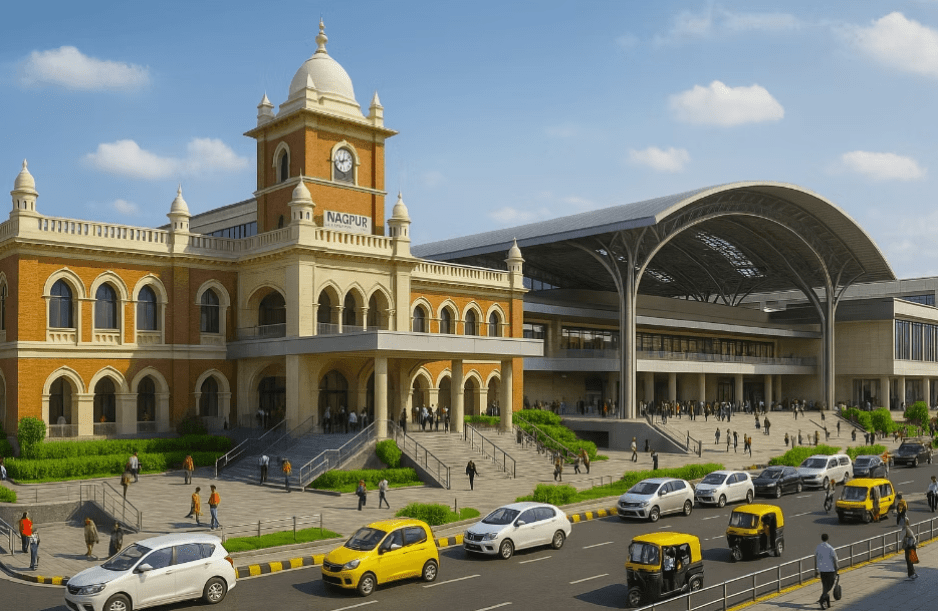
Nagpur Railway Station Platform 2 Closed: What It Means for Passengers

Nagpur Railway Update | Train Schedule Nagpur: If you’re a regular train traveler in Nagpur, you might have already felt the ripple effect of recent changes. The closure of Platform 2 at Nagpur Railway Station has stirred confusion, delays, and a lot of last-minute rushing. But what exactly is happening, and how does it affect your journey?

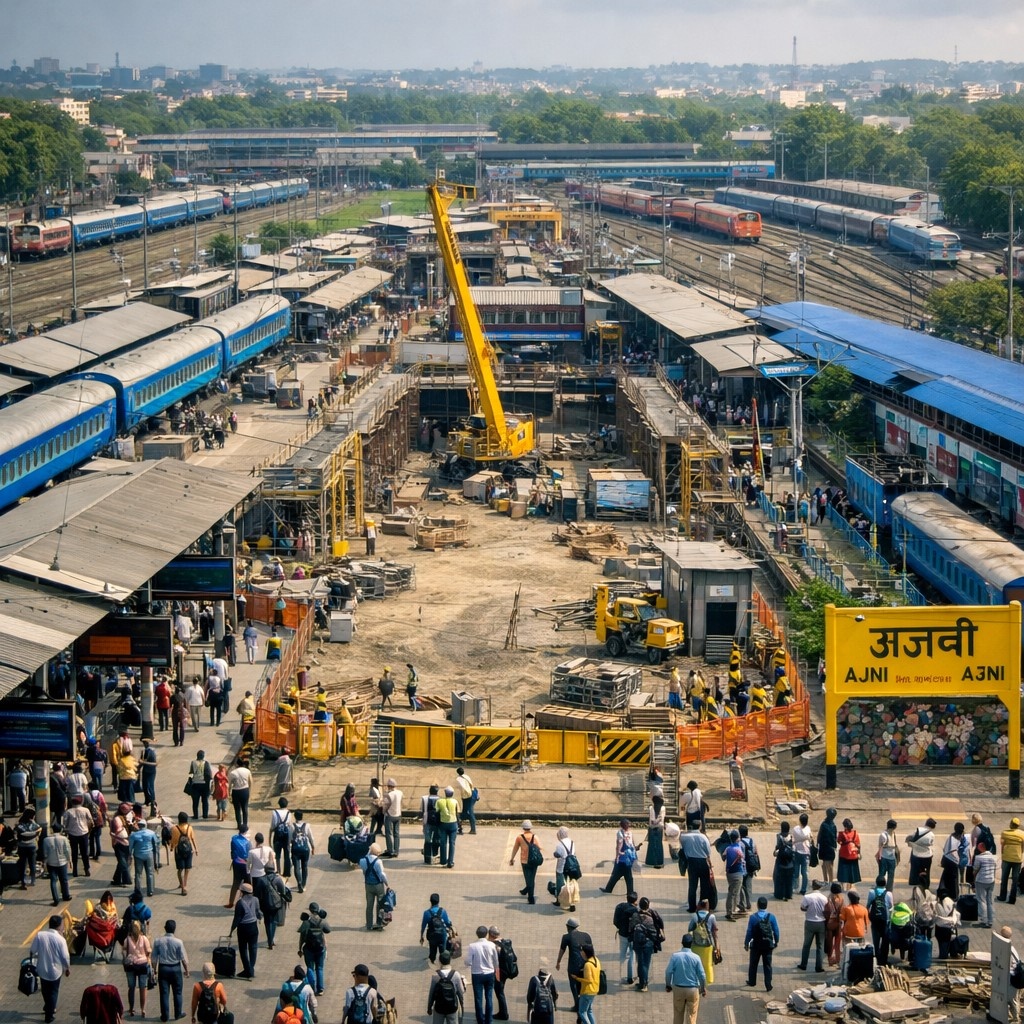
Think of a railway station like a busy highway intersection—if one major lane shuts down, the entire traffic flow shifts. That’s exactly what’s happening here. Several trains are now being rerouted to Ajni Railway Station, and passengers need to adapt quickly.

Let’s break everything down in a simple, clear, and practical way so you’re never caught off guard.

Sr# Headings
1 Why Platform 2 at Nagpur Station is Closed
2 Duration of the Closure
3 Trains Diverted to Ajni Station
4 Impact on Daily Passengers
5 Changes in Train Schedule
6 Facilities at Ajni Station
7 Transportation Between Nagpur & Ajni
8 Challenges Faced by Passengers
9 Benefits of This Upgrade Work
10 Tips for Hassle-Free Travel
11 Role of Indian Railways in Modernization
12 Future of Nagpur Railway Station
13 Safety and Infrastructure Improvements
14 Local Economy and Passenger Flow Impact
15 What Passengers Should Expect Next

1. Why Platform 2 at Nagpur Station is Closed

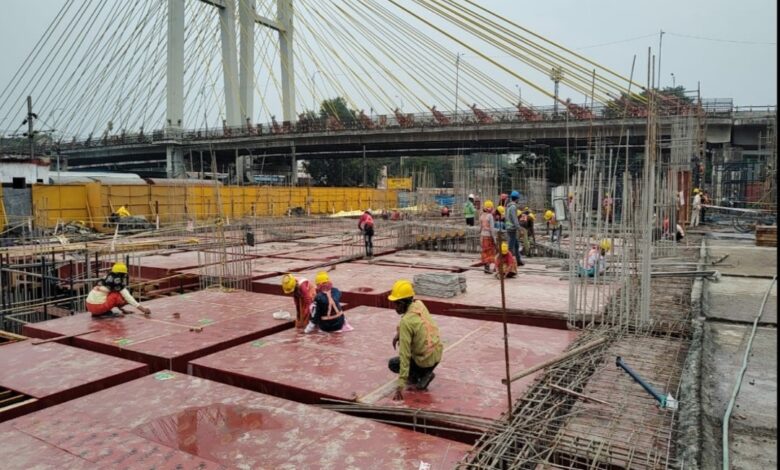
The closure of Platform 2 isn’t random—it’s part of a larger modernization and infrastructure upgrade plan. Indian Railways is focusing on improving passenger experience, safety, and capacity.

Key Reasons:

  • Track maintenance and repair work
  • Platform redevelopment
  • Better signaling systems

This is similar to renovating a busy shopping mall—you might face temporary inconvenience, but the end result is worth it.


2. Duration of the Closure

While exact timelines may vary, such infrastructure work usually takes several weeks to a few months.

Passengers are advised to:

  • Regularly check updates
  • Confirm platform numbers before travel

3. Trains Diverted to Ajni Station

Many trains that previously halted at Nagpur are now being shifted to Ajni.

Common Changes Include:

  • Select express trains halting at Ajni
  • Passenger trains partially rerouted
  • Some trains skipping Nagpur temporarily

This means you need to double-check your boarding point before leaving home.


4. Impact on Daily Passengers

Daily commuters are the most affected.

Major Issues:

  • Confusion about train boarding points
  • Increased travel time
  • Extra cost for reaching Ajni

Imagine planning to catch a bus from your usual stop, only to find it moved 5 km away—that’s the kind of disruption people are facing.


5. Changes in Train Schedule

Not just platforms—timings are also impacted.

Possible Changes:

  • Delayed arrivals and departures
  • Rescheduled trains
  • Temporary cancellations

Always rely on official railway apps or announcements.


6. Facilities at Ajni Station

Ajni station is smaller compared to Nagpur, but it’s handling increased traffic.

Available Facilities:

  • Basic waiting areas
  • Ticket counters
  • Limited food stalls

However, it may feel crowded due to the sudden increase in passengers.


7. Transportation Between Nagpur & Ajni

One of the biggest concerns is connectivity.

Travel Options:

  • Auto-rickshaws
  • City buses
  • Cabs (Ola/Uber)

Distance is around 5–6 km, so plan at least 20–30 minutes extra travel time.


8. Challenges Faced by Passengers

Let’s be honest—this transition isn’t smooth.

Common Problems:

  • Lack of clear announcements
  • Overcrowding at Ajni
  • Last-minute platform confusion

For elderly passengers or families, this becomes even more stressful.


9. Benefits of This Upgrade Work

While the inconvenience is real, the long-term benefits are significant.

Expected Improvements:

  • Better platforms
  • Increased train capacity
  • Enhanced passenger safety

It’s like enduring road construction today for a smoother highway tomorrow.


10. Tips for Hassle-Free Travel

Here’s how you can avoid chaos:

Smart Travel Tips:

  • Check train status before leaving
  • Reach station early
  • Keep buffer time for travel
  • Use railway apps for updates

Being proactive can save you a lot of stress.


11. Role of Indian Railways in Modernization

Indian Railways is undergoing massive transformation.

Focus Areas:

  • Smart stations
  • Digital ticketing
  • Improved infrastructure

Nagpur is a key junction, so upgrades here are part of a bigger national plan.


12. Future of Nagpur Railway Station

Once the work is complete, expect a modern, efficient station.

Upcoming Features:

  • Better seating areas
  • Improved cleanliness
  • Advanced signaling systems

Nagpur could soon become a model railway station.


13. Safety and Infrastructure Improvements

Safety is a major priority.

Enhancements Include:

  • Stronger tracks
  • Better lighting
  • Crowd management systems

This reduces risks and ensures smoother operations.


14. Local Economy and Passenger Flow Impact

Such changes also affect local businesses.

Impact Areas:

  • Shops near Nagpur station may see reduced footfall
  • Ajni vendors may benefit from increased traffic

It’s a temporary shift in economic activity.


15. What Passengers Should Expect Next

More updates and possible changes are likely.

Stay Prepared For:

  • Additional platform closures
  • Further train diversions
  • Gradual normalization after work completion

Patience is key during this phase.

The closure of Platform 2 at Nagpur Railway Station might feel like a major inconvenience right now, but it’s part of a bigger transformation story. Yes, you may need to travel a bit more, plan a bit better, and stay more alert—but in the long run, these upgrades will make your journey smoother and safer.

So next time you hear your train is departing from Ajni instead of Nagpur, don’t panic—just plan smart and move ahead.

1. Why is Platform 2 at Nagpur Railway Station closed?

It is closed for maintenance, redevelopment, and infrastructure upgrades.

2. Which trains are shifted to Ajni station?

Several express and passenger trains have been temporarily diverted. Check your train status before travel.

3. How far is Ajni station from Nagpur railway station?

It is approximately 5–6 km away.

4. How can I travel from Nagpur to Ajni station?

You can use autos, buses, or cab services like Ola and Uber.

5. When will Platform 2 reopen?

The exact timeline is not fixed, but it may take a few weeks to months depending on the work progress.

PM Modi to Flag Off Nagpur-Pune Vande Bharat Express on August 10

A New Era in High-Speed Travel Between Nagpur and Pune Begins

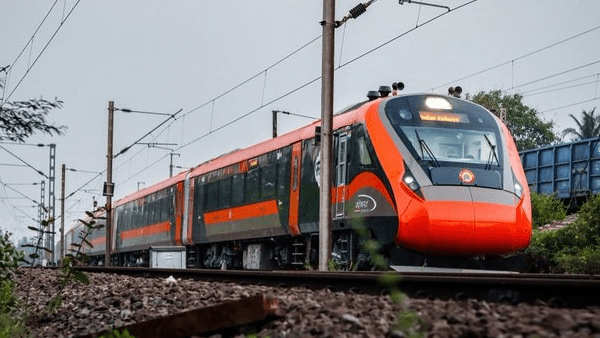
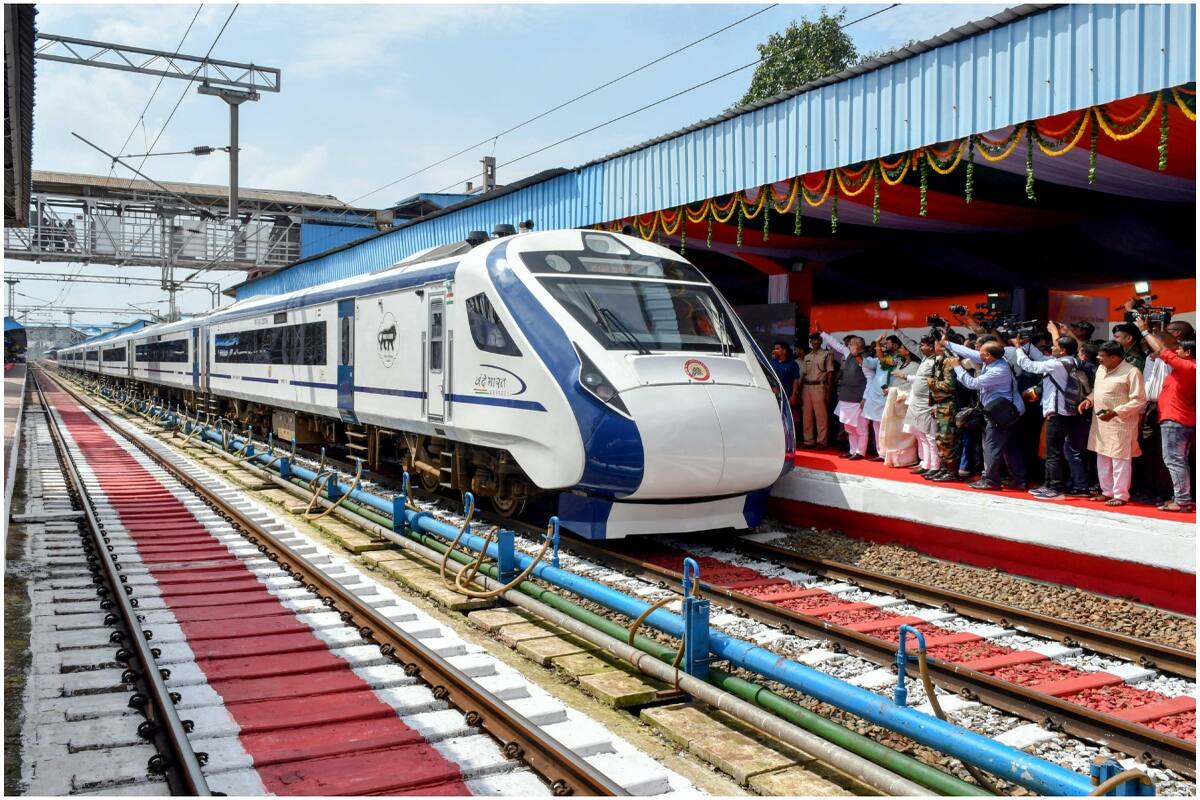
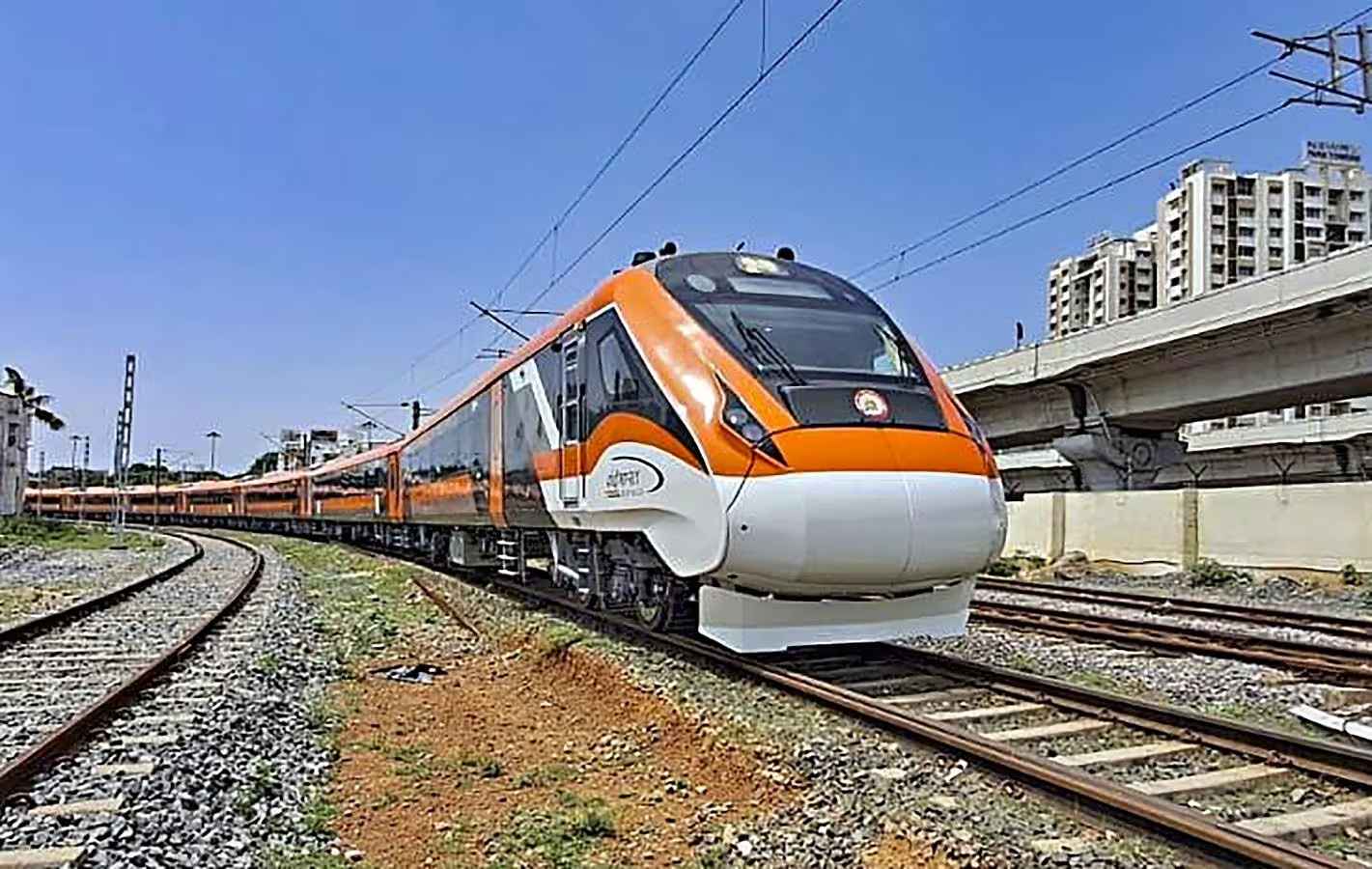
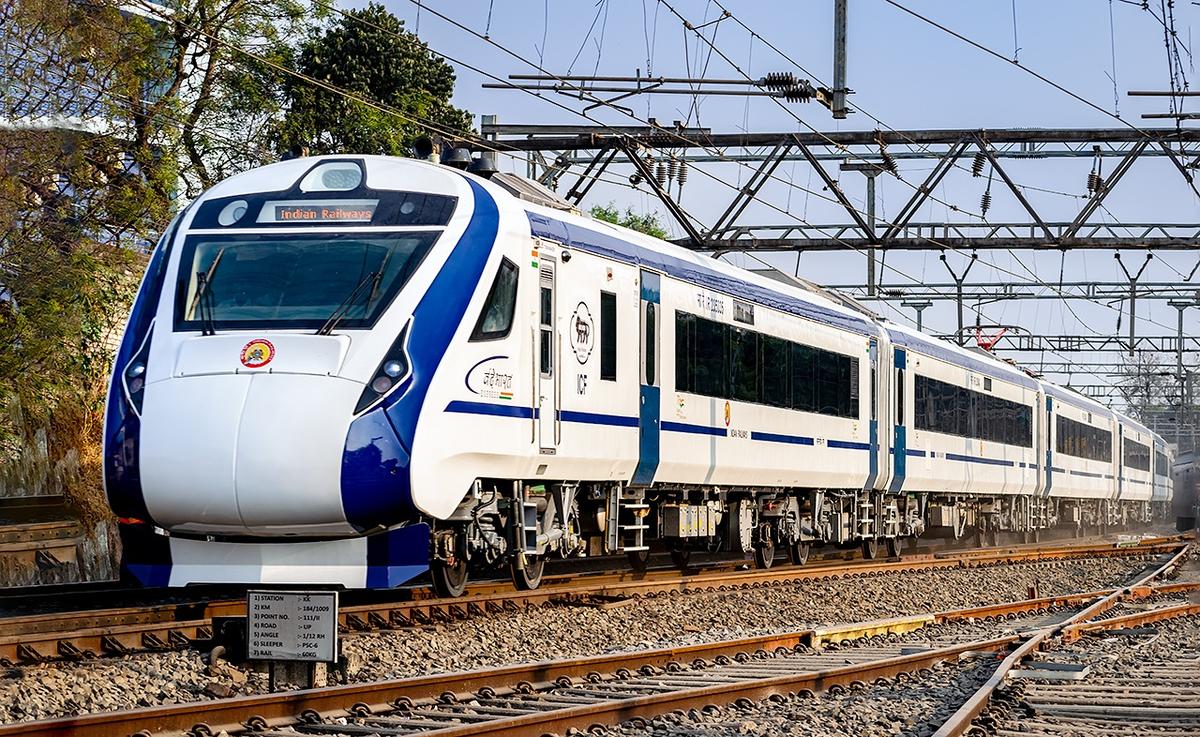
Nagpur Pune Vande Bharat Express | Vande Bharat Nagpur to Pune: In a historic moment for Indian Railways and Maharashtra’s travelers, Prime Minister Narendra Modi is set to flag off the maiden Nagpur-Pune Vande Bharat Express on August 10. The new semi-high-speed train service promises to drastically cut travel time between two of Maharashtra’s major cities — Nagpur and Pune — making the journey smoother, faster, and more convenient than ever before.

A Much-Awaited Connection Comes Alive

The anticipation has been building for months, and now it’s finally official. The Nagpur-Pune Vande Bharat Express, India’s premium passenger service, will depart from Ajni Railway Station in Nagpur and terminate at Hadapsar Station in Pune. This move comes as Pune Junction lacks the current infrastructure to accommodate new train services.

Initially expected to feature the first sleeper-class Vande Bharat rake, the service will instead begin with AC chair car coaches, as sleeper variants are expected to be inducted from next year. Despite this limitation, the journey is expected to be completed in under 12 hours, a significant improvement over the current 16 to 18-hour travel time via existing Mail/Express trains such as the Maharashtra Express.


Why This Train Service is a Game-Changer

Fastest Travel Time on the Route

Currently, the journey between Nagpur and Pune by conventional trains takes around 16-18 hours, depending on the service. The Vande Bharat Express will reduce this travel time to approximately 11-12 hours, making it the fastest train on this corridor. This speed improvement will be a boon for thousands of working professionals, students, and frequent travelers between Vidarbha and Western Maharashtra.

Initial Schedule and Frequency Nagpur Pune Vande Bharat Express 

While the exact timings and train number will be finalized and loaded into the PRS (Passenger Reservation System) just two days before the inaugural run, preliminary discussions suggest the following:

  • Departure from Ajni: Likely in the evening

  • Departure from Hadapsar (Pune): Expected at 6:00 AM

Initially, the train is planned as a tri-weekly service, subject to track availability, due to ongoing third and fourth line works in the busy corridor. Officials from the railway board are still coordinating to identify optimal time slots for the train, balancing other heavy-traffic operations.


A Strategic Move Benefiting the Working Class | Vande Bharat Nagpur to Pune:

The Nagpur-Pune belt is a high-mobility zone, particularly for professionals employed in Pune’s booming IT and manufacturing sectors. As many from Vidarbha have migrated to Pune, a fast and reliable train service between the two cities has been in demand for years. The Vande Bharat Express directly caters to this need by offering rapid connectivity with modern comfort.


Challenges at Ajni Station: A Premium Train vs. Outdated Infrastructure | Nagpur Pune Vande Bharat Express

Ironically, while Ajni Railway Station has been chosen as the origin point for this premium Vande Bharat service, its infrastructure remains woefully inadequate. Passengers departing from platform no. 2, which is expected to be used for the Vande Bharat Express, face the following issues:

  • No shed or roofing to protect against rain

  • Ongoing remodelling work affecting amenities

  • Limited space for seating and passenger shelter

Despite these concerns, officials are hoping to speed up work to make the station ready for the inaugural event. However, unless there is a rapid escalation in construction activity, Ajni Station may not match the prestige of the train it’s launching.


Part of a Larger Inauguration Drive by the Prime Minister

The Nagpur-Pune Vande Bharat Express is part of a broader initiative where Prime Minister Narendra Modi is expected to flag off three new Vande Bharat trains from Karnataka on August 10:

  • Bengaluru-Belagavi

  • Nagpur-Pune

  • Amritsar to Shri Mata Vaishno Devi Katra

This marks a significant expansion in the Vande Bharat network, offering faster, cleaner, and more efficient rail options to passengers across India.


Awaited Details: Final Rake Composition, Stops, and Timings

While many key aspects are known, railway officials are still working on:

  • Finalizing the stoppage points

  • Defining days of operation

  • Confirming the coach composition

Given the current demand and logistics, the train will likely have minimal halts, potentially stopping only at critical junctions like Wardha, Akola, Bhusaval, Manmad, and Daund. This limited-stop approach will allow for maximum speed efficiency, keeping journey time within the promised 12-hour window.


The Road Ahead: Future Upgrades and Expectations

With the sleeper-class Vande Bharat trains expected to be introduced from 2026, travelers on longer routes like Nagpur to Pune can look forward to overnight journeys with improved comfort. Furthermore, with continued infrastructure development at Ajni and Hadapsar, both ends of the journey are expected to become more passenger-friendly.


A New Chapter in Maharashtra’s Rail Travel

The launch of the Nagpur-Pune Vande Bharat Express is more than just the introduction of another train — it symbolizes a technological and logistical leap forward for the Indian Railways and a major lifestyle upgrade for travelers in Maharashtra.

As we move towards faster, smarter, and more efficient transport systems, the Vande Bharat series stands as a beacon of India’s rail ambitions. The Ajni-Hadapsar express is just the beginning of a much-needed revolution in inter-city travel in the country.

Modern Basement Parking Shaping Up Under Nagpur Railway Station Revamp

Nagpur basement parking | Nagpur railway station revamp : The Nagpur Railway Station Redevelopment Project has entered a transformative phase with the significant advancement of the West Wing-3 (WW-3) basement parking facility. This modernization drive marks a pivotal step in redefining commuter convenience, optimizing space utilization, and supporting India’s broader mission to build world-class transportation infrastructure.

WW-3: A Cornerstone of Station Modernization

The WW-3 basement parking initiative is an integral component of the overall station modernization scheme. With Nagpur Railway Station being one of the busiest in central India, the demand for streamlined passenger amenities, especially parking infrastructure, has been a longstanding necessity. Recognizing this, the Central Railway Nagpur Division has aggressively pushed forward with the WW-3 construction project in a two-phase execution strategy.

Phase I: Surface-Level Parking Already Operational

Phase I of the project, spanning 1,800 square meters, reached completion in September 2024. It has already been handed over to Central Railway and is functioning effectively as a surface-level parking area. This phase has provided immediate relief to commuters who previously struggled with haphazard parking and congestion near the station’s primary access points.

The surface lot now accommodates a significant number of vehicles in an organized, secure, and well-monitored environment, dramatically enhancing the passenger experience and traffic flow in the area.

Phase II: Advancing Towards Completion

While Phase I is fully operational, Phase II—covering an area of 1,620 square meters—is witnessing rapid development. The excavation and foundation works have been completed, with an impressive 90% of the basement slab casting also finalized. The remaining 10% is currently undergoing shuttering.

This underground section is expected to decongest the railway premises further by providing a spacious, modernized subterranean parking facility. Once operational, this structure will support multi-level vehicle stacking, integrated automated systems, and advanced security protocols.

Integration of Smart Systems and Civil Work Progress

The WW-3 facility isn’t merely a traditional parking complex; it’s envisioned as a smart parking ecosystem. Civil construction is accompanied by essential installations such as:

  • Mechanical, Electrical, and Plumbing (MEP) systems

  • Firefighting and emergency response infrastructure

  • Advanced interior finishings for a seamless commuter interface

The construction adheres to urban planning benchmarks that focus on efficiency, sustainability, and safety. The architecture of the parking facility is being executed with energy-efficient lighting, smart ticketing kiosks, and real-time occupancy monitoring systems.

Key Benefits for Commuters and Urban Mobility

Once completed, the WW-3 basement parking project will bring a multitude of benefits:

  • Ease of Parking: Significantly improved vehicle accommodation capacity with clearly marked bays.

  • Decongestion: Reduction of vehicular chaos outside the station.

  • Accessibility: Smooth linkage with pedestrian walkways and station entries.

  • Security: Enhanced surveillance with 24×7 CCTV coverage.

  • Future-Readiness: Room for electric vehicle (EV) charging stations and potential automation upgrades.

This is especially crucial in a fast-growing urban center like Nagpur, where traffic density around transportation nodes is a growing concern.

Alignment with India’s Smart Station Vision

The WW-3 project is emblematic of India’s efforts to usher in a new era of rail travel. Under the broader initiative to convert traditional stations into smart railway hubs, Nagpur’s station revamp aligns with national goals of:

  • Enhanced multimodal connectivity

  • Digitally enabled public infrastructure

  • Eco-conscious urban development

The parking facility is designed to complement the future integrations of metro rail, bus terminals, and non-motorized transit systems, fostering a holistic mobility experience for passengers.

Central Railway’s Commitment to Timely Delivery

Officials from Central Railway have reiterated their commitment to ensuring that all construction phases are completed within set timelines. Their strategy emphasizes collaboration with high-skilled contractors, rigorous project monitoring, and quality control at every stage.

In their statement, a senior CR official emphasized, “The WW-3 basement parking facility is a significant step toward making Nagpur railway station a model of efficiency and convenience.” This statement underscores the division’s visionary approach and passenger-first attitude that drives the redevelopment project.

 A Gateway to Modern Mobility

The evolving landscape of Nagpur Railway Station, particularly through the lens of the WW-3 basement parking facility, represents more than just construction progress. It reflects the urban evolution of Indian transportation nodes. It also sends a strong signal that infrastructure upgrades are being implemented not just for today’s needs, but for tomorrow’s smarter, more connected India.

As the basement parking construction progresses toward completion, it brings with it the promise of ease, efficiency, and excellence for millions of passengers who pass through Nagpur each year. From architectural finesse to integrated smart features, the WW-3 project is indeed shaping up as a game-changer for India’s railway infrastructure.

PM to Inaugurate New-Look Itwari Railway Station Tomorrow

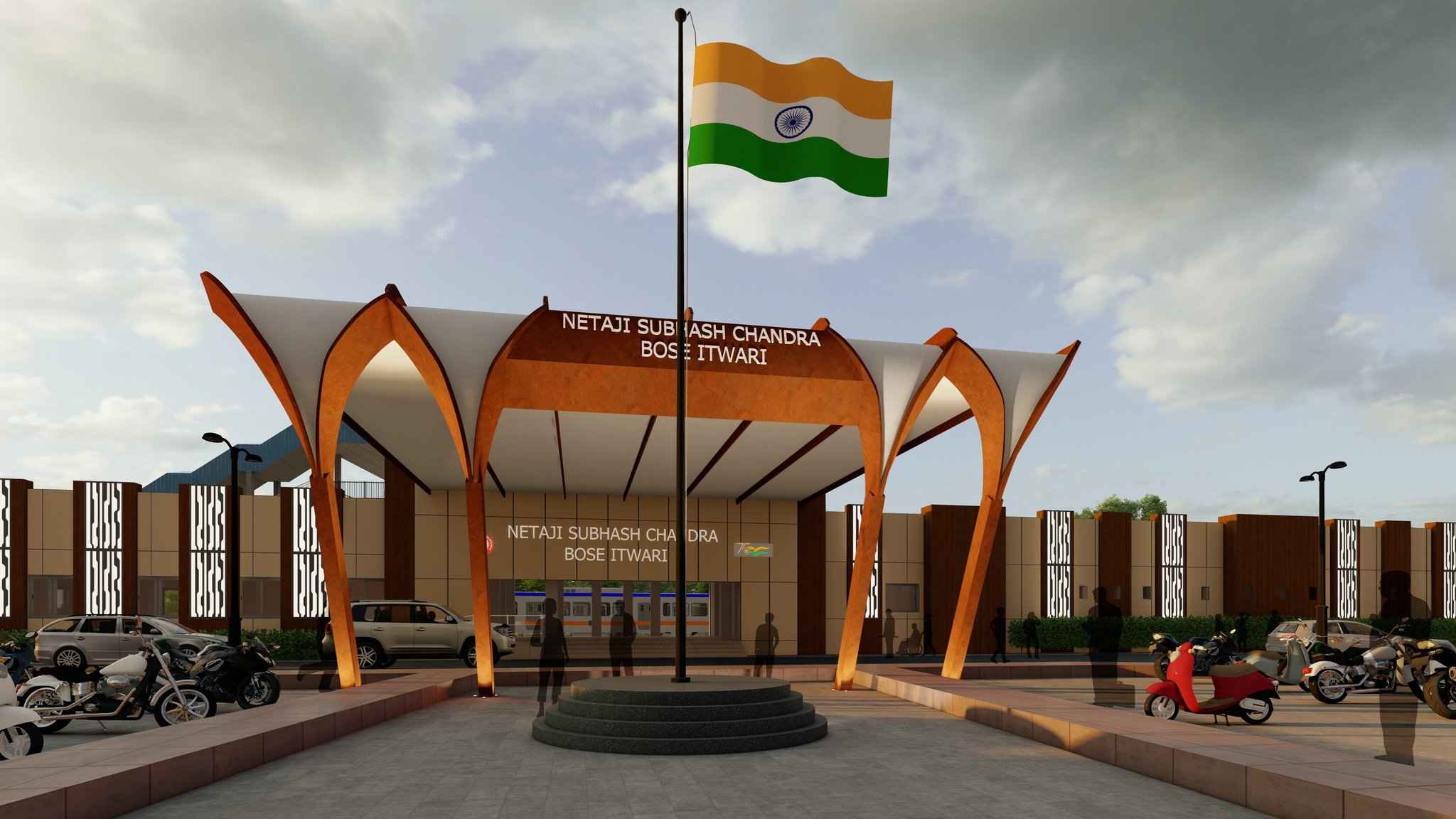
New Itwari railway station : Big things are happening in Nagpur! Tomorrow, Prime Minister Narendra Modi is set to virtually inaugurate the newly revamped Netaji Subhas Chandra Bose Itwari Junction — formerly Itwari railway station. This isn’t just a makeover — it’s a complete transformation. With state-of-the-art facilities and a splash of Nagpur’s vibrant culture, this station now stands tall as a modern marvel under the Amrit Bharat Station Scheme.

Let’s dive deep into what makes this railway station and the larger redevelopment initiative such a game-changer for the Indian Railways and the local community.


🚉 What’s the Buzz About the New Itwari Junction?

A Prime Makeover Worth ₹12.39 Crores

Imagine turning an old, congested, and chaotic station into a modern, cultural, and commuter-friendly space — that’s exactly what happened at Itwari. The station was redeveloped at a whopping cost of ₹12.39 crores, and every rupee seems to have been well spent.

From Congestion to Convenience

Previously, the station had its fair share of headaches — traffic congestion, limited parking, and confusing entry-exit points. But now? Smooth entry-exit gates, wide roads, dedicated two-wheeler parking, and an effective traffic control system welcome travelers with ease.


🇮🇳 Inauguration Day: What to Expect?

PM Modi’s Grand Virtual Inauguration

On May 22, PM Modi will inaugurate 103 revamped railway stations across India via video conference. Among them, five belong to the Nagpur division:

  • Netaji Subhas Chandra Bose Itwari Junction

  • Daswani

  • Dongargarh

  • Chanda Fort

  • Amgaon

It’s a national celebration — with Nagpur playing a starring role.


🎨 Blending Heritage with Modernity

A Tribute to Culture

The redesigned Itwari station isn’t just about tech upgrades — it’s a love letter to Nagpur’s rich culture. The waiting areas and concourse are adorned with:

  • Gond art murals

  • Thread paintings

  • Handloom industry exhibits

  • A glass mosaic of Netaji Subhas Chandra Bose

It’s not just a station; it’s an art gallery with tracks.

Nagpur’s Identity on Display

From the vibrant orange-themed decorations to artistic nods to tribal crafts, the station mirrors Nagpur’s legacy — making it a source of local pride.


🧑‍🦽 Accessibility and Comfort: A Station for Everyone

Facilities for All Passengers

The station has been thoughtfully upgraded to meet the needs of every traveler:

  • Modern ticket counters

  • Comfortable, spacious waiting rooms

  • Dedicated amenities for differently-abled passengers

  • Jan Aushadhi Kendra for affordable medicines

  • A unique rail coach restaurant for travelers to relax and dine

Toilets Inspired by Bhubaneswar Design

Clean, hygienic, and intelligently designed — the toilet complex is a quiet revolution in public utility spaces.


🚆 Why Itwari Matters in the Bigger Picture

A Key Link in India’s Railway Web

Itwari has always been a vital station in Nagpur, linking various towns and cities across central India. Its transformation underlines the government’s commitment to enhancing commuter experiences nationwide.

Part of the Amrit Bharat Station Scheme

This scheme aims to modernize 1,309 stations across the country — blending:

  • Local culture

  • Passenger amenities

  • Sustainability

  • Smart infrastructure

Itwari Junction’s upgrade is one of the early examples of this nationwide vision.


👷 The Team Behind the Magic

A Collaboration of Art and Engineering

This grand revamp was made possible thanks to the coordinated efforts of:

  • Architects

  • Engineers

  • Local artists

  • Railway officials

  • And of course, the dedicated workforce on the ground

As Divisional Railway Manager Dheeraj Kumar Gupta aptly put it: “This station proves development and heritage can beautifully coexist.”


📍 Spotlight on the Other Four SECR Stations

1. Daswani Station

  • Upgraded entry points

  • Enhanced lighting

  • Improved signage

2. Dongargarh Station

  • Emphasis on passenger safety

  • Cultural artwork installations

3. Chanda Fort Station

  • Modern ticketing systems

  • Comfortable seating arrangements

4. Amgaon Station

  • Lush landscaping

  • Smart water and waste management systems

These stations echo the same commitment to modernization and local pride seen at Itwari.


🌍 Sustainability Meets Infrastructure

Eco-Friendly Practices

The new Itwari station also emphasizes:

  • Energy-efficient lighting

  • Rainwater harvesting

  • Waste segregation zones

All this ensures that as we speed into the future, we stay mindful of the planet.


📸 What’s Unique About the New Look?

  • A glowing glass mural of Netaji Subhas Chandra Bose

  • Gond-style wall art in waiting areas

  • Handloom-themed flooring designs

  • Decorative displays of Nagpur oranges

  • Stylish and functional architectural lighting


🧠 Why This Redesign is a Big Deal

Let’s be honest — railway stations in India have long been seen as messy, outdated, and exhausting. But this makeover proves that:

Railway stations can be clean, modern, and even Instagram-worthy.

And more than that, they can reflect the soul of the cities they serve.


🏆 A Moment of Pride for Nagpur

This transformation isn’t just about concrete and paint. It’s about pride. It’s about giving Nagpur’s residents a station they can show off to the world. And more importantly, it’s about making travel a little more joyful and a lot more dignified for every passenger.


🛤️ The Road Ahead

As India steams ahead with station redevelopment across the country, Itwari Junction sets a gold standard. It’s a gentle reminder that in our race toward progress, we don’t have to leave our roots behind — we can carry them with us.

The rebirth of Itwari railway station into Netaji Subhas Chandra Bose Itwari Junction is not just a redevelopment project — it’s a celebration of culture, technology, and community spirit. With PM Modi inaugurating it alongside 102 other stations, this is a proud moment for Nagpur and a glimpse of what the future of Indian Railways looks like — smart, sustainable, and rooted in identity.

The message is loud and clear: Progress isn’t about erasing the past — it’s about building on it.

1. Why was Itwari railway station renamed?

Itwari station was renamed to honor Netaji Subhas Chandra Bose, one of India’s most revered freedom fighters, aligning with a broader effort to celebrate national icons.

2. What is the Amrit Bharat Station Scheme?

It’s a central government initiative to redevelop over 1,300 railway stations across India, focusing on modern amenities, cultural integration, and sustainability.

3. What makes the new Itwari station unique?

It beautifully combines modern facilities with traditional art like Gond paintings, orange-themed decor, and a mural of Netaji Bose, reflecting Nagpur’s heritage.

4. Are there special facilities for the differently-abled at the new station?

Yes, the station includes dedicated infrastructure like ramps, special toilets, and accessible ticket counters for differently-abled passengers.

5. Will the inauguration impact train schedules?

No major disruptions are expected. The inauguration is virtual, and regular operations will continue as planned.

Pune–Nagpur Vande Bharat Update: Relief for Maharashtra Commuters Soon?

The long wait might just be over for thousands of commuters in Maharashtra. The Pune–Nagpur Vande Bharat Express, a much-anticipated high-speed rail project, is inching closer to reality. With recent developments involving the Union Railways Minister and Maharashtra’s Chief Minister, the idea of connecting Pune and Nagpur with a superfast train could soon turn into action.

Let’s dive deep into what this means for the state, the common traveller, and how this project is part of a larger plan to transform Maharashtra’s rail network.


🚄 What Is the Pune–Nagpur Vande Bharat Project All About?

Imagine slashing your 16-hour train journey to a swift and comfortable 8 hours. That’s the core promise of the Pune–Nagpur Vande Bharat Express—a high-speed, semi-bullet train that’s part of the Vande Bharat initiative, India’s flagship rail modernization effort.

This train is expected to bring Pune and Nagpur, two vital urban centers, closer than ever before—boosting commerce, tourism, and everyday convenience.


📢 Recent Developments: Green Signals from the Top

Union Railways Minister Ashwini Vaishnaw, in a recent press meet in Pune, revealed that discussions are actively underway with Maharashtra CM Devendra Fadnavis. The Centre and the State are on the same page about launching this service as soon as possible.

That’s not just political talk. It’s a sign that plans are moving from paper to progress.


🕒 Current Travel Time vs. Projected Time

Let’s face it, nobody enjoys spending 16 long hours on a train for a domestic trip within the same state. With the Vande Bharat Express, this ordeal could be cut by half, bringing the total time down to approximately 7 to 8 hours.

This is not just a time-saver. It’s a quality-of-life booster for daily commuters, business travellers, and tourists alike.


🚉 Strengthening Maharashtra’s Rail Backbone

Apart from the Pune–Nagpur link, the Minister also announced big upgrades to other parts of Maharashtra’s rail infrastructure:

  • Pune Railway Station: Complete redevelopment with world-class facilities and four new platforms.

  • Other Stations: Makeovers for Hadapsar, Khadki, Shivajinagar, Uruli Kanchan, and Alandi.

  • These enhancements are reportedly in their final stages—a clear indicator of full-scale modernization.


🔄 Pune–Nashik High-Speed Rail: Lessons for Pune–Nagpur

Interestingly, the Pune–Nashik corridor faced a hurdle due to its proximity to the Giant Metrewave Radio Telescope (GMRT). Scientists raised concerns that electromagnetic interference could affect the observatory.

Learning from that, the Pune–Nagpur project will be designed with scientific safeguards and smart alignment, ensuring progress without disruption.


📡 Why GMRT Matters in This Story

For those wondering—why is a radio telescope relevant here? The GMRT, managed by the National Centre for Radio Astrophysics (NCRA), is a globally recognized research facility. With 30 antennas operating between 150–1420 MHz, it’s sensitive to even the smallest interference.

Respecting this scientific gem is now part of Maharashtra’s rail planning DNA.


👥 What This Means for Maharashtra Commuters

Let’s break it down:

  • Reduced Travel Time

  • Comfortable Journeys with modern amenities

  • Boost to Daily Commutes between cities

  • Business Travel Becomes Easier

  • Tourism Will Surge with faster connectivity

That’s a win-win-win—for the public, the government, and the state’s economy.


💬 Voices from the Ground

Commuters and city dwellers are optimistic:

“If I can reach Nagpur in 7 hours, I’ll ditch flights entirely!”
“Finally, Pune and Nagpur won’t feel like they’re on opposite sides of the planet.”

These are real sentiments that show how deeply people need this change.


📈 Economic Ripple Effects

Faster trains mean faster business. Whether you’re a startup founder in Pune or a logistics manager in Nagpur, reduced travel time = more deals, more growth.

Plus, regional tourism will get a solid push, helping small towns and businesses along the route thrive.


🏗️ What’s Next in the Timeline?

Though there’s no official launch date yet, here’s what to expect:

  1. Route Planning Finalization

  2. Infrastructure and Station Upgrades

  3. Testing and Safety Trials

  4. Official Launch Announcement

With Centre–State alignment and technical assessments already underway, we could hear launch news sooner than expected.


🧱 Pune’s Urban Railway Overhaul

While the focus is on the Pune–Nagpur express, the bigger picture shows Pune as a hub for railway growth.

Key points:

  • Pune station revamp will enhance capacity and commuter experience.

  • The addition of platforms will help accommodate new trains like Vande Bharat.

  • Integrated transit plans will ease local transport congestion.


🌐 Balancing Science and Infrastructure

Balancing progress with responsibility is a hallmark of good governance. By planning reroutes to protect GMRT and pushing eco-sensitive construction, India shows how technology and science can coexist.


📍 Strategic Importance of Pune–Nagpur Corridor

This isn’t just about connecting two cities.

  • Pune: IT, education, manufacturing

  • Nagpur: Logistics, minerals, defense

Linking them with a high-speed train means strengthening Maharashtra’s spine.


🧭 Looking Ahead: Will This Be the Future of Travel?

Absolutely. The Pune–Nagpur Vande Bharat isn’t just a train. It’s a symbol of India’s shift toward faster, smarter, and commuter-first transportation.

Think of it as India switching from dial-up to high-speed broadband—but on rails.


🌟 Conclusion: A New Era Is Just Around the Corner

The Pune–Nagpur Vande Bharat train is more than a transport project—it’s a promise of speed, comfort, and connectivity. It’s about people reclaiming their time, businesses gaining momentum, and cities growing closer in spirit and economy.

With all eyes on final approvals and launch announcements, commuters in Maharashtra have every reason to stay hopeful.

1. When will the Pune–Nagpur Vande Bharat train start?

There is no confirmed launch date yet, but discussions are actively progressing between central and state officials.

2. How much time will the Vande Bharat train save?

It could cut travel time from around 16 hours to approximately 7–8 hours.

3. Will the train have stops in between?

While exact stops are yet to be finalized, key stations along the route are expected to be included.

4. Is the Pune railway station being upgraded for this train?

Yes, Pune station is undergoing a major redevelopment with additional platforms and world-class facilities.

5. Will this affect scientific facilities like GMRT?

No. The project is being planned with a re-aligned route to avoid interference with sensitive equipment at GMRT.

Nagpur to Mumbai Vande Bharat Express Train: Everything You Need to Know

The Indian Railways is all set to revolutionize travel with the introduction of the Nagpur to Mumbai Vande Bharat Express train. This semi-high-speed train promises unparalleled comfort and speed, making it a game-changer for passengers commuting between these two bustling cities. Let’s dive into the details, from its route and travel time to ticket prices and amenities.

What is the Vande Bharat Express?

The Vande Bharat Express, also known as Train 18, is a state-of-the-art semi-high-speed train manufactured by the Integral Coach Factory (ICF) in Chennai. Known for its advanced technology and superior passenger experience, it has already become a favorite among travelers across India. Currently, 136 Vande Bharat services operate nationwide, and the Nagpur-Mumbai route is the latest addition.

Route and Distance

Nagpur to Mumbai Route Overview

The Nagpur to Mumbai Vande Bharat Express train will connect Nagpur, the orange city of India, with Mumbai, the financial capital. The route covers a total distance of 837 kilometers, linking major cities and towns along the way.

Key Stations on the Route

The train will make stops at several significant junctions, ensuring maximum convenience for passengers. Here are the major stoppages:

  • Wardha Junction
  • Badnera Junction
  • Akola Junction
  • Bhusaval Junction
  • Jalgaon Junction
  • Nashik Road
  • Kalyan Junction
  • Dadar

Travel Time and Speed

The Nagpur-Mumbai Vande Bharat Express is designed to cover the 837 km distance in less than 9 hours. Operating at a top speed of 160 km/h, it is set to be the fastest train on this route, drastically reducing travel time compared to other modes of transport.

Train Timings and Schedule

Nagpur to Mumbai (CSMT)

  • Departure: 05:00 hrs
  • Arrival: 14:00 hrs

Mumbai (CSMT) to Nagpur

  • Departure: 15:00 hrs
  • Arrival: 23:50 hrs

This efficient timetable ensures that passengers can make the most of their day at either end.

Coach Composition and Seating Options

The Nagpur to Mumbai Vande Bharat Express will feature a total of 8 coaches, including:

  • 1 Executive AC Coach
  • 7 AC Chair Car Coaches

Passengers can expect spacious seating, ergonomic design, and modern amenities for a comfortable journey.

Ticket Prices

Fare Details

  • AC Chair Car: Approx. ₹1600
  • Executive AC: Approx. ₹2600

These fares include top-notch facilities and onboard services, ensuring value for money.

Amenities Onboard

Modern Features

The train is equipped with:

  • Automatic doors
  • Reclining seats
  • LED lighting
  • GPS-based passenger information system
  • Bio-vacuum toilets

Catering Services

Passengers can enjoy pre-booked meals and beverages, ensuring a delightful culinary experience.

Environmental Benefits

The Vande Bharat Express is an energy-efficient train designed to reduce carbon emissions. Its lightweight aluminum body and advanced propulsion systems contribute to sustainable travel.

Why Choose the Vande Bharat Express?

  • Speed: Save time with a travel duration of under 9 hours.
  • Comfort: Enjoy plush seating and modern amenities.
  • Convenience: Multiple stoppages for better connectivity.
  • Sustainability: Eco-friendly travel options.

1. How long does the Nagpur to Mumbai Vande Bharat Express take?

The train takes less than 9 hours to cover the distance of 837 km.

2. What are the ticket prices for the Nagpur-Mumbai Vande Bharat Express?

The fares are approximately ₹1600 for AC Chair Car and ₹2600 for Executive AC.

3. What are the major stoppages along the route?

Key stations include Wardha Junction, Nashik Road, Kalyan Junction, and Dadar.

4. What amenities are provided onboard?

The train offers reclining seats, LED lighting, bio-vacuum toilets, and a GPS-based passenger information system.

5. Is the train environmentally friendly?

Yes, the Vande Bharat Express is designed for energy efficiency and reduced carbon emissions.

Central Railway to Run 42 Additional Summer Special AC Trains Between Mumbai, Pune, Nagpur, and Delhi From April to May 2025

summer special trains 2025: Summer travel plans just got a massive upgrade! Central Railway has announced a much-welcomed move for passengers by introducing 42 Additional Summer Special AC Train Services between Mumbai, Pune, Nagpur, and Delhi from April to May 2025. This decision comes in addition to the already declared 1156 summer special train services. Whether you’re planning a coastal escape to Goa, a heritage tour to Delhi, or visiting relatives in Nagpur, these AC trains are a comfortable and convenient solution for your summer journeys.

So, what’s the buzz about these new services? Let’s dive into the details!


🚆 Why These Additional Trains Matter in Summer 2025 | summer special trains 2025

Summers are always packed with travel—be it for holidays, family visits, or simply to escape the heat. With rising temperatures and an influx of travelers, the demand for train reservations skyrockets. That’s where these 42 new services step in.

More trains = less rush + happier passengers!

Central Railway understands the summer chaos and has addressed it with added trains covering popular routes. And the best part? They’re all fully air-conditioned, ensuring a cooler ride—literally and figuratively.


📅 Schedule Snapshot: When Do These Trains Run?

Let’s break it down into three main categories of weekly special trains:

1. LTT Mumbai–Karmali–LTT Mumbai AC Weekly Specials (14 Services)

Going to Goa this summer? You’re covered!

  • Train No. 01051:
    Departs LTT Mumbai: 10:15 PM every Friday from April 11 to May 23, 2025
    Arrives Karmali: 12:00 PM next day
    Total Trips: 7

  • Train No. 01052:
    Departs Karmali: 2:30 PM every Saturday from April 12 to May 24, 2025
    Arrives LTT Mumbai: 4:05 AM next day
    Total Trips: 7

Total Services: 14


2. Pune–Nagpur–Pune AC Weekly Specials (14 Services)

Heading to the heart of Maharashtra? This one’s for you.

  • Train No. 01439:
    Departs Pune: 7:55 PM every Saturday from April 12 to May 24, 2025
    Arrives Nagpur: 2:45 PM next day
    Total Trips: 7

  • Train No. 01440:
    Departs Nagpur: 4:15 PM every Sunday from April 13 to May 25, 2025
    Arrives Pune: 7:20 AM next day
    Total Trips: 7

Total Services: 14


3. Pune–Hazrat Nizamuddin–Pune AC Weekly Specials (14 Services)

Delhi-bound? Travel in comfort.

  • Train No. 01441:
    Departs Pune: 5:30 PM every Tuesday from April 15 to May 27, 2025
    Arrives Hazrat Nizamuddin: 6:10 PM next day
    Total Trips: 7

  • Train No. 01442:
    Departs Hazrat Nizamuddin: 10:20 PM every Wednesday from April 16 to May 28, 2025
    Arrives Pune: 11:55 PM next day
    Total Trips: 7

Total Services: 14


🛤️ Detailed Route Halts for Each Train

Here’s where the trains will stop for boarding and deboarding.

01051/01052 Mumbai–Karmali

Halts Include:
Thane, Panvel, Pen, Roha, Mangaon, Veer, Khed, Chiplun, Sangameshwar Road, Ratnagiri, Adavali, Vilavade, Rajapur Road, Vaibhavwadi Road, Nandgaon Road, Kankavali, Sindhudurg, Kudal, Sawantwadi Road, and Thivim.


01439/01440 Pune–Nagpur

Halts Include:
Daund Chord Line, Ahmednagar, Kopargaon, Manmad, Jalgaon, Bhusaval, Malkapur, Shegaon, Akola, Badnera, and Wardha.


01441/01442 Pune–Hazrat Nizamuddin

Halts Include:
Lonavala, Kalyan, Bhiwandi Road, Kaman Road, Vasai Road, Palghar, Vapi, Valsad, Surat, Vadodara, Ratlam, Nagda Jn, Dakaniya Talav, Bhawani Mandi, Sawai Madhopur, Gangapur City, Mathura Junction, and Palwal.


🚃 Coach Composition for All Trains

  • 8 AC-2 Tier Coaches

  • 10 AC-3 Tier Coaches

  • 2 Generator Vans

These compositions ensure ample availability of AC berths, especially ideal for long-distance summer travel.


📅 Booking Details You Should Know

  • Booking Opens: April 8, 2025

  • Where to Book:

    • Online: IRCTC Website

    • Offline: At all computerized reservation centers

Note: Unreserved coach tickets can be booked via the UTS mobile app at normal superfast charges.


📱 How to Track Train Timings and Status

Want real-time updates?


🌞 Why These Summer Special Trains Are a Game-Changer

These aren’t just “extra trains” — they’re travel relief capsules for summer-struck passengers!

  • Reduced Rush: More trains mean more available berths.

  • Cool Comfort: Fully air-conditioned coaches, perfect for scorching April-May heat.

  • Flexible Routes: Connects major cities like Mumbai, Pune, Nagpur, Delhi, and even Goa!

  • Affordable Travel: Charges are reasonable compared to flights or private transport.

So, if you were stressing about travel chaos this summer, this is your golden ticket—literally.


🧳 How to Plan Your Trip Around These Specials | summer special trains 2025

Here are some pro tips:

  1. Book Early – These are limited weekly services and will fill up fast!

  2. Use NTES for Live Updates – Stay informed on delays, platforms, and coach positions.

  3. Pack Light and Smart – Especially for Goa-bound travelers.

  4. Use Online Payments – Save time at stations and skip long queues.

  5. Plan Return Trips Together – Book both to and from travel in one go to avoid last-minute panic.

With the addition of 42 AC summer special train services, Central Railway has taken a major step to make summer 2025 a smooth ride for all travelers. Whether it’s business or leisure, these trains are a perfect blend of comfort, affordability, and accessibility.

Don’t miss out on the chance to travel comfortably during one of the busiest seasons of the year. Mark your calendars for April 8, 2025, and be ready to book your tickets!

1. When do bookings for these summer special trains start?

Bookings open on April 8, 2025 on IRCTC.co.in and all reservation counters.

2. Are these trains fully air-conditioned?

Yes, all the 42 additional trains are 100% AC coaches only.

3. Can I book tickets for unreserved coaches?

Yes, use the UTS App to book unreserved tickets at normal superfast charges.

4. How many services are there between Pune and Delhi?

There are 14 services (7 each way) under the Pune–Hazrat Nizamuddin AC Weekly Special category.

5. What’s the best way to check train status?

Use the NTES App or visit www.enquiry.indianrail.gov.in for real-time updates.

Nagpur Railway Station Infrastructure Upgrades Enhance Passenger Experience

Nagpur Railway Station Upgrades | Nagpur, India: The Central Railway’s Nagpur Division is undergoing major infrastructure upgrades to improve passenger comfort and operational efficiency. These developments are transforming the station into a modern transit hub, ensuring smoother travel for commuters.


Nagpur Railway Station is a crucial junction in India’s railway network, connecting major routes across the country. To keep up with increasing passenger demand and operational efficiency, significant infrastructure enhancements are underway. This article explores the ongoing projects, their impact, and what travelers can expect.

Overview of the Infrastructure Upgrades

The upgrade projects at Nagpur Railway Station are focused on modernizing the station, enhancing capacity, and improving convenience. Both the Eastern and Western Wings are seeing rapid developments, with the addition of multi-story buildings, improved platforms, and better connectivity features.

Eastern Wing Developments

EW1: Structural and MEPF Works

  • A six-floor building (Basement + Ground + 5 Floors) is nearing completion.
  • Structural work up to the terrace is finished.
  • Mechanical, Electrical, Plumbing, and Firefighting (MEPF) installations are in progress.

EW2: Slab Casting and Finishing

  • Comprises a three-floor structure (Basement + Ground + 2 Floors).
  • Slab casting is complete.
  • Blockwork and finishing activities are ongoing.

EW3: Excavation Progress

  • EW3 is dedicated to basement-level developments.
  • Excavation is 95% completed.
  • The previous east-side station building and escalators have been dismantled to facilitate construction.

Western Wing Developments

WW4: Multi-Floor Construction Progress

  • A high-rise building (Ground + 7 Floors) is under construction.
  • Foundation and excavation works are completed.
  • Slab casting has reached the sixth floor, progressing at 50% completion.

WW3: Basement and Foundation Work

  • The basement-level construction of WW3 is in two phases.
  • Phase-I construction is finished.
  • Phase-II foundation work is nearing completion.

Additional Key Developments

Overhead Equipment (OHE) Modifications

  • OHE modifications are crucial for electrical and train operations.
  • 62 out of 64 foundation works have been successfully completed.

Foot Over Bridge (FOB) Upgrades

  • South FOB structural work is fully completed.
  • North FOB foundation work at Platform 8 is progressing steadily.

Impact on Passenger Experience

These improvements directly enhance passenger convenience and safety:

  • Smoother Travel: Wider and more spacious station areas reduce congestion.
  • Better Accessibility: Improved FOBs and escalators make transit easier.
  • Enhanced Comfort: Modernized facilities contribute to an overall better experience.
  • Operational Efficiency: The upgraded station infrastructure supports better train management.

Future Prospects for Nagpur Railway Station

With these developments, Nagpur Railway Station is set to become a benchmark in railway modernization. Future projects might include:

  • More digital integration for real-time train updates.
  • Expansion of waiting lounges and passenger amenities.
  • Introduction of sustainable energy solutions.

Nagpur Railway Station’s infrastructure upgrades mark a significant step towards modernization, improving both efficiency and passenger experience. With rapid progress across multiple projects, travelers can soon expect a state-of-the-art railway hub in Central India.

1. What are the major infrastructure upgrades at Nagpur Railway Station?

The station is undergoing multi-floor construction, basement excavation, Foot Over Bridge upgrades, and Overhead Equipment modifications to improve facilities and efficiency.

2. How will these upgrades benefit passengers?

Passengers will enjoy better facilities, reduced congestion, improved accessibility, and enhanced comfort while traveling.

3. When will the construction be completed?

While no official completion date is confirmed, rapid progress suggests substantial completion in the near future.

4. What safety measures are in place during construction?

The railway authorities have implemented strict safety protocols to ensure minimal disruption to passengers and workers.

5. Will there be additional amenities introduced at the station?

Future prospects include enhanced digital systems, waiting lounges, and eco-friendly initiatives to further elevate passenger experience.

Central Railway Introduces Special Holi Trains Between Pune, Mumbai, and Nagpur

Holi, the vibrant festival of colors, brings together families and friends across India. Recognizing the surge in travel during this festive period, Central Railway has announced special superfast trains connecting Pune, Mumbai, and Nagpur. These trains aim to accommodate the increased passenger demand and ensure a smooth journey for all travelers.

Understanding the Need for Special Holi Trains | Special Holi Trains Central Railway

Every year, Holi witnesses a significant rise in travel as people return to their hometowns or visit loved ones. The regular train services often struggle to handle this influx, leading to overcrowded trains and waitlisted tickets. To alleviate this issue, Central Railway has proactively introduced special trains to manage the festive rush effectively.

Details of the Special Superfast Trains

Central Railway has scheduled multiple superfast trains on specific routes to cater to the Holi travelers. Below are the details:

1. Mumbai (CSMT) – Nagpur – Mumbai (CSMT) Bi-Weekly Superfast Special

  • Train No. 02139 Mumbai (CSMT) – Nagpur Superfast Special

    • Days of Operation: Sunday & Tuesday
    • Departure from Mumbai (CSMT): 00:20 hrs
    • Arrival at Nagpur: 15:10 hrs
    • Trips: 09.03.2025, 11.03.2025, 16.03.2025, 18.03.2025
  • Train No. 02140 Nagpur – Mumbai (CSMT) Superfast Special

    • Days of Operation: Sunday & Tuesday
    • Departure from Nagpur: 20:00 hrs
    • Arrival at Mumbai (CSMT): 13:30 hrs (Next Day)
    • Trips: 09.03.2025, 11.03.2025, 16.03.2025, 18.03.2025

Composition: 24 ICF Coaches (2 Brake & luggage, 4 General, 4 Sleeper, 1 First AC, 1 First AC cum Second AC, 2 Second AC, 10 Third AC)

Stoppages: Dadar, Thane, Kalyan, Igatpuri, Nashik Road, Manmad, Jalgaon, Bhusawal, Malkapur, Shegaon, Akola, Murtijapur, Badnera, Dhamangaon, Wardha.

2. Pune – Nagpur – Pune Weekly Superfast Special

  • Train No. 01469 Pune – Nagpur Superfast Special

    • Days of Operation: Tuesday
    • Departure from Pune: 15:50 hrs
    • Arrival at Nagpur: 06:30 hrs (Next Day)
    • Trips: 11.03.2025, 18.03.2025
  • Train No. 01470 Nagpur – Pune Superfast Special

    • Days of Operation: Wednesday
    • Departure from Nagpur: 08:00 hrs
    • Arrival at Pune: 23:30 hrs
    • Trips: 12.03.2025, 19.03.2025

Composition: 20 LHB Coaches (1 Generator, 1 Brake & luggage, 15 Third AC, 3 Second AC)

Stoppages: Uruli, Daund Chord Line, Ahmednagar, Belapur, Kopargaon, Manmad, Jalgaon, Bhusawal, Malkapur, Shegaon, Akola, Badnera, Dhamangaon, Wardha.

3. Pune – Nagpur – Pune Weekly Superfast Special

  • Train No. 01467 Pune – Nagpur Superfast Special

    • Days of Operation: Wednesday
    • Departure from Pune: 15:50 hrs
    • Arrival at Nagpur: 06:30 hrs (Next Day)
    • Trips: 12.03.2025, 19.03.2025
  • Train No. 01468 Nagpur – Pune Superfast Special

    • Days of Operation: Thursday
    • Departure from Nagpur: 08:00 hrs
    • Arrival at Pune: 23:30 hrs
    • Trips: 13.03.2025, 20.03.2025

Composition: 17 ICF Coaches (2 Brake & luggage, 6 General, 1 Second AC, 1 First AC, 5 Sleeper, 2 Third AC)

Stoppages: Uruli, Daund Chord Line, Ahmednagar, Belapur, Kopargaon, Manmad, Jalgaon, Bhusawal, Malkapur, Shegaon, Akola, Badnera, Dhamangaon, Wardha.

Booking Information and Guidelines

To ensure a hassle-free journey, passengers are encouraged to book their tickets in advance. Reservations can be made through authorized railway booking counters or online via the IRCTC website. Given the high demand during the festive season, early booking is advisable to secure confirmed seats.

Safety Measures and Travel Tips

Traveling during festivals can be overwhelming. Here are some tips to ensure a safe and pleasant journey:

  • Arrive Early: Reach the station well ahead of the departure time to avoid last-minute rush.
  • Keep Essentials Handy: Carry valid ID proofs, tickets (printed or digital), and necessary personal items.
  • Stay Informed: Regularly check for any schedule changes or announcements related to your train.
  • Follow Safety Protocols: Adhere to railway safety guidelines and be cautious of your belongings.

Central Railway’s initiative to introduce special superfast trains during Holi 2025 is a commendable step to accommodate the festive travel surge. By planning ahead and booking tickets promptly, passengers can look forward to celebrating Holi with their loved ones without the stress of travel uncertainties.

  1. How can I book tickets for the special Holi trains?

    • Tickets can be booked through authorized railway booking counters or online via the IRCTC website.
  2. Are there any additional charges for these special trains?

    • The fare structure for special trains is typically similar to regular services, but it’s advisable to check the exact fare during booking.
  3. What safety measures are in place during the journey?

    • Passengers are encouraged to follow standard safety protocols, including keeping personal belongings secure and adhering to railway guidelines.
  4. Can I cancel my ticket if my plans change?

    • Yes, ticket cancellation is possible as per Indian Railways’ cancellation policy. Refunds will be processed according to the prevailing rules.
  5. Where can I find more information about train schedules and stoppages?

    • Detailed information is available on the official Indian Railways website or by inquiring at the nearest railway station.

Nagpur-Secunderabad Vande Bharat Train to Be Reduced to 8 Coaches from February 19

Indian Railways’ flagship semi-high-speed train, the Nagpur-Secunderabad Vande Bharat Express, is set to undergo a significant change. From February 19, 2024, this 20-coach train will be reduced to an 8-coach rake due to low occupancy rates. Despite being India’s first 20-coach Vande Bharat train, it failed to attract the expected number of passengers, prompting officials to take action.

In this article, we’ll break down the reasons behind this decision, explore its impact, and discuss the future of Vande Bharat trains in India.

The Rise and Fall of Nagpur-Secunderabad Vande Bharat

A Grand Launch with High Hopes

The Nagpur-Secunderabad Vande Bharat Express was launched in September 2023 with great enthusiasm. It was expected to revolutionize rail travel between the two major cities, providing a faster, more comfortable, and premium travel experience.

Why the Occupancy Rates Fell Short

Despite its promising start, the train saw only 25% occupancy on average. Several factors contributed to its struggle:

  • Odd Departure Timings: The train leaves Nagpur at 5 AM and reaches Secunderabad in the afternoon. This schedule is inconvenient for many travelers, especially business commuters.
  • Marginal Time Savings: The train takes 7 hours and 15 minutes, whereas conventional express trains cover the same distance in 7.5 to 8 hours.
  • Expensive Ticket Fares: Compared to traditional trains, Vande Bharat’s fares are significantly higher, making it less attractive to budget-conscious travelers.
  • Preference for Overnight Travel: Many passengers prefer overnight trains or even road transport for better flexibility and comfort.

Railways’ Decision to Downsize the Train

Official Statement on Reduction

According to a coaching notification issued by the Principal Chief Operations Manager (PCOM) of Central Railway, the train will now run with only 8 coaches instead of 20. This decision is aimed at redeploying resources more efficiently and optimizing operations based on demand.

Similar Cases in Other Vande Bharat Trains

The Nagpur-Secunderabad route is not the only one facing such an issue. The Nagpur-Bilaspur Vande Bharat Express also started with 16 coaches, but due to low occupancy, it was reduced to 8 coaches within a few months.

How Will This Impact Passengers?

Pros of Downsizing

  • Better Efficiency: Reducing the number of coaches will optimize operational costs.
  • Resource Allocation: Extra coaches can be used for other high-demand routes.
  • Sustainability: Running an underutilized train is economically and environmentally unsustainable.

Cons of Downsizing

  • Limited Seating: Fewer coaches mean reduced availability, which might lead to higher competition for tickets.
  • Uncertain Future: If occupancy doesn’t improve, further modifications might be made to the route or frequency.

What This Means for the Future of Vande Bharat Trains

The Vande Bharat initiative has been a mixed bag of success and challenges. While some routes have thrived, others have struggled to attract passengers. This highlights the importance of:

  1. Careful Route Planning: Indian Railways must analyze demand before launching new trains.
  2. Fare Adjustments: Competitive pricing is crucial to attracting more passengers.
  3. Flexible Timings: Timings should align better with passenger preferences.

The downsizing of the Nagpur-Secunderabad Vande Bharat Express is a reminder that even the most advanced trains need strategic planning to succeed. While the train’s reduced size may improve efficiency, it also reflects the need for Indian Railways to reevaluate schedules, pricing, and passenger demand.

With better planning, the Vande Bharat initiative can still fulfill its promise of modernizing Indian rail travel. The key lies in adapting to real-world passenger needs.

1. Why is the Nagpur-Secunderabad Vande Bharat train being reduced to 8 coaches?

The train has seen low occupancy (25%), making it uneconomical to run a 20-coach train. Downsizing helps redeploy resources to more profitable routes.

2. Will the train timings change after the reduction?

As of now, there are no official changes to the schedule. However, Indian Railways might revise timings in the future to improve demand.

3. Are ticket prices expected to drop after the change?

No official announcement has been made, but lower demand may lead to fare adjustments to attract more passengers.

4. Will more Vande Bharat trains face similar reductions?

It is possible. If other routes experience low demand, they might also see reductions in coaches or schedule modifications.

5. Is Vande Bharat still a successful train project?

Yes, despite some setbacks, many Vande Bharat routes are successful. The project needs route-specific optimizations to maximize efficiency.

Exit mobile version