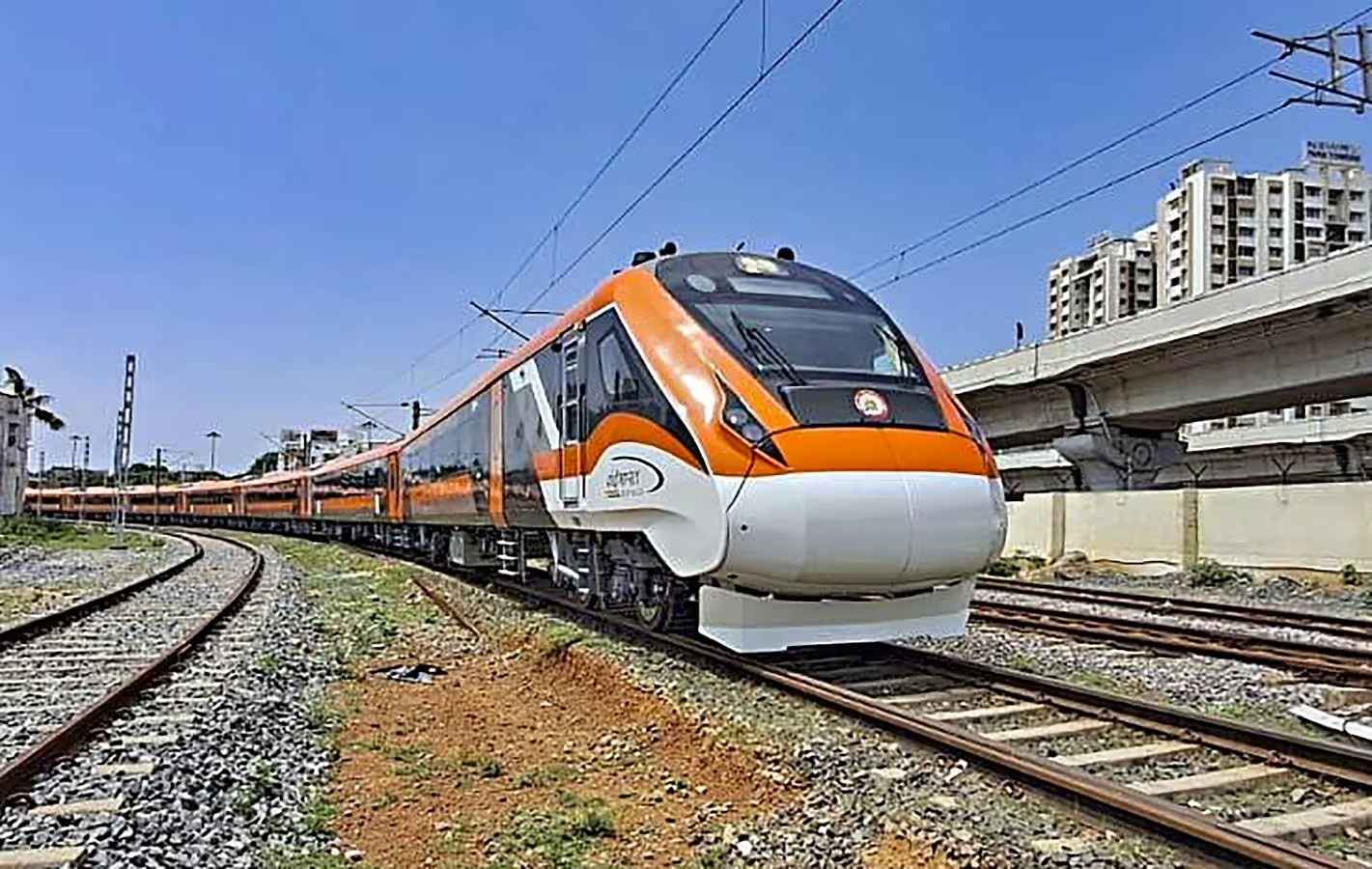
Nagpur-Secunderabad Vande Bharat Train to Be Reduced to 8 Coaches from February 19

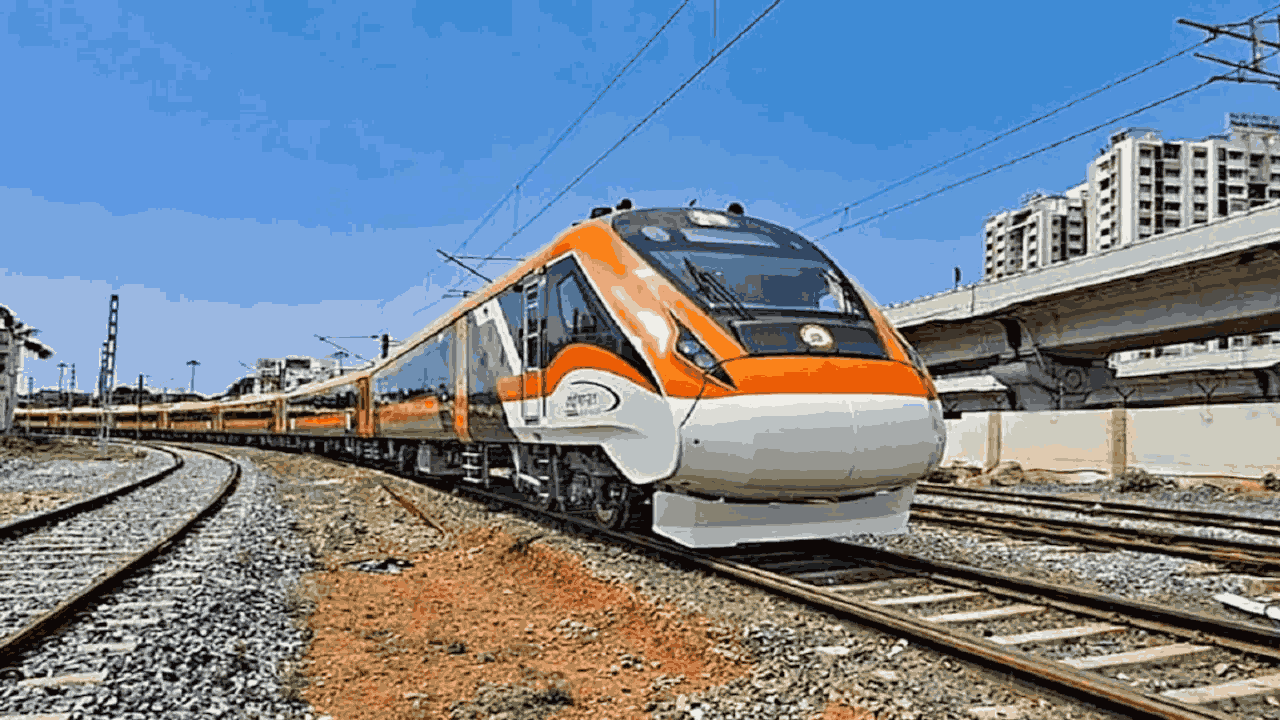
Indian Railways’ flagship semi-high-speed train, the Nagpur-Secunderabad Vande Bharat Express, is set to undergo a significant change. From February 19, 2024, this 20-coach train will be reduced to an 8-coach rake due to low occupancy rates. Despite being India’s first 20-coach Vande Bharat train, it failed to attract the expected number of passengers, prompting officials to take action.

In this article, we’ll break down the reasons behind this decision, explore its impact, and discuss the future of Vande Bharat trains in India.

The Rise and Fall of Nagpur-Secunderabad Vande Bharat

A Grand Launch with High Hopes

The Nagpur-Secunderabad Vande Bharat Express was launched in September 2023 with great enthusiasm. It was expected to revolutionize rail travel between the two major cities, providing a faster, more comfortable, and premium travel experience.

Why the Occupancy Rates Fell Short

Despite its promising start, the train saw only 25% occupancy on average. Several factors contributed to its struggle:

  • Odd Departure Timings: The train leaves Nagpur at 5 AM and reaches Secunderabad in the afternoon. This schedule is inconvenient for many travelers, especially business commuters.
  • Marginal Time Savings: The train takes 7 hours and 15 minutes, whereas conventional express trains cover the same distance in 7.5 to 8 hours.
  • Expensive Ticket Fares: Compared to traditional trains, Vande Bharat’s fares are significantly higher, making it less attractive to budget-conscious travelers.
  • Preference for Overnight Travel: Many passengers prefer overnight trains or even road transport for better flexibility and comfort.

Railways’ Decision to Downsize the Train

Official Statement on Reduction

According to a coaching notification issued by the Principal Chief Operations Manager (PCOM) of Central Railway, the train will now run with only 8 coaches instead of 20. This decision is aimed at redeploying resources more efficiently and optimizing operations based on demand.

Similar Cases in Other Vande Bharat Trains

The Nagpur-Secunderabad route is not the only one facing such an issue. The Nagpur-Bilaspur Vande Bharat Express also started with 16 coaches, but due to low occupancy, it was reduced to 8 coaches within a few months.

How Will This Impact Passengers?

Pros of Downsizing

  • Better Efficiency: Reducing the number of coaches will optimize operational costs.
  • Resource Allocation: Extra coaches can be used for other high-demand routes.
  • Sustainability: Running an underutilized train is economically and environmentally unsustainable.

Cons of Downsizing

  • Limited Seating: Fewer coaches mean reduced availability, which might lead to higher competition for tickets.
  • Uncertain Future: If occupancy doesn’t improve, further modifications might be made to the route or frequency.

What This Means for the Future of Vande Bharat Trains

The Vande Bharat initiative has been a mixed bag of success and challenges. While some routes have thrived, others have struggled to attract passengers. This highlights the importance of:

  1. Careful Route Planning: Indian Railways must analyze demand before launching new trains.
  2. Fare Adjustments: Competitive pricing is crucial to attracting more passengers.
  3. Flexible Timings: Timings should align better with passenger preferences.

The downsizing of the Nagpur-Secunderabad Vande Bharat Express is a reminder that even the most advanced trains need strategic planning to succeed. While the train’s reduced size may improve efficiency, it also reflects the need for Indian Railways to reevaluate schedules, pricing, and passenger demand.

With better planning, the Vande Bharat initiative can still fulfill its promise of modernizing Indian rail travel. The key lies in adapting to real-world passenger needs.

1. Why is the Nagpur-Secunderabad Vande Bharat train being reduced to 8 coaches?

The train has seen low occupancy (25%), making it uneconomical to run a 20-coach train. Downsizing helps redeploy resources to more profitable routes.

2. Will the train timings change after the reduction?

As of now, there are no official changes to the schedule. However, Indian Railways might revise timings in the future to improve demand.

3. Are ticket prices expected to drop after the change?

No official announcement has been made, but lower demand may lead to fare adjustments to attract more passengers.

4. Will more Vande Bharat trains face similar reductions?

It is possible. If other routes experience low demand, they might also see reductions in coaches or schedule modifications.

5. Is Vande Bharat still a successful train project?

Yes, despite some setbacks, many Vande Bharat routes are successful. The project needs route-specific optimizations to maximize efficiency.

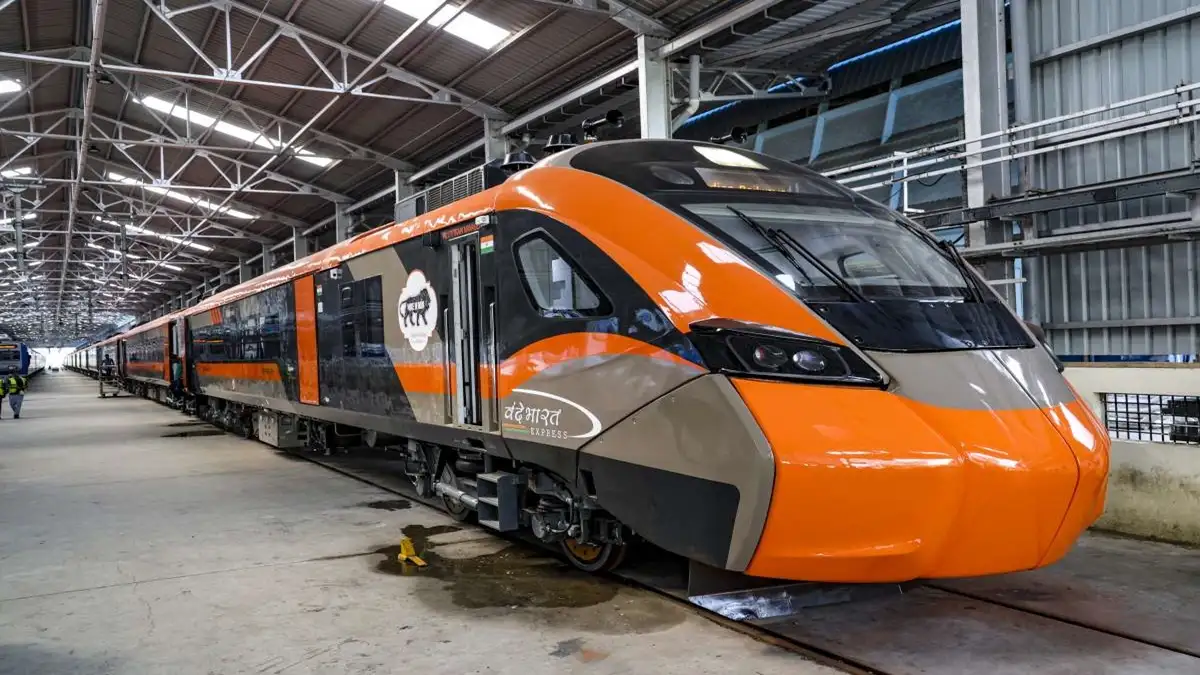
Vande Bharat Sleeper Trains: Revolutionizing Travel Between Nagpur, Mumbai, and Pune

Vande Bharat Sleeper train Nagpur | Mumbai: Imagine zipping through the heart of Maharashtra, cutting down hours of travel time, all while lounging in the comfort of a state-of-the-art sleeper train. Sounds like a dream, right? Well, this dream is about to become a reality with the introduction of the Vande Bharat Sleeper trains.

A New Era in Rail Travel

The Indian Railways is gearing up to launch the Vande Bharat Sleeper, a semi-high-speed superfast train service set to connect Nagpur with Mumbai and Pune. This initiative aims to significantly enhance passenger convenience and connectivity on these high-demand routes.

Current Travel Scenario

Let’s face it; the current train journeys can be quite the marathon.

  • Nagpur to Mumbai: Mail trains take approximately 16 hours, while superfast trains complete the trip in 12 to 13 hours. The Duronto Express offers a slightly faster alternative, covering the distance in 11 to 12 hours.
  • Nagpur to Pune: The journey currently takes around 8 to 10 hours, depending on the train service.

Enter Vande Bharat Sleeper

The Vande Bharat Sleeper is set to revolutionize travel by reducing journey times significantly:

  • Nagpur to Mumbai: Travel time will be slashed to just 10 hours.
  • Nagpur to Pune: The journey will be cut down to a mere 3 hours.

That’s like turning a long-haul flight into a short domestic hop!

Why the Need for Speed?

Over the years, passenger traffic on the Nagpur-Pune and Nagpur-Mumbai routes has surged beyond the capacity of existing trains. This has forced many travelers to rely on road transport, which is often less efficient and comfortable. The introduction of these high-speed sleeper trains aims to address the increasing demand for faster and more comfortable travel options.

Current Train Services: A Bottleneck

Currently, the Nagpur-Pune route is served by:

  • Superfast Express: Operates three times a week.
  • Garib Rath Express: Also runs thrice weekly.
  • Humsafar Express: Operates once a week.

Additionally, the Azad Hind Express and Hatia-Pune Superfast Express provide alternative travel options. However, during peak seasons, these services often struggle to accommodate the high passenger demand.

Similarly, the Nagpur-Mumbai route has limited options:

  • Vidarbha Express: Runs on the Gondia-Mumbai route.
  • Sevagram Express: Serves the Nagpur-Mumbai route.

These limited services lead to extended waiting times for travelers.

The Vision Behind Vande Bharat Sleeper

Vinayak Garg, the Divisional Railway Manager (DRM) of Nagpur, emphasized Nagpur’s strategic significance in the railway network, stating, “With over 125 trains operating daily, Nagpur serves as a crucial junction. The introduction of the Vande Bharat Sleeper train will significantly enhance passenger convenience and connectivity.” He further noted that the new service is expected to launch shortly.

Features of the Vande Bharat Sleeper Trains

Renowned for cutting-edge technology, Vande Bharat trains prioritize passenger comfort and reliability. The introduction of sleeper variants will further elevate the experience of long-distance travel, providing state-of-the-art amenities designed for overnight journeys.

Key Features Include:

  • Modern Sleeper Coaches: Designed for overnight comfort with advanced safety measures.
  • Semi-High-Speed Capability: Enabling reduced travel times between major cities.
  • Enhanced Efficiency: Improved scheduling and faster turnaround times.

Impact on Maharashtra’s Railway Infrastructure

The launch of these trains represents a significant step forward in modernizing Maharashtra’s railway infrastructure, offering passengers a faster, safer, and more convenient mode of travel.

Benefits to Passengers

  • Reduced Travel Time: Spend less time commuting and more time at your destination.
  • Increased Comfort: Modern amenities ensure a pleasant journey.
  • Enhanced Connectivity: More frequent services reduce waiting times.

Looking Ahead

As the Vande Bharat Sleeper trains prepare to roll out, passengers can look forward to a new era of rail travel in Maharashtra. This development not only promises to cut down travel times but also aims to provide a more comfortable and efficient journey for all.

The introduction of the Vande Bharat Sleeper trains marks a transformative moment in Maharashtra’s transportation landscape. By significantly reducing travel times and enhancing passenger comfort, these trains are set to become the preferred mode of travel between Nagpur, Mumbai, and Pune. As we await their launch, the promise of a faster, more comfortable journey is on the horizon.

  1. When will the Vande Bharat Sleeper trains start operating?

    The exact launch date has not been announced yet, but the service is expected to commence shortly.

  2. Will the Vande Bharat Sleeper trains run daily?

    The frequency of the service has not been specified yet.

  3. What amenities can passengers expect on the Vande Bharat Sleeper trains?

    Passengers can look forward to modern sleeper coaches designed for overnight comfort, advanced safety measures, and semi-high-speed capabilities.

  4. How much will tickets cost for the Vande Bharat Sleeper trains?

    Ticket pricing has not been announced yet.

  5. Will the Vande Bharat Sleeper trains have catering services on board?

    While not specified, Vande Bharat trains typically offer onboard catering services.

Vande Bharat Sleeper Train Between Nagpur And Mumbai To Cut Travel Time To 10 Hrs, Launch Expected Soon

India’s railway infrastructure is set for a major upgrade with the introduction of the Vande Bharat Sleeper Train on the Nagpur-Mumbai route. This new initiative aims to reduce travel time significantly, offering passengers a faster and more comfortable journey.

Current Scenario of Nagpur-Mumbai Rail Connectivity

At present, passengers traveling from Nagpur to Mumbai have limited options. The current travel duration varies:

  • Mail trains take approximately 16 hours.
  • Superfast trains complete the journey in 12 to 13 hours.
  • Duronto Express, one of the fastest options, reaches Mumbai in 11 to 12 hours.

With the Vande Bharat Sleeper train, this journey will be reduced to just 10 hours, marking a significant improvement in travel efficiency.

Nagpur-Pune Route: A Much-Needed Expansion

The Nagpur-Pune route also faces congestion with limited train services, including:

  • Nagpur-Pune Superfast Express (operates 3 times a week)
  • Garib Rath Express (operates 3 times a week)
  • Humsafar Express (runs once a week)

Peak travel seasons worsen the situation, leaving passengers with fewer choices. The introduction of the Vande Bharat Sleeper train will help bridge this gap by offering a faster, more reliable travel alternative.

Why the Vande Bharat Sleeper Train is a Game-Changer

1. Reduced Travel Time

The Nagpur-Mumbai travel time will be cut to 10 hours, while the Nagpur-Pune route will take only 3 hours.

2. Improved Passenger Convenience

Nagpur, being a critical railway junction with over 125 trains operating daily, needs better rail connectivity. The new sleeper train will enhance comfort and convenience, especially for overnight journeys.

3. Modern Facilities and Safety Enhancements

The Vande Bharat Sleeper Train is expected to feature:

  • Comfortable reclining berths
  • Modern interiors with better lighting and ventilation
  • Improved safety features, including advanced signaling systems
  • Enhanced security with CCTV surveillance
  • Bio-vacuum toilets for improved hygiene

Official Confirmation & Expected Launch

Vinayak Garg, the Divisional Railway Manager (DRM) of Nagpur, has confirmed that the Nagpur division of the Central Railway has submitted a proposal to the Railway Board for approval. The project is currently under review, and the service is expected to launch soon.

How This Will Benefit Maharashtra’s Rail Passengers

Better Alternatives to Road Transport

Due to overcrowded trains, many passengers have shifted to road travel, which is not always efficient. The new sleeper service will provide a better alternative to long-distance bus journeys.

Boost for Tourism and Business Travel

With improved connectivity, the Vande Bharat Sleeper will benefit:

  • Business travelers commuting between Nagpur, Pune, and Mumbai
  • Tourists visiting Maharashtra’s key destinations
  • Daily commuters and frequent travelers

Comparing Existing Train Options with Vande Bharat Sleeper

Train Name Travel Time (Nagpur-Mumbai) Travel Time (Nagpur-Pune)
Mail Trains 16 hrs 6-8 hrs
Superfast Trains 12-13 hrs 5-6 hrs
Duronto Express 11-12 hrs N/A
Vande Bharat Sleeper 10 hrs 3 hrs

Future Prospects of High-Speed Sleeper Trains in India

Expansion Plans

The Indian Railways is exploring new routes for high-speed sleeper trains, considering major cities across India. If the Nagpur-Mumbai sleeper service is successful, more Vande Bharat Sleeper Trains could be launched on high-demand routes.

Infrastructure Upgrades

To support faster rail services, Indian Railways is working on:

  • Track modernization projects
  • Upgraded signaling systems
  • Introduction of semi-high-speed corridors

The launch of the Vande Bharat Sleeper Train between Nagpur and Mumbai is a significant milestone in India’s railway network. This service will not only reduce travel time but also provide a superior travel experience with modern amenities. As passenger demand grows, these new sleeper trains will play a pivotal role in shaping the future of Indian Railways.

1. When will the Vande Bharat Sleeper Train between Nagpur and Mumbai start?

The service is currently under review by the Railway Board, and the launch is expected soon.

2. How much time will the Vande Bharat Sleeper take between Nagpur and Mumbai?

It will reduce travel time to 10 hours, making it one of the fastest options.

3. Will the train also connect Nagpur to Pune?

Yes, the new service is expected to cover the Nagpur-Pune route in just 3 hours.

4. What are the key features of the Vande Bharat Sleeper Train?

The train will feature comfortable berths, modern interiors, improved security, and bio-vacuum toilets.

5. Will more Vande Bharat Sleeper Trains be introduced in India?

Yes, Indian Railways is exploring new high-speed sleeper train routes to enhance connectivity.

Nagpur-Danapur-Nagpur Special Train Service for Prayagraj Mahakumbh

The Mahakumbh Mela, a grand spiritual gathering held every 12 years, is set to take place in Prayagraj from January 13 to February 26, 2025. To accommodate the influx of pilgrims, the South East Central Railway (SECR) Nagpur division has announced special train services between Nagpur and Danapur. This initiative aims to provide a seamless and comfortable journey for devotees traveling to the holy city.

Overview of the Mahakumbh Mela

The Mahakumbh Mela is one of the largest religious congregations globally, attracting millions of devotees who gather to take a holy dip at the confluence of the Ganges, Yamuna, and the mythical Saraswati rivers. The event holds immense spiritual significance, and the upcoming Mahakumbh in 2025 is expected to witness a substantial turnout.

SECR’s Initiative for Pilgrims

Understanding the need for efficient transportation during the Mahakumbh, the SECR’s Nagpur division has planned to run eight special trains between Nagpur and Danapur. These trains are scheduled to operate on specific dates to manage the anticipated surge in passenger traffic.

Detailed Train Schedule

The special train services are organized as follows:

  • Train No. 01217 Nagpur-Danapur Kumbh Mela Special
    • Departure Dates: January 26, February 5, February 9, and February 23, 2025
    • Departure Time from Nagpur: 10:10 AM
    • Arrival at Danapur: 11:00 AM the following day
  • Train No. 01218 Danapur-Nagpur Kumbh Mela Special
    • Departure Dates: January 27, February 6, February 10, and February 24, 2025
    • Departure Time from Danapur: 4:00 PM
    • Arrival at Nagpur: 7:30 PM the following day

Route and Halts

These special trains will traverse the following route, with designated halts to facilitate passenger boarding and deboarding:

  • Route: Nagpur → Narkher → Amla → Betul → Itarsi → Pipariya → Narsinghpur → Jabalpur → Katni → Maihar → Satna → Manikpur → Prayagraj Chheoki → Mirzapur → Chunar → Pt. Deen Dayal Upadhyay Jn → Buxar → Ara → Danapur

Coach Composition

To ensure ample seating and comfort, each train will comprise:

  • 2 AC 2-Tier Coaches
  • 4 AC 3-Tier Coaches
  • 6 Sleeper Class Coaches
  • 6 General Second Class Coaches
  • 2 General Second Class cum Guard’s Brake Vans

Reservation Details

Bookings for these special trains commenced on December 20, 2024. Passengers can reserve their seats through all Passenger Reservation System (PRS) centers and the official IRCTC website. Notably, the General Second Class coaches will operate as unreserved coaches, with tickets available via the Unreserved Ticketing System (UTS).

Additional Special Train Services

In addition to the Nagpur-Danapur specials, the Central Railway has announced other special train services to cater to pilgrims from various regions:

  • Chhatrapati Shivaji Maharaj Terminus (CSMT) – Mau Kumbh Mela Specials
    • Train No. 01033: Departs from CSMT on select dates and arrives at Mau the next day.
    • Train No. 01034: Returns from Mau on specified dates, reaching CSMT the following day.
  • Pune – Mau Kumbh Mela Specials
    • Train No. 01455: Leaves Pune on designated dates, arriving at Mau the next day.
    • Train No. 01456: Departs from Mau on particular dates, reaching Pune the subsequent day.

Importance of These Services

The introduction of these special train services underscores the railway’s commitment to facilitating smooth travel for pilgrims. By providing additional trains with strategic halts and adequate seating, the SECR aims to enhance the overall pilgrimage experience during the Mahakumbh.

Travel Tips for Pilgrims

For a hassle-free journey, pilgrims are advised to:

  • Plan Ahead: Given the high demand during the Mahakumbh, it’s prudent to book tickets well in advance.
  • Stay Informed: Regularly check official railway websites or apps for updates on train schedules and seat availability.
  • Adhere to Guidelines: Follow all travel advisories and guidelines issued by the railway authorities to ensure safety and comfort.

The Mahakumbh Mela is a monumental event, and the SECR’s initiative to introduce special train services between Nagpur and Danapur is a commendable step towards accommodating the needs of countless pilgrims. By availing these services, devotees can look forward to a comfortable and efficient journey to the sacred city of Prayagraj.

  1. What are the departure dates for the Nagpur-Danapur special trains?
    • The trains depart from Nagpur on January 26, February 5, February 9, and February 23, 2025.
  2. How can I book tickets for these special trains?
    • Reservations can be made through all PRS centers and the IRCTC website.
  3. Are there unreserved coaches available?
    • Yes, the General Second Class coaches operate as unreserved, and tickets can be purchased via the UTS.
  4. What is the route of the Nagpur-Danapur special train?
    • The train passes through several stations, including Narkher, Amla, Betul, Itarsi, and Jabalpur, before reaching Danapur.
  5. Where can I find detailed timings and halts for these trains?
    • For comprehensive information, visit the official railway enquiry website or download the NTES app.

Central Railway: QR Code and UTS App Facilities for Ticket and Parcel Booking

UTS App Facilities: In the fast-paced world we live in, digital transformation has become a key player in enhancing our daily experiences. For railway passengers, this means a smoother, faster, and more convenient travel experience. Central Railway, under the dynamic leadership of Divisional Railway Manager Shri Vinayak Garg, has embraced cutting-edge technologies like QR code-based payments and the UTS mobile app. These innovations are designed to make ticket and parcel booking easier, safer, and more efficient. Let’s take a deep dive into these services and how they are reshaping railway travel for the better.

Central Railway is always at the forefront when it comes to enhancing the passenger experience. The Nagpur Division, led by Shri Vinayak Garg, has spearheaded the introduction of two significant digital innovations—QR code-based payments for ticket and parcel bookings and the UTS mobile app. These efforts are part of a larger initiative to make rail travel more accessible and efficient.

With technology making every aspect of our lives more convenient, why not bring it to our railway systems as well? By embracing digital solutions, Central Railway has made significant strides toward transforming the way we travel.

QR Code-Based Payment for Ticket Booking | UTS App Facilities

Gone are the days of waiting in long lines, fumbling with cash, or worrying about card payments. Now, passengers can simply scan a QR code to pay for their reserved or unreserved (general) tickets. This revolutionary feature eliminates the need for cash or POS machines, enabling faster and hassle-free payments.

Why QR Code Payment is a Game-Changer

  • Quick and Easy: All you need is your smartphone to scan the QR code displayed at the ticket counter.
  • Secure Transactions: Digital payments are secure, reducing the chances of errors or fraud.
  • Time-Saving: Forget long queues or waiting for your turn to swipe a card. QR code payments speed up the process.
  • Promotes Digital Payments: This system aligns with the broader initiative to reduce cash usage and encourage digital transactions, making the entire process more transparent and efficient.

By adopting this method, Central Railway not only ensures a smoother travel experience for passengers but also supports the government’s push for a cashless society.

QR Code-Based Payment for Parcel Booking

Not only is ticket booking becoming easier, but parcel booking is also undergoing a digital makeover. Central Railway has introduced QR code-based payment options for parcel bookings as well. This brings added convenience for customers sending or receiving parcels via rail.

Benefits of QR Code Payments for Parcel Booking

  • Streamlined Process: No need to wait for cash transactions or swipe cards. Simply scan the QR code to complete the payment.
  • Transparent Payment Process: Digital payments ensure a transparent, hassle-free method for customers.
  • Secure and Efficient: This method ensures the security of payments, making it safe for both customers and railway staff.

With this system, sending parcels via rail has never been easier or more convenient.

UTS Mobile App: A Digital Solution for Unreserved Ticket Booking (UTS App Facilities)

In an effort to make ticket booking even more seamless, the UTS Mobile App has become an essential tool for passengers. The app allows users to book unreserved tickets, season tickets, and platform tickets all from the comfort of their phones. Gone are the days of standing in long lines at the station!

Key Features of the UTS App | UTS App Facilities

  • Paperless Tickets: Say goodbye to paper tickets! All your bookings, including general tickets, season tickets, and platform tickets, are stored digitally within the app.
  • Paper Tickets: If needed, tickets booked via the app can easily be printed at Automatic Ticket Vending Machines (ATVM) or ticket counters.
  • Season Tickets: Whether it’s a monthly, half-yearly, or yearly season ticket, the app allows passengers to purchase these with ease.
  • Ticket Cancellation: Need to cancel a ticket? The app provides a flexible cancellation option with applicable charges.

How to Download the UTS App?

To get started, passengers can download the UTS app on their smartphones. It’s available for both Android and iOS users.

Experience Modern Facilities with Central Railway

By adopting these digital solutions, Central Railway is setting a high bar for other railway services. The integration of QR code-based payments and the UTS mobile app ensures passengers can enjoy a more efficient, seamless, and secure travel experience.

How These Innovations Are Shaping the Future of Rail Travel

  1. Convenience: Both QR codes and the UTS app offer unmatched convenience. Passengers no longer need to carry cash or stand in long lines to book tickets or parcels.
  2. Security: With digital payments becoming the norm, these innovations ensure secure transactions, minimizing the risk of fraud.
  3. Efficiency: The elimination of manual processes makes booking and payment faster, which is a win for both passengers and railway staff.

Central Railway is embracing the future, and passengers are already reaping the benefits.

The introduction of QR code-based payments and the UTS mobile app by Central Railway is a clear indication that the future of rail travel is here. These services not only provide passengers with more convenience and security but also align with the larger vision of a digitally-driven, cashless society. By embracing such innovations, Central Railway has set an example of how technology can transform everyday experiences for the better.

So, next time you’re planning your rail journey or sending a parcel, remember that Central Railway has simplified the process. Experience smart travel, digital payments, and the future of railways today!

  1. How do I use QR code payments for ticket booking?
    • Simply scan the QR code displayed at the ticket counter and make the payment using your phone.
  2. Is the UTS mobile app available for both Android and iOS?
    • Yes, the UTS app can be downloaded on both Android and iOS devices.
  3. Can I cancel tickets booked via the UTS app?
    • Yes, you can cancel tickets booked through the app, with applicable cancellation charges.
  4. What types of tickets can I book using the UTS app?
    • You can book general tickets, season tickets, and platform tickets via the UTS app.
  5. How does QR code-based payment improve parcel booking?
    • It ensures a quicker, secure, and more transparent payment process, making parcel booking more efficient.

Enhancing Connectivity: Indore-Nagpur Vande Bharat Express Introduces Experimental Halt at Narmadapuram Station

In a significant move to boost passenger convenience, the Railway Board has greenlit an experimental halt for the Indore–Nagpur Vande Bharat Express at Narmadapuram Station, situated within the Bhopal Division of the West Central Railway (WCR). This initiative, effective from January 31, 2025, underscores the Railways’ commitment to enhancing regional connectivity and passenger satisfaction.

Key Details of the Experimental Halt

  • Division: Bhopal
  • Train Numbers and Routes:
    • Train No. 20911 Indore-Nagpur Vande Bharat Express
      • Arrival at Narmadapuram: 10:22 hrs
      • Departure from Narmadapuram: 10:23 hrs
    • Train No. 20912 Nagpur-Indore Vande Bharat Express
      • Arrival at Narmadapuram: 19:22 hrs
      • Departure from Narmadapuram: 19:23 hrs

This experimental stoppage will be closely monitored over a five-month period. Passenger footfall, traffic data, and feedback will play pivotal roles in determining the halt’s future.

Understanding the Indore-Nagpur Vande Bharat Express

The Indore–Nagpur Vande Bharat Express, operational since June 27, 2023, connects Indore in Madhya Pradesh with Nagpur in Maharashtra. This semi-high-speed train has been instrumental in reducing travel time and enhancing passenger comfort between these major cities.

Route and Schedule

The train operates six days a week, excluding Sundays, covering a distance of approximately 636 kilometers in about 8 hours and 20 minutes. Key stoppages include:

  • Indore Junction (INDB): Departure at 06:10 hrs
  • Ujjain Junction (UJN): Arrival at 06:50 hrs; Departure at 06:55 hrs
  • Bhopal Junction (BPL): Arrival at 09:10 hrs; Departure at 09:15 hrs
  • Itarsi Junction (ET): Arrival at 10:35 hrs; Departure at 10:40 hrs
  • Betul (BZU): Arrival at 11:58 hrs; Departure at 12:00 hrs
  • Nagpur Junction (NGP): Arrival at 14:30 hrs

Note: The above schedule is subject to change. Passengers are advised to verify timings before travel.

Significance of the Narmadapuram Halt

Introducing a halt at Narmadapuram Station is a strategic move to enhance regional connectivity. This decision is expected to:

  • Boost Local Economy: Improved accessibility can lead to increased economic activities in Narmadapuram and surrounding areas.
  • Enhance Passenger Convenience: Residents of Narmadapuram will benefit from direct access to a premium train service, reducing the need to travel to distant stations.
  • Gather Valuable Feedback: The experimental halt will provide insights into passenger demand and operational feasibility.

Monitoring and Evaluation

Over the next five months, the Railway Board will assess:

  • Passenger Footfall: Monitoring the number of passengers boarding and alighting at Narmadapuram.
  • Traffic Data: Analyzing the impact on overall train schedules and punctuality.
  • Passenger Feedback: Collecting opinions to gauge satisfaction and areas of improvement.

Based on these evaluations, a decision will be made regarding the permanent inclusion of the Narmadapuram halt.

Passenger Information

For those planning to utilize the new halt, here are some key points:

  • Ticket Booking: Tickets can be booked through the official Indian Railways booking platforms. Ensure to select Narmadapuram as your boarding or destination station.
  • Amenities: The Vande Bharat Express offers modern amenities, including comfortable seating, onboard catering, and Wi-Fi services.
  • Punctuality: Passengers are advised to arrive at the station at least 15 minutes before the scheduled departure to ensure a smooth boarding experience.

The experimental stoppage of the Indore–Nagpur Vande Bharat Express at Narmadapuram Station marks a proactive step by the Railway Board to enhance passenger convenience and regional connectivity. This initiative reflects the Railways’ dedication to continuous improvement and responsiveness to passenger needs. As the evaluation progresses, passenger participation and feedback will be crucial in shaping the future of this service enhancement.

  1. What is the purpose of the experimental halt at Narmadapuram Station?
    • The halt aims to enhance passenger convenience and assess the demand for a stop at Narmadapuram.
  2. How long will the experimental halt be in place?
    • The halt will be monitored over a five-month period, after which a decision will be made regarding its permanence.
  3. Can I book tickets to or from Narmadapuram Station on the Vande Bharat Express?
    • Yes, passengers can book tickets to or from Narmadapuram Station through official Indian Railways booking platforms.
  4. What amenities are available on the Indore–Nagpur Vande Bharat Express?
    • The train offers comfortable seating, onboard catering, Wi-Fi services, and modern passenger facilities.
  5. How can I provide feedback about the new halt at Narmadapuram?
    • Passengers can share their feedback through official Indian Railways channels or at Narmadapuram Station.

‘Change Nagpur-Bilaspur Vande Bharat Timing’

The Nagpur-Bilaspur Vande Bharat train is one of the most crucial transportation options for passengers traveling between these two key cities in Maharashtra and Chhattisgarh. However, a recent proposal by the Divisional Railway Users’ Consultative Committee (DRUCC) of the South East Central Railway (SECR) suggests that the timing of the train be modified to better align with the Nagpur-Indore Vande Bharat. In this article, we will delve into the details of this suggestion, its implications, and the broader impact it may have on travelers.

What is the Proposal to Change the Timing of Nagpur-Bilaspur Vande Bharat?

The proposal to adjust the timing of the Nagpur-Bilaspur Vande Bharat train came up during a meeting between the DRUCC and SECR authorities, led by Divisional Regional Manager (DRM) Deepak Kumar Gupta. The primary aim of the proposal is to improve the connectivity between Nagpur and Bilaspur by aligning the timings of the two popular Vande Bharat trains: Nagpur-Bilaspur and Nagpur-Indore.

Why is This Change Needed?

Currently, the Nagpur-Bilaspur Vande Bharat operates on a different schedule compared to the Nagpur-Indore Vande Bharat, which affects the overall ease of travel for passengers who wish to use both services. Aligning the timings would allow passengers to switch between the two trains seamlessly, thus enhancing connectivity and reducing travel time.

How Will the Change Improve Connectivity?

Better coordination between the two trains means that passengers will no longer have to wait for long hours between connections. With synchronized timings, travelers can expect faster and more efficient transfers, boosting overall satisfaction and reducing congestion at major stations.

The Role of DRUCC in This Proposal

The Divisional Railway Users’ Consultative Committee (DRUCC) plays a significant role in representing the concerns of passengers to the railway authorities. In this case, the DRUCC members have underlined the importance of enhancing train services for better connectivity, not just between Nagpur and Bilaspur, but across the region. The DRUCC’s active involvement in proposing changes like these demonstrates their commitment to improving the railway system for everyday travelers.

What Other Issues Were Raised During the Meeting?

Apart from the timing change proposal, the DRUCC also discussed other pressing concerns related to railway services. Some of the significant issues raised include:

  • Increase in Stoppages at Wadsa Station: Wadsa station is currently the only operational railway station in the Gadchiroli district, and DRUCC members have requested more stoppages and increased frequency of trains passing through this area to serve the local population better.
  • Stoppages at Dongargaon Station: Dongargaon station sees heavy footfall, especially from devotees visiting nearby holy places. The DRUCC has demanded permanent stoppages for key long-distance trains at this station to ease the burden on passengers.
  • Lack of Lifts and Escalators at Kamptee Station: DRUCC members highlighted the absence of lifts or escalators at Kamptee station, which is a significant inconvenience for elderly and physically challenged passengers.
  • Gondia Station Platform Issues: Platform number six at Gondia station does not have a digital display, which can cause confusion among passengers, particularly for those relying on real-time information.

Addressing the Needs of Physically Challenged Passengers

Another important issue raised by the DRUCC members was the need for battery-operated cars to be available at key stations for the physically challenged and elderly. This would ensure better mobility and provide a more inclusive experience for all passengers, regardless of their physical condition.

How Will SECR Respond to These Suggestions?

The meeting concluded with DRM Deepak Kumar Gupta assuring the DRUCC representatives that he would personally look into these concerns and work on resolving them at either the regional level or by escalating them to the Railway Board. While some of the changes may take time to implement, the collaboration between the DRUCC and SECR is a step in the right direction for improving rail services in the region.

Will These Changes Affect Other Train Services?

While the Nagpur-Bilaspur Vande Bharat timing change is the primary focus of the DRUCC’s proposal, the suggestions for increased stoppages at various stations and the improvement of station facilities could lead to operational adjustments in several other services. These improvements will likely create a ripple effect, enhancing the overall efficiency and safety of the railway network.

The Future of Nagpur-Bilaspur Vande Bharat

As the Nagpur-Bilaspur Vande Bharat train service continues to gain popularity, it is essential for the railway authorities to ensure that the service meets the growing demands of passengers. Aligning the timings with other trains, improving station facilities, and addressing passenger concerns are vital steps in maintaining the efficiency of the service and keeping up with the rising expectations of travelers.

A Positive Step Forward for Railway Connectivity

The proposed change in the Nagpur-Bilaspur Vande Bharat timings is an essential move towards improving connectivity between Nagpur and Bilaspur, as well as enhancing the overall passenger experience. While this is just one of the many proposals being discussed by the DRUCC and SECR, it signifies a positive direction for the future of rail travel in the region. By addressing concerns like station accessibility, train stoppages, and better connectivity, the authorities are showing that they are committed to improving the quality of service for all railway passengers.

  1. Why does the DRUCC want to change the Nagpur-Bilaspur Vande Bharat timings?
    • The DRUCC wants to align the timings with the Nagpur-Indore Vande Bharat train for better connectivity and smoother transfers for passengers.
  2. What other issues were raised during the DRUCC meeting?
    • Other issues included increased stoppages at Wadsa and Dongargaon stations, better facilities at Kamptee and Gondia stations, and making battery-operated cars available for elderly passengers.
  3. How will the change in timing affect passengers?
    • Aligning the timings will make it easier for passengers to switch between the two trains, improving travel efficiency and reducing waiting times.
  4. Will these changes be implemented immediately?
    • While the changes are being considered, some may take time to implement as they need to be addressed at various levels of the railway authorities.
  5. What role does the DRUCC play in improving railway services?
    • The DRUCC acts as a bridge between passengers and railway authorities, raising important concerns and suggesting improvements to enhance services.

Nagpur Railway Station Marks 100 Glorious Years Of Service: A Century Of Heritage, Connectivity, And Progress

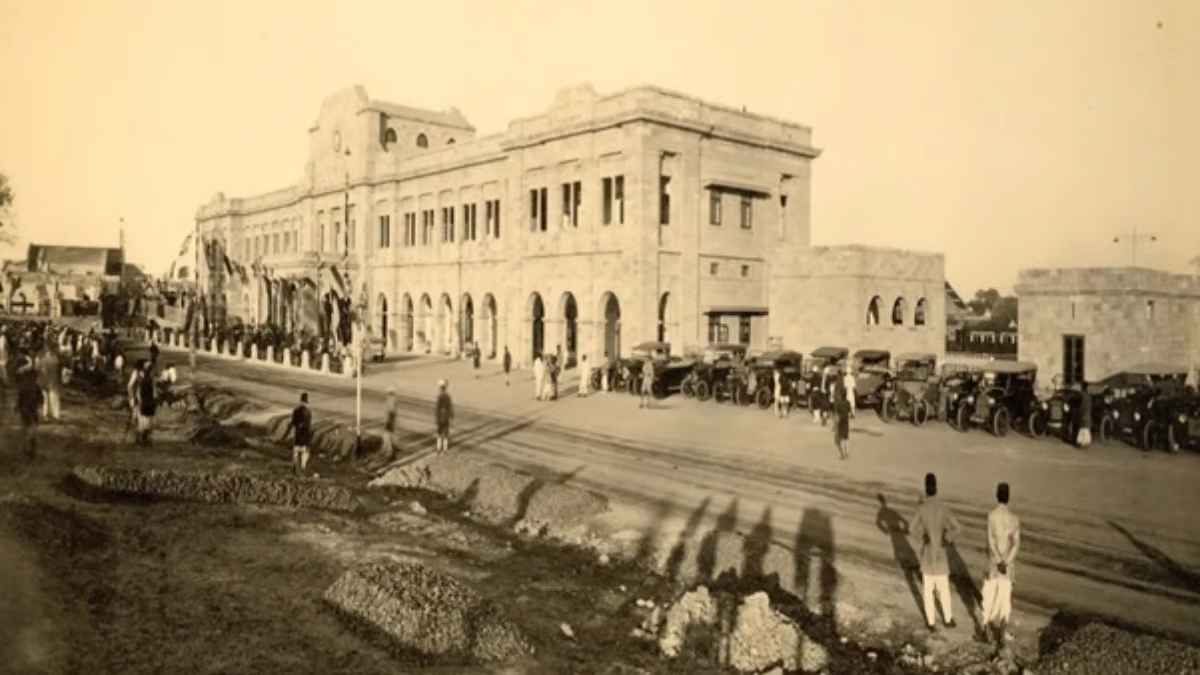
Nagpur Railway Station Heritage: Nagpur Railway Station, a monumental hub in the heart of India’s rail network, recently celebrated a remarkable milestone—100 years of dedicated service. Officially inaugurated on January 15, 1925, by Sir Frank Sly, the then Governor of the Central Provinces, the station has evolved into a vibrant symbol of connectivity, heritage, and progress.

A Glimpse Into The Past

The Beginning of Nagpur’s Rail Journey | Nagpur Railway Station Heritage

The journey began in 1867 when the railways first reached Nagpur, ushering in a new era of connectivity. Originally a modest structure, it gradually gained prominence as the city’s lifeline.

The Renaming and Mahatma Gandhi’s Visit

Renamed Nagpur Junction in 1920, the station’s significance soared when it hosted Mahatma Gandhi during the Non-Cooperation Movement. This marked a pivotal moment in the station’s history, intertwining it with India’s struggle for independence.

The Iconic Inauguration in 1925

In 1925, the current station building was inaugurated, reflecting colonial architectural brilliance. This structure has withstood the test of time, symbolizing Nagpur’s enduring heritage.

Strategic Importance of Nagpur Railway Station

At the Crossroads of India’s Rail Network

Strategically located at the intersection of the Howrah–Mumbai and Delhi–Chennai corridors, Nagpur Railway Station serves as a crucial junction. Its iconic Diamond Crossing—a unique point where two major railway lines intersect—cements its role in connecting diverse regions of the country.

A Hub of Activity

Handling an average of 283 trains daily, including 96 originating or terminating at the station, Nagpur is one of the busiest railway hubs in India. It also serves as the starting point for 18 trains, ensuring its prominence in the national network.

Passenger Growth Over the Years

Surging Passenger Numbers

The station’s passenger footfall has grown exponentially over the decades. During the financial year 2023-24, it recorded an average daily footfall of 64,541, totaling 2.36 crore passengers. This number surged to 68,729 daily passengers in the current financial year, highlighting its increasing importance.

Meeting Rising Demands

Nagpur Railway Station’s ability to adapt to growing demands has been crucial. Its infrastructure and services have evolved to accommodate the rising influx of passengers while maintaining operational efficiency.

A Beacon of Modernization

Redevelopment Project: A New Era

In December 2022, Prime Minister Narendra Modi launched an ambitious redevelopment project worth ₹488 crore. This initiative aims to transform Nagpur Railway Station into a world-class facility, featuring:

  • A roof plaza
  • Multimodal integration
  • Eco-friendly infrastructure

These upgrades are set to redefine passenger experiences and operational capabilities.

Introduction of Vande Bharat Express

The prestigious Vande Bharat Express was introduced in December 2022, further solidifying Nagpur’s reputation as a hub of innovation and progress within the Indian Railways network.

Architectural Charm and Historical Significance

Colonial Design Meets Modern Needs

The station’s colonial-era design seamlessly blends with modern amenities, offering a unique travel experience. Its grandeur speaks volumes about its historical and cultural significance.

Memories Through the Decades

From hosting freedom fighters to witnessing technological advancements, Nagpur Railway Station has been a silent observer of India’s transformation.

Sustainability Initiatives

Eco-Friendly Infrastructure

The station’s redevelopment includes eco-friendly features such as energy-efficient lighting, rainwater harvesting, and waste management systems.

Green Certification

Efforts are underway to secure green certifications, ensuring the station’s sustainability for future generations.

Cultural and Economic Impact

Boosting Tourism

Nagpur Railway Station acts as a gateway to nearby tourist attractions, including wildlife sanctuaries and historical landmarks. This boosts local tourism and contributes to the economy.

Employment Opportunities

The station’s operations and redevelopment projects have created numerous job opportunities, fostering economic growth in the region.

Looking Ahead

Preparing for the Next Century

As Nagpur Railway Station celebrates a century of excellence, it remains committed to evolving with the times. The ongoing redevelopment and modernization efforts ensure it will continue to serve as a cornerstone of India’s rail infrastructure for another hundred years and beyond.

A Legacy of Service and Connectivity

With its rich history and bold vision for the future, Nagpur Railway Station stands as a testament to India’s progress and resilience. It is more than just a transit point; it is a living legacy of connectivity and heritage.

Nagpur Railway Station’s centennial milestone is a celebration of its journey from a modest station to a bustling hub of heritage and progress. As it gears up for the future, the station continues to inspire, connect, and serve millions of passengers every year. Here’s to another century of excellence!

1. When was Nagpur Railway Station inaugurated?

Nagpur Railway Station was officially inaugurated on January 15, 1925, by Sir Frank Sly.

2. What is the significance of the Diamond Crossing at Nagpur?

The Diamond Crossing is a unique intersection where two major railway lines—Howrah–Mumbai and Delhi–Chennai—converge, highlighting Nagpur’s strategic importance.

3. What are the key features of the redevelopment project?

The redevelopment project includes a roof plaza, multimodal integration, eco-friendly infrastructure, and improved passenger amenities.

4. How many trains are handled daily at Nagpur Railway Station?

The station handles an average of 283 trains daily, including 96 that originate or terminate there.

5. What role does Nagpur Railway Station play in tourism?

The station serves as a gateway to regional tourist attractions, boosting local tourism and contributing to the economy.

Sleeper Vande Bharat Express for Nagpur, Pune, and Mumbai Proposed

Imagine boarding a train that combines luxury, speed, and comfort, seamlessly catering to long-distance travelers. That’s the vision behind the proposed Sleeper Vande Bharat Express trains on the Nagpur-Pune and Nagpur-Mumbai routes. The Central Railway division’s proposal to the Railway Board has created a buzz among frequent travelers and railway enthusiasts alike. But what makes this development so significant? Let’s dive into the details.


What is the Vande Bharat Express?

The Vande Bharat Express, also known as Train 18, is a flagship project of Indian Railways. Known for its cutting-edge features and unparalleled speed, it’s a symbol of India’s progress in modernizing rail travel. Currently, these trains are designed for short to medium distances, covering 5-7 hours of travel. However, with the demand for overnight journeys growing, the sleeper variant is set to redefine long-distance train travel.


Proposed Routes for Sleeper Vande Bharat

Nagpur-Pune Route

The Nagpur-Pune route is a vital link between central and western India. This route sees heavy passenger traffic due to business, education, and tourism. The introduction of the Sleeper Vande Bharat Express on this route promises to:

  • Reduce travel time significantly.
  • Offer a luxurious alternative to existing trains.
  • Enhance connectivity between two key cities.

Nagpur-Mumbai Route

Mumbai, the financial capital of India, is a major destination for travelers from Nagpur. The sleeper variant on this route is expected to:

  • Cater to overnight travelers.
  • Provide unmatched comfort and convenience.
  • Strengthen economic ties by improving accessibility.

Why is the Sleeper Variant Necessary?

The Vande Bharat Express has already proven its mettle in short-distance journeys. However, for routes requiring overnight travel, the current setup falls short. Here’s why the sleeper variant is a game-changer:

  • Longer Journey Durations: Unlike the existing seating arrangement, sleeper coaches will allow passengers to rest comfortably during overnight trips.
  • Increased Capacity: The addition of sleeper coaches can accommodate more passengers, meeting the growing demand for long-distance travel.
  • Enhanced Passenger Experience: Features like modern bedding, personal charging ports, and adjustable lighting will elevate the travel experience.

Production and Development of Sleeper Coaches

The production of sleeper Vande Bharat coaches is already underway. Indian Railways is leveraging state-of-the-art technology to ensure these trains meet international standards. These coaches will include:

  • Ergonomic Design: Optimized for space and comfort.
  • Advanced Safety Features: Including fire-retardant materials and modern braking systems.
  • Eco-Friendly Amenities: Focused on sustainability, with minimal environmental impact.

Existing Vande Bharat Operations in Nagpur

Nagpur, a strategic railway hub, already enjoys the services of the Vande Bharat Express on three routes:

  1. Nagpur-Secunderabad: While the journey takes about 7 hours and 15 minutes, this route has struggled to meet expectations.
  2. Nagpur-Indore: This route has received excellent feedback, highlighting its efficiency and popularity.
  3. Nagpur-Bilaspur: Another well-received route, showcasing the demand for such premium services.

Challenges and Solutions

Challenges in Implementation

  • Approval Delays: The Railway Board’s final decision is pending.
  • Infrastructure Requirements: Upgrading tracks and stations to handle these advanced trains.
  • Operational Costs: Higher initial investment for manufacturing and maintenance.

Proposed Solutions

  • Streamlining the approval process to expedite the launch.
  • Allocating dedicated funds for infrastructure upgrades.
  • Introducing competitive ticket pricing to ensure affordability.

Passenger Benefits of Sleeper Vande Bharat

1. Comfort Redefined

Think of these trains as a hotel on wheels. With fully reclining seats, ample legroom, and noise-reducing interiors, passengers can expect unmatched comfort.

2. Time Efficiency

With speeds up to 160 km/h, these trains are designed to save precious hours, making overnight journeys more productive.

3. Safety First

Equipped with advanced safety mechanisms, passengers can travel with peace of mind. From anti-collision systems to CCTV monitoring, no stone is left unturned.


Economic and Environmental Impact

Boost to Local Economies

Improved connectivity between cities will:

  • Encourage tourism.
  • Facilitate business opportunities.
  • Create jobs in related sectors.

Sustainability at its Core

These trains are designed with eco-friendly features like energy-efficient engines and reduced carbon emissions, aligning with India’s sustainability goals.


What’s Next?

While the proposal for Sleeper Vande Bharat trains has been submitted, the final decision lies with the Railway Board. If approved, this initiative could revolutionize train travel in India, offering a blend of luxury, speed, and convenience.


The proposed Sleeper Vande Bharat Express trains are not just a step forward for Indian Railways but a leap toward redefining travel for millions. With state-of-the-art features, unmatched comfort, and a focus on sustainability, these trains promise to set new benchmarks in long-distance travel. So, are you ready to experience the future of Indian railways?


1. When will the Sleeper Vande Bharat Express be launched?

The launch date is yet to be finalized as the proposal is awaiting approval from the Railway Board.

2. What are the key features of the Sleeper Vande Bharat Express?

Key features include fully reclining sleeper berths, modern amenities, advanced safety mechanisms, and eco-friendly designs.

3. Which routes will the Sleeper Vande Bharat initially cover?

The proposed routes are Nagpur-Pune and Nagpur-Mumbai, connecting central and western India.

4. How does the Sleeper Vande Bharat differ from existing trains?

The sleeper variant is designed for overnight travel with enhanced comfort, speed, and capacity compared to regular trains.

5. What is the ticket pricing for the Sleeper Vande Bharat?

Pricing details will be announced closer to the launch, with an aim to balance affordability and premium services.

Special Trains from Nagpur Division for Ajmer Urs

Special trains Ajmer Urs: Planning a journey for a special occasion? The Railway Administration has you covered for the 813th Urs-e-Sharif celebration at Ajmer. To manage the large crowds expected, special trains have been scheduled on the 2nd and 3rd of January 2025. Here’s everything you need to know!

Why Special Trains Are Essential

The Urs-e-Sharif celebration in Ajmer draws thousands of devotees from across the country. Managing such a massive influx requires meticulous planning, and the introduction of special trains ensures convenience and comfort for the pilgrims.

Train No. 07119/07120: Tirupati – Madar Jn. Special Express

Train No. 07119: Tirupati to Madar Jn. (1 Trip)

  • Departure: 2nd January 2025, 07:00 AM from Tirupati.
  • Arrival at Nagpur: 3rd January 2025, 07:30 AM.
  • Final Destination: Madar Jn., arriving on 4th January 2025, 05:15 AM.

Train No. 07120: Madar Jn. to Tirupati (1 Trip)

  • Departure: 9th January 2025, 04:00 AM from Madar Jn.
  • Arrival at Nagpur: 9th January 2025, 00:55 AM.
  • Final Destination: Tirupati, arriving on 10th January 2025, 11:00 PM.

Stops Along the Route

The train will halt at key stations such as:

  • Renigunta, Kadapa, Yeraguntla, Tadipatri, Gooty, Dhone, Kurnool Town
  • Gadwal, Mahbubnagar, Shadnagar, Kachiguda, Moula-Ali Gate Cabin, Cherlapalli
  • Kazipet, Peddapalli, Mancherial, Ballarshah, Chandrapur, Sewagram
  • Nagpur, Amala, Junzharpur Cabin, Bhopal, Sant Hirdaram Nagar, Ujjain
  • Fatehabad, Ratlam, Mandsaur, Neemuch, Chittorgarh, Bhilwara, Binjai Nagar, Nasirabad.

Composition of the Train

  • 1 AC 2-tier coach.
  • 8 AC 3-tier coaches.
  • 9 Sleeper coaches.
  • 2 General compartments.
  • 2 Guard Brake Vans.

Train No. 07185/07186: Tirupati – Ajmer Special Express

Train No. 07185: Tirupati to Ajmer (1 Trip)

  • Departure: 3rd January 2025, 10:25 AM from Tirupati.
  • Arrival at Nagpur: 4th January 2025, 06:05 AM.
  • Final Destination: Ajmer, arriving on 5th January 2025, 02:00 AM.

Train No. 07186: Ajmer to Tirupati (1 Trip)

  • Departure: 10th January 2025, 11:20 PM from Ajmer.
  • Arrival at Nagpur: Same day, 10:10 PM.
  • Final Destination: Tirupati, arriving on 12th January 2025, 04:15 PM.

Stops Along the Route

Notable stops include:

  • Renigunta, Gudur, Nellore, Ongole, Chirala, Bapatla, Tenali, Vijayawada
  • Kondapalli, Khammam, Mahbubnagar, Warangal, Mancherial, Sirpur Kaghaznagar
  • Ballarshah, Chandrapur, Sewagram, Nagpur, Amala, Junzharpur Cabin, Bhopal
  • Sant Hirdaram Nagar, Ujjain, Fatehabad, Ratlam, Mandsaur, Neemuch
  • Chittorgarh, Bhilwara, Binjai Nagar, Nasirabad.

Composition of the Train

  • Comfortable 1 AC 2-tier and 8 AC 3-tier coaches.
  • 9 Sleeper coaches for budget travelers.
  • 2 General compartments.
  • 2 Guard Brake Vans for safety and convenience.

Key Features of These Special Trains

1. Convenient Timings

The schedule ensures minimum inconvenience to passengers, with well-planned departure and arrival timings.

2. Extensive Coverage

With multiple halts, these trains ensure connectivity to major cities and towns en route.

3. Comfortable Journey

Equipped with modern coaches, the journey promises to be comfortable and hassle-free.

4. Affordable Options

The inclusion of sleeper and general coaches ensures affordability for all.

How to Book Tickets for These Special Trains

Booking for these trains can be done via:

  • IRCTC Website/App: A quick and hassle-free online booking platform.
  • Railway Reservation Counters: For those who prefer in-person assistance.

Tips for Travelers Attending Ajmer Urs

1. Pack Smartly

Keep essentials like water bottles, snacks, and comfortable clothing for the journey.

2. Be On Time

Arrive at the station at least 30 minutes before departure to avoid last-minute rushes.

3. Follow Railway Guidelines

Abide by the rules and safety protocols laid out by Indian Railways.

4. Plan Your Return

Ensure your return tickets are booked in advance to avoid inconvenience.

The special trains for Ajmer Urs offer a seamless travel experience, catering to the needs of thousands of devotees. With their thoughtful scheduling, extensive coverage, and comfortable facilities, these trains ensure a memorable journey to one of the most significant religious celebrations in India. Don’t miss the chance to partake in this spiritual journey with convenience and comfort.


1. What are the dates for the special trains to Ajmer Urs? The trains are scheduled for the 2nd and 3rd of January 2025.

2. How can I book tickets for these special trains? You can book tickets via the IRCTC website or app, or at railway reservation counters.

3. What is the significance of Ajmer Urs? It’s a grand celebration honoring the death anniversary of Sufi saint Khwaja Moinuddin Chishti.

4. What amenities are available on these trains? The trains include AC and sleeper coaches, general compartments, and guard brake vans for a comfortable journey.

5. Are there multiple stops along the route? Yes, the trains halt at several major cities and towns for passenger convenience.

Exit mobile version