Nagpur Railway Station Main Booking Office Temporarily Relocated to Platform No.1

Nagpur’s railway station, a crucial transport hub in India, is undergoing significant redevelopment as part of the Central Railway’s modernization initiative. As part of this ongoing process, the main booking-cum-PRS (Passenger Reservation System) office on the west side of the station will be temporarily relocated. This move, effective from December 18, 12 midnight, ensures that ticketing services continue smoothly without disrupting the daily flow of passengers. Let’s explore the details of this change, what it means for travelers, and how the redevelopment is set to improve Nagpur railway station for years to come.

Why Is the Booking Office Being Relocated?

The relocation is a temporary measure in line with the larger redevelopment project aimed at upgrading the infrastructure of Nagpur railway station. As one of the busiest stations in the region, Nagpur is seeing an influx of passengers, and the goal of this redevelopment is to offer a better and more modern experience.

While the construction of new facilities progresses, certain services need to be temporarily adjusted. The relocation of the main booking office is one such adjustment, designed to keep everything running smoothly during the upgrades.

Details of the Temporary Relocation

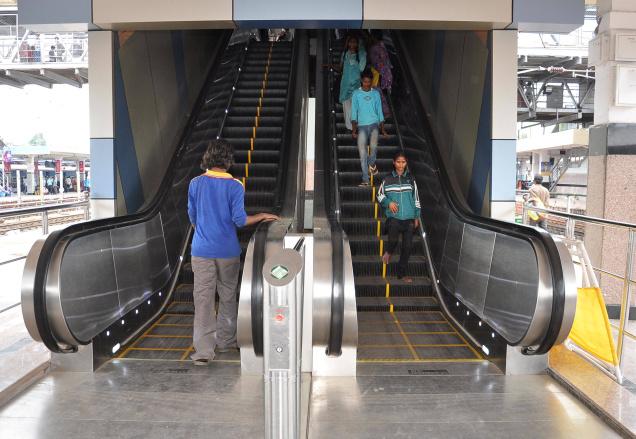
The main booking-cum-PRS office will be moved to the dome area located within the second-class waiting hall. This area is conveniently situated near the escalator and the foot over bridge (FOB) landing on Platform No.1, specifically at the Mumbai end of the station.

Key Points:

  • Location: Dome area in the second-class waiting hall, near escalator and FOB landing on Platform No.1.
  • Distance from Original Office: Approximately 200 meters towards the Mumbai end.
  • Effective Date: Starting from 12 midnight on December 18.
  • Duration: Temporary, until further notice as per the station’s redevelopment timeline.

Passengers seeking both unreserved and reservation ticketing services can continue to access them from this temporary location without any interruption. Central Railway has assured that the relocation will not affect the quality or availability of services.

Smooth Transition for Passengers

Central Railway has taken steps to ensure the transition is as smooth as possible for passengers. Key measures include:

  1. Signage: Clear, easy-to-follow signs have been placed at prominent locations around the station to guide passengers to the new booking office.
  2. Help Desk: A dedicated help desk has been established to assist passengers with any queries regarding directions or other station-related information.

These measures are in place to ensure that passengers don’t experience any inconvenience while the transition takes place.

What to Expect from the Redevelopment Project

The ongoing redevelopment of Nagpur railway station is expected to significantly improve passenger amenities and overall infrastructure. The project aims to modernize the station, increase capacity, and provide better facilities for travelers. Some of the key goals of the redevelopment include:

  • Upgraded Facilities: Improved waiting areas, restrooms, and waiting lounges.
  • Enhanced Ticketing Systems: Introduction of advanced ticketing technologies and self-service kiosks.
  • Better Accessibility: Improved signage and accessibility features for differently-abled passengers.
  • Increased Capacity: Expansion of platforms and other infrastructure to handle higher volumes of passengers.

With the addition of modern amenities and better infrastructure, the redevelopment will position Nagpur railway station as a world-class transit hub.

How Will the Relocation Impact Daily Commuters?

For daily commuters and occasional travelers, this temporary relocation may seem like an inconvenience at first. However, given the clear signage and help desk support, most passengers will find the transition easy. Those familiar with the station layout may need to adjust their usual routes to reach the new booking office, but the process should remain straightforward.

Temporary Disruption with Long-Term Benefits

While passengers may experience temporary changes, the long-term benefits of the redevelopment far outweigh the brief inconvenience. With modernized facilities, better services, and improved infrastructure, Nagpur railway station is set to become a more comfortable and efficient place for both local and outstation travelers.

Central Railway’s Commitment to Passenger Comfort

Central Railway’s efforts to keep services running smoothly during this period reflect its commitment to ensuring passenger comfort and convenience. The relocation of the booking office is part of the broader goal to enhance the travel experience, ensuring that passengers are never left behind as development moves forward.

How to Access Ticketing Services During the Transition

Passengers can continue to book tickets for both unreserved and reserved trains at the temporary booking office on Platform No.1. The system will operate as usual, so travelers need not worry about ticketing disruptions.

If you’re unsure about where to go, simply follow the signs, or head to the help desk for guidance.

Essential Tips for Passengers

  • Keep an eye out for clear signage that will direct you to the temporary booking office.
  • If you have any questions, visit the help desk for assistance.
  • Allow a little extra time for your ticket purchase, as you may need to walk a few extra meters to reach the new office.

A Positive Change in the Making

Though the relocation of the main booking office may seem like a disruption in the short term, it is actually part of a much larger initiative to improve the infrastructure of Nagpur railway station. The temporary relocation ensures that ticketing services continue without interruption, while the station’s redevelopment moves forward. Passengers can look forward to a modernized, efficient, and more comfortable travel experience at Nagpur railway station once the project is completed.

With careful planning and passenger-centric strategies in place, Central Railway is ensuring that commuters’ needs are met while the station undergoes transformation.

1. Why is the booking office being relocated temporarily?

The relocation is part of the ongoing redevelopment project at Nagpur railway station, aimed at modernizing infrastructure and improving passenger amenities.

2. Where is the temporary booking office located?

The temporary office will be in the dome area within the second-class waiting hall, near the escalator and foot over bridge (FOB) landing on Platform No.1.

3. When will the relocation take place?

The booking office will be relocated starting from 12 midnight on December 18.

4. Will ticketing services be disrupted during this period?

No, ticketing services will continue without interruption. Passengers can access both unreserved and reservation ticketing services at the new location.

5. How can I find the new booking office?

Clear signage will guide you to the temporary office, and a help desk is available for any assistance you may need.

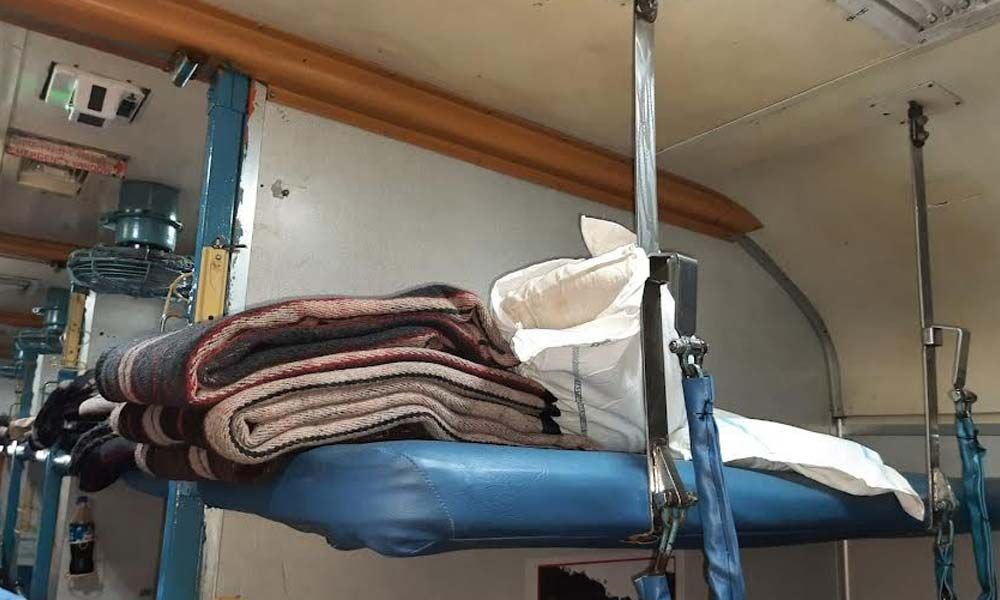
Railway Passengers with RAC Tickets to Get Bed Rolls

Railway RAC ticket bed rolls: Railway journeys often evoke a sense of nostalgia, adventure, and community. Yet, for passengers holding RAC (Reservation Against Cancellation) tickets, the experience can sometimes be a little less comfortable. The Indian Railways has now introduced a thoughtful change to enhance the journey for RAC ticket holders: bed rolls, including a bedsheet, blanket, and pillow, will now be provided in AC coaches. This initiative ensures these travelers enjoy the same level of comfort as those with confirmed tickets.


What Does RAC Mean in Railway Terminology?

To begin with, let’s break down what RAC entails. RAC stands for Reservation Against Cancellation. This system allows passengers to board a train even if their ticket is not fully confirmed. While they are given a berth, they must share it with another passenger.


How Are RAC Passengers Allocated Seats?

  • Side Lower Berths: Passengers with RAC tickets are typically allotted the side lower berths.
  • Shared Space: Two travelers share the same berth until one of their tickets gets confirmed or an extra seat becomes available.

The Problem Faced by RAC Ticket Holders

RAC passengers have always been at a slight disadvantage compared to their counterparts with confirmed tickets. Despite paying similar charges, they:

  1. Lacked Basic Amenities: No bed rolls were provided.
  2. Compromised Comfort: Sharing a berth meant reduced personal space and convenience.

What Are Bed Rolls, and Why Are They Important?

Bed rolls refer to a set of bedding essentials provided to train passengers. These typically include:

  • A bedsheet
  • A blanket
  • A pillow

These items play a significant role in ensuring a restful and comfortable journey, especially on overnight trains.


Railways’ New Decision: A Welcome Change

To address the issues faced by RAC passengers, the Railway authorities have announced that they will now provide bed rolls to RAC ticket holders in AC coaches. This decision was confirmed by PRO Ashok Kumar. The move signifies a shift towards greater inclusivity and improved passenger satisfaction.


What Prompted This Decision?

The Indian Railways’ commitment to enhancing passenger experience has been a driving factor. By offering bed rolls, they ensure:

  • Parity: RAC passengers receive the same facilities as confirmed ticket holders.
  • Value for Money: Passengers get amenities commensurate with their ticket charges.

Benefits for RAC Passengers

This decision brings several advantages for RAC passengers:

  1. Improved Comfort: The addition of bed rolls makes the journey more pleasant.
  2. Better Sleep Quality: Passengers can now enjoy a sound sleep, essential for long journeys.
  3. Enhanced Hygiene: Fresh linens contribute to a cleaner and healthier travel environment.

What Does This Mean for the Railways?

For the Indian Railways, this initiative:

  • Boosts customer satisfaction.
  • Enhances the perception of Indian Railways as a customer-centric organization.
  • Encourages passengers to choose train travel over other modes of transport.

Comparison: RAC Tickets vs. Confirmed Tickets

Aspect RAC Ticket Holders Confirmed Ticket Holders
Seat Allocation Shared berth Exclusive berth
Bed Roll Facility Now Available Always Available
Travel Experience Moderate Comfort High Comfort

Steps Taken by Railways to Implement This Change

  1. Stocking Bed Rolls: Ensuring adequate supply in AC coaches.
  2. Training Staff: Educating train attendants about the new policy.
  3. Monitoring Feedback: Gathering passenger input to refine the initiative.

RAC Passengers’ Perspective

Many RAC travelers have expressed their delight over this change. For them, this move signifies not just comfort but also a sense of being valued as customers.


Tips for RAC Passengers

If you’re traveling on an RAC ticket, here are a few tips to make your journey smoother:

  • Carry personal essentials like earplugs and an eye mask.
  • Keep your RAC ticket handy for verification.
  • Request assistance from train staff if needed.

Future Prospects for RAC Facilities

The Indian Railways is continually evolving. This new initiative could pave the way for more enhancements for RAC passengers, such as:

  • Better seat allocation strategies.
  • Additional amenities like meals and water bottles.
  • Real-time updates on ticket status.

The introduction of bed rolls for RAC passengers in AC coaches is a commendable step by the Indian Railways. It not only enhances the travel experience but also ensures equity among passengers. As the Railways continues to innovate and prioritize passenger needs, travelers can look forward to even more comfortable journeys in the future.

1. What is an RAC ticket? RAC stands for Reservation Against Cancellation, allowing passengers to board and share a berth even if their ticket isn’t fully confirmed.

2. Will all RAC passengers get bed rolls? Yes, bed rolls will now be provided to all RAC passengers traveling in AC coaches.

3. How can I check my ticket status? You can check your ticket status on the Indian Railways website or mobile app.

4. Are bed rolls provided in non-AC coaches? No, bed rolls are only provided in AC coaches.

5. What other facilities can RAC passengers expect? In the future, additional amenities like meals and real-time updates may be introduced for RAC passengers.

Mumbai to Pune in Just 25 Minutes: India’s First Hyperloop Train Promises Speed Faster Than Airplanes

Imagine traveling between two bustling cities, Mumbai and Pune, in less time than it takes to watch your favorite sitcom episode. Yes, the future of travel is here, and it’s called the Hyperloop. This revolutionary high-speed train system promises to redefine commuting in India, making science fiction a reality. In this article, we’ll explore how the Hyperloop is set to transform the travel experience, its technical marvels, and what it means for passengers.


What is a Hyperloop Train?

The Hyperloop is a futuristic transportation concept introduced by Elon Musk in 2013. It involves a pod-like vehicle that travels through a nearly airless tube using magnetic levitation and propulsion. With minimal friction and air resistance, these pods can reach extraordinary speeds, promising faster and more efficient travel.

How Does It Work?

  • Magnetic Levitation: The train “floats” above the track using magnetic repulsion, eliminating contact and reducing wear and tear.
  • Vacuum Tubes: The low-pressure environment inside the tubes drastically reduces air resistance.
  • Speed: Hyperloop systems can achieve speeds of up to 1200 km/h, though India’s system will initially operate at 600 km/h.

Mumbai to Pune in Just 25 Minutes: A Game-Changer

Traveling from Mumbai to Pune currently takes around 3–4 hours by train or car. The Hyperloop promises to cut this journey to just 25 minutes, faster than even commercial flights. Imagine hopping on a train and arriving in another city before you’ve even finished your coffee!


Why is the Hyperloop Faster Than Air Travel?

  1. No Stops: Unlike flights that require lengthy boarding and deboarding procedures, Hyperloop journeys are non-stop.
  2. Minimal Delays: Weather and air traffic control delays won’t impact this ground-based system.
  3. Direct Route: The track is designed for a straight, uninterrupted path.

Hyperloop’s Speed Compared to Other Transport Modes

Transport Mode Average Speed Mumbai-Pune Travel Time
Regular Train 80–120 km/h 3–4 hours
Car 60–80 km/h 4–5 hours
Airplane 500–900 km/h 1–1.5 hours (including wait time)
Hyperloop 600–1200 km/h 25 minutes

The Hyperloop Test Track: A Milestone for India

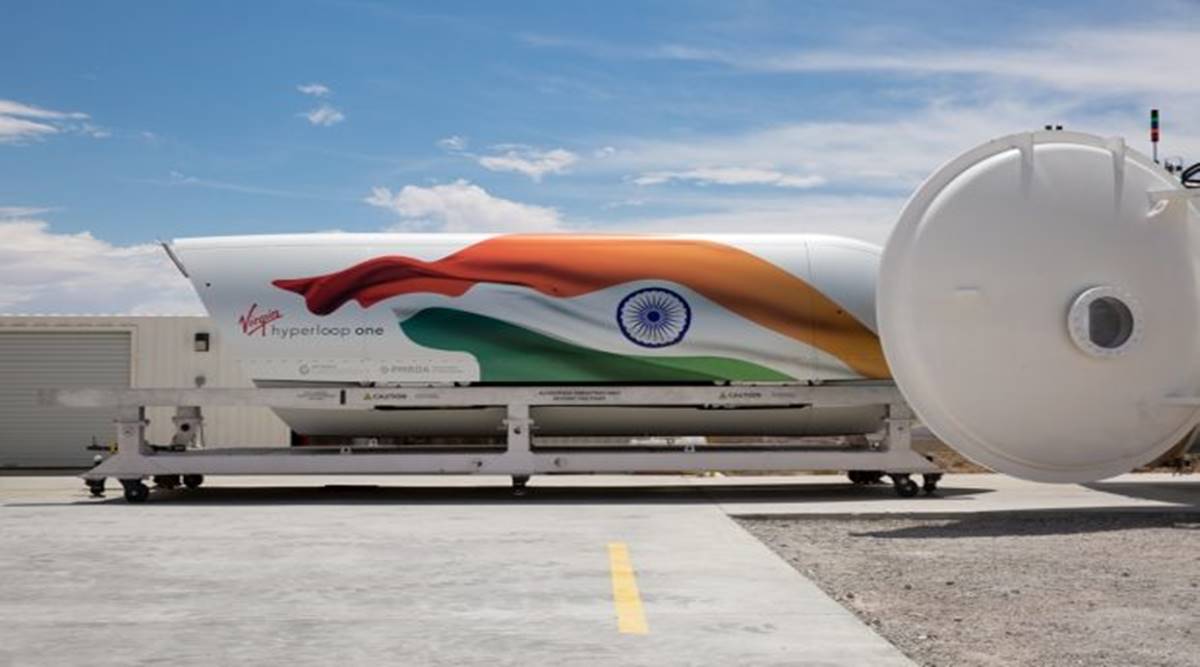
Union Railway Minister Ashwini Vaishnaw recently announced the completion of a 410-meter-long Hyperloop test track, marking a significant milestone in the project. The success of these initial trials could pave the way for broader adoption of Hyperloop technology in India.


The Cost of Hyperloop Tickets: Affordable or Premium?

While Hyperloop promises unmatched speed and convenience, it may come at a price. Speculations suggest that ticket costs could rival or even exceed airfare. However, the smoother, non-stop journey might justify the premium.


Environmental Benefits of Hyperloop

  1. Reduced Carbon Emissions: Unlike airplanes and cars, Hyperloop trains are powered by renewable energy.
  2. Efficient Land Use: Elevated tracks reduce the need for extensive land acquisition.
  3. Energy Efficiency: The system consumes significantly less energy per passenger kilometer than traditional modes of transport.

Challenges Ahead for Hyperloop in India

  1. High Initial Investment: Building infrastructure for the Hyperloop is capital-intensive.
  2. Regulatory Hurdles: New technologies often face delays due to bureaucratic processes.
  3. Public Acceptance: Convincing people to trust and adopt this new mode of transport is crucial.

Key Features of the Mumbai-Pune Hyperloop

  • Speed: Operational speed of 360 km/h, scaling up to 600 km/h.
  • Capacity: Each pod can carry 24–28 passengers.
  • Non-Stop Journey: A seamless ride with no intermediate stops.

Global Success Stories of Hyperloop

Countries like the US and UAE are also exploring Hyperloop technology. For instance, Dubai plans to connect Abu Dhabi and Dubai via Hyperloop, reducing the 90-minute drive to just 12 minutes.


What Does This Mean for You?

The Hyperloop could revolutionize how we travel. For daily commuters, it means less time spent on the road and more time for what truly matters. For businesses, it means better connectivity and productivity.


Conclusion

The Hyperloop isn’t just a train; it’s a glimpse into the future of transportation. By combining speed, efficiency, and sustainability, it promises to reshape how we think about travel. As India takes bold steps toward making this dream a reality, the Mumbai-Pune Hyperloop stands as a beacon of innovation, setting the stage for a faster, greener tomorrow.


FAQs

1. What is the maximum speed of the Hyperloop in India?
The Hyperloop in India is expected to operate at an initial speed of 360 km/h, with plans to scale up to 600 km/h.

2. How long will it take to travel from Mumbai to Pune?
The Hyperloop will reduce the travel time between Mumbai and Pune to just 25 minutes.

3. Will Hyperloop tickets be expensive?
Ticket prices are expected to be comparable to or slightly higher than airfare, depending on operational costs.

4. When will the Hyperloop be operational in India?
The exact timeline is yet to be announced, but the completion of the test track is a promising step forward.

5. What are the environmental benefits of Hyperloop?
Hyperloop technology is environmentally friendly, reducing carbon emissions and energy consumption compared to traditional transport.

Work on Kavach Installation to Start Soon Across CRly and SECR

Kavach installation across CRly SECR: The Indian Railways is on a mission to enhance passenger safety with its indigenously developed automatic train protection system, Kavach. Soon to be installed across several divisions of Central Railway (CR) and South East Central Railway (SECR), Kavach will act as a shield for trains, helping prevent collisions and enhancing safety, especially under challenging weather conditions.

1. Kavach

Kavach is the Indian Railways’ homegrown Automatic Train Protection System (ATPS), designed to reduce the risk of train collisions by automatically controlling train operations if needed. This system, created by the Research Designs and Standards Organization (RDSO), works in collaboration with various Indian industries to maintain efficient and safe rail travel.

2. Why is Kavach Needed?

India’s railway network is among the most extensive and heavily used in the world, with over 68,000 kilometers of routes. With increasing rail traffic and the movement of both passengers and freight, safety enhancements are crucial. Traditional manual and semi-automatic safety measures have limitations, particularly during high-speed operations or adverse weather conditions. Kavach aims to address these challenges effectively.

3. Key Features of Kavach

The Kavach system incorporates a range of advanced safety features, including:

  • Automatic Braking: Applies brakes if the loco pilot fails to do so.
  • Signal Repetition: Repeats line-side signals inside the driver’s cabin for easier control.
  • Speed Control: Limits train speed automatically to prevent accidents.
  • Auto-Whistling: Activates at level crossings for increased alertness.
  • Collision Avoidance: Direct communication between locomotives to avoid collisions.
  • SOS Alerts: Allows immediate communication in emergencies to stop nearby trains.

4. History and Development of Kavach

Kavach was developed under the leadership of the RDSO in collaboration with Indian manufacturers and was approved as the national ATPS in July 2020. It has already been successfully implemented on sections of the South Central Railway (SCR), covering over 1,465 kilometers and equipping 144 locomotives.

5. Upcoming Installation Plans (Kavach installation across CRly SECR)

Kavach installation across CRly SECR: The next phase of Kavach installation will cover routes in the Central Railway (CR) divisions of Nagpur, Solapur, Mumbai, Bhusawal, and Pune, as well as the Nagpur to Jharsugda section under SECR. The Indian Railways has floated multiple tenders for this purpose, focusing on individual components like towers, equipment, and communication systems.

6. Budget and Funding Allocation

The Indian Railways allocated ₹1,217 crore to Kavach installation as of August 2024, with an additional ₹1,113 crore earmarked for the 2024-25 fiscal year. For the Nagpur division alone, the project will cost an estimated ₹260 crore.

7. How Kavach Enhances Train Safety

The system continuously updates the train’s movement authority, automatically adjusting operations based on real-time conditions. By allowing automatic control over speed and braking and providing SOS functionality, Kavach is expected to substantially reduce human error and improve overall train safety.

8. Installation Details by Region

The upcoming installation phase includes:

  • Nagpur to Jharsugda: A critical SECR section with high traffic density.
  • Mumbai-Howrah and Mumbai-Katni-Bilaspur: Part of the nation’s busiest freight corridors, these routes see a high volume of coal and goods traffic, which can increase the risk of derailments and collisions.

9. Future Goals for Kavach Expansion

Indian Railways has ambitious plans to cover over 36,545 kilometers of routes with Kavach, out of the total 68,000 kilometers. Officials are targeting high-density routes, including sections between New Delhi and Mumbai, and New Delhi and Howrah, for completion by March 2025.

10. Challenges in Kavach Installation

The complexity of the railway infrastructure and the scale of the project pose challenges. Additionally, coordinating multiple vendors for different system components, such as mobile towers, equipment, and cabling, requires meticulous planning.

11. Railway Officials’ Perspective

According to SrDCM Aman Mittal, Kavach has been successfully tested and proven effective, paving the way for this broader rollout. Officials believe that Kavach’s reliable technology will greatly improve safety on the nation’s railways.

12. Comparative Global Train Protection Systems

India’s Kavach system is comparable to the European Train Control System (ETCS) and Positive Train Control (PTC) used in the United States. While these international systems are more established, Kavach offers a cost-effective, tailored solution for India’s unique rail infrastructure.

13. Impact on Freight and Passenger Routes

With a large volume of freight moving through CR and SECR divisions, including coal and other heavy goods, the installation of Kavach is expected to bring enhanced reliability and operational safety, benefiting both freight and passenger transport.

14. Environmental Benefits

By improving efficiency and reducing the likelihood of derailments or accidents, Kavach can help minimize delays and fuel wastage, indirectly reducing the railways’ carbon footprint.

The installation of Kavach represents a significant step forward in Indian Railways’ safety protocols, particularly on its busiest and most essential routes. This automatic train protection system is set to transform the reliability and safety of train travel, ensuring better service for passengers and freight operators alike.

  1. What is the purpose of Kavach?
    Kavach is designed to prevent collisions and enhance train safety through automated control systems.
  2. Which railway routes will get Kavach next?
    Kavach installation will focus on sections in CR (Nagpur, Solapur, Mumbai, Bhusawal, Pune) and SECR (Nagpur to Jharsugda).
  3. How much budget has been allocated to Kavach?
    Indian Railways has allocated over ₹2,300 crore to Kavach installation for 2024-25.
  4. When is the Kavach installation expected to complete?
    The target for completing the current installations is by March 2025.
  5. Does Kavach work during bad weather?
    Yes, Kavach is designed to function effectively even in adverse weather, providing reliable train control.

Festive Rush: Nagpur Railway Station Managing Over 1 Lakh Passengers Daily

Nagpur Railway Station: Festive seasons bring a whirlwind of excitement, but at Nagpur Railway Station, it’s a storm of people. Imagine handling over 1 lakh passengers per day with trains running back-to-back. Let’s explore how this bustling hub is managing such a massive footfall, the strategies implemented, and what it means for the passengers.


Rising Footfalls at Nagpur Railway Station

A 67% Increase in Footfall

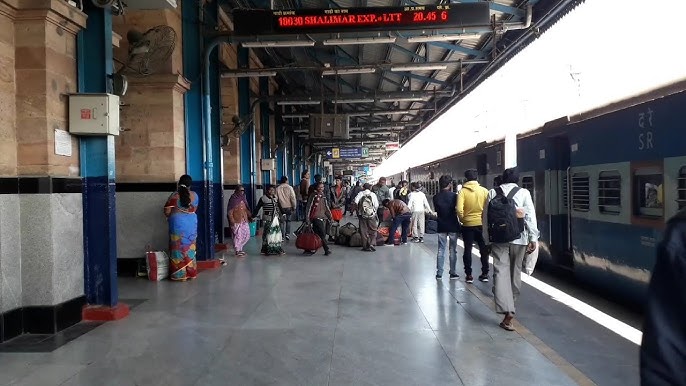
The usual 60,000 daily passengers have shot up to over 1 lakh. With about 140 trains, including 40 special ones for Diwali and Chhath Puja, this spike represents a whopping 67% increase. Have you ever been caught in a sea of people during the holidays? That’s what Nagpur station is dealing with every day.

How Many Trains Pass Through Daily?

Around 140 trains pass through Nagpur Railway Station daily. That’s equivalent to a train almost every 10 minutes! This includes regular services and special festive trains to accommodate the festive crowd.


Managing the Festive Rush: What’s Being Done?

Restricted Platform Entry Times

To manage the influx, passengers cannot access the platforms more than four hours before their departure. This restriction aims to reduce overcrowding, ensuring the station doesn’t become a chaotic mess. It’s like being in a busy airport with controlled boarding areas.

‘Cloning’ of Long-Distance Trains

What’s this all about? The Nagpur division has cloned 15 long-distance trains, replicating routes of popular ones like the Sanghamitra Express and Secunderabad-Danapur Express. Essentially, they’ve created backup plans for the masses, like adding more lanes on a highway during rush hour.

Special Holding Areas for Passengers

Remember the tragic stampede at Vandre station in Mumbai? Nagpur’s administration has learned from past events. Makeshift holding areas on the western side of the station offer a safer, more organized waiting experience. It’s a thoughtful move to prevent overcrowding.


Enhanced Security Measures

Deployment of Railway Protection Force (RPF)

Managing over 1 lakh people requires a security army. The RPF has deployed 80 additional personnel, ensuring everyone’s safety. These officers are stationed across the entire platform to maintain order.

Round-the-Clock Surveillance

The security efforts go beyond just manpower. A robust monitoring system is in place, with officials keeping a close watch over passengers, especially in reserved coaches. This approach ensures that passengers without reserved tickets don’t sneak into these areas.

Anti-Tout Drives

The Central Railway has cracked down hard on ticket touts. Anti-tout drives are in full swing, and special vigilance has been set up at Tatkal ticket counters to ensure fairness. If you’ve ever felt cheated while buying a ticket, know that this year, things are different.


Ticketing and Waiting Area Enhancements

Nine Ticket Windows for Reserved Passengers

Buying a ticket isn’t a nightmare anymore. With nine windows dedicated to reserved tickets, waiting times are significantly reduced. This move has eased the chaos at the booking counters.

Seven Unreserved Ticket Windows

Not everyone books in advance, right? For those buying unreserved tickets, there are seven windows operating efficiently. Special attention is being paid to these areas to streamline the process.

Tatkal Window Vigilance

Tatkal bookings can be a frenzy. With stringent checks and constant monitoring, the station is making sure these bookings are done fairly and transparently. It’s like having a lifeguard for the booking pool.


Crowd Control and Complaint Management

Comprehensive Crowd Management Plan

The crowd management strategy, led by DRM Manish Agrawal, is meticulous. From maintaining crowd flow to ensuring emergency services are on standby, every detail is covered. Think of it as a well-oiled machine working day and night to keep passengers safe.

Reduced Complaint Calls

A great indicator of success? Fewer complaints. The redressal system now receives only 30 calls daily, down from the usual 100. It shows how effective the measures have been.

Additional Support from NGOs

Non-Governmental Organizations have stepped in, offering services like water distribution and general assistance. It’s a community effort, with volunteers ensuring everyone is cared for.


Passenger Experience Enhancements

Additional Inquiry Booths and ‘May I Help You’ Kiosks

For those who easily get lost or confused, extra help is available. More inquiry booths and “May I Help You” kiosks have been set up. These additions make navigating the station a breeze.

No Sleeping Policy on Platforms

In a move to keep platforms clear, sleeping is strictly prohibited. It ensures better crowd flow and keeps the station safe and organized.

Encroachment Clearance Drives

Removing encroachments from station premises is crucial for managing foot traffic. The RPF and commercial department have jointly taken action, freeing up space for better passenger movement.


The Role of Technology in Crowd Management

Digital Monitoring Systems

Advanced digital surveillance ensures that every inch of the station is under watch. This high-tech system allows authorities to act swiftly in case of emergencies.

Automated Announcements and Alerts

Passengers are constantly updated through automated announcements, reducing confusion. From train timings to safety protocols, everything is broadcasted efficiently.


Looking Ahead: Plans for Future Festive Seasons

Expanding Infrastructure

Future plans may include expanding the station’s infrastructure to handle even more passengers. With Nagpur being a key junction, investment in growth is inevitable.

Learning from Experiences

Every festive season provides a learning opportunity. Authorities are continuously fine-tuning strategies to improve year after year.

Navigating through Nagpur Railway Station during the festive rush is no less than an adventure. But thanks to effective crowd management, safety measures, and enhanced passenger services, it’s a more organized chaos than one might imagine. With careful planning and community support, the station stands as a testament to resilience and efficiency.

  1. Why are passengers restricted to entering only four hours before their train?
    • This helps reduce overcrowding on platforms, ensuring a safer and more manageable environment.
  2. What are ‘cloned’ trains, and how do they help?
    • Cloned trains mimic popular routes, adding extra capacity to manage the massive passenger load.
  3. How is the Railway Protection Force contributing to security?
    • The RPF has increased personnel and conducts continuous surveillance to maintain order.
  4. Are Tatkal ticket counters being monitored?
    • Yes, special vigilance and anti-tout drives ensure fair and transparent booking at Tatkal windows.
  5. Can passengers sleep at Nagpur Railway Station?
    • No, sleeping is prohibited on platforms to maintain safety and crowd flow.

Nagpur Railway Station Undergoes Cleaning and Modern Upgrades

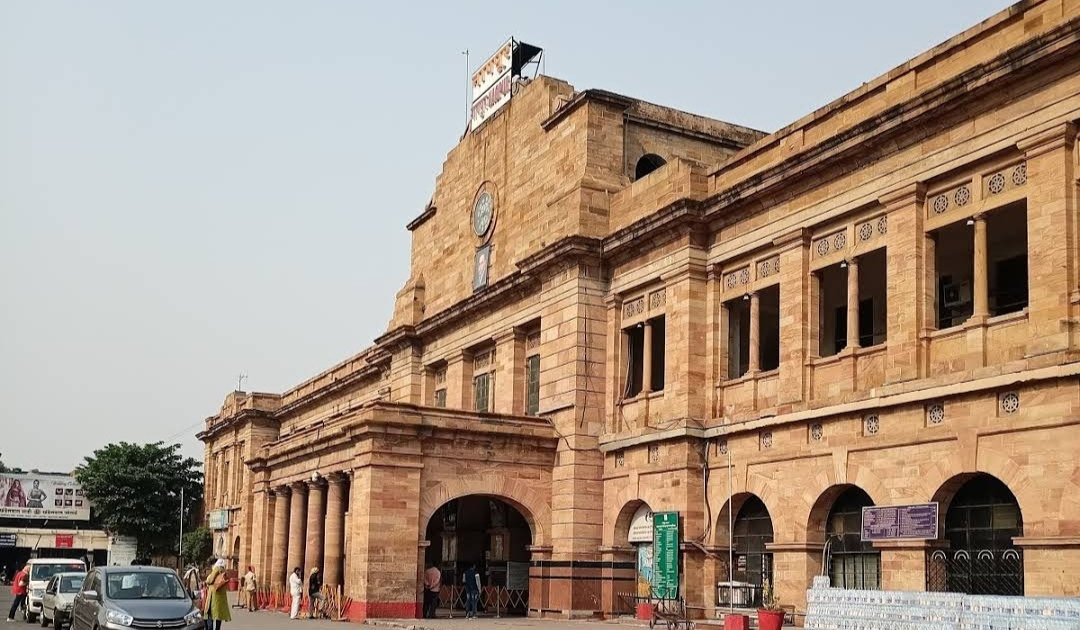
Nagpur Railway Station Modernization: The historic Nagpur Railway Station, a Grade-II heritage site, is undergoing major upgrades. From detailed cleaning to structural enhancements, every measure is aimed at balancing modern convenience with historic preservation. Here’s an inside look at the plans set forth by the Railway Land Development Authority (RLDA) and the Heritage Conservation Committee (HCC) to revamp this landmark.

Nagpur Railway Station

Nestled in the heart of Nagpur, this station stands as a testament to history and heritage. With the recent approval for renovations, the aim is to blend historical beauty with modern functionality.

Historical Significance and Architectural Beauty

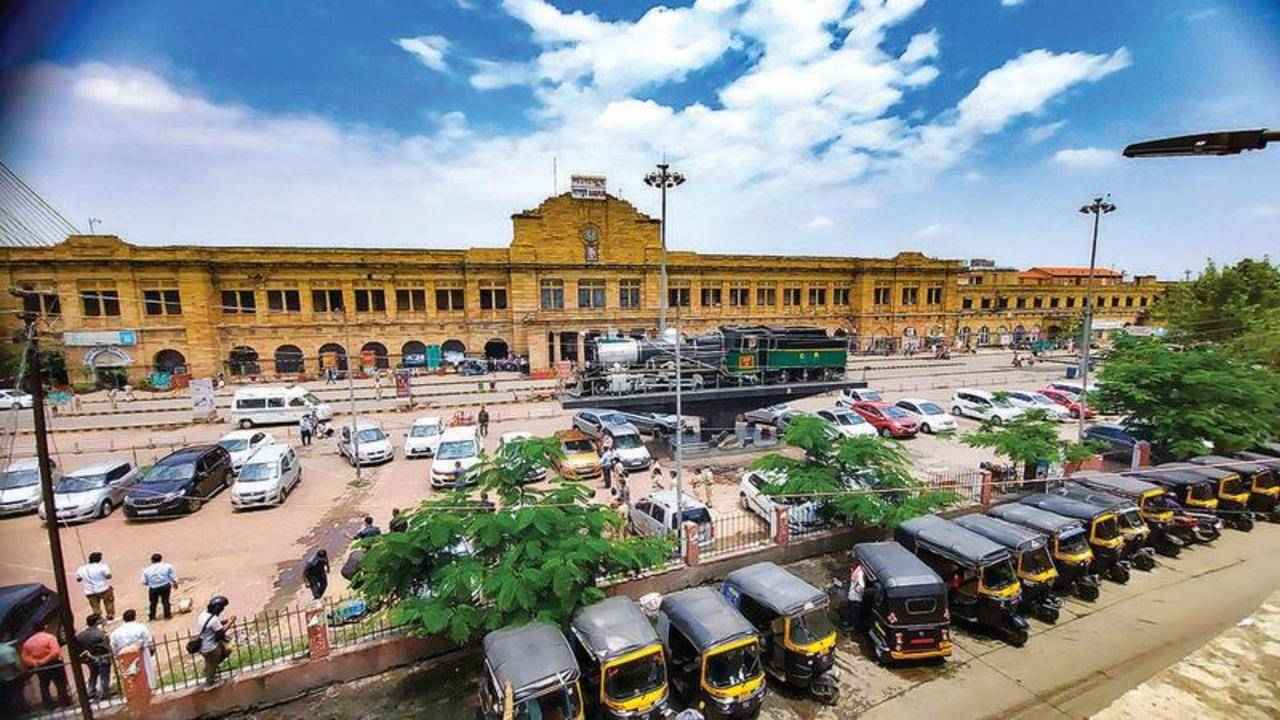
Constructed from Kanhan yellow sandstone and showcasing a classical block design, this station is a cultural gem. Each element tells a story, echoing India’s rich history and architectural mastery.

Need for Upgradation

Despite its beauty, Nagpur Station needs updates to serve the modern traveler. Addressing the increasing passenger demands with high-tech facilities while preserving its heritage structure is key.

Heritage Cleaning Process

A team of experts, specializing in heritage conservation, has been hired for the cleaning. The station will undergo a specialized stone-washing process that promises gentle and effective cleaning.

Safety Measures During Cleaning

The cleaning will adhere to guidelines from the Heritage Conservation Committee (HCC), focusing on protecting the fragile sandstone structure. Only eco-friendly cleaning solutions will be used to preserve the material.

Modern Additions to Nagpur Station

Plans include adding a lift, improving signage, and enhancing connectivity. These upgrades will transform the station into a modern travel hub, catering to varied passenger needs.

Advanced Passenger Facilities

With improved waiting areas, upgraded restrooms, and digital information systems, Nagpur Station will offer a world-class travel experience.

Enhanced Accessibility Features

The new elevator will ease travel for the elderly and people with disabilities, ensuring that the station serves all passengers effectively.

Economic Benefits for Nagpur and Beyond

Modernizing Nagpur Station is expected to boost regional economic growth. Improved connectivity will promote tourism and facilitate commerce in the region.

The Role of Ajni Railway Station

Not just Nagpur, Ajni Railway Station is also undergoing parallel upgrades to ease travel across Nagpur and adjacent areas.

Timeline and Progress

The Rs. 488 crore redevelopment project, awarded to a Delhi-based firm in October 2022, is projected for completion within 36 months. The progress has been steady, with 70% of the east wing basement already completed.

Environmental and Sustainability Efforts

The project prioritizes eco-friendly practices. This includes sustainable building materials, energy-efficient lighting, and waste management systems to reduce the environmental impact.

Public Reception and Community Engagement

Public engagement remains high, with local residents and historians supporting the upgrades, as they balance heritage preservation with functional improvements.

The modernization of Nagpur Railway Station highlights a commitment to historical preservation while embracing modernity. This project symbolizes how heritage and progress can coexist, providing a model for future railway upgrades across India.

Q1: What is the significance of the Nagpur Railway Station?
Nagpur Station is a Grade-II heritage site, reflecting historic architectural styles and built with Kanhan yellow sandstone.

Q2: What cleaning process will be used for the heritage structure?
A specialized stone-washing process approved by the HCC will clean the structure without damaging the sandstone.

Q3: How will modernization affect the heritage structure?
Modern upgrades aim to enhance facilities while strictly preserving the station’s architectural essence.

Q4: What is the cost and timeline for the project?
The project costs Rs. 488 crore and is expected to complete within 36 months from October 2022.

Q5: How will the upgrades benefit passengers?
Upgrades include better accessibility, improved facilities, and enhanced passenger services, making travel more convenient.

Maharashtra: Platform Ticket Sales Restricted at Select Stations After Bandra Stampede

Maharashtra Platform Ticket Restrictions: In response to increased safety concerns after a tragic stampede at Bandra Terminus, Maharashtra’s Central and Western Railways have imposed platform ticket restrictions at major railway stations. This preventive measure aims to mitigate crowding risks, especially during the busy Diwali and Chhath Puja periods. The restrictions apply to major stations across the state and will remain in place through early November. Let’s delve deeper into the stations affected, the reasons behind these restrictions, and additional steps taken by the railway authorities.


Why Are Platform Ticket Sales Being Restricted?

The recent stampede at Western Railway’s Bandra Terminus highlighted the urgent need for crowd control measures at popular railway stations in Maharashtra. Large festive crowds combined with limited space on platforms can lead to tragic situations. To avoid any mishap, Central and Western Railways have decided to restrict platform ticket sales at several high-traffic stations.

Which Stations Are Impacted by These Restrictions?

Central Railway Stations with Restrictions

The Central Railway has implemented platform ticket restrictions at the following stations:

  • Chhatrapati Shivaji Maharaj Terminus (CSMT)
  • Dadar
  • Kurla Lokmanya Tilak Terminus (LTT)
  • Thane
  • Kalyan
  • Pune
  • Nagpur

Western Railway Stations with Restrictions

Similarly, the Western Railway has restricted platform ticket sales at the following stations until November 8:

  • Mumbai Central
  • Dadar
  • Bandra Terminus
  • Borivali
  • Vasai Road
  • Vapi
  • Valsad
  • Udhna
  • Surat

When Will These Restrictions Be Lifted?

The platform ticket restrictions are temporary and are expected to be lifted after the festive season. Western Railway has specifically mentioned November 8 as the end date for these restrictions, ensuring safer and smoother travel during Diwali and Chhath Puja.

Who Is Exempt from the Restrictions?

Central and Western Railways have made special considerations for certain groups, exempting seniors and individuals with medical needs from these restrictions. This ensures that those who genuinely need assistance at the platform can access it without complications.

How Does This Affect Commuters?

For regular commuters and visitors, the restrictions may require alternative travel arrangements. It’s essential to plan ahead, especially if you intend to accompany friends or family to the station.


What Additional Measures Are in Place to Manage Festive Crowds?

Additional Trains for Diwali and Chhath Puja

Central Railway has introduced two unreserved special trains between CSMT and Gorakhpur to accommodate the increased passenger demand. With these additions, the total number of special services for Diwali and Chhath Puja has now reached an impressive 583 trains.

Enhanced Security and Crowd Management

To support these platform ticket restrictions, additional personnel have been deployed to manage crowds effectively. This includes deploying extra security forces, installing CCTV cameras for real-time monitoring, and setting up emergency response teams at busy stations.


Understanding the Importance of Platform Ticket Restrictions

Preventing Overcrowding

By restricting access to platforms, the railway authorities aim to reduce unnecessary footfall and allow smoother, more organized boarding and alighting for travelers.

Reducing Safety Risks

Crowded platforms pose significant safety risks, especially for vulnerable groups like children and the elderly. Limiting platform entry can help ensure that platforms remain accessible to actual passengers and prevent stampede-like situations.

  1. Why has the restriction been imposed on platform ticket sales? The restriction helps manage overcrowding at major railway stations during festivals to ensure passenger safety.
  2. Are platform tickets still available at other stations? Yes, these restrictions apply only to specific high-traffic stations listed above. Platform tickets remain available at other stations.
  3. Will there be more trains added during the festive period? Yes, additional trains have been introduced, with two unreserved special trains between CSMT and Gorakhpur.
  4. Are any passengers exempt from these restrictions? Yes, seniors and individuals with medical needs are exempt from platform ticket restrictions.
  5. How long will the restrictions last? The restrictions are expected to remain until November 8, after which they may be lifted.

QR Code Payment Now Available at Railway Ticket Counters

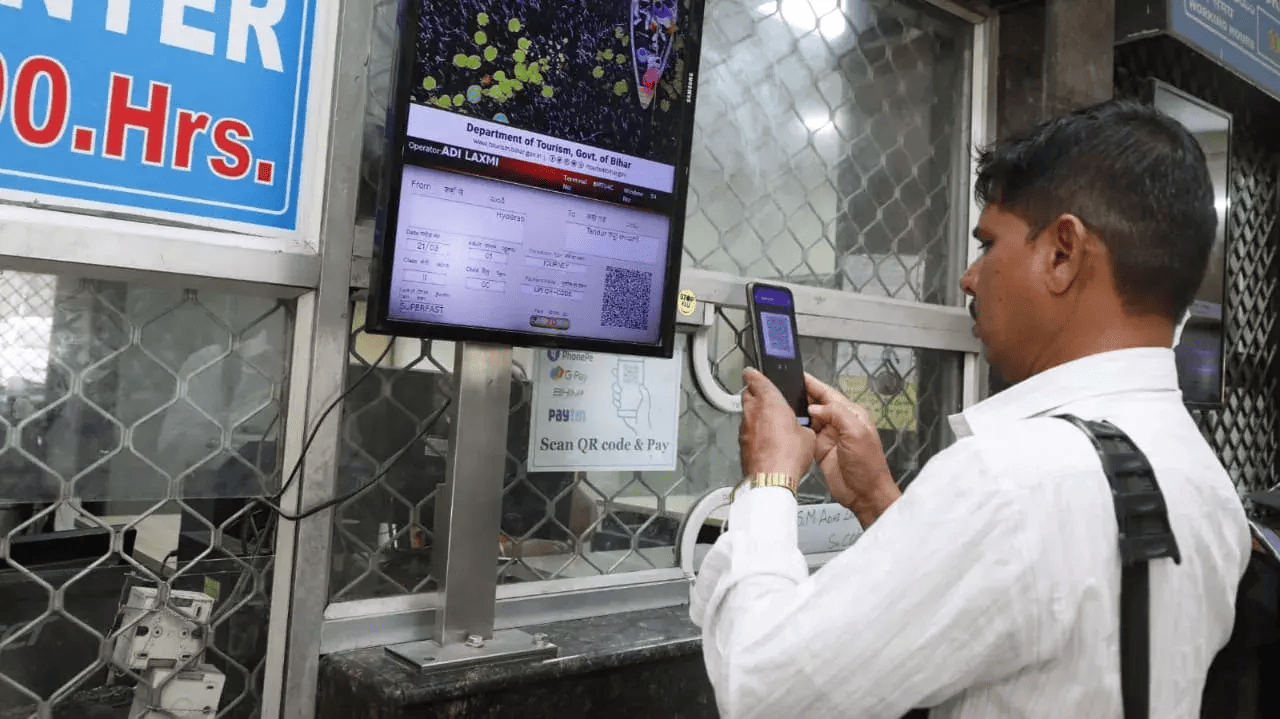
QR Code Payment Railway Tickets: The Central Railway’s Nagpur Division has taken a significant leap towards enhancing passenger convenience by introducing QR code payment options at both reserved and unreserved ticket counters. This step marks a pivotal shift towards a more digitized, cashless railway system, aimed at providing faster and more efficient service. In this article, we’ll explore how this initiative benefits passengers, why it matters, and how it fits into the larger scheme of cashless India.

 QR Code Payment in Railways

In today’s fast-paced world, convenience is key. The Central Railway, Nagpur Division, has recognized this by enabling QR code payments at ticket counters, streamlining the ticket purchasing process for countless passengers. This change, effective from September 1, 2024, is part of the division’s broader goal to encourage cashless transactions and provide a seamless journey experience for travelers.

Why QR (QR Code Payment Railway Tickets) Code Payments Matter

Digital payment methods have grown significantly in India, with QR code payments becoming an increasingly popular way to transact. They are fast, secure, and offer a contactless solution that fits perfectly in the post-pandemic world. Implementing this at railway ticket counters not only reduces wait times but also offers passengers more flexibility in how they choose to pay for their tickets.

The Impact of Cashless Payments in the Railway Sector

 Boost in Cashless Transactions

The Nagpur Division’s initiative is a part of the Indian government’s broader Digital India campaign, which aims to promote cashless transactions. This effort also aligns with the “Ease of Doing Business” initiative, making everyday tasks like buying railway tickets more accessible and efficient for the general public.

 Faster, More Convenient Service

The introduction of QR code payments promises quicker ticket transactions, cutting down long queues at railway counters. Whether purchasing a reserved or unreserved ticket, passengers can now experience faster service, allowing them to focus more on their journey and less on standing in line.

 Simplified for All Passengers

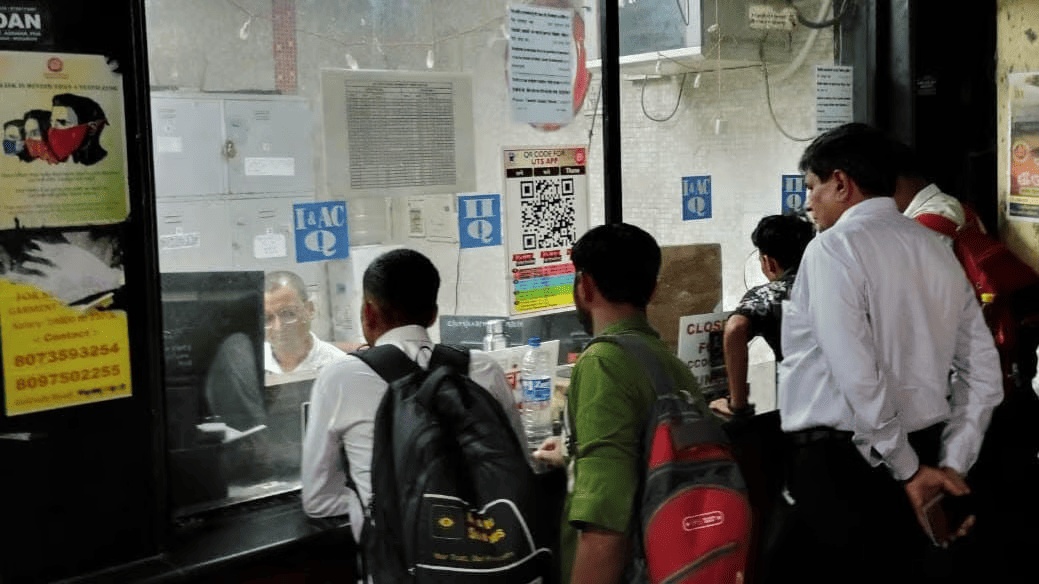
One of the standout features of QR code payments is their simplicity. All a passenger needs is a smartphone, and they can scan the code, select their payment method (UPI, debit/credit cards, etc.), and instantly complete the transaction.

How the QR Code (QR Code Payment Railway Tickets) System Works at Railway Ticket Counters

QR code payment systems are quite simple. Here’s a step-by-step guide:

  1. Step 1: Approach the ticket counter and select the type of ticket (reserved or unreserved).
  2. Step 2: The counter staff will display a QR code corresponding to your ticket price.
  3. Step 3: Scan the code using any UPI-enabled payment app or mobile banking app.
  4. Step 4: Confirm the amount and proceed with the payment.
  5. Step 5: Receive your ticket, and you’re all set!

This entire process takes only a few seconds and is incredibly user-friendly, ensuring everyone, regardless of their tech-savviness, can easily use it.

Numbers That Speak Volumes: QR Code Payment Adoption in Nagpur Division

Between September 1 and October 20, 2024, the Nagpur Division issued:

  • Unreserved tickets worth Rs. 1.23 crore for 154,669 passengers.
  • Reserved tickets totaling Rs. 1.49 crore for 26,489 passengers.

These numbers reflect the growing adoption of the new digital payment system, further proving that passengers are embracing this shift toward cashless transactions.

Benefits of QR Code Payments for Railway Passengers

 Contactless Convenience

In a world where contactless services have become essential, QR code payments provide a hygienic alternative to traditional cash transactions. This is especially important for passengers concerned about health and safety in crowded spaces like railway stations.

 Reduced Transaction Time

QR code payments drastically reduce the time it takes to complete a transaction. No more fumbling for change or swiping cards. The entire process is completed in just a few taps, allowing passengers to receive their tickets swiftly and continue on their way.

 Enhanced Security

One of the key advantages of digital payments is enhanced security. QR code payments are encrypted, ensuring that passengers’ financial data remains protected throughout the transaction. This is a major improvement over the risks associated with carrying and handling cash.

Challenges and Considerations

 Limited Awareness Among Passengers

While QR code payments are incredibly convenient, not all passengers may be aware of how to use them. The railway authorities must invest in educating the public, ensuring everyone can benefit from this new system.

 Connectivity Issues

QR code payments require a stable internet connection, which may not always be available in remote areas. Ensuring consistent connectivity at all railway stations is crucial for the success of this initiative.

How the QR Code Payment System Fits into the Bigger Picture

This initiative aligns perfectly with India’s vision of becoming a cashless economy. QR code payments are just one of the many steps the Indian government and the railway sector are taking to modernize the nation’s infrastructure. By embracing digital solutions, India is moving towards a future where cash is no longer king, and transactions can be completed with the tap of a screen.

What’s Next for Digital Payments in Railways?

The Central Railway is just getting started with digital payment innovations. In the coming months, we can expect even more advancements, such as integration with mobile ticketing apps, AI-powered customer support, and further simplification of the ticket purchasing process.

A Convenient Future for Railway Passengers

The introduction of QR code payments at railway ticket counters in the Nagpur Division is a step in the right direction for both the railways and passengers. It reflects a growing trend toward digital payments and offers passengers a faster, safer, and more convenient way to buy tickets. As we move further into the digital age, innovations like this will only continue to enhance the travel experience, making the railway journey smoother and more enjoyable for all.

  1. What are the benefits of QR code payments at railway stations?
    QR code payments provide a faster, contactless, and secure way for passengers to purchase tickets, reducing the hassle of handling cash.
  2. Is it safe to use QR code payments for railway tickets?
    Yes, QR code payments are encrypted, ensuring a secure transaction process and protecting passengers’ financial information.
  3. Can I use any payment app to scan the QR code?
    Most UPI-enabled apps and mobile banking apps can be used to scan QR codes at railway ticket counters.
  4. What if there is no internet connection at the station?
    QR code payments require an internet connection. The railway authorities are working to ensure stable connectivity at all stations.
  5. Are QR code payments available at all railway stations in India?
    Currently, QR code payments are available at select counters in the Nagpur Division, but there are plans to expand this service nationwide.

Worried About High Diwali Travel Fares? Rlys, MSRTC Come to Rescue

Diwali travel fares | MSRTC buses: As Diwali approaches, the festive season also brings an increase in travel demand. Unfortunately, this high demand often leads to significant fare hikes, especially on key bus routes. This year is no different, with complaints of private bus operators overcharging passengers, especially on routes from cities like Pune, Nashik, and Hyderabad. But don’t worry—there’s good news for those concerned about their travel budget. The Maharashtra State Road Transport Corporation (MSRTC) and Indian Railways have launched special measures to help commuters travel affordably during Diwali. Here’s everything you need to know about how they’re stepping up to ensure you don’t overpay this festive season.

Why Are Diwali Travel Fares So High?

During the Diwali season, travel (Diwali travel fares) demand reaches its peak as people head home to celebrate with their families. This surge in demand gives private bus operators an opportunity to raise fares, sometimes up to 300% above the usual price. What would typically cost Rs 1,000 can skyrocket to Rs 3,000, leaving travelers frustrated and financially strained.

What Routes Are Most Affected?

Some of the key routes where fares have been reported to surge include:

  • Pune
  • Nashik
  • Hyderabad

These popular routes, especially during festival times, experience the worst of the price hikes.

Government Action to Curb Overcharging

To address this issue, the Maharashtra State Transport Department has stepped in to enforce a fare cap. The department has launched a special drive that runs from October 21 to November 9, specifically aimed at preventing private bus operators from taking advantage of the increased demand.

What Are the New Measures?

State transport commissioner Vivek Bhimanwar instructed regional and deputy transport officers to ensure that private contract buses adhere to the fare cap. As per a government order issued in April 2018, private bus operators are prohibited from charging more than 50% above the rates set by the MSRTC. The goal of this regulation is to ensure that passengers aren’t overcharged during peak travel seasons like Diwali.

Monitoring and Enforcement

To ensure compliance with these regulations, flying squads have been deployed. These squads will monitor both online and offline ticket bookings to ensure that fare limits are respected. The teams will also inspect bus permits, check safety measures like fire extinguishers and emergency exits, and enforce road safety regulations.

Penalties for Violators

Any bus operators found to be violating the fare cap will face penalties. Detailed reports of violations will be submitted for further action, ensuring that operators are held accountable.

Passenger Support (Diwali travel fares)

To assist passengers, fare charts will be displayed prominently at boarding points, showing the maximum permissible fare per kilometer and seat. Additionally, a dedicated helpline will be available for travelers to report fare violations.

Indian Railways’ Contribution: Extra Trains

The Nagpur division of Central Railway is also doing its part to manage the festive rush. Special train services have been announced to accommodate the increased number of travelers from November 2 to 10. Here are some of the key services added:

  • Nagpur to Pune (Daily)
  • Nagpur to Mumbai (Daily)
  • Nagpur to Danapur (Tri-weekly from October 30 to November 13)

In addition to these services, the Nagpur-Pune bi-weekly festival special trains will operate until November 12, giving passengers more travel options.

Where Can You Book These Trains?

Bookings for all the additional train services can be made at computerized reservation centers and online through the IRCTC website.

MSRTC’s Extra Buses: No Extra Charges

In another effort to ease the burden on Diwali travelers, the MSRTC has introduced 43 additional buses starting from October 24. These buses will operate from Nagpur and Bhandara to Pune. Deputy General Manager Shrikant Gabhne confirmed that there will be no extra charges during the festive season, providing a huge relief to passengers worried about fare hikes.

Why This Matters

The additional buses are part of a broader effort by the state to ensure that travel remains accessible and affordable for everyone during Diwali. With both the railways and the MSRTC stepping up, passengers can look forward to a smoother, less stressful travel experience this year.

How to Report Overcharging

If you experience overcharging, you can lodge a complaint with your local transport office. Ensure that you provide evidence of overcharging, such as a receipt, to help the authorities take swift action against operators violating the fare regulations.

What Travelers Should Know

Here are a few things every traveler should be aware of when planning their Diwali trip:

  • Check the maximum fare per kilometer on MSRTC fare charts.
  • Book your tickets in advance, especially if you’re traveling on high-demand routes.
  • Report any cases of overcharging to the authorities through the dedicated helpline.
  • Make use of the extra train and bus services announced for the festive period.

A Collective Effort for Affordable Diwali Travel

With the collaborative efforts of the state transport department, Indian Railways, and the MSRTC, passengers can expect more affordable travel options this Diwali. Whether you’re taking a bus or a train, the steps being taken will ensure that you can celebrate the festival without worrying about inflated travel costs. If you encounter any issues with fare hikes, be sure to report them for a quick resolution. Safe travels, and happy Diwali!

  1. What can I do if I am overcharged for my Diwali travel?
    • You can report overcharging to your local transport office or through the dedicated helpline, providing proof such as a ticket or receipt.
  2. Will there be extra trains during Diwali?
    • Yes, Indian Railways is adding several special trains between key cities like Nagpur, Pune, and Mumbai.
  3. Are the extra MSRTC buses charging more?
    • No, the additional MSRTC buses are not charging extra during the festive season.
  4. Where can I book the special train services?
    • You can book the special train services through IRCTC or at any computerized reservation center.
  5. When will the special transport measures be in effect?
    • The special transport measures will be in place from October 21 to November 9 for bus operators, and additional train services will run from November 2 to 10.

Lifts and Escalators for 15 Railway Stations in Nagpur Division: Enhancing Passenger Convenience

The Nagpur Division of the South East Central Railway (SECR) is undergoing significant development, thanks to the Amrit Bharat Scheme. The Railway Ministry has rolled out plans to improve infrastructure across 15 railway stations in this division, with a strong focus on making passenger movement smoother, safer, and more convenient. A key component of these improvements involves the installation of lifts and escalators, which will greatly benefit senior citizens, differently-abled individuals, and other passengers with mobility challenges.

Let’s dive into how this development is unfolding and what it means for the future of railway travel in the Nagpur Division.

 Overview of the Amrit Bharat Scheme

The Amrit Bharat Scheme is a visionary initiative by the Railway Ministry aimed at upgrading railway infrastructure across the nation. Under this scheme, 15 railway stations in the Nagpur Division will see a comprehensive transformation, with particular emphasis on improving passenger amenities. These changes are designed to make travel more convenient, especially for vulnerable groups like the elderly and the differently-abled.

 Budget Allocation for the Nagpur Division’s Upgrades

A hefty budget of ₹223 crore has been allocated to the development of the Nagpur Division’s railway stations. This funding will be used for several key projects, including the installation of lifts and escalators, circulation area upgrades, waiting hall improvements, and the installation of eco-friendly designs. All these initiatives are expected to significantly elevate the passenger experience.

 The Importance of Lifts and Escalators in Modern Railway Stations

Lifts and escalators are no longer luxury features—they are essential for ensuring that all passengers, regardless of their physical ability, can navigate railway stations with ease. These features are especially helpful for:

  • Elderly passengers
  • People with mobility issues or disabilities
  • Families traveling with young children or heavy luggage

By installing these amenities, the Nagpur Division is setting new standards in accessibility and convenience for passengers.

 List of Railway Stations Getting Lifts and Escalators

The 15 railway stations undergoing these developments include:

  1. Kamptee
  2. Bhandara Road
  3. Tumsar Road
  4. Gondia
  5. Wadsa
  6. Chanda Fort
  7. Chhindwara
  8. Dongargarh
  9. Seoni
  10. Nainpur
  11. Mandla Fort
  12. Rajnandgaon

Each of these stations will have improved facilities tailored to better accommodate passenger needs.

 Number of Lifts and Escalators Being Installed

A total of 29 lifts and 14 escalators are being installed across these stations. Here’s a breakdown of their distribution:

 Lifts

  • Kamptee, Bhandara Road, Tumsar Road, Wadsa, Mandla Fort, Chanda Fort: 2 lifts each
  • Gondia, Dongargarh: 4 lifts each
  • Chhindwara, Seoni: 3 lifts each

 Escalators

  • Gondia, Rajnandgaon, Chanda Fort: 4 escalators each
  • Dongargarh: 2 escalators

These installations are well-planned, ensuring easy access to platforms and station areas for all travelers.

 Circulating Area Upgrades

Alongside lifts and escalators, the circulating areas at these stations are being revamped. These upgrades aim to improve the overall flow of passenger traffic, making it easier for people to move between different parts of the station.

 Features of the Circulating Area Improvements

  • Wider pathways
  • Better signage
  • More seating options
  • Designated zones for taxis and auto-rickshaws

These changes will ensure that passengers experience minimal delays and congestion when entering or leaving the station.

 Eco-Friendly Designs in Station Renovations

Sustainability is at the heart of the station renovation efforts. The designs for the upgraded stations prioritize the use of natural sunlight and ventilation. This not only reduces energy consumption but also creates a more pleasant environment for passengers.

 Benefits of Eco-Friendly Station Designs

  • Reduced energy costs
  • Improved air quality and comfort
  • A cleaner, greener railway environment

These features align with India’s broader goals of reducing carbon footprints and promoting environmentally friendly infrastructure.

 Additional Facilities for Passenger Comfort

In addition to the core infrastructure upgrades, several other passenger amenities are being introduced or enhanced. These include:

 Waiting Halls

  • Comfortable seating
  • Modern lighting
  • Charging points for devices

 Eateries and ATMs

Passengers will have access to a wider range of eateries offering fresh food and beverages, as well as ATMs for added convenience.

 Washrooms

All stations will have upgraded washrooms, designed to be more hygienic and accessible to all.

 Internet Access

High-speed Wi-Fi is being installed at each station, making it easier for passengers to stay connected while they wait for their trains.

 How These Developments Will Impact Passengers

The upgrades being implemented at these 15 stations are designed to enhance the overall travel experience. Lifts and escalators will drastically improve mobility for elderly passengers, the differently-abled, and those with heavy luggage. The circulating area improvements will help reduce overcrowding and make it easier for passengers to move through the station efficiently. Additionally, the eco-friendly designs will create a more pleasant environment for everyone.

 Future-Proofing India’s Railway Infrastructure

The Nagpur Division’s upgrades are part of a larger effort to modernize India’s railway system, making it more accessible, sustainable, and passenger-friendly. As railway travel becomes increasingly popular, it is essential that infrastructure keeps pace with the growing demand.

The installation of lifts and escalators at 15 railway stations in the Nagpur Division marks a significant step forward in improving passenger accessibility and convenience. These developments, backed by a budget of ₹223 crore, will make a lasting impact on how passengers experience railway travel. The addition of eco-friendly designs, upgraded waiting halls, and circulating area improvements ensures that the future of railway stations is brighter, more comfortable, and more sustainable.

  1. Which stations in the Nagpur Division are getting lifts and escalators?
    • Kamptee, Bhandara Road, Tumsar Road, Gondia, Wadsa, Chanda Fort, Chhindwara, Dongargarh, Seoni, Nainpur, Mandla Fort, and Rajnandgaon.
  2. How many lifts are being installed at these stations?
    • A total of 29 lifts are being installed, with specific numbers at each station.
  3. Why are eco-friendly designs being implemented in the renovations?
    • Eco-friendly designs help reduce energy consumption and create a more comfortable environment for passengers.
  4. What other amenities are being improved at these stations?
    • Waiting halls, washrooms, eateries, ATMs, and internet access are all being upgraded.
  5. How will these upgrades benefit elderly and differently-abled passengers?
    • Lifts and escalators will make it much easier for them to move through the stations, especially when navigating platforms.
Exit mobile version