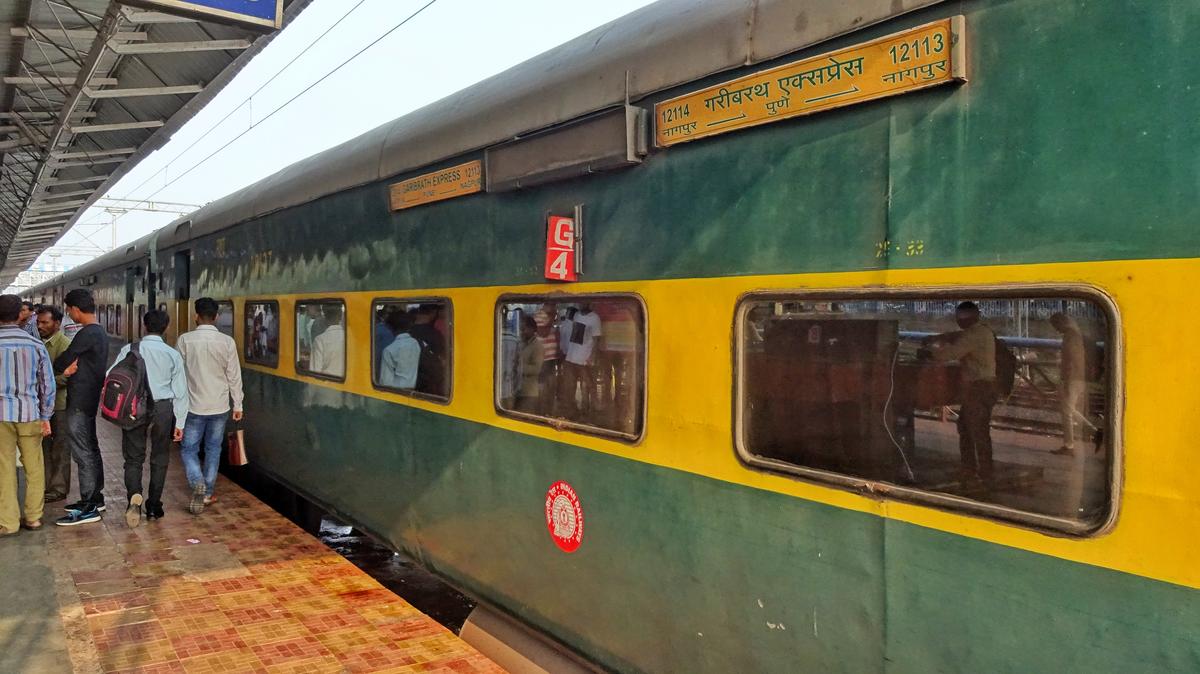
Worried About High Diwali Travel Fares? Rlys, MSRTC Come to Rescue

Diwali travel fares | MSRTC buses: As Diwali approaches, the festive season also brings an increase in travel demand. Unfortunately, this high demand often leads to significant fare hikes, especially on key bus routes. This year is no different, with complaints of private bus operators overcharging passengers, especially on routes from cities like Pune, Nashik, and Hyderabad. But don’t worry—there’s good news for those concerned about their travel budget. The Maharashtra State Road Transport Corporation (MSRTC) and Indian Railways have launched special measures to help commuters travel affordably during Diwali. Here’s everything you need to know about how they’re stepping up to ensure you don’t overpay this festive season.

Why Are Diwali Travel Fares So High?

During the Diwali season, travel (Diwali travel fares) demand reaches its peak as people head home to celebrate with their families. This surge in demand gives private bus operators an opportunity to raise fares, sometimes up to 300% above the usual price. What would typically cost Rs 1,000 can skyrocket to Rs 3,000, leaving travelers frustrated and financially strained.

What Routes Are Most Affected?

Some of the key routes where fares have been reported to surge include:

  • Pune
  • Nashik
  • Hyderabad

These popular routes, especially during festival times, experience the worst of the price hikes.

Government Action to Curb Overcharging

To address this issue, the Maharashtra State Transport Department has stepped in to enforce a fare cap. The department has launched a special drive that runs from October 21 to November 9, specifically aimed at preventing private bus operators from taking advantage of the increased demand.

What Are the New Measures?

State transport commissioner Vivek Bhimanwar instructed regional and deputy transport officers to ensure that private contract buses adhere to the fare cap. As per a government order issued in April 2018, private bus operators are prohibited from charging more than 50% above the rates set by the MSRTC. The goal of this regulation is to ensure that passengers aren’t overcharged during peak travel seasons like Diwali.

Monitoring and Enforcement

To ensure compliance with these regulations, flying squads have been deployed. These squads will monitor both online and offline ticket bookings to ensure that fare limits are respected. The teams will also inspect bus permits, check safety measures like fire extinguishers and emergency exits, and enforce road safety regulations.

Penalties for Violators

Any bus operators found to be violating the fare cap will face penalties. Detailed reports of violations will be submitted for further action, ensuring that operators are held accountable.

Passenger Support (Diwali travel fares)

To assist passengers, fare charts will be displayed prominently at boarding points, showing the maximum permissible fare per kilometer and seat. Additionally, a dedicated helpline will be available for travelers to report fare violations.

Indian Railways’ Contribution: Extra Trains

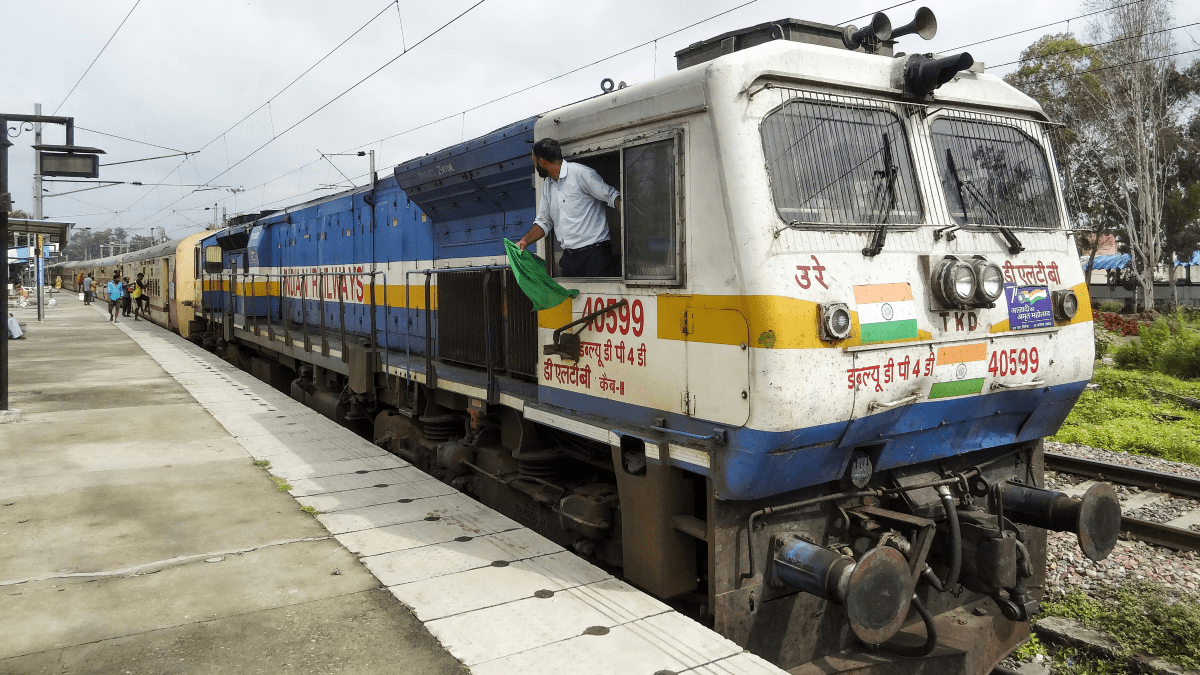
The Nagpur division of Central Railway is also doing its part to manage the festive rush. Special train services have been announced to accommodate the increased number of travelers from November 2 to 10. Here are some of the key services added:

  • Nagpur to Pune (Daily)
  • Nagpur to Mumbai (Daily)
  • Nagpur to Danapur (Tri-weekly from October 30 to November 13)

In addition to these services, the Nagpur-Pune bi-weekly festival special trains will operate until November 12, giving passengers more travel options.

Where Can You Book These Trains?

Bookings for all the additional train services can be made at computerized reservation centers and online through the IRCTC website.

MSRTC’s Extra Buses: No Extra Charges

In another effort to ease the burden on Diwali travelers, the MSRTC has introduced 43 additional buses starting from October 24. These buses will operate from Nagpur and Bhandara to Pune. Deputy General Manager Shrikant Gabhne confirmed that there will be no extra charges during the festive season, providing a huge relief to passengers worried about fare hikes.

Why This Matters

The additional buses are part of a broader effort by the state to ensure that travel remains accessible and affordable for everyone during Diwali. With both the railways and the MSRTC stepping up, passengers can look forward to a smoother, less stressful travel experience this year.

How to Report Overcharging

If you experience overcharging, you can lodge a complaint with your local transport office. Ensure that you provide evidence of overcharging, such as a receipt, to help the authorities take swift action against operators violating the fare regulations.

What Travelers Should Know

Here are a few things every traveler should be aware of when planning their Diwali trip:

  • Check the maximum fare per kilometer on MSRTC fare charts.
  • Book your tickets in advance, especially if you’re traveling on high-demand routes.
  • Report any cases of overcharging to the authorities through the dedicated helpline.
  • Make use of the extra train and bus services announced for the festive period.

A Collective Effort for Affordable Diwali Travel

With the collaborative efforts of the state transport department, Indian Railways, and the MSRTC, passengers can expect more affordable travel options this Diwali. Whether you’re taking a bus or a train, the steps being taken will ensure that you can celebrate the festival without worrying about inflated travel costs. If you encounter any issues with fare hikes, be sure to report them for a quick resolution. Safe travels, and happy Diwali!

  1. What can I do if I am overcharged for my Diwali travel?
    • You can report overcharging to your local transport office or through the dedicated helpline, providing proof such as a ticket or receipt.
  2. Will there be extra trains during Diwali?
    • Yes, Indian Railways is adding several special trains between key cities like Nagpur, Pune, and Mumbai.
  3. Are the extra MSRTC buses charging more?
    • No, the additional MSRTC buses are not charging extra during the festive season.
  4. Where can I book the special train services?
    • You can book the special train services through IRCTC or at any computerized reservation center.
  5. When will the special transport measures be in effect?
    • The special transport measures will be in place from October 21 to November 9 for bus operators, and additional train services will run from November 2 to 10.

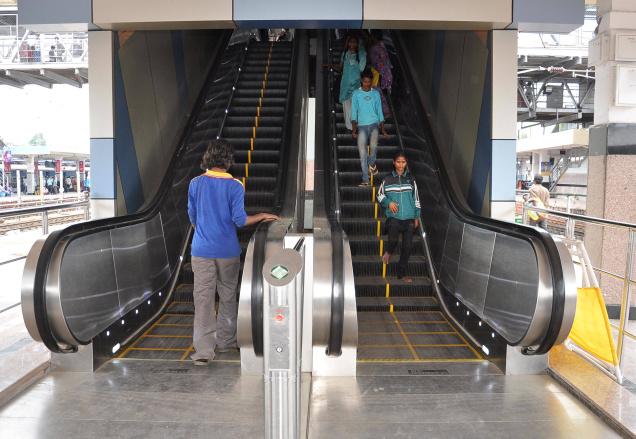
Lifts and Escalators for 15 Railway Stations in Nagpur Division: Enhancing Passenger Convenience

The Nagpur Division of the South East Central Railway (SECR) is undergoing significant development, thanks to the Amrit Bharat Scheme. The Railway Ministry has rolled out plans to improve infrastructure across 15 railway stations in this division, with a strong focus on making passenger movement smoother, safer, and more convenient. A key component of these improvements involves the installation of lifts and escalators, which will greatly benefit senior citizens, differently-abled individuals, and other passengers with mobility challenges.

Let’s dive into how this development is unfolding and what it means for the future of railway travel in the Nagpur Division.

 Overview of the Amrit Bharat Scheme

The Amrit Bharat Scheme is a visionary initiative by the Railway Ministry aimed at upgrading railway infrastructure across the nation. Under this scheme, 15 railway stations in the Nagpur Division will see a comprehensive transformation, with particular emphasis on improving passenger amenities. These changes are designed to make travel more convenient, especially for vulnerable groups like the elderly and the differently-abled.

 Budget Allocation for the Nagpur Division’s Upgrades

A hefty budget of ₹223 crore has been allocated to the development of the Nagpur Division’s railway stations. This funding will be used for several key projects, including the installation of lifts and escalators, circulation area upgrades, waiting hall improvements, and the installation of eco-friendly designs. All these initiatives are expected to significantly elevate the passenger experience.

 The Importance of Lifts and Escalators in Modern Railway Stations

Lifts and escalators are no longer luxury features—they are essential for ensuring that all passengers, regardless of their physical ability, can navigate railway stations with ease. These features are especially helpful for:

  • Elderly passengers
  • People with mobility issues or disabilities
  • Families traveling with young children or heavy luggage

By installing these amenities, the Nagpur Division is setting new standards in accessibility and convenience for passengers.

 List of Railway Stations Getting Lifts and Escalators

The 15 railway stations undergoing these developments include:

  1. Kamptee
  2. Bhandara Road
  3. Tumsar Road
  4. Gondia
  5. Wadsa
  6. Chanda Fort
  7. Chhindwara
  8. Dongargarh
  9. Seoni
  10. Nainpur
  11. Mandla Fort
  12. Rajnandgaon

Each of these stations will have improved facilities tailored to better accommodate passenger needs.

 Number of Lifts and Escalators Being Installed

A total of 29 lifts and 14 escalators are being installed across these stations. Here’s a breakdown of their distribution:

 Lifts

  • Kamptee, Bhandara Road, Tumsar Road, Wadsa, Mandla Fort, Chanda Fort: 2 lifts each
  • Gondia, Dongargarh: 4 lifts each
  • Chhindwara, Seoni: 3 lifts each

 Escalators

  • Gondia, Rajnandgaon, Chanda Fort: 4 escalators each
  • Dongargarh: 2 escalators

These installations are well-planned, ensuring easy access to platforms and station areas for all travelers.

 Circulating Area Upgrades

Alongside lifts and escalators, the circulating areas at these stations are being revamped. These upgrades aim to improve the overall flow of passenger traffic, making it easier for people to move between different parts of the station.

 Features of the Circulating Area Improvements

  • Wider pathways
  • Better signage
  • More seating options
  • Designated zones for taxis and auto-rickshaws

These changes will ensure that passengers experience minimal delays and congestion when entering or leaving the station.

 Eco-Friendly Designs in Station Renovations

Sustainability is at the heart of the station renovation efforts. The designs for the upgraded stations prioritize the use of natural sunlight and ventilation. This not only reduces energy consumption but also creates a more pleasant environment for passengers.

 Benefits of Eco-Friendly Station Designs

  • Reduced energy costs
  • Improved air quality and comfort
  • A cleaner, greener railway environment

These features align with India’s broader goals of reducing carbon footprints and promoting environmentally friendly infrastructure.

 Additional Facilities for Passenger Comfort

In addition to the core infrastructure upgrades, several other passenger amenities are being introduced or enhanced. These include:

 Waiting Halls

  • Comfortable seating
  • Modern lighting
  • Charging points for devices

 Eateries and ATMs

Passengers will have access to a wider range of eateries offering fresh food and beverages, as well as ATMs for added convenience.

 Washrooms

All stations will have upgraded washrooms, designed to be more hygienic and accessible to all.

 Internet Access

High-speed Wi-Fi is being installed at each station, making it easier for passengers to stay connected while they wait for their trains.

 How These Developments Will Impact Passengers

The upgrades being implemented at these 15 stations are designed to enhance the overall travel experience. Lifts and escalators will drastically improve mobility for elderly passengers, the differently-abled, and those with heavy luggage. The circulating area improvements will help reduce overcrowding and make it easier for passengers to move through the station efficiently. Additionally, the eco-friendly designs will create a more pleasant environment for everyone.

 Future-Proofing India’s Railway Infrastructure

The Nagpur Division’s upgrades are part of a larger effort to modernize India’s railway system, making it more accessible, sustainable, and passenger-friendly. As railway travel becomes increasingly popular, it is essential that infrastructure keeps pace with the growing demand.

The installation of lifts and escalators at 15 railway stations in the Nagpur Division marks a significant step forward in improving passenger accessibility and convenience. These developments, backed by a budget of ₹223 crore, will make a lasting impact on how passengers experience railway travel. The addition of eco-friendly designs, upgraded waiting halls, and circulating area improvements ensures that the future of railway stations is brighter, more comfortable, and more sustainable.

  1. Which stations in the Nagpur Division are getting lifts and escalators?
    • Kamptee, Bhandara Road, Tumsar Road, Gondia, Wadsa, Chanda Fort, Chhindwara, Dongargarh, Seoni, Nainpur, Mandla Fort, and Rajnandgaon.
  2. How many lifts are being installed at these stations?
    • A total of 29 lifts are being installed, with specific numbers at each station.
  3. Why are eco-friendly designs being implemented in the renovations?
    • Eco-friendly designs help reduce energy consumption and create a more comfortable environment for passengers.
  4. What other amenities are being improved at these stations?
    • Waiting halls, washrooms, eateries, ATMs, and internet access are all being upgraded.
  5. How will these upgrades benefit elderly and differently-abled passengers?
    • Lifts and escalators will make it much easier for them to move through the stations, especially when navigating platforms.

Nagpur Railway Station Introduces Double-Decker Food Plaza After One-and-a-Half Years

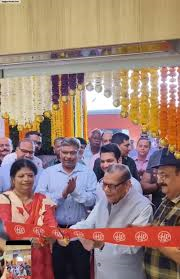
Nagpur Railway Station has undergone a remarkable transformation with the inauguration of its state-of-the-art double-decker IRCTC Food Plaza. After a hiatus of nearly one-and-a-half years, the new facility has opened its doors to provide quality food services, enhance passenger convenience, and contribute significantly to the local economy. Let’s explore what makes this new development so special and why it’s bound to be a game changer for travelers passing through Nagpur.

A New Beginning for Nagpur Railway Station

For travelers using Nagpur Railway Station, access to high-quality food options had been a challenge ever since the previous food plaza ceased operations in April 2023. Passengers had to rely on basic meal outlets, which often lacked the variety and quality that many sought.

However, this changed on Saturday, with the inauguration of the double-decker food plaza on Platform No. 1 (West Side). This revamped facility promises much more than just filling your stomach—it’s here to redefine the passenger experience at Nagpur station.

Why the Delay?

The food plaza was out of service for over a year due to contract issues. The divisional commercial department had to repeatedly engage with IRCTC (Indian Railway Catering and Tourism Corporation) to resume services. Fortunately, this persistence paid off when the new contract was awarded to Haldiram, a global food giant, for a nine-year period. This marks a fresh beginning for the food plaza, much to the delight of Nagpur’s passengers.

Haldiram Takes Over: What’s New?

A Trusted Brand

Haldiram, known worldwide for its high-quality snacks and sweets, has taken over the operations of the Nagpur Railway Station food plaza. Their brand value brings a new level of trust to passengers looking for quality and variety.

Round-the-Clock Service

Whether you’re catching an early morning train or arriving late at night, the new food plaza ensures that you’ll always have access to delicious food, thanks to its 24/7 operating hours.

Multi-Level Dining Experience

This isn’t just any ordinary food outlet. The food plaza spans two floors, with the ground floor dedicated to takeaway and standing services, while the first floor offers a comfortable seating arrangement for those who prefer to dine in.

A Taste of Nagpur

Nagpur Railway Station’s new food plaza isn’t just about generic food. Haldiram has incorporated local flavors and favorites into the menu. You can now enjoy Nagpur’s iconic Santra Barfi and other goodies, available as gift packs for travelers who want to take a piece of Nagpur with them.

Boost to Non-Fare Revenue

The food plaza is not only a facility for passengers but also an important revenue source for the railway division. According to estimates, the facility is expected to generate over Rs one crore in non-fare revenue for the Central Railway’s Nagpur division.

This financial benefit will go a long way in supporting various initiatives at the station and improving other passenger amenities.

Employment Opportunities

Another significant advantage of the food plaza is the employment it brings to the city. Haldiram’s operation has led to the direct employment of around 60 individuals. These employees have been provided with QR code-enabled identity cards that offer details of their police verification and medical examination, ensuring a secure and efficient workforce.

State-of-the-Art Amenities

Dine-In and Takeaway

One of the standout features of this new food plaza is its dual service model. Passengers have the option to grab a quick bite on the go or sit down and enjoy a meal in a relaxed environment. Whether you’re in a rush or have some time to spare, the food plaza caters to all types of travelers.

Hygiene and Safety

The facility is equipped with a well-maintained washroom, ensuring cleanliness and convenience for diners. It also upholds high hygiene standards, a crucial factor for passengers who prioritize safety, especially in public places.

A Look at the Past

The previous food plaza at Nagpur Railway Station, operated by Comsome, had been non-operational since April 2023. This left a gap in passenger services, leading to dissatisfaction and inconvenience. The reopening of the facility, now under the trusted management of Haldiram, is a welcome relief for passengers.

Convenience for All Passengers

Nagpur Railway Station sees a high footfall of passengers from all over the country. The re-opening of this food plaza is set to offer a more streamlined and enjoyable experience, especially for those on long journeys who rely on railway food services for meals.

Catering to All Budgets

The food plaza ensures accessibility for all types of travelers. While branded services by Haldiram offer premium options, the presence of affordable meal outlets like Jan Ahar ensures that even budget-conscious passengers have plenty of choices.

Looking Ahead

The double-decker food plaza at Nagpur Railway Station symbolizes much more than just a place to eat. It represents progress, convenience, and an improved passenger experience. With the involvement of an established brand like Haldiram, passengers can now expect a reliable, high-quality dining experience every time they pass through Nagpur station.

The newly inaugurated double-decker food plaza at Nagpur Railway Station is set to be a game changer. Managed by Haldiram, it promises to provide round-the-clock food services, cater to both dine-in and takeaway preferences, and enhance the overall passenger experience. With its state-of-the-art facilities, employment generation, and boost to non-fare revenue, this development represents a significant improvement in the amenities available at the station.

  1. What is special about the new food plaza at Nagpur Railway Station?
    The food plaza, operated by Haldiram, offers round-the-clock food services, a dual-level dining experience, and includes Nagpur’s famous Santra Barfi on its menu.
  2. Where is the food plaza located at Nagpur Railway Station?
    The food plaza is situated on Platform No. 1 (West Side) of Nagpur Railway Station.
  3. Who is managing the food plaza at Nagpur Railway Station?
    The food plaza is managed by the global food giant Haldiram under a nine-year contract.
  4. What types of food services are available at the food plaza?
    The facility offers both dine-in and takeaway services, catering to passengers with different needs.
  5. How many people have been employed at the food plaza?
    The food plaza has created job opportunities for around 60 people.

Central Railway’s Special Trains for Dhamma Chakra Pravartan Diwas 2024: Mumbai, Pune, and Nagpur

Dhamma Chakra Pravartan Diwas, celebrated annually in October, is a significant event for followers of Dr. B.R. Ambedkar. It commemorates the day when Dr. Ambedkar converted to Buddhism along with millions of his followers. The celebration attracts large gatherings across various cities, especially in Nagpur, Maharashtra. To accommodate the increased number of passengers traveling for this special occasion, Central Railway has announced the operation of several special trains between Mumbai, Pune, Nagpur, Bhusaval, and Nashik Road.

Let’s explore in detail the trains being introduced to clear the rush during Dhamma Chakra Pravartan Diwas 2024 and how you can plan your travel accordingly.

Why Are Special Trains Being Introduced for Dhamma Chakra Pravartan Diwas?

Dhamma Chakra Pravartan Diwas sees a massive influx of visitors traveling to Nagpur and other locations where Dr. Ambedkar’s followers gather to pay homage. The day holds deep spiritual significance, leading to an increased demand for transportation options. With regular trains often getting overbooked, these special trains ensure that more people can conveniently reach their destinations.

List of Special Trains for Dhamma Chakra Pravartan Diwas 2024

To manage the additional passenger traffic, Central Railway has announced multiple special trains running between major cities. Here are the details of these special services:

1. LTT-Nagpur Unreserved Special (Train No. 01017)

  • Date of Departure: 11th October 2024
  • Departure Time: 14:00 hrs from Lokmanya Tilak Terminus (LTT), Mumbai
  • Arrival Time: 05:00 hrs next day at Nagpur
  • Halts: Thane, Kalyan, Igatpuri, Nashik Road, Manmad, Chalisgaon, Pachora, Jalgaon, Bhusaval, Malkapur, Shegaon, Akola, Murtizapur, Badnera, Chandur, Dhamangaon, Pulgaon, Wardha, Sindi, and Ajni
  • Composition: 18 General Second Class coaches, including 2 luggage-cum-guard’s brake vans.

This train is perfect for those looking for an affordable unreserved option to travel from Mumbai to Nagpur during the Dhamma Chakra Pravartan Diwas.

2. Nagpur-LTT Special (Train No. 01018)

  • Date of Departure: 13th October 2024
  • Departure Time: 00:20 hrs from Nagpur
  • Arrival Time: 19:00 hrs same day at Lokmanya Tilak Terminus, Mumbai
  • Composition: 8 Sleeper class coaches (4 reserved and 4 unreserved), 4 Second Seating Chair Cars, 1 Generator Car, and 1 Luggage-cum-guard’s brake van.

This train will provide more reserved and unreserved options for passengers traveling back to Mumbai from Nagpur after the celebrations.

3. Nagpur-LTT Special (Train No. 01218)

  • Date of Departure: 12th October 2024
  • Departure Time: 22:05 hrs from Nagpur
  • Arrival Time: 14:35 hrs next day at Lokmanya Tilak Terminus, Mumbai
  • Composition: 10 Sleeper class coaches (5 reserved and 5 unreserved) and 9 General Second Class coaches, including 1 luggage-cum-guard’s brake van.
  • Halts: Sindi, Sevagram (only for 01218), Wardha, Pulgaon, Dhamangaon, Chandur, Badnera, Murtizapur, Akola, Shegaon, Nandura, Malkapur, Bhusaval, Jalgaon, Pachora, Chalisgaon, Manmad, Nashik Road, Igatpuri, Kalyan, and Thane.

This special service offers both reserved and unreserved accommodations for passengers traveling from Nagpur to Mumbai.

4. Nagpur-Pune Unreserved Special (Train No. 01215)

  • Date of Departure: 12th October 2024
  • Departure Time: 23:00 hrs from Nagpur
  • Arrival Time: 20:00 hrs next day at Pune
  • Composition: 18 General Second Class coaches, including 2 luggage-cum-guard’s brake vans.

Passengers traveling from Nagpur to Pune can take advantage of this unreserved special train.

5. Pune-Nagpur Superfast Special (Train No. 01216)

  • Date of Departure: 11th October 2024
  • Departure Time: 16:00 hrs from Pune
  • Arrival Time: 06:45 hrs next day at Nagpur
  • Halts: Ajni (only for 01216), Sindi, Wardha, Pulgaon, Dhamangaon, Chandur, Badnera, Murtizapur, Akola, Shegaon, Nandura, Malkapur, Bhusaval, Jalgaon, Pachora, Chalisgaon, Manmad, Kopargaon, Belapur, Ahmadnagar, and Daund Chord Line.
  • Composition: 8 Sleeper class coaches (4 reserved and 4 unreserved), 4 Second Seating Chair Cars, 1 Generator Car, and 1 Luggage-cum-guard’s brake van.

For travelers needing a quicker option, this superfast special offers speedy travel between Pune and Nagpur.

6. Bhusaval-Nagpur-Nashik Road MEMU Special (Train No. 01213 & 01214)

  • Train No. 01213 (Bhusaval to Nagpur)
    • Date of Departure: 12th October 2024
    • Departure Time: 04:25 hrs from Bhusaval
    • Arrival Time: 12:00 hrs same day at Nagpur
  • Train No. 01214 (Nagpur to Nashik Road)
    • Date of Departure: 12th October 2024
    • Departure Time: 23:40 hrs from Nagpur
    • Arrival Time: 14:10 hrs next day at Nashik Road
  • Composition: 12 Car MEMU

These MEMU trains will serve the regions between Bhusaval, Nagpur, and Nashik Road, providing more convenient travel options for passengers from smaller towns.

How to Book Tickets for the Special Trains

Booking for special trains, such as Train No. 01216, 01018, and 01218, will open on 7th October 2024 at all computerized reservation centers and the IRCTC website (www.irctc.co.in). It’s advisable to book your tickets early to ensure a seat, especially if you’re planning to travel during peak times.

For detailed timings at specific halts, you can visit www.enquiry.indianrail.gov.in or download the NTES App.

Why You Should Opt for These Special Trains

With regular trains likely to be fully booked, these special trains offer a reliable and convenient alternative. Whether you’re traveling unreserved or reserved, there are various options available to suit your travel needs. Central Railway has ensured that multiple regions are connected, offering halts at major junctions along the way.

Additionally, with special fares applied to some trains, passengers can enjoy reasonably priced travel while avoiding the inconvenience of overbooked trains.

Dhamma Chakra Pravartan Diwas 2024 is set to attract large crowds across Maharashtra, with Nagpur being one of the focal points. To manage the extra rush of passengers, Central Railway has introduced several special trains between Mumbai, Pune, Nagpur, Bhusaval, and Nashik Road. These trains are designed to accommodate both reserved and unreserved passengers, ensuring that everyone can participate in the celebrations.

Make sure to book your tickets early, choose the most convenient route, and plan your journey in advance. These special trains are a great way to ensure a smooth and hassle-free travel experience during one of the most significant events in the Buddhist calendar.

1. How can I book tickets for these special trains?
You can book tickets for the special trains starting from 7th October 2024 at any computerized reservation center or on the IRCTC website.

2. Are all the trains unreserved?
No, several trains offer both reserved and unreserved seating. Make sure to check the train details when booking.

3. Can I get detailed timings for these trains?
Yes, detailed timings can be found on www.enquiry.indianrail.gov.in or the NTES App.

4. What is the duration of the journey from Mumbai to Nagpur?
The journey from Mumbai to Nagpur on these special trains takes approximately 15 hours, depending on the train.

5. Are there any superfast trains available?
Yes, the Pune-Nagpur Superfast Special (Train No. 01216) is a superfast option available during this period.

Vande Bharat on Secunderabad-Nagpur Stretch Operating at 20% Occupancy: A Surprising Outcome

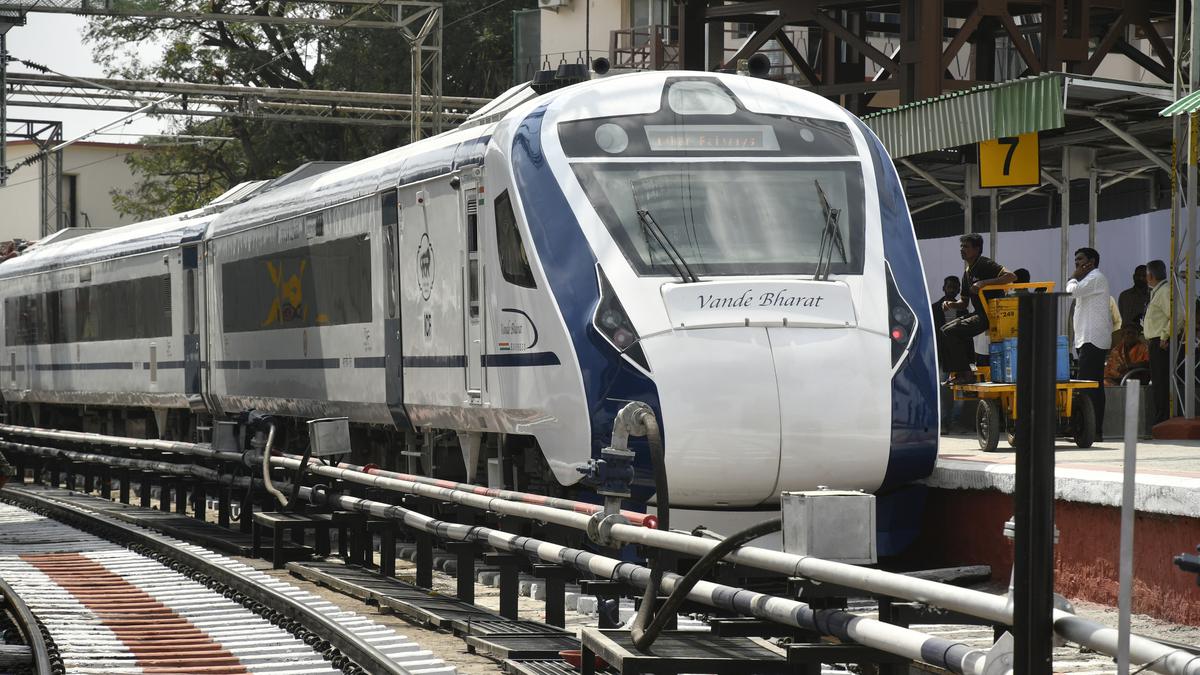
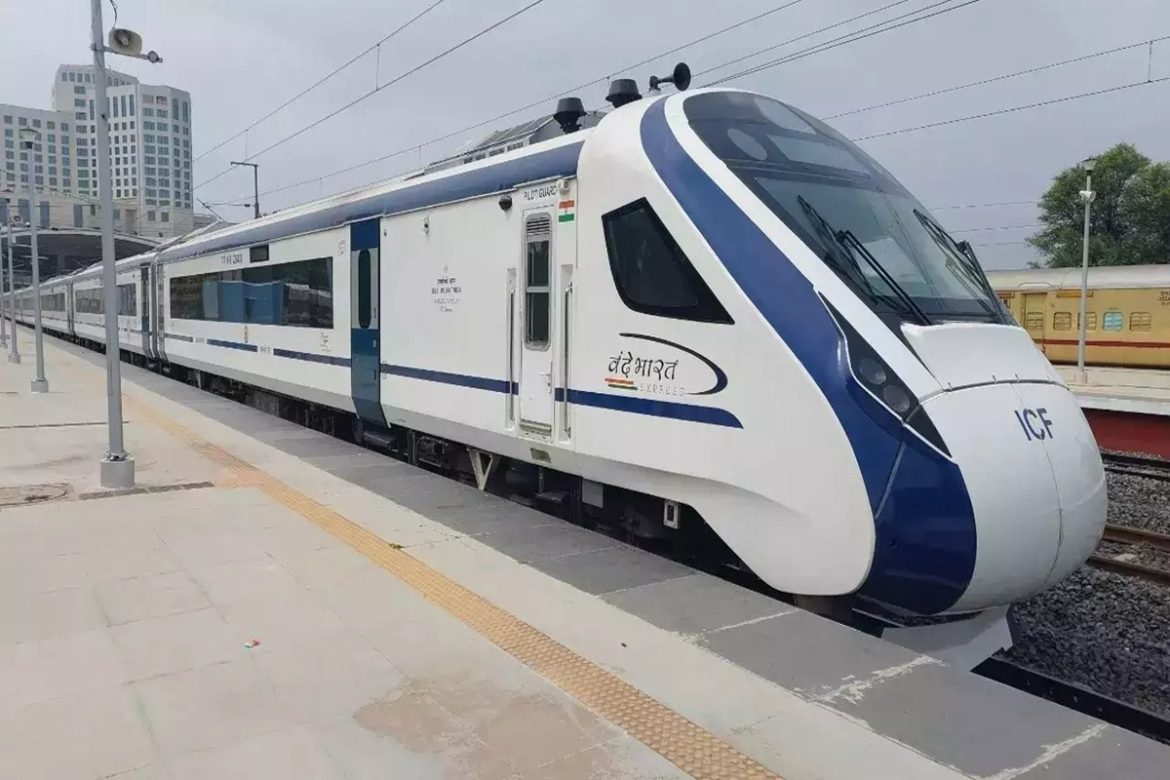
The Vande Bharat Express has quickly gained attention in India due to its speed, comfort, and efficiency. However, the recently launched Vande Bharat Express on the Secunderabad-Nagpur route has been making headlines for a completely different reason – an alarmingly low occupancy rate of just 20%. Despite initial hopes of boosting connectivity and business ties between Telangana and Maharashtra, the train has been running with empty coaches, leaving railway authorities both confused and concerned.

 A New Journey for Telangana

The launch of the Vande Bharat Express on the Secunderabad-Nagpur route in September was an exciting moment. As the fifth Vande Bharat train in Telangana, expectations were high. This particular route was chosen to connect the bustling industrial hubs of Ramagundam, Kazipet, and Secunderabad in Telangana with the Vidarbha region of Maharashtra. Not only was this route meant to cater to business travelers, but it was also anticipated to attract daily commuters and leisure passengers.

A Dream That Didn’t Take Off

Despite these intentions, the results have been far from ideal. With a daily vacancy of 80%, the train, which has a total seating capacity of 1,440 passengers, has been largely empty. The railway authorities anticipated a high demand, but over 1,200 seats were vacant on a recent Sunday, just a few hours before the train’s departure.

Why Are Passengers Avoiding the Vande Bharat Express?

The question that everyone is asking: Why isn’t the Secunderabad-Nagpur Vande Bharat Express filling up? Unlike other Vande Bharat trains from Secunderabad to cities like Bengaluru, Chennai, and Visakhapatnam, which boast occupancy rates between 90% and 100%, this particular route has struggled.

 Pricing Concerns

One of the key reasons cited for the low occupancy is the pricing. Vande Bharat trains offer premium services, but the ticket prices are higher than conventional trains. This could be deterring potential passengers who may not find the added comfort worth the extra cost.

 Competition from Other Modes of Transport

The Secunderabad-Nagpur route is well-serviced by other forms of transport. Affordable and frequent bus services, as well as regular trains, offer viable alternatives. Moreover, the distance between Secunderabad and Nagpur isn’t long enough to make the speed advantage of the Vande Bharat significant in the eyes of many travelers.

 Lack of Awareness

There’s also a possibility that potential passengers are simply not aware of the new service. Vande Bharat is still a relatively new offering, and with limited marketing efforts, some travelers might not realize it’s an option. Additionally, passengers may be unfamiliar with the benefits of traveling on this advanced, air-conditioned train.

A Closer Look at the Vande Bharat on the Secunderabad-Nagpur Route

 The Train’s Features

The Vande Bharat Express is known for its cutting-edge design, high-speed capabilities, and air-conditioned comfort. On the Secunderabad-Nagpur route, the train consists of two executive class coaches and 18 chair car coaches, with a total seating capacity of 1,440. The journey takes 7.15 hours, with key stops at Kazipet, Ramagundam, Balharshah, Chandrapur, and Sevagram.

 Executive Class Struggles

While the entire train has been struggling with low occupancy, the situation is particularly grim in the executive class. Out of the 88 available seats across two executive class coaches, fewer than 10 passengers had made reservations on a recent trip. The added luxury of these coaches does not seem to be enough to draw in passengers.

Possible Adjustments by Indian Railways

 Reducing Coaches

Given the continued poor demand, railway officials have indicated that the number of coaches might be reduced from the current 20 to eight, offering around 500 seats. This would help the railways reduce operational costs while still maintaining the service.

 Pricing Revisions

To attract more passengers, one suggestion has been to revise ticket prices. Offering discounted fares or promotional rates might encourage passengers to try the Vande Bharat Express, especially for those looking for a balance between price and comfort.

 Targeted Marketing Campaigns

Increasing awareness is another strategy that could help. If more people understood the benefits of traveling on the Vande Bharat—such as shorter journey times, added comfort, and state-of-the-art amenities—there might be a rise in demand.

Comparing Vande Bharat Trains Across Routes

 Success Stories of Other Vande Bharat Routes

It’s important to note that the low occupancy on the Secunderabad-Nagpur route is not reflective of the overall success of the Vande Bharat trains. Routes connecting Secunderabad to Bengaluru, Chennai, and Visakhapatnam have been running with near-full occupancy. For example, the Visakhapatnam Vande Bharat Express has tickets on the waiting list—a stark contrast to the empty coaches seen on the Nagpur stretch.

 What Makes These Routes Different?

The difference in occupancy between the Secunderabad-Nagpur and other routes raises questions about what makes these routes more successful. The key seems to be a combination of demand, pricing, and competition. The Bengaluru, Chennai, and Visakhapatnam routes are more heavily trafficked with business travelers, tourists, and daily commuters, leading to higher demand.

Future Prospects for the Secunderabad-Nagpur Vande Bharat Express

 Learning from the Data

Indian Railways will need to closely monitor the performance of the Secunderabad-Nagpur Vande Bharat Express. If the low occupancy continues, they may need to re-evaluate whether the route is viable in its current form.

 Expanding Connectivity

While the current stretch is struggling, expanding connectivity to more destinations or adding additional stops along the way might help attract more passengers. This could be particularly beneficial for those traveling to smaller towns between Secunderabad and Nagpur.

 Integrating with Other Travel Options

Coordinating the Vande Bharat Express timings with local trains and bus services could also help increase ridership. Making the Vande Bharat a part of a seamless travel experience for passengers could improve its appeal.

 Can the Vande Bharat Express Turn It Around?

The Vande Bharat Express on the Secunderabad-Nagpur route is currently operating below expectations, but it has the potential to turn things around. By addressing pricing, improving awareness, and possibly adjusting the route or services, Indian Railways can work to make this train as successful as others in the country. For now, the fate of this route remains uncertain, but with the right steps, it could still fulfill its purpose of connecting the Vidarbha region with the industrial hubs of Telangana.

PM to Flag Off Nagpur-Secunderabad Express Today: A New Milestone in Indian Railways

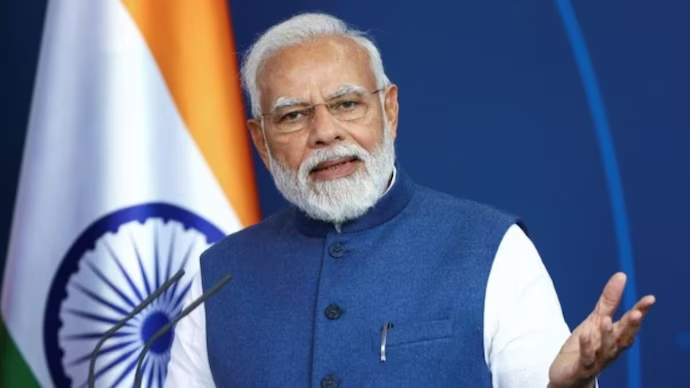
Vande Bharat Express Inauguration Routes: The much-anticipated launch of the Vande Bharat Express trains will take place today, as Prime Minister Narendra Modi flags off the inaugural run. This event marks a significant leap in India’s transportation network, linking major cities like Nagpur, Secunderabad, Kolhapur, Pune, and Hubballi. The Vande Bharat Express, known for its speed, comfort, and cutting-edge technology, promises to enhance travel experiences across the country.

The Importance of Vande Bharat Express Trains

Indian Railways has always played a crucial role in shaping the nation’s infrastructure, and the introduction of the Vande Bharat Express adds another layer to this development. But why is this particular launch so important?

  1. Speed and Efficiency: The Vande Bharat Express is designed to cover longer distances in shorter periods, reducing travel time for commuters.
  2. Comfort: Featuring world-class facilities like reclining seats, Wi-Fi, and ample legroom, the Vande Bharat Express is revolutionizing how Indians travel.
  3. Eco-Friendly: These semi-high-speed trains are also energy efficient, reducing carbon footprints in an environmentally conscious world.

Details of the Inaugural Runs (Vande Bharat Express Inauguration Routes)

Several Vande Bharat Express trains are scheduled to begin service, each with specific departure and arrival times. These trains are set to cover key routes that cater to a wide range of passengers.

Nagpur to Secunderabad Vande Bharat Express (Train No. 02005)

The Nagpur-Secunderabad Vande Bharat Express will depart from Nagpur at 16:15 on September 16, 2024, and is expected to reach Secunderabad at 23:25 on the same day. This route will cut down travel time significantly, making it more convenient for passengers traveling between these two cities.

Kolhapur to Pune Vande Bharat Express (Train No. 02001)

The Kolhapur-Pune Vande Bharat Express will leave Kolhapur at 16:15 on September 16, 2024, and will arrive at Pune by 22:40 the same day. This train will serve as a faster alternative to existing routes, giving passengers a quick and comfortable option.

Pune to Hubballi Vande Bharat Express (Train No. 02003)

Passengers traveling from Pune to Hubballi can now experience faster journeys. The train will leave Pune at 16:15 and arrive at Hubballi by 23:40. The convenience offered by this route will greatly benefit frequent travelers between these cities.

Impact on the Indian Rail Network

The Vande Bharat Express is more than just a new train; it represents a modernization of India’s vast railway system. Let’s break down how these new routes will change the way we travel:

Connecting Major Economic Hubs

The routes connecting Nagpur, Secunderabad, Pune, and Hubballi are crucial for economic growth. By cutting travel times, the Vande Bharat Express will allow for quicker business transactions, better logistics, and more efficient supply chains between these cities.

Boost to Local Tourism

Not only will these trains benefit business travelers, but they will also make tourist destinations more accessible. Nagpur, known as the “Orange City,” and Pune, with its rich history, will see an influx of tourists taking advantage of the fast trains.

Benefits for Daily Commuters

Daily commuters who travel between these cities will appreciate the improved travel conditions. With the addition of these trains, passengers can expect fewer delays and a more comfortable commute, making it easier for them to balance their work and personal lives.

The launch of the Vande Bharat Express trains marks a pivotal moment for Indian Railways and the nation’s transportation infrastructure. By reducing travel times, enhancing comfort, and linking key economic and tourist hubs, these trains are set to change the face of Indian rail travel. As Prime Minister Narendra Modi flags off these inaugural journeys, passengers across the country can look forward to a new era in train travel.

  1. What is the significance of the Vande Bharat Express trains? The Vande Bharat Express trains are semi-high-speed trains that aim to reduce travel time and provide a more comfortable and eco-friendly travel option.
  2. Which routes will be covered by the newly launched Vande Bharat trains? The inaugural trains will cover routes between Nagpur-Secunderabad, Kolhapur-Pune, and Pune-Hubballi.
  3. How does the Vande Bharat Express differ from other Indian trains? Vande Bharat Express trains are equipped with advanced technology, faster speeds, and superior comfort compared to traditional Indian trains.
  4. What time will the Nagpur-Secunderabad Vande Bharat Express depart? The inaugural Nagpur-Secunderabad Vande Bharat Express will depart from Nagpur at 16:15 on September 16, 2024.
  5. How will the new trains impact daily commuters? The Vande Bharat Express will provide faster, more reliable, and comfortable travel options for daily commuters, significantly reducing travel time.

Nagpur-Secunderabad, Durg-Vizag Vande Bharat Trains to be Flagged Off on Monday

The Vande Bharat Express is making headlines once again as two new routes—Nagpur-Secunderabad and Durg-Visakhapatnam—are set to be launched. These trains will be inaugurated by Prime Minister Narendra Modi on Monday, marking a significant leap forward in the country’s high-speed rail network. Both trains are part of the larger initiative to modernize Indian Railways, ensuring better connectivity and faster travel times between key cities.

Prime Minister’s Role in the Flag-Off Ceremony

Prime Minister Narendra Modi will be leading the inauguration ceremony via a remote video link from Ahmedabad. This event is not just limited to these two trains, but is part of a broader flag-off of seven Vande Bharat trains across various states. This underscores the government’s commitment to improving rail infrastructure across the nation.

Where is the Inauguration Taking Place?

The South Central Railway (SCR) officials have announced that a ceremonial function will be held at Secunderabad Railway Station. Several prominent leaders will be in attendance, including Telangana Governor Jishnu Dev Varma, Chief Minister A. Revanth Reddy, and Union Minister for Coal and Mines G. Kishan Reddy.

Vande Bharat Express: What’s So Special About These Trains?

The Vande Bharat Express trains represent the future of Indian Railways. With cutting-edge technology and improved comfort, these trains provide faster travel and reduced travel times between major cities. Let’s dive deeper into the features of the two new routes.

Nagpur-Secunderabad Vande Bharat Express

Starting from September 19, the Nagpur-Secunderabad Vande Bharat Express will begin its regular operations. The train will cover the distance of 585 km between Nagpur and Secunderabad in just 7 hours and 15 minutes. This will significantly enhance the speed and connectivity between Maharashtra and Telangana, making it easier for passengers to travel between these two states.

Timings and Schedule

  • Train Number 20101 will depart from Nagpur at 05:00 hrs and arrive in Secunderabad at 12:15 hrs.
  • Train Number 20102 will leave Secunderabad at 13:00 hrs and arrive in Nagpur at 20:20 hrs.

The train will make stops at various stations, including Sevagram, Chandrapur, Balharshah, Ramagundam, and Kazipet, giving passengers multiple options to board and disembark.

Seating and Comfort

This Vande Bharat Express comes equipped with 20 coaches—two executive-class coaches and 18 chair car coaches, offering a total seating capacity of 1,440. The train’s design allows for comfortable daytime travel, especially for passengers from Nagpur, Balharshah, and other nearby towns traveling to Secunderabad.

Key Benefits for Passengers

  • Daytime Travel: The convenient timings allow passengers to travel during the day and reach their destination by evening.
  • Fast Travel Time: With a journey time of just over 7 hours, this train provides a quick and efficient mode of travel.

Durg-Visakhapatnam Vande Bharat Express

Another crucial route being inaugurated is the Durg-Visakhapatnam Vande Bharat Express. With a journey time of approximately 8 hours, this train will significantly reduce the travel time between Durg and Visakhapatnam, enhancing connectivity between the two cities.

Timings and Schedule

The Durg-Visakhapatnam Vande Bharat Express will operate six days a week, except on Thursdays, beginning September 20. Below are the detailed timings:

  • Train Number 20829 will depart from Durg at 05:45 hrs and arrive in Visakhapatnam at 13:45 hrs.
  • Train Number 20830 will depart from Visakhapatnam at 14:50 hrs and reach Durg at 22:50 hrs.

Intermediate Stops

This route has multiple stops, allowing passengers from various regions to board the train. Key stops include Raipur, Mahasamund, Khariar Road, Kantabanji, Titlagarh, Kesinga, Rayagada, and Vizianagaram.

Seating and Comfort

The Durg-Visakhapatnam Vande Bharat Express will consist of 16 coaches, designed to provide a comfortable travel experience for passengers.

Key Advantages for Passengers

  • Faster Connectivity: With a reduced travel time of 8 hours, this train offers a faster alternative to traditional train routes between Durg and Visakhapatnam.
  • Six Days a Week: The train operates six days a week, making it a reliable option for regular commuters.

The Broader Impact of Vande Bharat Express

The Vande Bharat trains are a game-changer for the Indian Railways. By providing faster travel times and enhancing connectivity between major cities, these trains are making travel more accessible and efficient. As more routes are added, the network is expected to grow, making rail travel more appealing for passengers who value speed and convenience.

Increased Tourism and Economic Benefits

These new routes are likely to boost tourism and trade between the regions they connect. By cutting travel time, businesses and tourists can now make trips that were previously too time-consuming.

Sustainability and Efficiency

The Vande Bharat trains are also known for their energy efficiency, consuming less energy than traditional trains. This aligns with India’s broader sustainability goals, making the railway network greener and more efficient.

What’s Next for Indian Railways?

With more Vande Bharat trains expected to be flagged off in the coming years, Indian Railways is on a fast track to modernization. These high-speed trains are set to redefine the way we travel, making journeys faster, more comfortable, and more reliable.

The Nagpur-Secunderabad and Durg-Visakhapatnam Vande Bharat Express trains are set to change the travel landscape for passengers in these regions. Offering faster travel times, increased comfort, and better connectivity, these trains are a testament to the modernization of Indian Railways. With Prime Minister Narendra Modi spearheading the inauguration, this is a milestone moment for rail travel in India.

  1. What is the travel time for the Nagpur-Secunderabad Vande Bharat Express?
    • The travel time is 7 hours and 15 minutes.
  2. How many days a week does the Durg-Visakhapatnam Vande Bharat operate?
    • It operates six days a week, excluding Thursdays.
  3. What is the seating capacity of the Nagpur-Secunderabad Vande Bharat?
    • The train has a seating capacity of 1,440 passengers.
  4. When will the trains start operating regularly?
    • The Nagpur-Secunderabad train will start on September 19, while the Durg-Visakhapatnam train will begin on September 20.
  5. What are the main stops on the Durg-Visakhapatnam route?
    • The train stops at Raipur, Mahasamund, Khariar Road, Kantabanji, Titlagarh, Kesinga, Rayagada, and Vizianagaram.

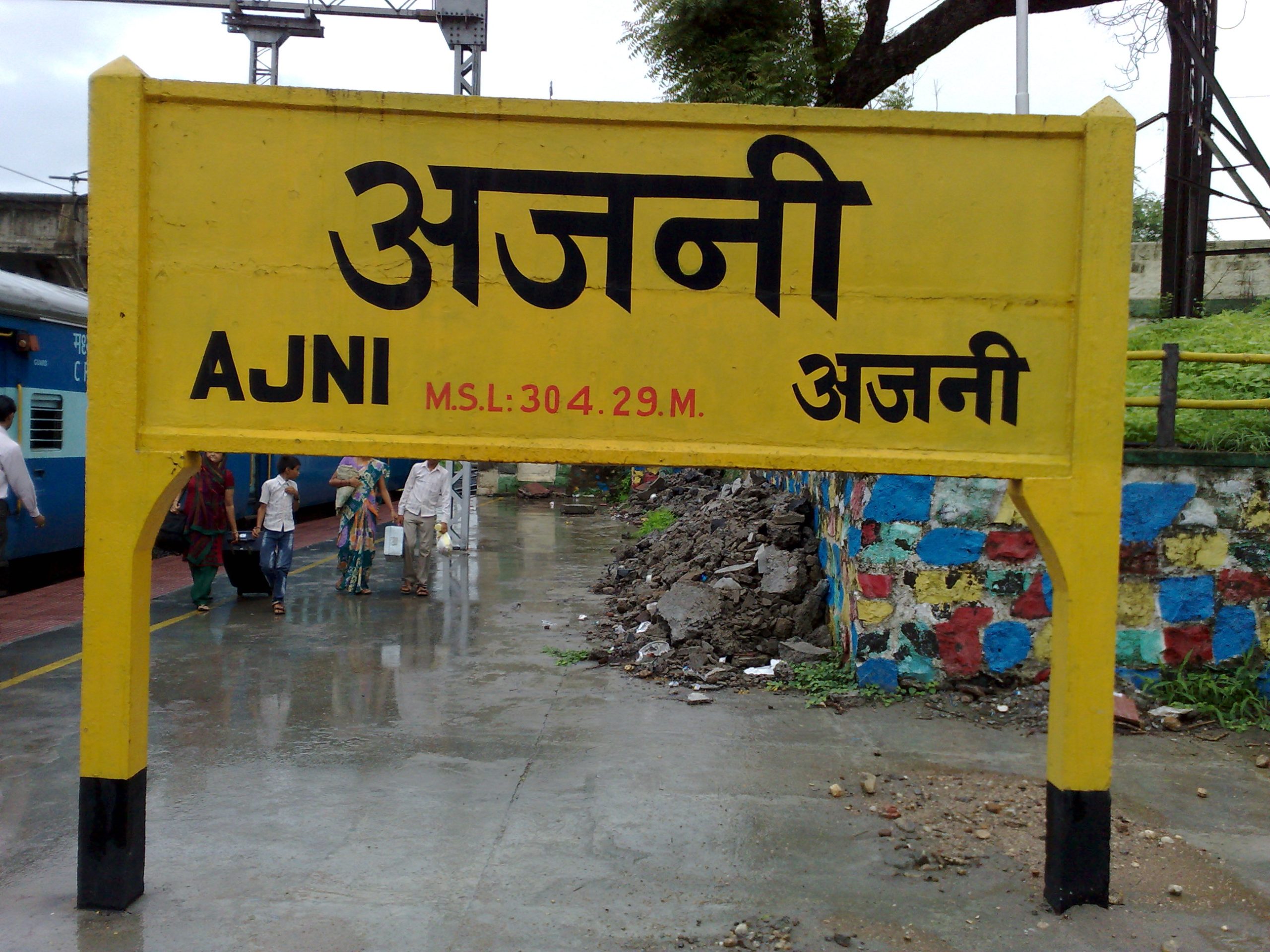
Ajni Station Platform No. 2, 3 to Remain Closed for 90 Days Due to Construction Work in Nagpur

Ajni Station Platform Closure: Nagpur is known for its strategic position in the railway network, making it a hub of connectivity in Central India. In an effort to improve the infrastructure and services at Ajni Station, the Central Railway’s Nagpur Division has announced a major redevelopment project. As part of this project, Platforms No. 2 and 3 at Ajni Station will remain closed for 90 days starting from September 12, 2024. This significant development will affect train operations and passenger movement, and it’s essential for travelers to be aware of the changes.

Why is Ajni Station Undergoing Redevelopment?

Ajni Station is a critical juncture for passengers traveling in and out of Nagpur. With the increasing volume of passengers and trains, the station needs modernization to handle the traffic efficiently. The redevelopment aims to enhance passenger amenities, improve safety, and increase the station’s capacity to accommodate more trains.

Scope of the Redevelopment Work (Ajni Station Platform Closure)

The redevelopment includes the construction of new facilities, the upgrade of existing infrastructure, and the extension of platforms to accommodate longer trains. The closure of Platforms No. 2 and 3 is necessary to carry out these extensive construction activities without compromising safety.

Impact on Train Operations

The closure of Platforms No. 2 and 3 will significantly impact train operations at Ajni Station. Passengers need to be aware of the changes to plan their journeys accordingly.

Trains Affected by the Platform Closure

Trains departing from Nagpur towards Sevagram and Wardha will not halt at Ajni Station during the construction period. These trains will skip Ajni Station entirely, making it essential for passengers to board from other stations.

Trains That Will Halt at Ajni Platform No. 1

Despite the closure of Platforms No. 2 and 3, Platform No. 1 will remain fully operational. Trains coming towards Nagpur will halt at Platform No. 1 as per the regular schedule. Passengers can still use Platform No. 1 for boarding and deboarding during the construction period.

Changes in Train Originating/Terminating Stations

During the construction period, several trains that typically originate or terminate at Ajni Station will instead do so at Nagpur Station. These include:

  • Train No. 12120/12119 Ajni – Amravati – Ajni Express (Daily)
  • Train No. 22124/22123 Ajni – Pune – Ajni Express (Tuesday and Saturday)
  • Train No. 22140/22139 Ajni – Pune – Ajni Express (Sunday)

Trains That Will Not Halt at Ajni Station

The following trains will not halt at Ajni Station during the block period:

  1. Train No. 11040 Maharashtra Express (Daily)
  2. Train No. 11403 Nagpur – Kolhapur Express (Tuesday, Saturday)
  3. Train No. 12106 Gondia – CSMT Vidarbha Express (Daily)
  4. Train No. 12136 Nagpur – Pune Express (Monday, Wednesday, Saturday)
  5. Train No. 12114 Nagpur – Pune Garibrath Express (Tuesday, Friday, Sunday)
  6. Train No. 12140 Nagpur – CSMT Sevagram Express (Daily)
  7. Train No. 01374 Nagpur – Wardha MEMU (Except Sunday)
  8. Train No. 18030 Shalimar – LTT Express (Daily)

Passengers on these trains are advised to board from Nagpur Station and not from Ajni.

Advice for Passengers

Planning Your Journey

Passengers are strongly advised to plan their journeys considering these changes. Those who regularly use Ajni Station should familiarize themselves with the alternative arrangements and ensure they arrive at the correct station well in advance.

Utilizing Alternative Stations

During this period, passengers can use Nagpur Station as an alternative for boarding and deboarding. Nagpur Station is well-connected and can handle the additional passenger traffic expected due to the closure of Ajni’s platforms.

Staying Informed

It is crucial for passengers to stay informed about any further changes or updates from Central Railway. Regular announcements will be made to keep passengers updated on the progress of the redevelopment work and any additional changes to train schedules.

The redevelopment of Ajni Station is a vital project aimed at improving the station’s infrastructure to better serve passengers in the future. While the temporary closure of Platforms No. 2 and 3 may cause some inconvenience, the long-term benefits will be substantial. Passengers are urged to cooperate with the authorities and make the necessary adjustments to their travel plans during this period. The successful completion of this project will mark a significant milestone in enhancing the railway services in Nagpur.

Why are Platforms No. 2 and 3 at Ajni Station being closed? Platforms No. 2 and 3 are being closed to facilitate extensive redevelopment work aimed at modernizing Ajni Station.

  1. How long will Platforms No. 2 and 3 remain closed? The platforms will remain closed for 90 days, starting from September 12, 2024.
  2. Which trains will be affected by this closure? Several trains will not halt at Ajni Station and will either skip it or originate/terminate at Nagpur Station instead.
  3. Can passengers still use Ajni Station during the closure? Yes, but only Platform No. 1 will be operational. Trains arriving at Ajni will halt at Platform No. 1.
  4. Where can I get updates on the progress of the redevelopment work? Updates will be regularly provided by Central Railway through announcements and official channels.

Temporary Closure of West Side Main Entrance at Nagpur Railway Station

Overview of the Closure

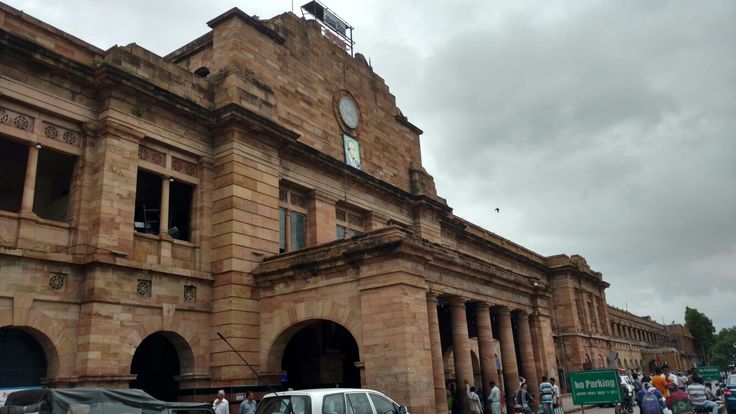
Nagpur Railway Station Redevelopment Work:  one of the busiest railway hubs in India, is currently undergoing a major redevelopment. To facilitate this, the West Side Main Entrance, located beside the RMS building, will be temporarily closed for passenger vehicles starting from September 5th, 2024, until further notice. This strategic closure is crucial to ensure the safety of passengers and to allow for uninterrupted construction work.

Why Is the West Side Entrance Being Closed?

The primary reason for this closure is to enhance passenger safety. The redevelopment work is extensive and involves heavy machinery and construction activities that could pose a risk to vehicles and passengers. By closing the entrance, the railway authorities aim to prevent accidents and ensure a smooth workflow for the construction teams.

New Entry Point for Pick-Up and Drop-Off (Nagpur Railway Station)

To minimize inconvenience, a new entry point has been established for passenger vehicles. This entry is conveniently located 100 meters from the original West Side entrance towards Ganesh Tekdi Mandir. This new point will serve as the designated area for pick-up and drop-off services.

Temporary Car Parking Entrance

A temporary car parking entrance has also been created beside the existing main entrance gate. This ensures that passengers who wish to park their vehicles at the station still have easy access, albeit from a different location.

Changes Within the Station Premises

Relocation of Two-Wheeler Parking

Within the station, significant changes have been made to accommodate the ongoing construction. The existing two-wheeler parking area has been relocated to the front of the RPF office. This new area will have clearly marked entry and exit points to streamline traffic flow and reduce congestion.

New Prepaid Auto Stand Location

The prepaid auto stand, which was previously located near the West Side entrance, has also been shifted to the area in front of the RPF office. This relocation is designed to ensure that passengers can still access auto services easily, without interfering with the construction activities.

How to Navigate the Changes

Follow the Signage

Passengers are urged to follow the signage that has been put up throughout the station. These signs will guide you to the new entry and exit points and provide updates on any further changes. Being aware of these signs is crucial to avoid any delays or confusion.

Allow Extra Time for Arrival

Given the changes in traffic flow and the new entry points, passengers should allow extra time when arriving at the station. This will help ensure that you reach your platform on time without any unnecessary stress.

Duration of the Closure

The temporary closure of the West Side entrance is expected to last until the redevelopment work is fully completed. However, the exact timeline is subject to change based on the progress of the construction. Passengers are advised to stay updated by checking the official website or contacting the railway helpline for the latest information.

Why This Redevelopment is Important

Modernizing the Station

The redevelopment work at Nagpur Railway Station is part of a broader initiative to modernize railway stations across the country. Once completed, the station will feature improved facilities, better passenger amenities, and a more efficient layout that will enhance the overall travel experience.

Boosting the Local Economy

In addition to improving the station, this redevelopment project is expected to have a positive impact on the local economy. The construction work has already created numerous jobs, and the improved infrastructure is likely to attract more businesses and tourists to the area.

1. What is the reason for the temporary closure of the West Side entrance?

The closure is necessary to ensure passenger safety during the ongoing redevelopment work at Nagpur Railway Station.

2. How long will the closure last?

The closure will remain in effect until the redevelopment work is completed. The exact duration is not yet known.

3. Where can I drop off passengers if the West Side entrance is closed?

A new pick-up and drop-off point has been established 100 meters from the West Side entrance towards Ganesh Tekdi Mandir.

4. Has the two-wheeler parking area been relocated?

Yes, the two-wheeler parking has been relocated to the front of the RPF office within the station premises.

5. How can I stay updated on the latest information about the closure?

Passengers can stay updated by checking the official website of Nagpur Railway Station or contacting the railway helpline.

Seloo Railway Station Upgrade: Boosting Capacity and Efficiency

Seloo Railway Station Upgrade: The Central Railway has recently achieved a significant milestone with the successful completion of critical non-interlocking (NI) work at Seloo Road station. This upgrade is part of the larger effort to enhance the capacity and efficiency of the railway network, particularly along the Nagpur-Wardha section. In this article, we’ll delve into the details of the upgrade, its implications for the railway network, and the broader impact on transportation in the region.

Introduction to Seloo Road Station’s Upgrade (Seloo Railway Station Upgrade)

Seloo Road station, situated in the heart of Maharashtra, has long been a crucial point in the Central Railway network. However, the station’s infrastructure had been under pressure due to the increasing volume of trains and goods passing through. To address this, the Central Railway’s construction wing embarked on a comprehensive upgrade, focusing on adding new lines, improving existing infrastructure, and enhancing the station’s overall capacity.

Why Was the Upgrade Necessary?

With the growing demand for efficient transportation, the existing infrastructure at Seloo Road station (Seloo Railway Station Upgrade) was becoming inadequate. The station was struggling to handle the increasing number of trains, leading to delays and reduced efficiency. The need for an upgrade was evident, and the Central Railway responded with a well-planned strategy to modernize the station.

Details of the Non-Interlocking Work

The non-interlocking (NI) work at Seloo Road station was a complex and challenging task, requiring meticulous planning and execution. The primary objective was to increase the station’s capacity to handle more trains and goods by adding new lines and improving the existing ones.

Addition of New Loop Lines and Turnouts

One of the key components of the upgrade was the addition of two new 700-metre full-length loop lines. These loop lines are crucial for accommodating longer trains, thereby increasing the station’s capacity to handle more traffic. Additionally, a new siding and a long haul loop line were also added, further enhancing the station’s ability to manage goods traffic efficiently.

Installation of 20 New Turnouts

To facilitate the cross movement of trains, 20 new turnouts were installed as part of the NI work. These turnouts allow trains to switch tracks smoothly, reducing delays and improving the overall flow of traffic through the station.

Impact of the Upgrade on the Nagpur-Wardha Section

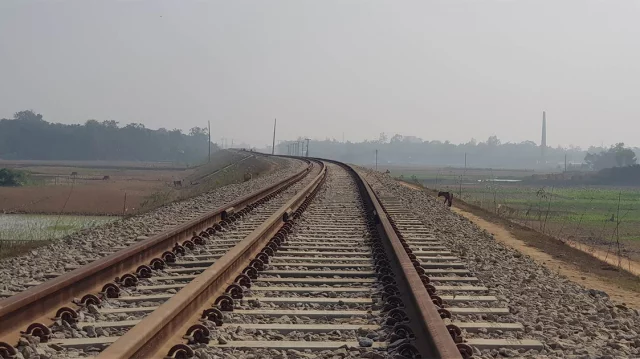
The Seloo Road station upgrade is part of a broader project to improve the Nagpur-Wardha section, a critical 78 km stretch that connects two major cities in Maharashtra. The project involves the construction of third and fourth lines, with 44 km already completed.

Completion Timeline and Future Plans

According to Central Railway officials, the remaining work on the Nagpur-Wardha section is expected to be completed by March 2025. Once the entire project is finished, the section will have significantly increased capacity, reducing congestion and improving the efficiency of train operations.

Challenges Faced During the Upgrade

The upgrade at Seloo Road station was not without its challenges. The NI work required the coordination of 250 skilled labourers, who worked tirelessly to ensure the project was completed on time.

Use of Advanced Machinery

To expedite the process and minimize disruptions to railway operations, a specialized T-28 machine was used. This machine, known for its precision and efficiency, played a crucial role in the successful execution of the NI work.

Overcoming Adverse Weather Conditions

The upgrade work was carried out during the night, often in challenging weather conditions. Despite these hurdles, the team managed to complete the work without compromising on safety or quality.

The Role of Seloo Road Station in the Railway Network

Seloo Road station serves as a vital link in the Central Railway network, connecting various regions and facilitating the smooth movement of goods and passengers.

Enhancing Operational Capacity

With the recent upgrades, the station’s operational capacity has been significantly enhanced. The addition of new lines and turnouts means that the station can now handle a higher volume of trains, reducing delays and improving the overall efficiency of the network.

Strategic Importance of the Nagpur-Wardha Section

The Nagpur-Wardha section is a critical corridor for the transportation of goods and passengers across Maharashtra. The improvements at Seloo Road station are expected to have a ripple effect, benefiting the entire section and beyond.

Environmental and Economic Benefits of the Upgrade

The upgrade at Seloo Road station is not just about increasing capacity; it also has significant environmental and economic implications.

Reduction in Congestion and Delays

By improving the station’s ability to handle more trains, the upgrade will reduce congestion on the tracks, leading to fewer delays. This, in turn, will result in lower fuel consumption and emissions, contributing to a greener railway network.

Boost to the Local Economy

The improved efficiency of the railway network is expected to boost the local economy by facilitating faster and more reliable transportation of goods. This will benefit businesses in the region, leading to increased economic activity and job creation.

A Milestone in Railway Modernization

The successful completion of the non-interlocking work at Seloo Road station marks a significant milestone in the ongoing efforts to modernize India’s railway infrastructure. The upgrade not only enhances the capacity and efficiency of the Nagpur-Wardha section but also sets the stage for further improvements in the region’s transportation network.

1. What is non-interlocking work in railway terminology?

Non-interlocking work refers to the process of upgrading or modifying railway signaling and track infrastructure to improve the movement of trains through a station or section.

2. How does the Seloo Road station upgrade benefit passengers?

The upgrade allows the station to handle more trains, reducing delays and improving the overall travel experience for passengers.

3. What role did the T-28 machine play in the upgrade?

The T-28 machine was crucial in expediting the NI work, allowing the team to complete the project efficiently and with minimal disruption to railway operations.

4. Why is the Nagpur-Wardha section important?

The Nagpur-Wardha section is a key corridor for the transportation of goods and passengers across Maharashtra, making it a vital part of the Central Railway network.

5. When is the entire Nagpur-Wardha section upgrade expected to be completed?

The remaining work on the Nagpur-Wardha section is expected to be completed by March 2025.

Exit mobile version