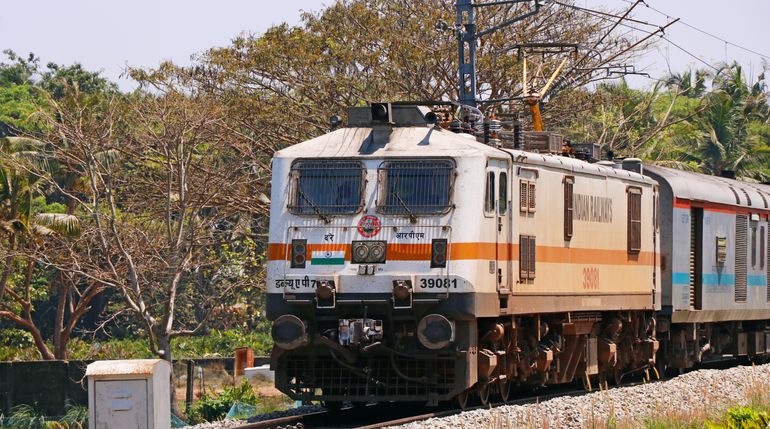
Central Railway’s Nagpur Division Achieves Rs 472 Crore Freight Earnings in May, Marking a 1.3% Increase from Last Year

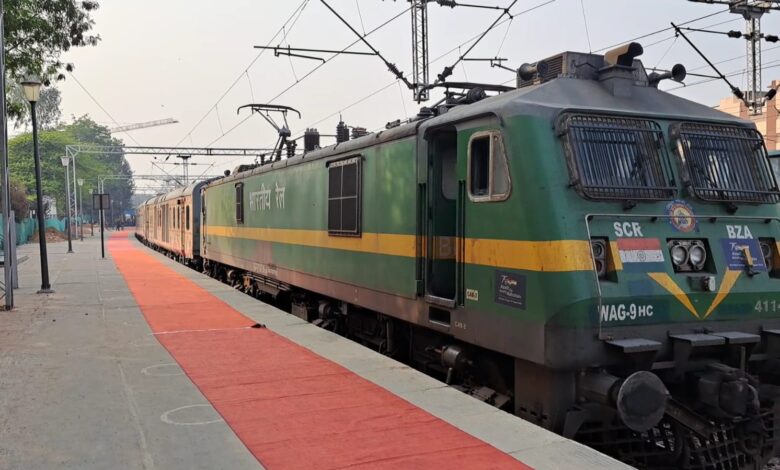
Central Railway Nagpur Division Earnings: The Central Railway has proudly announced that its Nagpur Division has reported significant freight earnings of Rs 472.03 crore in May by loading 1,142 rakes. This achievement highlights a 1.3% increase compared to the same period last year, showcasing the division’s unwavering dedication to delivering value to its stakeholders.

Overview of Freight Earnings

In the context of freight transportation, earnings figures serve as crucial indicators of performance and operational success. The Central Railway’s recent announcement underscores the division’s robust freight operations and strategic planning.

Detailed Breakdown of Earnings

Cumulative Earnings from April 24 to May 24

The period from April 24 to May 24 has been particularly fruitful for the Nagpur Division, with cumulative earnings reaching Rs 892.18 crore. This sustained momentum is a testament to the efficiency and reliability of the division’s freight transportation services.

Significant Milestones

  • Cumulative Earnings: Rs 892.18 crore
  • Consistent Growth: Demonstrated by the division’s ability to maintain high earnings

Coal Traffic Earnings Surge

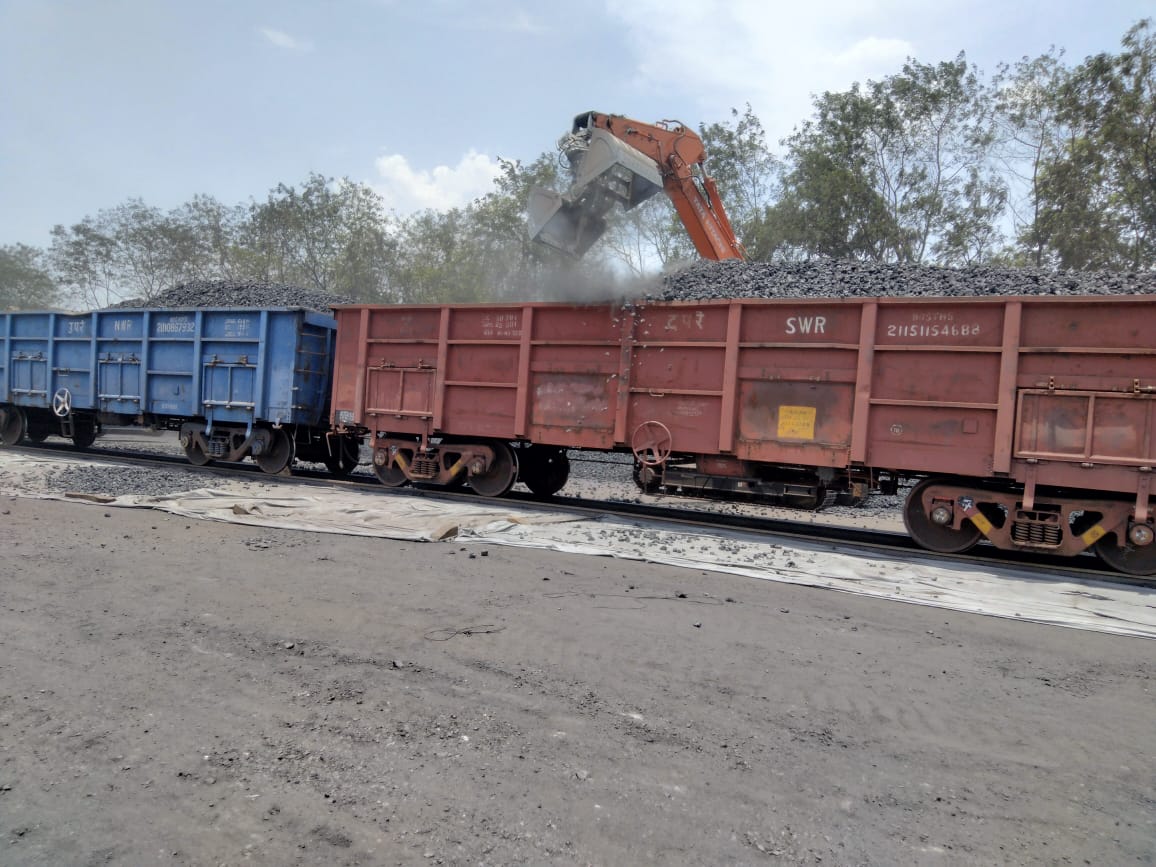
Coal traffic has been a significant contributor to the division’s earnings. Specifically, the earnings from coal traffic amounted to Rs 386.02 crore, with 910 rakes loaded. This marks a 15% increase over the same month last year, which saw earnings of Rs 335.48 crore with 869 rakes loaded.

Key Statistics

  • Coal Traffic Earnings: Rs 386.02 crore
  • Number of Rakes Loaded: 910
  • Year-on-Year Increase: 15%

Technological Advancements: Electronic Interlocking at CSMT

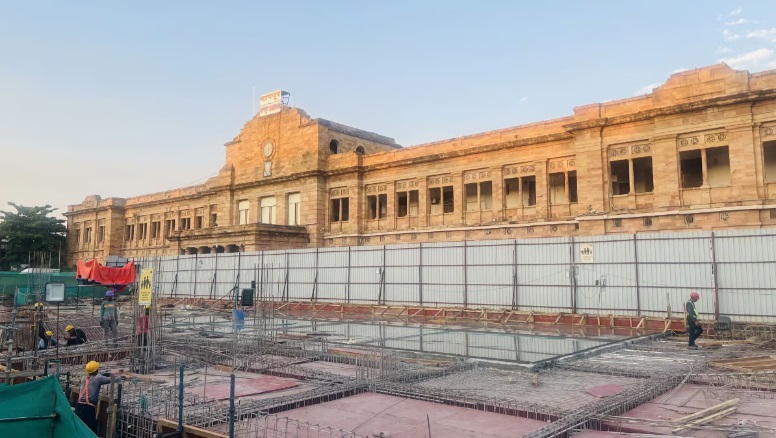
In addition to impressive earnings, the Central Railway has made strides in technological advancements. The commissioning of Electronic Interlocking at Chhatrapati Shivaji Maharaj Terminus (CSMT) in Mumbai and the widening of platforms at Thane station were completed ahead of schedule.

Details of the Project

  • Electronic Interlocking at CSMT: Successfully commissioned
  • Platform Widening at Thane Station: Completed ahead of schedule

Benefits of Electronic Interlocking

Electronic Interlocking is a critical upgrade that enhances the safety and efficiency of train operations. This system allows for more precise control of train movements, reducing the risk of human error and improving overall operational reliability.

Advantages

  • Enhanced Safety: Reduced risk of accidents
  • Increased Efficiency: More precise control of train movements
  • Operational Reliability: Improved train scheduling and management

Impact on Passenger Experience

The upgrades at CSMT and Thane station are not just technical achievements; they also significantly improve the passenger experience. The widening of platforms at Thane station ensures smoother and more comfortable travel for commuters.

Passenger Benefits

Future Prospects for Central Railway

The recent achievements of the Nagpur Division and the successful technological upgrades at key stations reflect the Central Railway’s commitment to continuous improvement and innovation. These efforts are expected to pave the way for future successes and sustained growth in freight earnings.

Strategic Goals

  • Sustained Growth: Continued focus on enhancing freight earnings
  • Technological Innovation: Ongoing investment in advanced technologies
  • Stakeholder Value: Commitment to delivering value to stakeholders

The Central Railway’s Nagpur Division has demonstrated remarkable performance with Rs 472.03 crore in freight earnings in May, reflecting a 1.3% increase from the previous year. The division’s cumulative earnings from April 24 to May 24 reached Rs 892.18 crore, showcasing sustained momentum. Significant contributions from coal traffic and successful technological advancements at CSMT and Thane station further highlight the division’s dedication to excellence and innovation.

1. What contributed to the increase in freight earnings for the Nagpur Division?

The increase in freight earnings was primarily driven by significant coal traffic earnings and the efficient loading of rakes.

2. How much did the coal traffic earnings amount to in May?

The coal traffic earnings amounted to Rs 386.02 crore, marking a 15% increase from the previous year.

3. What technological advancements were implemented at CSMT?

The Central Railway successfully commissioned Electronic Interlocking at CSMT, which enhances safety and efficiency in train operations.

4. How does the widening of platforms at Thane station benefit passengers?

The widening of platforms at Thane station reduces overcrowding and improves accessibility, making travel more comfortable for commuters.

5. What are the future prospects for the Central Railway?

The Central Railway aims for sustained growth in freight earnings, continued investment in technological innovations, and a commitment to delivering value to stakeholders.

Nagpur Central Railway’s Effective Measures to Reduce Wagon Rejections and Boost Revenue

Wagon Rejections Revenue Boost: The Nagpur division of Central Railway has embarked on an impressive journey to tackle wagon rejections, a significant issue causing revenue loss. By addressing the damage to the floor, door, and body of wagons, the division’s mechanical department has made commendable strides. In the fiscal year 2023-24, over 1.55 lakh wagons were reported as unloadable due to these issues. Remarkably, 96% of these wagons were attended to and made fit for loading through in-situ repairs. This initiative generated an additional revenue of Rs986 crore, marking a 33% improvement in wagon attention compared to the previous year.

Wagon Rejections: A Persistent Problem

Understanding the Causes of Wagon Rejections

Wagon rejections occur due to various damages, primarily to the floor, doors, and body. These damages can make wagons unloadable, leading to significant revenue loss and logistical challenges for the railway division.

The Impact on Revenue (Wagon Rejections Revenue Boost)

The financial implications of wagon rejections are substantial. With over 1.55 lakh wagons reported as unloadable in the 2023-24 fiscal year alone, the potential revenue loss was alarming. However, through targeted efforts, the division managed to turn this challenge into an opportunity for revenue enhancement.

Effective Measures Implemented

In-Situ Repairs: A Game Changer

Outsourcing In-Situ Repair Services

The Nagpur division outsourced in-situ repair services at sidings with a high number of unloadable wagons. This strategy ensured prompt and efficient repairs on-site, significantly reducing downtime and improving wagon availability for loading.

Identifying Critical Coal Loading Sidings

Critical coal loading sidings with the highest number of rejected wagons were identified. These included Umred, Makardhokda, Ghugus, Wani, Majri, Chandrapur, and Balharshah. By focusing on these hotspots, the division could streamline its repair efforts and maximize impact.

Stringent Brake Power Certificate Examinations

Targeting High Rejection Rate Depots

Depots responsible for Brake Power Certificate (BPC) examinations of rakes with high rejection rates were targeted. Regular reminders and stringent examination protocols were implemented to ensure compliance and reduce wagon rejections.

Wagon Rejections Revenue Boost: A Tangible Outcome

Revenue Generation through Repair Initiatives

The focused repair initiatives led to a significant revenue boost. The in-situ repair strategy alone contributed an additional Rs986 crore, marking a notable 33% improvement compared to the previous year. This success underscores the effectiveness of the measures taken by the division.

Detailed Look at Key Sidings

Umred Siding

Challenges and Solutions

Umred siding faced frequent wagon rejections due to floor and body damages. By outsourcing repair services, prompt in-situ repairs were carried out, reducing unloadable wagon counts significantly.

Makardhokda Siding

Impact of In-Situ Repairs

At Makardhokda, the introduction of on-site repair services addressed door and body damages efficiently, improving the overall operational efficiency of the siding.

Ghugus Siding

Enhancing Wagon Availability

Ghugus siding, another critical point, saw a marked reduction in wagon rejections due to focused repair efforts. This improvement enhanced wagon availability, supporting higher loading volumes.

Wani and Majri Sidings

Collaborative Repair Efforts

Both Wani and Majri sidings benefited from collaborative repair efforts. By pooling resources and expertise, these sidings saw significant improvements in wagon fitness and reduced rejection rates.

Chandrapur and Balharshah Sidings

Strategic Repair Implementation

Strategic implementation of in-situ repairs at Chandrapur and Balharshah ensured that even minor damages were promptly addressed. This proactive approach minimized wagon rejections and supported consistent revenue generation.

The Role of the Mechanical Department

Proactive Measures

The mechanical department played a crucial role in this success story. By proactively addressing common damage issues and implementing efficient repair protocols, the department ensured the sustained fitness of wagons.

Continuous Monitoring and Improvement

Continuous monitoring of wagon conditions and regular updates to repair strategies ensured that the division could adapt to emerging challenges promptly. This dynamic approach was key to maintaining high standards of wagon fitness.

Collaborative Efforts and Outsourcing

Partnering with Repair Service Providers

Outsourcing repair services to specialized providers brought in expert knowledge and efficient repair techniques. This partnership was instrumental in reducing wagon rejection rates and improving overall operational efficiency.

Leveraging Technology for Better Outcomes

Technological advancements were leveraged to streamline the repair process. Digital monitoring and reporting tools ensured that repairs were carried out efficiently and that all stakeholders were kept informed of progress.

Stringent Compliance and Regular Reminders

Ensuring BPC Examination Compliance

Regular reminders and stringent examination protocols for BPC examinations ensured that wagons met the necessary standards before being cleared for loading. This preventive measure significantly reduced rejection rates.

Training and Development Programs

Training programs for staff involved in wagon examinations and repairs ensured that they were equipped with the latest knowledge and skills. This investment in human resources paid off in the form of higher operational efficiency.

The Nagpur division of Central Railway has set a benchmark with its proactive and efficient measures to reduce wagon rejections. By addressing the root causes of damages and implementing strategic repairs, the division has not only mitigated revenue loss but also boosted overall revenue significantly. The success of these initiatives highlights the importance of continuous improvement, collaboration, and technological integration in achieving operational excellence.

1. What are the main causes of wagon rejections?

Wagon rejections primarily occur due to damages to the floor, doors, and body of the wagons. These damages make the wagons unloadable, leading to operational inefficiencies and revenue loss.

2. How has the Nagpur division addressed wagon rejections?

The Nagpur division has implemented several measures, including outsourcing in-situ repair services, identifying critical coal loading sidings, and ensuring stringent Brake Power Certificate examinations to reduce wagon rejections.

3. What is the significance of in-situ repairs?

In-situ repairs allow for prompt and efficient repairs on-site, reducing downtime and ensuring that wagons are quickly made fit for loading, thereby minimizing revenue loss.

4. How much additional revenue was generated through these initiatives?

The initiatives led to an additional revenue generation of Rs986 crore in the fiscal year 2023-24, marking a 33% improvement in wagon attention compared to the previous year.

5. What role did the mechanical department play in this success?

The mechanical department was instrumental in identifying and addressing common damage issues, implementing efficient repair protocols, and continuously monitoring and improving wagon fitness.

Innovative Mist Cooling System at Nagpur Railway Station

In response to the extreme summer heat that can make waiting at railway platforms unbearable, Nagpur Railway Station has unveiled a state-of-the-art mist cooling system on platforms 1, 2, and 3. This innovative solution aims to enhance passenger comfort during the hottest months, from April to June, when temperatures soar above 45 degrees Celsius.

Summer in Nagpur can be relentless, with temperatures often rising above 45 degrees Celsius. This extreme heat makes waiting on railway platforms a daunting experience. However, Nagpur Railway Station has introduced an innovative solution to tackle this issue—a mist cooling system designed to reduce the ambient temperature and provide relief to passengers.

How the Mist Cooling System Works

The Technology Behind the Cooling

The mist cooling system works by dispersing fine droplets of water through specialized nozzles. These droplets evaporate quickly, absorbing heat from the air and thereby cooling the surrounding area. The primary components of this system include a high-pressure pump, micro filters, a control system, piping, fittings, and the nozzles themselves.

Key Components

High-Pressure Pump

The high-pressure pump is the heart of the mist cooling system. It ensures that water is delivered at the necessary pressure to create a fine mist.

Micro Filters

Micro filters play a crucial role by preventing impurities from clogging the nozzles. This ensures that the system operates efficiently and requires minimal maintenance.

Control System

The control system allows for precise regulation of the mist output, ensuring optimal cooling without wasting water.

Specialized Nozzles

The nozzles are strategically placed around the platforms to maximize the cooling effect. They are designed to disperse water in a way that enhances evaporation and cooling.

Benefits of the Mist Cooling System

Effective Outdoor Cooling

The mist cooling system provides a practical solution for cooling open-air platforms where traditional air conditioning is not feasible. By reducing the ambient temperature by 6 to 8 degrees Celsius, it makes waiting more comfortable for passengers.

Cost-Effective Maintenance

Designed for easy and affordable upkeep, the mist cooling system ensures long-term operation without significant costs. The use of micro filters reduces the likelihood of nozzle blockages, minimizing the need for frequent maintenance.

Energy Efficiency

Consuming minimal energy, the mist cooling system is an environmentally friendly option. It uses significantly less power compared to traditional cooling methods, making it a sustainable choice for large, open areas like railway platforms.

Improved Air Quality

In addition to cooling, the mist cooling system enhances air quality by reducing dust, smoke, and other respirable particles. This creates a cleaner and healthier environment for passengers.

Space-Saving Installation

The system integrates seamlessly into the existing platform infrastructure without requiring additional space. This makes it an ideal solution for busy railway stations where space is at a premium.

Installation and Implementation

Strategic Placement of Nozzles

The nozzles are strategically installed on platforms 1, 2, and 3 to ensure even distribution of the mist. This placement is critical to achieving the maximum cooling effect.

Ease of Operation

The control system is user-friendly, allowing railway staff to easily adjust the mist output based on the ambient temperature and passenger load.

Passenger Feedback and Satisfaction

Immediate Relief

Passengers have reported immediate relief from the scorching heat upon entering the mist-cooled areas. The reduction in temperature makes waiting for trains a more pleasant experience.

Positive Impact on Health and Well-being

The improved air quality and cooler temperatures contribute to better health and well-being for passengers, particularly those who are elderly or have respiratory issues.

Environmental and Economic Impact

Sustainability

The mist cooling system’s low energy consumption makes it a sustainable solution for reducing heat on railway platforms. It aligns with environmental goals by lowering energy use and reducing the carbon footprint.

Economic Efficiency

By reducing the need for high-energy cooling systems, the mist cooling system offers significant cost savings. Its minimal maintenance requirements further enhance its economic viability.

Future Prospects

Expansion Plans

Given the success of the mist cooling system on platforms 1, 2, and 3, there are plans to expand the installation to other platforms at Nagpur Railway Station. This expansion could further improve passenger comfort across the station.

Potential for Other Stations

The success at Nagpur Railway Station sets a precedent for other railway stations facing similar challenges. The mist cooling system could be implemented at other locations to provide relief from extreme heat.

Nagpur Railway Station’s innovative mist cooling system is a game-changer in combating extreme summer heat. By significantly reducing ambient temperatures and improving air quality, it enhances passenger comfort and well-being. This sustainable and cost-effective solution underscores the station’s commitment to passenger satisfaction and environmental responsibility.

1. How much does the mist cooling system reduce the temperature?

The mist cooling system reduces the ambient temperature by 6 to 8 degrees Celsius.

2. Is the mist cooling system energy-efficient?

Yes, the system consumes minimal energy, making it an environmentally friendly option.

3. Does the mist affect visibility on the platforms?

No, the mist is fine enough that it does not affect visibility while providing effective cooling.

4. How often does the system require maintenance?

Thanks to the use of micro filters, the system requires minimal maintenance, ensuring long-term reliability.

5. Can the mist cooling system be installed at other railway stations?

Yes, the success of the system at Nagpur Railway Station suggests it could be implemented at other stations to provide relief from extreme heat.

Unauthorized Hoardings on Nagpur Railway Premises: A Growing Concern

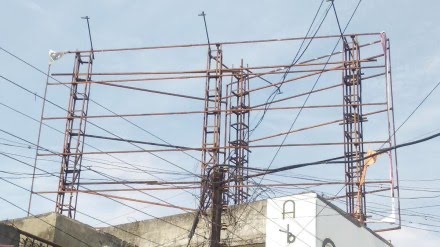
Nagpur Railway station: The bustling city of Nagpur, known for its rich cultural heritage and historical significance, is facing a modern-day issue that is causing quite a stir: unauthorized hoardings on railway premises. Despite numerous letters from the Nagpur Municipal Corporation (NMC) to the Divisional Railway Manager (DRM), the railway administration has failed to address the issue. The NMC has identified around 150 hoardings in the city (Nagpur Railway station) that are illegal, having been erected without the necessary permissions. Let’s delve into the details of this issue and understand why it’s causing such a controversy.

Table of Contents

Sr# Headings
1 Introduction
2 What Are Hoardings and Why Do They Matter?
3 The Rise of Unauthorized Hoardings in Nagpur
4 NMC’s Stance on Unauthorized Hoardings
5 Railway Administration’s Response
6 Regulations Governing Hoardings
7 The Notification of May 2022
8 Documentation Required for Hoarding Permissions
9 Impact on Urban Aesthetics and Safety
10 Legal Implications and Consequences
11 Public Opinion on Unauthorized Hoardings
12 Steps Taken by NMC to Curb Unauthorized Hoardings
13 The Role of Citizens in Addressing the Issue
14 Conclusion
15 Frequently Asked Questions (FAQs)


Nagpur, a city known for its orderly charm and civic pride, is currently grappling with an issue that many residents find both troubling and perplexing: the proliferation of unauthorized hoardings on railway premises (Nagpur Railway station). These hoardings, which have sprung up without the necessary permissions from the NMC, pose several problems, from visual pollution to potential safety hazards. In this article, we’ll explore the nuances of this situation, examining the roles of various stakeholders, the regulations in place, and what steps can be taken to resolve this issue.

What Are Hoardings and Why Do They Matter?

Hoardings, commonly known as billboards, are large outdoor structures used for advertising. They are strategically placed in high-traffic areas to capture the attention of pedestrians and motorists alike. Hoardings are an effective marketing tool, but when they are erected without proper authorization, they can become a significant issue. Unauthorized hoardings not only deface the city’s landscape but also raise safety and regulatory concerns.

The Rise of Unauthorized Hoardings in Nagpur

In recent years, Nagpur has seen a noticeable increase in the number of hoardings, particularly around the railway station . Many of these structures have been put up without the necessary permissions from the NMC, leading to a growing problem of visual clutter and regulatory defiance. The sheer number of these unauthorized hoardings, estimated to be around 150, highlights the extent of the issue.

NMC’s Stance on Unauthorized Hoardings

The Nagpur Municipal Corporation has been vocal about its disapproval of these unauthorized hoardings. According to the NMC, any hoardings within the city limits require explicit permission from their office, following a stringent documentation process. The NMC has reiterated that the rules laid out in the Urban Development Department’s notification from May 2022 must be adhered to by all parties, including the railway administration.

Railway Administration’s Response

Despite multiple communications from the NMC, the railway administration has largely ignored the issue. This lack of response has only exacerbated the problem, leading to frustration among city officials and residents alike. The railway administration’s failure to comply with municipal regulations undermines the authority of the NMC and sets a poor precedent for other entities.

Regulations Governing Hoardings

The regulations governing hoardings are designed to ensure that these structures are safe, aesthetically pleasing, and do not contribute to urban chaos. The NMC requires 13 types of documents from applicants before granting permission for hoardings. These documents include structural safety certificates, site plans, and no-objection certificates from various departments.

The Notification of May 2022

On May 9, 2022, the Urban Development Department issued a notification that laid out specific rules for municipal corporations regarding hoarding permissions. This notification mandates that all hoardings within city (Nagpur Railway station) limits must have NMC’s approval, irrespective of the land on which they are erected. This rule applies to railway premises as well, thus making the railway administration’s unauthorized hoardings illegal.

Documentation Required for Hoarding Permissions

To get permission for erecting a hoarding, applicants must submit 13 different types of documents to the NMC. These documents include:

  1. Structural safety certificates
  2. Detailed site plans
  3. No-objection certificates from landowners
  4. Fire safety clearances
  5. Environmental clearances
  6. Approval from traffic authorities
  7. Proof of ownership or lease agreements
  8. Aesthetic and design approvals
  9. Payment of fees and charges
  10. Public liability insurance
  11. Electrical safety clearances (if illuminated)
  12. Waste management plans
  13. Compliance with advertising standards

These stringent requirements are in place to ensure that all hoardings are safe, legal, and in line with the city’s aesthetic values.

Impact on Urban Aesthetics and Safety

Unauthorized hoardings can significantly impact the urban aesthetics of a city. They contribute to visual clutter, detract from the city’s beauty, and can even pose safety hazards if not constructed properly. For instance, poorly erected hoardings can fall during heavy winds or rains, endangering lives and property.

The legal implications of erecting unauthorized hoardings are serious. Entities found guilty of violating these regulations can face heavy fines, legal action, and the forced removal of the hoardings. Additionally, such violations tarnish the city’s image and can deter potential investors and tourists.

Public Opinion on Unauthorized Hoardings

The general public’s opinion on unauthorized hoardings is largely negative. Many residents feel that these structures spoil the city’s appearance and reflect poorly on the authorities’ ability to enforce regulations. Public sentiment strongly favours strict action against those responsible for erecting unauthorized hoardings.

Steps Taken by NMC to Curb Unauthorized Hoardings

In response to the growing issue, the NMC has stepped up its efforts to curb unauthorized hoardings. These steps include:

  • Regular inspections and monitoring of hoardings
  • Issuing notices and fines to violators
  • Collaborating with other departments to ensure compliance
  • Increasing public awareness about the regulations and the importance of adhering to them

The Role of Citizens in Addressing the Issue

Citizens play a crucial role in addressing the issue of unauthorized hoardings. By staying informed about the regulations, reporting violations, and supporting the NMC’s efforts, residents can help ensure that Nagpur remains a beautiful and orderly city. Civic engagement and community vigilance are key to tackling this problem effectively.

The issue of unauthorized hoardings on railway premises in Nagpur is a matter of significant concern. Despite repeated efforts by the NMC to address the problem, the railway administration’s non-compliance has led to a proliferation of illegal structures. This situation not only affects the city’s aesthetics but also poses safety and regulatory challenges. It’s crucial for all stakeholders, including the railway administration, to adhere to the regulations and work towards maintaining Nagpur’s charm and safety. Collective efforts and strict enforcement are essential to resolve this issue and preserve the city’s integrity.

1. Why are unauthorized hoardings a problem?

Unauthorized hoardings pose several issues, including visual clutter, safety hazards, and regulatory non-compliance. They detract from the city’s aesthetics and can endanger public safety if not constructed properly.

2. What are the consequences of erecting unauthorized hoardings?

Entities responsible for unauthorized hoardings can face legal action, heavy fines, and the forced removal of the structures. Such actions also damage the city’s image and can deter investment and tourism.

3. What documentation is required for hoarding permissions?

The NMC requires 13 types of documents, including structural safety certificates, site plans, and no-objection certificates from various departments, to ensure the hoardings are safe, legal, and aesthetically pleasing.

4. How can citizens help in addressing the issue of unauthorized hoardings?

Citizens can help by staying informed about the regulations, reporting any violations they observe, and supporting the NMC’s enforcement efforts. Public awareness and community involvement are crucial for tackling this issue effectively.

5. What steps has the NMC taken to curb unauthorized hoardings?

The NMC has increased inspections, issued fines to violators, collaborated with other departments for compliance, and raised public awareness about the importance of adhering to hoarding regulations.

Railways Crack Down on Counterfeit Water: A Closer Look at the Recent Seizure

Railway Seizure: In a recent crackdown on unauthorized packaged drinking water, the special catering inspection team of the commercial department of Nagpur division of Central Railway (CR) has taken stringent action at Ballarshah railway station. Let’s delve into the details of this operation and its implications.

Unveiling the Seizure

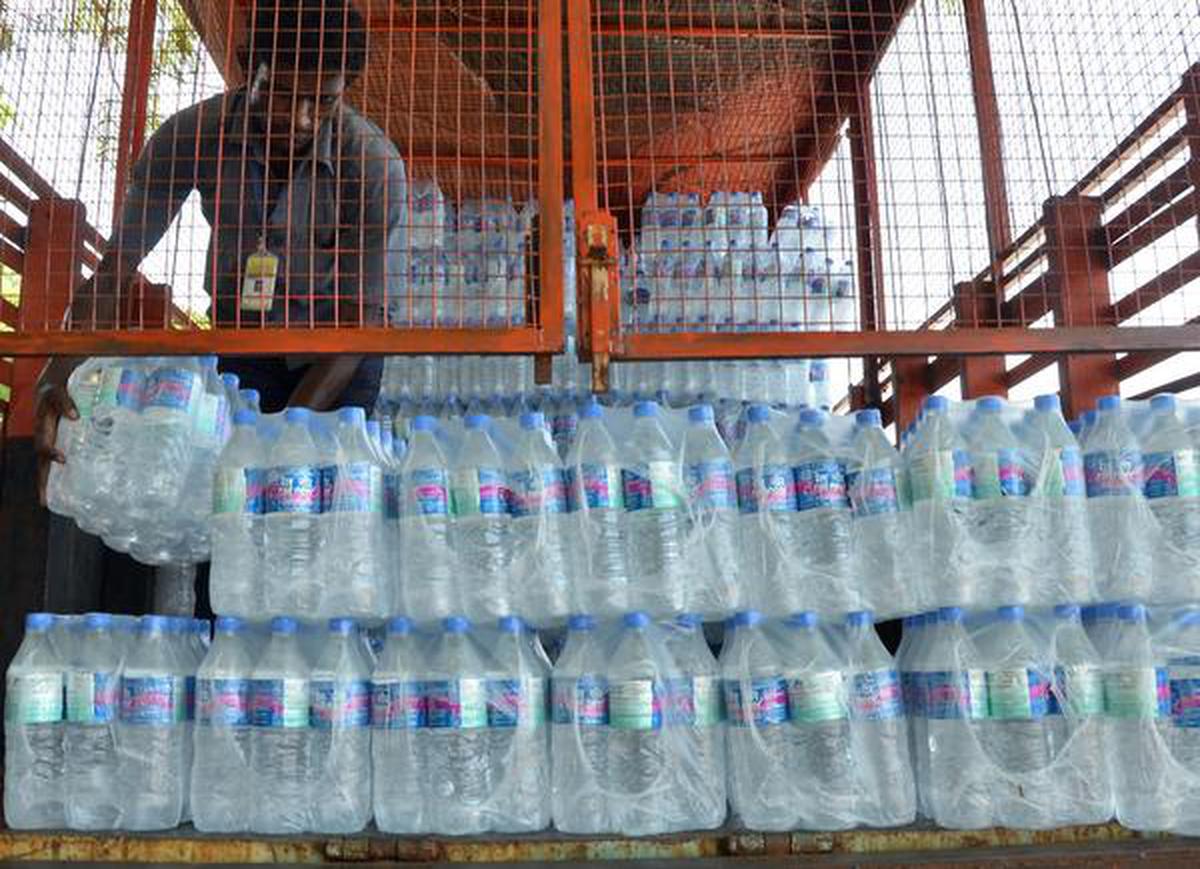
On Monday, the inspection team confiscated approximately 1,200 bottles of spurious water from five vendors at Ballarshah railway station. These vendors were found violating the norms set by railway authorities, which strictly permit only the sale of ‘Rail Neer’ brand packaged drinking water at the station. This swift action highlights the railway’s commitment to ensuring the safety and well-being of passengers.

As a consequence of their violation, the vendors faced fines totaling around ₹75,000. This substantial penalty underscores the severity of the offense and serves as a deterrent against future infringements. It also sends a clear message that the authorities are vigilant and proactive in upholding regulations.

The Authority’s Stance

Aman Mittal, the Senior Divisional Commercial Manager of Nagpur division of CR, affirmed that such drives against unauthorized food, water, and vendors will persist, particularly during the summer season. This proactive approach aims to safeguard passengers from potential health hazards associated with counterfeit products.

Continued Vigilance

The inspection team’s vigilance extended beyond Ballarshah station. On Tuesday, they intercepted five more vendors aboard the Dakshin Express, seizing unauthorized packaged drinking water from them. This swift action underscores the railway’s commitment to enforcing regulations across different routes and stations.

The recent seizure of counterfeit water bottles at Ballarshah railway station underscores the Central Railway’s commitment to passenger safety and regulatory compliance. Through stringent enforcement measures and hefty penalties, the authorities aim to deter unauthorized vendors and uphold the highest standards of quality and safety.

  1. What prompted the crackdown on unauthorized packaged drinking water? The crackdown was initiated to ensure passenger safety and uphold regulatory standards set by the railway authorities.
  2. Why is ‘Rail Neer’ the only permitted brand at Ballarshah station? ‘Rail Neer’ has been approved by the railway authorities for its quality and safety standards, ensuring passengers receive reliable drinking water.
  3. What are the consequences for vendors selling unauthorized water bottles? Vendors found selling unauthorized water bottles face fines and potential legal action, emphasizing the seriousness of the offense.
  4. How often does the railway conduct inspections for unauthorized vendors? Inspections are conducted regularly, with a particular focus during peak seasons like summer to ensure compliance and passenger safety.
  5. What measures can passengers take to ensure they are purchasing authorized products? Passengers are encouraged to look for the ‘Rail Neer’ brand label and verify the authenticity of packaged drinking water before purchase.

Central Railway Nagpur Division Appeals to Passengers: Ensure Safe Food Consumption

Ensuring Safe Food Consumption on Central Railway Nagpur Division

The Central Railway Nagpur Division is committed to ensuring the safety and well-being of its passengers, both on trains and at station premises. In line with this commitment, the division appeals to all travelers to purchase food items and beverages exclusively from authorized vendors. This measure is essential to guaranteeing the quality and hygiene standards of the consumables offered to passengers.

Importance of Purchasing from Authorized Vendors

It is crucial for passengers to understand the significance of purchasing food and beverages from authorized vendors. These vendors adhere to strict guidelines set by the railway authorities to maintain hygiene and quality standards. By buying from authorized sources, passengers can trust the safety and freshness of the products they consume during their journey.

Verifying Stickers on Cooked Food Packages

Passengers are urged to check for stickers on cooked food packages, indicating the date and time of cooking. This information is vital as it ensures that the food is fresh and safe for consumption. Any food items lacking this sticker should be avoided, as their freshness cannot be guaranteed. Additionally, passengers should consume food within four hours from the cooking time to ensure optimal safety and quality.

Authorized Packaged Drinking Water

In addition to food items, passengers should only purchase Rail Neer packaged drinking water, which is authorized by the Central Railway Nagpur Division. This water undergoes stringent quality checks to ensure its purity and safety for consumption. Opting for authorized packaged water helps prevent the risk of waterborne diseases and ensures a refreshing journey for passengers.

Vendor Verification and Complaint Procedure

Passengers are encouraged to verify vendor identity cards before making any purchases. This step ensures that they are dealing with authorized vendors approved by the railway authorities. Furthermore, if passengers encounter any issues regarding food quality or vendor conduct, they can dial 139 or log complaints on the RailMadad portal for prompt assistance and resolution.

Recent Incidents and Railway Response

Recent incidents highlight the importance of adhering to these guidelines. During a drive conducted on May 11, 2024, the railway squad apprehended 21 unauthorized vendors selling cooked food items, unauthorized brand water bottles, packaged snacks, soft drinks, and tea/coffee illegally. Similarly, on May 13, 2024, at Ballarshah station, the Commercial team confiscated 8 boxes of Sunrich packaged drinking water bottles being transported illegally onto the platform. These incidents underscore the necessity of vigilance and adherence to safety protocols.

Prioritizing Passenger Safety

The Central Railway Nagpur Division reaffirms its commitment to passenger safety and well-being. By purchasing food items and beverages only from authorized vendors, passengers contribute to maintaining high standards of hygiene and quality throughout their journey. The division urges travelers to remain vigilant and report any irregularities or concerns to the relevant authorities for immediate action.

1. Why is it important to purchase food items only from authorized vendors?

  • Purchasing from authorized vendors ensures that food meets strict hygiene and quality standards, safeguarding passenger health.

2. What should passengers do if they encounter unauthorized vendors or suspect food safety issues?

  • Passengers should report unauthorized vendors or food safety concerns by dialing 139 or logging complaints on the RailMadad portal for prompt assistance.

3. How can passengers verify the authenticity of vendors?

  • Passengers should verify vendor identity cards before making any purchases to ensure they are dealing with authorized vendors approved by the railway authorities.

4. What steps can passengers take to ensure the safety of packaged drinking water?

  • Passengers should only purchase Rail Neer packaged drinking water, which is authorized by the Central Railway Nagpur Division, to ensure its purity and safety for consumption.

5. Why should passengers consume cooked food within four hours from the cooking time?

  • Consuming cooked food within four hours from the cooking time helps ensure its freshness and safety, minimizing the risk of foodborne illnesses.

Unlocking Convenience: Nagpur Division’s Digital Access Map

Passenger Amenities: In a groundbreaking move aimed at revolutionizing the passenger experience within the Indian Railways network, Nagpur Railway Station, a pivotal hub, has introduced an innovative Digital Access Map. Spearheaded by the Nagpur Division of Central Railway, this initiative marks a significant leap towards enhancing passenger convenience and accessibility across 25 key railway stations in the division.

Navigating Convenience: Understanding the Digital Access Map

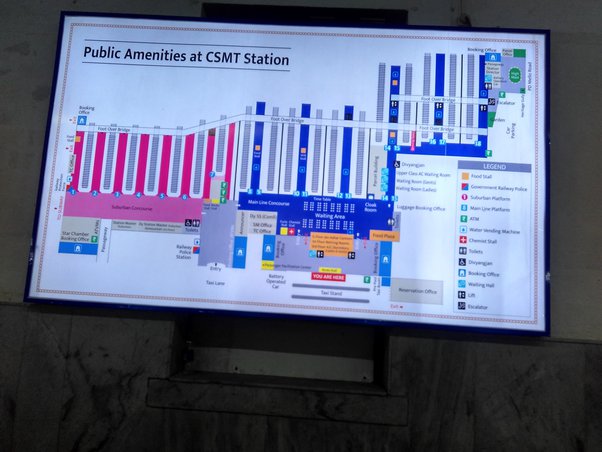
The Digital Map stands as a trailblazing pictographic representation, illustrating the precise locations of various passenger amenities across the station premises. Its intuitive design provides passengers with comprehensive guidance, mapping out essentials such as waiting rooms (reserved and unreserved), Divyang (specially-abled) ticket counters, lavatories, water taps and coolers, lifts, foot over bridges, entry and exit points, and the RPF Thana (Railway Protection Force Station). Moreover, the setup is thoughtfully back-lit, ensuring clear visibility even during nighttime.

Empowering Passengers: The Utility of the Digital Map

Crafted with the passenger’s convenience in mind, this digital map emerges as an indispensable tool for efficient navigation of the railway infrastructure. Offering clear visual cues and precise information about amenities available on different platforms and within the station area, it empowers passengers to make informed decisions and swiftly access the facilities they require, thereby streamlining their travel experience.

Current Implementation and Future Expansion

Presently operational at 25 stations across the Nagpur Division, the Digital Access Map is slated for swift implementation at the remaining stations. This proactive approach ensures that every passenger within the division benefits from this innovative solution. Among the stations where the Digital Access Map is already operational are Nagpur, Wardha Sewagram, Chandrapur, Ballarshah, Warora, Hinganghat, Bhnadak, Katol, Narkher, Pulgaon, Dhamangaon, Chandur, Pandhurna, Multai, Amla, and Betul.

In conclusion, Nagpur Division’s introduction of the Digital Map stands as a testament to its commitment to enhancing passenger convenience and accessibility. With its user-friendly design and comprehensive coverage, this initiative promises to redefine the passenger experience within the Indian Railways network.

1. How does the Digital Access Map benefit passengers?

  • The Digital Map provides clear guidance on the locations of various passenger amenities, streamlining the navigation process for travelers.

2. Is the Digital Map available at all railway stations within the Nagpur Division?

  • While currently operational at 25 stations, plans are underway to implement the Digital Access Map at all stations within the division.

3. Can visually impaired passengers utilize the Digital Access Map?

  • Efforts are being made to ensure accessibility for all passengers, including those with visual impairments, through alternative formats and technologies.

4. Are there plans to incorporate additional features into the Digital Access Map in the future?

5. How can passengers provide feedback or suggestions regarding the Digital Access Map?

  • Passengers can share their feedback and suggestions through designated channels such as customer service desks or online platforms provided by the railway authorities.

Enhancing Railway Safety Measures in Nagpur Division

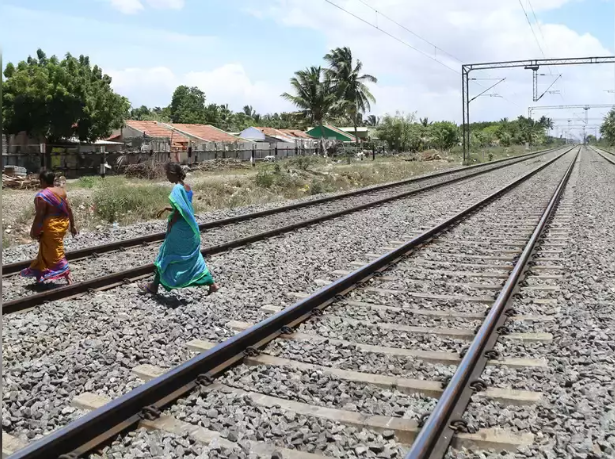
Railway Protection Force (RPF) at Central Railway’s Nagpur Division has taken significant strides in fortifying railway safety protocols, particularly aimed at curbing unauthorized entry and trespassing incidents. Over the last fiscal year, RPF has demonstrated proactive measures resulting in the registration of offenses against 1,331 individuals for trespassing, accompanied by the collection of penalties amounting to Rs 6,00,800. Despite these efforts, 247 fatalities and 27 injuries were recorded due to trespassing incidents, indicating the persistent need for heightened vigilance and preventive actions.

Proactive Enforcement and Awareness Campaigns

The concerted action against trespassers underscores the ongoing commitment of RPF to ensure the safety of railway passengers and adjacent communities. In addition to stringent enforcement, RPF has launched a comprehensive awareness campaign targeting areas prone to trespassing within the Nagpur division. Through targeted outreach activities, RPF personnel engage with the public, distributing informative materials to educate individuals about the inherent dangers of trespassing on railway tracks and premises.

Engagement with Local Communities and Schools

RPF’s outreach efforts extend beyond railway stations to include local schools, where awareness sessions are conducted to instill safe railway practices among students from an early age. Leveraging the passenger announcement system, timely reminders about the hazards of trespassing are delivered at stations, encouraging passengers to prioritize safety while navigating railway areas.

Infrastructure Development for Enhanced Security

Recognizing the need for physical barriers to deter trespassing incidents, Nagpur Division has initiated the construction of boundary walls at notorious locations. This strategic initiative aims to plug security gaps and mitigate the risks associated with unauthorized entry. Moreover, the construction of Railway Under Bridges (RUBs), Railway Over Bridges (ROBs), and Foot Over Bridges (FOBs) further contributes to the prevention of trespassing incidents, offering safer alternatives for crossing railway tracks.

Public Cooperation and Reporting Mechanisms

The success of these safety measures hinges on the cooperation of the public in adhering to railway safety guidelines. Individuals are urged to report any suspicious activities or trespassing incidents promptly, enabling swift intervention by RPF personnel.

In conclusion, the proactive initiatives undertaken by RPF in Nagpur Division signify a concerted effort to enhance railway safety and prevent trespassing incidents. Through enforcement, awareness campaigns, infrastructure development, and public cooperation, the aim is to create a safer environment for railway passengers and nearby communities.

FAQs (Frequently Asked Questions)

1. How effective are the awareness campaigns conducted by RPF in preventing trespassing incidents?

  • The awareness campaigns play a crucial role in educating the public about the dangers of trespassing, contributing to a reduction in such incidents over time.

2. What measures are being taken to address the reported fatalities and injuries resulting from trespassing incidents?

  • RPF is continuously evaluating and implementing strategies to enhance railway safety, including infrastructure development and intensified enforcement efforts.

3. How can individuals contribute to railway safety in their communities?

  • By adhering to safety guidelines, reporting suspicious activities, and cooperating with authorities, individuals can help prevent trespassing incidents and ensure a safer railway environment.

4. Are there specific areas within Nagpur Division identified as high-risk for trespassing incidents?

  • Yes, RPF has identified and targeted outreach activities in areas prone to trespassing, focusing on raising awareness and implementing preventive measures.

5. What role do schools play in promoting railway safety according to RPF’s initiatives?

  • Schools are integral to RPF’s efforts, as awareness sessions conducted among students instill safe railway practices from an early age, fostering a culture of safety within communities.

Geetanjali Express Disruptions: What You Need to Know

Understanding the Service Interruptions

Geetanjali Express, the lifeline between Howrah and Mumbai, is set to encounter disruptions in its services on April 14 and 16. These disruptions stem from a proposed power block in the Raipur Division during the night of April 14.

The Reason Behind the Interruptions

The necessity for these disruptions arises from the construction of a Road over Bridge (RoB) at a level crossing situated between Siliari and Mandar railway stations within the Raipur Division of SECR.

Schedule of Disruptions

The scheduled power block is slated to commence from 11 pm on April 14 and will extend until 3 am on April 15. Consequently, the Train No. 12860 Howrah-Mumbai Geetanjali Express, scheduled to depart from Howrah on April 14, will be canceled. Moreover, due to the unavailability of rolling stock, the return journey from Mumbai to Howrah on April 16, originating from Chhatrapati Shivaji Maharaj Terminus (CSMT), will also be canceled.

Impact on Other Services

The disruptions don’t confine themselves to Geetanjali Express alone. Several other long-distance passenger trains are affected as well. For instance:

  • The 08267 Raipur-Netaji Subhash Chandra Bose Itwari MEMU passenger special will not run on April 15 and 16.
  • Likewise, Train No. 08268 from Itwari to Raipur MEMU passenger special stands canceled on April 16 and 17.
  • Train No. 18109 Tata Nagar-Netaji Subhash Chandra Bose Itwari will be suspended on April 14, with its counterpart, Train No. 18110 from Itwari to Tata Nagar, canceled for April 16.
  • The disruptions extend to the 18239 Korba-Netaji Subhash Chandra Bose Itwari train on April 14 and 15. Correspondingly, the return journey, Train No. 18256 from Itwari to Bilaspur, will be canceled on April 15 and 16.

Plan Accordingly

As travelers plan their journeys, it’s crucial to stay informed about these disruptions. With Geetanjali Express and several other services affected, adjusting travel plans becomes imperative.

Hi-tech Tunnel Scanner at Central Railway Parcel Office to Boost Security

In the realm of railway security, Central Railway’s Nagpur parcel office stands at the forefront with its latest addition – a cutting-edge parcel tunnel scanner. This revolutionary technology promises to elevate security measures, ensuring meticulous scrutiny of parcels before their journey onto trains.

Revolutionizing Security Landscape

Manish Agarwal, divisional railway manager at CR, asserts that the introduction of this state-of-the-art scanner marks a pivotal moment. Its advanced capabilities in detecting prohibited and hazardous articles serve as a robust deterrent against potential threats, thereby safeguarding both cargo and commuters alike.

Expansion Plans

Aman Mittal, senior divisional commercial manager, outlines plans to extend this security enhancement to other key stations such as Ajni, Betul, and Ballarshah. The decision to install similar scanners at these locations hinges on parcel traffic volume and operational feasibility.

Mandatory Scanning Mandate

Under the new mandate, all non-leased parcels and luggage consignments passing through the Nagpur parcel office must undergo mandatory scanning before loading. This includes parcels originating or transferring through Nagpur station. The licensee bears the responsibility of ensuring precise scanning, with each item receiving a post-scanning sticker before acceptance.

Ensuring Comprehensive Coverage

To ensure 100% scanning coverage, licensees are mandated to maintain standby power supply and round-the-clock manpower. Additionally, handheld scanners are deployed for over-dimensional consignments or packages that couldn’t be initially scanned.

Enhancing Safety Protocols

Agarwal emphasizes the implementation of a seamless mechanism to mitigate the risk of mishaps or fire incidents due to parcels in trains. This initiative not only enhances public safety but also serves as a deterrent against prohibited activities.

Embracing Technological Advancements

Mittal concludes by stating that the adoption of this scanner heralds a new era of security and efficiency. By embracing cutting-edge technology and stringent protocols, the railway reaffirms its commitment to the highest standards of safety and security in parcel transportation.

The installation of a hi-tech tunnel scanner at Central Railway’s parcel office in Nagpur signifies a significant leap forward in ensuring the safety and security of parcels in transit. With its advanced capabilities and stringent protocols, this technology promises to revolutionize railway security, safeguarding both cargo and commuters.

FAQs

1. What is the primary purpose of the parcel tunnel scanner installed at Central Railway’s Nagpur parcel office?

The primary purpose is to ensure meticulous inspection of parcels before their embarkation onto trains, thereby enhancing security measures.

2. Are there any plans to expand this security enhancement to other railway stations?

Yes, plans are underway to install similar scanners at key stations such as Ajni, Betul, and Ballarshah, depending on parcel traffic volume and operational feasibility.

3. What parcels are subjected to mandatory scanning under the new mandate?

All non-leased parcels and luggage consignments passing through the Nagpur parcel office, including those originating or transferring through Nagpur station, are subjected to mandatory scanning.

4. How is 100% scanning coverage ensured?

To ensure comprehensive coverage, licensees are required to maintain standby power supply, round-the-clock manpower, and deploy handheld scanners for over-dimensional consignments or packages that couldn’t be initially scanned.

5. How does the implementation of the scanner contribute to public safety?

The implementation of the scanner includes a seamless mechanism to mitigate the risk of mishaps or fire incidents due to parcels in trains, thereby enhancing public safety and thwarting prohibited activities.

Exit mobile version