Central Railway’s ₹300 Crore Triumph: Tackling Ticketless Travel

Central Railway’s Remarkable Achievement

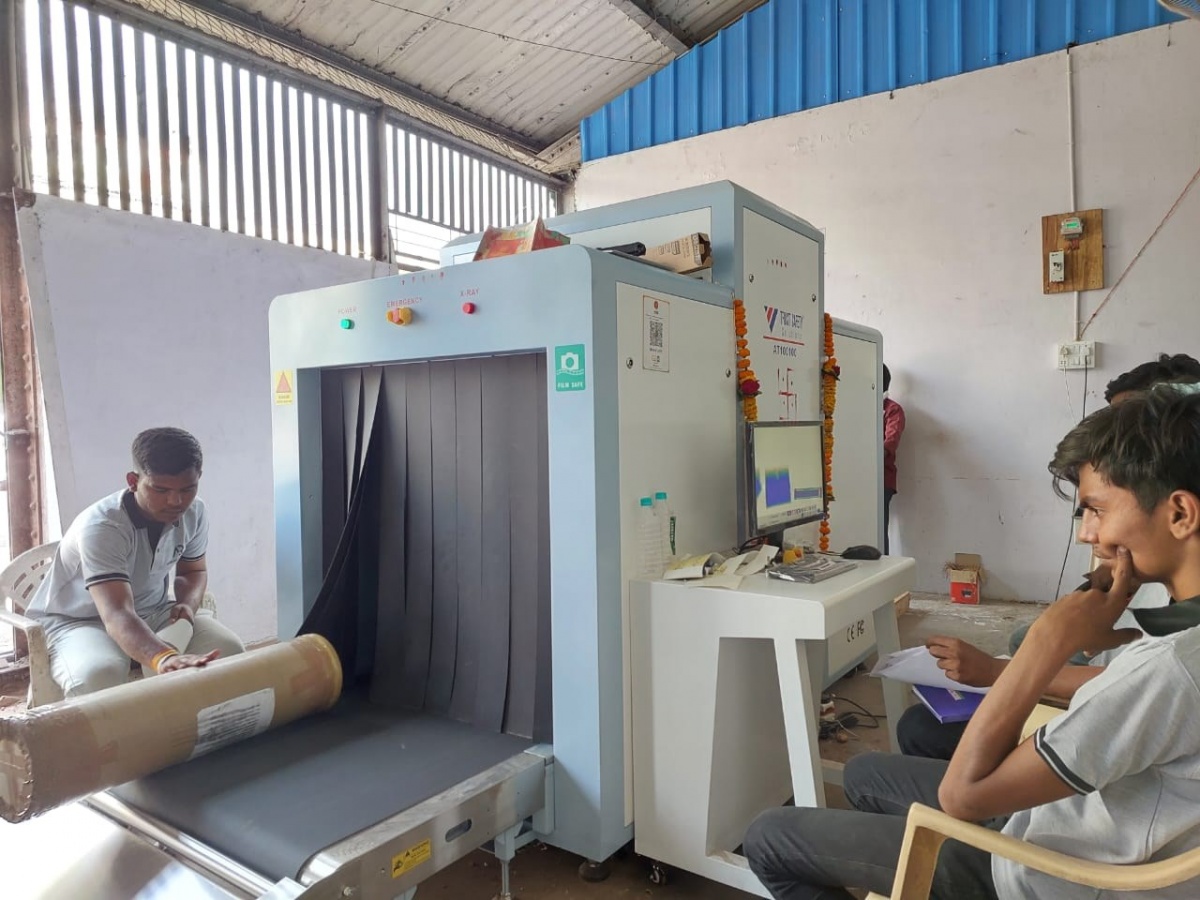
Central Railway has recently achieved an outstanding milestone in curbing ticketless travel, emerging as the top-performing zone nationwide. The railway authorities reported a staggering 46.26 lakh cases of unauthorized travel and unbooked luggage, resulting in a remarkable revenue generation of ₹300 crore. This article delves into the details of this achievement, highlighting the strategies employed by Central Railway and the implications of its success.

A Closer Look at the Numbers

During the period from April 2023 to March 2024, Central Railway diligently detected and addressed instances of ticketless travel and irregularities in ticketing processes. The statistics speak volumes about the efficacy of their efforts:

Revenue Breakdown:

  • Mumbai Division: ₹115 crore from 21 lakh cases
  • Bhusawal: ₹66 crore from 8.34 lakh cases
  • Nagpur: ₹35 crore from 5.7 lakh cases
  • Solapur: ₹35 crore from over 5 lakh cases
  • Pune: Over ₹28 crore from 4 lakh cases
  • Headquarters: ₹21 crore from 3 lakh cases

These figures underscore the widespread impact of Central Railway’s initiatives across various divisions.

Behind the Success: Key Strategies and Initiatives

Central Railway’s achievement is a result of meticulous planning and execution. Here are some key strategies that contributed to their triumph:

Robust Ticket Checking Mechanism:

With 22 dedicated ticket checking staff, including two women ticket examiners, Central Railway maintained a strong presence across its operational zones. This proactive approach ensured thorough scrutiny of passengers, significantly reducing instances of ticketless travel.

Technological Integration:

The integration of technology played a pivotal role in streamlining ticketing processes and enhancing efficiency. Automated systems for ticket validation and surveillance helped in detecting irregularities with precision, enabling swift action against offenders.

Public Awareness Campaigns:

Central Railway actively engaged in awareness campaigns to educate passengers about the importance of ticketing compliance. Through various communication channels, including social media and on-ground initiatives, they emphasized the consequences of ticketless travel, fostering a culture of accountability among commuters.

Implications and Future Prospects

Central Railway’s success in combating ticketless travel not only contributes to revenue generation but also fosters a sense of trust and reliability among passengers. By prioritizing transparency and accountability, Central Railway sets a benchmark for other zones to emulate.

Central Railway’s achievement of ₹300 crore revenue through stringent action against ticketless travel exemplifies its commitment to operational excellence and customer service. With a robust framework in place, Central Railway continues to lead by example, ensuring a seamless and secure travel experience for millions of passengers.

FAQs (Frequently Asked Questions)

  1. How does Central Railway detect ticketless travel? Central Railway employs a combination of manual ticket checking by dedicated staff and automated systems for surveillance and validation.
  2. Are there any penalties for traveling without a ticket? Yes, passengers caught traveling without a valid ticket are liable to pay fines as per railway regulations.
  3. What measures can passengers take to avoid ticketless travel? Passengers are advised to purchase tickets in advance and ensure proper validation before boarding trains to avoid penalties.
  4. Is ticketless travel a widespread issue across Indian railways? Ticketless travel poses a significant challenge for Indian railways, prompting authorities to implement stringent measures to curb this practice.
  5. How does ticketless travel impact the overall functioning of railways? Ticketless travel not only results in revenue losses but also undermines the integrity of the ticketing system, affecting the quality of services provided to passengers.

Nagpur-Shahdol Express: Maintenance Halt from Feb 28 to March 10

In a recent development impacting travel plans, the Nagpur-Shahdol Express, train number 11201, voyaging from Nagpur to Shahdol via Chhindwara, faces a temporary cancellation for twelve days. The hiatus is attributed to essential non-interlock working for the third line project at Shahdol station, prompting the cancellation of over two dozen other trains sharing the same route.

Maintenance Schedule

Railway Advisory

On Wednesday, the railway authorities released a comprehensive advisory, officially declaring the suspension of train number 11201 Nagpur-Shahdol Express from February 28 to March 10. Simultaneously, the counterpart, train number 11202 Shahdol-Nagpur Express, will also be non-operational from February 29 to March 11.

Inconvenience and Prior Suspension

Past Disruptions

Earlier, the train operations were halted from February 19 to February 25, catching passengers off guard with untimely notifications. This led to complications for travelers who had already secured reservations in advance.

Impact Beyond Nagpur-Shahdol Express

Bilaspur Division’s Endeavor

Upgrading Shahdol Station

Beyond the Nagpur-Shahdol Express, the Bilaspur Division of the South East Central Railway is orchestrating a substantial upgrade at Shahdol Station. This enhancement initiative encompasses critical third-line connectivity work, scheduled under the Pre-NI and NI Commissioning framework.

Ripple Effect on Other Trains

Cancellation and Diversions

In tandem with the enhancement project, several trains, such as the Bhopal-Bilaspur Express and Indore-Bilaspur Narmada Express, will be impacted, facing cancellations and route diversions until March 12.

FAQs About Nagpur-Shahdol Express Disruption

  1. Why is Nagpur-Shahdol Exp being canceled for twelve days? The cancellation is due to essential non-interlock working for the third line project at Shahdol station.
  2. When will the cancellation period commence and conclude? The Nagpur-Shahdol Exp will not run from February 28 to March 10.
  3. Is the counterpart, Shahdol-Nagpur Express, also affected? Yes, train number 11202 Shahdol-Nagpur Express will be non-operational from February 29 to March 11.
  4. Have there been prior suspensions of Nagpur-Shahdol Exp? Yes, operations were halted earlier from February 19 to February 25.
  5. How are passengers being informed about the cancellations? Notifications are being disseminated by the railway authorities to keep passengers informed.
  6. Which other trains are affected due to maintenance work in Bilaspur Division? Trains like Bhopal-Bilaspur Express and Indore-Bilaspur Narmada Express face cancellations and diversions until March 12.

Inconvenience looms as the Nagpur-Shahdol Exp undergoes a maintenance hiatus from February 28 to March 10, stemming from crucial third-line projects at Shahdol station. Passengers are advised to stay informed about alternative travel options and plan accordingly during this period of temporary suspension. For further updates, travelers can refer to the official railway notifications.

Wardha-Kalamb Railway Line: Paving the Way for Vidarbha and M’wada Connectivity

Wardha-Kalamb Railway Line: In a groundbreaking move set to redefine connectivity in central India, Prime Minister Narendra Modi virtually inaugurated a pivotal 39km segment between Wardha and Kalamb, marking a significant leap forward for the Wardha-Nanded railway line project. As part of the extensive 284km Wardha-Yavatmal-Nanded new broad gauge line initiative, this development is poised to strengthen ties between Vidarbha and Marathwada regions.

Connecting the Dots: Wardha-Kalamb Railway Unveiled

In a strategic move ahead of the Lok Sabha elections, PM Narendra Modi initiated the Wardha-Kalamb broad gauge line, unlocking potential socio-economic development in the Yavatmal region. This railway stretch serves as the cornerstone for improved connectivity, catering to the needs of students, traders, and daily commuters.

Journey Details and Services

Train Schedule:

  • Departure from Wardha: 8 am
  • Arrival at Kalamb: 10 am
  • Return from Kalamb: 11 am
  • Arrival back at Wardha: 1 pm

Additionally, a new train service connecting Amalner and New Ashti was flagged off during the program, enhancing connectivity across the region.

Impact on Socio-Economic Landscape

Central Railway officials highlight that these new services will not only enhance passenger connectivity but also stimulate the transportation of vital commodities such as cotton, foodgrain, steel, and iron ore. The project’s culmination will alleviate road traffic between key towns in Vidarbha and Marathwada, fostering overall growth.

Navigating Challenges: From Inception to Implementation

Despite being announced in the 2008-09 budget, the Wardha-Nanded railway line project faced significant hurdles, with actual work commencing in 2015. Land acquisition emerged as a major challenge, requiring a substantial 2,139 hectares, of which 89% has been acquired to date. The project also faced financial constraints, hindering its progress over the years.

FAQs – Unveiling the Wardha-Kalamb Railway

  1. What is the significance of the Wardha-Kalamb railway line?
  2. How will the new train services benefit the region?
    • Improved connectivity for students, traders, and daily commuters, along with enhanced transportation of essential goods.
  3. What were the major challenges faced during project implementation?
    • Land acquisition and financial constraints posed substantial hurdles.
  4. What is the expected impact on road traffic in the region?
    • The project aims to ease congestion between major towns in Vidarbha and Marathwada.
  5. When was the Wardha-Nanded railway line project initiated?
    • Announced in the 2008-09 budget, the actual work commenced in 2015.
  6. How much land has been acquired for the project till now?
    • Over 1,911 hectares, constituting 89% of the required land, has been acquired.

A New Era of Connectivity

As the Wardha-Kalamb railway line takes its first step towards connecting Vidarbha and M’wada, it symbolizes a transformative moment for the central Indian landscape. Overcoming challenges, this project promises enhanced connectivity, economic growth, and a brighter future for the regions it traverses.

Shakuntala Exp: A Revival Journey After 8 Years of Silence

The heartbeat of Maharashtra’s transportation system might soon experience a renaissance, as the state’s interim budget proposes a groundbreaking 50% financial infusion for the revival of the Shakuntala Express rail route. Let’s delve into the narrative of this historical railway, which last echoed its whistle eight years ago, navigating the tracks under the ownership of the Central Provinces Railway Corporation (CPRC), established in 1910.

Shakuntala Exp: A Journey Through Time

The Rise and Fall

Shakuntala Express, once a lifeline coursing through the cotton belt of Maharashtra, ceased its rhythmic journey eight years back. The cessation was attributed to both economic inviability and technical complications, according to insider sources. The intricate network once started from Yavatmal, extending its reach to Achalpur in Amravati and Murtijapur in Akola.

Changing Landscapes

During the colonial era, and beyond, this railway earned the moniker of the region’s lifeline. Yavatmal, devoid of rail connectivity even today, relied on Shakuntala Express for its transit connection. The track, formerly narrow gauge, garnered historical significance, prompting demands for its conversion to broad gauge.

A Glimpse into the Future: Shakuntala Exp After 8 Years

Budgetary Boost

The current budgetary provisions exhibit a pivotal shift in perspective, with a generous 50% financial participation earmarked for the revitalization of Shakuntala Express. This not only reflects the government’s commitment to historical preservation but also anticipates the economic resurgence associated with rejuvenating this once-vital railway.

Wardha-Nanded Track: Connecting the Dots

The proposed Wardha-Nanded track emerges as a strategic move to integrate Yavatmal into the main line, breaking its isolation from the rail network. Simultaneously, Murtijapur retains its significance on the Mumbai-Nagpur line, underlining the comprehensive connectivity envisioned in the modernization plans.

Shakuntala Exp: What to Expect?

Technical Transformations

As discussions surrounding the revival gain momentum, there are whispers of technological upgrades. The potential conversion from narrow to broad gauge promises improved efficiency and aligns with contemporary rail standards. This metamorphosis aims to ensure Shakuntala Express seamlessly integrates into the modern rail network.

Community Impact

Beyond the logistical implications, the resurrection of Shakuntala Express holds cultural and social significance. It reconnects communities, revitalizes local economies, and preserves the historical legacy embedded in the railway’s tracks.

Shakuntala Exp May Run After 8 Years: FAQs

1. Why Did Shakuntala Express Stop Running 8 Years Ago?

The cessation was multifaceted, driven by economic challenges and technical complexities that rendered the operation unviable.

2. What Initiatives Led to Its Revival in the Budget?

The state’s interim budget allocates a substantial 50% financial participation, signaling a concerted effort to resurrect the iconic Shakuntala Express.

3. How Will the Proposed Wardha-Nanded Track Impact Yavatmal’s Connectivity?

The track is envisioned to bring Yavatmal onto the main line, addressing its longstanding absence from the rail network and fostering broader connectivity.

4. What Changes Are Expected in Shakuntala Exp’s Infrastructure?

The transition from narrow to broad gauge is on the horizon, promising technical advancements to enhance the railway’s efficiency and relevance.

5. What Societal Benefits Are Anticipated With Shakuntala Express’s Revival?

Beyond logistical enhancements, the resurrection is poised to rejuvenate communities, stimulate local economies, and preserve the rich historical fabric woven into the railway’s narrative.

6. When Can Commuters Expect Shakuntala Exp to Be Operational Again?

While timelines remain speculative, the budgetary allocation suggests a commitment to expeditious revival, hinting at a potential return in the near future.

A Journey Resumed

the envisaged revival of Shakuntala Express stands as a testament to the intertwining of history and progress. The proposed financial infusion, technical advancements, and strategic track expansions collectively pave the way for a resounding comeback of this cherished railway, marking a significant chapter in Maharashtra’s transportation legacy. As the wheels of time turn, Shakuntala Exp may once again resonate through the heartlands, reconnecting communities and rekindling the spirit of a bygone era.

PM Modi Unveils Rs41,000 Crore Railway Infra Projects

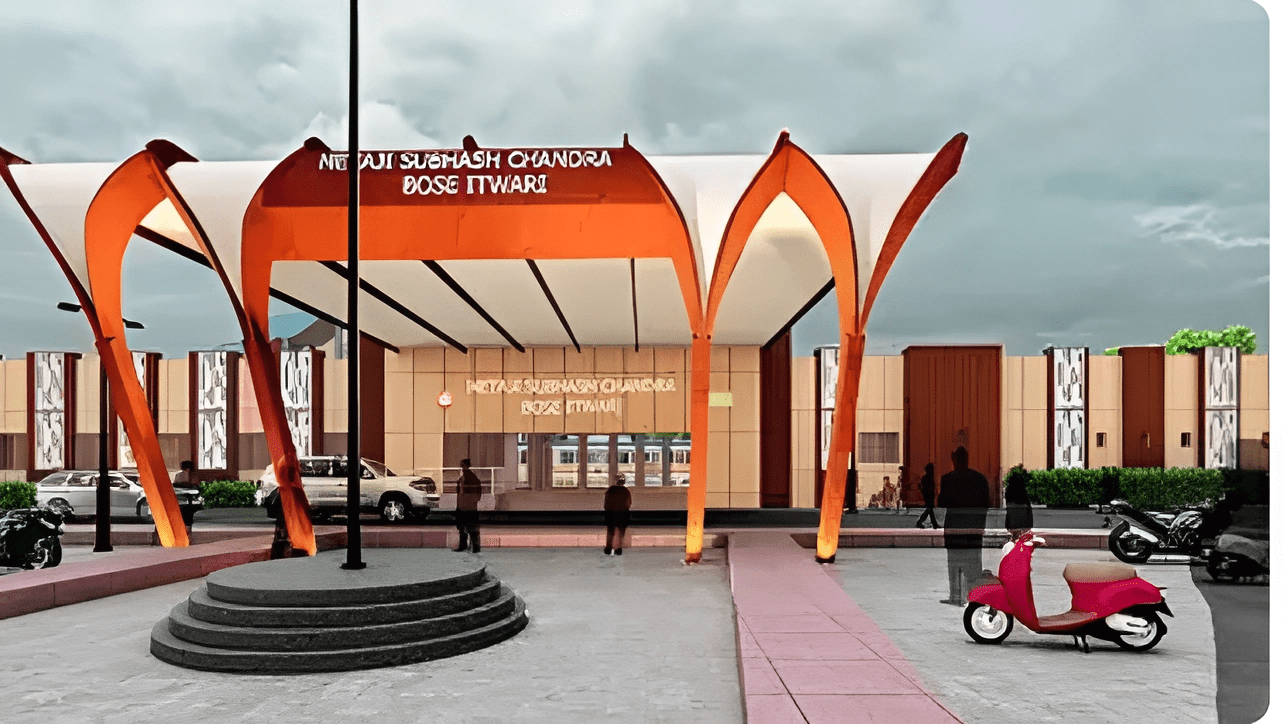
In a groundbreaking move, Prime Minister Narendra Modi is set to kick off a transformative spree in the railway sector, dedicating, laying foundations, and inaugurating over 2,000 railway infrastructure projects worth a staggering Rs41,000 crore. This strategic move comes just ahead of the model code of conduct for general elections. “The PM will lay the foundation stone for 12 Amrit Bharat stations including the Netaji Subhash Chandra Bose Itwari station on Monday. 

Unveiling Amrit Bharat Stations

PM Modi Unleashes Modernization: The projects encompass an impressive 1,500 Road Under Bridges (RUBs) and Railway Over Bridges (ROBs) and 554 state-of-the-art Amrit Bharat stations. Notably, over Rs2,150 crore projects fall under the jurisdiction of Nagpur divisions of South East Central Railway (SECR) and Central Railway (CR).

Dual Impact on Connectivity

Central Railway and SECR Collaborate: Among these, Central Railway and SECR contribute 36 and 64 RUBs and ROBs respectively. While some are already operational, the formal commissioning is scheduled for Monday. This initiative promises to reduce congestion, enhance safety, and boost connectivity.

Transformation

Redevelopment Endeavors

PM Lays Foundation for Amrit Bharat: On Monday, the PM will lay the foundation stone for 12 Amrit Bharat stations, including the Netaji Subhash Chandra Bose Itwari station. SECR DRM Namita Tripathi reveals the extensive redevelopment plans for various stations, emphasizing modern amenities and environmental consciousness.

SECR’s Vision

SECR’s Bold Investments: Tripathi discloses SECR’s commitment to spending Rs12.39 crore on redeveloping Itwari station and highlights the rejuvenation plans for Tumsar, Bhandara, Kamptee, and Aamgaon stations. The aim is to create passenger-friendly spaces with a touch of local culture and eco-friendliness.

Answering FAQs

How Will ROBs and RUBs Improve Rail Travel?

Enhancing Travel Experience: According to Central Railway DRM Manish Agarwal, these infrastructural upgrades will alleviate congestion, improve safety, and enhance rail travel capacity and efficiency. Furthermore, it’s expected to contribute to environmental pollution control.

What’s the Allocated Budget for Maharashtra’s Railway Projects?

Earmarked Budget: Agarwal notes that the Centre has allocated an impressive Rs15,554 crore for railway infrastructure projects in Maharashtra for the fiscal year 2024-25. A significant portion will go into the redevelopment of 56 railway stations.

When Can We Expect the Completion of Manish Nagar RUB?

Final Stages: Agarwal assures that the delayed Manish Nagar RUB is in its final stages and anticipates completion within 2.5 months. Multiple agencies are actively working on completing 75 ROBs in the division.

Regional Impact

Maharashtra’s Railway Facelift: Agarwal underscores the broader impact of these initiatives on Maharashtra, emphasizing improved connectivity, safety, and efficiency. The budgetary allocation reflects the government’s commitment to transforming the state’s railway landscape.

Environmental Considerations

Green Initiatives: Agarwal’s mention of environment-friendly designs and Divyang-friendly stations signals a holistic approach towards sustainable development, ensuring that the railway infrastructure aligns with modern standards and environmental responsibility.

In this ambitious undertaking, Prime Minister Modi is not just laying railway tracks but paving the way for a modern, efficient, and eco-conscious future in railway travel. The infusion of funds and dedication to redevelopment projects underscore the government’s commitment to creating a robust and passenger-centric rail network. As these projects materialize, they promise to redefine the way we experience rail travel in India. Get ready for a railway revolution!

Railway Board Announces Secret Ballot for Determining Employee Representative Body in July-August

Anticipation Builds as Railway Employees’ Fate Rests on Upcoming Polls

The Railway Board has officially declared the long-awaited Secret Ballot to determine the representative body of railway employees. Scheduled for the period of July-August, these polls have been eagerly awaited by the two major federations, namely the All India Railwaymens Federation (AIRF) and the National Federation of Indian Railwaymen (NIRF), as it serves as a crucial litmus test of their popularity and support among the railway workforce.

Delays Addressed by Secret Ballot Election Committee

Comprehensive Modalities Report Submitted

The Secret Ballot Election Committee, appointed by the Railway Board, has submitted its report on the modalities surrounding the upcoming polls. Comprising officers of the Executive Director rank, the committee engaged in extensive consultations with all stakeholders to ensure a fair and transparent process.

Reasons Behind the Timing

The committee acknowledged the prolonged delay in holding the Secret Ballot but outlined several reasons for the chosen timeline. February and March are peak months for loading and meeting targets, demanding the full attention of the railway machinery. Similarly, the summer months from April to June coincide with general elections, making it logistically challenging to conduct railway employee polls. Additionally, the crucial summer period is dedicated to the priority task of loading coal. Thus, the lean rainy season in July-August provides a suitable window for holding the Secret Ballot.

Preparation Advisory to General Managers

Notification Issued by Railway Board

Hem Chander, Joint Director, Establishment, Indian Railways, issued a notification advising all General Managers to prepare for the upcoming ballot during the specified July-August months. This advisory ensures that the railway system is adequately geared for the polling process.

Historical Background and Recognition Criteria

The Railway Board’s history of delaying the mandatory Secret Ballot, required every five years, has sparked frustration among railway employees’ representatives. Only two elections to determine union recognition have been conducted, prompting legal intervention. The All India Guards Council (AIGC) approached the Delhi High Court, resulting in a directive to hold the Secret Ballot at the earliest.

Outcome Criteria

The outcome of the Secret Ballot hinges on specific criteria. To gain recognition, a union contesting the election must secure a minimum of 30 percent or more of the votes. Alternatively, if no union achieves the 30 percent threshold, recognition can be granted to the union securing at least 35 percent of the ballot. In the absence of both scenarios, a union with a minimum of 20 percent of the polled ballots may still be granted recognition, though in this case, only one union will be recognized.

In conclusion, the eagerly awaited Secret Ballot brings a sense of anticipation and scrutiny, shaping the future representation of railway employees. The upcoming polls are poised to be a crucial turning point, determining the unions that will officially represent the interests of the dedicated railway workforce.

Central Railway Nagpur Takes Bold Measures for Passenger Safety

In a resolute move to enhance passenger safety and comfort, Central Railway Nagpur Division has escalated its efforts to clamp down on violations of railway regulations. The crackdown, particularly on smoking within railway premises, has gained momentum, with a total of 882 cases identified in January alone. This article delves into the stringent measures taken, emphasizing the commitment of CR Nagpur Division to uphold safety standards and provide a conducive environment for passengers.

Upholding Safety Standards: A Priority for CR Nagpur

Gazetted Violations Detected: Rs. 14,800 in Fines Collected

Central Railway Nagpur Division has actively identified and addressed violations in accordance with Gazette No. GSR 846 (E). During the past month, a remarkable 882 cases were detected, leading to the collection of fines totaling Rs. 14,800. This reflects CR Nagpur’s dedication to maintaining a secure railway environment.

Smoking Prohibition: A Strict Stand

20 Passengers Caught Smoking: Rs. 4000 in Prompt Fines

Among the violations, 20 individuals were caught smoking within the Railway Premises, a clear breach of regulations. CR Nagpur swiftly imposed fines, resulting in the collection of Rs. 4000. This stringent action sends a clear message about the zero-tolerance policy towards smoking, ensuring passenger safety remains a top priority.

CR Nagpur’s Commitment to Passenger Well-being

Creating a Conducive Environment

The Central Railway Nagpur Division is unwavering in its commitment to the well-being and satisfaction of its passengers. By cracking down on violations, especially those related to smoking, CR Nagpur aims to create an environment where passengers feel secure and comfortable during their journey.

FAQs: Clarifying the Crackdown on Smokers

  1. What regulations govern railway violations in CR Nagpur?
    • Central Railway Nagpur Division adheres to Gazette No. GSR 846 (E) to address and penalize railway violations.
  2. How many cases were detected in January?
    • A total of 882 cases of violations were identified during the month.
  3. What is the fine for smoking within Railway Premises?
    • Individuals caught smoking faced fines, with the collection amounting to Rs. 4000.
  4. Why is CR Nagpur taking such strict measures?
    • The stringent actions aim to maintain safety standards and create a conducive environment for passengers.
  5. What is CR Nagpur’s ultimate goal in these efforts?
    • CR Nagpur Division is dedicated to ensuring the safety and satisfaction of its passengers.
  6. How is CR Nagpur addressing passenger well-being?
    • By actively enforcing regulations, CR Nagpur aims to create a secure and comfortable environment for passengers.

Central Railway Nagpur: A Name Synonymous with Safety

In conclusion, the crackdown on smokers by CR Nagpur signifies a proactive approach to passenger safety and satisfaction. Through strict enforcement of regulations and prompt fines, the railway division underscores its commitment to maintaining a secure and comfortable environment. Central Railway Nagpur remains steadfast in its mission to provide a safe and enjoyable journey for every passenger.

Ajni Revamp Faces Roadblock as Squatters Stall, NMC Remains Inactive

In the bustling city of Nagpur, the ambitious redevelopment project of Ajni railway station (Nagpur) encounters a significant hurdle on its west side, where a row of shops impedes progress. This roadblock has emerged as a challenge for the Railway Land Development Authority (RLDA), throwing a wrench into their plans for station enhancement.

Ajni Station’s Struggle for Transformation

Shops Stall Redevelopment

At the forefront of Ajni station’s west side stand six shops, creating a hindrance to the redevelopment initiative spearheaded by RLDA. The obstruction, located on plot number 65/A and owned by the Nagpur Municipal Corporation (NMC), has become a focal point of contention.

NMC’s Leased Land Predicament

The NMC had leased this land, measuring 3,430 sqft, to Amarchand Jaichandji Jain on October 30, 1987, for a duration of 30 years. However, the lease expired on October 27, 2017, and a subsequent request by the Central Railway divisional railway (Nagpur) manager (DRM) on April 7, 2022, sought the plot for the Ajni station’s circulating area.

Despite the expiration of the lease, the land remains occupied, and no eviction notice has been served to the leaseholder, who, in turn, has sublet the shops. Pankaj Parashar, executive engineer of NMC’s estate department, informed TOI that despite demands from the Jains for a lease extension, NMC has not acceded. Plans are underway to propose the diversion of the land to Central Railway, accompanied by an impending notice to the Jains for lease agreement violations.

Ajni Station’s Unfolding Drama

Tussle Over Territory

As the redevelopment project seeks momentum, a tug-of-war ensues over the contested land. The clash between the RLDA’s vision and the current occupants’ resistance adds layers of complexity to the situation.

NMC’s Standoff

NMC remains firm on its decision not to renew the lease, citing the imperative need for the land in the station’s expansion plans. This firm stance, however, triggers a series of events leading to potential legal ramifications.

Ajni Station’s Future Hangs in the Balance

Delayed Progress

The standoff between the authorities and the occupants has resulted in a stagnation of the Ajni station’s revamp. The ripple effects of this delay extend beyond the immediate area, impacting commuters and stakeholders eagerly awaiting a transformed railway hub.

Commuters Left in Limbo

With the redevelopment timeline in jeopardy, commuters are left in uncertainty. The promised enhancements, meant to streamline their travel experience, now dangle in the balance.

Ajni Station: Frequently Asked Questions

Q1: What led to the expiration of the lease on plot 65/A?

A1: The lease on plot 65/A expired on October 27, 2017, with the NMC refusing to extend it, paving the way for the Central Railway’s requisition.

Q2: Why has the NMC not renewed the lease despite demands?

A2: Despite persistent demands from the Jains for lease extension, the NMC stands resolute in not renewing the lease, prioritizing the land’s allocation for Ajni station’s expansion.

Q3: Is there a timeline for the proposed diversion of the land to Central Railway?

A3: Plans are underway to propose the land diversion, with a notice to the Jains for violating the lease agreement. The timeline, however, remains unspecified.

Q4: How has the delay impacted commuters?

A4: The standoff has led to a delay in Ajni station’s revamp, leaving commuters in limbo and anticipating the promised improvements.

A5: The expiration of the lease may lead to legal actions, with NMC exploring avenues to regain possession and proceed with the redevelopment.

Q6: Are there alternatives being considered to resolve the deadlock?

A6: The authorities are actively exploring alternatives to break the deadlock, ensuring a swift resolution that aligns with the station’s redevelopment goals.

Conclusion

As the Ajni station revamp faces a roadblock, the unresolved lease expiration and the standoff with current occupants cast a shadow over its future. NMC’s decisive actions and the RLDA’s persistence will play crucial roles in determining the station’s fate. Commuters, eagerly anticipating a rejuvenated travel experience, are left with uncertainties, highlighting the need for swift resolutions in the interest of all stakeholders involved.

Central Railway Nagpur Division’s Journey Towards a Greener Future

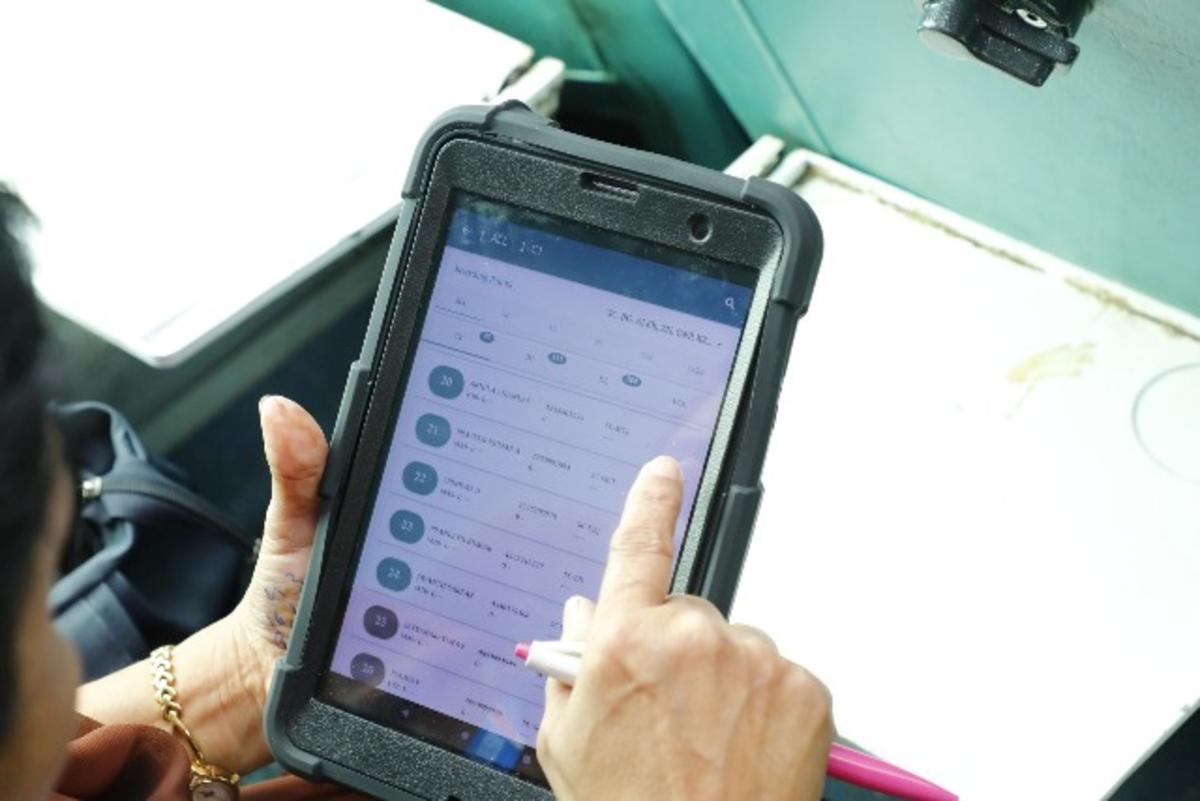
In a groundbreaking move towards environmental consciousness and operational efficiency, the Central Railway Nagpur Division has successfully implemented a 100% deployment of Hand hand-held terminals (HHTs) for ticket checking. This progressive initiative marks a pivotal moment in the division’s commitment to sustainable practices, eliminating the need for printing reservation charts and resulting in an estimated saving of 60,000 paper pages each month.

Embracing Technological Innovation

The Transition from Paper to HHTs

Before this transformational initiative, the traditional practice involved the printing of paper reservation charts, contributing significantly to paper consumption. However, the adoption of Hand Held Terminals has revolutionized the ticketing process, introducing real-time verification and streamlining operational procedures.

Environmental Impact: A Greener Tomorrow

1. Environmentally Friendly Practices

The primary advantage of this shift is the elimination of paper usage, contributing substantially to reducing the division’s carbon footprint. By going green, Central Railway Nagpur Division actively participates in building a more sustainable and eco-friendly future.

2. Cost-Effective Measures

Beyond environmental benefits, the deployment of HHTs proves to be a cost-effective solution. This transition translates into savings in paper printing costs and a reduction in manpower required for traditional ticket-checking methods.

3. Improved Accuracy with HHTs

One of the key advantages of hand-held terminals is their ability to minimize manual errors. The use of technology in the ticketing process ensures data accuracy, offering passengers a more reliable and efficient service.

Commitment to Environmental Responsibility

The Central Railway Nagpur Division’s dedication to environmental responsibility extends beyond the implementation of HHTs. The division remains committed to exploring and adopting innovative solutions that prioritize environmental conservation while upholding the highest standards of service and efficiency for passengers.

FAQs (Frequently Asked Questions)

  1. Q: How do handheld terminals contribute to environmental sustainability?
    • A: HHTs eliminate the need for paper reservation charts, significantly reducing paper usage and, consequently, the carbon footprint of the Central Railway Nagpur Division.
  2. Q: What are the cost benefits of implementing Hand Held Terminals?
    • A: The deployment of HHTs saves on paper printing costs and reduces the manpower required for traditional ticket-checking methods, making it a cost-effective solution.
  3. Q: How do HHTs improve accuracy in the ticketing process?
    • A: Hand Hand-held terminals minimize manual errors, ensuring a more accurate and reliable ticketing process for passengers.
  4. Q: Is the Central Railway Nagpur Division actively pursuing other environmentally friendly initiatives?
    • A: Yes, the division is dedicated to exploring and implementing innovative solutions that prioritize environmental conservation.
  5. Q: What is the estimated monthly paper saving achieved through the use of HHTs?
    • A: The Central Railway Nagpur Division estimates a saving of 60,000 paper pages per month by eliminating the need for printing reservation charts.
  6. Q: How has the adoption of HHTs streamlined operational procedures?
    • A: HHTs introduce real-time verification, streamlining ticket-checking operations and enhancing overall efficiency.
  7. Q: Are there any potential challenges associated with the transition to HHTs?
    • A: While challenges may arise during any technological transition, the Central Railway Nagpur Division has successfully implemented HHTs, showcasing their commitment to overcoming potential obstacles.
  8. Q: What role does Central Railway Nagpur Division play in promoting a greener future?
    • A: The division actively contributes to environmental sustainability by implementing eco-friendly initiatives, such as the complete deployment of Hand hand-held terminals.
  9. Q: How does the Central Railway Nagpur Division balance environmental responsibility with passenger service standards?
    • A: The division prioritizes both environmental responsibility and passenger service standards, ensuring a harmonious balance between the two.
  10. Q: Can other railway divisions adopt similar environmentally friendly practices?
    • A: Yes, the successful implementation of HHTs by the Central Railway Nagpur Division sets a positive example for other divisions, showcasing the feasibility of adopting eco-friendly measures.

In conclusion, the Central Railway Nagpur Division’s transition to 100% Hand Held Terminals for ticket checking represents a significant leap toward environmental sustainability and operational efficiency. This innovative approach not only eliminates the need for paper reservation charts but also contributes to a greener future by reducing the division’s carbon footprint. The cost-effective measures and improved accuracy achieved through HHTs further solidify the division’s commitment to providing a reliable and eco-friendly service. As the railway industry embraces technological advancements, the Central Railway Nagpur Division sets a commendable example, emphasizing the importance of balancing environmental responsibility with efficient passenger service.

Revamping Nagpur Station: A Journey Through Heritage and Innovation

Introduction: Nagpur Station Redevelopment – Marrying the Past with the Future

The bustling hub of Nagpur Railway Station, a crucial juncture in the vast Indian Railways network, is currently undergoing a remarkable metamorphosis. This redevelopment project aims not just for a facelift but a complete transformation, promising travelers a world-class experience that harmoniously fuses heritage charm with modern functionality.

Redevelopment Unveiled: A Glimpse into the Future

Iconic Structures Beckon: East and West Sides Transform

East Side Marvels: G+5 and G+2 Architectural Wonders

Passengers arriving at the east side (Nagpur Railway Station) will be greeted by the grandeur of a G+5 arrival building and a G+2 departure building. Meanwhile, the west side maintains its historical allure with a meticulously restored facade.

Rooftop Vista: 108×52 Meter Plaza Extravaganza

At the heart of this redevelopment, a sprawling 108×52 meter rooftop plaza will unfold, offering panoramic views and housing amenities like cafeterias. This space aims to redefine waiting areas, making them comfortable and convenient for passengers.

Streamlined Segregation: A Flow-Friendly Experience

The meticulous separation of arrival and departure zones ensures a smooth passenger flow, effectively reducing congestion and enhancing overall station efficiency.

Seamless Connectivity: Bridging Modes of Travel

Integration with the upcoming metro station and other transport modes establishes Nagpur Station (Nagpur Railway Station) as a central hub for seamless multimodal travel, making it a pivotal point in the region.

Accessible to All: Elevating Inclusivity

A commitment to inclusivity is showcased through 28 lifts, 28 escalators, and comprehensive infrastructure for passengers with disabilities, solidifying the station as fully Divyang-friendly.

Comfort Redefined: Illumination, Signage, and Modern Amenities

The passenger experience is at the forefront, with improved illumination, clear signage, ample waiting areas, and contemporary amenities ensuring comfort at every step.

Security in Focus: Vigilance Through Technology

CCTV cameras and access control systems are strategically placed, providing a heightened sense of security for all travelers passing through Nagpur Station.

Sustainable Living: Green Initiatives for Eco-Friendly Operations

The station is set to become a beacon of sustainability, incorporating green practices such as solar energy harnessing, water conservation, and rainwater harvesting.

Nagpur Station Redevelopment: In the Heart of Progress

East Side Evolution: A Rising Architectural Symphony

Elevated Buildings: G+5 Arrival and G+2 Departure

The east side unfolds with a G+5 arrival building and a G+2 departure building, intricately connected by a unified basement. This layout maximizes space, catering to passenger movement and essential amenities.

Skyward Plaza: A Panoramic Oasis

The grandeur continues with a 108×52 meter roof plaza offering a breathtaking view and a serene space for passengers. Cafes and amenities add the final touches, creating a delightful waiting area.

Seamless Segregation: Flow Efficiency

Clear-cut distinctions between arrival and departure areas facilitate a streamlined passenger flow, enhancing the overall station experience.

West Side Renaissance: Preserving Architectural Legacy

Heritage Building Resurrection

The historic building on the west side undergoes a meticulous restoration process, preserving its architectural legacy and inviting travelers into a bygone era.

Admin Block Shift: Creating Space for Passenger Comfort

A new administrative block behind the DRM office is under construction, aimed at relocating existing railway offices, thus freeing up space for enhanced passenger facilities.

Conclusion: A Journey Towards a Revitalized Nagpur

As the Nagpur Station Redevelopment project unfolds, a fusion of heritage and modernity takes center stage. Commuters can anticipate not just a railway station but an architectural marvel that seamlessly blends the charm of yesteryears with the efficiency of the future, promising a memorable journey for generations to come.

FAQs: Unveiling Nagpur Station Redevelopment

  1. What is the key focus of the Nagpur Station Redevelopment?
    • The redevelopment aims to transform Nagpur Station into a modern and inclusive travel hub, blending heritage elements with contemporary infrastructure.
  2. How will the segregation of arrival and departure areas benefit passengers?
    • Clear segregation ensures a smooth passenger flow, minimizing congestion and improving overall station functionality.
  3. What sustainability features are being incorporated into the redevelopment?
    • The station will embrace eco-friendly operations through solar energy harnessing, water conservation, and rainwater harvesting.
  4. Why is the west side heritage building being restored?
    • The meticulous restoration preserves the historical charm, allowing travelers to experience the architectural legacy of Nagpur.
  5. How is accessibility being addressed in the redevelopment project?
    • The station will be fully Divyang-friendly, with 28 lifts, 28 escalators, and infrastructure catering to passengers with disabilities.
  6. What changes can commuters expect on the east side of Nagpur Station?
    • The east side will feature G+5 and G+2 buildings, a spacious roof plaza, and improved segregation for a holistic passenger experience.
Exit mobile version