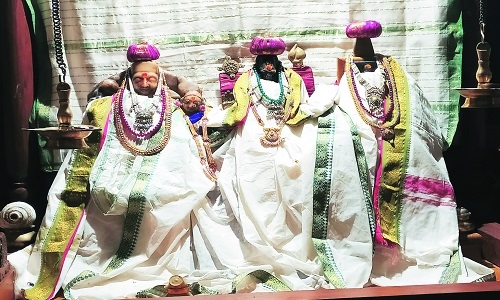
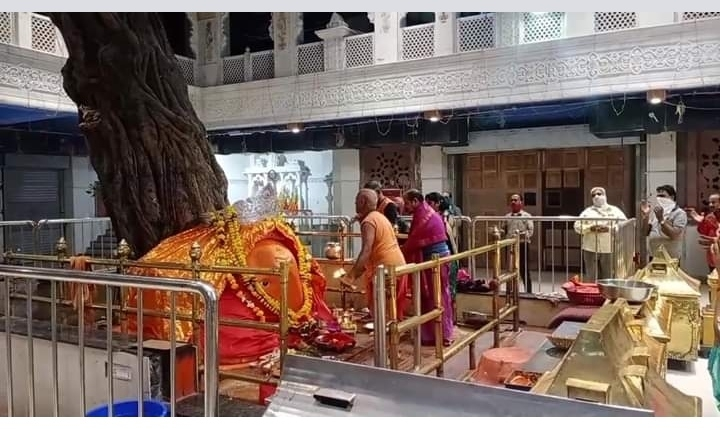
Tekdi Ganesh Temple Set for Rs 5 Crore Redevelopment

Tekdi Ganesh temple redevelopment: Nagpur’s historic Tekdi Ganesh temple, a spiritual and cultural landmark, is all set for a grand makeover with a Rs 5 crore redevelopment project. This initiative by the Nagpur Municipal Corporation (NMC) aims to enhance the temple’s aesthetics, accessibility, and amenities, further elevating its status as a premier tourist destination.

A Rich History Steeped in Devotion

The Tekdi Ganesh temple, with its 300-year-old legacy, is an emblem of faith and devotion. Built on Ministry of Defence (MoD) land, the temple was made accessible to the public in 1965 by the then Defence Minister, Yashwantrao Chavan. Today, it welcomes 5,000 to 10,000 devotees daily and draws 1,000 foreign tourists annually.

The Redevelopment Plan Unveiled

Phase 1: New Gates and Aesthetic Enhancements

  • New Entry and Exit Gates: Two modern gates will improve visitor flow, reducing congestion during peak hours.
  • Fountain Installation: A stunning fountain between the gates will enhance the temple’s visual appeal.

Phase 2: Improved Amenities

  • Mega Kitchen: A state-of-the-art kitchen will support the prasadalaya, offering better facilities for food preparation and distribution.
  • Expanded Prasadalaya: The dining hall will now accommodate up to 500 devotees, significantly improving the dining experience.

Phase 3: Accessibility and Safety Improvements

  • Levelling the Hillock: This will ensure easier access for all visitors, particularly the elderly and differently-abled.
  • Parking Challenges: While levelling improves safety, it reduces two-wheeler parking space. Plans for a VIP parking lot with a 20-car capacity are underway but may not fully address the parking woes.

Grade A Tourism Site Status

In March 2024, the Maharashtra government elevated the temple’s tourism status from Grade C to Grade A. This prestigious recognition not only positions the temple as a national monument but also makes it eligible for central government funding. Chief Minister Devendra Fadnavis played a pivotal role in achieving this milestone.

Funding and Timelines

  • Sanctioned Budget: Rs 5 crore from the state’s tourism and culture department.
  • Disbursed Amount: Rs 1 crore received; the remaining Rs 4 crore is awaited.
  • Project Duration: 10 months, with work set to commence within a week.

Challenges Ahead

Traffic Congestion

The temple’s location near Nagpur railway station and the Madhya Pradesh State Transport Corporation (MPSRTC) bus station often results in traffic snarls. Limited on-site parking forces devotees to park on busy stretches, exacerbating congestion.

Land Acquisition

The temple trust has approached the state government to acquire adjacent Army land for further development. However, discussions with the Army Cantonment Board are still in preliminary stages.

Community Impact and Visitor Experience

The redevelopment will:

  • Enhance Accessibility: Levelling the hillock ensures a safer and more convenient experience for all visitors.
  • Elevate Aesthetic Appeal: New gates and a fountain will transform the temple’s ambiance.
  • Improve Amenities: A larger prasadalaya and mega kitchen will provide better services to devotees.

The Tekdi Ganesh temple’s redevelopment marks a significant step in preserving and promoting Nagpur’s cultural heritage. As the project unfolds, it promises to enrich the spiritual journey of thousands while addressing modern challenges.

1. What is the Tekdi Ganesh temple’s historical significance? The temple has a 300-year-old legacy and was made publicly accessible in 1965. It symbolizes devotion and cultural heritage.

2. What does the redevelopment project include? The project includes new gates, a fountain, a mega kitchen, an expanded prasadalaya, and hillock levelling for better accessibility.

3. How will the redevelopment impact parking? While accessibility will improve, reduced two-wheeler parking may worsen congestion. A VIP parking lot is planned but has limited capacity.

4. What is the significance of the Grade A tourism status? This status elevates the temple as a national monument, making it eligible for central government funds.

5. When will the project be completed? The project is expected to be completed within 10 months from the commencement date.

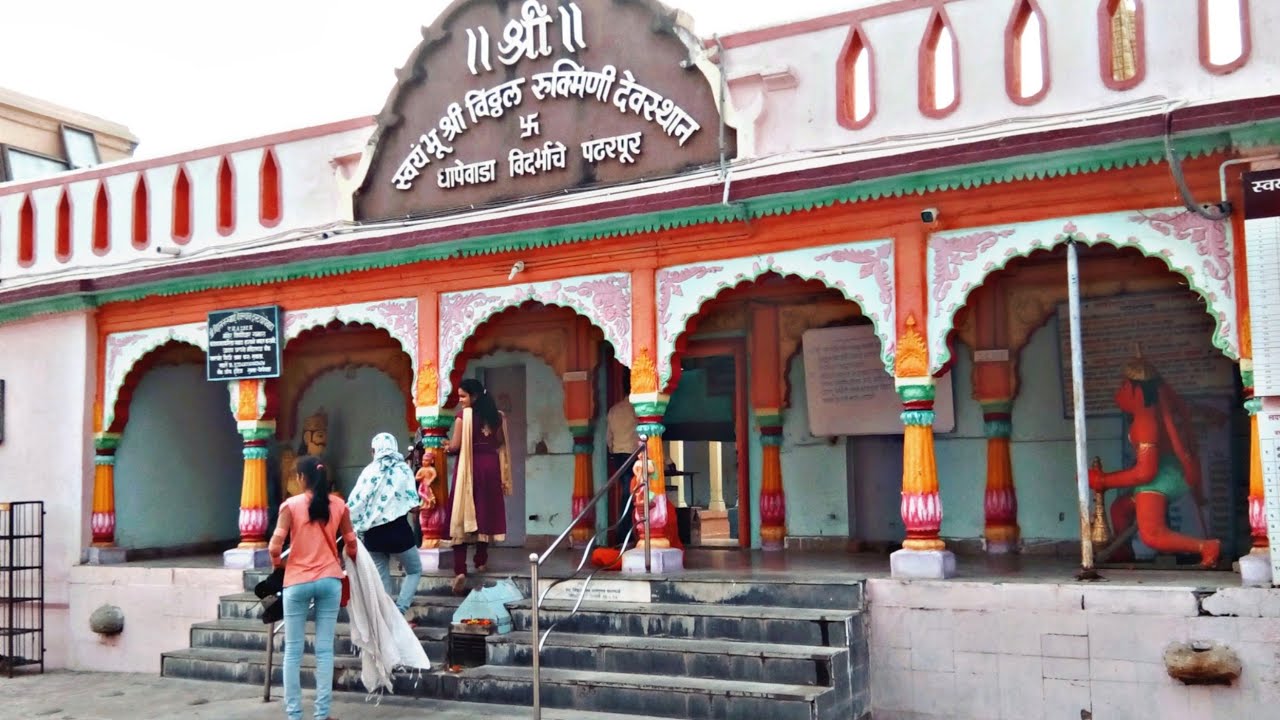
‘Pandharpur of Vidarbha’: Dhapewada Temple Set for ₹164 Crore Makeover

Dhapewada Temple Makeover: The historic Dhapewada Temple, dedicated to Lord Vitthala and Goddess Rukmai, is on the verge of a grand transformation. This temple, often referred to as the ‘Pandharpur of Vidarbha,’ located in Kamleshwar Tehsil of Nagpur, is a significant religious hub. With a whopping ₹164 crore approved by the Maharashtra state government, the Dhapewada Temple is about to undergo a complete facelift, aiming to boost both its spiritual and tourism appeal. In this article, we’ll explore the exciting plans for the development of this revered pilgrimage center and how it will impact devotees and tourists alike.

The Spiritual Importance of Dhapewada Temple

A Pilgrimage Destination for Lord Vitthala Devotees (H2)

Dhapewada Temple (Dhapewada Temple Makeover) holds immense religious importance, especially for devotees of Lord Vitthala, a form of Lord Krishna. The temple is often compared to Pandharpur, the famous pilgrimage town in Maharashtra, making it a must-visit for those deeply devoted to the Varkari tradition. Pilgrims from all over the Vidarbha region and beyond flock to this temple to seek blessings, particularly during key festivals.

Why the Temple is Called ‘Pandharpur of Vidarbha’? (H2)

The nickname ‘Pandharpur of Vidarbha’ is not just a title but a reflection of the temple’s deep connection with the Varkari tradition, a devotional movement dedicated to Lord Vitthala. The temple’s architecture, spiritual atmosphere, and rituals closely resemble the original Pandharpur temple, drawing countless devotees annually.

The ₹164 Crore Development Plan

Funding from the Tourism Department (H2)

In a significant move, the Maharashtra state government, led by Chief Minister Eknath Shinde, has sanctioned ₹164 crore for the development of Dhapewada Temple (Dhapewada Temple Makeover). This decision was made following a high-level meeting in Mumbai, with funds coming directly from the state’s Tourism Department. The goal? To transform Dhapewada into a top-tier tourist and pilgrimage destination.

What Does the Development Plan Include? (H3)

The facelift project is multi-faceted and ambitious. The ₹164 crore budget will be used to improve the following areas:

  1. Construction of Residential Complexes for Visitors (H4) – Comfortable accommodations will be built to house pilgrims, offering them a place to stay during their visit.
  2. Approach Road Improvements (H4) – The roads leading to the temple will be upgraded to ensure better accessibility for both devotees and tourists.
  3. Beautification of Temple Premises (H4) – The temple grounds will be revamped to make the site more visually appealing while preserving its spiritual ambiance.
  4. Sant Nagri (H4) – A dedicated garden featuring statues of saints from the Varkari tradition will be developed as part of the beautification effort.

Boosting Religious Tourism in Vidarbha (H2)

The redevelopment of Dhapewada Temple is part of a broader push to boost religious tourism in the Vidarbha region. The Maharashtra government aims to make the temple a prominent destination not just for devotees but also for tourists interested in spiritual and cultural tourism. By improving infrastructure and facilities, they hope to attract more visitors year-round.

Other Religious Centers to Benefit

Development Plans for Other Religious Sites in Vidarbha (H2)

While Dhapewada Temple is the primary focus of this transformation, other religious centers in Vidarbha are also set to benefit from government grants. Several temples and shrines across the region will receive significant funding for development and infrastructure improvements, including:

  • Sant Gulabrao Maharaj Shrine at Bhakti Dham, Praladpur (H3) – ₹25 crore has been allocated for the first phase of development.
  • Ridhpur in Amravati District (H3) – A total of ₹15 crore will be provided by the Rural Development Department.
  • Shri Govind Prabhu Devasthanam in Wardha District (H3) – This shrine will receive ₹19 crore for improvement projects.

How Will the Development Impact Devotees?

Enhancing the Pilgrimage Experience (H2)

For devotees, these changes are more than just infrastructure upgrades. The project is designed to enhance their overall pilgrimage experience by providing better facilities, improved roads, and comfortable accommodation. The beautification of the temple premises will also create a more serene environment for prayer and reflection.

Cultural Preservation Through Sant Nagri (H2)

The development of Sant Nagri, a garden featuring statues of saints from the Varkari tradition, is a nod to the rich cultural and spiritual history of Maharashtra. This addition will serve as a reminder of the saints’ teachings and will offer devotees a place for quiet contemplation.

What to Expect After the Makeover?

A Major Tourist Attraction (H2)

Post-makeover, Dhapewada Temple is expected to become a major tourist attraction. With better facilities, improved infrastructure, and a rich spiritual and cultural ambiance, the temple will likely draw not just pilgrims but also tourists from around the country. This transformation will put Dhapewada on the map as one of Maharashtra’s premier religious destinations.

The ₹164 crore redevelopment plan for Dhapewada Temple is a monumental step forward for both the spiritual and tourism sectors in Maharashtra. The government’s initiative will not only enhance the pilgrimage experience for devotees but also position Dhapewada as a significant tourist destination in Vidarbha. As the ‘Pandharpur of Vidarbha,’ Dhapewada is set to shine even brighter, preserving its rich cultural and spiritual heritage while welcoming the world with open arms.

  1. What is the significance of Dhapewada Temple?
    Dhapewada Temple is a major pilgrimage site for devotees of Lord Vitthala and is often referred to as the ‘Pandharpur of Vidarbha.’
  2. How much money has been allocated for the temple’s redevelopment?
    The Maharashtra state government has allocated ₹164 crore for the development of Dhapewada Temple.
  3. What facilities will be added as part of the makeover?
    The plan includes residential complexes for visitors, improved approach roads, and the beautification of the temple premises.
  4. What is Sant Nagri?
    Sant Nagri will be a garden featuring statues of saints from the Varkari tradition, adding a cultural and spiritual dimension to the temple grounds.
  5. Will other religious sites in Vidarbha receive funding?
    Yes, several other religious centers in Vidarbha, including Sant Gulabrao Maharaj Shrine and Shri Govind Prabhu Devasthanam, will also receive government grants for development.

Gadkari’s Vision: Elevating Tekdi Temple to Grade A Tourism Site

Upgrade Tekdi Ganesh temple: In a significant move, the Maharashtra tourism and culture department announced on Monday its decision to elevate the status of the Tekdi Ganesh temple from Grade C to Grade A tourism site. This decision comes as a result of persistent efforts by local residents, temple trust secretary Shriram Kulkarni, and social activist Bhushan Dadwe. Their delegation had submitted a memorandum to Union Minister Nitin Gadkari, urging the upgrade of the temple’s status.

Nitin Gadkari’s Advocacy for Tekdi Temple Upgrade

In 2019, Nitin Gadkari took a proactive stance by writing a letter to the then Chief Minister Devendra Fadnavis, advocating for the enhancement of Tekdi Ganesh temple’s status. This bold move demonstrated Gadkari’s commitment to the preservation and promotion of cultural and religious heritage in Maharashtra.

Beautification Plans and NIT’s Strategic Approach

As the beautification plan unfolds (Upgrade Tekdi Ganesh temple), the Nagpur Improvement Trust (NIT) is considering acquiring adjoining land, including areas currently under defense and the Madhya Pradesh State Road Transport Corporation (MPSRTC). This strategic move aims to ensure the comprehensive development of the temple premises.

NIT’s Proposal for Alternative Land

In addition to the acquisition plans, NIT has proposed providing alternative land close to the road for MPSRTC. This thoughtful approach aims to address concerns related to transportation while aligning with the broader vision of upgrading Tekdi Ganesh temple to a Grade A tourism site.

The Impact on Local Community and Tourism

Positive Implications for Local Residents

The temple‘s upgrade holds promising implications for the local community. Beyond the religious and cultural significance, the enhanced status is likely to attract more visitors, potentially boosting the local economy and creating new opportunities for residents.

Tourism Potential Unleashed

With the Tekdi Ganesh temple reaching Grade A status, it is poised to become a prominent tourism attraction. This not only elevates its historical and spiritual significance but also contributes to the broader tourism landscape of Maharashtra.

Challenges and Considerations

Land Acquisition Challenges

While the acquisition of additional land is essential for the temple’s expansion, it brings forth challenges related to negotiations, legalities, and potential opposition from various stakeholders. Balancing the need for development with sensitivity towards existing structures and landowners is crucial.

Addressing Transportation Concerns

The proposed alternative land for MPSRTC raises questions about its accessibility and impact on existing transportation infrastructure. NIT’s commitment to providing solutions that address these concerns will be pivotal in ensuring the success of the temple’s upgrade.

A Visionary Leap for Tekdi Ganesh Temple

In conclusion, the decision to upgrade Tekdi Ganesh temple’s status reflects a visionary approach towards preserving cultural heritage and promoting tourism. Nitin Gadkari’s advocacy, coupled with NIT’s strategic plans, sets the stage for a transformative journey that benefits both the local community and the broader tourism landscape.

Frequently Asked Questions

  1. What prompted the upgrade of Tekdi Ganesh temple’s status?
    • The upgrade was initiated in response to a memorandum submitted by local residents, temple trust secretary Shriram Kulkarni, and social activist Bhushan Dadwe, urging Union Minister Nitin Gadkari’s intervention.
  2. How did Nitin Gadkari contribute to the temple’s upgrade?
    • Gadkari played a pivotal role by writing a letter to the then Chief Minister Devendra Fadnavis in 2019, advocating for the enhancement of Tekdi Ganesh temple’s status.
  3. What challenges are associated with the acquisition of additional land?
    • Challenges include negotiations, legal considerations, and potential opposition from stakeholders. Striking a balance between development and sensitivity towards existing structures is crucial.
  4. What positive implications does the upgrade hold for the local community?
    • Beyond religious and cultural significance, the upgrade is expected to attract more visitors, potentially boosting the local economy and creating opportunities for residents.
  5. How does NIT plan to address transportation concerns related to the temple’s upgrade?
    • NIT has proposed providing alternative land close to the road for MPSRTC, demonstrating a commitment to addressing transportation concerns and ensuring a seamless upgrade process.

सीताबर्डी के इस 200 साल पुराने राम मंदिर का अयोध्या से है खास कनेक्शन

200 साल पुराने पातुरकर राम मंदिर के रहस्य का अनावरण
सीताबर्डी के मध्य में ऐतिहासिक पातुरकर राम मंदिर है, जो एक छिपा हुआ रत्न है जिसे पातुरकर परिवार द्वारा कम प्रचार के कारण व्यापक रूप से जाना नहीं जा सकता है। अपनी उम्र के बावजूद, यह पूजनीय राम मंदिर, जिसे पातुरकर राम मंदिर के नाम से भी जाना जाता है, कम आगंतुकों को आकर्षित करता है, जो इसके द्वार से प्रवेश करने वालों के लिए एक अनोखा और शांत वातावरण बनाता है। मंदिर से शांति की आभा झलकती है, जो दो सदियों से चली आ रही घटनाओं का मूक गवाह है। उल्लेखनीय रूप से, मंदिर ने अपना संयम बनाए रखा है और अपनी पवित्र दीवारों के भीतर होने वाली महत्वपूर्ण घटनाओं के बारे में चुप्पी साध रखी है।

एक आध्यात्मिक गठजोड़: पातुरकर राम मंदिर का रामजन्मभूमि आंदोलन से संबंध
कई लोगों को यह नहीं पता कि पातुरकर राम मंदिर ने रामजन्मभूमि आंदोलन में एक महत्वपूर्ण भूमिका निभाई, जिससे श्री राम-केंद्रित माहौल को बढ़ावा मिला। 1992 में अयोध्या कारसेवा के दौरान विश्व हिंदू परिषद और दुर्गा वाहिनी के दिग्गज इसी मंदिर में एकत्र हुए थे। यह समुदाय के लिए एक रैली स्थल बन गया, जिसमें लोगों से ईंटें इकट्ठा करके अयोध्या मंदिर के निर्माण में योगदान देने का आग्रह किया गया। एकत्रित ईंटों को समारोहपूर्वक राम मंदिर के लिए प्रस्तुत किया गया और बाद में अयोध्या भेज दिया गया। इस पवित्र स्थान के संरक्षक पंकज पातुरकर ने एक विशेष साक्षात्कार में इन ऐतिहासिक घटनाओं का जिक्र किया.

परंपरा में डूबा एक मंदिर: उत्पत्ति और विरासत
1835 में पंकज पातुरकर के परदादा दिगंबरबुवा पातुरकर द्वारा स्थापित यह मंदिर लगभग दो शताब्दियों से भक्ति का प्रतीक रहा है। वर्तमान में अपनी छठी पीढ़ी में, पातुरकर परिवार श्री राम की पूजा को कायम रखता है। जैसे-जैसे मंदिर 2024 में अपने दो सौ साल पूरे होने के करीब पहुंच रहा है, यह स्थायी आस्था और पारिवारिक समर्पण के प्रमाण के रूप में खड़ा है।

ऐतिहासिक मील के पत्थर को गले लगाते हुए: अयोध्या में ‘प्राण प्रतिष्ठा’
जैसे ही देश 22 जनवरी, 2024 को अयोध्या में ‘प्राण प्रतिष्ठा’ का जश्न मनाने की तैयारी कर रहा है, नागपुर में पातुरकर राम मंदिर उत्सुकता से उत्सव में शामिल हो गया है। इस ऐतिहासिक क्षण की स्मृति में मंदिर पूरे दिन आध्यात्मिक कार्यक्रमों की एक श्रृंखला की मेजबानी करेगा। पंकज पातुरकर ने इस महत्वपूर्ण आयोजन में सक्रिय भागीदार बनने के लिए मंदिर की प्रतिबद्धता व्यक्त की। विशेष रूप से, मंदिर ने किसी भी संगठनात्मक संबद्धता से अपनी स्वतंत्रता बनाए रखी है, पवित्र स्थान की पवित्रता, शांति और पवित्रता को संरक्षित करने के लिए अपने समर्पण पर जोर दिया है।


टेकड़ी गणेश मंदिर शहर की सांस्कृतिक विरासत का प्रतीक

टेकड़ी गणेश मंदिर भगवान गणेश को समर्पित एक हिंदू मंदिर है, जो भारत के महाराष्ट्र के नागपुर में स्थित है। यह शहर के सबसे लोकप्रिय और महत्वपूर्ण मंदिरों में से एक है, और इसका समृद्ध इतिहास 19वीं शताब्दी के उत्तरार्ध से है।

माना जाता है कि मंदिर में भगवान गणेश की मूर्ति स्वयंभू है, और इसकी खोज 1875 में अंग्रेजों द्वारा किए गए कई डायनामाइट विस्फोटों के बाद की गई थी। प्रारंभ में, भक्तों द्वारा मूर्ति के ऊपर एक टिन शेड का निर्माण किया गया था, लेकिन 1935 में, एक मंदिर समिति का गठन किया गया और एक स्थायी मंदिर का निर्माण किया गया।

पिछले कुछ वर्षों में मंदिर में कई नवीकरण हुए हैं और आज यह एक सुंदर और सुव्यवस्थित संरचना है। यह पूरे भारत के भक्तों के लिए एक लोकप्रिय तीर्थ स्थल है, और गणेश चतुर्थी उत्सव के दौरान विशेष रूप से भीड़ होती है।

यह मंदिर नागपुर में एक महत्वपूर्ण विरासत स्थल भी है। मूर्ति और पीपल का पेड़ जिस पर यह टिकी हुई है, दोनों ही शहर की विरासत सूची में सूचीबद्ध हैं। मंदिर ट्रस्ट मंदिर को ग्रेड-ए तीर्थ स्थल के रूप में विकसित करने के लिए भी काम कर रहा है।

टेकड़ी गणेश मंदिर सिर्फ एक धार्मिक स्थल ही नहीं, बल्कि एक सामाजिक और सांस्कृतिक केंद्र भी है। मंदिर ट्रस्ट प्रधान मंत्री और मुख्यमंत्री राहत कोष में नियमित योगदान देता है, और संकट के समय जरूरतमंदों की सेवा भी करता है।

मंदिर की एक समृद्ध सांस्कृतिक परंपरा भी है। यह पूरे वर्ष विभिन्न प्रकार के सांस्कृतिक कार्यक्रमों का आयोजन करता है, जिसमें संगीत और नृत्य प्रदर्शन और धार्मिक विद्वानों के व्याख्यान शामिल हैं।

यह मंदिर नागपुर के लोगों के लिए गौरव और प्रेरणा का स्रोत है, और शहर की समृद्ध विरासत और संस्कृति का प्रमाण है।

कल्याणेश्वर शिव मंदिर का इतिहास

नागपुर जो महाराष्ट्र का तीसरा सबसे बड़ा शहर है, समृद्ध मराठा संस्कृति को प्रदर्शित करने वाला एक लोकप्रिय पर्यटक आकर्षण है। यह शहर अपनी उत्कृष्ट हरियाली, स्वास्थ्य देखभाल सुविधाओं और परिवहन के लिए भी प्रसिद्ध है। यह शहर देश के संतरे के उत्पादन का बड़ा हिस्सा पैदा करता है और इसने “ऑरेंज सिटी” नाम अर्जित किया है। यह शहर ईस्ट इंडिया कंपनी के शासनकाल के दौरान बरार और मध्य प्रांतों की राजधानी था।

तेलनखेड़ी शिव मंदिर के बारे में
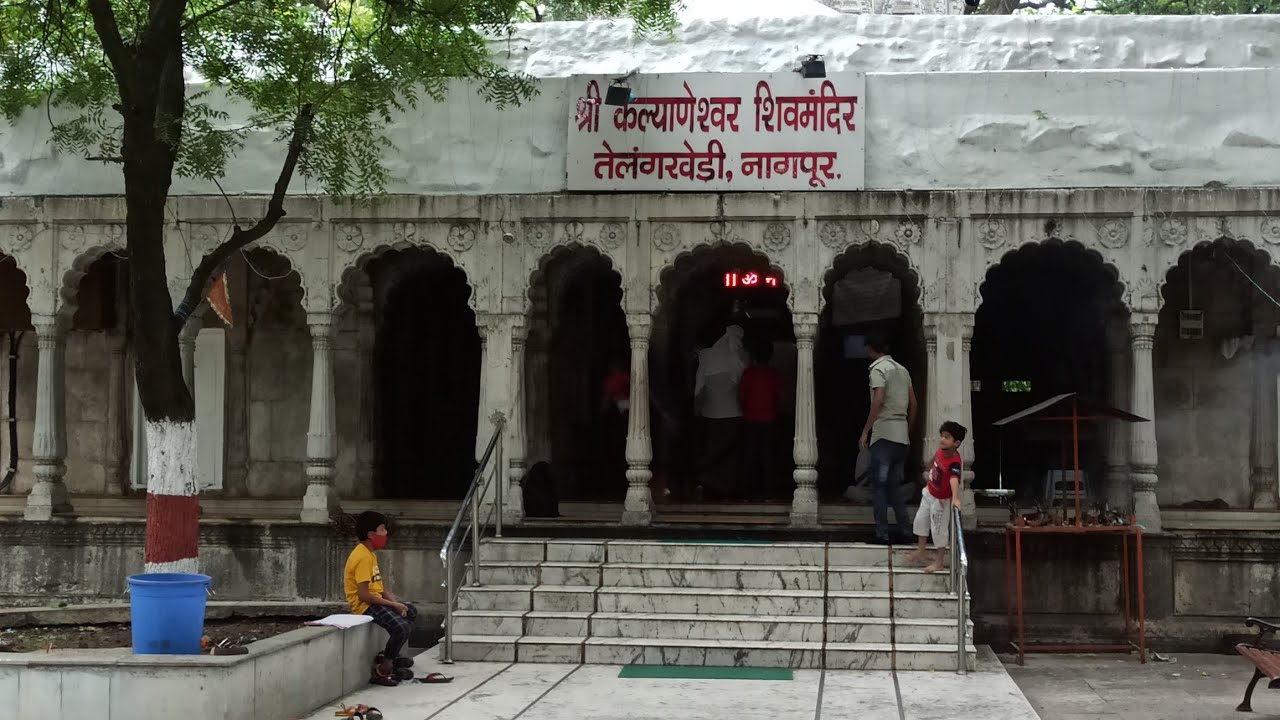
तेलनखेड़ी शिव मंदिर में भगवान शिव का बेदाग रूप है, जो मंदिर के शासक देवता भी हैं। यह नागपुर शहर में प्रसिद्ध हनुमान मंदिर के पास और जापानी गार्डन के पास स्थित है। सोमवार को इस मंदिर में शिवभक्तों की भीड़ उमड़ती है। मंदिर में शिवरात्रि उत्सव बड़े उत्साह और आश्चर्य के साथ मनाया जाता है। मंदिर की ओर जाने वाले रास्ते पुराने बरगद के पेड़ों से भरे हुए हैं। मंदिर के प्रवेश द्वार को सुशोभित करने वाले नंदी की स्थिति देखने लायक है। यद्यपि गर्भगृह छोटा है, फिर भी इसमें वास्तुकला के उत्कृष्ट कार्य हैं।

यह मंदिर चार शताब्दी से भी अधिक पुराना है और 18 x 6 वर्ग मीटर क्षेत्रफल में स्थित है। मंदिर में कई अन्य हिंदू देवताओं की मूर्तियाँ हैं। मंदिर का शिव लिंग एक मीटर से अधिक लंबा है। शिवलिंग के पीछे की दीवार पर भगवान गणपति की सुंदर नक्काशीदार छवि है।

तेलनखेड़ी शिव मंदिर का इतिहास
तेलनखेड़ी शिव मंदिर को कल्याणेश्वर शिव मंदिर के नाम से भी जाना जाता है। इसका निर्माण 1785 में राजे रघुजी भोसले ने करवाया था। मंदिर की सभी गतिविधियों का प्रबंधन भोंसले देवस्थान ट्रस्ट द्वारा किया जाता था। मंदिर को नागपुर के मशहूर बिल्डर आशुतोष शेवालकर ने खरीदा था। मंदिर अब मालिक की निजी संपत्ति है।

मंदिर की वास्तुकला
संपूर्ण मंदिर का निर्माण काले पत्थरों का उपयोग करके किया गया है। इसमें सत्तानवे स्तंभ हैं जिनका निर्माण भूरे पत्थरों का उपयोग करके किया गया है। तेलनखेड़ी शिव मंदिर 2003 में महाराष्ट्र राज्य सरकार द्वारा जारी संरक्षण की आवश्यकता वाली विरासत इमारत की सूची में ग्रेड I संरचना का हिस्सा है।

यह मंदिर उस काल के कारीगरों के स्थापत्य कौशल का उत्कृष्ट उदाहरण है। मंदिर के बाहर एक मंडप है जो चारों तरफ से दीवारों से ढका हुआ है। मंडप की दीवारें मजबूत खंभों द्वारा मजबूती से टिकी हुई थीं। दीवारें हिंदू पौराणिक पात्रों की खूबसूरत पेंटिंग्स से सजी हैं। मंदिर के पीछे कुछ पीपल और बरगद के पेड़ हैं जो भक्तों को चिलचिलाती गर्मी और बारिश से राहत देते हैं। यह मंदिर नागपुर आने वाले असंख्य पर्यटकों को आकर्षित करता है। यह देखने लायक साफ-सुथरा और सुव्यवस्थित पूजा स्थल है।


Exit mobile version