Nagpur Café Startup Pitch: When a Founder Took a Bold Chance with OYO CEO

OYO CEO Ritesh Agarwal Nagpur | shoot your shot startup:  Have you ever missed an opportunity and later thought, “I should have just tried!”? Now imagine the opposite—spotting a billionaire entrepreneur sitting next to you in a café and actually walking up to pitch your idea.

That’s exactly what happened recently in Nagpur, where a young startup founder turned an ordinary day into a life-changing moment. When he noticed Ritesh Agarwal, the CEO of OYO, sitting nearby, he made a bold decision—he chose to “shoot his shot.”

This real-life story is not just inspiring—it’s a powerful lesson for anyone chasing dreams.

Sr# Headings
1 The Viral Nagpur Café Incident
2 Who is Ritesh Agarwal?
3 The Founder’s Quick Decision
4 The Pitch Without Preparation
5 What the Startup Idea Was
6 Ritesh Agarwal’s Reaction
7 Why This Story Went Viral
8 Lessons for Aspiring Entrepreneurs
9 Importance of Timing in Success
10 Tier-2 Cities and Startup Growth
11 The Power of Confidence
12 What Could Have Gone Wrong
13 The “Shoot Your Shot” Philosophy
14 Real-Life Opportunities vs Planned Meetings
15 Final Thoughts and Takeaways

1. The Viral Nagpur Café Incident

It all began in a quiet café in Nagpur. A startup founder was working on his laptop like any normal day. Suddenly, he noticed someone familiar sitting nearby—it was none other than Ritesh Agarwal.

According to reports, the founder initially froze in surprise. But within seconds, he realized that the CEO was about to leave.

This moment became the turning point.


2. Who is Ritesh Agarwal?

Ritesh Agarwal is one of India’s youngest billionaire entrepreneurs and the founder of OYO. Starting his journey in his teenage years, he built a global hospitality brand worth billions.

He is also known for encouraging young entrepreneurs to take risks and follow their passion.

So imagine the opportunity—pitching directly to someone like him without any appointment!


3. The Founder’s Quick Decision

The founder had two options:

  • Let the opportunity pass
  • Or take action immediately

He chose the second option.

He later shared that if he had hesitated for even 10 seconds, the moment would have been gone forever.

This is exactly like seeing a train leaving the platform—you either jump in or watch it disappear.


4. The Pitch Without Preparation

Here’s the most surprising part—there was no pitch deck, no rehearsed speech, no formal introduction.

The founder simply walked up and said:

“Hi Ritesh, I’m building a personalized AI learning platform for kids…”

Simple, direct, and honest.

Sometimes, clarity beats perfection.


5. What the Startup Idea Was

The founder was building an AI-based learning platform for kids, aimed at personalizing education.

He mentioned:

  • Early users already onboard
  • Based in Nagpur
  • Vision to scale globally

This showed he wasn’t just dreaming—he had already started building.


6. Ritesh Agarwal’s Reaction

Instead of ignoring him, Ritesh Agarwal responded positively.

He was especially impressed that the startup was being built from Nagpur—a Tier-2 city.

He said something along the lines of:

“You’re building this from Nagpur? That’s really good.”

This small validation meant a lot.


7. Why This Story Went Viral

The story quickly spread across the startup community and social media.

Why?

Because it highlights something rare:

  • Real opportunity
  • Real courage
  • Real outcome

It wasn’t a planned meeting—it was a spontaneous moment.


8. Lessons for Aspiring Entrepreneurs

Let’s break down what we can learn:

✔ Take initiative – Nobody will come and ask about your idea
✔ Be ready anytime – Opportunities don’t come scheduled
✔ Keep it simple – No need for overcomplication


9. Importance of Timing in Success

Timing plays a huge role in success.

Think of it like catching a wave while surfing—miss it, and you wait again.

In this case, the founder acted at the perfect moment.


10. Tier-2 Cities and Startup Growth

This story also highlights something important:

Startups are no longer limited to big cities like Mumbai or Bangalore.

Nagpur, Indore, Jaipur—these cities are now producing innovative founders.

And that’s exactly what impressed Ritesh Agarwal.


11. The Power of Confidence

Approaching a billionaire CEO is not easy.

But confidence comes from belief in your idea.

The founder didn’t act like a fan—he acted like a builder.


12. What Could Have Gone Wrong

Let’s be real—it could have gone differently:

  • The CEO could have ignored him
  • The pitch could have failed
  • The moment could have been awkward

But the risk was worth it.


13. The “Shoot Your Shot” Philosophy

This story perfectly defines the phrase:

“Shoot your shot.”

The worst outcome? Rejection.
The best outcome? A life-changing opportunity.

As the founder said:

You might get just 3 minutes—but those 3 minutes matter.


14. Real-Life Opportunities vs Planned Meetings

Most people wait for:

  • Networking events
  • Investor meetings
  • Formal introductions

But real opportunities often come unexpectedly—like this café moment.


15. Final Thoughts and Takeaways

This story is more than just a viral post—it’s a reminder.

Opportunities are everywhere, but they don’t wait.

Sometimes, success is not about being the smartest or the most prepared—it’s about being bold enough to take the first step.

So next time you get a chance, ask yourself:

“Will I regret not trying?”

In a world where people overthink and hesitate, this Nagpur founder did something different—he acted.

And that action turned an ordinary café visit into an extraordinary story.

Because at the end of the day, success often comes down to one simple decision:

Do you take the shot—or let it go?

1. What happened in the Nagpur café startup story?

A startup founder spotted OYO CEO Ritesh Agarwal in a café and pitched his idea directly, creating a viral story.

2. What startup idea did the founder pitch?

He pitched an AI-based personalized learning platform for kids.

3. How did Ritesh Agarwal respond?

He reacted positively and appreciated the founder’s effort, especially being from Nagpur.

4. Why is this story important for entrepreneurs?

It shows the importance of taking initiative and grabbing unexpected opportunities.

5. What is the main lesson from this story?

The biggest lesson is: Don’t hesitate—take your shot when the opportunity comes.

Nagpur Smart City Projects 2026: Complete Development Guide & Future Growth

Nagpur is rapidly transforming into one of India’s most promising urban hubs under the Smart City Mission. With multiple infrastructure and digital development projects underway, 2026 is expected to be a landmark year for the city.

🚀 Overview of Nagpur Smart City Vision

Nagpur’s smart city initiative focuses on:

  • Sustainable infrastructure
  • Smart traffic systems
  • Digital governance
  • Improved public services

The goal is to make Nagpur a livable, efficient, and future-ready city.


🏢 Key Smart City Projects in Nagpur

1. Smart Roads Development

Nagpur has introduced:

  • Sensor-based street lighting
  • Underground cabling
  • Smart drainage systems

These roads are designed to reduce maintenance issues and improve safety.


2. Integrated Command & Control Center (ICCC)

This is the brain of the smart city project:

  • Monitors traffic
  • Tracks emergency services
  • Enhances city surveillance

It ensures real-time decision-making for city authorities.


3. Public Wi-Fi Zones

Free Wi-Fi zones are expanding across:

  • Public parks
  • Bus stops
  • Commercial areas

This boosts digital connectivity and supports local businesses.


4. Smart Water Management

Water supply systems now include:

  • Leakage detection sensors
  • Automated distribution

This helps reduce water wastage significantly.


5. Urban Mobility Improvements

Efforts include:

  • Smart traffic signals
  • Improved road networks
  • Integration with metro systems

🌱 Green Initiatives

Nagpur is focusing on sustainability:

  • Solar-powered street lights
  • Increased green cover
  • Waste management systems

These initiatives improve environmental quality.


📈 Economic Impact

Smart city projects are attracting:

  • IT companies
  • Real estate investments
  • Startups

This boosts employment and economic growth.

Nagpur’s Smart City projects are not just infrastructure upgrades but a complete urban transformation. With continuous development, the city is set to become a major economic and technological hub in India.

Khasdar Sanskrutik Mohotsav 2025: A Grand Celebration of Art, Music, and Culture in Nagpur

Shreya Ghoshal live Nagpur | Ajay Atul concert Nagpur: The Khasdar Sanskrutik Mohotsav 2025 is set to return with even greater grandeur, uniting the soul of Maharashtra through art, music, drama, and cultural performances. Scheduled from 7th to 18th November at the Ishwar Deshmukh College Ground, Nagpur, this 12-day cultural carnival promises to be a vibrant confluence of India’s finest artists, musicians, and performers.

Hosted under the visionary guidance of Union Minister Nitin Gadkari, the event embodies the cultural essence of Nagpur – the heart of India. Each evening of this spectacular festival is crafted to celebrate India’s rich artistic heritage with performances from some of the most acclaimed names in the entertainment industry.


Day-by-Day Highlights of Khasdar Sanskrutik Mohotsav 2025

Day 1: “Humare Ram” – The Divine Opening (7th November)

The festival opens with the mesmerizing theatrical performance “Humare Ram”, featuring the acclaimed actors Ashutosh Rana and Rahul Bhuchar. This soul-stirring play brings to life the timeless tale of Lord Ram with powerful dialogue, grand set design, and emotionally charged acting that captures the spirit of Indian mythology. It’s an unforgettable journey through the values of dharma, devotion, and destiny.


Day 2: Vishal Mishra Live Concert (8th November)

The second day will set the stage ablaze with the heart-touching melodies of Vishal Mishra, the voice behind chartbusters like Kaise Hua and Manjha. His live performance will fill the night with soulful music, connecting every heart in the audience through his emotional renditions and energetic stage presence.


Day 3: Instrumental Fusion – Symphony of Cultures (9th November)

The third evening celebrates music beyond boundaries with Instrumental Fusion, an exceptional performance blending Indian classical and global rhythms. Featuring tabla maestros, flautists, guitarists, and percussionists, this event will be a treat for lovers of pure music. It’s where tradition meets innovation in a breathtaking harmony of sound.


Day 4: Rashtra Santachi Jeevan Gatha (10th November)

Day four takes a spiritual turn with Rashtra Santachi Jeevan Gatha, a devotional narrative showcasing the inspiring life stories of Maharashtra’s great saints. This enlightening presentation combines storytelling, bhajans, and classical dance, creating an atmosphere of serenity and devotion that touches the soul.


Day 5: Maharashtra Cha Hasya Jatra – A Laughter Riot (11th November)

Get ready for an evening full of humor as Maharashtra Cha Hasya Jatra, the state’s most-loved comedy show, takes over the stage. The iconic comedians from television bring laughter therapy to the audience with their hilarious acts, witty punches, and satirical skits. It’s the perfect blend of entertainment and Marathi humor.


Day 6: Akhil Sachdeva Live – A Night of Romance (12th November)

Romance fills the air as Akhil Sachdeva, the singer-songwriter known for hits like Tera Ban Jaunga and Sun Mere Humsafar, performs live. His voice, filled with raw emotion, will make hearts flutter under the Nagpur night sky, making this one of the most anticipated evenings of the festival.


Day 7: Sanskar Bharti Presents “Mitti Ke Rang” (13th November)

The seventh day honors India’s artistic roots through Sanskar Bharti’s “Mitti Ke Rang”, a unique performance that celebrates rural artistry, folk traditions, and earthy creativity. Through dance, poetry, and visual storytelling, this show beautifully illustrates how the soil of India is intertwined with culture, art, and heritage.


Day 8: Rekha and Vishal Bharadwaj – The Timeless Duo (14th November)

The power couple Rekha and Vishal Bharadwaj will grace the stage with their mesmerizing presence. Expect an evening of cinematic brilliance and poetic music as they perform timeless melodies and soulful poetry. Their collaboration is sure to enchant the audience with elegance, nostalgia, and pure artistry.


Day 9: Kavi Sammelan – Voices of India (15th November)

Poetry takes center stage on the ninth evening with the Kavi Sammelan, where renowned poets from across the country gather to recite verses that stir thought and emotion. From humor and satire to romance and patriotism, this evening celebrates the unmatched power of words.


Day 10: Shreya Ghoshal Live – A Night to Remember (16th November)

Shreya Ghoshal live Nagpur: The queen of melody, Shreya Ghoshal, returns to Nagpur for a live performance that will mesmerize the audience. Her magical voice and timeless songs such as Sun Raha Hai Na Tu and Deewani Mastani promise to make this night unforgettable. Expect an electrifying crowd as her performance turns the venue into a musical paradise.


Day 11: Shankar Mahadevan – Energy, Rhythm, and Soul (17th November)

The penultimate evening welcomes Shankar Mahadevan, one of India’s most dynamic musicians. Known for his versatility and energy, Shankar’s live concert will feature a mix of Bollywood hits, classical improvisations, and crowd favorites that will keep the audience on their feet all night long.


Day 12: Ajay-Atul Live – The Grand Finale (18th November)

Ajay Atul concert Nagpur: The festival concludes on a magnificent note with Ajay-Atul, the legendary composer duo, performing their iconic masterpieces like Zingaat, Abhi Mujh Mein Kahin, and Mauli Mauli. Their breathtaking symphony, accompanied by live orchestra and chorus, will deliver an epic finale worthy of the festival’s legacy.


Why Khasdar Sanskrutik Mohotsav 2025 is Unmissable

The Khasdar Sanskrutik Mohotsav is more than just an event — it is a movement of cultural unity. Every year, thousands of art lovers, families, and youth gather to witness this free-for-all celebration that bridges generations. From Bollywood glamour to Marathi pride, the festival celebrates every shade of India’s cultural canvas.

Key features include:

  • World-class stage and sound setup

  • Free public entry for all

  • Food courts serving regional delicacies

  • Folk art exhibitions and craft stalls

  • Safety and family-friendly environment


Celebrating Nagpur as the Cultural Heart of Maharashtra

Nagpur has long been recognized as a city rich in cultural heritage. The Khasdar Sanskrutik Mohotsav further elevates its identity, showcasing the city’s deep connection with art, music, and literature. Supported by the South-Central Zone Cultural Centre, this festival strengthens the cultural fabric of Vidarbha and celebrates “Ek Bharat, Shreshtha Bharat.”

As the stage lights up and melodies fill the night sky, Khasdar Sanskrutik Mohotsav 2025 promises to be a landmark celebration — where tradition meets talent, and culture becomes a shared emotion. Whether you are a lover of music, theatre, poetry, or dance, this festival is the place to be this November in Nagpur.

100 Acres of Heaven on Earth: The Biodiversity Marvel of Raj Bhavan, Nagpur

A Green Oasis in the Heart of Nagpur

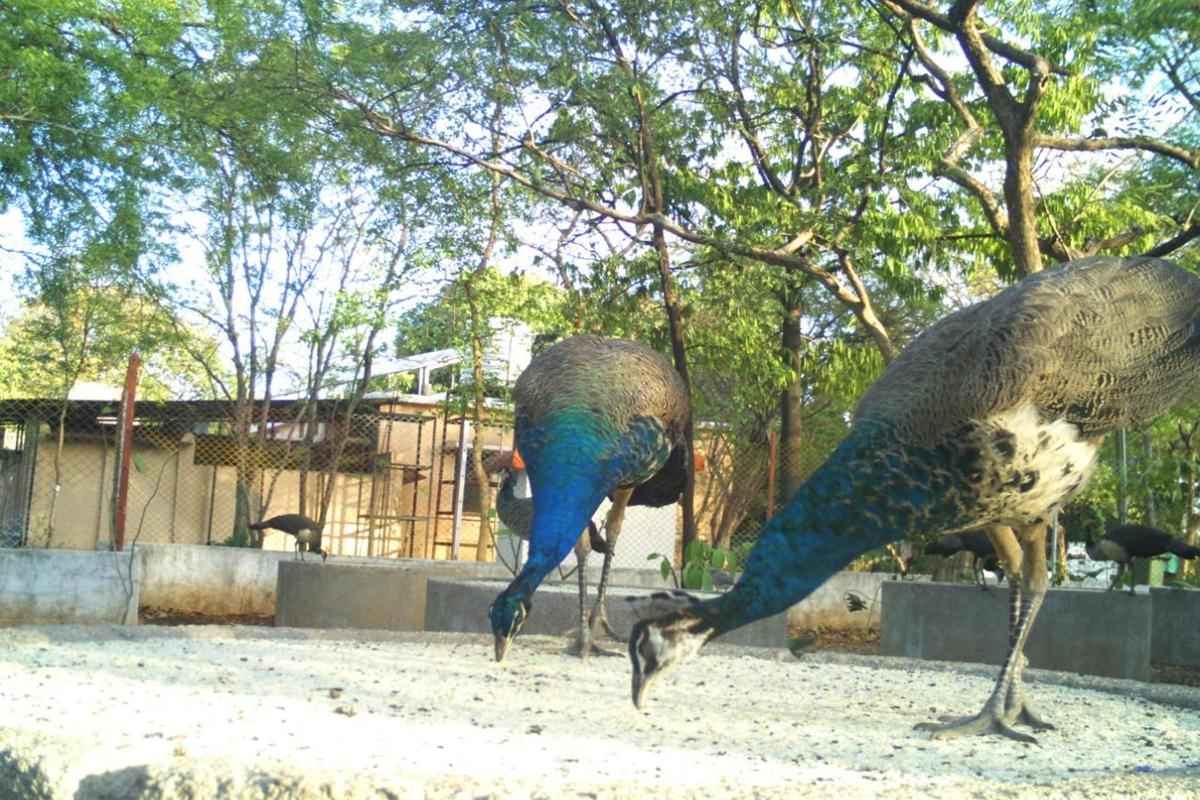
In an era where concrete jungles often overpower natural landscapes, Raj Bhavan Biodiversity Park in Nagpur stands as a glorious symbol of environmental rejuvenation. Spread across 100 acres of once-barren land, this extraordinary park is now home to over 1.25 lakh trees, teeming with 138+ bird species, native flora, butterflies, and thriving ecosystems.


The Transformation: From Barren to Breathtaking

Initially desolate and devoid of vegetation, the land within Raj Bhavan premises underwent a dramatic transformation under the visionary guidance of volunteers, NSS students, and the relentless efforts of Ramesh Yewale, the Additional Family Manager of the Governor. The commitment to convert arid ground into a green haven led to the planting of indigenous and ecologically significant species such as:

  • Teak (Sagwan)

  • Bamboo Groves

  • Air-purifying Trees

  • Bird-Attracting Canopy Trees

  • Butterfly-Feeding Plants

  • Medicinal and Aromatic Herbs

The result? A landscape that doesn’t just breathe but inspires.


A Living, Breathing Ecosystem Without Intervention

What sets the Raj Bhavan Biodiversity Park apart is its completely natural development of fauna. No bird, butterfly, or animal was artificially introduced. Instead, they arrived of their own accord, drawn by the serenity, abundance of food sources, and thriving vegetation.

Today, the park shelters:

  • 100+ Peacocks

  • 138+ Bird Species including migratory birds

  • Various species of Snakes

  • Bright and Rare Butterflies

  • Small Mammals and Reptiles

This thriving biodiversity stands as a testament that when nature is given space, it finds its balance.


Wildlife Sanctuary in the City: A Natural Habitat for Species

The park doesn’t just serve as a garden—it’s a fully functioning natural habitat. The emergence of wild snakes and reptiles showcases the return of ecological balance. There are no cages, no enclosures—just wildlife thriving in freedom. Each element, from soil microbes to top predators, contributes to the self-sustaining ecosystem.


Water Conservation Excellence: A Model of Sustainability

While the lushness of the park suggests constant irrigation, the park actually uses zero external water supply. Through advanced soil and water conservation techniques, a rainwater harvesting system channels monsoon water into a small artificial pond. This water is recycled for irrigation throughout the dry months, making the park a model for:

  • Rainwater harvesting

  • Self-sustaining irrigation systems

  • No groundwater dependency

  • Climate-resilient landscaping

Such practices exemplify sustainable environmental management even in urban setups.


A Rich Collection of Rare and Native Plant Species

The biodiversity park boasts a spectacular botanical garden housing:

  • Medicinal plants used in Ayurveda

  • Fragrant flora that enhance the sensory appeal

  • Culturally significant trees like Tulsi, Bael, Peepal

  • Cactus and bamboo varieties from various Indian states

  • Plants associated with Vedic astrology

  • Butterfly gardens with nectar-rich blooms

  • Foliage with air-purifying properties

This unique combination supports not just aesthetic and cultural richness but also promotes healthier urban living.


Ecological Education and Awareness: A Green Classroom

The park functions as an open classroom for environmental studies. Educational institutions frequently visit to learn about:

  • Urban afforestation techniques

  • Sustainable landscaping

  • Biodiversity management

  • Rainwater harvesting practices

  • Pollinator ecology

On World Environment Day, the site becomes a center of inspiration, echoing the message that even barren lands can be restored with intent and care.


A Model for the Nation: Inspiration for Other States

The Raj Bhavan Biodiversity Park is not just a green zone—it is a replicable environmental model. Its transformation story encourages state governments, municipalities, and educational institutions to convert their unused lands into urban jungles.

Key takeaways from this project include:

  • Community engagement in reforestation

  • Low-maintenance native plant selection

  • Natural habitat regeneration

  • Urban ecological planning

This approach aligns with India’s climate action goals and offers a real-life template for combating urban heat islands and pollution.


A Call to Action: Our Duty Towards Nature

As we stand on the brink of climate crises, the story of this park reiterates a powerful truth — nature needs space and care, not control. It is our responsibility to create environments where natural processes thrive.

Let this park not just be a one-off wonder, but a blueprint for every Indian city, large or small. Let’s restore what we’ve lost, one sapling at a time.


Nature Reclaims, When Given a Chance

The Raj Bhavan Biodiversity Park is more than an ecological restoration—it is a movement, a mindset, a living example that green miracles are possible, even in the heart of cities. With commitment, vision, and collaboration, any barren land can become a thriving paradise.

Let this success story fuel urban environmental reforms across India.

Transforming Ajni Railway Station: Major Upgradation in Progress

Ajni Railway Station Upgrade: Ajni Railway Station, nestled in the heart of Nagpur, is currently undergoing a remarkable transformation. The Central Railway’s Nagpur Division is leading this upgradation initiative to turn the station into a future-ready, efficient, and commuter-centric hub. If you’ve ever wondered what a railway station of the future might look like, this project is your answer.

This isn’t just a facelift—it’s a full-blown modernization mission that promises to redefine your journey through Ajni. So, what’s changing? Let’s take a closer look.


🚉 Why Ajni Railway Station Needed an Upgrade

Let’s face it—Ajni was long due for a makeover. With increasing passenger footfall, aging infrastructure, and limited operational space, it was high time for a transformation.

Passenger Overload & Congestion

Ajni serves as a key junction in Nagpur, witnessing thousands of passengers daily. But cramped platforms and limited amenities meant chaos, especially during peak hours.

Operational Bottlenecks

Outdated signaling systems, lack of platform availability, and poor traffic flow created operational delays that affected both trains and travelers.


🛠️ The Vision: A Modern, World-Class Station

So, what’s the plan? The Central Railway’s blueprint aims to completely overhaul Ajni into a high-tech, passenger-first station. Think metro-station convenience with Indian heritage vibes.


🏗️ Major Infrastructure Development

1. Additional Platforms

More platforms mean more trains and fewer delays. The station is getting new platforms that can handle increased traffic and reduce congestion during busy hours.

2. Expanded Circulating Area

No more elbowing your way through crowded station entries. The new design includes an expanded circulating area that eases movement and enhances crowd control.

3. Revamped Station Buildings

The new station buildings will flaunt a contemporary architectural style infused with local culture, offering both function and flair.


🎫 Enhanced Passenger Amenities

Let’s be honest—we all love comfort while traveling. The upgradation project is rolling out a host of features to make every passenger’s experience smoother and more enjoyable.

1. Escalators and Lifts

No more dragging heavy bags up stairs. Escalators and elevators are being installed to aid mobility for all, especially senior citizens and those with disabilities.

2. Spacious Waiting Lounges

Comfy seating, clean surroundings, and charging ports—you name it. Waiting won’t feel like a chore anymore.

3. Upgraded Ticket Counters

Digital kiosks and counters with faster processing times will cut down those frustrating long lines.


🔐 Strengthening Safety & Security

Safety is non-negotiable. Ajni’s revamp includes significant measures to enhance the security framework.

1. Advanced CCTV Surveillance

A web of high-definition CCTV cameras will provide real-time monitoring, ensuring better crowd control and immediate response to any threats.

2. Improved Lighting Systems

Brighter, energy-efficient lighting across platforms, footbridges, and entry points to ensure better visibility and safety at night.

3. Fire Safety Installations

From smoke detectors to water sprinklers and emergency exits—fire safety is being taken seriously.


🌱 A Step Toward Sustainability

Green is the new modern, and Ajni is getting a sustainability makeover that aligns with Indian Railways’ green mission.

1. LED Lighting Everywhere

Energy-saving LED lights will replace conventional bulbs, cutting down on electricity consumption significantly.

2. Water-Saving Fixtures

From low-flow taps to rainwater harvesting systems, water conservation is a major focus.

3. Eco-Friendly Landscaping

Expect lush green spaces, vertical gardens, and native plant species that not only look good but also improve air quality.


🔧 Operational Efficiency Boost

Ajni is not just getting a prettier face—it’s getting smarter inside too.

1. Improved Signaling Systems

Modern, automated signaling will enhance safety, reduce manual errors, and ensure better train coordination.

2. Increased Track Capacity

More trains, less waiting. Additional tracks mean improved scheduling and fewer delays.

3. Optimized Station Layout

A new design with better foot traffic flow and zoning will make navigation easier for passengers and operations smoother for staff.


🧱 Behind the Scenes: Engineering Marvel in the Making

Ever wonder what goes into revamping a railway station while keeping it functional? It’s a logistical ballet of planning, coordination, and relentless execution.

1. Phased Construction Strategy

Work is being done in phases to avoid complete shutdown, keeping passenger inconvenience to a minimum.

2. Use of Pre-Fab Structures

Pre-fabricated materials are speeding up the process without compromising on durability.

3. Tech-Driven Project Management

From AI-based surveillance to digital construction mapping, technology is helping manage timelines and ensure quality.


🌐 Boost to Regional Connectivity

1. Strengthening Nagpur’s Role

With Ajni becoming a full-fledged terminal, Nagpur’s role as a logistics and transit hub in Central India is being fortified.

2. Better Intercity Travel

The improved station will allow faster and more frequent trains to neighboring cities like Wardha, Bhandara, and Gondia.

3. Local Employment Opportunities

The construction and future operation phases are generating numerous jobs, boosting the local economy.


🧳 Passenger Experience: What’s Changing For You

Before the Upgrade

  • Cramped spaces

  • Long queues

  • Poor signage

  • Lack of modern amenities

After the Upgrade

  • Seamless navigation

  • Digital ticketing

  • Lounge-style waiting areas

  • Real-time updates on screens


📅 Project Timeline & Phases | Ajni Railway Station Upgrade

Phase 1: Groundwork and Foundation

  • Timeline: Jan 2024 – June 2024

  • Activities: Demolition, groundwork, and initial layout

Phase 2: Structural Development

  • Timeline: July 2024 – Dec 2024

  • Activities: Platform construction, roofing, wiring

Phase 3: Finishing and Commissioning

  • Timeline: Jan 2025 – June 2025

  • Activities: Interiors, testing, public inauguration


📸 Visualizing the Future: What to Expect

Imagine stepping into a station that feels like a mini airport. Bright lights, calm atmosphere, clear signs, and a station that doesn’t just function—it welcomes you.


🎯 The Broader Mission: Aligning with Indian Railways’ Vision

This upgradation isn’t an isolated project—it’s part of Indian Railways’ bigger goal of creating world-class, sustainable, and smart transport systems across the country.


💬 Final Thoughts

The transformation of Ajni Railway Station is more than a civil engineering feat—it’s a vision realized. With modern design, advanced safety, operational excellence, and a passenger-first approach, Ajni is set to become a shining example of what future-ready public infrastructure should look like.

Next time you pass through Ajni, get ready to experience the new face of Indian Railways—sleek, efficient, and truly passenger-centric.

1. When will the Ajni Railway Station upgradation be completed?
The project is expected to be completed by mid-2025, with phased implementation already in progress.

2. Will train services be interrupted during construction?
No, a phased construction strategy ensures that services continue with minimal disruption.

3. Are the new facilities accessible for disabled passengers?
Absolutely. The upgrade includes lifts, ramps, tactile flooring, and other accessibility features.

4. Is there a plan to integrate metro or bus services?
Yes, future integration with local transport networks is being considered to enhance last-mile connectivity.

5. How is this project environmentally sustainable?
The station will include LED lighting, water conservation systems, and green landscaping aligned with eco-friendly infrastructure practices.

New Museum in Nagpur Opens to Showcase the Glorious History of the IAF

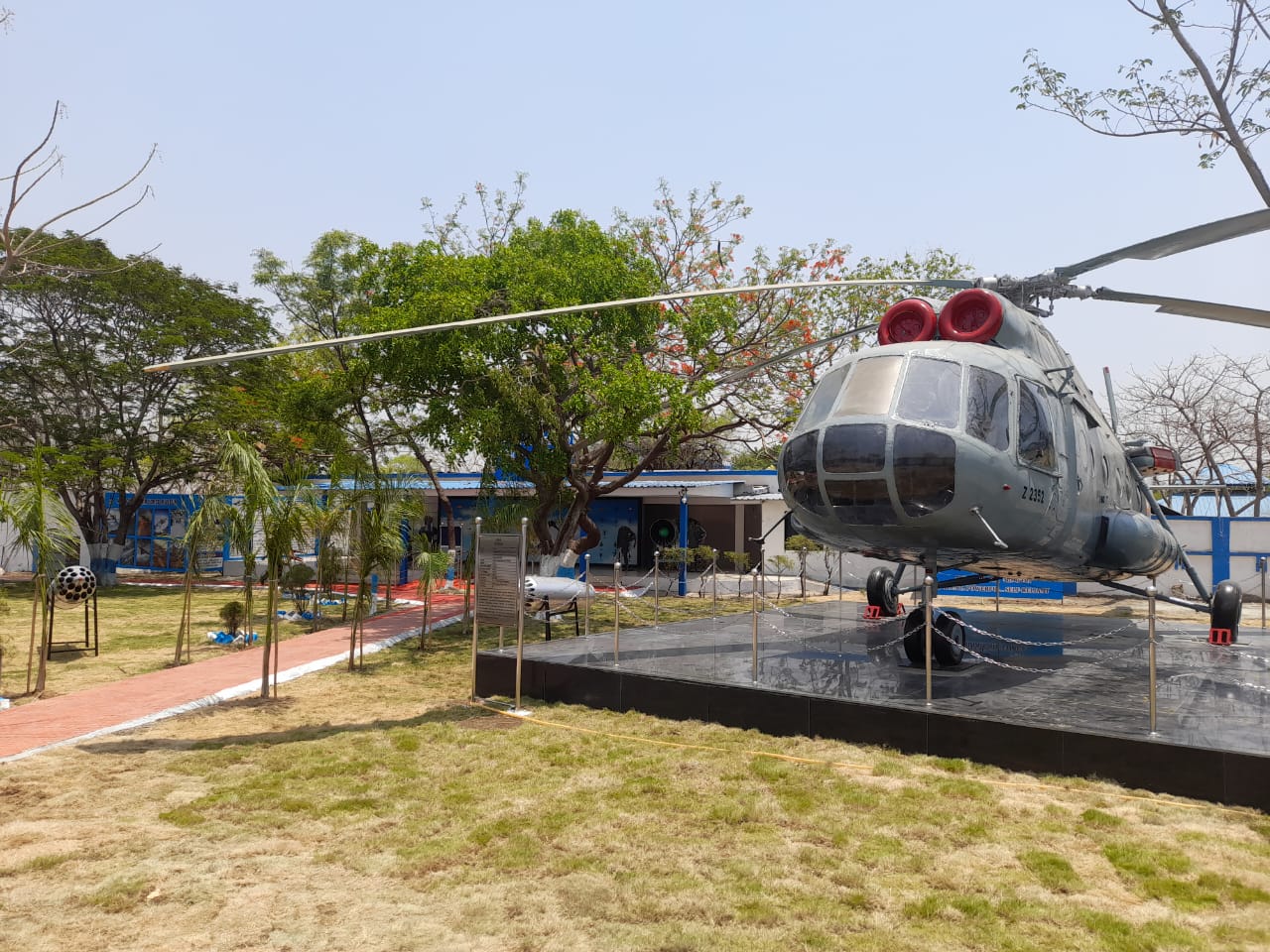
Nagpur residents now have an incredible opportunity to dive into the rich legacy of the Indian Air Force (IAF) with the unveiling of a brand-new Air Force Museum. Strategically located near Air Force Nagar, Dabha Gate, this museum is a monumental initiative by the Air Force Maintenance Command. Officially inaugurated on Friday by Air Marshal Vijay Kumar Garg, the Air Officer Commanding-in-Chief of Air Headquarters Maintenance Command, the museum opened its doors to the public at 10 am on Saturday.

A Tribute to Valor and Innovation

The museum is much more than just a collection of artifacts; it is a vivid portrayal of the IAF’s illustrious journey. Through a perfect blend of traditional exhibits and modern technology, the space captures the essence of the IAF’s bravery, sacrifices, and remarkable advancements. Here’s what makes this museum a must-visit:

Interactive Exhibits to Inspire Curiosity

Visitors are greeted with an array of models showcasing aircraft, helicopters, and missiles. These exhibits offer an immersive glimpse into the evolution of the IAF, sparking interest and admiration for its cutting-edge technology and dedication.

Statues Honoring Heroes

The museum’s statues pay homage to the courageous warriors who have served the nation. Each statue narrates a tale of bravery, sacrifice, and resilience, leaving visitors inspired and filled with pride.

Educational Endeavors for the Youth

One of the museum’s core missions is to educate young minds about the IAF’s glorious past and its pivotal role in safeguarding the nation. It serves as a living classroom where history comes to life, fostering a deep sense of patriotism.

Simulated Experiences for Thrill Seekers

Ever dreamt of being a fighter pilot? The museum makes it possible, albeit virtually. With advanced simulators, visitors can experience flying a fighter jet or launching missile attacks, creating memories that are both exhilarating and educational.

Audio-Visual Insights into IAF’s Legacy

For those who wish to delve deeper into the IAF’s achievements, a dedicated theatre showcases audio-visual presentations. These presentations vividly capture the force’s strength, milestones, and extraordinary contributions to the nation.

A Blend of Inspiration and Patriotism

Every corner of the museum resonates with tales of valor and technological prowess. By presenting the IAF’s achievements in an engaging manner, the museum instills a sense of pride and patriotism among visitors.

Visitor Information and Highlights

  • Location: Near Air Force Nagar, Dabha Gate, Nagpur.
  • Timings: Opens daily at 10 am.
  • Special Features:
    • Fighter jet models.
    • Missile and equipment displays.
    • Interactive simulators.
    • Audio-visual presentations.
    • Educational content for all age groups.

Why Nagpur is Proud of This Landmark

The museum’s establishment in Nagpur is a testament to the city’s growing prominence as a hub of history and culture. By housing such a remarkable repository of the IAF’s achievements, Nagpur has solidified its place on the national map as a city that values and celebrates its rich heritage.

Preserving History for Future Generations

With its state-of-the-art displays and comprehensive storytelling, the museum ensures that the IAF’s legacy is preserved and celebrated for years to come. It’s a treasure trove for history buffs, students, and anyone eager to understand India’s military journey.

Plan Your Visit Today!

Whether you’re a history enthusiast, a technology aficionado, or simply looking for a unique weekend outing, the Air Force Museum in Nagpur promises an experience that’s both enriching and unforgettable. Don’t miss the chance to explore this gem!

The newly inaugurated Air Force Museum in Nagpur is a remarkable initiative that brings the IAF’s legacy closer to the people. Through its interactive exhibits, inspiring stories, and advanced simulations, the museum serves as a beacon of knowledge and patriotism. Make it a point to visit and immerse yourself in the glorious history of the IAF.

1. What are the timings of the Air Force Museum in Nagpur?
The museum opens daily at 10 am. Specific closing times may vary, so it’s best to confirm before planning your visit.

2. Is there an entry fee for the museum?
Details about the entry fee haven’t been disclosed yet. Check the museum’s official website or contact them for updates.

3. Can children use the flight simulators?
Yes, children can use the simulators under expert supervision, making it a safe and enjoyable experience.

4. Are group tours available?
Group tours may be arranged. It’s advisable to contact the museum in advance for special arrangements.

5. How can I reach the museum?
The museum is located near Air Force Nagar, Dabha Gate, Nagpur. It’s easily accessible by local transport and private vehicles.

Climb to Ramtek Temple Set to Get Easier with ₹151.5 Cr Ropeway Project

Ramtek Temple ropeway project: Visiting sacred places often comes with physical challenges, especially for the elderly and differently-abled. But what if the climb to one of Maharashtra’s most revered hilltop temples could soon become a breeze? Big news from Nagpur has devotees and tourists buzzing — a ₹151.50 crore ropeway project at Ramtek Gad Temple is officially on the cards.

Let’s dive deep into what this project really means for you, your family, and the broader vision of boosting religious tourism in Maharashtra.


🚩 The Spirit Meets Convenience

Ramtek Temple isn’t just a place of worship — it’s a spiritual experience that demands effort and faith. Until now, reaching the shrine meant climbing either 120 steps from the parking lot or an exhausting 700 steps from the base. But all that’s about to change.

With a government-approved ropeway project worth ₹151.50 crore, the journey to the temple is set to transform into a smooth, scenic, and accessible ride.


📍 Ramtek Temple: Where Mythology and History Unite

A Sacred Spot in Maharashtra

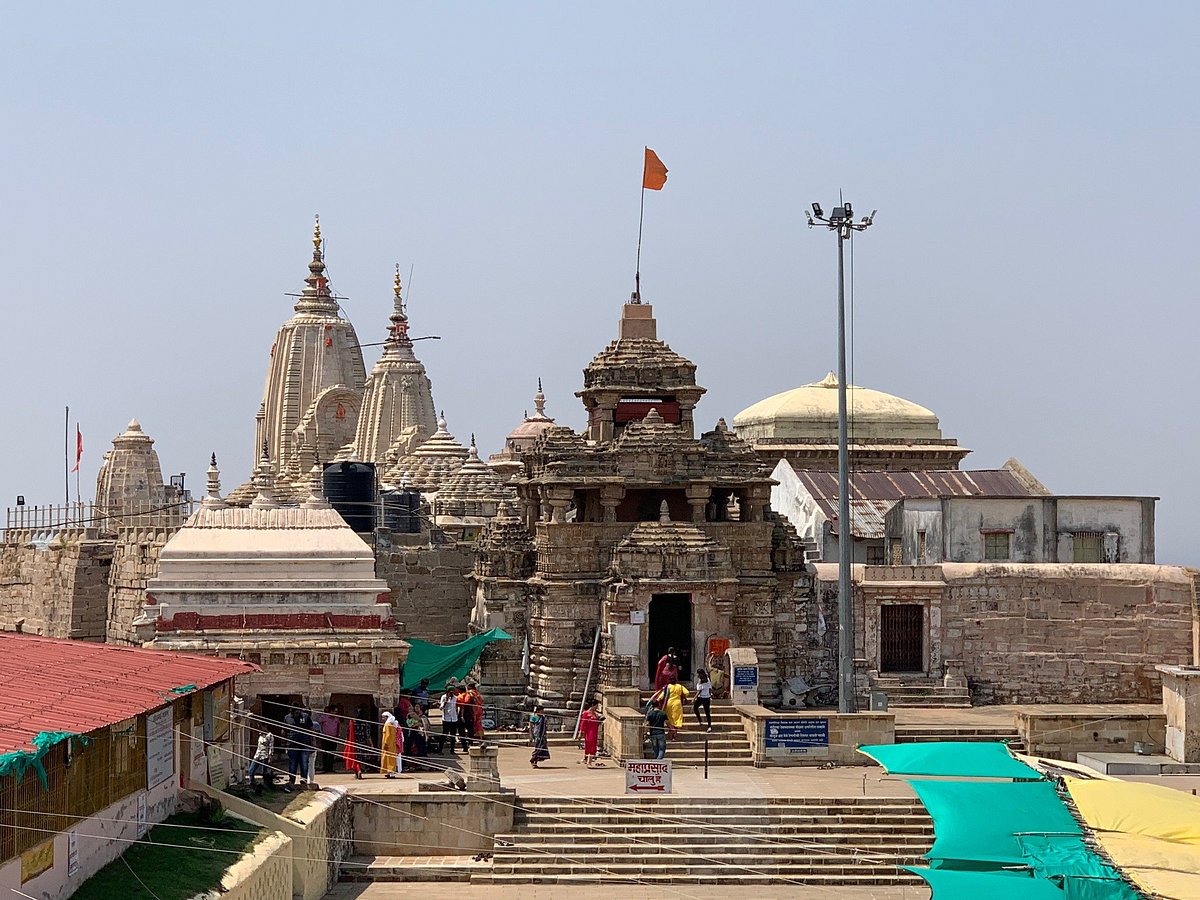
Located about 50 km from Nagpur city, the Ramtek Temple is perched atop a hill that’s believed to be connected to Lord Ram’s exile journey. According to legend, Lord Ram rested here during his vanvas (exile), which gives the town its name — Ramtek.

Architectural Beauty and Spiritual Aura

The temple showcases ancient architectural charm that blends serenity with historical importance. Its elevated position gives panoramic views of the surrounding landscapes, making the climb worth it — but also quite tiring.


🎯 Why the Ropeway Project Is a Game-Changer

No More Exhausting Climbs

Let’s face it — not everyone can comfortably climb 700 steps, especially the elderly or people with health issues. The new ropeway changes that by offering a direct, effortless ride to the temple.

Boosts Tourism and Local Economy

The Ramtek area already attracts around 8 lakh visitors annually. With this ropeway in place, the numbers could skyrocket, benefiting local vendors, hotels, and small businesses.


🛠️ Technical Specs: How Will the Ropeway Work?

Monocable Fixed Grip Jig Back Technology

Sounds fancy, right? This modern tech ensures safe, smooth, and reliable transportation. It’s commonly used in mountain regions globally and is known for minimal maintenance and high passenger safety.

Key Features:

  • Length: 635 meters

  • Capacity: 7,200 passengers per day

  • System Type: Monocable fixed grip jig back

  • Operation Style: Two cabins shuttling back and forth

  • Average Travel Time: Just a few minutes compared to a 30-40 min climb


🚶‍♂️ From 700 Steps to a Scenic Ride

Imagine boarding a cabin at the base and enjoying a picturesque ride to the top — all without breaking a sweat. This will not only save time but also offer mesmerizing aerial views of Ramtek and its surrounding natural beauty.


🌄 How the Ropeway Enhances the Pilgrim Experience

Accessibility for All

With this ropeway, the divine becomes more accessible. People with disabilities, senior citizens, and families with kids can now visit the temple without physical strain.

Safer Pilgrimage

Festivals like Ram Navami and Dussehra draw huge crowds. Managing those crowds on steep steps can be risky. The ropeway brings order and safety to peak pilgrimage times.


💼 ₹151.50 Crore Investment: A Strategic Move

Public Convenience + Religious Tourism = Win-Win

The budget covers construction, operation, and 15 years of maintenance. This long-term vision ensures the ropeway isn’t just built but is also well-maintained for years to come.

Funding Breakdown (Estimated):

  • Construction: ₹120 crore

  • Technology & Cabins: ₹20 crore

  • Safety Infrastructure & Emergency Systems: ₹5 crore

  • Initial Maintenance Reserve: ₹6.5 crore


🌍 A Model for Other Hill Temples

This isn’t just about Ramtek — it’s a blueprint for future religious tourism in Maharashtra. If this project succeeds, we could soon see ropeways at other iconic hill temples like Trimbakeshwar or Bhimashankar.


🌱 Environmental Impact and Sustainability

Low-Emission Technology

Modern ropeways have minimal carbon footprints. They run on electricity, reducing the use of fuel-based transportation like jeeps or buses.

Minimal Disruption to Nature

The route has been planned to avoid deforestation and ecological disruption, preserving Ramtek’s natural charm.


🧘 Devotee-Centric Design and Facilities

What Can Pilgrims Expect?

  • Seating in Cabins

  • Weather Protection

  • Emergency Response Systems

  • Ticket Counters and Digital Bookings

  • Waiting Lounges and Toilets at Both Ends


💬 Voices from the Community

What Locals and Devotees Are Saying

“My parents are in their 70s. They always wanted to visit Ramtek but couldn’t manage the climb. Now they’re planning their trip already!” – Priya N., Nagpur

“This will surely bring more tourists and jobs to our town. We’re excited!” – Rajesh B., Local Vendor


📆 When Will It Be Operational?

While the exact timeline hasn’t been officially announced, sources suggest the project could be completed within 24 to 30 months from the ground-breaking ceremony.

Expected Timeline:

  1. Planning & Permissions: 6 months

  2. Construction Phase: 18–20 months

  3. Testing & Safety Approvals: 3–4 months


🏗️ Government’s Broader Vision

This ropeway is part of a larger vision by the Maharashtra government to upgrade religious sites with modern infrastructure — including better roads, lighting, sanitation, and digital connectivity.


📸 Picture-Perfect Pilgrimage

Tourists and photographers are in for a treat. The ride offers a bird’s-eye view of Ramtek’s forested surroundings, lake views, and sunrise/sunset over temple spires — Instagram-worthy to say the least!


💡 Did You Know?

  • Ramtek Temple is mentioned in Kalidasa’s Meghdoot.

  • The temple is over 600 years old, built during the reign of the Vakataka dynasty.

  • A nearby fort and Jain temple also attract history buffs and architecture lovers.


🎯 Final Thoughts: Tradition Meets Technology

The ropeway project at Ramtek Gad Temple beautifully marries age-old devotion with 21st-century convenience. For devotees, it means more access and less struggle. For tourists, it’s an unforgettable ride. And for Maharashtra, it’s a bold step toward redefining religious tourism.

So next time you’re planning a spiritual trip, Ramtek should be at the top of your list — now just a ropeway ride away.

1. When will the Ramtek ropeway be open to the public?

The ropeway is expected to be completed and operational within 2 to 2.5 years from the start of construction.

2. Will the ropeway be free or ticketed?

It will be a paid service. However, the ticket prices are expected to be nominal and affordable for all pilgrims.

3. Is the ropeway safe for elderly passengers?

Yes, it’s designed with senior citizens in mind. Safety features like emergency stops, medical kits, and trained staff will be available.

4. Can the ropeway operate during festivals and high-traffic days?

Absolutely. The system is designed to handle 7,200 passengers per day and will help in efficient crowd management.

5. What other attractions are near Ramtek Temple?

Apart from the main temple, visitors can explore the historic Ramtek Fort, Kalidas Memorial, Ambala Lake, and Jain temples.

Gorewada Zoo to Get African Grey Parrots in Exchange for Two Tigers

Nagpur’s Gorewada Zoological Park is set to welcome a new attraction—African Grey Parrots! In a fascinating exchange, the zoo will receive these highly intelligent birds from Tata Steel Zoological Park, Jamshedpur, in return for two tigers. This strategic swap, approved by the Central Zoo Authority (CZA), aims to enhance the zoo’s biodiversity while addressing its tiger overpopulation issue.

Why the Exchange?

Gorewada Zoo currently houses 16 tigers, leading to overcrowding at its rescue center. Moving two tigers to Jamshedpur provides them with a better environment while making space for the new arrivals.

The Role of the Central Zoo Authority (CZA)

The CZA plays a crucial role in overseeing and approving animal exchanges in Indian zoos. This ensures ethical and scientific management of wildlife while promoting genetic diversity in captive populations.

Who Are the Newcomers? African Grey Parrots

African Grey Parrots are renowned for their extraordinary intelligence and speech-mimicking ability. Native to the dense forests of West and Central Africa, these birds are a prized attraction in many wildlife parks worldwide.

Why Are African Grey Parrots Special?

  • Exceptional Intelligence – They have cognitive abilities comparable to a 4-year-old child.
  • Mimicry Skills – These parrots can learn and repeat over 1,000 words.
  • Protected Species – Due to illegal wildlife trade, they are listed under CITES Appendix I, meaning strict regulations govern their captivity.

Where Will They Be Kept?

The new African Grey Parrots will be showcased in Gorewada Zoo’s upcoming Walking Trail Attraction, expected to open by June. This will provide visitors an up-close experience with these fascinating creatures.

A History of Animal Exchanges at Gorewada

Gorewada Zoo has previously exchanged animals to maintain genetic diversity. Some past trades include:

  • Blackbucks
  • Spotted Deer
  • Wolves
  • Hyenas
  • A Sloth Bear These exchanges help zoos maintain healthy animal populations while ensuring better living conditions.

The Tigers Being Moved

The two tigers being relocated are selected based on their health, age, and genetic compatibility with the new environment. This move ensures they have the best possible habitat for their well-being.

The Safari Tigers’ Replacement

Apart from the exchange, two safari tigers—Lee and Rajkumar—will be replaced with a new pair. These tigers, having spent several years at Gorewada, will be retired, making way for fresh additions.

How Will This Benefit the Zoo?

  1. Better Space Management – Reducing overcrowding in the tiger enclosures.
  2. Enhanced Attractions – Introducing a highly engaging species for visitors.
  3. Biodiversity Conservation – Supporting global conservation efforts by maintaining genetic diversity.

Visitor Reactions and Expectations

The news of African Grey Parrots joining the zoo has already created a buzz among visitors. Their impressive speaking abilities and engaging behavior make them an anticipated highlight.

Conservation Efforts and Ethical Wildlife Management

Animal exchanges must be done responsibly. Gorewada follows strict ethical guidelines to ensure that such relocations do not harm the animals but instead improve their quality of life.

Educational Opportunities with the New Addition

With the arrival of African Grey Parrots, the zoo plans to organize:

  • Interactive Sessions – Demonstrating their cognitive skills.
  • Awareness Programs – Educating visitors on illegal wildlife trade.
  • Conservation Workshops – Promoting ethical treatment of exotic animals.

How Do Such Exchanges Work?

Zoo exchanges involve multiple steps:

  1. Identification of Surplus Animals – Selecting animals that need relocation.
  2. Approval from CZA – Ensuring the exchange meets legal and ethical guidelines.
  3. Transportation Arrangements – Safely moving animals between zoos.
  4. Acclimatization Process – Helping new animals adjust to their new surroundings.

The arrival of African Grey Parrots at Gorewada Zoo marks a significant step in enhancing its attractions while responsibly managing its wildlife. This exchange benefits both tigers and parrots, ensuring they receive the best care possible. As we eagerly wait for the parrots’ grand debut in the Walking Trail, one thing is certain—this new feathered addition will charm visitors and strengthen the zoo’s commitment to conservation.

1. Why is Gorewada Zoo exchanging tigers for African Grey Parrots?

Gorewada Zoo is dealing with tiger overcrowding and aims to introduce new attractions to diversify its animal exhibits. The exchange helps both zoos by balancing their animal populations.

2. When will the African Grey Parrots arrive at Gorewada Zoo?

The parrots are expected to arrive after the tigers are relocated, and they will be part of the Walking Trail Attraction opening in June.

3. What makes African Grey Parrots special?

These parrots are extremely intelligent, capable of mimicking human speech, and are one of the most cognitively advanced bird species.

4. How does the zoo ensure the safety of exchanged animals?

All exchanges are approved by the Central Zoo Authority (CZA), ensuring ethical and legal transfers with proper acclimatization plans for the animals.

5. Will the zoo conduct educational programs on African Grey Parrots?

Yes, the zoo plans to organize interactive sessions, awareness programs, and conservation workshops to educate visitors about these remarkable birds and the importance of wildlife conservation.

Pilot Training Centre at Amravati Airport to Open Soon

A major development in the Indian aviation sector is set to take flight! The much-anticipated pilot training centre at Amravati Airport is scheduled to commence operations in July this year. Spearheaded by Tata Group’s Air India, this training hub will offer commercial pilot training at Belora Airport in Amravati. With an intake capacity of 180 trainees, the project positions Amravati as a critical player on India’s aviation map. The existing airport is undergoing rapid development, making this training centre the largest in Maharashtra.

Key Highlights of the Pilot Training Centre

  • Location: Belora Airport, Amravati
  • Launch Date: Expected in July this year
  • Capacity: 180 trainees
  • Total Area: 10 acres
  • Facilities: Administrative wing, hostel for trainees
  • Development Authorities: Maharashtra Airport Development Company & Air India Pilot Training Centre

Why Amravati?

Amravati, a fast-growing city in Maharashtra, is strategically located to host the state’s biggest pilot training centre. The availability of land, a developing aviation infrastructure, and government support make it an ideal choice. With the aviation industry expanding rapidly, the demand for trained pilots is at an all-time high.

Project Overview: A Game Changer for Aviation

The training centre, spanning 10 acres, will include a dedicated administrative wing and hostel facilities for students. This initiative is a collaboration between the Maharashtra Airport Development Company (MADC) and Air India Pilot Training Centre, aiming to bolster India’s aviation sector.

1. Infrastructure & Facilities

  • Modern training simulators for hands-on learning
  • Spacious classrooms with advanced aviation technology
  • Dedicated airstrip for pilot training
  • On-site accommodation with hostel facilities
  • Administrative block for seamless operations

2. Expansion of Amravati Airport

The Belora Airport is undergoing rapid upgrades to accommodate the training centre. This includes runway extensions, navigation system upgrades, and improved air traffic control to support smooth operations.

How Will This Benefit Aspiring Pilots?

  • Access to world-class training within India
  • Cost-effective pilot training compared to overseas programs
  • Job opportunities with major airlines, including Air India
  • Boost to the local economy through aviation-related businesses

Government Support & Approvals

The Central Aviation Ministry is expected to approve passenger traffic operations at Belora Airport. A new flight connecting Amravati and Mumbai via a 72-seater aircraft is planned to launch by the end of March this year, further integrating Amravati into India’s aviation network.

Future Prospects of the Amravati Training Centre

This centre will contribute to the increasing demand for pilots in India. With air traffic surging, India requires more trained pilots, and this facility will play a crucial role in addressing that demand.

The pilot training centre at Amravati Airport marks a significant milestone in India’s aviation industry. With state-of-the-art facilities, government backing, and strategic location, this centre is set to revolutionize pilot training in Maharashtra and beyond. As the project nears completion, aspiring pilots and aviation enthusiasts can look forward to world-class training opportunities right in Amravati.

1. When will the Amravati Pilot Training Centre open?

The training centre is expected to start operations in July this year.

2. How many students will be trained at the centre?

The centre will have a training capacity of 180 students.

3. What facilities will the training centre provide?

The centre will offer modern flight simulators, classrooms, a dedicated airstrip, a hostel for trainees, and an administrative wing.

4. Will Belora Airport allow commercial flights?

Yes, the Central Aviation Ministry is likely to approve commercial operations, with an Amravati-Mumbai flight planned by March.

5. Why is this training centre important for Indian aviation?

This centre will help meet the rising demand for trained pilots in India, reduce reliance on overseas training, and boost local aviation development.

Nagpur’s New Dumping Yard: Road Connecting Sahakar Nagar to Airport

Sahakar Nagar Nagpur, once known for its cleanliness and lush green spaces, is now struggling with an emerging waste crisis. A particular area from Sahakar Nagar, Nagpur crematorium to the airport has turned into an unofficial dumping yard, raising serious concerns for both environmental and public safety. This article delves into the alarming issue and explores possible solutions.

Overview of the Issue

The road that once stood as a symbol of beauty and civic responsibility is now covered in heaps of garbage. The presence of plastic waste, empty liquor bottles, and even used condoms points towards illegal and suspicious activities happening in the area. The problem is growing daily, posing a threat to both the environment and the well-being of local residents.

Once a Scenic Route, Now a Dumping Yard

This road was once a pride of the city, often used by morning walkers and nature lovers. Dubbed the ‘Natural Oxygen Park,’ it was known for its serene beauty. However, today, this stretch has transformed into a waste-laden, unpleasant site that has lost its former charm.

Types of Waste Found

Upon visiting the location, various types of waste can be seen:

  • Household garbage: Large sacks filled with household waste dumped by local residents.
  • Alcohol bottles: A clear indication of nighttime activities involving liquor consumption.
  • Suspicious items: Items like used condoms hint at immoral and illegal activities occurring after dark.

Illegal and Immoral Activities in the Area

Residents have raised concerns over the questionable activities that take place along this stretch at night. Cars and bikes are often parked, and the area remains largely deserted, making it a hub for illicit gatherings. The absence of strict surveillance adds to the problem.

Impact on Morning Walkers and Residents

For years, morning walkers used this road as a part of their daily routine. However, with rising waste levels and security concerns, people are now hesitant to visit. The foul smell, scattered litter, and unsafe environment have turned this once-healthy space into an undesirable one.

Negligence by Authorities

One of the major issues is the lack of accountability among government bodies. According to reports, MIHAN India claims that the maintenance of this road falls under the jurisdiction of Maharashtra Airport Development Company (MADC). However, MADC officials remain unresponsive, leading to further mismanagement.

The Role of Local Residents in the Problem

While government negligence is evident, some responsibility also lies with local residents. Many contribute to the problem by dumping their household waste along the roadside, ignoring the long-term consequences of their actions.

Health and Environmental Hazards

Improper waste disposal leads to numerous environmental and health issues, including:

  • Air pollution from decomposing waste
  • Contamination of groundwater
  • Increased risk of diseases like dengue and cholera

Crime and Safety Concerns

The presence of illegal activities poses a severe risk to women, children, and senior citizens living in nearby areas. The deserted stretch is becoming a hotspot for crime, making urgent intervention necessary.

Possible Solutions to the Problem

Addressing this issue requires a multi-pronged approach:

  1. Improved waste management: Proper garbage collection and disposal services should be implemented.
  2. Active involvement of civic bodies: Authorities must take responsibility and enforce strict anti-littering laws.
  3. Community awareness programs: Educating people on waste disposal and its effects.

Need for Strict Surveillance and Policing

Installing CCTV cameras and increasing police patrols can help curb suspicious activities. A visible security presence would deter offenders and bring back safety to the area.

Community Participation in Cleaning Up the Area

Residents must take initiative in keeping their surroundings clean. Organizing cleanliness drives and awareness campaigns can encourage responsible behavior.

The road from Sahakar Nagar, Nagpur crematorium to the airport is a classic case of negligence and mismanagement. The issue requires immediate attention from authorities and active participation from residents. If corrective measures are not taken, the situation will only worsen. It’s time for both civic bodies and citizens to step up and restore this road to its former glory.

1. Who is responsible for maintaining the cleanliness of this road?

The maintenance of the road falls under the jurisdiction of Maharashtra Airport Development Company (MADC), but there is a lack of active management.

2. Why has the area become a dumping ground?

A mix of local residents dumping waste and lack of proper waste disposal facilities has contributed to this issue.

3. What steps can authorities take to resolve this problem?

Authorities should enforce strict waste disposal laws, install CCTV cameras, and increase police surveillance.

4. How can residents help in improving the situation?

Residents can take responsibility by disposing of their waste properly and organizing cleanliness drives.

5. What are the risks associated with the current state of the road?

The risks include health hazards, environmental pollution, increased crime rates, and unsafe conditions for pedestrians.

Exit mobile version