Nagpur Div Railway Projects: On Speed Track With Budget

Indian Railways updates 2025 | Nagpur railway budget | Nagpur railway projects: The Nagpur division of Central Railway is gearing up for a significant transformation following the latest budget announcement. With substantial funding allocated to various development projects, the division is set to witness enhancements in passenger facilities, infrastructure growth, and improved railway connectivity. Let’s take a closer look at how the budget impacts these ambitious railway projects.

Major Budget Allocations for Nagpur Division (railway budget 2025)

Plan Head 53: A Game Changer

  • The Nagpur division authorities have submitted a proposal of ₹800 crore under ‘Plan Head 53’ to boost passenger amenities and infrastructure.
  • An additional ₹450 crore has been proposed for the development of goods sheds to enhance freight handling capacity.

Key Allocations in Railway Budget 2025

  • A whopping ₹32,235.64 crore has been earmarked for new railway lines.
  • Funds will be allocated for crucial third and fourth-line projects between Nagpur-Itarsi and Nagpur-Sewagram-Balharshah.
  • A major boost is expected for the Wardha-Nanded connectivity project via Pusad.

Ongoing & Upcoming Railway Projects

Nagpur-Itarsi & Nagpur-Sewagram-Balharshah Third and Fourth Lines

  • These projects aim to decongest rail traffic and improve operational efficiency.
  • Expected to receive funds to expedite construction and completion.

Wardha-Nanded Connectivity Project

  • This new line will significantly improve connectivity for passengers and freight transport.
  • The budget allocation will ensure the project progresses without delays.

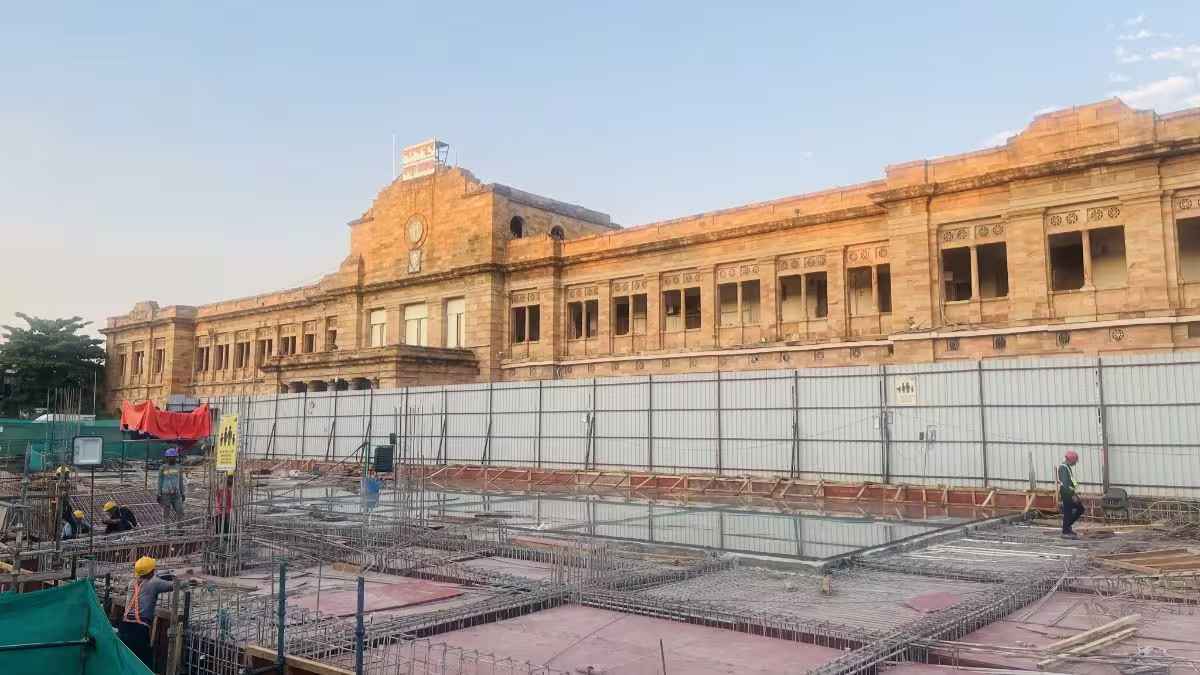
Nagpur & Ajni Station Redevelopment

  • As part of the Amrit Bharat Station Scheme, redevelopment works at Nagpur and Ajni will receive additional funds.
  • The focus is on modernizing stations with better amenities, accessibility, and passenger comfort.

South East Central Railway (SECR) Projects

Rajnandgaon-Nagpur Third Line Development

  • This line aims to improve train frequency and efficiency in freight movement.
  • Expected to get a budgetary boost to accelerate ongoing work.

Itarsi-Jalgaon Long Loop Line via Amla, Nagpur, Wardha & Bhusawal

  • A crucial addition to handle increased rail traffic and reduce congestion.
  • The new budget allocation is likely to push this project forward.

Gadchiroli-Wadsa New Line: A Crucial Expansion

  • This much-needed project aims to improve connectivity to remote regions.
  • Budget allocations are expected to ensure steady progress.

Boost to Road Safety Infrastructure

  • ₹7,000 crore has been allocated for road safety projects under Indian Railways.
  • Central Railway’s plan for 68 Railway Over Bridges (RoB) and 56 Railway Under Bridges (RuB) is likely to materialize soon.

Impact on Passenger & Freight Transport

Passenger Benefits

  • Reduced travel time due to decongested railway tracks.
  • Improved station facilities ensuring a better travel experience.

Freight & Economic Growth

  • Enhanced goods sheds and freight corridors will boost trade and industrial growth.
  • Increased efficiency in rail transport will reduce logistics costs.

Comparing Budget 2025 With Previous Years

Significant Improvements

  • Higher fund allocation compared to previous years.
  • Faster execution of railway projects to meet growing transportation demands.

Key Differences

Aspect Budget 2024 Budget 2025
Fund for New Lines ₹28,000 Cr ₹32,235.64 Cr
Road Safety Budget ₹5,500 Cr ₹7,000 Cr
Station Upgrades 50 Stations 75+ Stations

Future Prospects for Nagpur Railway Division | Indian Railways updates 2025

  • The successful execution of these projects will position Nagpur as a major railway hub.
  • Improved connectivity will boost regional economic development.

The latest railway budget has injected fresh momentum into Nagpur division’s railway projects. With massive fund allocations, enhanced passenger amenities, and improved connectivity, the division is set to undergo a significant transformation. As these projects materialize, Nagpur’s railway infrastructure will witness a new era of efficiency and modernization.

1. What is ‘Plan Head 53’ in the railway budget?

‘Plan Head 53’ is a budget category dedicated to passenger amenities and infrastructure enhancements in railway divisions.

2. How will the Nagpur railway projects benefit passengers?

Passengers will experience faster train services, modernized stations, and improved facilities, ensuring a comfortable journey.

3. What is the significance of the Gadchiroli-Wadsa new line project?

This project aims to enhance connectivity to remote areas, boosting economic activities and local development.

4. How much budget has been allocated for railway safety projects?

A total of ₹7,000 crore has been allocated for railway safety, including the construction of RoBs and RuBs.

5. When will these projects be completed?

While timelines vary, with the increased budget, many projects are expected to be expedited for faster completion.

₹295.64 Crore Allocated for Nag River Project in Union Budget

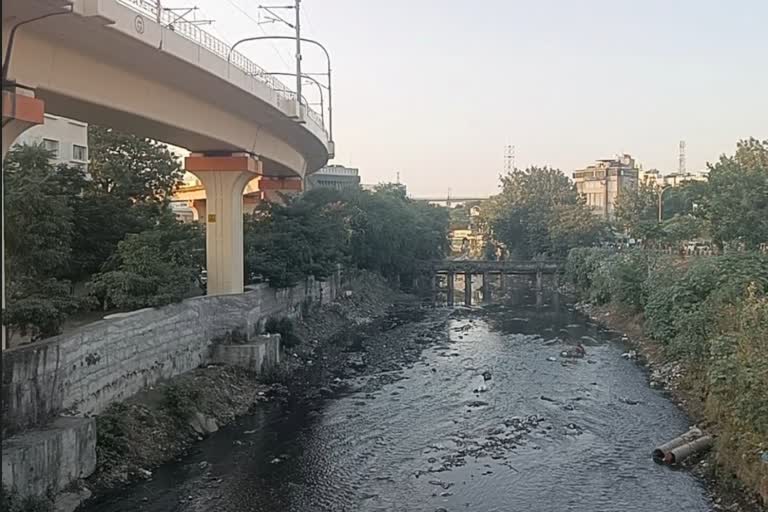
The Union Budget 2025-26, presented by Finance Minister Nirmala Sitharaman, has allocated ₹295.64 crore for the Nag River Pollution Abatement Project in Nagpur. This funding aims to restore the historically and culturally significant Nag River, tackling pollution and improving sanitation.

Overview of the Nag River Project

The ₹1,927 crore project will be executed in five phases, with a primary goal of preventing untreated sewage from entering the river. Nagpur Municipal Corporation (NMC), the nodal agency, has appointed Tata Consulting Engineers Limited (TCE) as the consultant. Currently, ground surveys are underway, and construction is set to begin soon.

Why is the Nag River Restoration Important?

  • The Nag River holds historical and cultural significance for Nagpur.
  • Severe pollution has deteriorated water quality over the years.
  • Environmental and health hazards have increased due to unchecked wastewater discharge.
  • Restoration will enhance Nagpur’s water infrastructure and overall sanitation.

Breakdown of the Project’s Funding

The project has a multi-source funding structure:

  • 60% from the Central Government
  • 25% from the Maharashtra State Government
  • 15% from the Nagpur Municipal Corporation (NMC)
  • A major portion will be financed through a Japan International Cooperation Agency (JICA) loan

Key Components of the Nag River Pollution Abatement Project

1. Sewerage System Development

  • Laying pipelines along the riverbanks
  • Installing sewage treatment plants (STPs)
  • Preventing domestic and industrial waste from Central and North Nagpur from flowing into the river

2. Restoration of the River’s Ecosystem

  • Wastewater treatment to improve water quality
  • Removal of solid waste and debris
  • Implementation of green zones along riverbanks

3. Infrastructure and Urban Development

  • Modernizing stormwater drainage systems
  • Strengthening flood prevention mechanisms
  • Encouraging eco-tourism and beautification projects

Implementation Timeline

While the project is planned to be completed within eight years, NMC is pushing for completion in five years. Ground surveys are currently underway, and construction will commence as soon as they conclude.

How Will the Project Benefit Nagpur?

1. Improved Sanitation and Public Health

  • Reduction in waterborne diseases
  • Better waste management and sewage disposal
  • Cleaner water bodies for public use

2. Environmental Restoration

  • Revival of the Nag and Pili Rivers
  • Preservation of local biodiversity
  • Reduction in water pollution levels

3. Economic and Social Growth

  • Increased employment opportunities during construction
  • Boost in eco-tourism
  • Enhancement of urban infrastructure

Challenges in Execution

  • Land acquisition and displacement concerns
  • Coordination between multiple government bodies
  • Maintaining project deadlines while ensuring quality
  • Sustaining long-term environmental impact

Future Prospects

The project also aims to cover Pohra and Pili Rivers, further enhancing Nagpur’s water infrastructure. Officials believe this initiative will significantly improve environmental conditions while preserving the ecological and historical value of the rivers.

The ₹295.64 crore allocation for the Nag River Pollution Abatement Project in the Union Budget 2025-26 marks a significant step in restoring one of Nagpur’s most vital water bodies. With a structured approach, multi-phase execution, and strong government backing, the project holds the potential to revitalize Nagpur’s water infrastructure, enhance public health, and boost economic development. Now, it remains to be seen how efficiently these funds are utilized to bring the Nag River back to life.

1. What is the total cost of the Nag River Pollution Abatement Project?

The total cost of the project is ₹1,927 crore, with funding from the Central Government, State Government, NMC, and JICA loan.

2. What are the main objectives of the project?

The project aims to reduce pollution, improve sanitation, restore the river’s ecosystem, and modernize urban infrastructure.

3. How long will it take to complete the project?

The official timeline is eight years, but NMC aims to complete it within five years.

4. Which rivers besides Nag River are included in the project?

The Pohra and Pili Rivers are also covered under this initiative to enhance Nagpur’s water infrastructure.

5. How will the project improve the environment?

The project will prevent sewage disposal into the river, restore biodiversity, and promote greener urban spaces.

India vs England ODI Match on 06 Feb 2025

India vs England ODI Tickets Nagpur | VCA Jamtha: Cricket fans, mark your calendars! The highly anticipated One Day International (ODI) match between India and England is set to take place on 6th February 2025 (VCA Jamtha Stadium, Nagpur). This clash promises to deliver electrifying moments, intense rivalries, and unforgettable cricketing action. Wondering how to grab your tickets? We’ve got you covered!


How to Book Tickets for the Match

Tickets for this blockbuster event will be available online starting from 2nd February 2025, 10 AM onwards. You can book tickets through the following platforms:

Booking Rules to Keep in Mind

  1. Each person can book a maximum of 2 tickets.
  2. Tickets must be linked to one mobile number and one email ID.

Ticket Redemption Details

Once you’ve secured your tickets online, redemption is straightforward. Here are the details:

  • Redemption Dates: 3rd February to 5th February 2025
  • Timings: 9:30 AM to 8:00 PM
  • Venue: Bilinoria Hall, Civil Lines, Nagpur

Ensure you carry a valid ID proof for smooth redemption. Excited yet? Let’s dive into more details!


Why This Match is a Must-Watch

A Battle of Titans

India and England are cricketing powerhouses. With world-class players like Rohit Sharma, Joe Root, and Jasprit Bumrah set to take the field, the stakes couldn’t be higher. Will India dominate on home soil, or will England turn the tables?

VCA Jamtha, Nagpur Stadium Atmosphere

There’s nothing like witnessing the game live. The roaring crowd, the energy in the stadium, and the nail-biting moments will keep you on the edge of your seat.

Key Players to Watch

  • India: Virat Kohli, Shubman Gill, Mohammed Siraj
  • England: Jos Buttler, Ben Stokes, Adil Rashid

What Makes This Match Unique?

Historic Rivalry

India vs England matches have always been special. From nail-biting finishes to unforgettable performances, this rivalry has a rich history.

World Cup Build-Up

With the ODI World Cup around the corner, this match serves as a perfect warm-up. Expect both teams to bring their A-game.


Key Details at a Glance

  • Match Date: 6th February 2025
  • Ticket Sale Starts: 2nd February 2025, 10 AM
  • Maximum Tickets per Person: 2
  • Redemption Venue: Bilinoria Hall, Civil Lines
  • Redemption Dates: 3rd to 5th February 2025
  • Redemption Timings: 9:30 AM to 8:00 PM

Tips for First-Time Match Attendees

  1. Book Tickets Early: Tickets are expected to sell out fast, so don’t wait until the last minute.
  2. Plan Your Day: Arrive early to soak in the pre-match atmosphere.
  3. Carry Essentials: Don’t forget your ID, sunscreen, and water bottle.
  4. Follow Stadium Rules: Be mindful of prohibited items and follow security protocols.

A Short Showcase Reel for Social Media

Here’s how you can summarize the match details in a quick reel:

  • “The ultimate cricket clash: India vs England – 6th Feb 2025!
    • Tickets available online on District by Zomato and district.in.
    • Sale starts on 2nd Feb, 10 AM.
    • Max 2 tickets per person (linked to one mobile and email).
    • Redeem tickets from 3rd to 5th Feb at Bilinoria Hall, Civil Lines.
    • Don’t miss out on this epic showdown!”

Why You Shouldn’t Miss Out

Still on the fence? Let us paint a picture for you. Imagine the adrenaline rush as India chases a steep target or England’s bowlers go on the attack. The camaraderie, the cheers, and the drama – it’s not just a match; it’s an experience.


1. How can I book tickets for the India vs England ODI Nagpur match?

Tickets can be booked online on District by Zomato or the official website, district.in, starting from 2nd February 2025 at 10 AM.

2. What is the maximum number of tickets I can book?

Each person can book a maximum of two tickets linked to one mobile number and one email ID.

3. Where do I redeem my tickets?

Tickets can be redeemed from 3rd to 5th February at Bilinoria Hall, Civil Lines, between 9:30 AM and 8:00 PM.

4. Can I transfer my tickets to someone else?

Tickets are non-transferable as they are linked to a specific mobile number and email ID.

5. What if I miss the ticket redemption dates?

Unfortunately, tickets not redeemed within the specified dates will be forfeited, so ensure you plan accordingly.

India vs England: How to Buy Tickets for IND vs ENG T20I Series

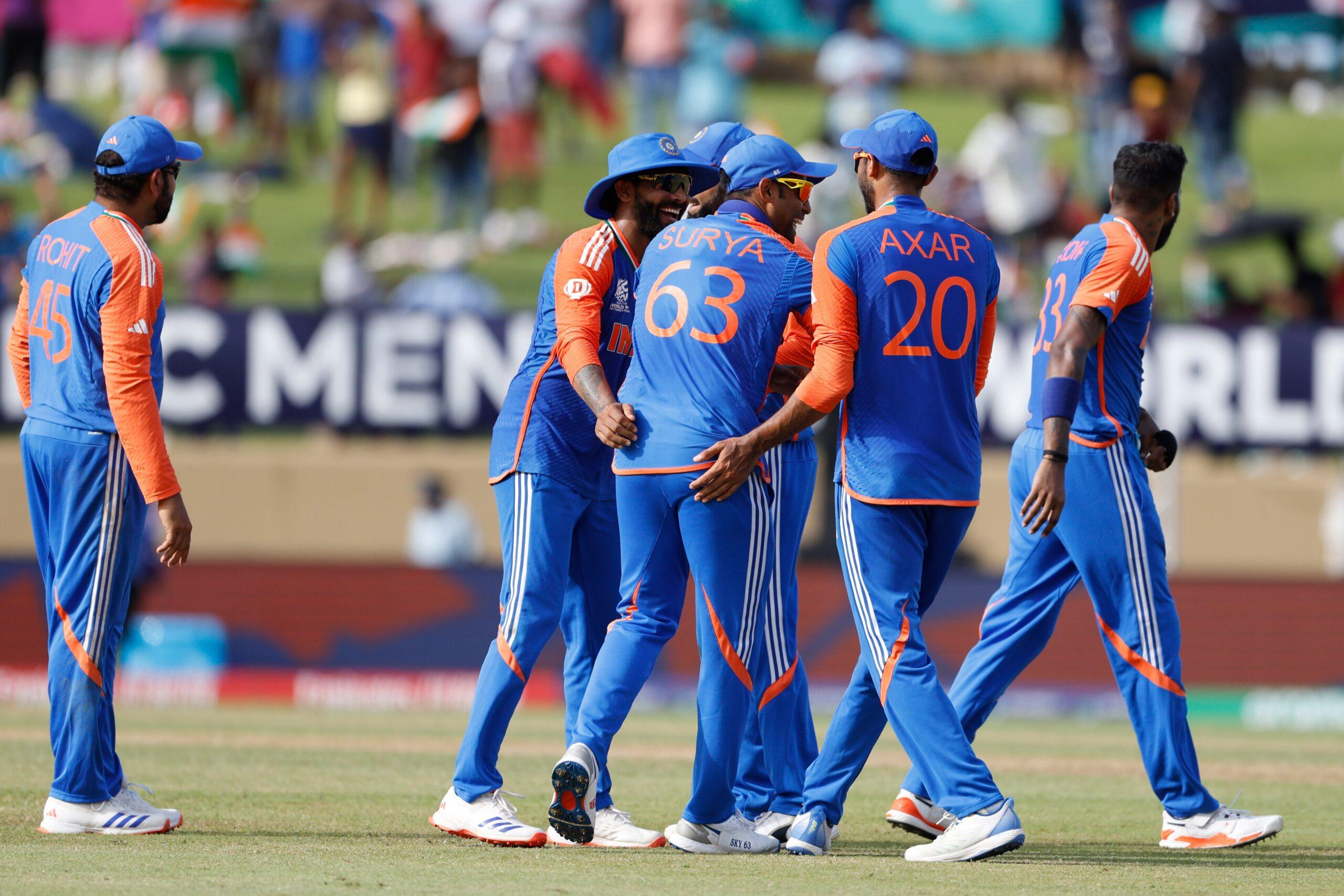
Nagpur | India vs England T20 tickets: Cricket fans, get ready! The electrifying clash between India and England is just around the corner. Starting January 22, 2025, England will embark on a white-ball tour of India, featuring a five-match T20I series and a three-match ODI series. This tour promises thrilling action as both teams gear up for the ICC Champions Trophy scheduled later in Pakistan and Dubai. Let’s dive into all the details, from ticket purchases to match schedules, ensuring you don’t miss a moment of this cricketing spectacle.


A Look at the India vs England 2025 Tour

What’s Special About This Series?

The series marks England’s first assignment of 2025 following a long break after their December tour to New Zealand. Meanwhile, India returns home after their tours to South Africa and Australia, ready to ignite the stadiums with their performance. With both teams eager to start the year on a high note, the competition is expected to be fierce and entertaining.


How to Buy Tickets for the India vs England Series

Where to Buy Tickets?

Fans can purchase tickets for all matches of the series via the District app by Zomato. Visit District to access the ticketing platform. Keep an eye on announcements from the respective hosting associations regarding ticket sales.

Key Details About Ticket Sales

  • Chennai Update: Ticket sales for the second T20I at MA Chidambaram Stadium, Chennai, have already started. Secure your spot quickly!
  • Other Matches: Ticket availability for other venues will be announced closer to the match dates. Be ready to grab yours before they sell out.

Ticket Prices for the Series

What’s the Cost?

Ticket prices vary depending on the venue. For example:

  • At MA Chidambaram Stadium, Chennai, prices range from ₹1500 to ₹12,000.
  • Pricing for other venues will be revealed by the respective hosting associations.

Match Schedule: Venues and Dates

Here’s the complete schedule for the much-anticipated series:

T20I Series

  1. 1st T20I: Eden Gardens, Kolkata – January 22
  2. 2nd T20I: MA Chidambaram Stadium, Chennai – January 25
  3. 3rd T20I: Saurashtra Cricket Association, Rajkot – January 28
  4. 4th T20I: Maharashtra Cricket Association, Pune – January 31
  5. 5th T20I: Wankhede Stadium, Mumbai – February 2

ODI Series

  1. 1st ODI: Vidarbha Cricket Association, Nagpur – February 6
  2. 2nd ODI: Barabati Stadium, Cuttack – February 9
  3. 3rd ODI: Narendra Modi Stadium, Ahmedabad – February 12

How to Ensure a Seamless Ticket Purchase Experience

1. Stay Updated

Follow the official social media handles of the Board of Control for Cricket in India (BCCI) and the District app for ticket sale announcements.

2. Create an Account

Sign up on the District app beforehand to avoid last-minute hassles. Ensure your payment details are updated for a quick transaction.

3. Book Early

Tickets are expected to sell out fast, especially for popular venues like Wankhede Stadium and Eden Gardens. Plan ahead to secure your spot.


Travel and Accommodation Tips

Plan Your Travel in Advance

With matches spread across eight cities, early travel planning is crucial. Book flights, trains, or buses well in advance to avoid surge pricing.

Choose Accommodation Wisely

  • Look for hotels near the stadium to minimize commute times.
  • Check online reviews and book through trusted platforms like Booking.com or Airbnb.

Local Transportation

Cities like Mumbai and Kolkata have excellent public transport systems, including metros and local trains. Use these for a hassle-free experience.


Fan Experience: What to Expect at the Venues

World-Class Facilities

From comfortable seating to state-of-the-art facilities, expect a fantastic match-day experience at all venues.

Food and Beverages

Stadiums will offer a wide variety of snacks and beverages. However, outside food is generally not allowed, so plan accordingly.

Cheer for Your Team

Bring your banners, flags, and cheering spirit to make the atmosphere electric. Ensure you adhere to the stadium’s code of conduct.


Why You Shouldn’t Miss This Series | India vs England T20 tickets

The India vs England rivalry is one of the most celebrated in cricket. With both teams stacked with world-class players, this series promises thrilling matches and unforgettable moments.


The India vs England T20I and ODI series is set to be a cricketing extravaganza that fans worldwide are eagerly anticipating. Whether you’re cheering from the stands or watching from home, this is a series you won’t want to miss. Secure your tickets, plan your travel, and get ready to witness cricket at its finest!


1. Where can I buy tickets for the India vs England series?

Tickets are available on the District app by Zomato. Keep an eye on announcements for specific match ticket releases.

2. What are the ticket prices for the matches?

Ticket prices range from ₹1500 to ₹12,000, varying by venue.

3. What is the schedule for the series?

The series starts on January 22, 2025, and concludes on February 12, 2025. It includes five T20Is and three ODIs played across eight cities.

4. How can I prepare for my visit to the stadium?

Arrive early, carry only essentials, and follow the stadium’s guidelines for a smooth experience.

5. Can I cancel or transfer my tickets?

Check the refund and transfer policies on the District app before purchasing.

Toll-Free Number Soon to Help People Lodge Civic Complaints

The Nagpur Municipal Corporation (NMC) is taking a commendable step toward improving civic engagement by introducing a toll-free number dedicated to handling citizens’ complaints. This initiative aims to streamline the complaint resolution process and foster accountability within the civic body. Let’s dive into the details and implications of this new system.

What is the Toll-Free Complaint System?

The toll-free number is a direct communication channel for citizens to report issues related to civic services. From potholes to garbage collection, this system is designed to ensure every concern is logged, monitored, and resolved efficiently.

Why a Toll-Free Number?

  • Accessibility: A toll-free number removes cost barriers, encouraging more citizens to voice their concerns.
  • Transparency: Each complaint will be monitored by senior officials, ensuring timely action.
  • Accountability: The system tracks complaint status, allowing citizens to follow up easily.

NMC’s Testing Phase

Additional Municipal Commissioner Anchal Goyal announced that the system is currently in its testing phase. Once operational, the toll-free number will allow citizens to:

  • Register complaints seamlessly.
  • Receive updates on complaint status.
  • Provide feedback on resolution quality.

Statistics From the Online Complaint System

From December 1, 2024, to January 15, 2025, NMC received 1,434 complaints through its online portal. Out of these:

  • 1,423 complaints were resolved.
  • 888 complaints received a 5-star rating.
  • 279 complaints were rated 4-star.
  • 124 complaints received a 1-star rating.

Challenges in the Existing System

Despite NMC’s efforts, citizens remain dissatisfied with the current complaint redressal mechanism. Common issues include:

  • Unresolved Complaints: Many registered complaints, especially about potholes, remain unaddressed.
  • Obsolete Technology: The previously efficient Nagpur Live City App has been sidelined.

What Went Wrong With the Nagpur Live City App?

Introduced during the tenure of Municipal Commissioner Tukaram Mundhe, the app allowed citizens to upload geo-tagged photos of issues. However, the app lost its prominence due to new, less effective measures introduced by the civic body.

Key Highlights From the Recent Meeting

A recent review meeting, led by Additional Municipal Commissioner Goyal, focused on:

  • Status of complaints from September 2024 to January 2025.
  • Effectiveness of the Real-Time System (RTS).

Attendees at the Meeting

The meeting saw participation from various NMC officials, including:

  • Deputy Municipal Commissioners Vijay Deshmukh, Milind Meshram, Prakash Varade, and others.
  • Superintending Engineer Shweta Banerjee.
  • Medical Health Officer Dr. Dipak Selokar.

How Will the Toll-Free System Address Current Issues?

1. Faster Resolution Times

The system’s real-time monitoring will ensure that complaints are addressed promptly.

2. Enhanced Transparency

Citizens will receive regular updates, reducing the frustration of being left in the dark.

3. Improved Feedback Mechanism

Feedback from citizens will be used to rate and improve the services.

Benefits of the Toll-Free System

  • User-Friendly: Easy to use for all age groups.
  • Cost-Effective: No charges for lodging complaints.
  • Efficient Monitoring: Daily reviews by senior officials.

A Step Toward Smart Governance

This initiative aligns with the larger goal of making Nagpur a smarter and more citizen-friendly city.

What Citizens Can Expect

1. Dedicated Support

The toll-free number will be staffed by trained professionals who will guide citizens through the process.

2. Accountability Assurance

Each complaint will be assigned a unique ID for tracking.

3. Data-Driven Improvements

Feedback collected through the system will help identify recurring issues and areas for improvement.

The introduction of a toll-free number by NMC is a promising step toward enhancing civic services. While challenges remain, this initiative has the potential to rebuild trust and engagement between the civic body and Nagpur’s citizens. By addressing complaints effectively, NMC can set a benchmark for smart governance in India.

1. When will the toll-free number be launched?

The exact launch date has not been announced, but the system is currently in its testing phase.

2. How can I track my complaint status?

Once the system is live, citizens will receive updates through SMS or email.

3. What types of complaints can be registered?

The toll-free number will handle all civic complaints, including potholes, garbage collection, and water supply issues.

4. Will the old Nagpur Live City App be revived?

There’s no official confirmation about reviving the app, but citizens can expect improved systems.

5. Who will monitor the complaints?

Senior NMC officials will review complaints daily to ensure timely resolution.

Butibori Traffic Diversion to Continue Until April 9

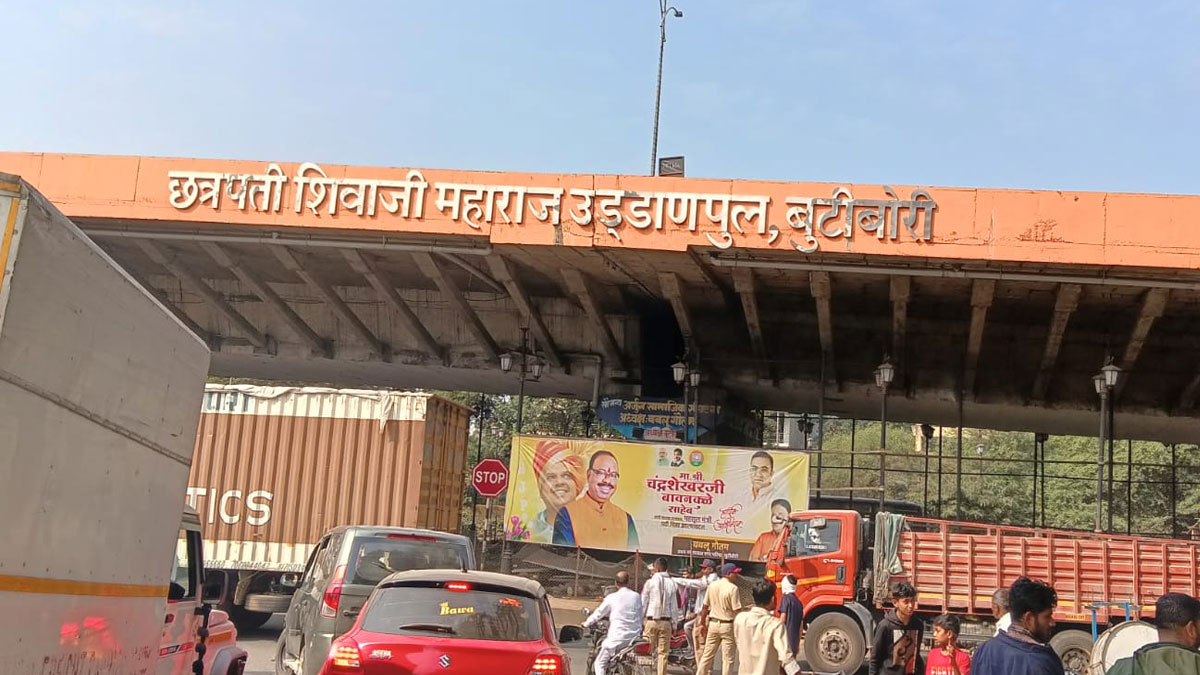
Butibori Traffic Diversion :The picturesque town of Butibori is facing a traffic ordeal as repairs to the flyover continue to disrupt normal commutes. A closure originally triggered by a structural failure on December 24 has extended the diversion, with significant implications for residents and travelers alike. Let’s dive into the details and explore how this situation impacts the daily life of Butibori’s community.

Why Is the Butibori Flyover Closed?

On December 24, disaster struck when a heavily loaded truck traversed the newly constructed flyover. The cantilever, unable to bear the weight, suffered damage, causing debris to fall and raising immediate safety concerns. Constructed just two years ago, this bridge is now under scrutiny by a team from the Visvesvaraya National Institute of Technology (VNIT), tasked with identifying the root cause and suggesting a resolution.

Timeline for Repairs

Following joint inspections by the National Highway Authority of India (NHAI) and VNIT, it was deemed unsafe for vehicular use. Consequently, authorities have decided to keep the bridge closed until repairs are completed and it is declared safe. The diversion will remain effective from January 10 to April 9, subject to further review.

Alternative Routes for Traffic

With the flyover out of commission, traffic has been rerouted:

From Wardha Road:

  1. Vehicles must use the ACC Square underpass.
  2. Follow the left-side service road.
  3. Pass the Fire Brigade office and Indorama Company.
  4. Join the Samruddhi Expressway via Salaidhaba to reach Nagpur.

From Chandrapur Road:

  1. Vehicles must turn left at Y-point.
  2. Follow the same path as traffic from Wardha Road.
  3. Use the Samruddhi Expressway to proceed to Nagpur.

Impact on Commuters

Traffic Congestion

The diversion has led to increased congestion, particularly in the MIDC area. This has added to travel times and raised concerns among commuters who regularly use this route.

Inconvenience to Locals

For Butibori residents, the detours have disrupted routines, with the town’s main square bearing the brunt of redirected traffic. Local businesses and citizens are clamoring for faster action to restore normalcy.

Accountability and Safety

Defect Liability Period

The Butibori flyover’s construction falls under a 10-year Defect Liability Period, holding the contractor accountable for any structural issues. The NHAI has reportedly initiated measures to penalize the responsible parties.

VNIT’s Investigation

The VNIT team’s findings will not only determine the extent of repairs but also set a precedent for ensuring such incidents do not recur in future infrastructure projects.

Public Sentiment

Local residents are growing increasingly frustrated. Their demands for swift action emphasize the need for immediate solutions to alleviate traffic woes and enhance road safety. Petitions and calls for governmental intervention have been gaining traction.

Long-Term Solutions

Structural Audits

Frequent and thorough inspections of existing infrastructure could prevent similar incidents.

Traffic Management Plans | Butibori Traffic Diversion

Developing robust alternative routes and preemptive traffic plans can ease congestion during emergencies.

Community Engagement

Keeping residents informed fosters cooperation and reduces frustration during disruptions.

The prolonged closure of the Butibori flyover highlights pressing issues in infrastructure safety and accountability. While the repairs progress, the resilience of Butibori’s community shines through as they adapt to these challenges. Swift action and transparent communication from authorities will be pivotal in restoring normalcy and ensuring trust in future projects.

1. Why is the Butibori flyover closed? The flyover was closed due to structural damage caused by an overloaded truck on December 24, 2023.

2. What alternative routes are available? Traffic is being diverted through the ACC Square underpass, the service road, and the Samruddhi Expressway.

3. When will the flyover reopen? Repairs are expected to conclude by April 9, 2024, but this timeline is subject to further inspections.

4. Who is responsible for the flyover’s damage? The contractor is held accountable under the 10-year Defect Liability Period, and NHAI is taking corrective action.

5. How is the community affected? Residents face increased travel times, congestion, and disruptions to daily routines due to the traffic diversion.

Flyover Damaged, Butibori Rd to Remain Shut for 3 Months

Wardha Road: The recent closure of the Butibori flyover on National Highway 44 has sent ripples of inconvenience through commuters and businesses alike. Connecting Nagpur to Chandrapur and Wardha, this critical roadway is now off-limits for three months due to structural damage. Let’s delve into the details of the closure, its reasons, and the resulting chaos it has brought to the region.


What Led to the Closure?

Structural Damage Identified (Butibori Flyover )

The Butibori flyover was inaugurated on June 17, 2021, at a hefty cost of ₹70 crore. Designed to bear heavy vehicular loads, it developed cracks within just three and a half years. A catastrophic partial slab collapse on December 24, 2024, was the final straw that led to its closure.

Investigations Uncover Faults

Initial investigations revealed that heavy vehicles passing during repair work on the expansion joints added undue stress to the cantilever section. This misstep exposed glaring flaws in the construction’s quality and supervision.


Impact of the Closure (Butibori Flyover )

Traffic Chaos and Congestion

The closure has disrupted thousands of commuters and businesses. Vehicles traveling between Nagpur, Wardha, and Chandrapur are now rerouted, adding 18 km and about an hour to their journey. Here’s how the detours look:

  • Northbound Traffic: Diverted through Y Point on Wardha Road, NCC Chowk underpass, and the Butibori industrial estate.
  • Southbound Traffic: A reverse route through Samruddhi Mahamarg and Wardha Road is followed.

Industrial Area Overload

Butibori, an industrial hub, now faces severe traffic congestion. Overcrowding and slow-moving vehicles have turned this bustling area into a logistical nightmare.


Systemic Issues and Accountability

Quality Control Under Fire

The flyover’s failure within such a short period highlights systemic flaws. Experts believe traffic restrictions during repair work could have prevented the collapse.

Contractor’s Liability

The construction firm, M/s T&T, is now facing the heat. Under a 10-year defect liability period, they are responsible for bearing the reconstruction costs. This incident has sparked a larger debate about accountability in infrastructure projects.


Route Diversions in Detail (Butibori Flyover )

Wardha to Nagpur

  • Route: Wardha Road → NCC Chowk underpass → Service Road → IndoRama Company → Salai Dhaba → Samruddhi Mahamarg → NH-44.

Nagpur to Wardha/Chandrapur

  • Route: Samruddhi Mahamarg → Salai Dhaba → IndoRama Company → Fire Station → NCC Chowk → NH-44.

Broader Implications

Economic Repercussions

The closure affects businesses relying on smooth transit in the region. Increased travel time translates to higher fuel costs and delays in goods transport.

Public Sentiment

Commuters are frustrated, and public debates are rife with criticism of the planning and execution of infrastructure projects. Could this incident serve as a wake-up call for stricter regulations?


What’s Next for the Flyover?

Reconstruction Plans

Reconstruction work is underway and expected to conclude by April 9, 2025. Authorities are working to ensure the new structure meets higher safety and quality standards.

Future Precautions

Moving forward, experts suggest implementing stricter oversight during construction and ensuring traffic restrictions during maintenance activities.

The closure of the Butibori flyover is more than just an inconvenience; it’s a glaring reminder of the pitfalls in infrastructure planning and execution. While authorities are taking corrective steps, the incident underscores the need for accountability and long-term vision in public projects.

  1. Why was the Butibori flyover closed?
    Structural damage and a partial slab collapse made it unsafe, prompting a complete closure.
  2. How long will the flyover remain closed?
    The flyover is expected to reopen after reconstruction by April 9, 2025.
  3. What are the alternative routes for commuters?
    Traffic is being diverted through NCC Chowk, Samruddhi Mahamarg, and other detour points.
  4. Who is responsible for the reconstruction costs?
    The contractor, M/s T&T, under the 10-year defect liability period, will bear the costs.
  5. What measures are being taken to prevent future incidents?
    Authorities plan to enhance quality control, supervision, and enforce traffic restrictions during repairs.

Maharashtra: New Website Launched For Goseva Commission In Nagpur To Promote Indigenous Cattle Welfare

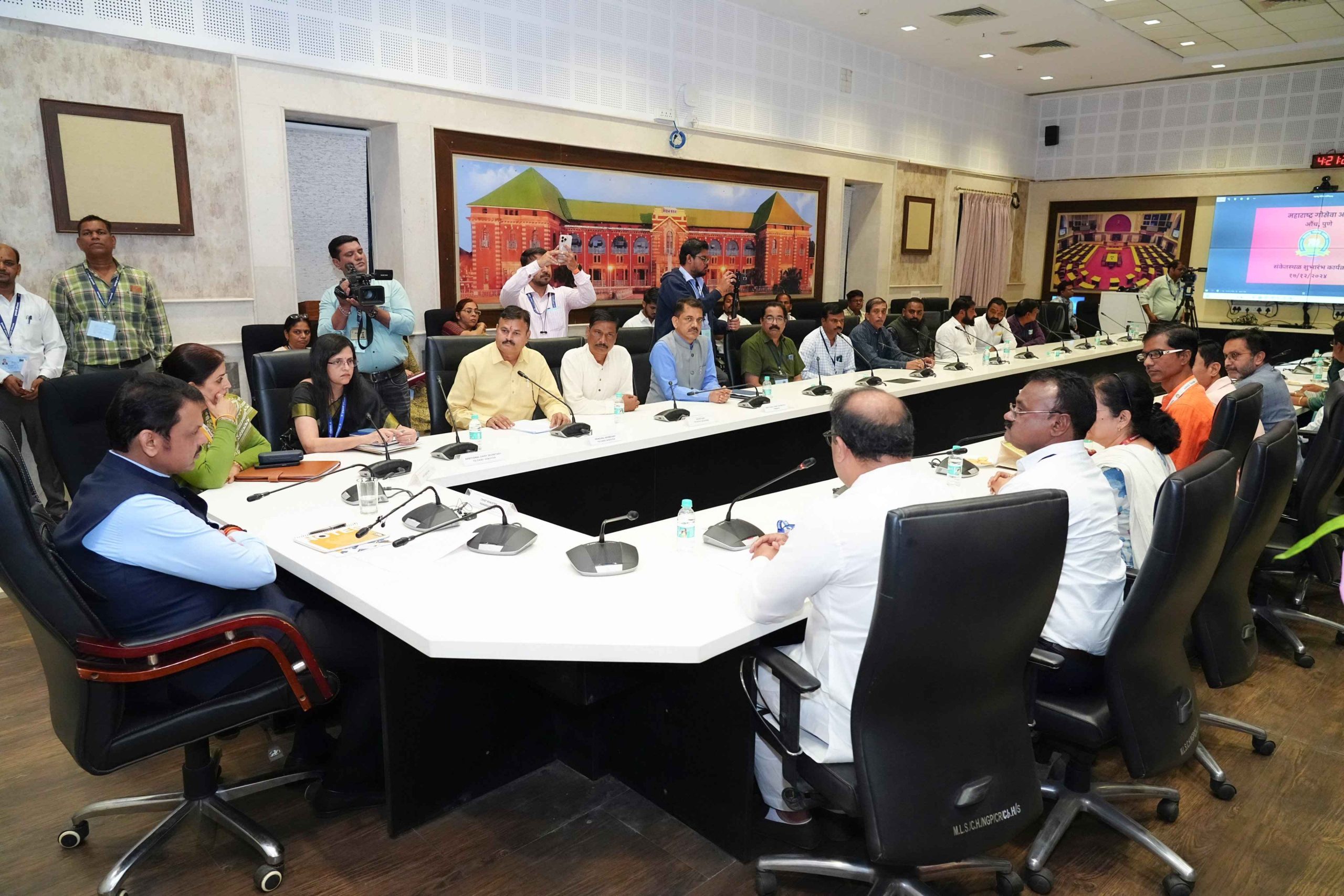
Maharashtra Goseva Commission: Maharashtra’s commitment to preserving its indigenous cattle heritage just took a big step forward with the launch of a new website for the Goseva Commission. Unveiled in the committee hall of the Vidhan Bhavan at Nagpur on Tuesday, the website is designed to enhance the efforts towards promoting and protecting the welfare of indigenous cattle in the state. The launch of this digital platform marks a significant milestone in the commission’s goal to ensure the well-being of Maharashtra’s native cattle population, which currently stands at 1.39 crore.

What is the Maharashtra Goseva Commission?

The Maharashtra Goseva Commission has been set up with the primary aim of overseeing the welfare of indigenous cattle in the state. The commission is tasked with the protection, promotion, and management of these cows, which play a crucial role in the agricultural and cultural fabric of the state.

Key Objectives of the Goseva Commission

The commission’s core objectives include:

  • Protection of Indigenous Cattle: The commission works to safeguard the indigenous cattle from threats such as extinction and malpractices.
  • Promotion of Cattle Welfare Programs: They implement welfare programs like the ‘Go Ten’ initiative, which focuses on cow conservation, protection, and management.
  • Facilitating Dairy Farming and Cow Tourism: The commission aims to support sustainable dairy farming and promote cow tourism as an economic activity.
  • Veterinary Services and Public Awareness: They are involved in providing veterinary services and spreading awareness about the importance of cattle care.

The Role of the New Website in Promoting Cattle Welfare

The new website is more than just a digital presence; it serves as a vital tool for communication, outreach, and education. The platform is designed to help the commission streamline its activities and connect with the public more effectively. It will feature:

  • Information on Cattle Welfare Programs: The site provides details on various programs like the Go Ten initiative and other conservation efforts.
  • Access to Resources: Users can find resources related to cattle care, including veterinary services, cow shelter management, and best practices for indigenous cattle farming.
  • Online Initiatives and Campaigns: The website will also host online campaigns, fostering a sense of community and encouraging active participation from citizens in cattle welfare.

The ‘Go Ten’ Initiative: A Revolutionary Step for Cattle Welfare

One of the flagship programs under the Goseva Commission is the ‘Go Ten’ initiative. This program is a comprehensive effort to conserve, protect, and manage the state’s indigenous cattle. Here’s how it works:

  • Cow Conservation: The initiative focuses on preserving traditional cattle breeds that are native to Maharashtra.
  • Dairy Farming Support: By promoting indigenous cows, the initiative encourages dairy farming that’s more sustainable and aligned with the needs of the environment.
  • Cow-Based Agriculture: The commission supports agriculture that benefits from cow-based practices like organic farming and natural fertilizers.
  • Cow Tourism: The initiative also explores the concept of cow tourism, where people can visit farms and shelters dedicated to indigenous cattle and learn about their significance in the culture and ecosystem.

A New Era for Indigenous Dairy Farms

Special dairy farms dedicated to indigenous cows are another exciting aspect of this initiative. These farms will focus on improving the health and productivity of indigenous cattle, using methods that are both environmentally sustainable and beneficial to the farmers involved. These farms will:

  • Ensure that indigenous cows receive the highest standards of care.
  • Provide high-quality dairy products that are better for both the cows and consumers.
  • Create a sustainable ecosystem where farming, cattle care, and dairy production thrive together.

Maharashtra’s Commitment to Indigenous Cattle

The welfare of indigenous cattle is not just about protecting a species; it’s about preserving a way of life that has sustained communities for centuries. Indigenous cows have unique qualities that make them integral to Maharashtra’s agricultural ecosystem. They are resilient, well-adapted to the local climate, and contribute significantly to the state’s economy through dairy products, organic farming, and more.

The launch of this website is a clear indication that the Maharashtra government recognizes the importance of these cattle. With a robust digital platform and the support of the Goseva Commission, the state is setting an example of how technology can aid in the conservation and promotion of indigenous breeds.

The Future of Indigenous Cattle Welfare in Maharashtra

Looking ahead, the Goseva Commission plans to expand its reach and impact even further. The new website will serve as a hub for all activities related to cattle welfare, from fundraising and donations to educational resources for farmers. Furthermore, with the growing interest in sustainable agriculture and ethical dairy farming, there is a strong potential for Maharashtra to become a model state for indigenous cattle conservation and welfare.

Expected Outcomes and Benefits

  • Sustainability: The promotion of indigenous cattle will encourage more sustainable farming and dairy practices.
  • Economic Growth: The initiatives will help generate employment and income for local farmers, entrepreneurs, and communities.
  • Cultural Preservation: By maintaining the health of indigenous cattle, the state helps preserve its agricultural heritage and cultural identity.

Conclusion: A Step Towards a Better Future for Indigenous Cattle

The launch of the Maharashtra Goseva Commission’s website marks a turning point in the state’s efforts to safeguard its indigenous cattle population. This digital initiative brings together resources, information, and support for all stakeholders involved in cattle welfare. With initiatives like the ‘Go Ten’ program and the creation of specialized dairy farms, Maharashtra is setting a new standard for how technology, culture, and agriculture can come together to ensure the welfare of indigenous species.

The Goseva Commission’s website is not just an online platform; it’s a gateway to a brighter future for Maharashtra’s cattle, farmers, and the environment. By embracing technology, education, and community participation, the state is building a sustainable ecosystem for generations to come.

1. What is the purpose of the Maharashtra Goseva Commission?

The Maharashtra Goseva Commission aims to promote, protect, and oversee the welfare of indigenous cattle in the state. It focuses on conservation, cow shelters, and sustainable farming practices.

2. How does the ‘Go Ten’ initiative contribute to cattle welfare?

The ‘Go Ten’ initiative helps in conserving indigenous cattle, promoting dairy farming, supporting cow-based agriculture, and even developing cow tourism to raise awareness about the importance of cattle in the community.

3. Will the new website provide information on cow shelters and farms?

Yes, the website includes resources on cow shelters, best practices for cow management, and information about indigenous dairy farms and related initiatives.

4. Can farmers benefit from the Goseva Commission’s programs?

Farmers can access various support programs, including veterinary services, training, and resources to improve cattle welfare and farm sustainability.

5. How can people contribute to the welfare of indigenous cattle in Maharashtra?

The website will offer opportunities for donations, volunteering, and participation in awareness campaigns to support cattle welfare efforts.

ADB to Provide Rs 1,527 Crore Aid for Second Phase of Nagpur Metro

Nagpur Metro Phase-II: The Asian Development Bank (ADB) has taken a significant step towards accelerating the development of Nagpur’s infrastructure with its recent agreement to provide ₹1,527 crore for the second phase of the Nagpur Metro Rail Project. This decision, confirmed through a Memorandum of Understanding (MoU) signed in the Cabinet Hall of Vidhan Bhavan, marks a milestone in the ongoing transformation of Nagpur into a modern, connected city.

In this article, we will delve deep into the details of this funding arrangement, the impact of the Nagpur Metro Phase-II, and what it means for the city’s residents and visitors alike.

Understanding the Financial Aid: What Does ₹1,527 Crore Mean?

The ₹1,527 crore assistance from ADB forms a major part of the ₹3,586 crore total funding earmarked for Phase-II of the Nagpur Metro Rail Project. This funding will be provided under the joint collaboration of ADB and the European Investment Bank (EIB). While the funding arrangement was officially signed on Tuesday, the long-term benefits are expected to resonate across Nagpur’s transportation landscape.

The Role of ADB in Urban Infrastructure Development

ADB has been a key player in financing urban infrastructure projects across India. By providing loans at relatively lower interest rates, the organization helps ease the financial burden on cities while ensuring that critical projects, like metro rail systems, are brought to fruition. For Nagpur, this funding is vital in ensuring the timely execution of Phase-II.

Key Details of the Nagpur Metro Rail Project Phase-II

Phase-II of the Nagpur Metro Rail Project will cover an expansive distance of 43.8 kilometers, connecting key areas in the city. It is designed to serve the daily commuting needs of over a million residents of Nagpur. The routes that will benefit from this phase include:

  1. Khapri to MIDC ESR – 18.5 kilometers
  2. Automotive Square to Kanhan River – 13 kilometers
  3. Prajapati Nagar to Transport Nagar – 5.6 kilometers
  4. Lokmanya Nagar to Hingna – 6.7 kilometers

This phase will not only improve connectivity but also contribute significantly to reducing road traffic congestion and promoting sustainable urban mobility.

The Key Signatories: MahaMetro and ADB Officials

The MoU was signed by Shravan Hardikar, Managing Director of MahaMetro, and Mio Oka, Director of ADB. The signing ceremony took place in the presence of several prominent officials, including Chief Minister Devendra Fadnavis and ADB subject experts.

This partnership aims to ensure a seamless flow of funds, with MahaMetro receiving the financial aid in Japanese Yen, which translates to lower interest rates compared to conventional loans.

Why Japanese Yen? The Advantage of Lower Interest Rates

Receiving the loan in Japanese Yen is a strategic move. The yen’s interest rates are relatively lower than those of the Indian Rupee, making it a favorable arrangement for MahaMetro. This helps keep the overall financial burden of the project manageable, allowing more funds to be allocated towards construction and operational costs.

The Importance of Phase-II for Nagpur’s Growth

Nagpur, known as the “Orange City,” has long been an industrial hub in central India. However, as the city grows, so does its need for better infrastructure. Phase-II of the Metro project is poised to address several challenges that come with rapid urbanization, including traffic congestion, pollution, and inadequate public transport options.

Connecting Key Commercial and Residential Areas

By linking important areas like Automotive Square, Prajapati Nagar, and Hingna, the metro will improve accessibility for thousands of commuters, making daily travel smoother and faster. For businesses, better connectivity means easier access to customers and suppliers, which will, in turn, boost the local economy.

The Impact on Commuters: A Look at the Future

When Phase-II is completed, it will offer a more seamless metro experience. With four major routes covering essential city areas, the metro system will:

  • Reduce commute times significantly
  • Lower traffic congestion on main roads
  • Provide an eco-friendly transportation alternative
  • Ensure more reliable public transport options for daily passengers

The Expected Completion and Timeline

Phase-I of the Nagpur Metro Rail Project was inaugurated earlier, but the second phase will expand the system further, and experts predict that it will take a few more years to fully operationalize. The key to its success will lie in the efficient implementation of the funds provided by ADB, which is crucial for the timely completion of the project.

Government’s Role and Support for MahaMetro

The Government of Maharashtra, led by Chief Minister Devendra Fadnavis, has strongly backed the metro project from the very beginning. The involvement of the Union Ministry of Housing and Urban Affairs (MoHUA) also ensures that the project receives the necessary administrative support and oversight.

Partnership with European Investment Bank (EIB)

Apart from ADB’s contribution, the European Investment Bank (EIB) will also play a significant role in funding Phase-II, providing an additional layer of financial support to the project. Together, ADB and EIB’s joint assistance reinforces the global partnership for urban transportation development in India.

Nagpur Metro’s Long-Term Vision

The Nagpur Metro Rail Project is part of a broader vision to make the city one of the most modern and well-connected cities in India. Over time, this project will reduce pollution, improve mobility, and transform the local economy. As part of the Smart Cities Mission, the metro rail is a vital cog in realizing Nagpur’s potential.

 Transforming Nagpur into a Modern Metropolis

The signing of the ₹1,527 crore aid for Phase-II of the Nagpur Metro Rail Project is an exciting development for the city’s growth. The project is poised to address crucial urban issues, including traffic congestion and pollution, while providing an efficient transportation option for residents. With robust financial backing from ADB and EIB, Nagpur is set to witness transformative changes in its urban infrastructure in the years to come.

  1. What is the total cost of Phase-II of the Nagpur Metro?
    • Phase-II of the Nagpur Metro is funded with ₹3,586 crore, with ADB contributing ₹1,527 crore.
  2. How will the Nagpur Metro benefit the city’s residents?
    • The project will improve commuting efficiency, reduce traffic congestion, and provide eco-friendly transportation options.
  3. Why is ADB providing financial assistance for this project?
    • ADB aims to promote urban mobility solutions and reduce traffic congestion in Indian cities through metro projects.
  4. What are the key routes in Phase-II of the Nagpur Metro?
    • The key routes include Khapri to MIDC ESR, Automotive Square to Kanhan River, Prajapati Nagar to Transport Nagar, and Lokmanya Nagar to Hingna.
  5. When is Phase-II expected to be completed?
    • While no specific date is mentioned, the project is expected to take several years for full operationalization.

Maggi Prices Likely to Go Up from January 1 Amid India-Switzerland Trade Dispute

Maggi Price Hike Trade Dispute: Maggi lovers, brace yourselves! Starting January 2025, your favorite two-minute noodles might pinch your pocket a bit more. Why? The recent trade dispute between India and Switzerland has set the stage for a possible price hike. Here’s everything you need to know about this development and its impact on your kitchen staple.

What’s Behind the Price Hike?

Nestle, the maker of Maggi, could be directly affected by a crucial change in tax policies stemming from Switzerland’s decision to suspend the Most-Favored-Nation (MFN) clause under the Double Taxation Avoidance Agreement (DTAA) with India. Let’s dig deeper into what’s happening.

The 1994 DTAA and MFN Clause

The DTAA agreement between India and Switzerland, signed in 1994, aimed to eliminate double taxation and foster better trade relations. The MFN clause was a key component, ensuring Swiss companies operating in India would enjoy similar tax benefits granted to companies from other nations. However, this clause’s automatic application became a contentious issue.

The Supreme Court Ruling of 2023

India’s Supreme Court clarified that the MFN clause does not automatically apply. Instead, India must explicitly notify its implementation. This decision has created a ripple effect, triggering Switzerland’s move to suspend the MFN clause starting January 2025.

Switzerland’s Response

Swiss authorities have expressed dissatisfaction with India’s stance. They argue that India’s agreements with countries like Slovenia and Lithuania offer better dividend taxation terms. Feeling left out and treated unfairly, Switzerland has labeled the current framework inequitable, leading to this significant decision.

Impact on Swiss Companies (Maggi Price Hike Trade Dispute)

Higher Tax Liabilities

Swiss companies operating in India, including Nestle, will now face higher dividend tax rates of up to 10%. This is a significant jump compared to the previously enjoyed 5% tax rate.

Effect on Nestle’s Costs

For Nestle, this translates into increased costs, affecting its profit margins. Unsurprisingly, this could lead to adjustments in pricing strategies to offset these additional expenses.

How Will Consumers Be Affected?

Price Hike on Popular Products

Nestle is likely to pass on the increased operational costs to consumers. As a result, products like Maggi noodles, a household favorite in India, could see a price hike. Even a slight increase can significantly impact Indian households, given Maggi’s ubiquitous presence in kitchens.

Ripple Effects on Household Budgets

For many families, Maggi is a pantry essential—a go-to meal in emergencies or late-night cravings. A price rise might force consumers to rethink their purchasing habits, especially when budget constraints are tight.

Understanding the Larger Picture

Trade Policies Affecting Daily Lives

This situation underscores how global trade disputes and international tax policies can trickle down to impact everyday commodities. It’s a stark reminder of the interconnectedness of global economies and their influence on local markets.

Implications for Other Swiss Products

Maggi isn’t the only product at stake. Other Nestle offerings and goods from Swiss companies might also become costlier, depending on how companies choose to manage the increased tax burden.

Will This Be Resolved?

Potential Negotiations

While the current scenario seems set for January 2025, there’s always room for negotiation. Diplomatic talks between India and Switzerland could potentially address the grievances and arrive at a mutually beneficial solution.

Long-Term Trade Relations

The outcome of this dispute might also influence future trade agreements and policies. Both nations will need to weigh the pros and cons of their decisions, keeping in mind the larger economic picture.

Maggi’s potential price hike is more than just a pinch to your wallet—it’s a reflection of the complex interplay between international trade policies and local economies. As we wait to see how this dispute unfolds, one thing is clear: global trade decisions have a tangible impact on our everyday lives. So, the next time you cook your favorite noodles, you might also ponder the intricate web of global trade that brought it to your plate.


1. Why is Maggi’s price expected to increase?
The expected price hike is due to Switzerland’s suspension of the MFN clause under the DTAA, which will raise tax liabilities for companies like Nestle.

2. When will the price increase take effect?
The changes are expected to take effect from January 1, 2025.

3. What is the MFN clause?
The Most-Favored-Nation clause ensures that a country enjoys tax benefits equal to those offered to other nations in a trade agreement.

4. How will this impact Indian households?
Indian households may feel the impact as Maggi and other Nestle products might become more expensive, affecting daily budgets.

5. Is there a chance this decision could be reversed?
Diplomatic negotiations between India and Switzerland could potentially lead to a resolution, but there are no guarantees as of now.

Exit mobile version