Sadar and Mankapur Flyovers to be Linked, Easing Traffic Flow in Nagpur

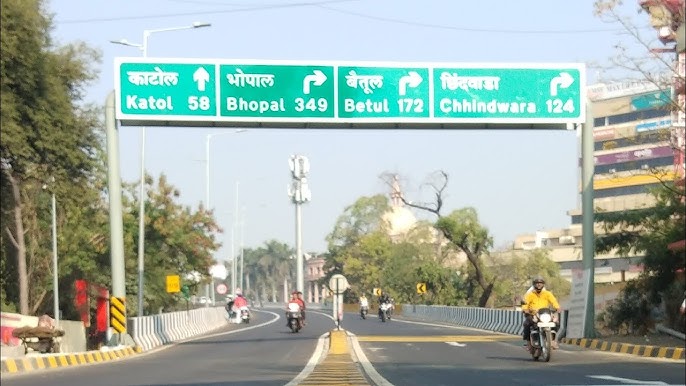
Sadar and Mankapur Flyover | Nagpur: In an exciting development for Nagpur’s traffic landscape, the much-anticipated connection between the Sadar and Mankapur flyovers is finally underway. Built nearly a decade ago, these two flyovers have been essential for managing traffic, but the lack of a link between them has often caused significant delays, especially around key areas like Kalpana Talkies Square. Now, with the National Highways Authority of India (NHAI) stepping in, these two structures will be joined, creating a seamless 4.5-km stretch for commuters from Samvidhan Square to Faras.

The Sadar and Mankapur flyovers are pivotal in easing Nagpur’s growing traffic burden. With rising congestion, connecting these flyovers marks a strategic move to provide smooth, uninterrupted travel across central Nagpur, promoting efficiency and safety for thousands of daily commuters.

 Background on Sadar and Mankapur Flyovers

Located in bustling areas of Nagpur, the Sadar and Mankapur flyovers have been instrumental in streamlining traffic. Constructed approximately ten years ago, each flyover served unique needs; however, the gap between them created bottlenecks, particularly at Kalpana Talkies Square. Local authorities and residents have long sought a way to integrate these structures.

 Significance of Connecting the Flyovers

Why is this connection so important? Picture two pieces of a puzzle lying side-by-side without fitting together; each piece serves its purpose but doesn’t reveal the whole picture. Connecting the Sadar and Mankapur flyovers is much like completing this puzzle, creating a unified path that simplifies traffic flow, improves safety, and saves time for commuters.

 Project Details and Timeline

NHAI’s safety consultants have started the integration at Kalpana Talkies Square, with plans to adjust the bridge landing near Kasturchand Park. This engineering endeavor is expected to take several months, involving structural modifications and adjustments to ensure smooth travel.

 Safety and Efficiency Benefits (Sadar and Mankapur Flyover)

One of the most pressing reasons for this project is safety. Recently, the area witnessed a major multi-vehicle collision due to the existing traffic arrangement. By connecting these flyovers, authorities aim to minimize such accidents, allowing vehicles to move seamlessly without the stop-and-go rhythm that often leads to mishaps.

 Impact on Nearby Areas

The flyover connection is expected to benefit surrounding areas significantly, with smoother traffic flow reaching local landmarks and commercial hubs. Improved travel routes will enhance accessibility, bringing a positive impact on nearby businesses and residences alike.

 Potential Road Widening Initiatives

Although linking the flyovers is a major step, authorities are also considering widening the road from Kalpana Talkies Square to Sadiqabad. This route’s strategic importance is highlighted by the nearby divisional sports complex and the proposed new district hospital, both of which are expected to increase traffic in the area.

 Challenges Faced by the Project

This project has not been without hurdles. Encroachment around Kalpana Talkies Square and limited land availability make it challenging to execute large-scale modifications. These issues will require careful planning and coordination with local authorities to avoid delays.

9. Comparing Similar Projects

Similar urban infrastructure projects in Indian cities offer valuable lessons. Cities like Pune and Bengaluru have successfully connected flyovers to improve traffic management, making Nagpur’s project part of a broader trend toward intelligent urban planning.

 Public Response and Expectations (Sadar and Mankapur Flyover)

Public anticipation around this project has been high, with many Nagpur residents welcoming the relief from traffic congestion. People are looking forward to shorter travel times, fewer accidents, and a more organized traffic flow that will bring about significant quality-of-life improvements.

 Future Prospects for Nagpur’s Infrastructure

The completion of the flyover connection could set a precedent for future infrastructure developments in Nagpur. Given the city’s growing population, officials may explore further road-widening projects, new flyovers, and enhanced public transport to keep up with increasing traffic demands.

Linking the Sadar and Mankapur flyovers is a transformative move that promises enhanced safety, smoother traffic flow, and an improved commuting experience for Nagpur residents. While challenges remain, the benefits of this connection outweigh the obstacles, signaling a new era for infrastructure development in Nagpur.

1. Why is the Sadar and Mankapur flyover connection important?
The connection is crucial to ease traffic flow and reduce congestion, providing a seamless travel experience across a key route in Nagpur.

2. How will the flyover link improve safety?
The link will reduce bottlenecks and the risk of accidents by enabling a smoother, uninterrupted travel path for vehicles.

3. What are the potential challenges of the project?
Encroachment issues and limited space are significant challenges, along with coordinating with local authorities to ensure smooth execution.

4. When will the flyover connection be completed?
Although an exact timeline isn’t available, construction has begun and may take several months, depending on project complexity.

5. Will this project impact local businesses?
Yes, smoother traffic flow is expected to improve access to nearby businesses, boosting local commerce by making the area more accessible.

MSRTC Announces 10% Fare Hike for Diwali Season Travel

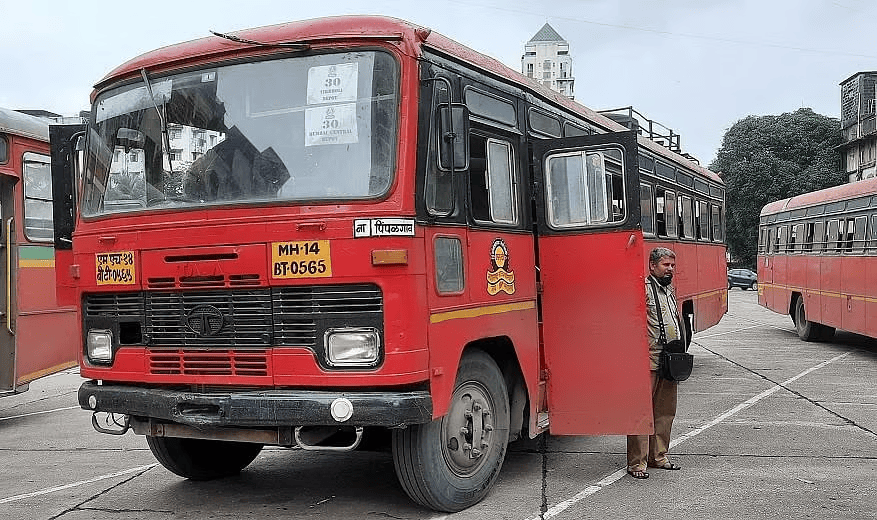
Diwali Travel: As Diwali approaches, the Maharashtra State Road Transport Corporation (MSRTC) is making headlines by announcing a 10% fare increase for passengers traveling during the festive season. Effective from October 25 to November 25, this fare hike is a temporary measure to accommodate the expected rise in demand and manage operational costs.

The decision comes as MSRTC anticipates a surge in passengers traveling to their hometowns and villages to celebrate with family during the auspicious days of Diwali and Bhai Dooj. So, what does this fare hike mean for travelers, and how will it affect your holiday travel plans? Let’s dive deeper.

Why the Fare Hike?

Surge in Demand During Diwali

The Diwali season is one of the busiest times for travel across India, particularly for those heading to rural areas to reunite with their families. Historically, this period sees a significant jump in the number of people relying on public transport, especially buses, as many prefer the convenience and affordability they offer over other transportation options.

MSRTC has been a lifeline for people in Maharashtra, especially those residing in rural parts. However, managing the sheer volume of passengers during peak seasons like Diwali requires operational adjustments. The 10% fare hike is one of these measures, designed to cope with increased demand and ensure smooth services during the festive rush.

Coping With Increased Operational Costs

Running a vast bus network like MSRTC is not just about driving from one stop to another. Maintenance, fuel costs, salaries for staff, and other overheads can add up, especially when more buses and resources are deployed to meet the festive rush.

The fare hike aims to balance out these operational costs, ensuring the transport corporation can provide timely services without being overwhelmed by the passenger load.

When Will the Fare Increase Take Place?

Start and End Dates of the Fare Hike

MSRTC has clearly outlined the window during which the fare hike will be applicable. The fare increase will take effect from October 25 and will remain in place until November 25, covering the entirety of the Diwali travel period, including Bhai Dooj. This one-month period is expected to witness a large number of bookings, and the fare hike is intended to help manage the expected crowd more efficiently.

What Happens After November 25?

MSRTC officials have reassured passengers that the fare hike is only temporary. Once the festive season concludes and travel demand returns to normal levels, the fares will be rolled back to their regular rates. Shrikant Gabhane, the regional manager of MSRTC, confirmed this in a recent announcement, assuring travelers that this is not a permanent change.

How Does the Fare Hike Affect Travelers?

Increased Travel Costs for Diwali Travelers

For regular passengers and those making plans to travel during Diwali, the 10% fare hike means budgeting a little extra for their journey. For instance, if you typically pay ₹200 for a bus ticket, you can expect that fare to rise to ₹220 during this period. While it may not seem like a huge jump, the fare hike could add up for families or frequent travelers.

Are There Alternatives to MSRTC Buses?

Some passengers may consider other options like private buses or car rentals. However, given the anticipated surge in demand, prices across the board might see a spike, making MSRTC buses still one of the more affordable options, even with the fare hike in place. Additionally, private transport providers often raise their rates significantly during the festive season, making MSRTC’s slight fare increase relatively competitive.

MSRTC’s Plan to Manage the Festive Rush

Additional Bus Services During Diwali

To cater to the festive crowd, MSRTC is expected to introduce additional buses on popular routes, particularly those leading to rural villages and towns. This move aims to alleviate the pressure on the regular services and minimize overcrowding, which is a common sight during the Diwali season.

Upgraded Bus Stands and Facilities

MSRTC has also hinted at improving bus stand facilities during this period, making the waiting experience more comfortable for passengers. Upgraded seating, additional ticket counters, and better crowd management practices are all part of the strategy to ensure smooth operations during the festive rush.

FAQs About the MSRTC Fare Hike

1. Will the 10% fare hike apply to all MSRTC buses?

Yes, the fare hike applies to all MSRTC bus services, including express, semi-luxury, and ordinary buses operating during the specified period.

2. Are there any discounts available despite the fare hike?

MSRTC has not announced any special discounts for this period. However, concessions for senior citizens and other eligible categories will continue to be honored.

3. Can passengers book tickets in advance to avoid the fare hike?

No, the fare hike will be applicable to all bookings made for travel between October 25 and November 25, regardless of when the ticket was purchased.

4. Will the fare hike be applicable after Diwali?

No, the fare hike is only a temporary measure and will end on November 25, after which fares will return to normal.

5. How can passengers stay updated on any further changes in fares?

Passengers can keep track of any fare updates through MSRTC’s official website and mobile app, where real-time fare information will be available.

Projects Worth Rs 5,000 Crore Underway for Making Nagpur Pollution-Free: Gadkari

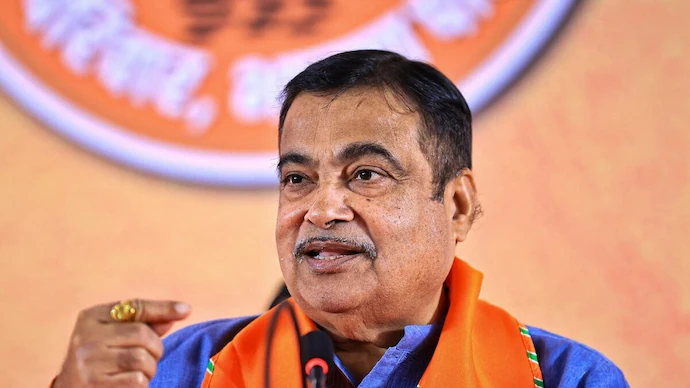
Nagpur, a city known for its cultural and economic significance, is now on a mission to combat pollution. Union Minister Nitin Gadkari recently announced that the government has rolled out several projects worth Rs 5,000 crore to make the city cleaner and greener. These projects aim to eradicate noise, air, and water pollution, making Nagpur a pollution-free haven. The city’s citizens are also urged to participate in this initiative to ensure its success.

Overview of Nagpur’s Pollution-Free Initiative

At a recent event near Sahakar Nagar Bridge, Union Minister Gadkari, along with Deputy Chief Minister Devendra Fadnavis, outlined these efforts while inaugurating key projects aimed at making Nagpur a model pollution-free city. Among these initiatives are the Pohra River Project and the Integrated Intelligent Traffic Management System (IITMS), both designed to address crucial pollution-related issues.

Pohra River Project: Cleaning Nagpur’s Waterways

Reviving the Pohra River

One of the most significant components of this initiative is the Pohra River Project, which has been allocated Rs 957 crore. Once a healthy river, Pohra has now become a nullah, a sad result of sewage dumping. The project aims to restore the river’s former glory by laying sewage lines across various areas to prevent sewage from entering the river.

Areas Benefitting from the Project

This project will significantly benefit areas like Jaitala, MIHAN, Chinchbhavan, Narendra Nagar, Manewada, and Chikhli. By rerouting sewage and ensuring proper waste management, these neighborhoods will experience improved water quality and better living conditions.

Integrated Intelligent Traffic Management System (IITMS): Tackling Traffic and Air Pollution

AI-Powered Traffic Management

Nagpur’s traffic issues have been growing in tandem with the city’s expansion, contributing heavily to air pollution. To address this, the IITMS, which has a budget of Rs 1,300 crore, will employ AI to manage traffic flow and reduce congestion. This smart system will also aid the police in enforcing traffic regulations more effectively, helping citizens get relief from chaotic traffic jams.

Upgrading Traffic Controllers

Under this project, all 164 automatic traffic controllers in the city will be upgraded and connected to a central server, allowing for seamless control and reduced air pollution from idling vehicles. The system’s enhancements are expected to bring Nagpur’s traffic issues under control while significantly cutting down vehicular emissions.

Water Supply and Clean Air: Gadkari’s Vision for Nagpur

24/7 Water Supply for the City

Another important project that was highlighted by Gadkari is the provision of 24/7 water supply for Nagpur. This initiative, which is expected to be completed in the next four months, will offer residents a reliable source of clean water, reducing dependency on groundwater and improving public health.

Reducing Air and Noise Pollution

In addition to water management, Gadkari’s Rs 5,000 crore initiative also targets air and noise pollution in Nagpur. By addressing traffic bottlenecks and promoting greener infrastructure, these projects aim to make the air cleaner and the city quieter, improving the quality of life for Nagpurians.

The Role of Nagpur Municipal Corporation (NMC)

Implementing Smart Solutions

The Nagpur Municipal Corporation (NMC) is playing a key role in implementing these projects. By partnering with various government bodies, the NMC is using cutting-edge technology like AI and smart infrastructure solutions to ensure Nagpur becomes a sustainable, eco-friendly city.

Amrut 2.0 Yojana’s Impact

The Pohra River Project is being executed under the Amrut 2.0 Yojana, a Union Government initiative focused on urban rejuvenation. This collaboration between the NMC and the government demonstrates how innovation and investment can transform urban spaces into cleaner, healthier environments.

Citizen Participation: A Call to Action

While the government is investing heavily in infrastructure and technology, Gadkari emphasized that citizen participation is equally crucial for the success of these projects. Every Nagpurian has a role to play in reducing pollution, whether by following traffic rules or ensuring proper waste disposal.

The Benefits of a Pollution-Free Nagpur

Improved Health and Well-Being

One of the most immediate benefits of a pollution-free Nagpur will be the improvement in public health. Cleaner air and water reduce the risk of respiratory diseases, waterborne illnesses, and other health complications that arise from environmental degradation.

Boosting the Local Economy

A cleaner Nagpur isn’t just about aesthetics—it will also make the city more attractive to investors and tourists, providing an economic boost. A well-maintained city with smooth traffic and a pollution-free environment is a magnet for businesses and residents alike.

A Greener Future for Nagpur

Sustainable Development

These projects align with the broader global push for sustainable urban development. By making Nagpur a cleaner, greener city, the government is setting an example for other cities in India to follow suit.

Long-Term Vision

The Rs 5,000 crore initiative is just the beginning of Nagpur’s transformation. As the city continues to grow, more eco-friendly projects will be needed to maintain its status as a pollution-free, smart city.

 Towards a Pollution-Free Nagpur

Nagpur is embarking on a new chapter, one that prioritizes environmental sustainability and the well-being of its citizens. The Rs 5,000 crore investment in projects like the Pohra River cleanup and the IITMS is a testament to the government’s commitment to making Nagpur a pollution-free city. However, for these efforts to succeed, every citizen must play a role. Together, with the right policies, technology, and community involvement, Nagpur can become a model city for pollution control and sustainable development.

  1. What is the Pohra River Project?
    The Pohra River Project is an initiative to clean and restore the Pohra River, which has become heavily polluted due to sewage disposal. The project aims to lay new sewage lines to stop the dumping of waste into the river.
  2. How does IITMS help reduce pollution?
    The Integrated Intelligent Traffic Management System (IITMS) uses AI to optimize traffic flow, reducing congestion and vehicular emissions, thus lowering air pollution in Nagpur.
  3. What are the benefits of 24/7 water supply in Nagpur?
    The 24/7 water supply will provide Nagpur residents with consistent access to clean water, reducing reliance on groundwater and improving health outcomes.
  4. How can citizens contribute to making Nagpur pollution-free?
    Citizens can contribute by following traffic rules, disposing of waste properly, and supporting government efforts to reduce pollution in the city.
  5. What areas in Nagpur will benefit from the pollution control projects?
    Areas like Jaitala, MIHAN, Chinchbhavan, Narendra Nagar, Manewada, and Chikhli will benefit from projects like the Pohra River cleanup and better sewage management.

Zebra Crossing Rules Flouted in Nagpur Amid Traffic Chaos

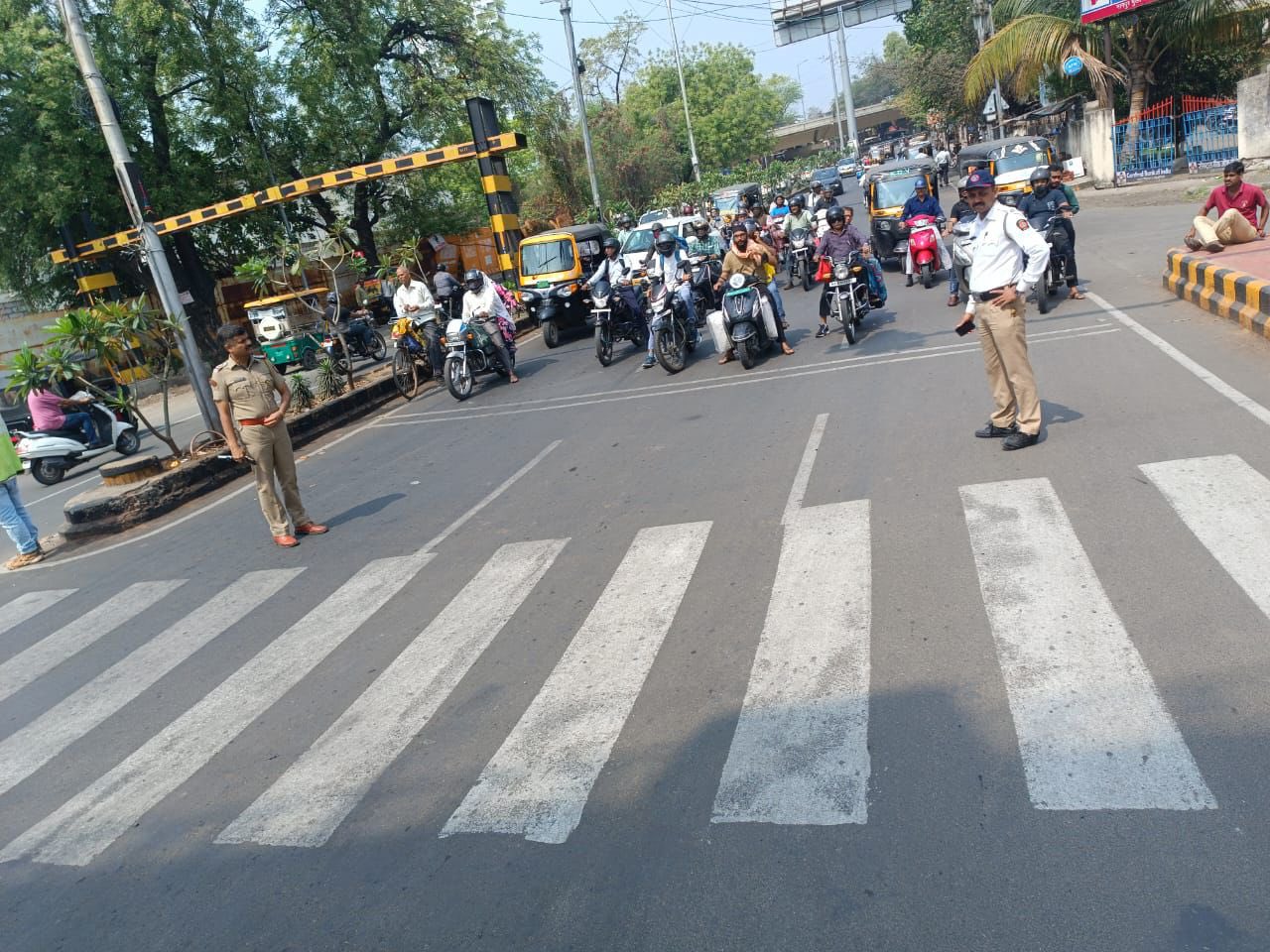
Zebra Crossing Rules | Nagpur Traffic Chaos: Traffic rule violations in Nagpur have reached alarming levels, with severe congestion evident at various traffic signals, especially during peak hours. Vehicles are often parked recklessly, obstructing zebra crossings designated for pedestrians, even as traffic police seem indifferent to the issue.

The Growing Traffic Problem in Nagpur (Zebra Crossing Rules)

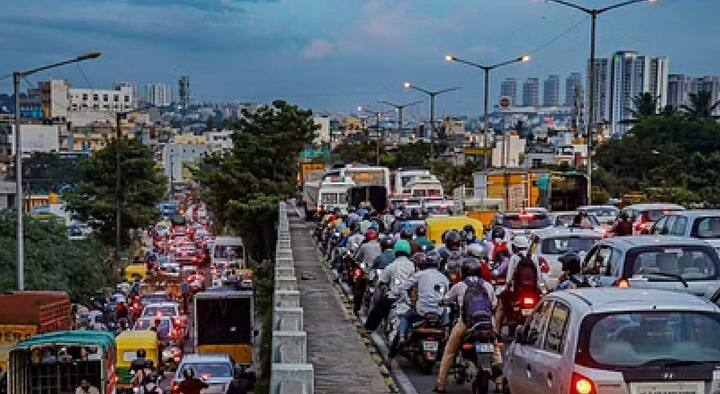
Nagpur, once known for its organized traffic and disciplined drivers, is now facing a chaotic traffic scenario. The rapid urbanization and increase in vehicle ownership have significantly contributed to this problem.

Peak Hour Congestion

Every city has its rush hours, but Nagpur’s peak hours seem to last all day. The congestion at traffic signals is particularly severe, making commuting a nightmare for everyone involved.

Factors Contributing to Congestion

  1. Increase in Vehicle Numbers: The number of vehicles on the road has exploded in recent years.
  2. Poor Road Infrastructure: Roads have not been adequately upgraded to handle the increased traffic.
  3. Lack of Public Transport: Insufficient public transport options force people to rely on personal vehicles.

Zebra Crossings: A Mere Suggestion?

Zebra crossings are supposed to be safe havens for pedestrians, but in Nagpur, they often become just another part of the road.

Vehicles Obstructing Zebra Crossings (Zebra Crossing Rules)

It’s a common sight to see vehicles parked on zebra crossings, completely disregarding the designated space for pedestrians. This not only endangers pedestrians but also creates further traffic bottlenecks.

Reckless Parking Practices

  1. Double Parking: Vehicles parked in two rows, one behind the other.
  2. Parking in No-Parking Zones: Ignoring clearly marked no-parking areas.
  3. Blocking Pedestrian Paths: Vehicles parked on sidewalks and zebra crossings.

Traffic Police: Enforcers or Mere Spectators?

The role of traffic police is critical in maintaining order on the roads. However, in Nagpur, their focus appears to be more on issuing fines rather than resolving the underlying traffic issues.

Issuing Fines vs. Managing Traffic

While fines are necessary for traffic violations, they should not be the only focus. Effective traffic management requires a balance between penalizing offenders and ensuring smooth traffic flow.

Enforcement Issues

  1. Inconsistent Policing: Random and selective enforcement of traffic rules.
  2. Lack of Accountability: Traffic police not held accountable for traffic management.
  3. Overreliance on Fines: Prioritizing revenue generation over traffic discipline.

Non-Functioning CCTV Cameras (Nagpur Traffic Chaos)

CCTV cameras play a vital role in monitoring traffic and enforcing rules electronically. Unfortunately, many of these cameras in Nagpur are not functioning.

Consequences of Malfunctioning CCTV Cameras

The failure of CCTV cameras leads to missed electronic fines and unchecked traffic violations, exacerbating the traffic chaos.

Impact on Traffic Management

  1. Missed Violations: Without functioning cameras, many traffic violations go unnoticed.
  2. Reduced Deterrence: The lack of surveillance emboldens violators.
  3. Inefficiency in Enforcement: Police struggle to enforce rules without electronic assistance.

Pedestrians: The Forgotten Stakeholders

In the midst of this traffic chaos, pedestrians often bear the brunt of the problem. Their safety is compromised as vehicles encroach on zebra crossings.

Challenges Faced by Pedestrians

  1. Unsafe Crossings: Zebra crossings are often blocked or ignored.
  2. Lack of Footpaths: Many areas lack proper sidewalks.
  3. Risk of Accidents: Increased chances of accidents due to reckless driving and parking.

Official Claims vs. Ground Reality

Despite frequent claims by officials about strict enforcement, the reality on Nagpur’s streets reveals a different story.

Discrepancy Between Claims and Reality

  1. Claims of Strict Enforcement: Officials often assert that traffic rules are being strictly enforced.
  2. Ground Reality: Observations and experiences of citizens suggest otherwise.
  3. Public Distrust: Growing distrust among the public towards traffic enforcement agencies.

Addressing the Traffic Woes

To tackle the traffic chaos and ensure the safety of pedestrians, a multifaceted approach is required.

Improving Traffic Management

  1. Upgrading Infrastructure: Better roads and expanded capacity.
  2. Enhancing Public Transport: More buses and trains to reduce the number of private vehicles.
  3. Efficient Traffic Policing: Balanced approach between issuing fines and managing traffic.

Role of Technology

  1. Functioning CCTV Cameras: Ensuring all cameras are operational.
  2. Smart Traffic Signals: Automated signals to improve traffic flow.
  3. Mobile Apps: Real-time traffic updates for commuters.

Public Awareness and Participation

Creating public awareness about traffic rules and encouraging participation in traffic management can also play a crucial role.

Community Involvement

  1. Traffic Awareness Campaigns: Educating the public about the importance of following traffic rules.
  2. Citizen Reporting: Encouraging citizens to report traffic violations.
  3. Collaborative Efforts: Joint initiatives between authorities and the public.

The traffic chaos in Nagpur, characterized by rampant violations of zebra crossing rules, poses a significant challenge to both authorities and citizens. While the focus has largely been on issuing fines, a more holistic approach that includes effective traffic management, functioning surveillance systems, and public participation is essential to address this issue. By working together, we can create a safer and more orderly traffic environment in Nagpur.

  1. Why are zebra crossings important for pedestrian safety? Zebra crossings provide a designated space for pedestrians to cross the road safely, reducing the risk of accidents.
  2. What are the main causes of traffic congestion in Nagpur? The primary causes include an increase in vehicle numbers, poor road infrastructure, and a lack of public transport options.
  3. How can traffic management be improved in Nagpur? Traffic management can be improved by upgrading road infrastructure, enhancing public transport, and ensuring efficient traffic policing.
  4. What role do CCTV cameras play in traffic enforcement? CCTV cameras help monitor traffic, capture violations, and assist in electronic enforcement of traffic rules.
  5. How can the public contribute to better traffic management? The public can contribute by following traffic rules, participating in awareness campaigns, and reporting traffic violations.

India vs England One Day Series: The First Match of the Series Will Be Played in Nagpur on Feb 6

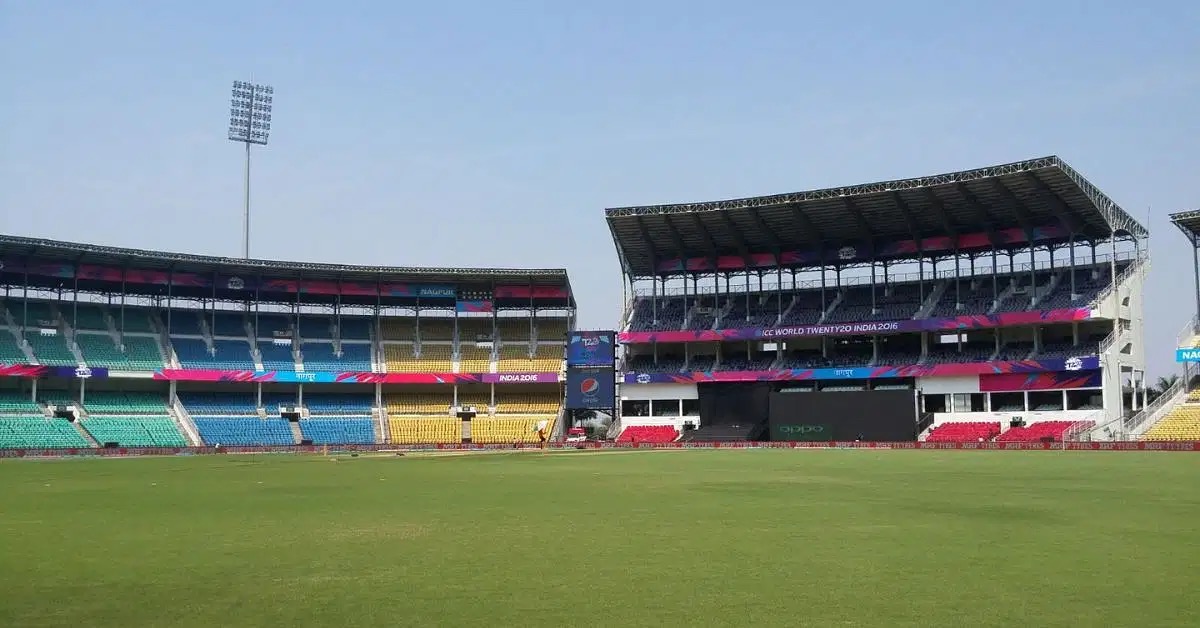
The Board of Control for Cricket in India (BCCI) has officially released the much-anticipated schedule for the India vs England one-day series. Cricket enthusiasts are eagerly waiting for the thrilling matches that are set to unfold. The excitement kicks off with the first one-day match scheduled for February 6, 2025, at the Vidarbha Cricket Stadium (VCA) in Nagpur.

Introduction to the Series

Cricket fans around the world are on the edge of their seats as India gears up to host England in a gripping one-day series. This series promises to deliver high-octane action, nail-biting finishes, and unforgettable cricketing moments. Let’s delve into the details and see what we can expect from this epic showdown.

Overview of the India vs England Rivalry

A Historic Rivalry

India and England share a long-standing cricket rivalry that dates back to the early days of the sport. Both teams have had their fair share of victories and defeats, making their encounters always unpredictable and exciting.

Recent Performances

In recent years, both teams have shown formidable performances in various formats of the game. India’s dominance at home and England’s aggressive style of play make this series particularly interesting.

Schedule of the Series

Match Dates and Venues

  • First ODI: February 6, 2025, at Nagpur Vidarbha Cricket Stadium (VCA)
  • Second ODI: February 9, 2025, at Pune Maharashtra Cricket Association Stadium
  • Third ODI: February 12, 2025, at Mumbai Wankhede Stadium

Key Fixtures to Watch

Each match in this series is crucial, but the opening game in Nagpur will set the tone for the series. Fans will be looking forward to seeing how both teams start off and what strategies they employ.

Venue Spotlight: Nagpur Vidarbha Cricket Stadium (VCA)

History and Significance

The Vidarbha Cricket Stadium in Nagpur is known for its state-of-the-art facilities and has hosted several important matches over the years. Its pitch has a reputation for being balanced, offering something for both batsmen and bowlers.

Pitch Report

The Nagpur pitch is expected to be batting-friendly, with some assistance for spinners as the game progresses. This could lead to high-scoring encounters, keeping the spectators entertained.

India’s Squad and Key Players

Captain’s Role

India’s captain will play a pivotal role in strategizing and leading the team. The choice of playing XI, field placements, and bowling changes will be crucial in determining the outcome of the match.

Star Players to Watch

  • Virat Kohli: Known for his aggressive batting and leadership skills.
  • Rohit Sharma: The ‘Hitman’ is famous for his big scores and consistency.
  • Jasprit Bumrah: A lethal fast bowler who can turn the game with his exceptional skills.

England’s Squad and Key Players

Leadership and Strategy

England’s captain will be equally important in setting the tone for the series. Their approach, which often includes aggressive batting and innovative bowling strategies, will be fascinating to observe.

Players to Keep an Eye On

  • Joe Root: A dependable batsman with the ability to anchor the innings.
  • Jos Buttler: Known for his explosive batting and quick scoring.
  • Jofra Archer: His pace and accuracy make him a key bowler for England.

Head-to-Head Statistics

Previous Encounters

India and England have faced each other numerous times in ODIs, with each team having its moments of glory. Analyzing past matches can provide insights into what to expect in the upcoming series.

Statistical Highlights

  • Overall Wins: India and England have a competitive record against each other.
  • Top Performers: Players from both teams have set records and achieved significant milestones in their encounters.

Strategies and Predictions

India’s Game Plan

India might focus on leveraging their strong batting lineup and utilizing spin bowlers in the middle overs to control the game. Fielding will also be a critical aspect.

England’s Approach

England’s strategy could involve aggressive batting right from the start and employing pace bowlers to exploit any weaknesses in the Indian batting order.

Fan Expectations and Reactions

Anticipation Levels

The excitement among fans is palpable. Both Indian and English supporters are known for their passionate following, and the atmosphere is expected to be electric.

Social Media Buzz

The series has already created a buzz on social media platforms, with fans and cricket experts sharing their predictions and thoughts.

Broadcasting and Live Streaming

Where to Watch

The matches will be broadcasted live on major sports channels. Additionally, live streaming will be available on various online platforms, ensuring fans don’t miss a single moment.

Commentary Teams

Expert commentators and former cricketers will provide in-depth analysis and insights, adding to the viewing experience.

Impact on ICC Rankings

Potential Changes in Rankings

The outcome of the series could have significant implications for the ICC ODI rankings. Both teams will be keen to improve their standings.

Key Players’ Rankings

Individual performances could also impact player rankings, making each player’s contribution crucial.

Historical Moments from Past Series

Memorable Matches

Several matches between India and England have gone down in history as classics. These games are remembered for their intense competition and unforgettable performances.

Record-Breaking Performances

Records have been set and broken in past encounters, highlighting the high level of cricket played by both teams.

Training and Preparation

Pre-Series Camps

Both teams have undergone rigorous training camps to prepare for the series. These camps focus on fitness, strategy, and team bonding.

Practice Matches

Practice matches provide an opportunity for players to fine-tune their skills and adapt to the conditions.

Key Battles to Watch

Batsman vs Bowler Showdowns

Certain player matchups, such as Virat Kohli vs Jofra Archer, are particularly intriguing and could be pivotal in the series.

Spin vs Pace

The battle between spinners and pace bowlers will also be a critical aspect of the series, influencing the overall outcome.

As the countdown to the India vs England one-day series begins, the excitement continues to build. Both teams are strong contenders, and the matches promise to be thrilling from start to finish. The opening game in Nagpur on February 6, 2025, is just the beginning of what is sure to be an unforgettable series. Cricket fans, mark your calendars and get ready for some top-class cricketing action!

1. When and where is the first match of the India vs England one-day series?

The first match will be played on February 6, 2025, at Nagpur Vidarbha Cricket Stadium (VCA).

2. Who are the key players to watch in the series?

Key players include Virat Kohli, Rohit Sharma, and Jasprit Bumrah for India; Joe Root, Jos Buttler, and Jofra Archer for England.

3. How can I watch the matches live?

The matches will be broadcasted on major sports channels and available for live streaming on various online platforms.

4. What impact will the series have on ICC rankings?

The series could significantly impact both team and individual player rankings in the ICC ODI standings.

5. What are the expectations from the Nagpur pitch?

The Nagpur pitch is expected to be batting-friendly with some assistance for spinners, leading to potentially high-scoring matches.

Nagpur’s Battle Against Garbage: Iron Mesh Installation on Bridges

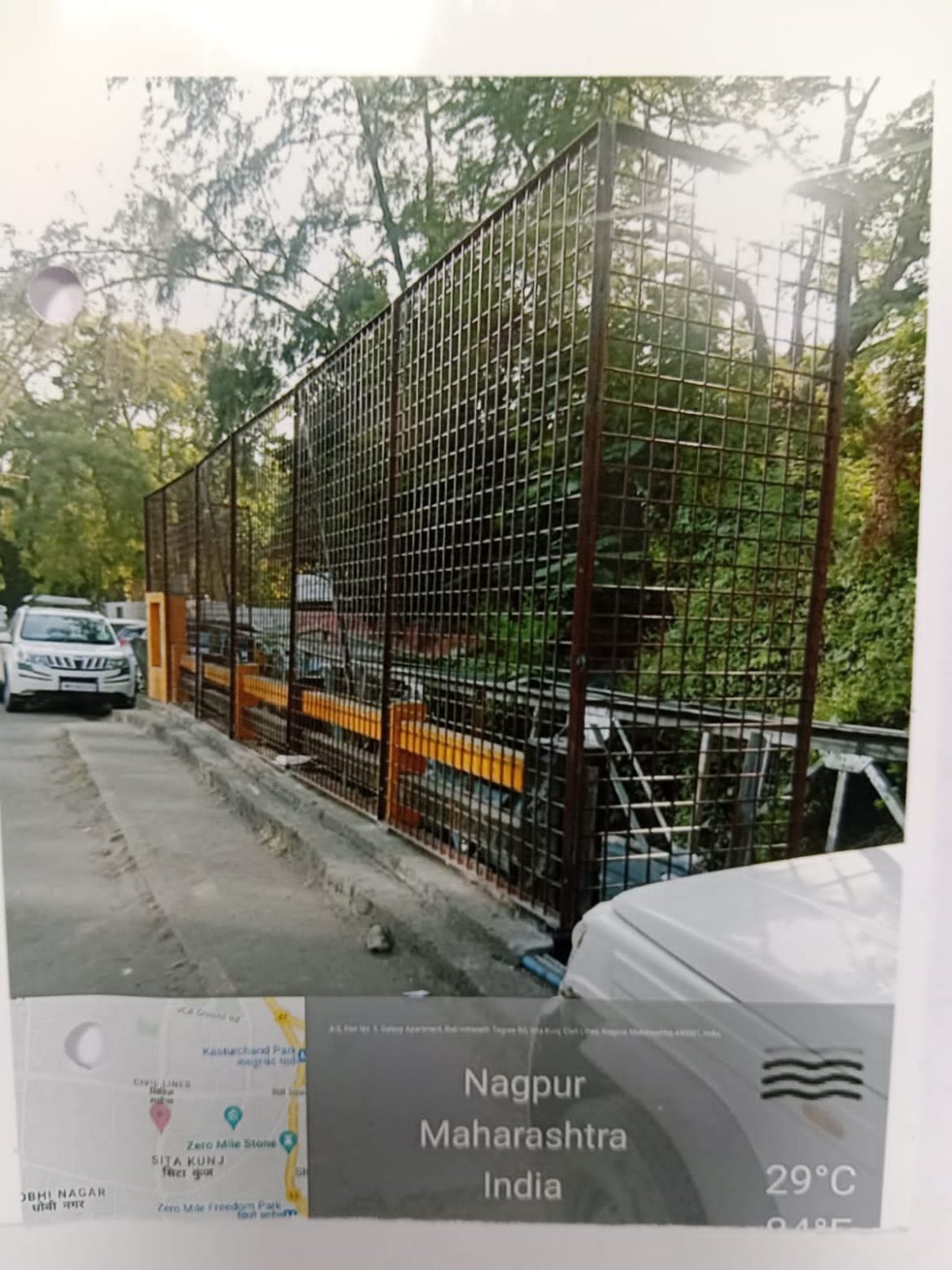
Nagpur garbage prevention: In an ambitious bid to combat the persistent issue of garbage dumping into water bodies, the Nagpur Municipal Corporation (NMC) has launched a project to install iron meshes on bridges over the Nag River and various canals. This initiative aims to enhance the city’s sanitation and prevent the adverse effects of waste accumulation in water channels. Under the guidance of Municipal Commissioner Abhijit Chaudhary, this project will cover 58 bridges across all ten NMC zones.

Why Iron Meshes?

The Garbage Problem

Nagpur has been grappling with rampant dumping of garbage from bridges into the water bodies. This practice not only hampers water flow but also poses significant environmental and health risks. The waste obstructs the natural flow of water, leading to frequent flooding during the monsoon season.

Environmental Impact

The accumulation of waste in water channels can lead to severe pollution, affecting aquatic life and the quality of water. Moreover, stagnant water becomes a breeding ground for mosquitoes, increasing the risk of vector-borne diseases.

Project Scope and Coverage (Nagpur garbage prevention)

The NMC has identified 58 bridges for the installation of iron meshes. These safety grilles will be placed on both sides of the bridges, ensuring that no garbage can be thrown into the water bodies.

Zones and Specific Locations

  • Laxmi Nagar Zone: Khamla Chowk, Sahakar Nagar Ghat
  • Dharampeth Zone: Ambazari overflow point, Yashwant Stadium Nag Nadi, Nala near Bhole petrol pump
  • Hanuman Nagar Zone: Manewada Ghat, Besa Road
  • Dhantoli Zone: Narendra Nagar Square, Sardar Patel Square, Ghat Road
  • Nehru Nagar Zone: Jaganade Chowk nullah
  • Gandhibagh Zone: Gangabai Ghat bridge
  • Satranjipura Zone: Shanti Nagar nullah near Jain Temple
  • Ashi Nagar Zone: Ashok Chowk
  • Zone X: Police Line Talao

Implementation Process

Step-by-Step Approach (Nagpur garbage prevention)

  1. Assessment and Planning: Initial assessment of the bridges and planning the installation process.
  2. Fabrication of Iron Meshes: Custom fabrication of meshes to fit the specific dimensions of each bridge.
  3. Installation: Systematic installation of iron meshes on both sides of the bridges.
  4. Monitoring and Maintenance: Regular monitoring to ensure the integrity of the meshes and timely maintenance.

Expected Outcomes

The primary goal is to significantly reduce the amount of waste dumped into the water bodies. This initiative is expected to improve water flow, reduce flooding, and enhance the overall environmental health of Nagpur.

Community Involvement and Awareness

Public Awareness Campaigns

The success of this project heavily relies on community participation and awareness. The NMC plans to launch extensive public awareness campaigns to educate citizens about the importance of keeping water bodies clean.

Engaging Schools and Colleges

Educational institutions will play a crucial role in spreading awareness. Workshops and seminars will be conducted to instill a sense of responsibility among students.

Long-term Benefits

Environmental Conservation

By preventing waste from entering water bodies, this project will contribute significantly to environmental conservation. Cleaner water channels will support aquatic life and improve the quality of life for the city’s residents.

Enhanced Urban Aesthetics

The installation of iron meshes will not only serve a functional purpose but also enhance the visual appeal of the city’s infrastructure.

Challenges and Solutions

Potential Challenges

  1. Vandalism and Damage: There is a risk of the meshes being vandalized or damaged.
  2. Initial Resistance: Some residents may initially resist the change due to inconvenience.

Proposed Solutions

  1. Regular Maintenance: Establishing a maintenance team to address any damage promptly.
  2. Community Engagement: Continuous community engagement to address concerns and emphasize the benefits.

The installation of iron meshes on bridges in Nagpur is a crucial step towards a cleaner and safer environment. This project, led by the NMC under the direction of Municipal Commissioner Abhijit Chaudhary, aims to mitigate the adverse effects of garbage dumping in water bodies. By involving the community and raising awareness, Nagpur can set a precedent for other cities to follow. Together, we can work towards a cleaner, healthier, and more sustainable future.

  1. What is the main objective of installing iron meshes on the bridges in Nagpur? The primary objective is to prevent the dumping of garbage into the water bodies, ensuring smoother water flow and reducing environmental pollution.
  2. How many bridges will have iron meshes installed? Iron meshes will be installed on 58 bridges across all ten NMC zones.
  3. Who is overseeing this project? The project is being overseen by Municipal Commissioner Abhijit Chaudhary.
  4. What are the benefits of this project? The benefits include improved water flow, reduced flooding, enhanced environmental health, and better urban aesthetics.
  5. How can the community contribute to this initiative? The community can contribute by participating in awareness campaigns, adhering to waste disposal regulations, and educating others about the importance of keeping water bodies clean.

Over 34% Electric Buses Standing Idle for Want of Charging Stations

Nagpur electric bus charging: As Nagpur strides towards achieving 100% eco-friendly public transport, a significant roadblock has emerged. Approximately 34% of the city’s electric buses remain idle due to a lack of sufficient charging stations. This issue poses a challenge to the city’s green ambitions and highlights a critical infrastructure gap.

Nagpur’s Electric Bus Fleet: An Overview

The Current Fleet

Nagpur Municipal Corporation (NMC) currently operates a mixed fleet of buses. Out of 622 buses, around 421 are operational, with 151 being electric buses. The city’s electric fleet includes both air-conditioned (AC) and non-AC buses, with a notable emphasis on providing a comfortable commute.

Deployment Statistics

The NMC has received 230 electric buses, yet only 151 are in service. Of these, 105 are AC buses. The Haryana-based PMI Electro Mobility Solutions Private Limited has delivered all 144 AC e-buses, but only 65 are currently operational, leaving 79 buses idle at the Wathoda depot.

Charging Infrastructure: The Bottleneck

Existing Charging Stations

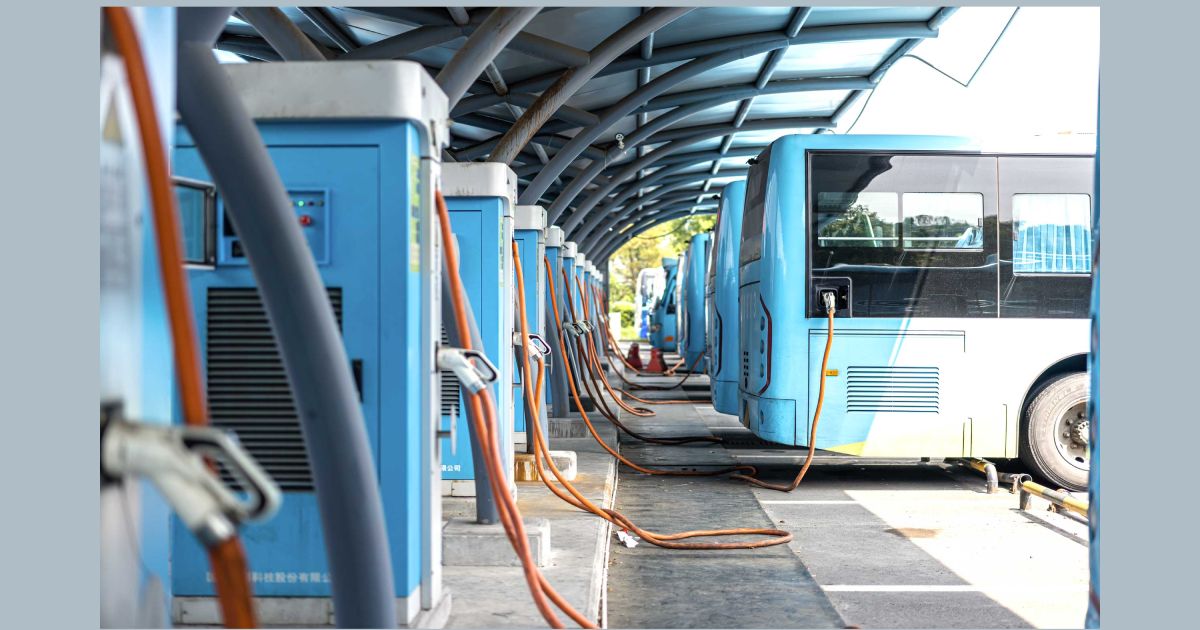
At present, Nagpur’s transport department has set up charging facilities at four locations: Lakadganj, Morbhavan, Wadi, and Hingna. These stations can collectively support 151 e-buses.

Charging Capabilities

With a one-hour charge, an electric bus can travel approximately 130 kilometres. However, the limited number of charging points is a significant constraint, leading to underutilization of the fleet.

Impact on Commuters

Overcrowding Issues

The decommissioning of 132 out of 237 standard red buses has exacerbated the issue, resulting in overcrowded routes such as Hingna, Butibori, Wadi, Kamptee, and Pardi. Daily commuters, including Prajwal Mandawkar who travels between Nari and Butibori, have voiced their concerns over the lack of sufficient charging infrastructure.

Commuter Comfort

The underuse of AC electric buses has also impacted commuter comfort. These buses are designed to provide a more comfortable travel experience, which is currently compromised due to the charging station shortage.

Plans for Expansion

Wathoda Depot Development

To address this issue, PMI is developing a new depot in Wathoda, which will house 88 charging guns. This expansion aims to significantly boost the city’s charging capacity and bring more electric buses into operation.

Opportunity Charging Points

In addition to the Wathoda depot, opportunity charging points are being installed at Mor Bhavan and Khapri. These points allow for quick, mid-route charging, reducing the need for buses to return to the depot for recharging and thereby saving valuable operational time.

Environmental and Economic Benefits

Reducing Emissions

The shift to electric buses is a key part of Nagpur’s strategy to reduce its carbon footprint. Electric buses produce zero emissions, contributing significantly to cleaner air and a healthier environment.

Cost Savings

Electric buses are also more cost-effective in the long run compared to their diesel and CNG counterparts. They offer lower operational and maintenance costs, which can lead to significant savings for the city.

Challenges Ahead

Infrastructure Investment

Developing the necessary infrastructure requires substantial investment. The city must prioritize funding for charging stations to ensure the full utilization of its electric bus fleet.

Policy and Planning

Effective policy and strategic planning are crucial to overcome these challenges. The NMC needs to develop a comprehensive plan that includes both short-term and long-term goals for infrastructure development.

Public-Private Partnerships

Role of Private Companies

Private companies like PMI play a vital role in this transformation. Their involvement in developing charging infrastructure is essential for the timely deployment of electric buses.

Collaborative Efforts

Collaboration between the NMC and private enterprises can accelerate the infrastructure development process. Such partnerships can bring in the necessary expertise and financial support.

Technological Innovations

Advanced Charging Solutions

Investing in advanced charging technologies can enhance efficiency. Fast-charging stations and wireless charging options are potential solutions that can be explored.

Smart Grid Integration

Integrating smart grid technology can optimize the charging process, ensuring better management of energy resources and reducing downtime for buses.

Commuter Awareness and Education

Promoting Public Transport

Raising awareness about the benefits of electric buses can encourage more people to use public transport. Education campaigns can highlight the environmental and economic advantages.

Feedback Mechanisms

Implementing feedback mechanisms can help the NMC understand commuter needs and address issues promptly. Engaging with the public ensures that the services provided meet their expectations.

Future Prospects

Scaling Up Operations

With the expansion of charging infrastructure, Nagpur can scale up its electric bus operations. This will not only improve public transport but also contribute to the city’s sustainability goals.

Benchmark for Other Cities

Nagpur’s efforts can serve as a benchmark for other cities aiming to transition to eco-friendly public transport. Successful implementation can provide a model for others to follow.

Nagpur’s journey towards 100% eco-friendly public transport is commendable but fraught with challenges. The shortage of charging stations has rendered over 34% of the city’s electric buses idle, impacting both operations and commuter satisfaction. However, with ongoing efforts to develop charging infrastructure and the support of private companies, the city is poised to overcome these hurdles. Investment in infrastructure, policy planning, and technological innovations are key to unlocking the full potential of electric buses and ensuring a sustainable future for Nagpur.

1. Why are so many electric buses in Nagpur idle?

Many electric buses in Nagpur are idle due to a shortage of charging stations. This infrastructure gap prevents the full deployment of the city’s electric bus fleet.

2. What steps are being taken to improve charging infrastructure?

The NMC and PMI are developing new depots and opportunity charging points to expand the city’s charging capacity. This includes a major development at Wathoda with 88 charging guns.

3. How does the charging infrastructure impact commuters?

Insufficient charging infrastructure leads to fewer buses in operation, causing overcrowding and discomfort for commuters, especially on busy routes.

4. What are the environmental benefits of electric buses?

Electric buses produce zero emissions, contributing to cleaner air and reducing the city’s carbon footprint. They also offer long-term cost savings in terms of operational and maintenance costs.

5. What future plans does Nagpur have for its electric bus fleet?

Nagpur plans to scale up its electric bus operations with improved charging infrastructure. The city aims to set a benchmark for eco-friendly public transport, providing a model for other cities to follow.

Ramdeobaba College of Engineering Transforms into Ramdeobaba University: A New Chapter in Educational Excellence

A Momentous Transformation

In a monumental leap towards academic excellence and comprehensive development, Shri Ramdeobaba College of Engineering and Management (RCOEM) proudly declares its evolution into a self-financed Ramdeobaba University (RBU), commencing from the academic year 2024-25. This groundbreaking announcement was made by Dr. S S Mantha, a distinguished academician and visionary leader in education, and former Chairman of the All India Council for Technical Education (AICTE), who now assumes the role of the founding President/Chancellor of Ramdeobaba University (RBU). Dr. Mantha, renowned for his expertise in Robotics and a PhD in Combustion Modeling from the University of Mumbai, brings a wealth of experience and a commitment to innovation to his new position.

Upholding Tradition, Embracing Transformation

“We are thrilled to venture into this new chapter in our institution’s legacy. Ramdeobaba College has consistently excelled, and attaining the status of a University will further augment its reputation,” affirmed Chancellor Prof. Mantha.

Expanding Horizons: New Courses and Initiatives

RCOEM, as an autonomous institution offering technical education, has continually enhanced its offerings. The transition to RBU marks the inclusion of emerging fields such as Artificial Intelligence, Machine Learning, Data Analytics, and more, reflecting the evolving demands of the industry. Additionally, undergraduate programs in Cyber Security, Computer Science, Cloud Computing, and various specialized MBAs have been introduced, broadening the academic spectrum.

Fostering Excellence in Education

In line with its commitment to academic excellence, RBU pledges to prioritize student performance and elevate teaching standards. Prof. Mantha emphasized, “We are not in competition with other institutions; we are charting our unique path.” The University will conduct its own Common Entrance Test (CET) for admissions while accommodating students from government-conducted CETs, ensuring accessibility without compromise.

Aligning with National Educational Policy (NEP)

With a focus on embracing the National Education Policy (NEP), RBU is prepared to implement 4-year programs, flexible entry and exit systems, and introduce interdisciplinary courses, nurturing well-rounded graduates equipped for the challenges of the future.

Embracing Technology: Online Learning Portal

Recognizing the needs of working professionals, RBU will launch an online portal offering courses tailored to their schedules. This initiative aims to facilitate continuous learning, with lectures delivered by both in-house faculty and external experts.

Celebrating Achievements and Innovation

Satyanarayan Nuwal, Chairman of the sponsoring body Shri Ramdeobaba Sarvajanik Samiti, highlighted the institute’s exceptional placement records and the enthusiastic response to admissions. The emphasis on research is evident, with a substantial number of patents secured and numerous others in the pipeline.

Conclusion: A New Era of Excellence

The transformation of Ramdeobaba College of Engineering into Ramdeobaba University marks a significant milestone in the journey of academic excellence. With a commitment to innovation, inclusivity, and academic rigor, RBU is poised to make profound contributions to the realms of education and research.

1. Will the existing courses at RCOEM be discontinued after the transformation?

No, the existing courses will continue alongside the newly introduced programs at RBU, ensuring a seamless transition for current students.

2. How will the admission process change with the introduction of RBU?

RBU will conduct its own Common Entrance Test (CET) for admissions, in addition to accommodating students from government-conducted CETs, ensuring equitable access to education.

3. What measures will RBU take to enhance teaching quality?

RBU is committed to elevating teaching standards by providing specialized training to faculty members and implementing innovative pedagogical approaches.

4. How can working professionals benefit from RBU’s online portal?

The online portal will offer flexible learning options tailored to the schedules of working professionals, enabling them to pursue higher education without disrupting their careers.

5. What sets RBU apart from other institutions?

RBU distinguishes itself through its commitment to innovation, interdisciplinary learning, and a student-centric approach, ensuring holistic development and readiness for the future.

Unraveling the Traffic Chaos on South Ambazari Road

Understanding the Traffic Nightmare

Navigating through South Ambazari Road has become akin to traversing a maze of chaos and frustration for daily commuters. The recent escalation in traffic disruptions, particularly highlighted during Tuesday evening’s Hanuman Jayanti celebrations, has unveiled a pressing issue plaguing this arterial road. From IT Park to Laxmi Nagar Square, the stretch has transformed into a hotspot for traffic snarls, leaving citizens stranded for hours due to mismanagement and a lack of enforcement.

The Culprit: Unauthorised Food Stalls

At the heart of this chaos lie the unauthorised food stalls that line the road, operating with apparent impunity. Despite regulations, footpaths are commandeered by these vendors, obstructing pedestrian pathways and encroaching on the road space. With over a hundred such stalls dotting the street, the situation exacerbates as workers from nearby IT companies and customers alike contribute to the parking mayhem.

A Recipe for Disaster

These food vendors, often setting up shop in mini trucks, extend their encroachments onto the footpaths, providing seating arrangements for customers. The influx of four-wheelers further compounds the issue, leaving scant space for other vehicles to maneuver. Consequently, the daily commute transforms into a grueling ordeal, with traffic congestion becoming the norm rather than the exception.

Hanuman Jayanti: The Tipping Point

Tuesday evening’s festivities for Hanuman Jayanti served as the tipping point, amplifying the existing chaos to unprecedented levels. With a stage erected on the main road, blaring music, and throngs of revelers, the traffic gridlock reached its crescendo. Shockingly, the authorities, including officials from Bajaj Nagar, Rana Pratap Nagar, and Ambazari Police Stations, appeared oblivious to the severity of the situation.

Urgent Call to Action

Residents and commuters, besieged by the perpetual traffic chaos, demand immediate intervention from the authorities. The need of the hour is stringent measures to rein in undisciplined parking practices and ensure smoother traffic flow for all stakeholders. Failure to address these issues promptly risks exacerbating an already untenable situation.

1. What is causing the traffic chaos on South Ambazari Road?

  • The unauthorised food stalls lining the road, coupled with rampant parking violations, are the primary contributors to the traffic chaos.

2. How many food stalls operate on South Ambazari Road?

  • Over a hundred food stalls operate along the stretch, further exacerbating the traffic congestion.

3. What exacerbated the traffic situation during Hanuman Jayanti celebrations?

  • The festivities, including a stage set up on the main road, amplified the traffic gridlock to unprecedented levels.

4. Are the authorities aware of the severity of the traffic chaos?

  • Shockingly, officials from various police stations seemed oblivious to the severity of the situation, adding to the frustration of residents and commuters.

5. What measures are needed to address the traffic issues on South Ambazari Road?

  • Urgent measures to curb undisciplined parking practices and ensure smoother traffic flow are imperative to alleviate the ongoing chaos.

Remembering the Legacy: Former Maharashtra CM Manohar Joshi Demise

The nation mourns the loss of a political stalwart, as former Lok Sabha speaker and Maharashtra’s ex-chief minister, Manohar Joshi, breathed his last around 3 am on Friday, succumbing to age-related health complications at the age of 86.

A Life Well-Lived

Journey through Political Peaks and Valleys

Manohar Joshi’s political journey spanned decades, marked by triumphs and challenges. From serving as Maharashtra’s chief minister to presiding over the Lok Sabha, his contributions resonated across the political landscape.

The Impact of Age-related Ailments

In recent years, Joshi battled with frail health, particularly since May 2023 when a brain haemorrhage struck. The ICU at Hinduja Hospital witnessed his resilience, though hope dwindled, eventually leading him to his Shivaji Park residence for continuous care.

A Fighter Till the End

Cardiac Episode and Final Moments

Joshi’s health took a critical turn on Wednesday, succumbing to cardiac trouble. His son, Unmesh, revealed, “He had been admitted to the ICU and was under observation. Prolonged age-related health issues took their toll.” The family prepares for the final rites at the Shivaji Park crematorium.

The Celebration of a Life

Birthday Celebrations Amidst Struggle

On December 2, 86-year-old Joshi, despite health challenges, was transported to his Dadar office. Supporters gathered, celebrating his birthday, a poignant moment encapsulating resilience.

[VARIABLE1] – A Beacon in Maharashtra’s Political Horizon

Manohar Joshi influence extended beyond political offices. As Maharashtra’s chief minister, he left an indelible mark on the state’s governance and policies, shaping the socio-political landscape.

FAQs: Unraveling [VARIABLE2]

1. What were Manohar Joshi’s significant achievements as Maharashtra’s chief minister?

Manohar Joshi spearheaded key infrastructure projects, including the Mumbai-Pune Expressway, transforming the state’s connectivity.

2. How did his health complications impact his political engagements?

Age-related health issues, exacerbated by a brain haemorrhage in May 2023, curtailed his active political participation.

3. Where will the final rites take place?

The cremation ceremony is scheduled at Shivaji Park, a symbolic location with historical significance for the departed leader.

4. What was the significance of his last public appearance on his 86th birthday?

Despite health challenges, Manohar Joshi presence at his office during birthday celebrations mirrored his enduring spirit.

5. How did supporters respond to the news of his demise?

The nation and his supporters expressed grief, acknowledging Joshi’s pivotal role in Maharashtra’s political narrative.

6. What is Manohar Joshi lasting legacy in Indian politics?

Joshi’s legacy endures through his contributions to Maharashtra’s development and his tenure as the Lok Sabha speaker.

In the quietude of Manohar Joshi departure, Maharashtra loses a guiding force, and the nation reflects on the imprints of a seasoned political journey. As we bid farewell to an era, the legacy of resilience and dedication lives on, etched in the annals of Indian political history. Manohar Joshi, a name that echoes in the corridors of power and public sentiment, rests in the embrace of memory.

Exit mobile version