Nagpur’s Triumph: State Greenlights ₹1,887 Crore NMRDA Budget, Spotlight on Sewage Networks

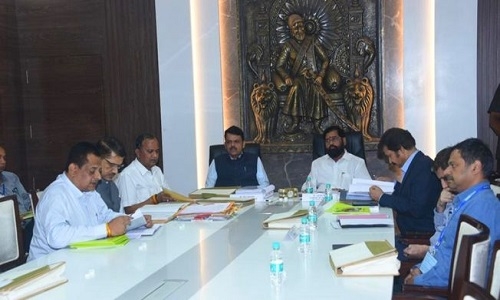
In a groundbreaking move, Chief Minister Eknath Shinde gave the nod to the impressive ₹1,886.91 crore budget proposed by the Nagpur Metropolitan Region Development Authority (NMRDA). This monumental decision signals a strategic focus on fortifying sewage networks within the region.

State approves ₹1,887 crore NMRDA budget, focus on sewage networks

With the State’s approval, the NMRDA is set to tackle the critical issue of sewage networks head-on. Chairman Manojkumar Suryawanshi shared that the CM Eknath Shinde has sanctioned sewer line projects amounting to ₹716 crore, specifically targeting 25 villages in the Nagpur metropolitan region. This crucial step aims to address the challenges faced by rural areas, where the absence of a proper sewer network has led to groundwater contamination.

NMRDA’s Vision: A Closer Look

Sewerage Network Enhancement

Under Amrut phase 2, a comprehensive 500km sewerage network has been greenlit for development in the south and east regions of NMRDA. This ambitious scheme includes the establishment of four sewage plants and a pump house, as highlighted by Chief Accounts and Finance Officer Kapil Pawar.

Timely Initiatives

Suryawanshi assured that the bhoomipuja and sewer line laying works will kick off within the next 10 days, emphasizing the urgency and commitment behind the project.

FAQs – Unveiling the NMRDA Budget

  1. What is the primary focus of the NMRDA budget?
    • The NMRDA budget primarily concentrates on strengthening sewage networks in the Nagpur metropolitan region.
  2. How much has been allocated for the cancer hospital in the NMRDA area?
    • An allocation of ₹71 crore has been earmarked for the development of a cancer hospital within the NMRDA area.
  3. What significant decision has the urban development ministry made?
    • The urban development ministry has substantially reduced map sanctioning charges in the metro region for Pradhan Mantri Awas Yojna beneficiaries.
  4. What regions are included in the sewerage network development under Amrut phase 2?
    • The sewerage network under Amrut phase 2 will cover 25 villages in the south and east regions of NMRDA.
  5. What are the key projects funded within the ₹1,886.91 crore budget?
    • The budget encompasses diverse projects, including phase-III and phase-IV development at Mahalakshmi Jagdamba Shrine, Deekshabhoomi redevelopment, and a special allocation for tourist places’ development.
  6. How soon will the sewer line laying works commence?
    • The sewer line laying works are scheduled to commence within the next 10 days.

With the green light on the ₹1,886.91 crore budget, the NMRDA is poised to make significant strides in transforming the sewage infrastructure of the Nagpur metropolitan region. This bold move not only addresses immediate concerns but also sets the stage for comprehensive development, reflecting the government’s commitment to the welfare of its citizens and the environment.

Fire Ravages Gorewada Forest Near International Zoo: Animals Safe

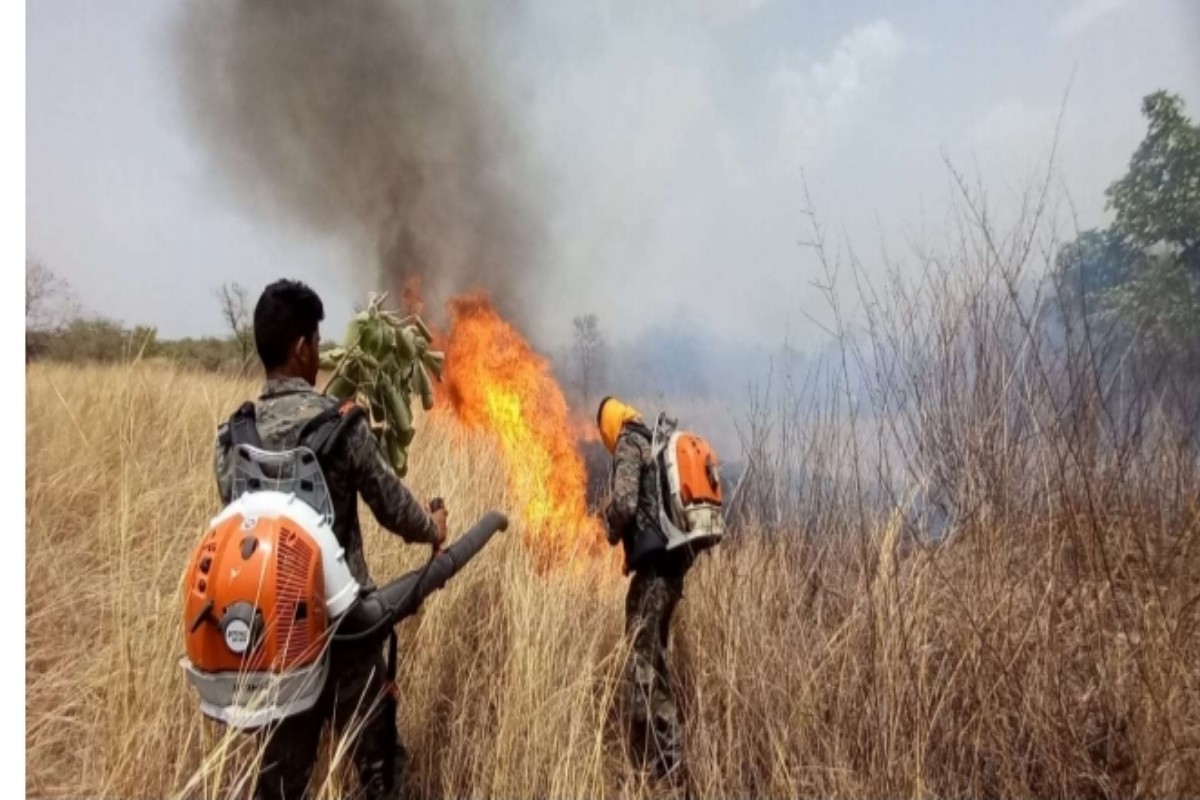
In a devastating turn of events, a raging fire swept through a section of the scenic Gorewada forest (near Gorewada zoo), adjacent to the Balasaheb Thackeray Gorewada International Zoological Park in Nagpur. This catastrophic incident, unfolding over 40-50 hectares, left both flora and fauna in its destructive wake. Miraculously, the quick response of firefighters, emergency services, and foresters prevented any harm to the animals residing in the vicinity, marking a triumph amidst the chaos.

Gorewada Forest Engulfed: A Battle Against Time

Firefighting Heroes Tackle Noonday Blaze

The inferno, commencing around noon, posed a formidable challenge for the fire brigade, emergency responders, and forestry teams. Swift and strong winds fanned the flames on both sides of Katol Road, intensifying the blaze. Despite the six-hour battle, the combined efforts of these brave individuals brought the situation under control by 6.30 pm, averting potential catastrophe.

Safari Uninterrupted: A Silver Lining Amidst the Flames

Despite the turmoil, Divisional Forest Officer S Bhagat assured that the blaze did not disrupt the safari activities at the international park. This silver lining amidst the chaos showcases the resilience and efficiency of the emergency response teams in safeguarding both human and animal life.

Second Fire Hits Sadar’s Karachi Galli: Timely Extinguishing Prevents Havoc

Property Damage and a Timely Rescue Operation

Adding to the tumult, a second fire erupted in Sadar’s Karachi Galli, targeting a two-storey building owned by Sohail Ahmed Hafeez Ullakhan at 11.15 pm on Wednesday. The inferno caused damage estimated at nearly ₹20 lakh, affecting both property and valuable dress materials. Despite the intensity, the timely response of the fire brigade prevented the situation from escalating further.

Tree Fall Chaos: Firefighters Rush to Munda Deul Area

Vehicular Wreckage and Traffic Disruption

The challenges for the firefighting teams continued as they rushed to Munda Deul area in Cotton Market late Wednesday night. A tree fall wreaked havoc, damaging four 4-wheelers and disrupting vehicular traffic for several hours. Acting swiftly, the fire officials ensured that no injuries were reported during this unexpected incident.

Frequently Asked Questions (FAQs)

  1. What caused the fire in Gorewada forest?
    • The exact cause of the fire remains uncertain, but authorities are investigating the incident thoroughly.
  2. Were any animals harmed during the fire?
    • Fortunately, due to prompt actions by firefighting teams, no animals in the vicinity suffered burns.
  3. How long did it take to control the Gorewada forest fire?
    • The firefighting efforts successfully brought the inferno under control within six hours.
  4. What was the estimated property damage in Sadar’s Karachi Galli fire?
    • The second fire resulted in property and dress material damage estimated at nearly ₹20 lakh.
  5. Were there any injuries during the tree fall incident in Munda Deul area?
    • No injuries were reported in the vehicular wreckage caused by the fallen tree.
  6. Is the Balasaheb Thackeray Gorewada International Zoological Park operational after the fire?
    • Yes, the international park remains operational, and the safari activities continue uninterrupted.

In the face of adversity, the coordinated efforts of firefighting heroes, emergency services, and foresters ensured the safety of animals and human life during the Gorewada forest fire. This incident serves as a testament to the resilience of communities and the importance of prompt action in times of crisis. As the investigation into the cause continues, the spirit of unity and effective emergency response stands tall, promising a swift recovery for the affected areas.

Blessings and Wishes Flow at Tajbagh Sufi Event: Prayers for Modi’s Return as PM

A Tapestry of Faith, Hope, and Harmony at Tajbagh Sufi Event

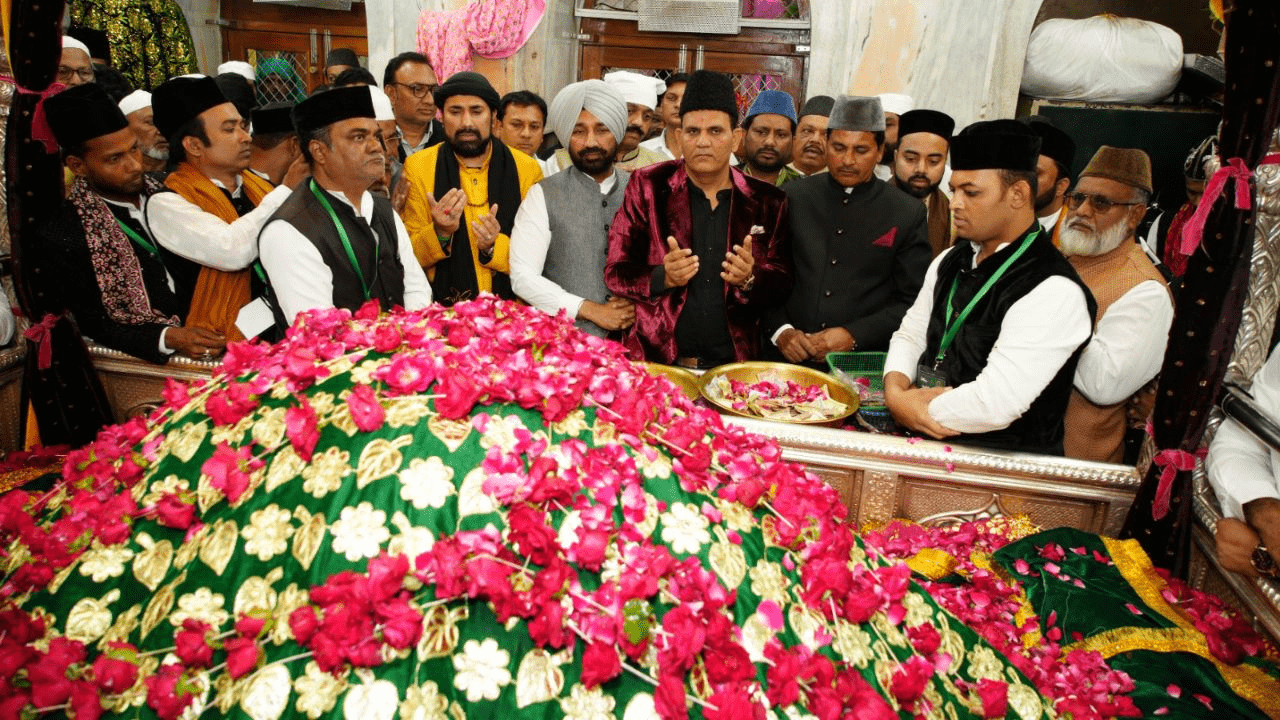
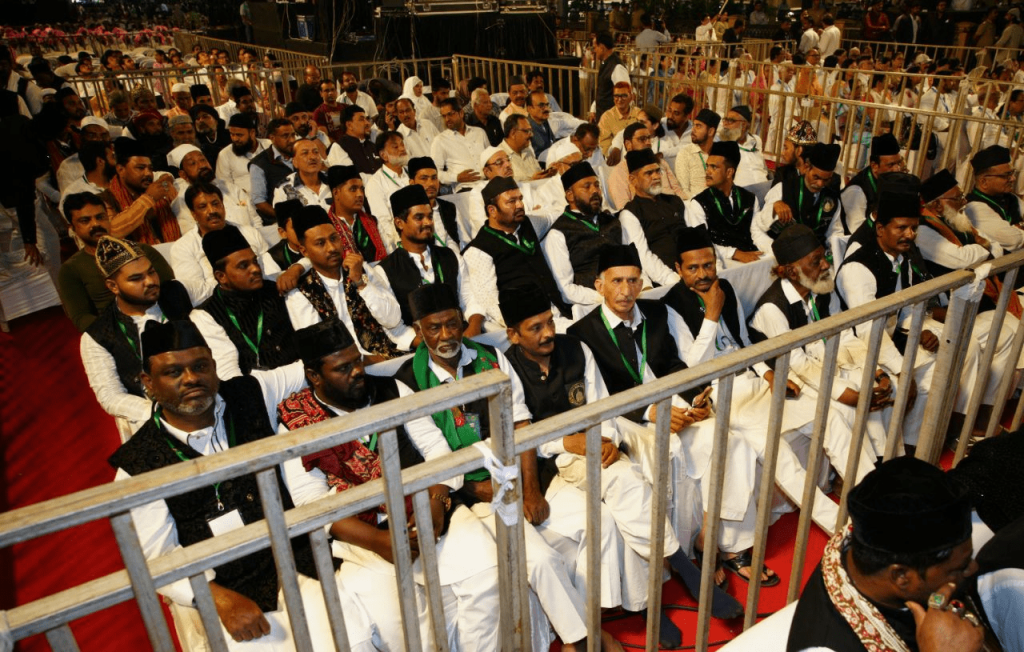
In a harmonious blend of spirituality and civic duty, the Tajbagh Sufi event unfolded its grandeur as members of the Indian Minority Foundation and multi-faith leaders converged at Hazrat Baba Tajuddin Dargah in Nagpur. Amidst the sacred precincts, preachers from diverse minority communities offered holy chadar to Baba Tajuddin, transcending religious boundaries.

Tajbagh Sufi Event Unveiled: A Celebration of Sadbhavna and Ek Bharat Shrestha Bharat

Sadbhavna Resonates: Embracing Prime Minister Narendra Modi’s vision of ‘Sadbhavna, Ek Bharat Shrestha Bharat,’ the grand ceremony at Taj Bagh unfolded under the collaborative efforts of the Indian Minority Foundation (IMF) Delhi and Hazrat Baba Tajuddin Trust Nagpur.

At Tajbagh Sufi Event, Prayers & Wishes for Modi’s Return as PM

A Spiritual Wish for Leadership: Within the sanctified walls of Hazrat Baba Tajuddin Dargah, attendees fervently invoked a ‘Special Duaa,’ beseeching divine blessings for Prime Minister Narendra Modi’s prolonged life and triumph in the forthcoming Lok Sabha elections.

Hazrat Baba Tajuddin Hospital: A Beacon of Compassionate Healthcare

Inauguration by Satnam Singh Sandhu: The Tajbagh Sufi event wasn’t just about prayers; it marked the inauguration of Hazrat Baba Tajuddin Hospital. Satnam Singh Sandhu, Rajya Sabha MP and IMF Convener, inaugurated this medical haven, vowing to offer free, quality healthcare to the economically challenged and the needy within our society.

Diverse Faiths Unite: IMF and Hazrat Baba Tajuddin Trust’s Collaborative Efforts

A Joint Endeavor: Under the joint aegis of Indian Minority Foundation (IMF) Delhi and Hazrat Baba Tajuddin Trust Nagpur, the Tajbagh Sufi event symbolized unity in diversity, echoing the ethos of India’s multicultural fabric.

Economic Empowerment Through Healthcare: Tajbagh Sufi Event’s Noble Cause

Healthcare for the Needy: The inauguration of Hazrat Baba Tajuddin Hospital signifies a commitment to providing free, quality healthcare to the economically vulnerable, aligning with the event’s broader mission of fostering societal well-being.

The Echo of Prayers: Event Leaves a Spiritual Imprint

A Spiritual Resonance: The sacred precincts of Hazrat Baba Tajuddin Dargah reverberated with prayers, creating an enduring spiritual imprint that transcends temporal boundaries.

Leadership Advocacy: IMF’s Role in Fostering Civic Responsibility

Advocacy for Civic Harmony: The Indian Minority Foundation’s role in organizing the Tajbagh Sufi event underscores its commitment to fostering civic harmony and contributing to the larger narrative of national unity.

FAQs: Unveiling Insights About Sufi Event

  1. Q: What is the significance of the Tajbagh Sufi event?
    • A: The event symbolizes a harmonious convergence of faiths, offering prayers and wishes for Prime Minister Narendra Modi’s well-being and success.
  2. Q: Who inaugurated Hazrat Baba Tajuddin Hospital?
    • A: Satnam Singh Sandhu, Rajya Sabha MP, and IMF Convener inaugurated the hospital, emphasizing its mission to provide free healthcare to the economically weak.
  3. Q: What is the broader mission of the Sufi event?
    • A: Beyond prayers, the event aims to foster societal well-being by inaugurating Hazrat Baba Tajuddin Hospital, ensuring quality healthcare for the needy.
  4. Q: How does the event reflect the ethos of ‘Sadbhavna, Ek Bharat Shrestha Bharat’?
    • A: The event aligns with Prime Minister Modi’s vision, promoting unity and inclusivity through collaborative efforts of IMF and Hazrat Baba Tajuddin Trust.
  5. Q: What role does the Indian Minority Foundation play in the Sufi event?
    • A: IMF plays a pivotal role, showcasing its commitment to civic harmony and contributing to a diverse, unified India.
  6. Q: How does the Tajbagh Sufi event contribute to economic empowerment?
    • A: The inauguration of Hazrat Baba Tajuddin Hospital addresses economic disparities by providing free healthcare, aligning with the event’s noble cause.

A Heartfelt Conclusion: Tajbagh Sufi Event, A Tapestry of Unity and Prayer

In the embrace of spirituality and civic responsibility, the Tajbagh (Tajbagh Nagpur) Sufi event unfolded as a vibrant tapestry of unity and prayer. Beyond religious confines, it stood as a testament to the collective aspirations for a harmonious, inclusive nation. May the echoes of prayers resonate, and the wish for Prime Minister Modi’s return as PM find fruition in the pages of destiny.

Traffic Woes in Nagpur: Only 560 Traffic Police, in Nagpur for 20L Vehicles

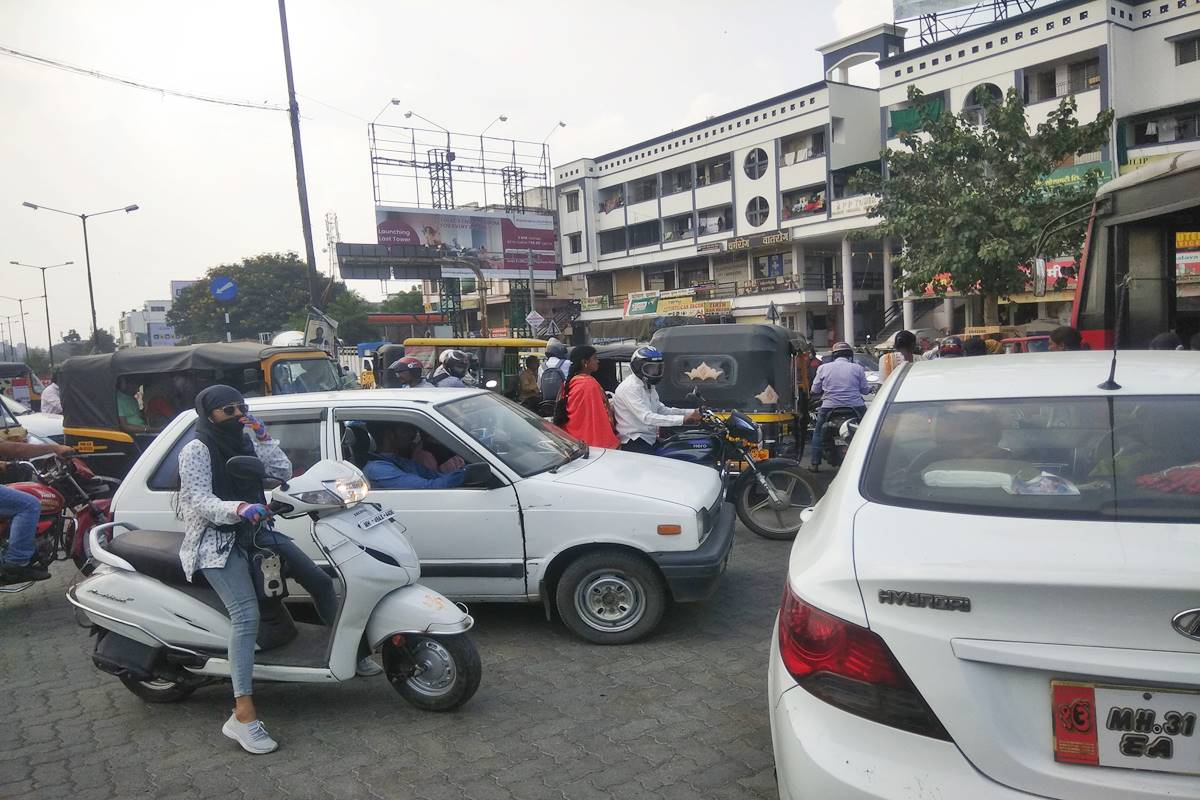
Nagpur, a bustling city with over 20 lakh vehicles, is grappling with traffic chaos due to a severe shortage of traffic police personnel. With just 560 cops on the ground, enforcing discipline on the roads has become a significant challenge.

Understaffed and Overwhelmed: The Reality of Traffic Police in Nagpur

20L Vehicles, Only 560 Traffic Cops On Ground

The disparity between the sanctioned strength of 950 traffic police (Traffic Police Nagpur) officers and the current workforce of 560 has led to a dire situation on Nagpur’s roads. This shortage not only hampers traffic management but also results in poor law enforcement, creating chaos in the city.

A Closer Look at the Numbers

Struggling to Keep Pace

With 311 constabulary positions lying vacant, critical roles in traffic management remain unfilled. The 560 traffic cops are responsible for overseeing 500 intersections, including 162 major ones, leading to a daunting ratio of one cop for every 3,500 motor vehicles.

Prioritizing Under Constraints

The Challenge of Deployment

Understaffing forces authorities to be selective in deploying manpower. Busy roads take precedence, with top priority given to routes frequented by VVIPs like Union transport minister Nitin Gadkari and deputy chief minister Devendra Fadnavis. This prioritization often leaves internal roads, prone to accidents and violations, neglected.

Long Hours and Overworked Cops

Straining Beyond Limits

To cope with the shortage, traffic cops find themselves working for extended hours, sometimes exceeding 12 hours a day for almost 20 days a month. This impacts their ability to focus on traffic management, leading to an increase in violations and accidents on internal roads.

The Impact on Road Safety

Internal Roads Neglected

Internal roads, where a majority of accidents occur, are slipping through the enforcement radar due to manpower constraints. The demand for increased enforcement on these roads continues to rise as traffic grows, exacerbating the need for an effective solution.

Expert Opinions on the Way Forward

Technology: A Solution for the Future

Experts propose a shift towards technology-driven solutions, advocating for an Intelligent Traffic Management System (ITMS). They emphasize the need for a dedicated technology section within the Commissioner of Police office to stay abreast of ITMS development and law and order management, both nationally and internationally.

Frequently Asked Questions (FAQs)

  1. Q: Why is there a shortage of traffic cops in Nagpur?
    • A: The city currently operates with only 560 traffic cops, half of the sanctioned strength, leading to understaffing issues.
  2. Q: How does the shortage impact traffic management?
    • A: With fewer cops, authorities prioritize busy roads, leaving internal roads vulnerable to accidents and violations.
  3. Q: What are the working hours for traffic cops in Nagpur?
    • A: Due to the shortage, traffic cops often work beyond 12 hours a day for almost 20 days a month.
  4. Q: What is the ratio of traffic cops to vehicles in Nagpur?
    • A: The challenging ratio is one traffic cop for every 3,500 motor vehicles in the city.
  5. Q: How can the issue be resolved?
    • A: Experts suggest adopting an Intelligent Traffic Management System (ITMS) and integrating technology for effective enforcement.
  6. Q: What areas are most affected by the shortage of traffic cops?
    • A: Internal roads witness neglect, leading to increased accidents and traffic violations.

In Nagpur, the dire shortage of traffic cops poses a significant threat to road safety and effective traffic management. As the city grapples with the challenges of increasing vehicular population, a strategic shift towards technology-driven solutions, such as an Intelligent Traffic Management System, becomes imperative. Balancing manpower and technology is crucial for ensuring the smooth flow of traffic and maintaining road discipline. The call for action is clear – Nagpur needs innovative solutions to overcome its traffic woes and enhance the safety of its roads.

Trouble on the Road: High Court Directs DCP Traffic to Tackle Traffic Woes in Nagpur

Introduction

In a recent development, the Nagpur Bench of the Bombay High Court has summoned Shashikant Satav, Deputy Commissioner of Police (DCP), Traffic, to address the alarming issue of motorists in Nagpur driving in the wrong direction and disregarding traffic signals. This directive came during a hearing presided over by Justice Nitin Sambre and Justice Abhay Mantri.

High Court directs DCP Traffic to take action

The High Court, concerned about the persisting traffic chaos despite the installation of rumble strips on the Dabha-Gorewada Ring Road, has instructed DCP Satav to provide a detailed plan of action within two weeks. The court had previously directed him to appear in person during the seventh hearing due to the ongoing issue of speeding vehicles.

Ineffectiveness of Rumble Strips

During the last hearing, the petitioner highlighted the ineffectiveness of the rumble strips on the Ring Road, as two-wheelers and four-wheelers continued to speed, with some even driving in the wrong direction. Responding to these concerns, the High Court took a firm stand, instructing the DCP Traffic (Shashikant Satav) to attend the hearing and address the persistent problem.

The Urgent Need for Safety Measures

In an attempt to curb the rising number of fatal accidents, Sandeep Badana, through a public interest litigation (PIL), advocated for the installation of rumble strips on the Dabha-Gorewada Ring Road. The petitioner, armed with information obtained through the Right to Information (RTI) Act, revealed that 247 accidents occurred on the stretch in Gittikhadan over the last four years, resulting in 42 fatalities and 67 serious injuries.

Impact on Residential Areas and Schools

Data obtained from NIT under the RTI Act disclosed the construction of 374 residential building schemes in the Dabha-Gorewada area of Gittikhadan between 2017 and 2022. Additionally, the area hosts three major schools, contributing to a significant influx of students along the Dabha-Gorewada Ring Road. Given these findings, the petitioner stressed the importance of installing rumble strips to prevent accidents and ensure the safety of residents and students alike.

Advocate Sandeep Badana presented the case, highlighting the urgency of the situation, while Advocate Amit Madiwale represented the State’s interests. Advocate Girish Kunte argued on behalf of NIT, emphasizing the need for proactive measures to address the growing concerns surrounding road safety.

FAQs: Clearing the Air on Traffic Nagpur

1. What prompted the High Court’s intervention in Nagpur’s traffic issues?

The High Court stepped in due to the persistent problem of motorists driving recklessly and violating traffic rules, especially on the Dabha-Gorewada Ring Road.

2. Why did the petitioner advocate for rumble strips?

Sandeep Badana, through a PIL, pushed for rumble strips as a preventive measure against the rising number of fatal accidents on the Ring Road.

3. What information did the petitioner obtain through the RTI Act?

The petitioner revealed that 247 accidents occurred on the Ring Road in Gittikhadan, resulting in 42 fatalities and 67 serious injuries over the last four years.

4. How has the construction in the Dabha-Gorewada area contributed to the problem?

Data from the RTI Act showed the construction of 374 residential building schemes between 2017 and 2022, creating increased traffic, especially with the presence of three major schools in the area.

5. Who represented the State’s interests during the hearing?

Advocate Amit Madiwale took on the role of representing the State, emphasizing the importance of balancing safety measures with practical considerations.

6. What role did NIT play in the proceedings?

Advocate Girish Kunte, representing NIT, highlighted the need for proactive measures to address the growing concerns surrounding road safety, aligning with the broader community’s interests.

Conclusion

The High Court’s directive to DCP Shashikant Satav reflects a concerted effort to address the pressing issue of traffic mismanagement in Nagpur. As stakeholders continue to advocate for safety measures, the hope is that proactive steps will be taken to ensure the well-being of both residents and commuters navigating the challenging road conditions. Only time will tell if the proposed solutions can effectively curb the rising tide of accidents in the city.

Don’t let traffic chaos rule Nagpur’s roads. Stay tuned for updates as the High Court takes charge to bring order to the bustling city.

Ramdaspeth Canal Bridge: A 10-Day Pause for Perfecting Progress

In a strategic move to ensure optimal infrastructure development, the Nagpur Municipal Corporation (NMC) has decided to temporarily close the recently inaugurated Ramdaspeth Canal Bridge. This bold step aims to facilitate the completion of the remaining construction work, emphasizing the commitment to safety and quality in the heart of Nagpur.

Why the Temporary Closure?

Ramdaspeth Canal Bridge to Remain Shut for 10 Days The NMC, in collaboration with Sunny Infra, is set to halt traffic flow on University Library Square and Ramdaspeth Canal Road for a ten-day period. This pause is essential to carve out the final touches on the bridge’s side work over Nag River, enhancing its structural integrity and long-term functionality.

The Nitty-Gritty Details

Sunny Infra’s Request A senior NMC officer disclosed that Sunny Infra sought permission from NMC’s public works department to temporarily close the specified areas. This maneuver allows for the unimpeded continuation of construction activities on the bridge, ensuring precision in every aspect.

Comprehensive Upgrade Aside from the bridge itself, the NMC plans to close Ramdaspeth Canal Road temporarily. This decision is rooted in the need to level the carriageway seamlessly with the bridge, creating a harmonious and well-integrated transportation network.

Progress in Motion

T&T Infra’s Involvement While the Ramdaspeth Canal Bridge takes a brief hiatus, Pune-based T&T Infra is set to play a pivotal role in advancing infrastructure development. The company is poised to launch girders on the newly under-construction bridge across the Nag River at Panchsheel Square, connecting the north and south regions of Nagpur seamlessly.

Frequently Asked Questions

1. Why is the Ramdaspeth Canal Bridge being closed for 10 days? The temporary closure is necessary to complete the remaining construction work, ensuring the bridge’s structural integrity and long-term functionality.

2. Who requested permission for the closure? Sunny Infra sought permission from NMC’s public works department to facilitate the uninterrupted continuation of construction activities.

3. What areas will be affected by the closure? University Library Square and Ramdaspeth Canal Road will experience a temporary halt in vehicular traffic during this period.

4. Is the closure limited to the bridge alone? No, in addition to the bridge, Ramdaspeth Canal Road will also be closed temporarily to level the carriageway with the bridge.

5. What role does T&T Infra play during this period? T&T Infra, based in Pune, will be launching girders on the newly under-construction bridge at Panchsheel Square, contributing significantly to the city’s infrastructure development.

6. When will the construction activities resume on the Ramdaspeth Canal Bridge? Construction activities are scheduled to resume promptly after the 10-day closure period.

In the relentless pursuit of enhancing Nagpur’s infrastructure, the temporary closure of the Ramdaspeth Bridge stands as a testament to the dedication of the Nagpur Municipal Corporation. This strategic pause ensures that the bridge not only meets but exceeds safety and quality standards, ultimately contributing to a more robust and resilient transportation network for the city. As the construction activities resume post the 10-day hiatus, the Ramdaspeth Canal Bridge promises to be a symbol of progress and innovation in Nagpur’s ever-evolving landscape.

Central Railway Nagpur Division’s Journey Towards a Greener Future

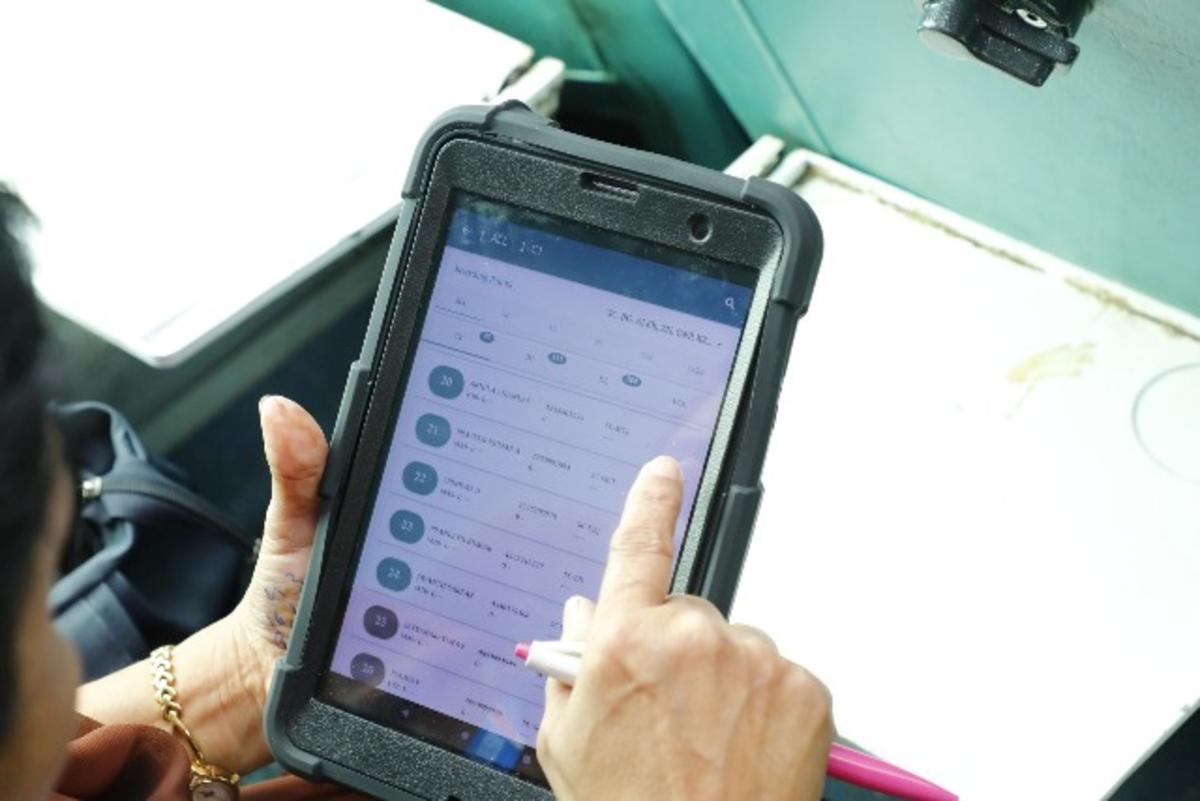
In a groundbreaking move towards environmental consciousness and operational efficiency, the Central Railway Nagpur Division has successfully implemented a 100% deployment of Hand hand-held terminals (HHTs) for ticket checking. This progressive initiative marks a pivotal moment in the division’s commitment to sustainable practices, eliminating the need for printing reservation charts and resulting in an estimated saving of 60,000 paper pages each month.

Embracing Technological Innovation

The Transition from Paper to HHTs

Before this transformational initiative, the traditional practice involved the printing of paper reservation charts, contributing significantly to paper consumption. However, the adoption of Hand Held Terminals has revolutionized the ticketing process, introducing real-time verification and streamlining operational procedures.

Environmental Impact: A Greener Tomorrow

1. Environmentally Friendly Practices

The primary advantage of this shift is the elimination of paper usage, contributing substantially to reducing the division’s carbon footprint. By going green, Central Railway Nagpur Division actively participates in building a more sustainable and eco-friendly future.

2. Cost-Effective Measures

Beyond environmental benefits, the deployment of HHTs proves to be a cost-effective solution. This transition translates into savings in paper printing costs and a reduction in manpower required for traditional ticket-checking methods.

3. Improved Accuracy with HHTs

One of the key advantages of hand-held terminals is their ability to minimize manual errors. The use of technology in the ticketing process ensures data accuracy, offering passengers a more reliable and efficient service.

Commitment to Environmental Responsibility

The Central Railway Nagpur Division’s dedication to environmental responsibility extends beyond the implementation of HHTs. The division remains committed to exploring and adopting innovative solutions that prioritize environmental conservation while upholding the highest standards of service and efficiency for passengers.

FAQs (Frequently Asked Questions)

  1. Q: How do handheld terminals contribute to environmental sustainability?
    • A: HHTs eliminate the need for paper reservation charts, significantly reducing paper usage and, consequently, the carbon footprint of the Central Railway Nagpur Division.
  2. Q: What are the cost benefits of implementing Hand Held Terminals?
    • A: The deployment of HHTs saves on paper printing costs and reduces the manpower required for traditional ticket-checking methods, making it a cost-effective solution.
  3. Q: How do HHTs improve accuracy in the ticketing process?
    • A: Hand Hand-held terminals minimize manual errors, ensuring a more accurate and reliable ticketing process for passengers.
  4. Q: Is the Central Railway Nagpur Division actively pursuing other environmentally friendly initiatives?
    • A: Yes, the division is dedicated to exploring and implementing innovative solutions that prioritize environmental conservation.
  5. Q: What is the estimated monthly paper saving achieved through the use of HHTs?
    • A: The Central Railway Nagpur Division estimates a saving of 60,000 paper pages per month by eliminating the need for printing reservation charts.
  6. Q: How has the adoption of HHTs streamlined operational procedures?
    • A: HHTs introduce real-time verification, streamlining ticket-checking operations and enhancing overall efficiency.
  7. Q: Are there any potential challenges associated with the transition to HHTs?
    • A: While challenges may arise during any technological transition, the Central Railway Nagpur Division has successfully implemented HHTs, showcasing their commitment to overcoming potential obstacles.
  8. Q: What role does Central Railway Nagpur Division play in promoting a greener future?
    • A: The division actively contributes to environmental sustainability by implementing eco-friendly initiatives, such as the complete deployment of Hand hand-held terminals.
  9. Q: How does the Central Railway Nagpur Division balance environmental responsibility with passenger service standards?
    • A: The division prioritizes both environmental responsibility and passenger service standards, ensuring a harmonious balance between the two.
  10. Q: Can other railway divisions adopt similar environmentally friendly practices?
    • A: Yes, the successful implementation of HHTs by the Central Railway Nagpur Division sets a positive example for other divisions, showcasing the feasibility of adopting eco-friendly measures.

In conclusion, the Central Railway Nagpur Division’s transition to 100% Hand Held Terminals for ticket checking represents a significant leap toward environmental sustainability and operational efficiency. This innovative approach not only eliminates the need for paper reservation charts but also contributes to a greener future by reducing the division’s carbon footprint. The cost-effective measures and improved accuracy achieved through HHTs further solidify the division’s commitment to providing a reliable and eco-friendly service. As the railway industry embraces technological advancements, the Central Railway Nagpur Division sets a commendable example, emphasizing the importance of balancing environmental responsibility with efficient passenger service.

PM Surya Ghar Muft Bijli Yojana Illuminates 1 Crore Households

In a groundbreaking move towards sustainable progress, Prime Minister Narendra Modi unveiled the ‘PM Surya Ghar Muft Bijli Yojana,’ a visionary initiative aimed at providing free electricity to one crore households, up to 300 units per month. This monumental project represents an investment exceeding Rs 75,000 crore, showcasing the government’s commitment to boosting solar power usage and enhancing the well-being of the nation.

PM Surya Ghar Muft Bijli Yojana Unveiled

In a social media post, Modi passionately expressed, “To foster sustainable development and the welfare of our citizens, we are launching the Surya Ghar Muft Bijli Yojana. With a colossal investment of over Rs 75,000 crore, this initiative seeks to brighten one crore households by providing 300 units of free electricity monthly.”

Ensuring Affordability: Direct Subsidies and Concessional Loans

From direct subsidies credited to individuals’ bank accounts to heavily concessional bank loans, the central government is committed to alleviating any financial burden on the people. Modi emphasized the importance of integrating all stakeholders into a National Online Portal, ensuring transparency and accessibility.

Grassroots Integration: Urban Local Bodies and Panchayats Incentivized

To popularize the scheme at the grassroots level, urban local bodies and panchayats will be incentivized to promote rooftop solar systems in their jurisdictions. Modi envisions not just enhanced solar power adoption but also increased income, reduced power bills, and employment generation for the citizens.

How to Apply for PM Surya Ghar Muft Bijli Yojana

1. Visit the Official Website

PM Surya Ghar Muft Bijli Yojana provides a user-friendly interface for applicants.

2. Apply for Rooftop Solar

Navigate to the designated section and click on ‘Apply for Rooftop Solar.’

3. Registration Process

Complete the registration by providing essential details: State, Electricity Distribution Company, Electricity Consumer Number, Mobile Number, and Email.

4. Login and Application

After registration, log in using your mobile number and proceed to apply for the Rooftop scheme. Bank details will be required at any stage of the application.

5. Feasibility Approval

Once registered, await feasibility approval and engage one of the registered vendors in your DISCOM to install the solar plant.

6. Net Meter Application

Following installation, submit the plant details and apply for a net meter.

7. Commissioning Certificate

The portal will generate a commissioning certificate post the installation of the net meter and DISCOM inspection.

8. Subsidy Processing

After receiving the commissioning report, submit bank account details and a canceled cheque through the portal. Subsidies will be credited to your account within 30 days.

Frequently Asked Questions

  1. What is PM Surya Ghar Muft Bijli Yojana?
    • Surya Ghar Muft Bijli Yojana is a government initiative providing free electricity to one crore households, up to 300 units per month.
  2. How can I apply for the scheme?
  3. Is there a cost involved in applying for rooftop solar?
    • No, the government ensures no cost burden on individuals through direct subsidies and concessional bank loans.
  4. What happens after the installation of the solar plant?
    • Submit plant details, apply for a net meter, and receive a commissioning certificate after the DISCOM inspection.
  5. How long does it take to receive the subsidy after commissioning?
    • Subsidies are credited to your bank account within 30 days post-commissioning.
  6. Can I track my application status online?
    • Yes, the National Online Portal allows applicants to track their application status seamlessly.

The Ghar Muft Bijli Yojana marks a historic step towards a sustainable and electrified future for one crore households. By seamlessly integrating solar power, financial incentives, and grassroots participation, the initiative not only promises free electricity but also empowers citizens to contribute to a cleaner and brighter tomorrow. Strengthen the vision, embrace sustainable progress, and light up your home with the power of PM Surya Ghar Muft Bijli Yojana!

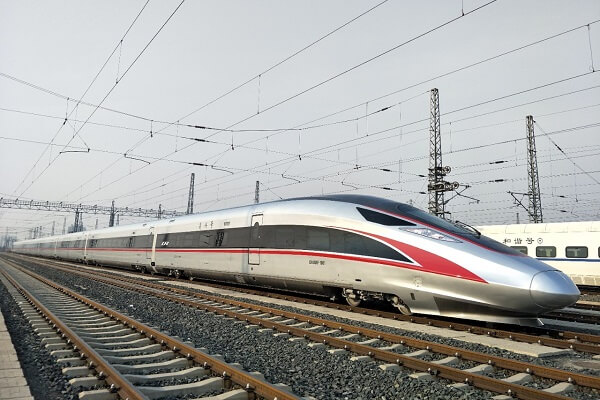
Mumbai-Ahmedabad Bullet Train: Transforming Travel with Unprecedented Speed

In a groundbreaking development, Railway Minister Ashwini Vaishnaw unveiled a sneak peek into the Mumbai-Ahmedabad ‘Bullet Train’ corridor. This visionary project is set to revolutionize travel between these bustling cities, slashing the journey time to an astonishing 2 hours, covering a vast 508 km stretch.

Speeding into the Future

The Mumbai-Ahmedabad Bullet Train is not merely a mode of transportation; it’s a technological marvel hurtling towards the future. Anticipated to reach an astounding speed of 320 kilometers per hour, this high-speed corridor will redefine the way we traverse distances.

Mumbai-Ahmedabad Bullet Train Features

Slab Track System: A Technological First

The corridor introduces the cutting-edge slab track system, a groundbreaking technology making its debut in India. This innovation ensures a smoother and more efficient travel experience, setting the Mumbai-Ahmedabad Train apart.

Architectural Wonders in Progress

Picture this: 24 river bridges, 28 steel bridges, and seven mountain tunnels seamlessly integrate the landscape for a frictionless journey. The project boasts not only terrestrial marvels but also an ambitious 7 km undersea tunnel, solidifying its status as a feat of world-class engineering.

A Glimpse into the Future: Mumbai-Ahmedabad Train Video Insights

In a video shared by Minister Vaishnaw, the Mumbai-Ahmedabad Train project unfolds before our eyes. This visual journey accentuates its grandeur, portraying it as the future of India and the epitome of world-class engineering.

Investing in Progress: A Whopping Rs 1.08 Lakh Crore

This groundbreaking venture comes with a staggering investment of Rs 1.08 lakh crore, underscoring the government’s commitment to propelling India into a new era of connectivity and efficiency.

FAQs: Mumbai-Ahmedabad Bullet Train Travel Time 2 Hours

1. What is the expected maximum speed of the Mumbai-Ahmedabad Train?

  • The Bullet Train is anticipated to reach a maximum speed of 320 kilometers per hour.

2. How is the Mumbai-Ahmedabad corridor incorporating advanced technology?

  • The corridor is introducing the state-of-the-art slab track system for the first time in India, ensuring a cutting-edge travel experience.

3. How many river bridges and tunnels are part of the Bullet Train project?

  • The project includes an impressive 24 river bridges, 28 steel bridges, seven mountain tunnels, and a groundbreaking 7 km undersea tunnel.

4. What makes the Mumbai-Ahmedabad Bullet Train a marvel of engineering?

  • The project is hailed as a marvel due to its innovative technologies, speed, and intricate network of bridges and tunnels.

5. When is the expected completion date of the Mumbai-Ahmedabad Bullet Train project?

  • While no official date is announced, the government is committed to expediting the project, aiming for swift completion.

6. How does the Mumbai-Ahmedabad Bullet Train contribute to India’s future?

  • The project is envisioned as the future of India, showcasing the nation’s capability in world-class engineering and technological advancements.

A Journey Beyond Boundaries

As the Mumbai-Ahmedabad Train hurtles towards completion, it carries the promise of a future where distances are mere nuances. With an unprecedented travel time of 2 hours, this corridor stands as a testament to India’s prowess in innovation and infrastructure. Get ready to embark on a journey that transcends time and space – the Mumbai-Ahmedabad Train is set to redefine our travel landscape.

Hiding Illness Before Marriage – A Ground for Divorce, Decrees Nagpur Bench of Bombay High Court

Introduction

In a groundbreaking proclamation, the Nagpur Bench of Bombay High Court has unequivocally asserted that concealing illnesses before matrimony can constitute solid ground for divorce. This revelation surfaced during a judicial proceeding involving a couple from Akola, sparking a legal discourse that delved into the intricacies of marital obligations and disclosure.

The High Court’s Pronouncement

“A Stitch in Time Saves Nine” – High Court’s Stern Warning

The court, adopting a stern tone, emphasized that if an individual is grappling with an incurable ailment before marriage, transparency becomes paramount. The specific case involved a couple wed on May 18, 2017, hailing from Akola. The wife, afflicted with an eye disease pre-marriage, chose not to disclose it. The revelation unfolded three months into their wedlock, leading to their subsequent separation.

Navigating Legal Terrain – Akola Family Court’s Verdict

Promptly, the wife sought restoration of conjugal rights via a petition in the Akola Family Court. Simultaneously, the husband pursued a divorce petition. In a joint ruling, the Akola Family Court rebuffed the wife’s plea while endorsing the husband’s quest for legal dissolution. Unyielding, the wife contested this decision, elevating the matter to the High Court for reevaluation.

Hiding Illness Before Marriage is a Ground for Divorce – High Court’s Firm Stand

The Gavel Resounds: Legal Implications

During the court proceedings, all parties involved were afforded an opportunity to present their perspectives. After meticulous consideration, the High Court resolutely stood by the Akola Family Court’s decision, categorically dismissing the wife’s appeal. This robust stance underscores the judiciary’s insistence on transparency in marital relationships, specifically when health concerns are at play.

FAQs – Demystifying the Legal Dynamics

  1. Is concealing an illness grounds for divorce in every case?
    • The High Court’s assertion is not absolute. Each case is evaluated on its merits, considering the nature of the ailment and the impact on the marital relationship.
  2. What if the illness is curable? Does it still constitute a ground for divorce?
    • While curability may influence the decision, the emphasis lies on honest disclosure. Lack of transparency, even with a curable condition, could potentially affect the court’s ruling.
  3. Does this precedent apply only to serious ailments?
    • The court’s stance extends to all health conditions, underlining the importance of open communication in fostering a healthy marital bond.
  4. How can individuals protect themselves legally in such situations?
    • Drafting prenuptial agreements that address the disclosure of pre-existing health conditions is one way to navigate potential legal challenges.
  5. Can the court compel disclosure of medical records before marriage?
    • While not a standard practice, the court may consider such requests if deemed essential to ensuring transparency.
  6. Are there any exceptions to the disclosure rule?
    • The court recognizes genuine circumstances where disclosure may be challenging. However, deliberate concealment without valid reasons is unlikely to be condoned.

The Crucial Verdict – High Court Maintains Legal Precedence

Grounds for Divorce: A Paradigm Shift?

This verdict reflects a paradigm shift in the legal landscape surrounding marital obligations (ground for divorce). The High Court’s steadfast commitment to upholding the sanctity of marriage through transparency sets a precedent for future cases involving concealed health conditions.

Conclusion

In the realm of matrimony, the Nagpur Bench of Bombay High Court’s recent pronouncement echoes a resounding call for transparency. The imperative of divulging pre-existing health conditions stands tall as a cornerstone for fostering trust and ensuring the longevity of marital unions. As the legal arena adapts to evolving societal norms, this verdict signals a pivotal moment in defining the boundaries of disclosure within the sacred institution of marriage.

Exit mobile version