CP Ravindra Singal Opens Direct Line for Citizens

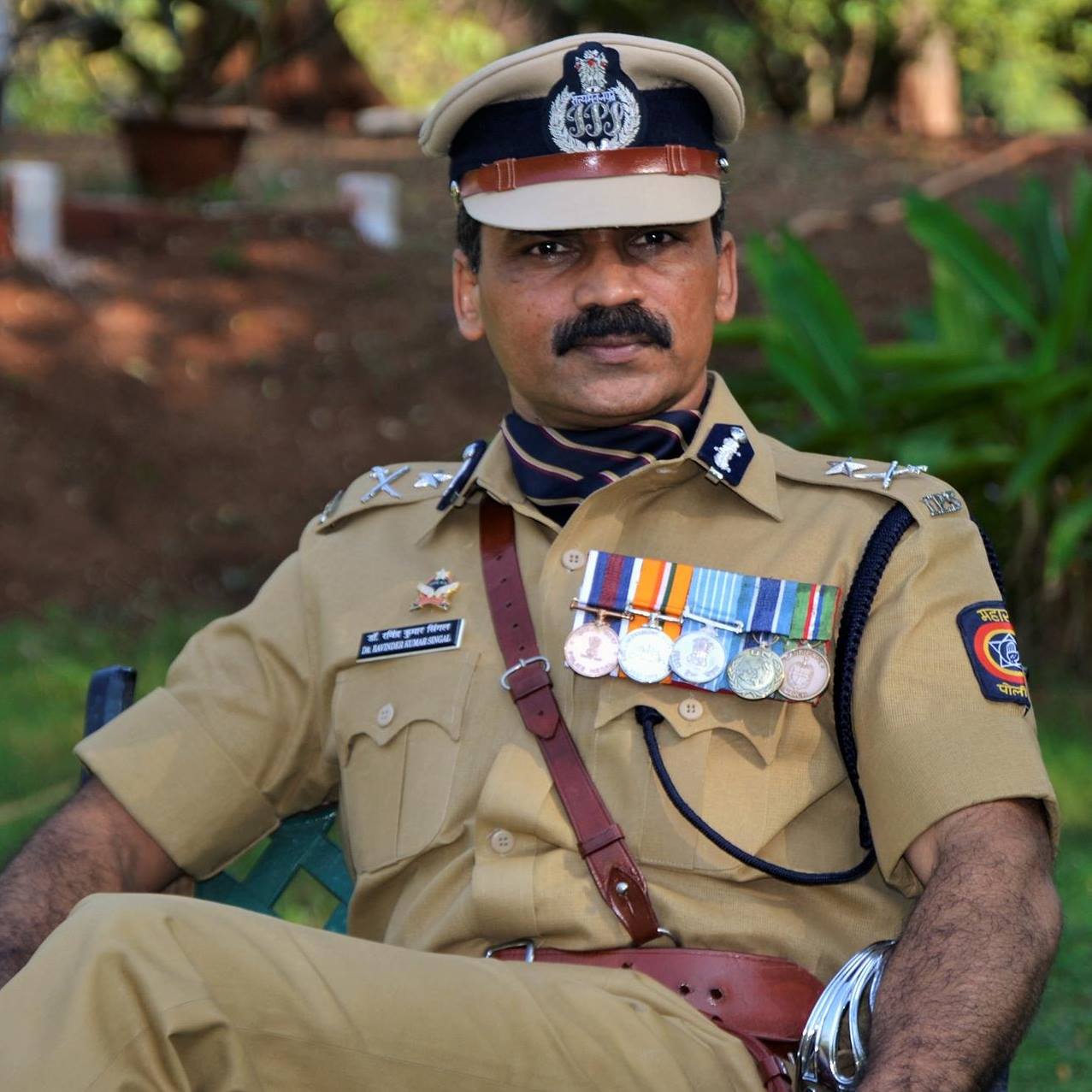
In a pioneering move to curb rising anti-social activities in the Second Capital, Commissioner of Police, CP Ravindra Singal, (Nagpur Police) is breaking barriers by urging citizens to contact him directly. This initiative aims to foster a direct line of communication between law enforcement and the community, enhancing the fight against crime.

CP Dr Singal Leaves Phone Number of Citizens

In a bold step towards community policing, CP Dr Singal has gone beyond conventional methods, leaving his personal contact number, 7385982212, for citizens to report any suspicious activities or crimes. This move signifies a commitment to bridge the gap between the police force and the public, establishing a foundation for collaboration in ensuring safety.

Fostering Confidential Channels

Keeping Citizens Anonymous

To encourage citizens to come forward without fear, CP Ravindra Singal (Nagpur Police) assures complete confidentiality. This extends to the Joint Commissioner of Police (7387392212), Additional Commissioner of Police (Crime) (7385042212), and Deputy Commissioner of Police (Detection) (7385082212). The emphasis on anonymity aims to create a safe space for reporting illicit activities.

Building Trust Through Direct Interaction

Ground-Level Intel

Recognizing the surge in street and violent crimes, the City Police Chief is proactively seeking information at the grassroots level. By directly engaging with citizens, senior officials intend to not only establish public contact but also receive critical information that can shape strategies against anti-social elements. This approach is crucial in restoring confidence among the populace.

FAQs: Addressing Concerns

  1. How will my identity remain confidential?
    • All information provided will be treated with utmost confidentiality. CP Dr Singal prioritizes safeguarding the identities of informers.
  2. Can I contact other police officials apart from CP Dr Singal?
    • Absolutely. In addition to CP Ravindra Singal, citizens can reach out to the Joint Commissioner, Additional Commissioner (Crime), and Deputy Commissioner (Detection).
  3. What if the information is not urgent?
    • Even non-urgent information is valuable. Every piece of intel contributes to the larger goal of creating a safer community.
  4. How does direct citizen involvement help?
    • Direct involvement fosters community collaboration, ensuring that law enforcement is well-informed about local concerns and can address them effectively.
  5. Are there repercussions for providing false information?
    • CP Dr Singal emphasizes the importance of accurate information but assures that the focus is on cooperation rather than punitive measures.
  6. Can businesses report suspicious activities as well?
    • Absolutely. Businesses are encouraged to contribute to community safety by reporting any illicit activities they witness.

In a groundbreaking move, Nagpur CP Ravindra Singal

is reshaping the dynamics between law enforcement and citizens. By leaving his phone number for direct contact, he not only underscores his commitment to a safer community but also establishes trust and collaboration at the core of the fight against crime. This initiative not only encourages citizens to actively participate in ensuring public safety but also strengthens the bond between the police force and the community.
CP Ravinder Singal Nagpur Strikes Hard Against Crime in Late-Night Op

Introduction: Taking the Lead

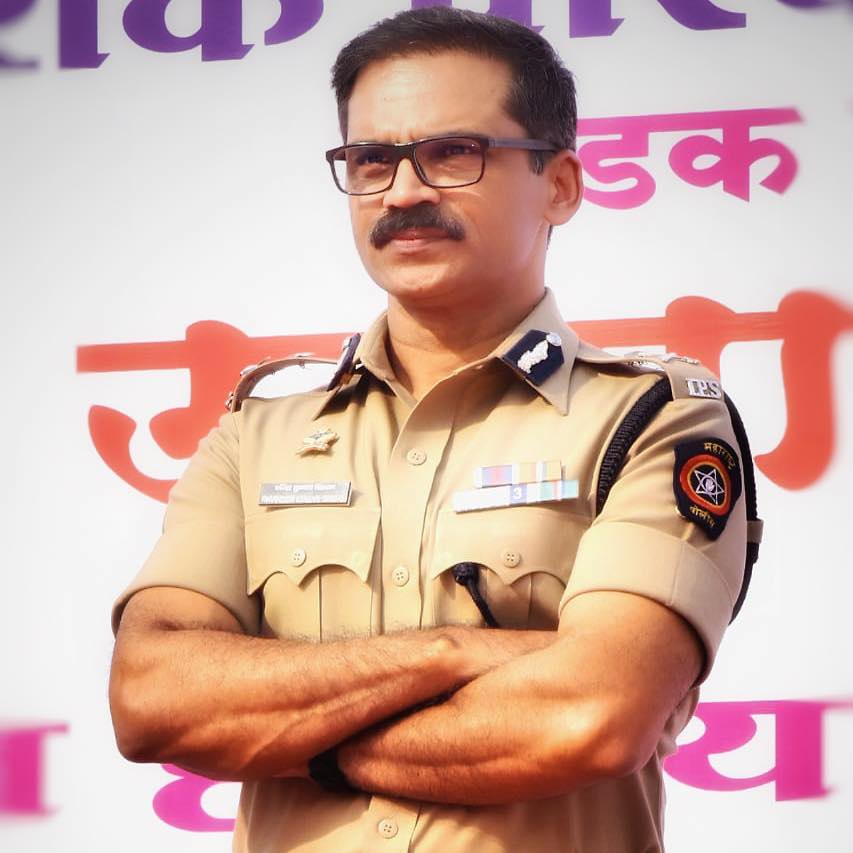
In a bold move, CP Ravinder Singal, on his debut field operation, orchestrated a late-night crackdown against crime in Nagpur. This three-hour mission, executed on a Sunday night, witnessed the active involvement of approximately 150 officers. Singal, alongside DCP Crime Nimit Goyal and Zonal DCP Niketan Kadam, took charge and stormed into the crime-infested pockets of the city.

CP Ravinder Singal Nagpur: Leading the Charge

The experienced CP Ravinder Singal Nagpur, flanked by his trusted allies, fearlessly led the charge into the dens of more than two dozen hardened criminals. Mini Nata Nagar, Dipty Signal, and Prakash Nagar, all within the jurisdiction of Kalamna police station, became the focal points of the operation. The crackdown involved checking the houses of externed goons, registering cases under the Arms Act, and apprehending bootleggers.

Instilling Fear in the Shadows: A Late-Night Message

CP Singal emphasized that the incursion into criminals’ dens was a resolute message to curb antisocial activities at their roots. Walking through the slums, he spearheaded searches and checks at various locations, making it clear that the law was ready to confront criminal elements.

The Tactical Sweep Begins

The combing operations commenced from the Vandevi Nagar slum, under Yashodhara Nagar police limits, addressing recent reports of three murders. CP Singal, accompanied by his team, then proceeded to Vinoba Bhave Nagar, checking around 10 criminals in two Yashodhara Nagar slums. DCP Crime Goyal reported the detainment of seven bikes with missing registration plates. In slums under Kalamna police station, 38 suspicious bikes underwent inspection, resulting in the detention of one. Two bootleggers were also booked during the operation.

Zonal DCP Kadam disclosed that two cases under the Arms Act were registered at Yashodhara Nagar and Kalamna police stations. These legal actions were initiated after weapons were discovered in the houses of the accused during the extensive searches conducted by the police force.

Future Endeavors: CP Singal’s Commitment

CP Singal affirmed that similar combing operations would be executed in different areas of the city in the upcoming days. This proactive approach ensures a continuous effort to eradicate criminal activities and maintain law and order.

Frequently Asked Questions (FAQs)

1. What prompted CP Ravinder Singal Nagpur to lead the late-night operation?

CP Singal initiated the operation to send a robust message against antisocial activities and ensure the immediate crackdown on criminal elements within the city.

2. How many criminals were checked during the operation?

Approximately two dozen hardened criminals were inspected during the combing operations, with a focus on slums such as Mini Nata Nagar, Dipty Signal, and Prakash Nagar.

3. Were there any specific areas targeted during the late-night op?

Yes, the operation began in Vandevi Nagar slum under Yashodhara Nagar police limits, addressing recent incidents of three murders, and then expanded to Vinoba Bhave Nagar and Kalamna police station areas.

Two cases under the Arms Act were registered at Yashodhara Nagar and Kalamna police stations after weapons were discovered in the houses of the accused.

5. What is CP Singal’s plan for the future?

CP Singal expressed his commitment to conducting similar combing operations in different locations across the city to maintain a proactive stance against criminal activities.

6. How many bikes were detained during the late-night operation?

A total of seven bikes were detained for further inspection, with missing registration plates raising suspicions during the operation.

A Resolute Stand Against Crime

In a powerful display of authority, CP Ravinder Singal Nagpur, accompanied by his dedicated team, has taken significant steps to instill fear in the hearts of criminals. The late-night operation serves as a testament to the commitment of the Nagpur Police in ensuring the safety and security of the city. As CP Singal continues to lead from the front, the fight against crime takes on a new dimension, promising a safer and more secure future for Nagpur residents.

BSNL’s Strategic Move to Sell Prime Properties in Nagpur Business Area

Introduction: BSNL’s Revival Strategy Takes Shape

In a bold move to revitalize its financial standing, Bharat Sanchar Nigam Ltd (BSNL), the state-owned telecom giant, has unveiled plans to sell a portion of its assets in the Nagpur Business Area. This strategic decision is part of BSNL’s broader revival attempt, aiming to streamline its operations and bolster its financial health.

The Properties on the Table: CTO Compound, Koradi Godown, and Katol Open Land

1. CTO Compound: A Landmark in Civil Lines

BSNL’s iconic CTO Compound, situated in the heart of Nagpur, covering an expansive 5,000 square meters, is set to be monetized. Rohit Sharma, Chief General Manager of Maharashtra and Goa Circle of BSNL Nagpur emphasized that a substantial portion of this landmark property is earmarked for monetization.

2. Koradi Godown: Strategic Storage Space

Another property on the list is a godown store in Koradi. The decision to include this storage facility in the asset monetization plan indicates BSNL’s meticulous approach to unlocking value from various aspects of its operations.

3. Katol Open Land: A Strategic Parcel

BSNL also plans to sell a strategically located open land in Katol. The selection of this parcel underlines the company’s intention to maximize returns by capitalizing on prime locations within the Nagpur district.

Advancing Towards Monetization: Key Developments

Rohit Sharma confirmed that the public sector undertaking is in the advanced stages of finalizing the sale strategy for these assets. The company has identified assets nationwide for monetization, with a specific focus on the Nagpur Business Area. Sharma stated, “We hope to complete all the formalities by the end of the current calendar year.”

Government Approval and Market Valuation

The proposal for land monetization is currently awaiting approval from the Department of Investment and Public Asset Management (DIPAM). Once approved, DIPAM will determine the market value of these properties. Sharma highlighted that upon finalization, the properties will be offered to potential buyers through auction, ensuring a transparent and competitive process.

BSNL’s Financial Landscape and the Path to Revival

BSNL, in 2019, implemented a voluntary retirement scheme (VRS) to reduce expenses, leading to a significant reduction in staff. However, the company continues to grapple with financial challenges, recording losses for the past five years and carrying a substantial debt burden.

Government Intervention: A Lifeline for BSNL

Despite its struggles, the Government of India approved a Rs 89,047 crore revival package for BSNL in June 2023. The package aims to empower the company to deploy advanced 4G and 5G services, fostering competitiveness in the dynamic telecom sector.

Monetization as a Strategic Approach

The government’s approval also includes a proposal for the monetization of surplus land and non-core assets of BSNL. This strategic approach is designed to unlock the intrinsic value of underutilized assets, contributing to the company’s financial resurgence.

Comparative Analysis: A Glimpse Into Similar Ventures

Drawing a parallel, in 2021, the erstwhile state-owned air carrier Air India successfully sold a prime location plot in Civil Lines, adjacent to the CTO Compound. This precedent showcases the potential success of BSNL’s current initiative.

A Forward Leap for BSNL

In conclusion, BSNL’s decision to sell a portion of its Nagpur Business Area properties is a crucial step towards financial stability and operational efficiency. The strategic approach of monetizing landmark properties like CTO Compound and others aligns with the company’s broader revival strategy. As BSNL navigates this path, it aims to emerge stronger and more competitive in the evolving telecom landscape.


Frequently Asked Questions (FAQs)

Q1: What is BSNL’s strategy behind selling its properties in Nagpur Business Area? Ans: BSNL Nagpur aims to unlock value and streamline operations as part of its broader revival strategy by selling strategic properties.

Q2: How will the properties be sold, and what is the role of the Department of Investment and Public Asset Management (DIPAM)? Ans: The properties will be auctioned, and DIPAM will determine their market value, ensuring a transparent and competitive process.

Q3: What impact did the voluntary retirement scheme (VRS) have on BSNL’s financial landscape? Ans: The VRS in 2019 significantly reduced expenses for BSNL but did not completely alleviate its financial challenges.

Q4: How does the government’s revival package aim to support BSNL’s competitiveness in the telecom sector? Ans: The Rs 89,047 crore revival package focuses on enabling BSNL to deploy advanced 4G and 5G services, enhancing its competitiveness.

Q5: Are there precedents for successful asset monetization in the public sector, similar to BSNL’s current initiative? Ans: Yes, in 2021, Air India successfully sold a prime location plot in Civil Lines, setting a precedent for BSNL’s current strategy.

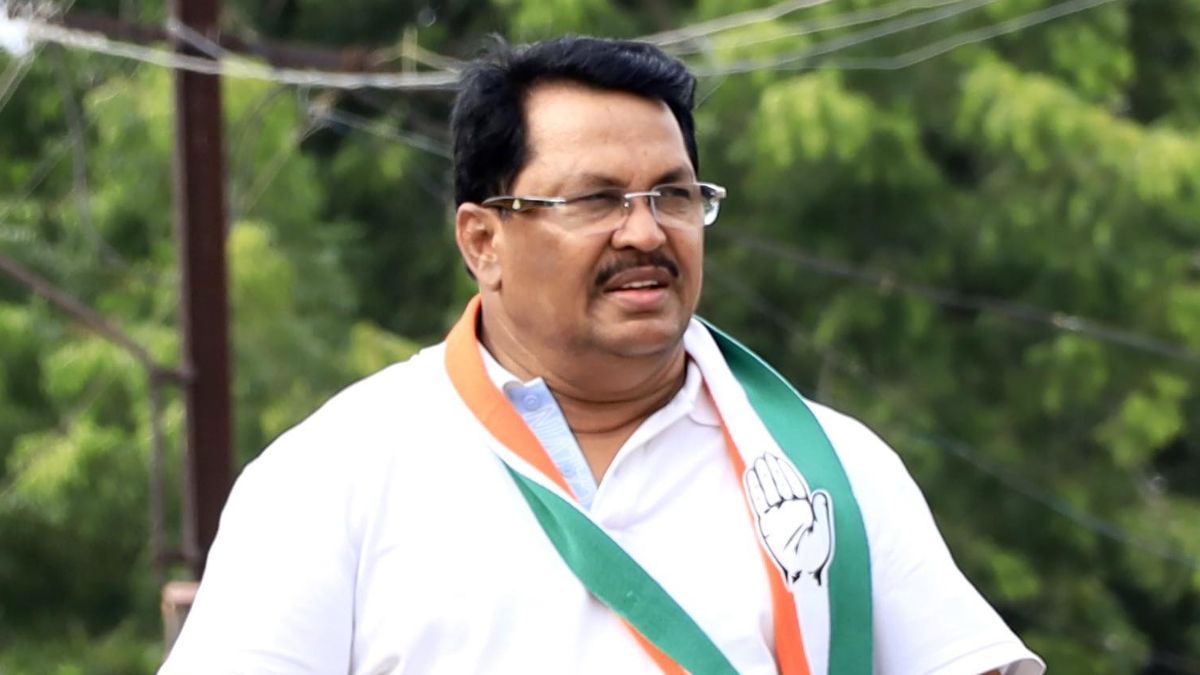
Navigating Political Waves: Vijay Wadettiwar Stands Firm Amidst Ashok Chavan’s BJP Move

A Political Landscape Unfolds in Nagpur

Nagpur: In a surprising turn of events, former chief minister Ashok Chavan’s decision to join the BJP has sent ripples through the political waters, leaving many questioning the stability of the Congress party. However, the leader of the opposition, Vijay Wadettiwar, remains steadfast in his commitment to the party.

One Departure, Many Questions

Expressing his shock at Chavan’s move, Wadettiwar dismissed concerns about the impact on Congress. He emphasized that the departure of one leader should not be perceived as a severe blow to the party’s foundation. “People joining and leaving is a natural occurrence in every political party. It’s not a reason to be overly perturbed,” stated Wadettiwar.

Congress’ Resilience and Ideological Strength

Reiterating his faith in Congress’ resilience, Vijay Wadettiwar asserted that the party would bounce back strongly. He firmly believes that the public supports Congress’ ideology and will continue to do so. Wadettiwar accused the BJP of luring away leaders due to the fear of losing upcoming polls, citing recent surveys to support his claim. “The BJP’s motive is clear – they want to break the MVA,” he added.

A Leader’s Loyalty

Addressing speculations about his own allegiance, Wadettiwar categorically stated that he would remain with Congress until his last breath. He highlighted the opportunities and positions the party has bestowed upon him, including contesting and winning four assembly elections, serving as a cabinet minister, and twice being appointed as the leader of the opposition.

Defying Speculations and Building Trust

Wadettiwar took a swipe at MLA Ravi Rana, who had speculated about following Chavan’s path. He cautioned against those who frequently switch loyalties, urging them not to mislead the public. “Chavan’s departure will not adversely impact us. The public believes in Congress, and we will stand strong,” he declared.

A Political Landscape in Flux

As the political landscape in Nagpur experiences a shift with Chavan’s move, Vijay Wadettiwar’s unwavering commitment to Congress stands as a symbol of stability. The leader of opposition remains confident that Congress will weather this storm, emphasizing the party’s deep-rooted ideology and the continued support of the public. In the face of uncertainty, Wadettiwar’s words echo – “I will work with Congress till my last breath.”

Nagpur Smart City: A Seven-Year Odyssey Towards Modernization

Unveiling the Lag in Nagpur’s Smart City Mission

Nagpur, Maharashtra – In a city that breathes history, the Smart City Mission was expected to be a revolutionary stride towards modernization. However, seven years after its initiation, the ground reality paints a different picture. The Nagpur Smart and Sustainable City Development Corporation Limited (NSSCDCL) finds itself grappling with the completion of 17 crucial projects out of the over 40 undertaken.

The Countdown to Deadline: A Race Against Time

With a mere four months left until the Smart Cities Mission deadline, the NSSCDCL faces the daunting task of wrapping up pending works. Originally slated for completion by June 2021, the deadline has undergone extensions, first to June 2023, and now to June 2024. The lingering projects stand as a challenge to the NSSCDCL, a special purpose vehicle (SPV) created for the Smart City initiative.

Financial Infusion and Government Collaboration

The NSSCDCL, backed by a substantial grant of Rs741.63 crore from the central government, also embraced state government projects under the Smart and Safe City initiative during the tenure of Chief Minister Devendra Fadnavis. A significant allocation of Rs524 crore was made for projects involving CCTV cameras and smart kiosks.

A Tale of Two Projects: CCTV Cameras and Smart Kiosks

The CCTV camera project emerged as a success story, aiding the Nagpur city police in crime-solving, traffic management, and flood monitoring. However, the narrative takes a turn when it comes to the 65 smart kiosks, also known as touch points. These kiosks, intended to provide a spectrum of services linked to central and state governments, civic bodies, and government departments, remain non-operational.

“The kiosks were not integrated with various government agencies, including the Nagpur Municipal Corporation (NMC),” concedes a senior official from the NSSCDCL. The installation of both CCTV cameras and smart kiosks was entrusted to a private firm through Maha-IT, a state government department.

A Desolate End for E-toilets and Other Unfinished Business

The much-anticipated NSSCDCL project involving the installation of 50 e-toilets faced an abrupt halt when the Kerala-based contractor discontinued the work. Only 12 units (6 men’s and 6 women’s) were installed, and they now stand closed due to non-maintenance.

Among the projects yet to see completion are the construction of 10 bridges, four elevated storage reservoirs (ESR) under Area Based Development (ABD), a sewage treatment plant on Pohra river, and the construction of four parking plazas at different locations.

Looking Back, Moving Forward

While NSSCDCL has achieved milestones in projects such as the resettlement and rehabilitation of project-affected persons and the procurement of 40 air-conditioned electric buses, the lingering incomplete ventures cast a shadow on Nagpur’s journey to becoming a Smart City.

In the race against time, with the deadline fast approaching, NSSCDCL has turned to NMC’s e-governance department for the integration of smart kiosks with civic services, hoping to salvage a semblance of success from the ongoing challenges. The saga of Nagpur’s Smart City Mission continues, with the city and its residents eagerly awaiting the promised transformation.

Revamping Nagpur Station: A Journey Through Heritage and Innovation

Introduction: Nagpur Station Redevelopment – Marrying the Past with the Future

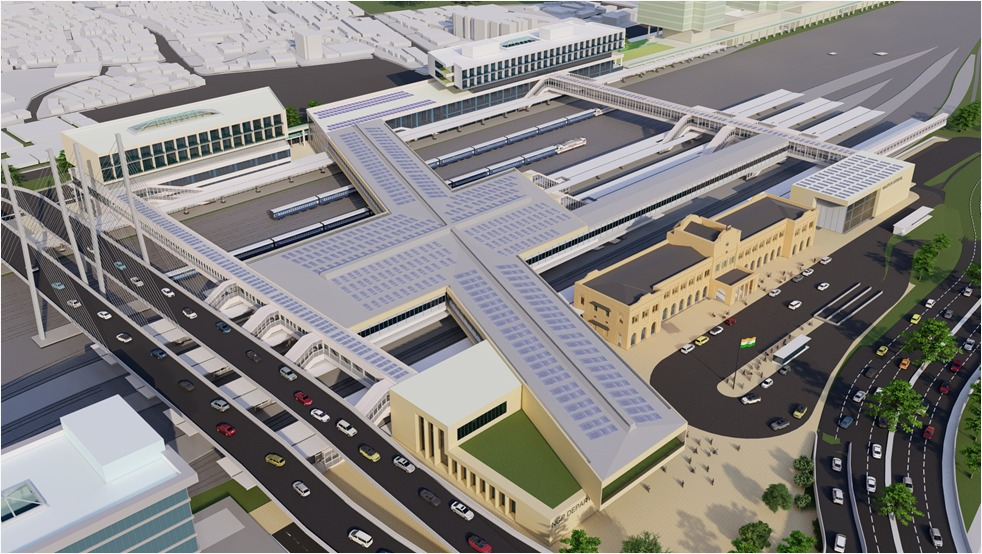
The bustling hub of Nagpur Railway Station, a crucial juncture in the vast Indian Railways network, is currently undergoing a remarkable metamorphosis. This redevelopment project aims not just for a facelift but a complete transformation, promising travelers a world-class experience that harmoniously fuses heritage charm with modern functionality.

Redevelopment Unveiled: A Glimpse into the Future

Iconic Structures Beckon: East and West Sides Transform

East Side Marvels: G+5 and G+2 Architectural Wonders

Passengers arriving at the east side (Nagpur Railway Station) will be greeted by the grandeur of a G+5 arrival building and a G+2 departure building. Meanwhile, the west side maintains its historical allure with a meticulously restored facade.

Rooftop Vista: 108×52 Meter Plaza Extravaganza

At the heart of this redevelopment, a sprawling 108×52 meter rooftop plaza will unfold, offering panoramic views and housing amenities like cafeterias. This space aims to redefine waiting areas, making them comfortable and convenient for passengers.

Streamlined Segregation: A Flow-Friendly Experience

The meticulous separation of arrival and departure zones ensures a smooth passenger flow, effectively reducing congestion and enhancing overall station efficiency.

Seamless Connectivity: Bridging Modes of Travel

Integration with the upcoming metro station and other transport modes establishes Nagpur Station (Nagpur Railway Station) as a central hub for seamless multimodal travel, making it a pivotal point in the region.

Accessible to All: Elevating Inclusivity

A commitment to inclusivity is showcased through 28 lifts, 28 escalators, and comprehensive infrastructure for passengers with disabilities, solidifying the station as fully Divyang-friendly.

Comfort Redefined: Illumination, Signage, and Modern Amenities

The passenger experience is at the forefront, with improved illumination, clear signage, ample waiting areas, and contemporary amenities ensuring comfort at every step.

Security in Focus: Vigilance Through Technology

CCTV cameras and access control systems are strategically placed, providing a heightened sense of security for all travelers passing through Nagpur Station.

Sustainable Living: Green Initiatives for Eco-Friendly Operations

The station is set to become a beacon of sustainability, incorporating green practices such as solar energy harnessing, water conservation, and rainwater harvesting.

Nagpur Station Redevelopment: In the Heart of Progress

East Side Evolution: A Rising Architectural Symphony

Elevated Buildings: G+5 Arrival and G+2 Departure

The east side unfolds with a G+5 arrival building and a G+2 departure building, intricately connected by a unified basement. This layout maximizes space, catering to passenger movement and essential amenities.

Skyward Plaza: A Panoramic Oasis

The grandeur continues with a 108×52 meter roof plaza offering a breathtaking view and a serene space for passengers. Cafes and amenities add the final touches, creating a delightful waiting area.

Seamless Segregation: Flow Efficiency

Clear-cut distinctions between arrival and departure areas facilitate a streamlined passenger flow, enhancing the overall station experience.

West Side Renaissance: Preserving Architectural Legacy

Heritage Building Resurrection

The historic building on the west side undergoes a meticulous restoration process, preserving its architectural legacy and inviting travelers into a bygone era.

Admin Block Shift: Creating Space for Passenger Comfort

A new administrative block behind the DRM office is under construction, aimed at relocating existing railway offices, thus freeing up space for enhanced passenger facilities.

Conclusion: A Journey Towards a Revitalized Nagpur

As the Nagpur Station Redevelopment project unfolds, a fusion of heritage and modernity takes center stage. Commuters can anticipate not just a railway station but an architectural marvel that seamlessly blends the charm of yesteryears with the efficiency of the future, promising a memorable journey for generations to come.

FAQs: Unveiling Nagpur Station Redevelopment

  1. What is the key focus of the Nagpur Station Redevelopment?
    • The redevelopment aims to transform Nagpur Station into a modern and inclusive travel hub, blending heritage elements with contemporary infrastructure.
  2. How will the segregation of arrival and departure areas benefit passengers?
    • Clear segregation ensures a smooth passenger flow, minimizing congestion and improving overall station functionality.
  3. What sustainability features are being incorporated into the redevelopment?
    • The station will embrace eco-friendly operations through solar energy harnessing, water conservation, and rainwater harvesting.
  4. Why is the west side heritage building being restored?
    • The meticulous restoration preserves the historical charm, allowing travelers to experience the architectural legacy of Nagpur.
  5. How is accessibility being addressed in the redevelopment project?
    • The station will be fully Divyang-friendly, with 28 lifts, 28 escalators, and infrastructure catering to passengers with disabilities.
  6. What changes can commuters expect on the east side of Nagpur Station?
    • The east side will feature G+5 and G+2 buildings, a spacious roof plaza, and improved segregation for a holistic passenger experience.

Nagpur Police Bust Sex Racket at Oyo Krishnakunj in Manish Nagar

Introduction

In a significant operation, the Nagpur Police have successfully dismantled a notorious sex racket operating out of Krishnakunj Hotel in Manish Nagar. This illicit operation involved the exploitation of underage girls, shedding light on the alarming depths of criminal activities in the heart of the city.

Sex Racket Unveiled at Krishnakunj Oyo Hotel Manish Nagar

Nagpur Police Takes Action

In a daring move, the Nagpur Police, led by their dedicated officers, conducted a raid at Krishnakunj Oyo Hotel, located near the Railway Crossing in Manish Nagar. This operation aimed to put an end to the immoral and unlawful activities that had been ongoing for several days.

Perpetrators Identified and Case Filed

The police have identified five individuals involved in this heinous crime. Rakesh Chawla and Ashish Chawla, the owners of the hotel, were found guilty of recruiting minor girls for prostitution. Manager Dheeraj Ravindra Khule, along with Gajanan Ramhari Sonwane and Alok Rajendra Rakwar, were responsible for housing and facilitating the exploitation of these vulnerable young women.

Exploitation of Minors Exposed

Underage Girls Exploited

It was discovered that the hotel had been engaging in the trafficking of underage girls for nefarious purposes. The victims, eight to ten young women, and minors, were made available to customers at a steep price ranging from 5,000 to 10,000 rupees. Shockingly, these girls were subjected to both financial and sexual exploitation, receiving a mere 500 to 1,000 rupees for their distressing ordeal.

Nagpur Police’s Swift Response

A Successful Operation Ensues

The swift and decisive action taken by the Nagpur Police has not only put an end to this reprehensible sex racket but has also ensured the rescue of a 15-year-old girl who was caught in the clutches of these criminals. The operation highlights the commitment of law enforcement to protect the vulnerable in society.

Legal Consequences for Culprits

With the case officially registered, the perpetrators now face legal consequences for their involvement in this immoral enterprise. The police are determined to bring these criminals to justice and send a strong message that such activities will not be tolerated in the city.

Frequently Asked Questions

Q: How did the police discover this sex racket? A: The Nagpur Police received a tip-off about the illegal activities at Krishnakunj Oyo Hotel, leading to a swift and successful raid.

Q: What charges have been filed against the perpetrators? A: The hotel owners, Rakesh Chawla and Ashish Chawla, along with three others, are facing charges related to human trafficking, child exploitation, and running a brothel.

Q: Were the exploited girls rescued during the operation? A: Yes, the police successfully rescued eight to ten young women and minors who were being exploited at the hotel.

Q: What punishment do the perpetrators face if convicted? A: If convicted, the perpetrators could face significant prison sentences for their involvement in human trafficking and exploitation of minors.

Q: How is the Nagpur Police addressing the well-being of the rescued victims? A: The Nagpur Police, in collaboration with social welfare organizations, is providing support and counseling to ensure the well-being and rehabilitation of the rescued victims.

Q: What measures are being taken to prevent such incidents in the future? A: The police are intensifying surveillance and conducting regular checks on establishments with a history of suspicious activities to prevent the recurrence of such incidents.

The successful crackdown on the sex racket at Krishnakunj Oyo Hotel underscores the unwavering commitment of the Nagpur Police to maintain law and order in the city. This operation serves as a stern warning to those engaged in criminal activities, emphasizing that the authorities will not tolerate any form of exploitation or trafficking. As the legal proceedings unfold, the community looks towards a safer and more secure future, free from the clutches of such reprehensible enterprises.

Youth Brutally Attacked at Rasta Club, Case Filed: Unravelling the Night of Chaos at Rasta Club, Manish Nagar

Introduction

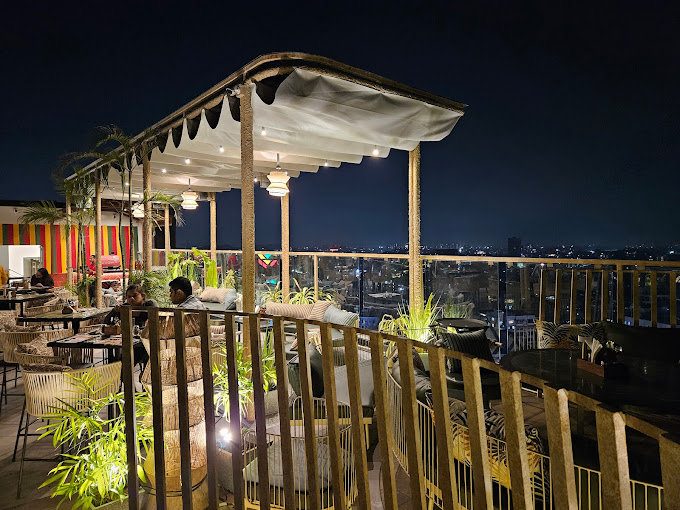
In the dim-lit hours bridging Sunday and Monday, the vibrant atmosphere at Rasta Club Manish Nagar took a dark turn, marred by a violent altercation. This news article delves into the harrowing incident where a youth faced a brutal assault, unveiling a tale of financial disputes and ruthless aggression.

Rasta Club Manish Nagar: A Night of Mayhem Unfolds

As the night unfolded at Manish Nagar, an argument over financial matters ignited tensions, escalating into a full-blown brawl. The victim, Vijay Sadhwani (25), a resident of Ahuja Nagar, Jaripatka, found himself at the centre of a savage attack by a group of miscreants.

The Brutal Assault: Akash Kaushal and Accomplices Unleash Chaos

In the early hours of Monday, the situation took a grievous turn when Akash Kaushal (40), a resident of Shambunagar, Nara Road, along with three accomplices, confronted Sadhwani outside the club premises. What began as a verbal dispute quickly turned physical, leaving Sadhwani with severe injuries.

Rasta Club Manish Nagar: The Crime Scene

The vibrant backdrop of Rasta Club Manish Nagar turned into an unexpected crime scene as Kaushal and his accomplices launched a relentless attack on Sadhwani. The aftermath witnessed the victim, battered and bruised, seeking refuge from the onslaught.

Ahuja Nagar’s Resident in Distress: Vijay Sadhwani’s Ordeal

Hailing from Ahuja Nagar, Jaripatka, Vijay Sadhwani faced the brunt of the violent encounter. The scuffle inside the club premises followed by the brutal assault outside left Sadhwani in a precarious state, prompting him to file a complaint with the Ambazari Police.

In the wake of the distressing incident, Vijay Sadhwani wasted no time in seeking justice. A formal complaint led to the filing of a case against Akash Kaushal and his three associates at Ambazari Police Station. The accused, identified from Shambunagar, Nara Road, now face legal consequences for their alleged involvement in the assault.

Ongoing Investigations: Seeking Truth at Rasta Club Manish Nagar

As the legal wheels turn, ongoing investigations aim to unravel the truth behind the violent episode. Ambazari Police delve into the details, piecing together the events that transpired that fateful night at Rasta Club.

Rasta Club Manish Nagar Echoes with Questions: FAQs Unveiled

1. What sparked the altercation at Rasta Club Manish Nagar?

The altercation ignited over financial disputes, escalating into a physical confrontation.

2. Who are the accused in the brutal assault case?

Akash Kaushal (40) from Shambunagar, Nara Road, and three associates are identified as the alleged attackers.

3. Where did the assault take place?

The attack unfolded both inside and outside Rasta Club Manish Nagar.

4. How severe are Vijay Sadhwani’s injuries?

Sadhwani sustained serious injuries in the assault, prompting immediate legal action.

5. What charges do the accused face?

The accused face legal consequences as a case is filed against them at Ambazari Police Station.

6. What is the current status of investigations?

Ongoing investigations by Ambazari Police aim to uncover the truth behind the violent incident at Rasta Club Manish Nagar.

As investigations progress, the spotlight remains on Rasta Club Manish Nagar, urging a reevaluation of safety measures to prevent such incidents from staining its vibrant atmosphere again.

New Exit Gate Unveiled for Effortless Commuting at Ajni Railway Station

Introduction

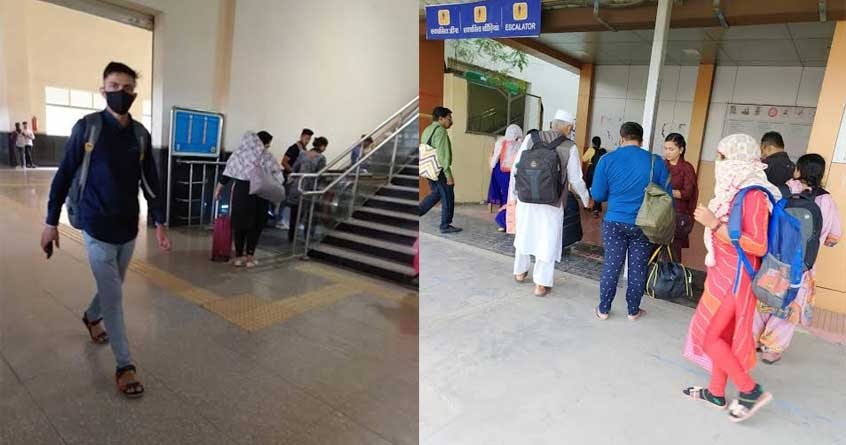
In a groundbreaking move aimed at elevating passenger convenience and optimizing access at Ajni Railway Station, a spanking new exit gate has been inaugurated near the escalator on Platform 1, Nagpur end. This strategic initiative seeks to streamline the transit experience, particularly for passengers disembarking from Platforms 2 and 3, ensuring seamless connectivity to the adjacent Metro station and the road.

Ajni Railway Station’s Evolution: A Step Towards Enhanced Convenience

Collaborative Effort by Rail and Metro Authorities

In a testament to their commitment to enhancing commuter travel, railway and metro officials collaborated to greenlight the new exit gate. This concerted effort emphasizes their dedication to providing a smoother journey for passengers. Those arriving at Platforms 2 and 3, nestled on the station’s north side, are set to benefit immensely from this thoughtful addition.

Navigating the New Exit Gate: A Passenger-Friendly Initiative

Operational Readiness

The newly minted exit gate swings into operation seamlessly with the arrival of trains at Ajni Railway Station. To further assist passengers, two dedicated Ticket Checking staff members have been stationed at the gate, ensuring efficient guidance for a hassle-free transition.

Parking Solutions for Enhanced Flow

In tandem with this development, adjustments have been made to the parking facilities near the porch of Platform no 1. Strategic measures include relocating parking areas to create space for passenger movement and deploying marshals to manage auto stands effectively.

Insights from Shri Aman Mittal Sr.

Shri Aman Mittal Sr., Divisional Commercial Manager of Nagpur Division, expressed, “We are undertaking this initiative to cater to passengers and alleviate inconveniences during the much-needed redevelopment work at Ajni station. The future benefits for the citizens of Nagpur are substantial.”

Transformative Impact on Passenger Experience

Seamless Transit Between Rail and Metro

This new exit gate emerges as a catalyst for an enhanced overall passenger experience, offering unprecedented convenience and efficiency for seamless transit between railway and metro services.

Frequently Asked Questions (FAQs)

1. Why was the new exit gate introduced at Ajni Railway Station?

  • The new exit gate was introduced to enhance passenger convenience and streamline access, particularly for those arriving from Platforms 2 and 3.

2. When does the exit gate become operational?

  • The exit gate is operational upon the arrival of trains at Ajni Railway Station.

3. How many staff members are deployed at the exit gate to assist passengers?

  • Two dedicated Ticket Checking staff members are stationed at the exit gate to guide and assist passengers efficiently.

4. What measures have been taken to accommodate increased passenger flow?

  • Parking facilities near the porch of Platform no 1 have been adjusted, including the relocation of parking areas and the deployment of marshals for effective management of auto stands.

5. Who expressed insights regarding the initiative?

  • Shri Aman Mittal Sr., Divisional Commercial Manager of Nagpur Division, shared insights, highlighting the initiative’s purpose in alleviating inconveniences during Ajni station’s redevelopment.

6. How does the new exit gate contribute to the overall passenger experience?

  • The new exit gate significantly contributes to an enhanced passenger experience by providing greater convenience and efficiency in transit between railway and metro services.

Conclusion

The unveiling of the new exit gate at Ajni Railway Station stands as a monumental step towards optimizing passenger convenience and connectivity. This transformative initiative underscores the collaborative efforts of railway and metro officials, ensuring a smoother journey for passengers arriving from Platforms 2 and 3. As Ajni Railway Station evolves, the commitment to passenger-centric enhancements promises a future of seamless and efficient commuting for the citizens of Nagpur.

Nagpur E-Buse: 150 E-Buses and Depot Development Approved by Central Government

Introduction

Nagpur E-Buse:

a city on the brink of a revolutionary transport upgrade is set to witness significant changes as the Central Government’s Housing and Urban Development Ministry greenlights a proposal by the Nagpur Municipal Corporation. Under the PM-E-Bus Scheme, the city is slated to welcome 150 state-of-the-art E-buses and two strategically positioned charging stations.

Nagpur, E-Buses, Koradi, Khapri: The Central Nod

Nagpur’s Bold Move

In a proactive initiative, Nagpur Municipal Corporation, led by Municipal Commissioner and Administrator Dr Abhijit Chaudhari, submitted a groundbreaking proposal. This visionary move has earned Nagpur a coveted spot among the selected cities where 10,00 E-Buses will roll out, transforming the public transport landscape. The Central Government has given its nod to Nagpur, emphasizing its commitment to cities with populations ranging from 20 to 40 lakhs.

Key Contributor

Acknowledging the pivotal role played in this initiative, Additional Municipal Commissioner Anchal Goel’s contributions have been instrumental in shaping the project proposal and securing the Centre’s approval.

Koradi and Khapri: The Twin Development Triumph

Depot Development Gets Green Light

In a holistic approach, the Central Government has also given the go-ahead for the development of Koradi and Khapri depots. Nagpur, with its current fleet of 541 buses, will witness infrastructural upgrades to accommodate the new additions, enhancing the overall public transport system.

Fleet Overview

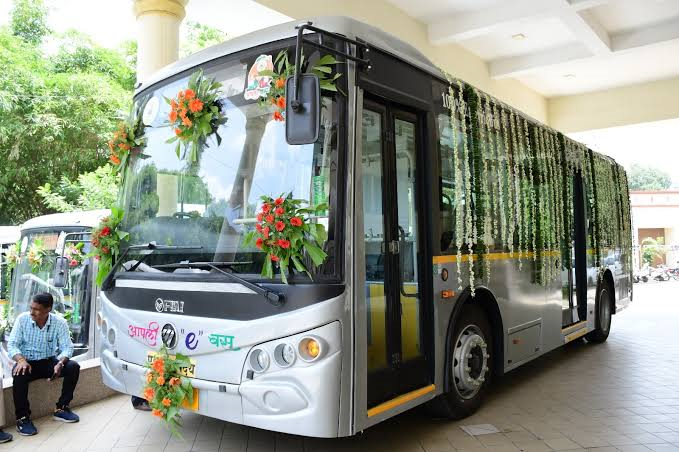
Currently, Nagpur boasts a diverse fleet, including 165 diesel-operated Standard buses, 150 Midi, 45 Mini buses, 70 CNG, and 111 E-buses. With the upcoming influx of 150 E-buses, the city is poised for a sustainable and eco-friendly transformation.

Feasibility Reports and Financial Approvals

Strategic Planning

NMC, ensuring meticulous planning, submitted a comprehensive feasibility report for the parking depots catering to 75 E-buses. This strategic move has paved the way for the Central Government’s approval of Rs 21.14 crore for Koradi Depot and Rs 6.37 crore for the development of Khapri Depot.

Transforming Nagpur’s Transportation Landscape

E-Buses for a Greener Tomorrow

The infusion of 150 E-buses aligns with Nagpur’s commitment to sustainable and eco-friendly public transportation. With a focus on reducing carbon footprints, the city is gearing up for a cleaner and greener tomorrow.

Charging Stations Infrastructure

Apart from the E-buses (Nagpur E-Buse), the approval includes the establishment of two charging stations, solidifying Nagpur’s position as a pioneer in embracing electric mobility.

FAQs: Clarifying the Vision

1. Why E-Buses for Nagpur?

Nagpur’s shift towards E-buses aligns with global efforts to reduce carbon emissions and promote sustainable transportation. The move not only enhances the city’s environmental standing but also ensures long-term cost-effectiveness.

2. How will Depot Development Benefit Nagpur?

The development of Koradi and Khapri Depots is pivotal for accommodating the growing fleet. It not only enhances operational efficiency but also contributes to overall urban development.

3. What Role Did Anchal Goel Play in the Proposal?

As the Additional Municipal Commissioner, Anchal Goel played a crucial role in shaping and presenting the proposal, contributing significantly to its approval For Nagpur E-Buse.

4. Is the Investment Justified?

Yes, the investment in the development of E-buses and depots aligns with Nagpur’s long-term vision for sustainable and efficient public transportation, ensuring a positive impact on the city’s overall growth.

5. When Can Nagpur Residents Expect to See the Changes?

The implementation timeline will be shared by the Nagpur Municipal Corporation post the necessary groundwork. Residents can anticipate a phased rollout of the E-buses and related infrastructure.

6. How Will the Charging Stations Function?

The charging stations will operate on an advanced system, ensuring seamless charging for the E-buses. This forward-looking infrastructure aligns with Nagpur’s commitment to embracing cutting-edge technology.

Nagpur’s Future on the Fast Track

In conclusion, Nagpur’s approval for 150 E-buses and the development of Koradi and Khapri Depots marks a pivotal moment in the city’s history. The Central Government’s endorsement signifies not just a transportation upgrade but a commitment to sustainable urban development. As Nagpur gears up for this transformative journey, the residents can anticipate a future where eco-friendly transport takes center stage, paving the way for a cleaner and greener tomorrow.

Exit mobile version