Nagpur E-Buse: 150 E-Buses and Depot Development Approved by Central Government

Introduction

Nagpur E-Buse:

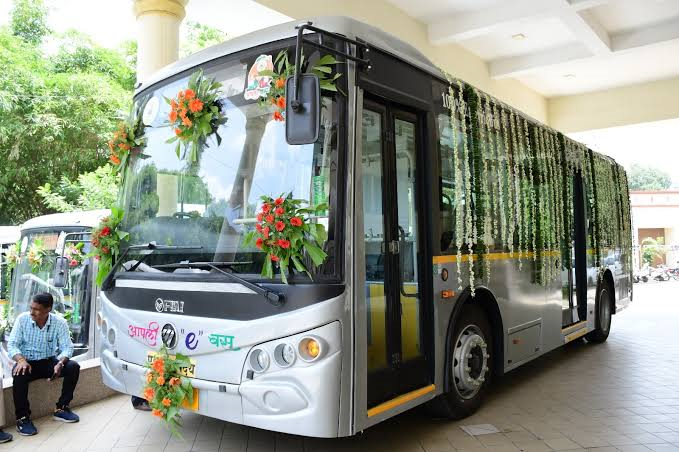
a city on the brink of a revolutionary transport upgrade is set to witness significant changes as the Central Government’s Housing and Urban Development Ministry greenlights a proposal by the Nagpur Municipal Corporation. Under the PM-E-Bus Scheme, the city is slated to welcome 150 state-of-the-art E-buses and two strategically positioned charging stations.

Nagpur, E-Buses, Koradi, Khapri: The Central Nod

Nagpur’s Bold Move

In a proactive initiative, Nagpur Municipal Corporation, led by Municipal Commissioner and Administrator Dr Abhijit Chaudhari, submitted a groundbreaking proposal. This visionary move has earned Nagpur a coveted spot among the selected cities where 10,00 E-Buses will roll out, transforming the public transport landscape. The Central Government has given its nod to Nagpur, emphasizing its commitment to cities with populations ranging from 20 to 40 lakhs.

Key Contributor

Acknowledging the pivotal role played in this initiative, Additional Municipal Commissioner Anchal Goel’s contributions have been instrumental in shaping the project proposal and securing the Centre’s approval.

Koradi and Khapri: The Twin Development Triumph

Depot Development Gets Green Light

In a holistic approach, the Central Government has also given the go-ahead for the development of Koradi and Khapri depots. Nagpur, with its current fleet of 541 buses, will witness infrastructural upgrades to accommodate the new additions, enhancing the overall public transport system.

Fleet Overview

Currently, Nagpur boasts a diverse fleet, including 165 diesel-operated Standard buses, 150 Midi, 45 Mini buses, 70 CNG, and 111 E-buses. With the upcoming influx of 150 E-buses, the city is poised for a sustainable and eco-friendly transformation.

Feasibility Reports and Financial Approvals

Strategic Planning

NMC, ensuring meticulous planning, submitted a comprehensive feasibility report for the parking depots catering to 75 E-buses. This strategic move has paved the way for the Central Government’s approval of Rs 21.14 crore for Koradi Depot and Rs 6.37 crore for the development of Khapri Depot.

Transforming Nagpur’s Transportation Landscape

E-Buses for a Greener Tomorrow

The infusion of 150 E-buses aligns with Nagpur’s commitment to sustainable and eco-friendly public transportation. With a focus on reducing carbon footprints, the city is gearing up for a cleaner and greener tomorrow.

Charging Stations Infrastructure

Apart from the E-buses (Nagpur E-Buse), the approval includes the establishment of two charging stations, solidifying Nagpur’s position as a pioneer in embracing electric mobility.

FAQs: Clarifying the Vision

1. Why E-Buses for Nagpur?

Nagpur’s shift towards E-buses aligns with global efforts to reduce carbon emissions and promote sustainable transportation. The move not only enhances the city’s environmental standing but also ensures long-term cost-effectiveness.

2. How will Depot Development Benefit Nagpur?

The development of Koradi and Khapri Depots is pivotal for accommodating the growing fleet. It not only enhances operational efficiency but also contributes to overall urban development.

3. What Role Did Anchal Goel Play in the Proposal?

As the Additional Municipal Commissioner, Anchal Goel played a crucial role in shaping and presenting the proposal, contributing significantly to its approval For Nagpur E-Buse.

4. Is the Investment Justified?

Yes, the investment in the development of E-buses and depots aligns with Nagpur’s long-term vision for sustainable and efficient public transportation, ensuring a positive impact on the city’s overall growth.

5. When Can Nagpur Residents Expect to See the Changes?

The implementation timeline will be shared by the Nagpur Municipal Corporation post the necessary groundwork. Residents can anticipate a phased rollout of the E-buses and related infrastructure.

6. How Will the Charging Stations Function?

The charging stations will operate on an advanced system, ensuring seamless charging for the E-buses. This forward-looking infrastructure aligns with Nagpur’s commitment to embracing cutting-edge technology.

Nagpur’s Future on the Fast Track

In conclusion, Nagpur’s approval for 150 E-buses and the development of Koradi and Khapri Depots marks a pivotal moment in the city’s history. The Central Government’s endorsement signifies not just a transportation upgrade but a commitment to sustainable urban development. As Nagpur gears up for this transformative journey, the residents can anticipate a future where eco-friendly transport takes center stage, paving the way for a cleaner and greener tomorrow.

Tata Steel Takes Pioneering Step with Trans-Inclusive Hiring Drive

In a groundbreaking move, Tata Steel has opened its doors wide to the transgender community, setting a new benchmark for inclusivity in the corporate world. The steel giant is actively encouraging transgender individuals to apply for a myriad of roles, signaling a commitment to diversity and equal opportunities.

Inclusive Hiring Deadline Approaching

The application window for transgender candidates aiming to join the Tata Steel family and its subsidiaries is quickly closing in, with the deadline set for February 15, 2024. Those interested in being a part of this progressive initiative can submit their applications through the official Tata Steel HR portal. This move is not just about employment; it’s a statement of inclusivity and respect for diversity.

Diverse Educational Qualifications Welcome

Tata Steel’s groundbreaking initiative isn’t exclusive in terms of educational qualifications. The company welcomes transgender applicants with diverse educational backgrounds. From a high school diploma in English to ITI certification, including a preference for candidates holding both AITT and ITI certificates, and extending to a bachelor’s degree, diploma in engineering, and B.E./B.Tech degrees, Tata Steel is casting a wide net to ensure a diverse talent pool.

Commitment to Rigorous Selection Process

Tata Steel, known for its commitment to excellence, ensures a thorough selection process for all shortlisted candidates. This may include written examinations and interviews, tailored to the specific requirements of the applied position. The company is determined to choose the best talent from the transgender community, reaffirming its dedication to fostering an inclusive work environment.

Beyond Employment: A Stride Towards Diversity

This move by Tata Steel isn’t just about expanding opportunities for transgender professionals; it’s a stride towards comprehensive workplace diversity. The impact of this initiative will be felt across multiple locations and subsidiaries, fostering an environment where every individual, regardless of gender identity, feels valued and respected.

Closing the Gap in Corporate Diversity

Tata Steel’s commitment to inclusivity is not only commendable but also aligns with the global push for diverse and equitable workplaces. By actively engaging with the transgender community, Tata Steel is setting a precedent that goes beyond business, making a social impact by narrowing the gap in corporate diversity.

A Beacon of Change

As the application deadline approaches, Tata Steel stands as a beacon of change, leading the way for other corporations to follow suit. This inclusive hiring drive is not just a policy; it’s a statement that will resonate in the corporate world, signaling a future where diversity is not just celebrated but woven into the fabric of every organization.

Court Asks MIDC Plot Owners to Settle Property Tax Dispute Post 2018-19

Nagpur: In a recent development, the Nagpur Bench of the Bombay High Court has issued a directive compelling plot owners within the MIDC industrial area to fulfill their property tax obligations for the period post the 2018-19 financial year. This crucial mandate emphasizes the need for timely payments to the respective Gram Panchayats, setting a deadline of February 14. Justices Avinash Gharote and M S Jawalkar, constituting the Division Bench, delivered this order on January 30. Notably, the court addressed a longstanding dispute concerning the calculation method for arrears preceding the 2018-19 period.

Navigating the Tax Conundrum: MIDC Industrial Area

The plot owners find themselves at the epicenter of a legal tussle, challenged by Sonegaon Gram Panchayat, Digdoh Gram Panchayat, Wadi Gram Panchayat, and Nildoh Gram Panchayat regarding the property tax demands. Acting collectively under the banner of the MIDC Industries Association, the property owners have presented a petition outlining four crucial grounds.

Challenges Raised by Property Owners

  1. Three-Year Cap: The petitioners assert that Gram Panchayats cannot rightfully demand taxes for more than the preceding three years as arrears.
  2. Non-Retrospective Application: The G.R. of 2018, as per the second point in the petition, cannot be retrospectively applied for the period before 2018 (2000 to 2018).
  3. Vague Demands: The third point underscores the ambiguity in the demands issued by Gram Panchayats, lacking clarity on both the basis and the period.
  4. Non-Adherence to Taxation Rules: The property owners contend that taxes were levied without following proper assessment procedures, violating established rules.

Court Proceedings and Ruling

The petition, scheduled for final arguments on January 30, witnessed an unexpected twist when the Gram Panchayat raised objections. They argued that property owners weren’t complying with tax payments even for the period after 2018. Consequently, the Court directed the petitioners to instruct property owners to settle taxes from 2018 onwards. The Court’s rationale was grounded in the belief that, while the dispute pertains to the period before 2018, resolving the immediate concern involves paying taxes from 2018 onwards.

Advocate P P Kothari represented the petitioners, countering the objections raised, while AGP Shyamsi Haider and Adv P S Khubalkar advocated for the respondents.

Frequently Asked Questions (FAQs)

Q1: Why is there a dispute regarding property taxes in the MIDC industrial area?

A1: The dispute stems from the calculation method of arrears before the 2018-19 period, prompting a directive from the Bombay High Court for property owners to pay taxes post-2018-19.

Q2: What grounds have the property owners raised in their petition?

A2: The property owners, acting through the MIDC (Ngpur) Industries Association, challenge the three-year cap on tax demands, the non-retrospective application of G.R. 2018, vague demands lacking clarity, and the alleged violation of taxation rules.

Q3: Why did the Court direct property owners to pay taxes from 2018 onwards?

A3: The Court, in response to objections raised by Gram Panchayat, emphasized addressing the immediate concern by instructing property owners to settle taxes from 2018 onwards.

Q4: Who represented the petitioners and respondents in the court proceedings?

A4: Advocate P P Kothari represented the petitioners, countering objections, while AGP Shyamsi Haider and Adv P S Khubalkar advocated for the respondents.

Q5: What is the deadline for property owners to pay taxes according to the court directive?

A5: The Bombay High Court set a deadline of February 14 for MIDC plot owners to fulfill their property tax obligations to the respective Gram Panchayats.

Q6: How does the Court view the tax dispute in the MIDC industrial area?

A6: The Court perceives the dispute as primarily concerning the period before 2018; however, it mandated property owners to address the immediate concern by settling taxes from 2018 onwards.

The recent directive from the Nagpur Bench of the Bombay High Court adds a new chapter to the ongoing saga of property tax disputes in the MIDC industrial area. While the core of the issue lies in the calculation method of arrears, the Court’s directive seeks to bring immediate resolution by instructing property owners to fulfill their tax obligations post the 2018-19 financial year. As both sides present their arguments, the legal landscape surrounding property taxes in the MIDC industrial area continues to evolve, awaiting further developments and clarifications.

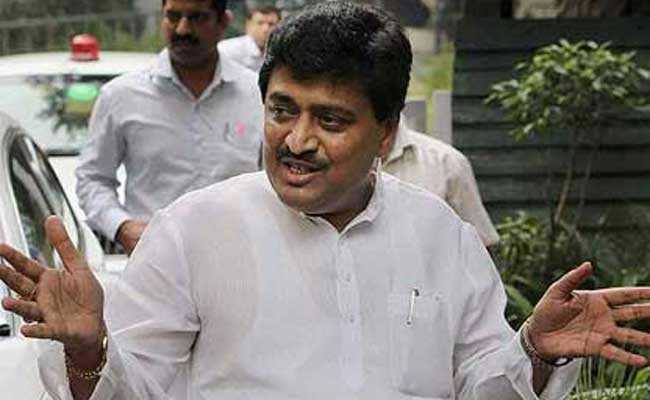
Former Maharashtra CM Ashok Chavan Shakes Political Landscape, Resigns from Congress

In a surprising turn of events on Monday, Former Maharashtra Chief Minister and Congress stalwart Ashok Chavan announced his resignation from the Congress party, sparking widespread speculation about his imminent move to the BJP. The political grapevine suggests a shift towards the ruling party, although Chavan himself maintains that the final decision is still pending, with an announcement expected in the coming days.

Chavan’s Political Journey: A Tale of Leadership and Legacy

Ashok Chavan, with a political journey marked by significant ministerial roles and a two-year stint as Chief Minister, stands in the shadow of his father, Shankar Rao Chavan, who also held the coveted position twice. Their rare father-son return to power in Maharashtra adds a unique chapter to the state’s political history.

Unraveling the Decision: Chavan’s Discontent and Political Maneuvering

Chavan vs. Patole: The Presidency Saga

The rift between Chavan and Congress deepened when the coveted position of President of Maharashtra Pradesh Congress went to Nana Patole instead. Tensions simmered over the past months, reaching a boiling point after the resignation of Uddhav Thackeray and the subsequent collapse of the Maha Vikas Aghadi government.

Quest for a New Role: Shiv Sena, NCP, and the BJP Connection

Initially eyeing roles in Shiv Sena and later in the NCP, Chavan found himself adrift after the Shiv Sena-NCP split. His dissatisfaction further intensified over the allocation of Lok Sabha seats, where the Congress seemingly got the short end of the stick compared to the regional parties.

Fadnavis Factor: BJP’s Pursuit of Chavan

Speculations about Chavan’s potential move to the BJP gained traction, courtesy of Maharashtra Deputy Chief Minister Devendra Fadnavis. Numerous meetings between Chavan and Fadnavis over the past year have fueled rumors, with senior BJP leaders publicly endorsing Chavan’s possible inclusion in the saffron party.

The Political Chessboard: Why Ashok Chavan Matters

2019 Elections Recap: Congress in Coalition

The strategic decision of Uddhav Thackeray to form a coalition government with the NCP and Congress in 2019 reshaped Maharashtra’s political landscape. Fast forward to 2024, and internal dissent within the Congress adds complexity to the situation.

Operation Lotus Resonates: BJP’s Play for Vidarbha

As the BJP eyes the upcoming Lok Sabha elections, the incorporation of Ashok Chavan and his supporters is seen as crucial for securing challenging seats in the Vidarbha region. The move could potentially tip the scales in constituencies like Nanded, Solapur, and Latur.

BJP’s Pre-Election Strategy: Vidarbha Review

Surveying the Battlefield: Maharashtra’s 48 Seats

Ahead of the 2024 Lok Sabha elections, the BJP conducted an extensive review, identifying Vidarbha’s 6 seats as potential challenges. The strategic inclusion of leaders from Ashok Chavan’s circle and the Congress cadre could significantly influence the outcome.

The Maratha Card: Strengthening BJP in Vidarbha

Chavan’s potential shift to the BJP brings not only political prowess but also a prominent Maratha face, strengthening the party’s influence in the Vidarbha region.

The Waiting Game: Legislators’ Dilemma

Chavan’s Supporters: A Strategic Delay

While indications suggest that 12-14 legislators aligned with Chavan might switch sides, the timing remains uncertain. Rajya Sabha elections in Maharashtra could play a pivotal role, as supporters may opt to join the BJP post these elections to maximize their impact.

Rajya Sabha Chess: A Political Maneuver

The Congress, part of the MVA coalition, might field former RBI Governor Raghuram Rajan for the Rajya Sabha elections. However, the potential cross-voting scenario could see Chavan’s supporters influencing BJP’s prospects in the upper house.

FAQs about Ashok Chavan’s Political Shift

  1. Why did Ashok Chavan resign from the Congress?
    • Ashok Chavan’s dissatisfaction stemmed from not being appointed the President of Maharashtra Pradesh Congress, leading to heightened tensions with party leadership.
  2. Was Chavan’s move to the BJP anticipated?
    • Speculations about Chavan joining the BJP had been circulating for nearly a year, intensifying after the collapse of the Maha Vikas Aghadi government.
  3. What role does Devendra Fadnavis play in Chavan’s potential move?
    • Maharashtra Deputy Chief Minister Devendra Fadnavis has been a key figure in the talks between Chavan and the BJP, signaling the party’s interest in his inclusion.
  4. How does Chavan’s political shift impact the Congress?
    • Chavan’s departure could lead to a significant exodus of legislators and supporters, potentially weakening the Congress in Maharashtra.
  5. Why is Vidarbha crucial for the BJP in the upcoming elections?
    • The BJP’s strategic review identified Vidarbha’s seats as challenging, and Chavan’s inclusion is seen as instrumental in securing victory in this region.
  6. When can we expect Chavan’s formal announcement of joining the BJP?
    • Chavan has hinted at making a decision in the next couple of days, keeping the political landscape in suspense.

Conclusion: The Unfolding Drama in Maharashtra Politics

As the curtains rise on this political drama, Ashok Chavan’s resignation from the Congress and the anticipated move to the BJP reshape Maharashtra’s political chessboard. The impact on the Congress, the BJP’s pre-election strategy, and the intricate dynamics within the MVA coalition all contribute to an unfolding narrative that will undoubtedly echo through the corridors of power in the state. Only time will reveal the full extent of this pivotal moment in Maharashtra politics.

Vexing Vidarbha: Hailstorm Havoc Hits Harvests

Vidarbha, known for its serene landscapes, bore the brunt of nature’s fury as a sudden hailstorm, accompanied by gusty winds and light showers, wreaked havoc on Sunday. Nagpur, the prominent city in the region, along with several talukas, witnessed extensive crop damage, sending distress waves through the agricultural community.

In an unusual turn of weather events, Gadchiroli, Nagpur, Amravati, Chandrapur, and Wardha districts found themselves in the grip of strong winds and a relentless hailstorm. The India Meteorological Department (IMD) promptly issued a ‘yellow alert’ for Vidarbha, cautioning residents about the adverse conditions persisting on Sunday and Monday.

Meteorological Melody

A seasoned meteorologist shed light on the situation, stating, “The likelihood of hailstorm accompanied by light rains persists in some parts of Vidarbha on Monday. Despite being a common occurrence during the winter season, such events have seen a slight reduction in frequency over the past few years.” The meteorologist forecasted cloudy weather prevailing until February 15, followed by a gradual increase in temperatures.

Local Impact

Nagpur district bore witness to the intensity of the storm, with Kamptee, Katol, Kuhi, Umred, and Saoner talukas facing the brunt of the hailstorm and strong winds on Sunday. Urban areas like Sakkardara, Cotton Market, Zingabai Takli, and Pardi reported instances of uprooted trees, adding to the aftermath of the severe weather. Fortunately, no reports of loss to life or property emerged, offering a silver lining amid the agricultural setbacks.

Agricultural Setback

The farmers in Vidarbha woke up to a disheartening scene, discovering crop losses due to the hailstorm that struck around 1:45 am on Sunday. The impact, though not fatal, is significant, affecting farmlands across all talukas in the region. The cloudy weather persisted throughout the day, preventing major fluctuations in daytime temperatures while witnessing a slight rise in minimum temperatures across Vidarbha.

Temperature Tale

Washim recorded the highest maximum temperature at 34.6 degrees Celsius, closely followed by Akola at 34.2 degrees Celsius. Buldhana, Yavatmal, Amravati, Gadchiroli, Bramhapuri, Chandrapur, Wardha, and Nagpur all experienced maximum temperatures surpassing the 30-degree mark. Gondia, on the other hand, recorded the lowest maximum temperature at 28.9 degrees Celsius.

Chilling Numbers

Chandrapur reported the lowest minimum temperature at 16.4 degrees Celsius, while Akola registered the highest minimum temperature at 20.3 degrees Celsius on Sunday. Several places across Vidarbha witnessed minimum temperatures dipping below the 20-degree Celsius mark, highlighting the chilling effect of the hailstorm.

In conclusion, Vidarbha faces the aftermath of an unexpected weather event, with agricultural losses serving as a stark reminder of the unpredictability of nature. As residents recover from the recent weather onslaught, the focus shifts towards rebuilding and preparing for potential future challenges in this resilient region.

Uncertainty Looms Over MVA Candidate Selection for Ramtek Constituency

In a political twist, the Maha Vikas Aghadi (MVA) alliance, comprising Congress and Shiv Sena (UBT), is yet to finalize its candidate for the crucial Ramtek constituency of Lok Sabha. While the Nationalist Congress Party (NCP) led by Sharad Pawar has resolved to field former MLC Prakash Gajbhiye, the other allies maintain that the decision is not binding for the entire alliance.

Mixed Signals and Political Maneuvering

The Ramtek seat has become a focal point of contention between the BJP-led Mahayuti and the MVA coalition, raising tensions as parties jockey for position. Despite NCP (Sharad Pawar) declaring Gajbhiye as their choice, Congress and Shiv Sena (UBT) assert that the MVA, as a collective, has not yet settled on a candidate.

Alliance Dynamics and Internal Processes

Rajendra Mulak, President of Nagpur District (Rural) Congress Committee, clarified the party’s stance, stating that the INDI Alliance would determine seat-sharing for its constituent parties. He emphasized that the Congress party follows a meticulous process, involving candidate applications, interviews, shortlisting, parliamentary board approval, and then finalizing candidates.

Dushyant Chaturvedi, Contact Head for Shiv Sena (UBT), echoed the uncertainty, expressing lack of awareness regarding NCP’s decision to nominate Gajbhiye. He mentioned Uddhavji’s commitment to retaining Ramtek for MVA constituents but acknowledged that internal decisions may have been made in a recent meeting.

NCP’s Assertive Move and Internal Support

Salil Deshmukh, a leader of NCP (Sharad Pawar) and Zilla Parishad member, defended the decision to endorse Gajbhiye’s name, citing internal support and demands from party members. He hoped that other MVA constituents would rally behind the chosen candidate.

Probable Contenders and Opposition Strategies

MVA Candidate Ramtek: Speculation abounds regarding potential candidates for the Ramtek constituency. Kunal Raut is a notable mention from the Congress party, while Shiv Sena (Shinde) eyes Krupal Tumane for his third term as an MP. Meanwhile, the BJP hinted at staking a claim during Mahayuti seat-sharing discussions.

Gajbhiye’s Sudden Limelight

The unexpected emergence of Prakash Gajbhiye as a prominent candidate followed NCP’s resolution in his favor. However, questions linger about whether the NCP’s Nagpur unit sought Sharad Pawar’s approval for their decision.

In the midst of political maneuvering and alliance dynamics, the MVA’s uncertainty over the Ramtek constituency candidate continues to be a focal point, adding intrigue to Maharashtra’s upcoming electoral landscape.

Smart Electricity Meters to Light Up Nagpur from March

Introduction

In a groundbreaking move, the Maharashtra State Electricity Distribution Company Limited (MSEDCL) is gearing up to unveil a transformative initiative – prepaid smart electricity meters in Nagpur, commencing March. This progressive step aligns with the Central Government’s Revamped Distribution Sector Scheme (RDSS) and falls under the umbrella of the ‘Smart Meter National Programme’ nationwide.

Survey and Installation Buzz in Nagpur

An official from MSEDCL disclosed that a private firm has kickstarted a comprehensive survey, laying the groundwork for the installation of these cutting-edge smart meters in Nagpur. Currently, the installation process is in full swing at critical locations like sub-stations, feeders, and crossover points, with an impressive 50% completion rate. Residents of Nagpur can anticipate the arrival of these smart meters starting in March, marking a pivotal shift in the city’s energy landscape.

The Ambitious Project Scope

The ambitious project aims to deploy over 57 lakh smart prepaid meters exclusively in the Nagpur region. These meters boast a unique feature – an automatic power supply cutoff upon depletion of the recharge amount, promising efficient energy consumption and resource optimization.

Budget Allocation and Tender Process Under RDSS

Under the RDSS, the Central Government has allocated a whopping budget of Rs 15,000 crore for smart meter implementation across Nagpur, Pune, Aurangabad, and the Konkan region of MSEDCL. Tenders were diligently floated to appoint Advanced Metering Infrastructure (AMI) service providers for this monumental project.

Phased Approach to Implementation

The official shed light on the phased implementation strategy. In the initial phase, smart and prepaid meters will be installed for customers experiencing more than 15% technical and commercial losses. The subsequent phase will focus on areas where power losses are below 15%. This strategic approach ensures a systematic rollout tailored to the unique needs of different regions.

Smart Meters: A Technological Marvel

Highlighting the game-changing benefits, the official emphasized that these smart meters will be seamlessly linked to a dedicated mobile application. This connectivity empowers users to monitor their power consumption in real-time, fostering a sense of control and awareness.

Automated Disconnection for Efficiency

The automated disconnection feature, triggered after the recharge amount is exhausted, is poised to curtail pending power bills and act as a deterrent against power theft. Drawing inspiration from successful implementations in foreign countries, the official expressed confidence that this technology will streamline processes, offer transparency to consumers, and elevate the overall power distribution system.

Contract Awards and Stakeholders

In September 2023, MSEDCL awarded a total of six tenders for smart meter installations. The Adani Group secured two contracts, NCC Limited secured two, while Montecarlo Limited and Genus Power Infrastructures Limited each clinched one contract.

Installation of Smart Electricity Meters in Nagpur from March

As Nagpur gears up for a technological revolution, the installation of smart electricity meters from March promises not just efficient power usage but also a leap into a future where consumers are empowered with real-time insights and control over their energy consumption.

Frequently Asked Questions (FAQs)

1. What is the purpose of introducing smart electricity meters in Nagpur?

Smart electricity meters are being introduced to revolutionize power consumption, enhance efficiency, and reduce technical and commercial losses.

2. How will the automated disconnection feature benefit consumers?

The automated disconnection feature, triggered upon recharge depletion, aims to reduce pending power bills and deter power theft, contributing to better revenue collection.

3. How does the phased implementation strategy work?

In the first phase, smart and prepaid meters will target areas with more than 15% losses, followed by areas with losses below 15% in the second phase.

4. How can users monitor their power consumption with smart meters?

Smart meters will be linked to a mobile application, allowing users to monitor their power consumption online in real-time.

5. Are smart meters a new technology?

Smart meters are not entirely new; they have been successfully employed in foreign countries and are expected to streamline processes in Nagpur.

6. Who are the major stakeholders in the installation process?

Companies like Adani Group, NCC Limited, Montecarlo Limited, and Genus Power Infrastructures Limited have secured tenders for the installation of smart meters in Nagpur.

Conclusion

As Nagpur embraces the future of energy consumption with the installation of smart electricity meters from March, this revolutionary project is poised to enhance efficiency, reduce losses, and empower consumers with unprecedented control over their power usage. The strategic phased approach, coupled with advanced technology, sets the stage for a brighter and more sustainable energy landscape in Nagpur and beyond.

Nagpur Weather: Hailstorm Strikes Nagpur and Surrounding Regions

Nagpur Weather: In an unexpected turn of events, Warora in Chandrapur and Dhamangaon in Amravati faced a sudden hailstorm on Saturday evening, catching residents off guard. The regional meteorological department promptly issued a yellow warning for several districts in east Vidarbha, including Nagpur, and certain areas in west Vidarbha for the next two days.

Weather Alert for Nagpur: Thunderstorms and Lightning Expected

The forecast for the upcoming days predicts thunderstorms accompanied by lightning in one or two places in Nagpur and neighboring districts on both Sunday and Monday. The weather advisory suggests residents brace for unusual weather conditions during this period. Interestingly, despite Nagpur city experiencing cloudy weather throughout Saturday, there was no significant change in the maximum or minimum temperatures reported.

Agricultural Impact: Hailstorm Hits Dhamangaon Railway and Bhidi Village

Farmers in Dhamangaon Railway and Bhidi village of Deoli tehsil reported hailstorm activity, raising concerns about potential agricultural damage. Meanwhile, in Warora, the Tehsildar recorded a brief but intense spell of light rainfall and hail lasting 10 to 15 minutes.

Warnings Across Vidarbha: Thunderstorm and Hailstorm Alerts Issued

The meteorological department’s advisories for Saturday-Sunday night highlighted the likelihood of thunderstorms accompanied by lightning, hailstorms, and light to moderate rainfall with gusty winds at isolated places over Nagpur, Chandrapur, Amravati, Wardha, and Yavatmal districts of Vidarbha. Additionally, a specific warning was issued for hailstorm and thunderstorm at isolated places over Gadchiroli, with only a hail warning for Chandrapur and Nagpur.

Extended Forecast: Rainfall Across Central India

Looking beyond the immediate vicinity, the all-India weather bulletin predicts isolated to scattered light rainfall activity over east Madhya Pradesh, Vidarbha, Chhattisgarh, and Odisha between February 10 and 13. Furthermore, the influence of a lower level trough in easterlies along the west coast is expected to bring rainfall over south Uttar Pradesh, south Bihar, Jharkhand, and Gangetic West Bengal from February 12 to 14. This weather pattern is likely due to the east-northeastward movement of the trough.

Conclusion: Residents Urged to Stay Informed

As the unexpected weather conditions persist, residents of Nagpur and adjoining areas are urged to stay informed about the evolving situation. Precautionary measures, especially for agricultural communities, are advised to minimize potential losses. The meteorological department will continue monitoring the situation closely and providing timely updates to ensure public safety.

Nitin Gadkari: Pioneering Research in Startup & Software Sectors

Introduction

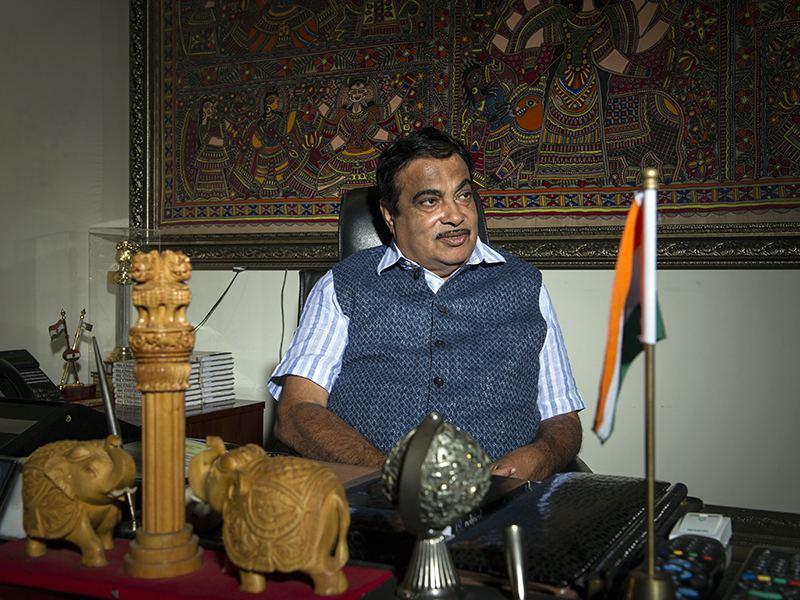
In an endeavor to comprehend the distinctive challenges and potentials within the startup and software sectors across diverse regions, Union Minister for Road Transport and Highways, Nitin Gadkari, underscored the imperative need for extensive research. This revelation transpired during his speech at the inaugural ceremony of the Software Technology Park of India (STPI) incubation facility centre.

Gadkari’s Vision for Regional Enhancement

Nitin Gadkari emphasized the cruciality of identifying the unique needs, potential, and deficiencies of each locality. His aim is to formulate tailored solutions that elevate the well-being of common citizens, with a special focus on the underprivileged.

STPI and Collaborative Efforts

During the inauguration, Gadkari highlighted the pivotal role of collaboration between STPI and educational institutions, including universities and local engineering colleges. He stressed the necessity for coordination, communication, and cooperation, identifying these as the pillars for driving positive change in the lives of ordinary citizens.

Dignitaries Present at the Occasion

The inauguration ceremony witnessed the presence of esteemed dignitaries such as Arvind Kumar (Director General of STPI), Sanjay Kumar Gupta (Director General of STPI Pune), Sanket Bhondve (Joint Secretary of Ministry of Electronics and Information Technology), and Dr. Amol Shinde (Managing Director of Mahatma Phule Backward Class Development Corporation).

STPI’s Potential to Strengthen IT Industry

Gadkari recognized the significance of the STPI facility, envisioning its capacity to fortify the information technology industry. His vision includes reducing imports and boosting exports, aligning with the broader goal of fostering self-reliance in India.

Future Prospects for Nagpur

Expressing optimism about future investments in the region, especially with Mihan already attracting four of the country’s top five IT companies, Gadkari announced the creation of job opportunities for an additional one lakh youths within the next year. This initiative builds on the success that has already seen 68 thousand individuals employed in Mihan.

Gadkari: Research Must be in the Startup & Software Sectors

In a notable paragraph dedicated to the focal point of this research, Gadkari emphasized the necessity for comprehensive research in the startup and software sectors. His keen interest in understanding the challenges and opportunities reflects a commitment to informed decision-making for the benefit of the community.

Collaborative Endeavors for Positive Change

Gadkari highlighted the need for collaboration between government bodies, educational institutions, and local businesses. The emphasis on coordination, communication, and cooperation echoes his belief in these principles as the driving forces for positive change.

Importance of Educational Collaboration

The Union Minister stressed the importance of collaboration between STPI and educational institutions. This includes universities and local engineering colleges, seen as crucial partners in the journey towards innovation and progress.

STPI: A Catalyst for Industry Growth

Gadkari acknowledged the potential of the STPI facility to act as a catalyst for industry growth. His vision includes transforming it into a center of excellence and entrepreneurship, with a specific focus on artificial intelligence.

Mihan’s Success and Future Investments

With Mihan already attracting major players in the IT industry, Gadkari expressed confidence in future investments in the region. The announcement of job opportunities for an additional one lakh youths reinforces his commitment to regional development.

Frequently Asked Questions (FAQs)

1. What prompted Nitin Gadkari to focus on the startup and software sectors?

  • Answer: Gadkari recognizes the immense potential in these sectors and believes in leveraging innovation for societal welfare.

2. How does STPI contribute to industry growth?

  • Answer: STPI serves as a crucial link between the government, academia, and businesses, fostering collaboration and driving industry growth.

3. What role does collaboration play in Gadkari’s vision for positive change?

  • Answer: Collaboration is deemed essential by Gadkari, serving as the foundation for coordination and cooperation in driving positive change.

4. How does Gadkari envision the future of the IT industry in Nagpur?

  • Answer: Gadkari is optimistic about future investments, especially with Mihan attracting key players, signaling a positive trajectory for the region.

5. What measures are in place for job creation in the region?

  • Answer: Gadkari announced the creation of job opportunities for an additional one lakh youths within the next year, building on the existing success.

6. How does Gadkari plan to address the specific needs of different localities?

  • Answer: Gadkari advocates for comprehensive research to identify the unique needs, potential, and shortcomings of each locality, enabling tailored solutions.

Conclusion

In conclusion, Nitin Gadkari’s commitment to research in the startup and software sectors, coupled with collaborative efforts and a strategic vision for regional development, positions him as a key figure in driving positive change. The integration of STPI as a catalyst for industry growth and the foresight for future investments solidify Gadkari’s role in shaping a self-reliant and innovative India.

A Deep Dive into the 2024 Lok Sabha Elections

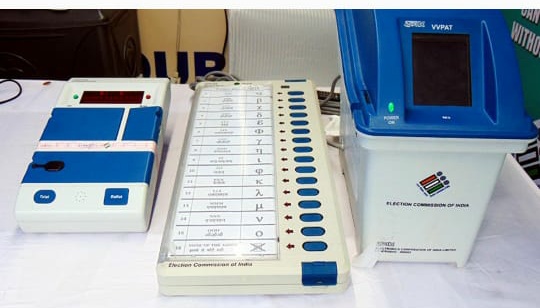
In a groundbreaking revelation, the Election Commission (EC) has declared that the upcoming Lok Sabha Elections will boast the largest electorate in history, with a staggering 96.88 crore registered voters. This article delves into the meticulous efforts undertaken by the EC in the Special Summary Revision Lok Sabha Elections 2024. It sheds light on the significant increase in youth electors, the enhanced gender ratio, and the drive towards inclusivity in the electoral process.

The Magnitude of the Voter Roll Revision

The EC’s announcement comes after months of dedicated work on the Special Summary Revision 2024. This comprehensive exercise, executed with precision, included the release of voter lists in all States/Union Territories based on the qualifying date of January 1, 2024. The process involved rigorous scrutiny, with special attention given to Jammu Kashmir and Assam after the delimitation of constituencies.

Youth Empowerment in the Electoral Landscape

An impressive highlight of this electoral milestone is the addition of over two crore youth electors aged 18 to 29 years. This infusion of young voices reflects a commitment to cultivating an engaged and dynamic electorate, setting the stage for a more representative democracy.

Chief Election Commissioner’s Insights

During the initiation of the Special Summary Revision Exercise in November 2022, Chief Election Commissioner Rajiv Kumar conducted a historic press conference in Pune. He provided a detailed overview of the various steps involved in updating the voter lists, emphasizing the active involvement of political parties in the process. This collaborative approach ensures transparency and inclusivity in the democratic process.

Gender Equality Takes Center Stage

The Election Commission reported a commendable increase in the gender ratio, rising from 940 in 2023 to 948 in 2024. This positive shift underscores the commitment to accuracy and integrity in the Electoral Roll. Chief Election Commissioner Rajiv Kumar highlighted the surge in female voter registrations, revealing a dedicated effort to achieve gender equality and inclusivity within the electoral system.

Inclusivity for All: Particularly Vulnerable Tribal Groups (PVTG)

In a bid for unparalleled inclusivity, special efforts have been made to achieve 100 percent registration of Particularly Vulnerable Tribal Groups (PVTG). This initiative aims to make the electoral rolls the most comprehensive and diverse to date, ensuring that every citizen, irrespective of background, has a voice in shaping the nation’s future.

Clean-up Operation: Ensuring Purity in the Electoral Process

After meticulous house-to-house verification, the Election Commission has successfully removed the names of 1,65,76,654 deceased, permanently shifted, and duplicate electors from the electoral rolls. This comprehensive clean-up, consisting of 67,82,642 deceased voters, 75,11,128 permanently shifted/absent voters, and 22,05,685 duplicate voters, is a testament to the commitment to maintaining the integrity and purity of the electoral process.

FAQs

Q1: How many new voters have been added in the 2024 Electoral Roll?

A1: Over 2.63 crore new electors have been included in the electoral roll.

Q2: What age group saw a significant increase in voter registration?

A2: The age group of 18 to 29 years witnessed a substantial rise in voter registration.

Q3: How has the gender ratio improved from 2023 to 2024?

A3: The gender ratio has increased from 940 in 2023 to 948 in 2024.

Q4: What steps were taken to achieve inclusivity for Particularly Vulnerable Tribal Groups (PVTG)?

A4: Special endeavors were undertaken to achieve 100 percent registration of Particularly Vulnerable Tribal Groups (PVTG).

Q5: How many deceased voters were removed from the electoral rolls?

A5: A total of 67,82,642 deceased voters have been removed.

Q6: What was Chief Election Commissioner Rajiv Kumar’s role in the process?

A6: Rajiv Kumar conducted the first-ever press conference during the initiation of the Special Summary Revision Exercise, outlining the steps involved.

Q7: Why was special attention given to Jammu and Kashmir and Assam in the voter roll revision?

A7: Special attention was given due to the delimitation of constituencies in Jammu and Kashmir and Assam.

Q8: What is the significance of the increase in female voter registrations?

A8: The increase in female voter registrations signifies a focused endeavor to achieve gender equality and inclusivity in the electoral system.

Q9: How many youth electors were added in the 2024 electoral roll?

A9: Over two crore youth electors aged 18 to 29 years have been added to the electoral roll.

Q10: What is the aim of the clean-up operation in the electoral process?

A10: The clean-up operation aims to ensure the integrity and purity of the electoral process by removing deceased, permanently shifted, and duplicate electors.

As the 2024 Lok Sabha Elections approach, the EC’s unwavering commitment to transparency, inclusivity, and accuracy in the electoral process sets a benchmark for democratic practices. The surge in registered voters, especially the youth and women, signifies a vibrant and diverse electorate that is ready to actively participate in shaping the nation’s destiny. This comprehensive overview of the Special Summary Revision 2024 showcases the meticulous efforts to ensure a fair and representative electoral system, laying the foundation for a robust democracy.

Exit mobile version