Unveiling the Nagpur-Goa Shaktipeeth Expressway: A Game-Changer in Travel

Fasten Your Seatbelts – Maharashtra Greenlights a Revolution

In an exciting development, Maharashtra has given the green light to the ambitious Nagpur-Goa Shaktipeeth Expressway, promising to slash travel time from a whopping 20 hours to an impressive 8 hours. Let’s dive into the details of this groundbreaking project that’s set to redefine the way we travel between these two vibrant destinations.

Maharashtra’s Bold Move

Maharashtra, known for its dynamism and forward-thinking initiatives, has once again taken a bold step to enhance connectivity and make travel more efficient. The approval for the Nagpur-Goa Shaktipeeth Expressway marks a significant leap towards a more connected and accessible India.

From 20 to 8 – A Travel Time Marvel

One of the most compelling features of this expressway is its promise to cut down travel time drastically. Imagine the convenience of reaching from Nagpur to Goa in just 8 hours, a journey that previously demanded a substantial 20-hour commitment. This isn’t just a reduction in travel time; it’s a revolution in the way we experience and explore the incredible landscapes between these two fantastic locations.

The Shaktipeeth Touch

The nomenclature “Shaktipeeth” adds a touch of cultural richness to the expressway. In Hindu mythology, Shaktipeeths are revered as sacred spots of divine feminine power. This name choice not only pays homage to our cultural roots but also signifies the strength and transformative impact this expressway aims to bring to the region.

Driving Tourism and Economic Growth

Beyond the convenience factor, the Nagpur-Goa Shaktipeeth Expressway is poised to be a catalyst for economic growth and increased tourism. The seamless connectivity it offers will undoubtedly attract more visitors, leading to a surge in local businesses and creating a ripple effect of prosperity along its route.

A Plethora of Pit Stops

Embarking on this expressway journey isn’t just about reaching your destination quickly; it’s about the experiences along the way. With strategically placed rest areas, eateries, and scenic viewpoints, travelers can now break their journey with delightful pit stops, making the road trip as memorable as the destination itself.

Environmental Impact

The green signal for the Nagpur-Goa Shaktipeeth Expressway also brings attention to its environmental impact. As we look towards a more sustainable future, the project incorporates measures to minimize its ecological footprint. From eco-friendly construction practices to the preservation of surrounding landscapes, every effort is being made to balance progress with environmental responsibility.

The Road Ahead

As Maharashtra paves the way for the Nagpur-Goa Shaktipeeth Expressway, the road ahead seems promising and full of possibilities. This project isn’t just about connecting two cities; it’s about forging stronger bonds, enhancing accessibility, and embracing the future of travel in India.

In conclusion, the green light for the Nagpur-Goa Shaktipeeth Expressway is a game-changer, and we can’t wait to hit the road on this transformative journey. Buckle up, fellow travelers, as Maharashtra sets the stage for a new era in travel with this awe-inspiring expressway.

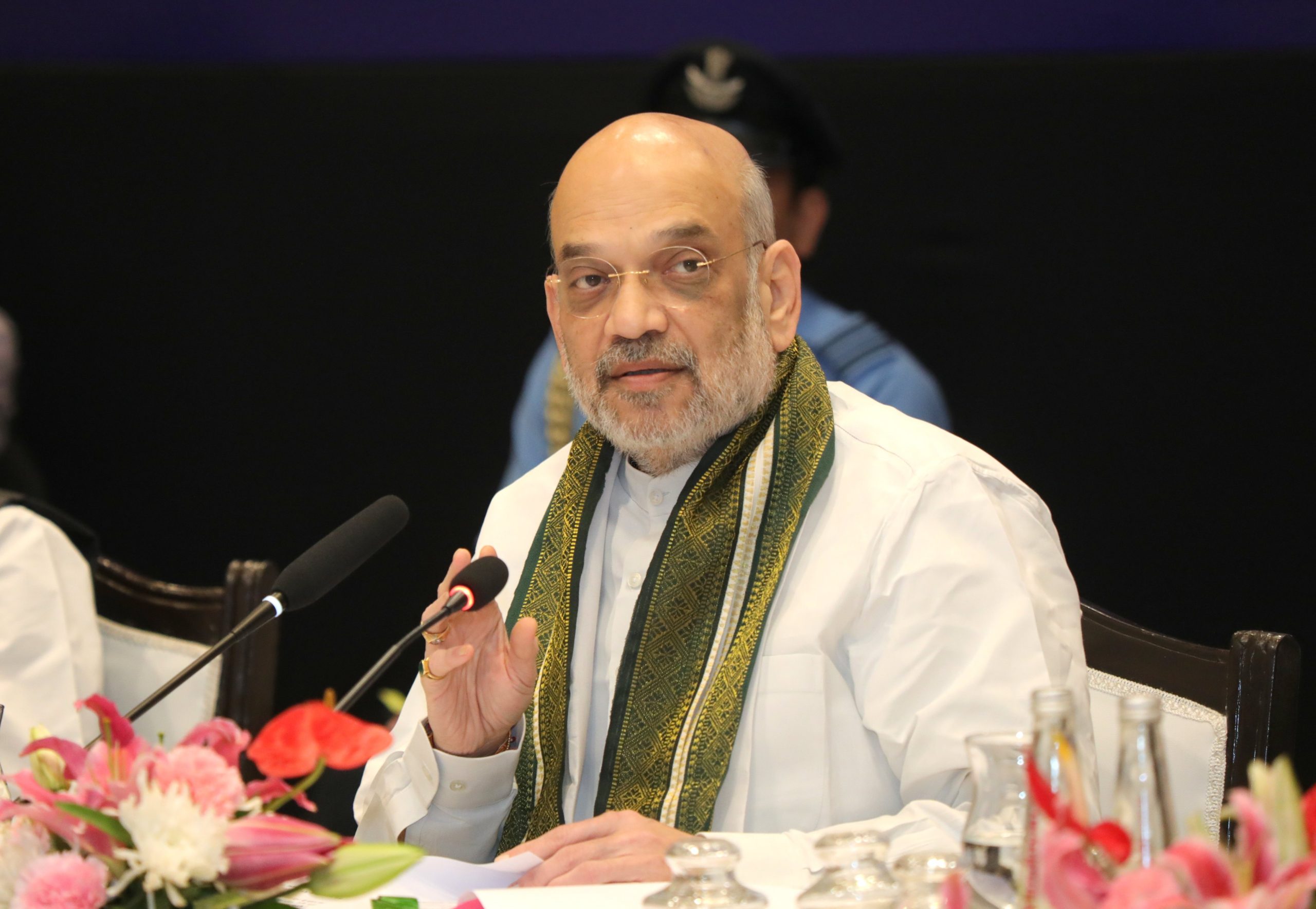
Amit Shah Confirms: CAA Implementation Set Before Lok Sabha Polls

In a resolute statement on Saturday, Union Home Minister Amit Shah assured the nation that the long-anticipated Citizenship (Amendment) Act (CAA), instituted in 2019, is poised for implementation ahead of the imminent Lok Sabha elections. Shah expressed this commitment after the issuance of crucial rules integral to the CAA’s enforcement.

Clarifying Misconceptions: CAA and Its Intentions

Shah, addressing concerns during the ET NOW Global Business Summit 2024, emphasized that the CAA’s primary objective is extending citizenship to those who sought refuge in India after enduring persecution in Pakistan, Afghanistan, and Bangladesh. Contrary to misconceptions, he affirmed, “It is not for snatching anyone’s Indian citizenship.”

Unveiling the Timeline: When Can We Expect CAA Implementation?

Curious about the timeline for the CAA rollout? Here’s a breakdown:

  1. Issuance of Rules: Shah confirmed that the rules integral to CAA implementation will be disseminated promptly, fostering transparency in the entire process.
  2. Before Lok Sabha Polls: The Home Minister’s categorical statement assures that the CAA will see the light of day before the Lok Sabha elections. This proactive move aims to dispel uncertainties and provide a clear roadmap.

Amit Shah’s Address to Concerns: CAA and the Muslim Community

In an effort to address prevailing concerns, Shah touched upon the misinformation circulating among the Muslim community:

“Our Muslim brothers are being misled and instigated (against the CAA).”

To tackle this, Shah is set to initiate an outreach campaign, emphasizing the act’s inclusive nature and its distinct purpose.

The Road Ahead: Challenges and Resolutions

Navigating through the intricacies of CAA implementation, Shah acknowledges challenges and lays out resolutions:

  • Communication Strategy: A robust communication strategy will be employed to ensure that citizens, especially the Muslim community, are accurately informed about the CAA’s essence.
  • Legal Safeguards: Shah assures the incorporation of legal safeguards to prevent any misuse of the CAA provisions, reinforcing its commitment to protecting individual rights.

FAQs: Demystifying Common Queries

1. What is the CAA, and why is it essential?

The Citizenship (Amendment) Act aims to grant citizenship to those persecuted in neighboring countries, fostering a humanitarian approach.

2. Is the CAA discriminatory?

No, the CAA is not discriminatory. Its focus is solely on providing refuge to those facing persecution based on religion in specific nations.

3. How will the CAA impact existing citizens?

The CAA does not infringe upon the citizenship of current residents. Its purpose is distinct—to offer a new home to the persecuted.

4. Will the CAA be implemented before the elections?

Yes, Amit Shah has confirmed that the CAA will be in effect before the upcoming Lok Sabha polls.

5. What steps are being taken to address concerns within the Muslim community?

A comprehensive outreach campaign is planned to dispel misconceptions and ensure accurate understanding of the CAA’s intent.

Absolutely. Legal measures are being incorporated to safeguard against any potential misuse of the CAA, reinforcing its fairness and impartiality.

Ajni Railway Station Undergoes Rs 300 Crore Transformation with New Features

Nagpur: In a groundbreaking development, Ajni Railway Station is set to undergo a massive makeover with a staggering Rs 300 crore project. The focal point of this transformation is the introduction of six cutting-edge travelators, a first-of-its-kind facility within the Indian Railways. Spearheaded by the Railway Land Development Authority (RLDA), the renovation will reshape the popular western entrance of the station.

From February 15 onwards, the old building, a relic from the 60s, will be dismantled to make way for a modern G+3 structure. This project is imperative as the railways are constructing a second entrance on the Eastern side of Ajni Railway Station. The new building, equipped with travelators, will span across platform 1 to 7, ensuring seamless connectivity for travelers navigating between the two ends of the platform.

Swanky Structures and Accessibility at the Core

The new structure promises a host of amenities, addressing contemporary needs and ensuring accessibility for all. Both entrances will boast swanky, modern designs, catering to the demands of the times. Essential facilities are being incorporated to guarantee a hassle-free experience for differently-abled individuals, emphasizing the commitment to inclusivity.

On the Western side, the ground floor will provide expansive open space, while the first floor will house the railway office, including the Station Master’s office and other key departments. The upper floors will feature lounges, waiting areas, and retiring rooms, aligning with the transformation of Ajni into a satellite terminal station. With plans to relocate services from the overcrowded Nagpur Railway Station, Ajni is poised to become a hub with all the modern conveniences.

Future-Ready Infrastructure and Timelines

The ambitious project also includes the construction of four additional high-level platforms to cater to future needs, ensuring a seamless experience for commuters. Work has already commenced on removing the old structure on the western end, causing temporary inconvenience to travelers. The new buildings on both the Eastern and Western sides are projected to be completed by 2025.

As part of the makeover, the dome added to enhance the aesthetic appeal of the old building on the western side will be removed. To facilitate the demolition process, the ticket booking office has been temporarily relocated 200 meters away on the Wardha end of the Ajni station. The Station Master’s office, Commercial Department, and RPF are also operating from temporary structures adjacent to the parking area on the station campus.

In conclusion, the Ajni Station’s Rs 300 crore transformation signifies a bold step towards modernization, ensuring a futuristic and inclusive railway experience for all commuters. The integration of innovative features and state-of-the-art infrastructure is set to redefine railway stations’ standards, marking a significant milestone in India’s rail network evolution.

Supreme Court Set to Deliberate AAI’s Plea Against GMR for Nagpur Airport Operation

In a significant legal development, the Supreme Court has greenlit the examination of a petition lodged by the Airports Authority of India (AAI) against the GMR Group concerning the operations at Nagpur Babasaheb Ambedkar International Airport. The court is slated to delve into the intricacies of the case in two weeks.

The apex Supreme Court emphasized the need for a thorough examination before reaching any conclusions, underscoring the complexity of the matter at hand.

This latest curative petition by the AAI follows the Supreme Court’s validation in May 2022 of the Bombay High Court’s decision, permitting GMR to manage the airport. The subsequent rejection of the review petition in May 2023 left the AAI with the option of filing a curative petition, the ultimate recourse when a review petition is exhausted.

The challenge against the high court’s ruling was initiated by the Multi-modal International Cargo Hub and Airport at Nagpur (MIHAN), a collaborative effort between the Maharashtra Airport Development Company and the Airports Authority.

The Crux of the Matter

At the core of the dispute lies the development of Dr. Babasaheb Ambedkar International Airport as part of the Nagpur Multimodal International Hub Airport (MIHAN) project. This ambitious project aims to transform Nagpur into an international air cargo and passenger hub.

GMR secured the operation with an initial bid of 5.76% of the gross revenue, later raised to 14.49% during negotiations. Despite fiscal challenges in 2016-17, the airport turned a profit of ₹49 crore the following year. Concerns were raised by the civil aviation ministry regarding GMR’s contract offer and revenue-sharing arrangement.

Differing Perspectives

The crux of the matter revolves around MIHAN’s low revenue realization despite a surge to ₹49 crore. The ministry and the state government’s project monitoring committee expressed expectations of further revenue growth with projected passenger volume increases.

GMR defended itself, attributing the profit surge to an augmented user development fee for enhanced passenger facilities. The impasse led GMR to seek court intervention for the contract’s implementation.

The legal battle intensified as the Union government argued its exclusion from prior proceedings, emphasizing its crucial role in airport matters under its jurisdiction. Solicitor General Tushar Mehta asserted that no case related to airport operations could proceed without the Union government as a party.

Mehta further conveyed that the annulment of GMR’s bidding process stemmed from issues related to revenue sharing, signaling a multifaceted legal tussle.

In a complex web of legalities and competing interests, the Supreme Court’s impending hearing holds the key to resolving the intricacies surrounding Nagpur Babasaheb Ambedkar International Airport’s operations.

Raveena Tandon Leads Panel for Prestigious Van Bhushan Award Selection

Nagpur: Renowned Bollywood figure Raveena Tandon has assumed a pivotal role as part of the distinguished four-member selection committee responsible for the prestigious ‘Maharashtra Van Bhushan Award.’ Instituted by the state government on February 8, this accolade recognizes outstanding contributions to forest and wildlife conservation.

In a significant development, the selection panel will be chaired by the esteemed Forest Minister Sudhir Mungantiwar. Accompanying him are key figures, including the Principal Secretary of Forest and the Principal Chief Conservator of Forests (HoFF). Together, they form the core of decision-makers tasked with identifying individuals deserving of this distinguished honor.

A Star-Studded Panel Shapes Environmental Recognition

Amidst the vibrant landscape of Bollywood, Raveena Tandon’s inclusion in this committee adds a unique and star-studded perspective to the process. As the state endeavors to acknowledge exceptional contributions in the realm of environmental conservation, Tandon’s involvement is anticipated to bring a fresh and influential perspective.

H2: Raveena’s Commitment to Conservation

Raveena Tandon, known for her illustrious career in the film industry, is now set to make waves in the environmental domain. With her commitment to various social causes, Tandon’s presence on the panel aligns seamlessly with the broader goal of recognizing those who have made a significant impact in preserving Maharashtra’s diverse flora and fauna.

Screening Committee’s Rigorous Process Unveiled

In tandem with the selection committee, the state has also established an eight-member screening committee to meticulously shortlist candidates. Under the supervision of the Forest Secretary, this committee includes eminent personalities such as PCCF (HoFF), green NGO member Popatrao Pawar from Ahmednagar, seasoned journalist Atul Kulkarni, and PDKV scientist Vijay Illorkar.

Recognizing Excellence in Conservation

The screening committee’s primary objective is to identify individuals who have demonstrated exemplary dedication to the cause of forest and wildlife conservation. With members ranging from environmental experts to journalists and NGO representatives, the diversity ensures a comprehensive and thorough evaluation of potential awardees.

The Road Ahead

As the panels convene and deliberations unfold, the anticipation surrounding the announcement of the Van Bhushan Award recipient builds. The award not only symbolizes recognition but also serves as a beacon, inspiring others to contribute to the noble cause of preserving Maharashtra’s rich ecological heritage.

In conclusion, the convergence of Bollywood glamour with environmental stewardship in the form of Raveena Tandon’s involvement adds a unique and noteworthy dimension to this prestigious award’s selection process. Maharashtra’s commitment to honoring those at the forefront of conservation efforts remains steadfast, and the upcoming announcement is eagerly awaited by both the public and environmental enthusiasts alike.

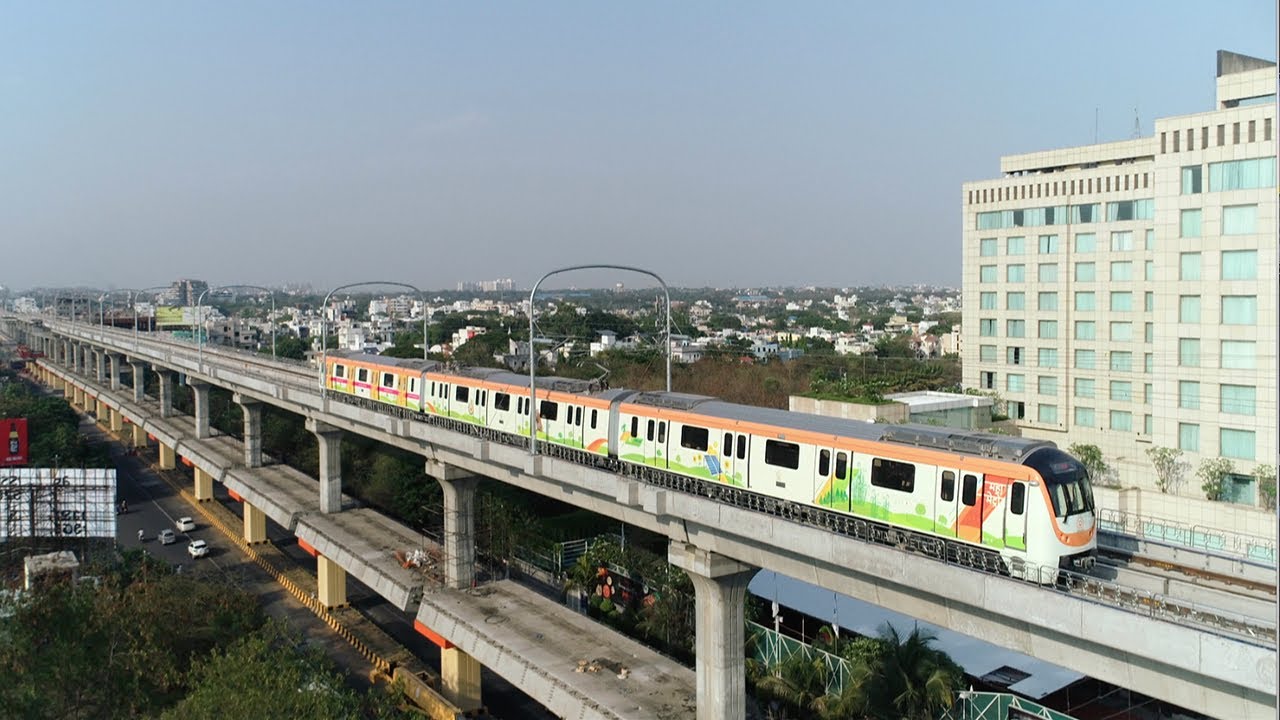
Nagpur Metro Faces Uphill Battle as Footfall Peaks but Profits Remain Elusive

Nagpur, Maharashtra – In a recent surge, Nagpur Metro witnessed a noteworthy increase in footfall, reaching a peak of 1 lakh passengers on February 5. However, this surge, attributed to the Gowari Siege Day when the Gond-Gowari community blocked streets, falls short of the daily ridership required for the Nagpur Metro Rail to break even.

Despite the temporary spike, the average daily ridership remains around 80,000, significantly below the desired threshold. The financial challenge persists, with the Nagpur Metro Rail Corporation Limited (MMRCL) grappling with an average monthly loss of ₹3.5 crore, occasionally soaring to ₹5 crore, even after factoring in non-fare income.

Struggling to Break Even

The completion of the first phase of construction has not translated into financial success for Nagpur Metro. The corporation’s monthly income from both fare and non-fare sources stands at over ₹8 crore, but an additional ₹3.5 crore is crucial to break even. To achieve this, the metro needs to boost daily ridership to 2 lakh, nearly double the current figures.

Fare Structure Woes

Pre-Covid, ridership exceeded 1 lakh, but it dwindled after fare hikes aimed at rationalizing income. Presently, the fare for full travel distance on both routes is ₹41 per passenger, a change from the earlier concessional fare. The non-fare revenue, comprising advertisements and real estate, has been insufficient to offset losses.

Innovative Revenue Strategies

In a bid to generate additional revenue, Nagpur Metro is exploring avenues such as advertising co-branding at stations and train wrapping, where bogeys feature branded names. The corporation is also planning to monetize prime properties, with a fresh tender for developing 20,000 square meters of space at Patwardhan Ground on a public-private partnership (PPP) basis.

Challenges in Monetization

Despite two previous unsuccessful attempts to attract bids for building a 20-story complex at Zero Mile station, the corporation remains undeterred. The focus has now shifted to inviting bids for the Patwardhan Ground project before revisiting the Zero Mile site. However, changes in Floor Space Index (FSI) norms, reducing it from 2.1 to 1.1 times, pose new challenges for potential private developers.

Last Mile Connectivity Initiatives

Acknowledging the need for better last-mile connectivity, Nagpur Metro officials are working on improving feeder services. Recently introduced shared auto services at Kasturchand Park and a shuttle bus connecting the airport with the Airport Metro station aim to enhance accessibility. Discussions with e-rickshaw operators are also underway to bolster services at metro stations.

In the face of financial hurdles and operational challenges, Nagpur Metro remains committed to finding innovative solutions to boost ridership and turn the tide towards profitability.

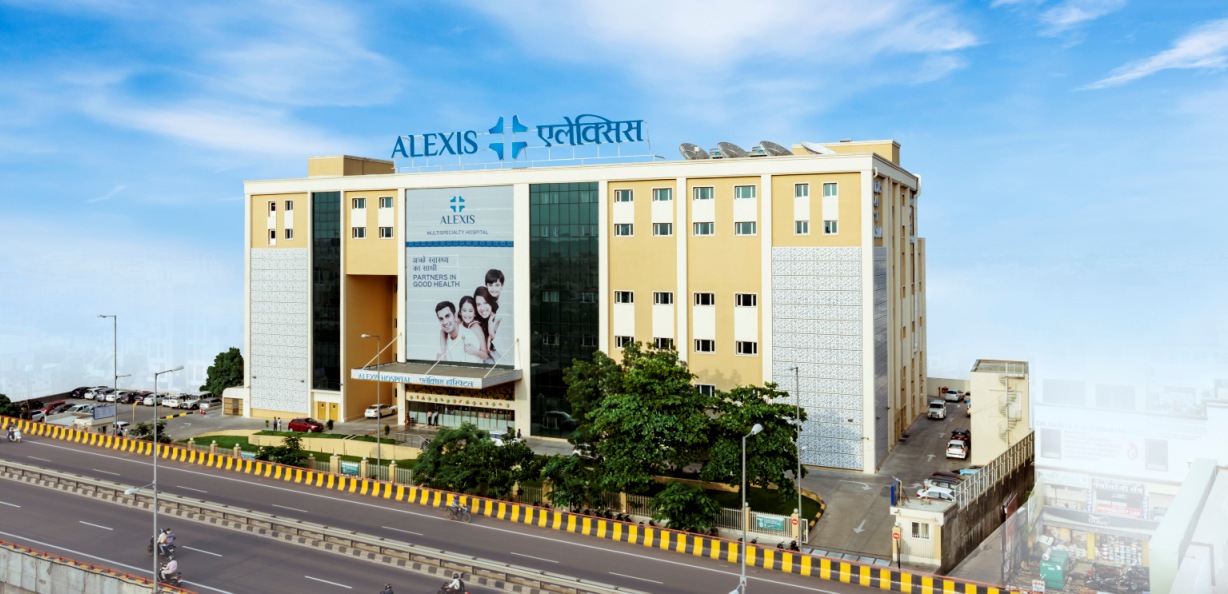
Max Healthcare Expands Reach with ₹412 Crore Acquisition of Alexis Hospital in Nagpur

Nagpur witnessed a groundbreaking development in its healthcare landscape as Max Healthcare, based in Delhi, successfully acquired Alexis Multispecialty Hospital for a staggering ₹412 crore. This monumental deal, arguably the most significant in the city’s healthcare sector, underscores a strategic move by Max Healthcare to extend its influence and services.

Inaugurated by the renowned UAE-based Zulekha Health Care Group, the 200-bedded Alexis Hospital holds historical significance. Dr. Zulekha Daud, the founder of Zulekha Care Group and a Nagpur native, initiated this healthcare endeavor. Dr. Daud, an alumnus of Government Medical College, Nagpur, embarked on her medical journey in the UAE, eventually establishing a healthcare empire. The recent acquisition by Max Healthcare symbolizes the convergence of healthcare giants, reflecting a broader trend.

The healthcare landscape in Nagpur has been experiencing a surge in interest from listed entities, evident in the earlier alliance between Kingsway and Hyderabad’s KIMS Hospital. In this notable transaction, KIMS Hospital secured a 70% stake, investing around Rs300 crore. Following suit, private equity firm Black Stone acquired Care Group, encompassing the Nagpur unit. This trend points towards a growing preference among listed entities to establish a robust presence in Nagpur’s healthcare market.

Amit Somani, Chief of Strategy and Corporate Development at KIMS Hospitals, shared insights into the emerging trend, stating, “Listed entities’ keen interest in Nagpur as a market is set to drive healthy competition. The influx of major players promises benefits for patients, bringing enhanced facilities, diversified skill sets, and advanced technology to the forefront. Moreover, such acquisitions are anticipated to reduce the need for Nagpur residents to seek treatment in larger cities.”

Strategic Acquisitions Pave the Way for Enhanced Healthcare Ecosystem

The healthcare sector in Nagpur is poised for transformation, with Max Healthcare’s acquisition of Alexis Hospital marking a pivotal moment. This strategic move not only strengthens Max Healthcare’s foothold in the region but also sets the stage for a competitive healthcare ecosystem. With the precedent set by KIMS Hospital and Black Stone, more significant players are eyeing potential acquisitions in Nagpur, signaling a positive trajectory for the city’s healthcare landscape.

BJP’s Strategic Moves: Targeting Katol and Saoner Seats in Upcoming Elections

Nagpur: The political landscape in Nagpur is heating up as the BJP gears up for the upcoming Parliamentary elections, setting its sights on the crucial Katol and Saoner assembly seats. The district unit, led by president Sudhakar Kohale, is leaving no stone unturned to secure victory in these constituencies.

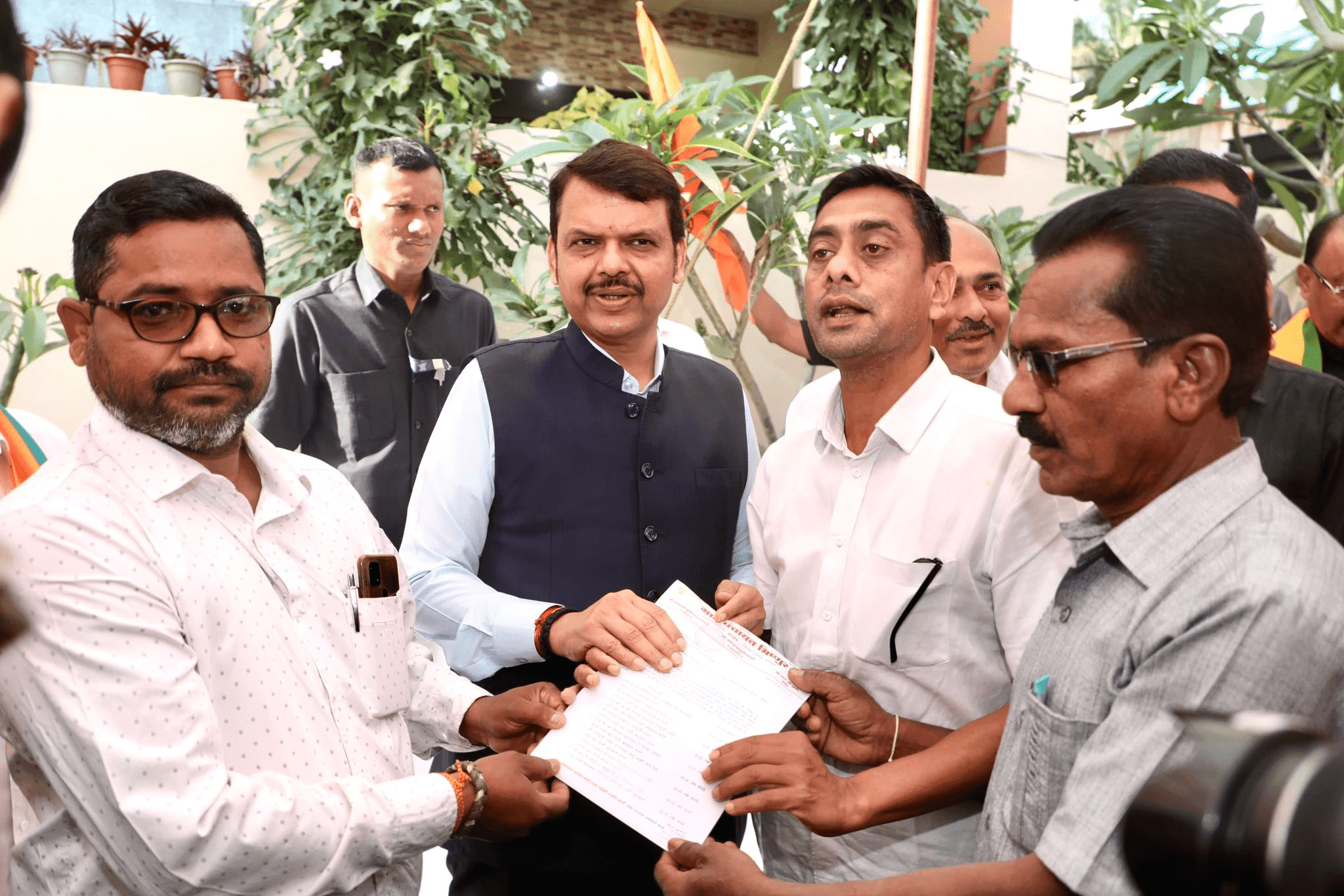
In a recent press meet, the saffron party’s rural unit outlined its clear intentions to wrest control of both seats from the opposition parties. The visit and overnight stay by Deputy Chief Minister Devendra Fadnavis at Paradsinga in Katol, as part of the ‘Gaon Chalo Abhiyan,’ underscored the party’s commitment to the cause, according to insiders.

Katol: A Bastion Challenged

Katol, traditionally a stronghold for the NCP, presents a formidable challenge for the BJP. The constituency has been represented by five-time MLA Anil Deshmukh, a close associate of NCP patriarch Sharad Pawar, since 1995. Despite a brief victory for the BJP in 2014, when Ashish Deshmukh defeated his uncle during the Narendra Modi wave, Katol remains a tough battleground.

The BJP’s early preparations in Katol indicate a keen interest in unseating Deshmukh, with speculation rising that Ashish might again be pitted against his uncle. The saffron party acknowledges the difficulty but remains determined to make inroads into this NCP bastion.

Saoner: An Opportunity Arises

Saoner, on the other hand, presents a more favorable scenario for the BJP. The disqualification of sitting MLA Sunil Kedar, following his conviction in the Nagpur District Central Cooperative Bank (NDCCB) scam, has opened up possibilities for the saffron party.

Kedar, a five-term MLA from the town, had remained undefeated even during the Modi wave of 2014. His disqualification now provides the BJP with a chance to capitalize on the situation and secure the seat that has been predominantly held by the Congress.

Intra-Party Clashes and Political Drama

The political fervor escalated as both Deshmukhs clashed on stage during an event discussing development works for Katol town. Ashish criticized his uncle for the lack of job opportunities and development since 2019, prompting a heated exchange. Fadnavis and BJP state president Chandrashekhar Bawankule were present at the event.

The event witnessed further commotion when Shetkari Kamgar Paksh (SKP) leader Rahul Deshmukh was denied the opportunity to speak on political issues. Bawankule condemned the disruption, emphasizing the need for constructive discussions on ongoing issues affecting the constituency.

Fadnavis’ Assurance and Political Maneuvering

Fadnavis expressed disappointment that the event turned political but assured citizens of government support through various central government schemes. Despite the challenges and intra-party clashes, the BJP remains steadfast in its pursuit of victory in Katol and Saoner, shaping the political narrative in Nagpur.

As the electoral battle intensifies, all eyes are on these key constituencies, where the BJP aims to reshape the political landscape in its favor. The upcoming Parliamentary elections in Nagpur promise to be a riveting contest, with the saffron party strategically positioning itself for success.

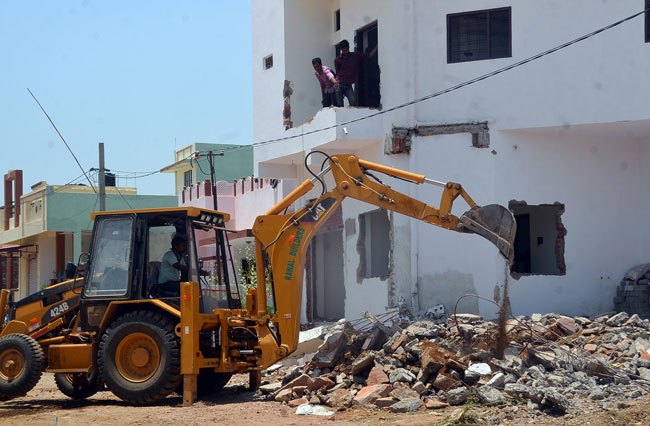
Civic Bodies Struggle to Eradicate 2,000 Illegal Constructions in Nagpur

illegal constructions Nagpur: Nagpur continues to grapple with the challenge of over 2,000 illegal constructions in Nagpur, despite persistent directives from the Nagpur bench of the Bombay High Court. The Nagpur Metropolitan Region Development Authority (NMRDA) disclosed this unsettling revelation in an affidavit presented to the High Court on Thursday.

According to the affidavit filed by NMRDA Joint Commissioner Avinash Katade, who also serves as the Chairman of the Joint Supervisory Committee, various civic bodies, including NMT, NIT, and NMRDA, possess a comprehensive list of 4,668 illegal constructions in Nagpur that require immediate demolition. Surprisingly, only 1,403 of these structures were dismantled between December 7, 2023, and January 22, leaving a staggering 2,681 structures still standing.

Persistent Challenges Despite Demolition Efforts

The action taken report, submitted in response to the court’s inquiry from a PIL initiated by Ajay Tiwari, indicated that 588 structures had been transferred to other authorities such as Nagpur Smart and Sustainable City Development Corporation and various municipal councils, some of which are recently constituted.

Despite the concerted efforts of the supervisory committee, which includes Secretary Sunil Lahane and members Vijaya Bankar, Ashwini Patil, and Shriram Mundhada, the authorities involved were urged to push the demolition drive to its maximum extent. They directed the concerned authorities to address any legal impediments in subsequent meetings or face consequences.

Warning of Consequences and Police Support

Expressing dissatisfaction could lead to severe consequences, as the committee warned that failure in executing a satisfactory demolition drive might compel them to request disciplinary actions against officers who willfully defy High Court orders.

In their defense, all relevant authorities claimed that between December 7, 2023, and January 22, the police department provided ample and timely security for scheduled demolitions. DCP (Special Branch Additional Charge) Patil assured the committee of continued police support for pending demolition operations.

Despite these assurances, the pressing issue remains – a significant number of unauthorized structures still stand, posing a challenge to the city’s urban planning and development goals. The authorities now face the uphill task of not only removing the remaining structures but also ensuring that legal processes are followed meticulously to prevent future encroachments.

In the ongoing saga of illegal constructions, Nagpur’s civic bodies find themselves at a crossroads, balancing the demands of rapid urbanization with the imperative of upholding the rule of law.

Pench Safari Resumes: Maharashtra’s PTR Reverses Decision Amidst Minister’s Visit

Nagpur: In a surprising turn of events, the Pench Tiger Reserve (PTR) in Maharashtra has decided to reinstate safari bookings at the Sillari entry gate on February 16. The initial cancellation, prompted by the official tour of Maharashtra’s Forest and Cultural Minister, Sudhir Mungantiwar, had left many tourists dismayed. However, the park management’s reconsideration brings relief to wildlife enthusiasts and visitors alike.

Minister’s Tour Impact

The cancellation was initially enforced due to Minister Sudhir Mungantiwar’s scheduled visit to Pench. The park management had called off all Pench Safari bookings from the Sillari gate on February 16 to accommodate the minister’s presence. Mungantiwar’s day-long tour includes attending a function at the Amaltas Ecotourism Complex in Sillari, where he will unveil various initiatives undertaken by the tiger reserve in recent times. With over 500 locals and forest staff expected to attend, the decision aimed to streamline the park’s operations during the minister’s visit.

Tourist Discontent

The abrupt decision left tourists, who had pre-booked safaris, in a state of shock. Himanshu Bagde, a visitor, expressed his dissatisfaction, having already invested Rs1.20 lakh in safari fees, logistics, and flight tickets. Bagde remarked, “Cancelling the safari would have been completely unjustified. It is good that the park management reversed its decision.”

Reversal of Decision

Pench’s Deputy Director, Prabhu Nath Shukla, clarified the revised plan. Morning safaris from the Sillari gate would be permitted on February 16, providing respite to those who had planned their wildlife excursions in advance. However, the evening round has been regrettably canceled. Shukla assured that safaris from other entry gates like Chorbahuli and Khursapaar would proceed as scheduled. Visitors with evening safari bookings on February 16 from Sillari gate were given alternatives – they could opt for Khursapar gate or enjoy a morning safari on February 17. Shukla emphasized the park’s commitment to ensuring that visitors could still experience the beauty of Pench’s wildlife.

The Pench Tiger Reserve’s decision to reverse the cancellation demonstrates a balanced approach between conservation efforts and visitor satisfaction. As Maharashtra’s PTR (Pench Tiger Reserve) continues to attract wildlife enthusiasts, such instances highlight the delicate balance between wildlife management and accommodating official engagements. Tourists can now look forward to exploring the rich biodiversity of Pench, and the park management’s flexibility ensures that the impact on their plans is minimized.

Exit mobile version