Top Criminals Vanish as CP Ravinder Singal Takes Action

Nagpur’s criminal landscape is undergoing a seismic shift as Commissioner (Nagpur CP) Ravinder Singal takes stringent measures against the city’s notorious underworld figures. In a recent operation, 317 individuals with serious criminal records, especially those falling under the Maharashtra Control of Organized Crime Act (MCOCA), were brought before the CP office. Ravinder Singal, in a bold move, issued stern warnings to these individuals, cautioning them against a return to their illicit activities.

Underworld Exodus

However, it seems the crackdown has prompted an unexpected turn of events. Many of the city’s top goons, in response to the intensified police drive, have gone underground, leaving law enforcement grappling with their sudden disappearance. Sources reveal that the associates of the apprehended criminals have fled the city, adopting a wait-and-watch approach to assess the police’s new strategy following the recent change in leadership within the city police commissionerate.

Unnerving Raids

The city police’s unexpected visits to the homes of known criminals and subsequent inquiries have left the underworld in disarray. Close aides of these individuals were captured and brought to the Nagpur CP office for questioning. This swift and unanticipated action has left the criminal fraternity on edge, as they had presumed that the change in leadership would afford them greater freedom. However, the surprise raids and crackdowns on their hideouts have caught them off guard.

Singal’s Damage Control

Commissioner Singal, determined to regain control after a series of four murders and a daring dacoity, has initiated a damage control mode. In response to the recent criminal activities, Singal has instructed the crime branch and police stations to update criminal dossiers and records. The focus is on rounding up criminals across different units over the coming days, ensuring that law enforcement stays one step ahead.

Strategic Crackdown

Under the guidance of the new Deputy Commissioner of Police, Nimit Goyal, the crime branch has intensified its efforts. Officers are now visiting the residences and localities of known criminals, monitoring whether they have ceased their activities following the recent police actions or if they have resumed their illicit pursuits.

City on Edge

As the underworld figures lurk in the shadows, the city remains on edge, awaiting the next move in this high-stakes game between law enforcement and the criminal underworld. Commissioner Singal’s strategic crackdown and focus on history-sheeters indicate a proactive approach to tackling crime and maintaining public safety. The unfolding events will undoubtedly shape the future of Nagpur’s criminal landscape.

Legal Battle Erupts Over Kadbi Sq Y-Flyover Construction

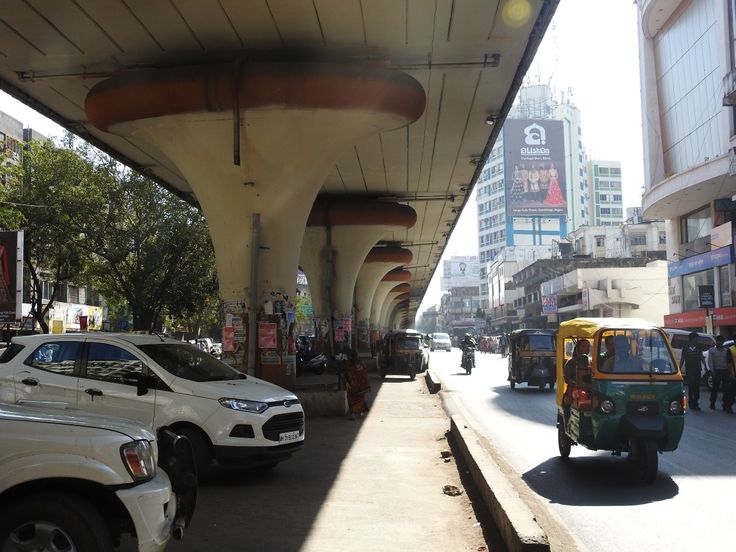
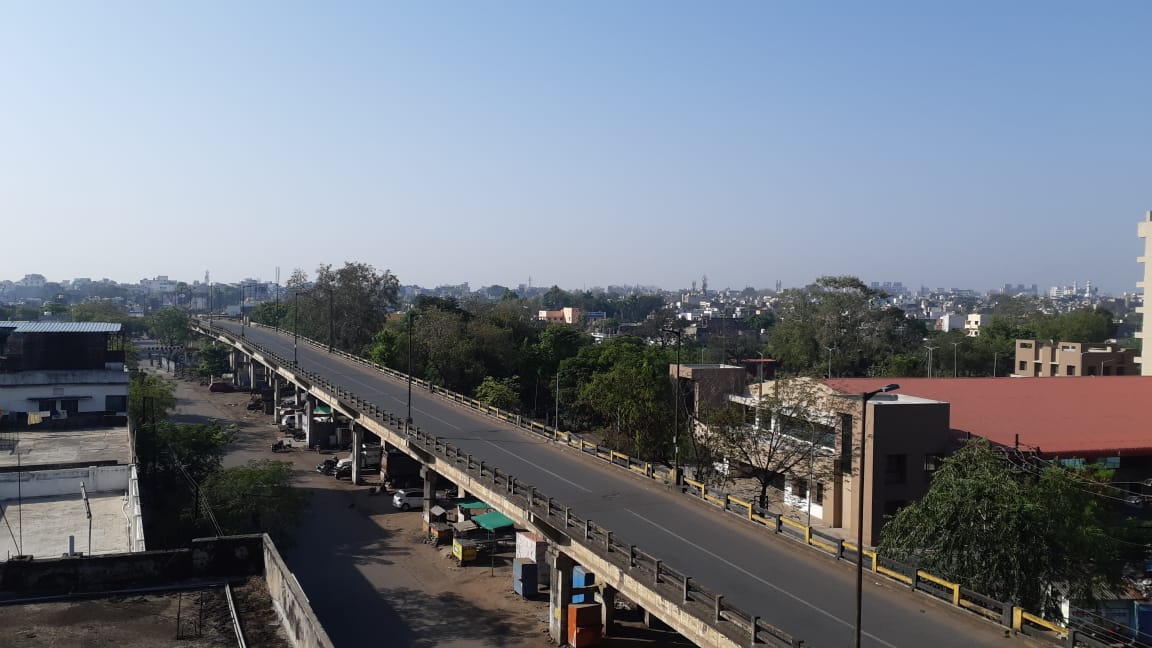
In a dramatic turn of events, the construction of the 2.8km Y-flyover from Kadbi Chowk (Kadbi Square) in Nagpur has encountered a legal challenge at the Nagpur bench of the Bombay High Court. The contentious portion of the flyover Kadbi Chowk, stretching from Pahelwanshah Dargah to Gupta Atta Chakki in Mominpura, has stirred controversy. One arm of the railway overbridge links to Mominpura-Timki, while the other extends towards Santra Market.

Concerns Raised by Local Leader

Mohammad Firju Rahman, the president of Mominpura Jama Masjid, has taken a stand by filing a Public Interest Litigation (PIL) demanding an immediate halt to the construction of the Y-flyover. Rahman argues that the bridge lacks administrative approval, positioning it as an illegal structure. He further contends that there is no genuine necessity for its existence. Notably, the challenge to the approved design has already left the two arms of the Itarsi RoB hanging.

A bench comprising Justices Nitin Sambre and Abhay Mantri has issued notices to a range of key entities, including the State Public Works Department, Central Railway Secretary, Central Road Transport Department Principal Secretary, Maharashtra Railway Infrastructure Development Corporation, Municipal Commissioner, Divisional Commissioner, Collector, and Police Commissioner. The court has given the respondents six weeks to submit their replies.

Advocates Presenting the Case

Advocates Sasibhushan Vahne and Yash Sawaitul have represented Mohammad Firju Rahman in this legal battle. They skillfully presented the petitioner’s arguments, emphasizing the lack of administrative approval and the perceived illegality of the flyover’s location. On the opposing side, Advocates Nandesh Deshpande and Deepak Thackeray argued in favor of the state, presumably defending the necessity and legality of the ongoing construction.

As the legal skirmish unfolds, the fate of the Y-flyover hangs in the balance. The court’s decision, expected in the coming weeks, will play a pivotal role in determining whether the construction will proceed or face further delays. The Y-flyover project, initially aimed at easing traffic congestion, has now become a focal point for legal contention, leaving the public and authorities eagerly awaiting the court’s verdict.

In the heart of Nagpur, Kadbi Square witnesses not only the construction of concrete structures but also the unfolding of a legal drama that could reshape the city’s skyline and transportation landscape.

Tekdi Subway Project Signals Transformation for Freedom Park

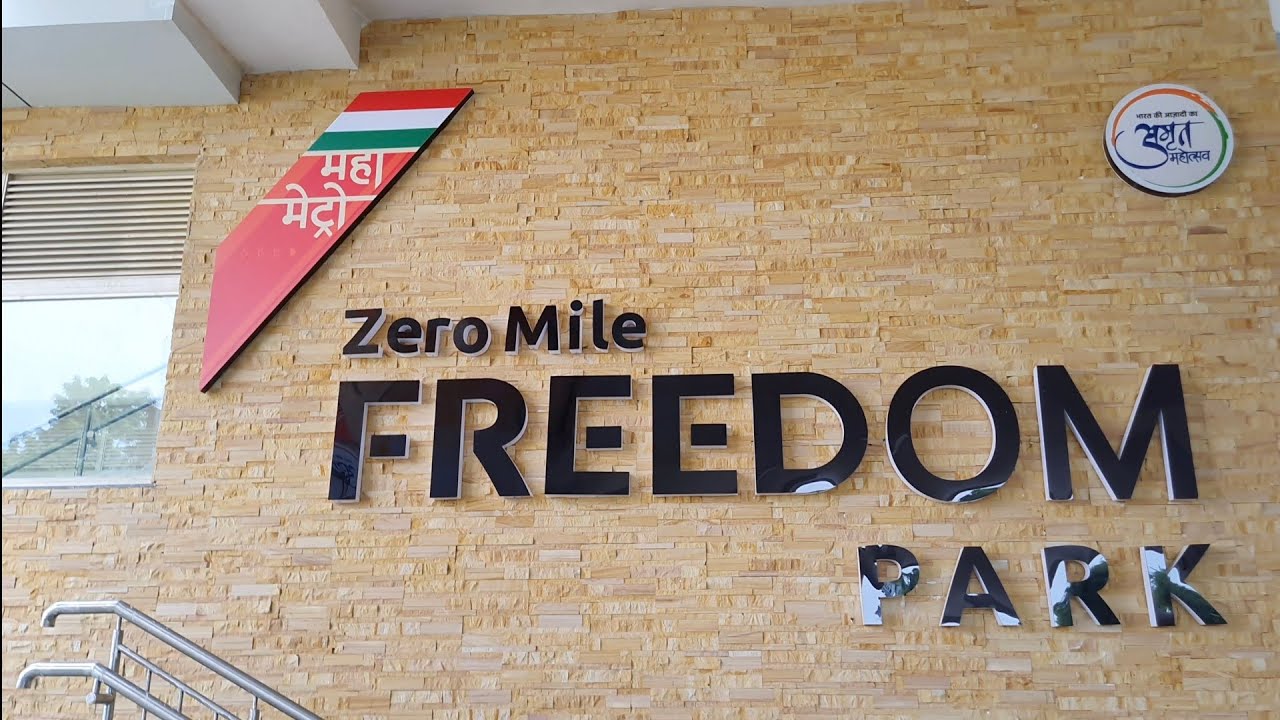
In a significant move by the Maharashtra Metro Rail Corporation Limited (MMRCL), the iconic Freedom Park, situated at the Zero Mile Metro station, is set to transform to make way for the Tekdi subway. The decision comes in response to the pressing need to alleviate congestion along the Tekdi Road stretch.

Demolition Plans and Subway Progress

Initial blueprints indicate that approximately 25% of the current Freedom Park area is slated for demolition to facilitate the construction of the subway connecting Tekdi Road with Science College Road. The demolition will include key features such as staircases and adjoining sections of the park, reshaping the landscape to accommodate the evolving transportation infrastructure.

Historic Closure and Unruly Behavior

The Freedom Park, located at Old Morris College Square, had long been inaccessible to citizens. Despite being a popular spot for morning and evening walks, the park faced closure, only reopening after media inquiries on a Thursday evening. Over time, the park became a haven for individuals seeking leisure, but the gathering of unruly youngsters during afternoons and evenings became a growing concern.

Nuisance Amidst Tranquility

The tranquility of the green space was disrupted by the wayward behavior of youngsters, creating a nuisance for those looking to spend quality time amidst the hustle and bustle of the busy square. The decision to redevelop the area surrounding the Zero Mile station includes the removal of the amphitheater at Freedom Park, further altering its landscape.

Citizens Express Concern

Citizens were already expressing discontent after discovering closure notices displayed at the park’s entrance. Akhilesh Halve, Deputy General Manager of Corporate Communications at MMRCL, confirmed the development, stating that 25% of the existing park area is earmarked for redirection to facilitate subway construction. Halve assured citizens that post-completion of the subway, the park would be revitalized to its former glory.

Vision for the Future

As the subway project gains momentum, the envisaged transformation holds promises of improved connectivity and reduced traffic congestion on Tekdi Road. While the temporary inconvenience of losing a portion of Freedom Park is undeniable, MMRCL aims to enhance the overall urban experience by creating a modern transportation network. The project aligns with the city’s vision for sustainable growth and efficient public transport.

In the coming days, citizens will witness the evolving landscape around Zero Mile station, with the subway project poised to reshape not only the physical infrastructure but also the dynamics of how individuals navigate and experience their urban surroundings. The closure of Freedom Park is not just a loss but a precursor to a reimagined space that aims to meet the evolving needs of the city and its residents.

Revolutionizing School Timings: Pre-Primary Classes Now Starting After 9 am

in a significant move prompted by Governor Ramesh Bais, the School Education Department has responded to the changing lifestyle dynamics by advocating for a delayed start for pre-primary classes. The governor, during a program on December 5, 2023, recommended a reevaluation of school timings to better align with the evolving needs of students.

Rethinking Education Schedules

Following Governor Bais’s suggestion, the State Council of Education Research and Training (SCERT) took proactive steps by gathering opinions from diverse sections of society. The feedback highlighted concerns such as the influence of late-night entertainment options, the increasing noise from vehicles, and the disruptive effects of nighttime events on student sleep patterns. Students, influenced by these factors, tended to wake up later, impacting their timely attendance at school during the early hours.

Policy Implementation

Considering the comprehensive analysis of various factors, the Government issued a circular on Thursday, mandating schools to commence pre-primary classes for Std I to IV after 9 am. The circular emphasizes that schools encountering challenges in adjusting their schedules should collaborate with the District Education Officer for viable solutions. Importantly, it stresses adherence to the teaching hours specified in the Right to Education Act 2009.

Addressing Lifestyle Impact

The circular recognizes the adverse impact of changing lifestyles on students’ enthusiasm for learning. It specifically notes the challenges faced by students and parents during seasons like winter and monsoon, where early school hours contribute to health issues such as colds and coughs. Additionally, the stress faced by parents in preparing their children for early morning school, especially during fog or heavy rain, has been acknowledged.

Strategic Planning for School Timings

To alleviate the logistical challenges faced by school transport, the Department advises schools to plan their class timings to avoid clashes with government office hours. This proactive measure aims to prevent potential traffic chaos during peak hours, ensuring a smoother daily routine for both students and the general public.

In conclusion, the decision to shift pre-primary classes to a later start time reflects a forward-thinking approach to address the evolving needs of students and the challenges posed by modern lifestyles. This move is expected to not only enhance the well-being of students but also streamline the daily routines of parents and school transportation services. As educational institutions adapt to these changes, the focus remains on creating an environment conducive to effective learning and overall student development.

“Vibrant Changes Ahead: Ambazari Lake’s Transformational Journey”

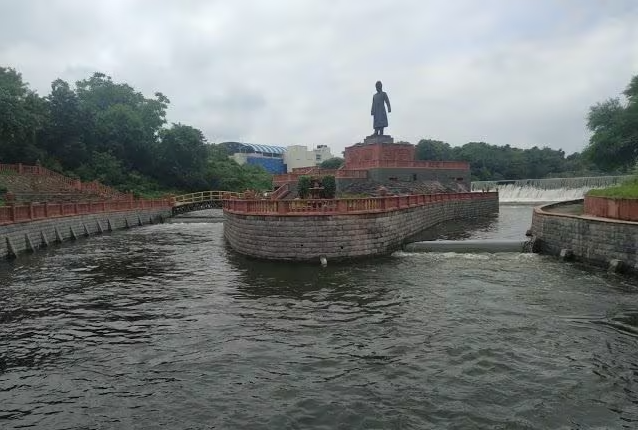
Nagpur : In a recent development regarding Ambazari Lake, the Divisional Commissioner disclosed during a Public Interest Litigation (PIL) hearing that a high-level committee has advocated the relocation of the statue of Swami Vivekananda, situated by the lake, to facilitate the free flow of water. The committee, comprised of representatives from the NMC, Chief Engineer of the Irrigation Department, and the Maharashtra Engineering Research Institute in Nashik, aims to implement measures outlined in the 2018 Irrigation Department report, including the removal of obstacles like the Swami Vivekananda statue.

Committee’s Endeavors and Funding Allocations

The Irrigation Department’s 2018 report emphasized the significance of relocating the statue to ensure unhindered water flow. Presently, the initiative to revitalize and beautify Ambazari Lake is gaining momentum, supported by an approved fund of Rs 21.07 crore for the deepening of the Nag river bed.

The Divisional Commissioner, in an affidavit presented to the Nagpur Bench of the Bombay High Court, outlined the distribution of funds in four phases for various essential tasks. Justices Nitin Sambre and Abhay Mantri presided over the hearing, where it was revealed that the allocated funds would contribute to different phases of the ongoing project.

Clearing Encroachments and River Enhancement

Following the High Court’s previous instructions, a high-level committee is actively working to clear all encroachments along the Nag river. The current focus is on encroachment removal, aligned with the directive. Ambazari Lake, with a water discharge of 400 cubic meters and a carrying capacity of 60 cubic meters for the Nag river, is undergoing a comprehensive process of encroachment removal and riverbed deepening.

According to the Divisional Commissioner’s affidavit, efforts to fortify and enhance Ambazari Lake are already in progress. The Urban Development Department has formed a high-level committee, led by senior officials, tasked with ensuring the safety of Ambazari Lake, streamlining the Nag river, and eliminating encroachments along its banks.

The PIL, filed by residents including Ramgopal Bachuka, Jayashree Bansod, and Natthuji Tikkas, represented by Adv Tushar Mandlekar, underscores the local community’s active involvement in the process. Additionally, Adv Deepak Thakre is representing the State Government in these crucial legal proceedings.

As Ambazari Lake undergoes a transformative journey, these strategic initiatives and legal interventions pave the way for a vibrant and revitalized water body, ensuring its sustainability for generations to come.

Legal Twist: Kunal Raut Secures Bail in PM Poster Vandalism Case

In a recent legal development, Kunal Raut, the president of the state Youth Congress, has been granted bail in the case involving the defacement of Prime Minister Narendra Modi’s poster. The judicial magistrate first class-6 in Nagpur made a decisive decision on Wednesday, rejecting the Sadar police’s plea to extend the custody remand of Raut.

Denied Custody Extension

The Sadar police had requested an extension of the custody remand until Friday, citing the need to investigate further aspects of the case. However, their plea was dismissed, with the court emphasizing the lack of new grounds for seeking an extension.

Defence Stance

Raut’s defense counsel, comprising advocates Kamal Satuja, Kailash Dodani, and Deepen Jagyasi, argued that there was no valid reason to prolong the custody. They asserted that there was nothing substantial to be recovered or seized from the accused.

Swift Bail Application

Following the rejection of the custody extension, Kunal Raut | Nagpur’s legal team promptly submitted a bail application. They contended that their client had been wrongly implicated in a false case, and as the investigation was nearing completion, further detention was unnecessary.

Prosecution’s Opposition

In response, the prosecution opposed the bail application, expressing concerns that Kunal Raut | Nagpur, if released, might tamper with prosecution witnesses or engage in similar criminal activities.

On-Street Parking: NMC’s Ambitious Plan Hits Roadblocks

In 2022, the Nagpur Municipal Corporation (NMC) set an ambitious goal to introduce on-street parking at 75 locations, aiming to alleviate the persistent issue of haphazard parking in the city. However, the reality is starkly different, with only 11 spots being operational in the past two years.

What Caused the Delay?

The primary cause for this delay lies in the NMC’s ( Nagpur Municipal Corporation) failure to collaborate effectively with the traffic police. Out of the initially proposed 75 locations, objections were raised by the traffic police for 64 sites, creating a significant roadblock. The consequence? Only a fraction of the intended on-street parking spots materialized.

Joint Inspection for a Fresh Start

Recognizing the need for a cohesive approach, both the NMC and the traffic police have now committed to conducting a joint inspection of each identified spot. Ravindra Bundhade, NMC executive engineer (traffic), emphasizes the importance of this collaboration to streamline the implementation of on-street parking.

Under-Street Parking: A Relief for Motorists

Amidst the challenges faced in executing on-street parking plans, the NMC introduces a temporary solution – under-street parking. Motorists can park their vehicles along the road without incurring any charges, providing a momentary respite from the complications associated with on-street parking.

First Phase Implementation

In the initial phase, the NMC traffic department proposed ten areas for on-street parking. However, this faced resistance from the traffic police, who objected to eight of the selected roads. This lack of coordination has been a recurring issue, leading to a less-than-smooth implementation process.

Concerns Raised by Traffic Police

Traffic police officers express concerns over allowing parking on busy roads, particularly those witnessing high commercial activities. According to their preliminary observations, such spots are not conducive to on-street parking as it could severely disrupt traffic flow. Striking a balance between addressing parking concerns and maintaining smooth traffic movement becomes crucial.

Unearthing the Traffic Woes

Despite Nagpur having wider roads compared to other metropolitan cities, traffic congestion persists due to rampant haphazard parking. Many commercial building parking lots are misused for alternative purposes, forcing visitors to resort to on-road parking.

Lack of Expert Consultation

Critics highlight the NMC’s failure to consult with traffic police and experts when selecting on-street parking spots. A comprehensive survey of all busy roads within the proposed on-street parking zones is deemed essential to identify and address potential issues like hawking zones and traffic congestion.

Escalating Penalties for Haphazard Parking

A closer look at traffic police actions against motorists parking indiscriminately on roads reveals a significant increase in penalties. From 22,658 cases in 2021, the number surged to 89,944 cases in 2023, marking a substantial 75% rise. This highlights the urgent need for a systematic approach to parking solutions in Nagpur.

As the city grapples with the complexities of on-street parking, collaborative efforts between the NMC and the traffic police emerge as a key strategy for a more efficient and sustainable solution. The journey towards organized and hassle-free parking in Nagpur necessitates a holistic approach, encompassing expert opinions, comprehensive surveys, and a shared vision for a traffic-friendly cityscape.

Nagpur CP Ravindra Singhal Takes Charge: Unveiling Criminal Identities in Bold Move

Introduction

In a bold stride towards combating crime in Nagpur, the recently appointed CP Dr. Ravindra Singhal, orchestrated a high-profile identity parade at the Police Commissioner’s office. This strategic initiative is a pivotal component of the comprehensive plan to tackle criminal activities within the city.

New Nagpur CP Conducts Identity Parade of Hundreds of Criminals

The streets of Nagpur witnessed a unique spectacle as Commissioner Ravindra Singhal, at the helm of the city’s police force, orchestrated an identity parade of well-known criminals. This roll call included notorious figures like Ashwin Ramase, Ravindra Ukey, Rahul Khobragade, Ankush Phuke, Abdul Karim, Rakesh Hedao, Sitaram Sahu, Sunny Samudre, and Sunny Chavan. The initiative, a testament to Commissioner Singhal’s commitment, serves as a public declaration against criminal activities within the city.

Reaffirming Commitment to Public Safety

A senior officer from the Crime Branch emphasized that showcasing these individuals with criminal backgrounds is a powerful public statement. It reinforces the commitment of the police department, under Commissioner Singhal’s leadership, to ensure the safety and order of Nagpur. Criminals were sternly reminded to adhere to the law and abstain from any unlawful activities.

Commissioner Singhal’s Determination to Combat Crime

Assuming office recently, Commissioner Singhal expressed his unwavering determination to crackdown on criminal elements. He underscored the significance of proactive measures in establishing a secure environment for Nagpur residents. This decisive action aligns seamlessly with his overarching vision of fortifying the police force’s role in preventing crime and ensuring community safety.

Community Involvement for a Secure Nagpur

This high-profile event is a continuation of the relentless efforts by law enforcement to keep the public well-informed about initiatives combating criminal activities in Nagpur. Commissioner Singhal, through his office, calls upon residents to actively cooperate with authorities. Encouraging a collaborative approach, the city is urged to report any suspicious activities, fostering a united front in maintaining peace and security.

Frequently Asked Questions (FAQs)

Q1: Why did Commissioner Singhal organize the identity parade?

A1: CP Ravindra Singhal initiated the identity parade as a bold move to demonstrate the police department’s commitment to addressing criminal activities in Nagpur.

Q2: Who were the notable figures in the parade?

A2: The parade featured well-known individuals with criminal records, including Ashwin Ramase, Ravindra Ukey, Rahul Khobragade, Ankush Phuke, Abdul Karim, Rakesh Hedao, Sitaram Sahu, Sunny Samudre, and Sunny Chavan, among others.

Q3: What message was conveyed to the criminals during the parade?

A3: The criminals were sternly reminded to abide by the law and cease any involvement in criminal behavior.

Q4: How does this event align with Commissioner Singhal’s vision for Nagpur?

A4: This action aligns with Commissioner Singhal’s broader vision of fortifying the police force’s role in crime prevention and community safety.

Q5: What is the significance of community involvement in maintaining peace?

A5: Commissioner Singhal encourages residents to actively cooperate with authorities, fostering a collaborative approach to maintain peace and security in Nagpur.

Q6: What should the public do in case of witnessing suspicious activities?

A6: Residents are urged to report any suspicious activities promptly, contributing to the shared responsibility of ensuring a secure Nagpur.

Conclusion

Commissioner Ravindra Singhal’s resolute stance against criminal elements and his commitment to community safety mark a new era for Nagpur. The identity parade serves not only as a public spectacle but as a testament to the proactive measures employed by law enforcement under his leadership. As Nagpur stands united against crime, Commissioner Singhal’s vision for a secure city gains momentum, shaping a safer future for all residents.

Flood Mitigation Plan for Nagpur: High Court Directs Irrigation Department

In a pivotal move towards safeguarding Nagpur from the devastating impact of floods, the Nagpur Bench of the Bombay High Court has recently taken a proactive stance by directing the Irrigation Department to articulate a robust plan for future flood prevention. This significant development comes in the wake of the calamitous flooding caused by the overflow of Ambazari lake in September 2023, prompting the court to intervene and seek concrete measures to avert such disasters in the future.

Judicial Intervention in the Wake of Havoc

The urgency of the matter unfolded when heavy rains in September 2023 led to the inundation of various settlements as the waters of Ambazari Lake surged beyond its limits. In response to the ensuing chaos, Ramgopal Bachuka and others filed a Public Interest Litigation (PIL) in the High Court, articulating a range of demands aimed at preventing the recurrence of such catastrophic events. The PIL, presided over by Justice Nitin Sambre and Abhay Mantri, prompted the court to delve into the specifics of safeguarding Nagpur from future floods.

Demand for Detailed Flood Prevention Strategies

During the proceedings, the petitioner’s lawyer, Adv. Tushar Mandlekar, underscored a crucial gap in the court records – the absence of detailed information regarding the measures to be implemented to shield Nagpur from future floods. This observation triggered a proactive response from the court, leading to the issuance of a directive to the Irrigation Department. The court has mandated the submission of a comprehensive flood prevention plan within the next three weeks, signaling a significant step towards proactive disaster management.

The Imperative for Future-Ready Flood Mitigation

In the face of increasingly unpredictable weather patterns and the potential escalation of extreme weather events, the need for a robust and adaptive flood mitigation plan for Nagpur cannot be overstated. The aftermath of the Ambazari lake overflow serves as a stark reminder of the vulnerability of the region to such natural disasters. Hence, the High Court’s intervention and insistence on a well-documented plan underscore the critical importance of proactive measures to ensure the safety and well-being of Nagpur’s residents.

Key Components of an Effective Flood Prevention Strategy

1. Advanced Early Warning Systems

An integral aspect of any comprehensive flood prevention plan is the establishment of advanced early warning systems. These systems leverage modern technology, including meteorological data, satellite imagery, and real-time monitoring, to provide timely alerts to residents and authorities. Such proactive measures can significantly reduce the impact of floods by allowing for timely evacuations and resource mobilization.

2. Infrastructure Upgrades and Maintenance

Investing in the enhancement and maintenance of existing infrastructure is paramount for mitigating flood risks. This includes the regular inspection and reinforcement of embankments, drainage systems, and reservoirs. By ensuring the structural integrity of these components, the likelihood of breaches and overflows during heavy rainfall events can be significantly minimized.

3. Community Engagement and Education

Building a resilient community is a cornerstone of effective flood prevention. Engaging with the local population through awareness campaigns, workshops, and educational programs can foster a culture of preparedness and prompt response. Educating residents about evacuation procedures, emergency shelters, and communication channels during floods can empower them to take proactive measures for their safety.

4. Collaborative Approach with Environmental Agencies

Recognizing the interconnectedness of environmental factors in flood dynamics, collaboration with environmental agencies is vital. Preserving and restoring natural buffers, such as wetlands and green spaces, can play a crucial role in absorbing excess water and mitigating the impact of floods. A holistic approach that integrates environmental conservation into flood prevention strategies is essential for long-term resilience.

Nagpur Crime Branch Nabs Two-Wheeler Thief with 111 Stolen Vehicles

Introduction

In a significant breakthrough, the anti-vehicle theft squad of Nagpur’s Crime Branch has successfully apprehended a notorious thief responsible for a spree of two-wheeler thefts in the city. This criminal, identified as Lokesh Bhonge, not only stole 111 two-wheelers but also transported them to rural areas before disposing of them. The arrest comes as a result of meticulous investigation and surveillance by the Crime Branch, shedding light on a series of thefts that had gripped Nagpur.

The Surge in Two-Wheeler Thefts

Over recent months, Nagpur witnessed a disturbing rise in two-wheeler thefts, prompting heightened concern within the community. The Wadi police station had reported a similar case, and in response, the Crime Branch initiated an extensive effort to curb these criminal activities. CCTV cameras across the city played a pivotal role in identifying the suspect, leading to a focused monitoring of areas prone to theft.

Tracking the Culprit: Lokesh Bhonge’s Arrest

With the aid of dump data and CCTV footage, the Crime Branch successfully tracked down the elusive thief, Lokesh Bhonge, a 24-year-old resident of Kondhali originally from Warud, Amravati. The arrest yielded the recovery of 111 stolen two-wheelers, showcasing the extent of the criminal’s activities. Bhonge, who previously worked for an auto dealer, transitioned to stealing and selling cars, leaving a trail of thefts in both Nagpur city and rural areas.

The Extent of the Crime Spree

It has come to light that Lokesh Bhonge is not a novice in criminal activities. With a staggering 85 theft cases registered across nine districts of Vidarbha, he operated with audacity, displaying a high level of sophistication in executing his crimes. The accused had a history of working in the automotive sector, initially dealing with buying and selling old vehicles. However, after a love marriage and facing financial struggles, he turned to a life of crime.

Insight into Lokesh Bhonge’s Criminal Network

The intricate web of Lokesh Bhonge’s criminal operations spanned across Nagpur and its surrounding districts. His modus operandi involved stealing 28 two-wheelers from Nagpur city and an additional 21 from Nagpur rural. The Crime Branch’s investigation unraveled the depth of Bhonge’s criminal network, exposing the widespread impact of his actions on the community.

The Path to Crime: From Auto Dealer to Thief

Bhonge’s journey from being an employee in an auto deal company to a prolific thief provides a glimpse into the underlying factors contributing to his criminal turn. After a love marriage, financial difficulties forced him to resort to illegal activities. Settling in a rented room in Kondhali, Bhonge embarked on a criminal path, leaving a trail of stolen vehicles and numerous cases filed against him.

Conclusion

The arrest of Lokesh Bhonge marks a crucial victory for the Nagpur Crime Branch, putting an end to a series of two-wheeler thefts that had plagued the city. The detailed investigation, surveillance, and collaboration with law enforcement agencies across Vidarbha underscore the commitment to ensuring the safety and security of the community. The case serves as a stark reminder of the challenges posed by organized crime and the importance of proactive measures to safeguard our neighborhoods.

Exit mobile version