India Introduces ‘Bharat Rice’ at ₹29 per kg to Tackle Soaring Prices

In a strategic move to combat the escalating retail prices of rice, the Indian government has unveiled ‘Bharat rice’ at a subsidized rate of ₹29 per kilogram. The announcement, made by Food and Consumer Affairs Minister Piyush Goyal, aims to cushion the impact of a 15 percent surge in grain prices over the past year.

Goyal asserted the government’s unwavering commitment to ensuring the affordability of daily food items for the common people. The initiative falls under the Price Stabilisation Fund (PSF), with retail interventions initiated when wholesale measures failed to benefit a broader population.

‘Bharat Rice’ – A Sigh of Relief for the Middle Class

Under the ‘Bharat brand,’ each kilogram of the newly introduced rice will be available at ₹29, with a 5 percent inclusion of broken rice. Piyush Goyal emphasized that this retail intervention specifically targets providing relief to the middle class and the economically disadvantaged. The move follows successful endeavors like ‘Bharat atta,’ where wheat inflation remained at zero for the past six months.

Highlighting the positive impact of prior government efforts, Goyal cited the reduction in prices of essential commodities such as tomatoes and onions. Expressing confidence in the success of ‘Bharat rice,’ he underscored the government’s proactive approach in stabilizing prices, particularly for middle-class households.

FCI’s Role in ‘Bharat Rice’ Distribution

The Food Corporation of India (FCI) will play a pivotal role in the distribution of ‘Bharat rice.’ In the initial phase, 5 lakh tonnes of rice will be provided to cooperatives like the National Agricultural Cooperative Marketing Federation of India Ltd (NAFED), National Cooperative Consumers’ Federation of India (NCCF), and retail chain Kendriya Bhandar.

These agencies will then package the rice in 5 kg and 10 kg packs, retailing them under the ‘Bharat’ brand through various outlets and e-commerce platforms. This innovative approach aims to reach a wider consumer base and replicate the success witnessed with ‘Bharat atta’ and ‘Bharat chana.’

Tackling Retail Challenges

The decision to opt for retail sales of FCI rice comes in response to a lukewarm reception for bulk sales through the Open Market Sale Scheme (OMSS). Goyal acknowledged the success of previous initiatives and expressed optimism in a positive response to ‘Bharat rice.’

Despite facing challenges in controlling rice prices, Goyal urged key stakeholders, including retailers, wholesalers, processors, and large retail chains, to disclose their stocks to prevent hoarding.

Dignitaries Present at the Launch

The launch event saw the presence of key figures such as Ministers of State for Consumer Affairs Sadhvi Niranjan Jyoti and Ashwini Choubey, Food Secretary Sanjeev Chopra, Consumer Affairs Secretary Rohit Kumar Singh, and Food Corporation of India (FCI) CMD Ashok K Meena. Their participation underscores the significance of ‘Bharat rice’ in the government’s ongoing efforts to stabilize essential commodity prices.

In conclusion, the introduction of ‘Bharat rice’ marks a crucial step in addressing the challenges posed by rising retail prices, reflecting the government’s dedication to ensuring food affordability for all segments of society.

Protest Predicament: RBI Square Struggles to Contain 2,500 Rallyists

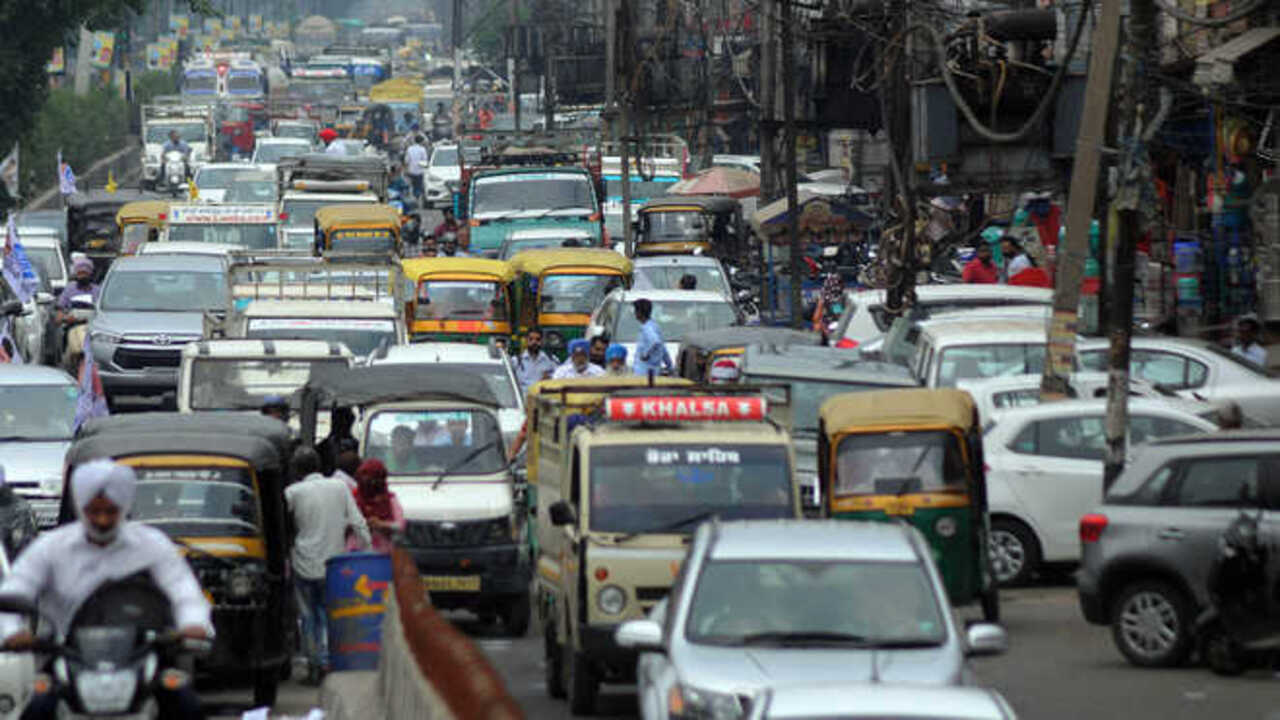
In the bustling city of Nagpur, the epicenter of recent protests at RBI Square witnessed a massive gathering of Gond-Gowaris on Monday. The aftermath revealed a critical issue – the square’s inadequacy to accommodate and manage the sheer volume of rallyists, leading to chaos and a 10-hour-long traffic gridlock. Roads around the square were blocked, spilling over to adjacent areas, bringing the city to a standstill.

Rallyist Overflow at Samvidhan Square (RBI Square) Raises Concerns

A subsequent investigation by a TOI team shed light on the limitations of the morcha point at Samvidhan Square. Surprisingly, it could hardly host 2,500 people, prompting questions about the city’s preparedness for large-scale protests. A senior traffic police officer expressed concern, stating that any larger gathering could cripple adjoining national highways, a situation witnessed during the Monday protests.

Traffic Woes: A City Paralyzed

RBI Square, located near Zero Mile, a crucial junction connecting National Highways 6 and 7, and the starting point of National Highway 49, proved vulnerable to the overwhelming turnout. The narrow morcha point on the high-traffic national highway between Wardha Road and Kamptee town exacerbated the problem. Motorists diverted to arterial roads, causing mayhem as existing infrastructure struggled to handle the increased traffic.

Calls for Change: Shifting Morcha Points for Public Welfare

Prominent figures in the community, such as Ashok Karandikar and Ravi Kaskhedikar from the NGO Jankrosh, advocated for a shift in morcha points. Suggesting locations like Kasturchand Park for future gatherings, they drew parallels with Mumbai’s Azad Maidan. The call for change resonated with Tejinder Singh Renu from Vidarbha Taxpayers’ Association, emphasizing the need for stricter laws to prevent such disruptions.

Urgent Reassessment: A Plea for Public Safety

In the wake of Monday’s traffic chaos, Dinesh Naidu from Parivartan-The Citizens Forum urged authorities to reconsider permissions for events in high-impact areas. The corridor from Variety Square to RBI Square, a vital arterial road and a crucial section of the national highway, should be off-limits for protests, according to Naidu. This, he argued, would ensure the smooth flow of vehicles, protecting citizens’ daily interests and maintaining the city’s transportation efficiency.

A City at Crossroads: Balancing the Right to Protest and Public Well-being

As Nagpur grapples with the aftermath of the protest, the city finds itself at a crossroads. Balancing the right to protest with the well-being of its citizens requires a careful reassessment of morcha points and a collaborative effort between authorities and activists. The urgent need for comprehensive measures to prevent future disruptions becomes evident in the aftermath of Monday’s unprecedented traffic jam.

In summary, the incident at RBI Square serves as a stark reminder of the delicate equilibrium between civic rights and public safety, prompting a city-wide dialogue on the future of protests and the imperative to safeguard the daily lives of its residents.

Amravati Road Flyover Project Engulfs Locals in Environmental Chaos

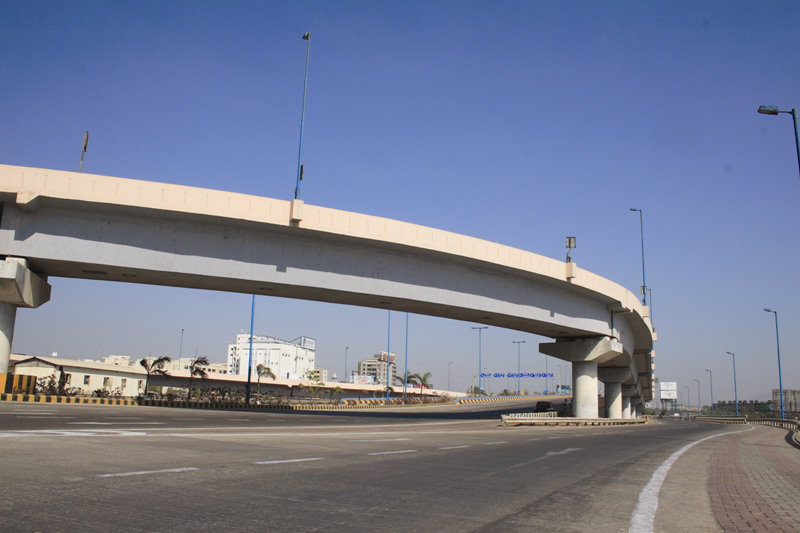
In a startling turn of events, the construction of the Amravati Road flyover in Nagpur has transformed the once serene stretch between Law College Square and the University campus into a swirling dust bowl. The ambitious project, led by the National Highway Division of the state Public Works Department (PWD), has left the trees along the road bereft of their green foliage, now covered in a layer of ashen dust.

Citizens Gasping for Breath as Air Quality Plummets

The aftermath of the construction has brought forth a myriad of issues, with residents grappling with the deteriorating air quality. The entire area (Amravati Road Flyover) is now plagued by a thick cloud of dust, rendering footpaths battered and forcing pedestrians to don masks. Motorists, both on four and two-wheelers, navigate through the construction site with rolled-up windows and covered faces, a desperate attempt to shield themselves from the stifling atmosphere.

Alarming Scene Unveiled During TOI’s Site Visit

A recent visit by TOI to the site on Tuesday revealed an alarming situation. The once vibrant area has succumbed to the perils of construction-related pollution. The dust-laden air poses a significant threat to the well-being of residents, who are now voicing their concerns about the potential escalation of the issue during the impending scorching summer months.

Negligence and Disregard for Guidelines Amplify Woes

Despite civic guidelines mandating the spraying of water to control dust spread, the contractor overseeing the project seems to have turned a deaf ear. The dismantled barricades along the pillars contribute to the issue, allowing the accumulated dust to transform into a veritable sandstorm. Residents allege that both the contractor and the government agency responsible for oversight are turning a blind eye to the mounting environmental crisis.

Residents Demand Action Amidst Lax Approach

Residents, plagued by acute respiratory problems and witnessing a decline in the overall quality of life, are demanding immediate preventive steps from authorities. The delayed progress of the flyover project not only extends the period of noise and dust pollution but also raises questions about the commitment to timely execution of developmental projects.

Environmentalist Warns of Long-Term Consequences

Environmentalists, including Kaustav Chatterjee, the brand ambassador of Swachh Bharat, emphasize the long-term consequences of such negligence. Dust not only impedes sunlight from reaching plant surfaces but also raises leaf temperatures, affecting the overall health of greenery. Chatterjee warns that the pollution generated by delayed projects contributes significantly to Nagpur’s designation as a non-attainment city.

Cry for Action as Pollution Threatens Livelihoods and Greenery

Local residents, witnessing their surroundings turn into wastelands, express frustration and concern. Sanjay Taksande, a resident near Law College Square, laments the adverse impact on both residents and the environment. As the construction project continues at a sluggish pace, the cost escalates, and pollution reaches unprecedented levels. The call for immediate corrective measures echoes through the affected community, urging authorities to prioritize the well-being of both citizens and nature.

Strategic Reshuffling of Leadership Strengthens City Police Force

In a strategic move to bolster the operational efficiency of the city’s law enforcement, Commissioner of Nagpur Police, Dr Ravinder Singal, has appointed new in-charges for 18 police stations that were previously without leadership for the past four days.

In a decisive action, 26 Senior Police Inspectors have been internally transferred to take charge, marking a significant step towards maintaining law and order. This reshuffling aims to bring seasoned officers into key positions, ensuring a seamless transition in the day-to-day functioning of these crucial police stations.

Key Appointments and Transfers Enhance Policing Dynamics

Senior Police Inspector Nitin Magar now leads the Sonegaon Police Station Nagpur, while PI Ranjit Sawant takes command of Rana Pratap Nagar. The MIDC station will see PI Praveen Kale at the helm, Wadi under PI Rajesh Tatkare, and Sitabuldi managed by PI Asaram Chormale. Notably, PI Vinod Godbole steps into the role of Hingna, succeeding the Wadi in-charge.

Further changes include PI Vinayak Koli’s transfer to Dhantoli, PI Ajay Akre overseeing Kapil Nagar, and PI Ranjit Shirasath heading Koradi Police Station. This dynamic reshuffling ensures that experienced officers are strategically placed to handle diverse policing challenges across the city.

Specialized Assignments for Specialized Officers

In a noteworthy development, PIs Yunus Mulani, Anil Kuralekar, and Suresh Wasekar find themselves reassigned to the Special Branch, showcasing the department’s emphasis on specialized skills in critical roles.

Traffic Branch and Cyber Crime Unit Witness Key Changes

Police Inspector Narendra Hiware moves from Sitabuldi Police Station to the Traffic Branch (Sonegaon Division), adding a fresh perspective to traffic management. Meanwhile, PI Gajanan Kalyankar assumes control of the Cyber Police Station, underlining the importance of skilled officers in combating cyber threats.

DCP Nimit Goyal Assumes Command of Crime Branch

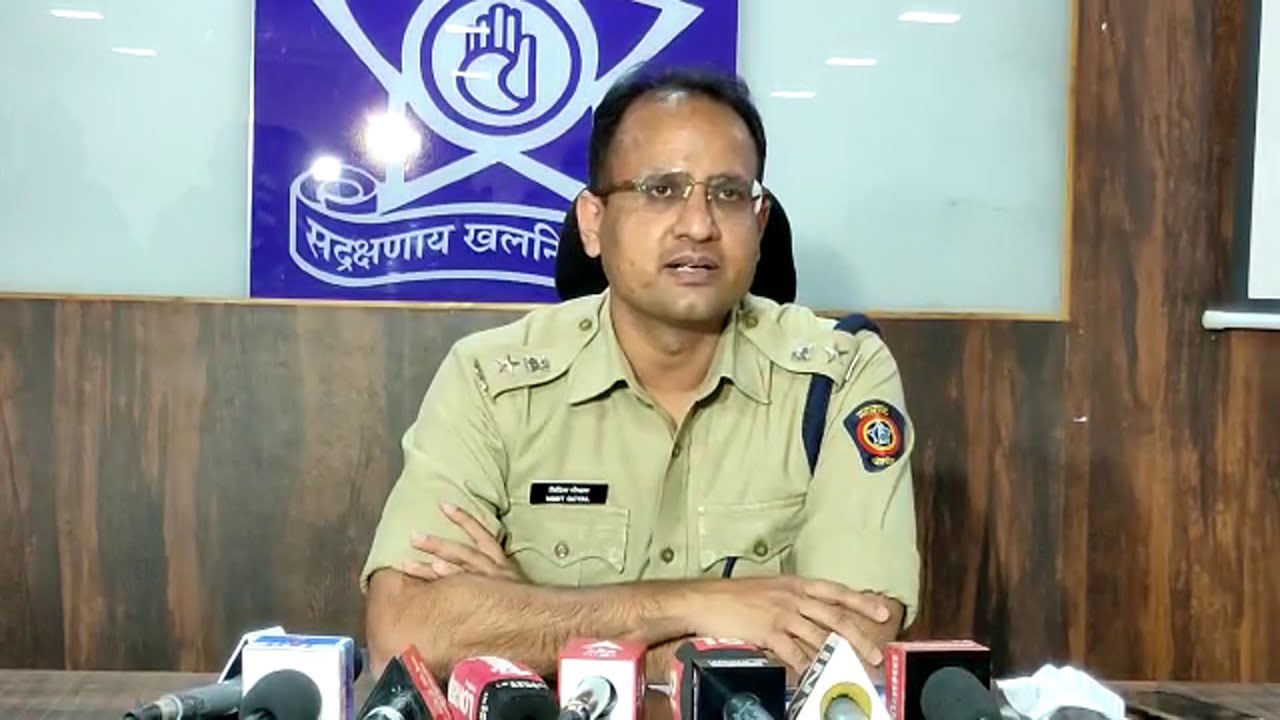
In a significant promotion, DCP Nimit Goyal takes charge of the Crime Branch, showcasing his leadership prowess. As the most senior DCP-level officer in the city, Goyal brings a wealth of experience, having served in Mumbai and previously held the position of Superintendent in Aurangabad Rural.

Goyal’s Background and Commitment to Public Service

Goyal, a 2014 batch IPS officer, arrived in Nagpur on Tuesday to officially assume his responsibilities. With a background in Chemical Engineering and a successful foray into the IRS cadre, he has proven his dedication to public service. His diverse experience positions him as a dynamic leader capable of navigating the complex challenges of the Crime Branch.

In summary, these strategic appointments and transfers underscore the commitment of the city’s police force to enhancing public safety through strategic leadership and specialized skills. The reshuffling ensures that experienced officers are positioned where their expertise can have the most significant impact on the community’s well-being.

Ajni Railway Station to Undergo Majestic Metamorphosis

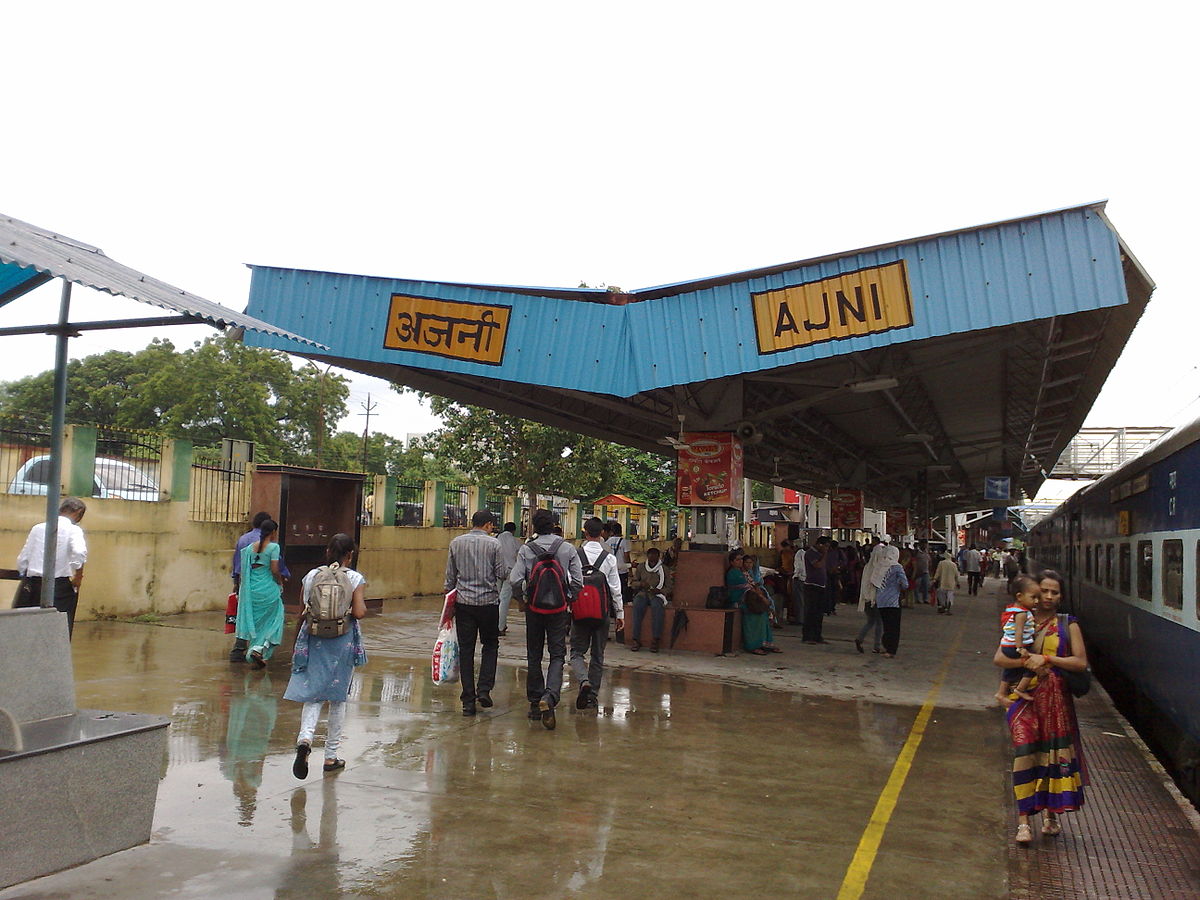
In an ambitious move towards urban development, the Ajni railway station is poised for a radical transformation. The initiation of the groundbreaking demolition phase is scheduled for February 15, paving the way for a cutting-edge G+9 structure. Adding to the metamorphosis, a 20-meter section of the Ajni Metro station building is also earmarked for reconstruction.

A Symphony of Progress

Temporary structures have been meticulously erected to house the ticket counter and station offices, adjacent to the RPF police station. These makeshift arrangements ensure uninterrupted service during the station’s evolution. As the dust settles from the demolition, the construction of the new Ajni station building is set to commence by the end of the upcoming month.

Rising from the Dust ( Ajni railway station)

The ground floor of the second terminal building on the west side has already taken shape. Simultaneously, the construction of piles for the foot-over bridge is underway. Initially designed as a G+3 edifice, it is destined to ascend to a majestic G+9 structure. This architectural evolution promises a futuristic facade for the Ajni station.

Powering Progress

A sub-power station is emerging on the campus, mirroring the station’s upward trajectory. Currently boasting three platforms, Ajni station is slated for expansion with the addition of four more platforms. Once the development reaches completion on both flanks, the station’s daily passenger handling capacity will skyrocket to an impressive 44,000 individuals.

Timelines and Milestones

The epic redevelopment saga of Ajni station unfolded in 2023, with an anticipated culmination by May 2025. This visionary project not only signifies infrastructural enhancement but also underscores a commitment to accommodating the burgeoning needs of the community.

Embark on this journey of progress as Ajni station embraces a radical evolution, seamlessly blending history with modernity. Witness the skyline transform and connectivity flourish, as this urban landmark charts a course towards a new era of transportation excellence.

Nagpur Airport’s Noteworthy 95.24 Crore Revenue in 2023

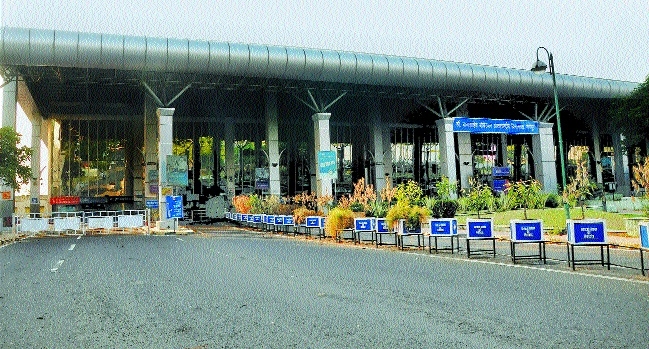
Nagpur Airport, managed by Mihan India Limited (MIL), reported an impressive revenue of Rs 95.24 crore from operations in the year 2023. Dr. Babasaheb Ambedkar International Airport witnessed a total of 2,45,836 passengers, marking a bustling year of travel.

In a detailed breakdown, MIL, a Maharashtra Airport Development Company, disclosed that Rs 24.17 crore was earned through landing fees, Rs 24 lakh from parking fees, Rs 51.66 crore in user development fees, and Rs 19.17 crore in business fees. These figures showcase the diverse revenue streams contributing to the airport’s financial success.

Mihan India Limited’s Earnings and Traffic Insights

Abhay Kolarkar, armed with information obtained under the Right to Information Act-2005, revealed MIL’s earnings and operational statistics. Notably, 1,23,202 passengers arrived in Nagpur, while 1,22,634 passengers departed for other destinations. The airport’s role as a pivotal travel hub is evident in these dynamic passenger movements.

Moreover, MIL reported the landing of 1195 private planes and helicopters, generating a revenue of 99.44 lakhs during the year. Despite the financial success, the report outlines a substantial expenditure of 6 crore 7 lakh 70 thousand 629 rupees on security measures. The year also saw nine emergency landings, highlighting the airport’s commitment to ensuring safety in unforeseen circumstances.

Fee Structure and Unique Policies

The airport’s fee structure includes Rs 24 lakh from parking fees and Rs 51.66 crore in user development fees. Interestingly, the departure zone doesn’t impose parking and waiting charges, offering a hassle-free experience for travelers. In the pickup area, the first five minutes are free, emphasizing convenience for those receiving passengers. However, various zones have distinct waiting, parking times, and associated fees, creating a tailored experience for users.

It’s important to note that the revenue generated through these fees remains unaudited, as revealed by the Right to Information inquiry. The airport’s commitment to transparency is underscored by the disclosure of financial details, providing stakeholders and the public with insights into its operational intricacies.

In conclusion, Nagpur Airport remarkable revenue figures for 2023, coupled with strategic financial management and transparent disclosures, position it as a key player in India’s aviation landscape. As the numbers continue to soar, the airport remains dedicated to enhancing the travel experience and ensuring a secure environment for all passengers.

Gowari Protest Paralyzes Nagpur: Traffic Chaos in Key Areas

In a tumultuous turn of events, the Gowari Samaj Chakka-Jam Protest in Samvidhan Chowk has thrown Nagpur into disarray, causing significant disruptions to vehicular movement in crucial areas like Sitabuldi, Ramdaspeth, and CA Road.

Protest Unleashes Havoc

The Gowari Samaj Protest unfolded dramatically, leading to a massive traffic standstill as hundreds of protesters strategically blockaded major intersections, including the pivotal Samvidhan Chowk and variety chowk. As evening descended, the chaos intensified, with cars and two-wheelers trapped in the gridlock.

Unyielding Demonstrators

Despite police efforts to negotiate with the protesters, they remained resolute in their cause, refusing to disperse even as this report was being filed. The deadlock persisted, further exacerbating the situation and heightening tensions in the affected areas.

City Grinds to a Halt

The repercussions of the blockade were felt across Nagpur, causing inconvenience for the general public attempting to navigate through the chaos at Samvidhan Chowk, Sitabuldi, Ramdaspeth, and CA Road. With hundreds of vehicles at a standstill for prolonged hours, frustration mounted among commuters and residents alike.

Impact on Daily Life

The ongoing protest has far-reaching implications, disrupting not only the flow of traffic but also impacting businesses, schools, and daily activities in the affected regions. The prolonged standstill has created a ripple effect, causing a ripple of inconvenience and frustration among the local populace.

Authorities Scramble for Solutions

In response to the crisis, local authorities are scrambling to find effective solutions to alleviate the traffic jams and bring normalcy back to the city. The situation remains tense as officials work towards a resolution, coordinating efforts to address the concerns raised by the Gowari Samaj protesters.

Residents Express Concerns

As the protest continues, residents in the affected areas express their concerns about the prolonged disruption and its consequences on their daily lives. The Gowari Samaj Chakka-Jam Protest has become a focal point of discussions, prompting a broader conversation about the need for effective communication and conflict resolution.

Conclusion: A City in Turmoil

Nagpur finds itself in the throes of uncertainty as the Gowari Samaj Protest paralyzes key areas, causing widespread disruption and inconvenience. The coming days will reveal whether negotiations between the protesters and authorities lead to a resolution, or if the city remains ensnared in the grip of this protest-induced chaos.

PMI Electro Mobility Options Resumes Electric Bus Deliveries After Recovery Notice

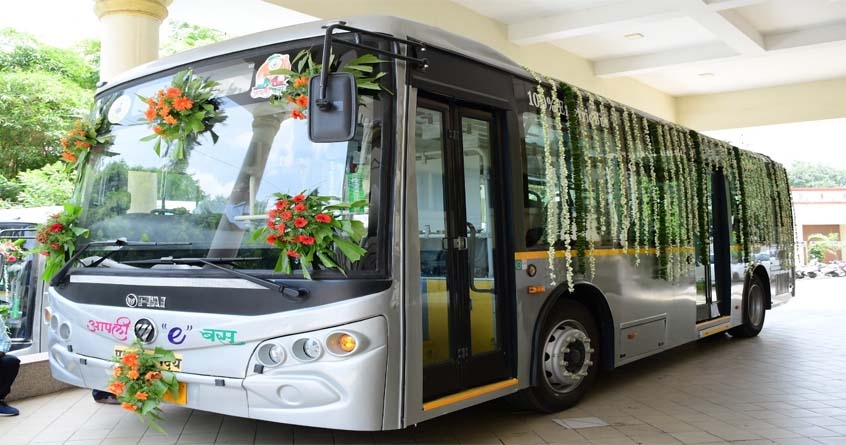
In a remarkable turn of events, PMI Electro Mobility Options, the Haryana-based electric bus manufacturer, has initiated the long-awaited delivery of electric buses to Nagpur Municipal Corporation (NMC). This comes after a recovery notice was issued, demanding fines for a seven-month delay. Suresh Bagle, the Deputy Commissioner and Transport Director, disclosed that the company responded to the notice by committing to deliver seven electric buses weekly, aiming to meet the target of 144 buses by March.

Recovery Notice Spurs Action

Bagle emphasized that failure to adhere to the March deadline would result in severe fines. NMC has already received 29 electric buses out of the initially agreed-upon 44, with the company falling short of its commitment by October last year. The contractual terms empower NMC to impose fines of Rs 12,000 per day for each delayed electric bus (Electric Bus Nagpur), constituting 0.1% of the Rs 12 crore bank guarantee, enforceable by NMC officials.

Contractual Obligations and Financial Allocations

The 2022 contract between NMC and PMI involved the delivery of 144 air-conditioned electric buses, supported by a Rs 72 crore allocation from the 15th Finance Commission. In addition to delivering and operating the buses, PMI is tasked with constructing a central charging station in Wathoda.

Lagging Behind Schedule

Despite the integration of 29 buses into NMC’s Aapli bus fleet, which spans 191 routes and consists of 450 buses, the company has yet to fulfill its commitments. According to the agreement, PMI was slated to deliver 14 buses in August, followed by 10 in September. Subsequent phases included 20 buses in October, 30 in November, and a final batch of 60 buses in December of the previous year.

Aapli Bus Service Impact

The delays prompted NMC to issue a notice in August last year, signaling discontent. Aapli Bus service, covering 191 routes with an average daily ridership of 1.44 lakh passengers, generates approximately Rs 25 lakh in daily income on weekdays.

In this electrifying saga, PMI Electro Mobility Options is back on track, racing against time to meet its commitments and regain the trust of Nagpur’s commuters. The resumption of deliveries marks a pivotal moment in the journey towards a greener and more sustainable public transportation system.

Maharashtra’s Resident Doctors Unleash Indefinite Strike from February 7

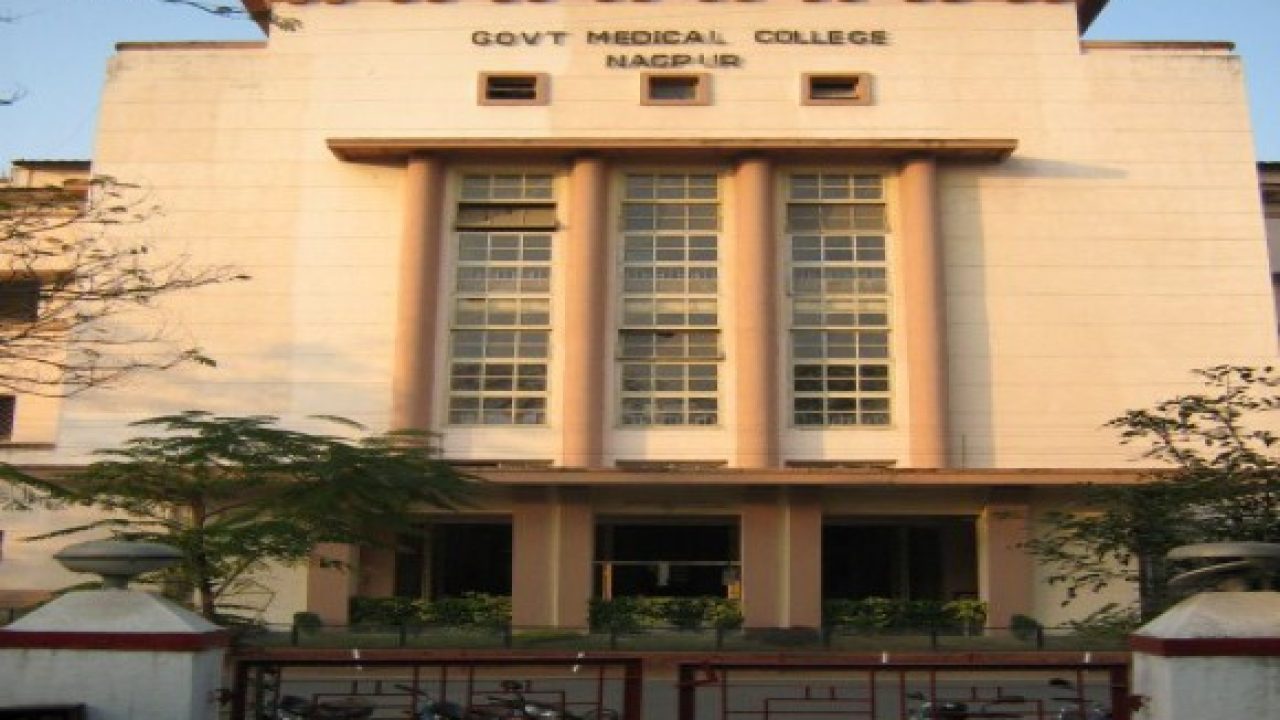
Nagpur: In a bold move, resident doctors affiliated with government medical college hospitals (GMCHs) throughout Maharashtra have declared an indefinite strike, set to commence at 5 pm on February 7. Their (Government Medical College Nagpur | GMCH) decision stems from grievances related to prolonged non-payment of stipends, irregular disbursements, and what they describe as the overall mistreatment of doctors within the healthcare system.

The Maharashtra Association of Resident Doctors (MARD) spearheaded the strike initiative, underscoring the pivotal role these resident doctors play in the delivery of healthcare services. The central committee of MARD issued a press note on Monday, expressing dismay at the alleged cruelty directed towards resident doctors, who serve as the first line of defense in tertiary healthcare institutes.

The Struggle Unveiled

Central MARD President, Dr. Abhijit Helge, revealed details of a recent meeting with Hasan Mushriff, the Minister of Medical Education and Drugs Department (MEDD), on February 5. Despite acknowledging the minister’s positive response, Dr. Helge conveyed his disappointment at the absence of a concrete resolution. Dr. Helge emphasized, “Despite our explanations, neither a solution nor a precise timeline was provided for our issues to be resolved. Hence, we have unanimously decided to initiate a pan Maharashtra indefinite strike.”

Unmet Promises and Growing Frustration

MARD highlighted that similar assurances were given by the government in January 2023, following which the doctors called off a strike. “393 days have elapsed since those assurances, and the situation has only worsened,” lamented the doctors. Expressing regret for potential disruptions in patient care during the strike, MARD laid the blame squarely on the government, asserting that the strike was a last resort after multiple unsuccessful attempts at dialogue.

Assurances Amidst Uncertainty

Despite the strike, MARD assured the public that emergency services would continue uninterrupted. However, they urged the Maharashtra government to promptly address their concerns, aiming to avert further disruptions in healthcare delivery across the state.

In a joint statement, MARD emphasized their stance as responsible citizens and doctors. They expressed deep regret for the potential impact on patient care during the strike but insisted that the government’s repeated failure to address their grievances left them with no alternative.

The Call for Action

As the strike looms, all eyes are on the Maharashtra government to engage in meaningful dialogue and find a resolution that satisfies the concerns of resident doctors. The healthcare landscape in the state hangs in the balance, awaiting a swift and amicable resolution to avert potential chaos in medical services.

BJP Eyes 6 LS Seats, Shiv Sena to Secure 3, NCP Set for 1 in Upcoming Lok Sabha Elections

Nagpur: In a strategic move ahead of the upcoming Lok Sabha elections, the BJP Vidarbha unit is poised to contest six out of the ten seats in the region, while ally Shiv Sena is likely to secure three, and NCP, one. Sources within the Mahayuti coalition revealed that the seat-sharing arrangement is in its final stages, with an official announcement expected soon.

Mission-45: BJP’s Ambitious Electoral Strategy

Under its ambitious ‘Mission-45’ campaign, the BJP has set a target to secure the maximum number of seats in the state. In the previous 2019 elections, the BJP had clinched five seats in Vidarbha, and three were secured by the undivided Shiv Sena as part of their alliance. NCP had won four, while Congress managed to secure just one seat. The initial plan was for each party in Mahayuti to contest the seats they had won in 2019 and share those won by the opposition.

Changing Dynamics and Complications

However, the political landscape has evolved with the split in Shiv Sena, and the situation has become more intricate with the Ajit Pawar-led NCP faction aligning with BJP and Sena in the government. Friction has emerged, notably with NCP MLA Dharmrao Baba Atram laying claim to the Gadchiroli LS seat. Atram expressed confidence in winning the seat and emphasized the importance of merit-based seat sharing for the alliance to achieve its target of 45 out of the 58 LS seats in Maharashtra.

Praful Patel’s Potential Candidacy

Senior NCP leader Praful Patel is reportedly eager to contest from Bhandara-Gondia, his former constituency where he had won thrice before losing in 2014 to then BJP candidate, now MPCC president Nana Patole. While Patel has not explicitly stated his intentions, he indicated last month to TOI that he is prepared to contest if Mahayuti wishes him to run from Bhandara-Gondia.

BJP’s Seat Aspirations and Sena’s Preparedness

Reflecting the BJP’s desire to maximize its seat count, State Vice-President Sanjay Bhende asserted their claim for the Ramtek seat. Bhende highlighted that while candidates, including former Umred MLA Sudhir Parwe and former district chief Arvind Gadbhiye, are ready, the final decision rests with the senior leadership of the three parties. Sena MP from Ramtek, Krupal Tumane, expressed confidence in winning with a larger margin than in 2019 and affirmed that the final decision on seat sharing would be made by Sena leaders in Mumbai.

The political chessboard is set, and as the Mahayuti coalition navigates the intricacies of seat distribution, political enthusiasts await the official announcement that will shape the battleground for the forthcoming Lok Sabha elections.

Exit mobile version