NMC Secures ₹25 Crore Boost for Sonegaon Lake Revitalization

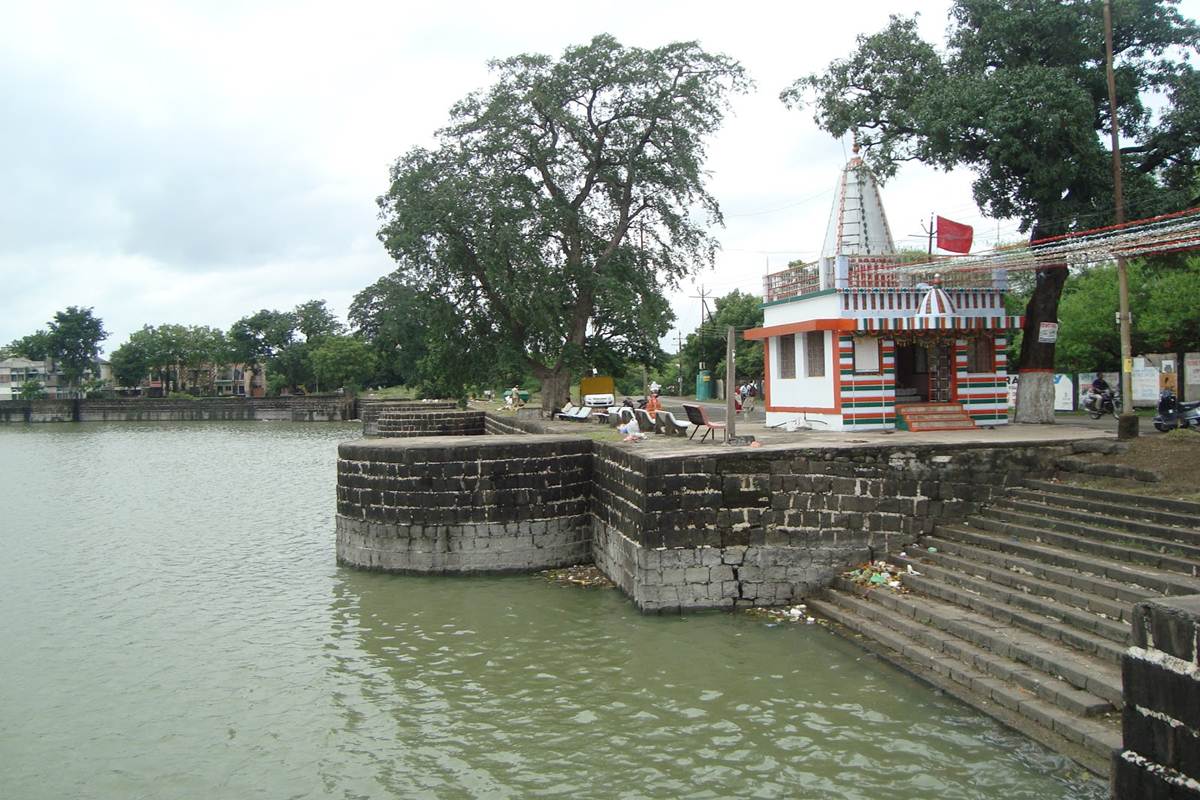
Nagpur: In a significant move towards the enhancement of the city’s landscape, the Maharashtra government has allocated an additional ₹24.96 crore for the rejuvenation and beautification of Sonegaon Lake. Situated in South-West Nagpur, within the assembly constituency represented by Deputy Chief Minister Devendra Fadnavis, this funding marks a pivotal step in transforming the picturesque locale.

NMC’s Ambitious Phase Two Plans Unveiled

Under the second phase of the revitalization project, the Nagpur Municipal Corporation (NMC) is set to embark on transformative initiatives. A senior official from NMC’s public health engineering department confirmed that a retaining wall and a 1.75km pathway encircling the lake are on the agenda. These developments aim to not only enhance the visual appeal but also contribute to the overall well-being of the community.

NMC’s lake rejuvenation department has already commenced efforts at Sonegaon Lake, boasting a water holding capacity exceeding 17 hectares. The state government had previously granted ₹18.20 crore on July 9, 2017, for the project’s inaugural phase.

Beyond Infrastructure: Aesthetic Upgrades Galore

The completion of the first phase witnessed a notable transformation, with the construction of two entrance gates, parking areas, sitting areas, and sanitation facilities. Now, with the infusion of the latest funds, NMC is gearing up to construct a retaining wall and stairs, in addition to repairing existing structures. A unique Nakshatra Garden, featuring 27 plant species associated with the 27 nakshatras, has also taken root on the west side of the lake.

Multifaceted Recreational Haven

To create a holistic recreational space, NMC has introduced an amphitheatre, yoga court, food court, and a designated selfie point. The strategic development includes a cement concrete retaining wall along the south, west, and parts of the north side. Stone cladding construction along the lake’s bed has been completed on the north side, showcasing the city’s commitment to revitalizing its water bodies.

A Citywide Initiative

Nagpur boasts a total of 11 lakes under NMC jurisdiction, including Ambazari, Futala, Gorewada, and Pandhrabodi. With the support of funds from the 15th Finance Commission, NMC is actively pursuing rejuvenation efforts at all lakes, addressing the concerning state of the city’s water bodies. Both the central and state governments are contributing 25% each to the cause, with NMC taking on a substantial 50% responsibility in lake conservation.

In summary, the injection of ₹25 crore into Sonegaon Lake’s revitalization is a testament to Nagpur’s commitment to sustainable urban development and environmental preservation. The citizens eagerly await the unfolding transformation, anticipating a renewed and vibrant Sonegaon Lake at the heart of their city.

Do not use children in poll campaigning: Election Commission

In the realm of Indian politics, the Election Commission plays a pivotal role in ensuring fair and ethical practices. Recently, the Election Commission sent a clear directive to political parties: “Do not use children in poll campaigning.” Let’s delve into the intricacies of this mandate and understand why the Election Commission deems it necessary for a responsible and conscientious political landscape.

Table of Contents

  1. Introduction
  2. The Importance of Ethical Campaigning
  3. Children as Pawns: A Disturbing Trend
  4. Election Commission’s Stand: Reasons Unveiled
  5. Impact on Children: Beyond Politics
  6. Challenges in Enforcement
  7. Political Accountability: A Call to Action
  8. The Role of Media in Shaping Perceptions
  9. Public Reaction: Voices Against the Exploitation
  10. Global Perspectives on Children in Campaigns
  11. Looking Ahead: Possible Solutions
  12. Conclusion

Introduction

The political landscape in India is constantly evolving, and with the upcoming elections, the Election Commission has taken a firm stand against a concerning practice – the use of children in political campaigning. But why is this directive necessary, and what implications does it hold for the future of our democracy?

The Importance of Ethical Campaigning

Before delving into the specifics, it’s crucial to understand why ethical campaigning matters. Elections are the cornerstone of democracy, and the process should be transparent, fair, and devoid of any exploitation. The public deserves campaigns based on ideas and policies, not emotionally charged tactics.

Children as Pawns: A Disturbing Trend

In recent times, the use of children in political campaigns has become a cause for concern. Parties, in their pursuit of garnering public support, often resort to exploiting the innocence of children. This trend not only raises ethical questions but also impacts the mental and emotional well-being of these young individuals.

Election Commission’s Stand: Reasons Unveiled

The Election Commission’s directive carries weight, and understanding the rationale behind it is essential. By disallowing the use of children in campaigns, the Commission aims to create a level playing field, free from emotional manipulation, ensuring that political discourse revolves around issues rather than emotional theatrics.

Impact on Children: Beyond Politics

Beyond the political arena, the directive acknowledges the potential harm inflicted on children who are unwittingly thrust into the limelight. The psychological impact of exposure to the intense scrutiny of political campaigns can have lasting effects on their development.

Challenges in Enforcement

Implementing such a directive comes with its own set of challenges. Political parties, often driven by the urgency to secure votes, might find loopholes. The Election Commission faces the uphill task of monitoring and penalizing those who flout the guidelines.

Political Accountability: A Call to Action

The directive also emphasizes the need for political accountability. Parties must be held responsible for their campaign strategies, ensuring that they align with ethical standards set by the Election Commission. This call to action aims to create a more responsible and transparent political culture.

The Role of Media in Shaping Perceptions

Media plays a crucial role in shaping public opinion. How the news portrays these campaigns can significantly influence voter sentiment. The media needs to be vigilant, avoiding sensationalism and focusing on informative reporting that upholds democratic values.

Public Reaction: Voices Against the Exploitation

The public’s response to this directive has been diverse. While some applaud the Election Commission’s commitment to ethical campaigning, others question the practicality of its enforcement. Exploring these varied perspectives is essential in gauging the pulse of the nation.

Global Perspectives on Children in Campaigns

How do other democracies address the involvement of children in political campaigns? Exploring global perspectives provides insights into best practices and helps us understand where India stands in comparison.

Looking Ahead: Possible Solutions

As we navigate the complexities of political campaigning, it’s crucial to explore possible solutions. From stricter penalties for non-compliance to public awareness campaigns, the path forward involves collective efforts for a more ethical political landscape.

Conclusion

In concluding, the Election Commission’s directive against using children in political campaigning is a step towards fostering a healthier and more responsible democracy. It underscores the importance of upholding ethical standards in the political arena.

Frequently Asked Questions

  1. Why is the Election Commission against using children in political campaigns?
    • The Election Commission aims to maintain a fair and ethical electoral process, free from emotional manipulation. Using children in campaigns raises ethical concerns and diverts focus from policy-based discussions.
  2. How does the use of children in campaigns impact their well-being?
    • Exposure to the intense scrutiny of political campaigns can have lasting psychological effects on children, impacting their mental and emotional well-being.
  3. What challenges does the Election Commission face in enforcing this directive?
    • Enforcing the directive poses challenges, including monitoring campaign activities, identifying violations, and ensuring timely and effective penalties.
  4. Why is political accountability crucial in this context?
    • Political accountability ensures that parties align with ethical standards, fostering a more responsible and transparent political culture.
  5. What role does the media play in shaping public perceptions of political campaigns?
    • The media’s portrayal of campaigns significantly influences public opinion. Vigilance in reporting is essential to uphold democratic values.

In essence, the directive from the Election Commission sparks a crucial conversation about the ethical boundaries in political campaigning. As citizens, it is our responsibility to engage in this discourse and advocate for a democratic process that reflects our values and aspirations.

Shama Sikander Showcases Allure in a Ravishing Red Ensemble

In the realm of glamour and style Red dress fashion, Shama Sikander graces the spotlight, captivating hearts with her stunning presence. The actress recently set social media ablaze as she flaunted her captivating curves in a fiery red dress that exuded both confidence and allure. Let’s delve into the mesmerizing details of this sartorial spectacle and explore the essence of Shama Sikander’s timeless elegance.

The Allure of Red: Shama’s Bold Fashion Statement

In the world of fashion, color plays a pivotal role in making a bold statement, and Shama Sikander does it with finesse in her choice of a fiery red dress. Red, often associated with passion and vibrancy, becomes a canvas for Shama’s radiant persona, accentuating her curves and adding a touch of glamour to the overall ensemble.

Embracing Confidence: Shama Sikander’s Style Evolution

Shama Sikander has consistently evolved as a style icon, showcasing not only her fashion sense but also her unwavering confidence. The fiery red dress is a testament to her bold choices, as she effortlessly embraces her curves, sending a powerful message of self-love and body positivity.

A Glimpse into the Ravishing Red Dress

The photo capturing Shama Sikander in the fiery red dress offers a glimpse into the world of high-end fashion and elegance. The dress, tailored to perfection, hugs her curves in all the right places, accentuating her figure while maintaining a classy and sophisticated look.

Shama’s Message of Empowerment Through Fashion

Beyond the aesthetics, Shama Sikander’s choice of attire becomes a symbol of empowerment. By confidently showcasing her curves in a society often bound by unrealistic beauty standards, she becomes an advocate for embracing individuality and redefining societal norms.

Unveiling the Enchanting Charms of Nagpur, Maharashtra

“Nagpur (Orange City) Maharashtra: Where Tradition Meets Progress”

Introduction

Nagpur (Orange City) is a city located in the state of Maharashtra, India. It is the third largest city in Maharashtra and the 13th largest city in India. Known as the “Orange City” due to its major production of oranges, Nagpur is also a major commercial and political center in the region. The city has a rich history, with evidence of human settlements dating back to the 8th century. Nagpur is known for its vibrant culture, historical landmarks, and educational institutions. It is also an important transportation hub, with well-connected road, rail, and air networks.

Exploring the Rich Heritage of Nagpur, Maharashtra

Nagpur, located in the state of Maharashtra, is a city that is steeped in history and rich in heritage. From its ancient temples to its magnificent forts, Nagpur offers a glimpse into the past and a chance to explore the cultural heritage of Maharashtra.

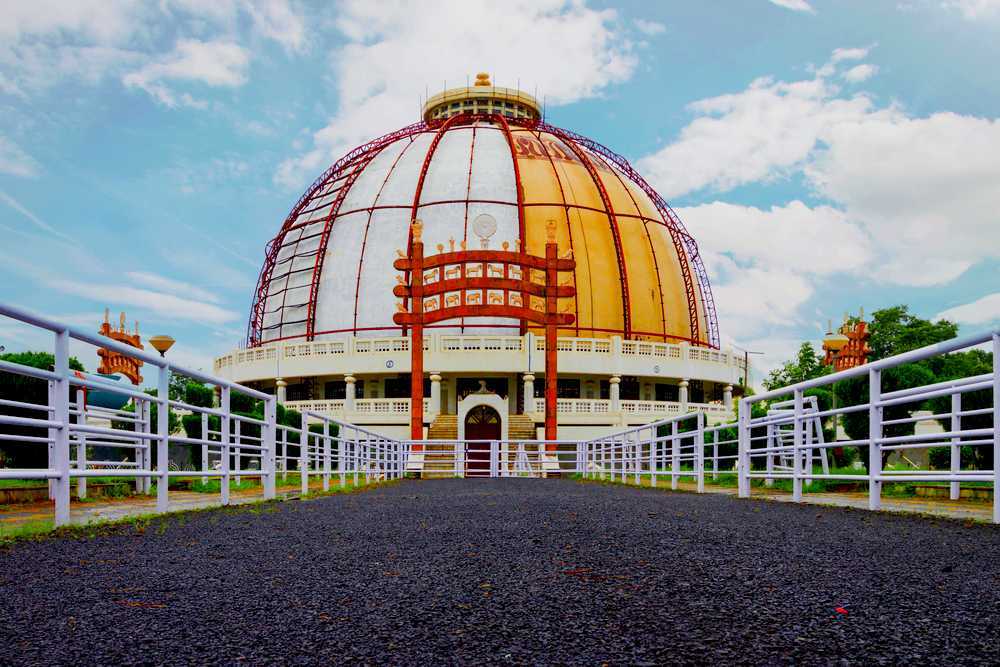
One of the most iconic landmarks in Nagpur is the Deekshabhoomi, a sacred Buddhist monument. This grand structure is a symbol of the conversion of Dr. B.R. Ambedkar to Buddhism and is a place of pilgrimage for millions of followers. The Deekshabhoomi is not only a religious site but also a testament to the city’s commitment to social equality and justice.

Another must-visit destination in Nagpur is the Sitabuldi Fort. Built during the Bhonsle dynasty, this fort played a significant role in the history of Nagpur. Today, it stands as a reminder of the city’s glorious past and offers panoramic views of the surrounding landscape. Exploring the fort’s intricate architecture and learning about its historical significance is a fascinating experience for history enthusiasts.

Nagpur is also home to several ancient temples that showcase the city’s religious diversity. The Ramtek Temple, dedicated to Lord Rama, is a popular pilgrimage site and is believed to be the place where Lord Rama rested during his exile. The temple’s serene surroundings and intricate carvings make it a must-visit for spiritual seekers.

For those interested in art and culture, the Raman Science Centre and Planetarium is a must-visit. This interactive museum offers a unique blend of science and entertainment, with exhibits that cater to both children and adults. From exploring the wonders of the universe in the planetarium to engaging in hands-on experiments, the Raman Science Centre is a treat for the curious mind.

Nagpur is also known for its vibrant festivals, which provide a glimpse into the city’s cultural heritage. The Nagpur Mahotsav, held annually, showcases the rich traditions of Maharashtra through music, dance, and art. This festival is a celebration of the city’s cultural diversity and offers visitors a chance to immerse themselves in the local traditions.

In addition to its historical and cultural attractions, Nagpur is also a paradise for nature lovers. The Ambazari Lake, located in the heart of the city, is a popular spot for picnics and boating. Surrounded by lush greenery, this serene lake offers a peaceful escape from the hustle and bustle of city life.

Nagpur is also home to several wildlife sanctuaries, including the Pench National Park and the Tadoba Andhari Tiger Reserve. These protected areas are home to a wide variety of flora and fauna, including the majestic Bengal tiger. Exploring these sanctuaries on a safari is an exhilarating experience and offers a chance to witness the beauty of nature up close.

In conclusion, Nagpur, Maharashtra, is a city that offers a treasure trove of historical and cultural attractions. From ancient temples to magnificent forts, Nagpur provides a glimpse into the rich heritage of Maharashtra. Whether you are a history enthusiast, a nature lover, or someone seeking spiritual solace, Nagpur has something to offer for everyone. So, pack your bags and embark on a journey to explore the wonders of Nagpur, Maharashtra.

Top Attractions to Visit in Nagpur, Maharashtra

Nagpur, located in the state of Maharashtra, is a city that offers a plethora of attractions for visitors to explore. From historical landmarks to natural wonders, there is something for everyone in this vibrant city. In this article, we will take a closer look at some of the top attractions that Nagpur has to offer.

One of the must-visit attractions in Nagpur is the Deekshabhoomi. This iconic Buddhist monument holds great significance as it is the place where Dr. B.R. Ambedkar, the architect of the Indian Constitution, converted to Buddhism. The grandeur of the monument is awe-inspiring, and it serves as a symbol of social equality and justice. Visitors can explore the beautifully landscaped gardens surrounding the monument and learn about the life and teachings of Dr. Ambedkar.

Another popular attraction in Nagpur is the Sitabuldi Fort. Built during the Bhonsle dynasty, this fort played a crucial role in various historical events. Today, it stands as a reminder of Nagpur’s rich history and offers panoramic views of the city. Visitors can explore the fort’s intricate architecture and learn about its significance through informative displays and exhibits.

For nature enthusiasts, a visit to the Ambazari Lake is a must. This picturesque lake is surrounded by lush greenery and offers a serene escape from the hustle and bustle of the city. Visitors can enjoy boating on the lake or simply relax on its banks while taking in the breathtaking views. The lake is also home to a variety of bird species, making it a paradise for birdwatchers.

If you’re interested in wildlife, a visit to the Maharajbagh Zoo is highly recommended. This sprawling zoo is home to a wide range of animals, including tigers, lions, elephants, and many more. Visitors can take a leisurely stroll through the zoo and observe these magnificent creatures up close. The zoo also has a botanical garden, where visitors can admire a diverse collection of plants and flowers.

For those seeking a spiritual experience, the Ramtek Temple is a must-visit. Located on a hilltop, this ancient temple is dedicated to Lord Rama and is believed to have been visited by the Hindu epic character during his exile. The temple’s architecture is a sight to behold, with intricate carvings and sculptures depicting various mythological stories. Visitors can climb the steps to the temple and soak in the peaceful atmosphere while enjoying panoramic views of the surrounding landscape.

Lastly, no visit to Nagpur would be complete without exploring its vibrant markets. The Sitabuldi Main Road is a bustling street lined with shops selling a variety of goods, including traditional handicrafts, textiles, and jewelry. Visitors can immerse themselves in the vibrant atmosphere and indulge in some retail therapy while exploring the local culture and traditions.

In conclusion, Nagpur, Maharashtra, offers a wide range of attractions that cater to different interests. Whether you’re a history buff, nature lover, wildlife enthusiast, or simply looking to explore the local culture, Nagpur has something for everyone. So, plan your visit to this vibrant city and get ready to be captivated by its charm and beauty.

Unveiling the Cultural Delights of Nagpur, Maharashtra

Nagpur, Maharashtra, is a city that is often overlooked by tourists in favor of more popular destinations in India. However, this hidden gem has a rich cultural heritage that is waiting to be discovered. From its historical landmarks to its vibrant festivals, Nagpur offers a unique and authentic experience for those willing to explore its cultural delights.

One of the most iconic landmarks in Nagpur is the Deekshabhoomi, a sacred monument that holds great significance for Buddhists around the world. This majestic structure is a symbol of peace and enlightenment and attracts thousands of pilgrims every year. The serene atmosphere and beautiful architecture make it a must-visit for anyone interested in spirituality and history.

Another cultural highlight of Nagpur is its numerous temples. The city is home to a diverse range of religious sites, including the Ramtek Temple, the Telankhedi Hanuman Temple, and the Shri Ganesh Mandir Tekdi. These temples not only serve as places of worship but also showcase the intricate craftsmanship and architectural brilliance of the region.

Nagpur is also known for its vibrant festivals, which provide a glimpse into the local culture and traditions. One such festival is the Nagpur Mahotsav, a week-long celebration of music, dance, and art. During this festival, the city comes alive with colorful processions, traditional performances, and mouth-watering street food. It is a perfect opportunity to immerse oneself in the local culture and experience the true essence of Nagpur.

For those interested in history, the Nagpur Central Museum is a treasure trove of artifacts and exhibits that showcase the city’s past. From ancient sculptures to rare coins, this museum offers a fascinating insight into the rich history of Nagpur and its surrounding regions. The museum also hosts regular workshops and lectures, making it a great educational experience for visitors of all ages.

Nagpur is also famous for its culinary delights. The city is known for its unique blend of flavors and spices, which can be savored in its street food stalls and local restaurants. From the mouth-watering Saoji cuisine to the delectable Tarri Poha, Nagpur offers a gastronomic experience like no other. Food enthusiasts will be delighted by the variety and authenticity of the local dishes, which are a true reflection of the city’s cultural heritage.

In addition to its cultural attractions, Nagpur also boasts beautiful natural landscapes. The Ambazari Lake and Garden is a popular spot for locals and tourists alike, offering a peaceful retreat from the hustle and bustle of the city. The lush greenery, serene lake, and colorful flowers make it a perfect place for a leisurely stroll or a picnic with loved ones.

In conclusion, Nagpur, Maharashtra, is a city that is often overlooked but holds a wealth of cultural delights for those willing to explore. From its historical landmarks to its vibrant festivals, Nagpur offers a unique and authentic experience that is sure to leave a lasting impression. Whether it’s exploring the sacred Deekshabhoomi, indulging in the local cuisine, or immersing oneself in the vibrant festivals, Nagpur has something to offer for everyone. So, next time you plan a trip to India, make sure to include Nagpur in your itinerary and uncover the hidden cultural treasures of this enchanting city.

Discovering the Gastronomic Delights of Nagpur, Maharashtra

Nagpur, located in the state of Maharashtra, is a city that is often overlooked by tourists. However, those who take the time to explore this hidden gem will be rewarded with a culinary experience like no other. Nagpur is known for its unique and delicious cuisine, which is a blend of traditional Maharashtrian flavors with a touch of its own distinct character.

One of the must-try dishes in Nagpur is the famous Saoji cuisine. Saoji food is known for its fiery and spicy flavors, which are sure to tantalize your taste buds. The key ingredient in Saoji cuisine is the Nagpuri Saoji masala, a special blend of spices that gives the dishes their distinct taste. From mutton curry to chicken tikka, Saoji cuisine offers a wide range of options for meat lovers.

Another popular dish in Nagpur is the Tarri Poha. Poha, a traditional Maharashtrian breakfast dish made from flattened rice, is given a unique twist in Nagpur. The addition of spicy and tangy tarri, a thin gravy made from onions, tomatoes, and spices, takes this humble dish to a whole new level. Tarri Poha is a favorite among locals and is often enjoyed with a cup of hot tea.

For those with a sweet tooth, Nagpur has plenty to offer. The city is famous for its oranges, and the Nagpur Orange Barfi is a must-try dessert. Made from fresh orange pulp, milk, and sugar, this sweet treat is bursting with citrusy flavors. Another popular sweet dish in Nagpur is the Santra Barfi, which is made from orange zest, sugar, and condensed milk. These delectable desserts are the perfect way to end a meal in Nagpur.

In addition to its unique cuisine, Nagpur is also home to a vibrant street food scene. The streets of Nagpur are lined with food stalls and carts, offering a wide variety of snacks and treats. From spicy chaat to crispy vada pav, there is something to satisfy every craving. One of the most popular street food items in Nagpur is the Tarri Pani Puri. Pani Puri, a popular street food across India, is given a Nagpuri twist with the addition of spicy tarri. The combination of tangy tamarind water, crispy puris, and spicy tarri is a flavor explosion that is sure to leave you wanting more.

Nagpur is also known for its refreshing beverages. The city is famous for its orange juice, which is made from the juicy and flavorful Nagpur oranges. A glass of freshly squeezed orange juice is the perfect way to beat the heat and quench your thirst. Another popular beverage in Nagpur is the Santra Sharbat, a refreshing drink made from orange pulp, sugar, and water. These citrusy beverages are a must-try when visiting Nagpur.

In conclusion, Nagpur, Maharashtra, is a city that offers a gastronomic experience like no other. From the fiery Saoji cuisine to the tangy Tarri Poha, Nagpur’s unique flavors are sure to leave a lasting impression. Whether you are a meat lover or have a sweet tooth, Nagpur has something to satisfy every palate. So, the next time you find yourself in Maharashtra, be sure to make a stop in Nagpur and discover its culinary delights.

Nagpur, Maharashtra: A Haven for Nature Enthusiasts

Nagpur, Maharashtra: A Haven for Nature Enthusiasts

Nestled in the heart of Maharashtra, Nagpur (Orange City) is a city that offers a unique blend of urban development and natural beauty. Known as the “Orange City” due to its vast orange orchards, Nagpur is a haven for nature enthusiasts seeking to escape the hustle and bustle of city life.

One of the main attractions in Nagpur (Orange City) is the sprawling Ambazari Lake. This picturesque lake is surrounded by lush greenery and offers a serene environment for visitors to relax and unwind. Whether you’re taking a stroll along the lake’s promenade or enjoying a boat ride on its calm waters, Ambazari Lake is a must-visit for nature lovers.

For those seeking a more adventurous experience, Nagpur is home to the Pench National Park. This wildlife sanctuary, located just a few hours away from the city, is famous for its diverse flora and fauna. Visitors can embark on thrilling safaris to catch a glimpse of majestic tigers, leopards, and a variety of bird species. The park’s dense forests and tranquil surroundings make it an ideal destination for wildlife enthusiasts and photographers alike.

Another natural gem in Nagpur is the Gorewada Lake and Wildlife Sanctuary. Spread over an expansive area, this sanctuary is a paradise for birdwatchers. With over 150 species of birds, including migratory birds that visit during the winter months, Gorewada Lake is a bird lover’s paradise. The sanctuary also offers nature trails and camping facilities, allowing visitors to immerse themselves in the beauty of the surrounding wilderness.

In addition to its natural attractions, Nagpur is also home to the Maharajbagh Zoo. This well-maintained zoo houses a wide range of animals, including lions, tigers, elephants, and various species of birds. The zoo’s lush green surroundings and spacious enclosures provide a comfortable habitat for the animals, making it a popular destination for families and animal lovers.

For those interested in history and culture, Nagpur has its fair share of architectural wonders. The Deekshabhoomi, a sacred monument for Buddhists, is a prominent landmark in the city. This grand structure, built in honor of Dr. B.R. Ambedkar, attracts thousands of visitors every year. The Sitabuldi Fort, another historical site, offers panoramic views of the city and is a testament to Nagpur’s rich heritage.

When it comes to food, Nagpur is famous for its mouthwatering street food. From the iconic Tarri Poha to the delectable Saoji cuisine, the city offers a wide range of culinary delights. Visitors can indulge in spicy kebabs, flavorful curries, and refreshing beverages, all of which are sure to tantalize their taste buds.

In conclusion, Nagpur, Maharashtra, is a city that seamlessly blends urban development with natural beauty. From its serene lakes and wildlife sanctuaries to its historical landmarks and delicious street food, Nagpur has something to offer for every nature enthusiast. Whether you’re seeking a peaceful retreat or an adventurous wildlife safari, Nagpur is a destination that should not be missed. So pack your bags and embark on a journey to this haven for nature lovers.

The Historical Significance of Nagpur, Maharashtra

Nagpur, Maharashtra, a city located in the heart of India, holds a rich historical significance that dates back centuries. This bustling metropolis, known for its vibrant culture and bustling streets, has witnessed the rise and fall of empires, leaving behind a legacy that continues to shape the city’s identity.

One of the earliest mentions of Nagpur can be found in ancient texts, where it is referred to as “Nagardhan.” This name, derived from the Sanskrit words “nag” meaning snake and “ardhan” meaning hill, alludes to the city’s geographical features. Nestled amidst the Satpura mountain range, Nagpur’s strategic location made it an important center for trade and commerce.

The city’s historical significance can be traced back to the 18th century when it became the capital of the Bhonsle dynasty. Under the rule of the Bhonsles, Nagpur (Orange City) flourished as a center of power and influence. The city’s fort, known as the Nagpur Fort, became a symbol of the dynasty’s authority and played a crucial role in defending the region against external threats.

During the British colonial era, Nagpur (Orange City) emerged as a prominent center of administration. The British recognized the city’s strategic importance and established it as the capital of the Central Provinces and Berar. This decision further solidified Nagpur’s position as a hub for governance and trade.

The city’s historical significance is also evident in its architectural marvels. The Deekshabhoomi, a sacred monument for Buddhists, stands as a testament to Nagpur’s association with Buddhism. It was at this very site that Dr. B.R. Ambedkar, the architect of the Indian Constitution, embraced Buddhism along with thousands of his followers. The Deekshabhoomi serves as a pilgrimage site for Buddhists from around the world, symbolizing Nagpur’s role in promoting religious harmony.

Another architectural gem in Nagpur is the Sitabuldi Fort. Built during the Bhonsle dynasty, this fort witnessed several battles and sieges. Today, it stands as a reminder of Nagpur’s military history and offers panoramic views of the city.

Nagpur’s historical significance extends beyond its architectural wonders. The city played a pivotal role in India’s struggle for independence. It was here that the Indian National Congress held its annual session in 1920, where Mahatma Gandhi launched the Non-Cooperation Movement. This event marked a turning point in India’s fight against British colonial rule and solidified Nagpur’s place in the annals of history.

In recent years, Nagpur has undergone rapid urbanization and development. However, the city has managed to preserve its historical heritage amidst the modernization. The government and local authorities have taken initiatives to restore and maintain historical sites, ensuring that future generations can appreciate Nagpur’s rich past.

In conclusion, Nagpur, Maharashtra, holds a significant place in India’s history. From its ancient origins as Nagardhan to its role as the capital of the Bhonsle dynasty and the Central Provinces and Berar, the city has witnessed the rise and fall of empires. Its architectural marvels and association with key historical events further cement Nagpur’s place in the annals of history. As the city continues to grow and evolve, it is crucial to preserve and celebrate its historical significance, ensuring that Nagpur’s rich heritage remains intact for generations to come.

Experiencing the Festivals and Events of Nagpur, Maharashtra

Nagpur, Maharashtra, is a city that is known for its vibrant and lively festivals and events. Throughout the year, the city comes alive with a plethora of celebrations that showcase the rich cultural heritage of the region. From religious festivals to cultural events, there is always something happening in Nagpur that will leave you mesmerized.

One of the most popular festivals in Nagpur is Ganesh Chaturthi. This festival, dedicated to Lord Ganesha, is celebrated with great enthusiasm and fervor. The entire city is adorned with colorful decorations, and people come together to worship the elephant-headed deity. The highlight of the festival is the immersion of the Ganesh idols in the nearby lakes and rivers, accompanied by music and dance. It is a sight to behold and an experience that will stay with you forever.

Another festival that is celebrated with equal zeal in Nagpur is Diwali, the festival of lights. The city is illuminated with thousands of diyas (oil lamps), and the streets are filled with people bursting firecrackers. The air is filled with the aroma of sweets and delicacies, and families come together to celebrate the triumph of light over darkness. The grandeur of the celebrations and the warmth of the people make Diwali in Nagpur a truly unforgettable experience.

Apart from religious festivals, Nagpur also hosts a number of cultural events throughout the year. One such event is the Nagpur Mahotsav, a week-long extravaganza that showcases the art, music, dance, and cuisine of Maharashtra. Artists from all over the state come together to perform and exhibit their talent, making it a treat for art enthusiasts. The festival also features a food fair where you can savor the authentic flavors of Maharashtra. It is a celebration of the rich cultural heritage of the state and a platform for artists to showcase their skills.

For sports enthusiasts, Nagpur is also home to the Vidarbha Cricket Association Stadium, which has hosted numerous international cricket matches. The stadium has a seating capacity of over 45,000 and provides a thrilling atmosphere for cricket fans. Watching a match here is an experience in itself, as the crowd’s energy and enthusiasm are contagious.

In addition to festivals and events, Nagpur also offers a range of recreational activities for visitors. The city is surrounded by natural beauty, with lakes, gardens, and wildlife sanctuaries that provide a peaceful escape from the hustle and bustle of city life. The Ambazari Lake and Futala Lake are popular spots for picnics and boating, while the Pench National Park is a haven for wildlife enthusiasts.

In conclusion, Nagpur, Maharashtra, is a city that truly comes alive during its festivals and events. From religious celebrations to cultural extravaganzas, there is something for everyone to enjoy. The vibrant atmosphere, warm hospitality, and rich cultural heritage make Nagpur a must-visit destination for anyone looking to experience the true essence of Maharashtra. So, pack your bags and get ready to immerse yourself in the festivities of Nagpur.

Introduction to Nagpur

Nestled in the heart of Maharashtra, Nagpur stands as a city rich in history, culture, and economic significance. This article takes you on a journey through the various facets of Nagpur, from its geographical nuances to its vibrant festivals and economic prowess.

Historical Significance

Founding and Early Years

Founded by the Gonds, Nagpur has a deep-rooted history that dates back centuries. The city has witnessed the rule of various dynasties, each leaving its mark on Nagpur’s cultural landscape.

Nagpur’s Cultural Tapestry

Festivals and Traditions

Nagpur’s cultural tapestry is woven with a myriad of festivals and traditions. From the grandeur of Diwali to the simplicity of local rituals, the city celebrates diversity with enthusiasm.

Economic Hub of Maharashtra

Industrial Growth

As a key player in Maharashtra’s economic landscape, Nagpur has experienced significant industrial growth. The city’s strategic location and robust infrastructure make it a hub for various industries.

Education and Knowledge Hub

Renowned Educational Institutions

Home to esteemed educational institutions, Nagpur attracts students from across the country. The city’s commitment to education is reflected in its well-established schools and colleges.

Culinary Delights

Unique Nagpuri Cuisine

Nagpuri cuisine is a delightful blend of flavors, showcasing the rich culinary heritage of the region. From spicy Saoji cuisine to the sweet tang of orange-based dishes, Nagpur’s food scene is a treat for the taste buds.

Orange City: Symbol of Nagpur

Nagpur Oranges and Agriculture

Known as the “Orange City,” Nagpur is synonymous with its succulent oranges. The city’s agricultural practices, especially orange cultivation, contribute significantly to its economy.

Infrastructure Development

Modernization Initiatives

In recent years, Nagpur has undergone transformative infrastructure development. The city’s modernization initiatives, including metro projects and smart city plans, aim to enhance the quality of life for its residents.

Tourism Attractions

Futala Lake, Deekshabhoomi, and more

Nagpur boasts a range of tourist attractions, from the serene Futala Lake to the iconic Deekshabhoomi. Each location narrates a unique story, adding to the city’s charm.

Nagpur’s Unique Festivals

Dhammachakra Pravartan Din

One of the most significant festivals in Nagpur is the Dhammachakra Pravartan Din, commemorating the conversion of Dr. B.R. Ambedkar to Buddhism. The city witnesses grand celebrations during this auspicious event.

Nagpur’s Contribution to Politics

Political Significance

With a rich political history, Nagpur has been a significant contributor to the political landscape of Maharashtra. It has been a witness to crucial political events and continues to play a pivotal role.

Challenges and Opportunities

Urbanization and Sustainability

The city faces challenges stemming from rapid urbanization. Balancing growth with sustainability is a pressing concern that Nagpur aims to address through thoughtful urban planning.

Future Prospects

Emerging Sectors

Nagpur’s future is bright with emerging sectors like IT, manufacturing, and healthcare. The city’s strategic location and favorable business environment make it an attractive destination for investment.

Local Arts and Crafts

Handicrafts and Handlooms

The city takes pride in its rich tradition of arts and crafts. Nagpur’s local handicrafts and handlooms showcase the skill and creativity of its artisans.

Community Engagement and Social Initiatives

NGOs and Social Programs

Nagpur (Orange City) is actively involved in community engagement through various NGOs and social programs. These initiatives aim to address societal issues and uplift the local community.

Conclusion

In conclusion, Nagpur, Maharashtra, is a city that seamlessly blends history, culture, and modernity. From its vibrant festivals to its economic resilience, Nagpur (Orange City) stands as a testament to Maharashtra’s diverse landscape.

FAQs

  1. What is Nagpur known for?
    • Orange City is renowned for its historical significance, cultural festivals, and being a major economic hub in Maharashtra.
  2. Why is Nagpur called the “Orange City”?
    • Nagpur is called the “Orange City” due to its widespread cultivation of succulent oranges, contributing significantly to its agricultural economy.
  3. Which is the most celebrated festival in Nagpur?
    • The Dhammachakra Pravartan Din, commemorating Dr. B.R. Ambedkar’s conversion to Buddhism, is one of the most celebrated festivals in Nagpur.
  4. What are the emerging sectors in Nagpur?
    • (Orange City) is witnessing growth in sectors like IT, manufacturing, and healthcare, making it an attractive destination for investment.
  5. How is Nagpur addressing urbanization challenges?
    • Nagpur is addressing urbanization challenges through thoughtful urban planning, focusing on sustainable growth and development.

PWD’s Vision: A 200 ft Watch Tower to Transform Nagpur’s Skyline

The Public Works Department (PWD) is set to redefine Nagpur’s skyline with an ambitious plan to construct a 200 feet high Watch Tower in Seminary Hills. While still in the conceptual stages, this project holds the promise of becoming a prominent landmark, offering both citizens and tourists a breathtaking view of the city.

Visionary Concept: A Landmark for Nagpur

Officials from the Executive Engineer PWD Division No 1 shared initial details of the project, highlighting its potential as a significant attraction. The exact location of the viewing gallery, set to provide panoramic views of the green cover and city skyline, is yet to be finalized.

Development Focus: Bal Udyan and Social Spaces

The PWD aims to create a vibrant space around Bal Udyan, Seminary Hills, where the viewing gallery is expected to become a focal point. The ongoing efforts include building walking tracks, toilets, and lawns in Bal Udyan. The goal is to transform the area into a social hub, facilitating gatherings, cultural events, art exhibitions, and educational programs.

Tourist Attraction: A Panoramic Vista

Once completed, the viewing gallery is poised to be a top attraction for tourists, offering a stunning panoramic view of the city. The PWD envisions a steel-concrete structure that seamlessly integrates with the natural surroundings, considering the land falls under the Forest Department.

Sustainability as a Priority: Environmental Considerations

The officials emphasized the importance of sustainability, acknowledging the project’s location within the Forest Department’s jurisdiction. Environmental impact and potential disruption to wildlife and plants in Seminary Hills are concerns that will be carefully addressed in the detailed project report (DPR).

Addressing Concerns: Balancing Opportunities and Environmental Impact

While the viewing gallery project holds promise and business opportunities, officials acknowledge the need for careful planning to address concerns. The environmental impact and potential disruption to Seminary Hills’ green cover must be managed thoughtfully, drawing from lessons learned from previous projects like the Futala Fountain Project.

PWD’s (Public Works Department) vision for a 200 ft Watch Tower in Seminary Hills represents an exciting prospect for Nagpur’s landscape. Balancing development opportunities with environmental conservation will be crucial, ensuring that the project becomes a source of pride for both locals and visitors alike.

New CP Ravindra Singhal Issues Stern Warning Against Illegal Activities

The newly appointed Commissioner of Police,  (CP) Ravindra Singhal, has issued a strict warning, emphasizing accountability for illegal activities within Nagpur city. Singhal stated that in the event of any illicit conduct or major incidents, the police inspector and beat marshal of the relevant police station would be held responsible.

Comprehensive Review: Law and Order Priorities

(CP) Ravindra Singhal, in his initial review of the city’s law and order, crime rates, and other pertinent issues, imparted crucial instructions to police officers under his command. A key focus was placed on addressing crimes against women and senior citizens, highlighting the commissioner’s commitment to enhancing public safety.

Combatting Drug Trafficking: A Special Directive

(CP) Ravindra Singhal directed a targeted campaign against drug traffickers, emphasizing the collection of information and prompt action. This strategic move underscores the police force’s dedication to tackling issues that pose a threat to the well-being of the community.

Community Engagement: A Watchful Eye and Open Dialogue

In a bid to foster community policing, Nagpur CP Singhal encouraged police officers to engage with citizens actively. He stressed the importance of keeping a vigilant eye on activities in various areas, promoting a collaborative effort between law enforcement and the community.

Traffic Solutions: Collaborative Approach

Recognizing the persistent traffic challenges within the city, the Commissioner of Police directed the traffic department to engage with citizens actively. Nagpur CP Singhal urged the department to seek suggestions from the public, aiming to devise effective solutions to alleviate traffic issues.

A Holistic Approach: Singhal’s Vision for City Safety

Commissioner Ravindra Singhal encompasses a range of issues in his comprehensive directives, from combatting illegal activities and addressing specific crimes to engaging with the community on traffic solutions. Singhal’s proactive stance signals his commitment to creating a safer and more secure city, emphasizing accountability and collaboration between the police force and citizens.

‘Know Your Army’ Exhibition Draws Over 1.5 Lakh Visitors in Nagpur

Army Exhibition Nagpur: Nagpur recently played host to a spectacular three-day ‘Know Your Army‘ event at the Mankapur Sports Stadium from February 2 to 4, drawing an impressive crowd of over 1.5 lakh attendees. The event, organized by the Uttar Maharashtra and Gujarat (UMANG) sub-area of the Army, concluded on Sunday with officials noting a substantial turnout, especially from students, totaling around one lakh.

Diverse Participation: A Glimpse into Army Operations

Among the attendees were Agniveers currently undergoing training at the Guards Regimental Centre (GRC). The event provided them with a firsthand look at the functioning of the army, offering valuable insights as they prepare to join their respective units after completing their training at Mankapur Stadium.

Closing Ceremony Highlights: General SK Vidyarthi Leads

The closing ceremony, presided over by Major General SK Vidyarthi, the general-officer-in-command of UMANG, marked the culmination of the event. Major General Vidyarthi, addressing the media, highlighted the diverse army teams participating from different regions of the country.

National Integration on Display: Unity in Diversity

Army Exhibition Nagpur: The ‘Know Your Army’ event showcased a Symphony band from Delhi and a Ghatka (Sikh martial art) team from Amritsar, emphasizing the nationwide representation within the army. Major General Vidyarthi underscored how the event’s participants, hailing from various regions and ethnicities, reflected the unity and seamless functioning of the army as one cohesive organization.

Precision and Coordination: Grand Success of the Event

Major General Vidyarthi commended the precision and coordination exhibited by all units involved, leading to a grand and impactful performance. The event, encompassing various branches of the army, provided a glimpse into the collaborative efforts that define the army’s operations, particularly during times of combat.

Reflecting Unity in Diversity: A Patriotic Showcase

The ‘Know Your Army’ exhibition not only attracted a massive audience but also served as a patriotic showcase of the military’s capabilities and diversity. As Nagpur Mankapur Stadium witnessed the convergence of army teams from different corners of the country, it reinforced the message of unity in diversity that defines the Indian Army.

Future Endeavors: A Remarkable Display

Major General Vidyarthi concluded by expressing satisfaction with the entire program and hinted at the possibility of similar events in the future. The ‘Know Your Army’ exhibition, with its resounding success, stands as a testament to the army’s commitment to public engagement and showcasing its multifaceted capabilities to the citizens it serves.

Triumph for Ojas Deotale at the 2024 Vegas Shoot: India Shines on Archery’s Global Stage

In a historic moment for Indian archery, Ojas Deotale etched his name in the annals of the sport by clinching victory in the $10K-a-Day Shootoff at the 58th Vegas Shoot.

Unveiling Victory: Ojas Deotale’s Remarkable Win

Amidst the grandeur of the South Point Hotel and Casino, Ojas Deotale made history as the second Indian archer to conquer the challenging $10K-a-Day Shootoff. The 2024 Vegas Shoot, a spectacle of skill and precision, witnessed a record-breaking 105 archers, with Deotale standing out as a prominent contender.

Intense Competition: From 105 to 11 Archers

The shootoff, featuring two shooting lines for the first two ends, unfolded with intense competition and fervent cheers from the crowd. The initial elimination round saw 27 archers leaving the stage, further narrowing down to a formidable 11 after the second end.

Showdown of Champions: Ojas Deotale Triumphs Over Former World Champion

The climactic fourth end showcased a riveting showdown between Ojas Deotale and former World Champion Stephan Hansen. In a display of unparalleled skill and composure, Deotale emerged victorious, marking a triumphant moment that resonated with jubilant celebrations and heartfelt congratulations from his Indian teammates.

A Humble Champion: Deotale’s Perspective

Post-victory, the 21-year-old Deotale shared his joy, stating, “My heart is still pumping ‘dum dum dum.’” Despite the constant reminders of the substantial monetary prize, Deotale’s focus remained unwavering on his shooting. “I just told myself, ‘forget it and focus on your shooting, that’s it.'” His strategic approach proved fruitful, not only securing a personal milestone but also becoming a source of inspiration for the Indian archery community.

Global Impact: Celebrating Archery’s Competitive Spirit

Deotale’s groundbreaking triumph reverberates globally, underscoring the competitive spirit and global reach of archery. The Vegas Shoot serves as a platform where athletes showcase exceptional talent and dedication. The victory paints a proud picture of Indian archery on the international stage.

The Journey Continues: A Perfect Round for Deotale

With a flawless performance in the current round, Deotale stands just 30 arrows away from joining the final Vegas Championship Shootoff. The anticipation builds as the archery community wonders if Deotale can strike gold twice. The $143,000 Championship Open prize pool adds another layer of excitement to the unfolding narrative, promising more thrilling moments in the days to come.

Ojas Deotale’s triumph at the 2024 Vegas Shoot not only marks a personal victory but also elevates the stature of Indian archery on the global map. As the competition intensifies, all eyes remain on Deotale and the potential for another extraordinary feat in the upcoming Championship Shootoff.

Nagpur to Butibori Road Upgrade: A Six-Lane Marvel – Nitin Gadkari

Enhancing Connectivity: From Airport Metro Station to Ring Road Junction

In a groundbreaking announcement, Union Road Transport and Highways Minister Nitin Gadkari revealed plans for the expansion of Nagpur’s crucial Nagpur to Butibori Road. This major development will witness the transformation of key stretches into six-lane thoroughfares, showcasing Gadkari’s commitment to bolstering the city’s infrastructure.

A Visionary Project: Double Decker Structure and Metro Integration

Nitin Gadkari outlined an ambitious vision, envisioning a double-decker structure that integrates a flyover with a metro on top. This innovative approach not only enhances efficiency but also significantly reduces the distance to Butibori. The road expansion spans from the Airport Metro Station to the Ring Road Junction, including the stretch from Ring Road to the Butibori Flyover. Additionally, the road from Wadi to Kondhali on Amravati Road is slated to become a six-lane marvel.

Unveiling Nagpur City Package-1: Butibori to Fetri Four-Layer Ring Road-Bypass

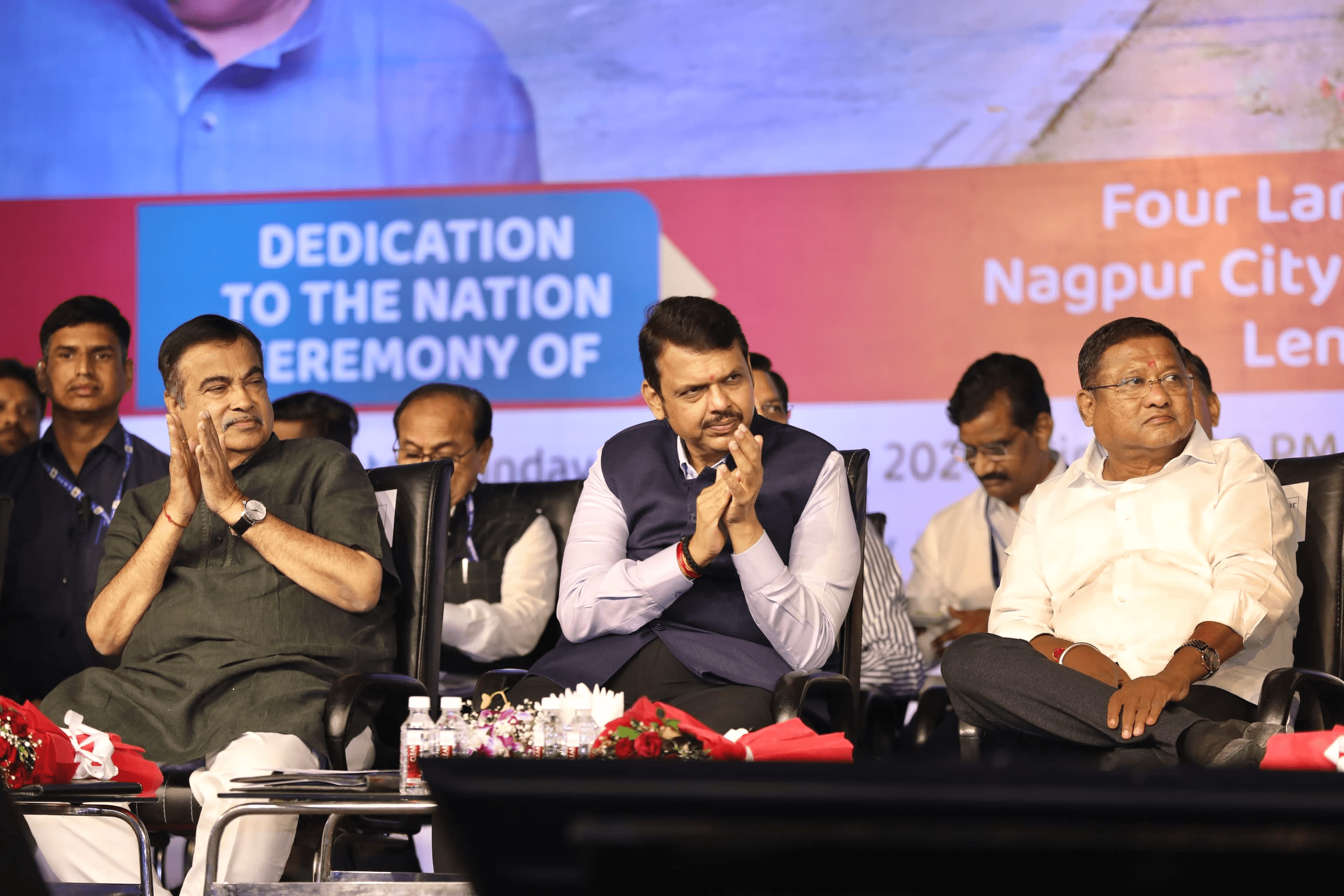
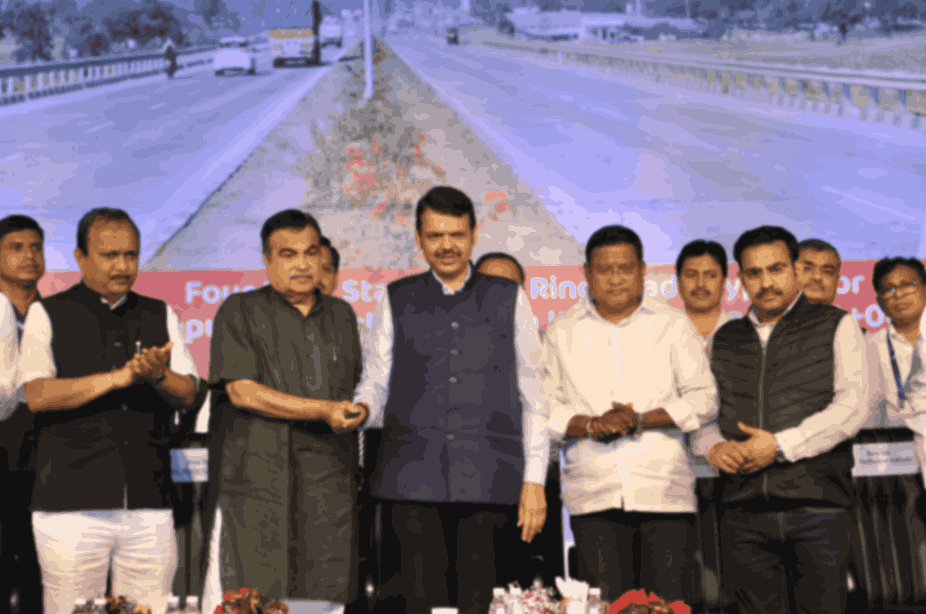
Under the ‘Nagpur City Package-1,’ the Butibori to Fetri Four-Layer Ring Road-Bypass was inaugurated by Minister Nitin Gadkari, accompanied by Deputy Chief Minister Devendra Fadnavis, Ramtek MP Kripal Tumane, and Hingane MLA Sameer Meghe. This strategic development aims to create a comprehensive link between the industrial areas of Hingna and Butibori, facilitating planned development.

Industrial Connectivity: Logistics Parks and Future Growth

The newly introduced outer ring road is poised to serve as a catalyst for planned development, connecting the industrial hubs of Hingna and Butibori. Alongside the road, logistics parks are planned, further enhancing connectivity and fostering industrial growth. The completion of the ring road from the lower underpass to Fetri, extending to Kamptee, is anticipated within the next two months, according to Gadkari.

Integrating Green Spaces: The Nation’s First ‘Bird Park’

In an eco-conscious move, an 8-hectare ‘Bird Park’ near Jamtha is set to become the country’s first. Minister Gadkari shared plans to cultivate various fruit varieties within the park, creating a natural habitat for birds. The park will also feature amenities such as a cycle track and a coffee shop, promoting recreational activities amidst nature. Gadkari emphasized the need to remove encroachments and widen roads in Hingna city for planned development.

Fadnavis’ Perspective: Overcoming Challenges for Swift Completion

Deputy Chief Minister Devendra Fadnavis acknowledged the initial challenges in constructing the outer ring road. However, he commended the accelerated progress achieved in the last two years. Fadnavis highlighted the significance of the outer ring road in alleviating traffic concerns, especially for those traveling from the Samriddhi Highway. This infrastructure development ensures smooth transportation through the outer ring road, accessible via ‘Rim Transport.’

Project Overview: Collaboration and Financial Investment

The project, executed in collaboration with the National Highway Authority of the Ministry of Road Transport and Highways of the Central Government, boasts a total length of 33.50 km. With a budget provision of 856 crore, the outer ring road features three flyovers, two major bridges, and 22 bus-way shelter centers spanning two and a half kilometers. Bamboo crash barriers have been installed to enhance safety, and a speed limit of 100 km per hour is imposed, as indicated in the National Highway Authority’s informative presentation.

In conclusion, the Nagpur to Butibori Road upgrade marks a transformative phase in the city’s infrastructure. Minister Gadkari’s visionary approach, coupled with collaborative efforts and substantial financial investment, ensures that Nagpur is poised for unparalleled growth and connectivity in the near future.

Orange City’s Unexpected Rise in Temperature

As the winter months bid farewell, Orange City finds itself bathed in unexpected warmth. February, typically associated with crisp cold and chilly winds, has taken an unexpected turn, with daytime temperatures soaring past 30 degrees Celsius. Let’s delve into the surprising rise in temperature and its impact on the residents of the orange city.

The Unanticipated Warmth

Despite the anticipation of a chilly February, the orange city has experienced a rather warm embrace from the sun. In the short span of this month, temperatures have exceeded 30.2 degrees Celsius during the day, presenting a stark contrast to the usual winter chills that residents have grown accustomed to in December and January.

Temperature Extremes

The recorded temperatures in Orange City showcase the extent of this unusual warmth. The highest recorded temperature reached 30.2 degrees Celsius, while the lowest dipped to a mild 14.4 degrees Celsius. This fluctuation highlights the unique weather pattern that has settled over the city, leaving residents both surprised and intrigued.

Meteorological Insights

The India Meteorological Department sheds light on the unexpected weather phenomenon. Cold waves from the north side intermittently influence the region, leading to occasional overcast skies. The department predicts an overcast sky and fog situation on February 5, adding a layer of mystery to the atypical weather conditions.

February Projections

Typically, February witnesses a maximum daytime temperature of around 31.9 degrees Celsius and a minimum temperature of 15.6 degrees Celsius in Orange City. However, the current deviation from these norms raises questions about the weather patterns and the potential impact on the residents’ daily lives.

Looking Ahead

The temperature is anticipated to rise even further as we progress into the second half of the month. This unexpected warmth prompts residents to adjust their winter routines, exchanging heavy jackets for lighter attire and altering their expectations for the remainder of the season.

Embracing Change

While the deviation from the expected cold may surprise some, it serves as a reminder that nature often has its own plans. The warmth in Orange City encourages residents to adapt and embrace the change, finding joy in the unexpected and breaking free from the shackles of seasonal predictability.

Conclusion

In conclusion, Orange City’s deviation from the typical winter chill has sparked intrigue among its residents. The rise in temperature, contrary to expectations, adds a unique flavor to the month of February. As we navigate through this uncharted warmth, one thing is certain – nature has a way of keeping us on our toes, making each day a new adventure in Orange City.

Exit mobile version