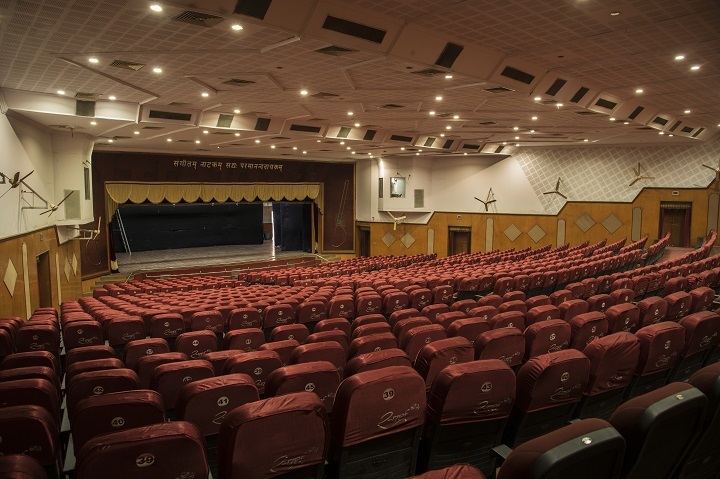
Nagpur Smart City Projects 2026: Complete Development Guide & Future Growth

Nagpur is rapidly transforming into one of India’s most promising urban hubs under the Smart City Mission. With multiple infrastructure and digital development projects underway, 2026 is expected to be a landmark year for the city.

🚀 Overview of Nagpur Smart City Vision

Nagpur’s smart city initiative focuses on:

  • Sustainable infrastructure
  • Smart traffic systems
  • Digital governance
  • Improved public services

The goal is to make Nagpur a livable, efficient, and future-ready city.


🏢 Key Smart City Projects in Nagpur

1. Smart Roads Development

Nagpur has introduced:

  • Sensor-based street lighting
  • Underground cabling
  • Smart drainage systems

These roads are designed to reduce maintenance issues and improve safety.


2. Integrated Command & Control Center (ICCC)

This is the brain of the smart city project:

  • Monitors traffic
  • Tracks emergency services
  • Enhances city surveillance

It ensures real-time decision-making for city authorities.


3. Public Wi-Fi Zones

Free Wi-Fi zones are expanding across:

  • Public parks
  • Bus stops
  • Commercial areas

This boosts digital connectivity and supports local businesses.


4. Smart Water Management

Water supply systems now include:

  • Leakage detection sensors
  • Automated distribution

This helps reduce water wastage significantly.


5. Urban Mobility Improvements

Efforts include:

  • Smart traffic signals
  • Improved road networks
  • Integration with metro systems

🌱 Green Initiatives

Nagpur is focusing on sustainability:

  • Solar-powered street lights
  • Increased green cover
  • Waste management systems

These initiatives improve environmental quality.


📈 Economic Impact

Smart city projects are attracting:

  • IT companies
  • Real estate investments
  • Startups

This boosts employment and economic growth.

Nagpur’s Smart City projects are not just infrastructure upgrades but a complete urban transformation. With continuous development, the city is set to become a major economic and technological hub in India.

Indora–Dighori Flyover Nearing Completion: A Game-Changer for Nagpur Traffic

Nagpur is on the verge of witnessing a major transformation in its urban mobility as the much-awaited Indora–Dighori flyover project (Bhande Plot to Dighori flyover) moves closer to completion. After years of construction and challenges, this massive infrastructure project is now in its final stages, promising smoother and faster connectivity across some of the city’s busiest corridors.

🚀 Project Nears Completion After Long Wait

The ₹998 crore Indora–Dighori flyover project, one of the biggest infrastructure developments in Nagpur, is progressing rapidly and is expected to be completed by mid-2026.

Stretching nearly 9 km, the flyover connects key areas like Indora Chowk, Bhande Plot, Pachpaoli, Reshimbagh, and Dighori. Built by the National Highways Authority of India (NHAI), the project is designed to decongest heavily crowded routes that currently face severe traffic bottlenecks during peak hours.

🛣️ Phase-Wise Opening to Begin Soon

Authorities are planning to open the flyover in phases to provide early relief to commuters:

  • The Bhande Plot to Dighori stretch (approx. 2.2 km) is likely to open first
  • The longer corridor including Pachpaoli and Reshimbagh will follow soon after

This phased approach ensures that even before full completion, citizens can start benefiting from reduced travel time and smoother traffic flow.

🚗 How This Flyover Will Transform Nagpur

Once fully operational, the flyover is expected to dramatically improve daily commuting:

  • Travel time between North and East Nagpur may reduce from nearly 1 hour to just 15–20 minutes
  • Traffic congestion at major junctions like Mahal, Gandhibagh, and Ashok Chowk will significantly decrease
  • Better connectivity will boost economic activity and real estate growth in surrounding areas

This project is especially crucial as it passes through some of Nagpur’s most densely populated and congested zones.

🏗️ Engineering Marvel with Complex Design

The Indora–Dighori flyover isn’t just another road project—it’s an engineering challenge executed at scale:

  • Includes multiple flyovers, ramps, and an elevated rotary at Ashok Chowk
  • Integrates railway overbridges (ROBs) and underpasses (RUBs)
  • Built using advanced construction technologies for durability and efficiency

Despite delays due to railway permissions and urban constraints, the project has maintained steady progress.

⚠️ Challenges Faced During Construction

Like any mega project, this flyover faced its share of hurdles:

  • Delays due to railway crossing approvals at Pachpaoli
  • Traffic disruptions and diversions during construction
  • Urban design controversies, including alignment issues in some areas

However, authorities have addressed most of these concerns, and the project is now nearing completion.

🌆 What It Means for Nagpur’s Future

The Indora–Dighori flyover is more than just a road—it represents Nagpur’s transition into a modern, well-connected city. Once completed, it will:

  • Improve daily life for thousands of commuters
  • Strengthen intra-city connectivity
  • Support future urban expansion and infrastructure projects

Nagpur’s traffic landscape is set to change permanently—and for the better.

₹1000 Crore Approved for New Vidhan Bhavan in Nagpur: A Transformational Infrastructure Milestone

A Historic Decision for Nagpur’s Administrative Future

Maharashtra Assembly Nagpur: landmark decision in Maharashtra’s administrative and infrastructural journey as the state government has approved ₹1000 crore for the construction of a new Vidhan Bhavan in Nagpur. This ambitious project is set to redefine the political and administrative landscape of the city, strengthening its position as the second capital of Maharashtra.

With increasing demands for modern infrastructure, enhanced security, and efficient governance facilities, the new Vidhan Bhavan is designed to meet future legislative needs while reflecting architectural excellence and technological advancement.


Why a New Vidhan Bhavan is Necessary

Growing Limitations of the Existing Infrastructure

We understand that the current Vidhan Bhavan in Nagpur, primarily used during the winter session of the Maharashtra Legislature, has been facing several constraints:

  • Limited seating capacity for MLAs and officials
  • Outdated technological infrastructure
  • Inadequate security provisions
  • Lack of modern facilities for media and administrative operations

The new project directly addresses these challenges by offering a state-of-the-art legislative complex that aligns with global standards.


Project Cost and Financial Approval

₹1000 Crore Budget Allocation

The Maharashtra government has officially sanctioned a massive budget of ₹1000 crore, making it one of the most significant government infrastructure investments in Nagpur.

This budget will cover:

  • Construction of the main assembly building
  • Administrative blocks and offices
  • High-security zones and surveillance systems
  • Parking facilities and public access areas
  • Landscaping and eco-friendly development

The funding highlights the government’s long-term vision for decentralization and strengthening Nagpur’s administrative importance.


Proposed Location and Strategic Importance

Prime Location Selection for Accessibility

The new Vidhan Bhavan is expected to be constructed in a strategically selected area in Nagpur, ensuring:

  • Seamless connectivity to major highways
  • Proximity to the airport and railway stations
  • Ease of access for legislators, officials, and citizens

This location planning ensures that the building becomes a central administrative hub, boosting efficiency and accessibility.


Modern Architecture and Smart Features

A Futuristic Legislative Complex

We are looking at a next-generation government building equipped with:

  • Smart digital assembly systems
  • Paperless legislative operations
  • Advanced audio-visual infrastructure
  • Energy-efficient and green building design
  • Earthquake-resistant construction

The design is expected to combine modern aesthetics with cultural elements, representing Maharashtra’s rich heritage while embracing innovation.


Impact on Nagpur’s Development

Economic Boost and Job Creation

The construction of the new Vidhan Bhavan will significantly impact Nagpur’s economy:

  • Thousands of direct and indirect employment opportunities
  • Boost to local construction and allied industries
  • Increase in real estate demand आसपास के क्षेत्रों में
  • Growth in hospitality and service sectors

This project will act as a catalyst for urban expansion and economic acceleration.


Strengthening Nagpur as Maharashtra’s Second Capital

Nagpur already holds strategic importance due to the winter session of the Maharashtra Assembly. With this new Vidhan Bhavan:

  • The city’s role as a political hub will be further reinforced
  • Administrative activities may increase beyond seasonal sessions
  • It could lead to more frequent governmental operations in Nagpur

This transformation aligns with the vision of balanced regional development.


Timeline and Construction Phases

Planned Execution Strategy

The project is expected to follow a phased development approach, including:

  1. Planning and Design Approval
  2. Land Preparation and Clearance
  3. Foundation and Structural Construction
  4. Interior Development and Technology Integration
  5. Final Inspection and Operational Launch

While exact timelines will depend on execution speed, the government aims to fast-track the project to ensure timely completion.


Environmental and Sustainability Focus

Green Building Initiative

We recognize that sustainability is a key aspect of modern infrastructure. The new Vidhan Bhavan is expected to incorporate:

  • Solar energy utilization
  • Rainwater harvesting systems
  • Energy-efficient lighting and cooling
  • Green landscaping and open spaces

This approach ensures that the building is not only modern but also environmentally responsible.


Public and Political Significance

A Symbol of Governance and Progress

The new Vidhan Bhavan will serve as:

  • A symbol of democratic strength
  • A center for policy-making and governance
  • A landmark structure representing Maharashtra’s growth

It will also enhance the public experience, with better accessibility and facilities for visitors and media.


Challenges and Expectations

Execution and Transparency

While the project holds immense promise, its success depends on:

  • Timely execution without delays
  • Transparent utilization of funds
  • High-quality construction standards
  • Efficient coordination between departments

We expect authorities to ensure accountability and efficiency throughout the project lifecycle.


A Defining Moment for Nagpur’s Future

The approval of ₹1000 crore for the new Vidhan Bhavan in Nagpur marks a defining moment in the city’s development journey. This project is not just about constructing a building—it is about reshaping governance, boosting the economy, and elevating Nagpur’s national importance.

As this ambitious initiative progresses, it will transform Nagpur into a modern administrative powerhouse, setting a benchmark for infrastructure development across India.

₹70 Crore Sanctioned for Ambazari Lake and Nag River Strengthening: Transforming Nagpur’s Water Ecosystem

A Landmark Investment in Nagpur’s Environmental Future

Ambazari Lake Nagpur | Nag River project: We are witnessing a significant milestone in urban infrastructure development as ₹70 crore has been sanctioned for the strengthening and restoration of Ambazari Lake and the rejuvenation of the Nag River (Nag River cleaning). This strategic initiative marks a crucial step toward flood prevention, ecological restoration, and sustainable urban planning in Nagpur.

The project reflects a long-term vision to address water management challenges, improve environmental health, and elevate the overall livability of the city.


Understanding the Importance of Ambazari Lake and Nag River

Ambazari Lake: The Lifeline of Nagpur

We recognize Ambazari Lake as one of the most vital water bodies in Nagpur. Historically, it has served as a primary reservoir and flood buffer, but over time, increasing urbanization has strained its capacity.

Key concerns addressed under the project include:

  • Silt accumulation reducing water-holding capacity
  • Encroachment and unplanned construction
  • Overflow risks during heavy rainfall
  • Declining water quality and biodiversity

The sanctioned funds aim to restore the lake’s natural capacity and enhance its resilience against extreme weather conditions.


Nag River: Reviving a Critical Urban Waterway

The Nag River, once a flowing natural system, has faced years of neglect, pollution, and structural degradation. We now move toward a comprehensive river strengthening initiative that includes:

  • Channel widening and desilting
  • Reinforcement of embankments
  • Improved drainage connectivity
  • Pollution control measures

This transformation is essential to ensure efficient water flow and reduced flooding risks across Nagpur.


Project Highlights: Where the ₹70 Crore Will Be Utilized

1. Structural Strengthening and Desilting

We focus heavily on removing accumulated silt and debris from both the lake and river. This will:

  • Increase water storage capacity
  • Enhance flow efficiency during monsoons
  • Prevent backflow and waterlogging in urban zones

2. Flood Control Infrastructure Development

Flooding has been a recurring issue in low-lying areas of Nagpur. This project includes:

  • Construction of retaining walls
  • Strengthening of embankments
  • Upgrading drainage systems

These steps ensure better flood management and protection for residential and commercial areas.


3. Environmental Restoration and Beautification

We are not just focusing on engineering solutions but also ecological restoration:

  • Plantation drives along riverbanks
  • Development of green zones and walkways
  • Improvement in water quality through filtration systems

This initiative will turn these water bodies into urban ecological assets and recreational spaces.


4. Sustainable Urban Planning Integration

The project aligns with broader urban goals by integrating:

  • Smart drainage systems
  • Rainwater harvesting support
  • Urban biodiversity conservation

We ensure that development is future-ready and environmentally sustainable.


Impact on Nagpur Residents and Urban Life

Enhanced Flood Protection

With improved infrastructure, residents will experience:

  • Reduced waterlogging during heavy rains
  • Improved safety in flood-prone areas
  • Better traffic flow during monsoons

Boost to Real Estate and Local Economy

We anticipate significant economic benefits, including:

  • Increased property value near restored zones
  • Growth in tourism and local businesses
  • Enhanced urban attractiveness for investors

Improved Public Health and Hygiene

Cleaner water systems lead to:

  • Reduced waterborne diseases
  • Improved sanitation standards
  • Healthier living environments

Strategic Importance for Nagpur’s Future

Climate Resilience and Disaster Preparedness

We are actively preparing Nagpur for climate challenges such as extreme rainfall and urban flooding. Strengthening these water bodies ensures:

  • Efficient water management
  • Disaster risk reduction
  • Long-term sustainability

Alignment with Maharashtra’s Development Vision

This project contributes to the broader development goals of Maharashtra by:

  • Promoting green infrastructure
  • Supporting urban renewal initiatives
  • Enhancing water resource management systems

Execution Timeline and Monitoring

We expect the project to be implemented in phases with strict monitoring mechanisms, including:

  • Regular progress audits
  • Quality control measures
  • Environmental compliance checks

Authorities will ensure that funds are utilized efficiently and transparently.


Challenges and Strategic Solutions

Addressing Urban Encroachment

Encroachment has historically impacted both the lake and river. We tackle this through:

  • Strict regulatory enforcement
  • Demarcation of protected zones
  • Relocation and rehabilitation plans where necessary

Maintaining Long-Term Sustainability

We emphasize ongoing maintenance through:

  • Periodic desilting schedules
  • Community awareness programs
  • Smart monitoring systems

Why This Project Matters More Than Ever

We are at a critical juncture where urban growth must align with environmental preservation. This ₹70 crore investment is not just about infrastructure—it represents:

  • A commitment to sustainable development
  • A solution to long-standing water issues
  • A vision for a cleaner, safer, and smarter Nagpur

A New Chapter for Nagpur’s Water Systems

We are entering a transformative phase where Ambazari Lake and Nag River will be revitalized as pillars of urban resilience and environmental balance. This project stands as a powerful example of how strategic investment and planning can reshape a city’s future.

With effective execution, Nagpur is set to become a model city for water management and ecological restoration in India.

Kumar Ashirwad Appointed as New Nagpur Collector: A Strategic Administrative Shift in 2026

A Major Administrative Update for Nagpur

Nagpur new collector 2026: We are witnessing a significant administrative transition in Nagpur as Kumar Ashirwad has been officially appointed as the new District Collector. This development marks an important moment for the city’s governance, as the role of a collector is crucial in shaping policy execution, urban growth, and district-level administration.

With Nagpur rapidly evolving as a smart city and infrastructure hub, the appointment of a capable and dynamic officer brings renewed expectations. Kumar Ashirwad is likely to assume charge shortly, signaling the beginning of a new administrative phase focused on efficiency, transparency, and accelerated development.


Who is Kumar Ashirwad? A Profile of the New Nagpur Collector

Kumar Ashirwad is a distinguished IAS officer known for his strong administrative capabilities and proactive governance style. Over the years, he has built a reputation for:

  • Efficient policy implementation
  • People-centric governance
  • Transparency in administration
  • Handling complex district-level challenges

His previous assignments have demonstrated his ability to drive results under pressure, making him a strategic choice for a city like Nagpur, which is currently experiencing rapid urban expansion.


Expected Joining Date and Charge Handover

According to official updates, Kumar Ashirwad is expected to assume charge soon, possibly within the immediate administrative schedule. The transition process typically includes:

  • Formal handover of responsibilities
  • Review of ongoing projects
  • Strategic planning meetings with key departments

This swift transition ensures continuity in governance without disrupting existing development projects.


Why This Appointment Matters for Nagpur

Nagpur holds a critical position in Maharashtra’s development roadmap. From infrastructure to investment, the city is undergoing a transformation. The appointment of a new collector at this stage is highly significant because:

1. Accelerated Infrastructure Development

Nagpur is witnessing large-scale projects such as:

  • Metro expansion
  • Smart city initiatives
  • Expressway connectivity

A proactive collector can ensure timely execution and monitoring of these projects.

2. Improved Administrative Efficiency

With fresh leadership, we expect:

  • Faster decision-making
  • Better grievance redressal systems
  • Enhanced coordination between departments

3. Boost to Investment and Urban Planning

Nagpur is emerging as an investment hotspot. A strong administrative head plays a key role in:

  • Facilitating approvals
  • Ensuring ease of doing business
  • Attracting new industries

Key Responsibilities of the Nagpur Collector

The role of a District Collector is multi-dimensional and highly influential. Kumar Ashirwad will oversee:

  • Law and order management
  • Revenue administration
  • Disaster management
  • Election processes
  • Implementation of government schemes

In a growing city like Nagpur, these responsibilities require strategic thinking and strong execution skills.


Focus Areas Under Kumar Ashirwad’s Leadership

Based on his administrative track record, several focus areas are expected to gain priority:

Urban Development and Smart City Execution

Nagpur’s smart city projects demand precision and speed. We anticipate:

  • Faster completion timelines
  • Improved urban infrastructure
  • Better civic amenities

Digital Governance and Transparency

Modern governance requires digital integration. Under his leadership:

  • Online services may expand
  • Citizen grievance systems could become more efficient
  • Data-driven decision-making may increase

Public Welfare and Social Schemes

Ensuring that government schemes reach the grassroots level is critical. Focus will likely be on:

  • Rural development
  • Welfare scheme implementation
  • Inclusive growth

Impact on Ongoing Projects in Nagpur

Nagpur is currently undergoing multiple high-value projects. The new collector’s role will be pivotal in ensuring these projects stay on track:

  • Road and transport infrastructure upgrades
  • Urban housing and redevelopment projects
  • Industrial corridor developments

We expect closer monitoring, improved accountability, and faster execution under the new leadership.


Administrative Stability and Future Outlook

Administrative changes often bring renewed energy and direction. Kumar Ashirwad’s appointment is expected to:

  • Strengthen governance systems
  • Enhance coordination among departments
  • Improve overall administrative efficiency

Nagpur’s future as a modern urban center depends heavily on effective district leadership, and this transition appears aligned with that vision.


Public Expectations from the New Collector

With every new appointment, public expectations rise. Citizens of Nagpur are likely expecting:

  • Faster resolution of civic issues
  • Improved infrastructure quality
  • Transparent administration
  • Better law and order management

The coming months will be crucial in shaping public perception and administrative outcomes.

A New Chapter in Nagpur’s Governance

We see the appointment of Kumar Ashirwad as a strategic move aimed at strengthening Nagpur’s administrative framework. As the city continues to grow in importance, both economically and infrastructurally, the role of the collector becomes even more critical.

With his experience, leadership skills, and governance approach, Kumar Ashirwad is expected to drive efficiency, accelerate development, and enhance public service delivery in Nagpur.

This transition marks not just a change in leadership but the beginning of a new chapter in Nagpur’s growth story—one that promises better governance, stronger infrastructure, and a more responsive administration.

Nagpur to Get 307 EV Charging Stations: Mahavitaran Accelerates Electric Mobility Infrastructure

A Major Leap Toward Electric Mobility in Nagpur

Mahavitaran EV chargers: We are witnessing a transformative shift in urban mobility as Nagpur emerges as a leading city in electric vehicle (EV) adoption. With the announcement of 307 EV charging stations by Mahavitaran, the city is positioning itself at the forefront of India’s green transportation revolution. This initiative is not just an infrastructure upgrade—it is a decisive step toward sustainable urban development, reduced carbon emissions, and future-ready mobility solutions.

Mahavitaran’s Strategic Expansion of EV Charging Network

The Maharashtra State Electricity Distribution Company Limited (MSEDCL), popularly known as Mahavitaran, has unveiled a comprehensive plan to install 307 EV charging stations across Nagpur. This initiative aims to address one of the biggest barriers to EV adoption—charging accessibility.

We see this move as a well-planned infrastructure rollout, ensuring that charging stations are distributed across key locations, including:

  • Residential areas
  • Commercial hubs
  • Highways and arterial roads
  • Public parking zones
  • Government buildings

This strategic placement ensures that EV users experience maximum convenience and minimal range anxiety.

Why 307 EV Charging Stations Matter for Nagpur

The installation of 307 charging points is not just a number—it represents a robust ecosystem for electric mobility. We recognize several critical advantages:

1. Eliminating Range Anxiety

With charging stations spread across the city, EV users can travel freely without worrying about battery depletion.

2. Encouraging EV Adoption

A strong charging network directly boosts consumer confidence, leading to increased EV purchases.

3. Supporting Government Policies

This initiative aligns with India’s FAME (Faster Adoption and Manufacturing of Electric Vehicles) scheme and Maharashtra’s EV policy.

4. Reducing Carbon Footprint

We contribute to a cleaner environment by significantly reducing vehicular emissions.

Key Locations Identified for EV Charging Stations

Mahavitaran has carefully identified strategic zones across Nagpur for deploying these charging stations. These include:

  • Metro stations and transport hubs
  • Shopping malls and business districts
  • Fuel stations transitioning into EV hubs
  • Educational institutions
  • Tourist and high-footfall areas

This ensures high utilization rates and seamless access for both daily commuters and long-distance travelers.

Types of EV Chargers to Be Installed

We understand that different EV users have varying needs. Therefore, the infrastructure will include:

Fast Chargers (DC Chargers)

  • Ideal for quick top-ups
  • Suitable for highways and commercial zones
  • Charging time: 30–60 minutes

Slow Chargers (AC Chargers)

  • Perfect for residential and workplace use
  • Charging time: 4–8 hours

Smart Charging Systems

  • Integrated with mobile apps
  • Real-time availability tracking
  • Digital payments and usage analytics

This diversified approach ensures flexibility and efficiency for all types of EV users.

Impact on Nagpur’s Economy and Employment

We anticipate a significant economic boost from this initiative. The installation and maintenance of EV charging stations will create:

  • New job opportunities
  • Growth in EV-related services
  • Expansion of local businesses and startups

Additionally, Nagpur will attract investment in clean energy and smart city technologies, further strengthening its position as a progressive urban center.

Integration with Smart City Vision

Nagpur is already recognized as one of India’s Smart Cities, and this EV infrastructure aligns perfectly with that vision. We are integrating:

  • IoT-enabled charging stations
  • Smart grid systems
  • Renewable energy sources like solar power

This ensures a sustainable and technologically advanced ecosystem.

Environmental Benefits of EV Charging Expansion

We strongly emphasize the environmental advantages of this initiative:

Reduction in Air Pollution

Electric vehicles produce zero tailpipe emissions, significantly improving air quality.

Lower Noise Pollution

EVs operate quietly, contributing to a more peaceful urban environment.

Energy Efficiency

Electric mobility is inherently more efficient compared to fossil fuel-based transportation.

Climate Change Mitigation

By reducing dependence on petrol and diesel, we actively contribute to lower greenhouse gas emissions.

Challenges and Solutions in EV Infrastructure Deployment

While the project is ambitious, we acknowledge certain challenges:

1. High Initial Investment

Solution: Government subsidies and public-private partnerships.

2. Grid Load Management

Solution: Smart grids and energy storage systems.

3. User Awareness

Solution: Awareness campaigns and incentives for EV buyers.

4. Maintenance and Operations

Solution: Dedicated service networks and digital monitoring tools.

Through careful planning, these challenges are being effectively addressed.

Future Roadmap for EV Growth in Nagpur

We are not stopping at 307 charging stations. The future roadmap includes:

  • Expansion to rural and semi-urban areas
  • Integration with renewable energy sources
  • Development of battery swapping stations
  • Collaboration with private EV companies

This long-term vision ensures that Nagpur remains a leader in sustainable mobility.

How This Initiative Benefits EV Owners

We highlight the direct benefits for EV users:

  • Convenient charging access across the city
  • Reduced fuel costs
  • Lower maintenance expenses
  • Increased vehicle lifespan
  • Government incentives and tax benefits

This creates a compelling case for switching to electric vehicles.

Role of Private Sector and Startups

We see immense potential for private sector participation in this ecosystem:

  • Charging station operators
  • EV fleet services
  • Battery technology startups
  • Mobile app developers for EV solutions

This collaboration will accelerate innovation and scalability.

Nagpur Leading India’s Electric Revolution

We firmly believe that the installation of 307 EV charging stations in Nagpur by Mahavitaran marks a turning point in India’s electric mobility journey. This initiative not only strengthens infrastructure but also builds consumer confidence, environmental sustainability, and economic growth.

Nagpur is no longer just adopting electric mobility—it is setting a benchmark for other cities to follow. As we move forward, this robust EV ecosystem will play a crucial role in shaping a cleaner, smarter, and more sustainable future.

Nagpur-Goa Shaktipeeth Expressway Redesign: A Transformational Yet Costly Infrastructure Leap

Nagpur Goa highway route: The state of Maharashtra has taken a decisive step toward transforming regional connectivity by approving the redesigned Nagpur-Goa Shaktipeeth Expressway, a project that is set to redefine travel, trade, and tourism across western and central India. While the revised blueprint promises enhanced connectivity and broader regional inclusion, it also introduces a significant increase in cost and route length, making it one of the most ambitious yet debated infrastructure projects in the state.


Bold Vision Behind the Shaktipeeth Expressway

The Nagpur-Goa Shaktipeeth Expressway is envisioned as a high-speed corridor connecting spiritual, economic, and coastal hubs. Starting from Nagpur and extending to Goa, this expressway aims to integrate key pilgrimage destinations (Shaktipeeths), industrial zones, and tourism circuits into a seamless transportation network.

The redesigned plan reflects a strategic expansion to include more districts and improve accessibility for underserved regions. This shift aligns with Maharashtra’s broader infrastructure goals, positioning the state as a logistics and tourism powerhouse.


Why the Route Was Redesigned

The original route faced multiple challenges, including land acquisition issues, environmental concerns, and regional demands for inclusion. The revised alignment now covers additional districts, ensuring balanced regional development.

Key reasons for the redesign include:

  • Improved district connectivity across central and western Maharashtra
  • Inclusion of religious and cultural hubs to boost pilgrimage tourism
  • Avoidance of ecologically sensitive zones
  • Enhanced alignment for future urban expansion corridors

This redesigned route ensures that the expressway is not just a road but a multi-dimensional growth engine.


Cost Escalation: A Strategic Investment or Financial Burden?

One of the most striking aspects of the redesign is the sharp increase in project cost. The expanded route length, additional infrastructure components, and compensation for land acquisition have significantly pushed the budget upward.

However, this cost escalation is being positioned as a long-term strategic investment rather than a short-term expense. The expressway is expected to:

  • Reduce travel time between Nagpur and Goa drastically
  • Enhance freight movement efficiency
  • Increase real estate development along the corridor
  • Generate employment opportunities during and after construction

The government’s stance reflects a commitment to quality infrastructure over cost minimization, ensuring durability, scalability, and economic return.


Extended Route: Connecting More Than Just Cities

The redesigned expressway is not merely longer—it is smarter and more inclusive. By expanding its reach, the project now connects:

  • Emerging industrial clusters
  • Agricultural belts requiring better market access
  • Tourism hotspots beyond mainstream routes

This extension transforms the expressway into a comprehensive economic corridor, rather than a simple transit route.


Economic Impact on Maharashtra’s Growth

The Shaktipeeth Expressway is poised to become a backbone of Maharashtra’s economic expansion. Its impact will be visible across multiple sectors:

1. Industrial Growth Acceleration

Improved logistics will reduce transportation costs, attracting manufacturing units and logistics hubs along the route.

2. Tourism Boost

By linking Nagpur to Goa, the expressway will significantly increase tourist flow, especially for weekend and pilgrimage travel.

3. Real Estate Expansion

Land along the expressway corridor is expected to witness rapid appreciation, leading to new townships, commercial hubs, and service industries.

4. Agricultural Advantage

Farmers will gain faster access to markets, reducing spoilage and increasing profitability.


Travel Time Reduction and Connectivity Benefits

The expressway is designed to offer high-speed, uninterrupted travel, cutting down journey time significantly. Travelers will benefit from:

  • Faster connectivity between central and coastal Maharashtra
  • Reduced congestion on existing highways
  • Improved safety standards with modern road engineering

This will make road travel between Nagpur and Goa more efficient and predictable.


Environmental and Land Acquisition Considerations

Large-scale infrastructure projects inevitably face environmental and land-related challenges. The redesigned expressway addresses these concerns by:

  • Avoiding ecologically sensitive zones
  • Implementing compensatory afforestation measures
  • Ensuring fair compensation for landowners

This balanced approach reflects a sustainable development mindset, crucial for long-term success.


Strategic Importance in India’s Infrastructure Landscape

The Nagpur-Goa Shaktipeeth Expressway is not just a state-level project; it holds national strategic significance. It complements India’s broader infrastructure initiatives by:

  • Strengthening east-west connectivity
  • Supporting logistics efficiency under national highway expansion plans
  • Enhing regional integration across economic zones

Its execution will place Maharashtra at the forefront of next-generation expressway development in India.


Challenges Ahead: Execution and Timelines

Despite its ambitious scope, the project faces critical challenges:

  • Timely land acquisition
  • Managing cost overruns
  • Ensuring environmental compliance
  • Coordinating across multiple administrative regions

Efficient project management and transparent governance will be essential to deliver the expressway within projected timelines.


Future Outlook: A Game-Changer for Western India

The redesigned Nagpur-Goa Shaktipeeth Expressway represents a bold leap toward integrated development. Its long-term benefits are expected to outweigh initial challenges, making it a cornerstone of Maharashtra’s infrastructure evolution.

As construction progresses, the expressway will gradually transform into a vital artery connecting culture, commerce, and connectivity, unlocking new opportunities for millions.

The approval of the redesigned Nagpur-Goa Shaktipeeth Expressway marks a turning point in Maharashtra’s infrastructure journey. While the increased cost and extended route may raise initial concerns, the project’s strategic, economic, and social benefits position it as a transformative initiative.

With its potential to redefine travel, boost economic growth, and enhance regional connectivity, this expressway stands as a powerful symbol of progress and ambition in modern India.

₹45.56 Crore Tourism Project Near Babulkheda: A Transformational Leap for Nagpur’s Future

A New Era of Urban Tourism Development

Babulkheda development: We are witnessing a major transformation in the tourism and infrastructure landscape of Nagpur as a ₹45.56 crore tourism project near Panchmukhi Hanuman Mandir Babulkheda moves forward. This ambitious initiative reflects a strategic push toward urban modernization, cultural promotion, and economic growth, positioning Nagpur as a rising tourism hub in central India.

The project is not merely an infrastructure upgrade—it is a visionary blueprint designed to redefine how tourism integrates with urban life, offering enhanced public spaces, better connectivity, and immersive experiences for both residents and visitors.


Project Overview: Strategic Investment for Long-Term Growth

The ₹45.56 crore allocation marks a significant milestone in regional development. This project focuses on the Babulkheda area (Near Panchmukhi Hanuman Mandir)  which is rapidly emerging as a key zone for urban expansion and tourism-centric infrastructure.

We see this development as part of a broader strategy to:

  • Boost local tourism potential
  • Improve civic amenities
  • Enhance the aesthetic appeal of the city
  • Generate employment opportunities

The funding will be utilized to create modern facilities, green spaces, recreational zones, and improved accessibility, ensuring that the area becomes a high-value destination for tourists and residents alike.


Babulkheda: Emerging as a Tourism Hotspot

Babulkheda is strategically located within Nagpur’s expanding urban framework, making it ideal for tourism-driven development. Its accessibility and proximity to key city areas allow it to serve as a gateway for new-age tourism experiences.

We anticipate that the project will transform Babulkheda into a:

  • Recreational hub
  • Cultural activity center
  • Urban leisure destination

This shift will significantly elevate the tourism profile of Nagpur, aligning it with other rapidly developing cities in Maharashtra.


Key Features of the Tourism Project

1. Modern Infrastructure Development

We are seeing a strong focus on state-of-the-art infrastructure, including:

  • Wide internal roads
  • Improved drainage systems
  • Smart lighting solutions
  • Pedestrian-friendly pathways

These enhancements will ensure seamless mobility and a comfortable visitor experience.


2. Green Spaces and Eco-Friendly Design

A major highlight is the integration of eco-conscious planning, which includes:

  • Landscaped gardens
  • Open recreational parks
  • Sustainable water management systems

This approach ensures that the project aligns with environmental sustainability goals, making it attractive for eco-tourism enthusiasts.


3. Recreational and Cultural Zones

The development will feature dedicated zones for cultural and recreational activities, such as:

  • Amphitheaters
  • Event spaces
  • Community gathering areas

We expect these spaces to become vibrant centers for festivals, performances, and public events, enriching the cultural fabric of Nagpur.


4. Enhanced Connectivity

Connectivity improvements will play a crucial role in the project’s success. Planned upgrades include:

  • Better road access
  • Integration with city transport systems
  • Improved last-mile connectivity

This ensures that the location is easily accessible from all parts of the city, increasing footfall and tourism activity.


Economic Impact: Driving Growth and Employment

One of the most significant outcomes of this project is its economic potential. We foresee:

  • Direct employment opportunities during construction and maintenance
  • Indirect job creation in tourism, retail, and hospitality sectors
  • Increased local business activity

The development will stimulate micro-economies around Babulkheda, benefiting small vendors, entrepreneurs, and service providers.


Boosting Nagpur’s Tourism Ecosystem

Nagpur has been steadily gaining recognition for its strategic location and infrastructure growth. With projects like this, we are seeing a shift toward tourism diversification.

This initiative complements existing attractions and enhances the city’s appeal by:

  • Offering new destinations for visitors
  • Encouraging longer tourist stays
  • Promoting local culture and heritage

We believe this will position Nagpur as a well-rounded tourism destination, not just a transit city.


Urban Planning Vision: Smart and Sustainable Growth

The tourism project reflects a broader vision of smart urban planning, integrating:

  • Technology-driven solutions
  • Sustainable infrastructure
  • Citizen-centric design

This aligns with the larger goals of urban development initiatives being implemented across Maharashtra, ensuring that Nagpur remains future-ready and globally competitive.


Social Impact: Improving Quality of Life

Beyond tourism and economics, the project will significantly enhance the quality of life for residents. We expect:

  • Better public spaces
  • Increased recreational opportunities
  • Safer and cleaner surroundings

Such developments contribute to a more livable and inclusive urban environment, making Nagpur a preferred city for both living and visiting.


Challenges and Execution Strategy

While the project holds immense promise, its success depends on:

  • Timely execution
  • Efficient resource management
  • Community engagement

We anticipate that authorities will adopt a structured implementation strategy, ensuring transparency and adherence to timelines.


Future Outlook: A Landmark Development for Nagpur

The ₹45.56 crore tourism project near Babulkheda is more than just an infrastructure upgrade—it is a symbol of Nagpur’s evolving identity.

We are confident that once completed, it will:

  • Become a landmark destination
  • Attract regional and national tourists
  • Strengthen Nagpur’s position as a key urban center in central India

Redefining Nagpur’s Tourism Landscape

We stand at the cusp of a transformative phase where strategic investments are reshaping the city’s future. The Babulkheda tourism project exemplifies how visionary planning and targeted funding can unlock immense potential.

As this project progresses, we expect it to set new benchmarks in urban tourism development, making Nagpur a model city for integrated growth and innovation.

Hanuman Janmotsav 2026 in Nagpur: A Grand Spiritual Spectacle with 80 Tableaux

A Historic Celebration Set to Transform Nagpur

We are witnessing one of the most magnificent religious celebrations in Nagpur, as Hanuman Janmotsav 2026 prepares to unfold on an unprecedented scale. This year, the highlight of the celebration is the 80 grand tableaux (jhankis) that will originate from the revered Rajabhaksha Temple, promising a visually stunning and spiritually uplifting experience for devotees and visitors alike.

The city is gearing up for a divine transformation, where streets will be adorned with vibrant decorations, devotional chants will echo across neighborhoods, and thousands of devotees will gather to celebrate the birth of Lord Hanuman, symbolizing strength, devotion, and unwavering faith.


80 Tableaux: The Heart of the Celebration

The centerpiece of this year’s event is undoubtedly the 80 intricately designed tableaux, each narrating powerful episodes from the Ramayana and showcasing different forms and deeds of Lord Hanuman.

What Makes These Tableaux Unique?

  • Detailed Storytelling: Each tableau represents a specific story such as Hanuman lifting the Sanjeevani mountain, burning Lanka, or his devotion to Lord Rama.
  • Artistic Excellence: Crafted by skilled artisans, these tableaux combine traditional artistry with modern lighting and sound effects.
  • Spiritual Immersion: The moving displays create a live devotional experience, allowing devotees to connect deeply with the divine narratives.

These tableaux are not just visual displays but moving expressions of devotion, making them the biggest attraction of the festival.


Rajabhaksha Temple: The Spiritual Epicenter

The Rajabhaksha Temple plays a central role in organizing this grand celebration. Known for its deep-rooted spiritual significance and community involvement, the temple becomes the starting point of the grand procession.

Temple Preparations and Rituals

  • Special Pujas and Aartis conducted throughout the day
  • Continuous chanting of Hanuman Chalisa
  • Distribution of prasad to thousands of devotees
  • Decoration with flowers, lights, and sacred symbols

The temple premises will be filled with devotional energy, attracting devotees from across the region.


Grand Procession Route and Crowd Management

The Hanuman Janmotsav procession will pass through major areas of Nagpur, transforming the city into a vibrant spiritual corridor.

Key Highlights of the Route

  • Starts from Rajabhaksha Temple
  • Covers prominent roads and market areas
  • Ends with a grand aarti and cultural performances

Authorities have ensured robust arrangements for crowd control, traffic diversion, and security to handle the massive turnout expected this year.


Massive Public Participation and Devotional Energy

Every year, Hanuman Janmotsav in Nagpur draws lakhs of devotees, but 2026 is expected to surpass all previous records.

Why This Year is Special

  • Increased number of tableaux (80 total)
  • Enhanced lighting and stage design
  • Participation from multiple cultural and religious groups
  • Strong community involvement and volunteer support

Devotees will engage in bhajans, kirtans, and spiritual gatherings, creating an atmosphere filled with positivity and devotion.


Cultural Performances and Live Bhakti Experience

Apart from the tableaux, the celebration will feature live performances that add depth to the spiritual experience.

Key Cultural Elements

  • Ramayana-based stage acts
  • Traditional dance performances
  • Devotional singing by local artists
  • Drum processions (dhol-tasha) energizing the crowd

These performances ensure that the festival becomes a complete cultural and spiritual celebration, appealing to people of all ages.


Security, Traffic, and Administrative Planning

To ensure a smooth and safe event, authorities have implemented comprehensive planning strategies.

Key Arrangements

  • Heavy police deployment across the route
  • Installation of CCTV cameras for surveillance
  • Dedicated medical and emergency response teams
  • Traffic diversions to manage congestion

These measures guarantee that devotees can participate peacefully and safely in the celebration.


Economic and Social Impact on Nagpur

Large-scale events like Hanuman Janmotsav significantly contribute to the local economy and social harmony.

Positive Impacts

  • Boost to local businesses and vendors
  • Increased tourism and footfall
  • Strengthening of community bonds
  • Promotion of cultural heritage and traditions

The festival not only celebrates faith but also uplifts the spirit of the entire city.


Why Hanuman Janmotsav Holds Deep Significance

Hanuman Janmotsav marks the birth of Lord Hanuman, a symbol of:

  • Devotion (Bhakti)
  • Strength (Shakti)
  • Loyalty and Courage

Celebrating this day reminds devotees of the importance of selfless service, discipline, and unwavering faith.


A Visual and Spiritual Feast Awaits

With 80 grand tableaux, vibrant processions, devotional music, and massive participation, Hanuman Janmotsav 2026 in Nagpur is set to become a landmark celebration.

We are not just witnessing a festival; we are experiencing a living tradition that blends spirituality, culture, and community unity. The city will resonate with chants of “Jai Shri Ram” and “Jai Hanuman”, creating an unforgettable atmosphere of devotion.


A Celebration Beyond Tradition

As Nagpur prepares for this grand occasion, the scale and devotion behind Hanuman Janmotsav 2026 highlight the city’s deep spiritual roots. The 80 tableaux from Rajabhaksha Temple symbolize not just artistic brilliance but also the collective faith of thousands of devotees.

We invite everyone to be part of this divine celebration, witness the grandeur, and immerse in the powerful spiritual energy that defines Hanuman Janmotsav in Nagpur.

₹4.61 Crore Boost for RTMNU Indoor Sports Complex Nagpur: A Landmark Upgrade in Sports Infrastructure

The long-awaited transformation of sports infrastructure at Rashtrasant Tukadoji Maharaj Nagpur University (RTMNU) has received a decisive push as the Maharashtra government approved the release of the remaining ₹4.61 crore. This crucial funding marks the final phase of a project that promises to redefine the sporting ecosystem in Nagpur.

With this financial clearance, we are now witnessing the near completion of a state-of-the-art, international-standard indoor sports complex, designed to meet global benchmarks and provide world-class training facilities to students and athletes.


A Vision for World-Class Sports Infrastructure in Nagpur

The RTMNU indoor sports complex is not just another construction project—it is a strategic investment in the future of sports excellence. The vision behind this development is to create a centralized, high-performance environment where athletes can train, compete, and excel under professional conditions.

We see this project as a turning point for university-level sports in central India. The infrastructure is designed to bridge the gap between local talent and international standards, enabling students to compete at higher levels without leaving the region.


Comprehensive Overview of the Indoor Sports Complex

The upcoming facility is a three-storied architectural marvel, meticulously planned to accommodate multiple sports disciplines under one roof. Every aspect of the complex has been designed with precision to ensure efficiency, accessibility, and professional-grade performance conditions.

Key Structural Highlights:

  • Three floors of dedicated sports infrastructure
  • Modern lift facilities for seamless movement
  • Separate zones for each sport to avoid overlap
  • Spacious design with optimized ventilation and lighting

This design ensures that athletes can train simultaneously across different sports without compromising quality or space.


International-Standard Sports Facilities Under One Roof

The RTMNU sports complex is set to feature a wide range of facilities, each meeting international specifications. These facilities are expected to attract not only university athletes but also district and state-level competitions.

Indoor Courts and Training Areas:

  • Volleyball Court – Built to international dimensions with professional flooring
  • Basketball Court – High-quality indoor court suitable for tournaments
  • Handball Court – Designed for competitive play and training
  • Squash Court – A premium addition rarely seen in university setups

Specialized Sports Zones:

  • Wrestling Arena with dedicated mats and safety infrastructure
  • Kabaddi Court with proper boundary and surface standards
  • Gymnastics Area equipped for professional routines
  • Table Tennis Hall with multiple tables for training and matches

These facilities collectively create a multi-sport ecosystem that caters to both individual and team sports.


Fitness, Recovery, and Athlete Support Infrastructure

Modern sports facilities are incomplete without proper recovery and fitness systems. Recognizing this, the RTMNU complex includes dedicated areas focused on athlete well-being and performance enhancement.

Support Facilities Include:

  • Fully Equipped Gymnasium for strength and conditioning
  • Sports Medicine Room for injury management and recovery
  • Changing Rooms and Restrooms on Every Floor
  • Storage Rooms for Equipment Management

These additions ensure that athletes receive holistic support, from training to recovery, under one integrated system.


Why This Project Matters for Nagpur

Nagpur has long been recognized as an emerging educational hub, but the absence of world-class sports infrastructure has limited its growth in athletics. With this development, we are witnessing a major shift in the city’s sporting landscape.

Key Benefits:

  • Boost to University-Level Sports Competitions
  • Attraction of State and National Tournaments
  • Enhanced Training Opportunities for Students
  • Development of Grassroots Talent

The project positions Nagpur as a regional sports hub, capable of hosting major events and nurturing future champions.


Economic and Social Impact of the Sports Complex

Beyond athletics, the RTMNU indoor complex will contribute significantly to the local economy and community development.

Economic Advantages:

  • Increased employment opportunities during and after construction
  • Growth in sports-related businesses and services
  • Attraction of sports tourism and events

Social Impact:

  • Encouragement of youth participation in sports
  • Promotion of healthy lifestyles
  • Creation of a community engagement space

This initiative aligns with broader goals of urban development and youth empowerment.


Project Timeline and Completion Outlook

With the final tranche of ₹4.61 crore now released, the project is entering its final phase of completion. Construction activities are expected to accelerate, focusing on finishing touches, equipment installation, and quality checks.

We anticipate that the facility will soon be operational, opening doors to athletes who have long awaited access to such infrastructure.


A Strategic Leap for Maharashtra’s Sports Development

This project reflects the Maharashtra government’s commitment to enhancing sports infrastructure across the state. By investing in institutions like RTMNU, the government is laying the foundation for sustainable sports development.

The indoor complex is expected to:

  • Serve as a model for future university projects
  • Strengthen Maharashtra’s position in national sports rankings
  • Encourage public-private partnerships in sports infrastructure

Future Opportunities and Expansion Potential

The RTMNU sports complex is designed with scalability in mind. As demand grows, there is potential to:

  • Introduce additional sports disciplines
  • Host international training camps
  • Collaborate with sports academies and organizations

This forward-thinking approach ensures that the facility remains relevant and competitive for years to come.


A New Era for Sports at RTMNU Nagpur

The release of ₹4.61 crore is more than just financial approval—it is the final push toward realizing a transformative vision. The RTMNU indoor sports complex stands as a symbol of progress, ambition, and commitment to excellence.

We are entering a phase where Nagpur is no longer just an educational hub but also a rising powerhouse in sports infrastructure. With world-class facilities, comprehensive support systems, and a strategic vision, this complex is set to redefine how sports are nurtured and celebrated in the region.

Exit mobile version