Netaji Market Mall Project: Construction Likely to Begin in 3 Months – What It Means for Nagpur

Big changes are coming to Nagpur, and if you’ve ever walked through the busy lanes of Netaji Market, you’ll know just how iconic—and crowded—it is. Now imagine that same space transformed into a sleek, modern mall. Sounds exciting, right?

The long-awaited Netaji Market mall project is finally moving forward, with construction likely to begin in the next three months. This development could reshape not just the market area, but also how people shop, work, and spend time in the heart of the city.

Sr# Headings
1 Overview of the Netaji Market Mall Project
2 Why Redevelopment Was Needed
3 Key Highlights of the Mall Plan
4 Timeline and Construction Updates
5 Investment and Financial Details
6 Impact on Local Shopkeepers
7 Benefits for Consumers and Visitors
8 Economic Boost for Nagpur
9 Modern Infrastructure and Facilities
10 Traffic and Urban Planning Changes
11 Challenges and Concerns
12 Comparison with Other City Malls
13 Real Estate Impact in Sitabuldi
14 Future of Traditional Markets
15 What Citizens Can Expect Next

1. Overview of the Netaji Market Mall Project

The Netaji Market mall project aims to convert the existing traditional market into a modern commercial complex. Located in Sitabuldi, one of Nagpur’s busiest areas, this project is designed to bring a new retail and business experience.

Think of it like upgrading from a crowded street bazaar to a well-organized shopping destination—same energy, but far more comfort.


2. Why Redevelopment Was Needed

Let’s be honest—Netaji Market, while popular, has struggled with:

  • Congestion and narrow lanes
  • Lack of proper infrastructure
  • Safety concerns
  • Limited parking space

Over time, these issues made redevelopment not just a choice, but a necessity. The goal now is to retain the market’s spirit while improving functionality.


3. Key Highlights of the Mall Plan

Here’s what makes this project stand out:

  • Multi-story commercial complex
  • Dedicated spaces for existing shopkeepers
  • Modern amenities like lifts, escalators, and parking
  • Improved safety and fire systems

This isn’t just a mall—it’s a complete transformation of the shopping experience.


4. Timeline and Construction Updates

According to recent updates, construction is expected to start within the next three months. Most of the major hurdles—like approvals and planning—have already been addressed.

If things go as planned, Nagpur could see rapid progress in this project soon.


5. Investment and Financial Details

The project has a base value of around ₹290 crore, reflecting its scale and importance.

Initially, there were disagreements regarding pricing and execution, but those issues have now been largely resolved. This clears the path for smooth implementation.


6. Impact on Local Shopkeepers

One of the biggest questions people ask is: What happens to the current vendors?

The plan includes:

  • Rehabilitation of existing shop owners
  • Allotment of space within the new mall
  • Better facilities for business operations

So instead of displacement, the focus is on upgradation and inclusion.


7. Benefits for Consumers and Visitors

For everyday shoppers, this project is a game-changer:

  • Cleaner and more organized environment
  • Better shopping experience
  • Availability of modern facilities
  • More brands and options

Imagine shopping without the usual chaos—that’s the promise here.


8. Economic Boost for Nagpur

This isn’t just about shopping—it’s about growth.

The Netaji Market mall project will:

  • Create jobs during and after construction
  • Attract new businesses and investors
  • Increase footfall in the area

In simple terms, it’s like planting a seed that grows into a tree of economic opportunities.


9. Modern Infrastructure and Facilities

The new mall will likely include:

  • Spacious corridors
  • Advanced security systems
  • Dedicated parking zones
  • Energy-efficient design

These features bring the market up to modern urban standards.


10. Traffic and Urban Planning Changes

Sitabuldi is already a busy area, so traffic management will be crucial.

Expected improvements include:

  • Better road access
  • Organized parking systems
  • Reduced street congestion

This could significantly improve the daily commute for many.


11. Challenges and Concerns

No big project comes without challenges. Some concerns include:

  • Temporary disruption during construction
  • Adjustment period for shopkeepers
  • Managing traffic during development

However, these are short-term issues compared to the long-term benefits.


12. Comparison with Other City Malls

Nagpur already has malls, but this one is different.

Why?

  • It’s located in a prime central area
  • It combines traditional market culture with modern retail
  • It directly impacts local businesses

This makes it more than just another mall—it’s a hybrid retail hub.


13. Real Estate Impact in Sitabuldi

Whenever such projects come up, property values tend to rise.

Expected effects:

  • Increase in commercial property demand
  • Higher rental values
  • More business opportunities

Sitabuldi could become even more valuable as a commercial hotspot.


14. Future of Traditional Markets

Does this mean the end of traditional markets?

Not really.

Instead, it signals evolution. Markets like Netaji Market are adapting to modern needs while keeping their essence alive.


15. What Citizens Can Expect Next

In the coming months:

  • Construction work will begin
  • Shopkeeper transitions will be planned
  • Structural development will take shape

For citizens, it’s a waiting game—but one filled with anticipation.

The Netaji Market mall project is more than just a construction plan—it’s a vision for a better, more organized Nagpur. By blending tradition with modernity, this development promises to enhance both business opportunities and everyday experiences.

Sure, there may be short-term inconveniences, but the long-term benefits could redefine the city’s commercial landscape. If all goes as planned, this project could become one of Nagpur’s most significant urban transformations.

1. When will the Netaji Market mall construction start?

Construction is expected to begin within the next three months, as most approvals are already in place.

2. What will happen to existing shopkeepers?

They will be rehabilitated and given space within the new mall, ensuring continuity of their businesses.

3. What is the total cost of the project?

The project is valued at approximately ₹290 crore.

4. How will this project benefit Nagpur?

It will boost the economy, create jobs, improve infrastructure, and enhance the shopping experience.

5. Will traffic in Sitabuldi improve after the project?

Yes, better planning and parking systems are expected to reduce congestion in the long run.

Nagpur News: MIDC to Seize 301 Closed Industrial Plots – What It Means for the City

Nagpur MIDC news: If you’ve ever driven through an industrial area and noticed locked gates, rusted boards, and silent factories, you’re not alone. In Maharashtra Industrial Development Corporation areas of Nagpur, this has become a growing concern. Now, authorities are finally stepping in. Around 301 closed industrial units are set to lose their plots because the land has remained unused for years.

But what does this really mean for you, the city, and the future of Nagpur’s economy? Is this a strict action—or a long-overdue cleanup?

Let’s break it down in simple terms.

Sr# Headings
1 What Is the MIDC and Why It Matters
2 The Problem of Vacant Industrial Land
3 Why 301 Units Are Being Targeted
4 How Long Have These Units Been Closed
5 MIDC Rules on Land Usage
6 What Happens During Land Seizure
7 Impact on Nagpur’s Economy
8 Job Opportunities and Employment Boost
9 Challenges Faced by Industrial Owners
10 Government’s Long-Term Vision
11 Opportunities for New Investors
12 Real Estate and Infrastructure Growth
13 Public Reaction and Local Sentiment
14 Is This a Turning Point for Nagpur?
15 What Happens Next

1. What Is the MIDC and Why It Matters

The Maharashtra Industrial Development Corporation plays a huge role in shaping industrial growth across Maharashtra. It provides land, infrastructure, and support to businesses.

Think of MIDC as a landlord—but not just any landlord. It’s one that expects tenants (industries) to actually use the space productively.


2. The Problem of Vacant Industrial Land

Over time, many industries shut down due to financial issues, poor management, or market changes. But instead of returning the land, they simply held onto it.

This creates a problem.

Imagine a prime shop in a busy market staying locked for years. That space could have been used by someone else to run a successful business. The same logic applies here.


3. Why 301 Units Are Being Targeted

Authorities identified 301 industrial units that have either:

  • Completely shut down operations
  • Left land unused for years
  • Violated MIDC guidelines

These plots are valuable assets. Keeping them idle is a loss—not just for the government, but for the entire city.


4. How Long Have These Units Been Closed

Some of these units have reportedly been non-operational for several years—sometimes even decades.

Yes, decades.

This shows how long the issue has been ignored. Now, MIDC has decided it’s time to act.


5. MIDC Rules on Land Usage

MIDC has clear rules:

  • Land must be used for industrial purposes
  • Production should begin within a fixed timeframe
  • Long-term inactivity can lead to cancellation

If these conditions are not met, MIDC has the legal authority to reclaim the land.


6. What Happens During Land Seizure

When MIDC takes back a plot:

  • The allotment is cancelled
  • Ownership rights are withdrawn
  • The land is reallocated to new investors

This process ensures that land doesn’t remain wasted.


7. Impact on Nagpur’s Economy

This move could be a game-changer.

Unused land will now be:

  • Reintroduced into the market
  • Given to active businesses
  • Used for new industries

More activity means more money flowing into the local economy.


8. Job Opportunities and Employment Boost

Let’s be real—jobs are one of the biggest concerns today.

When new industries come in:

  • Factories reopen
  • New businesses start
  • Employment increases

This could directly benefit thousands of people in and around Nagpur.


9. Challenges Faced by Industrial Owners

Of course, not every closure was intentional.

Some owners faced:

  • Financial losses
  • Market downturns
  • Policy changes

For them, losing land may feel harsh. But from a broader perspective, unused land cannot stay locked forever.


10. Government’s Long-Term Vision

The government aims to:

  • Boost industrial productivity
  • Attract new investors
  • Improve infrastructure usage

This is not just about taking land—it’s about reviving economic activity.


11. Opportunities for New Investors

This is where things get exciting.

With plots becoming available:

  • Startups can enter
  • Small industries can expand
  • Big companies can invest

Nagpur could soon become a stronger industrial hub.


12. Real Estate and Infrastructure Growth

Industrial growth doesn’t happen in isolation.

It brings:

  • Better roads
  • Improved logistics
  • Increased property demand

Even nearby residential areas may see growth.


13. Public Reaction and Local Sentiment

People have mixed reactions.

Some say:

“Finally, something is being done.”

Others worry about fairness toward existing owners.

But overall, many see it as a necessary step forward.


14. Is This a Turning Point for Nagpur?

It definitely could be.

Nagpur has always had potential—but unused industrial land has held it back.

Now, with this action, the city might finally unlock that potential.


15. What Happens Next

The process has already begun.

In the coming months:

  • Notices will be issued
  • Legal steps will follow
  • Land redistribution will start

This is just the beginning of a larger transformation.

The decision to seize plots from 301 closed industrial units is not just an administrative move—it’s a bold step toward change. While it may seem strict, it addresses a long-standing issue of unused resources.

Think of it like clearing out dead branches from a tree so new ones can grow.

For Nagpur, this could mean more industries, more jobs, and a stronger economy. And for you, it could open doors to new opportunities—whether directly or indirectly.

1. Why is MIDC seizing industrial plots in Nagpur?

MIDC is reclaiming plots that have remained unused or inactive for years to ensure productive industrial use.

2. How many industrial units are affected?

Around 301 closed industrial units are being targeted in this action.

3. Will this create new job opportunities?

Yes, new industries on reclaimed land are expected to generate employment.

4. Can old owners reclaim their plots?

Only if they meet MIDC conditions or resolve issues before final cancellation.

5. How will this impact Nagpur’s development?

It can boost industrial growth, attract investment, and improve the local economy.

New Nagpur Project Land Acquisition Cost May Cross ₹4000 Crore – What It Means for the City

Smart City Nagpur | Nagpur Development 2026 | MIHAN nagpur expansion: Nagpur is once again making headlines—and this time, it’s about a massive development push that could reshape the city’s future. The proposed New Nagpur Business District project is not just another infrastructure plan; it’s a vision that aims to transform Nagpur into a major commercial hub in central India. But here’s the catch—the cost of land acquisition alone is expected to cross ₹4000 crore, significantly higher than earlier estimates.

So, what’s really happening? Why is the cost rising? And more importantly, what does it mean for you, whether you’re a resident, investor, or business owner? Let’s break it down in a simple, human way.

Sr# Headings
1 Overview of New Nagpur Project
2 Why Land Acquisition Costs Are Rising
3 Strategic Importance of the Project
4 Location and Area Coverage
5 Impact on Real Estate Market
6 Economic Benefits for Nagpur
7 Challenges in Land Acquisition
8 Government’s Vision and Planning
9 Infrastructure Development Plans
10 Impact on Local Residents
11 Investment Opportunities
12 Comparison with Other Smart Cities
13 Timeline and Project Phases
14 Future of Nagpur as a Business Hub
15 Final Thoughts

1. Overview of New Nagpur Project

The New Nagpur Project is envisioned as a modern business and commercial district that will attract industries, IT companies, and corporate offices. Think of it like creating a “mini Mumbai” within Nagpur—but with better planning and less chaos.

The goal?
To position Nagpur as a central economic powerhouse in India.


2. Why Land Acquisition Costs Are Rising

Let’s be honest—land isn’t cheap anymore, especially in a growing city like Nagpur.

Key reasons behind rising costs:

  • Increased demand for land in strategic locations
  • Compensation to landowners at higher market rates
  • Legal and administrative expenses
  • Infrastructure-related adjustments

Earlier, the estimate was around ₹3000 crore. Now, due to these factors, it may exceed ₹4000 crore.


3. Strategic Importance of the Project

Why is this project such a big deal?

Because Nagpur sits right at the geographical center of India. This makes it ideal for:

  • Logistics hubs
  • IT parks
  • Business headquarters

It’s like placing your shop at the busiest crossroads—you automatically get more visibility and growth.


4. Location and Area Coverage

The project is expected to be developed near key growth corridors, including:

  • MIHAN area
  • Metro connectivity zones
  • Major highways

This ensures seamless connectivity—something every modern city needs.


5. Impact on Real Estate Market

If you’re into property or planning to invest, this is where things get interesting.

Expected changes:

  • Rise in land prices
  • Increased demand for residential projects
  • Growth in commercial property value

In simple terms, today’s investment could become tomorrow’s goldmine.


6. Economic Benefits for Nagpur

A project of this scale doesn’t just change landscapes—it changes lives.

Major benefits include:

  • Job creation
  • Boost to local businesses
  • Increased tax revenue
  • Attraction of national and international companies

It’s like planting a tree that keeps giving fruits for decades.


7. Challenges in Land Acquisition

Of course, not everything is smooth.

Key challenges:

  • Resistance from landowners
  • Legal disputes
  • Delays in compensation
  • Environmental concerns

These hurdles can slow down the project if not handled carefully.


8. Government’s Vision and Planning

The government aims to create a world-class business district with:

  • Smart infrastructure
  • Sustainable planning
  • Modern urban design

The idea is to avoid mistakes seen in older cities and build something future-ready.


9. Infrastructure Development Plans

Infrastructure is the backbone of any project.

Planned developments include:

  • Wide roads and highways
  • Metro connectivity
  • Smart utilities (water, electricity, waste management)
  • Digital infrastructure

This ensures the area is not just developed—but well-developed.


10. Impact on Local Residents

Now you might be wondering—what about the people already living there?

Positive impacts:

  • Better infrastructure
  • Increased property value
  • More job opportunities

Concerns:

  • Displacement
  • Adjustment challenges

It’s a mixed bag, but overall, long-term benefits are expected.


11. Investment Opportunities

This project opens doors for:

  • Real estate investors
  • Startups
  • Retail businesses
  • Corporate offices

If you’ve been waiting for the “right time” to invest in Nagpur—this might just be it.


12. Comparison with Other Smart Cities

Cities like Pune, Hyderabad, and Bengaluru have already seen similar transformations.

Nagpur is now stepping into that league, with:

  • Better planning (learning from others’ mistakes)
  • Lower initial costs (for now)
  • Strategic location advantage

13. Timeline and Project Phases

The project will likely be executed in phases:

  1. Land acquisition
  2. Infrastructure setup
  3. Commercial development
  4. Residential expansion

Large projects take time—but they also deliver long-term results.


14. Future of Nagpur as a Business Hub

With this project, Nagpur could become:

  • A logistics capital
  • An IT and business hub
  • A preferred destination for investors

It’s like turning a quiet town into a bustling marketplace.


15. Final Thoughts

The New Nagpur Project is more than just numbers and land deals—it’s about shaping the city’s future. Yes, the ₹4000 crore land acquisition cost might seem huge, but if executed well, the returns—economic, social, and infrastructural—could be even bigger.

For residents, it means better living standards.
For investors, it’s an opportunity.
And for Nagpur, it’s a step toward becoming a next-generation city.

1. What is the New Nagpur Project?

It is a planned business district aimed at transforming Nagpur into a major commercial and economic hub.

2. Why is land acquisition cost crossing ₹4000 crore?

Due to higher land prices, compensation to landowners, and increased development expenses.

3. How will this project impact property prices in Nagpur?

Property prices are expected to rise significantly, especially near the project area.

4. Will local residents be affected by this project?

Yes, some may face displacement, but overall infrastructure and opportunities will improve.

5. Is it a good time to invest in Nagpur real estate?

Yes, with upcoming developments, Nagpur is becoming an attractive investment destination.

Nagpur Café Startup Pitch: When a Founder Took a Bold Chance with OYO CEO

OYO CEO Ritesh Agarwal Nagpur | shoot your shot startup:  Have you ever missed an opportunity and later thought, “I should have just tried!”? Now imagine the opposite—spotting a billionaire entrepreneur sitting next to you in a café and actually walking up to pitch your idea.

That’s exactly what happened recently in Nagpur, where a young startup founder turned an ordinary day into a life-changing moment. When he noticed Ritesh Agarwal, the CEO of OYO, sitting nearby, he made a bold decision—he chose to “shoot his shot.”

This real-life story is not just inspiring—it’s a powerful lesson for anyone chasing dreams.

Sr# Headings
1 The Viral Nagpur Café Incident
2 Who is Ritesh Agarwal?
3 The Founder’s Quick Decision
4 The Pitch Without Preparation
5 What the Startup Idea Was
6 Ritesh Agarwal’s Reaction
7 Why This Story Went Viral
8 Lessons for Aspiring Entrepreneurs
9 Importance of Timing in Success
10 Tier-2 Cities and Startup Growth
11 The Power of Confidence
12 What Could Have Gone Wrong
13 The “Shoot Your Shot” Philosophy
14 Real-Life Opportunities vs Planned Meetings
15 Final Thoughts and Takeaways

1. The Viral Nagpur Café Incident

It all began in a quiet café in Nagpur. A startup founder was working on his laptop like any normal day. Suddenly, he noticed someone familiar sitting nearby—it was none other than Ritesh Agarwal.

According to reports, the founder initially froze in surprise. But within seconds, he realized that the CEO was about to leave.

This moment became the turning point.


2. Who is Ritesh Agarwal?

Ritesh Agarwal is one of India’s youngest billionaire entrepreneurs and the founder of OYO. Starting his journey in his teenage years, he built a global hospitality brand worth billions.

He is also known for encouraging young entrepreneurs to take risks and follow their passion.

So imagine the opportunity—pitching directly to someone like him without any appointment!


3. The Founder’s Quick Decision

The founder had two options:

  • Let the opportunity pass
  • Or take action immediately

He chose the second option.

He later shared that if he had hesitated for even 10 seconds, the moment would have been gone forever.

This is exactly like seeing a train leaving the platform—you either jump in or watch it disappear.


4. The Pitch Without Preparation

Here’s the most surprising part—there was no pitch deck, no rehearsed speech, no formal introduction.

The founder simply walked up and said:

“Hi Ritesh, I’m building a personalized AI learning platform for kids…”

Simple, direct, and honest.

Sometimes, clarity beats perfection.


5. What the Startup Idea Was

The founder was building an AI-based learning platform for kids, aimed at personalizing education.

He mentioned:

  • Early users already onboard
  • Based in Nagpur
  • Vision to scale globally

This showed he wasn’t just dreaming—he had already started building.


6. Ritesh Agarwal’s Reaction

Instead of ignoring him, Ritesh Agarwal responded positively.

He was especially impressed that the startup was being built from Nagpur—a Tier-2 city.

He said something along the lines of:

“You’re building this from Nagpur? That’s really good.”

This small validation meant a lot.


7. Why This Story Went Viral

The story quickly spread across the startup community and social media.

Why?

Because it highlights something rare:

  • Real opportunity
  • Real courage
  • Real outcome

It wasn’t a planned meeting—it was a spontaneous moment.


8. Lessons for Aspiring Entrepreneurs

Let’s break down what we can learn:

✔ Take initiative – Nobody will come and ask about your idea
✔ Be ready anytime – Opportunities don’t come scheduled
✔ Keep it simple – No need for overcomplication


9. Importance of Timing in Success

Timing plays a huge role in success.

Think of it like catching a wave while surfing—miss it, and you wait again.

In this case, the founder acted at the perfect moment.


10. Tier-2 Cities and Startup Growth

This story also highlights something important:

Startups are no longer limited to big cities like Mumbai or Bangalore.

Nagpur, Indore, Jaipur—these cities are now producing innovative founders.

And that’s exactly what impressed Ritesh Agarwal.


11. The Power of Confidence

Approaching a billionaire CEO is not easy.

But confidence comes from belief in your idea.

The founder didn’t act like a fan—he acted like a builder.


12. What Could Have Gone Wrong

Let’s be real—it could have gone differently:

  • The CEO could have ignored him
  • The pitch could have failed
  • The moment could have been awkward

But the risk was worth it.


13. The “Shoot Your Shot” Philosophy

This story perfectly defines the phrase:

“Shoot your shot.”

The worst outcome? Rejection.
The best outcome? A life-changing opportunity.

As the founder said:

You might get just 3 minutes—but those 3 minutes matter.


14. Real-Life Opportunities vs Planned Meetings

Most people wait for:

  • Networking events
  • Investor meetings
  • Formal introductions

But real opportunities often come unexpectedly—like this café moment.


15. Final Thoughts and Takeaways

This story is more than just a viral post—it’s a reminder.

Opportunities are everywhere, but they don’t wait.

Sometimes, success is not about being the smartest or the most prepared—it’s about being bold enough to take the first step.

So next time you get a chance, ask yourself:

“Will I regret not trying?”

In a world where people overthink and hesitate, this Nagpur founder did something different—he acted.

And that action turned an ordinary café visit into an extraordinary story.

Because at the end of the day, success often comes down to one simple decision:

Do you take the shot—or let it go?

1. What happened in the Nagpur café startup story?

A startup founder spotted OYO CEO Ritesh Agarwal in a café and pitched his idea directly, creating a viral story.

2. What startup idea did the founder pitch?

He pitched an AI-based personalized learning platform for kids.

3. How did Ritesh Agarwal respond?

He reacted positively and appreciated the founder’s effort, especially being from Nagpur.

4. Why is this story important for entrepreneurs?

It shows the importance of taking initiative and grabbing unexpected opportunities.

5. What is the main lesson from this story?

The biggest lesson is: Don’t hesitate—take your shot when the opportunity comes.

New Electric Buses to Join NMC Fleet on April 8: A Big Leap for Nagpur’s Future

smart city Nagpur: If you’ve ever been stuck in traffic or bothered by pollution in Nagpur, this news might feel like a breath of fresh air—literally. The city is stepping into a cleaner, smarter future as the Nagpur Municipal Corporation (NMC) prepares to introduce a fleet of new electric buses starting April 8.

But what does this really mean for you, your daily commute, and the city’s future? Let’s break it down in simple terms.

Sr# Headings
1 Introduction to Electric Bus Initiative
2 Why Nagpur Needs Electric Buses
3 What Makes These Buses Special
4 Launch Date and Rollout Plan
5 Environmental Benefits
6 Cost Savings and Economic Impact
7 Passenger Experience and Comfort
8 Charging Infrastructure
9 Comparison with Diesel Buses
10 Role of Smart City Mission
11 Impact on Traffic and Urban Mobility
12 Challenges and Concerns
13 Future Expansion Plans
14 Public Reaction and Expectations
15 Conclusion

1. Introduction to Electric Bus Initiative

The introduction of electric buses by NMC is not just another transport update—it’s a transformation. Think of it like upgrading from an old, noisy fan to a modern silent air conditioner. Same purpose, but a much better experience.

These buses are part of a larger push to make public transport cleaner, smarter, and more efficient.


2. Why Nagpur Needs Electric Buses

Let’s be honest—pollution and traffic have become everyday problems. With growing population and vehicles, the air quality has taken a hit.

Electric buses are a solution because:

  • They reduce emissions
  • They lower noise pollution
  • They support sustainable urban growth

For a developing city like Nagpur, this shift is not optional—it’s necessary.


3. What Makes These Buses Special

These are not just ordinary buses running on batteries.

Key features include:

  • Zero tailpipe emissions
  • Smooth and silent operation
  • Modern interiors
  • GPS tracking systems

Imagine riding in a bus that feels more like a metro coach—quiet, clean, and comfortable.


4. Launch Date and Rollout Plan

The new fleet is set to hit the roads on April 8, marking an important milestone.

Initially, these buses will operate on selected high-demand routes. Over time, more routes will be added based on demand and performance.


5. Environmental Benefits

This is where things get exciting.

Electric buses help in:

  • Reducing carbon emissions
  • Improving air quality
  • Lowering dependency on fossil fuels

In simple terms, it’s like replacing a smoke-emitting generator with a solar panel system.


6. Cost Savings and Economic Impact

You might wonder—are electric buses expensive?

Yes, the initial cost is higher. But in the long run:

  • Fuel cost = Almost zero compared to diesel
  • Maintenance = Lower due to fewer moving parts
  • Operational savings = Significant

This means better use of taxpayer money over time.


7. Passenger Experience and Comfort

Let’s talk about what matters most—your ride.

Expect:

  • Less vibration
  • No engine noise
  • Better seating
  • Cleaner interiors

Daily commuters will immediately notice the difference. It’s not just transport anymore—it’s an experience.


8. Charging Infrastructure

Electric buses need charging stations, just like your phone needs a charger.

NMC has already started setting up:

  • Dedicated charging depots
  • Fast-charging stations
  • Backup systems

This ensures smooth operations without delays.


9. Comparison with Diesel Buses

Let’s compare quickly:

Feature Diesel Bus Electric Bus
Pollution High Zero
Noise Loud Silent
Fuel Cost High Low
Maintenance High Lower

Clearly, electric buses are the future.


10. Role of Smart City Mission

Nagpur has been part of India’s Smart City Mission, and this move aligns perfectly with that vision.

Goals include:

  • Smart mobility
  • Cleaner environment
  • Efficient public transport

Electric buses are a key step in achieving these goals.


11. Impact on Traffic and Urban Mobility

More efficient public transport means fewer private vehicles on roads.

Result:

  • Reduced traffic congestion
  • Faster commute times
  • Better road discipline

It’s like organizing a crowded room—everything flows better.


12. Challenges and Concerns

Of course, no system is perfect.

Possible challenges:

  • Charging delays
  • Battery lifespan
  • Initial investment costs

However, with proper planning, these issues can be managed effectively.


13. Future Expansion Plans

This is just the beginning.

NMC plans to:

  • Increase the number of electric buses
  • Expand routes
  • Improve infrastructure

In the coming years, electric buses could dominate the city’s transport system.


14. Public Reaction and Expectations

People are hopeful and excited.

Many residents believe this will:

  • Improve daily travel
  • Reduce pollution
  • Modernize the city

However, expectations are high, and the success will depend on execution.

The introduction of electric buses in Nagpur is more than just a transport upgrade—it’s a vision for a cleaner, smarter future.

If implemented well, this initiative could change how people travel, reduce pollution, and set an example for other cities.

So next time you board a bus, imagine it running silently, without smoke—that future is arriving sooner than you think.

1. When will the electric buses start operating in Nagpur?

They are scheduled to begin operations on April 8.

2. Are electric buses better than diesel buses?

Yes, they are cleaner, quieter, and more cost-effective in the long run.

3. Will ticket prices increase with electric buses?

As of now, there is no confirmation of fare increase.

4. How are electric buses charged?

They are charged at dedicated charging stations set up by NMC.

5. Will more electric buses be added in the future?

Yes, NMC plans to expand the fleet gradually.

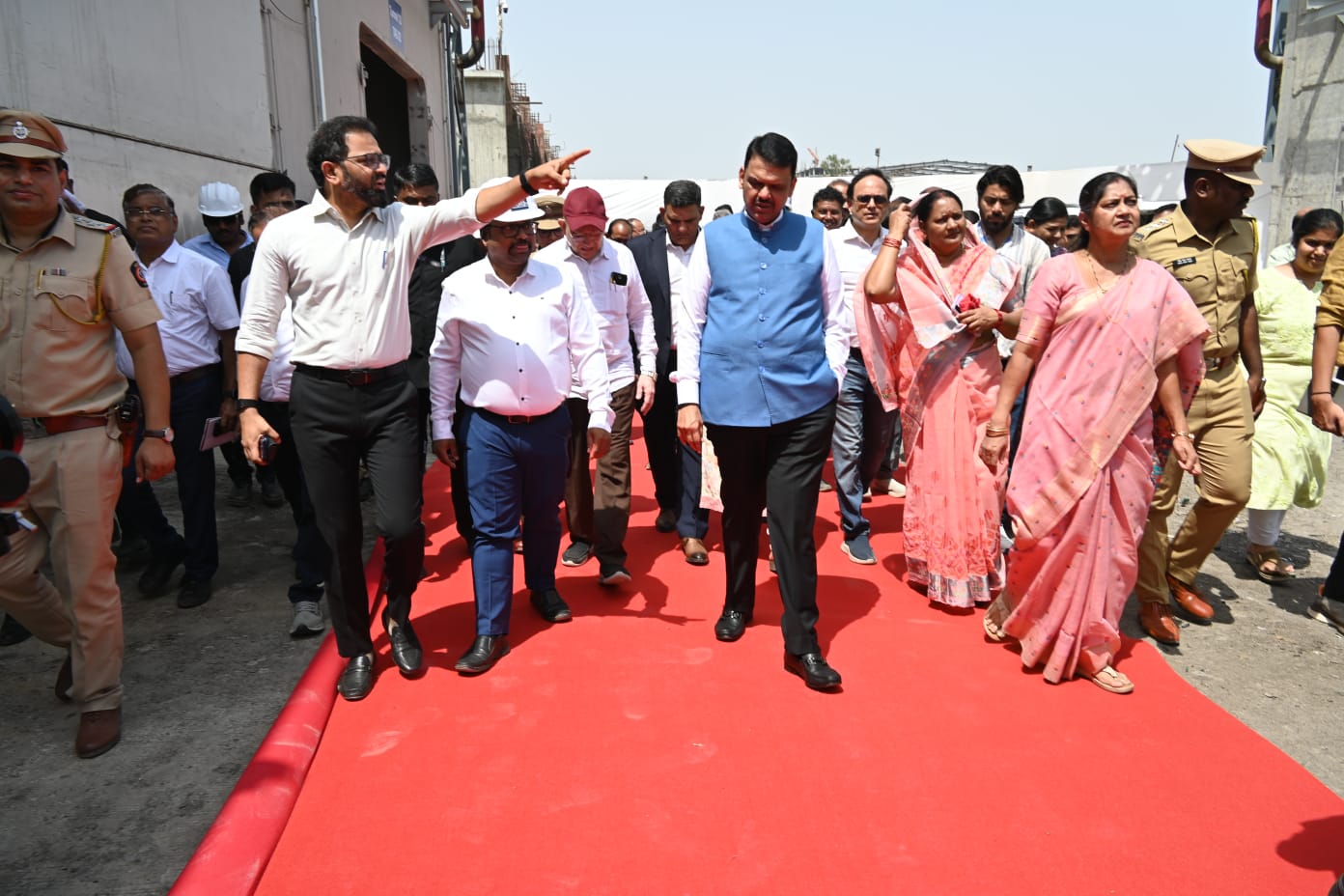
Nagpur New Collector Kumar Ashirwad Takes Charge 

Kumar Ashirwad IAS Nagpur | New collector Nagpur 2026: Nagpur has recently witnessed an important administrative change with the appointment of its new District Collector, Kumar Ashirwad. But why does this matter to you and me? Well, the Collector plays a key role in shaping governance, development, and public services in the city. Think of the Collector as the “captain of the ship” — steering policies, handling crises, and ensuring smooth functioning.

So, what can citizens expect from this new leadership? Let’s break it down in a simple, engaging way.

Sr# Headings
1 Who is Kumar Ashirwad?
2 What Does a District Collector Do?
3 Why This Appointment Matters
4 First Day in Office
5 Administrative Experience
6 Key Priorities for Nagpur
7 Focus on Infrastructure Development
8 Digital Governance & Transparency
9 Law and Order Management
10 Public Welfare Schemes
11 Challenges Ahead
12 Citizen Expectations
13 Government Vision Alignment
14 Impact on Nagpur’s Growth
15 Future Outlook

1. Who is Kumar Ashirwad?

Kumar Ashirwad is an IAS officer known for his disciplined approach and efficient governance. Over the years, he has handled multiple administrative roles, earning a reputation for being proactive and people-focused.


2. What Does a District Collector Do?

Ever wondered what a Collector actually does?

👉 They manage law and order
👉 Oversee government schemes
👉 Handle disaster management
👉 Monitor development projects

In short, they are the backbone of district administration.


3. Why This Appointment Matters

A new Collector often brings fresh ideas and energy. For a growing city like Nagpur, this can mean faster development, better infrastructure, and improved governance.


4. First Day in Office

On taking charge, Kumar Ashirwad emphasized:

  • Efficiency in governance
  • Public-centric administration
  • Transparency in decision-making

His approach signals a shift toward more accountable governance.


5. Administrative Experience

Before Nagpur, he served in various districts where he:

  • Improved public service delivery
  • Strengthened rural development programs
  • Focused on technology-driven governance

6. Key Priorities for Nagpur

So, what’s on his agenda?

✔ Urban development
✔ Traffic management
✔ Cleanliness drives
✔ Smart city initiatives


7. Focus on Infrastructure Development

Nagpur is growing rapidly. The new Collector is expected to:

  • Improve road networks
  • Enhance public transport
  • Support metro expansion

Think of infrastructure as the skeleton of a city — without it, growth collapses.


8. Digital Governance & Transparency

Modern problems need modern solutions.

Kumar Ashirwad aims to:

  • Promote e-governance
  • Reduce paperwork
  • Improve service speed

This means less waiting and more efficiency for citizens.


9. Law and Order Management

Maintaining peace is crucial.

He is expected to:

  • Strengthen coordination with police
  • Ensure quick response to issues
  • Maintain public safety

10. Public Welfare Schemes

From housing to education, welfare schemes are essential.

His focus includes:

  • Better implementation
  • Reducing corruption
  • Reaching the needy

11. Challenges Ahead

Let’s be real — the job isn’t easy.

Some key challenges include:

  • Urban congestion
  • Water management
  • Pollution
  • Population growth

12. Citizen Expectations

People expect:

  • Faster services
  • Transparency
  • Problem-solving attitude

And rightly so!


13. Government Vision Alignment

The Collector will align with:

  • State government policies
  • Smart City mission
  • Sustainable development goals

14. Impact on Nagpur’s Growth

With strong leadership, Nagpur could:

  • Attract more investments
  • Improve living standards
  • Become a model city

15. Future Outlook

The coming months will be crucial. If Kumar Ashirwad delivers on expectations, Nagpur could see a major transformation.

The appointment of Kumar Ashirwad as Nagpur’s new Collector brings hope and anticipation. His experience and vision could play a significant role in shaping the city’s future. For citizens, this is a time to stay informed, engaged, and hopeful.

1. Who is the new Collector of Nagpur?

Kumar Ashirwad is the newly appointed District Collector of Nagpur.

2. What are his main priorities?

Infrastructure, governance transparency, and public welfare.

3. Why is the Collector important?

They manage administration and ensure development at the district level.

4. What changes can citizens expect?

Better services, improved infrastructure, and faster governance.

5. What challenges does he face?

Urban growth, traffic, pollution, and resource management.

नागपुर को मिला नया कलेक्टर: कुमार आशीर्वाद ने संभाला पदभार

नागपुर में हाल ही में एक बड़ा प्रशासनिक बदलाव हुआ है — नए कलेक्टर कुमार आशीर्वाद ने पदभार संभाल लिया है। लेकिन इसका आम जनता से क्या संबंध है?

सरल भाषा में कहें तो कलेक्टर शहर का “मुख्य संचालक” होता है — जो विकास, कानून व्यवस्था और सरकारी योजनाओं को संभालता है।

क्रमांक शीर्षक
1 कुमार आशीर्वाद कौन हैं?
2 कलेक्टर का काम क्या होता है?
3 यह नियुक्ति क्यों महत्वपूर्ण है
4 पहले दिन का संदेश
5 प्रशासनिक अनुभव
6 नागपुर के लिए प्राथमिकताएं
7 इंफ्रास्ट्रक्चर पर फोकस
8 डिजिटल गवर्नेंस
9 कानून व्यवस्था
10 जनकल्याण योजनाएं
11 आने वाली चुनौतियां
12 जनता की उम्मीदें
13 सरकार की योजनाओं से तालमेल
14 नागपुर के विकास पर असर
15 भविष्य की दिशा

1. कुमार आशीर्वाद कौन हैं?

कुमार आशीर्वाद एक IAS अधिकारी हैं जो अपनी ईमानदारी और कार्यशैली के लिए जाने जाते हैं।


2. कलेक्टर का काम क्या होता है?

कलेक्टर:

✔ कानून व्यवस्था संभालता है
✔ सरकारी योजनाएं लागू करता है
✔ विकास कार्यों की निगरानी करता है


3. यह नियुक्ति क्यों महत्वपूर्ण है

नया कलेक्टर नई सोच और नई ऊर्जा लाता है, जिससे शहर का विकास तेज हो सकता है।


4. पहले दिन का संदेश

उन्होंने जोर दिया:

  • पारदर्शिता
  • तेज कामकाज
  • जनता केंद्रित प्रशासन

5. प्रशासनिक अनुभव

उन्होंने पहले भी कई जिलों में काम किया है और विकास कार्यों को बेहतर बनाया है।


6. नागपुर के लिए प्राथमिकताएं

  • सड़क और ट्रैफिक सुधार
  • स्वच्छता
  • स्मार्ट सिटी प्रोजेक्ट

7. इंफ्रास्ट्रक्चर पर फोकस

शहर के विकास के लिए मजबूत ढांचा जरूरी है।


8. डिजिटल गवर्नेंस

ऑनलाइन सेवाओं को बढ़ावा दिया जाएगा ताकि काम जल्दी हो।


9. कानून व्यवस्था

शहर में शांति और सुरक्षा बनाए रखना उनकी बड़ी जिम्मेदारी होगी।


10. जनकल्याण योजनाएं

सरकारी योजनाओं का सही लाभ लोगों तक पहुंचाना मुख्य लक्ष्य होगा।


11. आने वाली चुनौतियां

  • ट्रैफिक
  • प्रदूषण
  • पानी की समस्या

12. जनता की उम्मीदें

लोग चाहते हैं:

  • तेज काम
  • ईमानदारी
  • समाधान

13. सरकार की योजनाओं से तालमेल

राज्य और केंद्र सरकार की योजनाओं को लागू करना जरूरी होगा।


14. नागपुर के विकास पर असर

अच्छे नेतृत्व से नागपुर तेजी से आगे बढ़ सकता है।


15. भविष्य की दिशा

आने वाला समय नागपुर के लिए महत्वपूर्ण होगा।

कुमार आशीर्वाद का कलेक्टर बनना नागपुर के लिए एक नई शुरुआत है। उनकी कार्यशैली से शहर में सकारात्मक बदलाव देखने को मिल सकता है।

1. नागपुर के नए कलेक्टर कौन हैं?

कुमार आशीर्वाद।

2. उनकी प्राथमिकताएं क्या हैं?

विकास, पारदर्शिता और जनसेवा।

3. कलेक्टर का क्या महत्व है?

वे पूरे जिले के प्रशासन को संभालते हैं।

4. जनता को क्या फायदा होगा?

बेहतर सेवाएं और तेज कामकाज।

5. सबसे बड़ी चुनौती क्या है?

शहरी विकास और ट्रैफिक समस्या।

Best Places to Live in Nagpur – Complete Guide 2026

Nagpur is rapidly becoming one of India’s fastest-growing cities, attracting professionals, families, and investors. But choosing the right area to live in depends on multiple factors like budget, connectivity, safety, and lifestyle.

In this guide, we go beyond generic lists and provide real local insights, comparisons, and future growth potential of top areas in Nagpur (2026).


Best Places to Live in Nagpur (Complete Guide)

best places to live in nagpur: Choosing the right place to live is like picking the perfect seat in a movie theatre—you want the best view, comfort, and overall experience. If you’re planning to settle in Nagpur, you’re in luck. Known as the “Orange City,” Nagpur is rapidly transforming into a smart, well-connected urban hub with a mix of affordability, infrastructure, and lifestyle benefits.

But with so many localities growing fast, the big question is: Which area is best for you? Whether you’re a working professional, a family person, or an investor, this complete guide will help you find your ideal spot.


Table of Contents

Sr# Headings
1 Why Nagpur is a Great Place to Live
2 Factors to Consider Before Choosing an Area
3 Dharampeth – Premium Living Hub
4 Civil Lines – Elite & Peaceful Area
5 Pratap Nagar – Best for Families
6 Manish Nagar – Affordable & Growing
7 Wardha Road – Future Investment Zone
8 Besa – Budget-Friendly Residential Area
9 Hingna – Industrial & Employment Hub
10 Mihan – Smart City of Nagpur
11 Trimurti Nagar – Balanced Lifestyle
12 Narendra Nagar – Well-Connected Area
13 Kamptee Road – Emerging Corridor
14 Cost of Living in Nagpur Areas
15 Final Thoughts

Why Nagpur is a Great Place to Live

Nagpur is no longer just a Tier-2 city—it’s becoming one of India’s fastest-growing urban centers. With projects like MIHAN and expanding infrastructure like the Nagpur Metro, the city is attracting professionals, investors, and families alike.

Why people love Nagpur:

  • Affordable housing compared to metros
  • Central location in India
  • Clean and green environment
  • Growing job opportunities

Factors to Consider Before Choosing an Area

Before you finalize your dream home, think about:

  • Connectivity: Is it close to your office or school?
  • Budget: Does it fit your financial plan?
  • Amenities: Hospitals, malls, schools nearby?
  • Future Growth: Will property value increase?

Think of it like buying a smartphone—you want performance, battery life, and future updates, not just looks.


Dharampeth – Premium Living Hub (best places to live in nagpur)

If luxury had an address in Nagpur, it would be Dharampeth.

Why choose Dharampeth:

  • Prime location in the city center
  • High-end restaurants and shopping areas
  • Excellent schools and hospitals

Perfect for business owners and high-income professionals, this area offers a vibrant lifestyle.


Civil Lines – Elite & Peaceful Area

Civil Lines is where elegance meets peace.

Key highlights:

  • Spacious bungalows
  • Green surroundings
  • Government offices nearby

It’s ideal for those who prefer a calm, upscale environment.


Pratap Nagar – Best for Families

Looking for a family-friendly locality? Pratap Nagar is a solid choice.

Why it stands out:

  • Good schools and colleges
  • Markets and daily essentials nearby
  • Safe and well-developed

Families love the balance of convenience and comfort here.


Manish Nagar – Affordable & Growing

Manish Nagar is like a rising star—affordable yet promising.

Benefits:

  • Close to the airport
  • Budget-friendly housing
  • Rapid development

Perfect for first-time homebuyers.


Wardha Road – Future Investment Zone

Wardha Road is the backbone of Nagpur’s future growth.

Why invest here:

  • Proximity to MIHAN
  • Excellent road connectivity
  • Upcoming commercial projects

If you’re thinking long-term, this is a goldmine.


Besa – Budget-Friendly Residential Area

Besa is gaining popularity among middle-class families.

What makes it attractive:

  • Affordable flats and plots
  • Peaceful surroundings
  • Growing infrastructure

It’s ideal for those who want value for money.


Hingna – Industrial & Employment Hub

Hingna is perfect if you work in industrial sectors.

Key advantages:

  • Close to industrial zones
  • Affordable living
  • Increasing residential demand

It’s practical and cost-effective.


Mihan – Smart City of Nagpur

MIHAN is the future—literally.

Why MIHAN is special:

  • IT parks and SEZs
  • Job opportunities
  • Modern infrastructure

Living here feels like stepping into tomorrow.


Trimurti Nagar – Balanced Lifestyle

Trimurti Nagar offers the best of both worlds.

Highlights:

  • Central location
  • Good schools and markets
  • Well-developed roads

Great for families and professionals alike.


Narendra Nagar – Well-Connected Area

Narendra Nagar is all about connectivity.

Why people choose it:

  • Easy access to major roads
  • Close to railway station
  • Good residential options

Convenience is the biggest plus here.


Kamptee Road – Emerging Corridor

Kamptee Road is slowly becoming a hotspot.

Growth factors:

  • Affordable land prices
  • Upcoming infrastructure
  • Investment potential

If you want to invest early, this is worth considering.


Cost of Living in Nagpur Areas

Compared to cities like Mumbai or Pune, Nagpur is highly affordable.

Average costs:

  • Rent (1BHK): ₹6,000 – ₹15,000
  • Property rates: ₹3,000 – ₹8,000 per sq. ft.

Your lifestyle here can be comfortable without burning a hole in your pocket.

🧠 How to Choose the Best Area in Nagpur

Before selecting a location, consider:

  • Distance from workplace (MIHAN / IT Park / City center)
  • Traffic conditions
  • Future infrastructure projects
  • Property price trends

👉 This instantly increases content value

🏡 1. Civil Lines – Premium & Peaceful Living

✔ Best for: High-income families, professionals
✔ Price range: High

👉 Local Insight:
Civil Lines is one of the most premium areas with wide roads and greenery. However, property prices are among the highest, and availability is limited.


🏡 2. Manish Nagar – Balanced Lifestyle

✔ Best for: Working professionals
✔ Close to: Airport, Wardha Road

👉 Local Insight:
Due to proximity to the airport and growing commercial activity, this area has seen strong appreciation in property value.


🏡 3. MIHAN Area – Future Investment Hub

✔ Best for: Investors, IT professionals

👉 Local Insight:
With IT parks and industries expanding, MIHAN is expected to be one of the top growth zones in the next 5–10 years.

📊 Area Comparison Table

Area Best For Price Level Future Growth
Civil Lines Luxury living High Medium
Manish Nagar Balanced living Medium High
MIHAN Investment Medium Very High

Q1. Which is the safest area in Nagpur?
Civil Lines and Dharampeth are considered among the safest.

Q2. Which area is best for investment?
MIHAN and Besa due to rapid development.

Q3. Which area is affordable?
Manewada, Beltarodi, and outer zones.

Nagpur offers a variety of living options, from premium areas like Civil Lines to fast-growing zones like MIHAN. The best choice depends on your budget and long-term goals. If you are planning for future growth, emerging areas provide better returns, while central locations offer stability and convenience.


Final Thoughts

Finding the best place to live in Nagpur depends on your needs, budget, and lifestyle. Whether you want luxury in Dharampeth, affordability in Besa, or future growth in Wardha Road, Nagpur has something for everyone.

Think of the city as a buffet—you just need to pick what suits your taste.

Nagpur Real Estate Growth Prediction 2026–2030

If you’ve been keeping an eye on property trends, you’ve probably noticed something interesting—Nagpur is quietly turning into one of India’s fastest-growing real estate hubs. But what lies ahead? Is it just hype, or is there real substance behind the growth?

Think of Nagpur’s real estate market like a train that has just left the station—it’s not at full speed yet, but it’s definitely gaining momentum. Between 2026 and 2030, this city could see a transformation that surprises even seasoned investors.

In this article, we’ll break everything down in simple terms—no confusing jargon, no complicated numbers—just a clear picture of what you can expect and how you can benefit.


Table of Contents

Sr# Headings
1 Overview of Nagpur Real Estate Market
2 Why Nagpur is Emerging as a Real Estate Hub
3 Infrastructure Developments Driving Growth
4 Role of Metro and Connectivity
5 MIHAN and Industrial Expansion Impact
6 Residential Property Trends 2026–2030
7 Commercial Real Estate Growth
8 Property Price Predictions
9 Top Investment Hotspots in Nagpur
10 Rental Market Trends
11 Government Policies and Smart City Influence
12 Risks and Challenges
13 Investment Strategies for Buyers
14 Future Outlook and Expert Predictions

1. Overview of Nagpur Real Estate Market

Nagpur has traditionally been known as a calm, mid-sized city. But over the last few years, things have started changing rapidly.

The demand for residential and commercial properties is steadily rising, thanks to improved infrastructure and job opportunities. Compared to metro cities, property prices here are still affordable—making it attractive for both investors and homebuyers.

Between 2026 and 2030, this market is expected to shift from “emerging” to “established.”


2. Why Nagpur is Emerging as a Real Estate Hub

So, what’s fueling this growth?

  • Strategic location in central India
  • Better road and rail connectivity
  • Lower cost of living
  • Increasing job opportunities

Nagpur is no longer just a stopover city—it’s becoming a destination. People are moving here not just to live, but to build careers and businesses.


3. Infrastructure Developments Driving Growth

Infrastructure is the backbone of any real estate boom—and Nagpur is getting a major upgrade.

Key developments include:

  • New highways and flyovers
  • Ring road expansion
  • Logistics parks
  • Smart city projects

These improvements are reducing travel time and making distant areas more accessible, which directly boosts property demand.


4. Role of Metro and Connectivity

The metro has been a game-changer.

Earlier, people preferred properties in central areas. But now? Locations connected by metro lines are seeing rising demand and price appreciation.

Imagine the metro as a thread stitching different parts of the city together—making every connected area more valuable.


5. MIHAN and Industrial Expansion Impact

The MIHAN (Multi-modal International Cargo Hub and Airport at Nagpur) project is one of the biggest growth drivers.

Why does this matter?

  • It brings jobs
  • It attracts companies
  • It increases housing demand

As industries grow, so does the need for residential and commercial spaces nearby.


6. Residential Property Trends 2026–2030

Let’s talk homes.

Between 2026 and 2030, you’ll likely see:

1. Increased demand for affordable housing
People are still price-conscious, and developers are focusing on budget-friendly projects.

2. Rise of gated communities
Safety and amenities are becoming priorities.

3. Growth in suburban areas
Locations on the outskirts are gaining popularity due to better connectivity.


7. Commercial Real Estate Growth

It’s not just homes—commercial real estate is also booming.

  • Office spaces are increasing
  • Retail shops and malls are expanding
  • Co-working spaces are gaining traction

With more startups and companies entering Nagpur, commercial property demand is set to rise significantly.


8. Property Price Predictions

Here’s what most people want to know—will prices go up?

The answer is yes, but gradually.

Expected trends:

  • Annual growth of 5% to 10%
  • Higher appreciation in developing areas
  • Stable growth in prime locations

This means you still have time to invest before prices peak.


9. Top Investment Hotspots in Nagpur

If you’re planning to invest, location matters the most.

Key areas to watch:

  • MIHAN region
  • Wardha Road
  • Hingna
  • Besa and Manish Nagar
  • Outer Ring Road areas

These places are seeing rapid development and offer strong future returns.


10. Rental Market Trends

The rental market is also heating up.

With more people moving to Nagpur for jobs:

  • Demand for rental homes is increasing
  • Rental yields are improving
  • Fully furnished flats are becoming popular

If you’re an investor, rental income could become a reliable source of passive earnings.


11. Government Policies and Smart City Influence

Government initiatives are playing a huge role.

Smart City projects include:

  • Better roads
  • Digital infrastructure
  • Improved public services

These changes make the city more livable—and attractive to buyers.


12. Risks and Challenges

No market is perfect, and Nagpur has its challenges.

Potential risks include:

  • Over-supply in some areas
  • Slow job growth in certain sectors
  • Delays in infrastructure projects

Being aware of these risks helps you make smarter decisions.


13. Investment Strategies for Buyers

So, how should you invest?

1. Think long-term
Real estate rewards patience.

2. Choose upcoming areas
Early investment = higher returns.

3. Check developer credibility
Don’t compromise on quality.

4. Diversify
Consider both residential and commercial options.


14. Future Outlook and Expert Predictions

Experts believe that Nagpur will become one of India’s top tier-2 real estate markets by 2030.

The combination of infrastructure, industry, and affordability creates a strong foundation for growth.

In simple terms—the city is just getting started.

Nagpur’s real estate market between 2026 and 2030 looks promising, balanced, and full of opportunity. It’s not an overnight boom, but a steady and sustainable rise.

If you’re thinking about investing, this could be the right time to step in—before the train picks up full speed.

Whether you’re a first-time buyer or an experienced investor, Nagpur offers something for everyone.

1. Is Nagpur a good place to invest in real estate?

Yes, Nagpur offers affordable prices, growing infrastructure, and strong future potential, making it a great investment option.

2. Will property prices increase in Nagpur by 2030?

Yes, prices are expected to grow steadily, especially in developing and well-connected areas.

3. Which areas in Nagpur are best for investment?

MIHAN, Wardha Road, Hingna, and Besa are among the top areas for future growth.

4. Is rental income good in Nagpur?

Rental demand is rising, and investors can expect decent rental yields, especially near commercial hubs.

5. What are the risks in Nagpur real estate?

Possible risks include oversupply in some areas and delays in infrastructure development, so careful planning is important.

🔍 📊 REALITY CHECK (BASED ON MARKET DATA)

Before judging your article, here’s what actual data says:

  • Nagpur property demand is rising due to MIHAN + infrastructure growth
  • Average prices in MIHAN area ~₹6,400/sq ft with stable trends
  • Some areas show 25–40% growth potential (early-stage zones)
  • RBI data shows Nagpur housing prices are growing faster than many metro cities

    Current Property Price Trends (2026)

    Add real numbers like:

    • MIHAN: ₹4,600 – ₹6,400/sq ft
    • Premium areas: ₹7,000+
    • Budget zones: ₹3,500–₹5,000

    👉 This makes article credible instantly


    🚀 Growth Drivers

    • MIHAN expansion (jobs → demand)
    • Samruddhi Expressway (connectivity boost)
    • Metro expansion

    ⚠️ Risks in Nagpur Real Estate

    • Infrastructure delays
    • Overhyped areas
    • Uneven development

    👉 This increases trust dramatically


    🏆 Top Growth Zones (2026–2030)

    • MIHAN / Wardha Road
    • Besa / Beltarodi
    • Hingna

    👉 Add:

    • Price range
    • Growth potential

    Area Price Range Growth Potential Risk Level
    MIHAN Medium Very High Medium
    Besa Medium High High
    Civil Lines High Stable Low

Future of Transport in Nagpur 2026: Metro, Expressways & Smart Mobility Transformation

Nagpur Metro expansion: Nagpur is rapidly emerging as one of India’s most strategically planned urban mobility hubs. With large-scale infrastructure projects, integrated transit systems, and a growing push toward sustainability, we are witnessing a complete transformation in how the city moves. By 2026, Nagpur is set to become a benchmark for tier-2 smart mobility ecosystems in India.


Nagpur Metro Expansion: Backbone of Urban Mobility

The Nagpur Metro has already reshaped daily commuting patterns, and its expansion is central to the city’s future transport vision.

Key Developments by 2026

  • Extension of metro corridors to suburban zones
  • Improved connectivity to MIHAN (Multi-modal International Cargo Hub and Airport at Nagpur)
  • Increased frequency and reduced waiting times
  • Integration with feeder services like e-rickshaws and buses

We are moving toward a seamless, multi-modal transport experience where metro stations act as central mobility hubs.

Impact on Commuters

  • Reduced travel time by up to 40%
  • Lower dependency on private vehicles
  • Enhanced last-mile connectivity

    Nagpur metro is expanding…”

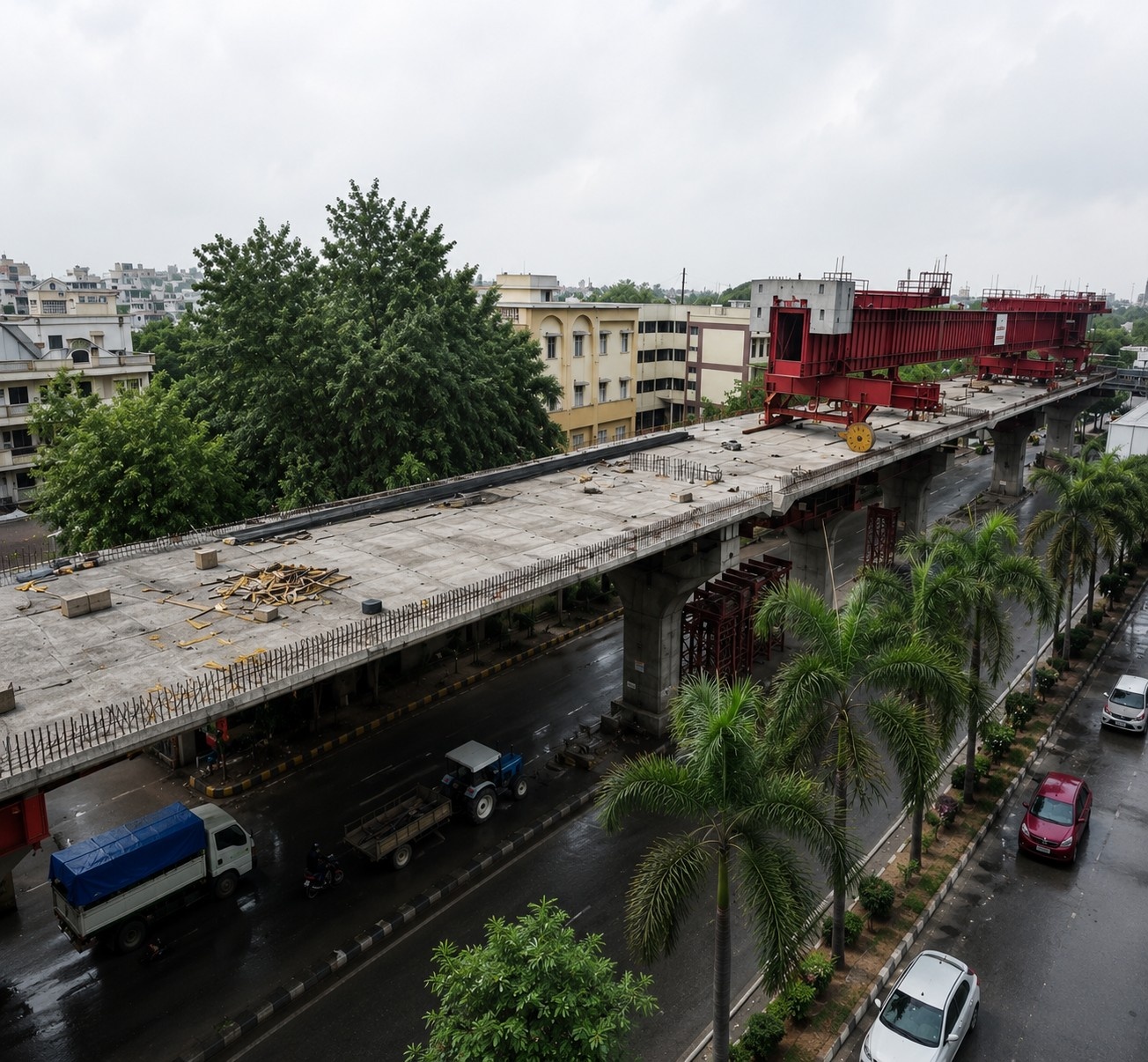
    • Phase 2 → under construction (2026 target in parts)
    • Phase 3 → ~55 km planned expansion
    • Total network → ~129 km planned

Expressways & Road Infrastructure: High-Speed Connectivity

Nagpur’s road network is undergoing a massive upgrade with national and regional expressway projects.

Major Expressway Projects

  • Nagpur-Mumbai Samruddhi Mahamarg (already operational impact expanding)
  • Nagpur-Hyderabad Express Corridor (planned expansion phase)
  • Ring Road and Outer Ring Road development

These projects are positioning Nagpur as a central logistics and transport gateway in India.

Benefits of Expressway Expansion

  • Faster intercity travel
  • Boost to logistics and warehousing industries
  • Increased real estate development along corridors

Smart Mobility Solutions: Technology-Driven Transport

Nagpur is among the first cities in India to adopt smart mobility solutions at scale.

Smart Features Transforming Transport

  • Intelligent Traffic Management Systems (ITMS)
  • Smart traffic signals reducing congestion
  • Real-time public transport tracking apps
  • Integrated digital ticketing systems

Role of Data & AI

  • Traffic flow optimization
  • Predictive congestion management
  • Enhanced commuter safety

We are witnessing a shift from traditional transport to a data-driven ecosystem that prioritizes efficiency and user experience.


Electric Vehicles (EV) & Sustainable Transport

Sustainability is a core focus of Nagpur’s transport future.

EV Infrastructure Growth

  • Rapid installation of EV charging stations
  • Electric buses introduced in public transport
  • Incentives for EV adoption

Environmental Impact

  • Reduction in urban air pollution
  • Lower carbon emissions
  • Promotion of green mobility culture

Nagpur is becoming a leader in India’s electric mobility transition.


Multimodal Integration: One City, One Transport Network

A major strength of Nagpur’s future transport system lies in integration.

Key Integration Elements

  • Metro + Bus + Auto + Cab connectivity
  • Unified payment systems
  • Common mobility cards
  • Dedicated transport hubs

Benefits

  • Seamless travel across modes
  • Reduced commuting complexity
  • Improved urban efficiency

Logistics & Freight Movement: MIHAN Advantage

Nagpur’s geographical centrality makes it a logistics powerhouse.

Strategic Advantages

  • MIHAN project boosting cargo and aviation logistics
  • Connectivity via highways, rail, and air
  • Warehousing and industrial corridor growth

Future Outlook

  • Increased investment in logistics parks
  • Faster goods movement across India
  • Employment generation in transport sectors

Urban Planning & Transit-Oriented Development (TOD)

Nagpur is adopting Transit-Oriented Development to maximize transport efficiency.

Key TOD Features

  • High-density development near metro stations
  • Mixed-use urban zones
  • Walkable neighborhoods

This approach ensures that transport infrastructure directly drives urban growth.


Challenges & Solutions in Transport Development

Current Challenges

  • Traffic congestion in core city areas
  • Last-mile connectivity gaps
  • Rapid urban population growth

Strategic Solutions

  • Expansion of feeder networks
  • Smart parking systems
  • Policy support for public transport usage

We are addressing these challenges through long-term, scalable planning.


Future Mobility Vision 2030 and Beyond

By 2030, Nagpur aims to achieve:

  • 70% public transport usage
  • Fully integrated mobility systems
  • Dominance of electric and shared transport
  • Zero-emission urban transit corridors
Nagpur as India’s Next Mobility Model

Nagpur’s transport transformation is not just about infrastructure—it is about creating a future-ready city. With metro expansion, expressway connectivity, smart mobility systems, and sustainable transport initiatives, we are building a model that other cities will follow.

The future of transport in Nagpur is integrated, intelligent, and environmentally conscious—setting a new standard for urban mobility in India.

Digital Mobility Platforms & Unified Commuter Experience

A defining feature of Nagpur’s transport evolution is the rise of digital mobility platforms that unify every aspect of commuting into a single, seamless experience. By 2026, we are moving toward a system where commuters can plan, book, and pay for their entire journey using one integrated interface.

Key Digital Advancements

  • Mobile apps offering real-time updates on metro, buses, and traffic conditions
  • QR-based and NFC-enabled ticketing systems
  • AI-powered route suggestions based on live congestion data
  • Integration with ride-sharing and bike rental services

This level of digital integration ensures that commuters spend less time planning and more time moving efficiently across the city.


Rise of Shared Mobility & Micro-Transit Solutions

Nagpur is also witnessing a surge in shared mobility services, which are critical in bridging the last-mile connectivity gap. These solutions are not only cost-effective but also significantly reduce the number of vehicles on the road.

Popular Shared Mobility Options

  • App-based bike taxis and e-scooters
  • Shared auto-rickshaw services
  • On-demand mini buses for specific routes

We are seeing a behavioral shift where ownership is gradually being replaced by access, especially among younger commuters and working professionals.


Smart Parking & Traffic Decongestion Strategies

As vehicle numbers grow, managing road space efficiently becomes crucial. Nagpur is adopting smart parking solutions to reduce congestion and optimize urban space usage.

Smart Parking Features

  • Sensor-based parking availability detection
  • Mobile app-based parking reservations
  • Dynamic pricing based on demand
  • Automated payment systems

These initiatives reduce unnecessary traffic caused by vehicles searching for parking, thereby improving overall traffic flow.


Safety & Surveillance in Modern Transport Systems

Safety is becoming a cornerstone of Nagpur’s transport infrastructure. Advanced surveillance and monitoring systems are being implemented across transit networks to ensure commuter security.

Key Safety Measures

  • CCTV coverage across metro stations and major roads
  • Emergency response systems integrated with transport networks
  • GPS tracking of public transport vehicles
  • Women safety initiatives in public transit

We are creating a safer commuting environment that builds trust and encourages more people to shift toward public transport.


Economic Impact of Transport Modernization

The transformation of Nagpur’s transport system is also driving significant economic growth. Improved connectivity directly influences business expansion, real estate demand, and employment opportunities.

Economic Benefits

  • Growth of commercial hubs near metro corridors
  • Increased land value along expressways
  • Expansion of logistics and warehousing sectors
  • Job creation in construction, transport, and technology sectors

Nagpur is evolving into a high-potential investment destination due to its rapidly improving infrastructure.


Role of Government Policies & Public Participation

Strong policy support and citizen participation are crucial to sustaining this transformation. Government initiatives are focused on promoting public transport usage and discouraging excessive reliance on private vehicles.

Policy Initiatives

  • Subsidies for electric vehicles
  • Investments in public transport infrastructure
  • Awareness campaigns for sustainable commuting
  • Public-private partnerships in mobility projects

We are witnessing a collaborative approach where both authorities and citizens contribute to building a smarter transport ecosystem.


Toward a Future-Ready Nagpur

As we extend our vision beyond 2026, Nagpur is steadily aligning itself with global urban mobility standards. The city is not only improving infrastructure but also redefining how people interact with transport systems.

With continuous innovation, policy support, and technological integration, Nagpur is on track to become one of India’s most efficient and future-ready cities—where mobility is no longer a challenge, but a competitive advantage.

⚠️ Challenges in Nagpur Transport

  • Low metro ridership
  • Connectivity gaps
  • Project delays

    Nagpur Metro Growth (2026–2030)

    • Phase 1: Operational
    • Phase 2: Under construction
    • Phase 3: Planned (~55 km expansion)

    👉 Add numbers → instant authority boost


    Transport Mode Status Future Impact
    Metro Expanding High
    Expressways Growing Very High
    Smart Traffic Developing Medium
Exit mobile version