Nagpur Police Launches ‘Garud Drishti’ and Cyber Lab to Revolutionize Digital Policing in 2025

In a groundbreaking move to combat the rising tide of cyber threats and digital crimes, the Nagpur City Police has unveiled a dual technological initiative under the banner of CyberHack Event 2025. The official launch of the ‘Garud Drishti’ social media monitoring system and an advanced Cyber Lab underscores a new era of digital intelligence and proactive policing in the city.


‘Garud Drishti’: Real-Time Social Media Surveillance for Public Safety

The introduction of ‘Garud Drishti’ marks a pivotal shift in how law enforcement addresses the challenges posed by social media misuse. This AI-powered social media surveillance tool is engineered to monitor digital platforms such as Facebook, Instagram, YouTube, and X (formerly Twitter) in real time. The system leverages hashtag and keyword tracking to pinpoint content that may signal potential criminal, terrorist, or violent activity.

With the growing concern over misinformation, hate speech, and extremist propaganda, this tool empowers authorities to act swiftly. It features automated threat detection, classifying content into actionable categories such as:

  • Political Sensitivity

  • Religious Sentiment

  • Criminal Intent

  • VIP Threats

This categorization ensures daily intelligence reports are dispatched to relevant police units, enabling rapid response and on-ground enforcement.


AI-Driven Visual Intelligence and Facial Recognition

What sets Garud Drishti apart is its cutting-edge AI-enabled image recognition module. This feature allows the system to detect violent or weapon-related content—even in the absence of textual cues. More significantly, the tool integrates facial recognition technology, helping police match images and videos with known suspects.

Whether it’s a missing person case or tracking a wanted criminal, this capability accelerates identification processes and enhances investigation accuracy. By analyzing publicly accessible media, law enforcement can build robust leads without overstepping legal boundaries.


Compliance with Indian Cyber Law and Legal Frameworks

To ensure ethical surveillance and due process, Garud Drishti operates in compliance with:

  • Information Technology Act, 2000 – particularly Sections 69 and 79, pertaining to data access and intermediary liabilities.

  • Bharatiya Nyaya Sanhita (BNS) – particularly Sections 196 (sedition), 299 (unlawful assembly), and 353 (assault on public servant).

The platform retains secure digital logs for all flagged activities, creating a transparent and traceable audit trail for court-admissible evidence.


Integrated Reporting and Platform Collaboration

One of the most strategic aspects of Garud Drishti is its integration with official reporting mechanisms provided by social media giants. Through this, the tool can directly flag:

  • Objectionable Posts

  • Violent Videos

  • Fake News Accounts

  • Propaganda Handles

These reports can be escalated for review or removal based on each platform’s community guidelines and legal obligations. This collaborative ecosystem ensures that harmful content is not only detected but also neutralized effectively.


Inauguration of Cyber Lab: Forensics Meets Technology

In tandem with Garud Drishti, the Nagpur Police inaugurated a next-generation Cyber Lab, equipped with state-of-the-art forensic technology. Designed to modernize cyber investigations, the lab is equipped with:

  • CDR (Call Detail Record) Analysis Tools – Enabling granular tracking of communication history, locations, and digital footprints.

  • Cellebrite and Cellebrite Premium – Industry-leading solutions for data extraction and decryption from both Android and iOS devices.

  • Gargoyle Investigator MP – A robust toolkit for scanning and removing malware, spyware, and rootkits from digital storage devices.

These technologies support everything from cyber fraud investigations to digital evidence recovery, ensuring a comprehensive forensic workflow for the police.


Why These Innovations Matter: The Future of Crime Prevention

With the exponential growth of cybercrime, digital radicalization, and virtual harassment, conventional policing methods are proving inadequate. The implementation of Garud Drishti and the Cyber Lab offers a holistic response mechanism. These tools enable:

  • Proactive threat neutralization

  • Data-backed investigations

  • Minimal manual oversight

  • Faster conviction rates

Moreover, these innovations reduce the operational burden on officers by automating the early detection and risk assessment processes.


Enhanced Community Protection Through Data Intelligence

The long-term vision of the Nagpur Police with these tools is to ensure data-driven community policing. Citizens can expect:

  • Greater public safety

  • Reduced misinformation outbreaks

  • Swift responses to digital crimes

  • Transparency in digital evidence handling

The Garud Drishti initiative also acts as a deterrent to anti-social elements, who now face higher risks of detection and prosecution in the digital realm.


A Model for National Policing Standards

Nagpur’s dual-launch initiative is being hailed as a model for smart policing across India. With rising cyber threats and increased digital footprints of citizens, other cities are expected to follow suit. This marks a shift toward tech-integrated law enforcement, aligning with the national goals of Digital India and Safe India.


A New Chapter in Cyber Governance

The deployment of Garud Drishti and the launch of the Cyber Lab signify more than just technological upgrades—they represent a transformative leap in how urban law enforcement interacts with the digital ecosystem. As criminals evolve their tactics, so too must our defenses. With tools like these, Nagpur Police is not just keeping pace, but setting the pace, for the future of intelligent, efficient, and lawful policing in the 21st century.

Ayushman Vay Vandana Card Brings ₹5 Lakh Health Cover for Seniors Above 70

The Indian government has taken a giant leap in senior citizen healthcare by launching the Ayushman Vay Vandana Card. If you or your loved ones are aged 70 or above, this brand-new health insurance initiative could be a real game-changer. Launched in October 2024 under the Ayushman Bharat Pradhan Mantri Jan Arogya Yojana (AB PM-JAY), this scheme ensures ₹5 lakh of free annual health coverage, regardless of income, pre-existing conditions, or previous eligibility under other schemes.

Let’s explore what makes this healthcare initiative truly revolutionary for India’s senior citizens.


🌟 What is the Ayushman Vay Vandana Card?

The Ayushman Vay Vandana Card is a government-issued digital health card that offers comprehensive health insurance of ₹5 lakh per year to every Indian citizen aged 70 or above. Introduced by Prime Minister Narendra Modi, this initiative builds on the success of the Ayushman Bharat scheme, but focuses specifically on the needs of our elderly population.


🎯 Key Features at a Glance

  • ₹5 lakh annual health cover

  • 🏥 1,961 medical procedures across 27 specialties

  • 📅 Zero waiting period — coverage starts immediately

  • 💉 Includes pre-existing illnesses

  • 🏨 Cashless treatment at 30,072 hospitals, including 13,352 private facilities

  • 🆓 Free of cost — No premium required


👴 Who is Eligible for the Scheme?

Wondering if you qualify?

If you’re an Indian citizen aged 70 years or older, congratulations — you’re eligible!

Here’s how it works:

  • If you’re already covered under Ayushman Bharat PM-JAY, this card acts as a top-up, giving you an additional ₹5 lakh coverage.

  • If you’re covered under any private or other government schemes, you can switch to this one, but only one can remain active.

  • No income restrictions or prior medical checks are required.


🛡️ What Medical Treatments Are Covered?

This isn’t your typical health card with limited coverage. The Ayushman Vay Vandana Card gives access to nearly 2,000 procedures!

Top Covered Treatments Include:

  • 💓 Cardiac surgeries – like PTCA, pacemakers

  • 🦵 Orthopedic surgeries – hip/knee replacements

  • 🧠 Neurological treatments – stroke rehabilitation

  • 💉 Cancer treatment – chemotherapy, radiotherapy

  • 🩸 Dialysis – both Hemodialysis and Peritoneal Dialysis

Whether it’s a sudden emergency or a scheduled surgery, this card has you covered.


🏥 Where Can You Use the Card?

You’re not limited to just government hospitals.

Cardholders can avail cashless treatment at:

  • 30,072 empanelled hospitals nationwide

    • 13,352 private hospitals

    • 16,720 government-run facilities

That means wherever you are — from Mumbai to Manipur — quality healthcare is always accessible.


📲 How to Apply and Download the Card

The application process is simple and entirely digital via the Ayushman App.

Step-by-Step Guide:

  1. 📱 Download the ‘Ayushman App’ from Google Play Store

  2. 🔐 Choose ‘Login as Beneficiary’ or ‘Operator’

  3. 🔢 Enter captcha + mobile number

  4. ✅ Authenticate via OTP

  5. 📍 Allow location access

  6. 🆔 Enter Aadhaar number, state, and other details

  7. 🔍 If not found, complete eKYC with OTP

  8. 📝 Fill in the declaration form and submit

  9. 👨‍👩‍👧‍👦 Add family members if applicable

  10. 📥 Once approved, download the card

No printer? No problem. The digital version is enough for hospital verification.


🧓 Can Existing Ayushman Bharat Beneficiaries Benefit?

Absolutely! If you’re already enrolled in the Ayushman Bharat PM-JAY, this scheme simply doubles your protection.

So instead of ₹5 lakh, your total coverage now becomes ₹10 lakh per year. That’s a significant safety net for any senior citizen!


⚖️ Can You Keep Other Insurance Plans?

Yes — but there’s a catch.

You must choose between the Ayushman Vay Vandana Card and your existing insurance. If you decide to go with this scheme, the benefits from the other plan will be discontinued.

This helps the government avoid duplication and ensures smooth claim processing.


📈 Why Was This Scheme Introduced?

India is seeing a growing elderly population, with rising health issues and out-of-pocket expenses. The government wanted to:

  • 💰 Ease the financial burden

  • 👴 Promote dignity in old age

  • 🏥 Ensure accessible, quality healthcare

  • 🔁 Reduce hospital debt traps for families


📊 Real-Life Scenario: How It Helps

Imagine this: Mr. Verma, 74, needs a knee replacement. At a private hospital, the cost is around ₹3.5 lakh. Without insurance, that’s a heavy bill. But with the Ayushman Vay Vandana Card, the entire procedure is coveredcashless.

Not only does he save money, but he also avoids delays due to financial constraints.


📋 Documents Required for Enrollment

  • Aadhaar Card (mandatory)

  • Mobile number linked to Aadhaar

  • Proof of age (Aadhaar usually suffices)

  • Residence details (State, PIN code)

  • Consent for eKYC via OTP


🤔 What If I Don’t Have a Smartphone?

You can visit the nearest CSC (Common Service Center) or hospital helpdesk to get assistance with the application. Trained operators will guide you through the process.


🌐 Card Availability in Rural Areas

Yes, the program ensures nationwide access, even in tier-2 cities and villages. CSCs, ASHA workers, and Gram Panchayats are empowered to assist with registrations.


💬 What Beneficiaries Are Saying

“I had no insurance all my life. Now at 72, I feel safe knowing I have ₹5 lakh to rely on.” – Smt. Kamla Devi, Lucknow

“It’s easy to use and covers everything I needed for my heart surgery.” – Shri Rajesh Sharma, Pune


🔁 Is Renewal Required Every Year?

Nope! Once registered, the card remains valid until the end of life, as long as no fraudulent claims are made.

A Bold Step for Senior Care

The Ayushman Vay Vandana Card is more than just a health card — it’s a lifeline for millions of seniors. It provides financial independence, healthcare dignity, and most importantly, peace of mind.

If you’re 70 or above, or have elderly family members, don’t wait. This is the healthcare security net that every senior citizen in India truly deserves.

1. Can I apply offline for the Ayushman Vay Vandana Card?

Yes, you can apply offline via CSCs, hospitals, or Gram Panchayat offices if you don’t have a smartphone.

2. Is there an annual premium or fee?

No. The scheme is completely free for eligible beneficiaries.

3. Can I get treatment outside my state?

Absolutely! The card works in any empanelled hospital across India.

4. Does the card cover diagnostic tests and medicines?

Yes, both diagnostic services and essential medicines are included as part of the treatment package.

5. What if my Aadhaar is not linked to a mobile number?

You’ll need to get it linked or visit a CSC to apply with operator assistance.

Butibori Flyover Reopens for Traffic After 5-Month Closure

Nagpur commuters and transporters, rejoice! The long wait is finally over as the much-anticipated reopening of the Butibori flyover is here. After being closed for nearly five months due to structural damage, the flyover is now open to vehicular traffic, bringing a huge sigh of relief to thousands of daily commuters and long-distance travelers.


🚧 Why Was the Butibori Flyover Closed?

On December 24, 2024, cracks were detected in the piers on the Butibori-Chandrapur side of the flyover. The structural integrity of the bridge was called into question. To avoid any potential mishaps, authorities immediately sealed off the entire stretch—even though the damage was limited to one end. It was a decision driven by precaution, but one that brought heavy traffic congestion in its wake.


🔍 How Bad Was the Traffic Situation?

If you’ve traveled through Butibori Square in the past five months, you already know the struggle. Daily traffic jams became the new normal. Trucks, buses, and local traffic all piled into a narrow space, leading to chaos during rush hours. Fuel consumption went up, travel time increased, and tempers ran high.


👮‍♂️ What Did the Police Do to Ease Traffic?

The Nagpur Rural Police didn’t just sit back. They introduced a smart traffic diversion plan, curbing criss-cross vehicle movement at the square. Though this brought some order, the detours still caused delays, especially for heavy cargo trucks. It was like applying a band-aid on a deep wound.


🔬 The Investigation: What Caused the Damage?

After sealing off the flyover, the National Highway Authority of India (NHAI) swung into action. They brought in experts from VNIT’s Civil Engineering Department, who collected samples and ran a thorough investigation.

Key Findings:

  • Piers showed signs of fatigue and inadequate reinforcement.

  • Load-bearing capacity had weakened due to compromised internal steel bars.

  • Urgent need for reinforcement and retrofitting.


🔧 The Repairs: How Was It Fixed?

Once the problem was clear, the contractor—M/s TNT Infra—was held responsible under Defect Liability Clause. They were tasked with repairing the damaged structure at their own expense.

Repair Highlights:

  • Installation of scaffolding support structures.

  • Addition of extra reinforced steel bars.

  • Complete load testing to ensure structural integrity.


📝 Load Testing Report: The Green Signal

Just before reopening, M/s TNT Infra submitted a comprehensive load test report. NHAI engineers reviewed and approved it, ensuring every safety parameter was met. This final thumbs-up cleared the path for the reopening of the flyover.


🕒 Why Reopen Now? The Amit Shah Factor

There was also a political urgency. Union Home Minister Amit Shah is visiting Nagpur, and the local administration didn’t want the ongoing traffic mess to turn into a full-blown crisis. Thanks to combined efforts from NHAI, police, and contractors, the flyover is ready—just in time.


🎉 How Does Reopening Help Local Businesses?

Local traders near Butibori Square have been on the losing end ever since the flyover closed. Shops that once buzzed with long-distance travelers grabbing a snack or tea suddenly saw a nosedive in footfall.

Now That It’s Open Again:

  • Increased customer traffic to roadside businesses.

  • Better logistics and cargo movement for industrial units.

  • Reduced fuel usage and time-saving for transporters.


🚛 Importance of the Flyover for Heavy Vehicles

The flyover wasn’t just a road—it was a lifeline for heavy-duty trucks moving between Nagpur, Chandrapur, and beyond. These vehicles were forced into detours, wasting time and money.

With the reopening:

  • Traffic flow is streamlined.

  • Cargo movement becomes cost-effective.

  • Wear and tear on alternate roads is reduced.


📈 Economic Ripple Effect of the Reopening

When traffic moves, so does the economy. A working flyover means:

  • Improved supply chain efficiency.

  • Boost to industrial output in Butibori MIDC.

  • Better employee commute to industrial units.


🔄 Lessons Learned: Importance of Timely Maintenance

This incident serves as a textbook example of why infrastructure needs regular monitoring and timely repairs.

Moving Forward:

  • Implementation of predictive maintenance tools.

  • Use of smart sensors on bridges for real-time structural health checks.

  • More stringent quality checks during construction.


🛑 Safety First: Why Total Closure Was the Right Move

It may have been inconvenient, but closing the flyover completely was the safest option. Authorities chose safety over speed, and that decision likely prevented potential accidents.


📣 Public Reaction: Relief, Joy, and Expectations

Commuters and business owners are already sharing their relief on social media. While many appreciate the reopening, they also hope this isn’t a temporary fix.


🏗️ Future Upgrades: What’s Next?

The reopening is not the end of the road. Authorities are considering:

  • Widening of the flyover to accommodate more vehicles.

  • Building an additional bypass to handle cargo traffic.

  • Upgrading nearby junction signals for smoother merging.

The Butibori Flyover is a symbol of connectivity, economic movement, and civic planning. Its closure disrupted lives, but its reopening represents progress, learning, and a path forward. Let’s hope this bridge continues to stand strong, both structurally and symbolically.

1. Why was the Butibori flyover closed for five months?
It was closed after cracks were detected in the piers to avoid accidents and ensure safety.

2. Who carried out the repair and inspection work?
M/s TNT Infra handled the repairs, while VNIT and NHAI supervised testing and validation.

3. Is it safe to use the flyover now?
Yes, after extensive repairs and load testing, NHAI has approved its reopening.

4. How will the reopening affect local businesses?
It’s expected to revive footfall in roadside shops and improve logistics for traders.

5. Are there plans for future maintenance?
Yes, authorities are expected to implement real-time monitoring and stricter maintenance protocols.

DCP Archit Chandak Transferred as New Akola SP: Major Reshuffle in Maharashtra Police

DCP Chandak Akola SP Transfer: Big changes are rolling through Maharashtra’s police force, and leading the wave is the energetic and effective DCP (Traffic) Archit Chandak, who has now been appointed as the Superintendent of Police (SP) for Akola. This transition is not an isolated move—it’s part of a sweeping reshuffle involving 21 IPS officers across the state. Let’s dive into the details of this high-impact administrative maneuver, what it means for Akola, and who else is on the move.


Who Is Archit Chandak?

A Quick Background

Archit Chandak is a name that’s become synonymous with smart, modern policing in Nagpur. Since his appointment as DCP (Traffic) in September 2024, he has championed multiple campaigns that reshaped traffic management across the city.

Why Was He Chosen for Akola?

Let’s face it—when it comes to administrative promotions, results matter. Chandak’s quick turnaround on traffic woes in Nagpur showcased not just his dedication, but also his ability to implement reforms that work. That’s exactly the kind of leadership Akola is getting.


What This Move Means for Akola | DCP Chandak Akola SP Transfer

Fresh Energy and Vision

Akola has seen its share of law and order challenges. With Chandak’s track record, residents can expect a data-driven, people-friendly policing model.

Likely Focus Areas

  • Traffic streamlining

  • Digital policing initiatives

  • Enhanced patrolling systems

  • Community policing projects


The Bigger Picture: Maharashtra’s IPS Reshuffle

A Statewide Overhaul

This reshuffle isn’t just about Akola. Let’s break down some of the other key transfers:

  • Mangesh Shinde, formerly DCP Mumbai, now SP Nagpur Railway Police Zone 4

  • Nilesh Tambe, shifted from Nagpur to SP Buldhana

  • Sandeep Munde, moved from SP Latur to DCP Chhatrapati Sambhaji Nagar

  • Jayant Meena, ex-ATS, now SP Latur


Who’s Going Where: A Detailed Look

Mumbai Appointments

  • Rakesh Ola, Raj Tilak Roshan, and Sameer Shaikh are now all DCPs in Mumbai. This points to a strategic reinforcement of urban policing in the financial capital.

Raigad and Ahilyanagar Exchange

  • Somnath Gharge moves from Raigad to SP of Ahilyanagar.

  • Anchal Dalal, previously commandant at the SRPF in Pune, takes over in Raigad.


Southern Maharashtra Sees Shifts Too

Kolhapur and Thane Changes

  • Mahendra Pandit shifts from SP Kolhapur to DCP Thane City

  • Yogeshkumar Gupta steps in as the new SP of Kolhapur

Satara and Sindhudurg Adjustments

  • Tushar Doshi is now SP of Satara, while Mohan Dahikar takes charge in Sindhudurg


Updates from Nashik and Palghar

  • Balasaheb Patil becomes SP of Nashik Rural

  • Yatish Deshmukh, who was Additional SP of Gadchiroli, now helms Palghar


Western Maharashtra Realignments

New Faces in Ratnagiri and Dharashiv

  • Nitin Bagate now serves as SP Ratnagiri

  • Ritu Khokar moves in as SP of Dharashiv


The Strategy Behind These Moves

Why Such a Massive Shuffle?

This isn’t just a game of musical chairs. The objective is clear—enhanced governance, smarter law enforcement, and optimized talent placement across Maharashtra.

Performance-Based Transfers

Officers who’ve shown measurable improvements in their jurisdictions are being rewarded with challenging new roles. It’s accountability in action.


Public Reactions and Expectations

Citizens Want Action, Not Just Appointments

Residents in districts like Akola, Satara, and Dharashiv are already voicing their hopes—cleaner administration, faster grievance resolution, and a proactive police presence.


Challenges Ahead for Archit Chandak in Akola

Understanding Local Needs

Every district has its own issues. For Akola, that includes:

  • Rural law enforcement gaps

  • Traffic violations in urban pockets

  • Need for modernization in reporting and complaint systems

Setting the Tone

The first 100 days will be crucial. Chandak will need to balance internal department reforms with visible public action.


What Can Akola Expect?

From Reactive to Proactive

Chandak’s approach in Nagpur was anything but passive. Expect more checkpoints, tech-driven policing, and community outreach in Akola.

Campaigns and Public Involvement

Don’t be surprised to see new traffic campaigns, safety workshops in schools, and WhatsApp-based citizen feedback groups soon making headlines.


Leadership Lessons: What We Learn From This Reshuffle

Meritocracy Still Matters

It’s refreshing to see a reshuffle driven not by favoritism, but by facts and field results.

Building a Stronger Police Force

By aligning individual skills with district needs, the state is laying the foundation for a more effective law enforcement network.


Final Thoughts: The Road Ahead

Archit Chandak’s move to Akola is more than a career leap—it’s a promise of progressive policing. Maharashtra’s IPS reshuffle speaks volumes about a system striving to get smarter, faster, and more transparent.

This is the kind of change that gives citizens hope.

1. Who is Archit Chandak?

Archit Chandak is the former DCP of Traffic in Nagpur, now appointed as the Superintendent of Police (SP) for Akola due to his efficient administrative work.

2. What major changes did Chandak bring in Nagpur?

He revolutionized traffic systems with strategic planning, public awareness drives, and technological interventions.

3. How many officers were involved in the Maharashtra IPS reshuffle?

A total of 21 IPS officers were transferred across the state in this major administrative overhaul.

4. Why are these IPS reshuffles significant?

They help improve law enforcement by aligning officers’ strengths with district-specific needs, ensuring more effective governance.

5. What challenges might Chandak face in Akola?

Chandak may encounter issues like rural crime management, traffic violations, and the need for digital policing reforms.

Ban On Pvt Buses In City: Traffic Cops Propose Six Pickup-Drop Terminals on Outskirts

A Bold Step Toward Decongesting Nagpur

Ban on private buses Nagpur: Imagine waking up to smooth traffic, clean roads, and fewer honks echoing through the city. Sounds dreamy, right? That dream might just be turning into reality in Nagpur. With the Nagpur traffic police teaming up with the Nagpur Municipal Corporation (NMC), a new strategy is unfolding — banning private intercity buses from the city center and shifting them to six dedicated terminals on the outskirts. This bold move isn’t just about cutting congestion; it’s about transforming how Nagpur travels.

Why Private Buses Became a Problem in Nagpur

Unregulated Growth and Traffic Chaos

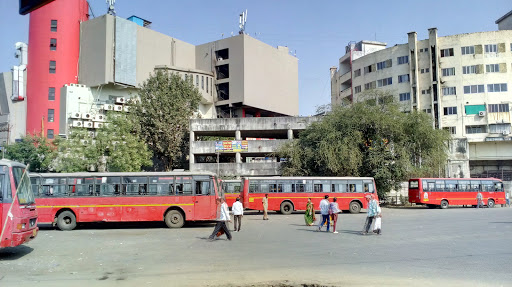
Let’s face it — private intercity buses are everywhere. With around 1,606 private buses entering and exiting Nagpur daily, the city is struggling to manage this overwhelming volume. Most of these buses halt randomly, occupy road space, and create bottlenecks that frustrate commuters.

Unsafe Parking and Random Halts

These buses often stop in narrow streets, creating dangerous situations for pedestrians and commuters alike. Locations like Tekdi Road, once ideal, now feel like ticking time bombs due to congestion and limited access.

Short-Term Fixes Aren’t Enough

Sure, the authorities tried issuing challans. But we all know that’s like putting a Band-Aid on a fractured bone. What Nagpur needed was a long-term, sustainable mobility solution.

The Vision: Six Pickup-Drop Terminals on City Outskirts

Strategic Locations Identified

The proposed bus terminals will be set up on six key entry roads to the city:

  • Wardha Road

  • Bhandara Road

  • Chhindwara Road

  • Jabalpur Road

  • Umred Road

  • Amravati Road

These locations are not random picks — they’re carefully chosen based on traffic patterns and survey data.

Wardha Road: The Busiest Route

A detailed 24-hour survey revealed that Wardha Road alone accounts for 642 buses daily, nearly 40% of total bus movement. So naturally, it’s a prime spot for a terminal.

Who’s Behind This Plan?

Meet the Key Players

  • DCP (Traffic) Archit Chandak: Spearheading the campaign with a clear vision and action plan.

  • NMC Commissioner Abhijeet Chaudhari: Committed to supporting infrastructure and citizen convenience.

  • NIT, RTO, Private Operators, and Citizens: All stakeholders are being brought into the decision-making loop.

How the New Terminals Will Function

Designed for Efficiency and Convenience

Each terminal will have:

  • Basic amenities like seating, washrooms, ticket counters

  • Proximity to Metro stations for smooth city connectivity

  • Clearly marked pickup and drop zones

  • Ample parking space

Phased Rollout and Gradual Implementation

The rollout won’t be overnight. The NMC will lease lands, including three from its own holdings and one from NIT. Two more — Vihirgaon and Koradi Road — are on private land, and agreements are underway.

Benefits for the City and Its People

1. Decongested Roads

Less chaos in the inner city. The Inner Ring Road will be off-limits to private buses between 8 AM and 10 AM, reducing peak-hour stress.

2. Safer Commutes

No more buses parked haphazardly or blocking emergency vehicles.

3. Better Air Quality

Reduced congestion means fewer emissions, cleaner air, and a healthier environment.

4. Streamlined Public Transport

City buses and the MahaMetro will integrate with these terminals, ensuring a seamless commute.

What’s the Public Saying?

Mixed Emotions, Strong Hopes

While some fear inconvenience, especially for older travelers or those unfamiliar with the outskirts, others welcome the change.

“It’s time Nagpur followed the footsteps of cities like Pune and Ahmedabad,” said one commuter at the stakeholders’ meeting.

Challenges Ahead: Will It Work?

Survey Failures and Zone Overlaps

Initially, a zone-wise mapping failed because buses operate across zones. But a 24-hour checkpost survey fixed the data gap.

Land Acquisition Hurdles

While three sites are ready to go, private lands still need official acquisition and stakeholder consent.

Behavioral Shift Required

Bus operators and commuters will have to change age-old habits. But with proper infrastructure, that’s doable.

Emergency Provisions and Special Cases

Life happens, and the authorities get that. So emergency vehicles and buses for weddings or special events can still enter the city — if they get prior approval.

Inspired by Success Stories in Other Cities

Ahmedabad and Pune Lead the Way

Both cities saw smoother traffic and happier citizens after moving intercity buses out of downtown. Nagpur aims to replicate this success.

How Will Commuters Access the City from Terminals?

Integrated with MahaMetro

Terminals will be strategically placed near Metro stations, ensuring travelers can easily hop onto local transport.

City Buses as Feeders

City buses will act as feeder services, bridging the gap between terminals and key city hubs.

What Comes Next?

Common Mobility Plan in the Works

This initiative is part of Nagpur’s broader Common Mobility Plan, integrating with all modes of public transportation.

Rent Agreements and Infrastructure Development

Before operations kick off, the NMC will finalize rental deals, set up basic infrastructure, and roll out services in phases.


Data Snapshot: 24-Hour Bus Movement Survey

Road Name No. of Buses
Wardha Road 642
Umred Road 308
Jabalpur Road 296
Amravati Road 190
Bhandara Road 92
Chhindwara Road 78
Total 1606

A Necessary Shift for a Growing City

Change is never easy. But sometimes, it’s the only path forward. With 7,000 new vehicles hitting Nagpur’s roads every month, continuing with outdated infrastructure is not an option. The proposed ban on private buses in city limits is a proactive move toward sustainable urban transport. If implemented well, it could set a benchmark for other cities grappling with similar issues.

Let’s face it — it’s time Nagpur evolved.

1. Why is Nagpur banning private buses from the city center?

To reduce traffic congestion, improve road safety, and create a more organized public transport system.

2. Where will the new terminals be located?

On Wardha, Umred, Bhandara, Chhindwara, Jabalpur, and Amravati Roads — all major entry points to Nagpur.

3. Will this affect bus travelers negatively?

Initially, there may be some adjustments, but better infrastructure and metro connectivity will ease the transition.

4. How will emergency cases be handled?

Special permissions can be granted for weddings, medical emergencies, and family events.

5. When will this plan be implemented?

The plan will be rolled out in phases after finalizing land rentals and infrastructure readiness.

After Hawkers Gone, Rs5Cr Multi-Level Parking in Sitabuldi Opens for Public

Sitabuldi multi-level parking: Welcome to the new chapter of Sitabuldi’s urban transformation! If you’ve ever struggled to find a parking spot in the hustle and bustle of Nagpur’s famous Sitabuldi market, here’s some great news. After years of complaints, a modern, Rs5 crore automated multi-level parking facility is finally open to the public—thanks to the removal of hawker encroachments that once choked the area. Let’s dive into how this infrastructure change is going to reshape urban mobility in one of Nagpur’s busiest market hubs.


🚗 A Breath of Fresh Air for Sitabuldi

Gone are the days when Sitabuldi’s narrow roads were packed to the brim with illegal hawker stalls, leaving no room for vehicles, let alone proper parking. With these encroachments now cleared, locals can finally breathe easier—and drive smoother.


🏗️ The Rs5 Crore Parking Marvel

Nagpur Smart and Sustainable City Development Corporation Ltd (NSSCDCL) has unveiled a long-awaited gem—a multi-level, fully automated parking facility designed with urban traffic in mind.

🔧 Built for Modern Needs

  • Cost: ₹5 Crore

  • Capacity: 240 two-wheelers, 22 four-wheelers

  • System: Fully automated with trained operator supervision

That’s right—no more endless circling around looking for parking or trusting your scooter to street corners.


📍 Why It Was Delayed: The Encroachment Story

Despite being completed months ago, the parking facility remained largely unused. Why? Simply because people couldn’t access it. Hawkers had taken over the road leading to the parking, making it practically invisible to the public.


🚫 Clearing the Way: Anti-Encroachment Measures

Thanks to the Nagpur Municipal Corporation (NMC), led by Municipal Commissioner Abhijeet Chaudhari, a strong anti-encroachment drive cleared the road and paved the way—literally—for citizens to use the facility.

“Encroachment must not be allowed to return,” said Chaudhari, making it clear that this transformation is here to stay.


👮 Key Officials Lead the Way

The launch was more than just symbolic. Commissioner Abhijeet Chaudhari and DCP (Traffic) Archit Chandak personally visited the site, assessed the facility, and emphasized operational efficiency and public awareness.


🛑 Two-Side Parking Introduced on Main Road

As part of the decongestion strategy, two-side parking has also been introduced on Sitabuldi’s main road. This means more parking, less chaos, and smoother flow of both foot and vehicle traffic.


🧭 Clear Signages to Guide You

Another important change? New signboards are being installed to make sure citizens know exactly where to go. Let’s face it—what’s the point of a facility if no one can find it?


💡 Why Automated Parking Matters

Think of automated parking as the elevator of parking systems. No more tight turns, no need to worry about who parked too close. You just drop off your vehicle, and the system takes care of the rest. It’s not just cool—it’s the future of urban mobility.


🆓 Free Parking—For Now

Yes, you read that right. For now, the service is completely free. It’s a welcome move to encourage people to adopt the new system and make it a part of their daily routine.


⚙️ How It Works: A Quick Breakdown

  1. Drive In – You enter the designated area.

  2. Register Your Vehicle – Trained staff will help.

  3. System Takes Over – Vehicle is moved to a designated spot automatically.

  4. Pick Up Later – Just show your token and the vehicle returns like magic.


📢 What’s Next? Promoting the Parking Facility

NSSCDCL officials are tasked with ensuring the facility runs at full capacity and citizens are made aware of it through promotions, digital campaigns, and on-ground signage.


👀 Watch Out for These Improvements Soon

  • LED Directional Boards

  • Mobile App Integration

  • Real-Time Slot Availability

  • Feedback Kiosks


🛡️ Ensuring It Stays Encroachment-Free

The biggest fear? That encroachments might sneak back in. But Chaudhari’s strict directions make it clear—this time, they’re not messing around.


📈 Positive Impact on Business and Traffic

  • Less congestion = More footfall in Sitabuldi market.

  • Efficient traffic flow = Less stress for commuters.

  • Structured parking = Happier shoppers and local businesses.


🗣️ Locals React | Sitabuldi multi-level parking

“I’ve stopped dreading visits to Sitabuldi,” says Priya Mehta, a regular shopper. “Finding a place to park used to take longer than shopping!”

Local vendors have also noted an uptick in foot traffic due to easier access and smoother flow around their shops.


🌆 Sitabuldi Sets a Precedent

This isn’t just about one parking structure. Sitabuldi is becoming a model for how other congested city markets can evolve. If Nagpur can do it, so can others.


A Win for Urban Mobility

The opening of this Rs5 crore multi-level automated parking marks a major milestone in making Nagpur smarter, cleaner, and more convenient. From removing encroachments to adopting automation, Sitabuldi has shown that real change is possible—with the right vision and execution.

So next time you head to Sitabuldi, skip the chaos and let technology take the wheel!

1. Is the Sitabuldi multi-level parking currently free?

Yes, the service is currently being offered free of charge to encourage usage.

2. How many vehicles can it accommodate?

The facility can hold up to 240 two-wheelers and 22 four-wheelers at a time.

3. Where exactly is the parking located in Sitabuldi?

It’s centrally located near the main Sitabuldi market road, now made accessible with clear signage.

4. Is the system easy to use for first-time users?

Absolutely. Trained operators are on-site to guide you through the automated process.

5. Will hawkers be allowed again in the area?

No. The municipal authorities have strictly instructed that no encroachment will be tolerated going forward.

Sitabuldi Shopkeepers Get Relief as Traffic Cops Notify Parking Spaces

Sitabuldi parking rules: Sitabuldi, one of the most vibrant commercial hubs of Nagpur, has long been grappling with unregulated parking and hawker encroachments. But recently, a wave of relief swept through the area’s shopkeepers and daily visitors alike. Why? Because the Nagpur Traffic Police have finally stepped in with a structured and well-enforced parking notification.

Let’s dive deep into how this new parking system is reshaping Sitabuldi, what rules are in place, and how it might just be the turning point the area has been waiting for.


🛍️ The Lifeline of Nagpur: Why Sitabuldi Matters | Sitabuldi parking rules

 A Hub of Commerce and Chaos

For decades, Sitabuldi has been the go-to spot for shopping, trading, and even socializing in Nagpur. But with its popularity came problems—namely, unplanned parking, street vendor congestion, and total traffic disorder.

 Daily Struggles of Shopkeepers and Shoppers

Navigating Sitabuldi was nothing short of an obstacle course. Shopkeepers were losing customers due to lack of parking space. Hawkers took over footpaths and sometimes even parts of the road. This didn’t just disrupt business; it made the whole area hazardous.


🚓 The Game-Changer: New Parking Notification

A Timely Intervention by Traffic Police

The Nagpur Traffic Department, led by DCP Archit Chandak, took swift action after NMC removed unauthorized encroachments. This was followed by a detailed parking notification that brought clarity to where vehicles could be legally parked.


📍 New Parking Guidelines Simplified

Here’s a simplified breakdown of where vehicles can now be parked in Sitabuldi:

 For Two-Wheelers (Left Side)

  1. From Bala Footwear (Variety Square) to Raja Opticals

  2. From Silky Lingerie to Khadi Gram Udyog

  3. From Joshi Ice Cream to Old Parekh Jewellers, excluding:

    • Rajaram Library Gate

    • Road to Temple Bazar

    • Gate in front of Rakesh Telange’s residence

 For Four-Wheelers (Right Side)

  1. From Bata Showroom (Variety Square) to Novelty

  2. From Bombaywala to Dream Shoppee

 Two-Wheelers (Right Side)

  1. From Venkatesh Market to Parekh Jewellers, excluding:

    • Modi No 1, 2, and 3 roads

These areas are now officially notified for vehicle parking as of May 19, 2025, and will stay in force until further orders.


⛔ No More Hawkers: 30-Meter Restriction

 The Encroachment Issue Finally Addressed

The notification also prohibits hawkers from setting up stalls within 30 meters of the designated roads and turns. This comes after several failed attempts to regulate hawkers in the area.

 Why It Took So Long

Despite previous efforts by the Nagpur Municipal Corporation (NMC) and court orders, hawkers often returned to reclaim space. In some cases, legal battles dragged on, making enforcement inconsistent and weak.


⚖️ Legal Battle in the High Court

 The Shopkeepers’ Long Road to Justice

Shopkeepers eventually had to approach the High Court for resolution. The court acknowledged the area as a non-hawking zone back in 2000. However, due to administrative lapses and political pressure, enforcement remained patchy.


🏢 The Role of the Town Vending Committee

 Who Decides What?

Under Rule 11 of the Maharashtra Street Vendors Act (2016), the Town Vending Committee—led by the Municipal Commissioner—has the power to regulate vending zones. Sitabuldi is officially marked a non-hawking zone since 2001.


🧑‍⚖️ Missed Meetings and Decisive Moves

Sources say hawker representatives skipped three consecutive committee meetings, giving authorities the legal edge to clear the area. Dr. Abhijeet Chaudhary, the current Municipal Commissioner, acted decisively this time, relocating hawkers to Maharajbag.


📈 The Problem of Unauthorized Hawkers

 Numbers That Tell a Story

The situation has worsened over time. What was once 70 hawkers in the 1990s has ballooned to over 700, most of them unauthorized. This surge has paralyzed movement and created an uneven playing field for legal businesses.


🗺️ Previous Relocations and Their Failures

 The Netaji Market Experiment

In 2016, hawkers were given alternative space at Netaji Market, but none relocated. Why? Lack of footfall, poor infrastructure, and sheer defiance.


📜 Legal Provisions That Back the Action

 What the Law Says

  1. The Street Vendors Act, 2014 – Prevents undue harassment of vendors but also regulates their operation.

  2. SC Orders – Mandate that hawking be restricted within:

    • 100 meters of places of worship, schools, and hospitals

    • 150 meters of markets and railway stations

Sitabuldi falls under these restrictions due to its proximity to other markets and religious landmarks.


🛑 Why Authorities Failed Earlier

H3: Lack of Political Will and Monitoring

Even after court orders and Town Vending Committee directives, previous enforcement efforts fizzled out due to poor monitoring and lack of follow-up.


✅ What’s Different This Time?

H2: Enforcement Backed by Policy

This time, the authorities have:

  • Notified 11 roads for on-street parking

  • Provided alternative space for hawkers

  • Created strict monitoring protocols


💬 Voices From the Ground

H3: Shopkeepers Speak Out

Vijay Agrawal, Secretary of the Sitabuldi Merchants Association, said:

“This is the first time enforcement is serious. If the administration remains committed, Sitabuldi will truly thrive again.”


🌐 A Vision for the Future

With designated hawker-free zones, well-marked parking, and active monitoring, Sitabuldi could once again become a hassle-free commercial destination. But this vision depends on continued vigilance and cooperation between citizens and the administration.


A New Chapter for Sitabuldi

Sitabuldi’s long-pending issues with traffic and hawkers are finally being addressed with clarity and courage. The new parking rules and no-hawking zones give much-needed breathing space to both shopkeepers and shoppers. But let’s face it—real change depends on consistent enforcement and public support. If Nagpur gets this right, Sitabuldi could set the benchmark for urban commercial regulation across India.

1. When did the new parking rules for Sitabuldi come into effect?

The rules became effective from May 19, 2025, and will remain active until further orders.

2. Where can two-wheelers be parked under the new system?

Two-wheelers must be parked on the left side of designated stretches like:

  • Bala Footwear to Raja Opticals

  • Silky Lingerie to Khadi Gram Udyog

  • Joshi Ice Cream to Old Parekh Jewellers (excluding restricted areas)

3. What action has been taken against hawkers?

All hawkers have been relocated to a site near Maharajbag, and no stalls are allowed within 30 meters of specified roads.

4. What is the role of the Town Vending Committee?

It regulates hawking zones and is chaired by the Municipal Commissioner. It played a key role in enforcing the no-hawking rule in Sitabuldi.

5. Are these parking guidelines likely to remain permanent?

They are in effect until further notice. If successful, they might become permanent city policy.

PM to Inaugurate New-Look Itwari Railway Station Tomorrow

New Itwari railway station : Big things are happening in Nagpur! Tomorrow, Prime Minister Narendra Modi is set to virtually inaugurate the newly revamped Netaji Subhas Chandra Bose Itwari Junction — formerly Itwari railway station. This isn’t just a makeover — it’s a complete transformation. With state-of-the-art facilities and a splash of Nagpur’s vibrant culture, this station now stands tall as a modern marvel under the Amrit Bharat Station Scheme.

Let’s dive deep into what makes this railway station and the larger redevelopment initiative such a game-changer for the Indian Railways and the local community.


🚉 What’s the Buzz About the New Itwari Junction?

A Prime Makeover Worth ₹12.39 Crores

Imagine turning an old, congested, and chaotic station into a modern, cultural, and commuter-friendly space — that’s exactly what happened at Itwari. The station was redeveloped at a whopping cost of ₹12.39 crores, and every rupee seems to have been well spent.

From Congestion to Convenience

Previously, the station had its fair share of headaches — traffic congestion, limited parking, and confusing entry-exit points. But now? Smooth entry-exit gates, wide roads, dedicated two-wheeler parking, and an effective traffic control system welcome travelers with ease.


🇮🇳 Inauguration Day: What to Expect?

PM Modi’s Grand Virtual Inauguration

On May 22, PM Modi will inaugurate 103 revamped railway stations across India via video conference. Among them, five belong to the Nagpur division:

  • Netaji Subhas Chandra Bose Itwari Junction

  • Daswani

  • Dongargarh

  • Chanda Fort

  • Amgaon

It’s a national celebration — with Nagpur playing a starring role.


🎨 Blending Heritage with Modernity

A Tribute to Culture

The redesigned Itwari station isn’t just about tech upgrades — it’s a love letter to Nagpur’s rich culture. The waiting areas and concourse are adorned with:

  • Gond art murals

  • Thread paintings

  • Handloom industry exhibits

  • A glass mosaic of Netaji Subhas Chandra Bose

It’s not just a station; it’s an art gallery with tracks.

Nagpur’s Identity on Display

From the vibrant orange-themed decorations to artistic nods to tribal crafts, the station mirrors Nagpur’s legacy — making it a source of local pride.


🧑‍🦽 Accessibility and Comfort: A Station for Everyone

Facilities for All Passengers

The station has been thoughtfully upgraded to meet the needs of every traveler:

  • Modern ticket counters

  • Comfortable, spacious waiting rooms

  • Dedicated amenities for differently-abled passengers

  • Jan Aushadhi Kendra for affordable medicines

  • A unique rail coach restaurant for travelers to relax and dine

Toilets Inspired by Bhubaneswar Design

Clean, hygienic, and intelligently designed — the toilet complex is a quiet revolution in public utility spaces.


🚆 Why Itwari Matters in the Bigger Picture

A Key Link in India’s Railway Web

Itwari has always been a vital station in Nagpur, linking various towns and cities across central India. Its transformation underlines the government’s commitment to enhancing commuter experiences nationwide.

Part of the Amrit Bharat Station Scheme

This scheme aims to modernize 1,309 stations across the country — blending:

  • Local culture

  • Passenger amenities

  • Sustainability

  • Smart infrastructure

Itwari Junction’s upgrade is one of the early examples of this nationwide vision.


👷 The Team Behind the Magic

A Collaboration of Art and Engineering

This grand revamp was made possible thanks to the coordinated efforts of:

  • Architects

  • Engineers

  • Local artists

  • Railway officials

  • And of course, the dedicated workforce on the ground

As Divisional Railway Manager Dheeraj Kumar Gupta aptly put it: “This station proves development and heritage can beautifully coexist.”


📍 Spotlight on the Other Four SECR Stations

1. Daswani Station

  • Upgraded entry points

  • Enhanced lighting

  • Improved signage

2. Dongargarh Station

  • Emphasis on passenger safety

  • Cultural artwork installations

3. Chanda Fort Station

  • Modern ticketing systems

  • Comfortable seating arrangements

4. Amgaon Station

  • Lush landscaping

  • Smart water and waste management systems

These stations echo the same commitment to modernization and local pride seen at Itwari.


🌍 Sustainability Meets Infrastructure

Eco-Friendly Practices

The new Itwari station also emphasizes:

  • Energy-efficient lighting

  • Rainwater harvesting

  • Waste segregation zones

All this ensures that as we speed into the future, we stay mindful of the planet.


📸 What’s Unique About the New Look?

  • A glowing glass mural of Netaji Subhas Chandra Bose

  • Gond-style wall art in waiting areas

  • Handloom-themed flooring designs

  • Decorative displays of Nagpur oranges

  • Stylish and functional architectural lighting


🧠 Why This Redesign is a Big Deal

Let’s be honest — railway stations in India have long been seen as messy, outdated, and exhausting. But this makeover proves that:

Railway stations can be clean, modern, and even Instagram-worthy.

And more than that, they can reflect the soul of the cities they serve.


🏆 A Moment of Pride for Nagpur

This transformation isn’t just about concrete and paint. It’s about pride. It’s about giving Nagpur’s residents a station they can show off to the world. And more importantly, it’s about making travel a little more joyful and a lot more dignified for every passenger.


🛤️ The Road Ahead

As India steams ahead with station redevelopment across the country, Itwari Junction sets a gold standard. It’s a gentle reminder that in our race toward progress, we don’t have to leave our roots behind — we can carry them with us.

The rebirth of Itwari railway station into Netaji Subhas Chandra Bose Itwari Junction is not just a redevelopment project — it’s a celebration of culture, technology, and community spirit. With PM Modi inaugurating it alongside 102 other stations, this is a proud moment for Nagpur and a glimpse of what the future of Indian Railways looks like — smart, sustainable, and rooted in identity.

The message is loud and clear: Progress isn’t about erasing the past — it’s about building on it.

1. Why was Itwari railway station renamed?

Itwari station was renamed to honor Netaji Subhas Chandra Bose, one of India’s most revered freedom fighters, aligning with a broader effort to celebrate national icons.

2. What is the Amrit Bharat Station Scheme?

It’s a central government initiative to redevelop over 1,300 railway stations across India, focusing on modern amenities, cultural integration, and sustainability.

3. What makes the new Itwari station unique?

It beautifully combines modern facilities with traditional art like Gond paintings, orange-themed decor, and a mural of Netaji Bose, reflecting Nagpur’s heritage.

4. Are there special facilities for the differently-abled at the new station?

Yes, the station includes dedicated infrastructure like ramps, special toilets, and accessible ticket counters for differently-abled passengers.

5. Will the inauguration impact train schedules?

No major disruptions are expected. The inauguration is virtual, and regular operations will continue as planned.

Kasturchand Park Restoration Nagpur Nears Completion

Kasturchand Park Restoration Nagpur | Nagpur’s iconic Kasturchand Park (KP) is not just a piece of land; it’s a living chapter of the city’s history. Once buzzing with grand events, community gatherings, and cultural exhibitions, KP slowly slipped into a state of neglect. But now, with the restoration work almost complete, it’s all set to make a glorious comeback — and this time, better than ever.

Let’s take a stroll through what’s happening, what’s new, and what this means for Nagpur.


🌟 The Heritage Gem of Nagpur: A Brief Look Back

Before we dive into the exciting updates, it’s worth remembering why KP matters.

Kasturchand Park has long stood as a Grade-1 heritage site, a prestigious recognition given only to the most historically significant structures. With its beautiful stone bandstand, lush grounds, and cultural roots, the park has been a silent witness to countless events in Nagpur’s history — from political rallies and religious festivals to family picnics and evening walks.


🚧 The Decline: How Time Took Its Toll

Let’s be real — years of neglect took a heavy toll on KP.

  • Water seepage damaged the inner structure

  • Blackened stone columns lost their aesthetic charm

  • Flooring cracked and nets on the upper floor broke down

  • Parapets deteriorated, making the space unsafe

Worse yet, anti-social activities crept into the area due to poor maintenance. The charm was gone, and people stopped visiting. KP was becoming a shadow of its glorious past.


🛠️ A New Beginning: Restoration Underway

The game-changer came when the Heritage Conservation Committee (HCC) greenlit an ambitious revival project. The Public Works Department (PWD) stepped in to bring KP back to life.

🔹 Restoration Highlights

  • Original stonework carefully restored using crushed stone material

  • Damaged nets replaced

  • Blackened columns cleaned and polished

  • Upper floor reinforced

  • Skilled Rajasthani artisans brought in for intricate stone craftsmanship

Currently, over 90% of the restoration is complete, and the final touches — mainly flooring — are underway.


💰 Investment That Reflects Commitment

Let’s talk numbers.

The combined restoration and beautification projects cost over ₹5 crore, and the results are already visible. This wasn’t just a cosmetic upgrade; it was a deep, meaningful investment in Nagpur’s cultural and architectural legacy.


🏛️ Stone Bandstand: Heart of the Revival

The historic stone bandstand, often considered the crown jewel of KP, is being restored with meticulous care. Every stone, every parapet, and every groove has been worked on to ensure authenticity.

Why does this matter? Because the bandstand is not just a structure—it’s a symbol of Nagpur’s community spirit. It’s where voices echoed, music played, and stories were told.


🎭 Aesthetic Enhancements: More Than Just Bricks

This restoration isn’t just about fixing old structures — it’s about reimagining KP’s potential.

Ongoing Beautification Initiatives Include:

  • A 200-foot high national flagpole to symbolize unity

  • A newly built amphitheatre for cultural performances

  • Landscaped lawns with proper irrigation

  • LED lighting to highlight heritage features at night


🚧 Barricades for Protection

Preserving KP doesn’t end with restoration. To ensure the structures aren’t damaged again, PWD plans to install barricades. This will help prevent unauthorized access, vandalism, or casual damage.

It’s a smart move. After all, what’s the point of pouring resources into revival if it can’t be maintained?


💡 Future-Proofing KP: Modern Vision Meets History

What’s truly exciting is that the vision for KP goes beyond just restoration.

PWD officials are pushing to transform Kasturchand Park into a full-fledged urban oasis.

Here’s What’s on the Table:

  • Heritage + Recreation Hub: A rare blend of history and leisure

  • Sporting arena to engage local youth and promote fitness

  • Dedicated parking space to handle crowds

  • Tourism push with guided heritage walks and night shows

The dream is to make KP a place that not only celebrates the past but also engages the future.


🌿 Landscaping: Breathing Life Into KP

A major element of the transformation is landscaping. Beautiful green lawns, shaded walkways, flowering trees — these additions will make KP visually inviting.

To support this, PWD is collaborating with Nagpur Municipal Corporation (NMC) to ensure a consistent water supply. A green KP is a healthy KP.


🧑‍🎨 The Artists Behind the Magic

Let’s not forget the people who are making this possible — especially the Rajasthani artisans, known for their skill in heritage stonework.

These artists brought in age-old techniques, ensuring every detail matches the park’s original design. It’s a masterclass in traditional craftsmanship.


🎯 Why KP’s Revival Matters to You

Still wondering why you should care?

Here’s why:

  • It’s your city’s legacy — Every brick tells a story.

  • It boosts tourism — More visitors mean more opportunities.

  • It’s a community space — Perfect for relaxation, events, or a walk in the park.

  • It promotes culture — With events, performances, and exhibitions.


🧱 Not Just a Restoration, It’s a Resurrection

In a world where heritage often loses out to modernization, KP’s revival is a symbol of balance — a reminder that history and progress can walk hand in hand.

By mid-June, when the final phase wraps up, Nagpur will not just have its park back — it’ll have a vibrant symbol of resilience and renewal.


KP Is Ready for Its Comeback

Kasturchand Park is more than just a patch of land — it’s a canvas of culture, history, and modern vision. With restoration almost complete, it’s all set to become the beating heart of Nagpur once again.

So, whether you’re a long-time local or a first-time visitor, KP invites you to experience its old soul in a new body.

1. When will the KP restoration be fully completed?

The project is expected to be completed by mid-June, with only the flooring work pending.

2. What’s the total cost of the restoration project?

Over ₹5 crore has been spent on both restoration and beautification projects.

3. What new features are being added to KP?

New features include a 200-foot flagpole, an amphitheatre, landscaped areas, and better lighting.

4. Will the public have access to the heritage structures?

Yes, but barricades may be added to prevent vandalism and protect the monument’s integrity.

5. Can KP become a tourist destination again?

Absolutely! With proper promotion and amenities, KP has the potential to be a major tourist hub in Nagpur.

Nagpur’s Koradi Naka to Get Y-Shaped Flyover to Ease Traffic and Improve Safety

Koradi Naka Flyover Project: Nagpur is on the move—literally! If you’ve ever found yourself stuck in the relentless traffic at Koradi Naka, you know the chaos all too well. But here’s some great news: the city is gearing up for a major transformation with a Y-shaped flyover coming to National Highway 47. With demolition already underway and construction set to kick off on June 20, 2025, this ambitious infrastructure project promises smoother drives, fewer accidents, and less honking frustration.

Let’s break it down for you—what it is, why it matters, and how it’s going to change your daily commute.


🚧 Why Koradi Naka Needed an Upgrade

A Black Spot That Needed Immediate Attention

Ever heard of a “black spot”? It’s not just traffic jargon—it refers to accident-prone zones that desperately need a fix. Koradi Naka earned this title due to chronic congestion and frequent accidents. Thousands of vehicles squeeze through this bottleneck daily, making it a nightmare for both drivers and pedestrians.

Outdated Infrastructure Couldn’t Handle Modern Traffic

Koradi Naka’s old design simply wasn’t cut out for today’s traffic. With growing suburbs like Farsa, Mahadula, and Bokhara, the pressure on the road network has increased tenfold. The new flyover is designed to unclog this traffic artery and give the city some much-needed breathing space.


🛣️ Project Overview: What’s Coming? | Koradi Naka Flyover Project

A Y-Shaped Marvel in the Making

The flyover is no ordinary overpass—it’s a Y-shaped engineering solution tailored to link three major corridors:

  • Farsa

  • Mahadula Railway Overbridge (ROB)

  • Bokhara Road

With a length of 1,090 meters, this flyover will allow vehicles to glide over the busiest intersections and reconnect with ease.

₹43.37 Crore Investment with a Deadline

This massive project comes with a budget of ₹43.37 crore and a clear timeline. The deadline for completion is January 2026, meaning in just over a year, residents could be experiencing smoother rides and safer streets.


👷 Construction Phases: What to Expect?

Phase 1: Demolition and Preparation

Already underway, this phase includes the removal of obstructive structures and utility shifting. Locals may notice increased machinery and temporary detours.

Phase 2: Foundation Work and Pillar Construction

Set to begin on June 20, 2025, this stage involves groundwork, setting up concrete pillars, and stabilizing the foundation for the flyover.

Phase 3: Decking and Roadway Connection

The deck will be laid to connect the three points of the Y-shape. Expect some traffic diversions here but also visible progress that excites.


🧩 How the Y-Shape Will Function

Think of the Y-shaped flyover as a three-way bridge in the sky. One leg starts at Farsa, another at Bokhara Road, and the base connects to the Mahadula ROB. This tri-branch connection eliminates traffic stops and allows continuous flow—just like water running down a slope.


🚦 Supporting Infrastructure: Underpass and More

Underpass for Smooth Local Transit

An underpass is part of the plan too. While the flyover handles through-traffic, the underpass will serve local vehicles, pedestrians, and two-wheelers, keeping everyone moving efficiently.

Conversion of Existing Structure into Service Roads

The current road won’t go to waste—it’s being converted into a service road for local commutes. This means no one is left out of the infrastructure upgrade.


🚶 Pedestrian Safety Gets a Boost Too

4 New Foot Overbridges (FOBs)

To protect pedestrians in this high-traffic zone, the NHAI has greenlit four foot overbridges:

  1. Modern School Square

  2. Panjra Bus Stop

  3. Shivaji Maharaj Square

  4. Koradi Bus Stop

These overpasses will prevent jaywalking and reduce accidents, especially during peak hours.


🌆 Urban Impact: What This Means for Nagpur

Reduced Travel Time

Once completed, travel between north Nagpur suburbs and the city center will be drastically faster. Expect to cut travel time by up to 40% during rush hour.

Better Emergency Access

Ambulances and fire trucks will benefit immensely from the improved flow. Time-sensitive emergencies can now be handled without being stuck in gridlock.

Real Estate Boom Incoming

Areas around the flyover, like Koradi, Farsa, and Mahadula, may see a spike in real estate value, as smoother connectivity boosts demand.


📊 Project Benefits in a Nutshell

  • Smoother Traffic Flow

  • Reduced Accidents

  • Enhanced Pedestrian Safety

  • Improved Emergency Response

  • Boost to Local Economy

  • Modern Urban Aesthetics


🏗️ Challenges and Mitigations

Managing Traffic During Construction

While the work is ongoing, temporary diversions and traffic snarls are expected. However, the NHAI has prepared smart diversion plans to minimize disruptions.

Environmental Concerns

The project includes environmental safeguards, such as dust suppression measures, tree transplantation, and eco-friendly construction practices.


📅 Timeline Snapshot

Phase Start Date End Date Key Activities
Demolition April 2025 June 2025 Removal of structures
Construction June 2025 Dec 2025 Pillars, underpass, decking
Finishing Touches Jan 2026 Jan 2026 Painting, lighting, testing

💬 What Locals Are Saying

“About time we had this! Getting stuck near Koradi Bus Stop is my everyday nightmare. Can’t wait for smoother roads.” — Nikhil, daily commuter

“Safety is a big concern, especially for school kids crossing at Shivaji Square. These foot overbridges will make a huge difference.” — Rekha, parent


📍 Quick Facts: At a Glance

  • Flyover Length: 1,090 meters

  • Budget: ₹43.37 Crore

  • Start Date: June 20, 2025

  • Completion Target: January 2026

  • Shape: Y-configuration

  • Key Connections: Farsa, Bokhara Rd, Mahadula ROB

  • Extra Features: Underpass + 4 Foot Overbridges


📢 Final Thoughts: A New Chapter for Nagpur

Nagpur is not just adding concrete—it’s building progress, connectivity, and safety. The Y-shaped flyover at Koradi Naka is more than an infrastructure project; it’s a lifeline to better urban living. By early 2026, the daily chaos that once defined Koradi Naka will likely become a thing of the past.

So, next time you’re caught in traffic, just remember: change is coming, and it’s rising sky-high.

1. Why is a Y-shaped flyover being built at Koradi Naka?

Because the area faces extreme congestion and accidents, a Y-shaped flyover offers the best traffic flow solution across three major routes.

2. When will the construction of the Koradi flyover be completed?

The construction is expected to be completed by January 2026.

3. Will pedestrians have safer options during and after construction?

Yes, four foot overbridges are being added along Koradi Road to ensure pedestrian safety.

4. Will local commuters still be able to use the area?

Absolutely! The old road is being converted into a service road, and an underpass is planned for local transit.

5. How will the flyover affect property prices in nearby areas?

Improved connectivity often leads to a real estate boom, and areas like Mahadula and Bokhara may benefit significantly.

Exit mobile version