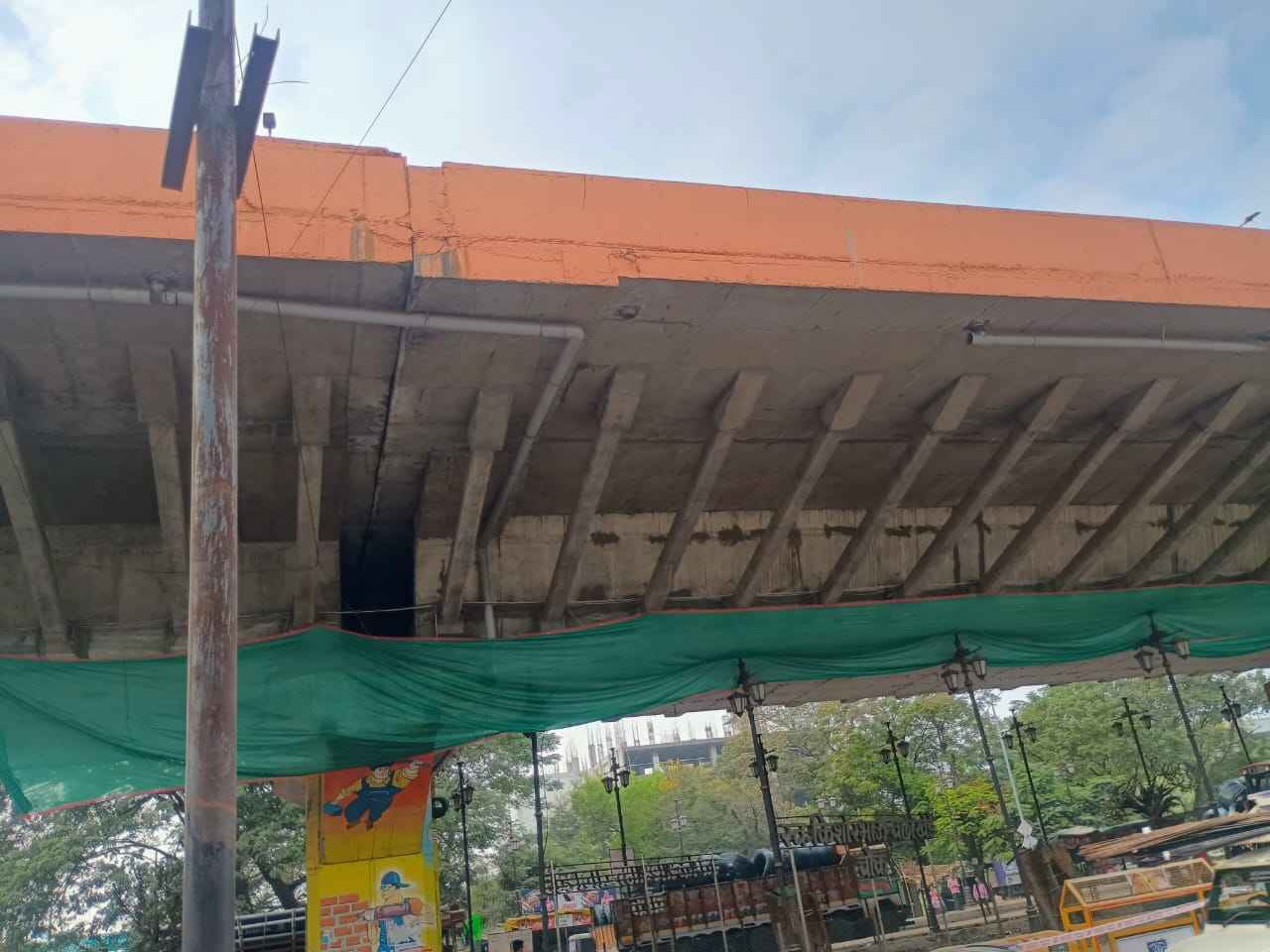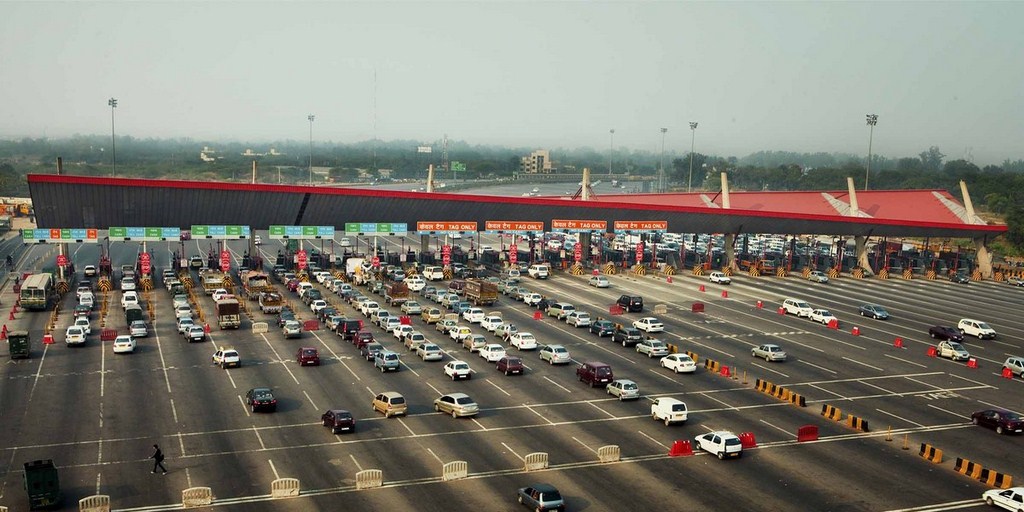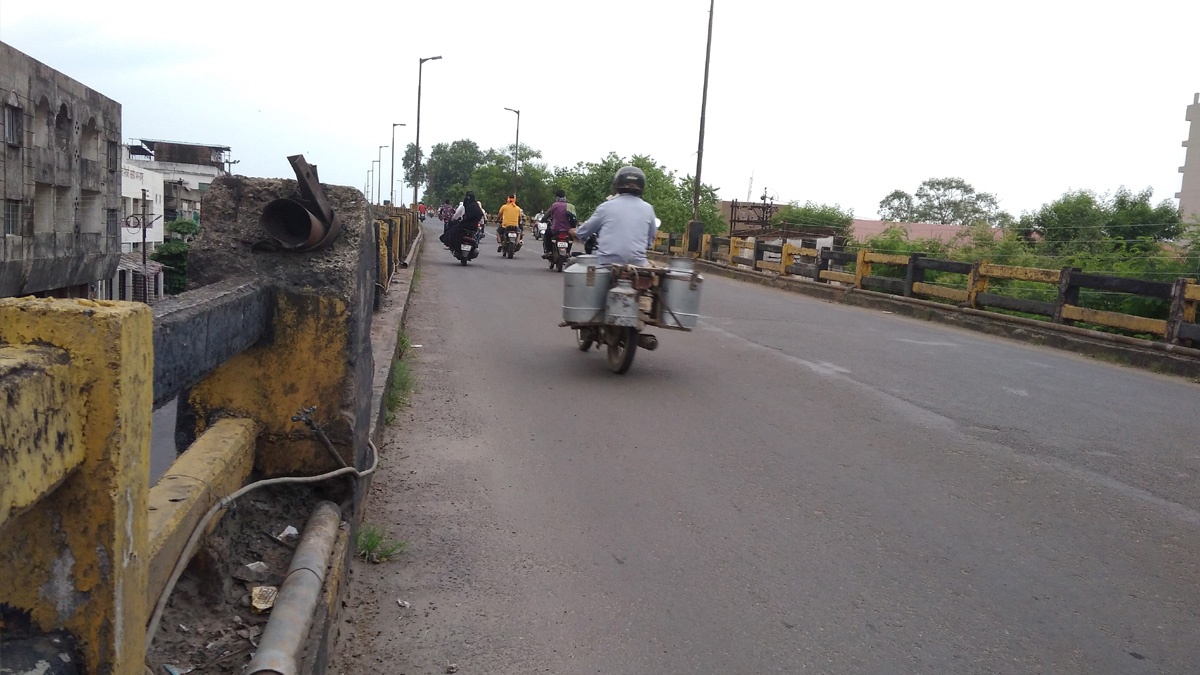
Nagpur Traffic Police Record Highest Action Against Wrong Side Driving in 3 Years

Nagpur Traffic Police: Nagpur’s roads witnessed a major crackdown on reckless driving as the city’s traffic police took strict action against rule violators. On March 12, authorities penalized 672 motorists in a single day, marking the highest enforcement against traffic violations in the past three years. This special drive primarily targeted wrong-side driving and signal jumping, two major causes of road accidents.

A Record-Breaking Crackdown

Massive Traffic Violations in a Single Day

The traffic police’s operation was a response to increasing complaints about reckless driving. Here’s a breakdown of the violations recorded:

  • Wrong-side driving offenders: 384 motorists penalized
  • Signal jumping offenders: 288 motorists fined

Areas With the Highest Violations

Some of Nagpur’s busiest areas saw the highest number of offenders:

  • Wrong-side driving:
    • Cotton Market – 57 cases
    • Sonegaon – 47 cases
    • MIDC – 46 cases
  • Signal jumping:
    • Sitabuldi – 79 cases
    • Indora – 72 cases
    • Sonegaon – 34 cases

Why Is Wrong-Side Driving a Major Concern?

Wrong-side driving not only endangers the driver but also puts pedestrians and other motorists at risk. It leads to severe accidents, traffic congestion, and confusion on the roads. This crackdown by the Nagpur Traffic Police aims to eliminate such dangerous practices.

Strict Measures to Improve Road Safety

Ongoing Enforcement Drives

The authorities have assured that such drives will continue to ensure better road discipline. Traffic police officers are actively monitoring roads and penalizing offenders.

Hefty Fines for Violators

Fines for wrong-side driving and signal jumping have been increased to discourage repeat offenses. Additionally, repeat offenders may face stricter actions, including suspension of their driving licenses.

Use of Surveillance Cameras

The traffic department has deployed CCTV cameras across major junctions to capture violations in real time, ensuring that offenders do not go unnoticed.

Encouraging Citizen Participation

To make Nagpur’s roads safer, the police are encouraging citizens to report traffic violations. Residents can share photos, time, and location details of violations through the “Traffic Mitra” WhatsApp helpline at 8976897698.

How Citizens Can Contribute to Road Safety

Follow Traffic Rules

  • Always drive on the correct side of the road.
  • Stop at red signals and wait for the green light.
  • Use pedestrian crossings and follow lane discipline.

Report Violations

If you notice any traffic violations, take a photo or video and send it to the Traffic Mitra helpline. This helps authorities take swift action.

Spread Awareness

Educate your family and friends about the importance of road safety. The more people follow rules, the fewer accidents occur.

Nagpur’s traffic police have taken a strong stance against reckless driving, and this recent crackdown is a testament to their commitment to road safety. By enforcing strict penalties and encouraging public participation, they aim to create a disciplined and secure road environment. As responsible citizens, we must do our part by following traffic rules and reporting violators. A little caution can go a long way in making our roads safer.

1. What was the main focus of the Nagpur traffic police’s recent crackdown?

The primary focus was on wrong-side driving and signal jumping, which are major causes of road accidents and traffic congestion.

2. How can citizens report traffic violations in Nagpur?

Citizens can report violations via the Traffic Mitra WhatsApp helpline (8976897698) by sharing photos and details of the incident.

3. What are the penalties for wrong-side driving in Nagpur?

Wrong-side driving attracts heavy fines, and repeat offenders may face stricter actions such as license suspension.

4. Which areas in Nagpur recorded the highest traffic violations?

Cotton Market, Sonegaon, and MIDC had the highest cases of wrong-side driving, while Sitabuldi, Indora, and Sonegaon reported the most signal jumping violations.

5. Will the traffic police continue such enforcement drives?

Yes, the authorities have assured that similar operations will be conducted regularly to maintain road safety and discipline.

Shivaji Science College Launches AI-Driven Gardening Solutions

Nagpur: In a groundbreaking initiative, the Botany Department of Shivaji Science College, Nagpur, has introduced an AI-driven educational garden, Amrut Vatika. This innovative project aims to promote sustainability and environmental awareness among students and the community. By integrating artificial intelligence into gardening, the institution is taking a significant step toward conservation, biodiversity, and scientific learning.

The Vision Behind Amrut Vatika

Shivaji Science College (Nagpur) has always been at the forefront of educational and ecological advancements. With Amrut Vatika, the college merges technology with nature, fostering a learning environment where students can explore sustainable gardening practices while leveraging AI for deeper insights.

Specialized Garden Sections

The garden features multiple themed sections, each offering a unique perspective on plant life and sustainability.

1. Rashi Vatika: Zodiac-Themed Plantation

This section showcases plants associated with the twelve zodiac signs. It highlights the cultural and astrological significance of plants, allowing visitors to explore how botanical elements intertwine with spirituality.

2. Navgrah Vatika: Celestial Influence on Plants

Navgrah Vatika represents the nine planetary influences on different plant species. This space educates visitors on the historical and traditional beliefs surrounding the connection between celestial bodies and plant growth.

3. Medicinal Plants: Nature’s Pharmacy

A dedicated space for medicinal plants demonstrates their role in Ayurveda and modern medicine. Students and visitors can learn about their healing properties and sustainable cultivation techniques.

4. Hydrophytes: Water-Loving Plants

This section highlights plant species that thrive in aquatic environments, showcasing their ecological importance in maintaining biodiversity and water purification.

5. Xerophytes: Desert Flora and Survival Adaptations

Designed to display desert vegetation, this section provides insights into how plants adapt to extreme climatic conditions and how xerophytes contribute to sustainable gardening.

6. Spice Corner: Culinary and Medicinal Uses

Spices have played a crucial role in culture and health for centuries. This corner offers a glimpse into various spice plants, their uses, and their contribution to holistic well-being.

7. Soilless Farming: The Future of Agriculture

Demonstrating hydroponics and aeroponics, this section emphasizes innovative farming techniques that conserve soil and water while optimizing plant growth.

Innovative AI-Powered Projects in Amrut Vatika

Apart from diverse plant species, the AI-driven garden includes interactive and educational projects aimed at enhancing learning experiences.

1. Talking Tree: A Digital Interactive Experience

This project employs AI to provide real-time information about different plant species. By scanning QR codes, visitors can listen to an audio guide that shares insights about the plant’s origin, uses, and ecological significance.

2. Talking Fossils: Exploring Plant Evolution

The Talking Fossils project showcases preserved plant fossils, illustrating the evolutionary journey of flora over millions of years.

3. The Seed Bank: Preserving Biodiversity

This initiative focuses on the collection and preservation of native and endangered plant seeds, ensuring the conservation of genetic diversity.

4. Herbanique: The Art of Preserving Nature

Combining science and art, Herbanique educates students on preserving medicinal and rare plants, fostering environmental responsibility.

5. Digital Flora of Campus: A Comprehensive Biodiversity Database

A digital catalog documenting plant species within the campus enables students and researchers to explore the rich biodiversity in an interactive format.

Community Impact and Inauguration Ceremony

The initiative was inaugurated by former city mayor, Kalpana Pandey, (Nagpur) who emphasized the importance of conservation in urban development. She reflected on her childhood experiences with nature and stressed the need to preserve green spaces for future generations.

Why AI-Driven Gardening Matters

AI integration in gardening offers numerous benefits:

  • Enhanced Learning: AI-driven tools make botanical education interactive and engaging.
  • Data-Driven Insights: AI helps in analyzing plant health, growth patterns, and environmental conditions.
  • Sustainability: Smart gardening techniques reduce water consumption and soil degradation.
  • Biodiversity Conservation: Preserving native and rare species supports ecological balance.

The AI-driven Amrut Vatika at Shivaji Science College sets a benchmark in integrating technology with nature. By fostering sustainability, conservation, and education, this initiative paves the way for a greener future. As technology and ecology continue to intersect, such innovations will play a crucial role in shaping environmental consciousness.

1. What is the primary purpose of Amrut Vatika?

Amrut Vatika aims to integrate AI with gardening to promote environmental awareness, sustainability, and educational engagement.

2. How does the Talking Tree project work?

The Talking Tree uses AI-driven QR codes that allow visitors to listen to information about plant species in the garden.

3. What makes soilless farming important?

Soilless farming, including hydroponics and aeroponics, minimizes water usage and soil depletion, making it a sustainable agricultural practice.

4. How does the Seed Bank contribute to biodiversity?

The Seed Bank collects and preserves native and rare plant seeds, ensuring their survival and preventing extinction.

5. How can students benefit from Digital Flora of Campus?

The Digital Flora provides a comprehensive, interactive database of campus biodiversity, aiding research and botanical studies.

Nagpur Airport Elevates Flight Safety with Advanced Runway Visual Range Systems

Nagpur Airport Runway Visibility: In the realm of aviation, ensuring optimal visibility during take-offs and landings is paramount. Dr. Babasaheb Ambedkar International Airport, serving as a pivotal aviation hub in central India, has taken a significant step forward by installing advanced Runway Visual Range (RVR) systems. This initiative underscores the airport’s commitment to aligning with global safety standards and enhancing passenger safety.

Understanding Runway Visual Range (RVR) Systems

What is an RVR System?

An RVR system is a sophisticated technological setup that measures the distance over which a pilot can see the runway surface markings or lights. By utilizing advanced optical and atmospheric sensors, RVR systems provide real-time visibility data, which is crucial during adverse weather conditions such as fog, heavy rainfall, or haze.

How Does the RVR System Operate?

The RVR system continuously monitors runway visibility by:

  • Data Collection: Advanced sensors measure atmospheric conditions affecting visibility.

  • Data Transmission: The collected data is instantly relayed to Air Traffic Control (ATC) towers and pilots.

  • Decision Making: Accurate visibility information aids ATC and pilots in making informed decisions regarding landings and take-offs.

Installation of RVR Systems at Nagpur Airport

Strategic Placement of RVR Systems

To maximize coverage and accuracy, Nagpur Airport has installed two RVR systems at the extremities of Runway Nos. 32 and 14. Additionally, a third RVR system is in the final stages of commissioning at the midpoint of the runway, further enhancing visibility assessments.

Transition from Traditional Methods

Prior to this upgrade, the Aerodrome Meteorological Office (AMO) Nagpur employed the manual polar diagram method for visibility detection. This traditional approach relied on visual assessments using landmarks, which were subject to human error. The new automated RVR systems offer a significant improvement in accuracy and reliability.

Benefits of Implementing RVR Systems

Enhanced Flight Safety

The primary advantage of RVR systems is the enhancement of flight safety. By providing precise real-time visibility data, these systems assist pilots during low-visibility conditions, reducing the risk of accidents and ensuring safer landings and take-offs.

Operational Efficiency

Accurate visibility measurements enable better decision-making, leading to reduced flight delays and cancellations. This operational efficiency benefits both airlines and passengers, contributing to a more reliable travel experience.

Compliance with Global Standards

The installation of RVR systems brings Nagpur Airport in line with international aviation safety benchmarks. This alignment enhances the airport’s reputation and positions it as a leading aviation hub in the region.

Role of Aerodrome Meteorological Office (AMO) Nagpur

Oversight and Implementation

AMO Nagpur has been instrumental in overseeing aviation meteorological operations across Madhya Pradesh, Chhattisgarh, and Vidarbha. The office led the RVR system upgrade, reflecting its dedication to enhancing air travel safety and ensuring uninterrupted operations across regional airports.

Expert Insights

Rizwan Ahmed, Director & Scientist-D at AMO Nagpur, emphasized the critical role of RVR systems in modern aviation. He highlighted that these high-tech sensors provide real-time visibility data, ensuring safer landings and take-offs, particularly during low-visibility conditions.

Impact on Nagpur Airport’s Operations

Passenger and Cargo Traffic

Nagpur Airport handles approximately 9,000 passengers daily and facilitates the movement of about 150 metric tons of cargo. With 70 domestic and international flights operating each day, the airport’s capacity to manage high traffic volumes is crucial. The RVR systems play a vital role in maintaining smooth operations under varying weather conditions.

Future Prospects

Mid-Runway RVR System Commissioning

The imminent commissioning of the mid-runway RVR system is expected to further optimize visibility assessments. This addition will reinforce stringent safety protocols and minimize weather-related disruptions, solidifying Nagpur Airport’s position as a premier aviation hub.

The integration of advanced RVR systems at Nagpur Airport marks a significant milestone in the airport’s commitment to safety and operational excellence. By adopting cutting-edge technology, the airport ensures that it meets global safety standards, providing passengers and airlines with a reliable and efficient travel experience.

1. What is the purpose of installing RVR systems at Nagpur Airport?

The RVR systems are installed to provide real-time visibility data, enhancing flight safety during adverse weather conditions.

2. How do RVR systems improve operational efficiency?

By offering accurate visibility measurements, RVR systems enable better decision-making, reducing flight delays and cancellations.

3. What was the previous method of measuring runway visibility at Nagpur Airport?

The airport previously used the manual polar diagram method, which relied on visual assessments using landmarks.

4. Who oversees the aviation meteorological operations in the region?

The Aerodrome Meteorological Office (AMO) Nagpur oversees aviation meteorological operations across Madhya Pradesh, Chhattisgarh, and Vidarbha.

5. What is the daily passenger and cargo traffic at Nagpur Airport?

Nagpur Airport handles approximately 9,000 passengers and 150 metric tons of cargo daily.

Rs35.44cr Sanctioned for IRR Flyover & Manish Nagar RoB in Nagpur

Nagpur Flyover: Nagpur is set to witness a major infrastructure boost as the Maharashtra government has sanctioned Rs35.44 crore for crucial road development projects. Deputy Chief Minister and State Finance Minister Ajit Pawar announced Rs21.14 crore for constructing a third flyover on Inner Ring Road (IRR) and Rs14.30 crore for a railway overbridge (RoB) connecting Radisson Blu Hotel to Manish Nagar. These projects aim to enhance connectivity and ease traffic congestion in southwest and south Nagpur.

The Need for Infrastructure Development

With Nagpur’s rapid urban expansion, traffic congestion has become a pressing issue. The existing road network struggles to accommodate the increasing number of vehicles, making the construction of additional flyovers and overbridges essential.

Overview of Sanctioned Projects

1. Third Flyover on IRR

  • Project Cost: Rs185 crore (Rs21.14 crore newly sanctioned)
  • Length: 2.80 km
  • Purpose: To integrate the existing flyovers at Manewada and Mhalgi Nagar Squares into a seamless corridor.
  • Modification: Design changes were made following Union Minister Nitin Gadkari’s recommendations.
  • Current Status: Administrative approval received; tendering process to begin soon.

2. Manish Nagar Railway Overbridge (RoB)

  • Project Cost: Rs124 crore (Rs14.30 crore newly sanctioned)
  • Objective: Improve connectivity between Wardha Road and Manish Nagar.
  • Alternative Routes: Designed to ease pressure on the congested Manish Nagar underpass.
  • Proposed Designs: Options include a double-decker bridge and parallel alignment with the Narendra Nagar flyover.

Impact on Nagpur’s Traffic Flow | Nagpur Flyover

  • Reduced Congestion: These projects will streamline movement along the Inner Ring Road and surrounding areas.
  • Enhanced Safety: Fewer traffic bottlenecks and improved road conditions.
  • Time-Saving: Faster transit across key city locations.

Detailed Breakdown of the Third Flyover Project

Location & Connectivity

  • The third flyover will connect two already sanctioned flyovers at Manewada Square and Mhalgi Nagar Square, forming a continuous elevated corridor.

Revised Design Strategy

  • Initial design included separate structures, but later modified for a seamless flow.
  • The ascending ramp at Mhalgi Nagar and the landing ramp at Manewada Square were removed to accommodate the third flyover.

Current Status & Next Steps

  • Ongoing Work: Construction of the Mhalgi Nagar flyover has already started.
  • Upcoming Developments: Tendering process for the third flyover will commence shortly.

Manish Nagar Railway Overbridge (RoB): A Game Changer | Nagpur Flyover

Existing Challenges

  • The Manish Nagar underpass is heavily congested.
  • Limited alternate routes force commuters to take longer detours.

Proposed Solutions

  • Double-decker bridge option under evaluation.
  • Parallel alignment with Narendra Nagar flyover for improved traffic management.

Advantages for Commuters

  • Faster access to Wardha Road.
  • Easier transit between key residential and commercial zones.

Role of PWD in Project Execution

The Public Works Department (PWD) plays a critical role in planning, approving, and executing these projects. Their expertise ensures that infrastructure developments meet quality and safety standards.

Economic & Social Benefits

1. Increased Property Value

  • Improved infrastructure boosts real estate demand.
  • Commercial growth in areas with better connectivity.

2. Job Creation

  • Direct employment in construction work.
  • Indirect opportunities in transportation and related sectors.

3. Sustainable Urban Development

  • Balanced growth with infrastructure improvements.
  • Supports Nagpur’s long-term expansion plans.

Government’s Vision for Nagpur’s Future

The Maharashtra government aims to transform Nagpur into a smart, well-connected city. The budget allocations for flyovers and RoBs reflect a commitment to urban development and efficient transportation networks.

The Rs35.44 crore sanctioned for the IRR flyover and Manish Nagar RoB marks a milestone in Nagpur’s infrastructure growth. These projects will significantly ease congestion, improve connectivity, and enhance road safety. With the PWD actively involved in execution, Nagpur’s residents can expect a smoother, faster, and safer commuting experience.

1. When will the construction of the third flyover start?

The tendering process is expected to commence soon, following the approval of the revised design.

2. How will the Manish Nagar RoB help commuters?

It will provide an alternative to the congested Manish Nagar underpass, reducing travel time and easing traffic flow.

3. What are the total costs of these projects?

The IRR third flyover is estimated at Rs185 crore, and the Manish Nagar RoB is projected at Rs124 crore.

4. What changes were made to the original flyover designs?

The ramps at Manewada and Mhalgi Nagar Squares were removed to integrate the third flyover into a continuous corridor.

5. What are the long-term benefits of these projects?

They will enhance connectivity, reduce congestion, boost economic growth, and improve road safety in Nagpur.

Over 90% of Vehicles Yet to Install HSRP in Nagpur

HSRP installation in Nagpur | High Security Number Plates (HSRP) Despite the mandate to install High-Security Registration Plates (HSRP) on vehicles, a vast majority of vehicle owners in Nagpur have yet to comply. With deadlines extended and enforcement measures looming, it’s crucial to understand why compliance remains low and what vehicle owners need to do to avoid penalties.

What is HSRP and Why is it Important?

HSRP is a standardized license plate with security features that prevent counterfeiting and enhance vehicle tracking. This initiative aims to curb vehicle theft and improve law enforcement capabilities.

Key Features of HSRP

  • Made of aluminum with a unique identification number
  • Tamper-proof with non-removable snap locks
  • Laser-etched with a permanent identification number
  • Comes with a chromium-based hologram to prevent duplication

Current Compliance Rates in Nagpur | HSRP installation in Nagpur

Data from the three Regional Transport Offices (RTOs) in Nagpur reveal a concerning trend:

  • Nagpur Rural RTO: 16,711 orders placed, only 2,801 plates installed (16.7%)
  • Nagpur City RTO: 19,671 orders placed, 5,182 plates installed (26.3%)
  • Nagpur East RTO: 13,360 orders placed, 2,815 plates installed (21%)

With a total of 22.62 lakh vehicles requiring HSRP, these numbers indicate a significant backlog.

Why Are Vehicle Owners Delaying Installation?

Lack of Awareness

Many owners remain unaware of the mandatory installation and the consequences of non-compliance.

Limited Fitment Centers

Despite 92 centers being operational, the process remains slow due to high demand and delays in service.

Cost Concerns

Some owners hesitate due to the cost:

  • Two-wheelers & tractors: ₹450 (excluding GST)
  • Three-wheelers: ₹500 (excluding GST)
  • Passenger cars & light vehicles: ₹745 (excluding GST)

Deadline Extensions Creating Complacency

With the deadline now extended to April 30, 2025, many owners believe they have more time and delay the process.

Consequences of Not Installing HSRP

  • Possible Fines & Penalties: Authorities may impose fines post-deadline.
  • Vehicle Seizure Risks: Non-compliant vehicles could face stricter enforcement.
  • Difficulty in Vehicle Verification: HSRP facilitates smoother verification during law enforcement checks.

How to Get an HSRP Installed?

Step 1: Place an Order

  • Visit the official transport department website or an authorized vendor.
  • Enter vehicle registration details.
  • Pay the prescribed fee.

Step 2: Schedule an Appointment

  • Choose a fitment center from the available 92 locations in Nagpur.
  • Select a convenient date and time.

Step 3: Visit the Fitment Center

  • Carry necessary documents (RC book, ID proof, and appointment confirmation).
  • Get the HSRP installed and secured with snap locks.

Government’s Role in Speeding Up Implementation | High Security Number Plates (HSRP)

Enhanced Awareness Campaigns

The transport department plans to launch city-wide campaigns to educate vehicle owners about the importance of HSRP.

Stricter Enforcement Measures

Officials may introduce penalty measures if compliance rates do not improve before the deadline.

Increase Fitment Centers

Expanding the number of authorized centers can help streamline installations and reduce backlogs.

Common Myths About HSRP

1. “HSRP is Only for New Vehicles”

False. All vehicles registered before March 31, 2019, must install HSRP.

2. “HSRP is an Optional Upgrade”

Incorrect. It is a government-mandated regulation.

3. “HSRP Can be Installed at Any Mechanic Shop”

No. Only authorized centers can install these plates.

Final Thoughts: Act Before the Deadline!

With over 90% of vehicles still non-compliant, it’s time for vehicle owners to act. Avoid penalties, reduce last-minute rush, and contribute to a safer, more regulated transport system.

1. What happens if I don’t install HSRP before the deadline?

You may face fines and enforcement actions from the transport department.

2. Can I install HSRP myself?

No. HSRP installation must be done at authorized centers to ensure security and authenticity.

3. How long does the installation process take?

It typically takes 15-30 minutes, but wait times may vary based on demand.

4. Can I transfer my HSRP to another vehicle?

No. Each HSRP is uniquely assigned to a specific vehicle and cannot be transferred.

5. Where can I check my HSRP order status?

You can check the status on the official transport department website or the vendor’s portal.

Amravati Airport to Be Ready for Passenger Service by March 31

The long-awaited Amravati Airport, also known as Belora Airport, is set to begin passenger services by March 31. Maharashtra’s Finance Minister, Ajit Pawar, recently confirmed the development, which is expected to boost regional connectivity. The Maharashtra Airport Development Company (MADC) is currently awaiting the final clearance from the Directorate General of Civil Aviation (DGCA). Once operational, Amravati Airport will serve as a crucial link between Nagpur and Mumbai, with Alliance Air likely to launch the first flights.

Amravati Airport’s Readiness: A Game-Changer for the Region

The airport’s completion marks a significant step forward for Maharashtra’s aviation infrastructure. With extensive work already completed, the only remaining step is obtaining DGCA approval. A recent inspection suggests that the approval process will be completed within a fortnight.

Key Developments at Amravati Airport:

  • Final stages of infrastructure completion
  • DGCA inspection underway
  • Expected commencement of passenger flights by March 31
  • Alliance Air likely to operate first flights to Mumbai

Expansion of Air Connectivity in Maharashtra

Beyond Amravati, the state is investing heavily in expanding air travel options. Plans for new airports in Gadchiroli and Akola are underway, with significant funding allocated.

Upcoming Airports in Maharashtra

Gadchiroli Airport

  • Land acquisition process has begun
  • 560 acres of land to be secured through negotiations
  • Survey and exploration work in progress

Akola Airport

  • Managed under the Airports Authority of India (AAI)
  • No immediate plans for commercial services

The Role of Maharashtra Airport Development Company (MADC)

MADC is spearheading the development of regional airports. With a record allocation of ₹830 crore, MADC is actively enhancing air infrastructure.

MADC’s Key Responsibilities:

  • Overseeing construction and expansion of regional airports
  • Securing licenses and approvals for new airports
  • Negotiating land acquisition for upcoming projects

Impact on Maharashtra’s Aviation Network

With multiple airports in development, Maharashtra aims to have an airport every 150-250 km from Nagpur to Mumbai. This will ensure seamless connectivity across major cities like Nagpur, Amravati, Akola, Jalgaon, Shirdi, and Mumbai.

Ongoing Projects:

  • Gondia Airport: Already operational with commercial services
  • Ratnagiri Airport: Work order issued in November with an 18-month completion target

Economic and Regional Benefits

The development of Amravati Airport is expected to bring significant economic benefits.

Key Advantages:

  1. Boost to Local Economy: Improved connectivity will promote business growth.
  2. Enhanced Tourism Opportunities: Easier access for travelers.
  3. Job Creation: Infrastructure projects and airport operations will generate employment.
  4. Reduced Travel Time: Faster connectivity to major cities.
  5. Increased Investments: Attracts businesses and investors to the region.

The launch of Amravati Airport’s passenger services is a major milestone for Maharashtra’s aviation sector. With DGCA approval imminent, the airport is set to enhance regional connectivity and economic growth. The state’s aggressive expansion plan for air travel will further boost accessibility, making Maharashtra a hub for aviation infrastructure.

1. When will Amravati Airport begin passenger services?

Amravati Airport is expected to be ready for passenger flights by March 31, pending final DGCA approval.

2. Which airline will operate first from Amravati?

Alliance Air is expected to launch the first passenger flight, likely to Mumbai.

3. What are the upcoming airports in Maharashtra?

New airports are planned in Gadchiroli and Akola, with land acquisition and funding already in progress.

4. How will Amravati Airport benefit the region?

The airport will boost the local economy, create jobs, enhance tourism, and improve connectivity with major cities.

5. What role does MADC play in Maharashtra’s aviation expansion?

MADC is responsible for overseeing the development, securing approvals, and managing airport projects across the state.

NMC to Redevelop Bhandewadi Animal Shelter with Hospital, Isolation Centre, and Play Area

The Nagpur Municipal Corporation (NMC) is taking a significant step towards improving the condition of stray animals in the city. The redevelopment of the Bhandewadi animal shelter includes a dedicated hospital, an isolation center, and a play area for stray dogs. This initiative is set to provide better healthcare and rehabilitation facilities for these animals.

Current State of Bhandewadi Animal Shelter

Currently, the Bhandewadi shelter is in poor condition, with only one veterinarian and an assistant managing all medical care and sterilization services. Concerns about its inadequate infrastructure and resources have been repeatedly raised by citizens and animal welfare organizations.

The Redevelopment Plan

The NMC’s redevelopment plan includes:

  • A dedicated hospital for stray animals
  • A separate isolation center for infected or injured dogs
  • A play area for the mental and physical well-being of the animals

The hospital and isolation center will occupy 1.5 acres, while the play area will spread across another 1.5 acres.

Key Features of the New Facility

1. Stray Animal Hospital

  • Equipped with modern medical tools
  • 24/7 emergency care
  • More veterinary doctors and staff

2. Isolation Center

  • Special ward for infectious diseases
  • Quarantine area to prevent the spread of diseases

3. Play Area for Dogs

  • Open space for physical activity and socialization
  • Designed to reduce stress and improve mental health

Municipal Commissioner’s Inspection

Municipal Commissioner Abhijeet Chaudhari recently visited the shelter to inspect its condition and discuss the redevelopment. He was accompanied by additional municipal officers and veterinary experts.

During the visit, Chaudhari directed officials to:

  • Appoint more veterinarians to improve healthcare services
  • Ensure cleanliness at the facility
  • Form a committee to oversee operations and welfare initiatives

Support from Animal Welfare Activists

Animal activists, including Karishma Galani and Nikita Bobde, have expressed their support for the redevelopment. Their involvement highlights the growing concern for stray animals and the need for better facilities in Nagpur.

Expected Benefits of the Redevelopment

1. Improved Healthcare for Strays

With a fully-equipped hospital, animals will receive proper medical attention, reducing mortality rates.

2. Enhanced Rehabilitation Facilities

The isolation center will prevent the spread of infectious diseases and provide a safer environment for recovery.

3. Better Quality of Life

The addition of a play area will help in the mental and physical well-being of stray dogs, making them healthier and happier.

Challenges and Implementation

While the redevelopment plan is promising, challenges such as budget allocation, staffing, and maintenance need to be addressed. Continuous monitoring and government support will be essential for the project’s success.

The redevelopment of the Bhandewadi Animal Shelter is a major step towards animal welfare in Nagpur. Once completed, this initiative will provide stray animals with a healthier, safer, and more humane environment. With the backing of municipal authorities and animal welfare organizations, NMC aims to create a model shelter that sets an example for other cities.

1. When will the redevelopment of Bhandewadi Animal Shelter be completed?

The exact timeline is yet to be announced, but the project is in its final planning stages.

2. What facilities will the new shelter have?

The shelter will have a hospital, isolation center, and play area for stray dogs.

3. Who is responsible for overseeing the redevelopment?

The Nagpur Municipal Corporation (NMC) is in charge of the project, with additional support from municipal officers and animal welfare activists.

4. Will the shelter have more veterinary staff?

Yes, the municipal commissioner has directed officials to appoint additional veterinarians to improve medical care.

5. How can citizens support the initiative?

People can volunteer, donate, and spread awareness about the redevelopment to support the cause.

NMC Identifies 11 Sites for EV Charging Stations

EV Charging Stations Nagpur: The Nagpur Municipal Corporation (NMC) is making strides in electric mobility by identifying 11 locations for public charging stations (PCS). As electric vehicle (EV) adoption grows, ensuring accessible charging infrastructure becomes a priority. These stations, developed under a public-private partnership model, align with Maharashtra’s Electric Vehicle Policy, 2021.

The Need for Charging Infrastructure

With the increasing sales of EVs, the demand for charging stations is on the rise. To facilitate seamless EV adoption, NMC has taken proactive steps to install PCS at strategic locations. These efforts are in line with the government’s goal of reducing greenhouse gas emissions.

Government’s Role in Promoting EVs

The Maharashtra government has implemented policies to accelerate EV adoption, aiming for a significant reduction in vehicular pollution. The focus is on:

  • Lowering carbon emissions
  • Promoting green transportation
  • Encouraging investment in EV infrastructure

Planned Charging Station Locations

NMC has selected 11 sites across the city for the initial phase of PCS installation:

  1. Jaitala Bazar Square (Orange Street) – 4 slots
  2. Rahate Colony Square (Near PKV Land) – 4 slots
  3. Dayanand Park – 2 slots
  4. Police Motor Transport Section, Katol Road – 2 slots
  5. Parking Area near Yashwant Stadium – 4 slots
  6. Wadi Naka, Amravati Road – 4 slots
  7. Futala Lake, near Police Outpost – 4 slots
  8. Budhwari Bazar, Sakkardara, near Water Tank – 4 slots
  9. Shanti Nagar Main Road – 2 slots
  10. Behind Anjuman College, Mangalwari Complex – 4 slots
  11. Parking Lot opposite Tuli Imperial Hotel, Central Bazar Road – 4 slots

How the Charging Stations Will Operate

NMC envisions PCS primarily operating during the daytime, with flexibility for overnight usage based on operator preferences. These stations will be located in high-traffic areas where people typically park for extended periods.

Investment and Rental Model

To attract private investment, NMC has structured a rental model. Bidders will lease charging locations and set consumer pricing accordingly. This ensures fair pricing while maintaining profitability for investors.

India’s Commitment to EV Growth

India is actively working towards achieving net-zero greenhouse gas emissions by 2070. Interim goals include:

  • 45% reduction in emissions by 2030
  • Decarbonizing public transport
  • Increasing EV adoption under the EV30@30 pledge, which targets 30% EV penetration in new vehicle registrations by 2030

Challenges and Concerns

While NMC’s plan is ambitious, concerns arise from previous initiatives, such as the Nagpur Metro’s EV charging stations. Despite free charging availability at multiple metro stations, usage remains low. This raises questions about consumer awareness and infrastructure utilization.

Public Response to EV Charging Stations

As awareness grows and more people switch to EVs, the demand for charging stations is expected to rise. Consumers require convenient access to charging facilities, making strategic placement crucial for success.

Advantages of a Well-Developed EV Infrastructure

  • Convenience: Reduces range anxiety among EV owners.
  • Environmental Benefits: Decreases carbon emissions and pollution.
  • Economic Growth: Encourages investment in green technology.
  • Job Creation: Opens opportunities in infrastructure development and maintenance.

Future Expansion Plans

NMC aims to expand PCS coverage in phases. As EV adoption increases, additional locations will be identified based on demand and user feedback.

NMC’s initiative to install 11 EV charging stations is a crucial step towards sustainable transportation. While challenges remain, the shift towards an EV-friendly city is inevitable. With government backing and increasing consumer adoption, the future of green mobility in Nagpur looks promising.

1. Where will the new EV charging stations be located? The charging stations will be set up at 11 locations across Nagpur, including Jaitala Bazar Square, Futala Lake, and Yashwant Stadium.

2. Will the charging stations operate 24/7? While daytime operation is planned, overnight charging may be available based on operator preferences and infrastructure feasibility.

3. How much will it cost to use these charging stations? Pricing will be set by private operators who lease the charging spots from NMC. Costs will depend on electricity rates and operational expenses.

4. Why is the government focusing on EV charging infrastructure? To promote sustainable transportation, reduce carbon emissions, and achieve net-zero emission targets by 2070.

5. Are there any plans to expand the charging network? Yes, NMC plans to expand PCS coverage based on demand and increasing EV adoption in the city.

Chef Vishnu Manohar’s Facebook Account Hacked: A Deep Dive into the Incident

Vishnu Manohar Facebook Hack: In today’s digital age, even the most renowned personalities are not immune to cyber threats. A recent incident that has garnered significant attention is the hacking of Chef Vishnu Manohar Facebook account. This breach not only disrupted his online presence but also raised concerns about cybersecurity among public figures.

Who is Chef Vishnu Manohar?

Chef Vishnu Manohar is a celebrated culinary expert from Nagpur, India. With a career spanning decades, he has introduced numerous innovative recipes and has been a prominent face in various cooking shows. His Facebook page, ‘Masteer Recipes by Vishnu Manohar,’ serves as a platform where he shares his culinary creations, engaging millions of followers worldwide.

The Hacking Incident: What Transpired?

Approximately ten days ago, Chef Manohar’s official Facebook page was compromised by unidentified hackers. Post-hack, the page began disseminating obscene content, a stark contrast to its usual culinary posts. This sudden shift not only bewildered his followers but also tarnished the page’s reputation.

Chef’s Emotional Response

The gravity of the situation took an emotional toll on Chef Manohar. During a recent press conference, he couldn’t hold back his tears while addressing the issue. He expressed deep distress over the unauthorized content being posted under his name, fearing potential misunderstandings among his fans and associates.

Steps Taken Post-Hack

Upon realizing the breach, Chef Vishnu Manohar promptly took the following actions:

  1. Filed Complaints: He lodged complaints with cyber police stations in Nagpur, Bengaluru, Mumbai, Pune, and even in the United States, highlighting the global nature of the issue.

  2. Contacted Meta: Recognizing the severity, he reached out to Meta, the parent company of Facebook, seeking immediate assistance in reclaiming his account.

  3. Public Appeal: He urged his followers not to engage with the malicious content and requested them to report such posts to expedite corrective measures.

Impact on Followers

The unauthorized content led to a noticeable decline in the page’s followers. Many fans, unaware of the hacking, felt betrayed and chose to unfollow the page. Chef Manohar expressed concern over this erosion of trust and emphasized that the obscene posts were the handiwork of hackers, not his team.

Cybersecurity Concerns for Public Figures

This incident underscores the vulnerabilities that public figures face in the digital realm:

  • Reputation Damage: A single breach can disseminate harmful content, leading to public outrage and loss of credibility.

  • Emotional Distress: Beyond professional repercussions, such incidents can cause significant personal anguish, as evidenced by Chef Manohar’s emotional breakdown.

  • Financial Implications: Restoring a compromised account and mitigating the fallout can entail substantial financial resources.

Preventive Measures for Digital Safety

To safeguard against such cyber threats, individuals and organizations should consider:

  • Strong Passwords: Utilize complex passwords combining letters, numbers, and symbols, and update them periodically.

  • Two-Factor Authentication (2FA): Implementing 2FA adds an extra layer of security, requiring a second form of verification beyond just the password.

  • Regular Monitoring: Consistently monitor account activities to detect and address unauthorized actions promptly.

  • Educate Teams: Ensure that all individuals with account access are trained in cybersecurity best practices.

The Role of Social Media Platforms

Platforms like Facebook have a responsibility to:

  • Swift Response: Act promptly upon receiving reports of compromised accounts to prevent the spread of malicious content.

  • User Education: Provide resources and training to help users recognize and avoid potential threats.

  • Enhanced Security Features: Continuously upgrade security protocols to stay ahead of evolving cyber threats.

Community Support and Reporting

Followers play a crucial role in maintaining the integrity of online communities:

  • Stay Informed: Be aware of the types of content typically shared by pages you follow to recognize anomalies.

  • Report Suspicious Activity: Promptly report any content that seems out of character or violates platform guidelines.

  • Engage Thoughtfully: Before reacting or sharing content, verify its authenticity, especially if it deviates from the norm.

The hacking of Chef Vishnu Manohar’s Facebook account serves as a stark reminder of the pervasive cyber threats in today’s digital landscape. It highlights the importance of robust cybersecurity measures and the collective responsibility of platforms, public figures, and followers in maintaining a safe online environment.

  1. How did Chef Vishnu Manohar’s account get hacked?

    While the exact method remains unclear, common hacking techniques include phishing, weak passwords, or exploiting platform vulnerabilities.

  2. What should I do if I come across obscene content on a trusted page?

    Avoid interacting with the content and report it to the platform immediately to initiate corrective actions.

  3. How can public figures protect their social media accounts?

    They should employ strong passwords, enable two-factor authentication, and regularly monitor account activities for any irregularities.

  4. What role do followers play in such situations?

    Followers can assist by reporting suspicious content, refraining from sharing unverified posts, and supporting the affected individual during the recovery process.

  5. Has Chef Manohar’s account been recovered?

    As of the latest updates, efforts are ongoing to reclaim the

Gowari Flyover To Close Partially From 11PM-6AM For Maintenance

The busy Gowari Flyover on Wardha Road, Nagpur, is undergoing essential maintenance work. The state Public Works Department (PWD), in coordination with the World Bank division, has started road marking and height barrier installations. Due to these works, the flyover will be partially closed from 11 PM to 6 AM for the next few days.


Why is the Gowari Flyover Being Partially Closed?

Ongoing Maintenance Work

The PWD is currently carrying out multiple repairs and upgrades, including:

  • Road Markings: New thermoplastic paint and median markings are being applied.
  • Height Barrier Installation: Stronger height barriers are being installed on both sides of the flyover.
  • Traffic Management Measures: Efforts are being made to reduce disruptions during peak hours.

Schedule and Duration

  • The flyover will remain partially closed from 11 PM to 6 AM.
  • Maintenance is expected to be completed in 5-6 days.
  • Height barrier installation will take around 15 days.

Details of the Maintenance Work

1. Road Markings and Safety Enhancements

  • Thermoplastic paint is being used for long-lasting visibility.
  • Median markings are being refreshed to improve lane discipline.
  • The work is done at night to minimize traffic congestion.

2. Height Barrier Installation

  • New, stronger height barriers are being set up to prevent oversized vehicles from entering the flyover.
  • Installation started from the Rahate Colony side and will continue to the other end.
  • Estimated cost of the project: ₹25 lakh.

3. Traffic Management During Closure

  • Only one lane will be closed at a time.
  • Alternative routes will remain open for smooth traffic flow.
  • Traffic police are monitoring the situation to ensure safety.

Why Stronger Height Barriers?

The PWD is replacing the existing height barriers with reinforced structures due to a previous incident:

  • A speeding truck crashed into the barrier on the Rahate Colony side, damaging it beyond repair.
  • The previous barrier cost ₹10 lakh, but was rendered ineffective after the accident.
  • The new barriers are being designed similarly to railway overpass barriers for enhanced durability.

Expected Challenges and Solutions

Challenge Solution
Traffic congestion Nighttime work schedule
Safety concerns Traffic police assistance, proper signage
Weather conditions Speeding up work before monsoon
Public inconvenience Clear communication through media

Public Reaction and Safety Measures

How Are Commuters Affected?

  • Nighttime travelers may experience slight delays.
  • Daytime traffic will remain unaffected.
  • Signage will be placed to guide commuters.

PWD’s Assurance on Safety

  • Workers are using high-visibility gear.
  • Adequate barricades and warning signs are in place.
  • The police department is actively coordinating with PWD.

The maintenance work on the Gowari Flyover is a much-needed upgrade that will enhance road safety and traffic efficiency. While partial closures might cause temporary inconvenience, the long-term benefits far outweigh the short-term disruptions. Drivers are advised to plan their routes accordingly and stay updated on traffic advisories.


1. When will the Gowari Flyover be partially closed?

The flyover will be partially closed from 11 PM to 6 AM for the next few days until maintenance is completed.

2. Will the entire flyover be closed?

No, only one lane at a time will be closed, allowing traffic to flow on the remaining lane.

3. How long will the maintenance work take?

  • Road markings: 5-6 days
  • Height barrier installation: Approximately 15 days

4. Why is the height barrier being replaced?

The previous barrier was damaged by a speeding truck. The new barriers are stronger and designed to prevent similar incidents.

5. Will there be alternative routes?

Yes, the traffic police have set up alternative routes to manage congestion during the closure hours.

Exit mobile version