Gadkari, Fadnavis Inaugurate Patanjali’s ‘Mega Food & Herbal Park’ at MIHAN Nagpur

The city of Nagpur recently witnessed a historic milestone with the inauguration of Asia’s largest orange processing plant, the Patanjali Mega Food & Herbal Park, by Union Minister Nitin Gadkari and Maharashtra Chief Minister Devendra Fadnavis. This initiative, spearheaded by Swami Ramdev and Acharya Balkrishna, is set to revolutionize the region’s agricultural and economic landscape.

The Vision Behind the Mega Food Park

This ambitious project aligns with Patanjali’s mission to promote self-reliance in agriculture and boost farmers’ prosperity. Chief Minister Fadnavis emphasized that the collaboration between Nitin Gadkari, Swami Ramdev, and Acharya Balkrishna has brought this vision to reality despite numerous challenges.

A Boon for Farmers in Vidarbha

  • Centralized Orange Processing Hub: The facility will serve as a sorting and grading center for oranges.
  • Cold Storage Facility: Farmers can store their produce for extended periods and sell them when market prices are favorable.
  • Better Pricing for Farmers: Small oranges that earlier fetched ₹12/kg will now be bought at ₹18/kg by Patanjali.
  • Increased Orange Production: Efforts are being made to enhance the yield from 4-5 tons per acre to 25-30 tons.

Maharashtra Government’s Support

The Maharashtra government has assured complete support to Patanjali to ensure the success of this project. The commitments made by the state and Patanjali are being fulfilled step by step, benefiting local farmers and ensuring sustainable agricultural growth.

Nitin Gadkari’s Vision for Agro Development

Nitin Gadkari expressed gratitude to Swami Ramdev and Acharya Balkrishna for choosing MIHAN, Nagpur, as the base for this massive food processing unit. He highlighted the importance of technological advancements and the role of the food park in reducing farmer suicides in Vidarbha.

Swami Ramdev’s Commitment to Health and Agriculture

Swami Ramdev described Nagpur as an ideal city for industrial and spiritual development. He underscored the health benefits of orange juice, stating that it is a powerful anti-aging drink, unlike other market products that contain excess sugar and preservatives.

Asia’s Largest Orange Processing Plant

  • Investment: Patanjali has invested ₹1,000 crore in this facility, with an additional ₹500 crore planned.
  • State-of-the-Art Machinery: The plant is equipped with advanced processing units sourced globally.
  • Daily Processing Capacity: 800 tons of oranges per day.
  • Pesticide-Free Production: 100% pure orange juice with no preservatives or added sugar.

Acharya Balkrishna’s Perspective

Acharya Balkrishna credited three key leaders for this project—Swami Ramdev, CM Devendra Fadnavis, and Nitin Gadkari. He stated that this food park would eradicate poverty and transform Vidarbha’s economy by ensuring direct farmer benefits.

Eradicating Middlemen and Ensuring Farmer Welfare

Regional MLA Ashish Deshmukh emphasized the need to eliminate middlemen so that farmers receive direct benefits. He hailed the food park as a beacon of hope for the struggling farmers of Maharashtra.

Economic and Employment Boost

  • Job Creation: Thousands of employment opportunities for youth in Nagpur and nearby regions.
  • Infrastructure Development: Strengthening Nagpur’s position as a food processing hub.
  • Market Expansion: Patanjali’s international reach will boost export potential for Indian agricultural products.

Inauguration Event Highlights

The event saw the presence of several prominent personalities, including:

  • Ashish Jaiswal (MLA)
  • BJP National Co-Organization Secretary Shiv Prakash
  • Patanjali Foods Ltd MD Rambharat
  • Prof. Sadhvi Devpriya, Swami Parmarth Dev, and other spiritual and business leaders

The inauguration of the Patanjali Mega Food & Herbal Park at MIHAN, Nagpur, is a monumental step towards agricultural and economic self-sufficiency. With its cutting-edge technology, direct farmer benefits, and government support, this initiative is set to revolutionize the food processing industry in India. As Vidarbha’s farmers embrace this transformation, the region moves closer to economic prosperity and agricultural excellence.

1. What is the purpose of the Patanjali Mega Food & Herbal Park?

The primary objective is to process and grade oranges, provide cold storage facilities, and ensure fair pricing for farmers, ultimately boosting their income.

2. How does this initiative benefit farmers?

Farmers will have access to storage solutions, better pricing, and direct sales opportunities, reducing dependency on middlemen and market fluctuations.

3. What is the processing capacity of the plant?

The plant has a daily processing capacity of 800 tons of oranges, making it the largest facility in Asia.

4. How does this project contribute to employment?

Thousands of direct and indirect job opportunities will be created in the fields of agriculture, processing, packaging, and logistics.

5. What are the future plans for this project?

Patanjali plans to invest an additional ₹500 crore to expand the plant and enhance production capabilities, benefiting more farmers in the region.

Patanjali’s Rs 1,500 Crore Food Processing Plant in Nagpur to Begin Operations on Sunday

Patanjali Nagpur Food Plant | MIHAN Nagpur: Patanjali Ayurved is set to make a significant impact on India’s food processing industry with its mega food processing plant in Nagpur. Built with an investment of Rs 1,500 crore, this facility is expected to revolutionize the agricultural sector in the Vidarbha region. The plant will officially commence operations on Sunday, with an inauguration event attended by key political leaders and yoga guru Ramdev.

Patanjali’s Vision for the Nagpur Plant

The primary goal of this facility is to boost the local economy, enhance farmers’ incomes, and make India a global leader in organic food processing. With its advanced technology and large-scale operations, the plant aims to streamline fruit and vegetable processing while maintaining the highest quality standards.

Key Highlights of the Patanjali Mega Food Park

  • Investment: Rs 1,500 crore
  • Location: MIHAN, Nagpur
  • Processing Capacity: 800 tonnes of fruits and vegetables per day
  • Specialization: Largest orange processing unit in Asia
  • Expected Benefits: Boost to local agriculture, improved farmer incomes, enhanced exports

The Role of MIHAN in the Project

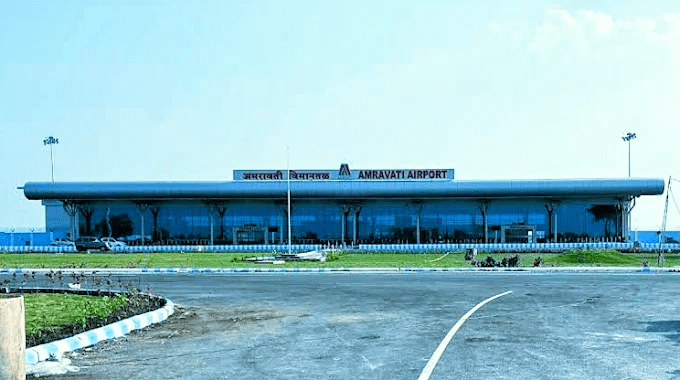
The Multi-modal International Cargo Hub and Airport at Nagpur (MIHAN) provides strategic advantages for Patanjali’s plant. With superior connectivity and infrastructure, MIHAN ensures seamless distribution of processed goods across domestic and international markets.

Inauguration Event and Key Attendees

The grand inauguration of the Patanjali Mega Food and Herbal Park will take place on March 9. Dignitaries attending the event include:

  • Union Minister Nitin Gadkari
  • Maharashtra Chief Minister Devendra Fadnavis
  • Yoga Guru Baba Ramdev
  • Managing Director Acharya Balkrishna

How This Plant Will Revolutionize Agriculture in Vidarbha

Vidarbha, known for its agricultural potential, has faced challenges due to fluctuating prices and lack of infrastructure. Patanjali’s food park aims to address these issues by:

  • Providing a stable market for local farmers
  • Offering fair pricing for agricultural produce
  • Reducing post-harvest losses through advanced storage and processing

The Largest Orange Processing Unit in Asia

One of the standout features of this plant is its orange processing unit, which is the largest and most advanced in Asia. This unit will:

  • Process oranges and their byproducts
  • Ensure minimal wastage with innovative techniques
  • Boost export potential for Indian citrus fruits

Sustainability and Eco-Friendly Practices

Patanjali Ayurved is committed to sustainable practices. The plant incorporates:

  • Renewable Energy Usage: Solar and biogas systems to power operations
  • Waste Management: Efficient disposal and recycling systems
  • Water Conservation: Advanced water treatment and reuse technology

Economic Impact on the Region

The establishment of this mega plant is expected to:

  • Create thousands of direct and indirect jobs
  • Enhance Nagpur’s position as a food processing hub
  • Increase farmers’ profitability by reducing reliance on middlemen

Technological Innovations in the Facility

The plant is equipped with cutting-edge food processing technology, including:

  • Automated Sorting and Grading: Ensuring high-quality output
  • Cold Storage Facilities: Extending shelf life and reducing waste
  • Advanced Packaging Systems: Meeting international export standards

Patanjali’s Expansion Plans

This mega food processing unit is part of Patanjali’s broader strategy to expand its footprint in the FMCG and agricultural sectors. Future plans include:

  • Setting up similar plants in other parts of India
  • Strengthening export capabilities
  • Launching new organic and processed food products

Support from Government Policies

The Indian government has been actively promoting food processing through various policies and incentives. Patanjali’s project aligns with initiatives like:

  • Make in India
  • Agri-Export Promotion Policies
  • Subsidies for Food Processing Units

How Farmers Will Benefit from This Project

With Patanjali’s direct sourcing approach, farmers can expect:

  • Better Prices: Eliminating middlemen ensures fair compensation
  • Technical Support: Training programs to improve agricultural practices
  • Market Stability: Assured demand for produce leads to reduced financial risks

Challenges and Possible Solutions

While the project is promising, potential challenges include:

  • Raw Material Supply: Ensuring a consistent supply of quality produce
  • Logistics and Distribution: Overcoming transportation hurdles
  • Regulatory Compliance: Meeting food safety and environmental standards

Patanjali’s Rs 1,500 crore food processing plant in Nagpur marks a transformative step for India’s agricultural sector. By providing farmers with better opportunities and integrating cutting-edge technology, this facility is set to boost India’s food processing capabilities. As the plant begins operations, it promises to bring economic prosperity, employment, and global recognition to the Vidarbha region.

1. What is the investment amount for Patanjali’s Nagpur plant?

The plant has been built with an investment of Rs 1,500 crore.

2. What is the processing capacity of the plant?

The facility has a daily capacity of 800 tonnes for processing fruits and vegetables.

3. How will farmers benefit from this project?

Farmers will receive better prices, technical support, and assured demand for their produce.

4. What makes the orange processing unit unique?

It is the largest and most advanced orange processing facility in Asia, designed to maximize efficiency and minimize waste.

5. How does the plant contribute to sustainability?

The facility incorporates renewable energy, waste management systems, and water conservation techniques to ensure eco-friendly operations.

RTO Flyover Nears Completion, Expected to Open by June 1

RTO Flyover Nagpur : The long-awaited RTO Flyover in Nagpur, aimed at easing traffic congestion on Amravati Road, is finally in its last phase of construction. The Public Works Department (PWD), which is overseeing the project, expects completion by May 31, despite facing challenges such as land acquisition and bridge reconstruction. Once opened, the flyover will significantly improve traffic movement in one of the city’s busiest corridors.

Project Overview

Why is the RTO Flyover Important?

  • Reduces Traffic Congestion: The flyover will provide seamless movement of vehicles, reducing bottlenecks.
  • Improves Connectivity: Links key areas including University Campus Square and Bole Petrol Pump Square.
  • Enhances Safety: Eliminates chaotic intersections and minimizes accident risks.

Project Cost and Scope

  • Total Length: 2.85 km
  • Cost: Rs 245 crore
  • Part of ARTIP: An initiative under the Amravati Road Traffic Improvement Project (ARTIP)
  • Executing Body: National Highway (NH) Division of PWD

Construction Progress and Challenges

Current Construction Status

As per PWD officials, approximately 90% of construction is complete. The flyover structure is nearly finished, with just a few critical areas pending completion.

Key Milestones Achieved

Flyover slab completed, except for Ravi Nagar Square. ✅ Law College Square girders placed and ready for traffic. ✅ Ultra High-Performance Fiber Reinforced Concrete (UHPFRC) used to avoid pillars at major junctions. ✅ New bridge construction near RTO underway.

Remaining Work

Slab completion over Ravi Nagar Square (Expected in 20 days).Reconstruction of old Ravi Nagar bridge (To begin in 10 days).Land acquisition near RTO for RE Wall.Approval for tree-cutting permits.

Technology Used in Construction

What is Ultra High-Performance Fiber Reinforced Concrete (UHPFRC)?

The PWD has employed cutting-edge Malaysian technology (UHPFRC) to construct key portions of the flyover without placing pillars at major intersections. This enhances durability and minimizes disruptions at Ravi Nagar Square and Law College Square.

Challenges Delaying Completion

Land Acquisition Issues

One of the primary roadblocks has been the delayed approval for land acquisition near RTO, crucial for constructing the flyover’s RE Wall.

Delays in Tree Cutting Permissions

  • The Nagpur Municipal Corporation (NMC) has requested objections before granting tree-cutting approvals.
  • PWD planted 5,100 trees as compensation, yet approvals remain stalled.

Bridge Reconstruction Delays

  • The bridge near RTO, which is over 50 years old, is being rebuilt to accommodate the flyover.
  • Another bridge at Ravi Nagar Square is set for demolition and reconstruction, causing further road closures.

Expected Traffic Impact During Final Phase

  • Law College Square to Bole Petrol Pump remains closed due to ongoing bridge work.
  • Traffic diversions will continue until at least one side of the bridge is completed.
  • PWD aims to minimize disruptions, but some inconvenience is unavoidable until full completion.

Public Reactions and Expectations

Residents and daily commuters have mixed feelings about the project. While most welcome the infrastructure upgrade, many have expressed frustration over the delays. Local businesses along Amravati Road have reported a decline in foot traffic due to prolonged construction activities.

Government’s Response and Future Plans

Officials have assured that all pending approvals will be expedited. Additional road improvements, including footpath development and resurfacing, will be undertaken post-flyover completion.

The RTO Flyover project is a game-changer for Nagpur’s traffic management. Despite facing obstacles, its completion by May 31, 2025, is expected to bring much-needed relief to thousands of commuters. Once operational, it will enhance connectivity, reduce congestion, and ensure safer road conditions.


1. What is the current status of the RTO Flyover construction?

The flyover is 90% complete, with final touches including the slab over Ravi Nagar Square and bridge reconstruction pending.

2. When will the RTO Flyover officially open?

The PWD expects to complete construction by May 31, 2025, with an official opening anticipated by June 1, 2025.

3. Why is the RTO Flyover important for Nagpur?

The flyover aims to decongest Amravati Road, improve traffic flow, and enhance overall road safety for commuters.

4. What challenges have delayed the project?

Delays in land acquisition, tree-cutting permits, and bridge reconstruction have extended the project timeline.

5. Will there be further road closures due to construction?

Yes, certain road sections will remain closed, and traffic diversions will be in place until the work is fully completed.

Nagpur Sees Increase in Female Birth Rate in 2024

Nagpur Female Birth Rate 2024: Nagpur has witnessed a notable shift in birth trends in 2024, with the sex ratio at birth (SRB) showing significant improvement. Despite an overall drop in the number of newborns, the rise in female births is seen as a positive outcome of government policies and societal changes.

Understanding the Birth Rate Decline

Falling Fertility Rates

The city’s birth rate has been on a downward trend, aligning with the national fertility rate of 2.03 children per woman. Several factors contribute to this decline:

  • Increased awareness about family planning
  • Rising infertility rates
  • Lifestyle-induced health issues
  • Higher stress levels among urban women
  • Preference for smaller families

Historical Birth Rate Trends | Nagpur Female Birth Rate 2024

Over the past decade, Nagpur has recorded an average of 54,000 births annually. However, 2024 saw a drop to 43,906 births, indicating a significant decrease in birth rates, excluding the pandemic years.

Sex Ratio at Birth (SRB) Improvements

A Shift Towards Gender Balance

The SRB in 2024 reached 950 females per 1,000 males, up from 947 in 2023 and 923 in 2022. This marks a steady progress towards gender parity, closer to the natural sex ratio of 952/1,000.

Statistical Breakdown

  • 2024 Births: 43,906 total births
    • Male: 22,511 births
    • Female: 21,391 births
    • Transgender: 4 births

Factors Contributing to the Increasing Female Birth Rate

Implementation of the PCPNDT Act

The Pre-Conception and Pre-Natal Diagnostic Techniques (PCPNDT) Act has been strictly enforced to prevent sex-selective abortions. This has contributed significantly to the rising female birth rate.

Government Awareness Campaigns

Programs promoting gender equality and discouraging gender-based abortions have been effective in changing mindsets. Initiatives like Beti Bachao, Beti Padhao have played a crucial role.

Changing Societal Perceptions

More families are now embracing the birth of daughters, thanks to better education, employment opportunities, and women’s empowerment initiatives.

Challenges in Maintaining Balanced Birth Rates

Infertility and Stress Among Urban Women

  • Modern lifestyles contribute to increased infertility rates.
  • Urban stress levels impact conception and pregnancy.
  • Delayed marriages and late pregnancies affect fertility trends.

Migration and Birth Rate Records

A segment of births is recorded outside municipal limits due to migration, impacting local birth rate statistics.

Expert Opinions

Dr. Sarla Lad’s Insights

Dr. Sarla Lad, Reproductive Child Health (RCH) and PCPNDT Act in charge at NMC, confirms that the increasing SRB is in line with expectations. She emphasizes:

  • The effectiveness of the PCPNDT Act in reducing illegal sex determination.
  • Close monitoring of sonography centers and maternity homes.
  • Growing acceptance of smaller families and childfree lifestyles.

Future Projections

  • Continued gender balance improvement is expected with persistent government efforts.
  • Declining total birth rates will likely continue due to changing family structures.
  • Better healthcare and fertility treatments may influence birth trends.

Nagpur’s increasing female birth rate in 2024 is a positive step towards gender equality. While the overall birth rate continues to decline, the shift in SRB reflects successful policy implementation and evolving societal attitudes. Continuous efforts in healthcare, education, and law enforcement will be key to sustaining this progress.

1. Why is the birth rate declining in Nagpur?

The decline is due to increased family planning awareness, higher infertility rates, urban stress, and a preference for smaller families.

2. What does an improved sex ratio mean for Nagpur?

A better SRB indicates reduced gender-based abortions, shifting societal attitudes, and effective legal enforcement.

3. How has the PCPNDT Act influenced the birth ratio?

Strict implementation of the PCPNDT Act has significantly reduced illegal sex determination practices, leading to more balanced birth ratios.

4. Will the birth rate continue to drop in the future?

Given current trends in family planning and lifestyle changes, the birth rate is expected to decline further.

5. How can Nagpur maintain a balanced sex ratio?

Ongoing awareness campaigns, strict legal measures, and changing mindsets will help sustain the balanced female-to-male birth ratio.

Nagpur to Get Maharashtra’s Tallest Shiv Statue at 108 Feet

Nagpur Shiva Statue 108 Feet: Nagpur is set to make history with the construction of Maharashtra’s tallest Shiva statue, standing at an impressive 108 feet. This monumental structure will be built on the banks of the Wainganga River in Ambora, Bhandara district, further strengthening the region’s reputation as a spiritual and religious tourism hub.

A New Iconic Landmark in Maharashtra

The upcoming Shiva statue is part of a broader initiative to enhance Nagpur’s religious significance. It will accompany the ongoing construction of the 151-foot NMRDA Hanuman Statue, positioning the city as a key center for religious landmarks in India.

Project Overview: Bringing the Statue to Life

1. Engineering and Oversight

The Maharashtra government has entrusted the Executive Engineer of the Gosikhurd Dam Division with the responsibility of overseeing the project. This ensures that the statue’s construction adheres to the highest safety and engineering standards.

2. Geotechnical Investigations

Soil testing for the project was conducted between January 28 and February 5, 2025, revealing a composition of black soil, sand boulders, and soft rock. The water table was recorded at a depth of 4 meters, confirming site suitability for the massive structure.

3. Estimated Cost and Budgeting

While the final cost has not been disclosed, similar large-scale statues in India have required budgets ranging between ₹75 crore to ₹200 crore. Given its scale and design, this project is expected to fall within a similar range.

A Closer Look at Shiva Statues Across India

Maharashtra’s 108-foot Shiva statue will surpass Nashik’s 85-foot structure, making it the tallest in the state. However, it will still be smaller than some of India’s largest Shiva statues, such as:

  • Murudeshwar’s 123-foot Shiva Statue (Karnataka)
  • Har Ki Pauri’s 100-foot Shiva Statue (Haridwar)
  • Namchi’s 118-foot Shiva Statue (Sikkim)

Spiritual and Cultural Significance

1. Strengthening Spiritual Tourism

Nagpur is rapidly emerging as a major hub for spiritual tourism, attracting thousands of devotees annually. The Shiva statue will further cement the city’s status as a key pilgrimage destination in Maharashtra.

2. Religious Importance of Lord Shiva

Lord Shiva, known as the destroyer and transformer, holds immense significance in Hindu mythology. His towering statue will symbolize strength, peace, and devotion for visitors.

Economic and Tourism Impact

1. Boosting Local Economy

The construction and eventual tourism around the Shiva statue are expected to generate employment opportunities for local businesses, vendors, and artisans.

2. Enhancing Infrastructure Development

With increasing tourism potential, the surrounding area will likely witness infrastructure improvements, including better roads, hospitality services, and public transport.

Construction Timeline and Expected Completion

The foundation work is expected to commence soon, with full-fledged construction projected to be completed within the next few years. Once finished, it will become a must-visit attraction for devotees and tourists alike.

How to Reach the Shiva Statue in Ambora

  • By Road: Well-connected highways make the site easily accessible by car or bus from Nagpur.
  • By Rail: Nagpur Railway Station is the nearest major railway hub, with local transport options available to reach the site.
  • By Air: Dr. Babasaheb Ambedkar International Airport in Nagpur is the closest airport, approximately 70 km from the site.

The 108-foot Shiva statue in Nagpur is set to become a landmark of religious and cultural significance. Not only will it surpass Maharashtra’s existing Shiva statues in height, but it will also elevate Nagpur’s status as a prime spiritual destination. With construction about to begin, the anticipation surrounding this monumental project continues to grow.

1. What makes this Shiva statue unique?

This will be Maharashtra’s tallest Shiva statue at 108 feet, surpassing Nashik’s 85-foot statue and enhancing Nagpur’s spiritual tourism.

2. Where will the statue be located?

The statue will be constructed on the Wainganga River banks in Ambora, Bhandara district, near Nagpur.

3. How much will the project cost?

The government has not disclosed the exact cost, but similar projects in India range from ₹75 crore to ₹200 crore.

4. When will the construction be completed?

The exact timeline is yet to be announced, but construction is expected to commence soon and may take a few years to complete.

5. How will the statue impact Nagpur’s tourism?

The statue will attract religious tourists, boosting local businesses, creating jobs, and improving infrastructure in the region.

Nagpur’s Policing Expansion: Six New Stations to Enhance Safety

In a significant move to bolster law enforcement and ensure the safety of its residents, Nagpur is set to establish six new police stations. This initiative aims to address the city’s growing population and the corresponding need for enhanced security measures.

The Need for Expansion

Nagpur’s rapid urbanization has led to an increased demand for effective policing. The existing police stations often find themselves stretched thin, managing vast jurisdictions that encompass both urban and rural areas. By introducing six new stations, the authorities aim to distribute the workload more evenly, ensuring quicker response times and more efficient law enforcement.

Planned Locations for the New Stations

While the exact locations for all six stations are yet to be finalized, certain areas have been identified based on crime rates, population density, and strategic importance. These include:

  • Pardi: Previously, Pardi and Wathoda police stations were inaugurated to ease the burden on existing stations.

  • Wathoda: This area has seen significant development, necessitating dedicated policing.

  • Kapil Nagar: Inaugurated alongside Pardi and Wathoda, this station addresses the needs of its growing community.

The remaining three stations will be established in areas identified through comprehensive crime data analysis and community feedback.

Impact on Existing Police Jurisdictions

The introduction of new stations will lead to a reorganization of existing police boundaries. This restructuring aims to:

  • Reduce Workload: Alleviate the pressure on overburdened stations by redistributing responsibilities.

  • Enhance Community Policing: Allow officers to focus on smaller areas, fostering better relationships with residents.

  • Improve Response Times: With more stations strategically located, emergency response times are expected to decrease.

Technological Advancements in Policing

Nagpur’s commitment to modernizing its police force is evident through several initiatives:

  • Command and Control Center: In 2024, Nagpur launched India’s most advanced ‘Command and Control Center’, integrating thousands of CCTV cameras to monitor the city effectively.

  • CCTV Surveillance: As of January 2025, 495 CCTV cameras have been installed across 33 police stations in Nagpur city, enhancing transparency and security.

Community Engagement and Feedback

The success of any policing initiative relies heavily on community involvement. Authorities plan to:

  • Conduct Public Consultations: Gather input from residents about their safety concerns and expectations.

  • Establish Community Policing Units: Foster collaboration between police officers and community members to address local issues proactively.

Training and Capacity Building

To ensure that the new stations operate effectively:

  • Specialized Training Programs: Officers will undergo training in community policing, cybercrime detection, and emergency response.

  • Resource Allocation: Provision of modern equipment and vehicles to enhance operational efficiency.

Challenges Ahead

While the expansion is a positive step, several challenges need addressing:

  • Recruitment: Hiring qualified personnel to staff the new stations.

  • Infrastructure Development: Constructing facilities that meet modern policing standards.

  • Budgetary Constraints: Ensuring that the expansion is financially sustainable without compromising other essential services.

The establishment of six new police stations in Nagpur signifies a proactive approach to urban safety and security. By addressing current challenges and anticipating future needs, the city aims to create a safer environment for all its residents.

1. When will the new police stations be operational?

The timeline for the operationalization of the new stations is yet to be announced. Authorities are in the planning and development phase.

2. How were the locations for the new stations chosen?

Locations were selected based on factors like crime rates, population density, and community feedback.

3. Will there be additional recruitment for the new stations?

Yes, to ensure effective functioning, there will be recruitment drives to staff the new stations adequately.

4. How will this expansion affect the existing police stations?

Existing stations will experience a redistribution of their jurisdictions, leading to reduced workloads and more focused policing.

5. What technological advancements will the new stations have?

The new stations will be equipped with modern facilities, including advanced communication systems and integrated CCTV surveillance.

Repair Plan Finalized for Butibori Flyover After 2-Month Delay

Butibori Flyover Repair Plan: More than two months after the partial collapse of the Butibori flyover, authorities have finally agreed on a detailed repair strategy. The flyover’s weight-bearing capacity will be reinforced using advanced construction techniques to ensure long-term safety.

Background of the Butibori Flyover Collapse

The Butibori flyover, constructed just 3.5 years ago, recently showed alarming structural weaknesses. Cracks, misalignment, and instability led to a detailed review of its design and construction quality.

Structural Weaknesses Identified

Experts have identified multiple flaws in the flyover, including:

  • Faulty Cantilever Support: The previous structure suffered from inadequate reinforcement.
  • Weak Load-Bearing Capacity: Insufficient materials contributed to premature wear.
  • Poor Maintenance: Delayed inspections led to unnoticed structural damage.

Recent Repairs and Strengthening Measures

Last week, repair crews focused on the cantilever sections, reinforcing studs and applying additional support layers. However, the exact post-repair load capacity remains undisclosed by the National Highways Authority of India (NHAI).

NHAI Under Pressure to Deliver Results

NHAI has been under immense scrutiny due to repeated infrastructure failures. With public frustration mounting, authorities are expediting solutions while ensuring compliance with safety standards.

Meeting at VNIT: Key Decisions Taken

A crucial meeting at Visvesvaraya National Institute of Technology (VNIT) finalized the repair plan, including:

  • Material Selection: High-strength concrete and reinforced steel will be used.
  • Repair Timeline: Estimated completion within 45 days, but the start date remains unclear.
  • Structural Reinforcement Plan: Additional layers will be applied to improve weight distribution.

Appointment of a Specialist Agency

Given the complexity of the repairs, a specialist agency will oversee the project. Currently, three firms are being considered, with a final decision expected within the next few days.

Expected Timeline for Repairs

  • Agency Appointment: Within 3 days
  • Start Date Confirmation: Pending NHAI approval
  • Estimated Completion: By the end of April

Traffic Disruptions and Public Frustration

The delay in repairs has caused major congestion under the flyover. Commuters face extended travel times, increased fuel costs, and frustration due to unclear timelines.

Why Was the Flyover Damaged So Soon?

Infrastructure experts have raised concerns over:

  1. Inferior Construction Materials
  2. Lack of Quality Inspections
  3. Flawed Engineering Design

Impact on Commuters and Businesses

  • Increased Travel Time: Daily commutes have extended by 20–30 minutes.
  • Economic Losses: Businesses suffer due to transportation delays.
  • Environmental Impact: Higher emissions due to traffic congestion.

Public Reactions and Concerns

  • Commuters demand a quicker resolution.
  • Local businesses report declining sales.
  • Citizens call for stricter quality checks on new infrastructure projects.

NHAI’s Next Steps

  • Implement stricter quality control measures.
  • Ensure timely inspections of existing flyovers.
  • Increase transparency regarding repair updates.

The repair of the Butibori flyover is long overdue. While the finalized plan offers hope, the lack of a clear start date leaves commuters uncertain. Authorities must ensure that this repair process is swift, effective, and prevents similar failures in the future.

1. When will the Butibori flyover repairs begin?

The exact start date remains unconfirmed, but officials estimate the work to be completed by April.

2. What caused the damage to the Butibori flyover?

The damage was primarily due to weak construction materials, flawed engineering design, and inadequate maintenance.

3. How will the repairs strengthen the flyover?

Repairs will include reinforced layers, additional support structures, and upgraded materials to improve load-bearing capacity.

4. Will traffic be diverted during repairs?

Authorities have not announced diversions yet, but significant congestion is expected.

5. What measures are being taken to prevent future flyover failures?

NHAI plans to enforce stricter quality control, conduct regular inspections, and enhance structural safety standards.

Nagpur’s Historic Cotton Market Set for a Smart, Eco-Friendly Makeover

Nagpur Cotton Market Makeover: Nagpur’s historic Cotton Market in Sitabuldi is undergoing a major transformation. The Nagpur Municipal Corporation (NMC), in partnership with the Maharashtra State Infrastructure Development Corporation Limited (MSIDC), has unveiled a redevelopment plan that promises a modern, sustainable, and eco-friendly commercial hub. This initiative aims to preserve the market’s rich heritage while incorporating state-of-the-art infrastructure and green technology.

A Vision for Sustainable Urban Renewal

The redevelopment project, known as the Sustainable & Holistic Urban Renewal and Transformation of NMC’s Cotton Market Site (Phase-1), aims to breathe new life into this historic trading hub.

Key Highlights of the Project | Nagpur Cotton Market Makeover

  • Project Area: 9,875 square meters
  • Two High-Rise Towers:
    • 24-floor tower – Residential units and serviced apartments
    • 20-floor tower – Commercial office spaces and retail outlets
  • Connectivity: The two towers will be linked by a banquet hall on the 4th floor
  • Facilities:
    • 500 retail units
    • 200 office spaces
    • 50 hotel rooms
    • 80 serviced apartments
    • Multi-level parking for 304 vehicles
    • Modern public toilets
    • Landscaped green areas

Revamping Commercial and Retail Spaces

One of the primary goals of the project is to restructure the existing commercial and retail spaces while ensuring that existing shop owners and hawkers retain their businesses.

Rehabilitation of Shop Owners and Hawkers

  • 2,200 square meters have been reserved for shopkeepers
  • Spaces will be provided at construction cost rates
  • A designated hawker zone with specially designed ottas for street vendors

This ensures that the transformation is inclusive, allowing traditional traders and small vendors to continue their operations in an organized, well-planned environment.

Eco-Friendly and Smart Infrastructure

The project integrates cutting-edge sustainable technologies to promote environmental conservation and energy efficiency.

Green Building Certifications

The redevelopment will adhere to:

  • IGBC Platinum Certification
  • GRIHA 5-Star Green Building Standards

Renewable Energy Integration

  • Solar and wind energy systems to power commercial and residential spaces
  • Rainwater harvesting to conserve water
  • Green roofs and energy-efficient HVAC systems
  • Smart lighting and waste management systems

Advanced Waste Management Solutions

A comprehensive waste management system will be implemented, featuring:

  • On-site composting units for organic waste
  • Segregated waste collection for efficient recycling
  • Sustainable sewage and drainage systems

Boosting Nagpur’s Commercial Landscape

This project is set to elevate Nagpur’s urban appeal by:

  • Attracting new businesses and investors
  • Providing modern office and retail spaces
  • Enhancing urban living with state-of-the-art residential facilities

Economic Impact

  • Increased employment opportunities through retail, hospitality, and office spaces
  • Higher property values due to modern infrastructure
  • Greater tourism appeal with improved aesthetics and public amenities

Budget and Timeline

The redevelopment comes with an estimated budget of ₹376 crore, ensuring that the transformation is well-funded and strategically executed.

Nagpur’s Cotton Market redevelopment is more than just an infrastructure upgrade—it is a blueprint for a sustainable urban future. By blending modernization with heritage conservation, the project ensures that this historic marketplace remains relevant, vibrant, and eco-friendly for generations to come.

1. What is the main objective of Nagpur’s Cotton Market redevelopment?

The project aims to modernize the market with sustainable infrastructure while preserving its historical significance and supporting local traders.

2. How will shop owners and hawkers be accommodated?

A dedicated space of 2,200 square meters has been allocated for shopkeepers at construction cost rates, along with a designated hawker zone.

3. What green technologies are being used in the redevelopment?

The project incorporates solar and wind energy, rainwater harvesting, green roofs, and efficient waste management systems to meet IGBC Platinum and GRIHA 5-Star certifications.

4. What types of facilities will be available in the new Cotton Market?

The market will feature retail units, office spaces, hotel rooms, serviced apartments, banquet halls, multi-level parking, and modern public amenities.

5. When is the project expected to be completed?

The exact timeline is yet to be announced, but the project is estimated to be completed within the next few years as per government planning.

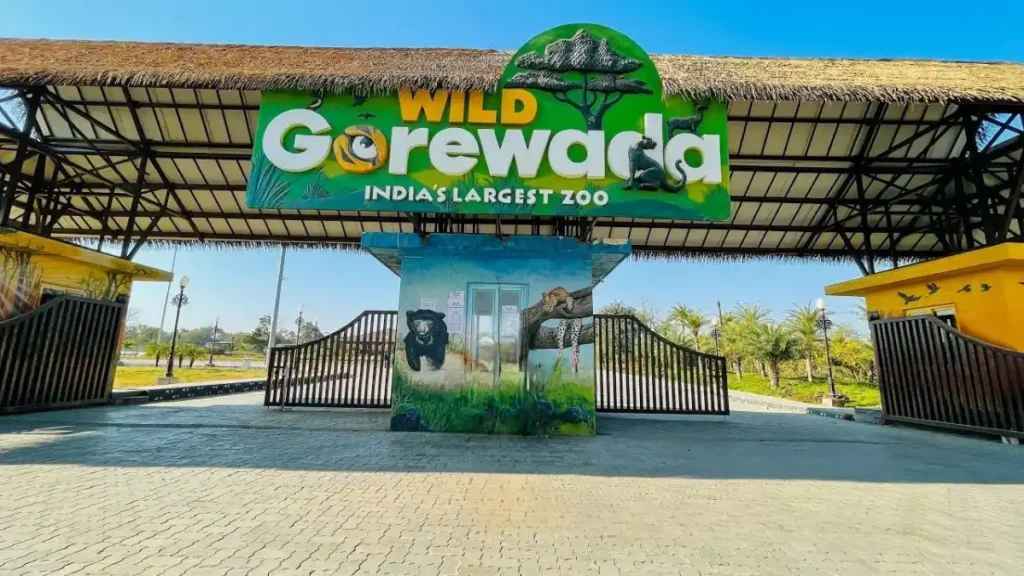
Gorewada Zoo to Get African Grey Parrots in Exchange for Two Tigers

Nagpur’s Gorewada Zoological Park is set to welcome a new attraction—African Grey Parrots! In a fascinating exchange, the zoo will receive these highly intelligent birds from Tata Steel Zoological Park, Jamshedpur, in return for two tigers. This strategic swap, approved by the Central Zoo Authority (CZA), aims to enhance the zoo’s biodiversity while addressing its tiger overpopulation issue.

Why the Exchange?

Gorewada Zoo currently houses 16 tigers, leading to overcrowding at its rescue center. Moving two tigers to Jamshedpur provides them with a better environment while making space for the new arrivals.

The Role of the Central Zoo Authority (CZA)

The CZA plays a crucial role in overseeing and approving animal exchanges in Indian zoos. This ensures ethical and scientific management of wildlife while promoting genetic diversity in captive populations.

Who Are the Newcomers? African Grey Parrots

African Grey Parrots are renowned for their extraordinary intelligence and speech-mimicking ability. Native to the dense forests of West and Central Africa, these birds are a prized attraction in many wildlife parks worldwide.

Why Are African Grey Parrots Special?

  • Exceptional Intelligence – They have cognitive abilities comparable to a 4-year-old child.
  • Mimicry Skills – These parrots can learn and repeat over 1,000 words.
  • Protected Species – Due to illegal wildlife trade, they are listed under CITES Appendix I, meaning strict regulations govern their captivity.

Where Will They Be Kept?

The new African Grey Parrots will be showcased in Gorewada Zoo’s upcoming Walking Trail Attraction, expected to open by June. This will provide visitors an up-close experience with these fascinating creatures.

A History of Animal Exchanges at Gorewada

Gorewada Zoo has previously exchanged animals to maintain genetic diversity. Some past trades include:

  • Blackbucks
  • Spotted Deer
  • Wolves
  • Hyenas
  • A Sloth Bear These exchanges help zoos maintain healthy animal populations while ensuring better living conditions.

The Tigers Being Moved

The two tigers being relocated are selected based on their health, age, and genetic compatibility with the new environment. This move ensures they have the best possible habitat for their well-being.

The Safari Tigers’ Replacement

Apart from the exchange, two safari tigers—Lee and Rajkumar—will be replaced with a new pair. These tigers, having spent several years at Gorewada, will be retired, making way for fresh additions.

How Will This Benefit the Zoo?

  1. Better Space Management – Reducing overcrowding in the tiger enclosures.
  2. Enhanced Attractions – Introducing a highly engaging species for visitors.
  3. Biodiversity Conservation – Supporting global conservation efforts by maintaining genetic diversity.

Visitor Reactions and Expectations

The news of African Grey Parrots joining the zoo has already created a buzz among visitors. Their impressive speaking abilities and engaging behavior make them an anticipated highlight.

Conservation Efforts and Ethical Wildlife Management

Animal exchanges must be done responsibly. Gorewada follows strict ethical guidelines to ensure that such relocations do not harm the animals but instead improve their quality of life.

Educational Opportunities with the New Addition

With the arrival of African Grey Parrots, the zoo plans to organize:

  • Interactive Sessions – Demonstrating their cognitive skills.
  • Awareness Programs – Educating visitors on illegal wildlife trade.
  • Conservation Workshops – Promoting ethical treatment of exotic animals.

How Do Such Exchanges Work?

Zoo exchanges involve multiple steps:

  1. Identification of Surplus Animals – Selecting animals that need relocation.
  2. Approval from CZA – Ensuring the exchange meets legal and ethical guidelines.
  3. Transportation Arrangements – Safely moving animals between zoos.
  4. Acclimatization Process – Helping new animals adjust to their new surroundings.

The arrival of African Grey Parrots at Gorewada Zoo marks a significant step in enhancing its attractions while responsibly managing its wildlife. This exchange benefits both tigers and parrots, ensuring they receive the best care possible. As we eagerly wait for the parrots’ grand debut in the Walking Trail, one thing is certain—this new feathered addition will charm visitors and strengthen the zoo’s commitment to conservation.

1. Why is Gorewada Zoo exchanging tigers for African Grey Parrots?

Gorewada Zoo is dealing with tiger overcrowding and aims to introduce new attractions to diversify its animal exhibits. The exchange helps both zoos by balancing their animal populations.

2. When will the African Grey Parrots arrive at Gorewada Zoo?

The parrots are expected to arrive after the tigers are relocated, and they will be part of the Walking Trail Attraction opening in June.

3. What makes African Grey Parrots special?

These parrots are extremely intelligent, capable of mimicking human speech, and are one of the most cognitively advanced bird species.

4. How does the zoo ensure the safety of exchanged animals?

All exchanges are approved by the Central Zoo Authority (CZA), ensuring ethical and legal transfers with proper acclimatization plans for the animals.

5. Will the zoo conduct educational programs on African Grey Parrots?

Yes, the zoo plans to organize interactive sessions, awareness programs, and conservation workshops to educate visitors about these remarkable birds and the importance of wildlife conservation.

Dhapewada’s Transformation: Vitthal Rukmini Mandir’s Multi-Faceted Development Plan

Dhapewada Temple Development: Dhapewada is on the brink of a remarkable transformation. With the recent unveiling of a comprehensive development plan, including multiple infrastructure projects, the village is poised to emerge as the ‘Mini Pandharpur.’ This ambitious initiative, led by Union Minister Nitin Gadkari, focuses on upgrading amenities at the revered Vitthal Rukmini Mandir while enhancing the surrounding infrastructure for pilgrims and residents alike.

Key Developments Under the Shri Vitthal Mandir Devsthan Development Plan

1. A Water Treatment Plant for Clean and Safe Water

One of the most significant additions to Dhapewada’s infrastructure is the construction of a water treatment plant. This facility aims to ensure safe and clean drinking water for both pilgrims and locals, addressing a long-standing need for improved water quality.

2. River Deepening and Widening of Chandrabhaga

To combat water shortages and enhance irrigation, the Chandrabhaga River near the temple will undergo deepening and widening. This project is expected to boost agricultural productivity and provide an uninterrupted supply of water for daily use.

3. Enhanced Amenities Within the Temple Premises

Pilgrims visiting Vitthal Rukmini Mandir can look forward to an upgraded experience with several newly planned amenities:

  • A spacious waiting hall for devotees.
  • A dedicated prayer room for peaceful worship.
  • A modern parking facility to accommodate an increasing number of visitors.
  • A new administrative building for efficient temple management.

4. Underground Drainage System for Better Sanitation

To improve hygiene and sanitation in Dhapewada, an underground drainage system will be constructed. This will prevent waterlogging and enhance overall cleanliness in and around the temple premises.

5. Infrastructure Upgrades for Better Connectivity

Nitin Gadkari also announced the completion of a new road connecting Karanja to Pandhurna, ensuring smoother travel for devotees and boosting regional trade.

6. The Role of State Government in Dhapewada’s Development

Chandrashekhar Bawankule, the district’s Guardian Minister, reaffirmed the State Government’s commitment to this grand plan. He emphasized that under the leadership of Chief Minister Devendra Fadnavis, the project will be executed with the highest quality standards.

Why Dhapewada is Being Called ‘Mini Pandharpur’

Pandharpur holds immense spiritual significance as the main pilgrimage site for Lord Vitthal’s devotees. With similar spiritual and infrastructural developments, Dhapewada is being positioned as a secondary hub for devotees, offering them an alternative yet equally fulfilling pilgrimage experience.

A Proposed Charity Hospital and ‘Orange Corridor’

As part of the vision for holistic development, a modern charity hospital has been proposed. Additionally, a new ‘Orange Corridor’ connecting Maharashtra and Madhya Pradesh will further facilitate economic and religious tourism.

Economic and Social Impact of These Developments | Dhapewada Temple Development

Boosting Local Economy

With improved facilities, Dhapewada is expected to attract more tourists, leading to increased employment opportunities in hospitality, retail, and transportation sectors.

Better Quality of Life for Residents

Infrastructure upgrades such as better roads, sanitation, and water supply will directly improve the living standards of Dhapewada’s residents.

Dhapewada’s transformation under the Shri Vitthal Mandir Devsthan Development Plan is a testament to the government’s commitment to enhancing pilgrimage sites while fostering overall regional growth. With these upcoming amenities, the village is set to become an iconic spiritual and economic center, drawing thousands of devotees and tourists alike.

1. What is the main goal of the development plan in Dhapewada?

The plan aims to enhance pilgrimage facilities, improve infrastructure, and boost the local economy while making Dhapewada a spiritual hub similar to Pandharpur.

2. How will the Chandrabhaga River deepening project help residents?

It will ensure better water availability for both agriculture and drinking purposes, benefiting farmers and local households.

3. What are the major infrastructure additions to the temple premises?

New facilities include a waiting hall, prayer room, modern parking space, and an administrative building to better manage pilgrim influx.

4. Will these projects generate employment opportunities?

Yes, improved tourism and infrastructure will create job opportunities in hospitality, transport, and service sectors.

5. When is the development expected to be completed?

While an exact timeline is not specified, the projects have received government approval and are expected to be completed in a phased manner.

Exit mobile version