New Year 2025: Top Parties Across Nagpur with DJs, Live Music, and Many More

New Year 2025 Nagpur Parties: The countdown to 2025 has begun! Nagpur is gearing up for an electrifying New Year’s Eve with a lineup of parties that will leave you buzzing with excitement. From DJs spinning foot-tapping beats to lavish buffets, the city has something for everyone. Let’s explore the top New Year’s Eve events in Nagpur that you simply can’t miss.

Midnight Magic at Rama Celebrations

Location: Hudkeshwar Road, Nagpur
Start Time: 5:00 PM onwards

Kickstart your New Year’s Eve with “Midnight Magic,” an event that blends upbeat music with a vibrant sundowner experience. This celebration offers:

  • Non-stop music by top DJs
  • A massive dance floor
  • A variety of delicious food and drinks

Families can enjoy a dedicated Family Zone, while couples can unwind in the romantic Couple’s Corner. Looking for luxury? The VIP Lounge provides premium seating and drinks for an elite experience. Dance the night away and welcome 2025 with joy and laughter!


No Mercy Land NYE Celebration

Location: Tuli Imperial, The Grand Ballroom, Central bazar Road, Ramdaspeth, Nagpur.
Start Time: 6:00 PM onwards

New Year 2025 Nagpur Parties: Kickstart your New Year’s Eve with “Midnight Magic,” an event that blends upbeat music with a vibrant sundowner experience. This celebration offers:

  • Non-stop music by top DJ Swattrex, DJ Aarna, DJ AJ, DJ Preet, DJ Garry.
  • A massive dance floor
  • A variety of delicious food and drinks

Families, gear up for action in the ultimate Family Zone, where fun knows no bounds! Couples, find your groove and spark the night in the electrifying Couple’s Corner. Craving top-tier vibes? The VIP Lounge delivers unmatched luxury with premium seating and exclusive drinks for those who demand the best. Get ready to party like never before, dance like there’s no tomorrow, and unleash the thrill as we welcome 2025 with sheer excitement and unstoppable energy!
📞 Call 9890903930 or book online now:
Ticket Wings | Infievent | Sort My Scene


Bello Bee Events at Boon Farms

Location: Boon Farms, Pachgaon, Umred Road, Nagpur
Start Time: 7:00 PM onwards

Experience a night of unlimited fun with Bello Bee Events at The Boon Farms. This extravaganza features:

  • Live DJ performances by DJ Viberay and Lachi Yadav
  • Unlimited dinner, cocktails, mocktails, and desserts
  • A spectacular fireworks display
  • A thrilling flairing bottle show
  • VIP tables for an exclusive experience

Stay facilities are available to ensure you can party worry-free. Get ready for a night filled with incredible vibes and memorable moments!


NYE: Nagpur’s Year’s Evolution 2025

Location: Anantara Resort, Amravati Road, Nagpur
Start Time: 8:00 PM onwards

Nagpur’s largest New Year’s Eve party awaits you at the luxurious Anantara Resort. Prepare yourself for:

  • High-energy music by top DJs
  • A cutting-edge sound, light, and visual experience
  • Stunning decor and a lively crowd
  • Unparalleled security to ensure a safe celebration

This grand venue promises an unforgettable experience with epic vibes. Don’t miss out on this one-of-a-kind event!


Havana Nights at Havana Restro

Location: Near NBP Toll Plaza, Wardha Road, Nagpur
Start Time: 8:00 PM onwards

Step into a Havana-themed ambiance at Havana Restro, featuring:

  • Live music by Kaushik’s Band
  • DJ Noisekraft’s high-energy beats
  • A special menu with delectable food options

Dance, celebrate, and welcome 2025 in style at this enchanting venue.


Spring Valley Nature Park’s New Year Eve Party

Location: Spring Valley Nature Park, Nagpur
Start Time: 7:00 PM onwards

Escape into nature while enjoying a vibrant New Year’s Eve celebration. This event offers:

  • Welcome drinks and complimentary snacks
  • Unlimited food with an elaborate menu
  • Fireworks and a bonfire
  • A pool party with DJ performances playing Bollywood, Hollywood, and Techno hits

Choose from various pass options, including:

  • Male Stag Pass: ₹1500
  • Female Stag Pass: ₹1300
  • Couple Pass: ₹2600

Each ticket ensures an unforgettable night of fun and festivities!


Celestial Countdown at Bharatbenz Warehouse

Location: Bharatbenz Warehouse, Nagpur
Start Time: 8:00 PM onwards

Ring in 2025 with the ultimate Bollywood party at Bharatbenz Warehouse. Highlights include:

  • Bollywood beats by I Am Felix, North India’s top DJ
  • Immersive sound and light setup
  • An electrifying indoor party atmosphere

Grab your tickets early to secure your spot at this high-energy event.


Terrace Party at Ray’s Restaurant and Lounge

Location: Ray’s Restaurant and Lounge, Nagpur
Start Time: 8:00 PM onwards

Celebrate New Year’s Eve under the stars at this rooftop terrace party. Enjoy:

  • A live DJ night
  • A lavish buffet
  • A countdown to 2025 with stunning views

Safety First: All attendees must be fully vaccinated, and COVID-19 protocols will be strictly enforced.


Nagpur is all set to host some of the most exciting New Year’s Eve parties this year. From luxurious resorts to nature parks and vibrant rooftop celebrations, there’s a party for everyone. So, gather your loved ones, pick your favorite event, and get ready to welcome 2025 with a bang!


1. Which is the best New Year’s Eve party (New Year 2025 Nagpur Parties) in Nagpur?
All the events listed are unique in their offerings. Choose based on your preferences, like music, food, or ambiance.

2. Are these events family-friendly?
Yes, many events, like Midnight Magic and Spring Valley’s party, have family-friendly zones.

3. Can I book tickets online?
Most events provide online booking. Check with the event organizers for details.

4. Are COVID-19 protocols being followed?
Yes, venues are implementing safety measures like vaccination requirements and social distancing.

5. What should I wear to these parties?
Dress comfortably but stylishly to match the event theme. Formal or party wear is recommended.

Butibori Flyover Reopening Awaits VNIT Stability Report

Navigating the daily grind is hard enough without bottleneck traffic ruining your plans, right? Well, if you’ve been anywhere near the Butibori flyover on NH 44 lately, you know the struggle is real. This key flyover, vital for connecting major cities like Wardha, Chandrapur, and Hyderabad, has been closed since its partial collapse earlier this week. Let’s break down what’s happening, why it’s taking so long to reopen, and what this means for commuters.


What Happened to the Butibori Flyover?

Imagine this: a massive 135-tonne heavy vehicle carrying a transformer rolls across a flyover. Sounds like the start of a thriller, but it’s real life. This colossal load proved too much for the Butibori flyover, leading to cracks, exposed iron bars, and concrete splitting apart. The result? A partially collapsed structure and a traffic nightmare.

A Brief History of the Flyover

  • Inaugurated: June 2021
  • Cost of Construction: Rs 70 crore
  • Defect Liability Period: 10 years

Despite being relatively new, the flyover’s durability was put to the test—one it sadly failed.


Current Status: Why the Delay?

Repairs are underway, but reopening isn’t happening anytime soon. Why? Authorities are waiting for a stability report from VNIT (Visvesvaraya National Institute of Technology). Until this critical report confirms the structure’s safety, the flyover will remain sealed. Safety first, always.


Challenges for Commuters

Traffic Diversion Chaos

With the flyover closed, traffic has been rerouted to the narrow service road below. The result? Congestion, delays, and frayed nerves. Here’s how it’s affecting everyone:

  • Ambulances: Struggling to navigate through the congestion.
  • Businesses and Industries: Delays in shipments impacting logistics.
  • Commuters: Long waits and endless frustration.

Efforts to Manage the Situation

NHAI’s Role

The National Highways Authority of India (NHAI) is on high alert. They’ve:

  • Closed and barricaded the affected section.
  • Installed green nets around damaged support pillars for added safety.
  • Directed the contractor to bear repair costs under the defect liability clause.

Traffic Police at Work

Local police, led by Senior Inspector Pratap Bhosale, are managing the situation on the ground. While they’ve prevented major jams, the traffic flow is far from smooth.


The Repair Process: A Closer Look

Repairing a flyover isn’t like patching a flat tire; it’s a complex process. Workers have:

  • Installed metal rods and support structures beneath the damaged section.
  • Begun concrete reinforcement to stabilize the structure.

Despite steady progress, the reopening timeline remains uncertain.


Local Voices: What Are People Saying?

Residents Speak Out

Deepak Gurjar, a local resident, shares:

“They’re making steady progress, but the reopening timeline is still unclear.”

NHAI’s Perspective

An official from NHAI emphasizes:

“Unless the VNIT report comes, the flyover cannot be reopened.”


Why VNIT’s Stability Report Matters

The VNIT stability report isn’t just paperwork; it’s the cornerstone of ensuring the flyover is safe for public use. This report analyzes:

  • Structural integrity of the flyover.
  • The extent of the damage and necessary repairs.
  • Safety benchmarks for reopening.

Without this report, reopening would be reckless.


The Broader Implications

For Commuters

The closure of the Butibori flyover serves as a stark reminder of the importance of infrastructure maintenance. Commuters are enduring delays, and the ripple effects are being felt across various sectors.

For Authorities

This incident highlights the need for stringent quality checks and robust construction practices to prevent such mishaps in the future.


What’s Next?

Interim Measures

NHAI is exploring the possibility of reopening undamaged portions of the flyover. However, this remains contingent on VNIT’s findings.

Long-Term Plans

Once repairs are complete and safety is ensured, authorities aim to implement stricter load regulations to prevent such incidents.

The Butibori flyover’s closure has thrown a wrench into the daily routines of countless commuters. As repairs continue and authorities await the VNIT stability report, the focus remains on safety and reliability. For now, patience is the only bridge across this troubled stretch.

1. When will the Butibori flyover reopen?
The reopening timeline depends on VNIT’s stability report and the completion of repairs.

2. Why was the flyover damaged?
The flyover partially collapsed under the weight of a 135-tonne vehicle, exposing construction flaws.

3. What is being done to manage traffic?
Traffic has been diverted to service roads, and local police are working to prevent jams.

4. Who is bearing the repair costs?
The contractor responsible for building the flyover will bear the repair costs under the 10-year defect liability clause.

5. What is VNIT’s role in the reopening?
VNIT is providing a critical stability report that will determine whether the flyover is safe to reopen.

Butibori Flyover Under Inspection: NHAI Mulls Partial Opening Today

Nagpur, Butibori Flyover Collapse Update: What happens when a vital piece of infrastructure falters unexpectedly? This very question loomed over Nagpur on Tuesday morning when the 1.69-km-long Butibori flyover suffered a structural failure. Constructed by the National Highways Authority of India (NHAI) at a cost of Rs70 crore, this flyover, designed to ease congestion at the bustling Butibori Industrial Area intersection, witnessed the collapse of a section. The collapse was triggered by a heavy puller vehicle carrying a transformer, leaving the city grappling with chaos and unanswered questions.

The Incident Unfolds

The collapse occurred around 9:30 AM on Tuesday, shaking the confidence in what was considered a modern engineering marvel. A cantilever section caved in by a few inches, exposing iron bars and damaging multiple support beams. This left one lane completely barricaded and traffic diverted to the service roads below. For commuters, industrial units, and emergency services, the day quickly turned into a logistical nightmare.


Immediate Response and Inspection (Butibori Flyover Collapse Update)

Expert Team Steps In

By Wednesday, an expert team comprising NHAI officials, VNIT (Nagpur) professors, and the bridge’s original designers swung into action. Their primary aim? To investigate the root cause of the collapse. Samples from the damaged sections were collected for a thorough analysis to assess structural integrity.

Initial Observations

Team observations included cracks in section joints and uneven patches at several spots. Exposed iron bars and crumbling concrete pointed to potential weaknesses in construction or maintenance. Nets were swiftly installed under damaged sections to prevent further debris from falling, while traffic police (Nagpur) worked tirelessly to manage the resulting congestion.


Possible Causes of Collapse

Overloading: A Major Suspect

While the heavy load carried by the transformer vehicle is a primary suspect, officials are hesitant to pin the blame solely on it. “Excessive load could be one reason, but we are exploring all possibilities,” stated an NHAI official.

Structural Flaws

Could there have been oversight during construction or proof-checking? The involvement of VNIT professors and IIT Bombay during the initial design phase suggests otherwise, but no hypothesis is being ruled out.

Weathering and Maintenance

Nagpur’s climate and the stress of heavy traffic might have taken a toll. Was regular maintenance conducted, or were there lapses? Only a detailed report will clarify.


Current Safety Measures

Barricades and Diversions

To ensure commuter safety, one lane beneath the flyover has been barricaded. This diversion has unfortunately led to heavy congestion on alternate routes, affecting daily commuters and emergency services.

Repair Timeline

The contractor responsible for the flyover has been tasked with grouting the damaged sections. While repairs are expected to take at least a month, NHAI is exploring the possibility of reopening unaffected sections to ease traffic.


Impact on Commuters and Businesses

Traffic Chaos

Motorists traveling towards Wardha, Chandrapur, and Hyderabad are bearing the brunt of the closure. Crawling traffic has become the norm, with even ambulances struggling to navigate through.

Economic Repercussions

Local businesses and industries in the Butibori area have reported delays in transportation, impacting productivity and supply chains.


Future Steps by NHAI

Partial Opening Plans

NHAI officials have hinted at reopening the flyover partially by Thursday afternoon. However, this will only happen after an interim safety assessment ensures no further risks.

Comprehensive Investigation

With experts from VNIT and IIT Bombay involved, the investigation aims to deliver conclusive findings soon. These results will shape repair strategies and ensure such incidents don’t recur.


The Butibori flyover collapse is a wake-up call for infrastructure planning and maintenance in India. While immediate measures are being taken to address the crisis, the incident underscores the importance of rigorous quality checks and proactive maintenance. As Nagpur’s residents await the reopening of this vital route, lessons from this incident must pave the way for safer, more reliable infrastructure across the nation.


1. What caused the Butibori flyover collapse?

The exact cause is still under investigation, but overloading and potential structural flaws are being examined.

2. When will the flyover be fully operational?

Repairs are expected to take at least a month, though partial reopening may happen soon.

3. How is traffic being managed?

Traffic has been diverted to service roads, causing significant congestion. Efforts are underway to streamline movement.

4. Who is responsible for the repairs?

The contractor who constructed the flyover has been directed to carry out the repair works under NHAI’s supervision.

5. What safety measures are in place?

Barricades, nets under damaged sections, and detailed inspections are being conducted to ensure commuter safety.

Nagpur Metro: Phase II to Expand Network by 43.8 km, Enhancing City Connectivity

The Nagpur Metro has become a transformative force in public transportation for the city of Nagpur, Maharashtra. As the “Orange City” and the geographical center of India, Nagpur is poised for rapid urban development. The introduction of the metro system by the Maharashtra Metro Rail Corporation Limited (Maha-Metro) offers a reliable, eco-friendly, and efficient mode of transportation that aims to address the city’s growing population and the increased demand for public transit. With Phase I already revolutionizing the transportation network, Phase II is set to extend the system by 43.8 kilometers, offering even greater connectivity to the city and its suburban areas.

Overview of the Nagpur Metro

Phase I: A Groundbreaking Start

Phase I of the Nagpur Metro, launched in 2022, consisted of two key corridors:

  • Orange Line (North-South Corridor): Spanning 19.65 kilometers, this line connects Automotive Square in the north to Khapri in the south. With 18 stations, including critical points like Sitabuldi Interchange, Airport South, and Ajni Square, it serves bustling residential, commercial, and industrial hubs.
  • Aqua Line (East-West Corridor): Covering 18.55 kilometers, the Aqua Line connects Prajapati Nagar in the east to Lokmanya Nagar in the west, featuring 19 stations. This corridor provides seamless access to key areas such as Kasturchand Park, Sitabuldi, and Hingna, benefiting students, professionals, and shoppers alike.

Together, these two lines form a 38.2-kilometer metro network with 36 stations and two depots (located at Mihan and Hingna). The fully operational system is already reshaping the city’s transit landscape.

Phase II Expansion: Extending the Network

The Need for Expansion

The success of Phase I has paved the way for Phase II, which will extend the metro network by 43.8 kilometers and include 32 new stations. This expansion is crucial in addressing the increasing demand for a more comprehensive transit system. With a growing population and expanding urban sprawl, the metro system will play a vital role in connecting new and existing residential, commercial, and industrial areas.

Key Extensions in Phase II

The major extensions planned for Phase II include:

  • Orange Line Extension:
    • Khapri to Butibori MIDC ESR (18.5 km): This extension will connect the northern and industrial zones of Nagpur, providing enhanced access to one of the city’s key industrial hubs.
    • Automotive Square to Kanhan River (13 km): This extension will cover important residential and commercial areas, further enhancing connectivity.
  • Aqua Line Extension:
    • Lokmanya Nagar to Hingna (6.6 km): This will improve connectivity to suburban areas and facilitate access to educational institutions and healthcare facilities.
    • Prajapati Nagar to Transport Nagar (5.5 km): This route will connect key transportation hubs, benefiting both commuters and industrial workers.

These extensions will significantly enhance the network’s reach, particularly to suburban areas, industrial zones, and underserved neighborhoods.

Cost and Funding of Phase II

The estimated cost for Phase II of the Nagpur Metro is INR 6,708 crore. The funding will come from the Government of India, Government of Maharashtra, and international agencies like the Asian Development Bank (ADB) and KfW Development Bank. This financial model ensures that the project can be completed on time and within budget, contributing to the overall growth and development of Nagpur.

Comparing Phase I and Phase II Costs

While Phase I was initially estimated at INR 8,650 crore, it eventually cost INR 9,279 crore due to unforeseen challenges. For Phase II, however, the projected cost is INR 6,708 crore, reflecting more efficient planning and implementation. These investments are expected to provide significant returns in terms of improved mobility, economic growth, and quality of life for Nagpur’s residents.

The Impact of Phase II on Nagpur’s Connectivity

Improved Connectivity for Industrial Areas

Phase II will provide improved access to Nagpur’s rapidly growing industrial zones. The extension of the Orange Line to Butibori and Kanhan River will enhance connectivity to these hubs, facilitating smoother commutes for workers and boosting industrial growth.

Connecting Suburban Regions

The Aqua Line extension will connect suburban areas like Hingna and Transport Nagar to the city center, making it easier for residents to access essential services, work, and education. This will help reduce congestion on roads and improve overall quality of life.

Reducing Traffic Congestion

With more people opting for the metro, Phase II is expected to significantly reduce traffic congestion in Nagpur. As more commuters use the metro for daily travel, fewer cars on the roads will result in smoother traffic flow, less pollution, and reduced stress for everyone.

Economic Growth and Real Estate Development

The metro’s expansion is likely to trigger further real estate development along the new corridors. Areas near metro stations are already seeing rising property values and increased business activity. As the metro becomes more accessible, property prices in surrounding areas will continue to appreciate, contributing to Nagpur’s economic growth.

Challenges and Solutions

Ridership Challenges

Since its launch, the Nagpur Metro has experienced varying ridership levels. While there was a significant spike during the Dussehra festival in October 2024, with 1.44 lakh passengers, ridership has dropped due to fare hikes. This has led to monthly operating losses of INR 25 to INR 30 million.

To address these challenges, the government and Maha-Metro will need to focus on affordable fare structures and improving last-mile connectivity. Making the metro accessible to a larger section of the population will help increase ridership and ensure the system’s long-term success.

Improving Last-Mile Connectivity

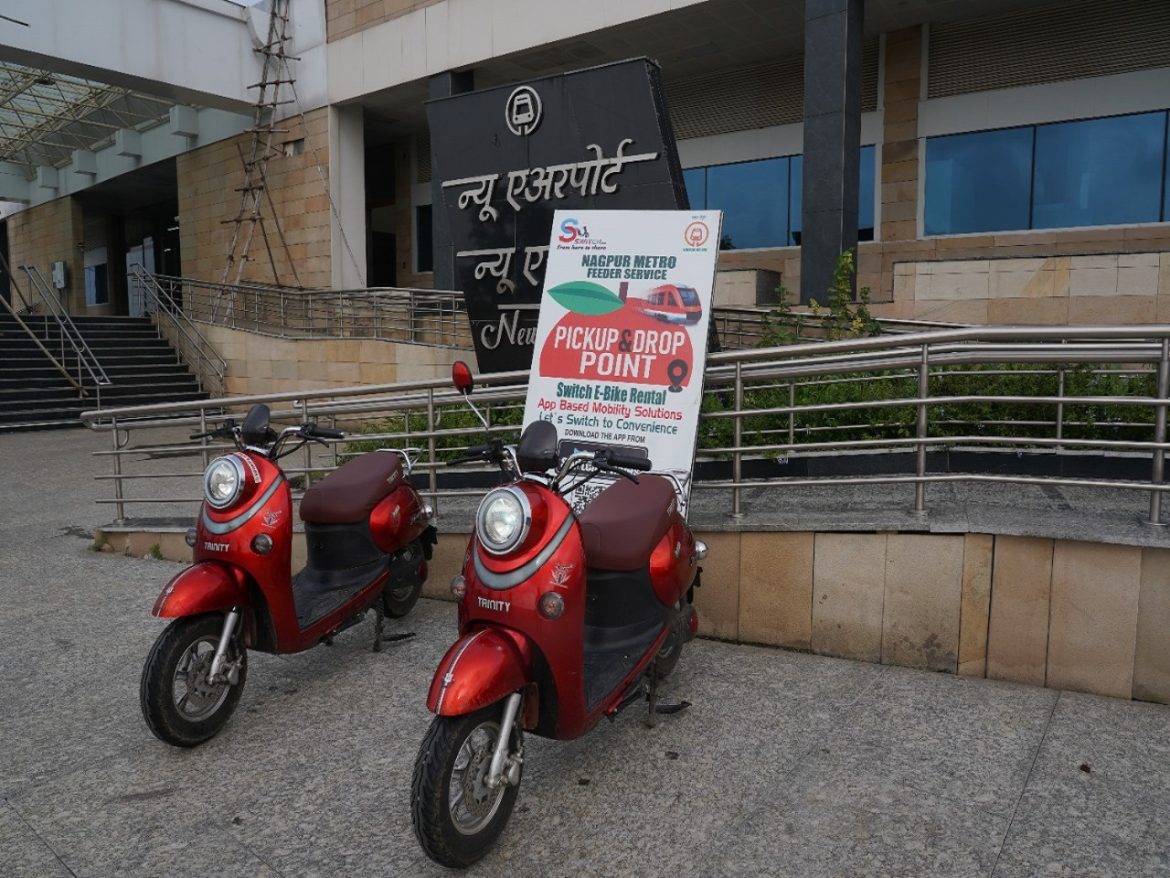
One of the most significant factors in the success of any metro system is last-mile connectivity. In Nagpur, the introduction of feeder buses, rickshaws, and bike-sharing systems will help connect metro stations to residential areas, commercial districts, and industrial zones, making it easier for commuters to access the metro.

The Future of Nagpur Metro

A Model for Other Tier-II Cities

The Nagpur Metro stands as an example of how Tier-II cities in India can leverage public transportation to promote urban development. With Phase II set to expand the metro network by an impressive 43.8 kilometers, Nagpur is on its way to becoming a model for other cities looking to modernize their transport systems.

Sustainable Urban Planning

The Nagpur Metro project is not just about expanding public transportation; it’s also a key part of the city’s sustainable urban planning. By reducing reliance on private vehicles, the metro will help reduce air pollution, mitigate traffic congestion, and create a cleaner, greener environment for future generations.

The expansion of the Nagpur Metro in Phase II is a game-changer for the city’s public transportation system. With a well-designed network of 43.8 kilometers and 32 new stations, the metro will enhance connectivity across Nagpur, linking industrial zones, suburban areas, and key commercial hubs. While challenges remain, such as improving ridership and last-mile connectivity, the future looks bright for Nagpur Metro. As the project continues to progress, Nagpur is set to become a model for smart urban development, paving the way for other cities in India to follow suit.

  1. What is the cost of Phase II of the Nagpur Metro?
    • The estimated cost of Phase II is INR 6,708 crore.
  2. What are the key extensions in Phase II of the Nagpur Metro?
    • Phase II includes extensions of the Orange Line to Butibori and Kanhan River, and the Aqua Line to Hingna and Transport Nagar.
  3. When was Phase I of the Nagpur Metro completed?
    • Phase I was fully operational by December 2022.
  4. How will Phase II benefit the city of Nagpur?
    • Phase II will enhance connectivity to suburban and industrial areas, reduce traffic congestion, and stimulate economic growth.
  5. What challenges does the Nagpur Metro face?
    • Challenges include varying ridership levels and the need for affordable fare structures and improved last-mile connectivity.

Nagpur Metro’s Parking Woes: 3,200 Spots for One Lakh Riders

Nagpur Metro Parking Woes: The rise of urban metro systems has been celebrated as a solution to congested cities and polluted air. In Nagpur, the newly established metro network has shown great promise. However, a pressing issue has emerged that is causing frustration among its commuters—limited parking spaces. Despite a daily ridership averaging one lakh, the city’s 36 metro stations offer only 3,200 parking spots. With such limited availability, how can the Nagpur Metro effectively handle the demand?

The Disconnect Between Ridership and Parking Capacity

Nagpur Metro’s parking dilemma reflects a broader challenge facing many urban transport systems—ensuring seamless first-mile connectivity. The metro may efficiently serve its passengers during their journey, but the lack of adequate parking facilities at key stations hampers the overall user experience.

The Numbers Behind Nagpur Metro’s Parking Shortage

As per the data shared by Mahametro, the 36 stations collectively offer:

  • 992 bicycle spots
  • 1,654 two-wheeler spots
  • 498 four-wheeler spots
  • 35 spots for persons with disabilities (PwDs)

This capacity caters to only 4% of the total riders, creating a significant parking crunch, particularly for two-wheeler and four-wheeler commuters.

A Real-World Struggle: Swapnil’s Experience

Swapnil Wadibhasme, a 33-year-old businessman who travels daily from Prajapati Nagar Metro station, shares his frustrations: “Finding a parking spot has become an increasingly frustrating ordeal. Many people use the parking facilities without taking the metro, which creates unnecessary congestion.”

At Prajapati Nagar station, over 4,500 commuters compete for just 60 two-wheeler spots and 20 bicycle spots. There isn’t even a single four-wheeler parking space available, which severely limits options for commuters who rely on their cars. Overcrowded parking lots and illegal footpath parking only exacerbate the issue, leading to chaos.

Disabilities, Congestion, and Commuter Struggles

The situation is even worse for commuters with disabilities. Of the 36 metro stations, 15 do not provide any parking spaces for PwDs. Out of the remaining stations, 5 only offer space for one vehicle. This lack of inclusivity is another glaring issue that needs to be addressed to ensure equitable access for all commuters.

Stations With Significant Parking Shortages

  • Prajapati Nagar: No four-wheeler parking spaces.
  • Chitar Oli: Struggles with limited parking for two-wheelers.
  • Lokmanya Nagar: Crowded parking spaces often spill over onto footpaths, causing disruption.

Commuter Feedback: The Impact of Parking Woes

Sanjay Karade, a 65-year-old resident of Mahal, shares his challenge: “The Chitar Oli Metro station is convenient, but it’s over a kilometer away, and walking is difficult due to my age. If I ride my two-wheeler, finding a parking spot is often a struggle. I end up taking a cab instead.”

Shubh Jha, a student, further highlights the issue: “I’ve been commuting for two years from Chitar Oli, and the parking is so crowded that my moped often gets scratched. The situation is the same at Lokmanya Nagar, where people park on footpaths, forcing pedestrians to walk on busy roads.”

Key Metro Stations and Their Parking Capacities

While some stations have better parking arrangements than others, the overall supply remains insufficient.

Orange Line: The Best of a Bad Situation

  • Bicycle parking: 712 spots
  • Two-wheeler parking: 1,347 spots
  • Four-wheeler parking: 437 spots
  • PwD parking: 20 spots

Despite these relatively higher numbers, it’s clear that the current capacity still falls short of accommodating the increasing demand. For example, Zero Mile station, which serves as a major hub, offers ample parking for bicycles and two-wheelers but lacks parking space for four-wheelers.

Aqua Line: Underwhelming Availability

  • Bicycle parking: 280 spots
  • Two-wheeler parking: 368 spots
  • Four-wheeler parking: 8 spots
  • PwD parking: 15 spots

The Aqua Line, though essential for the city, provides only minimal parking capacity, leaving commuters with limited options.

The Ripple Effect: How Parking Issues Affect Traffic and Safety

The parking woes don’t only affect metro riders. They contribute to a vicious cycle of congestion on city streets. As commuters search for parking or resort to illegal parking on footpaths, the streets become more chaotic, adding to traffic woes and posing safety risks for pedestrians.

Public Transport Alternatives: The Solution to Nagpur’s Parking Crisis?

To ease the pressure on parking, Mahametro encourages commuters to use public transport options like buses and bicycles, which can be brought onto the metro. However, this approach only partially addresses the issue of parking for vehicles that must be left behind at stations.

Could More Investment in Parking Infrastructure Help?

One obvious solution to the parking shortage is an increased investment in parking infrastructure. Expanding the number of spaces at existing stations and creating dedicated parking areas for four-wheelers and PwDs could drastically improve the commuter experience.

 The Need for Action to Solve Nagpur Metro’s Parking Crisis

Nagpur Metro’s parking issues are more than just a logistical challenge; they reflect a need for more comprehensive planning in urban transport systems. While Mahametro has focused on improving last-mile connectivity, first-mile connectivity—ensuring commuters have a place to park—remains an equally pressing concern. Without addressing these issues, Nagpur’s metro system risks hindering its full potential and causing further inconvenience to commuters.

As the city continues to expand, there is a clear call for authorities to take action. More parking spaces, particularly for four-wheelers and people with disabilities, are essential to support the growing number of commuters and ensure a smoother experience for all users.

  1. Why is there a shortage of parking spaces at Nagpur Metro stations? The parking capacity is insufficient due to underestimation of ridership growth and lack of long-term planning for parking infrastructure.
  2. How many parking spaces are available for bicycles at Nagpur Metro stations? There are 992 parking spots for bicycles across 36 metro stations.
  3. How does the parking shortage affect commuters? Commuters face overcrowded parking lots, illegal footpath parking, and damage to their vehicles, making commuting stressful and inconvenient.
  4. What is Mahametro doing to address the parking issues? Mahametro is focused on improving first-mile connectivity and encourages the use of public transport options like buses and bicycles.
  5. How can Nagpur improve its parking situation for the metro? Expanding parking facilities, particularly for four-wheelers and PwDs, and better management of available spaces are key solutions.

Vishnu Manohar Brings Saoji Food Festival to Nagpur: A Culinary Extravaganza

Vishnu Manohar | Saoji Food Festival Nagpur: Are you ready for a mouth-watering journey into Nagpur’s iconic Saoji cuisine? Renowned chef Vishnu Manohar is hosting a 6-day Saoji Food Festival from December 24 to 29 at the Institution of Engineers Hall, located conveniently next to the IE Metro Station on North Ambazari Road. This festival is not just about food; it’s a celebration of culture, taste, and togetherness. Let’s dive into what makes this event unmissable.


What is Saoji Cuisine?

A Rich Culinary Tradition

Saoji cuisine is synonymous with Nagpur. Known for its bold and spicy flavors, this traditional fare reflects the city’s vibrant culinary heritage. The dishes, often made with a secret blend of spices, are a treat for anyone who loves food with character.

Signature Dishes to Expect

Some classic Saoji dishes you’ll find include:

  • Saoji Mutton Curry
  • Black Lentil Curry (Kala Dal)
  • Spicy Saoji Chicken
  • Traditional Saoji-style Bhakri (Flatbread)

Event Details You Should Know (Saoji Food Festival Nagpur)

Where and When?

  • Venue: Institution of Engineers Hall
  • Location: Adjacent to the IE Metro Station, North Ambazari Road
  • Dates: December 24 to 29
  • Timings: 11 AM to 10 PM

Entry and Discounts

  • Entry Fee: Standard charges apply
  • Discounts for Metro Commuters: Show a valid Nagpur Metro ticket and get Rs 25 off on the entry fee.

What Makes This Festival Unique?

Convenient Location

Situated near the Aqua Line of Nagpur Metro, the festival ensures easy access for commuters.

Separate Zones for All Preferences

The organizers have thoughtfully designed separate zones for vegetarian and non-vegetarian food lovers, ensuring everyone has a comfortable experience.

Exclusive Crowd Control Measures

To maintain a relaxed and enjoyable ambiance, entry will be limited. Patrons are encouraged to plan their visits accordingly.


Why You Should Attend

A Chance to Meet Chef Vishnu Manohar

Chef Vishnu Manohar, a celebrated name in Indian culinary circles, has been instrumental in putting Nagpur’s food on the national map. This event is your opportunity to witness his magic up close.

Support Local Cuisine

By attending, you’re not just indulging in great food but also promoting Nagpur’s rich culinary traditions.

Affordable and Accessible

The event’s tie-up with Nagpur Metro makes it budget-friendly and convenient for visitors from all walks of life.


How to Plan Your Visit

Step 1: Use the Metro

The Aqua Line is your best bet for reaching the venue effortlessly.

Step 2: Arrive Early

Beat the crowd and enjoy the festival without long waits.

Step 3: Bring Your Appetite

With so many delicacies to try, come prepared to eat and explore!


1. What are the timings of the festival?

The festival runs from 11 AM to 10 PM daily, from December 24 to 29.

2. Is there parking available at the venue?

Yes, the venue has ample parking space for visitors arriving by car.

3. Are there options for vegetarians?

Absolutely! Separate zones for vegetarian and non-vegetarian food lovers ensure everyone is catered to.

4. How can I avail the Metro ticket discount?

Simply present a valid Metro ticket at the entry to receive Rs 25 off on the entry fee.

5. Are kids allowed at the festival?

Yes, the festival is family-friendly and welcomes visitors of all ages.


If you’re a food enthusiast or simply looking for a unique outing, the Saoji Food Festival is your ticket to a flavorful adventure. With its perfect blend of tradition, taste, and thoughtful planning, this 6-day event is bound to leave you craving for more. So, mark your calendars, grab your Metro ticket, and get ready to immerse yourself in the spicy, delightful world of Saoji cuisine.

CID Files Comprehensive 425-Page Chargesheet in Ram Jhula Flyover Accident

Ritu malu: The Ram Jhula flyover accident case has taken a major turn with the Criminal Investigation Department (CID) filing a meticulous 425-page chargesheet. This document highlights the culpability of Ritika Maloo, her husband Dinesh Maloo, and co-passenger Madhuri Sarda in the tragic accident that claimed the lives of two youngsters. Let’s dive into the details.


What Happened on February 25?

On February 25, Nagpur witnessed a heart-wrenching tragedy. Ritika Maloo, driving her black Mercedes under the influence of alcohol, mowed down two young men, Mohd Atif and Mohd Hussain Mustafa, on the Ram Jhula flyover. The sequence of events, unfolding after a night out at CP Club, would later unravel a shocking tale of negligence and alleged police misconduct.


The Accused and Their Roles

1. Ritika Maloo

  • Main Accused: Ritika’s reckless driving while intoxicated led to the deaths of the two victims.
  • Alcohol Levels Detected: Blood tests confirmed alcohol traces.

2. Dinesh Maloo

  • Evidence Tampering: Ritika’s husband reportedly orchestrated her escape from the scene, delaying her medical examination by six hours.

3. Madhuri Sarda

  • Co-Passenger: Accompanied Ritika during the incident and fled the scene.

Legal Proceedings: A Race Against Time

The case’s legal proceedings have been fraught with challenges:

  • Missed Deadline: Ritika was granted default bail after the CID missed its 60-day deadline to file the chargesheet.
  • Section 304(II): Non-bailable charges for culpable homicide not amounting to murder were invoked.
  • Potential Sentence: If convicted, Ritika faces more than nine years in prison.

Key Evidence Secured by CID

Blood Alcohol Level Reports

The Regional Forensic Science Laboratory confirmed alcohol traces in Ritika’s (Ritu malu) blood.

CCTV Footage

CID obtained critical footage from multiple sources, reconstructing the incident timeline.

Eyewitness Testimonies

Two key eyewitness statements were recorded before a magistrate, strengthening the case.


The Investigation: A Rollercoaster Ride

From Tehsil Police to CID

Initially handled by Tehsil police, the investigation faced backlash for procedural lapses, leading to the high court’s decision to transfer the case to CID.

Police Misconduct

Several allegations have surfaced against the Tehsil police, including:

  • Allowing Ritika (Ritu malu) and Madhuri to flee the scene.
  • Releasing the black Mercedes prematurely.

Supplementary Chargesheet in the Works

CID is preparing a supplementary chargesheet targeting:

  • Sub-inspector Parshuram Bhawal for enabling the accused’s escape.
  • Other officials for dereliction of duty.

Public Outrage and Demand for Justice

The incident has sparked widespread anger, highlighting the dangers of drunk driving and the critical need for accountability within law enforcement agencies.


What Lies Ahead?

The Ram Jhula flyover accident case serves as a grim reminder of how lapses in judgment can lead to irreversible tragedies. With the CID’s thorough investigation and mounting evidence, there’s a strong likelihood of conviction.


1. What charges are filed against Ritika Maloo?

She faces charges under Section 304(II) of the Indian Penal Code for culpable homicide not amounting to murder.

2. Why was Ritika granted bail initially?

The CID missed the 60-day deadline to file the chargesheet, leading to default bail.

3. What evidence strengthens the case?

Key evidence includes blood alcohol reports, CCTV footage, and eyewitness testimonies.

4. What is the role of Dinesh Maloo in the case?

Dinesh Maloo has been charged with destruction of evidence for assisting Ritika in fleeing the accident scene.

5. How has the police investigation come under scrutiny?

Tehsil police officials are under investigation for procedural lapses, including enabling the accused’s escape and mishandling evidence.

Rs 227 Crore IIM-Nagpur Plans Infrastructure Expansion

A Leap Towards Excellence

Imagine a campus buzzing with ambition, ideas, and world-class infrastructure. That’s exactly what the Indian Institute of Management Nagpur (IIM-Nagpur) envisions with its Rs 227 crore infrastructure expansion plan. Located in the MIHAN area, the institute aims to cater to its growing needs by enhancing its facilities. Let’s dive into the specifics of this ambitious project and explore what it means for the future of IIM-Nagpur.


The Vision Behind the Expansion

IIM-Nagpur, one of India’s leading business schools, is growing rapidly. With the addition of new courses and students, the need for upgraded infrastructure has become imperative. This expansion plan, covering Phase II and III of construction, aims to address these challenges while creating a state-of-the-art learning environment.


Key Highlights of the Rs 227 Crore Expansion

New Student Hostels

  • Capacity: A brand-new hostel with 280 rooms will be built to accommodate the growing number of students.
  • Executive Hostel: Additionally, an executive hostel featuring 100 rooms will be constructed to support advanced management programs.

Enhanced Learning Facilities

  • Classrooms: The expansion will include additional classrooms equipped with modern technology to enhance the learning experience.
  • Library: A state-of-the-art library is part of the plan, ensuring students have access to the best academic resources.

Dining and Recreational Spaces

  • Dining Hall: A new dining hall will provide a welcoming space for students to unwind and connect over meals.
  • Recreational Areas: Additional recreational facilities, including a golf course and academy, have already been developed.

Sustainable Development Initiatives

Sustainability is at the heart of IIM-Nagpur’s expansion plans. The institute is investing Rs 9 crore in solar panels to generate 2 MW of electricity. These panels will be installed over 7 acres of open land, reducing the campus’s carbon footprint and promoting green energy.


Timeline and Execution

The expansion project is currently in the tendering stage, with construction expected to begin soon. The entire project is slated for completion by December 2026.

Phase I Success

In Phase I, the institute successfully completed 61,000 square meters of construction at a cost of Rs 279.68 crore. This solid foundation sets the stage for the upcoming phases.


From Modest Beginnings to Global Recognition

IIM-Nagpur’s journey began in 2015 under the mentorship of IIM Ahmedabad. Initially operating from the Visvesvaraya National Institute of Technology Nagpur campus, it shifted to its MIHAN campus in 2021. Today, it stands as a beacon of academic excellence, spread across 135 acres.


Driving Factors Behind the Expansion

Increasing Student Intake

The institute’s current capacity of 600 students is insufficient for its ambitious growth plans. With the new facilities, IIM-Nagpur aims to accommodate 1,170 students, effectively doubling its intake.

Growing Demand for Programs

IIM-Nagpur’s reputation as a top-tier business school has led to an increased demand for its programs. This expansion ensures that the institute can meet this demand while maintaining its high standards.


Economic and Academic Impact

Boosting the Local Economy

The construction and operation of new facilities will create jobs and stimulate economic activity in the MIHAN region.

Elevating Academic Standards

With cutting-edge facilities, IIM-Nagpur is poised to attract top faculty and students, further enhancing its academic reputation.


Innovations on the Horizon

Technology Integration

The expanded campus will feature smart classrooms and integrated learning systems, keeping pace with global educational trends.

Focus on Holistic Development

Beyond academics, the new facilities emphasize holistic development, with spaces for extracurricular activities and community engagement.


A Golf Course to Foster Leadership

Yes, you read that right! IIM-Nagpur has developed a golf course and academy on its campus. Golf, often associated with leadership and strategic thinking, is a unique addition that reflects the institute’s innovative approach to education.


 A Bright Future Awaits

IIM-Nagpur’s Rs 227 crore infrastructure expansion is more than just a construction project; it’s a vision for the future. By addressing the needs of its growing student body and embracing sustainability, the institute is setting a benchmark for educational excellence in India. With its new facilities, IIM-Nagpur is well on its way to becoming a global leader in management education.


1. What is the total investment for IIM-Nagpur’s expansion?

The institute has allocated Rs 227 crore for its Phase II and III infrastructure development.

2. When will the new facilities be completed?

The new facilities are expected to be ready by December 2026.

3. How will the expansion impact student intake?

The expansion will increase the capacity from 600 to 1,170 students.

4. What sustainable practices are being implemented?

IIM-Nagpur is installing solar panels to generate 2 MW of electricity, promoting green energy and reducing its carbon footprint.

5. What makes IIM-Nagpur’s campus unique?

In addition to world-class facilities, the campus boasts a golf course and academy, emphasizing holistic development and leadership.

Maharashtra: Wanted Drug Smuggler Arrested During Pushpa 2 Movie Screening in Nagpur

Maharashtra drug smuggler arrest: Imagine watching an action-packed movie like Pushpa 2: The Rule and suddenly witnessing real-life drama unfold. This is precisely what happened in Nagpur, Maharashtra, when police arrested a notorious drug smuggler and gangster, Vishal Meshram, during the screening of the much-anticipated film. This unexpected turn of events left the audience both shocked and intrigued.


The Dramatic Arrest: A Scene to Remember

When Entertainment Met Reality

The arrest took place just after midnight, causing a brief interruption in the screening. However, the police ensured minimal disruption by promptly apprehending Meshram and allowing moviegoers to continue enjoying the film. The situation was handled so seamlessly that it almost felt like an extension of the movie’s storyline.

Who Is Vishal Meshram?

Meshram is no ordinary criminal. With a staggering 27 cases against him, his record includes two murders, drug trafficking, and attacks on law enforcement. For nearly ten months, this gangster managed to evade capture, making his arrest a significant achievement for the authorities.


How Pushpa 2 Played a Role in the Arrest

A Tip-Off Sparks a Chase

Authorities had been closely monitoring Meshram’s movements, receiving intelligence that he planned to attend the screening of Pushpa 2. The movie’s release served as the perfect bait to corner this elusive criminal.

Cyber Surveillance in Action (Maharashtra drug smuggler arrest)

Using advanced cyber surveillance techniques, the police pinpointed Meshram’s location to a sports utility vehicle (SUV) parked outside the cinema. To ensure he wouldn’t escape, officers deflated the tyres of his vehicle before moving in.


The Arrest Execution: Precision and Planning

The Element of Surprise

As the movie reached its climax, police officers quietly entered the cinema hall. Meshram, engrossed in the film, was entirely unaware of their presence. This element of surprise ensured a smooth arrest without resistance.

A Coordinated Effort

The operation was a testament to meticulous planning and coordination. Officers worked together seamlessly to ensure Meshram’s capture without endangering the audience.


Reactions from Moviegoers and Authorities

Audience Shock and Awe

For the audience, it was a surreal experience. One moment they were immersed in the fictional world of Pushpa, and the next, they witnessed real-life law enforcement action.

Police Statements

The police reassured the public about their safety and highlighted the importance of such operations in maintaining law and order. “We acted swiftly to apprehend the suspect without causing panic,” stated a senior officer.


Meshram’s Criminal History: A Closer Look

A Life of Crime

Meshram’s criminal activities span over a decade, including:

  • Murder: He is accused of committing two homicides.
  • Drug Trafficking: A major player in the illegal drug trade.
  • Violence Against Police: Known for his audacious attacks on law enforcement.

Evading Capture

Despite numerous attempts to apprehend him, Meshram managed to remain at large, leveraging his network and resources to evade justice.


The Importance of Cyber Surveillance in Modern Policing

A Game-Changer in Law Enforcement

Cyber surveillance has revolutionized policing, enabling authorities to track suspects with precision. In Meshram’s case, digital tools were instrumental in narrowing down his location.

Future Implications

The successful use of technology in this operation underscores its potential in tackling organized crime and ensuring public safety.


Lessons Learned from the Operation

Preparedness Is Key

This arrest highlights the importance of thorough planning and preparation in law enforcement operations.

Community Safety Comes First

By prioritizing the safety of moviegoers, the police demonstrated their commitment to protecting the public while executing high-risk operations.


The arrest of Vishal Meshram during the screening of Pushpa 2 was a dramatic yet effective operation that showcased the capabilities of modern policing. It served as a reminder that even the most elusive criminals cannot escape justice forever. For the moviegoers, it was an unforgettable night where fiction met reality in the most unexpected way.


1. Who is Vishal Meshram?

Vishal Meshram is a notorious gangster with a criminal record that includes 27 cases, ranging from murder to drug trafficking.

2. How was Meshram caught?

He was apprehended during a movie screening in Nagpur, thanks to advanced cyber surveillance and meticulous planning by the police.

3. Did the arrest disrupt the movie screening?

The arrest caused a brief interruption, but the police quickly reassured the audience and allowed the screening to continue.

4. What role did Pushpa 2 play in the arrest?

Authorities used the movie screening as a lead to locate Meshram, who was a fan of the film.

5. What does this arrest signify for law enforcement?

The successful operation highlights the effectiveness of modern policing techniques like cyber surveillance and precise planning.

Shivaji Maharaj’s Legendary Weapons, Including Wagh Nakh, to Be Displayed in Nagpur

Nagpur is set to host a historic exhibition showcasing the iconic weapons of Chhatrapati Shivaji Maharaj, including his legendary Wagh Nakh (tiger claws). This rare opportunity to witness the valorous legacy of the Maratha king will be available to the public starting the first week of February.

Dr. Vipin Itankar, District Collector of Nagpur, announced that the exhibition aims to honor the rich heritage of Maharashtra and inspire visitors with the courage and tactical brilliance of Shivaji Maharaj. The Wagh Nakh, famously used to defeat Afzal Khan, will be the highlight of the exhibition alongside other significant artifacts from the Shivaji era.

Exhibition Highlights:

– *Historic Artifacts:* Authentic weapons and items used by Chhatrapati Shivaji Maharaj.
– *Cultural Significance:* An opportunity to delve into Maharashtra’s proud history.
– *Location:* Nagpur, a hub of cultural and historical events.

This exhibition promises to be a significant event, offering an educational and emotional journey through the life of one of India’s greatest warriors. Visitors and history enthusiasts are encouraged to mark their calendars for this unique opportunity.
Nagpur District Collector Dr. Vipin Itankar shared that the exhibition aims to bring history to life and provide an immersive experience for visitors. It is a golden opportunity for history enthusiasts, students, and citizens to witness the rich cultural and historical heritage of Maharashtra.

The exhibition will be held at a prominent venue in Nagpur, making it accessible to locals and visitors alike. This event is expected to draw significant interest and serve as a tribute to the legendary warrior (Shivaji Maharaj) who shaped Indian history.

Mark your calendars and don’t miss this rare opportunity to connect with history!

Exit mobile version