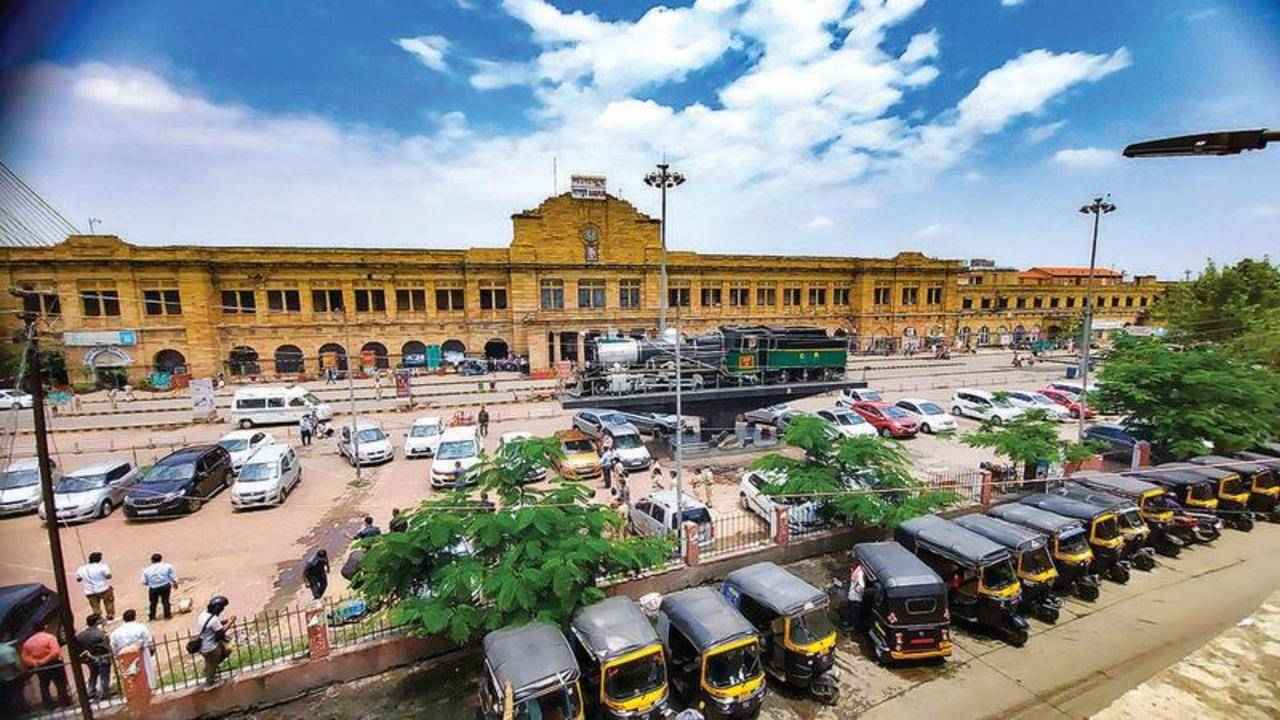
‘No Right Turn’ Returns on Wardha Road from Monday: Traffic Update for Nagpur Motorists

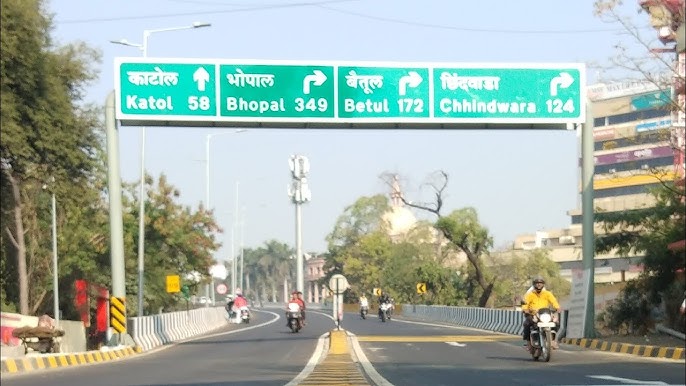
Nagpur’s busy Wardha Road will soon see the return of the ‘No Right Turn’ measure during peak hours, as per the latest notification issued by the Traffic Department. This traffic regulation aims to manage the congestion experienced during the evening rush. If you’re a Nagpur commuter, you’ll want to take note of these changes to avoid getting caught in traffic jams.


What’s the New Traffic Rule on Wardha Road?

The Traffic Department has reinstated the rule that prohibits right turns on Wardha Road during peak hours—specifically between 6:30 PM and 8:30 PM from Monday to Saturday. This decision, announced by Deputy Commissioner of Police (Traffic) Archit Chandak, will remain in place until further notice.


The Initial Trial Run

Between September 23 and 28, the department conducted a trial run to stop right turns and U-turns at key junctions, such as Rahate Square and Kriplani Square. The goal? To ease traffic congestion on one of Nagpur’s busiest roads. The results were promising, with several motorists reporting reduced travel times, especially on the stretch from Morris College T-point to Ajni Square via the Gowari Flyover. What used to take 25 minutes was reduced to just 6 minutes.


The Benefits of the ‘No Right Turn’ Rule

1. Reduced Travel Times

One of the most praised outcomes of the trial was the drastic reduction in travel times. Motorists commuting between major points on Wardha Road noticed significant time savings, making daily commutes much more manageable.

2. Smoother Flow of Traffic

The trial run led to smoother traffic flow on the main road. By stopping right turns, the traffic department effectively reduced vehicle buildup at crucial intersections, allowing for more streamlined movement.


The Downsides: Congestion on Internal Roads

While the measure succeeded on the main road, some internal roads, particularly in Dhantoli and Ramdaspeth, began experiencing congestion. With fewer turn options on Wardha Road, motorists started using these smaller roads as detours, causing traffic backups in otherwise quiet neighborhoods.


Smart City Data Insights

According to Smart City Data Analysis, 80% to 90% of motorists during the 6:30 PM to 8:30 PM period travel towards Ajni Square. The analysis suggests that the trial helped these drivers considerably, which is why the department decided to continue with the ‘No Right Turn’ rule.


New Traffic Rules Explained

1. No Right Turns at Rahate Colony and Kriplani Square

Motorists will no longer be able to make right turns or U-turns at Rahate Colony Square and Kriplani Square during peak hours.

2. Alternative Routes for Motorists

Drivers coming from Deekshabhoomi Road towards Ajni Railway Station will need to take a U-turn at Lokmat Square. Similarly, motorists wanting to cross Wardha Road from Kriplani Square for Deekshabhoomi will need to make a U-turn at the divider in front of Central Jail or Ajni Square.


Why Are These Measures Necessary?

Wardha Road is one of the busiest roads in Nagpur, especially during peak hours. The volume of vehicles often leads to significant delays, particularly at junctions where right turns are common. The reintroduction of the ‘No Right Turn’ measure is designed to alleviate some of this congestion and improve traffic flow on the main road.


How This Impacts You as a Motorist

If you frequently travel on Wardha Road, you’ll need to plan your route carefully during the designated hours. The changes are meant to help ease traffic on the main road but may require you to take longer routes to your destination. While this may seem inconvenient, the overall time saved on your commute could be worth the detour.


How Long Will These Measures Last?

As of now, there’s no set end date for this rule. The Traffic Department will continue monitoring the situation and may make adjustments based on how well the measures reduce congestion. For now, it’s best to assume that this rule will be in place for the foreseeable future.


What Can Be Done to Improve the Situation?

The department has acknowledged the congestion on internal roads and may explore solutions to mitigate the traffic buildup in areas like Dhantoli and Ramdaspeth. As traffic patterns continue to evolve, further adjustments may be made to balance the flow between main and internal roads.

The ‘No Right Turn’ rule on Wardha Road is a step towards better managing the city’s growing traffic issues. While it has its drawbacks, particularly for those living near internal roads, the benefits of smoother traffic flow on the main road are clear. Whether you’re a daily commuter or an occasional traveler on Wardha Road, adapting to these changes will help you navigate through the city with greater ease.


Frequently Asked Questions (FAQs)

  1. Why has the ‘No Right Turn’ rule been reinstated?
    • The rule aims to ease traffic congestion on Wardha Road during peak hours by restricting right turns at busy intersections.
  2. What are the peak hours for this rule?
    • The rule is in effect from 6:30 PM to 8:30 PM, Monday through Saturday.
  3. How long will this rule be in place?
    • The rule will remain in place until further notice, though the Traffic Department will monitor its effectiveness.
  4. What should I do if I need to make a right turn on Wardha Road?
    • You’ll need to take a U-turn at designated points, such as Lokmat Square or Ajni Square.
  5. Is there any alternative to avoid traffic on Wardha Road?
    • It’s recommended to use internal roads cautiously or plan your trip outside the peak hours to avoid congestion.

National Wildlife Board Says ‘No’ to Mobile Tower in Nagzira

Nagzira Mobile Tower: The National Board for Wildlife (NBWL) recently rejected a controversial proposal to install a mobile tower in the core area of the Nagzira Wildlife Sanctuary. This decision protects one of India’s most critical tiger habitats and highlights a growing concern over how human activity impacts wildlife. Let’s dive into the details of this important decision and its implications.

The Controversial Proposal: A Tower in the Core

The proposal aimed to install a 4G mobile tower in the core zone of Nagzira Wildlife Sanctuary (Nagzira Mobile Tower)—specifically in Thadezari village, which falls within the Navegaon-Nagzira Tiger Reserve (NNTR). The project was part of a larger effort by BSNL to extend mobile network coverage across the country. However, this initiative came under fire due to its location in a core critical tiger habitat.

What Makes the Core Zone Important?

A tiger reserve consists of two key areas: the core (critical tiger habitat) and the buffer zone. The core area is considered the most protected, designed to remain undisturbed to ensure the safety and survival of tigers and other wildlife. Disturbances in these areas could have detrimental effects on the local ecosystem.

Size of the Land in Question

While the proposed project only required a small piece of land—just 0.02 hectares (2,153 square feet)—its placement in such a sensitive area made it highly controversial. Even small disruptions in critical zones can create ripple effects that may lead to habitat destruction, migration issues for wildlife, and increased human-animal conflict.

Initial Approvals and Rejections

The proposal was initially approved by the State’s Chief Wildlife Warden (CWLW) and later by the State Board for Wildlife (SBWL) during a meeting in June 2023. The final say, however, lay with the National Board for Wildlife, which convened in October 2024 to review the project.

Why Was the Proposal Rejected?

At the meeting, the NBWL ultimately rejected the proposal, citing guidelines from the National Tiger Conservation Authority (NTCA). The NTCA advised against the installation of a mobile tower in the core zone, explaining that such projects pose significant risks to wildlife.

Why Mobile Towers Are a Problem for Wildlife

The primary concern surrounding mobile tower installations in wildlife sanctuaries is the disruption they cause to the natural environment. Here are some reasons why installing a tower in Nagzira’s core area would have been detrimental:

1. Disturbance to Natural Habitats

The installation of mobile towers requires significant infrastructure development, including the laying of power cables and the use of generator sets. These activities can disturb wildlife and affect the integrity of the habitat.

2. Increased Human Activity

Building and maintaining a mobile tower would necessitate frequent human visits, introducing noise, pollution, and potential poaching risks into sensitive zones.

3. Radiation Concerns

Mobile towers emit electromagnetic radiation, which can disrupt the flight paths of birds and potentially affect other wildlife in the area. Although the full impact of radiation on animals is still being studied, the precautionary principle is often applied in these cases to avoid unnecessary risks.

4. Policy Against Core Zone Disruption

The Ministry of Environment, Forest, and Climate Change (MoEFCC) has long-standing policies that disapprove of any human encroachment into core tiger habitats. These policies are designed to minimize habitat fragmentation and preserve the natural ecosystems that tigers and other endangered species depend on for survival.

The Role of the Ministry of Environment, Forest, and Climate Change

In its decision, the NBWL followed guidelines issued by the MoEFCC, which clearly state that mobile towers should not be installed within 1 km of existing towers in tiger habitats. The goal is to prevent overlapping disturbances and ensure that wildlife habitats remain as undisturbed as possible.

NNTR Officials Support the Decision

NNTR officials fully supported the NBWL’s rejection of the proposal, emphasizing that this decision is not just about Nagzira but applies to all core tiger habitats in the country. “It’s not only about Nagzira; all the proposals for installing mobile towers in the core areas of tiger reserves will be rejected based on the new policy decisions made by the MoEFCC earlier this year,” said one NNTR official.

A Nationwide Policy Shift

This move is part of a broader effort by the government to protect critical wildlife areas across India. Mobile towers in tiger reserves and other sensitive environments are increasingly being scrutinized to ensure that development does not come at the cost of biodiversity.

Guidelines for Mobile Towers in Tiger Habitats

To minimize the impact of such projects, the MoEFCC has established a set of guidelines for mobile tower installations in tiger reserves. These include:

  1. No New Towers in Core Zones: The installation of mobile towers in the core critical tiger habitats is prohibited.
  2. Minimum Distance from Existing Towers: New towers must be located at least 1 km away from existing towers.
  3. Protection of Bird Flight Paths: Towers should not interfere with bird migration or flight paths.
  4. Radiation Limits: The radiation emitted by these towers must comply with strict limits to avoid affecting wildlife.

Relocation of Thadezari Village: A Potential Solution

One of the discussions that emerged during the review of this proposal was the potential relocation of Thadezari village, which is currently situated on the fringe of the Nagzira Wildlife Sanctuary. While technically still within the core area, earlier forest regimes excluded the village from park boundaries.

How Relocation Could Help

Relocating the village could allow Nagzira to expand its protected areas, further safeguarding its wildlife. In fact, previous examples of village relocations from tiger reserves have shown positive outcomes for both the community and the local wildlife.

 Protecting Wildlife Comes First

The NBWL’s decision to reject the mobile tower installation in Nagzira’s core area underscores the importance of preserving wildlife sanctuaries and respecting the integrity of critical tiger habitats. While the need for improved mobile connectivity is important, it should never come at the cost of our natural ecosystems. By following guidelines and protecting these core areas, we can ensure that future generations will be able to enjoy the richness of India’s biodiversity.

1. Why was the mobile tower proposal rejected? The proposal was rejected because it would have been located in the core area of Nagzira Wildlife Sanctuary, which is a critical tiger habitat.

2. Are mobile towers banned in all tiger reserves? Yes, mobile towers are not allowed in the core areas of tiger reserves as per MoEFCC guidelines.

3. What impact do mobile towers have on wildlife? Mobile towers can disturb habitats, increase human activity, and emit radiation that may affect birds and other animals.

4. Will Thadezari village be relocated? There is ongoing discussion about relocating the village to further protect Nagzira’s wildlife.

5. What are the guidelines for mobile tower installations in wildlife sanctuaries? Guidelines include avoiding core zones, maintaining distance from existing towers, protecting bird flight paths, and controlling radiation levels.

Chikungunya Cases in Nagpur Cross 1,000 Mark for the First Time

Chikungunya cases Nagpur 2024: Nagpur has hit a troubling milestone in its battle against chikungunya, a mosquito-borne viral disease. For the first time in the city’s history, confirmed cases have surpassed the 1,000 mark. As of October 18, 2024, a total of 1,012 cases were reported. The last major outbreak in 2006-07 saw fewer than 800 cases, making this a significant surge that has alarmed health authorities.

The Recent Surge in Cases

Out of the total cases, 80%—roughly 810—were recorded between August 1 and October 18. The rapid increase began in August, with 355 new cases, followed by a peak of 402 in September. Though there has been a slight decrease in numbers in October, the month has already seen 137 cases within the first 19 days. These numbers paint a clear picture of the alarming situation unfolding in Nagpur.

Month-Wise Chikungunya Case Breakdown (Chikungunya cases Nagpur 2024)

Month Number of Cases
January 0
February 0
March 0
April 0
May 0
June 30
July 88
August 355
September 402
October (1-18) 137
Total 1,012

Understanding Chikungunya

Chikungunya is a viral disease transmitted to humans by infected mosquitoes, primarily the Aedes species. It causes sudden onset fever, joint pain, and in some cases, long-term arthritis-like symptoms. Though it’s rarely fatal, the disease can lead to debilitating pain, especially for older adults.

Why Are Cases Rising So Quickly?

Doctors and experts have identified multiple factors contributing to the sharp rise in chikungunya cases:

1. Improved Diagnosis

According to Dr. R.G. Chandak, a critical care specialist, one reason for the higher numbers is better diagnosis. “Doctors now have a better understanding of chikungunya symptoms and only those displaying specific signs are being tested. This has resulted in a higher test positivity rate,” he explained. In September, 24% of tests returned positive, and in early October, this figure rose to 26%.

2. Seasonal Factors

Chikungunya cases started emerging in Nagpur during the monsoon season in June, when stagnant water became a breeding ground for mosquitoes. Rainfall plays a key role in the spread of mosquito-borne diseases, and a slight drop in cases in October can be attributed to a temporary reduction in rain over the past two weeks.

3. Mosquito Breeding Patterns

Aedes mosquitoes, responsible for spreading chikungunya, thrive in stagnant water. With the monsoon season creating an abundance of breeding sites, Nagpur became a hotspot for the disease.

Health Experts on the Future Outlook

Despite a slight decrease in the number of new cases in October, health experts warn that this may only be temporary. General physician Dr. Manish Jadhav expressed concern that a resurgence could occur if rains continue in the coming weeks, providing new breeding grounds for mosquitoes.

Will There Be Another Surge?

While reduced rainfall has led to a slight dip in mosquito activity, the rains are expected to return. This could bring a new wave of chikungunya cases, making it crucial for Nagpur’s residents to stay vigilant. Preventive measures are the only effective way to control the spread of the disease.

Prevention and Safety Measures

Preventing chikungunya involves minimizing mosquito exposure. Here’s what doctors are advising residents to do: (Chikungunya cases Nagpur 2024)

1. Eliminate Stagnant Water

Mosquitoes breed in stagnant water, so it’s essential to drain any standing water in and around homes. This includes emptying containers, cleaning birdbaths, and ensuring there’s no water accumulation in plant pots or gutters.

2. Use Mosquito Repellents

Repellents can help reduce mosquito bites. Residents are encouraged to use them, especially in the evenings when mosquitoes are most active.

3. Install Mosquito Nets and Screens

Keeping mosquitoes out of living spaces is another vital step. Installing mosquito nets over beds and using window screens can significantly reduce mosquito bites.

4. Wear Protective Clothing

Wearing long sleeves and pants can provide an added layer of protection against mosquito bites.

What Is Being Done to Combat the Spread?

Local health authorities in Nagpur are stepping up efforts to combat the spread of chikungunya. From increasing public awareness campaigns to encouraging residents to take preventive measures, the focus is on minimizing mosquito breeding sites. Additionally, fumigation efforts are being ramped up in areas where case numbers are high.

The Importance of Public Cooperation

Preventing chikungunya is not solely the responsibility of health authorities. Public cooperation is crucial in controlling the spread of the disease. Residents must play an active role by keeping their surroundings free of stagnant water and taking personal precautions.

The Economic and Social Impact of Chikungunya

1. The Cost of Treatment

While chikungunya is not typically life-threatening, it can lead to significant medical expenses, particularly for long-term joint pain. For many, the financial burden of treatment adds to the strain caused by the disease.

2. Impact on Productivity

The severe joint pain caused by chikungunya can render individuals unable to work for weeks, leading to a drop in productivity, especially in labor-intensive sectors.

What Lies Ahead for Nagpur?

Nagpur’s battle with chikungunya is far from over. While the slight decrease in cases in October provides a glimmer of hope, the threat of resurgence looms large. With more rains expected, mosquito breeding may increase, pushing the city into another wave of infections. Preventive action and public awareness are critical in the fight against chikungunya.

1. What are the first signs of chikungunya?
The initial symptoms of chikungunya include sudden fever and severe joint pain, often accompanied by headache, muscle pain, and rash.

2. How can chikungunya be prevented?
Chikungunya can be prevented by avoiding mosquito bites, eliminating stagnant water where mosquitoes breed, and using mosquito repellents and nets.

3. Is chikungunya life-threatening?
Chikungunya is rarely fatal, but it can cause severe joint pain and long-term discomfort, especially in older adults.

4. Can chikungunya recur?
While chikungunya does not typically recur, joint pain and other symptoms can last for months or even years in some cases.

5. What should I do if I suspect I have chikungunya?
If you experience symptoms like fever and joint pain, seek medical attention immediately. Your doctor can recommend tests and provide treatment options to manage the symptoms.

Rs 100 Stamp Paper Goes Into History: A New Era of Inflation in Maharashtra

In a significant move that impacts the financial landscape of Maharashtra, the iconic Rs 100 stamp paper has been phased out, giving way to a new minimum stamp value of Rs 500. This change, mandated by the state government through an ordinance passed on October 14, is designed to address mounting inflation and fund a slew of new welfare schemes. The decision comes just before the announcement of the Maharashtra Assembly elections, raising eyebrows about its timing and implications. Let’s delve into how this change affects citizens, industries, and the overall economic climate in Maharashtra.

 Inflation Triggers Major Changes in Maharashtra’s Stamp Duty

The announcement of this new regulation is a clear reflection of the state’s strategy to combat rising inflation. The Rs 100 stamp paper, once a staple for everyday legal documentation, is now part of history. The move is seen as an effort to fill the state’s coffers, especially with the growing demand for welfare funding as elections loom near.

 What Led to the Decision?

The government’s primary rationale behind this change is the need for increased revenue. Welfare schemes have become more prevalent, and to cover these costs, the government aims to collect Rs 150 crore annually from stamp duty changes alone. This significant increase is expected to come from the hike in stamp paper requirements across various legal and bureaucratic processes.

 Ordinance Timing and Its Impact

The ordinance for the stamp paper hike was issued just before the Election Commission announced the Maharashtra Assembly poll schedule. This has led to speculation that the timing may be politically motivated, designed to ensure the welfare schemes receive immediate funding without budgetary disruptions.

 Increased Costs for Citizens

For ordinary citizens, the shift from Rs 100 to Rs 500 stamp paper represents a substantial increase in the cost of legal paperwork. Whether it’s rental agreements, scholarship affidavits, or apprenticeship deeds, individuals will now have to bear five times the cost they previously did.

 Common Uses of Stamp Papers

The Rs 100 stamp paper was commonly used for:

  • Rental agreements
  • Affidavits for scholarships
  • Agreements for apprenticeship deeds
  • Various types of legal agreements

Now, all these documents will require a Rs 500 stamp, significantly increasing the financial burden for individuals dealing with these everyday transactions.

 Business Impact

The change also affects businesses, especially those involved in contracts, valuations, and legal processes. The Rs 500 stamp paper is now mandatory for works contracts, protest of bills, and registration of Articles of Association, among others.

 New Rates for Articles of Association

For the registration of Articles of Association, the rates have jumped from 0.2% to 0.3%, with the maximum amount raised from Rs 50 lakhs to Rs 1 crore. This dramatic increase will have a considerable impact on corporations, especially startups and small businesses that regularly deal with such documents.

 Is the Move Politically Motivated?

Given the timing of this ordinance and its implications, many are speculating whether this decision was driven by political motives. With elections on the horizon, the government is under pressure to fund welfare schemes that appeal to voters. The decision to raise stamp duty could be seen as a strategic move to fund these schemes while ensuring that the state’s coffers remain healthy.

Election Timelines and Financial Policies

Welfare programs often come with high costs, and governments need to find revenue streams to support them. The increase in stamp paper costs is one such stream, but the timing of this move—just before election season—raises questions about its true intent.

 Rs 500 Stamp Paper – The New Norm

The Rs 500 stamp paper is now the minimum requirement for various types of legal documentation, including:

  • Affidavits
  • Agreements for appeasement or valuation
  • Apprenticeship deeds
  • Contracts and protest of bills or notes

For many citizens, this change represents a significant financial burden, especially when combined with rising costs in other areas of life.

 Real Estate and Rental Markets

The real estate and rental markets will feel the brunt of this change as rental agreements, which were previously managed with Rs 100 stamp paper, will now require Rs 500 stamps. This could lead to higher administrative costs for landlords and tenants alike, further pushing up rent prices in the state.

 Government’s Revenue Goals

The government hopes to collect Rs 150 crore annually through this measure. This is part of a broader effort to fund new welfare schemes that were rolled out just before the elections. The additional revenue is seen as crucial for supporting these programs, which are designed to win over voters.

 Will It Be Enough?

The question remains: will the increase in stamp duty be enough to cover the costs of these welfare schemes, or will it place an undue burden on citizens and businesses? Only time will tell how this policy will play out, but it is clear that the state government is banking on this measure to bring in significant revenue.

 Alternatives for Citizens

Citizens who previously relied on Rs 100 stamp papers may now need to explore alternative ways to reduce the financial burden of legal documentation. This may include digitizing processes, exploring discounts for bulk purchases, or seeking government rebates or incentives.

 Digital Stamp Papers

One potential solution could be the rise of digital stamp papers, which may offer a more affordable and streamlined process for citizens. As the state moves towards digitization, this could help ease some of the financial burdens associated with the stamp paper increase.

The demise of the Rs 100 stamp paper marks a new chapter in Maharashtra’s financial policies. While the government aims to bolster its revenue through this change, it comes at a cost for citizens and businesses alike. The Rs 500 stamp paper is now the new norm, affecting everything from rental agreements to business contracts. As inflation continues to rise, this decision highlights the ongoing struggle between generating revenue and balancing the financial well-being of the population.

1. Why was the Rs 100 stamp paper discontinued?

The Rs 100 stamp paper was phased out to increase state revenue and cover the costs of new welfare schemes introduced by the Maharashtra government.

2. What is the new minimum stamp paper requirement?

The new minimum stamp paper requirement in Maharashtra is Rs 500, which applies to various legal and bureaucratic processes.

3. How does this affect rental agreements?

Rental agreements, which previously required Rs 100 stamp paper, will now need Rs 500 stamps, increasing the cost for tenants and landlords.

4. Are businesses impacted by this change?

Yes, businesses will face higher costs for legal documents like works contracts, registration of Articles of Association, and protest of bills or notes, all of which now require Rs 500 stamp paper.

5. Is there a digital alternative to physical stamp papers?

Digital stamp papers may provide a more affordable and efficient alternative for citizens and businesses, especially as the state moves towards digitization.

Drowning in Dues: Rs 208 Crore NMC-OCW’s Pending Water Bills Hit

NMC-OCW | Nagpur Water Bill : Water is a precious resource, but in Nagpur, managing the finances tied to it has become a massive challenge. The shift from a quarterly water billing system to a monthly one has stirred some conversation, with Orange City Water (OCW) claiming that the move is for consumer convenience. However, data from the Nagpur Municipal Corporation (NMC) shows another pressing reason behind the change – Rs 208 crore in outstanding water bills. Let’s dive deep into this issue, uncover the real reasons, and explore what it means for Nagpur residents.

 Why the Shift to Monthly Water Billing?

 Consumer Convenience or Debt Collection Strategy?

While OCW has positioned the shift to monthly billing (Nagpur Water Bill )as a way to make payment easier for consumers, it’s hard to ignore the massive Rs 208 crore debt looming over the NMC. The decision appears to be driven by the pressing need to expedite the collection of these outstanding dues.

The Rs 208 Crore Problem

Breaking Down the Debt by Zone

The figures tell a shocking story. Various zones within Nagpur have accumulated massive dues:

  • Satranjipura Zone: Rs 44.57 crore
  • Ashi Nagar Zone: Rs 40.65 crore
  • Gandhibagh Zone: Rs 26.61 crore
  • Lakadganj Zone: Rs 25.10 crore
  • Dharampeth Zone: Rs 20.35 crore
  • Nehru Nagar Zone: Rs 16.73 crore
  • Mangalwari Zone: Rs 16.71 crore
  • Laxmi Nagar Zone: Rs 7.20 crore
  • Dhantoli Zone: Rs 6.05 crore
  • Hanuman Nagar Zone: Rs 4.82 crore

It’s clear from the data that some zones are significantly lagging in payments, with Satranjipura leading the pack.

How Did We Get Here?

The water bill arrears have been building up over time. OCW-NMC generates Rs 58.88 crore worth of water bills (Nagpur Water Bill )each quarter for nearly 400,000 consumers. However, only 53.35% of these bills are paid, leaving a massive portion unpaid each cycle.

 Water Theft – A Hidden Issue?

 Water Usage vs. Billing Discrepancy

Interestingly, while Nagpur receives about 700 million liters of water daily, bills are only being generated for about 400 million liters. What about the remaining 300 million liters? This discrepancy raises questions about potential water theft or unmonitored water usage.

 The Impact on Nagpur Residents

 A Financial Burden on the City

The mounting unpaid water bills have placed immense financial pressure on the city’s infrastructure. While OCW claims that shifting to a monthly billing system will help consumers by offering more manageable payment options, it’s also clear that the NMC is struggling to recoup funds essential for the city’s water supply system.

 How Will Monthly Billing Affect Consumers?

For residents, the shift to a monthly system may offer benefits. Shorter billing cycles could help reduce the accumulation of unpaid dues and make budgeting for water bills easier. However, for those who are already behind on payments, this could mean even more pressure to stay on top of their finances.

 Challenges in Collecting Payments

 The OCW-NMC Struggle to Recover Dues

The recovery of water bill payments has been an ongoing challenge for OCW. Despite providing water services to hundreds of thousands of consumers, a significant portion fails to pay their dues. This has led to a cumulative outstanding amount of Rs 208 crore.

 Why Are Consumers Not Paying?

One reason could be a lack of awareness or understanding of the billing system. For others, it may simply be a matter of financial strain, particularly in economically weaker zones. Some consumers may also be neglecting their bills due to inconsistent water supply or dissatisfaction with services.

 OCW’s Plan to Tackle the Problem

 Monthly Billing to the Rescue?

To address these issues, OCW has switched to a monthly billing system. They argue that this will offer more manageable payment schedules, allowing consumers to pay smaller amounts more frequently, which in turn may help reduce unpaid bills.

 Public Awareness Campaigns

In addition to the billing cycle change, OCW may need to consider launching awareness campaigns to educate consumers about the importance of paying bills on time and the consequences of defaulting. Such campaigns could also address the issue of water theft by encouraging residents to report illegal water connections.

 The Road Ahead for NMC and OCW

 Can NMC-OCW Recover the Rs 208 Crore?

Recovering Rs 208 crore is no small feat, especially when more than half of consumers are not paying their bills on time. The transition to monthly billing is just one step, but more aggressive strategies, such as stricter enforcement and better water monitoring, may be necessary.

 Improving Water Supply Infrastructure

Another solution could involve improving the infrastructure for water supply. Ensuring a consistent water supply may incentivize more consumers to pay their bills on time.

A Long Way to Go

The switch to monthly billing by OCW is undoubtedly a strategic move aimed at addressing a serious financial challenge. With Rs 208 crore in outstanding water bills, Nagpur faces a significant issue that must be tackled head-on. While the move may ease some financial strain on consumers, it remains to be seen whether it will significantly improve payment collection. OCW and NMC must work hand-in-hand to improve public awareness and streamline water management to secure the city’s future.

Q1: What led to the Rs 208 crore debt?
A: The debt accumulated due to unpaid water bills over multiple billing cycles, with only about 53.35% of bills being paid each quarter.

Q2: Why did OCW switch to a monthly billing cycle?
A: OCW transitioned to monthly billing to help consumers manage their payments better and to expedite the collection of outstanding dues.

Q3: What zones owe the most in water bills?
A: The Satranjipura Zone leads with Rs 44.57 crore in unpaid dues, followed by Ashi Nagar with Rs 40.65 crore.

Q4: How does water theft factor into the issue?
A: Nagpur’s water supply is 700 million liters daily, but bills are generated for only 400 million liters, suggesting potential water theft or unmonitored usage.

Q5: What can be done to recover the dues?
A: Stricter enforcement, better monitoring of water supply, public awareness campaigns, and improving infrastructure could help recover the unpaid amounts.

Nagpur Railway Station Introduces Double-Decker Food Plaza After One-and-a-Half Years

Nagpur Railway Station has undergone a remarkable transformation with the inauguration of its state-of-the-art double-decker IRCTC Food Plaza. After a hiatus of nearly one-and-a-half years, the new facility has opened its doors to provide quality food services, enhance passenger convenience, and contribute significantly to the local economy. Let’s explore what makes this new development so special and why it’s bound to be a game changer for travelers passing through Nagpur.

A New Beginning for Nagpur Railway Station

For travelers using Nagpur Railway Station, access to high-quality food options had been a challenge ever since the previous food plaza ceased operations in April 2023. Passengers had to rely on basic meal outlets, which often lacked the variety and quality that many sought.

However, this changed on Saturday, with the inauguration of the double-decker food plaza on Platform No. 1 (West Side). This revamped facility promises much more than just filling your stomach—it’s here to redefine the passenger experience at Nagpur station.

Why the Delay?

The food plaza was out of service for over a year due to contract issues. The divisional commercial department had to repeatedly engage with IRCTC (Indian Railway Catering and Tourism Corporation) to resume services. Fortunately, this persistence paid off when the new contract was awarded to Haldiram, a global food giant, for a nine-year period. This marks a fresh beginning for the food plaza, much to the delight of Nagpur’s passengers.

Haldiram Takes Over: What’s New?

A Trusted Brand

Haldiram, known worldwide for its high-quality snacks and sweets, has taken over the operations of the Nagpur Railway Station food plaza. Their brand value brings a new level of trust to passengers looking for quality and variety.

Round-the-Clock Service

Whether you’re catching an early morning train or arriving late at night, the new food plaza ensures that you’ll always have access to delicious food, thanks to its 24/7 operating hours.

Multi-Level Dining Experience

This isn’t just any ordinary food outlet. The food plaza spans two floors, with the ground floor dedicated to takeaway and standing services, while the first floor offers a comfortable seating arrangement for those who prefer to dine in.

A Taste of Nagpur

Nagpur Railway Station’s new food plaza isn’t just about generic food. Haldiram has incorporated local flavors and favorites into the menu. You can now enjoy Nagpur’s iconic Santra Barfi and other goodies, available as gift packs for travelers who want to take a piece of Nagpur with them.

Boost to Non-Fare Revenue

The food plaza is not only a facility for passengers but also an important revenue source for the railway division. According to estimates, the facility is expected to generate over Rs one crore in non-fare revenue for the Central Railway’s Nagpur division.

This financial benefit will go a long way in supporting various initiatives at the station and improving other passenger amenities.

Employment Opportunities

Another significant advantage of the food plaza is the employment it brings to the city. Haldiram’s operation has led to the direct employment of around 60 individuals. These employees have been provided with QR code-enabled identity cards that offer details of their police verification and medical examination, ensuring a secure and efficient workforce.

State-of-the-Art Amenities

Dine-In and Takeaway

One of the standout features of this new food plaza is its dual service model. Passengers have the option to grab a quick bite on the go or sit down and enjoy a meal in a relaxed environment. Whether you’re in a rush or have some time to spare, the food plaza caters to all types of travelers.

Hygiene and Safety

The facility is equipped with a well-maintained washroom, ensuring cleanliness and convenience for diners. It also upholds high hygiene standards, a crucial factor for passengers who prioritize safety, especially in public places.

A Look at the Past

The previous food plaza at Nagpur Railway Station, operated by Comsome, had been non-operational since April 2023. This left a gap in passenger services, leading to dissatisfaction and inconvenience. The reopening of the facility, now under the trusted management of Haldiram, is a welcome relief for passengers.

Convenience for All Passengers

Nagpur Railway Station sees a high footfall of passengers from all over the country. The re-opening of this food plaza is set to offer a more streamlined and enjoyable experience, especially for those on long journeys who rely on railway food services for meals.

Catering to All Budgets

The food plaza ensures accessibility for all types of travelers. While branded services by Haldiram offer premium options, the presence of affordable meal outlets like Jan Ahar ensures that even budget-conscious passengers have plenty of choices.

Looking Ahead

The double-decker food plaza at Nagpur Railway Station symbolizes much more than just a place to eat. It represents progress, convenience, and an improved passenger experience. With the involvement of an established brand like Haldiram, passengers can now expect a reliable, high-quality dining experience every time they pass through Nagpur station.

The newly inaugurated double-decker food plaza at Nagpur Railway Station is set to be a game changer. Managed by Haldiram, it promises to provide round-the-clock food services, cater to both dine-in and takeaway preferences, and enhance the overall passenger experience. With its state-of-the-art facilities, employment generation, and boost to non-fare revenue, this development represents a significant improvement in the amenities available at the station.

  1. What is special about the new food plaza at Nagpur Railway Station?
    The food plaza, operated by Haldiram, offers round-the-clock food services, a dual-level dining experience, and includes Nagpur’s famous Santra Barfi on its menu.
  2. Where is the food plaza located at Nagpur Railway Station?
    The food plaza is situated on Platform No. 1 (West Side) of Nagpur Railway Station.
  3. Who is managing the food plaza at Nagpur Railway Station?
    The food plaza is managed by the global food giant Haldiram under a nine-year contract.
  4. What types of food services are available at the food plaza?
    The facility offers both dine-in and takeaway services, catering to passengers with different needs.
  5. How many people have been employed at the food plaza?
    The food plaza has created job opportunities for around 60 people.

Nagpur University Winter Examination for Regular Students Begins from November 11

Nagpur University winter exam: The winter examination schedule for regular students at Nagpur University (NU) has been announced and is set to commence from November 11, 2024. This is an exciting time for students in the odd semesters, as they prepare for their assessments. Let’s dive into the details of the schedule and everything you need to know about these upcoming exams.

Key Dates for Nagpur University winter exam

Nagpur University’s exam section has carefully planned the examination timetable. However, due to the Maharashtra State Assembly elections and the 112th convocation of NU, there will be no exams between November 18 and 23. The exams will resume after the convocation, and the revised timetable will be available shortly.

Important Dates to Remember

  • Exams start: November 11, 2024
  • No exams: November 18-23, 2024 (due to elections and convocation)
  • Exams resume: After November 24, 2024

This planning ensures that students have ample time to prepare while accommodating important university and state events.

The NEP 2020 System: A New Era in Education

This is the first time that Nagpur University is conducting examinations based on the National Education Policy (NEP) 2020 system. This significant shift introduces new concepts to the examination process, aligning with the holistic educational approach laid out by the NEP.

Major Changes in the Examination Process

  1. Major and Minor Subjects: Students are now selecting both major and minor subjects, adding depth to their honors or research degrees.
  2. Skill Enhancement Courses: For the first time, students can choose a skill enhancement course along with their major subjects. This encourages skill development alongside traditional learning.
  3. College-Level Assessments: The exams are being conducted at the college level, while the university is handling other logistical aspects such as question papers, hall tickets, and results.

Preparing for Nagpur University winter exam: What Students Need to Know

With the NEP system in place, students need to be aware of how these changes affect their preparation strategy. Here’s a breakdown of what you should keep in mind as you get ready for the exams.

Understanding the Timetable

The examination section has been quick to publish the timetable to ensure that students have enough time to plan their studies. However, given the pause for elections and convocation, it’s important to frequently check the university portal for the most up-to-date exam schedules.

Staying on Top of Major and Minor Subjects

Since students are selecting major and minor subjects, preparation becomes even more critical. Ensure that you give adequate attention to both areas, balancing your study schedule effectively.

Skill Enhancement Courses

The introduction of skill enhancement courses is an opportunity to focus on practical skills that may give you an edge in your career. Be sure to incorporate these courses into your study plan.

Challenges NU Faces with the Examination Process

While the university has made great strides in organizing the exams, there are some logistical challenges it faces, especially given the timing of the elections and the convocation.

The Impact of the Elections and Convocation

With no exams being scheduled from November 18-23, Nagpur University is racing against time to ensure the results are not delayed beyond December 31. This tight timeline means the university will have to be highly efficient to ensure smooth completion of the process.

Result Declaration and Assessment

Normally, results are expected within 30 days of the last paper. However, with a week lost to the elections and convocation, the university is under pressure to complete the assessment and announce results on time.

What Happens After November 24?

The timetable for exams scheduled after November 24 will be announced within a few days. Stay tuned to the official university website for updates, and make sure to adjust your study plan accordingly.

Professional Courses: A Different Schedule

For students enrolled in professional courses, exams are likely to be held in January 2025. This is because admissions for these courses are still ongoing.

How to Stay Organized During Exam Season

With exams just around the corner, it’s essential to stay organized and focused. Here are some practical tips for managing your time and ensuring success during this critical period.

Create a Study Plan

Start by making a comprehensive study plan that covers all your subjects, both major and minor. Prioritize difficult subjects and allocate extra time for them.

Use Study Resources

Make use of textbooks, online resources, and peer study groups to gain a thorough understanding of your subjects. Don’t forget to utilize the skill enhancement course materials as well.

Stay Updated on Timetable Changes

Since the timetable for exams after November 24 has not yet been released, be sure to regularly check the university’s official portal for updates.

The Role of the Examination Section

The examination section plays a crucial role in ensuring the smooth functioning of the exam process. It is responsible for preparing question papers, issuing hall tickets, and eventually publishing the results.

How the Examination Section Helps Students

By providing timely information and updates, the examination section ensures that students are well-prepared for their exams. This includes releasing timetables early and offering guidance on new policies, such as the NEP system.

1. When do the NU winter exams start?

The winter exams for regular students at Nagpur University will begin on November 11, 2024.

2. Why are there no exams between November 18 and 23?

Exams have been paused during this period due to the Maharashtra State Assembly elections and NU’s 112th convocation.

3. What is the NEP 2020 system?

The NEP 2020 system introduces major and minor subjects, skill enhancement courses, and new assessment structures aimed at providing holistic education.

4. When will the timetable for exams after November 24 be released?

The timetable will be announced in a couple of days, according to the university examination section.

5. What should students focus on during exam preparation?

Students should balance their study time between major and minor subjects and ensure they are familiar with skill enhancement course material.

Bhandewadi Dumping Yard to Become Buffer Zone-Free: Relief for Residents

Krishna Khopde: The Bhandewadi dumping yard in Nagpur has long been a point of concern for the city’s residents. However, according to recent developments, this long-standing issue is on the verge of being resolved. East Nagpur MLA Krishna Khopde has announced that the Bhandewadi dumping yard is set to become a buffer zone-free area. This decision follows a report submitted by the National Environmental Engineering Research Institute (NEERI) to the Nagpur Municipal Corporation (NMC), which recommends the removal of the buffer zone surrounding the yard.

In this article, we’ll explore the significance of this development, the challenges posed by the dumping yard over the years, and what the removal of the buffer zone means for the people living near the area.

The Bhandewadi dumping yard, located in Nagpur, has been a major waste disposal site for years. It was established during the Congress administration, and since its inception, residents have voiced concerns over its environmental and health impacts. The yard collects a significant portion of the city’s waste, leading to pollution and foul odors that have made life difficult for those living in the vicinity.

Challenges Faced by Nearby Residents

Living near a dumping yard is no easy task. Residents in the surrounding areas have had to deal with poor air quality, water contamination, and lack of access to basic amenities. Despite the yard playing a crucial role in managing the city’s waste, its proximity to residential areas has long been a subject of criticism.

MLA Krishna Khopde Efforts to Resolve the Issue

East Nagpur MLA Krishna Khopde has been vocal about the challenges faced by his constituents due to the Bhandewadi yard. He raised the issue in the legislative assembly, which led to a review of the buffer zone around the site. In a press statement, Khopde emphasized that a majority of the waste at the yard had been cleared, yet residents continued to face restrictions due to the buffer zone.

What Is a Buffer Zone?

A buffer zone is an area that limits construction or development near a site to prevent environmental hazards. In the case of the Bhandewadi yard, the buffer zone has limited the ability of residents to improve their infrastructure and access essential services.

The Role of NEERI and Its Report

The National Environmental Engineering Research Institute (NEERI) played a pivotal role in this decision. The industries minister, Uday Samant, directed NEERI to evaluate the situation at the Bhandewadi yard. After conducting an in-depth assessment, NEERI submitted a report recommending that the buffer zone around the yard be reduced to zero.

NEERI’s Findings

NEERI’s report suggests that the 500-meter buffer zone, which was reduced to 300 meters during former Chief Minister Devendra Fadnavis’s tenure, should now be entirely eliminated. According to NEERI, the boundary should only extend to the outer compound wall and the road, allowing for development in nearby areas.

Impact of the Dumping Yard on Nearby Residents

Residents living near the Bhandewadi yard have been adversely affected by the buffer zone restrictions. The restrictions have prevented infrastructure improvements, limiting access to schools, healthcare, and other essential services. By removing the buffer zone, the community stands to gain significant improvements in their quality of life.

A Step Toward Development

With the buffer zone set to be eliminated, residents can look forward to the development of basic facilities, such as roads, sewage systems, and public utilities, which were previously restricted due to environmental concerns.

Reduction of Buffer Zone Under Fadnavis Government

During Devendra Fadnavis’s time as Chief Minister of Maharashtra, the buffer zone around the Bhandewadi yard was reduced from 500 meters to 300 meters. While this move was seen as a positive step, it still did not alleviate all the challenges faced by residents.

Congress and the History of the Dumping Yard

Khopde has been critical of the Congress party’s role in the establishment of the Bhandewadi yard. He accused the party of failing to prevent its construction during their tenure, calling it a “misdeed” that has led to years of suffering for the local population.

Political Implications

Krishna Khopde statements have added a political dimension to the issue, with Congress defending its past decisions and criticizing the current administration’s handling of the situation.

Potential Benefits of Removing the Buffer Zone

The removal of the buffer zone around the Bhandewadi yard could lead to numerous benefits for the community:

  • Access to Infrastructure: Roads, schools, and hospitals can be built and improved, offering better living conditions.
  • Environmental Relief: NEERI’s report suggests that the environmental risks posed by the yard have been mitigated, meaning the buffer zone is no longer necessary.
  • Economic Development: With the restrictions lifted, there is potential for new businesses and housing developments in the area, which could boost the local economy.

NMC’s Stance on NEERI’s Report

While Khopde has been optimistic about the buffer zone being lifted, the Nagpur Municipal Corporation (NMC) commissioner, Abhijeet Chaudhari, has stated that he is unaware of NEERI submitting any such report. This statement has created some uncertainty about the timeline and official approval for the removal of the buffer zone.

Concerns Raised by the Opposition

Opposition parties have raised concerns about the long-term environmental impacts of removing the buffer zone entirely. They argue that while infrastructure development is important, environmental protection should not be compromised.

Next Steps for the Buffer Zone-Free Area

With NEERI’s recommendation in place, the next step is for the Nagpur Municipal Corporation to review and implement the report. If approved, the removal of the buffer zone could pave the way for infrastructure projects to begin immediately.

Environmental and Health Impacts

While the buffer zone has been a barrier to development, it has also served as a precautionary measure to protect the environment and public health. The removal of this zone must be done carefully, with proper waste management systems in place to prevent future pollution.

Public Reaction and Expectations

The news of the buffer zone removal has been met with mixed reactions. While many residents are hopeful that the changes will bring improvements, others remain skeptical about the long-term environmental and health impacts. It remains to be seen how this decision will play out in the coming months.


 A New Chapter for Bhandewadi Residents

The removal of the buffer zone around the Bhandewadi dumping yard marks a significant step forward for the residents of Nagpur. After years of living with restrictions, the community can finally look forward to improved infrastructure and access to essential services. However, it’s crucial that environmental concerns remain a priority as development progresses.

  1. What is the Bhandewadi dumping yard? The Bhandewadi dumping yard is a waste disposal site in Nagpur that has been a source of environmental and health concerns for years.
  2. What is a buffer zone? A buffer zone is an area that limits development around a particular site to prevent environmental hazards.
  3. Why is the buffer zone being removed? NEERI’s report recommends removing the buffer zone to allow for infrastructure development, as the environmental risks have been mitigated.
  4. What benefits will removing the buffer zone bring? The removal of the buffer zone will allow for improved infrastructure, better access to services, and potential economic growth in the area.
  5. What are the concerns about removing the buffer zone? Some are concerned that removing the buffer zone could lead to environmental degradation if proper waste management systems are not in place.

Establish Cow Farms in Every District of Vidarbha: Gadkari

Nitin Gadkari: Vidarbha, a region in Maharashtra known for its agrarian economy, is facing a unique opportunity for growth. Union Minister Nitin Gadkari recently emphasized the importance of setting up cow farms in every district of Vidarbha to strengthen the dairy sector. At an event organized by the Agrovision Committee, he urged local entrepreneurs to take the leap and explore innovative ways to build a sustainable and thriving dairy business. In this article, we will explore the significance of establishing cow farms in Vidarbha, the challenges and benefits involved, and how this move can shape the future of the region’s economy.

 The Call for Cow Farms in Vidarbha (Nitin Gadkari)

 Gadkari’s Vision for Vidarbha’s Dairy Industry

During his address at the Agrovision Committee event, Nitin Gadkari made it clear that Vidarbha has untapped potential in the dairy sector. With fertile land and a tradition of agriculture, the region is primed for cow farming. Gadkari noted that establishing cow farms in every district could boost the local dairy business, create jobs, and help farmers diversify their income sources.

 Why Cow Farming?

Cow farming offers a reliable source of income for farmers, especially in regions like Vidarbha, where agriculture has traditionally been the mainstay. With increasing demand for dairy products like milk, butter, and cheese, cow farming presents a lucrative opportunity for local farmers to expand their operations and contribute to the overall economy.

Economic Advantages of Dairy Farming

Dairy farming not only offers economic benefits to farmers but also provides a steady supply of fresh milk and dairy products to local consumers. Nitin Gadkari mentioned that local dairy businesses had benefitted from competition due to the presence of brands like Mother Dairy, which have raised the price per liter of milk for local farmers from Rs 18-20 to Rs 30 per liter. This increase is significant for local economies, providing farmers with a sustainable income.

 Value Addition through Cow Farming

One of the key points Gadkari stressed was the need for out-of-the-box thinking in the dairy business. Entrepreneurs should look at producing value-added products like organic milk, dairy-based snacks, and ghee to climb the value chain and meet the rising demand for high-quality, natural products. This way, local farmers can maximize their profits and expand their market reach.

 The Role of Agrovision and Gadkari’s Initiatives

Agrovision’s 15-Year Journey

Agrovision, India’s largest agricultural exhibition in central India, has been instrumental in bringing farmers, entrepreneurs, and policymakers together. For the past 15 years, Agrovision has helped identify opportunities for farmers and assisted them in overcoming the challenges posed by unpredictable market conditions. Gadkari acknowledged the crucial role of farmers in Agrovision’s success and reiterated the need for collaboration to foster a thriving agricultural economy in Vidarbha.

 Gadkari’s Personal Experience in Sugarcane Farming

In a candid moment during the event, Gadkari shared his own experiences with the sugarcane farming business, where he faced significant financial losses. Despite the hardships, his resolve to continue and help the growers only strengthened. This personal anecdote highlighted his commitment to Vidarbha’s agricultural sector, and his call to action for local entrepreneurs to take advantage of opportunities in the dairy business.

 Gadkari’s Lessons from Sugarcane Farming

Gadkari’s experience in the sugarcane business offers valuable lessons for those looking to invest in dairy farming. He emphasized that challenges are inevitable, but with a clear vision and strategic planning, success is achievable. His advice to avoid the mistakes he made in sugarcane farming resonated with many in the audience, encouraging them to focus on more sustainable ventures like dairy farming.

 Steps to Establishing Cow Farms in Vidarbha

 Identifying the Right Location

The first step in setting up a successful cow farm is choosing the right location. Vidarbha’s diverse geography offers a range of options for farmers. Whether you’re looking for fertile plains or areas with access to water sources, location plays a critical role in the success of a dairy farm. Ensuring that the land has the right resources for cattle is key to optimizing production and keeping costs down.

 Sourcing Quality Livestock

The breed of cows you select can make or break your dairy business. Gadkari highlighted the importance of investing in quality livestock that are known for high milk production. Farmers in Vidarbha can benefit from advanced breeding techniques and consult experts to find the right mix of native and foreign breeds suited for local conditions.

 Infrastructure and Equipment Needed

Setting up a dairy farm requires significant investment in infrastructure and equipment. From building cattle sheds to purchasing milking machines and storage facilities, every aspect must be carefully planned. Adequate cooling systems, storage for feed, and access to veterinary care are essential for maintaining healthy livestock and ensuring consistent milk production.

 The Future of Vidarbha’s Dairy Business

How Entrepreneurs Can Tap into the Market

With Gadkari’s push for cow farming in every district of Vidarbha, entrepreneurs have a golden opportunity to enter a growing market. The demand for organic and locally-produced dairy products is on the rise, and by positioning themselves strategically, local farmers and businesses can capture a significant share of the market. Collaborating with brands like Mother Dairy can also help local farmers access a larger customer base.

 Boosting the Local Economy through Dairy Farming

One of the primary goals of establishing cow farms in Vidarbha is to boost the local economy. Dairy farming provides a steady income to farmers, creates jobs for local communities, and supports allied industries like veterinary services, feed suppliers, and equipment manufacturers. The ripple effect of this growth can uplift the entire region.

 Challenges and Solutions for Dairy Farming in Vidarbha

 Climate and Environmental Considerations

Vidarbha’s climate can be challenging for dairy farmers, especially during the hot summer months. Ensuring that cattle have access to sufficient water, shade, and cooling systems is essential for their well-being. Proper planning and investment in sustainable farming practices can help farmers mitigate the effects of extreme weather conditions.

 Overcoming Market Competition

While competition in the dairy market has increased, Gadkari’s message was clear: this is a positive development for local farmers. Competing with established brands like Mother Dairy pushes local farmers to innovate and improve their practices. By producing high-quality, organic dairy products, Vidarbha farmers can stand out and gain loyal customers.

 Access to Government Support and Loans

Farmers looking to establish cow farms in Vidarbha can benefit from various government schemes and loans designed to support agricultural ventures. From subsidized equipment to low-interest loans for setting up infrastructure, these programs can help reduce the initial financial burden on farmers.

Establishing cow farms in every district of Vidarbha is not just a vision—it’s a practical solution for boosting the local dairy business and improving the livelihoods of farmers. Nitin Gadkari’s call to action provides a roadmap for entrepreneurs and farmers alike, offering them a chance to tap into a growing market. By thinking creatively, investing in quality livestock, and focusing on value-added products, the dairy industry in Vidarbha has the potential to thrive. With the right support and resources, this initiative can transform the region into a dairy powerhouse.

1. What is the importance of setting up cow farms in Vidarbha?

Establishing cow farms will help boost the local dairy economy, create jobs, and provide farmers with an additional income stream.

2. How does dairy farming benefit local farmers in Vidarbha?

Dairy farming provides farmers with a stable source of income, especially with increasing demand for dairy products like milk and cheese.

3. What challenges do dairy farmers face in Vidarbha?

Some challenges include extreme weather conditions, market competition, and initial setup costs. However, government support and smart planning can help overcome these hurdles.

4. What role does Mother Dairy play in Vidarbha’s dairy market?

Mother Dairy has created healthy competition in the local market, raising the price farmers receive for milk and encouraging higher-quality production.

5. How can entrepreneurs enter the dairy business in Vidarbha?

Entrepreneurs can start by investing in quality livestock, building proper infrastructure, and focusing on value-added dairy products to differentiate themselves in the market.

The Shocking Murder of Baba Siddique: Mumbai Police Suspends Security Guard

Mumbai Police: The tragic murder of Baba Siddique, a Nationalist Congress Party (NCP) leader and former Maharashtra minister, has sent shockwaves across Mumbai and India. On October 12, 2024, Siddique was shot outside his office in Nirmal Nagar, where he succumbed to two fatal gunshot wounds. The investigation into this high-profile murder has uncovered startling details, leading to the suspension of Shyam Sonawane, the police constable assigned to protect Siddique, for alleged negligence.

 Overview of the Baba Siddique Murder Case

The assassination of a prominent political figure like Baba Siddique has left the public demanding answers. The police investigation is ongoing, but initial revelations point to a complex web of conspirators, hired assassins, and, most disturbingly, alleged negligence by those tasked with Siddique’s protection.

 Who Was Baba Siddique?

Baba Siddique was a well-known political figure in Maharashtra, having served as an NCP leader and a former minister in the state government. Known for his active role in local politics, he had a considerable following. His sudden murder has raised questions about political rivalries and gang connections, bringing intense scrutiny to the situation.

 The Shocking Incident: What Happened?

On the fateful day, Siddique was outside his office in Nirmal Nagar when he was ambushed. Despite the presence of his security guard, Shyam Sonawane, the attackers were able to fire two bullets into Siddique’s chest. The politician was rushed to Lilavati Hospital in Mumbai, but unfortunately, he succumbed to his injuries shortly after.

 The Role of Shyam Sonawane: Why Was He Suspended?

One of the most controversial aspects of this case is the role of Shyam Sonawane, the constable tasked with protecting Siddique. According to the Mumbai Police, Sonawane “did not take any action” against the assailants during the attack. This negligence led to his suspension, pending further internal investigation. The fact that Sonawane was present but did not intervene has fueled speculations about the circumstances surrounding the murder.

 The Investigation So Far: New Revelations (Mumbai Police)

The ongoing investigation by the Mumbai Police and the Crime Branch has led to multiple arrests, and new information is continually coming to light.

 Connection to Organized Crime?

One of the key suspects in the murder, Ram Kanojia, revealed during his interrogation that the murder was a contract killing. Kanojia was initially offered the task by fugitive criminal Shubham Lonkar, but Kanojia demanded ₹1 crore for the job. Lonkar, seeking a cheaper alternative, hired assassins from Uttar Pradesh who were allegedly unaware of Siddique’s stature in Maharashtra.

 Snapchat and the Conspiracy

In a tech-savvy twist, it was discovered that the shooters and their handlers used Snapchat to communicate. They sent photographs of Siddique’s son, Zeeshan Siddique, to the shooters, with messages that self-deleted after being read. This use of social media platforms to orchestrate the crime has made tracking down evidence more challenging.

 The Accused: Who Are They?

Several key figures have emerged in the investigation:

  • Shubham Lonkar: Allegedly the mastermind behind the assassination.
  • Ram Kanojia: Initially offered the murder contract, but backed out after demanding ₹1 crore.
  • Dharma Raj Kashyap, Gurnail Singh, and Shivkumar Gautam: Hired from Uttar Pradesh to carry out the assassination.

 Political and Public Reactions

The murder of Baba Siddique has not only stunned the political landscape in Maharashtra but has also sparked public outrage. Many are questioning the efficacy of police protection for high-profile individuals, as well as the broader implications of political violence in India.

 Impact on NCP and Political Sphere

The NCP, led by prominent figures like Sharad Pawar, has called for a thorough investigation and demanded accountability from the authorities. The incident has reignited debates about political rivalry, security lapses, and criminal networks that often intersect with politics in the region.

 Could This Have Been Prevented?

The burning question remains: Could the murder of Baba Siddique have been prevented? With an armed police constable standing guard, the public is left wondering how such an attack could have unfolded so swiftly. The suspension of Shyam Sonawane underscores the gravity of the situation and raises concerns about security protocols for political leaders.

 Lessons from the Siddique Murder Case

This tragic event serves as a reminder that even high-profile individuals are not immune to targeted attacks. It has shed light on the importance of robust security measures and the need for constant vigilance, particularly in a politically charged environment like Maharashtra.

 The Road Ahead: What’s Next in the Investigation?

As the investigation progresses, more arrests are expected, and the Crime Branch continues to follow leads that could expose the full extent of the conspiracy behind Siddique’s murder.

 Internal Police Investigations

Apart from the criminal investigation, an internal inquiry is also underway to determine if there were further lapses in police protocols, aside from Sonawane’s alleged negligence. The public awaits the findings of these investigations, which will likely have far-reaching consequences for law enforcement in Mumbai.

 Possible Legal Consequences for Shyam Sonawane

Depending on the findings of the internal investigation, Sonawane could face disciplinary action or even legal consequences for his failure to act during the attack. His suspension is just the first step in a broader investigation into the incident.

 Justice for Baba Siddique

The murder of Baba Siddique is a grim reminder of the dangers faced by public figures in India. As the investigation unfolds, it is hoped that justice will be served not only for Siddique’s family but for the wider community that has been deeply affected by this shocking crime.

  1. Who was Baba Siddique? Baba Siddique was a prominent NCP leader and former Maharashtra minister who was murdered on October 12, 2024.
  2. Why was Shyam Sonawane suspended? Shyam Sonawane, the police constable guarding Siddique, was suspended for alleged negligence during the assassination.
  3. Who was responsible for the murder? The murder was reportedly a contract killing, with several conspirators, including fugitive Shubham Lonkar, involved.
  4. How was Snapchat involved in the conspiracy? Snapchat was used by the conspirators to share information and photographs of Siddique’s son, with messages that deleted after being viewed.
  5. What are the legal implications for Shyam Sonawane? Sonawane could face disciplinary action or legal consequences depending on the outcome of the internal police investigation.
Exit mobile version