Nagpur Traffic Police Crack Down on 548 Signal Jumpers in a Single Day: Record-Breaking Action in the Last Two Years

A Record-Breaking Day in Nagpur Traffic Enforcement

In an unprecedented move aimed at enhancing road safety, the Nagpur Traffic Police carried out their most significant traffic enforcement operation on October 17. A total of 548 motorists were penalized for signal jumping, marking a record-breaking number of violations in a single day over the last two years. This massive operation is part of a broader initiative to curb traffic offenses and ensure safety on the roads.

The Importance of Traffic Discipline

Why does traffic discipline matter? It’s simple—reckless driving, including jumping red lights, leads to accidents, injuries, and in worst cases, fatalities. When drivers respect traffic signals, they help create a safer, more organized environment for everyone on the road. Unfortunately, many motorists disregard these rules, leading to an increase in violations and, ultimately, tragedies.

October 17: A Day to Remember

On this specific day, the Nagpur Traffic Police took unprecedented action by cracking down on signal jumpers. With 548 motorists being penalized, it became the highest number recorded in two years. This operation also saw 6,440 other traffic violations, pushing the total number of offenders to a staggering 6,988.

Massive Penalties Imposed

The financial aspect of this crackdown cannot be overlooked. With fines totaling Rs 71.22 lakh, this initiative represents one of the most significant financial penalties imposed on traffic violators in recent memory. It’s a strong message to all motorists—traffic laws must be followed, or hefty fines will be enforced.

A Step Towards Safer Roads

This large-scale operation was just the beginning. Traffic officials have stated that they are gearing up for more targeted initiatives to reduce traffic violations across the city. By focusing on signal jumping and other reckless behaviors, the Nagpur Traffic Police are setting the stage for safer, more disciplined driving practices.

Breaking Down the Numbers: How Serious Is the Issue?

Record High of Signal Jumpers

  • 548 cases of signal jumping in a single day.
  • This is the highest number recorded in the last two years, signaling a serious issue in traffic discipline.

Other Traffic Violations

  • In addition to signal jumping, 6,440 other violations were reported, ranging from speeding to seatbelt violations.

Total Penalties

  • The crackdown resulted in penalties amounting to Rs 71.22 lakh.
  • This hefty sum illustrates the severity of traffic rule violations and the government’s commitment to tackling the issue.

Why Signal Jumping Is a Major Concern

What Is Signal Jumping?

Signal jumping occurs when a vehicle crosses a traffic signal after it turns red. This act not only endangers the life of the driver but also puts pedestrians and other vehicles at risk.

Consequences of Signal Jumping

  • Accidents: Signal jumpers often cause serious accidents due to reckless behavior.
  • Injuries: Pedestrians and fellow motorists are at risk of injury due to such violations.
  • Delays in Traffic Flow: Disobeying traffic lights causes confusion and leads to traffic jams, slowing down city movement.

How the Nagpur Traffic Police Are Tackling Violations

Strict Law Enforcement

Nagpur Traffic Police are leaving no stone unturned. By using both manual surveillance and advanced technology, they are ensuring that violators are penalized.

Traffic Cameras to the Rescue

CCTV cameras across major junctions are helping traffic authorities capture violations in real-time. This footage is used to identify and fine motorists who break traffic laws.

Public Awareness Campaigns

In addition to enforcing traffic rules, the Nagpur Traffic Police have also initiated awareness campaigns. These campaigns educate the public about the dangers of signal jumping and other traffic violations.

Engaging the Youth

Since younger drivers are often the ones involved in reckless driving, special efforts are being made to target college students and new drivers. Workshops, seminars, and social media campaigns aim to foster better driving habits among the youth.

The Role of Technology in Traffic Management

Real-Time Monitoring

With the use of real-time traffic monitoring systems, violations are detected immediately, allowing for prompt action.

Automatic Fines

In some cases, fines are issued automatically through the integration of technology with license plate recognition systems.

Future Plans of the Nagpur Traffic Police

More Frequent Crackdowns

Officials have confirmed that similar operations will be held more frequently to ensure that traffic violators are consistently penalized.

Introduction of Smart Traffic Signals

The introduction of smart traffic signals that automatically adjust based on traffic flow could also help reduce congestion and make it easier to monitor violators.

What This Means for Nagpur’s Road Safety

A Message to Motorists

This crackdown serves as a reminder to all drivers that traffic rules are not optional. The Nagpur Traffic Police are committed to ensuring that violators are held accountable, which will, in turn, make the city’s roads safer for everyone.

The Road Ahead

As we look forward, it’s clear that the Nagpur Traffic Police will continue to play a pivotal role in maintaining traffic discipline. Their actions on October 17 are just the start of what promises to be a series of initiatives aimed at improving road safety in the city.

Driving Towards a Safer Future

The recent crackdown by the Nagpur Traffic Police was a wake-up call for motorists who regularly flout traffic rules. With fines totaling Rs 71.22 lakh and thousands of violations recorded, it’s clear that Nagpur is moving towards stricter enforcement of road safety. However, the true success of this initiative will be reflected in a long-term reduction in traffic offenses and a corresponding increase in road safety. It’s time for all drivers to take responsibility for their actions and commit to safer driving practices.

1. Why did the Nagpur Traffic Police crack down on signal jumpers?

The crackdown was part of a larger initiative to improve road safety by targeting motorists who disobey traffic signals.

2. What penalties did the violators face?

On October 17 alone, violators were fined a total of Rs 71.22 lakh for various traffic offenses, including signal jumping.

3. How many violations were recorded during the operation?

A total of 6,988 violations were recorded, with 548 specifically for signal jumping.

4. What is the role of technology in this crackdown?

Technology such as CCTV cameras and real-time traffic monitoring played a crucial role in identifying violators.

5. Will the Nagpur Traffic Police conduct more operations like this in the future?

Yes, officials have stated that this crackdown is just the beginning, and more operations will be held to ensure traffic discipline in the city.

Congress Likely to Announce First List of Candidates on October 20

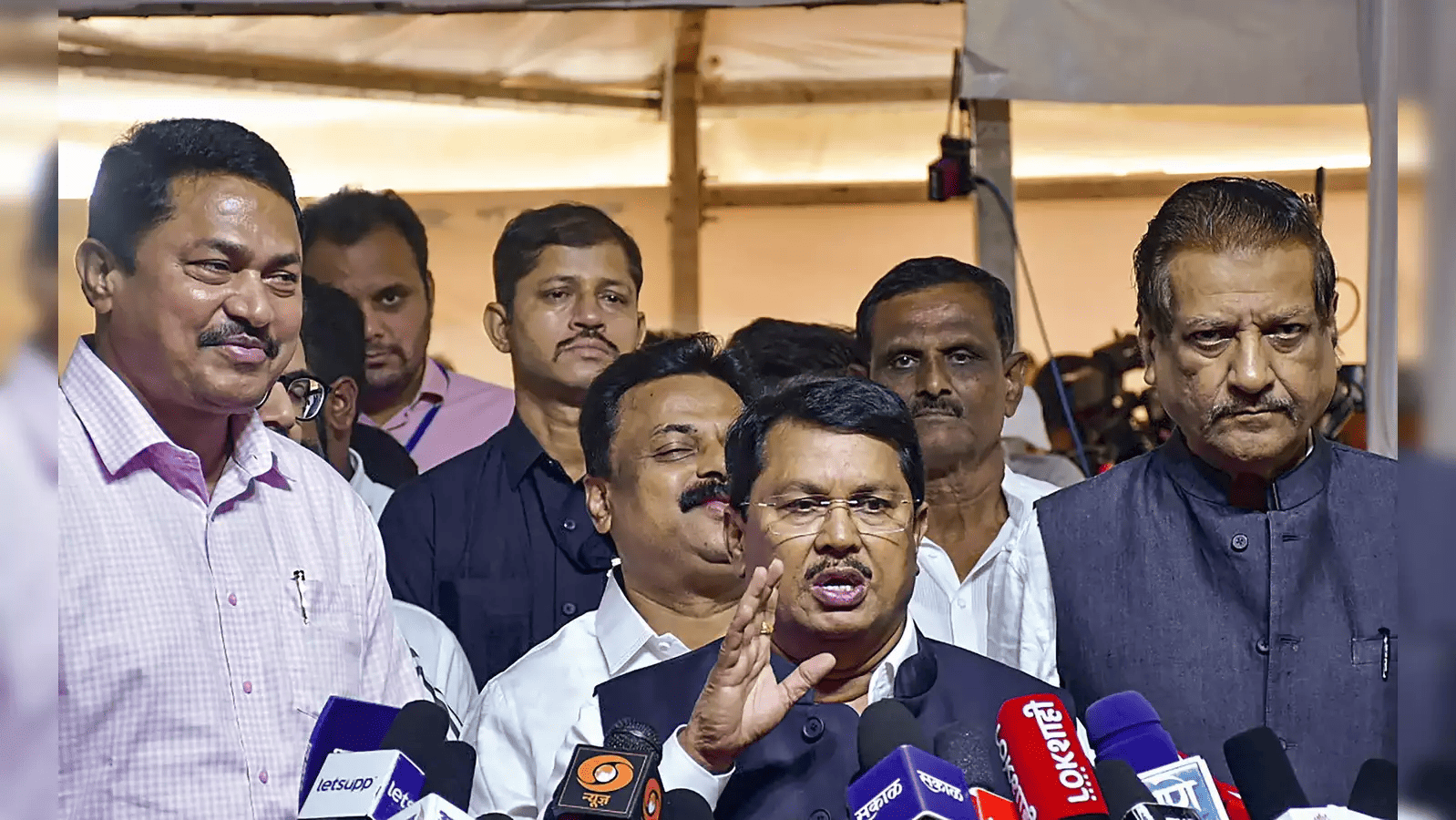
Congress Maharashtra candidates: The Maharashtra assembly elections are fast approaching, and political activities are heating up as parties prepare for the high-stakes battle. One of the most significant developments is Congress’ anticipated announcement of its first list of candidates on October 20. This announcement will set the stage for a crucial electoral showdown, especially in key constituencies across the state. Let’s dive into what we know so far and the political implications of this highly awaited list.

Why October 20 is a Key Date for Congress (Congress Maharashtra candidates)

Congress insiders have hinted that October 20 could be the day the party reveals its much-awaited first list of candidates for the Maharashtra assembly elections. This list will likely feature prominent leaders and new faces, reflecting Congress’ electoral strategy. With the announcement looming, sources within the party suggest that the candidate selection process has reached its final stages.

Vidarbha Takes Center Stage

Vidarbha, a politically important region in Maharashtra, is expected to feature prominently in Congress’ candidate list (Congress Maharashtra candidates). Several well-known leaders from Vidarbha are reportedly on the verge of securing their nominations. These leaders are expected to play a pivotal role in strengthening Congress’ presence in the region, which has seen fierce competition from other political parties in recent elections.

Nana Patole to Contest from Sakoli

Maharashtra Pradesh Congress Committee (MPCC) president, Nana Patole, is almost certain to contest from the Sakoli constituency. Patole’s candidacy is significant as he holds a key leadership position within the party and is seen as a strong contender who could energize Congress supporters in Vidarbha.

Key Candidates in the Running

Apart from Nana Patole, there are several other notable leaders expected to be included in Congress’ first candidate list. Let’s take a closer look at some of these names:

Vijay Wadettiwar in Bramhapuri

Vijay Wadettiwar, Leader of Opposition in Maharashtra, is widely expected to contest from Bramhapuri. His inclusion in the list is virtually confirmed, and his leadership role makes him one of the most prominent figures to watch out for in the upcoming elections.

Balasaheb Thorat in Sangamner

Congress Legislative Party leader Balasaheb Thorat is set to contest from his traditional stronghold of Sangamner. Thorat is a seasoned leader whose influence extends beyond his constituency, making his candidacy crucial for Congress’ overall strategy.

Nitin Raut in North Nagpur

Former Energy Minister Nitin Raut is poised to represent North Nagpur. His political clout and experience make him a significant asset to Congress, especially in urban constituencies where the competition is expected to be fierce.

Yashomati Thakur in Teosa

Former Women and Child Development Minister Yashomati Thakur is another key figure in Congress’ Vidarbha strategy. She is expected to contest from Teosa in Yavatmal, adding to the party’s strength in the region.

Congress’ Seat-Sharing Formula and Maha Vikas Aghadi (MVA) Alliance

In the upcoming elections, Congress is contesting as part of the Maha Vikas Aghadi (MVA) alliance, which includes the Nationalist Congress Party (NCP) and Shiv Sena (Uddhav Balasaheb Thackeray faction). As per the seat-sharing agreement, Congress has been allotted 84 seats. While the first list will cover nearly 60 constituencies, there are still some seats where panels with multiple candidates are under discussion.

Key Constituencies Still Under Scrutiny

In around 12 to 14 constituencies, the party has formed panels featuring two or three potential candidates. These panels are being deliberated upon to ensure that the final choices align with the party’s strategy. This process reflects Congress’ cautious approach, ensuring they field the strongest candidates in these key constituencies.

The Saoner Conundrum: Who Will Replace Sunil Kedar?

A particularly interesting constituency to watch is Saoner, where senior Congress leader Sunil Kedar was disqualified last year. There is speculation that Congress may field a candidate of Kedar’s choosing, though no official confirmation has been made yet. Whoever takes the Saoner seat could face a formidable challenge, especially given the high-profile nature of the constituency.

Nagpur’s Battle: Praful Gudadhe vs. Devendra Fadnavis?

One of the most anticipated electoral face-offs could take place in Nagpur, where Congress corporator Praful Gudadhe is expected to run against Devendra Fadnavis, the Deputy Chief Minister of Maharashtra. Gudadhe’s candidacy has not yet been confirmed, but if it materializes, this could be one of the most talked-about contests in the elections.

Congress Meeting in New Delhi: Finalizing the Candidates

This week, Congress’ scrutiny committee met in New Delhi to finalize candidates for nearly 60 constituencies. Once the list is approved by the Central Election Committee (CEC), it will be made public. Vijay Wadettiwar, speaking to the media earlier, had confirmed that the first list would likely be announced by the night of October 20.

MVA Dynamics: Possible Conflicts and Alignments

As the seat-sharing agreement comes into play, there are potential points of friction within the MVA alliance. One such case involves the Katol constituency, where Yajnavalkya Jichkar, son of former minister late Shrikant Jichkar, is keen to contest. However, this seat is expected to fall under the NCP quota, with Anil Deshmukh likely to be renominated. This has raised the possibility that Jichkar may run as an independent, which could create internal conflicts within the MVA.

Potential Alliances: Mahadev Jankar’s Role

During a recent media interaction, Vijay Wadettiwar hinted that Mahadev Jankar, a leader marginalized by the ruling Shiv Sena-BJP alliance, might align with Congress. Jankar’s inclusion could shift the dynamics, especially in constituencies where his influence is strong.

Sangli Pattern Strategy: A Winning Formula?

One of the key strategies discussed during Congress’ internal meetings is the Sangli pattern, a successful approach used during the Lok Sabha polls. The party is considering applying this formula in Vidarbha, which could give them an edge in constituencies where they are in direct competition with BJP or Shiv Sena candidates.

 A Pivotal Moment for Congress

The upcoming announcement of Congress’ first list of candidates is a critical juncture for the party. The choices they make will set the tone for their campaign and could determine their success in the Maharashtra assembly elections. With experienced leaders, strategic alliances, and a focus on key regions like Vidarbha, Congress is positioning itself as a strong contender. However, the electoral landscape is unpredictable, and the party will need to navigate internal and external challenges carefully.

  1. When will Congress announce its first list of candidates? Congress is expected to announce its first list of candidates on October 20.
  2. Which key leaders are expected to be on the list? Leaders like Nana Patole, Vijay Wadettiwar, Balasaheb Thorat, Nitin Raut, and Yashomati Thakur are expected to be included.
  3. How many seats has Congress been allotted under the MVA alliance? Congress has been allotted 84 seats as part of the seat-sharing agreement under the MVA alliance.
  4. What is the significance of the Sangli pattern strategy? The Sangli pattern is a successful electoral strategy used during the Lok Sabha elections, which Congress is considering replicating in the upcoming assembly elections.
  5. Could there be internal conflicts within the MVA alliance? Yes, there is potential for conflict, particularly in constituencies like Katol, where multiple candidates are vying for the same seat.

NU Winter Exam Timetable for Regular Students Soon: All You Need to Know

Nagpur University winter exam timetable: Nagpur University (NU) is gearing up for its winter exams for regular students in even semesters, following the conclusion of election-related uncertainties. If you’re a student at NU, this is essential information you won’t want to miss, as the timetable and exam dates are expected to be released soon. But why the delay? Let’s dive into the details and explore how this affects you.

 Overview of NU Winter Exams for Even Semesters

The Nagpur University winter exams (Nagpur University winter exam timetable) are crucial for students pursuing degrees across various disciplines. However, due to the upcoming Maharashtra assembly elections, the timetable has been delayed, leaving students and faculty on standby.

 Why Has the Timetable Been Delayed?

Election duties have caused a reshuffle of schedules. With polling stations being set up in some of the university’s exam centers, conducting exams as initially planned would have been impossible. Therefore, NU had to adjust its exam timetable around the election dates.

 Election Impact on Exam Dates

The assembly election is scheduled for November 20, with counting taking place on November 23. This creates a logistical issue as some of the university’s exam centers will be unavailable between November 18-23 due to their transformation into polling booths.

 When Will the Exams Start?

Although the timetable isn’t officially out yet, NU (Nagpur University winter exam timetable) tentatively plans to start the even semester exams on November 16. To make up for the lost week of November 18-23, officials are working on compressing the schedule and ensuring that exams start as early as November 11. This rescheduling ensures minimal disruption to the academic year.

 Challenges for Teachers and University Officials

The teachers and university staff have more on their plates than just exam duties. Along with their regular responsibilities, they will also be involved in election-related activities, further complicating the exam schedule.

 NU’s 112th Convocation on November 22

Adding to the busy schedule is NU’s 112th convocation ceremony on November 22. This important event will see officials and teachers occupied, further limiting their availability for exam-related work during this period.

 The Timeline for Releasing Exam Results

Another critical aspect to consider is how this adjusted timetable will impact when students receive their results. NU is keen to ensure that most results are released before December 31. Why? Because timely results play a significant role in academic progression, enabling students to plan for the next semester or apply for higher education.

 Professional Course Exams in January

If you’re a student in a professional course, take note: your exams will be held in January. This delay is due to the ongoing admission process, which needs to be completed before exams can be conducted.

 Recent Developments in Exam Preparations

NU has already started the winter exams for odd semesters, specifically for backlog students. A preparatory meeting for principals and center heads regarding the winter exams was recently held, highlighting important guidelines for managing the exams at the college level.

 Key Points from the Preparatory Meeting

During this meeting, Sanjay Kaviswar, acting director of the Board of Examinations and Evaluation, emphasized taking all necessary precautions to manage the exams smoothly. The exams will take place across 136 centers within NU’s jurisdiction, and center heads have been instructed to ensure no difficulties for students during the exams.

 Ensuring Compliance with Exam Regulations

Kaviswar also stressed the importance of adhering to departmental instructions regarding exam regulations. This means all involved parties must follow the rules to avoid any mishaps or irregularities during the exam period.

 Exam Guidelines and Instructions for Students

NU officials have been very clear about what’s expected from students and staff during the exam period. Various departmental heads have outlined the procedures to be followed to ensure the exams are conducted fairly and efficiently.

 Handling of Answer Sheets and Exam Materials

Deputy Registrar Naveen Kumar Mungle explained the correct handling of both old and new answer sheets. He also provided instructions on the precautions to take after distributing the answer sheets to students.

 Exam Duration and Teacher Assistance

The exam duration will depend on the marks allocated, and teachers will be involved in exam management to help smooth the process. Their role is to ensure that students face no obstacles during the exams and that the exam procedures are followed correctly.

 NU’s Digital Approach to Exams

NU has been making strides in conducting exams online. Deputy Registrar Motiram Tadas provided information on the university’s digital management of exams, including how to download question papers and manage exam centers using advanced computer systems.

 Online Exams and Paper Distribution

All degree, diploma, and postgraduate exams will now have their question papers distributed online. The process includes downloading online question papers via a login ID, verifying the center list, and ensuring compliance with the university’s digital examination procedures.

 College Computer Systems Must Be Ready

Since most of the exam management will be conducted online, the deputy registrar has urged all colleges to ensure their computer systems are up to date. This will ensure a smooth process when handling the online components of the exam, from downloading question papers to submitting results.

 Preparations for a Seamless Exam Experience

With so many moving parts, how will NU ensure a smooth exam experience for students? This is where the proactive involvement of center heads and principals comes in.

 Importance of Communication Between Exam Centers and NU

Regular communication between exam centers and NU’s examination department is critical. Officials stressed the need for regular updates to avoid any last-minute hiccups.

 Ensuring Student Convenience

Ultimately, all these efforts aim to ensure that students have a hassle-free exam experience. From clear instructions to well-prepared exam centers, NU is doing everything in its power to make the winter exam season as smooth as possible for regular students.

As we look ahead to the upcoming winter exams at Nagpur University, it’s clear that while logistical challenges remain, NU is taking active steps to ensure that exams proceed without major delays. By planning around the election dates and managing the exam schedule effectively, the university aims to conclude the even semester exams smoothly before the year ends. Students and faculty alike can look forward to a well-organized exam process that, while slightly delayed, will still ensure timely results and a smooth transition into the next academic year.

1. When will the NU winter exam timetable be released?

The timetable is expected to be released soon, with exams tentatively starting on November 16 for even semesters.

2. How will the assembly elections affect the NU winter exams?

Some exam centers will be used as polling booths from November 18-23, causing a slight reshuffle in the exam schedule.

3. When will professional course exams be held?

Exams for professional courses will take place in January due to the ongoing admission process.

4. What steps is NU taking to ensure a smooth exam process?

NU is actively working with principals and center heads to ensure exams are well-organized, with digital systems in place for smooth operations.

5. Will online exams be conducted?

Yes, NU will distribute question papers online, and all exam management will be handled digitally to ensure efficiency.

63 Buildings Around Nagpur Airport Pose Hurdles to Flight Path

Nagpur airport building obstructions: The airspace around Nagpur’s airport is facing significant challenges, as 63 buildings are currently obstructing the flight path. While previous reports noted 68 such structures, five have been removed, leaving these remaining obstacles. These structures are more than just physical impediments; they can also interfere with communication signals between aircraft and air traffic control (ATC). In this article, we’ll explore the ongoing situation, why these buildings pose a problem, and the steps being taken to address the issue.

What is the Issue with Buildings Around Nagpur Airport?

The Scope of the Problem (Nagpur airport building obstructions)

Nagpur’s airport has identified 63 buildings that are obstructing its flight path. These buildings pose both physical and communication challenges for aircraft. Previously, 68 structures were listed as hurdles, but recent efforts have led to the removal of five of them. However, the remaining 63 continue to pose a threat to aviation safety.

How Buildings Affect Flight Paths

Buildings taller than a specified limit within certain zones near the airport disrupt both the physical flight paths and the radio communication between planes and ATC. The final descent of an aircraft is particularly sensitive to any obstruction since the plane is flying at lower altitudes, which increases the risk of interference.

The RTI Act and Findings

The Role of RTI Activism

Abhay Kolarkar, a noted Right to Information (RTI) activist, filed an inquiry with the Airports Authority of India (AAI) to gather more information on the obstacles posed by these buildings. The query revealed important insights into how the buildings were categorized and the ongoing efforts to remove them. However, much of the information was routed through Mihan India Limited (MIL), the operator of Nagpur Airport.

Key Details from the RTI Response

MIL’s response to the RTI query clarified that although 68 structures were initially flagged as obstacles, five have since been removed. However, 63 buildings still remain. This ongoing issue emphasizes the complexity of removing or altering buildings that exceed height limits.

How Are Hurdles Identified?

Color-Coded Zoning and Height Restrictions

The identification of hurdles is not arbitrary. A color-coded map is used to mark different zones around the airport, with each zone having specific height restrictions. The red zone, for instance, has the most stringent limits, as even a slight increase in a building’s height could interfere with flight operations. Buildings are evaluated based on a formula that considers their exact coordinates and their proximity to the airport.

Minor vs. Major Violations

Not all hurdles require the demolition of an entire building. In some cases, minor violations—such as an extra room or a water tank built on the roof—can be corrected by removing just those structures. However, if a building has an entire floor that exceeds the permitted height, the removal process becomes far more complicated, often requiring significant demolition work.

The Safety Risks of These Buildings (Nagpur airport building obstructions)

Communication Interference

One of the most critical issues caused by these buildings is the potential for communication blackouts between aircraft and ATC. Pilots rely on constant communication with the ground to navigate the last phase of their descent safely. Tall structures can disrupt these signals, causing momentary communication gaps that could prove dangerous.

Obstructing the Flight Path

Apart from communication issues, these buildings also pose a physical threat to aircraft. Any object that stands too tall in the flight path could result in a collision or force pilots to take sudden corrective measures, increasing the risk of accidents.

What Actions Are Being Taken?

Notices to Building Owners

MIL has sent notices to the owners of the 63 buildings that remain as obstacles, urging them to comply with regulations and remove any violating structures. However, compliance has been slow, and as of the latest reports, none of the owners have taken sufficient action to address the problem.

Coordination with DGCA

MIL has also shared the list of obstructions with the Directorate General of Civil Aviation (DGCA), the regulatory body responsible for overseeing aviation safety. The DGCA is now involved in efforts to resolve the issue, but the timeline for removing these hurdles remains uncertain.

What Can Be Done to Resolve the Issue?

Voluntary Compliance by Building Owners

One of the quickest ways to address the problem would be for the building owners to voluntarily comply with the height restrictions. In many cases, compliance can be achieved with minimal alterations, such as removing a water tank or lowering the height of a roof.

Legal Action

If voluntary compliance is not forthcoming, legal action may be the next step. MIL and the DGCA have the authority to enforce regulations and could take measures to demolish parts of buildings that violate height restrictions. However, this is often a lengthy and costly process.

How Are Buildings Approved for Construction?

The No-Objection Certificate (NOC) Process

Before constructing a building near the airport, developers are required to obtain a No-Objection Certificate (NOC) from the AAI. This process ensures that new buildings will not pose any risk to flight operations. However, some of the existing structures may have been built before these regulations were strictly enforced, leading to the current issues.

NOC Compliance and Violations

Despite the NOC process, some builders have constructed structures that exceed the permitted height, either intentionally or due to misunderstandings. This has led to the need for retrospective action to bring these buildings into compliance with current regulations.

The issue of buildings obstructing the flight path at Nagpur Airport is a serious one that requires immediate attention. While some progress has been made with the removal of five structures, 63 buildings still pose significant safety risks. The involvement of the DGCA, MIL, and the AAI in addressing the problem is encouraging, but the resolution process is likely to be slow. It is crucial for building owners to comply with regulations and for authorities to take swift action to ensure the safety of all flights in and out of Nagpur.

1. What makes buildings around airports a safety concern?

Buildings that exceed height restrictions near airports can obstruct the flight path and interfere with communication between aircraft and air traffic control, posing serious safety risks.

2. How are height restrictions determined around airports?

Height restrictions are calculated using a formula based on the building’s coordinates and proximity to the airport. Zones are color-coded, with stricter limits applied in areas closest to the airport.

3. Can small violations like water tanks be corrected?

Yes, in many cases, minor violations such as water tanks or extra rooms can be corrected without demolishing the entire building.

4. Who is responsible for enforcing these regulations?

The Airports Authority of India (AAI), Mihan India Limited (MIL), and the Directorate General of Civil Aviation (DGCA) are responsible for enforcing building regulations near Nagpur Airport.

5. What happens if a building owner doesn’t comply?

If voluntary compliance is not achieved, legal action may be taken to enforce the demolition or modification of parts of the building that exceed height restrictions.

58% of New Voters After Lok Sabha Polls Are Women

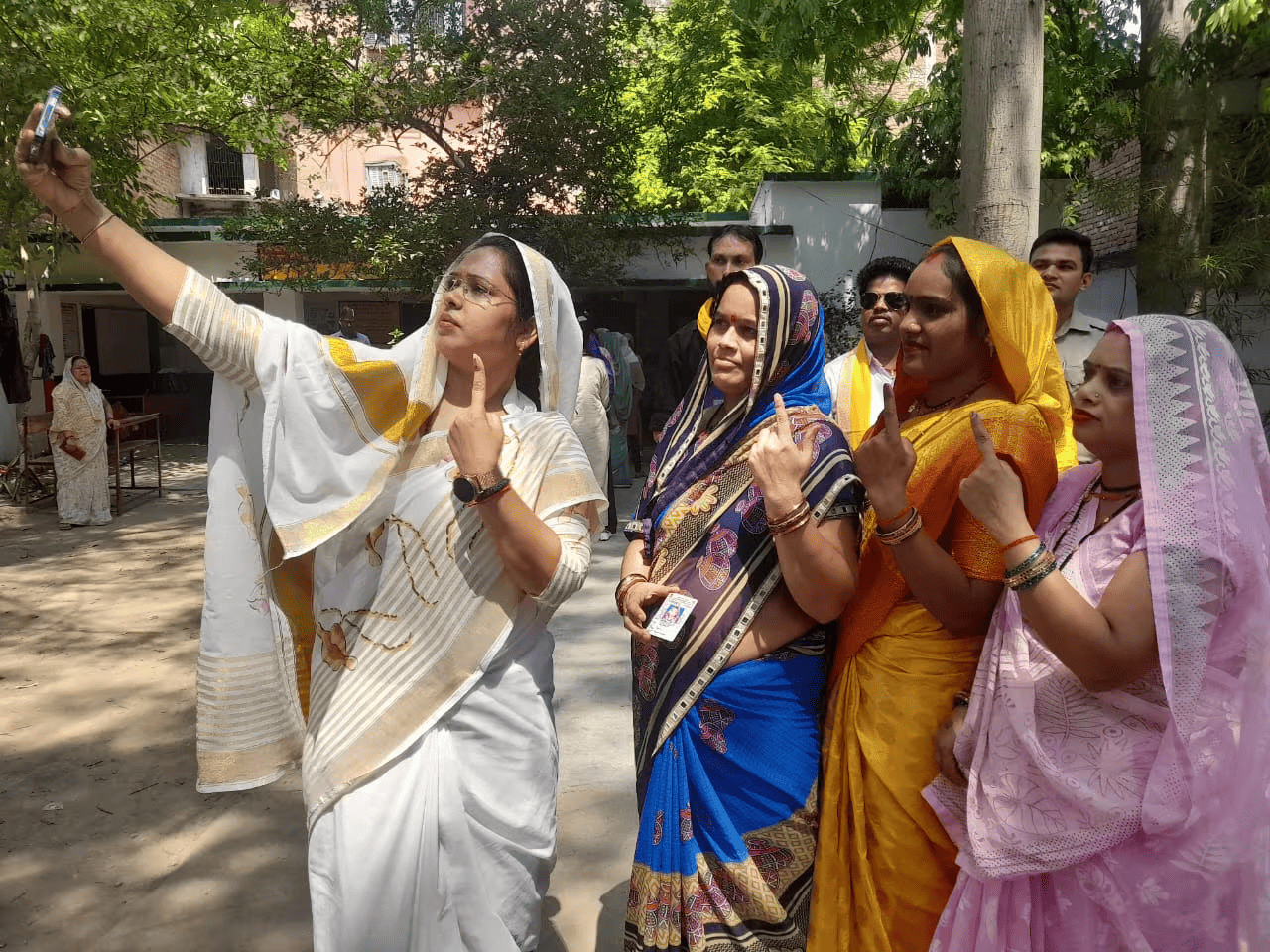
The political landscape is changing in ways we haven’t seen before, and one of the most fascinating trends is the rise in women voters. After the recently concluded Lok Sabha elections, (Lok Sabha polls) 58% of the newly registered voters in the district were women. This surge could be a crucial factor in the upcoming Assembly elections. Women are no longer just passive participants in political discussions; they are actively registering, showing up to vote, and influencing key decisions. Let’s explore the reasons behind this trend and its potential impact.

The Surge in Women Voters: A Game Changer

As of October 15, the district had 44,94,784 registered voters, an increase from the 42,72,366 voters before the Lok Sabha elections (Lok Sabha polls) held in March. Out of the 2,22,418 new voters, a staggering 1,29,782 are women, making up 58.30% of the new registered voters. This trend is consistent across both rural and urban areas, signaling a growing enthusiasm among women to have a say in political matters.

Why the Surge?

So, what’s driving this surge in women voters? A mix of factors, really. Women are becoming more aware of their rights and are eager to make their voices heard. Moreover, initiatives like the ‘Mukhyamantri Majhi Ladki Bahin Yojna’ have created strong incentives. This monthly financial support scheme specifically targeted towards women not only helps financially but also fosters a sense of independence and empowerment.

Breaking Down the Numbers

In the six constituencies within the city, 82,872 of the 1,42,717 newly registered voters are women, which is 58.06%. The remaining constituencies in the district recorded 46,910 women out of 79,710 new voters, contributing 58.86% to the total. These numbers reflect a significant demographic shift.

The Impact of Mukhyamantri Majhi Ladki Bahin Yojna

The state government’s active promotion of the ‘Mukhyamantri Majhi Ladki Bahin Yojna’ has been instrumental in this increase. This scheme transfers money directly to women, boosting their financial independence and encouraging them to participate in the democratic process. The fact that the government is targeting women as a key demographic through such initiatives could have a profound impact on election outcomes.

Women Empowerment at the Grassroots Level

This financial support isn’t just about the money. It’s about giving women the freedom to make choices—choices that were often out of their hands in the past. By helping women step outside their traditional roles, this program is enabling them to become more involved in community and policy matters.

Urban vs. Rural: A Uniform Trend

While there may be differences in lifestyle and access to resources between urban and rural women, this voter registration trend cuts across both areas. In urban constituencies, 58.06% of new voters are women, and in rural constituencies, that figure is 58.86%. It’s clear that regardless of where they live, women are taking an active role in shaping their futures.

A Changing Society: Women Stepping Out of Traditional Roles

This data signals a major cultural shift. More and more women are stepping out of their traditional roles to engage in public and political life. The growing awareness and sense of responsibility among women are paving the way for a more balanced and inclusive society.

Will Women Decide the Election Outcome?

The real question is: Can this increase in women voters change the outcome of the Assembly elections? With more women registering and showing an eagerness to vote, the political dynamics are likely to shift. Women, often seen as silent voters, now have a larger share in the voter pool, and their collective voice could make a significant difference in close races.

The Enthusiasm to Participate

There’s an undeniable energy among women to get involved in the voting process. It’s not just about showing up at the polls but about being part of the larger political dialogue. More women are attending rallies, engaging in discussions, and keeping themselves informed about key policies that affect their lives.

Why Women’s Votes Matter More Than Ever

In an election, every vote counts. But women’s votes have a unique significance, especially when they make up the majority of new voters. They bring different priorities and concerns to the table—issues like healthcare, education, child welfare, and domestic violence, which are often overlooked in male-dominated political discussions.

The Role of Women in Policy Change

With more women voters, we could see a greater focus on policies that directly affect women’s lives. Issues that might have been sidelined in previous elections could now take center stage, simply because of the number of women making their voices heard.

Could This Lead to More Women in Power?

Another interesting angle to consider is how this surge in women voters could affect the number of women running for office. More women in the electorate could inspire more women to contest elections, creating a ripple effect in political representation.

Encouraging Female Leadership

Political parties might also start fielding more female candidates to appeal to this growing voter base. After all, if women are voting in larger numbers, they are likely to support candidates who represent their interests—leading to a potential increase in female leadership in local and national politics.

The Long-Term Impact

This trend of women stepping into the political arena isn’t a one-off phenomenon. It’s part of a larger movement towards gender equality and empowerment. The impact of this surge in women voters will be felt not just in the upcoming Assembly elections but in future elections as well.

Building Momentum for the Future

As more women become politically active, we can expect to see changes in the kinds of policies that are prioritized. Women’s issues, which were often pushed to the back burner, will likely gain more prominence, leading to long-term societal benefits.

The surge in women voters after the Lok Sabha elections (Lok Sabha polls) is more than just a statistic. It’s a sign of the changing times, where women are taking control of their destinies and playing an active role in shaping the country’s future. With 58% of new voters being women, the upcoming Assembly elections (Lok Sabha polls) could witness a shift in the political narrative, driven by the power of female voters.

1. Why are more women registering to vote?
Women are becoming more aware of their rights, and government schemes like the ‘Mukhyamantri Majhi Ladki Bahin Yojna’ are encouraging them to participate in elections.

2. How does the ‘Mukhyamantri Majhi Ladki Bahin Yojna’ affect voting?
This scheme provides financial support to women, making them more independent and likely to engage in political activities, including voting.

3. Are urban and rural areas seeing the same trend in women voters?
Yes, both urban and rural areas are witnessing a similar trend, with around 58% of new voters being women in both regions.

4. Can women voters change the election outcome?
With 58% of new voters being women, they have the potential to significantly influence the results of the upcoming Assembly elections.

5. Will we see more women candidates in the future?
The increase in women voters could inspire more women to run for office, potentially leading to greater female representation in politics.

‘Rabies-Mukt’ City: Over 20,000 Dogs Vaccinated in Nagpur

Rabies Vaccination Nagpur: Rabies remains a dangerous threat, but cities like Nagpur are making impressive strides in combating this deadly disease. Thanks to a dedicated campaign, Nagpur vaccinated over 20,000 dogs in a month-long effort that went above and beyond expectations. Let’s dive into the details of this campaign, its challenges, and what this means for the city’s mission to become ‘Rabies-Mukt’ (Rabies-free).

What is Rabies, and Why is It So Dangerous?

Rabies is a viral disease that is almost always fatal if not treated immediately. Spread primarily through bites or scratches from infected animals, rabies affects the brain and nervous system of mammals, including humans. The virus is notorious for being both preventable and deadly, making vaccination critical for both animals and humans alike.

Nagpur’s ‘Rabies-Mukt’ Campaign: An Overview

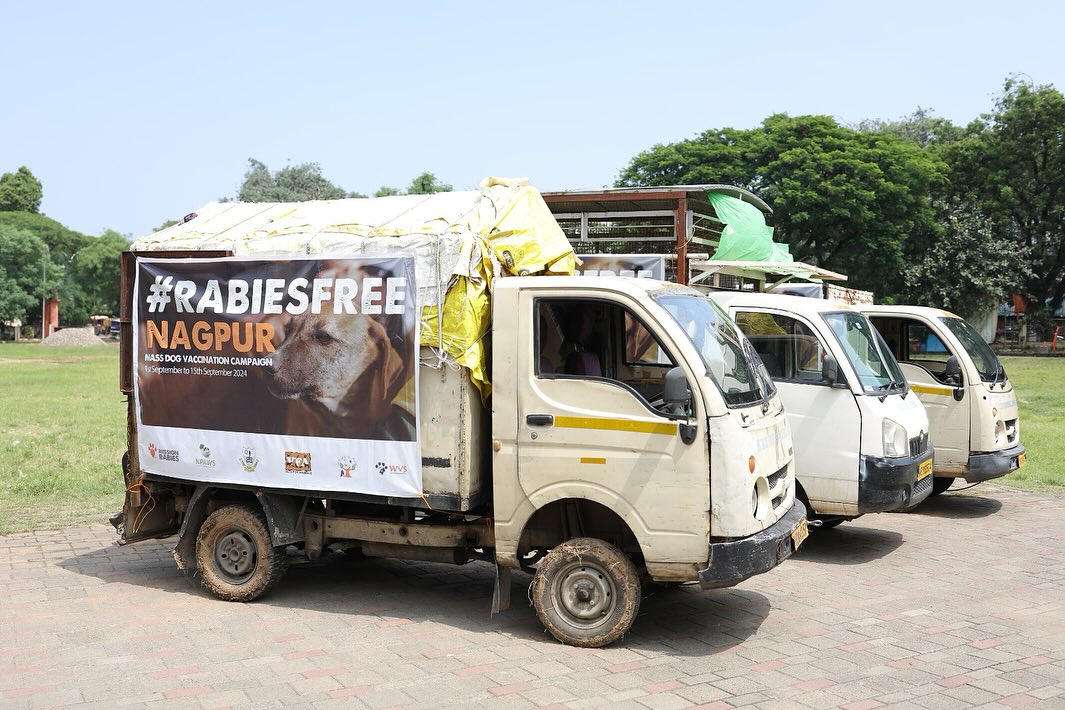
The Nagpur Municipal Corporation (NMC), in partnership with Mission Rabies, launched the ‘Rabies-Mukt Nagpur’ (Rabies Vaccination Nagpur) initiative on September 1. The original goal? To vaccinate 15,000 dogs in 15 days. However, the efforts exceeded expectations, resulting in the vaccination of over 20,000 dogs—20,392 to be exact—by the campaign’s end on World Rabies Day, September 28.

Who Was Involved in the Campaign?

This large-scale project involved collaboration between several key players:

  • Nagpur Municipal Corporation (NMC): The city’s municipal body that oversaw the project.
  • Mission Rabies: A global charity dedicated to eradicating rabies through mass vaccination campaigns.
  • Nagpur Veterinary College: The academic institution that provided veterinary students as vaccinators and data collectors.
  • Nirmiti People’s and Animal Welfare Society (NPAWS): A local organization that played a pivotal role in executing the vaccination drive on the ground.

Breaking Down the Campaign’s Two Phases

The campaign was divided into two phases:

  1. Phase One (First 15 Days): Nine teams comprising veterinary students and dog catchers worked tirelessly to vaccinate 17,392 dogs. This phase saw heavy involvement from both Nagpur Veterinary College students and organizations like HOPE and Animal Trust.
  2. Phase Two (Last 15 Days): Two dedicated teams focused on vaccinating the remaining 3,000 dogs, ensuring that no dog was left behind.

A Milestone Reached on World Rabies Day

The timing of this achievement is significant. World Rabies Day, observed on September 28, aims to raise awareness about the impact of rabies and promote initiatives to eliminate it. Concluding the campaign on this day highlighted the city’s commitment to both global and local health goals.

Educational Initiatives: Reaching Schools and Communities

Beyond just vaccinations, the campaign included an extensive educational component. Teams visited 20 schools, educating 2,673 students and 164 teachers on rabies prevention, responsible pet ownership, and how to handle dog bites. Additionally, 27 local communities were engaged in discussions about rabies and pet care.

Why Rabies Education is Crucial

Vaccinating animals is just one part of the equation. Educating communities on how to prevent rabies through responsible pet ownership and how to act when exposed to potentially rabid animals can help reduce the spread of this disease. This awareness can save lives by encouraging timely medical intervention after a bite or scratch.

The Role of Veterinary Students and Local Organizations

One of the campaign’s highlights was the participation of 38 veterinary students from Nagpur Veterinary College. Their involvement not only provided hands-on experience but also boosted the overall workforce required for such a massive project. Furthermore, NPAWS chairman Dr. Rahul Bombatkar and his team played a critical role in organizing and executing the on-the-ground efforts.

Why the Success of this Campaign Matters

The success of Nagpur’s ‘Rabies-Mukt’ campaign serves as a model for other cities. It shows that with proper planning, collaboration, and community involvement, a significant public health threat like rabies can be effectively tackled. By vaccinating 20,392 dogs, Nagpur is making strides toward creating a safer and healthier environment for both humans and animals.

The Importance of Rabies Vaccination in Urban Areas

Urban areas, where human and animal populations interact frequently, are especially vulnerable to the spread of rabies. Vaccination drives in cities like Nagpur are crucial in breaking the cycle of transmission. This not only protects humans from potential exposure but also helps control the stray dog population by ensuring their health and safety.

Rabies and Its Global Impact

Rabies claims tens of thousands of lives annually, with the majority of cases occurring in Asia and Africa. In India alone, around 20,000 people die each year from rabies, primarily due to unvaccinated dogs. Initiatives like Nagpur’s ‘Rabies-Mukt’ campaign are essential steps toward reducing these numbers and eradicating rabies globally.

What’s Next for Nagpur?

While this campaign has been a major success, the work is far from over. Continuous efforts in vaccination, public education, and animal care will be necessary to maintain Nagpur’s rabies-free status. The collaboration between government bodies, educational institutions, and non-profits will continue to play a key role in the city’s fight against rabies.

 A Rabies-Free Future for Nagpur?

The ‘Rabies-Mukt Nagpur’ (Rabies Vaccination Nagpur) campaign has set a remarkable example of how communities can come together to address public health challenges. With over 20,000 dogs vaccinated and thousands of people educated, Nagpur is well on its way to becoming a rabies-free city. The efforts of NMC, Mission Rabies, Nagpur Veterinary College, and NPAWS are commendable, but the journey doesn’t end here. With sustained efforts, Nagpur could lead the way in creating rabies-free cities across India.

1. What is the ‘Rabies-Mukt’ campaign in Nagpur?
The ‘Rabies-Mukt’ campaign was an initiative by the Nagpur Municipal Corporation, in collaboration with Mission Rabies, to vaccinate over 20,000 dogs and prevent rabies in the city.

2. Why is rabies vaccination important?
Rabies vaccination is crucial because rabies is a deadly viral disease that can be transmitted from animals to humans. Vaccinating animals, especially dogs, is the most effective way to prevent its spread.

3. Who participated in the Nagpur campaign?
Key participants included the Nagpur Municipal Corporation, Mission Rabies, Nagpur Veterinary College, and the Nirmiti People’s and Animal Welfare Society (NPAWS).

4. How many dogs were vaccinated during the campaign?
A total of 20,392 dogs were vaccinated, surpassing the original goal of 15,000.

5. What future steps will Nagpur take to combat rabies?
Nagpur will continue its efforts through regular vaccination drives, public education, and animal welfare initiatives to maintain its progress toward becoming rabies-free.

HC Seeks Details of Restoration Plan for Kasturchand Park

The Nagpur bench of the Bombay High Court has once again turned its attention to the restoration of Kasturchand Park, one of the city’s most iconic public spaces. With overgrown vegetation, crumbling heritage structures, and a site that has increasingly been used for commercial purposes, the court has set a strict deadline for authorities to submit detailed plans on how to restore and preserve this Grade-1 heritage monument.

The November 13 deadline requires key local authorities, including the Nagpur Municipal Corporation (NMC), the collector, the PWD chief engineer, and the Heritage Conservation Committee, to file affidavits detailing the current state of Kasturchand Park, the planned restoration efforts, and what actions have been taken to date.

Why Is Kasturchand Park Significant?

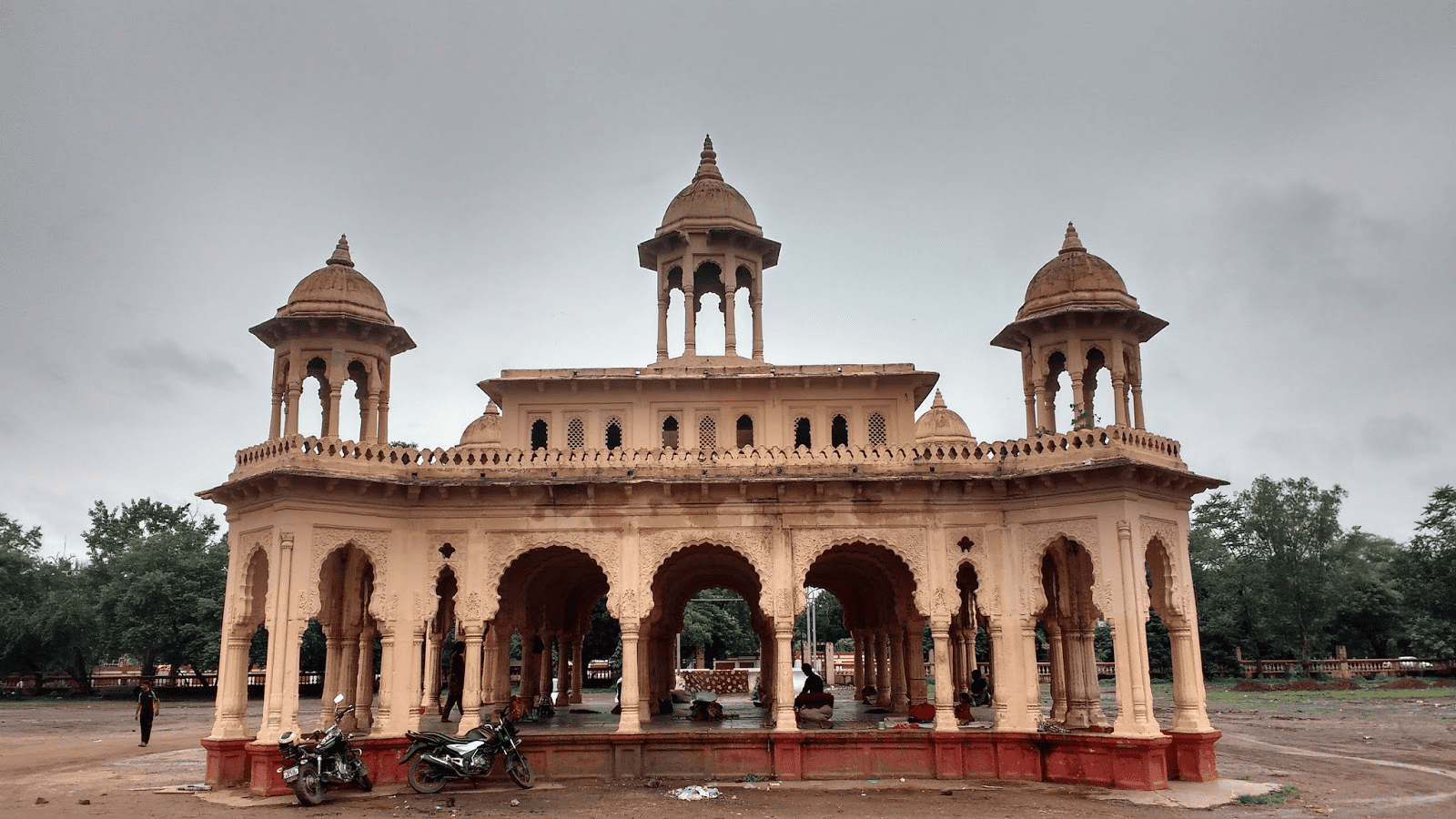
Kasturchand Park isn’t just a regular public space—it’s a part of Nagpur’s history. As a Grade-1 heritage site, it houses architectural elements and monuments that are culturally significant, making its preservation not just a local responsibility but a matter of national importance. Over the years, however, the park has suffered from neglect, becoming a place for haphazard commercial events rather than a well-preserved historical site.

Court’s Concern: What Triggered the Deadline?

This isn’t the first time the court has expressed concern about the state of Kasturchand Park. In October 2021, a court order highlighted how the park was being used for commercial purposes at minimal rent, allowing event organizers to make substantial profits while the park itself suffered.

Fast forward to 2023, and not much seems to have changed. Overgrown vegetation and deteriorating structures dominate the once-pristine space, with little sign of the previous court orders being implemented.

Key Players in the Restoration Process

The restoration of Kasturchand Park involves several local authorities, each of whom plays a critical role in ensuring the park’s future:

Nagpur Municipal Corporation (NMC)

As the city’s municipal body, the NMC is responsible for the maintenance of public spaces, including Kasturchand Park. The court has specifically directed them to undertake an audit and submit an action plan for restoring the park to its former glory.

The Collector

The collector’s office plays a role in managing the land leases of Kasturchand Park. In previous court orders, the collector was asked to provide details on whether there were any lease violations and what actions were taken to correct these.

Public Works Department (PWD)

The PWD, which oversees civil infrastructure projects, is responsible for ensuring that restoration work is carried out in a manner that respects the heritage status of the park while making it accessible and enjoyable for the public.

Heritage Conservation Committee

Tasked with overseeing the preservation of historical monuments, the Heritage Conservation Committee plays a key role in ensuring that the park’s architectural elements and monuments are restored with respect to their historical significance.

Past Orders and Restoration Plans

The court’s scrutiny of the park isn’t new. Back in September 2020, there was a stark difference between what was reported to the court regarding the condition of the park and what was observed in reality. Filth, uneven surfaces, and crumbling structures were a far cry from the affidavits that painted a more positive picture.

Since then, the court has been pushing local authorities to take the matter more seriously. In 2021, the issue of commercial use and minimal rent leases came into focus. The court directed the collector to submit a report on the lease violations and recommend ways for the government to benefit from the profits event organizers were making off the park’s use.

Why Restoration Has Taken So Long

Restoration projects, especially those involving heritage sites, tend to be complex. They require careful planning, coordination between various authorities, and significant funding. However, the main issue seems to be the lack of a cohesive plan and timely action.

The court’s frustration is palpable, given the multiple orders over the past few years that have not led to any tangible improvements at Kasturchand Park. This time, the court has set a clear deadline of November 13, with an expectation that this will finally lead to real change.

What Needs to Be Done to Restore Kasturchand Park

For Kasturchand Park to be restored, several steps need to be taken, and they need to happen fast:

1. Clearing Overgrown Vegetation

The overgrown plants and weeds are not just an eyesore but also a potential hazard to the heritage structures. This is one of the first things that needs to be addressed.

2. Restoring Heritage Structures

The Grade-1 monument at the center of Kasturchand Park is in dire need of restoration. This will require expert architectural input and the use of materials that are appropriate for the historical period.

3. Regular Maintenance

Once the initial restoration is completed, it’s essential that the park is regularly maintained. This includes landscaping, cleaning, and ensuring that the structures remain in good condition.

4. Reducing Commercial Use

While commercial events bring in revenue, they also contribute to the degradation of the park. Strict guidelines need to be set for how the park can be used for events, ensuring that its heritage is preserved.

The Role of Public Awareness

Restoring Kasturchand Park isn’t just the responsibility of local authorities. The public also has a role to play in ensuring that the park remains clean and well-maintained. Public awareness campaigns could go a long way in encouraging residents to take pride in their local heritage.

Court’s Expected Outcomes

With the November 13 deadline fast approaching, the court expects detailed affidavits from all the involved parties. These affidavits should cover the current condition of the park, what restoration steps have been taken, and what the long-term plans are for preserving the park.

The court has also requested suggestions for how income generated from commercial events can be shared with the government to fund ongoing restoration and maintenance efforts.

Why Kasturchand Park’s Future Matters

Kasturchand Park is not just a public space; it’s a part of Nagpur’s history. The park’s future is tied to the city’s identity, and its preservation is crucial for both cultural and historical reasons. As the court continues to push for action, there is hope that Kasturchand Park will once again become a well-maintained, historically significant space for the people of Nagpur to enjoy.

The restoration of Kasturchand Park is long overdue. The involvement of the court has added pressure on local authorities to finally take action, but time will tell whether the November 13 deadline will lead to real change. With the park’s historical significance and the court’s continued scrutiny, there’s hope that Kasturchand Park will soon be restored to its former glory.

1. What is the historical significance of Kasturchand Park?
Kasturchand Park is a Grade-1 heritage site in Nagpur, known for its historical monuments and cultural importance.

2. Why is the court involved in the restoration of Kasturchand Park?
The court stepped in due to the park’s deteriorating condition and concerns about its use for commercial events at minimal rent.

3. What are the main challenges in restoring Kasturchand Park?
Key challenges include overgrown vegetation, crumbling heritage structures, and the lack of a cohesive restoration plan.

4. Who is responsible for restoring Kasturchand Park?
The restoration involves the Nagpur Municipal Corporation, the collector, the PWD, and the Heritage Conservation Committee.

5. What is the deadline for submitting the restoration plan for Kasturchand Park?
The court has set a deadline of November 13 for authorities to submit their detailed restoration plans.

Nagpur’s Eco-Friendly Durga Idol Immersions: A Sustainable Move

Durga idol immersion Nagpur.: The immersion of Durga idols is a significant ritual that marks the end of the Navratri festival in India. In Nagpur, this tradition saw a unique twist in October 2024 as citizens and the Nagpur Municipal Corporation (NMC) came together to promote eco-friendly practices. A total of 648 Durga idols were immersed at various artificial tanks between October 12 and 14, emphasizing the city’s commitment to preserving its natural water bodies.

Nagpur’s Approach to Durga Idol Immersions (Durga idol immersion Nagpur.)

The NMC, in collaboration with district authorities, arranged three key artificial immersion sites—Sonegaon, Gandhi Sagar, and Koradi. These locations were set up to ensure that traditional rituals could be conducted in an environmentally responsible manner.

Koradi Artificial Tank: Leading in Numbers

Among the three tanks, Koradi artificial tank witnessed the highest number of immersions. Over the three-day period, 535 idols were immersed, marking this location as the hub of activity. The busiest day was October 13, when a staggering 320 idols were immersed at Koradi alone.

Sonegaon Artificial Tank: A Steady Flow

The Sonegaon artificial tank accounted for 76 immersions during the same period. While smaller in comparison to Koradi, this location saw a peak in activity on October 13, with 38 idols being immersed in a single day.

Gandhi Sagar Artificial Tank: A Modest Count

The Gandhi Sagar artificial tank recorded the fewest immersions. Over the three days, just 37 idols were immersed, with 6 idols making up the final count on October 14.

October 13: The Busiest Day of Immersion

The most activity across all three locations occurred on October 13, with a total of 382 idols being immersed on this day alone. This surge demonstrated the cultural significance of the immersion process on the last day of Navratri celebrations.

Eco-Friendly Immersions: A Collective Effort

In recent years, Nagpur has made a concerted effort to shift from traditional water body immersions to artificial tanks. The NMC, backed by public support, has taken stringent measures to ban idol immersion in lakes and rivers, safeguarding these vital water sources.

Artificial Tanks: A Sustainable Solution

The NMC’s decision to set up artificial tanks has helped minimize the environmental impact of idol immersion(Durga idol immersion Nagpur.). These tanks were designed to contain the remains of the idols, preventing pollutants from entering natural water bodies and ensuring a smooth, well-organized process.

Community Support: A Driving Force

Nagpur’s citizens have shown immense support for the NMC’s initiative. In previous years, immersion in natural water bodies caused significant environmental damage. By embracing the use of artificial tanks, residents have played a crucial role in protecting the city’s lakes and rivers.

The Role of the Nagpur Municipal Corporation

The success of the eco-friendly immersion process can largely be attributed to the proactive efforts of the NMC. Through public awareness campaigns and collaborations with district administrations, the NMC ensured that the process was streamlined and well-managed.

District Administrations: Key Partners

The NMC worked closely with district authorities to set up the artificial tanks and ensure that the necessary arrangements were in place. This partnership was essential in managing the influx of devotees and maintaining order at each immersion site.

Smooth Operations: A Credit to Planning

One of the highlights of this year’s immersion process was the level of organization. Each site was equipped with facilities to manage the large number of devotees, ensuring a hassle-free experience for those participating in the immersion ritual.

Looking Ahead: Sustainability in Focus

Nagpur’s approach to Durga idol immersion highlights the city’s commitment to sustainability. As environmental awareness grows, it’s likely that eco-friendly practices will continue to play a key role in future festivals.

Promoting Eco-Conscious Celebrations

The trend toward eco-conscious celebrations is gaining momentum across India, and Nagpur is setting an example for other cities to follow. By prioritizing the environment and finding ways to balance tradition with sustainability, the city is paving the way for a greener future.

Key Highlights of the Immersion Process

  1. A Total of 648 Idols Immersed: Spread across three days and three locations.
  2. Koradi Leads the Way: 535 idols immersed, with the busiest day being October 13.
  3. Eco-Friendly Practices: Artificial tanks set up to protect natural water bodies.
  4. Community Engagement: Nagpur’s residents played an active role in supporting the use of artificial tanks.
  5. Efficient Management: The NMC and district authorities ensured the smooth execution of the immersion process.

A Step Toward Sustainable Festivities

Nagpur’s 2024 Durga idol immersion process was a shining example of how tradition and sustainability can coexist. By embracing eco-friendly practices and using artificial tanks, the city has set a positive precedent for the rest of the country. As more citizens become aware of the environmental impact of traditional immersion methods, the shift toward sustainable celebrations will likely become the new norm.

  1. Why were artificial tanks used for Durga idol immersions in Nagpur?
    • Artificial tanks were set up to protect the city’s natural water bodies from pollution and ensure an eco-friendly immersion process.
  2. Which site saw the highest number of Durga idol immersions?
    • The Koradi artificial tank saw the highest number, with 535 idols immersed between October 12 and 14.
  3. How did the NMC promote eco-friendly practices?
    • The NMC enforced a ban on immersions in natural water bodies and provided artificial tanks for idol immersion.
  4. What role did the community play in this eco-friendly initiative?
    • Nagpur’s residents supported the initiative by opting to immerse idols in artificial tanks rather than lakes or rivers.
  5. Will Nagpur continue with eco-friendly immersion practices in the future?
    • Given the success of the 2024 immersion process, it’s likely that Nagpur will continue promoting sustainable practices in future celebrations.

Transport Ministry Approves India’s First Flash-Charging Electric Bus System in Nagpur

The Ministry of Road Transport has given the green light to fund India’s first-ever flash-charging electric bus system in Nagpur. This groundbreaking initiative will revolutionize public transport in the city, ensuring fast, reliable, and eco-friendly last-mile connectivity, particularly along the Ring Road and peri-urban areas.

As part of the project, the Nagpur Municipal Corporation will roll out more than 30 articulated electric buses, each 18 meters long and capable of accommodating 130 passengers. These buses will operate on a non-stop route with a frequency of every 15 minutes, running for 16 hours daily and serving over 8,000 passengers.

A major highlight is the use of flash-charging technology. With over six 600 kW overhead flash chargers installed at select bus stops, these buses will recharge in just 15 seconds. This minimizes downtime, eliminating the need for long charging intervals at depots, making it a more efficient solution compared to traditional charging methods.

The buses are designed to provide global-standard comfort and aesthetics, including features like CCTV systems, overhead storage similar to airplanes, pantries, vending machines, seats with laptop tray tables, and charging points. This system aims to not only reduce environmental impact but also bring down operational costs, making it a win-win for both commuters and the city.

The ministry’s approval comes just before the model code of conduct (MCC) for upcoming elections is set to take effect. This initiative will also facilitate seamless travel between Metro stations and other parts of the city, enhancing overall urban mobility.

By combining advanced technology with sustainable public transport solutions, Nagpur is poised to set a new benchmark for urban mobility in India.

Keywords: Flash-charging electric buses, Nagpur bus system, electric articulated buses, public transport in Nagpur, eco-friendly bus system, India electric buses

Maharashtra Elections 2024: Thane & Navi Mumbai To Vote On November 20; Counting Scheduled On November 23

Maharashtra elections 2024: The stage is set for the 2024 Maharashtra Assembly elections, with key polling dates and constituencies finalized. Among the critical regions in this political showdown are Thane and Navi Mumbai, which are set to vote on November 20, 2024. The results, crucial to the state’s governance, will be revealed after vote counting on November 23, 2024. These elections could potentially shape the political landscape of Maharashtra for years to come, and the stakes couldn’t be higher.

A Glimpse Into the 2024 Elections: What You Need to Know

The Election Commission of India (ECI) has confirmed that Maharashtra’s assembly elections will take place in multiple phases. Among the highlights, the Thane and Navi Mumbai constituencies are projected to be highly influential, both due to their urban and industrial importance and the political contest between major alliances.

Why Thane and Navi Mumbai Matter

Both Thane and Navi Mumbai have seen rapid urbanization, making them not just crucial industrial hubs but also vital residential zones. Their influence spans several key Assembly constituencies, making them battlegrounds that could swing the election outcome in favor of either the Mahayuti alliance or the Maha Vikas Aghadi (MVA).

  • Mahayuti Alliance: A coalition of the Bharatiya Janata Party (BJP), the Eknath Shinde-led Shiv Sena, and the Ajit Pawar-led NCP.
  • Maha Vikas Aghadi (MVA): Composed of Congress, the Sharad Pawar-led NCP-SP, and the Uddhav Thackeray-led Shiv Sena (UBT).

Polling Dates: Mark Your Calendars

The elections will occur in phases, but voters in Thane and Navi Mumbai will head to the polls on November 20, 2024. This date holds immense importance, as these regions could significantly impact the final outcome.

Vote Counting: November 23, 2024

Once the polling process concludes, the votes will be counted, and the fate of the competing alliances will be determined. Results from Thane and Navi Mumbai are expected to play a pivotal role in shaping the overall results of the Maharashtra Assembly elections.

Key Constituencies in Thane and Navi Mumbai

The Thane and Navi Mumbai regions cover multiple crucial constituencies. Here’s a breakdown of some of the most significant seats:

  • Thane District:
    • Bhiwandi Rural (ST)
    • Shahapur (ST)
    • Bhiwandi West
    • Bhiwandi East
    • Kalyan West
    • Murbad
    • Ambernath (SC)
    • Ulhasnagar
    • Kalyan East
    • Dombivali
    • Kalyan Rural
    • Meera Bhayandar
    • Ovala Majiwada
    • Kopri-Pachpakhadi
    • Thane
    • Mumbra-Kalwa
  • Navi Mumbai Region:
    • Airoli
    • Belapur

Each of these constituencies has unique dynamics, with varied political influences and voter demographics. As the elections near, expect heightened political activity and strategic campaigning to win over voters in these key regions.

Shiv Sena vs. Shiv Sena: The Battle for Thane

A major storyline for the Thane region will be the battle between two factions of the Shiv Sena. The party, traditionally strong in the region, is now divided between the Eknath Shinde-led faction and the Uddhav Thackeray-led Shiv Sena (UBT). Both sides are vying for dominance in this crucial area.

  • Eknath Shinde, a prominent figure in Thane politics, is aiming to maintain his stronghold.
  • The Uddhav Thackeray faction, on the other hand, is determined to reassert its presence.

The outcome of this internal battle could shape the future of the Shiv Sena and potentially the state’s political trajectory.

Mahayuti vs. MVA: A Closer Look at the Alliances

The contest between Mahayuti and MVA will define the 2024 Maharashtra Assembly elections, particularly in urbanized areas like Thane and Navi Mumbai.

Mahayuti Alliance

  • BJP: The leading party in the coalition, known for its national influence.
  • Eknath Shinde’s Shiv Sena: The faction led by the current Chief Minister, with deep roots in Thane.
  • Ajit Pawar’s NCP: A splinter group from the Nationalist Congress Party, adding further political weight to the alliance.

Maha Vikas Aghadi (MVA)

  • Congress: A long-standing national party that remains a crucial player in Maharashtra politics.
  • Sharad Pawar-led NCP: The original NCP faction, known for its seasoned leadership.
  • Uddhav Thackeray’s Shiv Sena (UBT): Focused on reclaiming its lost influence, especially in key regions like Thane.

The Role of Urbanization in Thane and Navi Mumbai

Over the years, Thane and Navi Mumbai have evolved from peripheral towns to booming urban centers. With the rise of industries, educational institutions, and real estate, these areas have attracted a diverse population, making them politically significant.

The growth of these regions has also brought forth issues such as housing, infrastructure, and transport, all of which are likely to influence voter preferences. Politicians from both alliances are expected to focus their campaigns on addressing these urban challenges.

Key Issues Driving the 2024 Elections in Thane and Navi Mumbai

As voters prepare to cast their ballots, several key issues are expected to dominate the political discourse:

  • Infrastructure Development: Given the rapid urbanization, both Thane and Navi Mumbai face infrastructure challenges such as inadequate roads, public transport, and housing shortages.
  • Employment Opportunities: Industrial growth in the region has created jobs, but voters are concerned about job security and wage growth.
  • Public Services: Voters are likely to scrutinize candidates’ track records on improving public services such as healthcare and education.

How These Issues Affect the Alliances

  • Mahayuti: Likely to focus on development initiatives and job creation, highlighting national and state-level projects.
  • MVA: Expected to target the shortcomings in infrastructure development while emphasizing a more inclusive approach to governance.

The Path Forward: What’s at Stake for Maharashtra?

The elections in Thane and Navi Mumbai are a microcosm of the broader political landscape of Maharashtra. Whoever wins these key constituencies will not only influence local governance but will also play a pivotal role in deciding which alliance controls the state.

Looking Ahead: Will There Be Surprises?

While the battle lines are clear, surprises are always a possibility in elections. A swing in key constituencies like Thane or Navi Mumbai could potentially shift the balance of power. Both Mahayuti and MVA are gearing up for an intense fight to win over undecided voters.

The Maharashtra Elections 2024 are shaping up to be a critical political event, especially in the key regions of Thane and Navi Mumbai. With polling scheduled for November 20 and counting set for November 23, all eyes will be on these urban centers. Both the Mahayuti and MVA alliances are battling it out for dominance, and the outcome here could very well decide the future political trajectory of Maharashtra.

  1. When is the polling for Thane and Navi Mumbai scheduled?
    The polling is scheduled for November 20, 2024.
  2. When will the votes be counted?
    The vote counting will take place on November 23, 2024.
  3. What are the key political alliances in the race?
    The Mahayuti alliance and the MVA alliance are the primary contenders.
  4. Why are Thane and Navi Mumbai important in the elections?
    These regions are key urban and industrial hubs with several critical constituencies that could influence the election’s outcome.
  5. Who are the prominent candidates in Thane?
    Eknath Shinde and Uddhav Thackeray are key figures representing the divided Shiv Sena factions in Thane.
Exit mobile version