The Impact of TATR’s Cruiser Safari Ban on Resort Owners and Tour Agents

The Turmoil Over TATR’s Recent Cruiser Safari Ban

Cruiser safaris: In a recent development at the Tadoba-Andhari Tiger Reserve (TATR), the ban on Cruiser safari vehicles has sparked significant unrest among resort owners and tour agents. These nine-seater Cruisers, designed as replacements for the larger 22-seater canters, will now only be accessible to locals from Chandrapur. Implemented on March 2nd, this ban has stirred controversy within the community.

Understanding the Decision: TATR’s Reasoning Behind the Ban

Chief Conservator of Forest (CCF) and TATR Field Director, Jitendra Ramgaonkar, shed light on the decision. Initially introduced to provide equal opportunities for all, the Cruisers were swiftly booked online, allegedly by resort owners, leaving little room for other tourists. This misuse prompted the authorities to impose restrictions to ensure fair access for all visitors.

Ramifications of the Ban: A Blow to Tourism and Local Businesses

The prohibition of Cruiser bookings by resort owners and safari agents has disrupted the ecosystem of tourism in TATR. With a significant demand due to their economical pricing, the ban has left many disappointed, especially during the peak wildlife tourism season.

Stakeholder Perspectives: Voices of Concern and Discontent

Resort owners and operators, particularly those in areas like Kolara, express frustration over the bias favoring Chandrapur. Despite substantial demand, neither the canters nor the Cruisers operate from their vicinity. This perceived injustice has fueled resentment among stakeholders who argue for equitable distribution.

Local Community’s Advocacy: Calls for Inclusive Regulations

In contrast, some members of the local community support the ban, emphasizing the need for regulation to maintain ecological balance and prioritize conservation efforts. However, they stress the importance of extending the benefits beyond Chandrapur to other gateways like Kolara, Navegaon, and Zari.

Tourists’ Dismay: Seeking Equal Access to Safari Experiences

Tourists, like Nitish Bhandakkar from Nagpur, voice their discontent, questioning why access to Cruiser safaris should be restricted based on geographical boundaries. They advocate for inclusive policies that allow all Indian nationals to enjoy wildlife safaris without limitations.

Balancing Accessibility and Conservation

The recent ban on Cruiser safaris at TATR reflects the delicate balance between promoting tourism and preserving ecological integrity. While aimed at curbing misuse, it has sparked debates regarding equitable access and regional bias. Moving forward, it’s crucial for authorities to address these concerns and devise policies that uphold both conservation principles and visitor satisfaction.


FAQs

  1. Why were Cruiser safaris banned at TATR? The ban was imposed to address the misuse of booking privileges by resort owners and safari agents, ensuring fair access for all visitors.
  2. What impact does the ban have on local businesses? Resort owners and tour operators, particularly those outside Chandrapur, feel disadvantaged and argue for equitable distribution of safari opportunities.
  3. How are tourists reacting to the ban? Many tourists express disappointment over restricted access and advocate for policies that allow equal enjoyment of safari experiences.
  4. What measures are proposed for resolving the issue? Suggestions include extending Cruiser safari opportunities to other entry gates like Kolara, Navegaon, and Zari, to promote inclusivity.
  5. What is the long-term goal of the ban? Ultimately, the ban aims to balance accessibility for tourists while safeguarding the ecological integrity of TATR.

Hi-tech Tunnel Scanner at Central Railway Parcel Office to Boost Security

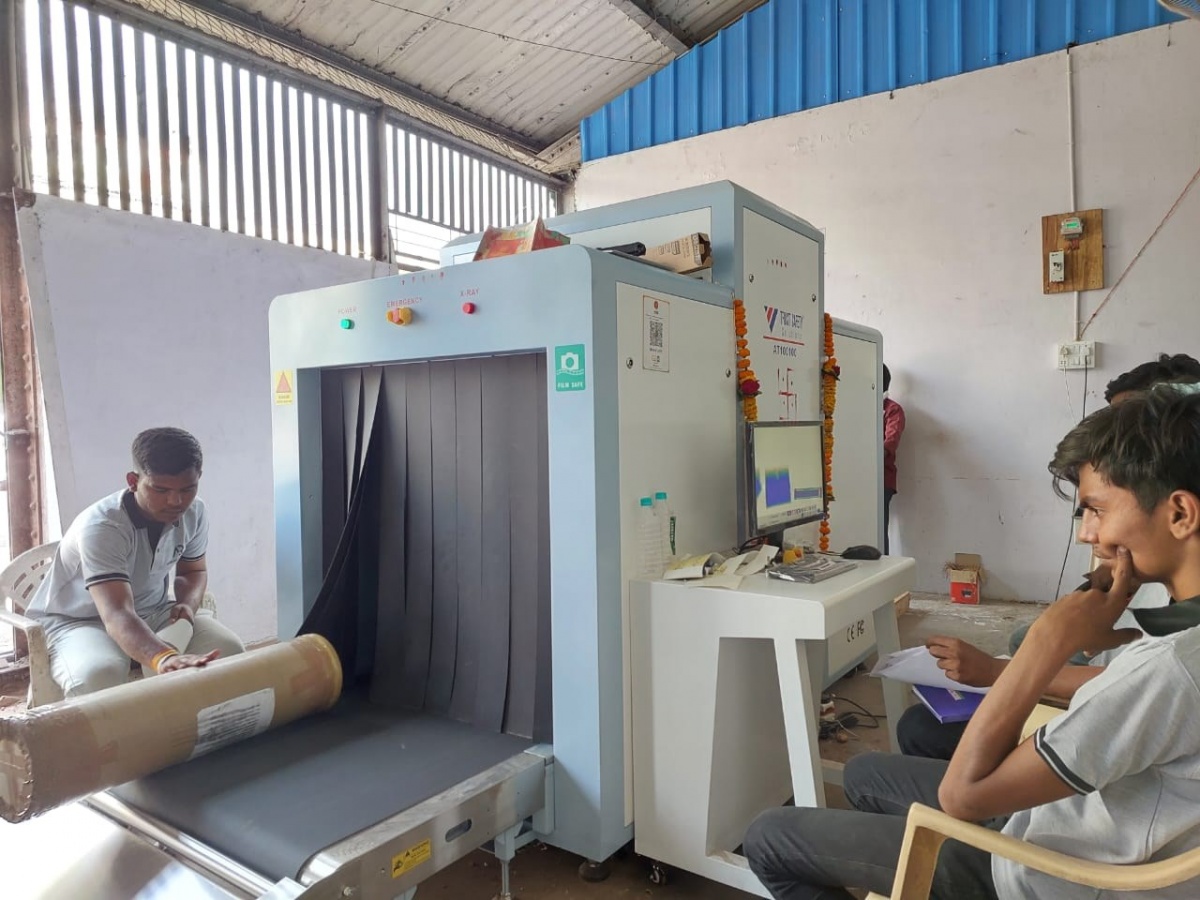
In the realm of railway security, Central Railway’s Nagpur parcel office stands at the forefront with its latest addition – a cutting-edge parcel tunnel scanner. This revolutionary technology promises to elevate security measures, ensuring meticulous scrutiny of parcels before their journey onto trains.

Revolutionizing Security Landscape

Manish Agarwal, divisional railway manager at CR, asserts that the introduction of this state-of-the-art scanner marks a pivotal moment. Its advanced capabilities in detecting prohibited and hazardous articles serve as a robust deterrent against potential threats, thereby safeguarding both cargo and commuters alike.

Expansion Plans

Aman Mittal, senior divisional commercial manager, outlines plans to extend this security enhancement to other key stations such as Ajni, Betul, and Ballarshah. The decision to install similar scanners at these locations hinges on parcel traffic volume and operational feasibility.

Mandatory Scanning Mandate

Under the new mandate, all non-leased parcels and luggage consignments passing through the Nagpur parcel office must undergo mandatory scanning before loading. This includes parcels originating or transferring through Nagpur station. The licensee bears the responsibility of ensuring precise scanning, with each item receiving a post-scanning sticker before acceptance.

Ensuring Comprehensive Coverage

To ensure 100% scanning coverage, licensees are mandated to maintain standby power supply and round-the-clock manpower. Additionally, handheld scanners are deployed for over-dimensional consignments or packages that couldn’t be initially scanned.

Enhancing Safety Protocols

Agarwal emphasizes the implementation of a seamless mechanism to mitigate the risk of mishaps or fire incidents due to parcels in trains. This initiative not only enhances public safety but also serves as a deterrent against prohibited activities.

Embracing Technological Advancements

Mittal concludes by stating that the adoption of this scanner heralds a new era of security and efficiency. By embracing cutting-edge technology and stringent protocols, the railway reaffirms its commitment to the highest standards of safety and security in parcel transportation.

The installation of a hi-tech tunnel scanner at Central Railway’s parcel office in Nagpur signifies a significant leap forward in ensuring the safety and security of parcels in transit. With its advanced capabilities and stringent protocols, this technology promises to revolutionize railway security, safeguarding both cargo and commuters.

FAQs

1. What is the primary purpose of the parcel tunnel scanner installed at Central Railway’s Nagpur parcel office?

The primary purpose is to ensure meticulous inspection of parcels before their embarkation onto trains, thereby enhancing security measures.

2. Are there any plans to expand this security enhancement to other railway stations?

Yes, plans are underway to install similar scanners at key stations such as Ajni, Betul, and Ballarshah, depending on parcel traffic volume and operational feasibility.

3. What parcels are subjected to mandatory scanning under the new mandate?

All non-leased parcels and luggage consignments passing through the Nagpur parcel office, including those originating or transferring through Nagpur station, are subjected to mandatory scanning.

4. How is 100% scanning coverage ensured?

To ensure comprehensive coverage, licensees are required to maintain standby power supply, round-the-clock manpower, and deploy handheld scanners for over-dimensional consignments or packages that couldn’t be initially scanned.

5. How does the implementation of the scanner contribute to public safety?

The implementation of the scanner includes a seamless mechanism to mitigate the risk of mishaps or fire incidents due to parcels in trains, thereby enhancing public safety and thwarting prohibited activities.

Kasturchand Park: Hosting the Largest Voting Awareness Event Today

Uniting Nagpur for Civic Duty: A Day of Voting Awareness at Kasturchand Park

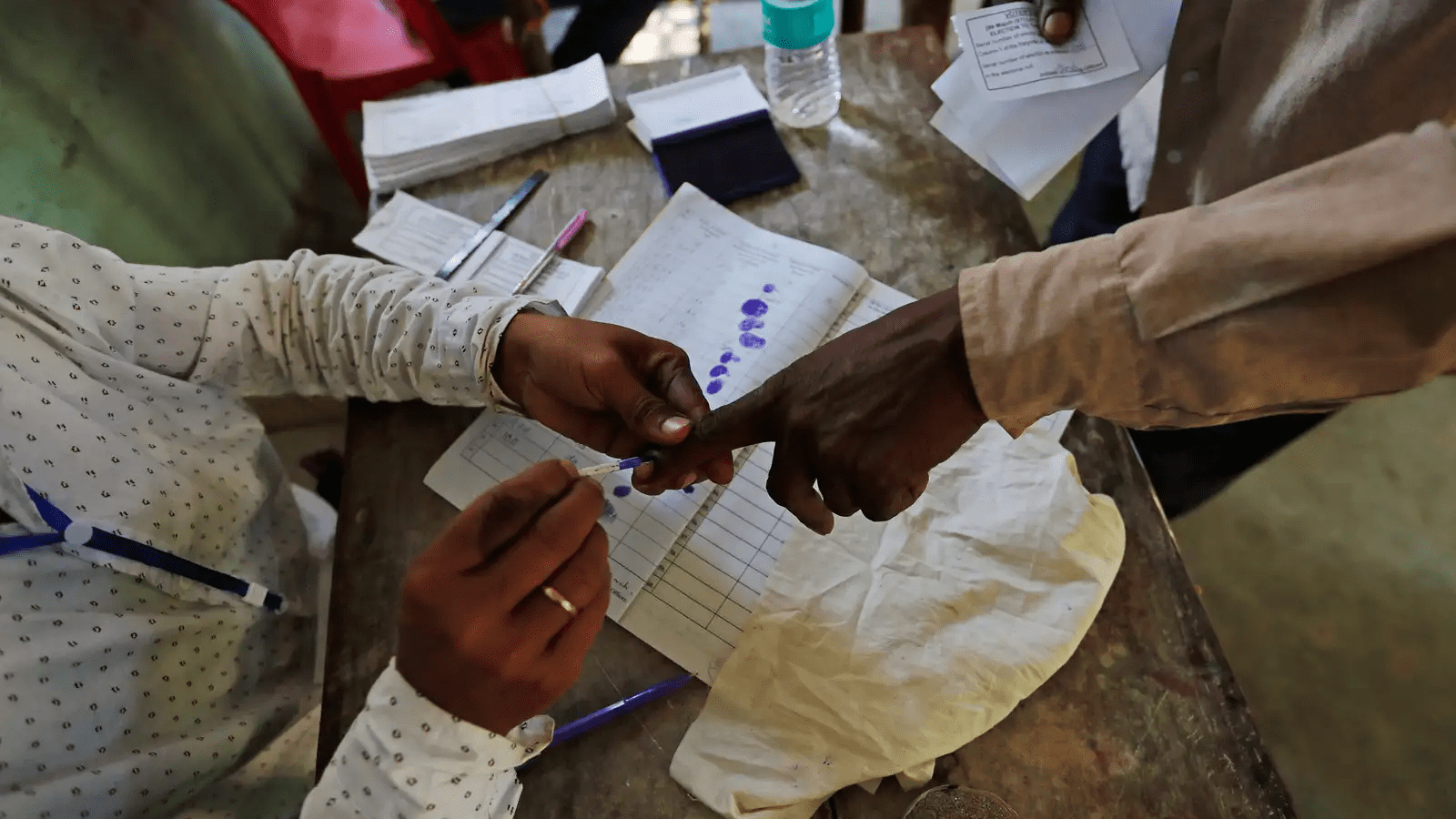
Voting Awareness | Kasturchand Park: Nagpur, a city vibrant with civic engagement, gears up for a monumental event aimed at bolstering voter awareness and participation. Under the banner of Systematic Voters’ Education and Electoral Participation (SVEEP), various initiatives across India are empowering citizens with the knowledge and motivation to exercise their democratic rights. Among these efforts, Nagpur stands out with its relentless commitment to enhance voter turnout through diverse activities. Leading this charge is a grand event scheduled for Saturday, starting at 6 am, at the historic Kasturchand Park. Thousands of enthusiastic voters from Nagpur will converge at this iconic venue to embrace the rights and responsibilities bestowed upon them by the Constitution, embodying the essence of conscious citizenship.

Dignitaries and Officials Unite for Voter Awareness

The event promises to be a confluence of esteemed personalities and dedicated officials, all rallying behind the cause of voter education. Notable figures such as Divisional Commissioner Vijayalakshmi Bidari, Commissioner of Police Dr Ravinder Singal, Municipal Commissioner Dr Abhijeet Chaudhari, Collector and District Election Officer Dr Vipin Itankar, along with other key stakeholders, will grace the occasion with their presence. In a recent review meeting, Collector Dr Vipin Itankar emphasized the importance of seamless coordination to ensure the success of the program.

A Dawn of Awareness and Celebration

The day’s proceedings will kick off at 6 am with the unveiling of a special song crafted to promote voter awareness under the SVEEP initiative, accompanied by a stirring ‘jagar’ highlighting the significance of polling. Various departments including Education, Sports, and Social Justice, along with students from Rashtrasant Tukadoji Maharaj Nagpur University, are actively involved in orchestrating the event, underscoring the collaborative effort driving this noble cause.

Empowering New Voters: A Pledge for Participation

Dr Vipin Itankar, in his impassioned appeal, urged new voters to embrace their civic duty with zeal and commitment. Responding to this call, fresh voters pledged to cast their votes, symbolically holding a mobile torch in one hand and raising the finger of their left hand. The Suresh Bhat Auditorium witnessed a surge of enthusiasm among the youth during an activity organized by the district administration, reaffirming the city’s dedication to fostering a culture of active citizenship.

Mission Yuva: Inspiring Youth Engagement

Central to Nagpur’s voter awareness drive is ‘Mission Yuva’, a campaign aimed at enlisting the active participation of young voters. With over one-and-a-half lakh voters in the 17 to 19 age group already registered, the district administration remains steadfast in its mission to achieve a commendable 75 percent voter turnout. Dr Itankar emphasized the pivotal role of youth voters in shaping the democratic landscape, highlighting their responsibility in spreading awareness within their communities.

Empowering Through Information and Accessibility

Saumya Sharma, Zilla Parishad Chief Executive Officer, emphasized the transformative power of voting, urging new voters to seize the opportunity to participate in the democratic process. She outlined various initiatives including a reel-making competition on social media platforms and encouraged students to champion the cause of voter awareness, particularly focusing on increasing female participation. Additionally, she provided insights into voter registration procedures and highlighted the Voter Helpline App as a valuable resource for accessing polling information.

Honouring Commitment: Recognizing Voter Engagement

Mahesh Dhamecha, representing the municipal council, underscored the importance of accessibility in ensuring every citizen’s right to vote. Special provisions such as wheelchair facilities and vehicle arrangements for senior voters reflect the city’s commitment to inclusivity and equitable participation. Dr Prashant Bokare, Vice-Chancellor of RTMNU, urged students not to overlook the significance of voting, while athlete Neha Dhabale, a silver medalist in the ‘Khelo India University Games’, inspired the audience with her pledge to participate in the electoral process.

A Celebration of Democracy: Engaging Through Arts and Media

The event witnessed a vibrant array of activities including a street play titled ‘Ek Votse Kya Farak Padta Hai’ and screenings of a teaser for the audio tape ‘Adhikar Hai’ and a special voter awareness song ‘Mai Bharat Hoo, Bharat Hai Mazme…’ These creative endeavors aimed to captivate and educate audiences across diverse demographics, underscoring the importance of artistic expression in driving social change.

FAQs

1. How can I register to vote in Nagpur? To register as a voter in Nagpur, you can visit the official website of the Election Commission of India or utilize the Voter Helpline App for easy registration.

2. What are some initiatives to increase voter awareness among youth? Initiatives such as ‘Mission Yuva’ focus on engaging young voters through educational programs and outreach activities to instill a sense of civic responsibility.

3. Are there special provisions for disabled voters in Nagpur? Yes, the municipal council has made arrangements such as wheelchair facilities and special transportation services to ensure accessibility for disabled voters.

4. How can students contribute to voter awareness campaigns (Kasturchand Park)? Students can actively participate in initiatives like reel-making competitions on social media, organizing voter awareness drives in their communities, and encouraging their peers to vote.

5. What resources are available for voters in Nagpur during elections? Voters in Nagpur can access polling information through the Voter Helpline App and utilize online platforms provided by the Election Commission for registration and information dissemination.

Central Railway’s ₹300 Crore Triumph: Tackling Ticketless Travel

Central Railway’s Remarkable Achievement

Central Railway has recently achieved an outstanding milestone in curbing ticketless travel, emerging as the top-performing zone nationwide. The railway authorities reported a staggering 46.26 lakh cases of unauthorized travel and unbooked luggage, resulting in a remarkable revenue generation of ₹300 crore. This article delves into the details of this achievement, highlighting the strategies employed by Central Railway and the implications of its success.

A Closer Look at the Numbers

During the period from April 2023 to March 2024, Central Railway diligently detected and addressed instances of ticketless travel and irregularities in ticketing processes. The statistics speak volumes about the efficacy of their efforts:

Revenue Breakdown:

  • Mumbai Division: ₹115 crore from 21 lakh cases
  • Bhusawal: ₹66 crore from 8.34 lakh cases
  • Nagpur: ₹35 crore from 5.7 lakh cases
  • Solapur: ₹35 crore from over 5 lakh cases
  • Pune: Over ₹28 crore from 4 lakh cases
  • Headquarters: ₹21 crore from 3 lakh cases

These figures underscore the widespread impact of Central Railway’s initiatives across various divisions.

Behind the Success: Key Strategies and Initiatives

Central Railway’s achievement is a result of meticulous planning and execution. Here are some key strategies that contributed to their triumph:

Robust Ticket Checking Mechanism:

With 22 dedicated ticket checking staff, including two women ticket examiners, Central Railway maintained a strong presence across its operational zones. This proactive approach ensured thorough scrutiny of passengers, significantly reducing instances of ticketless travel.

Technological Integration:

The integration of technology played a pivotal role in streamlining ticketing processes and enhancing efficiency. Automated systems for ticket validation and surveillance helped in detecting irregularities with precision, enabling swift action against offenders.

Public Awareness Campaigns:

Central Railway actively engaged in awareness campaigns to educate passengers about the importance of ticketing compliance. Through various communication channels, including social media and on-ground initiatives, they emphasized the consequences of ticketless travel, fostering a culture of accountability among commuters.

Implications and Future Prospects

Central Railway’s success in combating ticketless travel not only contributes to revenue generation but also fosters a sense of trust and reliability among passengers. By prioritizing transparency and accountability, Central Railway sets a benchmark for other zones to emulate.

Central Railway’s achievement of ₹300 crore revenue through stringent action against ticketless travel exemplifies its commitment to operational excellence and customer service. With a robust framework in place, Central Railway continues to lead by example, ensuring a seamless and secure travel experience for millions of passengers.

FAQs (Frequently Asked Questions)

  1. How does Central Railway detect ticketless travel? Central Railway employs a combination of manual ticket checking by dedicated staff and automated systems for surveillance and validation.
  2. Are there any penalties for traveling without a ticket? Yes, passengers caught traveling without a valid ticket are liable to pay fines as per railway regulations.
  3. What measures can passengers take to avoid ticketless travel? Passengers are advised to purchase tickets in advance and ensure proper validation before boarding trains to avoid penalties.
  4. Is ticketless travel a widespread issue across Indian railways? Ticketless travel poses a significant challenge for Indian railways, prompting authorities to implement stringent measures to curb this practice.
  5. How does ticketless travel impact the overall functioning of railways? Ticketless travel not only results in revenue losses but also undermines the integrity of the ticketing system, affecting the quality of services provided to passengers.

Lok Sabha Elections 2024: Aged 17 or Above? Here’s How You Can Register to Get a New Voter ID Card

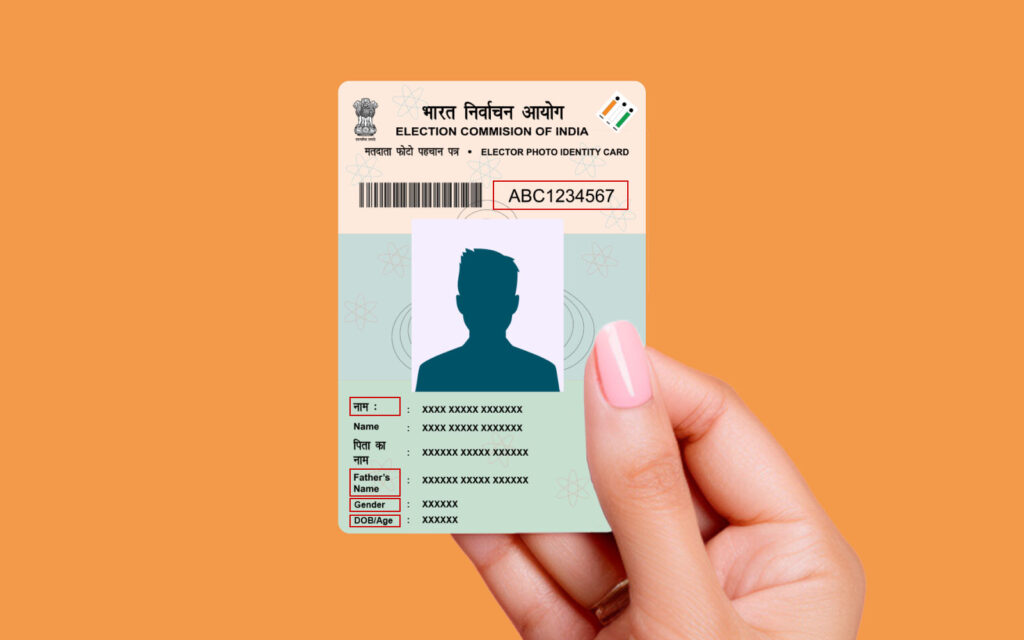
Voter ID registration |Voter Portal | Voter Helpline: In just a few weeks, India will witness the commencement of the 18th Lok Sabha Elections, scheduled to occur between April 19 and June 4 in multiple phases. As the nation gears up for this democratic process, it’s crucial to ensure that every eligible citizen exercises their right to vote. However, to cast your vote, you need a valid Voter ID card. But fret not if you haven’t acquired one yet; here’s all you need to know about registering for a new Voter ID card, especially if you’re 17 or above.

Understanding the New Voter Registration Process

Following the culmination of the elections, the registration process for new Voter ID cards will recommence. This time, there’s a notable change: individuals aged 17 and above are eligible to apply for Voter ID registration in advance. Unlike before, where only those who turned 18 by January 1 were allowed to apply, the new regulations now extend eligibility to individuals turning 18 on April 1, July 1, or October 1 in 2024.

Online Registration Process

Registering for a Voter ID card has never been easier, thanks to online platforms. Here’s how you can do it:

  1. ECI App: Download the Election Commission of India (ECI) app from the Play Store or App Store and follow the instructions to apply.
  2. Voter Portal: Alternatively, visit voterportal.eci.gov.in, navigate to the ‘New Registrations for General Elections’ section, and fill out Form 6. Ensure you provide all necessary documents and a passport-sized photo.
  3. Application Tracking: Keep track of your application status using the reference number provided upon submission.

Offline Registration Process

If you prefer the traditional route, offline registration is also an option:

  1. Booth Level Office (BLO): Head to the BLO in your locality, complete Form 6, and submit the required documents.
  2. Required Documents: Whether applying online or offline, you’ll need a passport-sized photo, identity proof, address proof, and proof of date of birth.

Remember, assistance is just a phone call away. You can dial the ‘Voter Helpline’ at 1950 for guidance throughout the registration process.

The upcoming Lok Sabha Elections present an opportunity for every eligible individual to participate in shaping the nation’s future. Don’t miss out on exercising your democratic right. Ensure you’re registered as a voter by following the simple steps outlined above.

FAQs

  1. Who is eligible to register for a new Voter ID card?
    • Individuals aged 17 and above, including those turning 18 on April 1, July 1, or October 1 in 2024, are eligible.
  2. Can I apply for a Voter ID card online?
    • Yes, you can apply online through the ECI app or the Voter Portal.
  3. What documents are required for Voter ID registration?
    • You’ll need a passport-sized photo, identity proof, address proof, and proof of date of birth.
  4. Is there a helpline for assistance during the registration process?
    • Yes, you can call the ‘Voter Helpline’ at 1950 for guidance.
  5. Can I register offline for a Voter ID card?
    • Absolutely, visit the Booth Level Office (BLO) in your locality to register offline.

Relief for Navneet Rana: SC Restores Her Scheduled Caste Certificate

Understanding Navneet Rana’s Legal Battle

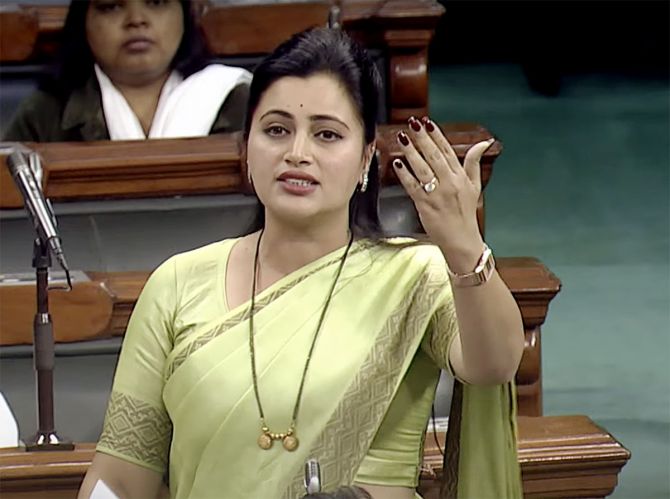
Supreme Court: Navneet Rana, the Member of Parliament for Amravati, Maharashtra, faced a critical legal challenge regarding her scheduled caste certificate. Recently inducted into the BJP and announced as their official candidate from a reserved constituency, Rana found herself embroiled in controversy. The Supreme Court, in a landmark verdict in New Delhi, offered her last-minute relief by restoring her scheduled caste certificate. This decision overturned the Bombay High Court’s 2021 verdict, which questioned the validity of her caste certificate issued in 2013.

The Legal Verdict

On the final day of nomination for the seat, the apex court, comprising justices J K Maheshwari and Sanjay Karol, ruled in favor of Navneet Rana. The court set aside the previous High Court’s ruling, emphasizing the authenticity of her caste certificate. The certificate, dating back to August 13, 2013, declared Rana as belonging to the Mochi caste, a sub-caste of the Chamar community known for its involvement in the leather business. Despite opposition claims of forged documents, the Supreme Court upheld the validity of Rana’s certificate, emphasizing procedural fairness in the scrutiny process.

Historical Context of Caste Classification

To comprehend the significance of Rana’s caste certificate, it’s essential to delve into the historical context of caste classification in India. Both the ‘Chamar’ and ‘Mochi’ castes are recognized in the “Constitution (Scheduled Castes) Order, 1950.” The Chamar caste is also listed among the scheduled castes in Punjab. Mochi, as a sub-caste, specializes in leatherwork, with a division of labor where Chamars process hides and Mochis craft leather products.

Political Implications and Past Endeavors

Navneet Rana’s political journey adds complexity to the legal saga. Initially elected as an independent candidate with the support of Sharad Pawar’s NCP in 2019, Rana later aligned with the BJP. Her nomination as the BJP’s official candidate for the Amravati Lok Sabha seat underscores the political significance of her case. The Bombay High Court’s previous order, accompanied by a fine of Rs 2 lakh, reflected the contentious nature of her caste identity. Despite the court’s directive to surrender her certificate, Rana’s successful appeal reinstated her legitimacy.

In a judicial landscape marked by scrutiny and controversy, Navneet Rana’s legal victory restores not only her scheduled caste certificate but also underscores the importance of procedural fairness in matters of caste identity. The Supreme Court’s decision, upholding the validity of her certificate, provides a respite amidst political turmoil.


FAQs (Frequently Asked Questions)

1. How did Navneet Rana’s legal battle unfold?

  • Navneet Rana, an MP from Amravati, Maharashtra, faced challenges regarding the authenticity of her scheduled caste certificate. The Supreme Court’s recent verdict restored her certificate, overturning the Bombay High Court’s ruling.

2. What are the implications of the Supreme Court’s decision?

  • The decision reaffirms the importance of procedural fairness in scrutinizing caste certificates and highlights the complexities surrounding caste identities in Indian society.

3. What is the historical context of caste classification in India?

  • Caste classification traces back to the “Constitution (Scheduled Castes) Order, 1950,” listing various castes including Chamars and Mochis, with specific occupations and social standings.

4. How does Navneet Rana’s political affiliation relate to her legal battle?

  • Rana’s political journey, from being an independent candidate to aligning with the BJP, adds intricacy to her legal saga, reflecting the intertwining of politics and caste identity.

5. What does the reinstatement of Navneet Rana’s caste certificate signify?

  • Beyond the legal victory, the reinstatement underscores the resilience of individuals in defending their identity amidst legal and political challenges.

India’s Ambitious Plan for Unified Air Traffic Management

Air Traffic Management: In a bold move aimed at streamlining the nation’s air traffic management, Indian officials are contemplating the establishment of a singular air traffic control hub in Nagpur. This strategic initiative seeks to enhance efficiency, safety, and coordination in the skies above the vast expanse of the Indian subcontinent. Let’s delve into the details of this groundbreaking endeavor.

The Need for Unified Air Traffic Management

Managing Complexity

The Indian airspace is one of the busiest and most complex in the world, with numerous airports, air routes, and varying air traffic control protocols. Coordinating this intricate web of flights requires sophisticated technology and seamless communication between multiple entities.

Enhancing Safety

By centralizing air traffic in Nagpur, authorities aim to reduce the risk of mid-air collisions, minimize delays, and enhance overall safety standards. A unified system allows for better monitoring and control of aircraft movements, thereby mitigating potential hazards.

Optimizing Resources

Consolidating air traffic management facilities can lead to significant cost savings by eliminating redundancies and streamlining operations. It allows for better utilization of resources, including personnel and technology, resulting in improved efficiency and productivity.

Key Features of the Proposed System

Centralized Control

Under the proposed system, Nagpur will serve as the nerve center for air traffic, overseeing the entire Indian airspace. This centralization enables real-time monitoring, efficient decision-making, and seamless coordination between different regions.

Advanced Technology Integration

The new system will leverage cutting-edge technologies such as radar surveillance, satellite navigation, and automated systems to enhance operational capabilities. These innovations enable precise tracking of aircraft, efficient routing, and timely intervention in case of emergencies.

Collaborative Approach

Collaboration is key to the success of unified air traffic management. The initiative involves close coordination between civil aviation authorities, airport operators, airlines, and other stakeholders. By fostering a spirit of collaboration, the system aims to optimize efficiency and effectiveness.

Challenges and Considerations

Technological Integration

Integrating diverse technologies and systems into a unified platform poses significant technological challenges. Ensuring compatibility, interoperability, and reliability are crucial to the seamless operation of the new air traffic management system.

Regulatory Framework

Establishing a unified regulatory framework that governs air traffic management across the country requires careful deliberation and coordination among regulatory bodies. Harmonizing regulations while addressing regional disparities is essential for the success of the initiative.

Human Capital Development

Investing in training and development programs for air traffic controllers and other personnel is essential to ensure a smooth transition and effective operation of the unified system. Building expertise and proficiency in handling advanced technologies is crucial for maintaining safety and efficiency.

India’s ambitious plan to establish a unified air traffic management system from Nagpur represents a significant leap forward in modernizing the nation’s aviation infrastructure. By centralizing control, leveraging advanced technologies, and fostering collaboration, the initiative aims to enhance safety, efficiency, and capacity in the Indian airspace.

Watch | Meeting of Nagpur’s Dolly Chaiwala and Delhi’s Viral Vada Pav Girl

A Tale of Two Internet Sensations

In the vast expanse of the internet, there are moments that capture the collective imagination of netizens, spreading like wildfire across social media platforms. One such phenomenon recently took the digital world by storm – the meeting of Nagpur’s Dolly Chaiwala and Delhi’s Viral Vada Pav Girl.

The Backstory of Dolly Chaiwala and Viral Vada Pav Girl

Dolly Chaiwala, a street vendor from Nagpur, became an overnight sensation with her unique style of making and serving tea. On the other hand, the Viral Vada Pav Girl, whose identity remains anonymous, shot to fame for her infectious enthusiasm while selling vada pav in Delhi.

Dolly Chaiwala’s Rise to Fame

Dolly’s journey to fame began when a video showcasing her charming demeanor and exceptional tea-making skills went viral on social media platforms. People were drawn to her simplicity, authenticity, and dedication to her craft.

The Enigma of Viral Vada Pav Girl

Similarly, the Vada Pav Girl became an internet sensation when a video capturing her energetic sales pitch and vibrant personality caught the attention of millions online. Despite her anonymity, she became a symbol of resilience and positivity.

The Serendipitous Encounter

In a twist of fate, Dolly Chaiwala and the Vada Pav Girl crossed paths during a promotional event in Delhi. The meeting of these two internet sensations created ripples across cyberspace, leaving netizens eager to learn more about their interaction.

The Viral Moment

As Dolly Chaiwala and the Vada Pav Girl shared the spotlight, their meeting became an iconic moment in internet history. Captured in photos and videos, their exchange of smiles and laughter resonated with people from all walks of life.

The Impact on Social Media

The encounter between Dolly Chaiwala and the Vada Pav Girl sparked a frenzy on social media platforms, with hashtags like #DollyMeetsVadaPavGirl trending worldwide. Netizens praised the camaraderie between the two and expressed their admiration for their respective journeys.

A Meeting of Hearts and Minds

In a world dominated by fleeting trends and viral sensations, the meeting of Nagpur’s Dolly Chaiwala and Delhi’s Vada Pav Girl serves as a reminder of the power of human connection. Their brief encounter transcended geographical boundaries and brought joy to millions, leaving an indelible mark on the digital landscape.

Cracking Down on Wrong-Side Driving: Nagpur Police’s Vigorous Road Safety Campaign

Tackling the Menace of Reckless Driving

In the bustling city of Nagpur, road safety has become a paramount concern. Recent statistics reveal a harrowing truth: 97 lives lost in just three months due to road accidents. In response, the Nagpur police, under the leadership of Commissioner Ravinder Kumar Singal, have launched a robust campaign to address the alarming rise in reckless driving practices. With a focus on curbing wrong-side driving, the authorities have registered a staggering 400 cases. Let’s delve deeper into the initiatives and strategies employed by the Nagpur police to enhance road safety and instill traffic discipline among citizens.

The Need for Vigilance: Understanding the Gravity of the Situation

The surge in road accidents and fatalities underscores the pressing need for immediate action. Commissioner Singal’s acknowledgment of the grim reality highlights the urgency of implementing stringent measures to safeguard lives and property on Nagpur’s roads. The comprehensive campaign spearheaded by the police aims not only to penalize offenders but also to induce behavioral changes among motorists.

Cracking Down on Wrong-Side Driving: A Step Towards Safer Roads

Central to the police’s efforts is the crackdown on individuals driving recklessly, particularly those flouting traffic norms by driving on the wrong side of the road. Through rigorous enforcement of the Motor Vehicles Act and relevant sections of the Indian Penal Code, the authorities are sending a clear message: reckless behavior will not be tolerated. With 400 cases registered and chargesheets set to be submitted promptly, the emphasis is on swift and decisive action.

Promoting Traffic Discipline: A Collective Responsibility

Commissioner Singal’s call to instill traffic discipline resonates deeply with the citizens of Nagpur. Beyond enforcement, the campaign seeks to foster a culture of responsibility and adherence to traffic regulations. By raising awareness and educating motorists about the consequences of reckless driving, the police aim to cultivate a sense of civic duty and respect for road safety norms.

Towards a Safer Tomorrow

As Nagpur grapples with the scourge of road accidents, the proactive measures undertaken by the police offer a glimmer of hope. Through robust enforcement, education, and community engagement, the city is striving to create safer roads for all. However, the onus lies not only on law enforcement but also on every citizen to prioritize safety and adhere to traffic rules. Together, we can pave the way towards a future where road accidents are a rarity rather than a grim reality.

Frequently Asked Questions (FAQs)

1. What are the penalties for wrong-side driving in Nagpur?

In Nagpur, wrong-side driving can lead to fines and legal consequences under the Motor Vehicles Act and relevant sections of the Indian Penal Code.

2. How can citizens contribute to road safety in Nagpur?

Citizens can contribute by obeying traffic rules, reporting violations, and actively participating in awareness campaigns organized by the police.

3. Are there initiatives to improve infrastructure for road safety in Nagpur?

Yes, the authorities are continuously working to enhance infrastructure such as signage, lighting, and road markings to improve road safety in Nagpur.

4. What steps are being taken to educate drivers about road safety in Nagpur?

The police conduct workshops, seminars, and awareness drives to educate drivers about the importance of road safety and adherence to traffic rules.

5. How can I report instances of reckless driving or traffic violations in Nagpur?

You can report instances of reckless driving or traffic violations to the Nagpur police helpline or through online platforms provided by the authorities.

IMD Warns of Extreme Heat Conditions: Be Prepared for a Sweltering Summer Ahead

Brace Yourself for the Heatwave Season

As we gear up for the onset of summer, the India Meteorological Department (IMD) has issued a stern warning about the looming specter of extreme heat conditions during April-June. This forecast, spanning a vast majority of regions across the country, paints a picture of scorching temperatures and prolonged heatwave episodes, lasting as long as 10 to 20 days. Let’s delve deeper into what this means for different parts of India and how we can navigate through this fiery season.

What to Expect: Heatwave Spells and Rising Temperatures

As summer kicks off, expect temperatures to soar across various states including Madhya Pradesh, Maharashtra, Karnataka, Kerala, Telangana, Andhra Pradesh, and Odisha. Heatwave spells, lasting 2 to 8 days, are projected to hit particularly hard in Andhra Pradesh, Saurashtra-Kutch, Maharashtra, and western regions of Madhya Pradesh. The IMD forecast indicates a departure from the norm, with longer and more intense heatwave episodes expected this year.

Impact on Pre-Monsoon Rainfall and Water Scarcity

Unfortunately, the pre-monsoon rainfall performance is anticipated to be below average, especially in coastal India, eastern, and south peninsular regions. This dry trend, persisting since February, exacerbates the aridity and water scarcity issues, amplifying the overall heat forecast for the upcoming summer months.

Regional Vulnerability: Identifying Hotspots

Certain regions are poised to bear the brunt of extreme heat conditions, with Rajasthan, Gujarat, Saurashtra-Kutch, Maharashtra, north Karnataka, Andhra Pradesh, and Odisha topping the list. These areas are expected to experience exceptionally high day temperatures and prolonged heatwaves, raising concerns about public health and safety.

El Nino Influence: Understanding the Global Context

The emergence of El Nino conditions, characterized by abnormal warming of the sea surface in the equatorial Pacific Ocean, has been a significant contributing factor. While these conditions have begun to ease after peaking in December, their lingering effects continue to drive up global temperatures, suppressing rainfall over India and intensifying heatwaves.

Looking Ahead: Transition to ENSO Neutral Conditions

According to multiple global climate models, the ongoing El Nino conditions are expected to dissipate completely, giving way to El Nino Southern Oscillation (ENSO) neutral conditions by June. This transition coincides with India’s southwest monsoon onset, offering a glimmer of hope for relief from the scorching heat.

In recent months, southern peninsular India has already experienced hotter-than-normal weather conditions, with reports of heatwave incidents in Maharashtra, northern Karnataka, Saurashtra-Kutch, and parts of Rajasthan. Maximum temperatures have soared to alarming levels, reaching as high as 42.6 degrees Celsius in certain pockets.

Conclusion: Stay Informed and Stay Safe

As we prepare for the summer ahead, it’s crucial to heed the warnings issued by the IMD and take proactive measures to mitigate the impact of extreme heat conditions. Stay informed about local weather forecasts, stay hydrated, and take necessary precautions to safeguard your health and well-being during this challenging period.

FAQs (Frequently Asked Questions):

1. How long are the heatwave episodes expected to last?

The IMD has forecasted heatwave episodes lasting as long as 10 to 20 days, significantly longer than the normal duration.

2. Which regions are most vulnerable to extreme heat conditions?

Rajasthan, Gujarat, Maharashtra, and parts of southern India are expected to experience exceptionally high day temperatures and prolonged heatwaves.

3. What factors contribute to the intensification of heatwaves?

The emergence of El Nino conditions, along with below-average pre-monsoon rainfall, exacerbates the aridity and heat forecast for the upcoming summer season.

4. When can we expect a transition to ENSO neutral conditions?

Multiple global climate models suggest that El Nino conditions will wane off completely by June, coinciding with the onset of India’s southwest monsoon.

5. How can individuals protect themselves during heatwave episodes?

It’s essential to stay hydrated, avoid outdoor activities during peak heat hours, and seek shelter in cool, ventilated spaces to prevent heat-related illnesses.

Exit mobile version