Ensuring Every Voice Counts: The Challenge of Outstation Voting

Addressing the Conundrum

In the forthcoming parliamentary election, the fervent efforts of the District Administration to bolster voter turnout may face a significant obstacle: the absence of thousands of registered voters. Many individuals, primarily residing in bustling metropolises like Pune, Bengaluru, Mumbai, and Hyderabad, may find themselves unable to participate in the electoral process due to professional or academic commitments elsewhere. Hukumchand Mishrikotkar, a concerned senior citizen, has brought this issue to the attention of Dr. Vipin Itankar, the District Collector and Returning Officer for the Nagpur Parliamentary Constituency, urging the formulation of strategies to enable remote voters to exercise their franchise.

Challenges Faced by Outstation Voters

Mishrikotkar emphasizes the predicament faced by numerous youths pursuing higher education or employment opportunities in cities beyond their native Nagpur. The logistical challenges and financial constraints associated with travel during peak periods exacerbate the situation, deterring potential voters from returning to their hometowns on polling day. This dilemma resonates not only with individuals like Mishrikotkar but also with families whose members struggle to make the journey back to Nagpur to cast their votes.

The Call for Action

The plea for intervention extends to the Election Commission of India, with Mishrikotkar advocating for a comprehensive examination of the issue and the implementation of mechanisms to facilitate outstation voting. Despite the District Administration’s concerted efforts to boost voter participation, achieving the targeted 75% turnout may prove elusive without addressing the needs of remote voters. Mishrikotkar underscores the responsibility of the authorities to ensure that every registered voter, irrespective of their location, can exercise their democratic right.

While Mishrikotkar’s appeal underscores the fundamental principle of adult franchise enshrined in the Indian Constitution, discussions with the District Collector reveal existing limitations. Presently, no provisions exist for special arrangements to accommodate outstation voters within the regulations stipulated by the Election Commission. Special facilitation centers cater primarily to individuals in defense services or election duty, leaving outstation voters, particularly the youth and those employed in other cities, with limited options for casting their votes.

The plight of outstation voters highlights the need for proactive measures to uphold democratic principles and ensure inclusive participation in the electoral process. While challenges persist, stakeholders must collaborate to explore innovative solutions that accommodate the diverse circumstances of voters across geographical locations.

Frequently Asked Questions

1. Are outstation voters eligible to cast their votes in the parliamentary election?

  • Yes, all registered voters are entitled to vote, regardless of their current location.

2. What steps can outstation voters take to ensure their participation in the electoral process?

  • Outstation voters should explore options such as postal ballots or early voting where available. Additionally, they can advocate for the establishment of absentee voting mechanisms.

3. Is there a provision for absentee voting in Indian elections?

  • Currently, there is no provision for absentee voting in Indian elections. However, stakeholders are actively discussing potential reforms to address this issue.

4. How can the Election Commission ensure greater participation from outstation voters?

  • The Election Commission can consider introducing mobile polling stations or facilitating online voting to accommodate outstation voters’ needs.

5. What role can technology play in addressing the challenges of outstation voting?

  • Technology can streamline the voting process by enabling remote voting options, improving voter registration mechanisms, and enhancing accessibility for individuals unable to physically attend polling stations.


The Downfall of NMC’s Amnesty Scheme: A Missed Opportunity

A Disappointing Outcome

Amnesty Scheme | Property Tax: The Nagpur Municipal Corporation (NMC) embarked on a bold initiative earlier this year, launching amnesty schemes to recover outstanding taxes and rents from defaulters. However, as the schemes came to a close on March 31, the results were far from satisfactory. Despite setting a lofty target of ₹450 crore, the NMC only managed to recoup a mere ₹85 crore. This article delves into the reasons behind this dismal outcome and its implications for the civic body and the city of Nagpur.

Underperformance of Amnesty Schemes

Challenges Faced by NMC

The amnesty schemes aimed to incentivize defaulters to clear their dues by offering significant rebates on interest levied for property tax, water bills, and shop rents. Despite these efforts, the response fell short of expectations.

Property Tax Department’s Efforts

Of the targeted recovery amount, the property tax department accounted for ₹70 crore. However, with 2.72 lakh property tax defaulters owing ₹300 crore to the NMC, the gap between target and actual recovery remains substantial.

Poor Response from Water Defaulters and Shopkeepers

The response from water defaulters was particularly disappointing, with the department managing to recover only ₹14.23 crore out of the owed ₹100 crore. Similarly, the estate department received zero response against the ₹22 crore in dues from shopkeepers.

Election Year Dynamics

A senior official from the NMC attributed the lackluster response to the awareness among defaulters that punitive actions would not be taken due to the ongoing election year.

Mixed Results and Partial Success

Property Tax Department’s Achievement

Despite the overall disappointment, the property tax department achieved a commendable 104.66% of its annual target in the last financial year, recovering ₹314 crore, including ₹70 crore from the amnesty scheme.

Zone-wise Performance

Seven out of ten zones managed to achieve a 100% target, showcasing localized success in areas such as Laxmi Nagar, Dharampeth, and Gandhibagh.

Water Works Department’s Performance

The water works department generated ₹210 crore against a target of ₹250 crore, including ₹14 crore from the amnesty scheme, indicating a relatively better performance compared to other departments.

Lessons Learned and the Way Forward

The underperformance of the amnesty schemes underscores the need for a comprehensive reassessment of the NMC’s approach to tax recovery. While certain departments have shown promising results, there is a pressing need for targeted strategies to engage defaulters effectively. As Nagpur strives for financial stability and growth, addressing tax evasion and improving compliance will be critical.

FAQs

1. Why did the amnesty schemes fail to meet their targets?

The lack of punitive actions during an election year led to complacency among defaulters, resulting in a poor response to the schemes.

2. Are there any departments that performed well despite the overall underperformance?

Yes, the property tax department exceeded its annual target, showcasing a glimmer of success amid the disappointment.

3. What are the implications of the underperformance of the amnesty schemes for Nagpur?

The city may face financial challenges and constraints on infrastructure development if tax recovery remains below expectations.

4. How can the NMC improve tax recovery in the future?

Implementing targeted outreach campaigns, leveraging technology for better data management, and instituting stricter penalties for defaulters could improve tax compliance.

5. What lessons can other municipal bodies learn from Nagpur’s experience?

Effective communication, timely enforcement actions, and transparency in tax policies are crucial for the success of amnesty schemes and overall tax recovery efforts.

LS Poll Impact: NMC May Freeze Water Charge Hike

Understanding the Implications of Pending Water Tariff Decision

NMC water charge hike: In the backdrop of the forthcoming Lok Sabha and Assembly elections, the Nagpur Municipal Corporation (NMC) faces a crucial decision regarding its annual water charge increment. Traditionally, the NMC adjusts water charges by 5% each year on April 1, as stipulated by its bylaws. However, this year, the corporation is yet to make a definitive decision. The Water Works Department of the NMC presented a proposal to Administrator and Municipal Commissioner Abhijeet Chaudhari two weeks ago, but a final verdict remains pending, as disclosed by a reliable source close to the development.

Historical Context: The Pattern of Water Tariff Increases

Over the past 14 years, the water tariff has seen incremental rises, with this potential increase marking the 13th instance. Presently, the NMC levies charges ranging from Rs 8.99 to Rs 20 per unit. Should Chaudhari approve the revised rates, the per-unit tariff will experience a 5% surge, adding 0.44 paisa to the existing Rs 8.99 for every 1,000 liters of water.

Authority and Empowerment: Municipal Governance Dynamics

The General Body has delegated authority to the civic chief, empowering them to implement an annual 5% increment in water tariff. This measure aims to offset the escalating expenses associated with drinking water supply. Despite the proposed increase, it’s noteworthy that Nagpur’s water tariff remains comparably lower than that of other urban areas, as explained by a senior official from the department.

Economic Shifts and Financial Dynamics

The journey of Nagpur’s water tariff is characterized by significant economic shifts. In 2010, the tariff stood at Rs 5 per unit, with the NMC profiting from the supply. However, the landscape changed drastically when the corporation began paying Rs 10 per unit to Orange City Water (OCW), which now reaps profits from the supply. The fiscal dynamics shifted notably in 2023, when the NMC reassessed its rates in response to OCW’s subpar performance.

Political Considerations: The Nexus Between Governance and Elections

Sources suggest that political compulsions are at play in the NMC’s hesitation to revise water charges. The fear of backlash ahead of the Lok Sabha elections looms large, prompting a cautious approach towards tariff adjustments. Typically, revised tariffs take effect from the new financial year but may reflect in June’s billing cycle, as per insider insights.

The pending decision regarding water tariff increments underscores the intricate interplay between governance, economics, and politics. As the NMC navigates these complexities, the ramifications of its choice extend beyond administrative realms, impacting citizens and stakeholders alike.

FAQs (Frequently Asked Questions)

  1. Why does the NMC increase water charges annually?
    • The annual increment aims to cover rising expenses associated with water supply, ensuring sustainable service provision.
  2. How do Nagpur’s water tariffs compare to those of other urban areas?
    • Nagpur’s tariffs remain relatively lower, providing a competitive advantage in the region’s utility landscape.
  3. What factors contributed to the NMC’s decision to reassess water tariff rates in 2023?
    • The decision stemmed from concerns regarding the performance of Orange City Water and shifting economic dynamics.
  4. How does the pending decision on water tariff increments intersect with political dynamics?
    • Political considerations, especially with impending elections, influence the NMC’s stance on tariff adjustments to mitigate potential backlash.
  5. When can citizens expect clarity on the NMC’s decision regarding water tariff increments?
    • While typically effective from the new financial year, the decision’s impact may be observable in billing cycles starting from June.

Electricity Price Hike by MSEDCL: Understanding the Impact

MSEDCL’s Tariff Increase

Electricity Price Hike: In a move that’s reverberating across Maharashtra, the Maharashtra State Electricity Distribution Company Limited (MSEDCL) has recently implemented a significant increase in electricity tariffs. Effective April 1, 2024, consumers are feeling the pinch as they grapple with higher electricity bills. This surge in tariffs by Mahavitaran, the state-run power utility, ranges from 10 to 20 percent, marking a substantial shift in the cost of electricity for both residential and commercial users.

The New Tariff Structure

Under the revised tariff structure, consumers are witnessing a notable adjustment in their electricity bills. Previously, the rate stood at Rs 5.58 per unit for consumption ranging from 0 to 100 units. However, with the recent hike, this rate has escalated to Rs 5.88 per unit, translating to an increase of 30 paise per unit for consumers falling within this consumption bracket.

Impact on Residential Consumers

For residential consumers, the implications of this tariff hike are tangible. Apart from the increase in the base tariff, charges for exceeding specified consumption limits have also been revised upwards. For instance, consumers utilizing 101 to 300 units will now face a charge of Rs 11.46 per unit, while those consuming between 301 to 500 units will be charged Rs 15.72 per unit. Furthermore, usage exceeding 500 units will incur a charge of Rs 17.81 per unit.

Commercial Tariff Adjustments

The commercial sector is not exempt from these changes either. Businesses, both large and small, are now subject to revised tariffs. Under the new structure, commercial customers will pay Rs 9.69 for consumption of 0 to 20 kilowatts, Rs 14.18 for 20 to 50 kilowatts, and Rs 16.55 for usage exceeding 50 kilowatts. These adjustments are expected to have a substantial impact on the operational costs of businesses across various industries.

Navigating the Challenges Ahead

As consumers grapple with the repercussions of these tariff hikes, it’s essential to explore strategies for mitigating the impact. From adopting energy-efficient practices to exploring alternative sources of energy, there are various avenues to explore. Additionally, staying informed about government initiatives and subsidies aimed at reducing electricity costs can prove beneficial in the long run.

Conclusion

The recent electricity price hike implemented by MSEDCL has undoubtedly sent shockwaves through the consumer landscape in Maharashtra. With significant adjustments in tariffs for both residential and commercial users, consumers are faced with the challenge of managing higher electricity bills. However, by embracing proactive measures and staying informed, individuals and businesses alike can navigate these challenges more effectively.

FAQs (Frequently Asked Questions)

1. Will the electricity price hike affect all consumers uniformly?

  • No, the impact of the hike varies depending on consumption patterns and tariff categories.

2. Are there any government schemes to alleviate the burden of increased electricity tariffs?

  • Yes, various government initiatives and subsidies aim to provide relief to certain consumer segments.

3. How can residential consumers reduce their electricity bills amidst the tariff hike?

  • Adopting energy-efficient appliances and practices can help minimize electricity consumption and costs.

4. What steps can businesses take to offset the impact of higher commercial tariffs?

  • Businesses can explore renewable energy options, optimize energy usage, and invest in energy-efficient technologies.

5. Is there a possibility of future tariff revisions by MSEDCL?

  • Given the dynamic nature of the energy market, future tariff revisions cannot be ruled out entirely.

Respite: Panchsheel Square Bridge Opening Today

A Glimmer of Hope Amidst Lingering Bridge Woes

In a city where bridge projects often seem to drag on endlessly, today marks a significant milestone as authorities prepare to partially open the Panchsheel Square bridge for vehicular traffic. After just six months of construction following the collapse of the previous century-old structure, commuters will finally experience relief as a portion of the bridge becomes accessible again. Let’s delve into the story behind this remarkable feat and its implications for the community.

Swift Action in the Face of Crisis

When heavy rains caused the collapse of the old Panchsheel Square bridge, the National Highway unit of the Public Works Department (PWD) wasted no time in mobilizing. Recognizing the urgency of the situation, they embarked on the construction of a new four-lane bridge adhering to modern standards. The urgency was not only due to the collapse but also because the aging structure’s pillars were deteriorating under the strain of increasing traffic volume and tonnage.

A Herculean Effort

Undeterred by the challenges, the PWD worked tirelessly day and night to rebuild the bridge. Excavation work was carried out on both sides of Wardha Road to ensure deep foundations for the pillars. The closure of the crucial road link between Panchsheel Square and Jhansi Rani Square inconvenienced commuters and caused traffic chaos in nearby areas like Dhantoli. The impact rippled further, affecting bus operations and local businesses.

A Beacon of Progress

While other bridge projects languished for years, the swift completion of the Panchsheel Square bridge stands as a testament to effective project management and determination. As one section of the bridge opens today, citizens can breathe a sigh of relief. However, there’s still work to be done on the stretch from Rani Jhansi Square to Panchsheel Square, with unforeseen obstacles like collapsed pipelines causing delays.

The opening of the Panchsheel Square bridge offers not only physical connectivity but also symbolic hope for a city accustomed to stalled infrastructure projects. It serves as a reminder of the resilience of communities and the power of decisive action in the face of adversity.

FAQs

  1. Why did the old Panchsheel Square bridge collapse?
    • The collapse was primarily triggered by heavy rains, exacerbated by the deterioration of the bridge’s pillars over time.
  2. How long did it take to rebuild the bridge?
    • Construction of the new bridge took approximately six months, a remarkable feat considering the scale of the project.
  3. What impact did the bridge closure have on commuters?
    • The closure led to traffic congestion, disrupted bus services, and adversely affected local businesses in the vicinity.
  4. Are there any ongoing challenges with the bridge project?
    • Yes, some portions of the bridge still require completion, with unexpected issues such as collapsed pipelines causing delays.
  5. What does the opening of the bridge signify for the community?
    • The opening of the bridge represents a significant milestone, offering relief to commuters and symbolizing progress and resilience in the face of adversity.

48.81% of Major Dams in Nagpur Division Boast Highest Water Stock in State

water stock: Water is an indispensable resource, especially in regions like Nagpur division, where it plays a pivotal role in sustaining agricultural activities and meeting the needs of the populace. According to recent data from the Water Resource Department of the Government of Maharashtra, the 16 major dams in Nagpur division collectively hold a remarkable 2,529.73 Mcum (Million Cubic Meters) of live water storage. This constitutes an impressive 48.81% of the total designed storage capacity, showcasing the division’s significant contribution to the state’s water resources.

A Positive Trend: Rising Water Stock

Comparing current statistics with the previous year reveals a notable surge in water stock levels. Just a year ago, on the same date, the dams in Nagpur division held a mere 20.55% of their capacity, indicating a remarkable doubling of water stock within this timeframe. This substantial increase underscores the division’s resilience in managing its water resources efficiently.

Challenges Amidst Plenty: Addressing Water Shortages

Despite boasting the highest water stock in the state, Nagpur division grapples with the looming specter of water shortages, particularly in rural areas. The administration faces the perennial challenge of ensuring equitable distribution of water for irrigation purposes across every corner of the division. Moreover, the relentless evaporation process during scorching summer months adds another layer of complexity to water management efforts.

Regional Disparities: A Comparative Analysis

While Nagpur division leads the pack with its impressive water stock, other divisions in Maharashtra exhibit varying degrees of water availability.

1. Amravati Division: Second Highest Water Storage

Following closely behind Nagpur, the Amravati division boasts the second-highest water storage in the state, with 45.44% of its designed storage capacity currently filled. Despite this, there has been a slight decrease of nearly 10% compared to the previous year.

2. Konkan Division: Third Highest Water Storage

Known for experiencing the highest rainfall in Maharashtra, the Konkan division ranks third in terms of water storage, with 44.75% of its dams’ capacity filled. However, this figure marks a decline from the previous year’s 47.40% stock.

3. Nashik, Pune, and Aurangabad Divisions: Varied Water Scenarios

Nashik and Pune divisions hold the fourth and fifth positions, respectively, with water stock percentages of 39.33% and 36.69%. Meanwhile, Aurangabad division grapples with the lowest water storage at 21.52%, signaling a significant disparity among the divisions.

Local Perspectives: Insights from Nagpur District

Zooming into Nagpur district, we observe distinct variations in water stock levels among different reservoirs.

1. Totladoh Dam: A Lifeline for Nagpur

Totladoh Dam emerges as a crucial water source for Nagpur district and the city itself, boasting an impressive 61% water stock. With a designed capacity of 1,166.93 Mcum, the dam’s current live storage of 770.89 Mcum can cater to demand for over a year, ensuring water security for the region.

2. Kampti Khairy, Khindsi, and Wadgaon Dams: Maintaining Decent Stock

Several other dams in Nagpur district, including Kampti Khairy, Khindsi, and Wadgaon, exhibit above-average water stock levels, ranging from 40.2% to 62.7%. These reservoirs play vital roles in mitigating water scarcity concerns in their respective areas.

3. Nand Reservoir: Facing Challenges

However, challenges persist, as evidenced by Nand reservoir’s meager 10% stock, highlighting localized disparities in water availability within the district.

Despite the significant strides made in augmenting water stock levels across major dams in Nagpur division, challenges such as water scarcity and equitable distribution persist. Effective water management strategies, coupled with sustainable practices, are imperative to ensure the region’s long-term water security and resilience in the face of evolving climatic conditions.

FAQs:

1. How does the water stock in Nagpur division compare to other divisions in Maharashtra?

2. What factors contribute to the fluctuations in water stock levels?

  • Variations in rainfall patterns, evaporation rates, and water consumption patterns significantly impact water stock dynamics.

3. How does the administration address water scarcity concerns during the summer months?

  • The administration employs measures such as water rationing, groundwater recharge initiatives, and promoting water-saving practices to mitigate shortages.

4. Are there any ongoing projects aimed at enhancing water storage capacity in Nagpur division?

5. What role do communities play in ensuring sustainable water management practices?

  • Community participation is crucial in raising awareness, implementing conservation measures, and advocating for policies conducive to sustainable water management.

Gadkari’s Phenomenal Rally: Central Nagpur Comes Alive

Uniting Citizens for Progress: Gadkari’s Rally in Central Nagpur

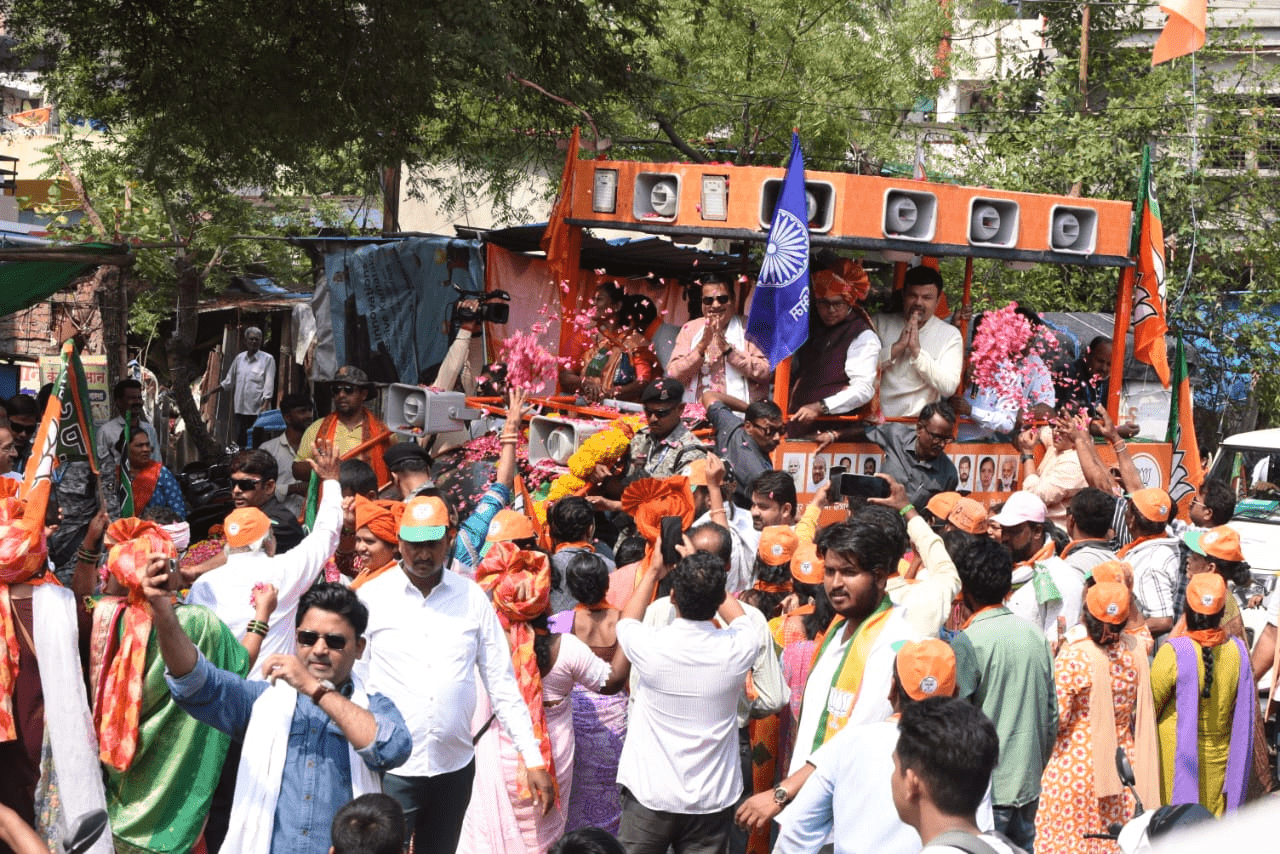
Lok Sabha elections 2024: In the vibrant landscape of Nagpur, the Lok Sabha elections are igniting fervor and anticipation. The Bharatiya Janata Party (BJP) is orchestrating an intricate micro-planning strategy to engage with citizens effectively. At the heart of this electoral dynamism lies the remarkable Lok Samvad Yatra led by Union Minister and Nagpur Lok Sabha candidate Nitin Gadkari. The recent rally through Central Nagpur assembly constituency stands as a testament to the overwhelming support Gadkari commands from the populace.

A Triumph of People’s Support: Rose Petals and Promises

As Gadkari embarked on his journey, Central Nagpur resonated with enthusiasm as citizens showered rose petals, symbolizing their endorsement of his vision and promises. Amidst cheers and fervent applause, Gadkari reiterated his commitment to actualize comprehensive development schemes, encompassing local infrastructure enhancements such as ponds, roads, over bridges, under bridges, and the crucial task of generating employment opportunities.

A Unified Front: Leaders and Supporters Joining Forces

Accompanied by notable figures including MLC Pravin Datke, Vikas Kumbhare, and senior leader Sanjay Bhende, Gadkari’s rally reflected a united front of political stalwarts and grassroots supporters. The presence of esteemed personalities like City President Jitendra alias Bunty Kukde, former Mayors Dayashankar Tiwari and Sandip Joshi, along with a multitude of dedicated workers, underscored the breadth and depth of support for Gadkari’s candidacy.

Navigating the Heart of Nagpur: A Route of Significance

The rally commenced at 9 am from the historic Rajwada Palace near Bharat Mata Chowk, where Gadkari paid homage to the revered symbol of the nation. Traversing through the bustling streets of Bajaria, Shitala Mata Chowk, and Haj House, the procession wove its way past significant landmarks, symbolizing the integration of tradition and progress.

A Pause for Reflection: Celebrating Community Spirit

As the rally progressed through Agrasen Chowk, Walker Road, and Lakdi Pool Chowk, the essence of community spirit and collective aspirations permeated the atmosphere. With halts near iconic sites like Gangabai Ghat and Agnimata Temple, Gadkari’s journey became not just a political event but a celebration of Nagpur’s cultural and spiritual heritage.

The Culmination: Towards a Future of Progress

The rally culminated near Model Mill Chowk Gymnasium, where Gadkari addressed the gathered multitude, reaffirming his dedication to the welfare and progress of Nagpur. Amidst resounding cheers and fervent chants, the promise of a brighter future resonated across Central Nagpur, encapsulating the essence of democracy in action.

Gadkari’s massive rallies in Central Nagpur epitomize the spirit of democracy and the power of collective action. As citizens unite in support of progress and development, the vibrancy of Nagpur’s political landscape underscores the significance of civic engagement and participatory democracy.


Frequently Asked Questions (FAQs)

1. What is the significance of Central Nagpur in the Lok Sabha elections 2024?

Central Nagpur serves as a pivotal constituency, reflecting the diverse aspirations and concerns of its populace. Its significance lies in its ability to influence the broader electoral landscape.

2. How does Gadkari’s rally reflect the BJP’s electoral strategy?

Gadkari’s rally exemplifies the BJP’s meticulous micro-planning approach, leveraging grassroots mobilization and public engagement to garner support and momentum.

3. Who were the prominent figures accompanying Gadkari during the rally?

MLC Pravin Datke, Vikas Kumbhare, and senior leader Sanjay Bhende were among the notable personalities accompanying Gadkari, symbolizing a unified front of leadership and grassroots support.

4. What development schemes did Gadkari pledge to implement in Central Nagpur?

Gadkari promised to prioritize infrastructure enhancements such as local ponds, roads, bridges, and initiatives aimed at fostering employment opportunities to catalyze economic growth and prosperity.

5. How does Gadkari’s rally celebrate Nagpur’s cultural heritage?

By traversing through iconic landmarks and halting at significant sites, Gadkari’s rally becomes a celebration of Nagpur’s rich cultural and spiritual heritage, fostering a sense of community and collective identity.

Earthquake Jolts Nagpur District Again

Geologists Nagpur: Nagpur district finds itself once again amidst seismic turmoil as back-to-back earthquakes, both measuring M 2.6 on the Richter scale, struck on a Saturday afternoon. These tremors mark the latest in a series of seismic events that have unsettled the region, prompting concern among both citizens and experts.

Unraveling the Recent Earthquakes

Swarm Earthquakes: An Overview

Over the past four days, Nagpur district has experienced a total of four swarm earthquakes. These recurring tremors have not only stirred panic among the populace but have also set alarm bells ringing among geologists and other experts. The National Center for Seismology, Ministry of Earth Sciences, Government of India, reported the first tremor at Nishanghat area around 3.07 pm, followed by another at Mendhepathar area at 4.17 pm in Umred taluka of Nagpur district.

Previous Incidents

This recent seismic activity follows a similar pattern observed earlier in March. On March 26, Nagpur district encountered two earthquakes of M 2.8 magnitude each, coinciding with a tremor of the same magnitude in Akola district. Meanwhile, Hingoli district, located 262 kms away from Nagpur, experienced three earthquakes on March 22, including one of M 4.5 magnitude felt in Umerkhed taluka of Yavatmal district. Notably, the depth of Saturday’s tremors remained under 5 km, unlike previous incidents which occurred at depths exceeding 10 km.

Expert Insights and Analysis (Geologists Nagpur)

Theories Surrounding the Seismic Activity

Geologists and experts have put forth various theories to explain the recent surge in seismic events. Some attribute these occurrences to the self-reactivation of a deep-seated fault plane, while others point to blast-induced seismicity. The transfer of the earthquake division from the India Meteorological Department (IMD) to the Geological Survey of India (GSI) also adds complexity to the analysis, considering major earthquakes in the past occurred under the IMD’s jurisdiction.

Insights from a Senior Meteorologist (Geologists Nagpur)

Speaking to The Hitavada, a senior meteorologist shed light on the nature of these tremors. Drawing parallels with past earthquakes in Latur, Bhuj, and Jabalpur, the meteorologist categorized the recent events as blast-induced seismicity. Citing the proximity of coal mines to the affected areas, the expert highlighted the role of human activities, particularly coal extraction through blasts, in triggering these earthquakes.

Proposed Measures and Conclusion

Moving Forward

Despite differing interpretations, experts unanimously advocate for further investigation through micro earthquake (MEQ) recording and macro seismic ground surveys in the epicenter localities. These measures aim to provide a clearer understanding of the underlying causes of the seismic activity and inform future mitigation strategies.

The recent spate of earthquakes in Nagpur district underscores the complex interplay between natural and anthropogenic factors in seismic events. As communities grapple with the aftermath, collaboration between stakeholders and ongoing research remain crucial in building resilience against such incidents.

FAQs (Frequently Asked Questions)

  1. What is swarm seismicity, and how does it differ from single earthquakes? Swarm seismicity refers to a series of earthquakes occurring closely in time and space, often indicating stress release along fault lines. Unlike single earthquakes, swarm events involve multiple tremors within a short timeframe.
  2. Can blast-induced seismicity pose a significant threat to communities? Yes, blast-induced seismicity, often associated with activities like mining and construction, can pose risks such as structural damage and landslides, particularly in regions prone to seismic activity.
  3. How do geologists differentiate between natural and human-induced earthquakes? Geologists employ various techniques, including seismic monitoring and geological surveys, to analyze the characteristics and triggers of earthquakes. Factors such as depth, location, and geological context help distinguish between natural and human-induced seismic events.
  4. What measures can communities take to mitigate the impact of earthquakes? Community preparedness, including awareness campaigns, emergency drills, and adherence to building codes, plays a vital role in mitigating the impact of earthquakes. Additionally, investing in infrastructure resilience and early warning systems can enhance response efforts.
  5. Are there long-term implications of frequent seismic activity in a region? Yes, frequent seismic activity can have long-term implications, including soil liquefaction, ground subsidence, and changes in groundwater levels. Understanding these effects is crucial for sustainable development and disaster preparedness.

Challenges and Objections Surrounding the Nagpur-Goa Shaktipeeth Highway

Navigating the Controversy

The proposed Nagpur-Goa Shaktipeeth Highway has stirred significant debate and opposition, with over 2500 objections raised against its construction. This article delves into the complexities and concerns surrounding this contentious project, shedding light on the various perspectives and implications.

Understanding the Project

The Nagpur-Goa Shaktipeeth Highway project aims to enhance connectivity and facilitate transportation between Nagpur and Goa. Advocates argue that it will improve infrastructure and boost economic growth in the region.

Environmental Impact Assessment

However, environmentalists and local communities express apprehensions regarding the project’s environmental impact. They highlight potential threats to biodiversity, forests, and water bodies along the proposed route.

Community Resistance

Local residents, particularly those residing in the vicinity of the proposed highway, have voiced vehement opposition. Concerns regarding displacement, loss of livelihoods, and disruption of socio-cultural fabric feature prominently in their objections.

Key Concerns Raised

1. Environmental Degradation

The construction of a major highway through ecologically sensitive areas poses a significant risk of habitat destruction, fragmentation, and loss of biodiversity.

2. Socio-Economic Disruption

Communities reliant on agriculture, forest resources, and traditional livelihoods fear displacement and marginalization due to land acquisition and infrastructure development.

3. Cultural Heritage Preservation

The proposed highway traverses through regions of historical and cultural significance, raising concerns about the preservation of sacred sites and heritage structures.

4. Traffic Management

Critics argue that the anticipated increase in vehicular traffic may exacerbate congestion, pollution, and road safety hazards, outweighing the purported benefits of improved connectivity.

5. Alternative Solutions

Advocates for sustainable development advocate for exploring alternative routes and modes of transportation that minimize environmental impact and prioritize community well-being.

Balancing Progress and Preservation

The debate surrounding the Nagpur-Goa Shaktipeeth Highway underscores the delicate balance between developmental aspirations and environmental conservation. As stakeholders continue to engage in dialogue and deliberation, finding holistic solutions that address concerns while fostering progress remains imperative.

Blackouts in Many City Areas After Downpour

Nagpur Faces Power Outages After Heavy Rain

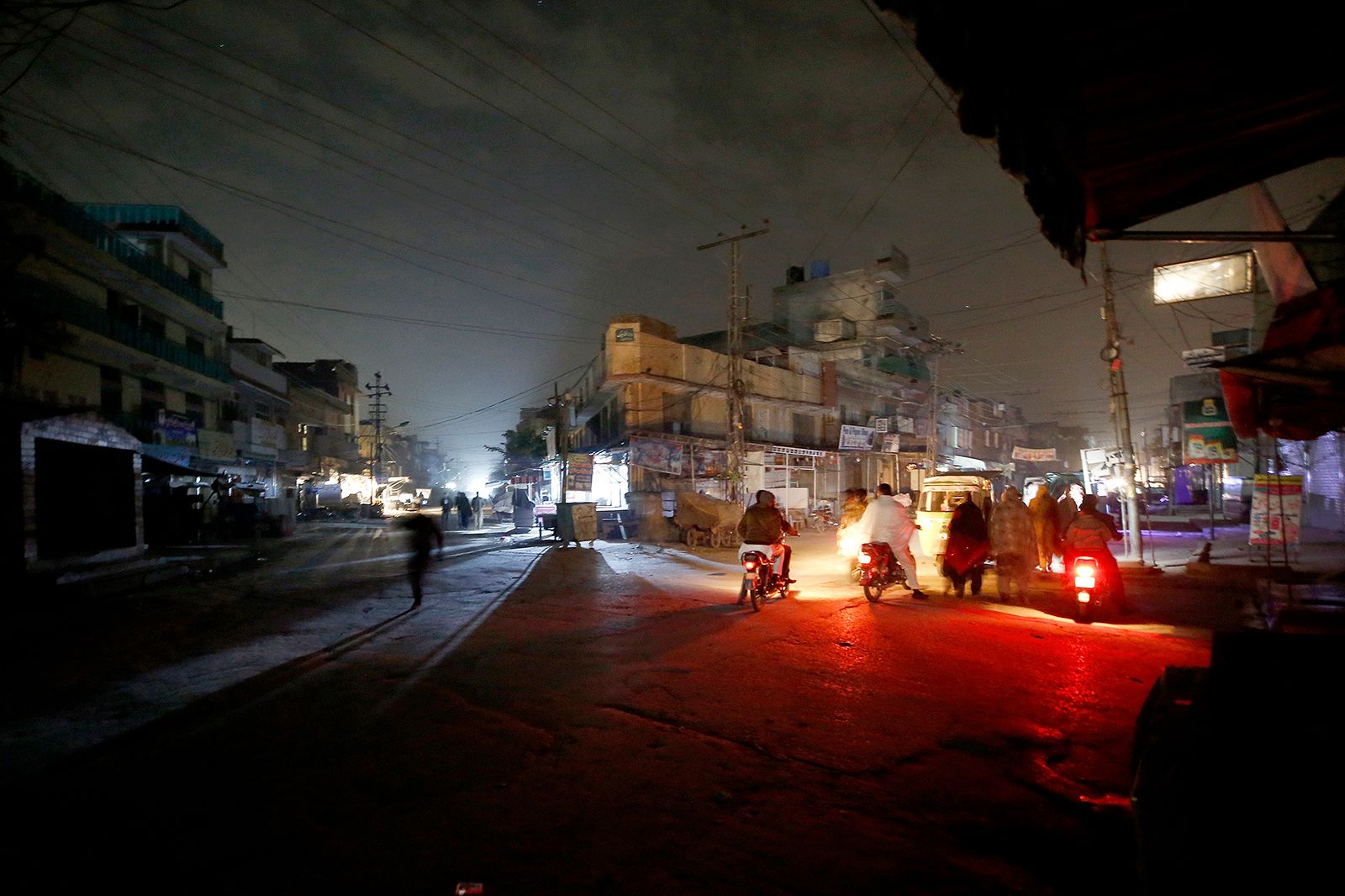
Nagpur, a bustling city in India, has been grappling with significant power outages in several areas following a heavy downpour. The recent torrential rain has exposed the vulnerability of the city’s infrastructure, leading to disruptions in electricity supply across various neighborhoods.

Understanding the Impact of Blackouts

Power outages can have far-reaching consequences, affecting various aspects of daily life for residents. Here’s a closer look at the impact of blackouts:

  1. Disruption of Daily Activities: Residents are facing difficulties in carrying out routine tasks such as cooking, working, and studying due to the lack of electricity.
  2. Safety Concerns: The absence of streetlights and household lighting poses safety risks, especially during the night, increasing the likelihood of accidents and crime.
  3. Health Risks: Medical facilities relying on electricity, such as hospitals and clinics, may face challenges in providing essential services, putting patients at risk.
  4. Economic Losses: Businesses, including shops and offices, experience interruptions in operations, leading to financial losses and setbacks in productivity.

Causes of Power Outages

Infrastructure Vulnerability

Nagpur’s infrastructure, particularly its electrical grid, is susceptible to disruptions during extreme weather events. Aging infrastructure and inadequate maintenance exacerbate the problem, making it difficult to withstand heavy rainfall and other natural calamities.

Overloaded Systems

The increasing demand for electricity, coupled with overloaded systems, puts immense pressure on the city’s power distribution network. During peak hours or adverse weather conditions, the system may struggle to cope with the load, resulting in blackouts.

Efforts to Restore Power

Emergency Response Teams

Authorities have mobilized emergency response teams to assess the extent of damage and expedite restoration efforts. These teams work tirelessly to identify and rectify faults in the power supply infrastructure, aiming to restore electricity to affected areas promptly.

Community Support

In times of crisis, community support plays a crucial role in coping with the aftermath of natural disasters. Residents come together to assist each other, sharing resources and information to mitigate the impact of power outages.

The recent blackouts in Nagpur serve as a stark reminder of the challenges posed by inadequate infrastructure and extreme weather conditions. As the city strives to recover from the aftermath of heavy rain, concerted efforts are needed to strengthen its resilience and ensure reliable electricity supply for all residents.

FAQs

1. What caused the power outages in Nagpur?

The power outages in Nagpur were primarily caused by heavy rainfall, which exposed vulnerabilities in the city’s infrastructure.

2. How long are the blackouts expected to last?

The duration of the blackouts varies depending on the extent of damage and the efficiency of restoration efforts. Authorities are working diligently to minimize disruptions and restore power as quickly as possible.

3. Are there any safety precautions residents should take during blackouts?

Residents are advised to exercise caution during blackouts, especially at night, by using alternative light sources and avoiding unnecessary travel. It’s essential to prioritize safety and stay informed about developments through official channels.

4. What measures can be taken to prevent future power outages?

To prevent future power outages, investments in infrastructure upgrades and maintenance are necessary. Additionally, implementing measures to reduce electricity demand during peak hours can help alleviate strain on the power grid.

5. How can residents contribute to the restoration efforts?

Residents can support restoration efforts by conserving energy, reporting outages promptly, and assisting vulnerable members of the community. By working together, we can overcome the challenges posed by blackouts and build a more resilient city.

Exit mobile version