Ayodhya: Ram Lalla to wear cotton clothes in the summer season; Mandir Trust shares a picture of the deity dressed in handloom cotton

summer season: In the heart of Ayodhya, amidst the ancient city’s rich tapestry of culture and spirituality, a significant change is underway. Ram Lalla, the revered deity, is set to embrace a more comfortable attire as the scorching summer (handloom cotton) heat envelops the region. This transition to cotton clothing reflects a thoughtful measure to ensure the deity’s comfort amid the relentless summer swells.

The Significance of Ayodhya

Ayodhya, often referred to as the birthplace of Lord Rama, holds profound significance in Hindu mythology and culture. It’s a place where spirituality intertwines with everyday life, drawing devotees and tourists alike to its sacred precincts.

Ram Lalla: Symbol of Devotion

an infant form of Lord Rama, holds a special place in the hearts of millions of devotees. The deity’s presence in Ayodhya’s revered temple complex is a focal point of devotion and pilgrimage, attracting devotees from far and wide.

Embracing Comfort in Tradition

In a thoughtful gesture, the custodians of the temple have decided to shift Ram Lalla’s attire to cotton garments as summer approaches (summer season). This decision stems from a deep-seated tradition of ensuring the utmost comfort for the deity, reflecting the reverence and care bestowed upon Ram Lalla by the devotees.

The Essence of Cotton Clothing

Cotton, with its lightweight and breathable properties, offers the ideal solution to combat the oppressive heat of the summer months. By adorning Ram Lalla in cotton attire, the custodians aim to ensure not only physical comfort but also spiritual tranquility, fostering a serene environment within the sacred precincts.

Preserving Tradition Amidst Modernity

In a rapidly evolving world, where traditions often intersect with modernity, the decision to dress Ram Lalla in cotton symbolizes a harmonious blend of age-old customs and contemporary sensibilities. It underscores the timeless relevance of tradition in fostering a sense of continuity and reverence in a changing landscape.

As Ayodhya prepares to welcome the sweltering summer (summer season) months, the transition of Ram Lalla to cotton clothing epitomizes a delicate balance between tradition and comfort. It signifies a profound gesture of devotion and care, ensuring that the revered deity remains enveloped in comfort amidst the scorching heat. In this timeless city where the past meets the present, the essence of tradition continues to thrive, resonating through the corridors of faith and devotion.


FAQs (Frequently Asked Questions)

1. Why is Ayodhya significant in Hindu mythology?

Ayodhya is revered as the birthplace of Lord Rama, making it a sacred pilgrimage site for Hindus worldwide.

2. What is the significance of dressing Ram Lalla in cotton clothing?

Dressing Ram Lalla in cotton ensures both physical and spiritual comfort amid the sweltering summer heat, reflecting the devotion and care of the custodians.

3. How does the transition to cotton attire preserve tradition?

The decision to dress Ram Lalla in cotton (handloom cotton) exemplifies a harmonious blend of tradition and modernity, showcasing the timeless relevance of age-old customs in contemporary times.

4. Is Ram Lalla worshipped by people of all ages?

Yes, devotees of all ages hold reverence for Ram Lalla, reflecting the deity’s universal appeal and significance in Hindu culture.

5. What does the transition to cotton clothing signify for devotees?

For devotees, the transition symbolizes a gesture of devotion and care towards the deity, fostering a deeper connection and sense of reverence.


Discontinuation of USSD-Based Call Forwarding Facilities: What You Need to Know

In recent news, the Department of Telecommunications (DoT) has issued directives to telecommunication companies to discontinue USSD-based call forwarding facilities starting from April. This move has significant implications for users and the telecom industry alike. Let’s delve into the details and understand the reasons behind this decision.

Understanding USSD-Based Call Forwarding

What is USSD?

USSD, or Unstructured Supplementary Service Data, is a protocol used by GSM cellular telephones to communicate with the service provider’s computers. It enables users to access various services, such as prepaid callback service, mobile-money services, location-based content services, and more.

How Does USSD-Based Call Forwarding Work?

USSD-based call forwarding allows users to divert incoming calls to another number using a simple code. This feature is commonly used for call management purposes, such as when users are unavailable or unreachable on their primary number.

The Decision to Discontinue USSD-Based Call Forwarding

Regulatory Concerns

The decision by the DoT to discontinue USSD-based call forwarding stems from regulatory concerns. There have been instances of misuse of this service, including fraudulent activities and security breaches. By discontinuing this feature, the DoT aims to mitigate these risks and enhance the security of telecom services.

Technological Advancements

Additionally, the telecom industry is witnessing rapid technological advancements, with newer and more secure methods of call forwarding available. Discontinuing USSD-based call forwarding paves the way for adopting these advanced technologies, ensuring a safer and more efficient telecommunication ecosystem.

Impact on Users and Telecom Companies

User Convenience

While the discontinuation of USSD-based call forwarding may inconvenience some users initially, it is a step towards ensuring a safer and more secure telecommunication environment. Users are encouraged to explore alternative call forwarding options provided by their service providers.

Compliance by Telecom Companies

Telecom companies are required to comply with the directives issued by the DoT and ensure the seamless transition away from USSD-based call forwarding. This may involve updating their systems and educating customers about the discontinuation of this service.

The discontinuation of USSD-based call forwarding facilities by the Department of Telecommunications reflects a proactive approach towards addressing regulatory concerns and embracing technological advancements in the telecom sector. While this decision may require adjustments from users and telecom companies alike, it ultimately contributes to a safer and more secure telecommunication ecosystem.

FAQs

  1. Why is the DoT discontinuing USSD-based call forwarding?
    • The DoT is discontinuing USSD-based call forwarding to address regulatory concerns and promote the adoption of more secure telecommunication technologies.
  2. What alternatives are available for call forwarding?
    • Users can explore alternative call forwarding options provided by their service providers, such as voice-over-IP (VoIP) services or mobile applications.
  3. How will telecom companies comply with the DoT’s directives?
    • Telecom companies are required to update their systems and educate customers about the discontinuation of USSD-based call forwarding to ensure compliance with the DoT’s directives.
  4. Will the discontinuation of USSD-based call forwarding affect user convenience?
    • While there may be some initial inconvenience for users, the discontinuation of USSD-based call forwarding contributes to a safer and more secure telecommunication environment in the long run.
  5. Are there any security risks associated with USSD-based call forwarding?
    • Yes, there have been instances of misuse of USSD-based call forwarding for fraudulent activities and security breaches, prompting the DoT to take action to mitigate these risks.

Unveiling the Validity of 26 Candidates’ Papers in Nagpur

Nagpur LS Election 2024: In the bustling political arena of Nagpur Lok Sabha constituency, the scrutiny of nomination papers has unfurled intriguing revelations. Out of the 53 candidates who submitted their papers by March 27, only 26 emerged victorious in the labyrinth of procedural rigor.

Decoding the Scrutiny Process

The meticulous scrutiny process, conducted by the Returning Officer, left no stone unturned in assessing the adherence to procedural nuances. Unfortunately, 27 candidates fell short, rendering their applications invalid.

Valid Candidates: A Mosaic of Diversity

Among the validated candidates, a mosaic of diversity unfolds, encapsulating representatives from various political echelons:

  • National and State-Level Recognized Parties: 3 candidates
  • Registered Parties: 13 candidates
  • Independents: 10 candidates

The Luminary Figures

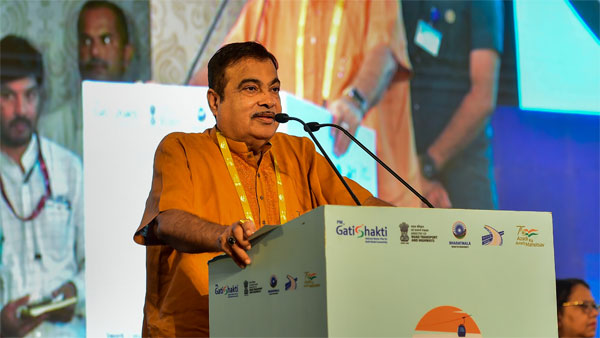
Noteworthy among the validated candidates are stalwarts like Nitin Gadkari from the Bharatiya Janata Party, Yogiraj alias Yogesh Patiram Lanjewar from the Bahujan Samaj Party, and Vikas Thakre representing the Indian National Congress.

Key Dates and Electoral Landscape

As March 30 marks the withdrawal deadline, the electoral battleground is set for April 19, with Nagpur and other constituencies gearing up for the democratic spectacle. Notably, Nagpur leads with 26 valid applications, followed by Ramtek, Bhandara-Gondia, Gadchiroli-Chimur, and Chandrapur.

In the throes of democratic fervor, the validation of candidates’ papers in Nagpur echoes (Nagpur LS Election 2024) the vibrancy of electoral democracy. As the nation braces for the impending polls, the political landscape teems with anticipation and dynamism.

FAQs (Frequently Asked Questions)

1. What is the significance of scrutinizing nomination papers? Scrutiny ensures adherence to electoral protocols, maintaining the integrity of the democratic process.

2. How do candidates navigate the scrutiny process? Candidates must meticulously adhere to procedural requirements outlined by the Election Commission to ensure the validity of their applications.

3. What happens if a candidate’s application is deemed invalid? Candidates whose applications are invalidated have the option to withdraw or rectify discrepancies within the stipulated timeline.

4. Why is diversity among validated candidates crucial? Diversity ensures equitable representation and reflects the multifaceted tapestry of society within the political sphere.

5. What role do independents play in the electoral landscape? Independents contribute to the pluralistic fabric of democracy, offering alternative voices and perspectives in the political discourse.

Rashmi Barve Disqualified from Ramtek Lok Sabha Candidature: A Major Setback for Maha Vikas Aaghadi

Maha Vikas Aaghadi: In a significant turn of events, Tushar Thombare, Additional Collector and Returning Officer for the Ramtek Lok Sabha constituency, has rejected the nomination of Rashmi Barve, the Congress candidate for Ramtek. This decision came after the Social Justice Department invalidated her caste validity certificate during the daytime, leading to her disqualification from the candidature. Consequently, Shyamkumar Barve, whose name was listed on Form B, will now stand as the Congress nominee from Ramtek.

Challenges Arise: Allegations and Complaints

The Ramtek constituency, falling under the reserved category, saw the Congress party nominating Barve after submitting her caste documents. However, soon after Barve’s candidature was announced, concerns over the legitimacy of her caste validity certificate emerged. A complaint lodged by Sunil Salve triggered the Social Justice Department to order the Caste Scrutiny Committee to take action.

Scrutiny and Verdict

The District Caste Certificate Scrutiny Committee issued a notice to Rashmi Barve based on the complaint, alleging that she had provided false documents to support her caste claim. Dr. Mangesh Wankhede, Deputy Commissioner and Committee Member, urged Barve to present her explanation at the Social Justice Department. Following an inquiry directed by the State Information Commissioner, the Subdivisional Police Officer investigated the matter.

After thorough examination, the Social Justice Department concluded that Barve’s documents were fraudulent and revoked her caste validity certificate. Barve’s subsequent appeal to the High Court was deferred to the following week. A hearing convened at the Collector’s office, presided over by Returning Officer Tushar Thombare, resulted in the rejection of Barve’s nomination papers.

Political Turmoil and Lasting Implications

The decision led to a tense situation near the Collector’s office, with prominent leaders from both sides, including Nagpur District Congress President Rajendra Mulak and Ramtek MLA Ashish Jaiswal, remaining present throughout the day. Barve’s filing of nomination papers on the last day, accompanied by key party figures, underscored the significance of the moment.

In the aftermath of this development, Maha Vikas Aaghadi faces a setback, while the political landscape in Ramtek undergoes a shift. The implications of Barve’s disqualification reverberate beyond the constituency, affecting the broader electoral dynamics.

The disqualification of Rashmi Barve from the Ramtek Lok Sabha candidature marks a significant episode in the political narrative of Maharashtra. Amidst allegations of falsifying caste documents, Barve’s journey from nomination to disqualification underscores the importance of transparency and integrity in the electoral process.

FAQs:

  1. What led to Rashmi Barve’s disqualification from the Ramtek Lok Sabha candidature? Rashmi Barve was disqualified after the Social Justice Department invalidated her caste validity certificate due to allegations of submitting false documents.
  2. What role did the Caste Scrutiny Committee play in this matter? The Caste Scrutiny Committee investigated allegations against Barve and issued a notice to her based on the complaint, leading to further scrutiny of her documents.
  3. How did the political landscape in Ramtek react to Rashmi Barve’s disqualification? The disqualification stirred political turmoil, with leaders from various parties, including Congress and Maha Vikas Aaghadi, being actively involved in the proceedings.
  4. Was there any legal recourse available to Rashmi Barve after her disqualification? Barve appealed to the High Court, but the case was deferred, prolonging the uncertainty surrounding her candidature.
  5. What implications does Rashmi Barve’s disqualification have on the upcoming Lok Sabha elections in Maharashtra? The disqualification reshapes the electoral dynamics in Ramtek and serves as a reminder of the importance of adhering to legal and procedural requirements in the political sphere.

Nagpur Municipal Corporation Cracks Down on Illegal Debris Dumping

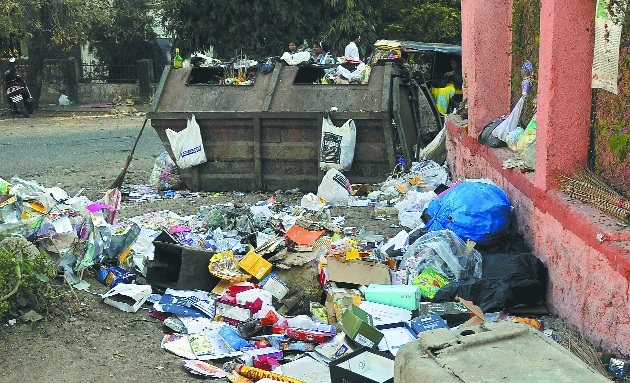
In a proactive move to tackle the growing menace of illegal debris dumping, the Nagpur Municipal Corporation (NMC) has undertaken a comprehensive survey, revealing alarming statistics. According to the survey conducted by NMC’s nuisance detection squad (NDS), a staggering 321 locations within the city have been identified as spots where debris has been illegally accumulated. Among these locations, 35 have been attributed to various government departments, while an additional 50 spots remain unclaimed, with unknown persons responsible for dumping construction and demolition (C&D) waste.

Unveiling the Survey Findings

Led by NMC deputy municipal commissioner Dr Gajendra Mahalle and director of solid waste management, the survey commenced on March 22 and encompassed a thorough examination of roads, footpaths, and public areas. The extensive sweep, covering both private and government entities including NHAI and PWD, was carried out by NDS commandant Virsen Tambe and a team of approximately 128 personnel spread across the city’s 10 zones.

Taking Swift Action

In response to the alarming findings, NMC (Nagpur Municipal Corporation) has initiated stringent measures. Notices are being served to citizens, builders, and institutions found responsible for dumping debris, mandating them to transport the waste to the designated disposal site at Bhandewadi. Additionally, NMC has pledged to clear C&D waste dumped by unidentified individuals at the 50 unclaimed spots, ensuring swift removal to the Bhandewadi C&D waste plant.

Zone-wise Breakdown

The survey revealed significant disparities across different zones within the city. Dharampeth zone topped the list with 54 identified spots, while Lakadganj zone recorded the lowest count at 15 spots. Dr Mahalle emphasized that these measures are pivotal in the ongoing efforts to enhance cleanliness and aesthetics across the cityscape.

Innovative Waste Management Solutions

In collaboration with a Hyderabad-based company, NMC has established a cutting-edge C&D waste treatment plant at the Bhandewadi dumping yard, marking a significant milestone for Central India. The plant, currently operational on a trial basis, boasts a capacity to process 150 metric tonnes of waste daily. Beyond benefiting NMC, the plant is poised to serve various municipal bodies and government departments, providing a systematic approach to debris management while producing valuable materials like paver blocks and tiles from recycled waste.

Enforcement and Penalties

In adherence to NMC policy and the guidelines of the C&D Waste Rules 2016, stringent penalties are being enforced for illegal dumping. Sanitation officers, inspectors, and enforcement officials wield the authority to impose fines on violators, with fines set at Rs5,500 per vehicle for illegal dumping. Furthermore, fines are slated to increase by Rs500 annually from April 1, incentivizing compliance with waste disposal regulations.

The NMC’s proactive stance against illegal debris dumping underscores its commitment to fostering a cleaner and more sustainable urban environment. Through rigorous enforcement, innovative waste management solutions, and community engagement, the city of Nagpur is poised to set a precedent in combating environmental degradation and promoting responsible waste disposal practices.

FAQs (Frequently Asked Questions)

1. How were the 321 dumping spots identified?

2. What actions will be taken against those responsible for illegal dumping?

  • Notices will be served, directing responsible parties to transport debris to designated disposal sites. Additionally, fines will be imposed on violators as per NMC regulations.

3. How will the C&D waste treatment plant benefit the city?

  • The plant will provide a sustainable solution for debris management, producing valuable materials while reducing environmental impact.

4. What role do citizens play in combating illegal dumping?

  • Citizens are encouraged to report instances of illegal dumping and adhere to waste disposal guidelines to maintain a clean and hygienic environment.

5. How can individuals contribute to waste management efforts in Nagpur?

  • Individuals can segregate waste, participate in recycling initiatives, and raise awareness about responsible waste disposal practices within their communities.
  •  

Property Registration Open Throughout Weekend in Nagpur

Ensuring Smooth Transactions Amidst Government Revision

Property Registration Nagpur Stamp Duty: As the state government gears up to revise ready reckoner rates from April 1 onwards, property buyers in Nagpur have a golden opportunity to finalize their deals with lower stamp duty. Despite Good Friday being a public holiday, registrar offices across the state remained open on Friday and will continue to operate over the weekend to facilitate property registrations. This article delves into the significance of this decision and its implications for buyers and the real estate market.

Understanding Ready Reckoner Rates

Ready reckoner rates serve as the basis for calculating stamp duty on property transactions. They represent the market valuation of commercial or residential properties in a given area. Even if a property is sold below its ready reckoner rate, stamp duty is calculated based on the latter. These rates are revised annually on April 1, often based on inputs from field offices across the state.

Anticipating Revisions

While revisions to ready reckoner rates are not guaranteed each year, there is always a possibility. The goal is to align these rates with market realities, ensuring fair valuation and revenue collection for the government. Sometimes, official valuations lag behind actual market rates, leading to potential revenue losses.

Open Registrar Offices: A Boon for Buyers

By keeping registrar offices open over the weekend, the government aims to facilitate smoother property transactions. This move benefits both buyers and sellers, providing flexibility and ensuring timely registrations. Builders like Tejindersingh Renu applaud this decision, emphasizing its role in easing the workload and expediting pending deals.

Seizing the Opportunity

Buyers should seize this opportunity to register their properties before any potential rate revisions come into effect. Deals stuck at prices lower than the ready reckoner rate can benefit from paying stamp duty at existing rates. With uncertainty looming over future revisions, acting now can lead to significant savings.

The decision to keep registrar offices open (Property Registration Nagpur Stamp Duty) over the weekend in Nagpur comes as a welcome relief for property buyers and sellers alike. Amidst looming revisions to ready reckoner rates, this move ensures smooth transactions and provides an opportunity for savings. Buyers are encouraged to take advantage of this window before potential changes take effect.

FAQs

1. Can I register my property during the weekend even if it’s a public holiday?

Yes, registrar offices are open despite it being a public holiday, ensuring continuity in property registration services.

2. Will the ready reckoner rates definitely be revised from April 1?

While revisions are common, they are not guaranteed every year. However, it’s advisable to stay updated with government announcements.

3. How do ready reckoner rates affect property transactions?

Ready reckoner rates influence the calculation of stamp duty, impacting the overall cost of property transactions.

4. What if my property’s sale price is lower than the ready reckoner rate?

You would still need to pay stamp duty based on the ready reckoner rate, even if the actual sale price is lower.

5. Is it advisable to wait until the last moment to register my property?

While it’s possible, registering sooner rather than later can offer peace of mind and potentially save costs in case of rate revisions.

LS Election 2024: 27 Nominations Rejected in Nagpur

In the bustling political arena of Nagpur, a significant development has unfolded with the rejection of 27 out of 63 nominations filed by candidates vying for the Nagpur Lok Sabha seat. This event has captured the attention of both the public and political pundits alike, shedding light on the intricacies of electoral processes and the dynamics of candidate eligibility.

The Rejected Nomination and its Implications

Among the rejected nominations stands the candidature of Venkateswara Mahaswami, also known as Deepak Katakdhond, who sought to contest the elections from Nagpur under the banner of the BJP. Notably, Mahaswami’s affidavit revealed properties valued at ₹108 crore under his ownership, coupled with a staggering debt exceeding ₹100 crore, obtained through unsecured loans from various individuals.

Diverse Array of Contestants

Beyond the mainstream political parties, a diverse array of candidates has thrown their hats into the ring. These include representatives from lesser-known entities such as the Socialist Utility Centre of India (communist), Desh Janhit Party, Bahujan Republic Socialist Party, and Akhil Bhartiya Parivar Party. Even the historically significant All India Forward Bloc, originally spearheaded by Subhash Chandra Bose during the pre-independence era, has fielded a candidate in this electoral battleground.

Navigating the Political Terrain

The rejection of a significant number of nominations underscores the stringent criteria set forth by electoral authorities, aimed at ensuring the integrity and transparency of the electoral process. It also reflects the complexities inherent in Indian politics, where aspirants from diverse backgrounds vie for public office amidst intense competition and scrutiny.

As the political landscape of Nagpur continues to evolve, the recent rejection of nominations serves as a poignant reminder of the challenges and opportunities inherent in the democratic process. With each candidate’s bid subject to meticulous evaluation, the stage is set for a fiercely contested election that will shape the future trajectory of the region.

Frequently Asked Questions (FAQs)

  1. Why were the nominations rejected?
    • The nominations were likely rejected due to discrepancies or inadequacies in the documentation submitted by the candidates, such as incomplete affidavits or failure to meet eligibility criteria.
  2. What role do independent candidates play in the electoral process?
    • Independent candidates offer voters alternative choices beyond established political parties, often focusing on niche issues or grassroots activism.
  3. How do rejected nominations impact the electoral dynamics?
    • Rejected nominations can alter the electoral landscape by reshuffling the pool of candidates and influencing voter perceptions of credibility and legitimacy.
  4. Is the rejection of nominations common in Indian elections?
    • While not unprecedented, the rejection of a significant number of nominations highlights the rigorous scrutiny applied by electoral authorities to uphold democratic principles.
  5. What steps can candidates take to avoid nomination rejection?
    • Candidates must ensure meticulous compliance with all regulatory requirements, including accurate documentation and adherence to eligibility criteria, to mitigate the risk of nomination rejection.

Mercury Crosses 40 Celsius in City; Rain Likely for 2 Days

The scorching heat wave has gripped the city of Nagpur as temperatures soar beyond 40 degrees Celsius. Amidst this intense heat, relief seems to be on the horizon with forecasts predicting rain for the next two days. Let’s delve into the details of this weather phenomenon and what it means for the residents of Nagpur.

Rising Temperatures: A Cause for Concern

Unprecedented Heatwave

The mercury has been steadily rising, surpassing the 40-degree mark. Such high temperatures are unusual even for this time of the year, raising concerns about the intensity of the heatwave.

Impact on Daily Life

The soaring temperatures have made outdoor activities unbearable, forcing people to stay indoors to escape the blistering heat. This has implications for various aspects of daily life, including work, transportation, and overall well-being.

Relief in Sight: Rain Forecast

Anticipation of Rainfall

Amidst the sweltering heat, there is a glimmer of hope as weather forecasts predict rain in the coming days. This anticipated rainfall brings much-needed relief to the parched city and its residents.

Duration and Intensity

The forecast indicates that the rain is expected to last for two days, offering a temporary respite from the oppressive heat. The intensity of the rainfall remains to be seen, but any amount of precipitation would be welcomed with open arms.

Preparedness and Precautions

Stay Hydrated

With temperatures soaring, it is crucial to stay hydrated by drinking plenty of water throughout the day. Dehydration poses a significant risk during heatwaves, so maintaining adequate fluid intake is essential.

Dress Appropriately

Wearing light and breathable clothing can help alleviate the discomfort caused by the heat. Opting for loose-fitting garments made from natural fabrics can aid in regulating body temperature and preventing overheating.

Seek Shade and Cool Spaces

When venturing outdoors, seek shade whenever possible to avoid direct exposure to the sun’s rays. Additionally, spending time in air-conditioned or well-ventilated spaces can provide relief from the heat.

As Nagpur grapples with soaring temperatures, the prospect of rainfall offers a glimmer of hope for residents weary of the relentless heatwave. By staying hydrated, dressing appropriately, and seeking shade, individuals can navigate through this period of extreme weather with caution and resilience.

FAQs

1. Will the rainfall be sufficient to alleviate the heatwave completely?

  • While the rainfall is expected to bring relief, it may not entirely eliminate the heatwave. However, it will certainly provide a temporary respite from the high temperatures.

2. How should I prepare for the impending rainfall?

  • It is advisable to keep an umbrella handy and be prepared for wet weather conditions. Additionally, ensure that any outdoor activities are planned accordingly to account for the rain.

3. Can I expect any disruptions due to the rainfall?

  • There may be minor disruptions in transportation and outdoor activities during the rainfall. It’s advisable to stay updated with weather forecasts and plan accordingly.

4. Are there any health concerns associated with the heatwave?

  • Yes, prolonged exposure to high temperatures can increase the risk of heat-related illnesses such as heatstroke and dehydration. It’s essential to take preventive measures and seek medical attention if necessary.

5. How often does Nagpur experience such extreme temperatures?

Nagpur LS Seat: Gadkari Declares Assets Worth Rs 28 Crore in Poll Affidavit

Nagpur LS seat: In a recent development concerning the Nagpur Lok Sabha seat, Nitin Gadkari, a prominent political figure, has made headlines by declaring assets amounting to Rs 28 crore in his poll affidavit. This revelation has sparked significant public interest and has raised various discussions regarding transparency in political representation.

Nitin Gadkari’s Affidavit Filing: Unveiling Assets

Understanding the Significance

The declaration of assets by Nitin Gadkari holds substantial importance in the realm of Indian politics. It reflects a crucial aspect of electoral processes, highlighting the necessity for transparency and accountability among political leaders.

Insights into Gadkari’s Wealth

Nitin Gadkari’s affidavit reveals a comprehensive overview of his assets, shedding light on his financial standing. With assets valued at Rs 28 crore, Gadkari’s declaration provides valuable insights into his financial portfolio and investments.

Analysis of Gadkari’s Assets (Nagpur LS seat)

Property Holdings

Gadkari’s assets primarily comprise property holdings, including residential and commercial real estate. These assets signify his investments in tangible properties, contributing to his overall wealth.

Financial Investments

Apart from property holdings, Gadkari’s affidavit also discloses his financial investments in various instruments such as stocks, bonds, and mutual funds. This diversified investment approach showcases his financial acumen and strategic planning.

Transparency in Political Representation

Promoting Accountability

Gadkari’s transparent disclosure of assets sets a positive precedent for political representatives, emphasizing the importance of accountability and honesty in public service. Such actions foster trust and credibility among constituents.

Citizen Empowerment

By openly sharing details of his assets, Gadkari empowers citizens to make informed decisions during elections. Transparency in political representation enables voters to assess candidates based on their integrity and commitment to public welfare.

Nitin Gadkari’s declaration of assets worth Rs 28 crore in his poll affidavit signifies a significant step towards promoting transparency and accountability in Indian politics. By setting an example of open disclosure, Gadkari reinforces the principles of ethical governance and citizen empowerment.

FAQs:

  1. Is Nitin Gadkari’s asset declaration mandatory?
    • Yes, as per electoral regulations, candidates contesting elections are required to disclose their assets and liabilities in affidavits.
  2. What is the purpose of asset disclosure by political candidates?
    • Asset disclosure aims to ensure transparency in political representation, allowing voters to assess candidates’ financial integrity and accountability.
  3. How does Gadkari’s asset declaration impact public perception?
    • Gadkari’s transparent disclosure enhances public trust in political leaders and promotes a culture of accountability in governance.
  4. Are there any legal repercussions for concealing assets in affidavits?
    • Yes, failure to disclose assets accurately in poll affidavits can result in legal consequences, including disqualification from elections.
  5. Does asset declaration include only financial holdings?
    • Asset declaration encompasses various forms of wealth, including properties, financial investments, and other valuable assets.

Wealth of Vikas Thakre: A 63% Increase in the Last 5 Years

delve into the financial journey of Vikas Thakre, exploring the remarkable 63% increase in his wealth over the past five years. From humble beginnings to substantial growth, Thakre’s trajectory offers insights into wealth accumulation and financial management strategies.

The Early Years

Vikas Thakre’s story begins in a small town, where he navigated challenges and embraced opportunities to lay the foundation for his financial success. With determination and foresight, he embarked on a journey fueled by ambition and perseverance.

Building Blocks of Success

Thakre’s rise to prosperity was not without hurdles. He encountered setbacks and obstacles along the way, but these experiences only strengthened his resolve. Through strategic investments and prudent decision-making, he gradually built a portfolio that would pave the way for future growth.

Strategic Investments

Thakre’s approach to wealth management was characterized by strategic investments in diverse asset classes. From real estate ventures to stock market investments, he diversified his portfolio to mitigate risk and maximize returns.

Prudent Decision-Making

Central to Thakre’s financial strategy was a commitment to prudent decision-making. He conducted thorough research, consulted with experts, and weighed the potential risks and rewards before making any investment or financial decision.

The Turning Point

Five years ago, Vikas Thakre experienced a significant turning point in his financial journey. Through shrewd investments and astute financial planning, he witnessed a remarkable 63% increase in his wealth, marking a milestone achievement in his pursuit of financial independence.

Key Factors Contributing to Growth

Several key factors contributed to Thakre’s impressive financial growth over the past five years:

  1. Strategic Investments: Thakre’s strategic investments yielded substantial returns, bolstering his overall wealth accumulation.
  2. Market Trends: Favorable market conditions and emerging opportunities played a pivotal role in driving Thakre’s financial growth.
  3. Financial Discipline: Thakre’s unwavering commitment to financial discipline and prudence enabled him to capitalize on opportunities while minimizing risks.

Challenges and Lessons Learned

Despite his success, Vikas Thakre encountered challenges and setbacks along the way. These experiences served as valuable lessons, reinforcing the importance of resilience, adaptability, and long-term vision in the pursuit of financial goals.

Resilience in the Face of Adversity

Thakre’s journey was marked by moments of adversity, where he faced financial challenges and setbacks. However, his resilience and determination enabled him to overcome obstacles and stay focused on his long-term objectives.

Adaptability and Flexibility

In an ever-changing economic landscape, Thakre recognized the importance of adaptability and flexibility. He remained agile in his approach, willing to pivot and adjust his strategies in response to market dynamics and emerging trends.

Vikas Thakre’s remarkable journey from modest beginnings to significant wealth accumulation serves as a testament to the power of determination, strategic planning, and resilience. Through prudent decision-making and strategic investments, he achieved a remarkable 63% increase in his wealth over the past five years, underscoring the transformative potential of sound financial management.

FAQs

  1. How did Vikas Thakre achieve a 63% increase in wealth? Vikas Thakre achieved a 63% increase in wealth through strategic investments, prudent decision-making, and favorable market conditions.
  2. What were the key factors contributing to Thakre’s financial growth? Thakre’s financial growth was driven by strategic investments, favorable market trends, and his commitment to financial discipline.
  3. What lessons can be learned from Vikas Thakre’s journey? Vikas Thakre’s journey underscores the importance of resilience, adaptability, and long-term vision in achieving financial success.
  4. How did Thakre navigate challenges and setbacks in his financial journey? Thakre navigated challenges through resilience, adaptability, and a commitment to prudent decision-making.
  5. What role did market trends play in Thakre’s financial growth? Favorable market conditions contributed to Thakre’s financial growth, providing opportunities for strategic investments and wealth accumulation.
Exit mobile version