Dolly Chaiwala is in the Maldives and the internet is doing a double take

In the realm of social media, where every scroll unfolds a new story, there emerges a narrative that captures the collective attention. Recently, the cyberspace witnessed a whirlwind of curiosity as Dolly Chaiwala, a denizen of Nagpur, surfaced in the tranquil expanse of the Maldives. The internet, as if caught in a momentary trance, embarked on a double take, swirling with questions, reactions, and speculations.

Who is Dolly Chaiwala?

Dolly Chaiwala, a vivacious soul hailing from Nagpur, embodies the essence of modern-day spontaneity and wanderlust. Her journey, shrouded in the enigmatic allure of the digital age, has become a subject of fascination for netizens across the globe.

The Maldives Rendezvous: A Whimsical Odyssey

Embracing Serenity Amidst Turbulence

The picturesque backdrop of the Maldives served as the canvas for Dolly Chaiwala’s impromptu escapade, where azure waters kissed the powdery white shores, and palm-fringed islands whispered tales of serenity. Amidst the chaos of everyday life, Dolly found solace in the tranquil embrace of this tropical paradise.

A Journey Beyond Conventional Boundaries

Dolly’s sojourn transcended the boundaries of conventional travel, embodying the spirit of spontaneity and adventure. With each step, she painted her narrative against the backdrop of the Maldivian archipelago, leaving a trail of intrigue and wonder in her wake.

The Internet’s Reaction: A Double Take

Unraveling the Mystery

As images of Dolly Chaiwala’s Maldives rendezvous inundated social media feeds, the internet was ablaze with speculation and curiosity. Netizens, accustomed to the ordinary, found themselves captivated by the extraordinary tale of a Nagpur resident’s whimsical odyssey to the Maldives.

Viral Phenomenon

Dolly’s Maldives escapade swiftly evolved into a viral phenomenon, sparking conversations, memes, and conjectures across various online platforms. From incredulity to admiration, the internet oscillated between disbelief and awe, ensnared by the allure of Dolly’s spontaneous adventure.

Beyond Borders, Beyond Boundaries

In a digital landscape where stories unfold at the blink of an eye, Dolly Chaiwala’s Maldives escapade stands as a testament to the power of spontaneity, curiosity, and the innate human desire for exploration. Her journey reminds us that amidst the chaos of everyday life, there exists a realm of boundless possibilities waiting to be explored.

FAQs:

  1. Was Dolly Chaiwala’s trip to the Maldives planned in advance?
    • No, Dolly’s excursion to the Maldives was a spontaneous decision, driven by a desire for adventure and exploration.
  2. How did Dolly Chaiwala’s Maldives escapade garner attention on social media?
    • Dolly’s journey caught the internet’s attention due to its unexpected nature and the captivating allure of the Maldives backdrop.
  3. What impact did Dolly Chaiwala’s trip have on social media users?
    • Dolly’s Maldives escapade sparked intrigue, admiration, and speculation among social media users, leading to widespread conversations and reactions.
  4. Is spontaneity a key theme in Dolly Chaiwala’s travel philosophy?
    • Yes, Dolly Chaiwala’s journey exemplifies the spirit of spontaneity and adventure, advocating for embracing the unexpected and exploring beyond conventional boundaries.
  5. How did Dolly Chaiwala’s Maldives trip resonate with online audiences worldwide?
    • Dolly’s escapade resonated with online audiences worldwide, symbolizing the universal allure of wanderlust and the pursuit of unique experiences.

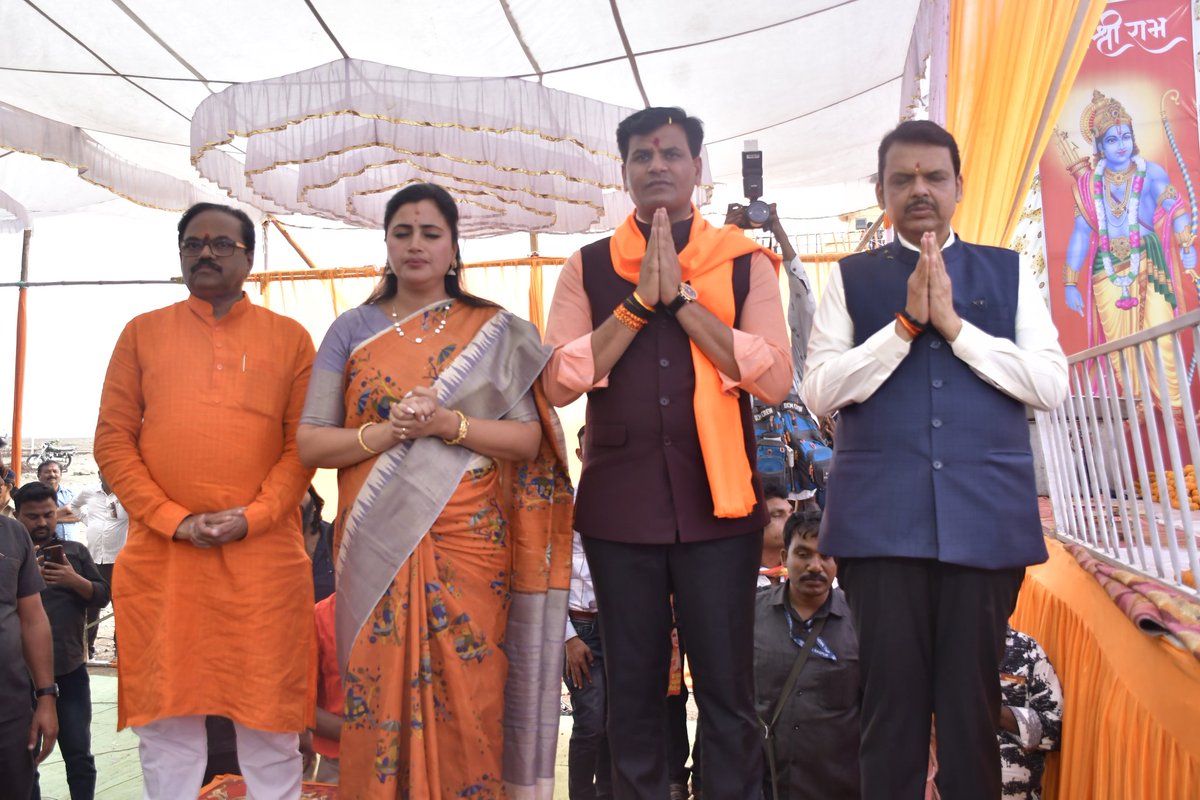
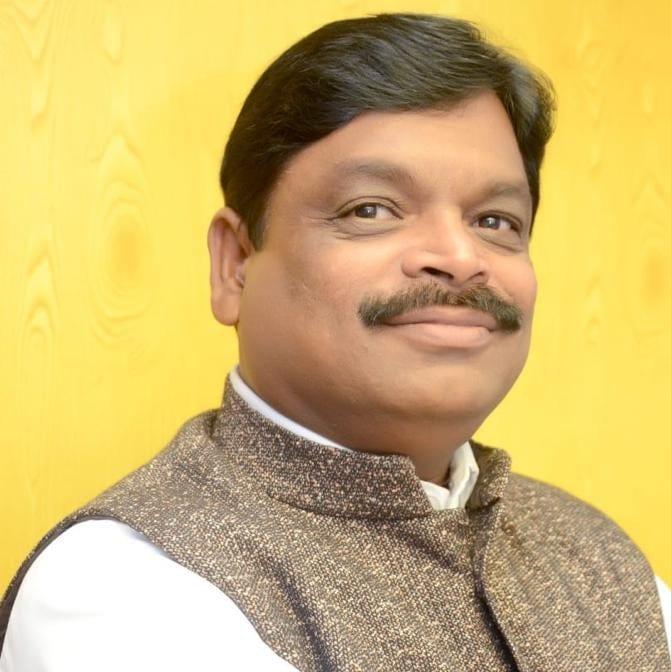
Navneet Rana, Independent MP, Joins BJP

Navneet Rana’s Political Transition

Navneet Rana, a prominent Independent Member of Parliament from Maharashtra, has recently made headlines by announcing her decision to join the Bharatiya Janata Party (BJP). This unexpected move has sparked discussions and speculation across political circles in the state. Let’s delve deeper into the implications of Navneet Rana’s shift in allegiance and what it signifies for Maharashtra’s political landscape.

Navneet Rana’s Political Journey

Navneet Rana entered politics with a background in the entertainment industry. She gained attention for her active involvement in social causes and soon ventured into electoral politics as an Independent candidate. Her victory in the 2019 Lok Sabha elections marked a significant milestone in her political career.

Factors Influencing the Decision

Several factors could have influenced Navneet Rana’s decision to join the BJP. These may include ideological alignment, prospects for growth within the party, or strategic considerations for her political future. Understanding these factors is crucial in comprehending the dynamics behind her move.

Ideological Alignment with BJP

The BJP’s ideology and policy framework might resonate with Navneet Rana’s beliefs and vision for Maharashtra’s development. By aligning herself with the ruling party, she could potentially amplify her impact on key issues and initiatives.

Opportunities for Growth

Joining a major political party like the BJP opens up avenues for Navneet Rana to enhance her political stature and influence. Access to resources, support networks, and leadership opportunities within the party could contribute to her growth trajectory.

Reactions and Speculations

Navneet Rana’s decision has evoked mixed reactions from various quarters. While some view it as a strategic move aimed at securing her political future, others perceive it as a betrayal of her Independent identity. Speculations regarding her motives and the BJP’s strategy in Maharashtra abound in political discourse.

Support from BJP Leaders

Top BJP leaders have welcomed Navneet Rana into the party fold, emphasizing her potential contributions and commitment to the party’s ideology. Their endorsement underscores the significance of her joining for the BJP’s state-level dynamics.

Criticism and Skepticism

Critics have raised questions about the timing and implications of Navneet Rana’s decision. Some argue that her shift to the BJP raises concerns about political opportunism and undermines the principles of independent representation.

Implications for Maharashtra Politics

Navneet Rana’s transition from an Independent MP to a member of the BJP marks a notable development in Maharashtra’s political landscape. The move underscores the fluidity of alliances and the pursuit of strategic interests in Indian politics. As she embarks on this new journey, all eyes will be on Navneet Rana to observe how her role within the BJP shapes the state’s political dynamics.

Unique FAQs

  1. Why did Navneet Rana choose to join the BJP? Navneet Rana’s decision to join the BJP could stem from various factors, including ideological alignment, opportunities for growth, and strategic considerations for her political future.
  2. How have BJP leaders responded to Navneet Rana’s decision? Top BJP leaders have welcomed Navneet Rana into the party fold, highlighting her potential contributions and commitment to the party’s ideology.
  3. What are the criticisms surrounding Navneet Rana’s move? Critics have raised concerns about the timing and implications of Navneet Rana’s decision, questioning its alignment with principles of independent representation.
  4. What impact does Navneet Rana’s shift have on Maharashtra’s political landscape? Navneet Rana’s transition to the BJP signifies a notable development in Maharashtra’s politics, highlighting the fluidity of alliances and strategic interests in the state.
  5. What challenges might Navneet Rana face within the BJP? While Navneet Rana’s move presents opportunities for growth, she may encounter challenges in navigating party dynamics and establishing her role within the BJP’s framework.

Revolutionizing India’s Toll System: Nitin Gadkari’s Vision

A New Era in Toll Collection

India’s transportation sector is on the brink of a significant transformation, with Nitin Gadkari, the Minister of Road Transport and Highways, announcing a groundbreaking shift in the toll collection system. In a recent statement, Gadkari declared the end of tolls, unveiling a revolutionary approach that promises to streamline India’s roadways and enhance the overall transportation experience for its citizens.

Understanding the New Toll System

Under Gadkari’s visionary leadership, the traditional toll collection mechanism is set to undergo a radical overhaul. The new system aims to eliminate toll booths entirely, leveraging advanced technology to facilitate seamless passage for vehicles on national highways. By embracing cutting-edge solutions such as GPS-based toll collection, RFID tags, and cashless transactions, India is poised to embrace a future where congestion at toll plazas becomes a thing of the past.

Key Features of the Overhauled System

1. GPS-Based Toll Collection:

The integration of GPS technology will enable real-time tracking of vehicles, allowing for accurate toll calculation based on distance traveled. This innovation not only enhances convenience for commuters but also ensures fair and transparent toll collection practices.

2. RFID Tags for Efficient Monitoring:

By mandating RFID tags on vehicles, authorities can streamline the toll collection process while minimizing instances of toll evasion. RFID technology enables automated identification of vehicles, significantly reducing wait times and enhancing overall operational efficiency.

3. Cashless Transactions:

The shift towards cashless transactions eliminates the need for physical currency at toll booths, reducing the risk of theft and ensuring a more secure payment ecosystem. Commuters can enjoy hassle-free journeys without the inconvenience of carrying cash or waiting in long queues.

4. Seamless Passage for Vehicles:

With toll booths becoming obsolete, vehicles can now traverse national highways without encountering bottlenecks or delays. This seamless flow of traffic not only saves time for commuters but also contributes to the reduction of carbon emissions and fuel consumption.

Implications for India’s Transportation Landscape

Gadkari’s bold initiative holds immense promise for India’s transportation sector, offering a glimpse into a future characterized by efficiency, transparency, and sustainability. By harnessing the power of technology, India can overcome longstanding challenges associated with toll collection, paving the way for a modernized and interconnected roadway network.

Conclusion: Embracing Innovation for a Brighter Future

As India embarks on this transformative journey in toll collection, Nitin Gadkari’s vision underscores the importance of innovation in shaping the country’s infrastructure landscape. By embracing advanced technologies and reimagining traditional practices, India is poised to usher in a new era of transportation that prioritizes accessibility, affordability, and sustainability.

{finish}

FAQs (Frequently Asked Questions)

1. How will the new toll system impact commuters?

The new toll system aims to enhance the overall commuting experience by reducing congestion at toll plazas and facilitating seamless passage for vehicles.

2. What measures are being taken to ensure transparency in toll collection?

Advanced technologies such as GPS-based tolling and RFID tags are being implemented to ensure fair and transparent toll collection practices.

3. Will the transition to cashless transactions pose any challenges for commuters?

While the transition may require some adjustment, cashless transactions offer greater convenience and security for commuters in the long run.

4. How will the new toll system contribute to environmental sustainability?

By minimizing wait times and reducing fuel consumption, the new toll system helps mitigate carbon emissions and promote environmental sustainability.

5. What role does innovation play in shaping India’s transportation landscape?

Innovation, as exemplified by Gadkari’s vision for toll collection, is crucial in modernizing India’s transportation infrastructure and addressing key challenges in the sector.

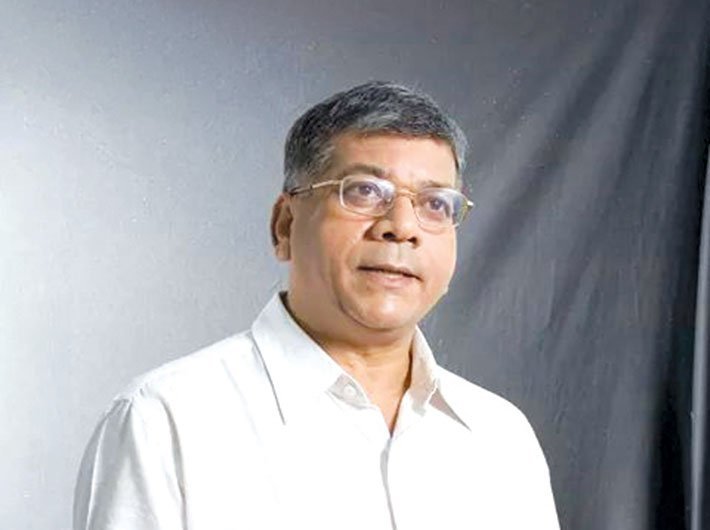
Breaking News: Prakash Ambedkar Announces Alliance with Maratha Reservation Activist

Maharashtra Politics: In a significant political move, Vanchit Bahujan Aghadi (VBA) chief Prakash Ambedkar has declared an alliance with Maratha reservation activist Manoj Jarange. This alliance marks a pivotal moment in Maharashtra’s political landscape and could have far-reaching consequences. Let’s delve deeper into the details of this groundbreaking announcement.

The Background

To understand the significance of this alliance, it’s crucial to grasp the context behind it. Prakash Ambedkar, the grandson of Dr. B. R. Ambedkar, has been a prominent figure in Maharashtra’s politics. His VBA party has been advocating for the rights of marginalized communities, particularly Dalits and other backward classes.

Manoj Jarange: A Maratha Crusader

On the other hand, Manoj Jarange has been at the forefront of the Maratha reservation movement. The Maratha community, which forms a significant portion of Maharashtra’s population, has been demanding reservation in educational institutions and government jobs. Jarange’s activism has garnered widespread support among Marathas across the state.

The Alliance

The decision to form an alliance between Prakash Ambedkar and Manoj Jarange comes at a crucial juncture. Both leaders recognize the need to consolidate their support bases and address the socio-economic challenges faced by their respective communities. By joining forces, they aim to create a formidable political front that can effectively voice the concerns of both Dalits and Marathas.

Implications for Maharashtra Politics

This alliance is poised to shake up Maharashtra’s political landscape. With the backing of the Dalit and Maratha communities, Prakash Ambedkar and Manoj Jarange could emerge as significant players in the upcoming elections. Their combined influence could sway the outcome in several key constituencies, making them indispensable allies for major political parties.

Challenges Ahead

However, forming an alliance is just the first step. Prakash Ambedkar and Manoj Jarange will face numerous challenges as they work towards their common goals. They must navigate complex caste dynamics, address divergent interests within their support bases, and effectively counter opposition from rival political factions.

The alliance between Prakash Ambedkar and Manoj Jarange represents a strategic move that has the potential to reshape Maharashtra’s political landscape. By bridging the gap between Dalits and Marathas, these leaders are not only strengthening their own positions but also advancing the cause of social justice and inclusivity in the state.

FAQs

1. What is the significance of Prakash Ambedkar’s alliance with Manoj Jarange?

2. How does this alliance impact the upcoming elections in Maharashtra?

  • With the support of Dalits and Marathas, Prakash Ambedkar and Manoj Jarange could emerge as key players, influencing electoral outcomes in various constituencies.

3. What challenges might Prakash Ambedkar and Manoj Jarange face in their collaboration?

  • They may encounter hurdles related to caste dynamics, conflicting interests within their support bases, and opposition from rival political groups.

4. What are the long-term implications of this alliance for Maharashtra’s politics?

  • This alliance could lead to greater representation and empowerment for marginalized communities, driving positive socio-economic changes in the state.

5. How does the alliance between Prakash Ambedkar and Manoj Jarange contribute to social justice in Maharashtra?

  • By uniting Dalits and Marathas, this alliance promotes solidarity and cooperation among historically marginalized groups, fostering a more equitable society.

Maharajbag Zoo: Welcoming New Additions

Enhancing Biodiversity Through Animal Exchange

Maharajbag Zoo, nestled in the heart of Nagpur, is eagerly anticipating the arrival of new members to its diverse family. Under an animal exchange program, the zoo is set to receive 10 majestic black bucks and three four-horned antelope, known as Chousingha, from Kanan Pendari Zoological Garden in Bilaspur. This initiative not only replenishes the zoo’s lost inhabitants but also underscores the collaborative efforts within the zoological community to preserve and protect endangered species.

Restoring Lost Treasures: Maharajbag Zoo’s Tragic Loss

In a somber event last year, Maharajbag Zoo faced a devastating loss when heavy rains and flooding on September 23 led to the unfortunate demise of all its black bucks. The encroaching floodwaters engulfed the herbivores’ enclosure, resulting in a tragic loss of biodiversity within the zoo. Following this calamity, the zoo administration diligently pursued avenues for the replenishment of its animal population.

A Beacon of Hope: Collaborative Efforts in Conservation

The forthcoming acquisition of black bucks and Chousingha underscores Maharajbag Zoo’s commitment to species conservation. Through collaboration with Bilaspur Zoo and approval from the Central Zoo Authority (CZA), Maharajbag Zoo is set to embark on its second significant animal transfer in just over a year. This exchange program not only facilitates the revitalization of Maharajbag Zoo’s ecosystem but also fosters a sense of interconnectedness among zoological institutions dedicated to wildlife preservation.

Past Endeavors: Celebrating Success in Species Exchange

February of the previous year marked a significant milestone for Maharajbag Zoo as it welcomed three pairs of Hog Deer and two Peahens from Bilaspur Zoo. This exchange not only diversified the zoo’s fauna but also strengthened the bonds between the two institutions. In reciprocity, Maharajbag Zoo contributed to Bilaspur Zoo’s collection by sending a leopard, exemplifying the symbiotic relationship inherent in collaborative conservation efforts.

Conclusion: A Promising Future for Maharajbag Zoo

As Maharajbag Zoo prepares to welcome its newest inhabitants, it reaffirms its dedication to biodiversity conservation and collaborative species management. Through the exchange program facilitated by Bilaspur Zoo and endorsed by the Central Zoo Authority, Maharajbag Zoo continues to evolve as a beacon of hope for endangered species preservation.

FAQs (Frequently Asked Questions)

1. How did Maharajbag Zoo lose its black bucks?

  • Maharajbag Zoo faced a tragic loss due to heavy rains and flooding, which inundated the black bucks’ enclosure, leading to their unfortunate demise.

2. What role does the Central Zoo Authority play in animal exchange programs?

3. Why is collaborative species management important for zoological institutions?

  • Collaborative species management fosters biodiversity conservation by facilitating the exchange of genetic diversity and sharing best practices among zoological institutions.

4. How does animal exchange benefit zoos like Maharajbag and Bilaspur?

  • Animal exchange programs enhance species diversity within zoos, promote genetic sustainability, and foster collaborative conservation efforts among institutions.

5. What measures are in place to prevent future losses at Maharajbag Zoo?

  • Zoo has implemented enhanced infrastructure and flood mitigation strategies to safeguard its animal inhabitants against potential natural disasters.

Two Minor Quakes Jolt Nagpur: Understanding the Risks and Reactions

Nagpur’s Brush with Earthquakes

On a seemingly ordinary Tuesday afternoon, Nagpur, a city accustomed to the rhythm of daily life, found itself shaken, quite literally. Two modest earthquakes, both measuring 2.8 on the Richter scale, rumbled through the district, leaving residents startled and geologists intrigued.

Uncovering the Tremors: The Unfolding Events

The seismic activity commenced near the Zilpi area around 2:53 PM, followed closely by another jolt near Khedi village in Kamptee taluka at 3:02 PM. While the magnitude remained low, hovering at 2.8, the consecutive occurrences of such tremors raise eyebrows amongst experts.

Geologists’ Concerns: Deciphering the Quakes’ Origins

According to the National Seismological Center (NSC), Ministry of Earth Sciences, the epicenters of these tremors varied in depth, with the first earthquake striking 10 km deep and the second one at 5 km. Speculations abound regarding the cause, with possibilities ranging from fault plate reactivation to potential mine blasts.

Contextualizing the Situation: Nagpur’s Seismic History

Although Nagpur boasts Zone II classification, considered relatively safe per the Bureau of Indian Standards (BIS), recent tremors challenge this assumption. Dr. Anjan Chatterjee, a former ADG of Geological Survey of India (GSI), points out the seismic interconnection with Hingoli’s previous events, urging further investigation.

Evaluating Risk: The Need for Seismic Analysis

Despite its absence from the Seismic Hazard Risk Microzonation (SHRM) studies by the National Institute of Disaster Management (NIDM), Nagpur’s recent seismic activity demands attention. Dr. Chatterjee advocates for comprehensive SHRM studies to assess potential risks and devise mitigation strategies.

Reactions and Reassurances: Expert Insights

While Dr. Sandeep Shirkhedkar dismisses the recent quakes as harmless swarm activity, Dr. Chatterjee emphasizes preparedness. The lack of significant damage offers solace, yet underscores the importance of readiness for future eventualities.

Navigating Nagpur’s Seismic Landscape

As Nagpur grapples with the aftermath of minor earthquakes, a nuanced understanding of seismic risks emerges. Vigilance coupled with proactive measures can help mitigate potential threats and ensure the safety of its residents.

FAQs (Frequently Asked Questions):

1. Are these earthquakes indicative of a larger seismic event impending in Nagpur?

2. What measures can residents take to prepare for earthquakes in Nagpur?

  • Residents can adopt preparedness measures like securing heavy furniture, creating emergency kits, and educating themselves on evacuation procedures.

3. How can one differentiate between harmless tremors and potentially dangerous earthquakes?

  • Consulting seismic experts and staying updated with official advisories can help discern the severity of seismic events.

4. Is Nagpur adequately equipped to handle seismic emergencies?

  • Nagpur’s district administration assures readiness to manage disasters, emphasizing ongoing preparedness efforts.

5. What role can individuals play in earthquake awareness and safety in Nagpur?

  • Individuals can contribute by participating in community drills, raising awareness about earthquake safety, and supporting local disaster relief initiatives.

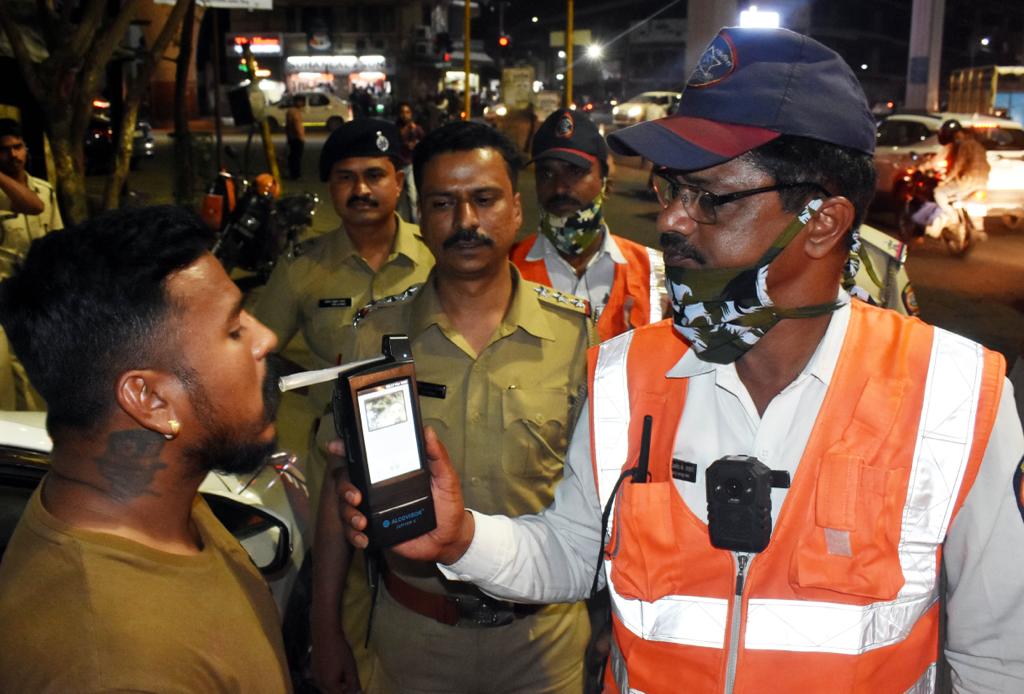
Holi High: Nagpur Traffic Police Crack Down on Drunk Driving

Drunk Driving Nagpur: During the festive occasion of Holi, joy and celebration often coincide with irresponsible behavior, leading to increased risks on the roads. Nagpur, a bustling city in Maharashtra, witnessed a concerning trend this Holi, as the Nagpur traffic police recorded a significant number of motorists driving under the influence of alcohol. Let’s delve deeper into the events surrounding this issue.

The Incidents

On the day of Holi itself, Nagpur traffic police took action against 166 riders found driving in an inebriated state. This followed another 123 persons being nabbed for similar charges on the eve of Holi. The gravity of the situation became evident with a total of 6,404 motorists booked for violating the Motor Vehicles Act (MVA) over the two days.

Enforcement Efforts

To address this concerning trend, DCP Shashikant Satao, along with 550 traffic cops from 10 zones, intensified enforcement efforts. Despite these measures, there was a 10 to 20% increase in overall traffic violations compared to average days. The focus remained on curbing instances of driving under the influence of alcohol.

Regional Breakdown

Data from the DCP traffic office revealed that Sadar traffic zone reported the highest number of drunk driving cases, with 46 incidents recorded on both days. Lakadganj and Indora zones followed closely, each with 33 cases. The enforcement drive targeted not only revellers but also aimed to ensure the safety of all road users.

Impact on Road Safety

Tragically, amidst the revelry, four accidents occurred, including two fatal ones under the jurisdictions of Pardi, Pachpaoli, Sakkardara, and Kamptee police stations. These incidents underscored the importance of stringent enforcement measures, especially during festive periods.

Key Violations

Among the myriad of violations, two-wheeler riders constituted the highest number of offenders, with 5,143 cases primarily involving riding without helmets. Additionally, 294 individuals were caught riding triple seat, while 158 disregarded red signals, further endangering themselves and others on the road.

In response to these infractions, traffic cops issued challans and forwarded cases to the motor vehicle court. The swift and decisive action aimed to deter future violations and uphold road safety standards.

Preventive Measures

The enforcement drive during festivals like Holi and New Year serves a dual purpose: ensuring public safety and reducing the occurrence of major accidents. By targeting drunk driving and other violations, the authorities aim to create safer roadways for all.

The incidents of drunk driving during Holi in Nagpur serve as a stark reminder of the need for responsible behavior on the roads, especially during festive occasions. Through vigilant enforcement and public awareness campaigns, we can strive towards safer roads for everyone.

FAQs

1. How can I avoid drunk driving during festivals like Holi?

  • Plan ahead and designate a sober driver or arrange for alternate transportation.

2. What are the penalties for drunk driving in Nagpur?

  • Offenders face legal consequences, including fines, license suspension, and potential imprisonment.

3. Are there any alternative transportation options available during festivals?

4. How can I report instances of drunk driving?

  • Contact local law enforcement or emergency services immediately if you witness suspicious or dangerous driving behavior.

5. What measures can communities take to prevent drunk driving?

  • Hosting alcohol-free events, promoting designated driver initiatives, and increasing awareness about the dangers of drunk driving can all contribute to prevention efforts.

Outstanding Dues Disconnection: MSEDCL Takes Action in Nagpur

Tackling Unpaid Bills: MSEDCL’s Initiative

In recent developments, the Nagpur division of the Maharashtra State Electricity Distribution Company Limited (MSEDCL) has initiated a rigorous drive to terminate connections of consumers who have failed to clear their outstanding dues. Over the past 25 days, approximately 2,500 connections have been disconnected, signaling the company’s commitment to addressing the issue head-on.

The Financial Burden: Unpaid Arrears in Nagpur Circle

According to MSEDCL reports, the Nagpur circle, encompassing Nagpur and Wardha districts, is grappling with pending arrears amounting to a staggering ₹70.54 crore. These outstanding dues span across various consumer segments, including domestic, commercial, and industrial users. The urgency of the situation prompted MSEDCL to issue a direct appeal to consumers, urging them to settle their dues promptly to avoid disconnection.

Geographic Distribution of Arrears

Breaking down the figures further, it’s evident that consumers from Nagpur city top the list with pending bills totaling ₹51.86 crore. Following closely are consumers from Nagpur rural areas, accounting for arrears of ₹11.54 crore. Meanwhile, consumers from the Wardha circle contribute to the outstanding balance with ₹7.34 crore.

Impact of Non-payment: A Strain on MSEDCL

The non-payment of electricity bills has inflicted substantial losses on MSEDCL, despite repeated pleas for compliance. With the financial year drawing to a close, the urgency to recover dues has intensified. MSEDCL is now targeting defaulters with bills exceeding ₹5,000, emphasizing the need for timely payment to avoid service disconnection.

Vigilance Against Power Theft

In addition to recovering dues, MSEDCL has ramped up efforts to combat power theft. Specialized teams have been deployed for this purpose, ensuring that stringent action is taken against perpetrators. MSEDCL warns that actions will be taken under Section 135/138 of the Electricity Act against those found illegally tapping electricity from neighbors.

Prioritizing Financial Stability

In conclusion, MSEDCL’s proactive measures underscore its commitment to financial stability and efficient service delivery. By addressing unpaid dues and tackling power theft, the company aims to ensure fair practices and sustainable operations within the Nagpur division.

FAQs (Frequently Asked Questions)

1. What happens if I don’t pay my electricity bill on time?

Failure to pay your electricity bill on time may result in disconnection of your supply, as per MSEDCL’s policies.

2. Can I negotiate my outstanding dues with MSEDCL?

MSEDCL encourages consumers to reach out and discuss payment options, but it ultimately reserves the right to take necessary actions to recover outstanding dues.

3. How can I avoid disconnection due to unpaid bills?

Ensure timely payment of your electricity bills to avoid facing disconnection by MSEDCL.

4. What should I do if I suspect power theft in my vicinity?

If you suspect power theft or witness any suspicious activity, report it to MSEDCL authorities for investigation.

5. Are there any penalties for power theft?

Yes, individuals found involved in power theft may face legal repercussions under the Electricity Act.

Crawl Continues: PWD Pushes Back Deadline of Wadi and RTO Flyovers

Delayed but Determined: Nagpur’s Flyover Projects Witness Deadline Extension

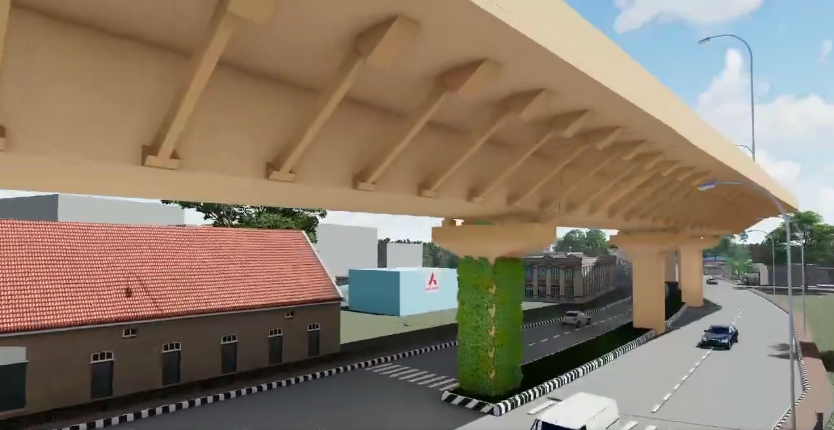
Wadi Flyover Nagpur: In a bid to alleviate traffic congestion on Nagpur bustling Amravati Road, the national highways division of the state public works department (PWD) has announced extensions to the completion deadlines of two crucial flyovers. These infrastructure projects aim to enhance connectivity and streamline traffic flow in key areas of the city.

Revised Timelines

The first flyover, linking Wadi Naka (Gurudwara) to Ordnance Factory Ambajhari, is now slated for completion by the end of May, according to the revised deadline. Simultaneously, the second flyover, spanning from University Campus Square to the RTO office, is expected to be finished by February 28, 2025. These extensions come as a response to various challenges encountered during the construction phase.

Overcoming Obstacles

The construction of the 2.46km Wadi flyover faced significant delays, primarily due to the presence of high-tension wires. To facilitate the construction work at the bustling Wadi junction, the Maharashtra State Electricity Transmission Company Limited (MSETCL) was tasked with raising the height of 132KV electric lines from 10.5 meters to 28 meters. This crucial adjustment was imperative for the seamless execution of the flyover project, which forms part of the Rs478 crore Amravati Road traffic improvement initiative initiated by the Ministry of Road Transport and Highways (MoRTH).

Ongoing Progress

While construction on one side of Amravati Road has reached completion, work on the Wadi T-point section remains temporarily halted to accommodate the necessary height adjustments of high-tension wires. Foundations for three monopoles have already been laid, with two nearing completion and the third set to commence soon. Once the foundations are ready, MSETCL will proceed with erecting the monopoles, followed by cable stringing. This phase will involve intermittent power supply interruptions, particularly affecting the MIDC Hingna area for approximately four hours daily over three to four days.

Future Prospects

Despite these challenges, progress continues, with the flyover anticipated to be operational by the first week of June this year. Similarly, the deadline for the construction of the 2.85km flyover from the RTO office to University Campus Square has been extended to February 28, 2025. This adjustment follows the NH division’s inability to secure permission for tree felling, essential for the project’s progression. Out of the 127 trees earmarked for removal, 65 have already been cut down, accompanied by compensatory plantation efforts at University Campus.

The extension of deadlines for the Wadi and RTO flyovers underscores the complexities involved in large-scale infrastructure projects. Despite encountering various obstacles, the PWD remains committed to delivering enhanced transportation solutions for Nagpur residents and commuters.

FAQs

  1. Will the deadline extensions impact traffic flow during construction? The PWD aims to minimize disruptions and ensure alternative routes are available to mitigate any inconvenience to commuters.
  2. How will the construction affect local businesses along Amravati Road? The project team is working closely with local stakeholders to address concerns and minimize disruptions to businesses in the vicinity.
  3. What measures are in place to ensure the safety of construction workers and pedestrians? Stringent safety protocols and traffic management strategies are implemented to safeguard both workers and pedestrians during the construction phase.
  4. How will the completed flyovers contribute to Nagpur’s infrastructure development? Once operational, the flyovers will enhance connectivity, reduce travel time, and alleviate congestion on key routes, thereby enhancing overall infrastructure efficiency.
  5. What steps are being taken to mitigate environmental impact during construction? The project adheres to environmental regulations, with measures in place for tree transplantation, compensatory plantation, and minimizing carbon footprint throughout the construction process.

Sena (UBT)’s Sakhare: A Solo Journey in Ramtek

The Stir in Ramtek

In the political landscape of Nagpur, a significant upheaval is underway as the Ramtek Lok Sabha constituency shifts allegiance to the Congress under the Maha Vikas Aghadi (MVA) alliance. This transition has triggered a rebellion among a faction of local Shiv Sainiks (UBT), with Suresh Sakhare expressing his intention to contest the upcoming Lok Sabha polls as an independent candidate.

The Sena Saga

Ramtek has been a stronghold for the united Shiv Sena since 2014. However, following a split in the party, sitting MP Krupal Tumane switched sides to Eknath Shinde’s faction, thereby diluting the influence of the Uddhav Thackeray-led faction.

Sakhare’s Defiance

When questioned about his decision, Sakhare affirmed his commitment, stating, “This (Ramtek) has been Shiv Sena’s bastion, and our voter base remains intact. I did not consult anyone as the party high command has remained silent on the matter.” Such defiance places Sakhare on the brink of expulsion, should he proceed with his independent candidacy.

Unrest Within Sena Ranks

Despite Sakhare’s resolve, some Sena leaders in Ramtek express skepticism regarding his unilateral decision. Comparisons are drawn to the 2019 assembly polls, where Ashish Jaiswal of Shiv Sena contested independently, only to later pledge allegiance to Uddhav Thackeray post-victory, amidst the party’s eventual split.

Déjà Vu for Shiv Sena

Observers speculate that history might be repeating itself for Shiv Sena in Ramtek. Sakhare, however, dismisses such theories, asserting, “I am simply following my conscience.”

Impact on MVA

The looming question remains: Will Sakhare’s rebellion affect MVA? Congress leaders downplay its significance, citing the smaller constituency size in the 2019 assembly polls. Congress candidate Rashmi Barve faces competition from former party colleague Raju Parwe, now contesting on a Sena (Shinde) ticket.

As Suresh Sakhare sets out on his solo political journey in Ramtek, the ramifications of his rebellion on the MVA alliance and the Shiv Sena’s stronghold in the region remain to be seen.

FAQs (Frequently Asked Questions)

  1. Why is Sakhare opting for an independent candidacy?
    • Sakhare believes in his convictions and deems it the right course of action, irrespective of party directives.
  2. How might Sakhare’s rebellion impact the Shiv Sena’s influence in Ramtek?
    • Sakhare’s rebellion could potentially disrupt the Sena’s dominance in the region, depending on voter response and support.
  3. What are the Congress’s views on Sakhare’s decision?
    • Congress leaders downplay its impact, citing the constituency’s smaller size in previous polls.
  4. Who are the main contenders in the upcoming elections in Ramtek?
  5. How does Sakhare’s rebellion align with the broader political landscape of Nagpur?
    • Sakhare’s rebellion reflects the shifting dynamics within political alliances, particularly amidst the MVA coalition.
Exit mobile version