Ramtek to Host Three-Day Cultural and Tourism Festival from Jan 22

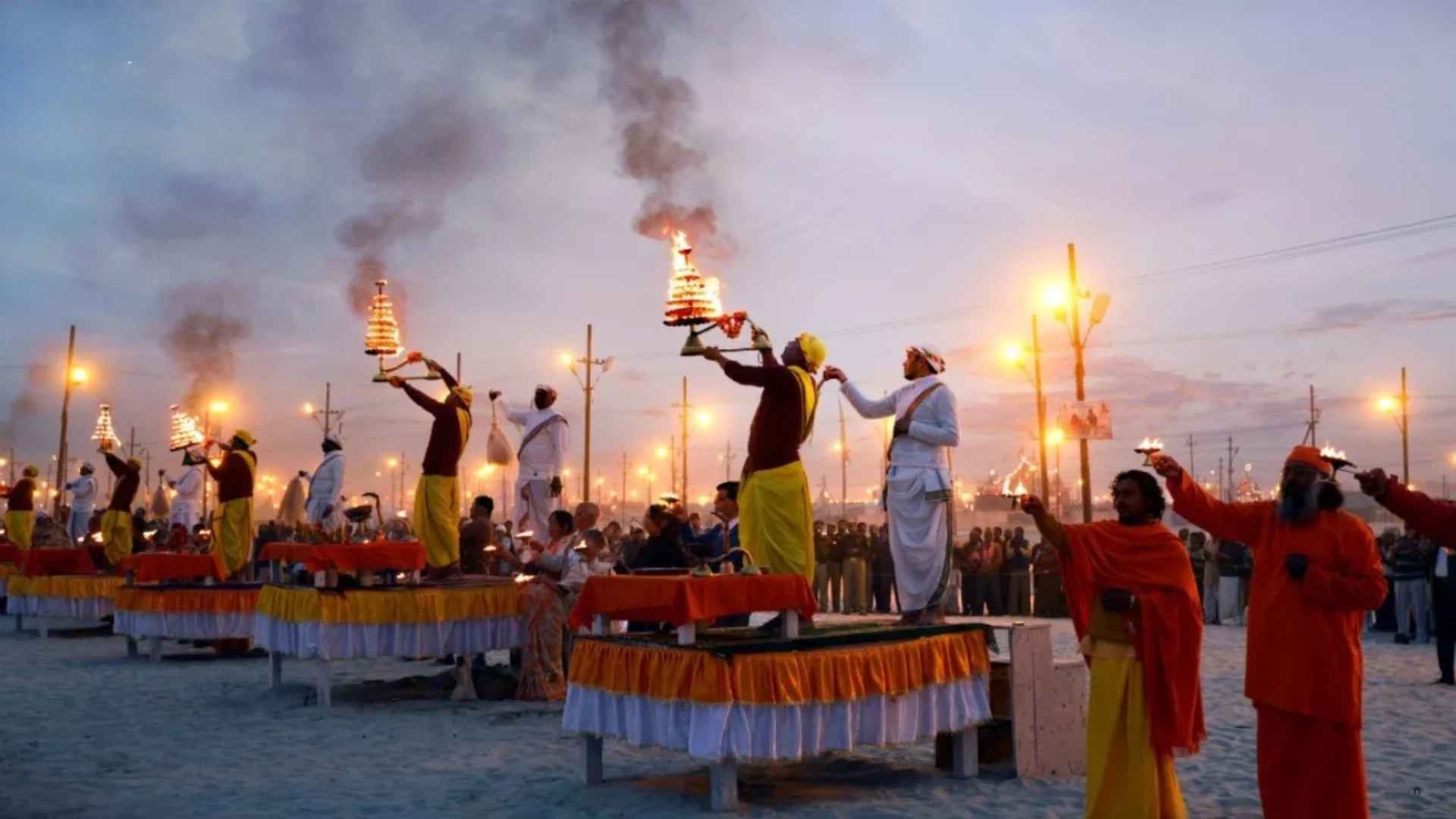
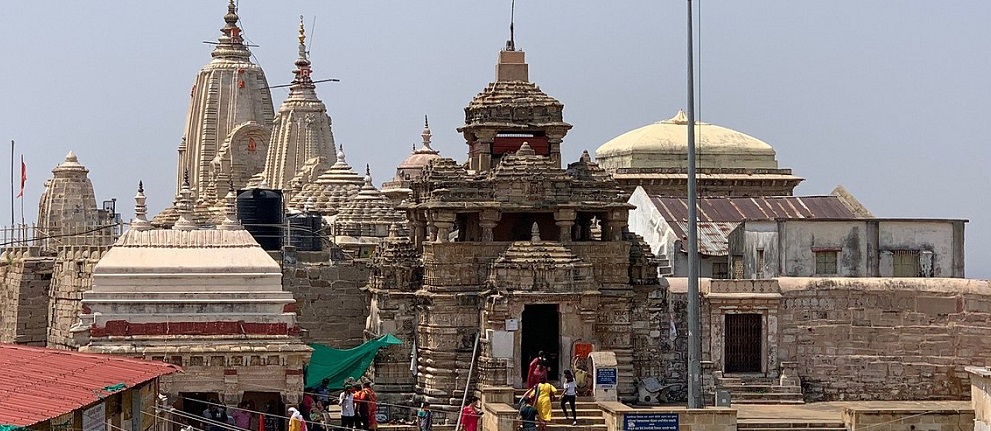
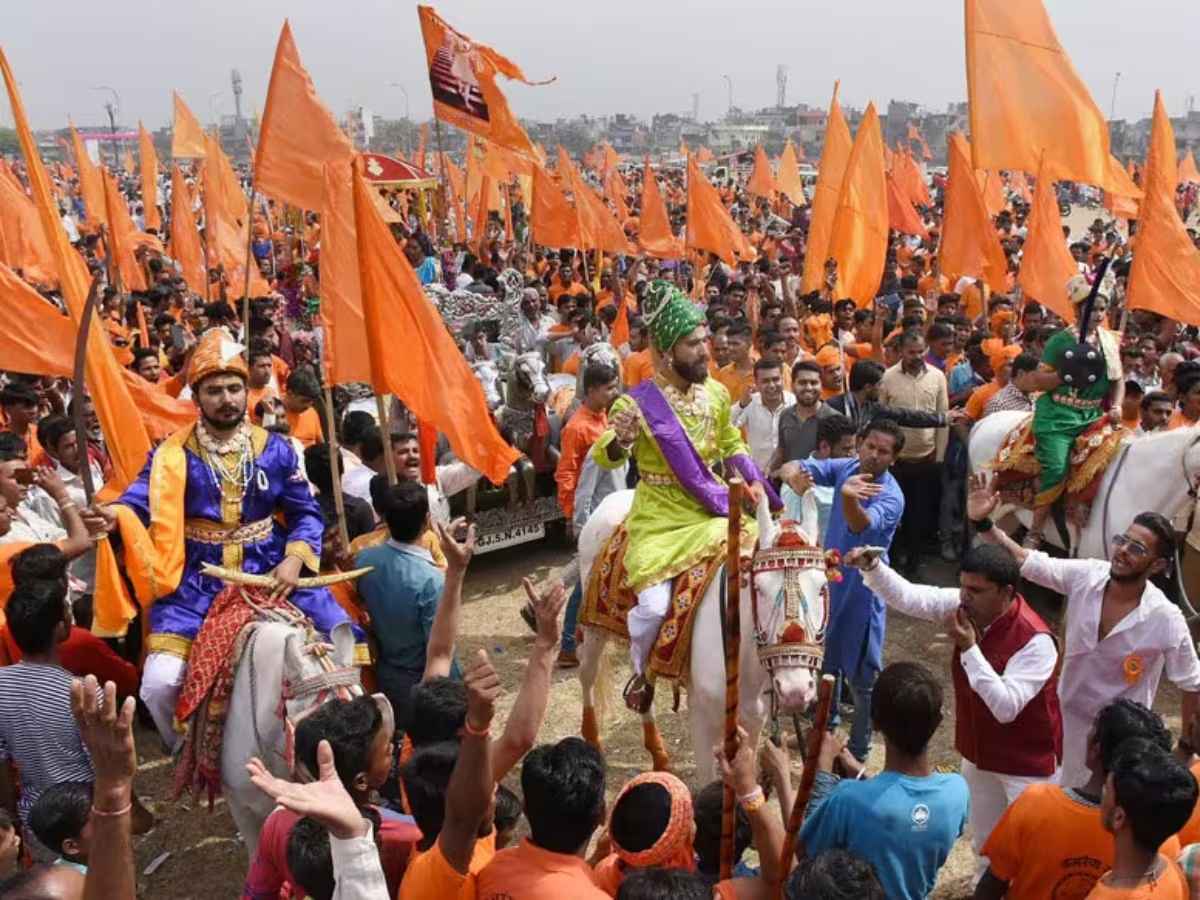
Ramtek Cultural Festival 2025: The historic city of Ramtek is all set to transform into a vibrant cultural hub with the three-day Cultural and Tourism Festival from January 22 to 24. Organized by the Maharashtra State Cultural Affairs Department, the Directorate of Cultural Affairs, and the Nagpur District Administration, this festival promises a delightful experience for locals and tourists alike.

From enthralling performances by renowned artists to engaging competitions and activities, Nehru Maidan will be the place to be for anyone seeking to celebrate the rich heritage and spirit of Ramtek.

What Makes the Ramtek Festival Special? | Ramtek Cultural Festival 2025

Ever wondered how a city can showcase its history, culture, and traditions all at once? That’s exactly what Ramtek aims to achieve with this festival. Here’s why this event is worth your time.


Day-by-Day Breakdown of the Festival

January 22: A Spiritual Start

  • Opening Ceremony: The festival kicks off at 6:00 PM under the banner of the Maharashtra State Tourism Department. Expect an ambiance filled with devotion and cultural pride.
  • Devotional Songs by Shahnaz Akhtar: Shahnaz Akhtar’s soulful voice will set the tone for the evening with an inspiring devotional performance.
  • Ramayana Mahanatya: A spectacular theatrical rendition of the Ramayana, featuring celebrated actors Puneet Issar and Bindu Dara Singh, will leave the audience mesmerized.

January 23: A Musical Extravaganza

  • Live Concert by Udit Narayan: Get ready to groove to the melodious hits of iconic playback singer Udit Narayan. A night of nostalgia and fun awaits!

January 24: A Grand Finale

  • Performance by Sukhwinder Singh: The festival concludes with a high-energy performance by celebrated singer Sukhwinder Singh, ensuring an unforgettable ending.

Exciting Activities for Everyone

The festival isn’t just about performances. It’s a celebration filled with activities for people of all ages. Let’s take a look:

Competitions

  • Ukhane Competition: Celebrate Marathi traditions with this fun and engaging challenge.
  • Mehndi Competition: Showcase your creativity and artistic skills in this vibrant contest.
  • Rangoli Competition: Brighten up the festival with your colorful and intricate Rangoli designs.

Sports Events

  • Swimming Competitions: A thrilling opportunity for swimmers to compete and shine.
  • Marathon: Lace up your running shoes and join the marathon to promote fitness and community spirit.

Adventure and Culinary Delights

  • Hot Air Balloon Rides and Paramotoring: Soar above Ramtek and enjoy breathtaking views of the city and its surroundings.
  • Food Festival: Indulge in a variety of delicious cuisines from local and regional favorites to global delights.

The Venue: Nehru Maidan

Located in the heart of Ramtek, Nehru Maidan will serve as the central hub for all festival activities. Its spacious grounds and strategic location make it the perfect spot for an event of this magnitude.


Why You Shouldn’t Miss It

The Ramtek Cultural and Tourism Festival is more than just an event. It’s a celebration of history, art, music, and community. Whether you’re a history buff, a foodie, an adventure enthusiast, or someone who simply loves to soak in new experiences, this festival has something for you. Think of it as a colorful tapestry of memories waiting to be woven!


Plan Your Visit

  • Dates: January 22 to 24
  • Time: Starts at 6:00 PM on January 22
  • Location: Nehru Maidan, Ramtek

Ensure you arrive early to grab the best seats and make the most of this grand celebration.


Ramtek’s three-day Cultural and Tourism Festival is a golden opportunity to witness the perfect blend of tradition, art, and adventure. With an impressive lineup of performances, activities, and attractions, it’s set to be an unforgettable experience for everyone. So, mark your calendars and join us in celebrating the essence of Ramtek.


1. What is the main highlight of the Ramtek Festival?

The festival features renowned performances, including Udit Narayan and Sukhwinder Singh, and engaging activities like hot air balloon rides and traditional competitions.

2. Is there an entry fee for the festival?

No, entry to the festival is free, making it accessible for everyone to enjoy.

3. What safety measures are in place for adventure activities?

All adventure activities, like hot air balloon rides, are conducted with strict safety protocols to ensure participants’ safety.

4. Can I participate in the competitions?

Yes, registrations for competitions will be open on-site. Be sure to arrive early to secure your spot.

5. Are there parking facilities available at Nehru Maidan?

Yes, ample parking is available near the venue to accommodate visitors.

Khasdar Mahotsav’ is Nagpur’s Cultural Pride, Says CM Fadnavis

Maharashtra’s Chief Minister, Devendra Fadnavis, recently hailed the Khasdar Sanskrutik Mahotsav as a vital cultural festival that reflects the proud heritage, unity, and artistic brilliance of Nagpur and the Vidarbha region. Known for its dynamic celebration of art, culture, and creativity, the festival is not just an event—it’s a symbol of the region’s growing cultural renaissance.

The festival, which was the brainchild of Nitin Gadkari, Nagpur’s Lok Sabha MP and Union Minister, has grown to be a significant cultural milestone. It has brought together artists, intellectuals, and performers from across the country, offering them a platform to showcase their talents. The event stands as a beacon of pride for Nagpur, often referred to as the Orange City, and the entire Vidarbha region.

The Significance of the Khasdar Mahotsav

The Khasdar Sanskrutik Mahotsav holds more than just an artistic value for the people of Nagpur. It’s a celebration of the region’s rich history, its profound cultural identity, and its role in uniting diverse traditions under one roof. In this festival, every performance, every presentation, and every gathering speaks volumes about the importance of preserving and promoting cultural heritage.

What Sets Khasdar Mahotsav Apart?

Unlike other cultural festivals that focus solely on performances or exhibitions, Khasdar Mahotsav brings in various elements to give a holistic experience. From classical music and dance performances to literary readings, from art exhibitions to intellectual seminars, it covers an extensive spectrum of cultural expressions. This diversity is what makes the festival unique and exceptional.

A Tribute to Artistic Talent and Heritage

One of the key highlights of the Khasdar Mahotsav is its emphasis on providing a stage for emerging local artists. By offering them a platform, the festival nurtures Vidarbha’s young talent, enabling them to gain recognition at a national level. The festival’s organizers ensure that the artistic culture of Vidarbha is showcased with dignity and grandeur.

Role of Nitin Gadkari in Promoting the Festival

Nitin Gadkari, the brain behind the Khasdar Sanskrutik Mahotsav, has been instrumental in curating the event’s theme and structure. His vision to foster Nagpur’s cultural identity and enhance the region’s reputation as a cultural hub led to the establishment of this festival. Gadkari’s efforts in bringing together renowned personalities and artists have made the event a vibrant cultural milestone.

Devendra Fadnavis: A Proud Advocate of His Hometown

As someone who hails from Nagpur, Chief Minister Devendra Fadnavis has a deep emotional connection to the festival. In his speech at the event, he acknowledged the importance of Khasdar Mahotsav in showcasing the pride and resilience of the region’s cultural heritage. His words of praise for Gadkari and the festival organizing committee reflected his admiration for the initiative.

The Cultural Renaissance of Nagpur

Fadnavis highlighted that the festival symbolizes Nagpur’s cultural renaissance, marking a resurgence of the city’s arts and traditions. Through events like the Khasdar Mahotsav, Nagpur is once again becoming a center for artistic expression and intellectual debate, bridging the gap between traditional art forms and modern cultural narratives.

Celebrating Artistic Excellence: Dr. Kumar Vishwas’ Performance

One of the standout moments of the Khasdar Mahotsav was the mesmerizing performance by Dr. Kumar Vishwas, a renowned poet and orator. Vishwas, known for his eloquent and thought-provoking speeches, dedicated his presentation to Lord Ram, offering the audience a spiritual and emotional experience. Fadnavis lauded Vishwas’ powerful oration and commended his contribution to the success of the festival.

The Role of Local Artists in the Festival

For many local artists in Vidarbha, the Khasdar Mahotsav provides a crucial stepping stone in their careers. Before the festival’s inception, many talented artists had limited opportunities to showcase their work outside their communities. The event has bridged this gap, giving them access to a larger audience, and opening doors for collaborations and recognition on a national scale.

The Unifying Power of Culture

In a country as diverse as India, culture plays an instrumental role in uniting people from different backgrounds, communities, and traditions. The Khasdar Mahotsav stands as a perfect example of how culture can be a unifying force, bringing people from all walks of life together to celebrate the beauty of human expression.

The Future of the Khasdar Mahotsav

With every edition of the festival, the Khasdar Sanskrutik Mahotsav is becoming more prominent and influential. There is great potential for the festival to grow and reach new heights, further promoting Nagpur and Vidarbha’s cultural richness. It can serve as an example for other cities to follow, showcasing the power of cultural festivals in fostering unity and pride.

Nagpur’s Cultural Renaissance Continues

The Khasdar Mahotsav has firmly established itself as one of the most significant cultural festivals in India. By celebrating the artistic talents of local and national artists, fostering a sense of unity, and highlighting the rich heritage of Nagpur and Vidarbha, it has become a symbol of pride and progress for the region. Through the efforts of people like Nitin Gadkari and Devendra Fadnavis, this festival will continue to evolve and inspire future generations.

1. What is the significance of the Khasdar Sanskrutik Mahotsav?

The Khasdar Mahotsav is a cultural festival that celebrates Nagpur and Vidarbha’s rich heritage, offering a platform for both emerging and established artists.

2. Who is behind the creation of the Khasdar Mahotsav?

The festival was founded by Nitin Gadkari, Nagpur’s Lok Sabha MP and Union Minister, with a vision to promote Nagpur’s cultural identity.

3. What role does Devendra Fadnavis play in the Khasdar Mahotsav?

Devendra Fadnavis, the Chief Minister of Maharashtra, has praised the festival for its role in Nagpur’s cultural renaissance and its significance in uniting the region’s artistic community.

4. Who performed at the Khasdar Mahotsav?

One of the key highlights was a captivating performance by Dr. Kumar Vishwas, a renowned poet and orator, who dedicated his presentation to Lord Ram.

5. How has the Khasdar Mahotsav impacted local artists?

The festival provides emerging artists from Vidarbha with a platform to showcase their talents, helping them gain recognition at a national level.

Pre-Diwali Clean-Up Sees Nagpur Spewing 200MT More Garbage Daily

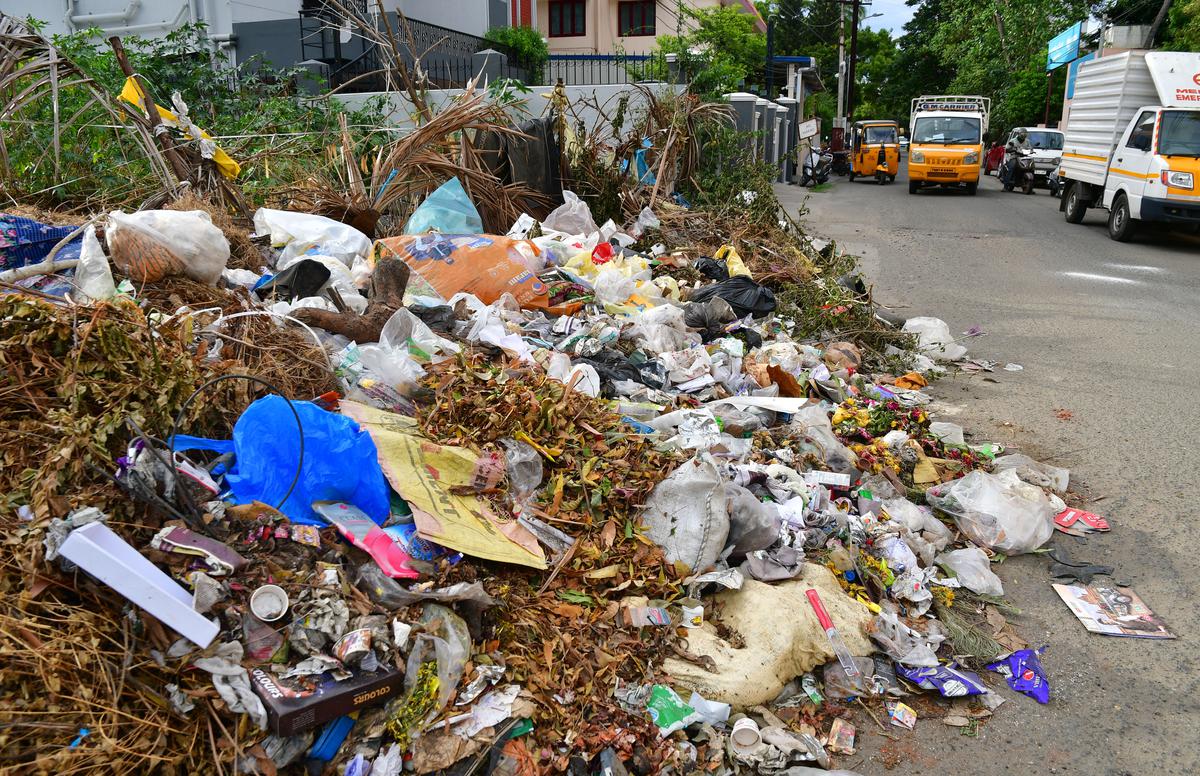
Diwali Garbage Surge Nagpur: As Diwali nears, Nagpur’s vibrant festival preparations come with an unintended consequence – a massive surge in garbage production. In the weeks leading up to this festive season, households declutter, clean, and organize, contributing to a noticeable increase in waste. The Nagpur Municipal Corporation (NMC) has reported nearly 200 metric tonnes (MT) more garbage collected per day compared to early October, highlighting the need for swift action to manage the city’s waste efficiently.

Nagpur’s streets are buzzing with excitement as Diwali approaches. But alongside the decorations and shopping sprees, the city faces a challenging uptick in waste. With waste collection figures spiking nearly 15% above average, handling this volume becomes a monumental task for the NMC.

Why the Surge in Garbage During Diwali Season?

The pre-Diwali cleaning tradition across households sees a substantial purging of unused items, old furniture, and general clutter. Families prepare their homes to welcome prosperity, inadvertently leading to the massive rise in waste levels.

Understanding Nagpur’s Pre-Diwali Waste Management Stats

NMC has observed an average daily waste collection of about 1,400MT, up from 1,260MT in early October. AG Enviro and BVG Enviro, the companies responsible for garbage collection, report collecting between 690MT and 720MT in different city zones, revealing the need for extra resources to manage this increase.

How Does NMC Handle This Surge?

To combat the increase in garbage, NMC works closely with AG Enviro and BVG Enviro to deploy additional resources and workers. This strategy ensures the waste accumulation is manageable, allowing residents to enjoy cleaner surroundings during Diwali.

Waste Management Zones: Who Collects What?

Nagpur’s waste collection is split across zones, with AG Enviro covering Laxmi Nagar, Dharampeth, Hanuman Nagar, Dhantoli, and Nehru Nagar. BVG Enviro handles Gandhibagh, Satranjipura, Lakadganj, Ashi Nagar, and Mangalwari. The division allows for efficient, zone-specific waste handling.

Challenges of Increasing Waste

Nagpur’s increasing garbage puts stress on existing infrastructure, causing concerns around waste processing, transportation, and disposal. With more waste comes the challenge of maintaining sanitation standards citywide.

Pre-Diwali Clean-Up: A Tradition Rooted in Culture

The Diwali clean-up is more than a household chore – it’s a cherished ritual. This yearly activity symbolizes new beginnings, positivity, and inviting luck into the home. However, it also brings with it challenges for city waste management systems.

Potential Solutions to Manage Seasonal Waste

To manage the waste spike, NMC and waste management firms are exploring solutions like additional collection shifts and waste segregation initiatives. By educating citizens on responsible disposal practices, the city can tackle waste management more effectively.

Sustainability Tips for a Cleaner Diwali

  1. Minimize Waste: Reduce decorations and use eco-friendly alternatives.
  2. Segregate Waste: Separate recyclable items from general waste.
  3. DIY Decorations: Opt for homemade decorations instead of disposables.
  4. Reuse Items: Consider donating or repurposing items instead of discarding.

Role of Citizens in Reducing Festive Waste

Citizens play a critical role in managing waste. By adopting sustainable practices, reducing household waste, and following responsible disposal guidelines, Nagpur’s residents can contribute significantly to the city’s cleanliness.

Future of Waste Management in Nagpur

Nagpur’s waste management is evolving to accommodate the seasonal demands that festivals bring. With better planning and community involvement, the city can achieve an efficient waste management model that benefits everyone.

As Diwali festivities bring families together, the city faces the challenge of increased waste. With NMC and its waste management partners working diligently, citizens can do their part to reduce the strain on the system by adopting eco-friendly practices and reducing waste. This Diwali, let’s celebrate with a clean, sustainable approach that preserves Nagpur’s beauty.

  1. Why does waste increase before Diwali?
    • The pre-Diwali clean-up sees households decluttering, leading to more waste.
  2. How is Nagpur managing this surge in garbage?
    • NMC, with the help of AG Enviro and BVG Enviro, deploys extra resources to handle the waste spike.
  3. What can I do to reduce Diwali waste?
    • Reduce, reuse, and recycle! Opt for eco-friendly decor and avoid disposables.
  4. Why are some zones seeing more waste than others?
    • High-density and commercial areas tend to generate more waste due to higher activity levels.
  5. Is Nagpur taking steps toward sustainable waste management?
    • Yes, the city is implementing strategies to handle seasonal waste and encourage sustainable practices.

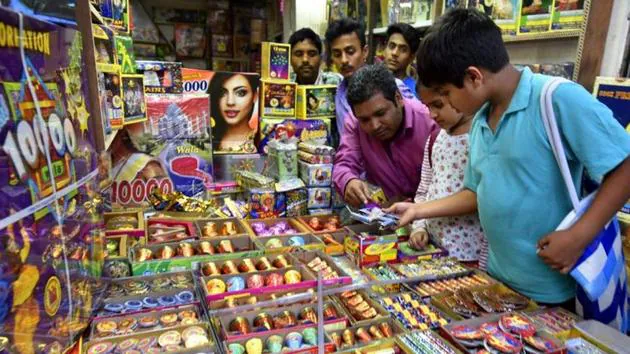
Chinese Firecrackers Continue to Flood Nagpur Markets Despite Ban

The illegal sale of Chinese firecrackers in Nagpur is raising safety and health concerns, as these products are openly available in bustling market areas despite a ban. With a high potassium perchlorate content, these firecrackers are extremely dangerous, posing significant risks for both vendors and customers. Wholesale suppliers funnel these hazardous products to retailers, who then sell them on to smaller shops, increasing the likelihood of accidents.

Illegal Firecracker Trade in Nagpur Markets

In heavily populated regions like Gandhi-bagh, Jaripatka, and Lalimli in Itwari, Chinese firecrackers are readily accessible. Vendors are even offering “firecracker guns” loaded with these banned products, intensifying the chances of accidents. Reports indicate that some shopkeepers are storing Chinese firecrackers in homes or rented spaces to elude law enforcement, potentially turning residential areas into powder kegs.

New Dangers: Larger, More Explosive Firecrackers

This year has seen the introduction of even more dangerous Chinese firecrackers in the market. While previous products like “Poppop” were relatively small, newer versions have grown in both size and risk factor. These firecrackers detonate upon impact with a hard surface, and some, referred to as “missiles,” can be launched from toy guns. The most alarming addition is a firecracker resembling a “hand grenade,” complete with a pullable hook. When triggered, it emits smoke before exploding within seconds, imitating the mechanism of a real grenade. These products escalate the risk of severe injuries and property damage, making the crackdown on such items an urgent priority.

Banned Chemicals: What Makes Chinese Firecrackers So Hazardous?

Chinese firecrackers commonly contain potassium chlorate, which is inexpensive but highly dangerous. This powder costs roughly ₹50 per kilogram, compared to the safer compounds used in Indian-made firecrackers, which are priced at around ₹300 per kilogram. The cost differential pushes demand for these cheaper yet illegal products, despite the dangers they pose. Potassium perchlorate, one of the ingredients in Chinese firecrackers, is explicitly banned in India due to its explosive properties and health risks.

Health Hazards of Chinese Firecrackers

Beyond the threat of explosions, Chinese firecrackers pose serious health risks. The chemicals used in these products release toxic smoke that can impact respiratory health, especially in children and the elderly. Exposure to the fumes may lead to headaches, nausea, and respiratory issues, worsening air quality during peak festival seasons. These health risks underline the urgent need to restrict and monitor the sale of these harmful firecrackers.

Prioritising Safety Over Dangerous Shortcuts

The sale of Chinese firecrackers in Nagpur continues to endanger both public safety and health, despite the existing ban. It is crucial for authorities to intensify monitoring and enforcement efforts to prevent these dangerous products from entering local markets. Public awareness about the risks posed by these firecrackers, from their chemical makeup to the harm they cause, can further aid in reducing demand and keeping communities safe.

Diwali’s Brightest Lights: Artists from Jail, Mental Hospital, and Blind School Bring Joy and Colour to the Festival

Diwali Artisan Joy: Diwali, the festival of lights, embodies the warmth, unity, and resilience of the human spirit. In Nagpur, a unique community of artisans—patients from the Regional Mental Hospital, inmates from Nagpur’s Central Jail, and students from the Blind Relief Association—is illuminating this Diwali with hand-crafted diyas, decorations, and more. Through these initiatives, each creation shares a story of courage, hope, and creativity, redefining the essence of Diwali.

This year in Nagpur, Diwali isn’t just about lights and sweets; it’s a festival made richer through the efforts of talented artisans who, despite life’s challenges, have found ways to contribute to the celebrations. Local initiatives empower artists from all walks of life to spread joy through hand-painted diyas, lanterns, and decorative items. Let’s explore these inspiring efforts that truly capture the essence of Diwali.

Regional Mental Hospital: The ‘Udaan’ Project

At the Regional Mental Hospital, Diwali is a special time thanks to the ‘Udaan’ project. This initiative, created to give patients skill-building opportunities, empowers them to craft earthen lamps and other Diwali items. Under the guidance of medical staff, patients paint diyas in vibrant colours, showcasing both festive spirit and resilience.

Central Jail: Art as Rehabilitation

In Nagpur’s Central Jail, over 250 inmates have dedicated their time to creating colourful diyas, textile items, and more. Former Director General Bhushankumar Upadhyay recently inaugurated the sale, showcasing the inmates’ work across carpentry, textile, and metalwork.

Blind Relief Association: Inspiring Artwork by Students

The Blind Relief Association is a hub of creativity where visually impaired students hand-paint diyas and make eco-friendly paper bags. These items, displayed in their school premises, sold out quickly, underlining the support the community has for these young artists.

Diwali Exhibitions: A City-Wide Showcase

Throughout Nagpur (Diwali Artisan Joy), small exhibitions present the creations of various local artisans, including women self-help groups, rural artists, and tribal communities. These displays highlight unique, traditional designs and offer a platform for artisans to share their craft.

Supporting Artisans: A Meaningful Purchase

Purchasing these products is more than a transaction; it’s an act of support for individuals striving to overcome life’s challenges. Each diya, lantern, or decorative item symbolizes strength, unity, and the resilience of the human spirit, making your Diwali brighter and more meaningful.

The Power of Art in Mental Wellbeing

Creating art as part of the ‘Udaan’ (Diwali Artisan Joy) project aids in the mental rehabilitation of hospital patients. Engaging in diya painting fosters self-expression and gives patients a goal, helping them to recover in a supportive, creative environment.

Rehabilitation Through Craft: A New Beginning

The Central Jail’s initiative shows how artistic expression can play a key role in rehabilitation. With certifications and skills gained, inmates have better opportunities for employment post-release, ensuring a sustainable future.

Empowerment and Financial Independence

These projects not only empower the artists but also offer financial independence. The proceeds earned from sales go directly to the artisans, which boosts morale and helps them gain self-confidence.

How the Community Benefits

The community’s support of these artisans through their purchases fosters inclusivity, promotes mental health, and encourages social responsibility. Such acts not only uplift the artists but also set a positive example for society.

Eco-Friendly Initiatives by the Blind School

In addition to diyas, students at the Blind Relief Association are making eco-friendly bags and decorative items that align with sustainable practices. These creations underscore the importance of environmental consciousness.

The Social Impact of Diwali Purchases

By choosing to buy products made by artists from the mental hospital, jail, or blind school, consumers directly contribute to social change. This Diwali, your purchases become a source of light and hope for these talented individuals.

What You Can Buy and Where

Central Jail: Handlooms, sky lanterns, jewellery boxes, tea tables, and more (9 am to 8 pm).
Mental Hospital: Earthen lamps and clay pots available at the OPD of the hospital (2 pm to 5 pm).
Blind School: Decorative items and colourful diyas sold at TBRAN premises opposite Mata Kacheri.

Celebrating a Brighter Diwali

In supporting these talented artisans, you are also enriching your Diwali with stories of resilience, hope, and compassion. This unique celebration invites everyone to become a part of a larger community that values every spark of creativity, no matter where it comes from. Here’s to a brighter Diwali, where every diya lights up a life.

1. What is the ‘Udaan’ project at the Regional Mental Hospital?
The ‘Udaan’ project offers mental health patients a chance to craft Diwali items, building skills and fostering self-reliance.

2. What items are available from Nagpur’s Central Jail artisans?
Items include handlooms, jewellery boxes, lanterns, and more, crafted by skilled inmates.

3. How does the Blind Relief Association contribute to Diwali?
Students create hand-painted diyas and eco-friendly items, which are popular among local buyers.

4. Where can I find these unique Diwali items?
Items are available at the Central Jail, Regional Mental Hospital, and the Blind School’s TBRAN premises.

5. How does buying from these artisans support them?
Purchases help fund their livelihoods, empowering them to continue crafting and improving their skills.

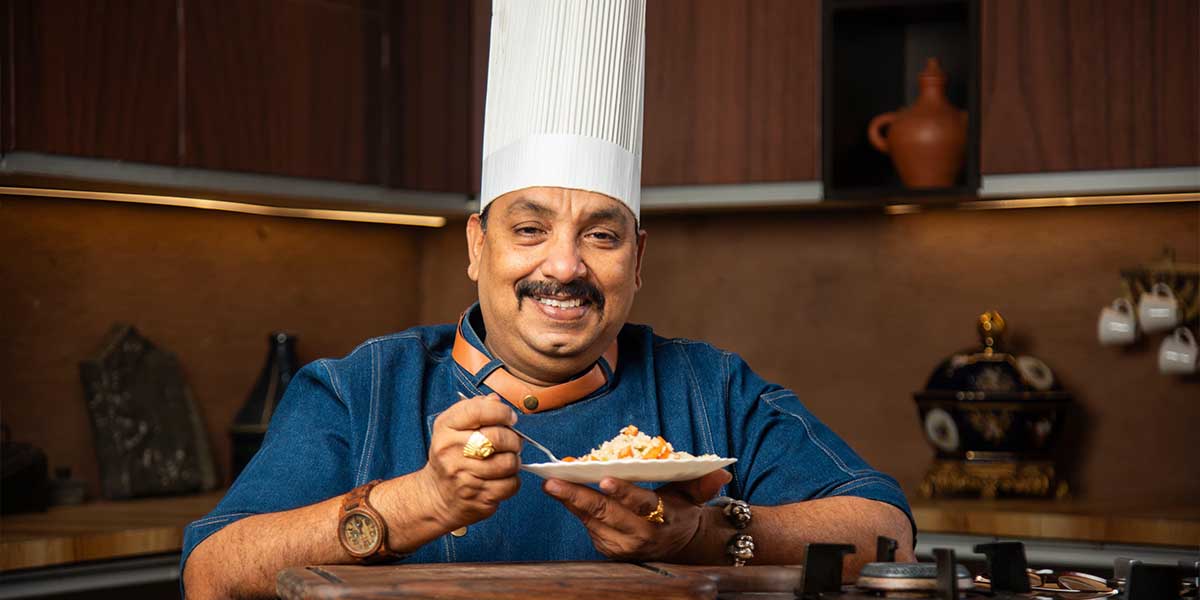
Chef Vishnu Manohar’s 24-Hour Dosa Marathon: A Culinary Record Attempt Like No Other

 Vishnu Manohar’s Record-Breaking Dosa Challenge

Chef Vishnu Manohar, one of India’s beloved culinary personalities, is about to take on an extraordinary feat – cooking dosas for 24 hours straight. This unique event, starting on October 27, will see Chef Vishnu attempting to break not one but two world records, right in the heart of Nagpur.

Who is Chef Vishnu Manohar?

With a career dedicated to celebrating and modernizing Indian cuisine, Chef Vishnu Manohar has become a household name, known for his unique recipes and vibrant personality. From television appearances to his culinary ventures, Vishnuji Ki Rasoi, he’s made his mark in the Indian food scene. Now, he’s ready to go one step further.

The Dosa Challenge: Aiming for 24-Hour Non-Stop Cooking

Imagine making dosas non-stop for 24 hours! That’s exactly what Chef Vishnu is set out to do. His goal is ambitious: to break two records—cooking dosas for the longest continuous duration and making the maximum number of dosas within 24 hours.

Venue and Date: Where to Witness the Magic

This incredible challenge will unfold at the Girish Gandhi Khule Rang Manch, part of Vishnuji Ki Rasoi in Bajaj Nagar, Nagpur. The event will kick off at 8 AM on October 27, with entry open to the public and free of charge.

World Record Goals and Preparation

Chef Vishnu’s team has spared no effort in preparing for this event, setting up a strategic plan to keep the dosas coming for 24 hours. By doing so, they aim to set records for both duration and quantity.

The Setup: Three Bhattas and 24 Tavas

To manage such a colossal task, Chef Vishnu will be using three traditional dosa-making stoves, or “bhattas,” each equipped with eight tavas (dosa pans). This unique arrangement will allow him to make 24 dosas simultaneously!

Creating 6,000 Dosas: How It’s Done

With a target of making around 6,000 dosas by the end of 24 hours, the event is set to be a culinary marvel. Each dosa will be expertly crafted, ensuring quality and taste with every bite.

A Mountain of Chutney: 1,000 kg to Serve

What’s a dosa without chutney? Chef Vishnu’s team has prepared up to 1,000 kg of chutney to ensure every dosa is served with a generous helping of this essential accompaniment.

24 Hours of Entertainment and Celebration

The event promises more than just dosas! For a full 24 hours, attendees can enjoy live performances, including Hindi and Marathi songs, ghazals, bhajans, monologues, and stand-up comedy.

Late Night Dosas: Midnight Treats for All

Hungry for a midnight snack? Chef Vishnu’s dosa marathon has you covered. The event will run through the night, with dosas served on a first-come, first-served basis – even during the late hours!

Diwali Pahat: A Joyful Conclusion

To wrap up the festivities, a special Diwali Pahat program will bring in the dawn on October 28, adding a festive touch to this record-breaking culinary event.

Dosas for Orphanages and Old Age Homes

True to his generous spirit, Chef Vishnu plans to donate a portion of the dosas to orphanages, special schools, and old age homes, ensuring that his record-breaking feat also serves the community.

Event Highlights: What Not to Miss

From Chef Vishnu’s skillful dosa-making to the live entertainment, the event is packed with experiences. Be sure to catch the traditional songs, comedy acts, and, of course, the countless dosas!

The Team Behind the Scenes

Making dosas for 24 hours straight is no easy task, and Chef Vishnu will be supported by a dedicated team. From sous chefs to volunteers, every member plays a crucial role.

Be Part of History

Don’t miss the chance to witness a unique culinary event! Join Chef Vishnu and his team as they strive to make history with this 24-hour dosa marathon. It’s a celebration of food, community, and culture that promises to be unforgettable.

1. What records is Chef Vishnu trying to break?
Chef Vishnu aims to break the records for the longest continuous dosa-making session and the maximum number of dosas made in 24 hours.

2. Where is the event taking place?
The event will be held at Girish Gandhi Khule Rang Manch, Vishnuji Ki Rasoi, Bajaj Nagar, Nagpur.

3. What time does the event start?
The event starts at 8 AM on October 27 and will continue until 8 AM on October 28.

4. Is there an entry fee?
No, entry is free for all attendees.

5. Will food be donated to the community?
Yes, a portion of the dosas will be shared with orphanages, special schools, and old age homes

Traffic Police to Decongest Roads in Nagpur’s Bustling Markets Amid Diwali Festivities

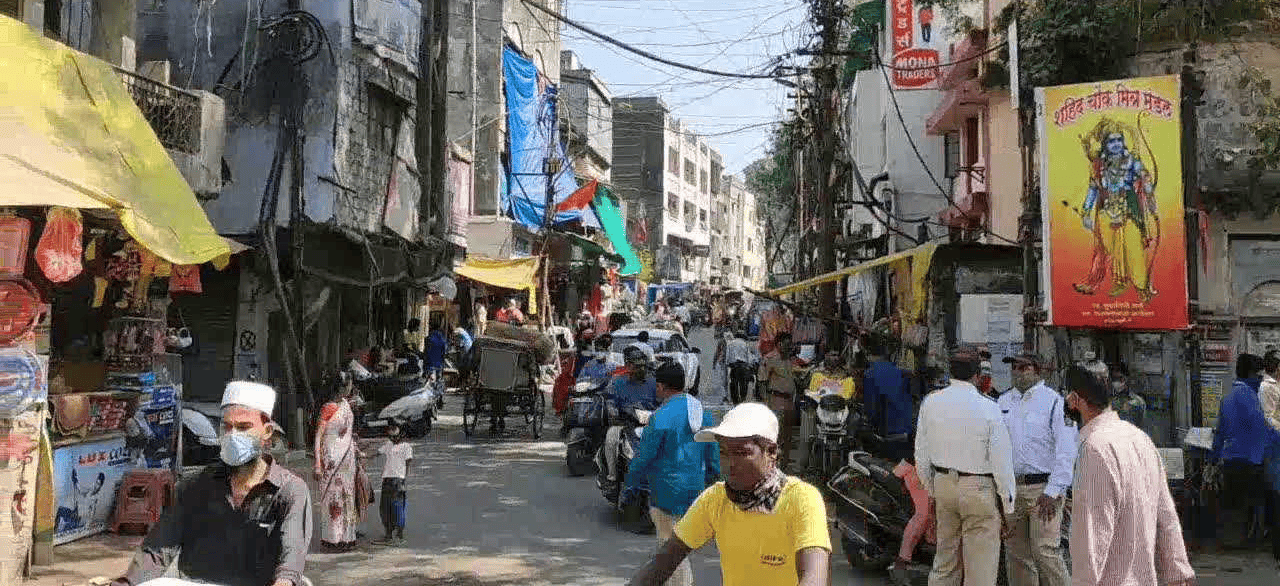
Itwari Market: The bustling streets of Nagpur’s markets are a sight to behold during the festive season. With Diwali just around the corner, popular marketplaces like Itwari, Sitabuldi, and Mahal are bursting at the seams with shoppers, creating significant traffic congestion. As citizens gear up for the celebrations, the traffic police department, led by DCP Archit Chandak, has stepped in to decongest these areas.

In this article, we will explore the measures taken by the traffic police to manage the surge in shoppers, alleviate traffic jams, and ensure a smoother experience for citizens and visitors alike.


What Led to the Traffic Congestion?

As the Diwali shopping rush intensifies, roads near major markets in Nagpur are becoming heavily congested. Thousands of shoppers from the city and surrounding regions are flooding into these markets, leading to overcrowding and significant traffic issues. Itwari Market, in particular, is seeing record numbers of people, with shoppers parking their vehicles along the narrow streets, exacerbating the situation.

Measures Taken by the Traffic Police

To tackle the problem, DCP Archit Chandak held a meeting with local traders on Monday and devised a comprehensive traffic management plan. The primary goal is to decongest market areas during peak shopping hours, which span from October 22 to November 5, between 11 AM and 11 PM daily.

Banning Autos and Cars on Key Roads

As part of the initiative, the traffic police have issued a notification banning autos and cars on some of the most congested roads in Itwari. These roads will now be reserved for two-wheelers, pedestrians, and cyclists.

One-Way and Two-Way Traffic Routes

To further streamline traffic flow, several routes will be restricted to one-way traffic only for two-wheelers. These include:

  • Sona Restaurant Square to Gandhibagh Square
  • Nangaputla Square to Tanga Stand Square
  • Shahid Square to Teen-nal Square

Additionally, autos and cars will be completely banned from two-way traffic on several major routes, such as:

  • Shaheed Square to Gandhi Putla Square
  • Teen-nal Square to Nangaputla Square

These changes aim to reduce bottlenecks, allowing smoother passage for pedestrians and cyclists while ensuring that two-wheelers can move efficiently through the markets.

Additional Personnel and Barricades for Enforcement

Ensuring that these new measures are followed requires careful planning and manpower. The Cotton Market traffic zone will see an increase in personnel, with an additional 15 officers assigned to oversee the implementation of traffic rules. Barricades will be set up at key junctions within the Itwari market, where two officers will be deployed at each location to manage traffic flow and enforce the new restrictions.

Adjustments for Rickshaws and Two-Wheelers

Cycle rickshaws and two-wheelers are a common mode of transport in Nagpur, especially for short trips. The traffic department has made special arrangements for them, adjusting their routes to avoid heavily congested areas. Rickshaws heading to Maskasath Square from Shahid Square will need to follow a specific route via Bharat Mata Chowk or Tanga Stand Chowk. Similarly, two-wheelers traveling from Tinnal Chowk to Shaheed Chowk will be diverted via Bharat Mata Chowk.

Stocking Timelines for Traders

The entry of four-wheelers and transport vehicles has been completely restricted during market hours. To ensure businesses are not disrupted, traders have been advised to stock their shops between 11 PM and 8 AM, when traffic is at its lowest. This adjustment is designed to prevent delivery trucks from adding to the already congested roads during peak shopping hours.

Parking Regulations

Parking in Nagpur’s markets can often be a chaotic affair. To alleviate this, one-side parking will now be allowed from Central Avenue to Gandhibagh Garden. Shopkeepers have been urged to use two-wheelers instead of cars when traveling to and from their shops. Additionally, citizens are encouraged to use public transport to reduce the overall number of vehicles in the area.

Upcoming Measures for Sitabuldi Market

While the current focus is on the Itwari Market, the traffic police have indicated that similar measures will soon be applied to the Sitabuldi market. Another notification is expected to be issued shortly, targeting congestion in this busy shopping district.

Encouraging Public Transport and Responsible Parking

In an effort to further reduce congestion, the traffic department is encouraging citizens to opt for public transport or two-wheelers when visiting the markets. DCP Chandak has also emphasized the importance of responsible parking. He urged motorists to avoid parking their vehicles haphazardly, as this only worsens the situation for everyone.

The Importance of Implementing These Measures

Managing traffic in crowded marketplaces is no small feat, especially during a major festival like Diwali. These efforts by the traffic police are critical for ensuring that both shoppers and vendors can navigate the area safely and efficiently. By making strategic adjustments to traffic routes and limiting vehicle access, Nagpur’s markets can continue to thrive without succumbing to gridlock.

Looking Ahead: The Future of Traffic Management During Festivals

As Nagpur continues to grow and attract more visitors, managing traffic during festive seasons will become even more important. While the measures implemented this year are temporary, they offer valuable insights into how the city can improve its infrastructure and traffic management in the long term. By investing in better public transport, encouraging non-motorized transport, and promoting responsible driving habits, Nagpur can create a more sustainable and accessible environment for everyone.

With Diwali just a few days away, Nagpur’s markets are bustling with energy. However, this influx of shoppers also brings significant traffic challenges. Thanks to the swift action taken by the traffic police, measures are being put in place to decongest roads, ensure smoother traffic flow, and make the shopping experience more pleasant for everyone. As we look ahead to the future, it’s clear that strategic traffic management will play an increasingly vital role in maintaining the city’s vibrancy during festive seasons.

https://twitter.com/trafficngp/status/1848366700988690738

Nagpur’s Eco-Friendly Durga Idol Immersions: A Sustainable Move

Durga idol immersion Nagpur.: The immersion of Durga idols is a significant ritual that marks the end of the Navratri festival in India. In Nagpur, this tradition saw a unique twist in October 2024 as citizens and the Nagpur Municipal Corporation (NMC) came together to promote eco-friendly practices. A total of 648 Durga idols were immersed at various artificial tanks between October 12 and 14, emphasizing the city’s commitment to preserving its natural water bodies.

Nagpur’s Approach to Durga Idol Immersions (Durga idol immersion Nagpur.)

The NMC, in collaboration with district authorities, arranged three key artificial immersion sites—Sonegaon, Gandhi Sagar, and Koradi. These locations were set up to ensure that traditional rituals could be conducted in an environmentally responsible manner.

Koradi Artificial Tank: Leading in Numbers

Among the three tanks, Koradi artificial tank witnessed the highest number of immersions. Over the three-day period, 535 idols were immersed, marking this location as the hub of activity. The busiest day was October 13, when a staggering 320 idols were immersed at Koradi alone.

Sonegaon Artificial Tank: A Steady Flow

The Sonegaon artificial tank accounted for 76 immersions during the same period. While smaller in comparison to Koradi, this location saw a peak in activity on October 13, with 38 idols being immersed in a single day.

Gandhi Sagar Artificial Tank: A Modest Count

The Gandhi Sagar artificial tank recorded the fewest immersions. Over the three days, just 37 idols were immersed, with 6 idols making up the final count on October 14.

October 13: The Busiest Day of Immersion

The most activity across all three locations occurred on October 13, with a total of 382 idols being immersed on this day alone. This surge demonstrated the cultural significance of the immersion process on the last day of Navratri celebrations.

Eco-Friendly Immersions: A Collective Effort

In recent years, Nagpur has made a concerted effort to shift from traditional water body immersions to artificial tanks. The NMC, backed by public support, has taken stringent measures to ban idol immersion in lakes and rivers, safeguarding these vital water sources.

Artificial Tanks: A Sustainable Solution

The NMC’s decision to set up artificial tanks has helped minimize the environmental impact of idol immersion(Durga idol immersion Nagpur.). These tanks were designed to contain the remains of the idols, preventing pollutants from entering natural water bodies and ensuring a smooth, well-organized process.

Community Support: A Driving Force

Nagpur’s citizens have shown immense support for the NMC’s initiative. In previous years, immersion in natural water bodies caused significant environmental damage. By embracing the use of artificial tanks, residents have played a crucial role in protecting the city’s lakes and rivers.

The Role of the Nagpur Municipal Corporation

The success of the eco-friendly immersion process can largely be attributed to the proactive efforts of the NMC. Through public awareness campaigns and collaborations with district administrations, the NMC ensured that the process was streamlined and well-managed.

District Administrations: Key Partners

The NMC worked closely with district authorities to set up the artificial tanks and ensure that the necessary arrangements were in place. This partnership was essential in managing the influx of devotees and maintaining order at each immersion site.

Smooth Operations: A Credit to Planning

One of the highlights of this year’s immersion process was the level of organization. Each site was equipped with facilities to manage the large number of devotees, ensuring a hassle-free experience for those participating in the immersion ritual.

Looking Ahead: Sustainability in Focus

Nagpur’s approach to Durga idol immersion highlights the city’s commitment to sustainability. As environmental awareness grows, it’s likely that eco-friendly practices will continue to play a key role in future festivals.

Promoting Eco-Conscious Celebrations

The trend toward eco-conscious celebrations is gaining momentum across India, and Nagpur is setting an example for other cities to follow. By prioritizing the environment and finding ways to balance tradition with sustainability, the city is paving the way for a greener future.

Key Highlights of the Immersion Process

  1. A Total of 648 Idols Immersed: Spread across three days and three locations.
  2. Koradi Leads the Way: 535 idols immersed, with the busiest day being October 13.
  3. Eco-Friendly Practices: Artificial tanks set up to protect natural water bodies.
  4. Community Engagement: Nagpur’s residents played an active role in supporting the use of artificial tanks.
  5. Efficient Management: The NMC and district authorities ensured the smooth execution of the immersion process.

A Step Toward Sustainable Festivities

Nagpur’s 2024 Durga idol immersion process was a shining example of how tradition and sustainability can coexist. By embracing eco-friendly practices and using artificial tanks, the city has set a positive precedent for the rest of the country. As more citizens become aware of the environmental impact of traditional immersion methods, the shift toward sustainable celebrations will likely become the new norm.

  1. Why were artificial tanks used for Durga idol immersions in Nagpur?
    • Artificial tanks were set up to protect the city’s natural water bodies from pollution and ensure an eco-friendly immersion process.
  2. Which site saw the highest number of Durga idol immersions?
    • The Koradi artificial tank saw the highest number, with 535 idols immersed between October 12 and 14.
  3. How did the NMC promote eco-friendly practices?
    • The NMC enforced a ban on immersions in natural water bodies and provided artificial tanks for idol immersion.
  4. What role did the community play in this eco-friendly initiative?
    • Nagpur’s residents supported the initiative by opting to immerse idols in artificial tanks rather than lakes or rivers.
  5. Will Nagpur continue with eco-friendly immersion practices in the future?
    • Given the success of the 2024 immersion process, it’s likely that Nagpur will continue promoting sustainable practices in future celebrations.

Devotees Converge for Dhammachakra Pravartan Din in Nagpur

Deekshabhoomi Nagpur | Dr. Babasaheb Ambedkar: Tens of thousands of devotees from all corners of India, and even from abroad, have gathered in Nagpur for the 68th Dhammachakra Pravartan Din. This momentous celebration is a tribute to Dr. Babasaheb Ambedkar’s historic conversion to Buddhism at Deekshabhoomi, which continues to inspire generations. The event is expected to attract not only devotees but also prominent figures from the Buddhist community, making it a landmark celebration for Buddhism in India.

A Historical Moment: Dhammachakra Pravartan Din

What is Dhammachakra Pravartan Din?

Dhammachakra Pravartan Din, or Dhamma Wheel Turning Day, marks the day Dr. Babasaheb Ambedkar converted to Buddhism on October 14, 1956. This historic event took place at Deekshabhoomi, Nagpur, and led to a major religious shift for millions of Ambedkar’s followers who left Hinduism to embrace Buddhism.

Why is Deekshabhoomi Sacred?

Deekshabhoomi is revered as the place where Dr. Ambedkar (Dr. Babasaheb Ambedkar) embraced Buddhism, breaking free from the social inequities of the caste system. Today, it stands as a symbol of equality, peace, and social justice, making it a pivotal place for followers of Ambedkar’s ideology and Buddhists alike.

The 68th Dhammachakra Pravartan Din Celebrations

When and Where is the Event?

The main celebration is set to take place on Saturday, October 12, at Deekshabhoomi in Nagpur. The event will begin at 6 PM, with tens of thousands of devotees in attendance, all seeking spiritual guidance and renewal.

Key Figures at the Event 

Prominent Buddhist leaders will preside over the ceremonies. Among them are:

  • Bhadant AAB Gnyaneshwar, President of the Bhikshu Sangha from Kushinagar, Uttar Pradesh.
  • Akash Lama, a key figure of the Mahabodhi Mahavihar Mukti Movement.

These figures are expected to provide spiritual teachings and guidance to the attendees, making the event not only a celebration but also a time for introspection and enlightenment.

Political and Religious Unity

Political Leaders Expected to Attend

While political figures are not slated to share the stage with Buddhist leaders, several prominent figures will visit Deekshabhoomi, including:

  • Union Rail Minister Ashwini Vaishnaw
  • Union Minister Nitin Gadkari
  • Union Minister of State Ramdas Athawale
  • Deputy CM Devendra Fadnavis

Their presence underscores the importance of Dhammachakra Pravartan Din as not just a religious event but also a moment of political and social unity.

Symbolism of the Panchsheel Flag

What is the Panchsheel Flag?

On the eve of the event, the Panchsheel flag, symbolizing peace, equality, and non-violence, was hoisted at Deekshabhoomi. This flag represents the core tenets of Buddhism and Dr. Ambedkar’s vision for an inclusive and just society.

Importance of the Flag in Buddhism

The flag’s five colors represent the Noble Eightfold Path of Buddhism, which leads to liberation from suffering. Hoisting the flag at such a monumental event highlights the continued relevance of Buddhist teachings in modern times.

Special Arrangements for Devotees (Deekshabhoomi Nagpur)

Deekshabhoomi’s Festive Transformation

Deekshabhoomi and the surrounding areas have been adorned with festive decorations, creating a warm and welcoming atmosphere for the influx of devotees. The administration has gone to great lengths to ensure that all necessary facilities are available, including health services, information centers, and more.

Medical and Social Services for Attendees

Facilities at the venue include:

  • Medical check-ups for devotees, ensuring their well-being throughout the event.
  • Aadhaar updates, providing an opportunity for individuals to update their national identification.
  • Agro consultancy services, an unexpected yet valuable resource for farmers attending the event.

Sickle Cell Check-up Camp

In a unique initiative, a sickle cell check-up camp was organized at the MahaMetro office, giving visitors the chance to get tested for this genetic disorder. This reflects the event’s broader focus on health and social care for the community.

Pilgrimage to the Dragon Palace Temple

A Spiritual Visit to Kamptee

Many devotees will also take the opportunity to visit the Dragon Palace Temple in Kamptee, a few kilometers away from Nagpur. This temple is an important pilgrimage site for Buddhists and offers a peaceful, meditative space for reflection amidst the hustle and bustle of the celebrations.

The Spiritual Significance of the Event

A Time for Reflection and Renewal

Dhammachakra Pravartan Din is not just a festive event; it is a time for spiritual reflection. For many attendees, the event serves as a reminder of Dr. Ambedkar’s fight for social justice, equality, and human dignity through Buddhism.

The Legacy of Dr. Babasaheb Ambedkar

Dr. Ambedkar’s conversion to Buddhism was a bold statement against the caste system, and his teachings continue to resonate today. His legacy is evident in the thousands who gather each year to honor him and renew their commitment to the path of Dhamma.

The 68th Dhammachakra Pravartan Din celebrations in Nagpur are a significant event for Buddhists and followers of Dr. Ambedkar. This occasion serves as a powerful reminder of the ongoing relevance of Buddhism’s teachings of equality, peace, and social justice. As devotees gather from across India and beyond, the event also highlights the unity and shared values among people from different walks of life. With spiritual leaders, political figures, and community services coming together, Dhammachakra Pravartan Din continues to be a beacon of hope and inspiration for all.

1. What is the significance of Dhammachakra Pravartan Din?

Dhammachakra Pravartan Din marks Dr. Babasaheb Ambedkar’s conversion to Buddhism, symbolizing a break from caste-based oppression and a move toward equality and social justice.

2. Why is Deekshabhoomi important?

Deekshabhoomi is the site where Dr. Ambedkar embraced Buddhism with thousands of his followers. It’s a symbol of his fight for equality and social justice.

3. Who will lead the ceremonies at the 68th Dhammachakra Pravartan Din?

Prominent Buddhist leaders like Bhadant AAB Gnyaneshwar and Akash Lama will guide the spiritual aspects of the event.

4. What facilities are available for attendees at Deekshabhoomi?

Medical check-ups, Aadhaar updates, agro consultancy, and sickle cell check-ups are available to assist devotees.

5. How does the event promote Dr. Ambedkar’s legacy?

The event honors Dr. Ambedkar’s teachings and his commitment to equality, peace, and non-violence through Buddhism.

Top 10 Navratri Garba Events in Nagpur You Can’t Miss

Navratri Garba Events Nagpur: Nagpur, known for its vibrant culture and traditions, comes alive during Navratri, a festival celebrated with immense zeal. Garba and Dandiya are the heartbeats of this festival, uniting people in joy, dance, and devotion. If you’re in Nagpur this season, you’re in for a treat as the city hosts several exciting Garba events. Here’s a detailed guide to the top 10 Navratri Garba events in Nagpur that you absolutely can’t miss!


1. Yashiv Garba, Jerry Lawns

Located in the heart of Nagpur, Jerry Lawns is the go-to place for Garba lovers. Yashiv Garba has become a staple event, attracting both beginners and seasoned dancers. The ambiance is vibrant, the music is electric, and the crowd is full of energy.


2. Dholi Taro Garba Utsav, Radhey Celebration Lawn

Step into the festive spirit with Dholi Taro Garba Utsav, held at Radhey Celebration Lawn. This event combines tradition with modernity, offering a space where both Garba and Dandiya come to life in a grand fashion.


3. Dholida Garba Utsav Half Time, Amravati Road

If you’re looking for a Garba event that captures the essence of traditional Navratri with a modern twist, Dholida Garba Utsav at Amravati Road is your place to be. The venue is decked out in vibrant colors, making it a visual treat for attendees.


4. Sheetlamata Jangran Utsav Mandal, Nandanvan

For a truly traditional experience, visit the Sheetlamata Jangran Utsav Mandal in Nandanvan. This Garba event leans heavily on the cultural aspects of Navratri, with devotional performances and a close-knit community feel.


5. Dakla Night, DABO Club

Dakla Night at DABO Club is one of the trendiest Garba nights in Nagpur. With professional dancers leading the crowd and live bands setting the mood, it’s a perfect blend of tradition and party vibes. Be prepared to dance the night away!


6. Shindhu Maha Raas Garba Mohatsav, Jaripatka

Shindhu Maha Raas Garba Mohatsav in Jaripatka is a Garba extravaganza. With its expansive space and well-organized events, this is the perfect place to bring the entire family for an evening of music, dance, and devotion.


7. Utsav Garba, Mihan Nagpur (Cancelled)

Utsav Garba in Mihan Nagpur was a much-awaited event this year, but due to unforeseen circumstances, it has been canceled. While this may be disappointing, Nagpur still has plenty of other events to offer!


8. Jaripatka Raas Garba, Punshi Hospital Jaripatka

Another must-attend event in the Jaripatka area is the Jaripatka Raas Garba at Punshi Hospital. This event promises an authentic Garba experience with energetic beats, lively crowds, and traditional attire.


9. Surbhi Dhoom Dandiya, Chattrapur Farms

Surbhi Dhoom Dandiya at Chattrapur Farms is a colorful spectacle that perfectly blends fun and tradition. With live DJs and energetic dancers, this event is an absolute must for Dandiya lovers.


10. Sanskruti Garba, Ram Nagar, Gokulpeth

Wrapping up our list is the Sanskruti Garba in Ram Nagar, Gokulpeth. This event is all about celebrating Navratri with a focus on community and culture, offering a homely yet festive atmosphere for all.

Nagpur offers a wide array of Garba events that cater to different tastes, from the traditional to the modern. Whether you’re a seasoned Garba dancer or just looking to enjoy the vibrant festival atmosphere, there’s something for everyone. So grab your dandiya sticks, wear your best attire, and get ready to immerse yourself in the magic of Navratri Garba in Nagpur!

1. What is the best place for beginners to attend Garba in Nagpur?
For beginners, we recommend Yashiv Garba at Jerry Lawns, as the crowd is friendly, and the event is beginner-friendly.

2. Are there any Garba events in Nagpur specifically for families?
Yes, events like Shindhu Maha Raas Garba Mohatsav and Sheetlamata Jangran Utsav Mandal are family-friendly, with a strong emphasis on tradition and culture.

3. Do I need to buy tickets in advance for these Garba events?
It’s best to confirm with the event organizers for ticketing information. Most events sell tickets at the venue, but some may require advance booking.

4. Can I bring my kids to these Garba events?
Many of the events, like Dakla Night and Shindhu Maha Raas Garba Mohatsav, are family-oriented, and kids are welcome.

5. What should I wear to a Garba event in Nagpur?
Traditional attire is recommended, such as a chaniya choli for women and a kurta for men, but feel free to add your own modern twist!

Exit mobile version