NMC Issues NOCs to Only 21 Durga Mandals in Nagpur for Navratri 2024

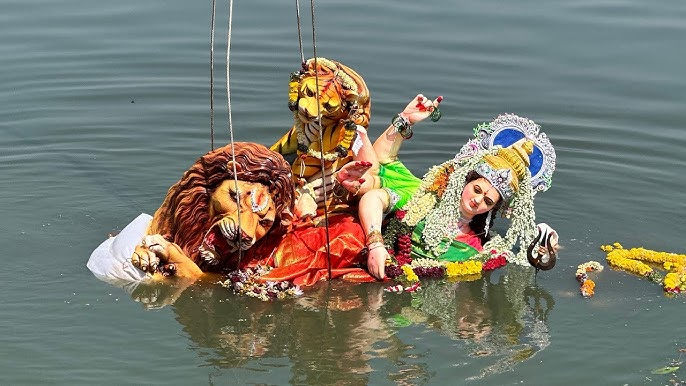
NMC Durga mandals NOC Navratri: Navratri, one of the most significant festivals in India, is celebrated with grandeur, and Durga Puja mandals play an integral role in this festivity. In Nagpur, the preparation for the 2024 Navratri season has come under the spotlight as the Nagpur Municipal Corporation (NMC) issued No Objection Certificates (NOCs) to only 21 Durga mandals, although they received 328 online applications. The issue has sparked curiosity and concern, primarily due to online payment complications and delays in document verification.

What are NOCs and Why Do They Matter?

NOCs, or No Objection Certificates, are legal documents issued by authorities like the NMC, allowing mandals to conduct their religious and cultural activities. These certificates are crucial because they ensure that the festivals are celebrated in an organized manner, adhering to safety standards and avoiding disruption in public services.

Why Only 21 Out of 328? (NMC Durga mandals NOC Navratri)

Despite receiving 328 applications, the NMC granted NOCs to just 21 mandals. So, what went wrong? According to NMC officials, the primary bottleneck was online payment issues. Several mandals faced delays in completing the payment process, leading to delays in the approval of their NOCs. The NMC had implemented an online system two years ago to streamline the application process, but technical difficulties have led to roadblocks.

The Online Application System: A Game Changer with Flaws

When the NMC introduced the online application system, it was aimed at simplifying the process. Mandals no longer had to visit traffic police zones, police stations, or fire stations to obtain permissions. The system, in theory, made it easier for organizers to apply from the comfort of their homes. However, this year’s delay shows that there are still some kinks to work out.

NMC’s Fee Structure for NOCs

The NMC charges a nominal fee of Rs 1,000 for issuing an NOC. This fee ensures that the process remains accessible to all mandals, irrespective of their size or scale of celebration. However, it’s the online payment failures that have led to a bottleneck this year, leaving most of the applications unapproved.

The Importance of Timely NOCs

Without an NOC, mandals are not permitted to conduct the Durga Puja celebrations. (NMC Durga mandals NOC Navratri) The certificate serves as a guarantee that all safety protocols have been followed, including fire safety measures, traffic management, and other public safety concerns. In other words, an NOC is not just a formality—it’s essential for the smooth conduct of the festival.

NMC’s Role in Regulating Durga Puja Celebrations

The NMC plays a crucial role in regulating public events like Durga Puja, especially during major festivals. The civic body ensures that these events are conducted without causing inconvenience to the public, particularly in terms of noise pollution, traffic disruptions, and waste management.

Challenges Mandals Face in Getting NOCs

Apart from online payment issues, mandals face several challenges when applying for NOCs:

  • Documentation: Mandals need to submit a host of documents, including safety clearances from various departments.
  • Time Constraints: With Navratri approaching, the pressure to get approvals on time increases.
  • Technical Glitches: The online system, while more convenient, has proven to be a hurdle for many, especially those unfamiliar with the process.

How Mandals Can Overcome These Challenges

There are several ways that mandals can navigate these challenges and secure their NOCs:

  1. Early Application: Submitting applications well in advance can help avoid last-minute delays.
  2. Double-Checking Documents: Ensuring that all documents are in order before submitting the application can save time.
  3. Seeking Help: For those struggling with the online system, reaching out to NMC officials for assistance can speed up the process.

Why Are NOCs Important for the Community?

NOCs ensure that festivals like Navratri are celebrated in a way that respects public safety and convenience. They prevent overcrowding, reduce traffic disruptions, and ensure that fire safety measures are in place. For the community, this means a safer, more enjoyable festival experience.

Fire Safety Regulations

One of the primary concerns during large public gatherings is fire safety. Mandals are required to submit fire safety clearances, ensuring that fire hazards are minimized. NOCs are only granted once these clearances are in place, making them a crucial part of the approval process.

Traffic Management

Navratri celebrations often attract large crowds, leading to potential traffic jams. The NMC coordinates with traffic police to ensure that the movement of vehicles and pedestrians is managed efficiently. An NOC guarantees that these arrangements are in place.

How Are Mandals Reacting to the Delay?

Many mandals are understandably frustrated with the delays in the approval process. The technical glitches have caused anxiety, especially as the festival draws closer. However, some have expressed hope that the NMC will resolve the issues in time for the celebrations.

 NOCs are Essential for a Smooth Navratri Celebration

In conclusion, while the delays in issuing NOCs have caused concern, their importance cannot be understated. These certificates ensure that the Navratri festival is celebrated in a manner that is safe, organized, and convenient for the public. As we move towards more digitalized systems, it’s crucial that technical issues are addressed to prevent such delays in the future.

  1. Why did the NMC only issue 21 NOCs? The delay in issuing NOCs was primarily due to online payment issues, which affected the approval process for many mandals.
  2. What is the NMC’s role during Navratri? The NMC regulates public events like Durga Puja by ensuring safety protocols are followed, including fire safety and traffic management.
  3. How can mandals ensure timely NOC approvals? Mandals should apply early, double-check their documents, and seek help if they face difficulties with the online application system.
  4. Why are NOCs important for public safety? NOCs ensure that festivals are conducted in a safe, organized manner, minimizing risks like fire hazards and traffic disruptions.
  5. What is the fee for obtaining an NOC from NMC? The NMC charges a nominal fee of Rs 1,000 for issuing an NOC.

Dandiya Dhun to Reverberate in Nagpur Central Jail During Navratri

Dandiya Navratri Central Jail: A Unique Navratri Celebration Behind Bars

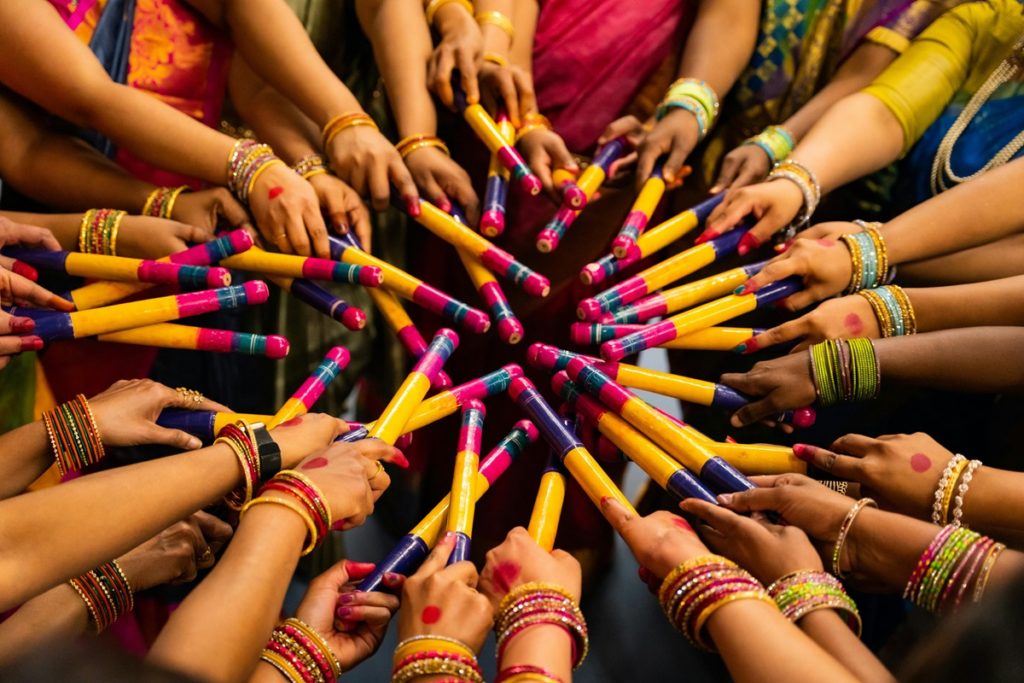
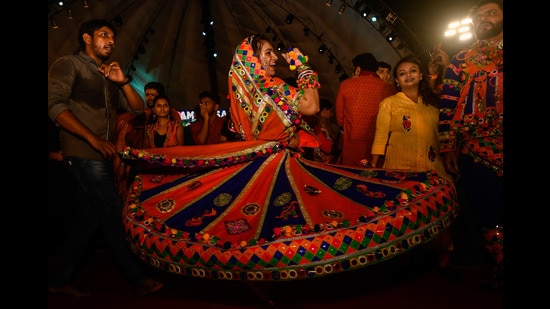
This year’s Navratri is set to be a special occasion for the inmates of Nagpur Central Jail, as women inmates prepare to dance to the lively rhythm of Dandiya. In an unprecedented move, authorities have decided to introduce Dandiya nights during the festival, bringing a new and colorful element to the prison festivities. The initiative, fueled by social organizations, aims to create an atmosphere of joy, tradition, and rehabilitation.

 The Significance of Navratri in Nagpur Central Jail

Navratri, a festival symbolizing the victory of good over evil, holds immense importance in Indian culture. For the inmates of Nagpur Central Jail, celebrating this festival brings a sense of normalcy and connection to their roots. It’s not just about worship; it’s about bringing positivity into their lives, even while serving time.

 Introducing Dandiya Nights: A First for the Jail

For the first time, the authorities at Nagpur Central Jail have introduced Dandiya nights into their Navratri celebrations. Women inmates will dance to the tunes of Dandiya, adding a sense of vibrancy to their usual routines. The decision marks a significant step toward using cultural events for rehabilitation and mental well-being.

  •  Role of Social Organizations in Organizing Dandiya Nights

Social groups have played an instrumental role in bringing Dandiya into the prison. These organizations have volunteered to train the inmates in the dance form, sponsor traditional attire, and coordinate other arrangements. This involvement not only helps the inmates but also strengthens community ties.

  •  Training the Dandiya Dancers

To ensure a lively and professional experience, volunteers and choreographers have been invited to train the women inmates. The training has sparked excitement among the inmates, who are now practicing in their barracks with dedication and enthusiasm.

 The Emotional Impact of Navratri Celebrations on Inmates

For inmates, festivals like Navratri serve as a reminder of the world outside. The Dandiya nights aim to recreate the joy they experienced with their families, offering them a mental escape from the monotony of prison life.

  •  A Glimpse into the Past: Remembering Family Celebrations

Many inmates haven’t seen their families in years. The introduction of Dandiya, with its vibrant energy, offers them a taste of the celebrations they once enjoyed outside the prison walls.

  •  Dandiya as a Tool for Emotional and Mental Well-being

Navratri celebrations are more than just a festival in prison; they are a means of emotional and psychological relief. Dancing to the rhythmic beats of Dandiya allows inmates to express themselves freely, reducing stress and anxiety.

 Garba Nights for Male Inmates and Staff Participation

While the spotlight is on the women inmates, the male barracks are not left out. The authorities have arranged similar Garba nights for male inmates, and even the prison staff will take part in the festivities. It’s a collective celebration that cuts across prison walls.

  •  Staff Engagement in the Festivities

The prison employees are also gearing up to participate in Garba nights. This participation creates a unique bond between the inmates and the staff, fostering mutual respect and understanding in a place where such relations are rare.

 Special Arrangements for Fasting Inmates

Navratri often involves fasting, and the authorities have made special provisions for those observing fasts. Special snacks and eatables will be available in the prison canteen to cater to the needs of the fasting inmates.

  •  Introduction of Special Snacks at the Canteen

The prison canteen will offer a variety of fasting-friendly snacks during the nine days of Navratri. This initiative ensures that those who choose to fast can do so with ease, even within the confines of the jail.

 The Religious and Cultural Significance of Navratri in Prison

Navratri celebrations in Nagpur Central Jail are not just about fun and festivities. They serve a deeper purpose—keeping the inmates connected to their religion and culture.

  •  Performing Puja and Ghat Sthapna

Inmates perform the traditional puja and ghat sthapna (the commencement of the puja) as part of the religious activities. These rituals are essential in maintaining the cultural and religious identity of the prisoners.

  •  Singing Bhajans and Kirtans Every Day

To further enhance the spiritual atmosphere, inmates will sing bhajans and kirtans every day during the festival. This activity fosters a sense of togetherness and devotion among the prisoners.

 How Festivals in Prison Aid Rehabilitation

Festivals like Navratri play a crucial role in the rehabilitation of inmates. They provide an opportunity for self-expression, cultural involvement, and emotional healing, which are essential in the reformation process.

  •  Reducing Stress Through Cultural Activities

Cultural activities like Dandiya dancing and Garba serve as stress relievers for inmates. They allow them to momentarily forget their hardships and immerse themselves in joyful activities.

  •  Fostering a Sense of Community Among Inmates

Participating in group activities like Dandiya strengthens the sense of community among the inmates. It promotes teamwork, cooperation, and camaraderie, all of which are crucial for social rehabilitation.

 The Role of Prison Authorities in Organizing Navratri

The success of the Navratri celebrations in Nagpur Central Jail wouldn’t have been possible without the proactive efforts of the prison authorities. Their aim is not just to organize a festival but to use it as a tool for inmate rehabilitation.

  •  Leadership of Superintendent Vaibhav Aagey and Deputy Superintendent Deepa Aagey

The leadership of Superintendent Vaibhav Aagey and Deputy Superintendent Deepa Aagey has been instrumental in bringing the Dandiya festivities to life. Their vision of using festivals as a means of rehabilitation has set a new precedent in prison reform.

 An Insight into the Life of an Inmate During Navratri

Navratri has a profound impact on the daily lives of inmates. For some, it’s a time of spiritual reflection, while for others, it’s a moment to break free from the monotony of prison life and enjoy a sense of freedom through dance and music.

 The Case of Ritika Maloo

Ritika Maloo, accused in the Ram Jhula case, is one of the inmates spending Navratri in Nagpur Central Jail. Sources say she has adapted well to prison life and is participating in the festivities with calm and composure.

A Celebration of Hope and Rehabilitation

Navratri in Nagpur Central Jail is more than just a festival—it’s a celebration of hope, culture, and rehabilitation. The introduction of Dandiya nights has brought a sense of joy and purpose to the lives of inmates, reminding them that even behind bars, they can connect with their cultural roots.

1. Why is Navratri important for inmates in Nagpur Central Jail?

Navratri serves as a way for inmates to connect with their culture, reduce stress, and participate in rehabilitative activities.

2. How are social organizations involved in the Dandiya nights?

Social organizations have volunteered to train inmates, sponsor attire, and coordinate arrangements for the Dandiya nights.

3. Are the male inmates also participating in the Navratri celebrations?

Yes, Garba nights have been organized for the male inmates, and prison staff will also participate in the festivities.

4. What special arrangements are being made for fasting inmates?

The prison canteen will provide special fasting-friendly snacks throughout the nine-day festival.

5. How do these celebrations help in the rehabilitation of inmates?

Cultural activities like Navratri celebrations provide emotional relief, promote teamwork, and help reduce the stress of prison life.

Bhonsle’s ‘Hadpakya Ganpati’ Festival Celebrates 237 Years of Tradition in Nagpur

Bhonsle Tradition: Nagpur’s rich history and cultural legacy take center stage with the annual celebration of the ‘Hadpakya Ganpati’ festival, a unique and time-honored tradition that has been preserved for 237 years. Rooted in the 18th century during the reign of the Bhonsla dynasty, this festival is a deep part of the spiritual fabric of the city and continues to inspire devotion in its followers. Let’s explore the remarkable story of this age-old tradition, how it came to be, and why it remains such a significant event in Nagpur today.

 The Origins of the ‘Hadpakya Ganpati’ Festival

The origins of the ‘Hadpakya Ganpati’ festival can be traced back to 1787 AD, during the rule of King Khandoji Maharaj Bhonsale, also known as Chimanabapu, of the Bhonsla dynasty. After returning victorious from a battle in Bengal, King Khandoji Maharaj wanted to celebrate his triumph. However, he realized that the traditional Ganesh Utsav had already ended. Unwilling to miss the opportunity for celebration, the king organized his own festival, which has since become a permanent fixture in Nagpur’s cultural calendar.

 What Does ‘Hadpakya’ Mean?

The term ‘Hadpakya’ refers to a mask or disguise, which plays a key role in the festival’s early rituals. This unique tradition of donning masks to represent various mythical and religious figures gives the festival its distinct name and identity. Over time, this cultural practice has become one of the symbolic highlights of the festival.

 Significance of the 18-Handed Ganesha Idol (Bhonsle Tradition)

One of the most remarkable aspects of the festival is the installation of a unique Ganesha idol featuring 18 hands. This multi-armed deity represents the might and power of Lord Ganesha in all his forms, embodying victory, protection, and wisdom. It is this idol, installed during the Pitrupaksha period, that has come to be known as the ‘Hadpakya Ganpati.’

 The Role of the Bhonsla Dynasty in the Festival

The Bhonsla (Bhonsle Tradition) dynasty has played a pivotal role in maintaining and nurturing the traditions of the ‘Hadpakya Ganpati’ festival. The Maharaja of Nagpur Trust, which continues to oversee the organization of the festival, ensures that the original rituals are followed with precision and care. This legacy of devotion and commitment has allowed the festival to thrive for centuries.

 The Procession of the Ganesha Idol

Every year, the festival kicks off with a grand procession as the idol of Lord Ganesha is brought from CP & Berar College, Tulshibagh. The procession winds through various parts of Nagpur before finally reaching the Senior Bhonsala Palace, where the main installation ceremony takes place. This vibrant and colorful event attracts thousands of devotees and has become a symbol of communal harmony and celebration in the city.

 Main Installation Ceremony: September 21st

The heart of the festival lies in the main installation ceremony, which will take place this year on September 21st. Devotees gather in large numbers to witness the installation of the idol, with rituals being conducted by the Maharaja of Nagpur Trust to ensure the sanctity and authenticity of the event. It is a moment of great religious fervor and devotion for those who attend.

 Spiritual Importance of the Pitrupaksha Period

The Pitrupaksha period, during which the idol is installed, holds immense spiritual significance in Hindu tradition (Bhonsle Tradition). It is a time dedicated to honoring one’s ancestors and seeking their blessings. The installation of the Hadpakya Ganpati during this sacred period aligns the festival with themes of reverence, gratitude, and familial connection.

 Expanding the Tradition: Hadpakya Ganpati Beyond Nagpur

While the Hadpakya Ganpati festival began as a local celebration in Nagpur, its influence has spread to other cities and towns in the Vidarbha region over the years. Other communities have adopted the tradition, adding their own local flavors to the festival, which has helped it grow in popularity while maintaining its core values.

 The Role of the Maharaja of Nagpur Trust

The Maharaja of Nagpur Trust remains the principal organizer of the Hadpakya Ganpati festival. Their dedication to preserving the festival’s original customs and practices ensures that this centuries-old tradition remains true to its roots. From overseeing the installation of the idol to organizing the processions, the Trust plays a crucial role in the festival’s success each year.

 Devotees from Across the Region

Every year, the festival draws thousands of devotees from across Nagpur and beyond. Many come seeking the blessings of Lord Ganesha, while others are simply captivated by the vibrant celebrations. The Hadpakya Ganpati is a time when the community comes together in unity and devotion, reinforcing a sense of cultural identity and pride.

 The Impact of the Festival on Nagpur’s Cultural Identity

The Hadpakya Ganpati festival (Bhonsle Tradition) is more than just a religious event; it is a celebration of Nagpur’s rich cultural heritage. For the city’s residents, the festival represents a time of joy, togetherness, and spiritual rejuvenation. It strengthens the cultural identity of Nagpur and highlights the city’s connection to its historical past.

 Evolution of the Festival Over Centuries

While the core elements of the festival have remained intact since its inception in 1787, certain aspects have evolved with time. Today, the festival incorporates modern elements such as decorative lighting, thematic displays, and cultural performances, reflecting the evolving nature of Nagpur’s society while preserving the festival’s traditions.

 Why the Festival is So Unique

What sets the Hadpakya Ganpati festival apart from other Ganesh festivals across India is its distinct rituals and the specific period during which it is celebrated. The festival not only honors Lord Ganesha but also celebrates the region’s ancestral heritage, making it a uniquely important part of Vidarbha’s cultural landscape.

 Looking Forward to the Future

As the Hadpakya Ganpati festival continues to grow in popularity, its future remains bright. The dedication of the Maharaja of Nagpur Trust, combined with the unwavering devotion of the city’s people, ensures that this beloved tradition will continue for generations to come.

Nagpur’s Hadpakya Ganpati festival is not just a celebration; it is a living connection to the city’s cultural and spiritual roots. With a history spanning 237 years, the festival continues to thrive, attracting devotees from across the region and beyond. As it stands today, the festival represents the triumph of tradition and devotion, ensuring that Nagpur’s cultural heritage is preserved for future generations.

1. What is the significance of the 18-handed Ganesha idol?
The 18-handed Ganesha idol represents Lord Ganesha in all his forms, embodying strength, wisdom, and protection.

2. When does the Hadpakya Ganpati festival begin this year?
The festival begins on September 20th with the arrival of the idol, and the main installation ceremony takes place on September 21st.

3. How did the term ‘Hadpakya’ come into use?
‘Hadpakya’ refers to the masks or disguises worn during the early rituals of the festival, which are an integral part of the tradition.

4. Who organizes the Hadpakya Ganpati festival?
The festival is organized by the Maharaja of Nagpur Trust, which ensures that the festival’s original rituals and customs are preserved.

5. Has the Hadpakya Ganpati festival spread beyond Nagpur?
Yes, the festival’s traditions have been adopted by several cities and towns in the Vidarbha region, expanding its cultural significance.

Civic Body Grants NOCs to 605 Ganesh Mandals for Sarvajanik Ganesh Utsav 2024

Nagpur Civic Body: The much-anticipated Sarvajanik Ganesh Utsav is a festival cherished by millions, and the Nagpur Municipal Corporation (NMC) has once again played a pivotal role in ensuring the smooth running of this grand celebration. The recent announcement from NMC reveals that 605 Ganesh mandals have been granted No Objection Certificates (NOCs) to participate in this year’s festivities. In this article, we’ll explore the entire process, the measures taken to promote eco-friendly practices, and the importance of preserving traditions while safeguarding the environment.

 The Sarvajanik Ganesh Utsav: A Tradition Rooted in Community Spirit

The Sarvajanik Ganesh Utsav is not just a religious festival; it’s an event that brings entire communities together. Every year, thousands of people come together to celebrate Lord Ganesha’s arrival, with numerous mandals setting up elaborate pandals. With the involvement of the NMC, the festival is kept organized and compliant with regulations, ensuring a safe and joyful experience for all participants.

 NMC’s (Nagpur Civic Body) Role in Granting NOCs for Ganesh Mandals

 Final Verification Process by NMC

The NMC recently completed the final verification of applications submitted by various Ganesh mandals. This process was crucial to ensure that the mandals met all safety and regulatory guidelines. Out of the total applications, 605 mandals were approved, with 432 NOCs already issued and 173 more ready to be uploaded shortly. This meticulous process ensures that all pandals operate within the rules set by the civic body.

 Why Are NOCs Important for Mandals?

No Objection Certificates (NOCs) ensure that the pandals are safe and properly located. They also signify compliance with local laws, which regulate noise levels, environmental impact, and security measures. Without an NOC, a mandal cannot legally set up or operate, making this certificate an essential aspect of the festival’s infrastructure.

 NMC’s Eco-Friendly Initiatives for Ganesh Utsav 2024

 Tackling the Issue of Plaster of Paris (PoP) Idols

The sale of Plaster of Paris (PoP) idols has long been a contentious issue due to their environmental impact. These idols do not dissolve easily in water, leading to water pollution after immersion. In a bid to curb this, the NMC has taken significant steps to prevent the sale of PoP idols in 2024.

 NDS Team Inspections and Seizures

The NMC’s NDS (Nagpur Detection Squad) team conducted inspections of 830 shops as of September 7, 2024. During these inspections, they identified 91 shops that were selling banned PoP idols. As a result, 798 idols were confiscated, and the sellers faced fines totaling ₹9,10,000.

 Zone-Wise Breakdown of Fines

Each zone in Nagpur saw different levels of enforcement and fines:

  • Hanuman Nagar Zone: 41 idols were seized from six shops, with a total fine of ₹60,000 imposed.
  • Mangalwari Zone: 18 idols were confiscated, and fines of ₹60,000 were levied on six shops.
  • Laxminagar and Dharampeth Zones: Fines of ₹10,000 were imposed on shops selling PoP idols.

These fines and seizures serve as a deterrent to those continuing the illegal sale of non-biodegradable idols, promoting a more environmentally responsible celebration.

 Temporary Artificial Tanks for Eco-Friendly Immersions

 Encouraging Eco-Friendly Immersion

To promote the eco-friendly immersion of Ganesh idols, especially those celebrating the one-and-a-half-day Ganesh Utsav, NMC’s Solid Waste Management Department is setting up 30 temporary artificial tanks across various locations in Nagpur. These tanks will allow devotees to immerse their idols in a safe and environmentally conscious manner, reducing the strain on natural water bodies.

 Why Artificial Tanks Matter

Using artificial tanks for immersion has become a crucial element in reducing the pollution caused by traditional water-based immersions. These tanks not only help to preserve the natural water bodies but also allow for proper collection and disposal of the idols post-immersion.

 The Future of Ganesh Utsav in Nagpur

The NMC has demonstrated its commitment to both tradition and modern sustainability practices. By granting NOCs (Nagpur Civic Body) to compliant mandals and taking firm action against the sale of PoP idols, the civic body is steering the festival toward a greener and more responsible future. With the establishment of artificial tanks for idol immersion, Nagpur is setting an example for other cities on how to celebrate traditional festivals in an eco-friendly manner.

A Blend of Tradition and Sustainability

As the Sarvajanik Ganesh Utsav 2024 approaches, it’s clear that the festival is evolving. While the essence of the celebration remains rooted in tradition, the efforts of the NMC ensure that the festival also respects modern environmental concerns. With 605 Ganesh mandals receiving NOCs, and the active prevention of PoP idol sales, Nagpur is set to celebrate in a way that honors both cultural heritage and environmental responsibility.

 1. Why is an NOC important for Ganesh mandals?

An NOC ensures that the mandals comply with all necessary safety, environmental, and legal guidelines, making the celebration safe and enjoyable for everyone.

 2. What actions are being taken against the sale of PoP idols?

The NMC has conducted inspections and imposed fines on shops selling PoP idols, confiscating hundreds of idols to prevent their use in the 2024 festival.

 3. How is the NMC promoting eco-friendly idol immersion?

NMC has set up 30 temporary artificial tanks for idol immersion to minimize the environmental impact and reduce pollution in natural water bodies.

 4. What are the penalties for selling PoP idols in Nagpur?

Fines for selling PoP idols can range from ₹10,000 to ₹60,000, depending on the severity of the violation and the number of idols seized.

 5. How many mandals have been granted NOCs for Sarvajanik Ganesh Utsav 2024?

A total of 605 mandals have received NOCs, with 432 already issued and the remaining 173 ready for upload.

NMC Cracks Down on PoP Idols: Rs4.2 Lakh in Fines as Ganesh Festival Approaches

Eco-friendly Ganesh idols: As the Ganesh festival draws closer, the Nagpur Municipal Corporation (NMC) has taken a firm stance against the sale of Plaster of Paris (PoP) idols. With Rs4.2 lakh in fines imposed on 42 violators, this crackdown aims to safeguard the environment by preventing the immersion of non-biodegradable idols in water bodies. This proactive step is aligned with the judiciary’s environmental directives and follows a series of legal actions to combat pollution during major festivals.

The Need for Action

The sale and use of PoP idols have long been a concern due to their adverse impact on water bodies. When these idols are immersed in lakes and rivers, they don’t dissolve easily and release harmful chemicals. This creates significant environmental challenges, including water contamination and harm to aquatic life. To curb this, the NMC has launched a stringent campaign just two days before the festival, ensuring that the guidelines from the Central Pollution Control Board (CPCB) are strictly followed.

Rs4.2 Lakh in Fines Imposed

In a major move, the NMC fined 42 sellers of PoP idols, imposing penalties amounting to Rs4.2 lakh. The fines are a part of the city’s broader efforts to ensure compliance with environmental regulations ahead of the Ganesh festival. These fines serve as a warning to those who continue to sell idols made of harmful materials despite repeated warnings and legal mandates.

Why Is PoP Harmful?

Plaster of Paris is a non-biodegradable material. When immersed in water, it doesn’t break down naturally, unlike clay or eco-friendly materials. This leads to the accumulation of toxic substances in water bodies, which harms the ecosystem. PoP idols, painted with hazardous chemicals, further aggravate the issue by introducing dangerous elements like mercury and lead into the water, posing threats to both aquatic life and humans.

The Judiciary’s Role

The Nagpur bench of the Bombay High Court has played a critical role in addressing this issue. Through a suo motu Public Interest Litigation (PIL No. 3/2021), the court has been actively monitoring the environmental damage caused by PoP idol immersion. The bench, led by Justices Nitin Sambre and Abhay Mantri, has directed local authorities to take robust measures to curb the use of such idols.

Shreerang Bhandarkar as Amicus Curiae

Shreerang Bhandarkar, appointed as amicus curiae, has been instrumental in advising the court on the environmental repercussions (Eco-friendly Ganesh idols) of PoP idols. His involvement underscores the seriousness with which the judiciary is handling this matter. With his guidance, the court has been able to enforce stricter regulations, aiming for more eco-friendly celebrations.

NMC’s Affidavit and Extensive Preparations

The NMC, represented by counsel Jemini Kasat, submitted an affidavit to the court outlining their preparations for the upcoming Ganesh festival(Eco-friendly Ganesh idols). These preparations include setting up 419 artificial ponds and deploying 22 mobile immersion units to facilitate eco-friendly idol immersions. These initiatives are designed to offer devotees an alternative to immersing idols in natural water bodies.

Promotion of Eco-Friendly Idol Immersions

To encourage the use of environmentally friendly alternatives, the NMC has rolled out various campaigns promoting the immersion of clay idols in artificial ponds. These eco-friendly practices aim to reduce the pollution caused by PoP idols. The mobile immersion units, in particular, are expected to ease the process for devotees, making it convenient for them to follow the guidelines.

Mandals Must Comply with New Guidelines

The court has also directed the NMC to obtain written assurances from Ganesh and Durga Utsav Mandal organizers. These groups must ensure that they will not use PoP idols in their festivities. This requirement comes in accordance with CPCB guidelines, which strictly prohibit the immersion of non-biodegradable materials in natural water bodies.

Condition No. 15: A Step Forward

The NMC has revised its permissions for idol installations, incorporating a new Condition No. 15. This condition explicitly bans the use of PoP or similar materials and mandates compliance with CPCB and the Maharashtra Government’s Environment and Climate Change Department’s directives. This move signifies a major step forward in aligning with environmental protection regulations.

Penalties for Violators

During the court’s previous hearing, it was made clear that any violation of CPCB guidelines would result in strict prosecution under the Pollution Control Act, 1974. The court emphasized the importance of adhering to these rules to prevent further damage to the environment. Violators risk not only hefty fines but also legal action, making compliance non-negotiable.

Consequences of Non-Compliance

Failing to comply with the guidelines could lead to irreversible damage to water bodies. The accumulation of PoP in lakes and rivers is already causing severe environmental issues, including reduced oxygen levels in water, which threatens aquatic life. If PoP use continues unchecked, these effects could become catastrophic over time.

Court’s Future Hearings

The next hearing on this matter is scheduled for Friday, where the court will review the progress made by the NMC and other stakeholders. It remains to be seen how effective these measures will be during the festival, but the judiciary’s proactive stance suggests that non-compliance will be met with severe repercussions.

Public Support for Eco-Friendly Celebrations

The push for eco-friendly Ganesh and Durga Utsav celebrations has gained significant public support in recent years. Many devotees are now opting for clay idols and natural dyes, showing a growing awareness of environmental issues. This shift in public sentiment is critical in the long-term success of reducing PoP idol usage.

The Role of Artificial Ponds

Artificial ponds provide a safe and controlled environment for idol immersion, reducing the strain on natural water bodies. These ponds are specifically designed to handle large volumes of idol immersions, making them a sustainable solution for future festivals.

The NMC’s crackdown on PoP idols is a decisive step toward protecting Nagpur’s water bodies and promoting eco-friendly festivities. By imposing fines and implementing strict regulations, the city is setting a strong example for others to follow. With continued efforts from the judiciary, local authorities, and the public, we can ensure that our festivals are celebrated without compromising the environment.

  1. Why are PoP idols banned?
    PoP idols are harmful to the environment as they don’t dissolve in water and release toxic chemicals, causing water pollution.
  2. What is the alternative to PoP idols?
    Eco-friendly idols made from clay and natural dyes are encouraged as they dissolve easily in water without harming the environment.
  3. How does the NMC enforce these rules?
    The NMC imposes fines and conducts inspections to ensure compliance with the CPCB’s guidelines.
  4. What happens if Mandals use PoP idols?
    Mandals that use PoP idols face legal action, including fines and possible prosecution under environmental laws.
  5. Can devotees immerse idols in natural water bodies?
    No, devotees are encouraged to use artificial ponds or mobile immersion units to prevent water pollution.

143 Years and Counting: Nagpur Gears Up for the Marbat Festival

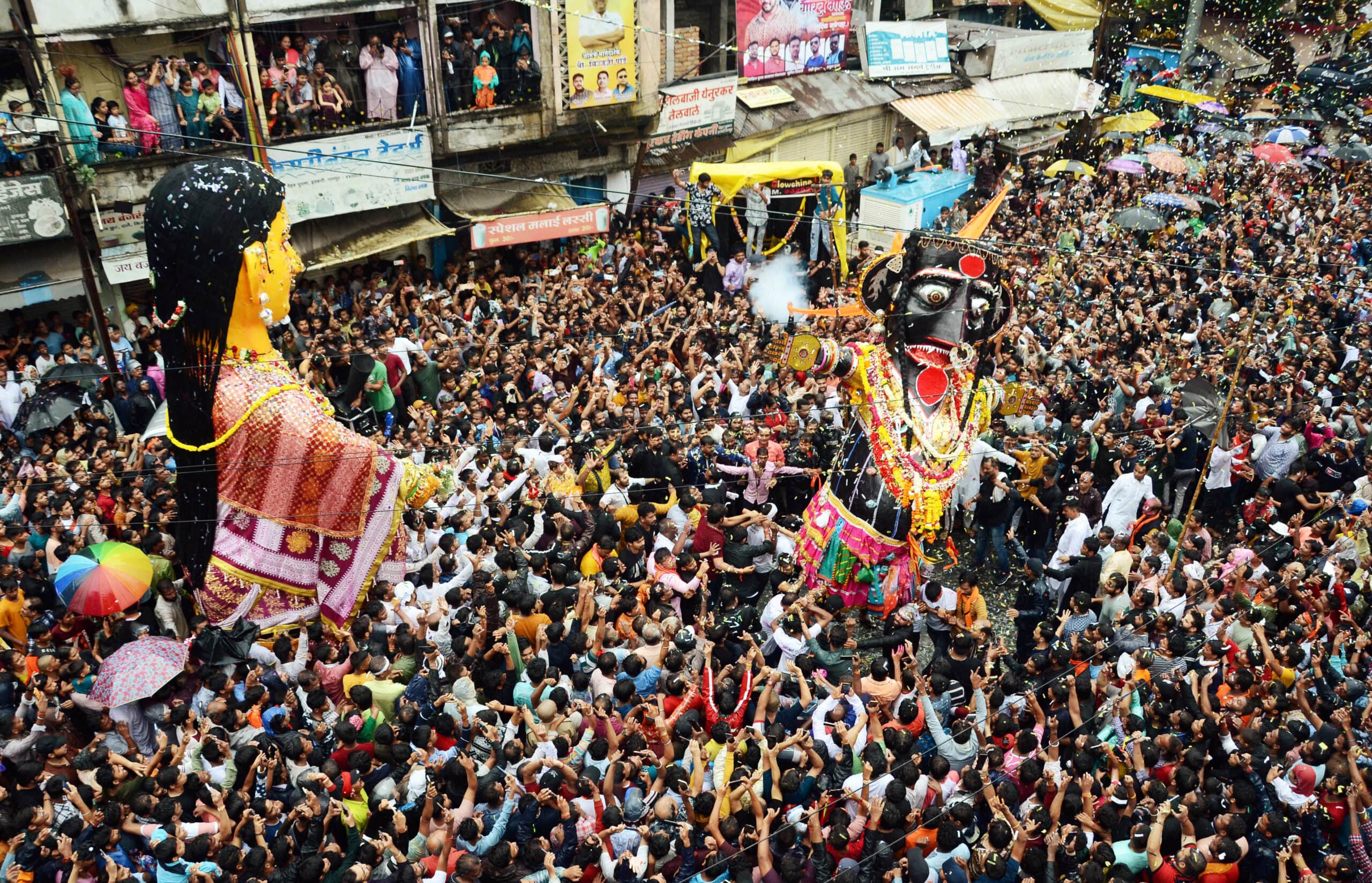
Nagpur is buzzing with anticipation as it prepares to celebrate the Marbat Festival, a tradition that has endured for 143 years. This unique festival, deeply rooted in the city’s culture, involves the construction and burning of colossal effigies representing evil, accompanied by vibrant parades, music, and dancing.

A Legacy of Over a Century

The Origins of the Marbat Festival

The Marbat Festival dates back to 1881 when the Kali Marbat was first introduced in Nagpur. Four years later, in 1885, the Pili Marbat joined the celebration, creating a tradition that has since expanded to include Laal (red) Marbat and Bhuri (brown) Marbat. Each effigy symbolizes different societal ills, making the festival a powerful cultural commentary.

Significance of the Marbat Effigies

The Marbat effigies are not just mere statues; they are symbols of the city’s collective conscience. The towering Kali Marbat, standing at around 14 feet, is a creation of the Kali Marbat Utsav Committee at Nehru Putla Chowk. Meanwhile, the Pili Marbat, a towering 18-20-foot effigy, is crafted by the Tarhane Teli community. These effigies are worshipped for four days before being paraded through the city.

The Vibrant Procession

A Parade Like No Other

On September 3, the city of Nagpur transforms into a vibrant spectacle as the Marbat effigies are carried through the historic lanes. The procession spans approximately 6.5 kilometers, starting from Nehru Putla Square and making its way through the heart of the city. The parade is accompanied by music, dancing, and a palpable sense of excitement.

The Final Ritual: Burning of the Effigies

The culmination of the Marbat Festival is marked by the burning of the effigies. The Kali Marbat is incinerated at Harihar Mandir, while the Pili Marbat meets its fiery end at Naik Talao. The other Marbats and Badgyas, smaller effigies created by various communities, are burned in the areas where they were originally crafted.

Cultural Impact and Community Involvement

A Festival That Unites

The Marbat Festival is more than just a celebration; it is a unifying force for the people of Nagpur. Every year, various communities come together to create the smaller Badgyas, effigies that often carry placards highlighting specific societal issues. This communal effort reflects the collective spirit of the city.

Symbolism and Social Commentary

The Marbat Festival serves as a platform for social commentary. The effigies, representing different societal ills, are a visual manifestation of the city’s stance against these issues. The festival’s expansion to include Laal and Bhuri Marbats underscores its relevance in addressing contemporary problems.

The Evolution of the Marbat Festival

From Tradition to Modernity

While the core of the Marbat Festival remains rooted in tradition, it has evolved over the years. The inclusion of new effigies like the Laal and Bhuri Marbats reflects the festival’s ability to adapt to changing times. This evolution ensures that the festival remains relevant and continues to resonate with the younger generation.

A Tourist Attraction

In recent years, the Marbat Festival has gained attention beyond Nagpur, attracting tourists from across the country. The festival’s unique blend of tradition, cultural commentary, and vibrant celebrations make it a must-see event.

Preparing for the 2024 Marbat Festival

Final Touches on the Effigies

As the city gears up for the 2024 Marbat Festival, the effigies are nearly complete. Crowds have already started gathering to catch a glimpse of the Kali and Pili Marbats, which will soon be officially worshipped for four days.

Anticipation Builds

The atmosphere in Nagpur is electric as the city awaits the grand procession on September 3. The anticipation is palpable, with locals and visitors alike eagerly looking forward to witnessing the spectacle.

The Marbat Festival is a testament to Nagpur’s rich cultural heritage and its ability to adapt and evolve with the times. As the city prepares to celebrate this iconic festival, the excitement is contagious. The festival not only serves as a platform for social commentary but also unites the community in a shared tradition that has endured for over a century.

5 Unique FAQs About the Marbat Festival

  1. What is the significance of the Marbat Festival in Nagpur?
    • The Marbat Festival is a centuries-old tradition unique to Nagpur, symbolizing the city’s collective conscience against societal ills through the burning of effigies.
  2. Who creates the Marbat effigies?
    • The Kali Marbat is created by the Kali Marbat Utsav Committee, while the Pili Marbat is crafted by the Tarhane Teli community. Various other communities create smaller effigies known as Badgyas.
  3. When does the Marbat Festival take place?
    • The Marbat Festival is celebrated annually, with the grand procession and burning of effigies typically occurring on September 3.
  4. What do the different Marbat effigies represent?
    • Each Marbat effigy represents different societal ills, with the Kali Marbat, Pili Marbat, Laal Marbat, and Bhuri Marbat addressing various contemporary issues.
  5. How has the Marbat Festival evolved over the years?
    • The festival has expanded to include new effigies and has become a significant cultural event, attracting attention from both locals and tourists.

Nagpur: City Police Brace for a Marathon of Festivals Amidst Political and Social Tensions

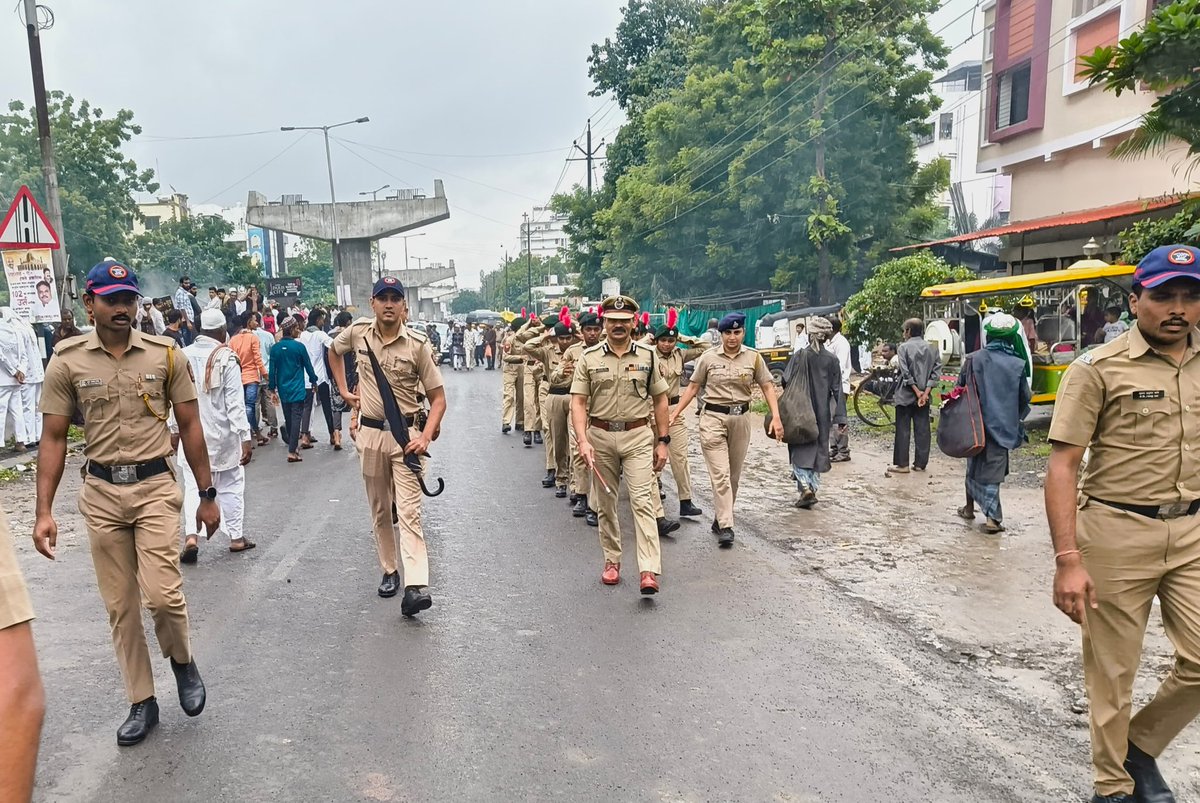
Nagpur City Police: Nagpur, a vibrant city known for its rich cultural heritage and bustling streets, is gearing up for a series of significant festivals. The city police are preparing for a round-the-clock grind as events like Pola, Marbat, and Ganeshotsav approach. While these festivals bring joy and celebration to the people, they also present a unique challenge to the law enforcement agencies responsible for maintaining peace and order.

 The Festive Marathon Begins (Nagpur City Police)

 Pola Festival: Tradition and Turbulence

Pola, a festival that celebrates the bond between farmers and their cattle, is the first in the lineup. While this festival is rooted in tradition and reverence, it has also been associated with a spike in criminal activities, particularly group clashes and revenge attacks. The city police, aware of the potential for unrest, have already initiated a crackdown on known offenders to prevent any untoward incidents.

 Marbat: A Symbol of Social Unity and Division

Following Pola is the Marbat festival, known for its unique processions featuring effigies representing evil forces. Central Nagpur, the heart of the city, becomes a focal point during this festival, drawing large crowds. However, the influx of people also leads to massive traffic congestion, which the police must manage alongside the procession’s security. The challenge is further compounded by ongoing development work in the area, making the task of traffic management even more daunting.

 Ganeshotsav: The Grand Finale

Ganeshotsav, one of the most widely celebrated festivals in Maharashtra, marks the final event in this marathon. Starting from September 7, the 10-day festival sees devotees flocking to various pandals across the city. The police force must ensure the safety and smooth conduct of events from idol purchases to immersion days, making this period one of the busiest for law enforcement.

 The Backdrop of Political and Social Turmoil

 Communal Strife and Violence

The festivals are occurring against a backdrop of ongoing communal strife and violence, particularly in Bangladesh. Such tensions have a ripple effect, heightening the potential for unrest in Nagpur. The city police, therefore, have the additional responsibility of maintaining communal harmony during these sensitive times.

 Women’s Security and Ongoing Agitations

Women’s security has become a central issue in Nagpur, with ongoing agitations demanding better protection and stricter laws. The police, already stretched thin due to festival duties, must also address these concerns, adding another layer of complexity to their operations.

 Political Rivalry and Upcoming State Assembly Elections

The upcoming state assembly elections, scheduled towards the end of this year, have further intensified the political atmosphere in Nagpur. Political rallies and events are expected to increase as the election date nears, requiring the police to manage not just festival crowds but also politically charged gatherings.

 The Police Force: A Struggle for Resources

 Leadership Changes and Vacant Positions

Nagpur’s police force (Nagpur City Police) is currently undergoing a period of transition, with newly appointed joint Commissioner of Police (CP) Nisar Tamboli yet to assume office. Meanwhile, Commissioner of Police Ravinder Singal is tasked with preparing the security and traffic plans for the upcoming events. The situation is further complicated by the transfer of two Zonal Deputy Commissioners of Police (DCPs), leaving key positions vacant.

 The Role of Outgoing and Incoming Officers

Despite the challenges, outgoing joint CP Aswati Dorje, DCP special branch Shweta Khedkar, and traffic DCP Shashikant Satav have been instrumental in fine-tuning the security arrangements. The arrival of Tamboli is eagerly awaited, as his experience and leadership will be crucial in executing the planned operations smoothly.

 The Resource Crunch and Its Implications

The shortage of top officers is not the only issue. Several inspector and assistant inspector positions remain unfilled, despite repeated requests to the state police head office. This resource crunch puts additional pressure on the existing force, who must manage their duties with limited manpower.

 Managing Mega Political Events

 Mukyamantri Mazi Ladki Bahin Yojana Launch

In addition to the festival preparations, the police are also tasked with managing the launch of the Mukyamantri Mazi Ladki Bahin Yojana, a significant political event. This initiative adds to the already heavy security responsibilities of the police, who must ensure the safety and success of the launch amidst the ongoing festivities.

 Coordination with State Authorities

Commissioner Ravinder Singal has been actively coordinating with state authorities to ensure that all security arrangements are in place. The absence of key officers has made this task more challenging, but Singal’s experience and dedication are expected to bridge the gap.

 Traffic Management: A Herculean Task

 Central Nagpur: The Epicenter of Traffic Challenges

The heart of Nagpur, particularly the central area, is expected to witness severe traffic disruptions due to the Marbat processions and ongoing development projects. The police are preparing a comprehensive traffic management plan to mitigate these challenges, but the sheer volume of vehicles and pedestrians makes this a daunting task.

 The Impact of Development Works

Ongoing development works in central Nagpur, initiated before the onset of the model code of conduct, have already congested the roads. The addition of festival processions will likely paralyze vehicular movement, making effective traffic management crucial for maintaining order.

 Public Cooperation: A Key Factor

The success of the police’s efforts will largely depend on public cooperation. Authorities are urging citizens to follow traffic rules, avoid unnecessary travel during peak times, and report any suspicious activities. Public awareness campaigns are also being planned to ensure that the general public understands the importance of supporting the police during these challenging times.

As Nagpur prepares for a series of major festivals, the city police are facing an unprecedented challenge. The combination of cultural celebrations, political events, and social tensions has created a perfect storm, requiring the police to be on high alert. With limited resources and key positions still vacant, the police force must rely on their experience, coordination, and public cooperation to navigate the coming weeks successfully. The outcome of their efforts will not only determine the safety and security of the city during this festive season but will also set the tone for the upcoming state assembly elections.

Q1: What are the main challenges for Nagpur police during the festival season?
The main challenges include managing large crowds, ensuring traffic flow, maintaining communal harmony, and dealing with the resource crunch due to vacant positions in the police force.

Q2: How is the police force preparing for the upcoming festivals in Nagpur?
The police are implementing a comprehensive security plan, conducting crackdowns on known offenders, coordinating with state authorities, and planning extensive traffic management strategies.

Q3: What is the significance of the Marbat festival in Nagpur?
The Marbat festival involves processions with effigies representing evil forces and is known for drawing large crowds, which can lead to traffic congestion and other challenges for the police.

Q4: How will the ongoing political and social issues impact the police’s duties during the festivals?
The ongoing communal strife, women’s security agitations, and the approaching state elections add to the police’s responsibilities, requiring them to be vigilant on multiple fronts.

Q5: What role does public cooperation play in ensuring a peaceful festival season in Nagpur?
Public cooperation is crucial for the success of the police’s efforts. Citizens are encouraged to follow traffic rules, report suspicious activities, and avoid unnecessary travel during peak times.

Submit ₹100 Affidavits Promising No PoP Idols: NMC’s Directive to Ganesh Mandals

Nagpur Ganeshotsav: The Ganeshotsav festival, celebrated with grandeur and devotion, is facing a significant shift in Nagpur this year. Following directives from the Nagpur bench of the Bombay High Court, the Nagpur Municipal Corporation (NMC) has taken a firm stand to enforce a strict ban on Plaster of Paris (PoP) idols. This move, aimed at curbing environmental damage, requires all Ganesh mandals to submit a ₹100 affidavit pledging that the idols they install will be made from eco-friendly clay, not PoP. Let’s delve into the details of this new directive and its implications for the upcoming festival.

 Understanding the Ban on Plaster of Paris (PoP) Idols

 The Environmental Impact of PoP Idols

Plaster of Paris, commonly used in the making of idols, poses a significant threat to the environment. Unlike clay, which dissolves easily in water, PoP takes several months to break down, leading to water pollution. The harmful chemicals released from PoP idols during immersion degrade water quality, endangering aquatic life and ecosystems.

 Legal Background: High Court’s Directives

The ban on PoP idols is not a sudden decision but a result of growing concerns over environmental damage. The Nagpur bench of the Bombay High Court has been vocal about the need to protect water bodies from pollution caused by PoP idols. In response, the court issued directives to the NMC to strictly enforce a ban on these idols during the Ganeshotsav festival (Nagpur Ganeshotsav).

 NMC’s New Directive: Submit a ₹100 Affidavit

 What Is the ₹100 Affidavit Requirement?

To ensure compliance with the court’s directives, the NMC has mandated that all Ganesh mandals must submit an affidavit on a ₹100 stamp paper. This affidavit serves as a legal document in which the mandals affirm that the idols they install will be made exclusively from clay, not PoP.

 Consequences of Non-Compliance

The NMC has made it clear that any mandal found violating this rule will face severe consequences. If a PoP idol is found, the mandal’s permission for the festival will be immediately revoked. Moreover, they risk being blacklisted for future festivals and facing criminal charges against all office bearers and members involved.

 Role of the Police Department

The enforcement of this directive is a joint effort between the NMC and the police department. Commissioner of Police Ravinder Singal has instructed all officers to fully support the NMC in implementing the ban. This collaboration ensures that the ban is not just a municipal issue but a law enforcement priority.

 Importance of Eco-Friendly Celebrations

 Why Clay Idols?

Clay idols are a traditional and eco-friendly alternative to PoP. Unlike PoP, clay dissolves quickly in water, minimizing environmental impact. By choosing clay idols, devotees can celebrate Ganeshotsav while being mindful of their ecological footprint.

 Other Eco-Friendly Practices

In addition to using clay idols, the NMC has urged the public to avoid using plastic, thermocol, and other artificial materials for decorations. These materials, when discarded, contribute to land and water pollution. By adopting eco-friendly practices, such as using natural materials like flowers and leaves, devotees can make a positive impact.

 Community Response and Challenges

 Public Opinion

The new directive has sparked a mix of reactions. While many support the initiative for its environmental benefits, some mandals express concerns over the availability and cost of clay idols. However, the NMC assures that adequate provisions will be made to meet the demand for eco-friendly idols.

 Challenges in Implementation

Enforcing the ban on PoP idols is not without its challenges. Ensuring that all mandals comply with the affidavit requirement and adopt eco-friendly practices requires continuous monitoring and community engagement. The NMC and police are committed to overcoming these hurdles to ensure a successful and sustainable festival.

The Nagpur Municipal Corporation’s decision to enforce a ban on Plaster of Paris idols through the ₹100 affidavit requirement marks a significant step towards an eco-friendly Ganeshotsav. While this directive presents challenges, it also offers an opportunity for the community to come together in celebration while respecting the environment. By embracing clay idols and sustainable practices, devotees can honor Lord Ganesha and contribute to a cleaner, healthier world.

 1. What is the main reason behind the ban on PoP idols?

The ban is primarily aimed at reducing environmental damage caused by the immersion of Plaster of Paris idols, which do not dissolve easily in water and release harmful chemicals.

 2. What is the ₹100 affidavit requirement for Ganesh mandals?

Ganesh mandals in Nagpur must submit an affidavit on a ₹100 stamp paper, pledging that they will only use clay idols and not PoP idols during the festival.

 3. What are the consequences of using PoP idols despite the ban?

If a mandal is found using PoP idols, their festival permission will be revoked, they could be blacklisted from future events, and they may face criminal charges.

 4. How can the public contribute to an eco-friendly Ganeshotsav?

The public can contribute by using clay idols, avoiding plastic and artificial materials for decorations, and adopting other sustainable practices.

 5. What role does the police department play in enforcing the ban?

The police department works alongside the NMC to ensure compliance with the ban on PoP idols, supporting the implementation of this directive.

Nagpur Mandals Get Free Permissions for Ganesh Festival 2024

As the festive season draws near, Nagpur is gearing up for one of its most awaited celebrations, the Ganesh Festival, beginning September 7, 2024. In a move aimed at promoting eco-friendly festivities, the Nagpur Municipal Corporation (NMC) has announced that all fees for Ganesh Mandals will be waived this year. This decision, backed by Chief Minister Eknath Shinde, Deputy Chief Ministers Devendra Fadnavis and Ajit Pawar, underscores the commitment of the city toward more sustainable and inclusive celebrations.

Why Free Permissions for Ganesh Mandals Matter

The waiver of fees is not just a financial relief; it represents a push towards embracing responsible celebrations. By eliminating the application verification and inspection fees, which typically range from ₹200 to ₹5,000, more Mandals can actively participate in the festivities without being burdened by financial constraints. This inclusivity also helps spread the message of eco-friendly practices among a wider audience.

Fee Waivers and Their Impact on Local Communities

The fee waiver primarily covers:

  • Application Verification Fees: ₹200 fee waived.
  • Deposits: Ranges from ₹1,000 to ₹5,000, now fully waived.

This move allows even smaller communities to join the celebrations while focusing on environmental responsibility.

Eco-Friendly Guidelines to Steer Ganesh Festival 2024

In line with directives from the Central Pollution Control Board and the High Court, the NMC has laid down several rules and guidelines to ensure that this year’s festival is both grand and green.

1. Ban on Plaster of Paris (POP) Idols

Plaster of Paris (POP) idols, which are non-biodegradable and harmful to water bodies, are strictly banned. Devotees and Mandals are encouraged to opt for clay idols made from eco-friendly materials. This shift to eco-friendly idols not only helps in reducing pollution but also aligns with the larger goal of sustainable celebrations.

2. One Complex, One Ganapati Initiative

In a bid to reduce waste and streamline the celebration process, residential complexes are encouraged to adopt the “One Complex, One Ganapati” concept. This initiative promotes community bonding while also reducing the overall environmental impact.

3. Noise Control Regulations

Processions and public events during the festival are required to adhere to controlled noise levels. The guidelines mandate the use of low-decibel sound systems, ensuring that the festivities do not contribute to noise pollution.

4. Restrictions on Idol Immersions

To protect natural water bodies from pollution, idol immersions in lakes and rivers are strictly prohibited. The NMC has provided artificial ponds across the city to facilitate environmentally safe immersions. Additionally, public Ganesh Mandals with idols over 4 feet tall must arrange for immersions outside municipal limits and acquire the necessary permissions for processions.

Encouragement for Health and Awareness Campaigns

The NMC is urging Ganesh Mandals to prioritize health-related activities and awareness campaigns during the festival. From malaria and dengue prevention drives to waste segregation initiatives, the focus this year is on making the festival not only joyous but also socially beneficial.

5. Immersion Site Preparations

To ensure smooth and safe immersions, the NMC will provide adequate lighting, safety measures, and barricades around immersion sites. Fire safety personnel and swimmers will be deployed at key locations to manage any emergencies.

6. Compliance with Safety and Environmental Regulations

While fees have been waived, Ganesh Mandals are still required to comply with existing regulations. This includes following fire safety guidelines, acquiring the necessary licenses, and adhering to bans on single-use plastics and thermocol.

The Broader Implications of NMC’s Initiatives

This decision by the NMC reflects a shift toward more responsible and environmentally conscious celebrations. The response from local communities and Ganesh Mandals has been overwhelmingly positive, as many see this as a significant step forward in balancing tradition with modern environmental concerns.

A Greener Ganesh Festival in 2024

The waiver of fees and the introduction of eco-friendly guidelines signify a turning point for Ganesh celebrations in Nagpur. As the city embraces these changes, it’s clear that the focus is on creating a festive atmosphere that is both inclusive and sustainable. By prioritizing environmental health and public safety, Nagpur is setting an example for other cities to follow.

1. Why did the NMC decide to waive fees for Ganesh Mandals in 2024?
The decision was made to encourage wider participation and promote eco-friendly celebrations in line with environmental regulations.

2. What are the guidelines for using idols during the festival?
The use of Plaster of Paris (POP) idols is banned. Devotees are urged to use clay or other eco-friendly materials for making idols.

3. How will idol immersions be managed this year?
Idols must be immersed in artificial ponds set up by the NMC. Public Mandals with larger idols are required to manage immersions outside municipal limits.

4. Are there any noise restrictions during the festival?
Yes, the NMC has imposed strict noise control regulations to limit noise pollution during processions and public events.

5. What kind of health and awareness campaigns are encouraged by the NMC?
Mandals are encouraged to run campaigns focusing on health issues like malaria and dengue, along with waste segregation and other community-centric initiatives.

Cops to Assist Special Enforcement Squads in Enforcing PoP Idol Ban

PoP idol ban Nagpur: Nagpur is gearing up for an intense enforcement of the ban on Plaster of Paris (PoP) Ganesh idols as the Ganesh Festival approaches. Municipal Commissioner Abhijeet Chaudhari has made it clear that there will be zero tolerance for traders who stock or sell these idols. With the festival just around the corner, the Nagpur Municipal Corporation (NMC), in collaboration with the city police, is launching an aggressive crackdown to ensure compliance. This article dives deep into the mechanics of the ban, the role of law enforcement, and the challenges faced in implementing this directive.

Understanding the PoP Idol Ban

What is Plaster of Paris (PoP)?

PoP, a material commonly used in the making of idols, is known for its fine detailing and lightweight properties. However, its environmental impact is significant. When submerged in water during idol immersion, PoP does not dissolve easily, leading to long-term pollution in water bodies.

Why the Ban on PoP Idols?

The primary reason behind the ban is the environmental damage caused by PoP idols. Unlike clay idols, which dissolve naturally, PoP idols take months, if not years, to break down, releasing toxic chemicals and heavy metals into the water. This has led to severe ecological consequences, prompting authorities to take stringent measures.

NMC’s Directives and Enforcement Strategy (PoP idol ban Nagpur)

Municipal Commissioner’s Stance

Abhijeet Chaudhari, the Municipal Commissioner, has been vocal about the need for strict enforcement. He has warned dealers that any violation will result in a hefty fine of ₹10,000 and the confiscation of the idols. This strong stance reflects the seriousness with which the NMC is approaching this issue.

Role of Special Enforcement Squads

To ensure compliance, the NMC has formed special enforcement squads tasked with monitoring and controlling the sale of PoP idols across all ten zones of the city. These squads are pivotal in identifying violators and ensuring that the ban is effectively enforced.

Collaboration with Nagpur Police

The Nagpur police, led by Commissioner Ravinder Singal, are playing a crucial role in supporting the NMC’s efforts. The police will be assisting the special enforcement squads in conducting joint raids and providing any additional support required to enforce the ban. This collaboration is essential to the success of the initiative.

Challenges in Enforcing the Ban

Early Stocking by Traders

Despite the ban, traders have already begun stocking PoP idols, capitalizing on their intricate craftsmanship, which remains in high demand. This early stocking raises concerns about the effectiveness of the ban, as enforcement teams face the challenge of curbing these sales before the festival begins.

Public Response and Concerns

Many citizens have expressed concerns about the timing of the ban, noting that markets are already flooded with PoP idols. The late implementation of the ban has led to skepticism about whether it can be effectively enforced in such a short time frame.

Nuisance Detection Squad (NDS)

To further bolster enforcement efforts, the NMC has enlisted the help of around 100 retired defense personnel who will form the Nuisance Detection Squad (NDS). These individuals will assist in identifying and penalizing offenders, providing an additional layer of oversight.

Environmental Impact of PoP Idols

Water Pollution

One of the most significant environmental concerns associated with PoP idols is water pollution. During idol immersion, the non-biodegradable material clogs water bodies, leading to a reduction in water quality and harming aquatic life.

Long-Term Ecological Damage

The chemicals released by PoP idols, including gypsum, sulfur, and phosphorus, contribute to the long-term degradation of aquatic ecosystems. This not only affects water bodies but also the broader environment, including soil and air quality.

Public Awareness and Education

Educating Citizens

A crucial aspect of enforcing the PoP idol ban is public education. The NMC and local NGOs are working together to raise awareness about the environmental impact of PoP idols and promote the use of eco-friendly alternatives.

Promoting Eco-Friendly Alternatives

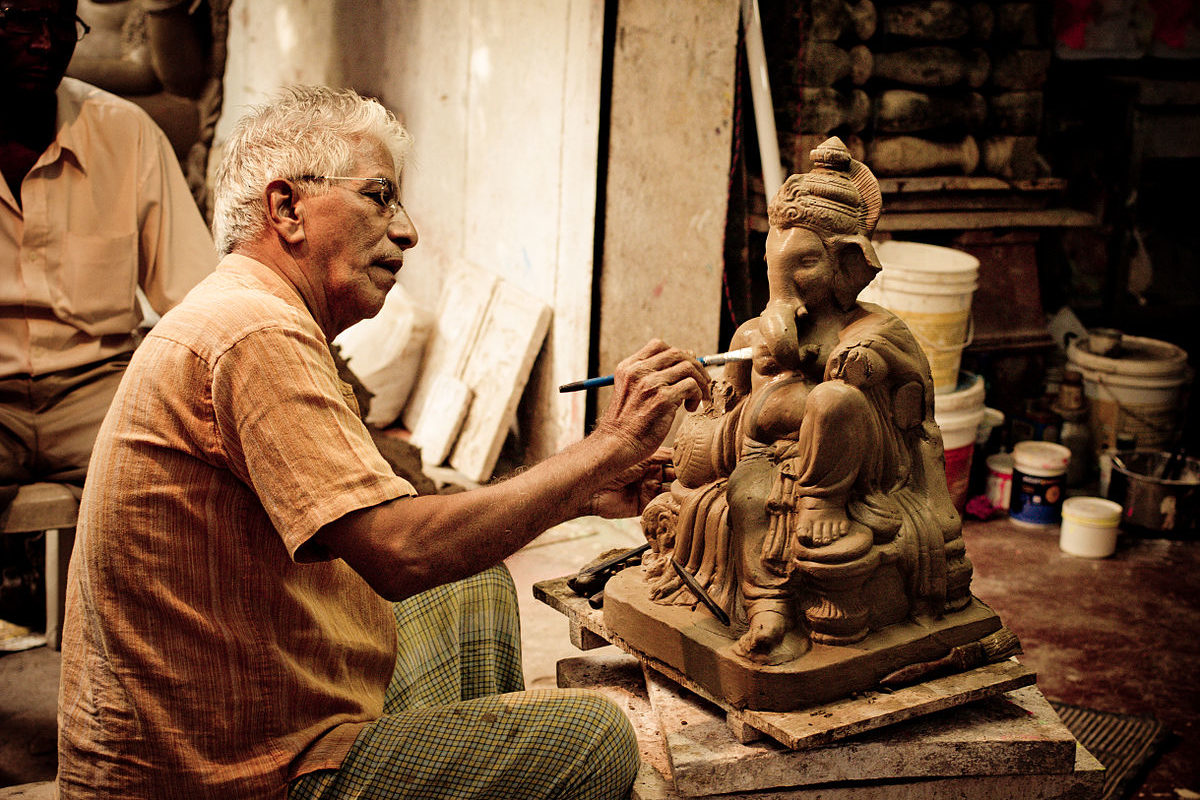
Clay idols, which are traditionally used, offer a sustainable alternative to PoP idols. The NMC is encouraging citizens to return to these roots, highlighting the environmental and cultural benefits of using clay idols.

The Role of Media in Enforcement

Media’s Influence

The media plays a pivotal role in shaping public opinion and driving compliance. By reporting on the enforcement efforts and the environmental impact of PoP idols, the media can help amplify the NMC’s message and encourage citizens to adhere to the ban.

Citizen Journalism

With the rise of social media, citizens themselves are becoming reporters, sharing images and videos of illegal PoP idol sales (PoP idol ban Nagpur). This citizen journalism is a powerful tool in supporting enforcement efforts and holding violators accountable.

Impact on Local Traders (PoP idol ban Nagpur)

Economic Concerns

For many local traders, the ban on PoP idols presents significant economic challenges. These idols are often more profitable than their clay counterparts, leading to concerns about income loss.

Adapting to the Ban

To mitigate these concerns, the NMC is working with local businesses to provide support and encourage the sale of clay idols. This includes offering incentives and creating awareness about the benefits of transitioning to eco-friendly products.

Legal Framework Supporting the Ban

Legal Mandates

The ban on PoP idols is supported by various environmental regulations that mandate the protection of water bodies and the prevention of pollution. These laws provide the legal backing needed to enforce the ban and penalize violators.

Enforcement Mechanisms

The NMC, in collaboration with the police, is leveraging these legal frameworks to conduct raids, confiscate PoP idols, and impose fines on offenders. This legal support is crucial to the success of the ban.

Community Involvement in Enforcement

Role of Community Leaders

Community leaders, including religious heads, are playing a vital role in supporting the ban. By advocating for eco-friendly practices and discouraging the use of PoP idols, these leaders are helping to drive community compliance.

Volunteer Initiatives

Several volunteer groups have emerged to support the enforcement efforts, assisting the NMC and police in monitoring markets and reporting violations. This community-driven approach is proving effective in bolstering official enforcement efforts.

The ban on PoP idols in Nagpur is a significant step towards protecting the environment and preserving the city’s water bodies. However, the success of this initiative hinges on the combined efforts of the NMC, the police, local traders, and the community at large. As enforcement squads and police collaborate to crack down on violators, public awareness and compliance will play a crucial role in ensuring that this festival season is both joyful and environmentally responsible.

1. What is the main reason behind the PoP idol ban?

The ban is primarily due to the severe environmental impact of PoP idols, which contribute to water pollution and long-term ecological damage.

2. How are the Nagpur police involved in the enforcement of the ban?

The Nagpur police are assisting the NMC by conducting joint raids, providing additional support, and ensuring that the ban is strictly enforced.

3. What challenges are faced in implementing the PoP idol ban?

Challenges include early stocking by traders, public skepticism about the timing of the ban, and the high demand for intricately crafted PoP idols.

4. What alternatives are being promoted in place of PoP idols?

The NMC is promoting clay idols as a sustainable and eco-friendly alternative to PoP idols.

5. How can citizens contribute to the enforcement of the PoP idol ban?

Citizens can contribute by choosing eco-friendly idols, reporting violations, and spreading awareness about the environmental impact of PoP idols.

Exit mobile version