DCP Archit Chandak Transferred as New Akola SP: Major Reshuffle in Maharashtra Police

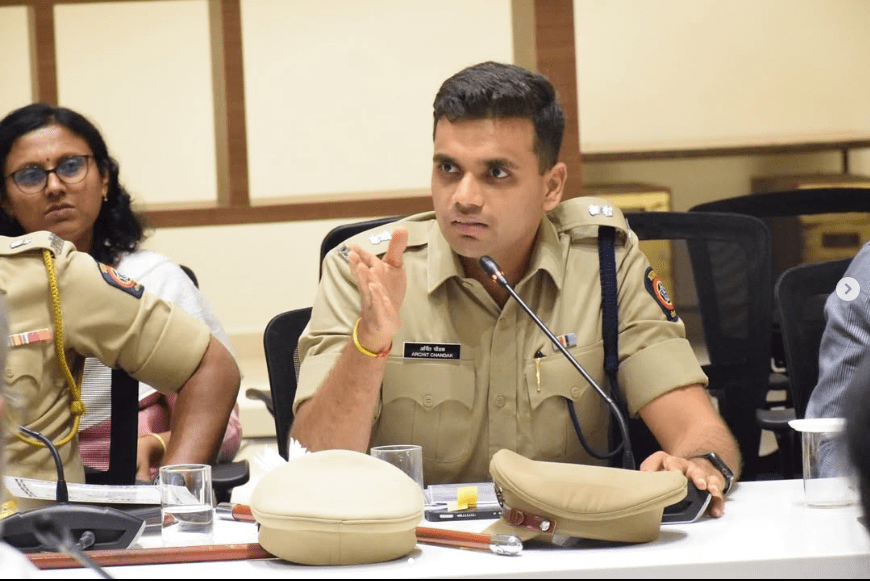
DCP Chandak Akola SP Transfer: Big changes are rolling through Maharashtra’s police force, and leading the wave is the energetic and effective DCP (Traffic) Archit Chandak, who has now been appointed as the Superintendent of Police (SP) for Akola. This transition is not an isolated move—it’s part of a sweeping reshuffle involving 21 IPS officers across the state. Let’s dive into the details of this high-impact administrative maneuver, what it means for Akola, and who else is on the move.


Who Is Archit Chandak?

A Quick Background

Archit Chandak is a name that’s become synonymous with smart, modern policing in Nagpur. Since his appointment as DCP (Traffic) in September 2024, he has championed multiple campaigns that reshaped traffic management across the city.

Why Was He Chosen for Akola?

Let’s face it—when it comes to administrative promotions, results matter. Chandak’s quick turnaround on traffic woes in Nagpur showcased not just his dedication, but also his ability to implement reforms that work. That’s exactly the kind of leadership Akola is getting.


What This Move Means for Akola | DCP Chandak Akola SP Transfer

Fresh Energy and Vision

Akola has seen its share of law and order challenges. With Chandak’s track record, residents can expect a data-driven, people-friendly policing model.

Likely Focus Areas

  • Traffic streamlining

  • Digital policing initiatives

  • Enhanced patrolling systems

  • Community policing projects


The Bigger Picture: Maharashtra’s IPS Reshuffle

A Statewide Overhaul

This reshuffle isn’t just about Akola. Let’s break down some of the other key transfers:

  • Mangesh Shinde, formerly DCP Mumbai, now SP Nagpur Railway Police Zone 4

  • Nilesh Tambe, shifted from Nagpur to SP Buldhana

  • Sandeep Munde, moved from SP Latur to DCP Chhatrapati Sambhaji Nagar

  • Jayant Meena, ex-ATS, now SP Latur


Who’s Going Where: A Detailed Look

Mumbai Appointments

  • Rakesh Ola, Raj Tilak Roshan, and Sameer Shaikh are now all DCPs in Mumbai. This points to a strategic reinforcement of urban policing in the financial capital.

Raigad and Ahilyanagar Exchange

  • Somnath Gharge moves from Raigad to SP of Ahilyanagar.

  • Anchal Dalal, previously commandant at the SRPF in Pune, takes over in Raigad.


Southern Maharashtra Sees Shifts Too

Kolhapur and Thane Changes

  • Mahendra Pandit shifts from SP Kolhapur to DCP Thane City

  • Yogeshkumar Gupta steps in as the new SP of Kolhapur

Satara and Sindhudurg Adjustments

  • Tushar Doshi is now SP of Satara, while Mohan Dahikar takes charge in Sindhudurg


Updates from Nashik and Palghar

  • Balasaheb Patil becomes SP of Nashik Rural

  • Yatish Deshmukh, who was Additional SP of Gadchiroli, now helms Palghar


Western Maharashtra Realignments

New Faces in Ratnagiri and Dharashiv

  • Nitin Bagate now serves as SP Ratnagiri

  • Ritu Khokar moves in as SP of Dharashiv


The Strategy Behind These Moves

Why Such a Massive Shuffle?

This isn’t just a game of musical chairs. The objective is clear—enhanced governance, smarter law enforcement, and optimized talent placement across Maharashtra.

Performance-Based Transfers

Officers who’ve shown measurable improvements in their jurisdictions are being rewarded with challenging new roles. It’s accountability in action.


Public Reactions and Expectations

Citizens Want Action, Not Just Appointments

Residents in districts like Akola, Satara, and Dharashiv are already voicing their hopes—cleaner administration, faster grievance resolution, and a proactive police presence.


Challenges Ahead for Archit Chandak in Akola

Understanding Local Needs

Every district has its own issues. For Akola, that includes:

  • Rural law enforcement gaps

  • Traffic violations in urban pockets

  • Need for modernization in reporting and complaint systems

Setting the Tone

The first 100 days will be crucial. Chandak will need to balance internal department reforms with visible public action.


What Can Akola Expect?

From Reactive to Proactive

Chandak’s approach in Nagpur was anything but passive. Expect more checkpoints, tech-driven policing, and community outreach in Akola.

Campaigns and Public Involvement

Don’t be surprised to see new traffic campaigns, safety workshops in schools, and WhatsApp-based citizen feedback groups soon making headlines.


Leadership Lessons: What We Learn From This Reshuffle

Meritocracy Still Matters

It’s refreshing to see a reshuffle driven not by favoritism, but by facts and field results.

Building a Stronger Police Force

By aligning individual skills with district needs, the state is laying the foundation for a more effective law enforcement network.


Final Thoughts: The Road Ahead

Archit Chandak’s move to Akola is more than a career leap—it’s a promise of progressive policing. Maharashtra’s IPS reshuffle speaks volumes about a system striving to get smarter, faster, and more transparent.

This is the kind of change that gives citizens hope.

1. Who is Archit Chandak?

Archit Chandak is the former DCP of Traffic in Nagpur, now appointed as the Superintendent of Police (SP) for Akola due to his efficient administrative work.

2. What major changes did Chandak bring in Nagpur?

He revolutionized traffic systems with strategic planning, public awareness drives, and technological interventions.

3. How many officers were involved in the Maharashtra IPS reshuffle?

A total of 21 IPS officers were transferred across the state in this major administrative overhaul.

4. Why are these IPS reshuffles significant?

They help improve law enforcement by aligning officers’ strengths with district-specific needs, ensuring more effective governance.

5. What challenges might Chandak face in Akola?

Chandak may encounter issues like rural crime management, traffic violations, and the need for digital policing reforms.

Nagpur Rural SP Office Stands 2nd in State: A Model of Modern Governance

Have you ever heard of a police office becoming a benchmark for governance, technology, and transparency? Well, Nagpur Rural SP Office just did that — and with style! Scoring a stunning 80 out of 100 in the Maharashtra State Government’s ‘100-Day Action Plan for Regional Offices’, this rural policing office has emerged as a statewide role model. It’s not just about catching criminals anymore — it’s about transforming how policing is done, inside and out.

Let’s take a deep dive into how this once low-profile department became a champion of efficiency, transparency, and digital transformation.


🎯 The 100-Day Action Plan: A Quick Recap

The Maharashtra government, under the leadership of Chief Minister Devendra Fadnavis, kicked off a 100-Day Action Plan that ran from January 7 to April 16. This was no ordinary drill — it was a high-stakes mission to push regional offices to the next level in:

  • Digital governance

  • Administrative cleanliness

  • Public service efficiency

  • Citizen-focused operations

The evaluation was carried out by the Indian Quality Council, a neutral and respected non-profit. Among the numerous police departments, only five SP offices made it to the top — and Nagpur Rural stood proudly at #2!


📊 Key Performance Metrics That Stood Out

✅ 1. Completion of 100% Action Items

That’s right — 100% of the campaign objectives were achieved. This included targets across 8 major domains:

  • Digital Infrastructure

  • Cleanliness & Maintenance

  • Grievance Redressal

  • Internal Workflow Optimization

  • Officer Training

  • Use of Artificial Intelligence

  • Coordination with Central Government

  • Community & Industrial Engagement


🌐 A Digital Leap: Transparent and Real-Time Website

What’s the first thing that makes a system transparent? A well-built digital platform.

Nagpur Rural SP Office developed a public-facing website that updates citizens in real-time about:

  • Transfers

  • Promotions

  • Welfare schemes

  • Public services

This wasn’t just a flashy upgrade. The site was audited by the Ministry of Electronics and Information Technology, which praised its ease of use and transparent structure.


🧹 Cleaning Up the System – Literally

This office didn’t just clean up its act metaphorically — they physically decluttered and deep-cleaned the place:

  • 750+ obsolete items removed

  • 613 outdated records shredded

  • Unused vehicles de-registered

And yes, they even upgraded office amenities:

  • Drinking water stations

  • Waiting rooms for citizens

  • Signage for easy navigation


💬 Grievance Redressal? Streamlined and Swift

We all know how frustrating it is when complaints vanish into a black hole, right? Not here.

  • 346 complaints were received via the e-office system

  • All were resolved

  • The internal decision-making flow was shortened to just 4 levels for lightning-fast response.

This drastically improved citizen trust and operational clarity.


🧠 Tech-Savvy Policing: AI to the Rescue

Here’s where it gets really exciting — the use of Artificial Intelligence.

The department introduced AI-powered systems for:

  • Crime pattern detection

  • Investigation assistance

  • Document analysis

And how did they do that? With:

  • Chatbots for FAQs and case tracking

  • Geo-mapping for crime hotspots

  • Video analytics from CCTV networks

  • Automated data extraction from large reports

In short, they turned into a tech-first law enforcement agency.


🎓 Empowering Officers with Knowledge

Training wasn’t optional — it was mission-critical.

  • 167 officers and 2,066 staff members received in-depth training on new criminal laws

  • All confidential reports and service records were updated for accuracy

This made the force more responsive, skilled, and legally equipped.


🏗️ Strong Ties with Industry and Community

Nagpur Rural Police understood something key — law enforcement is a team game. They engaged with industrial sectors and the general public in powerful ways:

  • 115 meetings with industrialists

  • Law and order issues at key locations like NTPC Mauda and Morarji Company were resolved

  • Their actions directly reduced crime risks at major economic hubs


💎 Transparent Recovery of Stolen Property

Now, this is huge — the SP office recovered and returned 1,412 stolen items in 2025.

Compare that to the previous year, and you’ll find the recovery rate has more than doubled! That’s not just effective policing — that’s accountable governance.


👥 Team Effort Behind the Success

The press conference, which announced this incredible achievement, had some key officers in attendance:

  • Addl SP Ramesh Dhumal

  • SDPO (Butibori) Deepak Agrawal

  • SDPO (Kanhan) Santosh Gaikwad

Their combined leadership and team-first approach have made this transformation possible.


🔎 Why This Achievement Matters

This isn’t just a feather in the cap for Nagpur Rural — it’s a blueprint for other districts across India. They’ve proven that:

  • Digital governance can work, even in rural areas.

  • Transparency builds citizen trust.

  • AI can empower local law enforcement.

  • Internal systems, when optimized, make a big external impact.


📈 What Other Districts Can Learn from Nagpur Rural

1. Audit Your Internal Systems

Start with identifying bottlenecks in workflows. Streamline those first.

2. Invest in Officer Training

Modern challenges require modern skills.

3. Build Transparent Citizen Interfaces

Public websites, chatbot assistants, and e-complaint portals go a long way.

4. Embrace AI Early

The sooner departments adopt smart tools, the faster they’ll deliver results.


📝 Wrapping It Up: A New Era of Rural Policing

So, what’s the takeaway here?

The Nagpur Rural SP Office has set a gold standard in efficient, technology-enabled, and citizen-focused policing. From website transparency to AI tools and from officer training to community engagement, they’ve covered every base. Their efforts not only won them the #2 rank in Maharashtra, but also earned them people’s respect.

Here’s hoping that more departments across India follow their lead — because when governance improves, every citizen wins.

1. What is the ‘100-Day Action Plan’ in Maharashtra?

It’s a government initiative aimed at improving administrative performance, transparency, and digital governance in regional offices.

2. How did the Nagpur Rural SP Office score so high?

They completed all objectives, revamped internal systems, embraced AI, trained their officers, and introduced transparent public-facing platforms.

3. What kind of AI tools were used in the SP Office?

Tools like chatbots, geo-mapping, video analytics, and automated data extraction helped improve investigation and decision-making.

4. Was the public involved in this transformation?

Yes, citizen complaints were actively resolved, and public-facing services like websites and waiting areas were significantly improved.

5. Will this model be adopted in other regions?

The success of Nagpur Rural SP Office makes it a strong candidate to be replicated in other districts aiming for modern, efficient policing.

Nagpur Traffic Police Record Highest Action Against Wrong Side Driving in 3 Years

Nagpur Traffic Police: Nagpur’s roads witnessed a major crackdown on reckless driving as the city’s traffic police took strict action against rule violators. On March 12, authorities penalized 672 motorists in a single day, marking the highest enforcement against traffic violations in the past three years. This special drive primarily targeted wrong-side driving and signal jumping, two major causes of road accidents.

A Record-Breaking Crackdown

Massive Traffic Violations in a Single Day

The traffic police’s operation was a response to increasing complaints about reckless driving. Here’s a breakdown of the violations recorded:

  • Wrong-side driving offenders: 384 motorists penalized
  • Signal jumping offenders: 288 motorists fined

Areas With the Highest Violations

Some of Nagpur’s busiest areas saw the highest number of offenders:

  • Wrong-side driving:
    • Cotton Market – 57 cases
    • Sonegaon – 47 cases
    • MIDC – 46 cases
  • Signal jumping:
    • Sitabuldi – 79 cases
    • Indora – 72 cases
    • Sonegaon – 34 cases

Why Is Wrong-Side Driving a Major Concern?

Wrong-side driving not only endangers the driver but also puts pedestrians and other motorists at risk. It leads to severe accidents, traffic congestion, and confusion on the roads. This crackdown by the Nagpur Traffic Police aims to eliminate such dangerous practices.

Strict Measures to Improve Road Safety

Ongoing Enforcement Drives

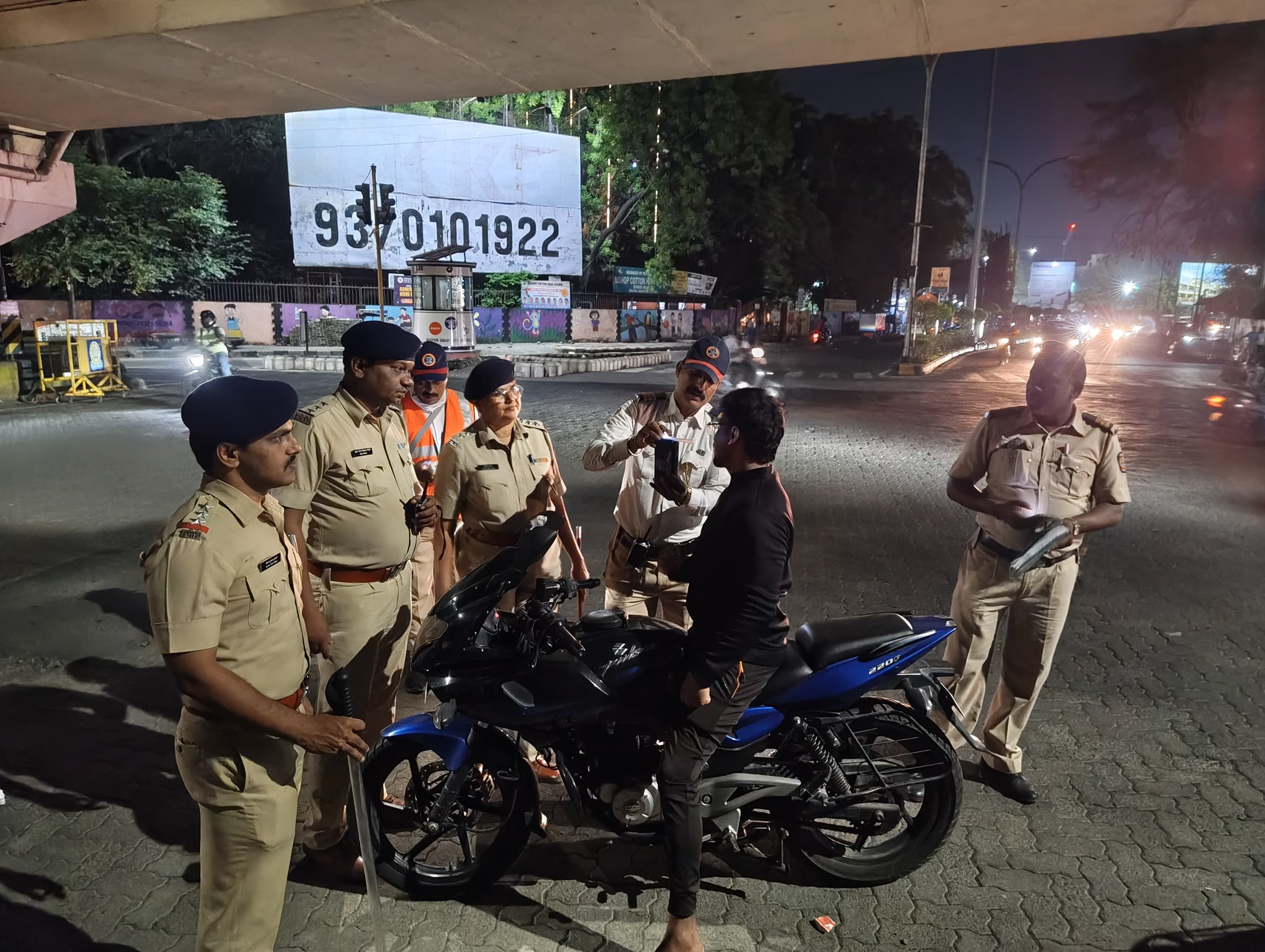
The authorities have assured that such drives will continue to ensure better road discipline. Traffic police officers are actively monitoring roads and penalizing offenders.

Hefty Fines for Violators

Fines for wrong-side driving and signal jumping have been increased to discourage repeat offenses. Additionally, repeat offenders may face stricter actions, including suspension of their driving licenses.

Use of Surveillance Cameras

The traffic department has deployed CCTV cameras across major junctions to capture violations in real time, ensuring that offenders do not go unnoticed.

Encouraging Citizen Participation

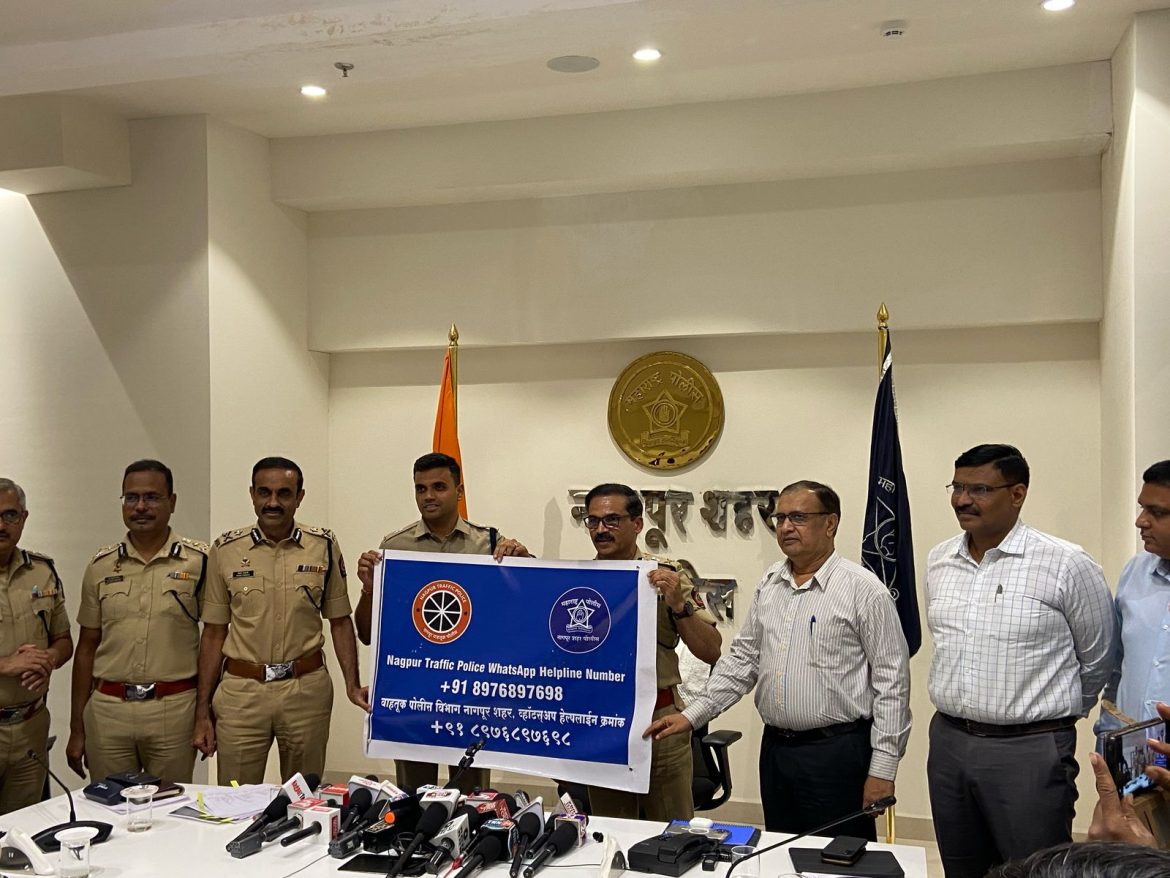
To make Nagpur’s roads safer, the police are encouraging citizens to report traffic violations. Residents can share photos, time, and location details of violations through the “Traffic Mitra” WhatsApp helpline at 8976897698.

How Citizens Can Contribute to Road Safety

Follow Traffic Rules

  • Always drive on the correct side of the road.
  • Stop at red signals and wait for the green light.
  • Use pedestrian crossings and follow lane discipline.

Report Violations

If you notice any traffic violations, take a photo or video and send it to the Traffic Mitra helpline. This helps authorities take swift action.

Spread Awareness

Educate your family and friends about the importance of road safety. The more people follow rules, the fewer accidents occur.

Nagpur’s traffic police have taken a strong stance against reckless driving, and this recent crackdown is a testament to their commitment to road safety. By enforcing strict penalties and encouraging public participation, they aim to create a disciplined and secure road environment. As responsible citizens, we must do our part by following traffic rules and reporting violators. A little caution can go a long way in making our roads safer.

1. What was the main focus of the Nagpur traffic police’s recent crackdown?

The primary focus was on wrong-side driving and signal jumping, which are major causes of road accidents and traffic congestion.

2. How can citizens report traffic violations in Nagpur?

Citizens can report violations via the Traffic Mitra WhatsApp helpline (8976897698) by sharing photos and details of the incident.

3. What are the penalties for wrong-side driving in Nagpur?

Wrong-side driving attracts heavy fines, and repeat offenders may face stricter actions such as license suspension.

4. Which areas in Nagpur recorded the highest traffic violations?

Cotton Market, Sonegaon, and MIDC had the highest cases of wrong-side driving, while Sitabuldi, Indora, and Sonegaon reported the most signal jumping violations.

5. Will the traffic police continue such enforcement drives?

Yes, the authorities have assured that similar operations will be conducted regularly to maintain road safety and discipline.

Nagpur’s Policing Expansion: Six New Stations to Enhance Safety

In a significant move to bolster law enforcement and ensure the safety of its residents, Nagpur is set to establish six new police stations. This initiative aims to address the city’s growing population and the corresponding need for enhanced security measures.

The Need for Expansion

Nagpur’s rapid urbanization has led to an increased demand for effective policing. The existing police stations often find themselves stretched thin, managing vast jurisdictions that encompass both urban and rural areas. By introducing six new stations, the authorities aim to distribute the workload more evenly, ensuring quicker response times and more efficient law enforcement.

Planned Locations for the New Stations

While the exact locations for all six stations are yet to be finalized, certain areas have been identified based on crime rates, population density, and strategic importance. These include:

  • Pardi: Previously, Pardi and Wathoda police stations were inaugurated to ease the burden on existing stations.

  • Wathoda: This area has seen significant development, necessitating dedicated policing.

  • Kapil Nagar: Inaugurated alongside Pardi and Wathoda, this station addresses the needs of its growing community.

The remaining three stations will be established in areas identified through comprehensive crime data analysis and community feedback.

Impact on Existing Police Jurisdictions

The introduction of new stations will lead to a reorganization of existing police boundaries. This restructuring aims to:

  • Reduce Workload: Alleviate the pressure on overburdened stations by redistributing responsibilities.

  • Enhance Community Policing: Allow officers to focus on smaller areas, fostering better relationships with residents.

  • Improve Response Times: With more stations strategically located, emergency response times are expected to decrease.

Technological Advancements in Policing

Nagpur’s commitment to modernizing its police force is evident through several initiatives:

  • Command and Control Center: In 2024, Nagpur launched India’s most advanced ‘Command and Control Center’, integrating thousands of CCTV cameras to monitor the city effectively.

  • CCTV Surveillance: As of January 2025, 495 CCTV cameras have been installed across 33 police stations in Nagpur city, enhancing transparency and security.

Community Engagement and Feedback

The success of any policing initiative relies heavily on community involvement. Authorities plan to:

  • Conduct Public Consultations: Gather input from residents about their safety concerns and expectations.

  • Establish Community Policing Units: Foster collaboration between police officers and community members to address local issues proactively.

Training and Capacity Building

To ensure that the new stations operate effectively:

  • Specialized Training Programs: Officers will undergo training in community policing, cybercrime detection, and emergency response.

  • Resource Allocation: Provision of modern equipment and vehicles to enhance operational efficiency.

Challenges Ahead

While the expansion is a positive step, several challenges need addressing:

  • Recruitment: Hiring qualified personnel to staff the new stations.

  • Infrastructure Development: Constructing facilities that meet modern policing standards.

  • Budgetary Constraints: Ensuring that the expansion is financially sustainable without compromising other essential services.

The establishment of six new police stations in Nagpur signifies a proactive approach to urban safety and security. By addressing current challenges and anticipating future needs, the city aims to create a safer environment for all its residents.

1. When will the new police stations be operational?

The timeline for the operationalization of the new stations is yet to be announced. Authorities are in the planning and development phase.

2. How were the locations for the new stations chosen?

Locations were selected based on factors like crime rates, population density, and community feedback.

3. Will there be additional recruitment for the new stations?

Yes, to ensure effective functioning, there will be recruitment drives to staff the new stations adequately.

4. How will this expansion affect the existing police stations?

Existing stations will experience a redistribution of their jurisdictions, leading to reduced workloads and more focused policing.

5. What technological advancements will the new stations have?

The new stations will be equipped with modern facilities, including advanced communication systems and integrated CCTV surveillance.

Wathoda Police Register Case in Pardi Incident, Issue Notice to NHAI

Wathoda Police Station | Pardi Flyover Incident Nagpur: The recent incident at Nagpur’s newly inaugurated Pardi flyover has raised significant concerns about infrastructure safety. On Friday, a concrete chunk fell on a moving car, shattering its roof and windshield. The Wathoda police Station have since registered a case and are set to issue a notice to the National Highway Authority of India (NHAI) for accountability. This article delves into the incident, the authorities’ response, and the broader implications of such infrastructure failures.

Incident Overview

Concrete Chunk Falls on Moving SUV

On Friday afternoon, Vishesh Shrivastav was driving his SUV when an 8kg concrete chunk fell from the Pardi flyover, completely shattering his car’s windshield and roof. Fortunately, no casualties were reported, but the incident raised alarms about the structural integrity of the newly opened flyover.

Immediate Response by Authorities

Following the mishap, NHAI officials swiftly closed the Manewada and Central Avenue arms of the Pardi flyover. They also removed the loose concrete from the expansion joint to prevent further occurrences. However, concerns regarding the safety of the flyover continue to mount.

Legal Action Taken

Case Registered Under Bharatiya Nyaya Sanhita (BNS)

Wathoda police, led by Senior PI Harish Borade, have filed a case under section 324(5) of the BNS. While no specific individual has been held responsible yet, an investigation is underway to determine accountability.

Notice to NHAI for Accountability

The police will soon issue a notice to NHAI officials, demanding answers regarding the incident. If negligence is found, legal action may be taken against those responsible.

Another Incident on Pardi Flyover

Heavy Vehicle Accident on Central Avenue Arm

On Saturday, just a day after the concrete mishap, a heavy vehicle accident led to further traffic chaos. A truck carrying soil lost control after its front tire burst, causing it to cross the divider and ram into the side wall. The accident blocked one side of the flyover for several hours until a crane was brought in to remove the vehicle.

Police Response and Traffic Management

Senior PI Vinayak Koli of Nandanvan police station confirmed that no case had been registered yet for the truck accident. However, the mishap led to major traffic disruptions in the area.

Structural Concerns and Expert Opinions

Is the Pardi Flyover Structurally Safe?

NHAI sources insist that the flyover is structurally sound and that the falling concrete was an isolated issue. However, given the series of incidents within days of its opening, concerns remain high.

Expert Views on Flyover Construction

Infrastructure experts have pointed out that premature failures like falling concrete often result from rushed construction, substandard materials, or improper expansion joint maintenance. A thorough inspection of the flyover’s structural integrity is now essential.

Public Reactions and Concerns

Citizens Demand Accountability

Residents of Nagpur have voiced their concerns over social media, questioning how a newly constructed flyover could already be facing such critical issues. Many are demanding a comprehensive safety audit.

Impact on Daily Commuters

The recent mishaps have significantly impacted daily commuters, leading to delays, detours, and overall inconvenience. The trust in newly constructed infrastructure has taken a hit.

Government and NHAI’s Next Steps

Planned Inspections and Repairs

In response to public pressure, authorities are likely to conduct further inspections and maintenance work to ensure the flyover’s safety.

Policy Changes for Future Projects

The incident may lead to stricter quality checks and monitoring of ongoing infrastructure projects to prevent such failures in the future.

The Pardi flyover incidents have sparked serious concerns regarding infrastructure safety and accountability. With a police investigation underway and NHAI under scrutiny, it remains to be seen what measures will be implemented to prevent such occurrences in the future. Public demand for safer roads and stricter regulations on construction quality has never been louder.

1. What action has Wathoda police Station taken in the Pardi flyover incident?

The police have registered a case under section 324(5) of the Bharatiya Nyaya Sanhita and are set to issue a notice to NHAI officials.

2. Why did the concrete chunk fall from the flyover?

The exact cause is still under investigation, but experts suspect poor construction quality or maintenance issues.

3. Has NHAI admitted any fault?

NHAI maintains that the bridge is structurally strong and claims the incident was an isolated case.

4. How did the truck accident on the flyover occur?

A truck carrying soil lost control after its front tire burst, crossed the divider, and crashed into the side wall, blocking one side of the flyover.

5. What steps are being taken to ensure safety?

Authorities are expected to conduct inspections, remove weak structural elements, and implement stricter quality controls for future projects.

Nagpur Traffic Police Introduce ‘Traffic Mitra’ WhatsApp Helpline for Public Complaints

Traffic congestion and rule violations have been persistent issues in urban areas, making daily commuting a challenge. To combat these problems and improve road safety, the Nagpur Traffic Police have launched an innovative initiative called ‘Traffic Mitra’—a dedicated WhatsApp helpline for the public to report traffic-related concerns.

What is Traffic Mitra?

Traffic Mitra is a citizen-friendly initiative aimed at enhancing public participation in traffic regulation. The WhatsApp helpline (8976897698) enables residents to report traffic violations, congestion, accidents, and illegal parking with ease.

How Does the Traffic Mitra Helpline Work?

Residents can utilize the helpline to send WhatsApp messages regarding any traffic-related issue. These complaints are then forwarded to the Nagpur Police Control Room, where they are reviewed and addressed by the traffic department.

What Can Citizens Report?

  • Traffic rule violations (e.g., jumping signals, reckless driving)
  • Traffic congestion (e.g., bottlenecks, roadblocks)
  • Accidents (e.g., collisions, hit-and-run cases)
  • Illegal parking (e.g., vehicles parked in no-parking zones)

How to Lodge a Complaint Effectively?

For a quick and effective response, the Nagpur Traffic Police recommend that complainants include the following details:

  1. Clear Images: Capturing rule violations or road obstructions.
  2. Accurate Location: Sharing GPS coordinates or a detailed address.
  3. Incident Timing: Mentioning the exact time of the occurrence.

Why WhatsApp?

Using WhatsApp as a complaint platform offers several advantages:

  • Ease of Use: Most citizens are familiar with WhatsApp, making it an accessible platform.
  • Real-Time Reporting: Instant message delivery ensures quick action.
  • Image and Location Sharing: Enables authorities to assess the situation efficiently.

Police Response Mechanism

Once a complaint is received:

  1. The Nagpur Traffic Police Control Room evaluates the issue.
  2. Complaints are verified using provided details.
  3. The appropriate traffic enforcement teams are deployed for immediate action.

Public Awareness and Participation

The success of Traffic Mitra depends on public involvement. Authorities urge citizens to actively report issues and contribute to making Nagpur’s roads safer.

Limitations of the Traffic Mitra Helpline

  • No Voice Calls: The helpline supports only WhatsApp messages.
  • Not for Emergency Situations: In case of severe accidents or medical emergencies, citizens should dial 100 or 112.
  • Response Time May Vary: Depending on complaint volume, responses may take time.

Impact of Traffic Mitra on Nagpur’s Traffic Management

This initiative is expected to:

  • Enhance road safety by curbing violations.
  • Improve traffic flow by addressing congestion promptly.
  • Strengthen community policing by fostering citizen-police collaboration.

Conclusion

The Traffic Mitra WhatsApp Helpline is a game-changer for Nagpur’s traffic management. It empowers citizens to participate in road safety actively and ensures quicker action against traffic violations. If used effectively, it can lead to smoother and safer roads for everyone.

FAQs

1. Can I report a complaint anonymously?
Yes, complaints can be lodged anonymously. However, providing your contact details can help authorities seek clarification if needed.

2. Will I receive a response after filing a complaint?
While immediate acknowledgment may not be available, authorities will take action based on the severity of the issue.

3. What if my complaint is not addressed?
If no action is taken within a reasonable timeframe, citizens can follow up with the Nagpur Traffic Police directly.

4. Can I report non-traffic-related issues on this helpline?
No, the helpline is strictly for traffic-related complaints. Other issues should be reported to relevant departments.

5. Is the Traffic Mitra initiative available 24/7?
Yes, complaints can be sent at any time, but response times may vary based on urgency and police availability.

SEO Elements:
Focus Keywords: Nagpur Traffic Police WhatsApp Helpline
SEO Title: Nagpur Traffic Police WhatsApp Helpline | Report Traffic Issues
Slug: nagpur-traffic-mitra
Meta Description: Report traffic violations in Nagpur using the Traffic Mitra WhatsApp Helpline. Share images, locations, and details for swift police action.
Alt Text for Image: A citizen using WhatsApp to report a traffic violation to Nagpur Traffic Police.

Garoba Maidan Police Station: Enhancing Safety in Nagpur

The establishment of the Garoba Maidan Station marks a significant development in Nagpur‘s law enforcement landscape. By reorganizing the jurisdictions of the Nandanvan and Lakadganj police stations, this new facility is set to serve approximately 150,000 residents, becoming the 35th police station under the Nagpur Police Commissionerate.

The Genesis of Garoba Maidan Police Station

The decision to create the Garoba Maidan Station stemmed from the need to improve administrative efficiency and public safety in Nagpur. By dividing the extensive areas previously managed by the Nandanvan and Lakadganj police stations, authorities aim to provide more focused and effective policing services to the community.

Strategic Location and Accessibility

Situated at 44WG+P9J, Central Avenue, Garoba Maidan, Shashtri Nagar, Nagpur, Maharashtra 440008, the Garoba Maidan Station is strategically positioned to serve its jurisdiction effectively. Its proximity to key areas ensures that law enforcement can respond promptly to incidents, thereby enhancing public safety.

Operational Hours and Contact Information

The Garoba Maidan Station operates daily from 7:00 AM to 12:00 AM, ensuring that citizens have access to police services throughout the day. For assistance, individuals can visit the station during these hours or contact the Nagpur Police Control Room at 0712-2560200 for emergencies.

Impact on Nandanvan and Lakadganj Police Stations

The establishment of the Garoba Maidan Station has led to a reorganization of the jurisdictions of the Nandanvan and Lakadganj police stations. This restructuring allows these stations to focus more closely on their respective areas, improving response times and the quality of service provided to the public.

Community Engagement and Public Safety Initiatives

The Garoba Maidan Station is committed to engaging with the community through various public safety initiatives. These programs aim to foster a collaborative relationship between law enforcement and residents, promoting a safer and more secure environment for all.

The inauguration of the Garoba Maidan Station represents a proactive step towards enhancing public safety and administrative efficiency in Nagpur. By redistributing the responsibilities of existing police stations, the Nagpur Police Commissionerate demonstrates its commitment to serving the community more effectively.

  1. What areas does the Garoba Maidan Station serve?
    • The Garoba Maidan Station serves areas previously under the jurisdiction of the Nandanvan and Lakadganj police stations, covering approximately 150,000 residents.
  2. What are the operational hours of the Garoba Maidan Station?
    • The station operates daily from 7:00 AM to 12:00 AM.
  3. How can I contact the Garoba Maidan Police Station?
    • Citizens can visit the station at 44WG+P9J, Central Avenue, Garoba Maidan, Shashtri Nagar, Nagpur, Maharashtra 440008, or contact the Nagpur Police Control Room at 0712-2560200.
  4. What is the significance of the new police station?
    • The establishment of the Garoba Maidan Station aims to improve administrative efficiency and public safety by providing more focused policing services to the community.
  5. How does the new station affect the Nandanvan and Lakadganj police stations?
    • The creation of the Garoba Maidan Station allows the Nandanvan and Lakadganj police stations to concentrate more closely on their respective areas, enhancing the quality of service provided to the public.

Missing 10-Year-Old Boy Found Safe by Wathoda Police, Birthday Celebrated with Family

Nagpur News | Nagpur: A 10-year-old boy, Sanchit Arvind Nard, who went missing from his home in Shriram Nagar under the jurisdiction of Wathoda Police Station, was found safe on the evening of Thursday, January 30. Thanks to the swift action of the police, what could have been a tragic incident turned into a heartwarming story of relief and celebration.

Boy Leaves Home After Birthday Disappointment

According to police sources, Sanchit left his home around 11:00 a.m., upset that his birthday celebration had not taken place in the morning. His family, unaware of his whereabouts, grew increasingly worried as the hours passed. After searching for him on their own, they reported his disappearance to the Wathoda Police Station at around 4:00 p.m.

Swift Action by Wathoda Police (Nagpur news)

Upon receiving the complaint, senior officers immediately formed multiple search teams to locate the missing child. The police intensified their search in surrounding areas, scanning streets, marketplaces, and public spaces where a child might be found.

At approximately 4:55 p.m., Beat Marshal No. 2, Police Constable Shashikant Bakkal and Police Constable Shailendra Singh, spotted Sanchit near the Swaminarayan Temple area. He was found safe but appeared slightly distressed. The officers comforted him and promptly reunited him with his worried parents.

A Birthday Celebration at the Police Station

In a wonderful gesture, the Wathoda police decided to turn the emotional moment into a joyous occasion. They organized a small birthday celebration at the police station, cutting a cake with Sanchit and his family. The boy, initially upset over his missed birthday celebration, was visibly overjoyed by the surprise.

Sanchit’s parents expressed their deep gratitude to the police, commending their prompt response and compassionate approach. “We were terrified when we couldn’t find him. The police acted so quickly and not only brought him back but also made sure he was happy. We are truly grateful,” said Sanchit’s father, Arvind Nard.

Community Applauds Police Efforts

The efforts of Wathoda Police have been widely appreciated by the local community. Residents praised the department for their efficiency and kindness in handling the case. Social media users also lauded the officers, with many commenting on the police force’s dedication to both duty and humanity.

This incident highlights the importance of quick police response and community vigilance in ensuring children’s safety. The timely intervention by Wathoda Police transformed a potentially distressing situation into a heartwarming memory for Sanchit and his family.

Would you like any further additions or modifications?

Nagpur Traffic Police Launches ‘Footpath Freedom’ Campaign to Tackle Illegal Parking and Encroachments

Why ‘Footpath Freedom’ Matters

Imagine navigating busy streets, only to find yourself forced to walk amidst honking cars because the sidewalks are blocked. Sounds frustrating, right? Nagpur Traffic Police have stepped in with a game-changing initiative—the “Footpath Freedom” campaign—aimed at reclaiming pedestrian spaces and tackling illegal parking and hawker encroachments. Let’s dive into what this campaign is all about and why it’s a big deal for everyone in the city.


 Understanding the Footpath Freedom Campaign

 The Core Objectives

The primary goal of the Footpath Freedom campaign is to ensure pedestrian safety and smooth traffic flow. By targeting illegal parking and unauthorized hawker setups, the initiative aims to:

  • Reclaim sidewalks for pedestrians.
  • Reduce traffic congestion.
  • Minimize accidents caused by pedestrians walking on roads.

 The Problem of Illegal Parking

 Blocking Pedestrian Pathways

Many vehicle owners casually park on footpaths, leaving no space for pedestrians. This forces people to walk on busy roads, increasing the risk of accidents.

 Legal Consequences

The traffic police are towing vehicles parked on footpaths under:

  • Section 122 of the Motor Vehicle Act: Prohibits unauthorized parking.
  • Section 127 of the Motor Vehicle Act: Allows vehicle removal from no-parking zones.
  • Section 177 of the Motor Vehicle Act: Imposes penalties for violations.

 The Issue of Hawker Encroachments

 Temporary Setups with Long-Term Impact

Unauthorized hawkers often set up stalls on sidewalks. While convenient for shoppers, these stalls obstruct pathways and worsen traffic.

 Action Taken by Authorities

Under Sections 102 and 117 of the Maharashtra Police Act, the traffic police and Nagpur Municipal Corporation (NMC) are working together to remove these unauthorized setups.


 Key Features of the Campaign

 Collaborative Enforcement

The Nagpur Municipal Corporation has deployed towing vehicles to assist in clearing footpaths. This partnership ensures effective and sustained enforcement.

 Awareness Initiatives

 Educating Citizens

Deputy Commissioner of Police (Traffic), Archit Chandak, has appealed to citizens to park responsibly and use designated spaces. Hawkers have been advised to:

  • Avoid obstructing footpaths.
  • Encourage customers to use proper parking.

 Leveraging Media

Through social media and local news, the police are spreading awareness about the campaign’s objectives and legal repercussions for violations.


 The Impact on Nagpur’s Traffic and Safety

 Enhanced Pedestrian Safety

Clear footpaths mean pedestrians no longer risk walking on busy roads, reducing the likelihood of accidents.

 Smoother Traffic Flow

With fewer vehicles parked haphazardly, traffic congestion is significantly reduced, making commutes quicker and less stressful.

 Positive Public Response

Citizens have started noticing the difference, with many praising the initiative for restoring order to the city’s streets.


 How Can Citizens Contribute?

 Follow Parking Rules

Always park in designated areas and encourage others to do the same. It’s a simple step that can make a big difference.

 Support Hawker Compliance

Shop from hawkers who adhere to rules and avoid encroaching on public spaces.

 Report Violations

If you notice illegal parking or encroachments, report them to the authorities. Be the change you want to see.


 The Road Ahead

The Footpath Freedom campaign is a significant step toward creating a safer and more organized Nagpur. However, its success depends on collective effort. Authorities are doing their part, but it’s up to each citizen to support and sustain this initiative. Together, we can ensure that Nagpur’s streets are safe and accessible for everyone.


The “Footpath Freedom” campaign is more than just a crackdown on illegal parking and encroachments; it’s a movement toward reclaiming public spaces for pedestrians. Let’s embrace this initiative, follow the rules, and encourage others to do the same. After all, safer streets mean a better quality of life for all Nagpurians.


1. What is the Footpath Freedom campaign?

The campaign is an initiative by Nagpur Traffic Police to tackle illegal parking and hawker encroachments on footpaths, ensuring pedestrian safety and smoother traffic flow.

2. How are violations being addressed?

Vehicles parked on footpaths are being towed under the Motor Vehicle Act, and unauthorized hawker setups are removed under the Maharashtra Police Act.

3. What can citizens do to support this initiative?

Citizens can park in designated areas, avoid shopping from non-compliant hawkers, and report violations to authorities.

4. Who is leading the campaign?

Deputy Commissioner of Police (Traffic), Archit Chandak, is spearheading the initiative with support from the Nagpur Municipal Corporation.

5. What are the expected outcomes?

The campaign aims to enhance pedestrian safety, reduce traffic congestion, and promote a more organized city environment.

City Police’s CyberHack 2025 to Boost Cyber Infrastructure

Nagpur police: Nagpur is gearing up for an exciting and innovative event that promises to revolutionize the city’s approach to cybersecurity. The city’s police force is set to launch CyberHack 2025, a groundbreaking hackathon designed to bring together technocrats, students, and law enforcement to improve the cyber infrastructure and strengthen the fight against cybercrime. This event marks a major milestone in the city’s commitment to safeguarding its digital landscape.

What is CyberHack 2025?

CyberHack 2025 is a first-of-its-kind initiative where over 500 participants, including tech enthusiasts, students, and professionals, will collaborate to develop new solutions to enhance the city’s cybersecurity. The hackathon is the brainchild of Ravinder Singal, the Commissioner of Police, who conceived the idea in December 2024 after being inspired by cyber hackathons and ‘cyberdome’ events held by the Israeli police force.

The Need for CyberHack 2025

Cybercrime is an ever-evolving threat that affects millions globally. With technology advancing rapidly, cybercriminals are continually developing new tactics to exploit vulnerabilities. Nagpur’s police force recognizes this and is determined to up its game in fighting cybercrime. By organizing CyberHack 2025, they aim to create a more robust cyber infrastructure that can keep up with the rapidly changing landscape of digital crime.

Why is This Important?

In India, cybercrime has been costing the economy over a thousand crores every year. As these crimes become more sophisticated, it is imperative that the police and technology experts collaborate to find innovative solutions. CyberHack 2025 seeks to tap into the collective knowledge of tech professionals and law enforcement to develop strategies and technologies that can effectively combat cybercrime.

The Vision Behind CyberHack 2025

A Collaborative Effort

CyberHack 2025 will not only bring together tech experts and law enforcement officers but will also engage the community. DCP Lohit Matani explains that the hackathon will allow civil society to play a significant role in combating cybercrimes. This collaborative effort is designed to foster a cyber-secure ecosystem that involves multiple stakeholders, including tech giants like Microsoft, Google, and Wipro, who will be participating in the event.

Inspired by Global Practices

The inspiration for this event stems from successful hackathons and cybersecurity initiatives in other countries, particularly Israel. Israel’s police force has been conducting similar events, known as cyberdome initiatives, to improve cybersecurity. The success of these events has encouraged Singal and his team to introduce the same concept in Nagpur to create something innovative and modern.

How Will CyberHack 2025 Work?

Structure of the Hackathon

The hackathon will be held in two rounds:

  1. Virtual Round – In the first phase, participants will choose from five practical problems related to cybersecurity and submit their proposed solutions.
  2. Final Round – The top 20 teams will be selected to participate in the final round, which will be hosted at IIM Nagpur. During this stage, participants will not only develop their algorithms but will also create a 5-7 minute demo video to present their solutions to the panel of judges.

A Platform for Innovation

This hackathon will provide an opportunity for young minds to showcase their innovative thinking. The final solutions presented in CyberHack 2025 could help shape the future of Nagpur’s cybersecurity infrastructure and even influence national policies on handling cybercrimes.

The Role of Major Tech Companies

Corporate Involvement

One of the exciting aspects of CyberHack 2025 is the involvement of major global tech companies. These firms, including Microsoft, Google, and Wipro, have already committed to participating, providing support, resources, and mentorship to the participants. Their involvement will also ensure that the solutions developed during the hackathon are scalable and feasible for real-world application.

Building a Stronger Cybersecurity Ecosystem

A Vision for the Future

By organizing CyberHack 2025, the police department aims to create a cyber-secure ecosystem that goes beyond traditional law enforcement approaches. The collaboration between government agencies, private companies, and civil society is essential for addressing the growing threat of cybercrime and improving the overall cybersecurity infrastructure of the city.

The Significance of Civil Society Participation

The hackathon will also highlight the importance of engaging the community in the fight against cybercrime. DCP Lohit Matani emphasized the role of civil society in preventing cybercrimes, and this initiative will encourage citizens to actively participate in safeguarding the digital space.

 A New Era of Cybersecurity in Nagpur

CyberHack 2025 (Nagpur police) is not just another hackathon; it is a game-changer in how the city will tackle cybercrime in the future. By bringing together experts from various fields, this event will pave the way for innovative solutions that could set new standards for cybersecurity across the country. The collaboration between the police, tech firms, and the public will foster a united front in the battle against cybercrime, ensuring that Nagpur stays ahead of the curve in the digital age.

1. What is CyberHack 2025?
CyberHack 2025 is a hackathon organized by the Nagpur police to improve the city’s cybersecurity infrastructure by bringing together technocrats, students, and law enforcement professionals.

2. When will CyberHack 2025 take place?
The event will be held in two rounds, with the first round conducted virtually and the final round taking place at IIM Nagpur.

3. How can I participate in CyberHack 2025?
Interested participants can register for the hackathon and submit their solutions to one of the five cybersecurity problems in the first round.

4. What is the role of tech companies in CyberHack 2025?
Major tech companies like Microsoft, Google, and Wipro are participating by offering mentorship and resources to the participants, ensuring that the solutions are practical and scalable.

5. How will CyberHack 2025 contribute to preventing cybercrimes?
By developing innovative solutions to combat cybercrime, CyberHack 2025 will enhance the city’s cybersecurity infrastructure and foster collaboration between the police, tech experts, and the community.

Exit mobile version