The Anticipated Clash: India vs. England 1st ODI in Nagpur

India vs England 1st ODI Nagpur VCA Jamtha: Cricket enthusiasts, brace yourselves! On February 6, 2025, the Vidarbha Cricket Association Stadium in Nagpur will be the battleground for the first One Day International (ODI) between India and England. This match marks the commencement of England’s white-ball tour of India, setting the stage for an exhilarating series.

A Glimpse into the Series

England’s tour comprises five T20 Internationals and three ODIs, serving as a precursor to the ICC Champions Trophy scheduled later this year. The itinerary is as follows:

  • 1st T20I: Eden Gardens, Kolkata – January 22
  • 2nd T20I: MA Chidambaram Stadium, Chennai – January 25
  • 3rd T20I: Saurashtra Cricket Association, Rajkot – January 28
  • 4th T20I: Maharashtra Cricket Association, Pune – January 31
  • 5th T20I: Wankhede Stadium, Mumbai – February 2
  • 1st ODI: VCA Stadium, Nagpur – February 6
  • 2nd ODI: Barabati Stadium, Cuttack – February 9
  • 3rd ODI: Narendra Modi Stadium, Ahmedabad – February 12

The Venue: Vidarbha Cricket Association Stadium

Located in Jamtha, Nagpur, the VCA Stadium is renowned for its state-of-the-art facilities and has been a witness to numerous historic cricketing moments. With a seating capacity exceeding 45,000, it offers spectators an unparalleled viewing experience.

Ticketing Information

Fans eager to catch the live action can purchase tickets through the District app by Zomato. Availability and booking details are accessible at https://www.district.in/. It’s advisable to secure tickets promptly, as high demand is anticipated.

Head-to-Head Statistics

Historically, India and England have faced each other in 107 ODIs:

  • India: 58 wins
  • England: 44 wins
  • No Result: 5 matches

These statistics underscore a competitive rivalry, promising a thrilling encounter in Nagpur.

Squad Line-Ups

India Squad:

  • Rohit Sharma (c)
  • Shubman Gill (vc)
  • Virat Kohli
  • Shreyas Iyer
  • KL Rahul (wk)
  • Rishabh Pant (wk)
  • Hardik Pandya
  • Ravindra Jadeja
  • Axar Patel
  • Kuldeep Yadav
  • Washington Sundar
  • Mohammed Shami
  • Arshdeep Singh
  • Yashasvi Jaiswal
  • Harshit Rana

England Squad:

  • Jos Buttler (c)
  • Harry Brook (vc)
  • Phil Salt (wk)
  • Jacob Bethell
  • Liam Livingstone
  • Rehan Ahmed
  • Jofra Archer
  • Gus Atkinson
  • Brydon Carse
  • Ben Duckett
  • Jamie Overton
  • Joe Root
  • Mark Wood
  • David Willey
  • Chris Woakes

Key Players to Watch

India:

  • Rohit Sharma: The captain’s prowess at the top order is crucial for setting a solid foundation.
  • Virat Kohli: Known for his consistency, Kohli remains a pivotal figure in India’s batting lineup.
  • Mohammed Shami: His experience and skill with the new ball can pose significant challenges for England’s batsmen.

England:

  • Jos Buttler: As captain and a dynamic batsman, Buttler’s performance will be central to England’s strategy.
  • Joe Root: Returning to the ODI squad, Root’s stability in the middle order adds depth to the batting lineup.
  • Jofra Archer: His pace and accuracy make him a formidable opponent for any batting side.

Strategies and Expectations

Both teams are expected to employ aggressive strategies, leveraging their strengths. India’s robust batting lineup will aim to capitalize on home conditions, while England’s pace attack, bolstered by the return of key players, will seek to exploit any vulnerabilities.

Weather Conditions

Nagpur typically experiences warm weather in February. As of now, the forecast for February 6 predicts plenty of sun, with a high of 92°F (33°C) and a low of 59°F (15°C).

Students Can Watch India vs England ODI on Feb 6 for Only Rs 100

India vs England | VCA Jamtha Nagpur: Cricket fever is about to hit Nagpur as the much-anticipated One Day International (ODI) between India and England is scheduled for February 6, 2025. The Vidarbha Cricket Association (VCA) has rolled out an exceptional initiative, offering school students the opportunity to witness this thrilling match live for just Rs 100. Let’s delve into the details of this generous offer and how students can be part of this cricketing spectacle.

The Generous Gesture by VCA

The VCA’s decision to provide affordable tickets to students is a commendable move aimed at fostering a love for cricket among the younger generation. Recognizing that international cricket matches often come with hefty ticket prices, the VCA has made a significant portion of seats available to school students at a nominal fee. This initiative not only makes the game more accessible but also encourages youth participation in sports.

Ticket Pricing Overview

For the upcoming India vs. England ODI at Jamtha Stadium, the regular ticket prices range from Rs 800 to Rs 10,000. However, with the VCA’s special offer, students can secure their seats for just Rs 100. This substantial discount underscores the association’s commitment to promoting cricket among young enthusiasts.

A Historic Match at Jamtha Stadium

This match holds special significance as the Jamtha Stadium is hosting an international game after a six-year hiatus. With a seating capacity of approximately 44,000, the stadium has reserved around 7,000 seats exclusively for students, making this offer even more enticing.

How to Avail the Student Tickets | India vs England Nagpur | VCA Jamtha Nagpur

Tickets for school students will be distributed exclusively through their respective schools on a first-come, first-served basis. The designated seats for these students are in the West Stand (1st floor). Schools interested in securing tickets for their students need to email their applications to the VCA. Upon review, the association will allocate the seats accordingly.

Extending the Gesture to Orphanages

In addition to the student ticket offer, the VCA is extending its generosity to local orphanages. As per a local daily report, “In addition, we are offering 50-60 seats free of charge to students from a couple of orphanages in the city. We will also take care of their transport and food during the match,” said Farokh Dastoor, Chief Executive Officer of VCA.

The Significance of the Initiative

This initiative by the VCA is more than just a ticket discount; it’s a step towards inclusivity and encouraging the younger generation to engage with sports. By making the match accessible to students and underprivileged children, the association is fostering a sense of community and passion for cricket.

The VCA’s initiative to offer affordable tickets to students for the India vs. England ODI is a remarkable effort to promote cricket among the youth. This move not only makes the sport more accessible but also inspires the next generation of cricket enthusiasts. Students and schools are encouraged to seize this opportunity and be part of this historic match at Jamtha Stadium.

  1. How can schools apply for the student tickets? Schools need to email their applications to the Vidarbha Cricket Association. The VCA will review the applications and allocate seats on a first-come, first-served basis.
  2. Which stand is designated for student seating? The West Stand (1st floor) of the Jamtha Stadium has been reserved exclusively for students availing of this offer.
  3. Are there any provisions for underprivileged children? Yes, the VCA is offering 50-60 seats free of charge to students from local orphanages, including arrangements for their transport and food during the match.
  4. What are the regular ticket prices for the match? Regular ticket prices for the India vs. England ODI range from Rs 800 to Rs 10,000.
  5. Is this the first time the VCA has offered such an initiative? While the VCA has a history of promoting cricket in the region, this specific initiative of offering tickets at Rs 100 to students is a notable effort to make international cricket more accessible to the youth.

Manishnagar RUB to Open for Traffic from January 28

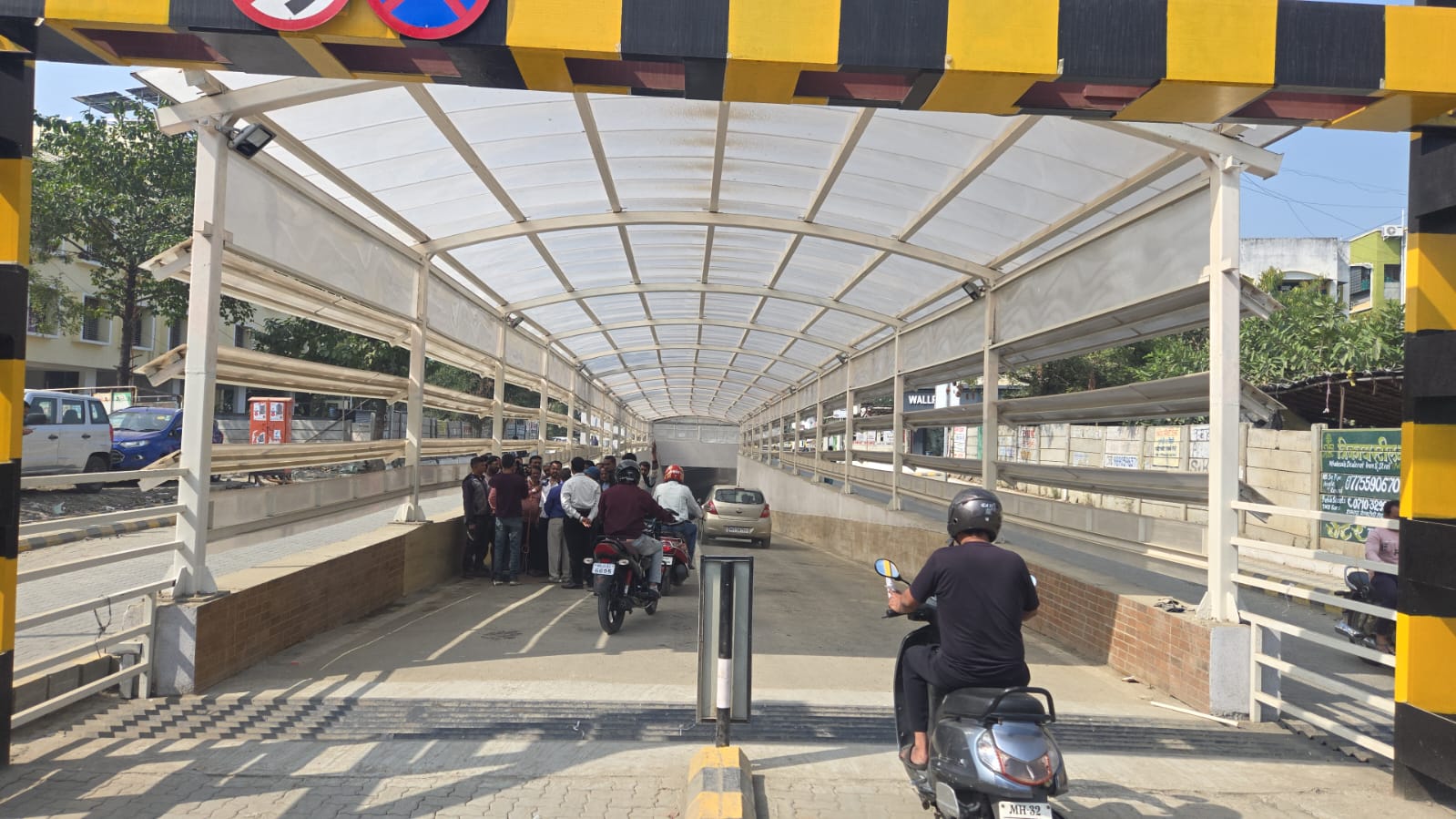
Manishnagar RUB Opening: The long wait for the residents of Manishnagar and surrounding areas is finally over! The much-anticipated Railway Under Bridge (RUB) at Manishnagar is set to open for public use on January 28. This monumental infrastructure project, which promises to transform daily commutes and bring relief to thousands, will be inaugurated by Maharashtra Chief Minister Devendra Fadnavis, Union Minister Nitin Gadkari, and Guardian Minister Chandrashekhar Bawankule.

Let’s dive deeper into the details and understand why this development is such a big deal for the people of Nagpur and its surrounding regions.


What Makes the Manishnagar RUB Special?

Infrastructure projects often come with a hefty price tag, but they’re worth it when they solve long-standing problems. The Manishnagar RUB is no exception. With a total project cost of Rs 33.83 crore, this underpass promises to bring convenience, safety, and efficiency to one of the busiest stretches in the city.

Key Dimensions and Features

  • Length: 190 meters
  • Width: 8 meters
  • Height: 4 meters
  • Pedestrian Walkway: A dedicated walkway for safe pedestrian movement

This thoughtful design ensures the underpass is suitable for both vehicles and pedestrians.


Strategic Location and Importance

The RUB has been constructed on the Mumbai-Howrah and Delhi-Chennai railway lines, two of the busiest rail routes in India. This strategic location is critical, as it connects Manishnagar to Wardha Road, providing better accessibility for residents of Manishnagar, Besa, Ghogali, and Beltarodi.


Benefits of the Manishnagar RUB

Wondering how this project will make a difference in your life? Here are some key advantages:

1. Relief from Traffic Jams

Before the RUB, the railway crossing caused endless traffic jams, delaying commutes and frustrating residents. The new underpass ensures uninterrupted movement, significantly reducing congestion.

2. Time Savings

No more waiting for trains to pass! Commuters can now save valuable time with the seamless connectivity offered by the RUB.

3. Improved Connectivity

The underpass bridges the gap between Manishnagar and Wardha Road, ensuring smoother commutes and better access to essential services and business hubs.

4. Enhanced Safety

With a separate pedestrian walkway, the RUB ensures the safety of those on foot, reducing the risk of accidents.


A Milestone for Urban Development

The inauguration of the Manishnagar RUB marks a significant milestone in Nagpur’s urban development journey. It reflects the government’s commitment to improving infrastructure and prioritizing the needs of citizens.


Inauguration Day Highlights

The grand opening ceremony, scheduled for January 28, will be a star-studded event. Chief Minister Devendra Fadnavis, Union Minister Nitin Gadkari, and Guardian Minister Chandrashekhar Bawankule will officially inaugurate the project.

Once the ribbon is cut, the RUB will be open for public use, ushering in a new era of convenience and connectivity for the region.


What Residents Are Saying

The buzz around the RUB has been palpable, with residents eagerly awaiting its opening. Many believe this project will be a game-changer, especially for those who frequently commute to Wardha Road.

Here’s what some locals had to say:

  • “Finally, we can say goodbye to those endless waits at the railway crossing. This RUB is going to save us so much time!” – Ramesh, a local resident.
  • “The pedestrian walkway is a thoughtful addition. It’s great to see infrastructure projects considering everyone’s needs.” – Anita, a daily commuter.

Looking Ahead

The opening of the Manishnagar RUB is just the beginning. As Nagpur continues to grow, projects like this will play a crucial role in ensuring the city’s infrastructure keeps up with its expanding population.

With improved connectivity and reduced traffic congestion, this underpass is poised to become a model for similar projects in other parts of the country.


1. When will the Manishnagar RUB open for public use?

The RUB will be inaugurated on January 28 and will be open for public use immediately after the ceremony.

2. Who will inaugurate the Manishnagar RUB?

The inauguration will be led by Maharashtra Chief Minister Devendra Fadnavis, Union Minister Nitin Gadkari, and Guardian Minister Chandrashekhar Bawankule.

3. What is the cost of the Manishnagar RUB project?

The total cost of the project is Rs 33.83 crore.

4. How will the RUB benefit the residents of Manishnagar?

The RUB will provide relief from traffic jams, save time, improve connectivity to Wardha Road, and ensure safety with a dedicated pedestrian walkway.

5. What are the key dimensions of the Manishnagar RUB?

The RUB is 190 meters long, 8 meters wide, and 4 meters high, with a separate pedestrian walkway.

97% CCTVs are Functional in Nagpur Division, 54 Await Repairs

In a recent review meeting chaired by Divisional Commissioner Vijayalakshmi Bidari, it was reported that nearly 1,775 CCTV cameras have been installed across the jurisdiction of 151 police stations in Nagpur division. Out of these, 1,721 are currently operational, while 54 cameras remain non-functional. This surveillance system has been established to enhance security, reduce crime rates, and ensure accountability within police stations across both urban and rural areas.

In this article, we will delve into the details of the CCTV installation in Nagpur division, the importance of maintaining the system, and the steps being taken to ensure full operational efficiency.

CCTV Surveillance in Nagpur Division: A Significant Leap in Security

Nagpur division, which spans six districts, has significantly upgraded its security infrastructure through the installation of CCTV cameras. These cameras are part of an extensive effort to bolster law enforcement and improve public safety in both urban and rural areas.

The Scope of CCTV Installations in Nagpur Division

The CCTV system spans a wide area within Nagpur division, including 33 police stations in Nagpur city, 22 in Nagpur rural, and multiple other districts such as Bhandara, Chandrapur, Gondia, Gadchiroli, and Wardha. These installations are vital to maintain effective surveillance and promote accountability.

Nagpur City

Nagpur city has received the highest number of CCTV cameras, with 495 cameras installed across 33 police stations. These cameras play a crucial role in monitoring urban areas, deterring crime, and ensuring the safety of residents and visitors.

Other Districts in Nagpur Division

  • Nagpur Rural: 220 cameras installed across 22 police stations.
  • Bhandara: 196 cameras under 17 police stations.
  • Chandrapur: 354 cameras in 28 police stations.
  • Gondia: 160 cameras in 16 police stations.
  • Gadchiroli: 160 cameras across multiple stations.
  • Wardha: 190 cameras deployed in the district.

Why CCTV Surveillance Matters

The integration of CCTV cameras in police stations across Nagpur division is a significant step towards improving law enforcement’s effectiveness. These cameras help monitor critical areas, deter crime, and provide crucial evidence in investigations.

In addition to their role in crime prevention, the CCTV cameras also serve as an accountability tool for police officers, ensuring that procedures are followed correctly and that there is transparency in their actions.

Challenges: 54 CCTV Cameras Remain Non-Functional

While the CCTV network has largely been successful, 54 cameras in the division are currently non-operational. This has been flagged as an area of concern by Divisional Commissioner Vijayalakshmi Bidari, who emphasized the need for their prompt repair.

The Impact of Non-Functional Cameras

The presence of malfunctioning cameras can create blind spots in the surveillance network, potentially compromising the effectiveness of the entire system. These cameras are essential for monitoring high-crime areas and providing a deterrent against unlawful activities. The delay in their repair can undermine the purpose of the entire system, making timely maintenance a priority.

Steps for Repair and Maintenance

During the review meeting, Bidari instructed senior police officers to oversee the repairs of the faulty units with the help of an expert organization contracted for the task. The district superintendent of police was tasked with monitoring the progress of repairs, ensuring that all cameras are restored to full functionality as soon as possible.

Regular reviews of the system will also be conducted to identify any other potential issues, ensuring that every station in Nagpur division remains fully covered by surveillance.

Importance of Information Boards at Police Stations

Another important directive from the Divisional Commissioner was the installation of information boards at police stations. These boards are meant to inform the public about the existence and purpose of the CCTV system. By clearly communicating that surveillance is in place, these boards act as a deterrent to potential criminals and promote responsible use of the system.

The Role of Technology in Enhancing Policing Efficiency

With the rapid advancement in technology, CCTV cameras have become a key tool for modern policing. They provide real-time data that can be crucial in preventing crime and aiding investigations. Moreover, they allow for monitoring activities without the need for a physical presence, enabling law enforcement to keep an eye on multiple locations simultaneously.

A Step Towards Smart Policing

The CCTV system in Nagpur division is a part of the broader movement towards “smart policing,” where technology plays a central role in ensuring public safety. This initiative demonstrates the growing reliance on technology to improve the effectiveness and efficiency of law enforcement agencies.

Public and Police Collaboration for Safer Communities

The CCTV surveillance system highlights the importance of collaboration between the police and the public. With the deployment of cameras across Nagpur division, citizens can feel more secure, knowing that law enforcement is taking proactive steps to ensure their safety. On the other hand, police officers can rely on these cameras to provide clear evidence in case of disputes or incidents, ensuring a transparent and accountable system.

Steps to Ensure Regular Surveillance Updates

To prevent future failures and ensure the system operates smoothly, the Divisional Commissioner has stressed the importance of regular reviews. These reviews will allow the police force to identify any technical issues early and address them before they compromise the integrity of the surveillance system.

The CCTV surveillance system in Nagpur division is a commendable initiative aimed at improving public safety and enhancing policing effectiveness. While most of the cameras are operational, the remaining 54 faulty units must be repaired immediately to ensure full coverage. With continuous monitoring and repairs, the CCTV system will continue to play a critical role in reducing crime, enhancing transparency, and fostering a safer environment for all residents.

  1. How many CCTV cameras are installed in Nagpur division?
    • A total of 1,775 CCTV cameras have been installed across 151 police stations in Nagpur division.
  2. What percentage of the cameras are operational?
    • 97% of the CCTV cameras in Nagpur division are currently operational, with only 54 out of 1,775 cameras non-functional.
  3. What areas are covered by the CCTV surveillance system?
    • The system covers urban and rural areas across Nagpur city and surrounding districts such as Bhandara, Chandrapur, Gondia, Gadchiroli, and Wardha.
  4. What steps are being taken to repair the non-functional cameras?
    • The district superintendent of police, in collaboration with an expert organization, is overseeing the repair of the faulty cameras.
  5. How can the public benefit from the CCTV system?
    • The CCTV system acts as a deterrent to crime and enhances public safety by monitoring critical areas. Information boards at police stations also inform the public about the system.

Nagpur Central Jail to Be Relocated: Rs 1,000 Crore Development Initiative

The iconic Nagpur Central Jail is about to embark on a significant transformation as it prepares to relocate to a new site. Maharashtra Revenue Minister Chandrashekhar Bawankule announced this ambitious development plan during the ‘Meet the Press’ event at the Patrakar Club, Nagpur. This article dives into the details of this landmark project, including the rationale, modernization plans, and its potential impact on the region.

Why Relocate Nagpur Central Jail?

The relocation of Nagpur Central Jail is more than just a physical shift. It symbolizes progress and modernization. Here are the key reasons:

  • Addressing Logistical Challenges: The current jail location presents significant hurdles in transporting inmates to courts, given its distance from judicial hubs.
  • Urban Expansion: The existing location limits Nagpur’s urban development potential. Relocating the jail opens up prime real estate for infrastructure growth.

New Location and Investment

The government has allocated Rs 1,000 crore for this mega project. The new site spans 150 acres between Babhulkheda and Chicholi, promising state-of-the-art facilities and improved accessibility.

What Makes This Relocation Unique?

  • Modern Infrastructure: The new facility will be equipped with advanced security systems and sustainable architecture.
  • Improved Connectivity: Proximity to major highways ensures smooth logistics.

Modernization Plans: Ushering in a New Era

Minister Bawankule highlighted the government’s focus on modernization:

  • Online Court Hearings: To reduce inmate transportation costs and security risks, online systems for court hearings will be implemented.
  • Enhanced Security Measures: Cutting-edge surveillance and monitoring systems will ensure a secure environment.
  • Rehabilitation Focus: The new facility aims to prioritize inmate rehabilitation through education and skill development programs.

Fast-Track Development: The Bigger Picture

The relocation project is part of 29 fast-track initiatives for Nagpur’s development. With agencies like Nagpur Municipal Corporation (NMC), Nagpur Improvement Trust (NIT), and Nagpur Metropolitan Region Development Authority (NMRDA) onboard, this project is poised for efficient execution.

Key Features of the Development Plan

  1. Collaborative Efforts: Regular reviews every 15 days will ensure seamless progress.
  2. Public-Private Partnerships: Engaging private entities for funding and execution.
  3. Focus on Sustainability: Adopting green construction methods and renewable energy.

What Does This Mean for Nagpur?

Economic Growth

Relocating the jail creates opportunities for real estate development and commercial investments, boosting Nagpur’s economy.

Enhanced Civic Amenities

The vacated land can host parks, schools, or community centers, enhancing the city’s livability.

Job Creation

The project’s construction phase will generate numerous employment opportunities, driving local economic growth.

Challenges and Concerns

While the plan is ambitious, it’s not without challenges:

  • Land Acquisition: Ensuring fair compensation for landowners is crucial.
  • Cost Overruns: Meticulous planning is essential to avoid budget escalations.
  • Community Resistance: Addressing public concerns through transparent communication is key.

How Will the New Jail Benefit Inmates?

The relocated facility will provide:

  • Better Living Conditions: Spacious cells and hygienic amenities.
  • Skill Development Programs: Enabling inmates to reintegrate into society.
  • Digital Accessibility: Online systems will streamline administrative processes.

Timeline for Completion

The government is committed to fast-tracking the project. With regular reviews and dedicated task forces, the relocation is expected to be completed within three years.

A Step Towards Progress

The relocation of Nagpur Central Jail marks a pivotal moment in the city’s journey towards modernization and growth. By addressing logistical challenges, fostering economic development, and enhancing inmate rehabilitation, this project promises to transform Nagpur’s landscape. While challenges remain, the collaborative efforts of government agencies and private entities ensure a bright future for this initiative.

1. Why is Nagpur Central Jail being relocated? The relocation addresses logistical challenges, urban expansion, and modernization goals.

2. Where will the new jail be located? The new site is between Babhulkheda and Chicholi, spanning 150 acres.

3. What are the key features of the new facility? Advanced security systems, online court hearings, and rehabilitation-focused programs.

4. How much is the project budget? The government has allocated Rs 1,000 crore for the relocation.

5. When will the relocation be completed? The project is expected to be completed within three years.

Kasturchand Park to Get Rs 8 Crore Makeover

Kasturchand Park makeover: Kasturchand Park, one of Nagpur’s iconic landmarks, is undergoing a grand Rs 8 crore makeover. This historic site, known for its heritage bandstand and cultural significance, is set to be transformed with a range of restoration and development projects. Let’s dive into the details of this ambitious renovation plan.

A New Era for Kasturchand Park | Kasturchand Park makeover

Nagpur’s Kasturchand Park has long been a hub of activity, but years of wear and tear have left the site in dire need of attention. The Public Works Department (PWD), with approval from the Heritage Conservation Committee (HCC), has rolled out an extensive plan to rejuvenate this Grade-1 heritage site.

The Rs 8 Crore Budget Breakdown

The government has sanctioned a whopping Rs 8 crore for this project. Among the key initiatives:

  • Restoration of the Heritage Bandstand: A budget of Rs 1.50 crore is allocated specifically for the conservation of the stone structure.
  • Development of an Amphitheatre: This will serve as a modern space for cultural and community events.
  • Fountain Installation: A refreshing addition near the 200-ft flagpole to enhance the park’s aesthetic appeal.
  • Cleaning and Waterproofing: Efforts to preserve the integrity of the stone structure.

Why the Restoration is Vital

A Heritage on the Brink of Decay

Over the years, Kasturchand Park’s iconic stone structure has faced significant challenges:

  • Water seepage from the ceiling
  • Blackened columns and structural damage
  • Broken parapet walls and window mesh
  • Damaged floors in dire need of repair

Preserving History for Future Generations

This makeover aims to restore the park to its former glory while ensuring its sustainability for future generations. The decision to avoid using concrete and instead focus on traditional stone restoration techniques reflects a commitment to authenticity.

Specialized Artisans to the Rescue

The PWD has brought in skilled artisans from Rajasthan and Gujarat, renowned for their expertise in stonework. Their meticulous craftsmanship will:

  • Scrape off deteriorating paint
  • Apply rock treatment for preservation
  • Make the structure waterproof to withstand the monsoons

New Additions to Elevate the Park’s Appeal

Amphitheatre

The proposed amphitheatre will provide a platform for performances and events, making Kasturchand Park a cultural hotspot.

Fountain and Landscaping

A beautifully designed fountain near the towering flagpole will add a serene touch, while landscaping efforts will enhance the park’s greenery.

A Timely Facelift Ahead of Republic Day

As the park gears up to host Republic Day celebrations, preparations are in full swing. The makeover ensures that this historic site will shine brightly during the festivities.

What Makes This Restoration Unique?

Attention to Detail

Every aspect of the restoration process is being handled with care:

  • No concrete use to maintain heritage authenticity
  • Specialized treatments to combat deterioration

Vision for the Future

The inclusion of modern amenities like the amphitheatre demonstrates a forward-thinking approach while respecting the site’s historical significance.

Impact on Nagpur’s Cultural Landscape

Kasturchand Park’s transformation will:

  • Boost tourism by offering a revitalized heritage site
  • Provide a venue for community events and celebrations
  • Strengthen Nagpur’s cultural identity

When Can We Expect the Transformation?

The restoration work on the bandstand is set to be completed by March, with the entire project expected to wrap up by April. Nagpur residents and visitors alike can look forward to enjoying a rejuvenated Kasturchand Park by mid-2025.

Kasturchand Park’s Rs 8 crore makeover is a testament to the importance of preserving our heritage while embracing modernity. This ambitious project not only safeguards a piece of Nagpur’s history but also paves the way for a vibrant future. Whether you’re a history buff, a culture enthusiast, or simply someone who enjoys a good stroll in the park, there’s something to look forward to at the new and improved Kasturchand Park.

1. What is the budget for Kasturchand Park’s makeover?
The government has allocated Rs 8 crore for the restoration and development of Kasturchand Park.

2. What new additions can we expect at the park?
The makeover includes an amphitheatre, a fountain, landscaping, and restoration of the heritage bandstand.

3. When will the renovation be completed?
The bandstand restoration will be finished by March, and the entire project is expected to conclude by April 2025.

4. Why is the restoration important?
The restoration preserves the historical significance of Kasturchand Park while enhancing it for modern use and future generations.

5. Who is carrying out the restoration work?
The Public Works Department (PWD) is overseeing the project, with skilled artisans from Rajasthan and Gujarat contributing their expertise.

Foldable Helmet: A Revolutionary Development by Dr. Sanjay Dhoble and Aditi Deshmukh

Foldable Helmet Innovation Safety: Helmets have long been a crucial safety measure for two-wheeler riders. However, the inconvenience of carrying a bulky helmet often discourages compliance. Enter the foldable helmet, a game-changing innovation by Dr. Sanjay Dhoble and his MSc student, Aditi Deshmukh, from RTM Nagpur University. This ingenious design makes safety portable, practical, and user-friendly.

What Is the Foldable Helmet?

The foldable helmet is exactly what it sounds like: a compact, collapsible helmet designed for easy transportation. Unlike traditional helmets, this version folds neatly, making it simple for riders to carry after parking their vehicles.

Why Was It Developed?

  1. Addressing Convenience Issues: Traditional helmets can be cumbersome, leaving riders struggling to manage them off the bike.
  2. Government Mandate Compliance: With the government mandating helmets for both riders and pillion passengers, this innovation addresses the growing demand for practical safety solutions.

Key Features of the Foldable Helmet

  • Compact Design: Folds into a small, manageable size.
  • Sturdy Material: Engineered from robust materials to ensure maximum safety and durability.
  • Patent-Protected: The researchers have secured a patent, underscoring its uniqueness and innovation.
  • Dual Usage: Suitable for both the rider and the pillion passenger.

How Does It Work?

Folding Mechanism

The helmet incorporates an intuitive folding system that allows it to collapse into a compact shape without compromising its structural integrity. Think of it as folding a map – simple yet efficient.

Materials Used

Crafted from high-quality materials, the helmet ensures resilience against impact while remaining lightweight for portability.

Benefits of Using a Foldable Helmet

  1. Ease of Transport: No more awkwardly lugging around a bulky helmet.
  2. Enhanced Compliance: Encourages more riders to adhere to helmet regulations.
  3. Space-Saving Design: Perfect for urban riders with limited storage options.
  4. Versatility: Can be used by both riders and pillion passengers seamlessly.

The Role of RTM Nagpur University

RTM Nagpur University played a pivotal role in this innovation. With the guidance of Dr. Sanjay Dhoble, a renowned physicist, and the dedication of his student, Aditi Deshmukh, the project culminated in a product that’s both practical and groundbreaking.

Support and Acknowledgment

The Vice-Chancellor, Dr. Prashant Bokare, along with Pro-VC Dr. Rajendra Kakde and Registrar Dr. Raju Hiwase, extended their congratulations to the researchers. Their support highlights the significance of this achievement in the academic and practical realms.

Government’s Role in Promoting Helmet Usage

Mandatory Helmet Laws

The government’s directive requiring helmets for both riders and pillion passengers aims to reduce fatalities and enhance road safety. The foldable helmet aligns perfectly with this vision.

Encouraging Adoption

Innovations like this not only comply with regulations but also make safety measures more accessible and user-friendly.

Impact on Road Safety

Reducing Non-Compliance

One of the primary reasons riders avoid helmets is the inconvenience of carrying them. The foldable helmet eliminates this issue, potentially boosting compliance rates.

Saving Lives

By making helmets more convenient, this innovation directly contributes to reducing head injuries and fatalities on the road.

How to Buy the Foldable Helmet

Availability

Currently, the helmet is in its patent stage, with commercialization plans in the pipeline. Stay tuned for announcements on its market launch.

Estimated Cost

While pricing details are yet to be disclosed, the goal is to make it affordable for the masses.

Future Prospects

Potential Upgrades

  1. Customizable Designs: Personalization options for style-conscious riders.
  2. Smart Features: Integration of sensors and connectivity for enhanced safety.

Wider Adoption

With increasing awareness, the foldable helmet could set a new standard in two-wheeler safety equipment.

Dr. Sanjay Dhoble and Aditi Deshmukh’s foldable helmet is a testament to how innovation can address real-world problems. By combining safety with convenience, they’ve paved the way for a safer, more practical future for two-wheeler riders.

1. What makes the foldable helmet unique?

Its compact, collapsible design sets it apart from traditional helmets, making it easy to carry and store.

2. Who developed the foldable helmet?

Dr. Sanjay Dhoble and his MSc student, Aditi Deshmukh, from RTM Nagpur University.

3. Is the foldable helmet as safe as traditional helmets?

Yes, it’s made from sturdy materials that ensure safety and durability.

4. When will the foldable helmet be available for purchase?

Details about its market launch are yet to be announced.

5. Can pillion riders use the foldable helmet?

Absolutely! It’s designed for both riders and pillion passengers.

With Apathetic Govt, Maharajbag Zoo Fights for Survival

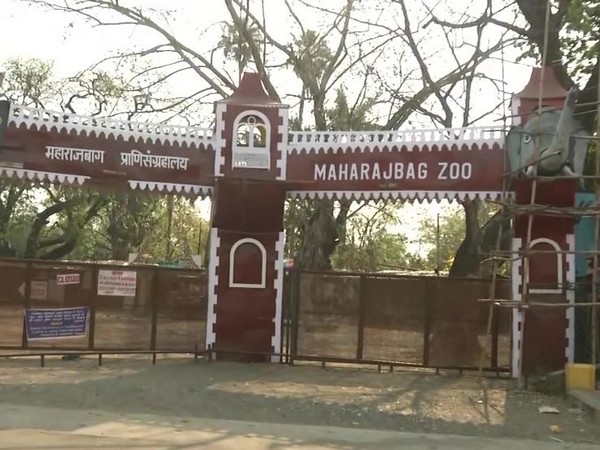
Nagpur zoo: Nagpur is a city known for its rich history and vibrant culture, but there’s a dark cloud hanging over one of its most iconic landmarks – the Maharajbag Zoo. While the city boasts the impressive Balasaheb Thackeray Gorewada International Zoo, known for its modern facilities and well-maintained environment for both animals and tourists, the same cannot be said for Maharajbag Zoo. Struggling to survive amidst crumbling infrastructure and a lack of attention from authorities, the zoo’s future looks bleak.

A Brief History of Maharajbag Zoo

Founded over 130 years ago by the Bhonsale dynasty for hunting purposes, the Maharajbag Zoo has since evolved into a key tourist attraction in the heart of Nagpur. In 1969, the green patch in the Sitabuldi area was handed over to Dr. Panjabrao Deshmukh Krishi Vidyapeeth (PDKV) in Akola, and from then onwards, the zoo came under the supervision of the Associate Dean of Agriculture College at PDKV.

However, the zoo’s infrastructure has deteriorated over time, and the lack of maintenance has led to the zoo’s current dilapidated condition.

Maharajbag Zoo’s Declining Condition

The zoo, once a symbol of pride for the city, is now fighting for survival. Despite thousands of visitors daily, the zoo has become an eyesore. Most of the cages are dark, the iron nets rusted, and the animal enclosures are dirty. The overall lack of cleanliness and maintenance has turned the zoo into a shadow of its former self. Visitors are met with tall bushes outside the enclosures that restrict visibility, making it difficult to see the animals up close.

A Glimpse at the Tiger Enclosures

One of the major attractions at Maharajbag Zoo is the two tigers housed in the same enclosure. However, these tigers are living in poor conditions. The partition between their enclosures is tilted, held up by bamboo sticks, leaving the tigers vulnerable. The rusted cages and neglected space are a stark contrast to the majestic animals inside. This not only puts the well-being of the tigers at risk but also lowers the zoo’s appeal among visitors.

The State of Other Enclosures and Facilities

The Mowgli Garden, an area within the zoo where visitors can enjoy various adventure activities, is also in a state of disrepair. The adventure rides are in bad shape, and the bamboo bridge, which is the only way to cross the Naag River into the Mowgli Garden, is precarious. Crossing it is an adventure in itself for many visitors, and not in a good way.

In addition to the poor condition of the zoo’s enclosures and facilities, there is a significant issue with dust pollution. Construction work around the zoo has left the trees, bushes, and shrubs covered in dust, further detracting from the zoo’s appeal.

Management Struggles and Lack of Government Support

According to Sunil Bawaskar, the Officer in Charge of the zoo, the situation is dire. The zoo’s management is struggling to maintain the facility without adequate support from the government. The zoo’s only source of revenue comes from ticket sales, and while footfall is high during national holidays, the daily number of visitors is far lower.

Employee Struggles

Maharajbag Zoo employs around 55 staff members who are responsible for caring for the zoo, the animals, and the gardens. Despite their efforts, the lack of proper resources and funds has made it difficult for them to ensure the zoo’s upkeep. There are currently 13 open animal enclosures and 24 night shelters, housing a total of 246 animals, birds, and reptiles. The employees are doing the best they can with what little they have, but the strain is evident.

The Role of Internal Disputes in the Zoo’s Decline

Another factor contributing to the zoo’s condition is the internal disputes and lack of coordination within the administration. These administrative issues further hinder the zoo’s ability to receive the necessary support for its survival. The zoo’s management and staff are caught in a cycle of indecision, making it difficult for them to focus on providing the care and attention the zoo needs.

The Visitor Experience: A Bitter Reality

Despite the poor condition of the zoo, visitors still flock to the facility. Many people still enjoy spending time with their families and friends at the zoo, even though it is clear that the space is in need of significant improvement. Broken benches, dilapidated rides, and an overall sense of neglect have left the zoo in a sorry state in the eyes of many visitors. Yet, the zoo continues to receive a steady stream of people, some of whom still appreciate what the zoo once represented.

Government and Civic Administration’s Role

It is now more urgent than ever for the government and civic administration to step in and address the situation. The zoo, once a shining example of Nagpur’s commitment to wildlife and nature, is at risk of being lost if immediate action is not taken.

The local authorities must prioritize the zoo’s renovation, maintenance, and sustainability. This includes improving the conditions for the animals, enhancing the visitor experience, and addressing the administrative inefficiencies that have plagued the zoo for years.

A Call for Change

Maharajbag Zoo’s struggle for survival is a poignant reflection of the disconnect between the government and the real needs of the people. While other zoos in the country are flourishing with modern amenities and care, Maharajbag Zoo, once an iconic part of Nagpur, is fighting to stay afloat. It is time for the authorities to step up and take responsibility for one of the city’s most cherished landmarks. The zoo deserves more than just survival; it deserves the care and attention it needs to thrive once again.

1. Why is Maharajbag Zoo in such a poor condition?

The zoo’s condition has deteriorated over the years due to a lack of proper maintenance, insufficient government funding, and internal administrative disputes.

2. How many animals are there in Maharajbag Zoo?

Maharajbag Zoo houses a total of 246 animals, including birds and reptiles.

3. What is the primary source of revenue for the zoo?

The zoo relies primarily on ticket sales for its revenue, which is used to pay staff and maintain the facility.

4. Are there any major issues with the zoo’s infrastructure?

Yes, the zoo has several issues, including rusted cages, dilapidated enclosures, and poor infrastructure in the Mowgli Garden area.

5. What can be done to improve Maharajbag Zoo?

The government and civic administration need to invest in the zoo’s renovation and maintenance to improve conditions for both the animals and the visitors.

Bhandewadi: 54 Acres of Land Reclaimed Through Biomining

Transforming Waste into Wealth

Bhandewadi biomining project Nagpur: Imagine a world where mountains of garbage disappear, replaced by lush greenery and productive spaces. That’s exactly what the Nagpur Municipal Corporation (NMC) achieved with their biomining initiative at Bhandewadi. By processing nearly 10 lakh metric tonnes of legacy waste, NMC has reclaimed 54 acres of land, proving that sustainable waste management is not just a dream but a tangible reality.


What Led to the Crisis at Bhandewadi?

The Overflowing Dump Yard

By 2019, the 54-acre site near Bhandewadi-Bidgaon Road had become an environmental eyesore, overburdened with unprocessed waste. With no immediate solution in sight, the area posed significant health and ecological risks.

MPCB Regulations and the Need for Action

Under the Maharashtra Pollution Control Board (MPCB) guidelines, Bhandewadi was designated as a waste dumping and processing site. However, ineffective management turned it into a hazard rather than a resource.


The Biomining Initiative: A Game-Changer | Bhandewadi biomining project Nagpur

What Is Biomining?

Biomining is a sustainable waste management technique where legacy waste is segregated and processed to extract recyclable materials, compost, and inert residue. Think of it as giving trash a second life!

Implementation by NMC

To tackle the crisis, NMC launched a self-funded biomining project. Over time, they processed 20 lakh metric tonnes of waste, 10 lakh metric tonnes of which underwent biomining. The result? A cleaner, greener Bhandewadi.


Key Achievements of the Bhandewadi Project

Reclaiming 54 Acres

Through biomining, 54 acres of land were transformed from a dumping ground into a clean, open area ready for development.

Environmental Initiatives on Reclaimed Land

The reclaimed space is now a hub of eco-friendly projects, including:

  • A construction and demolition waste processing center.
  • A waste-to-energy plant with a capacity of 1,000 metric tonnes per day.
  • A sanitary landfill.
  • A Miyawaki forest project featuring 15,500 trees on 5,000 square meters of land.

Expanding the Effort: Adjacent 55-Acre Area | Bhandewadi biomining project Nagpur

Current Status

Efforts are ongoing to clear an additional 55-acre area containing 21.30 lakh metric tonnes of waste. So far, 10 lakh metric tonnes have been processed, reclaiming 15 acres.

Future Plans

By 2026, NMC aims to complete the project, reclaiming an additional 27 acres for further environmental and developmental initiatives.


The Broader Impact on Nagpur

Daily Waste Management

Nagpur generates 1,300 to 1,400 metric tonnes of solid waste daily. The Bhandewadi projects aim to:

  • Reduce pollution.
  • Improve living conditions for nearby residents.
  • Set a benchmark for sustainable waste management.

Community and Environmental Benefits

The Miyawaki forest initiative and other green projects have significantly improved air quality and biodiversity in the region, turning Bhandewadi into a symbol of hope for other cities facing similar challenges.


How Biomining Aligns with Global Goals

Sustainable Development Goals (SDGs)

The project supports several SDGs, including:

  • Goal 11: Sustainable cities and communities.
  • Goal 12: Responsible consumption and production.
  • Goal 15: Life on land.

A Model for Replication

Bhandewadi serves as a blueprint for other municipalities aiming to tackle waste management sustainably.


Challenges and Lessons Learned

Initial Roadblocks

  • Resistance to change.
  • Logistical challenges in waste segregation and processing.

Key Takeaways

  • Community engagement is crucial.
  • Transparent funding and governance ensure project success.
  • Investing in advanced technology accelerates outcomes.

A Cleaner, Greener Future

The Bhandewadi biomining project is more than just a waste management success story; it’s a testament to human ingenuity and commitment to environmental conservation. By reclaiming 54 acres of land, NMC has shown that with the right strategies, even the most daunting challenges can be overcome. So, the next time you hear about waste management, remember—it’s not just about cleaning up; it’s about creating a sustainable future.


1. What is biomining, and how does it work?

Biomining involves segregating and processing legacy waste to extract reusable materials, compost, and inert residue, transforming garbage into valuable resources.

2. How much land has been reclaimed at Bhandewadi?

NMC has reclaimed 54 acres of land through biomining and is working on an additional 55-acre area.

3. What are the environmental benefits of the Bhandewadi project?

The project has reduced pollution, improved air quality, and increased biodiversity through initiatives like the Miyawaki forest.

4. How is the reclaimed land being utilized?

Reclaimed land hosts eco-friendly projects, including waste-to-energy plants, construction waste centers, and afforestation initiatives.

5. What is the future of waste management in Nagpur?

NMC aims to complete the adjacent 55-acre biomining project by 2026, further enhancing Nagpur’s waste management and environmental sustainability.

Nagpur Traffic Police Launches ‘Footpath Freedom’ Campaign to Tackle Illegal Parking and Encroachments

Why ‘Footpath Freedom’ Matters

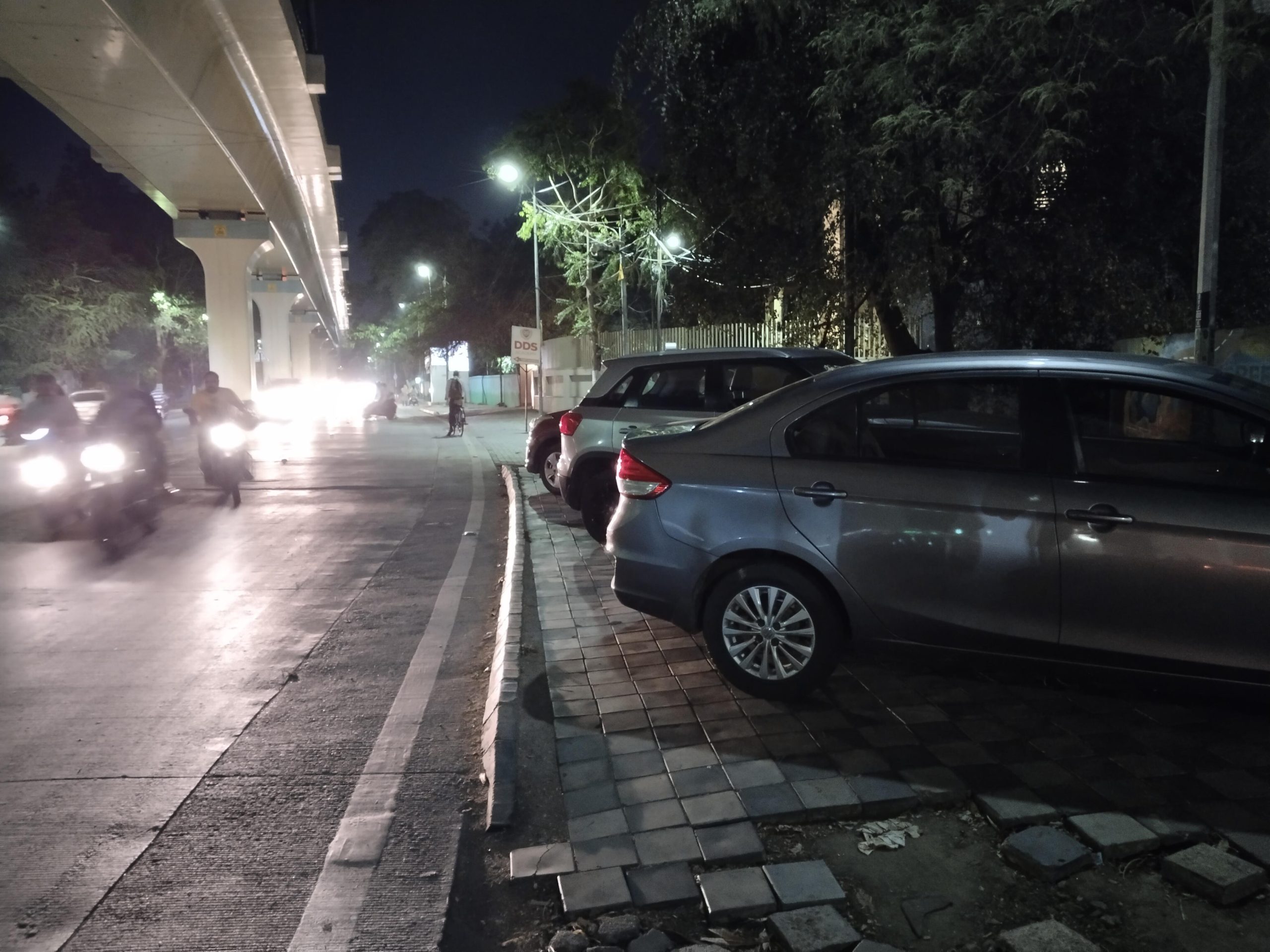
Imagine navigating busy streets, only to find yourself forced to walk amidst honking cars because the sidewalks are blocked. Sounds frustrating, right? Nagpur Traffic Police have stepped in with a game-changing initiative—the “Footpath Freedom” campaign—aimed at reclaiming pedestrian spaces and tackling illegal parking and hawker encroachments. Let’s dive into what this campaign is all about and why it’s a big deal for everyone in the city.


 Understanding the Footpath Freedom Campaign

 The Core Objectives

The primary goal of the Footpath Freedom campaign is to ensure pedestrian safety and smooth traffic flow. By targeting illegal parking and unauthorized hawker setups, the initiative aims to:

  • Reclaim sidewalks for pedestrians.
  • Reduce traffic congestion.
  • Minimize accidents caused by pedestrians walking on roads.

 The Problem of Illegal Parking

 Blocking Pedestrian Pathways

Many vehicle owners casually park on footpaths, leaving no space for pedestrians. This forces people to walk on busy roads, increasing the risk of accidents.

 Legal Consequences

The traffic police are towing vehicles parked on footpaths under:

  • Section 122 of the Motor Vehicle Act: Prohibits unauthorized parking.
  • Section 127 of the Motor Vehicle Act: Allows vehicle removal from no-parking zones.
  • Section 177 of the Motor Vehicle Act: Imposes penalties for violations.

 The Issue of Hawker Encroachments

 Temporary Setups with Long-Term Impact

Unauthorized hawkers often set up stalls on sidewalks. While convenient for shoppers, these stalls obstruct pathways and worsen traffic.

 Action Taken by Authorities

Under Sections 102 and 117 of the Maharashtra Police Act, the traffic police and Nagpur Municipal Corporation (NMC) are working together to remove these unauthorized setups.


 Key Features of the Campaign

 Collaborative Enforcement

The Nagpur Municipal Corporation has deployed towing vehicles to assist in clearing footpaths. This partnership ensures effective and sustained enforcement.

 Awareness Initiatives

 Educating Citizens

Deputy Commissioner of Police (Traffic), Archit Chandak, has appealed to citizens to park responsibly and use designated spaces. Hawkers have been advised to:

  • Avoid obstructing footpaths.
  • Encourage customers to use proper parking.

 Leveraging Media

Through social media and local news, the police are spreading awareness about the campaign’s objectives and legal repercussions for violations.


 The Impact on Nagpur’s Traffic and Safety

 Enhanced Pedestrian Safety

Clear footpaths mean pedestrians no longer risk walking on busy roads, reducing the likelihood of accidents.

 Smoother Traffic Flow

With fewer vehicles parked haphazardly, traffic congestion is significantly reduced, making commutes quicker and less stressful.

 Positive Public Response

Citizens have started noticing the difference, with many praising the initiative for restoring order to the city’s streets.


 How Can Citizens Contribute?

 Follow Parking Rules

Always park in designated areas and encourage others to do the same. It’s a simple step that can make a big difference.

 Support Hawker Compliance

Shop from hawkers who adhere to rules and avoid encroaching on public spaces.

 Report Violations

If you notice illegal parking or encroachments, report them to the authorities. Be the change you want to see.


 The Road Ahead

The Footpath Freedom campaign is a significant step toward creating a safer and more organized Nagpur. However, its success depends on collective effort. Authorities are doing their part, but it’s up to each citizen to support and sustain this initiative. Together, we can ensure that Nagpur’s streets are safe and accessible for everyone.


The “Footpath Freedom” campaign is more than just a crackdown on illegal parking and encroachments; it’s a movement toward reclaiming public spaces for pedestrians. Let’s embrace this initiative, follow the rules, and encourage others to do the same. After all, safer streets mean a better quality of life for all Nagpurians.


1. What is the Footpath Freedom campaign?

The campaign is an initiative by Nagpur Traffic Police to tackle illegal parking and hawker encroachments on footpaths, ensuring pedestrian safety and smoother traffic flow.

2. How are violations being addressed?

Vehicles parked on footpaths are being towed under the Motor Vehicle Act, and unauthorized hawker setups are removed under the Maharashtra Police Act.

3. What can citizens do to support this initiative?

Citizens can park in designated areas, avoid shopping from non-compliant hawkers, and report violations to authorities.

4. Who is leading the campaign?

Deputy Commissioner of Police (Traffic), Archit Chandak, is spearheading the initiative with support from the Nagpur Municipal Corporation.

5. What are the expected outcomes?

The campaign aims to enhance pedestrian safety, reduce traffic congestion, and promote a more organized city environment.

Exit mobile version