A Lake Without Water: Sakkardara Lake Dry Again, This Time for Deepening Work

Sakkardara Lake Rejuvenation: What comes to your mind when you think of a lake? A serene waterbody, surrounded by lush greenery, perhaps? Unfortunately, South Nagpur’s iconic Sakkardara Lake paints a very different picture today. Once a thriving ecosystem, this 200-year-old lake is now bone dry—and not for the first time. But this time, it’s for a cause: deepening and rejuvenation work spearheaded by the Nagpur Municipal Corporation (NMC). But is it too little, too late? Let’s dive in.


The Deplorable State of Sakkardara Lake

A Rich History, A Grim Reality

Sakkardara Lake isn’t just another waterbody; it’s a historical gem. Over the years, however, neglect and anthropogenic activities have pushed it to the brink of collapse. For the second time in its storied existence, the lake has completely dried up—this time as part of rejuvenation efforts.

Why Is It Dry Again?

The NMC initiated desilting of the lake bed by draining its water entirely. While this might sound promising, it has raised eyebrows among environmentalists and local experts.


Phases of Rejuvenation: What’s Happening?

Phase I: Beautification Before Conservation?

In Phase I, Rs 10 crore was allocated for the lake’s rejuvenation. Instead of prioritizing the lake’s health, the NMC focused on peripheral beautification. Walking tracks, parapet walls, and murals took precedence over essential deepening and cleaning work.

Phase II: The Current Plan

In the ongoing Phase II, the NMC has started draining the lake for desilting. Key activities include:

  • Construction of new parapet walls.
  • Prevention of sewage dumping by nearby residents.
  • Murals and decorative enhancements.

Dr. Shweta Banerjee, NMC’s Superintending Engineer, asserts that these measures aim to restore the lake’s glory. But is beautification masking deeper issues?


Challenges Faced During Rejuvenation

Funding Delays

The rejuvenation journey has been marred by financial hurdles. Although the State Government sanctioned Rs 10 crore under the Amrut Scheme, delays in fund release slowed progress significantly.

Political Roadblocks

The political climate has also impacted the lake’s restoration. Former Chief Minister Devendra Fadnavis allotted Rs 13 crore in 2019, but only Rs 2 crore was released after a change in government. Such disruptions hinder consistent progress.

Escalating Costs

The slow pace of work has inflated project costs. What started as a modest budget has ballooned due to inefficiencies.


Environmentalists’ Perspective

Conservation Over Beautification

Environmentalists like Kaustav Chatterjee, founder of Green Vigil Foundation, have been vocal about prioritizing conservation over aesthetics. They argue that deepening and cleaning the lake should have been undertaken during its natural dry phases, such as in 2021.

Impact of Draining Water

Draining the lake’s water is seen by many as wasteful, especially in a region prone to water scarcity. Experts believe that this step should have been accompanied by effective water management strategies.


Significance of Sakkardara Lake

Ecological Importance

Sakkardara Lake is a vital component of Nagpur’s ecosystem. It supports:

  • Local flora and fauna.
  • Groundwater recharge.

Cultural Heritage

Beyond its ecological value, the lake is an emblem of South Nagpur’s rich cultural history, making its conservation even more critical.


Steps Taken for Improvement

  1. Boundary Walls: Preventing solid waste dumping.
  2. Sewage Management: Halting untreated sewage inflow.
  3. Community Engagement: Educating locals about conservation.

Is the Work Enough?

While efforts are commendable, they’re far from sufficient. A more holistic approach—combining conservation, beautification, and public awareness—is essential to restore Sakkardara Lake to its former glory.


Sakkardara Lake’s dry state is a wake-up call. While the NMC’s rejuvenation work offers hope, the focus must shift from superficial beautification to long-term conservation. After all, what good is a beautiful lake if there’s no water in it?


1. Why is Sakkardara Lake dry again?

The lake has been drained as part of desilting and deepening work under the NMC’s rejuvenation project.

2. What is the NMC doing to restore the lake?

The NMC is constructing parapet walls, preventing sewage dumping, and undertaking beautification efforts.

3. Why was the rejuvenation work delayed?

Delays in fund release and political changes contributed to the slow progress of the project.

4. How can the lake’s condition improve?

A focus on conservation, effective water management, and community engagement can significantly improve the lake’s condition.

5. What is the ecological importance of Sakkardara Lake?

The lake supports local biodiversity, aids in groundwater recharge, and serves as a cultural landmark for South Nagpur.

Nagpur Railway Station Marks 100 Glorious Years Of Service: A Century Of Heritage, Connectivity, And Progress

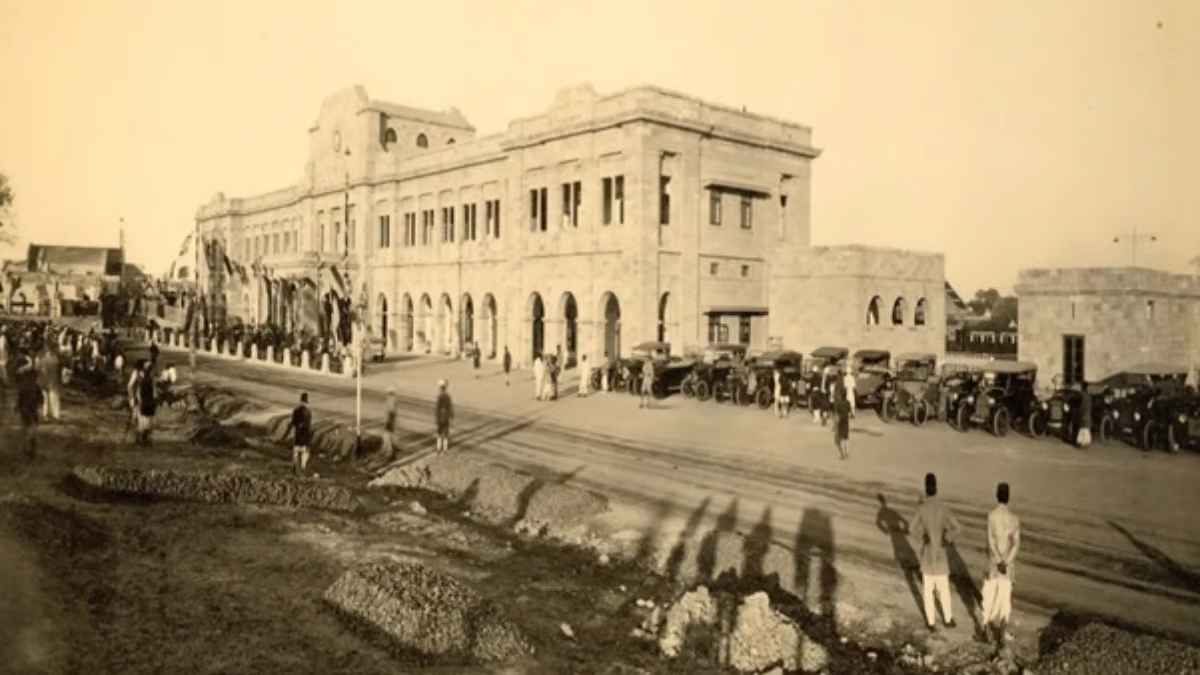
Nagpur Railway Station Heritage: Nagpur Railway Station, a monumental hub in the heart of India’s rail network, recently celebrated a remarkable milestone—100 years of dedicated service. Officially inaugurated on January 15, 1925, by Sir Frank Sly, the then Governor of the Central Provinces, the station has evolved into a vibrant symbol of connectivity, heritage, and progress.

A Glimpse Into The Past

The Beginning of Nagpur’s Rail Journey | Nagpur Railway Station Heritage

The journey began in 1867 when the railways first reached Nagpur, ushering in a new era of connectivity. Originally a modest structure, it gradually gained prominence as the city’s lifeline.

The Renaming and Mahatma Gandhi’s Visit

Renamed Nagpur Junction in 1920, the station’s significance soared when it hosted Mahatma Gandhi during the Non-Cooperation Movement. This marked a pivotal moment in the station’s history, intertwining it with India’s struggle for independence.

The Iconic Inauguration in 1925

In 1925, the current station building was inaugurated, reflecting colonial architectural brilliance. This structure has withstood the test of time, symbolizing Nagpur’s enduring heritage.

Strategic Importance of Nagpur Railway Station

At the Crossroads of India’s Rail Network

Strategically located at the intersection of the Howrah–Mumbai and Delhi–Chennai corridors, Nagpur Railway Station serves as a crucial junction. Its iconic Diamond Crossing—a unique point where two major railway lines intersect—cements its role in connecting diverse regions of the country.

A Hub of Activity

Handling an average of 283 trains daily, including 96 originating or terminating at the station, Nagpur is one of the busiest railway hubs in India. It also serves as the starting point for 18 trains, ensuring its prominence in the national network.

Passenger Growth Over the Years

Surging Passenger Numbers

The station’s passenger footfall has grown exponentially over the decades. During the financial year 2023-24, it recorded an average daily footfall of 64,541, totaling 2.36 crore passengers. This number surged to 68,729 daily passengers in the current financial year, highlighting its increasing importance.

Meeting Rising Demands

Nagpur Railway Station’s ability to adapt to growing demands has been crucial. Its infrastructure and services have evolved to accommodate the rising influx of passengers while maintaining operational efficiency.

A Beacon of Modernization

Redevelopment Project: A New Era

In December 2022, Prime Minister Narendra Modi launched an ambitious redevelopment project worth ₹488 crore. This initiative aims to transform Nagpur Railway Station into a world-class facility, featuring:

  • A roof plaza
  • Multimodal integration
  • Eco-friendly infrastructure

These upgrades are set to redefine passenger experiences and operational capabilities.

Introduction of Vande Bharat Express

The prestigious Vande Bharat Express was introduced in December 2022, further solidifying Nagpur’s reputation as a hub of innovation and progress within the Indian Railways network.

Architectural Charm and Historical Significance

Colonial Design Meets Modern Needs

The station’s colonial-era design seamlessly blends with modern amenities, offering a unique travel experience. Its grandeur speaks volumes about its historical and cultural significance.

Memories Through the Decades

From hosting freedom fighters to witnessing technological advancements, Nagpur Railway Station has been a silent observer of India’s transformation.

Sustainability Initiatives

Eco-Friendly Infrastructure

The station’s redevelopment includes eco-friendly features such as energy-efficient lighting, rainwater harvesting, and waste management systems.

Green Certification

Efforts are underway to secure green certifications, ensuring the station’s sustainability for future generations.

Cultural and Economic Impact

Boosting Tourism

Nagpur Railway Station acts as a gateway to nearby tourist attractions, including wildlife sanctuaries and historical landmarks. This boosts local tourism and contributes to the economy.

Employment Opportunities

The station’s operations and redevelopment projects have created numerous job opportunities, fostering economic growth in the region.

Looking Ahead

Preparing for the Next Century

As Nagpur Railway Station celebrates a century of excellence, it remains committed to evolving with the times. The ongoing redevelopment and modernization efforts ensure it will continue to serve as a cornerstone of India’s rail infrastructure for another hundred years and beyond.

A Legacy of Service and Connectivity

With its rich history and bold vision for the future, Nagpur Railway Station stands as a testament to India’s progress and resilience. It is more than just a transit point; it is a living legacy of connectivity and heritage.

Nagpur Railway Station’s centennial milestone is a celebration of its journey from a modest station to a bustling hub of heritage and progress. As it gears up for the future, the station continues to inspire, connect, and serve millions of passengers every year. Here’s to another century of excellence!

1. When was Nagpur Railway Station inaugurated?

Nagpur Railway Station was officially inaugurated on January 15, 1925, by Sir Frank Sly.

2. What is the significance of the Diamond Crossing at Nagpur?

The Diamond Crossing is a unique intersection where two major railway lines—Howrah–Mumbai and Delhi–Chennai—converge, highlighting Nagpur’s strategic importance.

3. What are the key features of the redevelopment project?

The redevelopment project includes a roof plaza, multimodal integration, eco-friendly infrastructure, and improved passenger amenities.

4. How many trains are handled daily at Nagpur Railway Station?

The station handles an average of 283 trains daily, including 96 that originate or terminate there.

5. What role does Nagpur Railway Station play in tourism?

The station serves as a gateway to regional tourist attractions, boosting local tourism and contributing to the economy.

McDonald’s Opens First Drive-Thru in Nagpur

McDonald’s drive-thru Nagpur: McDonald’s has just dropped a big treat for Nagpur residents! The global fast-food giant has launched its first-ever stand-alone drive-thru in the city, marking a milestone in its Indian journey. Situated on Nagpur’s bustling Katol Road, this new outlet is already creating a buzz among foodies and convenience seekers alike.

Where Is It Located?

The brand-new McDonald’s drive-thru is strategically placed on Nagpur’s Katol Road. Spanning a massive built-up area of 3,867 square feet on a 10,000-square-foot plot, this restaurant is designed to cater to large volumes of customers. Whether you’re craving a quick burger on the go or planning a cozy dine-in experience, this location has you covered.

What Makes This Drive-Thru Special?

Let’s face it: McDonald’s has always been about convenience and innovation, and this drive-thru is no exception. Here’s what you can look forward to:

1. Digital Order Display

Imagine scrolling through a menu digitally and making your choice with a few taps. The new drive-thru features a cutting-edge digital order display that makes placing orders a breeze.

2. Lightning-Fast Orders

How does a 120-second order sound? With an efficient system in place, McDonald’s ensures that your favorite meal is ready in no time. It’s like fast-forwarding your hunger straight to satisfaction!

3. Self-Ordering Kiosks (SOKs)

For those who prefer a touchless and seamless experience, self-ordering kiosks are at your service. Customize your meal, pay, and pick up without a hitch.

A Peek Into McDonald’s Drive-Thru History in India

Did you know that McDonald’s introduced its first drive-thru in India way back in 2001? The pioneering outlet was set up in Kalamboli, Navi Mumbai. Since then, the brand has steadily expanded its drive-thru network, aiming to provide a quick-service experience that resonates with today’s fast-paced lifestyles.

Commitment to Expansion

McDonald’s is on a mission to make drive-thru dining a norm across India. According to their recent press release, 30-35% of all new outlets in the next 3-4 years will feature drive-thru facilities. From suburbs to highways, the golden arches are set to shine brighter!

Hardcastle Restaurants: The Driving Force

In West and South India, McDonald’s operations are managed by Hardcastle Restaurants, a subsidiary of Westlife Foodworld Ltd. With a master franchisee agreement in place since 1996, this company has been instrumental in adapting the global brand to local tastes and preferences.

Diverse Formats for Every Customer

From standalone restaurants to 24/7 outlets, McBreakfast services, McDelivery, and dessert kiosks, Hardcastle Restaurants ensures there’s something for everyone. This new drive-thru in Nagpur is a testament to their commitment to innovation.

Why Nagpur?

Nagpur is often referred to as the heart of India, not just geographically but also culturally and economically. Its strategic location and growing urban population make it an ideal spot for a drive-thru. Plus, who wouldn’t want to grab a quick McAloo Tikki while exploring the city’s vibrant streets?

How Does It Benefit the Locals?

  • Convenience on the Go: Whether you’re heading to work or taking a road trip, the drive-thru ensures you’re fueled up without delay.
  • Jobs and Opportunities: The new outlet also brings employment opportunities to the region, contributing to Nagpur’s economic growth.
  • Global Meets Local: By combining international standards with local flavors, McDonald’s creates a unique dining experience.

The Buzz on Social Media

Saket Tikkas, Deputy Project Manager at McDonald’s, recently shared images of the new outlet on LinkedIn, sparking excitement among followers. His post highlighted the store’s innovative features and its significance as Nagpur’s first-ever free-standing drive-thru.

What’s on the Menu?

Of course, McDonald’s menu needs no introduction. From classics like the Big Mac and McChicken to India-specific delights like the Maharaja Mac and Masala Wedges, there’s something for everyone. Don’t forget to indulge in their desserts – a McFlurry always hits the spot!

Sustainability Efforts

McDonald’s isn’t just about fast food; it’s also about responsible food. The company is committed to reducing plastic use and implementing eco-friendly practices. The Nagpur outlet aligns with this vision by incorporating sustainable designs and operations.

Future Prospects

With plans to establish more drive-thrus across India, McDonald’s is set to revolutionize the quick-service restaurant (QSR) industry. As suburban areas and highways become hubs for fast food, we can expect the brand to lead the way with innovation and customer satisfaction.

Why Drive-Thrus Are the Future

Post-pandemic, the demand for contactless services has skyrocketed. Drive-thrus offer the perfect solution, combining safety with speed. McDonald’s drive-thru model is not just a convenience but a lifestyle upgrade.

The opening of McDonald’s first drive-thru in Nagpur is more than just an expansion; it’s a promise of convenience, quality, and innovation. With its prime location, state-of-the-art features, and commitment to sustainability, this outlet is set to become a favorite hangout spot for locals and travelers alike. So, what are you waiting for? Head over to Katol Road and treat yourself to the McDonald’s experience like never before!

1. Where is the new McDonald’s drive-thru located in Nagpur?

The drive-thru is located on Katol Road, spanning a 3,867-square-foot area on a 10,000-square-foot plot.

2. What features does the Nagpur drive-thru offer?

The outlet boasts a digital order display, 120-second order completion, and self-ordering kiosks.

3. When did McDonald’s open its first drive-thru in India?

The first drive-thru in India was opened in 2001 at Kalamboli, Navi Mumbai.

4. Who operates McDonald’s outlets in West and South India?

Hardcastle Restaurants, a subsidiary of Westlife Foodworld Ltd., manages McDonald’s operations in these regions.

5. Is the Nagpur drive-thru environmentally friendly?

Yes, the outlet aligns with McDonald’s commitment to sustainability by incorporating eco-friendly designs and operations.

Tekdi Ganesh Temple Set for Rs 5 Crore Redevelopment

Tekdi Ganesh temple redevelopment: Nagpur’s historic Tekdi Ganesh temple, a spiritual and cultural landmark, is all set for a grand makeover with a Rs 5 crore redevelopment project. This initiative by the Nagpur Municipal Corporation (NMC) aims to enhance the temple’s aesthetics, accessibility, and amenities, further elevating its status as a premier tourist destination.

A Rich History Steeped in Devotion

The Tekdi Ganesh temple, with its 300-year-old legacy, is an emblem of faith and devotion. Built on Ministry of Defence (MoD) land, the temple was made accessible to the public in 1965 by the then Defence Minister, Yashwantrao Chavan. Today, it welcomes 5,000 to 10,000 devotees daily and draws 1,000 foreign tourists annually.

The Redevelopment Plan Unveiled

Phase 1: New Gates and Aesthetic Enhancements

  • New Entry and Exit Gates: Two modern gates will improve visitor flow, reducing congestion during peak hours.
  • Fountain Installation: A stunning fountain between the gates will enhance the temple’s visual appeal.

Phase 2: Improved Amenities

  • Mega Kitchen: A state-of-the-art kitchen will support the prasadalaya, offering better facilities for food preparation and distribution.
  • Expanded Prasadalaya: The dining hall will now accommodate up to 500 devotees, significantly improving the dining experience.

Phase 3: Accessibility and Safety Improvements

  • Levelling the Hillock: This will ensure easier access for all visitors, particularly the elderly and differently-abled.
  • Parking Challenges: While levelling improves safety, it reduces two-wheeler parking space. Plans for a VIP parking lot with a 20-car capacity are underway but may not fully address the parking woes.

Grade A Tourism Site Status

In March 2024, the Maharashtra government elevated the temple’s tourism status from Grade C to Grade A. This prestigious recognition not only positions the temple as a national monument but also makes it eligible for central government funding. Chief Minister Devendra Fadnavis played a pivotal role in achieving this milestone.

Funding and Timelines

  • Sanctioned Budget: Rs 5 crore from the state’s tourism and culture department.
  • Disbursed Amount: Rs 1 crore received; the remaining Rs 4 crore is awaited.
  • Project Duration: 10 months, with work set to commence within a week.

Challenges Ahead

Traffic Congestion

The temple’s location near Nagpur railway station and the Madhya Pradesh State Transport Corporation (MPSRTC) bus station often results in traffic snarls. Limited on-site parking forces devotees to park on busy stretches, exacerbating congestion.

Land Acquisition

The temple trust has approached the state government to acquire adjacent Army land for further development. However, discussions with the Army Cantonment Board are still in preliminary stages.

Community Impact and Visitor Experience

The redevelopment will:

  • Enhance Accessibility: Levelling the hillock ensures a safer and more convenient experience for all visitors.
  • Elevate Aesthetic Appeal: New gates and a fountain will transform the temple’s ambiance.
  • Improve Amenities: A larger prasadalaya and mega kitchen will provide better services to devotees.

The Tekdi Ganesh temple’s redevelopment marks a significant step in preserving and promoting Nagpur’s cultural heritage. As the project unfolds, it promises to enrich the spiritual journey of thousands while addressing modern challenges.

1. What is the Tekdi Ganesh temple’s historical significance? The temple has a 300-year-old legacy and was made publicly accessible in 1965. It symbolizes devotion and cultural heritage.

2. What does the redevelopment project include? The project includes new gates, a fountain, a mega kitchen, an expanded prasadalaya, and hillock levelling for better accessibility.

3. How will the redevelopment impact parking? While accessibility will improve, reduced two-wheeler parking may worsen congestion. A VIP parking lot is planned but has limited capacity.

4. What is the significance of the Grade A tourism status? This status elevates the temple as a national monument, making it eligible for central government funds.

5. When will the project be completed? The project is expected to be completed within 10 months from the commencement date.

Nagpur Jamtha Stadium Tickets Price and Match Details | INDIA Vs ENGLAND ODI

Nagpur Jamtha Stadium tickets | VCA Stadium ticket price | India vs England ODI 2025: Cricket enthusiasts, brace yourselves! The Vidarbha Cricket Association (VCA) Stadium, also known as the Jamtha Stadium in Nagpur (Nagpur Jamtha Stadium tickets), is all set to host a thrilling encounter between India and England on February 6, 2025. This much-anticipated first ODI match of the 3-match series is creating a buzz, with fans eagerly looking for tickets and event details.


A Glimpse of Nagpur’s VCA Stadium

The Vidarbha Cricket Association Stadium, inaugurated in 2008, has redefined cricket in Nagpur. Known for its vast boundaries—85 yards square leg and 80 yards straight—the stadium offers a challenging playground for batsmen and bowlers alike. As the home ground for the Vidarbha Cricket Team and Central Zone Team, the stadium has witnessed countless memorable matches, including its first test match in November 2008 and its first ODI in October 2009.

Key Features of the Stadium

  • Seating Capacity: Spacious arrangements for thousands of fans.
  • Ground Dimensions: One of the largest in the world.
  • Facilities: Comfortable seating, ample washrooms, and well-equipped cafeterias.
  • Location: Conveniently located in Jamtha, Nagpur, Maharashtra.

Ticket Booking Process (VCA Stadium ticket price)

Online Booking

Cricket fans can book tickets for the Nagpur ODI through popular platforms like BookMyShow or Insider. Follow these simple steps:

  1. Log in to the ticketing platform.
  2. Search for the event: India vs England Nagpur ODI 2025.
  3. Select your preferred seating category.
  4. Make the payment and save the receipt.

Tip: Opt for home delivery if available, especially if you book well in advance.

Offline Booking

  • Visit the Bilimoria Pavilion, VCA Civil Lines, Nagpur.
  • Tickets for members and school groups are generally available here.
  • Carry valid ID proof and payment receipts for hassle-free transactions.

Note: Online tickets must be exchanged for entry passes at the box office. Ensure you’re carrying the card used for online payment when collecting passes.


Ticket Prices Breakdown

Expected Prices for India vs England Nagpur ODI

Wing Floor Ticket Price (INR)
West (Students) Ground 100
East Ground/1st 800
West Ground/1st 1,000
North 3rd/4th 1,200-1,400
South (G, H) Ground 4,000
Corporate Box N/A 1,25,000

Discounts: Students and physically challenged individuals often receive special concessions. Stay tuned for official announcements for updated rates.


Seating Arrangements

The seating map of VCA Stadium is thoughtfully designed for optimal viewing and accessibility. Key areas include:

  • Corporate Boxes: Luxurious seating for VIPs.
  • Pavilions: Bilimoria Pavilion and more for members.
  • Stands: Clearly marked sections for fans with different ticket categories.

Pro Tip: Use the seating map while booking to secure the best views.


Upcoming Matches at VCA Stadium

Match Name Series Date
India vs England ODI Series (1st Match) 6th February 2025

The excitement surrounding this match is palpable, given the historical performances and fierce rivalry between India and England.


General Guidelines for Visitors

To ensure a smooth match-day experience, keep these tips in mind:

  1. Arrive Early: Gates open 3 hours before the match.
  2. Avoid Restricted Items: Items like coins, cameras, and power banks are prohibited.
  3. Carry Essentials Only: Mobile, wallet, baby food, and medicines are allowed.
  4. Follow Signage: Gate numbers are printed on entry passes for easier navigation.

Reminder: Detained items are rarely returned, so double-check your belongings before heading out.


Facilities at Nagpur Cricket Stadium

The VCA Stadium offers world-class facilities to ensure spectator comfort:

  • Food & Beverages: Wide variety available at cafeterias.
  • Washrooms: Ample and well-maintained.
  • Parking: Large spaces, but public transport is recommended.

Conclusion

The India vs England ODI at Nagpur’s VCA Stadium promises to be an unforgettable experience. From the electrifying atmosphere to the state-of-the-art facilities, this match is set to be a cricketing spectacle. Secure your tickets early, familiarize yourself with the seating map, and follow the guidelines for a hassle-free experience.


FAQs

1. How can I book tickets for the India vs England Nagpur ODI?

You can book tickets online through BookMyShow or Insider and offline at the Bilimoria Pavilion, VCA Civil Lines, Nagpur.

2. What is the price range for tickets?

Ticket prices are expected to start at INR 100 for students and go up to INR 1,25,000 for corporate boxes.

3. Are there any discounts available?

Yes, discounts are usually available for students and physically challenged individuals. Confirm during ticket booking.

4. Can I bring my camera to the stadium?

No, cameras and other electronic devices like power banks are restricted.

5. When will the gates open on match day?

Stadium gates open approximately 3 hours before the match starts.

City Police’s CyberHack 2025 to Boost Cyber Infrastructure

Nagpur police: Nagpur is gearing up for an exciting and innovative event that promises to revolutionize the city’s approach to cybersecurity. The city’s police force is set to launch CyberHack 2025, a groundbreaking hackathon designed to bring together technocrats, students, and law enforcement to improve the cyber infrastructure and strengthen the fight against cybercrime. This event marks a major milestone in the city’s commitment to safeguarding its digital landscape.

What is CyberHack 2025?

CyberHack 2025 is a first-of-its-kind initiative where over 500 participants, including tech enthusiasts, students, and professionals, will collaborate to develop new solutions to enhance the city’s cybersecurity. The hackathon is the brainchild of Ravinder Singal, the Commissioner of Police, who conceived the idea in December 2024 after being inspired by cyber hackathons and ‘cyberdome’ events held by the Israeli police force.

The Need for CyberHack 2025

Cybercrime is an ever-evolving threat that affects millions globally. With technology advancing rapidly, cybercriminals are continually developing new tactics to exploit vulnerabilities. Nagpur’s police force recognizes this and is determined to up its game in fighting cybercrime. By organizing CyberHack 2025, they aim to create a more robust cyber infrastructure that can keep up with the rapidly changing landscape of digital crime.

Why is This Important?

In India, cybercrime has been costing the economy over a thousand crores every year. As these crimes become more sophisticated, it is imperative that the police and technology experts collaborate to find innovative solutions. CyberHack 2025 seeks to tap into the collective knowledge of tech professionals and law enforcement to develop strategies and technologies that can effectively combat cybercrime.

The Vision Behind CyberHack 2025

A Collaborative Effort

CyberHack 2025 will not only bring together tech experts and law enforcement officers but will also engage the community. DCP Lohit Matani explains that the hackathon will allow civil society to play a significant role in combating cybercrimes. This collaborative effort is designed to foster a cyber-secure ecosystem that involves multiple stakeholders, including tech giants like Microsoft, Google, and Wipro, who will be participating in the event.

Inspired by Global Practices

The inspiration for this event stems from successful hackathons and cybersecurity initiatives in other countries, particularly Israel. Israel’s police force has been conducting similar events, known as cyberdome initiatives, to improve cybersecurity. The success of these events has encouraged Singal and his team to introduce the same concept in Nagpur to create something innovative and modern.

How Will CyberHack 2025 Work?

Structure of the Hackathon

The hackathon will be held in two rounds:

  1. Virtual Round – In the first phase, participants will choose from five practical problems related to cybersecurity and submit their proposed solutions.
  2. Final Round – The top 20 teams will be selected to participate in the final round, which will be hosted at IIM Nagpur. During this stage, participants will not only develop their algorithms but will also create a 5-7 minute demo video to present their solutions to the panel of judges.

A Platform for Innovation

This hackathon will provide an opportunity for young minds to showcase their innovative thinking. The final solutions presented in CyberHack 2025 could help shape the future of Nagpur’s cybersecurity infrastructure and even influence national policies on handling cybercrimes.

The Role of Major Tech Companies

Corporate Involvement

One of the exciting aspects of CyberHack 2025 is the involvement of major global tech companies. These firms, including Microsoft, Google, and Wipro, have already committed to participating, providing support, resources, and mentorship to the participants. Their involvement will also ensure that the solutions developed during the hackathon are scalable and feasible for real-world application.

Building a Stronger Cybersecurity Ecosystem

A Vision for the Future

By organizing CyberHack 2025, the police department aims to create a cyber-secure ecosystem that goes beyond traditional law enforcement approaches. The collaboration between government agencies, private companies, and civil society is essential for addressing the growing threat of cybercrime and improving the overall cybersecurity infrastructure of the city.

The Significance of Civil Society Participation

The hackathon will also highlight the importance of engaging the community in the fight against cybercrime. DCP Lohit Matani emphasized the role of civil society in preventing cybercrimes, and this initiative will encourage citizens to actively participate in safeguarding the digital space.

 A New Era of Cybersecurity in Nagpur

CyberHack 2025 (Nagpur police) is not just another hackathon; it is a game-changer in how the city will tackle cybercrime in the future. By bringing together experts from various fields, this event will pave the way for innovative solutions that could set new standards for cybersecurity across the country. The collaboration between the police, tech firms, and the public will foster a united front in the battle against cybercrime, ensuring that Nagpur stays ahead of the curve in the digital age.

1. What is CyberHack 2025?
CyberHack 2025 is a hackathon organized by the Nagpur police to improve the city’s cybersecurity infrastructure by bringing together technocrats, students, and law enforcement professionals.

2. When will CyberHack 2025 take place?
The event will be held in two rounds, with the first round conducted virtually and the final round taking place at IIM Nagpur.

3. How can I participate in CyberHack 2025?
Interested participants can register for the hackathon and submit their solutions to one of the five cybersecurity problems in the first round.

4. What is the role of tech companies in CyberHack 2025?
Major tech companies like Microsoft, Google, and Wipro are participating by offering mentorship and resources to the participants, ensuring that the solutions are practical and scalable.

5. How will CyberHack 2025 contribute to preventing cybercrimes?
By developing innovative solutions to combat cybercrime, CyberHack 2025 will enhance the city’s cybersecurity infrastructure and foster collaboration between the police, tech experts, and the community.

Nagpur Traffic Deptt Destroys 440 Illegally Modified Silencers

Nagpur traffic Police: In an important initiative to tackle noise pollution and encourage responsible driving, the Nagpur City Traffic Department, led by Dr. Ravinder Kumar Singal, Commissioner of Police, and Archit Chandak, Deputy Commissioner of Police (Traffic), launched a special campaign from January 5 to 9. This campaign aimed at curbing the use of modified silencers on two-wheelers, which have become a major concern due to their loud, disruptive noise.

The Growing Problem of Modified Silencers

Modified silencers on two-wheelers have long been a source of irritation for citizens, particularly senior citizens who find the loud noise unbearable. These after-market silencers are designed to amplify engine noise, often producing a shrill sound that is not only disturbing but also poses a significant health risk, contributing to anxiety and stress among the public. Complaints regarding these noisy modifications have been increasing, leading to the Nagpur Traffic Department taking action.

Special Campaign to Seize Modified Silencers

To address this issue, the Traffic Department conducted a special campaign focused on removing illegal silencers from two-wheelers. Over the span of five days, between January 5 and 9, the campaign successfully seized 440 illegally modified silencers from local vehicles. The authorities took immediate steps to destroy these silencers, using a road roller in a public demonstration at Samvidhan Square.

Involvement of Local Community

A key feature of the campaign was the involvement of local school students, who participated in the event where the seized silencers were destroyed. This initiative was not just about penalizing offenders, but also about raising awareness among younger generations regarding the dangers and consequences of such illegal modifications.

The Destruction Process

The 440 modified silencers were destroyed under the road roller in front of police officers, students, and the public. This symbolic act underscored the severity of the violation and aimed to send a clear message to those who continue to engage in such practices. The destruction was witnessed by local citizens, emphasizing the community’s collective effort to reduce noise pollution.

Penalties for Violators

Alongside the destruction of the modified silencers, the Traffic Department also imposed fines on the violators. Under Sections 190(2) and 198 of the Motor Vehicles Act, the offenders were penalized a total sum of Rs 3,97,050. This serves as a reminder that modifying silencers is not only illegal but also harmful to public health and safety.

Replacement with Original Silencers

As part of the campaign, the authorities also replaced the modified silencers on the seized two-wheelers with original, legal silencers. This step ensures that the vehicles are brought back into compliance with the law, reducing the impact of noise pollution in the city.

The Role of Noise Pollution in Public Health

Dr. Singal highlighted the broader issue of noise pollution, which affects not only the immediate environment but also the mental well-being of individuals. Excessive noise from vehicles, whether from modified silencers or unnecessary honking, contributes to stress, anxiety, and even hearing loss over time. By addressing the source of these noises, the Traffic Department is helping to create a quieter, safer, and more relaxed driving environment for everyone.

Looking Ahead: Continued Action Against Illegal Silencers

The campaign in Nagpur is just one part of the city’s broader efforts to combat noise pollution and promote responsible driving practices. Dr. Singal assured that similar actions will continue in the future, targeting individuals who are using, manufacturing, or selling modified silencers. The Traffic Department is committed to ensuring that these illegal practices are eradicated to improve the quality of life for all citizens.

Enforcement of Liquor Laws: A Parallel Initiative

In a related effort, the Zone-IV Police also took action by destroying 40 motorcycle silencers and 1,580 sealed bottles of illegal liquor as part of the Maharashtra Police Foundation Week-2025. This action, which took place on January 9 at the Wathoda Dumping Yard, was in response to several cases registered under the Prohibition Act in the region. The destruction of these items under a road roller symbolizes the police’s dedication to curbing illegal activities and ensuring public safety.

Collaboration with Local Authorities (Nagpur traffic Police)

The destruction of the silencers and liquor bottles was carried out under the supervision of senior officials, including DCP Zone IV Rashmita Rao and ACP Ajni Vinayak Kote. Their leadership played a pivotal role in ensuring the success of this enforcement initiative, which is part of a larger effort to maintain law and order within the city.

The Impact on Traffic and Public Safety

The destruction of these illegal items, both in terms of modified silencers and alcohol, reflects the continued focus on improving public safety and traffic management in Nagpur. By enforcing these regulations, the authorities aim to reduce road accidents, improve the driving experience, and ensure a safer environment for all.

The recent campaign against illegally modified silencers in Nagpur is a critical step toward reducing noise pollution and promoting safer, more responsible driving. With the involvement of local citizens, school students, and enforcement agencies, the campaign has not only removed harmful silencers from the streets but has also raised awareness about the importance of abiding by traffic laws. The continuous efforts of the Traffic Department and the local police demonstrate their commitment to creating a quieter, safer, and more harmonious environment for the residents of Nagpur.

  1. What are modified silencers, and why are they illegal? Modified silencers are after-market parts installed in vehicles that amplify engine noise. They are illegal because they exceed the noise limits set by traffic laws, causing unnecessary disturbances and health issues for the public.
  2. How many modified silencers were destroyed in the campaign? A total of 440 illegally modified silencers were seized and destroyed during the campaign held from January 5 to 9.
  3. What penalties did violators face? Offenders were fined a total of Rs 3,97,050 under the relevant sections of the Motor Vehicles Act.
  4. Why were school students involved in the campaign? Involving school students in the campaign aimed to raise awareness among younger generations about the importance of responsible driving and the dangers of noise pollution.
  5. What other actions are being taken against modified silencers? The Nagpur Traffic Department has committed to continuing strict actions against the use, manufacturing, and sale of modified silencers to ensure compliance with traffic laws.

Bhandewadi to Get City’s 35th Police Station

Bhandewadi police station Nagpur: Nagpur is set to enhance its policing capabilities with the establishment of a new police station in Bhandewadi. This development marks a significant step towards easing the workload of the Wathoda police station, which has been managing an ever-expanding jurisdiction and a growing population. With this addition, Nagpur will boast 35 police stations, including a specialized cyber police station. Let’s delve into the details of this exciting development and its implications for the city.

Why Nagpur Needs Another Police Station

Overburdened Wathoda Police Station

Wathoda police station currently oversees a vast area with a rapidly increasing population. This growth has led to a surge in crime rates, placing immense pressure on the station’s resources. The establishment of a new police station in Bhandewadi will significantly alleviate this burden, ensuring better law enforcement and quicker response times.

City’s Growing Needs

Nagpur’s urban expansion has created a pressing need for additional police stations. The city’s authorities recognize that an efficient police infrastructure is essential to maintain law and order in rapidly developing areas.

Details About the Bhandewadi Police Station

Location and Infrastructure

While the exact location of the Bhandewadi police station is yet to be finalized, sources confirm that it will operate from rented premises initially. Plans are in motion to establish a permanent facility equipped with state-of-the-art amenities.

Appointment of Key Personnel

A Senior Police Inspector (PI) has already been appointed to oversee the new station’s operations. This proactive measure highlights the urgency and importance of the project.

Impact on Local Residents

Enhanced Safety and Security

The establishment of the Bhandewadi police station will bring much-needed relief to residents of the area. With a dedicated station, local issues can be addressed more efficiently, fostering a safer environment.

Improved Accessibility

Residents will no longer have to travel long distances to seek police assistance. This increased accessibility is expected to build trust and improve relations between the police and the community.

Progress on Other Police Stations in Nagpur

Wathoda Police Station’s New Building

Construction of a new building for the Wathoda police station is already underway. Located opposite the current premises, the new facility promises modern amenities, including lock-ups for both male and female accused and advanced technology.

Beltarodi Police Station’s Development

The Beltarodi police station will soon shift to a permanent location behind the D-Mart store in Beltarodi. Construction work is set to begin shortly, with the Maharashtra Police’s housing department overseeing the project.

Nagpur’s Commitment to Modern Policing

High-Tech Facilities

Both the Wathoda and Bhandewadi police stations will be equipped with cutting-edge technology, ensuring efficient operations. These upgrades reflect Nagpur’s commitment to adopting modern policing methods.

Beautification and Planning

The new police stations will not only be functional but also aesthetically pleasing. Beautification plans are already in place, aiming to create welcoming and professional environments.

Collaborative Efforts for Progress

The success of these projects is a testament to the collaborative efforts of local administration and the Maharashtra Police. By securing land and initiating construction, they have demonstrated a strong commitment to enhancing public safety.

The addition of the Bhandewadi police station is a significant milestone in Nagpur’s journey towards improved law enforcement and public safety. By addressing the challenges faced by overburdened stations and embracing modern infrastructure, the city is setting an example for effective urban planning and governance.

1. Why was Bhandewadi chosen for the new police station?

Bhandewadi’s strategic location and the increasing population in its vicinity made it a suitable choice for a new police station to improve safety and accessibility.

2. When will the Bhandewadi police station become operational?

The timeline for the station’s operation is yet to be announced, but initial operations will commence from rented premises.

3. What facilities will the new Wathoda police station offer?

The new Wathoda police station will feature high-tech equipment, separate lock-ups for male and female accused, and an aesthetically designed building.

4. How many police stations does Nagpur currently have?

Nagpur currently has 34 police stations, including a specialized cyber police station. The addition of the Bhandewadi station will bring the total to 35.

5. Who is overseeing the construction of the new police stations?

The housing department of the Maharashtra Police is monitoring the construction of the new police stations in Nagpur.

Nagpur Police to Use Drones to Monitor Nylon Manja During Makar Sankranti

Nagpur Police: Makar Sankranti is a vibrant festival celebrated across India with kite flying taking center stage. However, the joy of the festivities has been marred by the hazardous use of nylon manja. In Nagpur, the police are stepping up to ensure safety and compliance by deploying drones to monitor illegal activities. Let’s dive into how this initiative is set to transform festival safety.


The Nylon Manja Menace

What is Nylon Manja?

Nylon manja, also known as Chinese manja, is a synthetic thread coated with abrasive substances. While it may seem like an effective tool for cutting kites, it is extremely dangerous.

Why is Nylon Manja Banned?

  1. Environmental Impact: Nylon threads are non-biodegradable and harm wildlife.
  2. Human Hazards: The sharp coating can cause severe injuries and even fatalities.
  3. Infrastructure Damage: Nylon manja has been known to disrupt power lines and telecommunications.

Nagpur’s Proactive Measures

The Role of the Police

To curb the dangers posed by nylon manja, the Nagpur police are implementing several preventive measures. Their focus this year is on technology and community vigilance.

Why Use Drones?

Drones offer a bird’s-eye view, making it easier to monitor rooftop activities and crowded areas. Their ability to capture real-time footage ensures immediate action against offenders.


Drones in Action: How They Work

Deployment of Drones

  • Five drones will be deployed across high-risk areas.
  • Drones will operate during peak hours of kite flying to identify violators.

Targeted Areas

Police have identified hotspots such as:

  • Juni Shukrawari
  • Navi Shukrawari
  • Itwari

Real-Time Monitoring

These drones will relay live footage to police control rooms, allowing teams to respond swiftly.


Additional Safety Measures

Special Squads

Dedicated squads at each police station will:

  • Conduct raids on suspected nylon manja sellers.
  • Work in tandem with drone monitoring teams.

Traffic Restrictions

  • Temporary restrictions on flyovers to prevent accidents.
  • Increased patrolling in congested areas.

Public Awareness Campaigns

  • Flyers and posters warning against the use of nylon manja.
  • Social media outreach to educate citizens about the risks.

The Legal Angle

Strict Enforcement

Violators caught selling or using nylon manja face legal action, including:

  1. Heavy fines.
  2. Imprisonment under relevant sections of the law.

Case Registration

Police stations are instructed to file cases immediately upon detection, ensuring swift justice.


Challenges in Implementation

Elusive Suppliers

While many small sellers have been apprehended, main suppliers often evade capture.

Community Compliance

Despite bans, some citizens continue using nylon manja due to lack of awareness or disregard for laws.


How Citizens Can Help

Report Violations

  • Dial the local police helpline to report suspicious activities.
  • Share footage or photos as evidence.

Opt for Eco-Friendly Alternatives

  • Use cotton or biodegradable manja.
  • Encourage children and peers to follow suit.

Participate in Awareness Drives

  • Join local campaigns.
  • Spread the word through social media.

The Bigger Picture

The Nagpur police’s efforts to monitor nylon manja use are not just about enforcing rules. They aim to foster a culture of safety and responsibility during Makar Sankranti. With advanced technology and community support, this year’s celebrations can set an example for other cities.


Makar Sankranti is a time for joy, unity, and celebration. By eliminating the risks associated with nylon manja, we can ensure the festival remains a safe and enjoyable experience for all. The Nagpur police’s drone initiative is a bold step in the right direction, proving that technology and tradition can coexist harmoniously.


1. What is the purpose of using drones during Makar Sankranti in Nagpur?

The drones are deployed to monitor illegal kite flying and the use of banned nylon manja, ensuring public safety.

2. How many drones are being used by the Nagpur police?

The police plan to deploy five drones across high-risk areas for effective monitoring.

3. What are the penalties for using nylon manja?

Violators may face heavy fines and imprisonment under the law.

4. How can citizens contribute to this initiative?

Citizens can report violations, use eco-friendly kite strings, and participate in awareness campaigns.

5. What areas are being specifically targeted by the police?

Hotspots like Juni Shukrawari, Navi Shukrawari, and Itwari are under special surveillance.

MahaMetro Partners with Switch E-Ride to Boost Last-Mile Connectivity

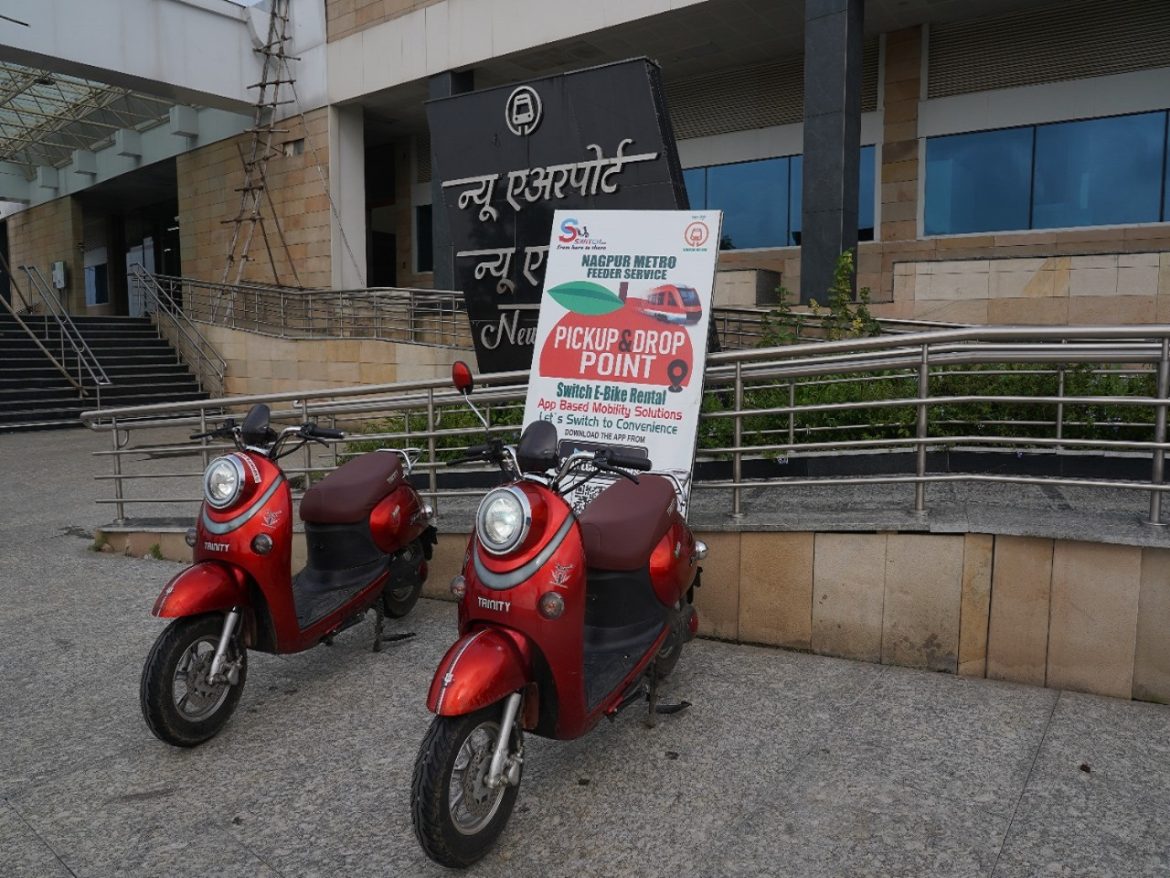
MahaMetro Switch E-Ride Service: Picture this: you hop off the metro, and instead of struggling to find a rickshaw or waiting for a cab, an eco-friendly e-scooter awaits you. Sounds convenient, doesn’t it? That’s precisely what MahaMetro Nagpur is bringing to life through its exciting partnership with TS Switch E-Ride Private Limited. This collaboration aims to revolutionize urban transport in Nagpur by bridging the gaps in last-mile connectivity with a futuristic, app-based e-scooter sharing service.


What is the MahaMetro and Switch E-Ride Partnership?

MahaMetro Nagpur has joined hands with Switch E-Ride to launch a seamless e-scooter service for commuters. The initiative is a step towards building a sustainable, cost-effective, and convenient transportation network for the city.

Key Highlights of the Partnership

  • App-Based E-Scooter Service: Users can book, track, and pay for rides directly through a dedicated smartphone app.
  • Real-Time Updates: Get instant information about e-scooter availability, routes, and costs.
  • Dedicated Parking: Strategically placed parking stations near Metro stops ensure convenience.

How Does the E-Scooter Sharing Service Work?

Step 1: Download the App

Start by downloading the Switch E-Ride app from your smartphone’s app store. The app is designed to provide a user-friendly experience, complete with real-time updates.

Step 2: Book Your Ride

Log in, locate the nearest e-scooter on the map, and book your ride. You’ll receive an access code to unlock the scooter.

Step 3: Ride and Return

Hop on your e-scooter, reach your destination, and park it at a designated docking station.


Why This Initiative Matters

1. Enhancing Last-Mile Connectivity

Nagpur’s Metro stations are now gateways to destinations beyond the metro network. This service fills the gaps, ensuring commuters reach their final stops effortlessly.

2. Promoting Sustainability

Electric scooters produce zero emissions, making them a green alternative to fuel-based vehicles. They’re helping Nagpur breathe a little easier while reducing its carbon footprint.

3. Cost-Effective Travel

E-scooters offer affordable travel options, cutting down on expensive cab fares or parking fees.


Safety Measures in Place

1. Regular Maintenance

E-scooters will undergo routine checks to ensure they are in top-notch condition.

2. Staff Verification

All staff members involved in the service are police-verified to enhance commuter safety.

3. Compliance with Regulations

The service complies with government safety standards to provide a secure riding experience.


Strategic Features of the Service

1. Mobile Wallet Integration

Paying for your ride is as simple as scanning your mobile wallet—no cash required!

2. Real-Time Tracking

Track your e-scooter’s location, ensuring no time is wasted waiting or searching.

3. Schedule Alignment

The e-scooter service operates in sync with Metro schedules, starting 15 minutes before the first train and closing 15 minutes after the last train.


Impact on Nagpur’s Urban Mobility

1. Boosting Metro Ridership

The ease of last-mile connectivity is expected to encourage more people to use Metro services.

2. Reducing Traffic Congestion

Fewer private vehicles mean less traffic on the roads, improving the city’s overall mobility.

3. Setting a Benchmark

This partnership serves as a model for other cities aiming to enhance public transportation systems sustainably.


Collaborative Efforts for Expansion

MahaMetro is working with local planning authorities to identify additional docking stations across the city. This expansion aims to ensure that the e-scooter service reaches more areas, making urban mobility truly accessible to all.


MahaMetro’s partnership with Switch E-Ride is more than just a transportation upgrade—it’s a giant leap toward a cleaner, greener, and smarter Nagpur. Whether you’re a daily commuter or someone exploring the city, this initiative promises a seamless, cost-effective, and eco-friendly travel experience. So, the next time you’re heading out, why not ride the wave of change on an e-scooter?


1. How do I book an e-scooter?

Download the Switch E-Ride app, locate a nearby scooter, and book your ride instantly.

2. Are the e-scooters safe to use?

Yes, the e-scooters undergo regular maintenance, and all operations comply with safety standards.

3. Where can I park the e-scooter after my ride?

Designated docking stations near Metro stations are available for parking your e-scooter.

4. What are the costs involved?

The app provides transparent pricing details based on ride distance and time.

5. Is the service available 24/7?

No, the service aligns with Metro schedules, starting 15 minutes before the first train and ending 15 minutes after the last train.

Exit mobile version