Nagpur’s Collector Office To Get A Modern ‘Twin-Tower’ Upgrade

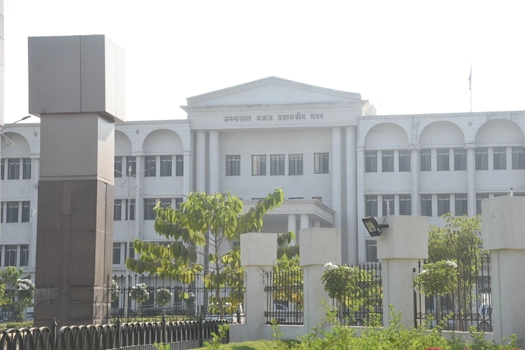
Maharashtra government | Nagpur collector office: Nagpur, the city known for its rich history and vibrant culture, is all set to witness an exciting transformation. The ambitious ‘twin tower building’ project, aimed at becoming the new headquarters for the collector and divisional commissioner, has officially begun. This project, which promises to bring modern amenities to the heart of the city, is already making waves with its sleek design and eco-friendly approach. But what exactly is in store for the people of Nagpur? Let’s take a closer look at the details of this transformative development.

Groundbreaking Ceremony: A Vision For The Future

In October of last year, the foundation stone for this massive twin-tower complex was laid in a grand ceremony (Nagpur collector office). Union Minister Nitin Gadkari and former Deputy Chief Minister Devendra Fadnavis (Maharashtra government) were on hand to mark the beginning of this monumental project. The event signified the government’s commitment to providing modern infrastructure that meets the growing demands of urban administration.

Project Overview: The New Face Of Nagpur’s Governance

The project (Nagpur collector office) will see the creation of two 12-floor towers, which will serve as the new homes for the collector’s office and divisional commissioner’s office. With a combined built-up area of 3.4 lakh square feet, this facility will house various administrative departments, offering a more efficient and streamlined working environment.

The Green Building Approach

One of the most exciting features of this project is its commitment to sustainability. The twin towers will be designed as state-of-the-art green buildings, incorporating energy-efficient solutions like rooftop solar panels. This will not only reduce the building’s carbon footprint but also help in minimizing operational costs by making the building self-sufficient in terms of energy consumption.

Parking and Accessibility

A pressing concern in any major city is the availability of parking. The new project addresses this issue with a basement parking facility that will accommodate up to 250 vehicles. This is a much-needed addition, given the increasing number of government employees and visitors expected at the new office.

Space for Collaboration and Innovation

The design of the twin towers includes a 500-seater auditorium, which will provide space for conferences, public meetings, and events. Alongside this, there will be well-equipped conference rooms for government officials (Maharashtra government) to meet, discuss, and collaborate on various projects. The new collector’s cabin will also be a key feature, designed to meet the needs of senior government officials in a comfortable, functional space.

Timeline and Construction Updates

According to the Maharashtra State Infrastructure Development Corporation (MSIDC), the project is already underway, with the first phase of funding (Rs 27 crore) secured. The construction is expected to progress in stages, with an estimated completion date set for December 2027.

Relocation Efforts Underway

Before construction can begin in earnest, the process of relocating existing office staff and clearing the area is underway. The old Tehsil office building, which currently occupies the site, will be demolished by the end of this month, paving the way for the twin towers. Staff from the Tehsil office, including the Tehsildar and Sub-Divisional Officer (SDO), will be temporarily relocated to the old rural SP office building.

Preserving Heritage Amidst Progress

While the new twin towers represent the future of governance in Nagpur, the existing collectorate building, which holds significant historical value, will not be forgotten. In fact, officials have assured that this heritage structure will remain undisturbed throughout the construction process. The plan is to repurpose the existing building as a dedicated heritage space, ensuring that the rich history of Nagpur’s governance is preserved even as the city moves toward modernization.

The Role of MSIDC in the Development

The Maharashtra State Infrastructure Development Corporation (MSIDC) (Maharashtra government) is at the helm of this project. Under the leadership of Brijesh Dixit, MSIDC is overseeing all aspects of the project, from securing funding to ensuring the timely completion of construction. MSIDC has already completed the tender process, and the work order has been issued to begin construction once the relocation efforts are finalized.

What’s Next for Nagpur?

As the construction of the twin towers continues, Nagpur can look forward to a brighter, more modern future. With state-of-the-art facilities, sustainable design, and ample space for collaboration, the new collector office will play a crucial role in shaping the city’s administrative landscape for years to come.

 A Step Towards Progress

The transformation of Nagpur’s collectorate office into a modern twin-tower facility is more than just a construction project; it’s a symbol of the city’s growth and ambition. With eco-friendly features, modern amenities, and a deep respect for the city’s history, this development promises to be a game-changer for Nagpur’s governance and infrastructure. By 2027, when the project is complete, it will serve as a beacon of progress for the entire state of Maharashtra.

  1. What is the total estimated cost of the Nagpur twin-tower project? The project carries an estimated budget of Rs271 crore, with Rs27 crore already received for the first phase of construction.
  2. When is the demolition of the Tehsil office expected to start? The demolition is expected to begin by the end of January 2025, following the completion of relocation efforts.
  3. How will the new twin-tower building benefit Nagpur’s administration? The new building will offer modern office spaces, a 500-seater auditorium, and advanced facilities for better administration and governance.
  4. Will the existing collectorate building be demolished? No, the heritage collectorate building will be preserved and repurposed as a heritage space to maintain its historical significance.
  5. What sustainable features will the twin towers include? The twin towers will be designed as green buildings, featuring rooftop solar panels to enhance energy efficiency and reduce the environmental impact.


With Fadnavis Back as CM, ₹470cr Civic Works Go Full Throttle in Nagpur

Fadnavis Nagpur Civic Works: The city of Nagpur has witnessed a significant resurgence in civic infrastructure development following the return of Devendra Fadnavis as Maharashtra’s Chief Minister. With renewed confidence from contractors and proactive government initiatives, projects worth ₹470 crore are now progressing at an accelerated pace. Let’s dive into the details and understand how this transformation is reshaping Nagpur.

Renewed Momentum Under Fadnavis’ Leadership | Fadnavis Nagpur Civic Works

Under the Maha Vikas Aghadi (MVA) government led by Uddhav Thackeray, civic works in Nagpur faced significant hurdles. Funds sanctioned by Fadnavis before the 2019 elections were stalled, leading to delays in over 54 critical projects. Contractors hesitated to proceed due to payment uncertainties, leaving many initiatives incomplete.

Turning the Tide

With Fadnavis’ return to power, the narrative has changed dramatically. Contractors now feel assured of timely payments, enabling them to resume stalled projects with renewed enthusiasm. As a senior official from Nagpur Municipal Corporation (NMC) stated, “The contractors are now working with renewed vigour as the concerns over payment delays have been addressed.”

Breakdown of Civic Works by Region

South Nagpur: Leading the Charge

Projects worth ₹80 crore are underway in South Nagpur. With 90% of tenders already allotted, the area is experiencing substantial progress in infrastructure development, including road asphalting and drainage systems.

East Nagpur: Setting the Benchmark

East Nagpur leads the way with initiatives valued at ₹160 crore. All work orders have been issued, ensuring smooth execution of projects such as stormwater drains and garden development.

Southwest Nagpur: A Close Competitor

With ₹150 crore allocated, Southwest Nagpur is not far behind. Approximately 85% of tenders have been finalized, showcasing significant strides in addressing the region’s civic needs.

Central Nagpur: Wrapping Up Pending Works

Central Nagpur has projects worth ₹30 crore nearing completion. This focus on finishing pending works reflects the city’s commitment to efficiency.

Hudkeshwar-Narsala: Room for Improvement

While ₹35 crore has been allocated to Hudkeshwar-Narsala, only 5% of projects have commenced. This region highlights the need for expedited implementation to match the progress seen elsewhere.

West Nagpur: Lagging Behind

With just ₹15 crore in work orders issued, West Nagpur’s civic activity remains limited. Addressing this disparity is crucial for holistic city development.

Key Projects Back on Track

The resumed projects span various essential sectors, including:

  • Drainage Systems: Tackling waterlogging and improving sanitation.
  • Cement Roads: Enhancing durability and traffic flow.
  • Stormwater Drains: Preventing urban flooding.
  • Bridges: Boosting connectivity across the city.
  • Garden Development: Creating green spaces for public recreation.

Government Assurance and Contractor Confidence

The NMC’s supplementary demand for funds during the recent winter session of the state legislature in Nagpur received a positive response from the state government. This assurance has further strengthened contractor confidence, driving the pace of ongoing projects.

The Bigger Picture: Transforming Nagpur’s Infrastructure

With ₹470 crore worth of civic works now back on track, Nagpur is poised for a significant transformation. From smoother roads to better drainage systems, these initiatives promise to improve the quality of life for the city’s residents.

Funds for Strengthening Civic Infrastructure

  • South Nagpur: ₹80 crore
  • East Nagpur: ₹160 crore
  • Southwest Nagpur: ₹150 crore
  • Hudkeshwar-Narsala: ₹35 crore
  • West Nagpur: ₹15 crore
  • Central Nagpur: ₹30 crore

Devendra Fadnavis’ return as Maharashtra CM has reignited the spark in Nagpur’s civic development. The renewed momentum in infrastructure projects demonstrates the power of decisive leadership and government accountability. While certain areas still require attention, the overall progress paints an optimistic picture for the city’s future.

1. What are the key sectors benefiting from the resumed projects?

The key sectors include drainage systems, cement roads, stormwater drains, bridges, and garden development.

2. How much funding has been allocated for East Nagpur?

East Nagpur has been allocated ₹160 crore, making it the leading region in terms of funding.

3. Why were civic projects stalled under the MVA government?

The MVA government stalled projects due to withheld funds and political uncertainties, leading to delays.

4. What measures are being taken to address delays in Hudkeshwar-Narsala?

The state government is expected to expedite project implementation in Hudkeshwar-Narsala to match progress in other regions.

5. How does the state government’s assurance impact contractor confidence?

The assurance of timely payments has significantly boosted contractor confidence, enabling faster execution of projects.

Nagpur May Get Two New Flyovers Worth Rs600 Crore

A Bold Step Towards Infrastructure Development

Nagpur New Flyovers: Nagpur, known as the “Orange City,” is all set to witness a significant transformation in its urban landscape. The Maharashtra Rail Infrastructure Development Corporation (MRIDC) has proposed two new flyovers worth an impressive Rs600 crore. These developments aim to tackle the increasing traffic congestion in key areas of the city.

Who’s Behind This Initiative?

Rajesh Kumar Jaiswal, the Managing Director of MRIDC, shared this exciting proposal during the inauguration of seven Road Over Bridges (ROBs) by Chief Minister Devendra Fadnavis. Jaiswal emphasized the urgency of these projects and urged the Chief Minister to approve the plans swiftly.

Key Players Driving the Project

MLA Krishna Khopde, representing Nagpur East, has been instrumental in facilitating these developments. His collaboration with MRIDC highlights the synergy required to bring large-scale infrastructure projects to fruition.


Details of the Proposed Flyovers | Nagpur New Flyovers

Where Will They Be Built?

  1. Kharbi to Sangharsh Nagar Flyover
    • This stretch experiences heavy traffic daily, making it a priority for decongestion.
  2. Gangabai Ghat Chowk to Vaishno Devi Square Flyover
    • Another traffic hotspot that will benefit from the proposed infrastructure.

Project Specifications

  • Type: Four-lane flyovers
  • Cost: Rs600 crore combined
  • Status: Awaiting approval from higher authorities

Why Are These Flyovers Needed? (Nagpur New Flyovers)

The growing vehicular density in Nagpur has turned certain routes into bottlenecks. These flyovers will serve as a relief valve, ensuring smoother traffic flow and reduced commute times.


A Look at Ongoing Infrastructure Projects

Flyovers Nearing Completion

Jaiswal also provided updates on several other flyovers:

  • Lakadganj Flyover
    • Length: 1.3 km
    • Completion Time: 16 months
    • Expected Inauguration: April
  • Deepti Signal Flyover
    • Built under the Setu Bandhan scheme
    • Scheduled for April launch

Upcoming Projects

  • Ajni ROB
    • Six-lane cable-stayed flyover
    • Unique Features: Theme-based lighting and a selfie point
    • Partial Opening: October 2025
  • Kadbi Square to Timki Police Square Flyover
    • Expected Completion: October 2025

Itwari Rail Line and Other Updates

Railway Developments

The Itwari to Nagbhid rail route is set to revolutionize passenger and freight transportation. Here’s what’s in store:

  • First Section: Itwari to Umred (65 km) ready by April
  • Second Section: Umred to Nagbhid operational by year-end

Gatishakti Terminal

A new terminal at Umred will drastically cut coal transit times:

  • Previous Duration: 22 hours
  • New Duration: 4 hours

 A Promising Future for Nagpur

The proposed flyovers and other infrastructure projects underscore Nagpur’s commitment to modernization and improved connectivity. As these developments take shape, the city’s residents can look forward to less congestion, faster commutes, and a more vibrant urban environment.


1. When will the proposed flyovers be approved?

The approval process is currently underway, with expectations for clearance by the end of this month.

2. How will these flyovers impact daily commuters?

The new flyovers will reduce traffic congestion significantly, ensuring smoother and quicker commutes for everyone.

3. What is unique about the Ajni ROB?

The Ajni ROB will feature theme-based lighting and a selfie point, making it not just functional but also visually appealing.

4. Are there any other projects in the pipeline for Nagpur?

Yes, MRIDC is working on multiple projects, including the Itwari rail line and additional ROBs across the state.

5. What’s the estimated completion time for the proposed flyovers?

While the exact timeline depends on approval, construction is expected to commence shortly after and take around 2-3 years.

New Central Jail to Come Up on 450 Acres: A Game-Changer in Prison Reform

The bustling city of Nagpur is about to witness a major transformation in its correctional facilities. The iconic Central Jail at Ajni, nestled in the heart of the city, is set to relocate to a sprawling 450-acre land parcel. This relocation initiative reflects the administration’s commitment to addressing overcrowding and paving the way for modern prison infrastructure. Let’s dive into the details of this groundbreaking project and explore its implications.


A Vision for the Future: Why a New Jail is Needed

Overcrowding in the Existing Central Jail

Nagpur’s Central Jail, established in 1864, was designed to house 1,900 inmates. Today, it accommodates over 2,900 prisoners, exceeding its capacity by 1,000. This overcrowding has not only strained resources but also hindered efforts toward inmate reform.

Modernization and Long-Term Planning

The administration’s vision for the new jail is rooted in addressing the needs of the next century. By allocating 450 acres, the plan aims to integrate modern facilities, open spaces, and sustainable infrastructure. This approach is designed to foster a more humane and reformative environment for inmates.


The Search for the Perfect Land Parcel

Criteria for Selection

The land selection process involves joint efforts from the Revenue and Prison Departments. Key criteria include:

  • Flat terrain without hillocks
  • Proximity to essential services
  • Potential for natural landscaping

Challenges in Land Identification

An initial inspection of land in the Hingna area was dismissed due to the presence of a hillock, which violates the Prison Department’s guidelines. Alternative sites are now being explored by Tehsildars across various tehsils.


Proposed Features of the New Central Jail

Single-Storied Structures

Unlike the existing multi-storied facility, the new jail will feature single-storied buildings. This layout promotes:

  • Better natural ventilation
  • Easier movement for inmates and staff
  • Improved safety and security

Integration with Nature

The new facility will embrace natural surroundings, including farms, trees, and green landscapes. This integration aims to:

  • Enhance inmates’ mental well-being
  • Provide a peaceful environment for reflection and reform

Focus on Women Inmates

A dedicated 150-acre open jail for women is a highlight of the proposal. This facility will:

  • Provide proximity for inmates from Nagpur and surrounding areas
  • Offer programs tailored to women’s rehabilitation

Role of District-Level Committees

Formation and Objectives

In compliance with a Supreme Court directive, the Maharashtra Government established six-member district-level committees. These committees, chaired by the Principal District Judge, assess:

  • Current prison infrastructure
  • Future requirements for the next 100 years

Collaborative Decision-Making

The committees include members from the District Legal Services Authority, Police Department, and Prison Department, ensuring a holistic approach to planning.


Historical Context: Nagpur Central Jail

A Legacy of 160 Years

The Nagpur Central Jail was established during a time when the city had just one police station. Over the decades, the number of police stations has grown to over 30, reflecting the city’s expansion and increased administrative demands.

Challenges of the Current Facility

The existing 118-acre jail struggles with:

  • Overcrowding
  • Aging infrastructure
  • Limited scope for expansion

The Impact on Prison Reforms

Rehabilitation-Focused Design

The new facility’s design prioritizes rehabilitation through:

  • Skill development programs
  • Recreational activities
  • Mental health support

Opportunities for Inmates

Access to open spaces and natural elements can significantly impact inmates’ behavior, fostering:

  • Reduced aggression
  • Increased willingness to reform

The Bigger Picture: Addressing Statewide Needs

Supreme Court’s Directive

The Supreme Court’s January 30 order emphasized the need for modernized prison infrastructure across India. Maharashtra’s proactive approach aligns with this vision.

Setting a Benchmark

The new Central Jail in Nagpur could serve as a model for similar projects nationwide, showcasing:

  • Innovative design
  • Sustainable practices
  • Effective rehabilitation programs

Open Jails: A Step Toward Inclusivity

Challenges Faced by Women Inmates

Currently, open jails for women in Maharashtra are located in Akola and Yerwada. The distance from Nagpur has deterred many inmates from relocating.

Benefits of a Local Open Jail

The new open jail for women in Nagpur will:

  • Reduce travel burdens
  • Provide a community-centric approach to rehabilitation

1. Why is the current Central Jail being relocated?

The existing jail is overcrowded and cannot accommodate future needs. The new facility will address these challenges while providing modern infrastructure.

2. What are the key features of the new jail?

The new jail will include single-storied buildings, natural landscapes, and a dedicated open jail for women.

3. How will the new jail benefit women inmates?

The facility’s proximity and tailored programs will make rehabilitation more accessible and effective for women inmates.

4. What role do district-level committees play?

These committees assess current infrastructure and plan for future needs, ensuring the new jail aligns with long-term goals.

5. When will the new jail be operational?

The timeline depends on land acquisition and construction progress, which are currently in the planning stages.

Nagpur RTOs Register Over 1.5L Vehicles in 9 Months of 2024-25

Nagpur RTO Vehicle Registrations: Nagpur’s roads are buzzing with activity, and the numbers back it up! With an impressive 1,51,872 vehicles registered between April and December 2024, the city’s three Regional Transport Offices (RTOs) — East, City, and Rural — have reported a 47.02% increase compared to the same period last year. What’s driving this surge? Let’s dive deep into the stats and trends shaping Nagpur’s vehicle landscape.

A Snapshot of the Numbers

The data tells a compelling story:

  • Daily Registrations: On average, 554 vehicles were registered each day.
  • Breakdown by RTOs:
    • East RTO: 66,252 vehicles (up from 58,900 in 2023-24).
    • City RTO: 28,285 vehicles (up from 26,722 in 2023-24).
    • Rural RTO: 57,335 vehicles (up from 52,109 in 2023-24).

Growth Over the Years

Each RTO has shown steady growth since 2020:

East RTO

  • 2024-2025: 66,252
  • 2023-2024: 58,900
  • 2022-2023: 54,127
  • 2021-2022: 42,140
  • 2020-2021: 38,272

City RTO

  • 2024-2025: 28,285
  • 2023-2024: 26,722
  • 2022-2023: 24,352
  • 2021-2022: 19,287
  • 2020-2021: 16,790

Rural RTO

  • 2024-2025: 57,335
  • 2023-2024: 52,109
  • 2022-2023: 46,867
  • 2021-2022: 41,083
  • 2020-2021: 39,224

Why the Surge in Registrations? (Nagpur RTO Vehicle Registrations)

The numbers don’t lie, but they also tell a story of recovery and growth. Here’s what’s fueling the rise:

Post-Pandemic Recovery

The pandemic significantly impacted mobility trends, but Nagpur’s vehicle market has rebounded strongly. The surge is a testament to renewed economic activity and consumer confidence.

Urbanization and Mobility

With Nagpur expanding its urban and rural infrastructure, more people are opting for personal vehicles. The convenience of private transport continues to attract residents in both urban centers and outlying areas.

Affordable Financing Options

Banks and financial institutions are offering enticing deals, making it easier for individuals to own vehicles. Low-interest loans and simplified EMIs are key drivers.

Challenges of Growing Registrations

While the increase in vehicle registrations indicates economic growth, it also presents challenges:

Traffic Congestion

Nagpur’s road networks are feeling the strain. With over 554 vehicles added daily, the city’s infrastructure needs a significant upgrade.

Environmental Concerns

More vehicles mean more emissions. Addressing air quality issues is crucial for sustainable urban development.

Public Transport Integration

Public transportation systems like MSRTC buses, NMC’s Aapli Bus fleet, and MahaMetro need to scale operations to accommodate the growing population. Expanding their reach is essential.

Breaking Down Public Transport in Nagpur

Nagpur’s public transport system is robust but faces increasing pressure:

  • MSRTC Buses: Operate extensively in rural areas.
  • Aapli Bus Fleet: 400 buses covering 125 routes with over 4,000 trips daily.
  • MahaMetro: Aqua and Orange Lines run 304 trips daily across 18 trains.
  • Auto-Rickshaws: Over 30,000 ply within city limits.

Proposed Solutions for a Growing City

Nagpur must address these challenges head-on:

1. Expanding Public Transport

  • Increase the fleet size of buses and metro trains.
  • Introduce more routes to connect underserved areas.

2. Traffic Management

  • Implement intelligent traffic systems to optimize flow.
  • Enforce stricter parking regulations.

3. Promoting Green Initiatives

  • Encourage the adoption of electric vehicles (EVs).
  • Develop more EV charging stations across the city.

4. Infrastructure Development

  • Widen major roads and build bypasses to ease congestion.
  • Invest in smart city projects that integrate technology with urban planning.

Nagpur’s rising vehicle registrations highlight its growth and vibrancy. However, this surge comes with its share of challenges. By focusing on sustainable transportation and robust infrastructure, the city can ensure that its progress doesn’t come at the cost of its residents’ quality of life. The road ahead might be busy, but with the right strategies, Nagpur can navigate it smoothly.

1. Why are vehicle registrations increasing in Nagpur? The rise is due to economic recovery, urbanization, and accessible vehicle financing options.

2. How is public transport coping with the surge? While Nagpur’s public transport system is extensive, it’s under pressure and needs expansion.

3. What challenges come with more vehicles? Increased congestion, environmental concerns, and strain on infrastructure are key issues.

4. What steps can address traffic congestion? Expanding public transport, better traffic management, and promoting EVs can help.

5. Are EVs a viable solution for Nagpur? Yes, EVs can reduce emissions and contribute to sustainable urban growth.

Nagpur Traffic Police Issue Challans Worth Over ₹14.22 Crore for 13.67 Lakh Traffic Violations in 2024

Nagpur traffic challans: The bustling city of Nagpur witnessed a landmark year in traffic management as the Nagpur Traffic Police cracked down on violators like never before. With over 13.67 lakh traffic violations recorded and fines amounting to ₹14.22 crore issued in 2024, the city has set an exemplary benchmark in enforcing road safety laws. Curious to know how this unfolded? Let’s dive in!


A Year of Vigilance: Key Statistics

The numbers speak for themselves. Compared to 2023, the city saw a significant increase in the number of recorded traffic violations and corresponding challans. Let’s break it down:

1. Helmet Violations

  • 2024 Cases: 8.93 lakh
  • 2023 Cases: 6.43 lakh
  • Increase: A whopping 2.50 lakh additional cases!

It’s clear that riders are yet to embrace the helmet as their best friend on the road.

2. Mobile Phone Usage While Driving

  • 2024 Cases: 9,255
  • 2023 Cases: 6,410
  • Increase: A rise of 2,845 cases.

Distracted driving is a growing menace. Think about it—is that text message really worth your life?

3. Driving Without Licenses

  • 2024 Cases: 73,653
  • 2023 Cases: 71,537
  • Increase: 2,116 cases.

Unlicensed driving is like walking into a battlefield unarmed—dangerous for everyone involved.

4. Dangerous Driving

  • 2024 Cases: 575
  • 2023 Cases: 1,108
  • Decrease: 533 fewer cases.

Could this reduction indicate growing awareness among drivers? Let’s hope so!

5. Seat Belt Violations

  • 2024 Cases: 25,756
  • 2023 Cases: 35,367
  • Decrease: A decline of 9,611 cases.

It’s heartening to see more citizens buckling up for safety.


Nagpur Traffic Police: Champions of Road Safety

The Nagpur Traffic Police’s unwavering commitment to safer roads has been nothing short of commendable. Deputy Commissioner of Police (Traffic), Archit Chandak, emphasized the importance of strict enforcement and public cooperation in achieving these results.

Proactive Measures Taken

  1. Increased Patrolling: More officers on the streets to catch violators in real-time.
  2. Surveillance Technology: Deployment of CCTV cameras to monitor and capture violations.
  3. Awareness Campaigns: Educating citizens on the dangers of traffic rule violations through workshops and public events.
  4. Digital Payment Options: Streamlining the challan process with online payment systems.

Why These Numbers Matter

Statistics aren’t just numbers; they tell stories. The rise in violations highlights areas that need attention, while the declines show positive behavioral shifts. Every challan issued is a step toward safer roads for everyone.

The Ripple Effect of Strict Enforcement

  • Reduced Accidents: Fewer violations often lead to fewer accidents.
  • Better Traffic Flow: Obedience to rules ensures smoother traffic movement.
  • Civic Responsibility: Citizens become more aware and responsible.

Citizens’ Role in Road Safety

Traffic police alone cannot shoulder the responsibility of road safety. It’s a two-way street—pun intended! Here’s how you can contribute:

1. Follow Basic Rules

  • Always wear a helmet and seatbelt.
  • Avoid using mobile phones while driving.

2. Educate Others

Spread awareness among friends and family about the importance of traffic rules.

3. Be Patient

Road rage solves nothing. Stay calm and composed during commutes.


Looking Ahead: Road Safety in 2025

With the lessons learned in 2024, the Nagpur Traffic Police aims to further enhance their strategies. Plans for 2025 include:

  • Increased Surveillance: More CCTV cameras across the city.
  • Innovative Penalties: Introducing community service as a form of penalty.
  • Collaborations: Partnering with NGOs to promote road safety awareness.

Nagpur’s journey toward road safety in 2024 is a testament to what can be achieved through determination and collaboration. With over ₹14.22 crore in challans issued and more than 13.67 lakh violations addressed, the city has set a shining example for others to follow. However, the road to complete safety is long, and every citizen has a role to play. Together, let’s make Nagpur’s streets safer for everyone.


1. What was the most common traffic violation in Nagpur in 2024?

Helmet violations topped the list, with 8.93 lakh cases recorded.

2. How did the Nagpur Traffic Police address violations?

They utilized increased patrolling, advanced surveillance technology, and awareness campaigns.

3. Did any violations decrease in 2024?

Yes, dangerous driving and seat belt violations saw significant decreases.

4. How can citizens help improve road safety?

By following traffic rules, educating others, and staying patient on the roads.

5. What are the plans for 2025?

The department plans to increase surveillance, introduce community service penalties, and collaborate with NGOs.

Rajesh Rokde: First City Businessman to Lead GJC

India’s jewellery industry recently celebrated a significant milestone as Rajesh Rokde, a prominent businessman from Nagpur, became the chairman of the All India Gems and Jewellery Domestic Council (GJC). This historic achievement marks the first time a city-based entrepreneur has assumed this prestigious position, bringing both pride and fresh aspirations to the region.

Who Is Rajesh Rokde?

Rajesh Rokde is not just any name in the jewellery world; he is a visionary and the driving force behind a successful chain of jewellery retail outlets in Nagpur. His unwavering dedication and innovative strategies have earned him a stellar reputation within the industry, making him an ideal candidate to lead the GJC.

What Is the All India Gems and Jewellery Domestic Council (GJC)?

The GJC is a vital trade association representing over 65,000 businesses in the gold and ornament industry. From bustling metropolitan markets to remote corners of India, the GJC ensures seamless collaboration among stakeholders. The council plays a pivotal role in addressing industry challenges, advocating for policies, and promoting ethical practices.


Rajesh Rokde’s Vision as GJC Chairman

1. Making India a Global Jewellery Hub

Rajesh Rokde’s primary mission is to position India as a top destination for jewellery shopping, rivaling global giants like Dubai.

“India is the biggest supplier of gold to Dubai and has the potential to be developed as a shopping hub,” says Rokde.

How will this happen? By pushing for tax incentives and sops that make buying jewellery in India as appealing as in Dubai. Such measures could boost tourism and exports, transforming India into a glittering hub for jewellery enthusiasts worldwide.

2. Establishing Vigilance Cells

Navigating the jewellery business can be challenging, especially with stringent regulations. Rokde plans to set up vigilance cells across the country to:

  • Prevent harassment of genuine businessmen.
  • Ensure fair enforcement of laws.
  • Promote trust and transparency within the industry.

3. Empowering Women Entrepreneurs

Recognizing the immense potential of women in the jewellery sector, the GJC under Rokde’s leadership will:

  • Introduce programs to support women entrepreneurs.
  • Provide training and resources for skill development.
  • Encourage female participation in leadership roles.

Why Is This Milestone Significant for Nagpur?

Nagpur, often overshadowed by bigger cities like Mumbai and Delhi, now stands proudly on the national stage. Rajesh Rokde’s appointment:

  • Highlights the talent and potential of Tier-2 cities.
  • Inspires local entrepreneurs to aim for national and global recognition.

India vs. Dubai: The Jewellery Showdown

Dubai has long been the go-to destination for gold buyers. Here’s why India, with the right policies, could surpass Dubai:

Advantages of India:

  1. Gold Supply Powerhouse: India is a major supplier of gold to Dubai.
  2. Cultural Significance: Jewellery is deeply ingrained in Indian traditions.
  3. Skilled Craftsmanship: Indian artisans are globally renowned for their intricate designs.

Challenges to Overcome:

  • High import duties on gold.
  • Complex tax structures.
  • Lack of international marketing campaigns.

The Road Ahead: Key Initiatives by GJC

1. Promoting Exports

Rokde’s leadership will focus on boosting jewellery exports by:

  • Simplifying export policies.
  • Organizing global trade fairs and exhibitions.
  • Collaborating with international markets.

2. Enhancing Ethical Practices

The GJC aims to:

  • Introduce stricter quality control measures.
  • Promote transparency in gold sourcing and pricing.
  • Educate consumers about ethical buying practices.

3. Digitizing the Industry

The future of jewellery lies in digital transformation. Initiatives include:

  • Developing e-commerce platforms for jewellers.
  • Leveraging AI to predict consumer trends.
  • Providing digital training for small-scale jewellers.

What This Means for Consumers

As a jewellery lover, you can look forward to:

  • Better Prices: Competitive pricing due to reduced taxes and increased competition.
  • Improved Quality: Stricter quality controls ensure you get the best.
  • Seamless Shopping: Enhanced digital platforms for hassle-free purchases.

1. Who is Rajesh Rokde?

Rajesh Rokde is a prominent jeweller from Nagpur and the newly appointed chairman of the All India Gems and Jewellery Domestic Council (GJC).

2. What is the GJC’s main objective?

The GJC represents over 65,000 businesses in the jewellery industry, focusing on advocacy, ethical practices, and industry growth.

3. How will India compete with Dubai in the jewellery sector?

Under Rajesh Rokde’s leadership, the GJC plans to push for tax incentives, promote exports, and position India as a global jewellery hub.

4. What initiatives will benefit consumers?

Consumers can expect competitive prices, better quality, and improved digital shopping experiences.

5. How does the GJC support women entrepreneurs?

The GJC provides training, resources, and programs to empower women in the jewellery industry.

Massive Police Crackdown: Ensuring Safety on New Year’s Eve in Nagpur

A City on High Alert (Nagpur Police)

Nagpur Police | Ravinder Singal: As the New Year’s Eve festivities approach, Nagpur police force is stepping up its game to ensure the safety of its citizens. With a massive crackdown underway, the city is buzzing with preparations to curtail crime and chaos. A monumental effort involving 5,000 officers and targeting over 1,000 known criminals is in full swing to deliver a ‘stab-free’ and ‘zero casualty’ celebration.

A Mission Mode Operation

 Commissioner’s Directive (Nagpur Police)

City Police Commissioner Ravinder Singal (Nagpur Police) has left no stone unturned. His directive is clear: ensure a peaceful transition into the new year. Preventive actions are being taken to either restrain or apprehend individuals with criminal records.

 Full Deployment of Police Force

From constables to top-ranking officers, the entire force is on duty. The mission? To maintain law and order, ensuring revelers can celebrate safely.


Key Measures for Safety

 Preventive Detentions and Actions

The police (Nagpur Police) aim to take proactive steps by:

  • Detaining individuals with prior records.
  • Conducting rigorous checks to ensure compliance with laws.

 Monitoring Party Venues

Special teams are inspecting bars, restaurants, and party venues to verify proper licenses and permissions.

 Cyber Patrolling

With the rise of social media promotions, cyber teams are:

  • Tracking unauthorized events.
  • Monitoring posts for illegal activities.

Combatting Crime: A Comprehensive Approach

 Targeting Illegal Activities

The police are cracking down on:

  1. Unauthorized liquor sales.
  2. Gambling dens.
  3. Drug peddling.

 Women’s Safety Initiatives

Women officers are deployed at party hotspots to:

  • Address eve-teasing incidents.
  • Ensure safe environments for women.

Road Safety Measures

 Drunken Driving Checks

To minimize accidents, the police have set up:

  • Barricades at accident-prone spots.
  • Checkpoints near major establishments.

 Covert Policing

Crime branch units will be actively:

  • Monitoring for suspicious behavior.
  • Conducting undercover operations.

The Role of Citizens

 Cooperation is Key

Citizens are encouraged to:

  • Report any suspicious activities.
  • Follow traffic rules and avoid drinking and driving.

 Community Vigilance

Engaging the public ensures a collective effort toward a safer city.


 A Safe Start to the New Year

With the dedicated efforts of Nagpur Police force and the cooperation of its citizens, the city is gearing up for a secure and joyous New Year’s Eve. This monumental operation is a testament to the commitment to public safety, ensuring everyone can welcome the new year without worry.


Q1: What measures are being taken to prevent crimes during New Year’s Eve?

The police are detaining criminals, inspecting venues for proper licenses, and setting up road barricades to ensure safety.

Q2: How is women’s safety being ensured?

Special teams (Nagpur Police), including women officers, are deployed to address incidents and create a secure environment for women.

Q3: What steps are being taken against drunken driving?

Checkpoints and barricades have been set up at accident-prone spots to curb drunken driving.

Q4: How can citizens contribute to safety measures?

Citizens can report suspicious activities and ensure compliance with traffic and safety rules.

Q5: Are cyber teams involved in the safety operation?

Yes, cyber teams (Nagpur Police) are actively monitoring social media to track unauthorized events and promotions.

GMR to Start Development Work at City Airport from April 2025

Nagpur Airport Redevelopment: The stage is set for a transformative journey as GMR Airports Limited (GAL) gears up to commence development work at Dr. Babasaheb Ambedkar International Airport, Nagpur, in April 2025. This ambitious project, supervised by MIHAN India Limited (MIL), marks a pivotal step forward for Maharashtra’s airport infrastructure.

What Makes This Development Significant?

The redevelopment is not just about upgrading an airport; it’s about reimagining Nagpur’s role in India’s aviation and logistics ecosystem. With a sanctioned budget of Rs 700 crore, this project is poised to establish state-of-the-art facilities, ensuring Nagpur becomes a central hub for both passenger and cargo operations.


Key Players Driving the Transformation

Dr. Vipin Itankar: A Visionary Leader

Dr. Vipin Itankar, District Collector, has been entrusted with the dual role of Chairman-cum-Managing Director (CMD) of MIL. This is a first-of-its-kind arrangement where a district officer holds such a significant responsibility.

Swati Pandey: The Catalyst for Change

Swati Pandey, serving as Vice Chairperson and Managing Director of the Maharashtra Airport Development Company (MADC), has played a vital role in setting up the Amravati airport and accelerating key projects within MIHAN, including Patanjali’s initiatives.


What’s in Store for Nagpur Airport?

Enhanced Passenger Terminal

The redevelopment aims to increase passenger terminal capacity to handle 4 million passengers annually, bringing modern comfort and efficiency to travelers.

Cargo Handling Expansion

A key focus is transforming Nagpur into a logistics powerhouse. Cargo capacity will be ramped up to 20,000 metric tons, boosting trade and connectivity across the Vidarbha region.

New Infrastructure Additions

  • Modern Cargo Terminal: A state-of-the-art cargo terminal to streamline logistics.
  • Advanced ATC Tower: A new Air Traffic Control (ATC) tower to ensure safer and more efficient air traffic management.

The Broader Implications for Nagpur and Maharashtra

Economic Growth

The airport’s expansion is expected to attract investments, create jobs, and strengthen the region’s economic fabric.

Enhanced Connectivity

With improved passenger and cargo operations, the airport will serve as a critical link connecting Nagpur to global markets.

Boosting MIHAN’s Vision

MIHAN’s mission to position Nagpur as a global cargo hub will finally see fruition, making it a benchmark for airport development in India.


Challenges and Overcoming Them

Legal Hurdles

The project faced significant delays due to legal battles. However, relentless efforts by Chief Minister Devendra Fadnavis and Union Minister Nitin Gadkari ensured progress.

Government’s Role

A dedicated officer for monitoring redevelopment reflects the government’s commitment to delivering the project on time.


A Step Towards a Brighter Future

This project symbolizes a leap towards modernization. GMR Airports Limited, backed by GAL’s expertise, is set to redefine Nagpur’s aviation landscape, aligning it with global standards.


1. What is the timeline for the Nagpur airport redevelopment?

Development work is set to begin in April 2025 and will be executed in phases.

2. What improvements can passengers expect?

Passengers will enjoy enhanced terminal facilities capable of handling 4 million travelers annually.

3. How will the project impact Nagpur’s economy?

The redevelopment will create jobs, boost trade, and attract investments, significantly impacting the region’s economy.

4. Who is overseeing the project?

Dr. Vipin Itankar, CMD of MIL, is responsible for monitoring the redevelopment, with GMR Airports Limited leading the execution.

5. Why is this project important for MIHAN?

The project aligns with MIHAN’s goal of establishing Nagpur as a global cargo hub and enhancing the region’s connectivity.

OCW Employees to Visit Every Consumer for Service Satisfaction Survey

Orange City Water (OCW) is taking a proactive approach to enhance customer satisfaction. Over the coming weeks, OCW employees will visit residents to conduct a service satisfaction survey. This initiative aims to gather valuable insights, improve service quality, and ensure a seamless customer experience.

Let’s dive into the details of this survey, why it’s happening, and how it benefits you as a consumer.


What Is the Purpose of the OCW Service Satisfaction Survey?

The main goal of this survey is simple: understand customer needs better. OCW wants to identify areas for improvement in their water services and strengthen relationships with consumers.


Why Is Customer Feedback Important?

Customer feedback is like a compass—it helps businesses navigate their way to better services. By listening to your suggestions and complaints, OCW can address pain points and implement effective solutions.


Who Will Be Conducting the Survey?

OCW employees will personally visit each residence. Here’s what you should know:

  • Identification: Verify their identity by checking their official ID cards.
  • Professional Conduct: Employees will approach you respectfully and prioritize your convenience.
  • Verification: If something seems off, contact the OCW call center or your local zone office immediately.

When Will the Survey Take Place?

Mark your calendars! The survey is running until March 31, 2025. This extended timeline ensures every household gets a chance to share their feedback.


How Can Residents Participate?

Participating in the survey is straightforward:

  1. Engage in the Visit: Answer questions honestly when OCW employees visit your home.
  2. Verify Their Identity: Always check for their official ID to avoid fraudulent activities.
  3. Provide Constructive Feedback: Share specific details to help OCW improve their services.

What Questions Will Be Asked?

The survey covers a range of topics, including:

  • Quality of water supply
  • Timeliness of issue resolution
  • Customer service experience
  • Suggestions for improvement

Why Should You Participate?

Think of this as your chance to shape the services you use daily. By participating, you:

  • Contribute to better water services.
  • Ensure your voice is heard.
  • Help identify and resolve community-wide issues.

Safety Measures During the Survey

Your safety matters. Here are some tips:

  • Verify ID Cards: OCW employees will carry official identification.
  • Report Suspicious Activity: Contact the OCW helpline at 1800 266 9899 for any concerns.

How Will OCW Use Your Feedback?

Feedback collected during the survey will:

  1. Pinpoint recurring problems in water services.
  2. Highlight areas where customer satisfaction is lacking.
  3. Guide improvements in infrastructure and service delivery.

Contacting OCW for Further Assistance

If you have any immediate concerns, OCW provides multiple contact options:


Tips for a Smooth Survey Experience

To ensure everything goes well, keep these tips in mind:

  1. Be available during the survey period.
  2. Keep your suggestions concise and actionable.
  3. Stay informed by following OCW updates.

What Sets This Survey Apart?

Unlike generic feedback forms, this survey involves face-to-face interaction. It creates a more personal and impactful way to communicate your needs directly to OCW representatives.


OCW’s Commitment to Improvement

OCW is dedicated to delivering top-notch water services. This survey is just one of many initiatives demonstrating their commitment to consumer satisfaction.

1. Is the survey mandatory?
No, it’s voluntary, but your feedback is highly valued.

2. How long will the survey take?
Each visit is expected to last around 10–15 minutes.

3. What should I do if I miss the OCW employee?
You can contact the OCW helpline to reschedule a visit.

4. Will my personal information be safe?
Absolutely. OCW adheres to strict data protection guidelines.

5. Can I submit feedback online instead?
Currently, the survey is conducted in person to ensure accurate data collection.

Exit mobile version