A New Haven: 44-Bed Restroom Revolutionizes Support for Women Attendants at GMCH Nagpur

Providing Comfort in Times of Need

GMCH, Nagpur: Imagine the anxious wait outside a delivery ward, the uncertainty gnawing at your nerves as you await news of your loved one. This was the reality for many like Vandanabai, a domestic worker from Jaitala, who found herself in such a situation last October. Her daughter, about to give birth, left Vandanabai with nowhere to rest except the crowded corridor. However, this year brings a welcome change. With the inauguration of a 44-bed all-women rest room at Government Medical College and Hospital (GMCH), the experience has transformed for Vandanabai and many others in similar situations.

Affordable Comfort and Convenience

Vandanabai’s relief was palpable as she expressed her disbelief at the sight of the new rest room right outside the labour ward. Priced at just Rs 50 for the entire day, the facility becomes not just a haven but an affordable one at that. The GMCH Hospital‘s decision to open this dedicated space specifically for female relatives of patients marks a significant step forward in providing holistic support. Positioned in front of the labour ward, the facility’s official opening on Wednesday evening heralded a new era of comfort and convenience for attendants.

A Sanctuary of Amenities

Dr. Raj Gajbhiye, the dean of GMCH, aptly described the rest room as a “welcome change.” Equipped with proper bedding, clean washrooms featuring RO drinking water, geysers for hot water baths, and even a space to dry clothes, the facility leaves no comfort unaddressed. The nominal charge of Rs 50 per 24 hours covers the maintenance of these amenities, ensuring sustainability and accessibility for all.

Alleviating Anxiety, Ensuring Preparedness

For attendants like the one from Hingna, the rest room represents more than just physical comfort. It alleviates the mental strain of waiting, allowing them to be present and mentally prepared when their loved ones need them the most. No longer do they have to take turns sitting outside, consumed by worry. Instead, they can find solace and support in a dedicated space designed with their needs in mind.

A Step Towards Equality and Inclusivity

Three months prior, a similar rest room facility for men near Ward No. 50 was inaugurated, demonstrating GMCH’s Nagpur commitment to inclusivity and gender equality. Managed by the in-house Medical College Consumers Cooperative Society, these restrooms stand as pillars of support for both patients and their attendants.

The establishment of the 44-bed all-women rest room at GMCH Nagpur signifies more than just physical infrastructure; it symbolizes empathy, inclusivity, and a commitment to holistic care. In providing a sanctuary of comfort and support for female attendants, GMCH sets a precedent for healthcare institutions nationwide. It’s not just about medical treatment; it’s about ensuring that every aspect of a patient’s journey, including the support system around them, is catered to with compassion and foresight.

  1. What are the amenities provided in the all-women rest room at GMCH?
    • The rest room offers proper bedding, clean washrooms with RO drinking water, geysers for hot water baths, and a space to dry clothes.
  2. How much does it cost to use the rest room?
    • The nominal charge is Rs 50 per 24 hours, covering the maintenance of all facilities.
  3. Who manages the rest room facilities at GMCH?
    • The in-house Medical College Consumers Cooperative Society oversees the management of these restrooms.
  4. Is there a similar facility for men at GMCH?
    • Yes, a similar rest room facility for men was inaugurated near Ward No. 50 three months prior.
  5. What is the significance of the all-women rest room at GMCH?
    • It symbolizes GMCH’s commitment to inclusivity, gender equality, and holistic care for patients and their attendants.

Pench Tiger Reserve: A Haven for Wildlife Enthusiasts

Pench Tiger Reserve (PTR), located in Maharashtra, stands as a beacon of wildlife conservation and adventure. In 2023, it experienced an unprecedented surge in tourism, hosting over one lakh visitors, marking the highest footfall in five years. This surge reflects the enduring allure of PTR, drawing nature lovers and adventure seekers alike.

Unraveling the Numbers

The data from PTR over the past five years paints a vivid picture of its growing popularity. In 2023 alone, 1,07,000 tourists explored the reserve, embarking on a staggering 23,472 safaris. This surge contrasts sharply with 2019-20, where the shadow of the Covid-19 pandemic loomed large, halving the tourist numbers to 53,000. However, in 2023, PTR rebounded robustly, recording a remarkable increase in both footfall and safari activities.

The PTR Experience

Post-Covid-19, tourists flock to PTR for its rejuvenating jungle safaris. Since 2022, with the resumption of all activities, PTR has witnessed a steady rise in visitors. Established as a National Park in 1975, PTR attained Tiger Reserve status in 1999, a testament to its ecological significance. As it celebrates its silver jubilee in 2024, PTR stands as the 25th Tiger Reserve in India.

Biodiversity at its Finest

PTR is not just about tigers; it’s a thriving ecosystem teeming with diverse wildlife. With over 40 tigers, 71 mammal species, 367 bird species, 53 reptiles, and 170 butterfly species, PTR offers a captivating glimpse into nature’s bounty. Seven tourism routes crisscross the reserve, each offering a unique perspective of its natural splendor.

Accommodation and Adventure

Tourists can immerse themselves in the wilderness while enjoying the comforts of Amaltas Tourism Complex in Sillari, Minko Tourism Complex in Kolitmara, or Dhanesh Tourism Complex in Surewani. Adventure enthusiasts can now soar above the canopy with para-motoring or experience the serenity of a hot air balloon ride, recently introduced at Kolitmara.

Dark Sky Sanctuary: A Celestial Delight

PTR’s latest accolade as India’s first ‘Dark Sky Sanctuary’ by the International Dark Sky Organisation elevates its allure. This initiative beckons stargazers and nature enthusiasts alike, offering unobstructed views of the cosmos. Moreover, the upcoming boat safari along the Pench River promises to be a captivating addition to PTR’s offerings.

Pench Tiger Reserve stands as a testament to India’s rich biodiversity and commitment to conservation. Its recent surge in tourism underscores its enduring appeal, offering visitors a harmonious blend of adventure and ecological immersion.

1. How can I book a safari at Pench Tiger Reserve?

Booking a safari at PTR is easy. You can either book online through the official website or inquire at the tourism complexes within the reserve.

2. Is Pench Tiger Reserve safe for solo travelers?

Yes, PTR is considered safe for solo travelers. However, it’s always advisable to follow the guidelines provided by the reserve authorities and exercise caution while exploring the wilderness.

3. What is the best time to visit Pench Tiger Reserve?

The best time to visit PTR is during the winter months, from October to February, when the weather is pleasant, and wildlife sightings are frequent.

4. Are there any accommodation options inside Pench Tiger Reserve?

Yes, PTR offers accommodation options within its premises, ranging from eco-friendly lodges to luxury resorts, catering to various preferences and budgets.

5. Can I engage in birdwatching at Pench Tiger Reserve?

Absolutely! With its rich avian diversity, PTR is a paradise for birdwatchers. Make sure to carry your binoculars and camera to capture the mesmerizing avian species that call PTR home.

Nagpur Metro Phase 2: Enia Design Secures DDC-03 Contract

In a significant development for the Nagpur Metro Phase 2 project, Enia Design, a French firm, has clinched the Detailed Design Consultant (DDC) contract DDC-03, announced by the Maharashtra Metro Rail Corporation Ltd (MahaMetro). This move propels the project forward, focusing on the construction of 8 elevated stations along the Orange Line between Jamtha and Butibori.

The Scope of DDC-03

The scope of DDC-03 encompasses the design of 8 elevated stations strategically positioned at Ashokvan, Dongargaon, Mohgaon, Meghdoot MIDC, Butibori Police Station, MHADA Colony, MIDC KEC, and MIDC ESR. These stations are pivotal to the seamless operation and connectivity of the Nagpur Metro Phase 2.

Contract Details

Enia Design submitted a competitive bid of ₹3.08 crore, substantially lower than Mahametro’s estimated cost, indicating both efficiency and cost-effectiveness. The contract duration spans 3 years, underscoring a long-term commitment to the project’s success. Post the conclusion of the Lok Sabha model code of conduct, the contract is poised to move forward swiftly.

Enia Design’s Success Story

Enia Design’s successful bid for DDC-03 marks its second triumph in Nagpur metro phase 2, having previously secured the design package DDC-02 for 11 stations. This accomplishment underscores Enia’s prowess and expertise in urban infrastructure design. The allocation of two out of four DDCs to Enia Design reflects the confidence and trust placed in the firm’s capabilities.

Project Progress

With three out of four DDCs assigned, the Nagpur Metro Phase 2 project inches closer to fruition. LKT Engineering Consultants handle Package DDC-01, while Enia Design takes charge of DDC-02 and DDC-03. A Mahametro official expressed optimism, stating, “With this bidding, we are now all set for the 3 DDCs with only 1 left, which we will finalize soon.”

Bidding Process Insights

The consultancy service bids, initiated in November 2023 with an estimated value of ₹5.20 crore, attracted bids from six contenders. However, Structcon Designs Pvt. Ltd. faced disqualification for non-compliance with tender conditions during the technical bid evaluation in December 2023.

The successful acquisition of the DDC-03 contract by Enia Design signifies a significant milestone in the Nagpur Metro Phase 2 project. With meticulous planning, competitive bidding, and a steadfast commitment to excellence, the project progresses steadily towards enhancing urban mobility and connectivity in Nagpur.

1. What is the significance of the DDC-03 contract in the Nagpur Metro Phase 2 project?

The DDC-03 contract entails the design of 8 elevated stations crucial for enhancing connectivity along the Orange Line, signifying a crucial step forward in the project’s implementation.

2. How does Enia Design’s success impact the Nagpur Metro Phase 2 project?

Enia Design’s successful bid for DDC-03 highlights its expertise and contributes to the efficient execution of the project, ensuring world-class infrastructure development.

3. What is the duration of the DDC-03 contract?

The DDC-03 contract spans a duration of 3 years, emphasizing a long-term commitment to the Nagpur Metro Phase 2 project’s success.

4. How many DDCs are yet to be finalized for the Nagpur Metro Phase 2 project?

Out of four DDCs, only one remains to be finalized, indicating substantial progress in project planning and execution.

5. What challenges were faced during the bidding process for the consultancy services?

The bidding process witnessed stiff competition, with six contenders vying for the contracts. However, Structcon Designs Pvt. Ltd. faced disqualification due to non-compliance with tender conditions, highlighting the importance of adhering to regulatory requirements.

Nagpur’s Sameer Khode: Journey to Becoming Maharashtra Topper in UPSC Civil Services Exam 2023

Civil Services Exam 2023 | UPSC Maharashtra topper: The Union Public Service Commission (UPSC) announced the results of the Civil Services Examination on April 17, 2024. Among the achievers, Sameer Prakash Khode emerged as the top scorer from Maharashtra, securing an impressive All India Rank (AIR) 42. Let’s delve into his journey, aspirations, and the challenges he overcame to achieve this remarkable feat.

Maharashtra’s Representation in UPSC

In the vast pool of candidates, Maharashtra accounted for 8.6%, reflecting the state’s active participation in the prestigious UPSC exams.

Sameer Khode’s Achievement

Sameer Khode’s stellar performance positioned him as Maharashtra’s shining star in the UPSC Civil Services Exam of 2023. His outstanding AIR 42 is a testament to his dedication and perseverance.

Background and Education

Hailing from Nagpur, Maharashtra, Sameer Khode pursued Chemical Engineering at Visvesvaraya National Institute of Technology (VNIT) and furthered his academic journey with an MBA from IIM Lucknow. His educational background laid a robust foundation for his future endeavors.

Professional Journey

Before embarking on his civil services journey, Khode contributed his skills to the corporate sector for seven years. His stint at the Indian Railway Service in Raipur showcased his commitment to public service.

Khode’s Motivation and Preparation

In an interview with The Free Press Journal, Khode revealed his initial aspiration to become an IAS officer, driven by the desire to make a significant societal impact. Despite challenges, including multiple attempts, Khode remained steadfast in his pursuit. He credited his younger brother and close friend, Shubham Bhaisare, an IAS officer, for their unwavering support and motivation.

Preparation Strategy

Khode emphasized consistency, focus, and adherence to the syllabus as pillars of his preparation strategy. His meticulous approach included staying abreast of current affairs, which proved instrumental in his success.

UPSC CSE 2023 Highlights (UPSC Maharashtra topper)

The UPSC CSE 2023 witnessed notable achievements, with Aditya Srivastava securing AIR 1, followed by Animesh Pradhan at AIR 2, and Donuru Ananya Reddy at AIR 3. Out of 5,92,141 candidates, only 2,855 qualified for the interview stage, showcasing the exam’s rigorous selection process.

Sameer Khode’s journey from Nagpur to securing AIR 42 in the UPSC Civil Services Exam is a testament to his resilience, determination, and unwavering commitment to public service. His success story serves as an inspiration for aspirants across the nation.

  1. How many attempts did Sameer Khode make before securing AIR 42?
    • Sameer Khode attempted the UPSC exam five times before achieving his remarkable success.
  2. What role did education play in Sameer Khode’s journey?
    • Sameer Khode’s academic background in Chemical Engineering and MBA provided him with a strong foundation for his civil services preparation.
  3. Who supported Sameer Khode during his preparation journey?
    • Sameer Khode credited his younger brother and close friend, Shubham Bhaisare, for their unwavering support and motivation.
  4. What was Sameer Khode’s motivation to pursue civil services?
    • Sameer Khode aspired to become an IAS officer to make a broader societal impact through public service.
  5. How did Sameer Khode approach his UPSC preparation?
    • Sameer Khode focused on consistency, adherence to the syllabus, and staying updated on current affairs as key aspects of his preparation strategy.

Hi-Tech Forensic Vans: Revolutionizing Crime Scene Investigation

Advancements in Crime Scene Analysis

In the realm of criminal justice, the pursuit of truth and justice relies heavily on concrete evidence. In recent times, technological advancements have played a pivotal role in enhancing the efficiency and accuracy of crime scene investigations. One such groundbreaking development is the introduction of state-of-the-art mobile forensic vans (MFVs). These sophisticated vehicles, equipped with highly trained manpower and cutting-edge tools, are poised to revolutionize the process of collating crime evidence.

Unveiling the MFV Initiative

The Vision: Strengthening Criminal Justice

The MFV initiative aims to bolster the criminal justice system by providing law enforcement officials with timely access to crucial forensic resources. Designed to cater to crime scenes involving serious offences with potential imprisonment of more than seven years, these vans represent a proactive approach towards ensuring thorough and meticulous investigations.

Integration of Technology: A Paradigm Shift

Central to the effectiveness of MFVs is the integration of advanced technology. Each van will be equipped with an online software system, marking a significant milestone as the first of its kind in India. This innovative software will streamline data collection, analysis, and reporting, empowering forensic teams to work with unprecedented efficiency and precision.

Implementation and Impact

With the impending implementation of the Bharatiya Nagrik Suraksha Sanhita-2023, slated to come into force from July, the deployment of MFVs will be mandated by law. Under this new legal regime, MFVs will be allocated to officers of specified ranks, ensuring their availability at crime scenes across rural and urban areas.

Strengthening Forensic Capabilities

In addition to the deployment of MFVs, efforts are underway to enhance forensic capabilities on multiple fronts. The establishment of a centre of excellence in digital forensics at Pune underscores the commitment to staying abreast of technological advancements. Moreover, the integration of modern technologies into forensic laboratories statewide signifies a concerted effort to modernize forensic practices and combat emerging challenges.

The introduction of hi-tech forensic vans marks a significant milestone in the evolution of crime scene investigation. By leveraging cutting-edge technology and strategic deployment strategies, these vans are poised to elevate the standards of forensic analysis, ultimately leading to more convictions and a stronger criminal justice system.

  1. How will the MFVs impact crime scene investigations? The MFVs will streamline the process of collecting and analyzing crime evidence, resulting in more thorough and efficient investigations.
  2. Are MFVs only intended for use in urban areas? No, MFVs will be allocated to both rural and urban areas to ensure equitable access to forensic resources across the region.
  3. What measures are in place to safeguard the integrity of forensic data collected by MFVs? Stringent protocols and encryption techniques will be employed to safeguard the confidentiality and integrity of forensic data.
  4. Can MFVs handle a wide range of forensic investigations? Yes, MFVs are equipped with a diverse array of tools and kits to handle various types of forensic investigations, from digital forensics to traditional evidence collection.
  5. How will the introduction of MFVs impact the workload of forensic professionals? The streamlined processes facilitated by MFVs will enable forensic professionals to handle cases more efficiently, potentially reducing workload burdens and backlog issues.

Ensuring Smooth Polling: A Comprehensive Look at Security Measures in Nagpur and Ramtek

Preparing for the Lok Sabha Polls

As the Lok Sabha polls approach in Nagpur and Ramtek constituencies, the city police and their rural counterparts are gearing up to ensure a seamless and safe voting process. With the first phase of elections scheduled for April 19, extensive preparations are underway to prevent any untoward incidents. Let’s delve into the meticulous planning and strategies put in place to safeguard the electoral process.

Deployment of Security Personnel

City vs. Rural Deployment

  • City Deployment: Around 6,500 cops will be deployed across Nagpur to oversee the polling process.
  • Rural Deployment: An estimated 4,500 security personnel will be stationed in rural areas during the first phase of polling.

Vigilance and Monitoring

Monitoring Social Media

To combat misinformation and maintain peace, authorities will closely monitor social media platforms for any provocative messages or posts that could incite unrest.

Border Vigilance

Rural police have heightened vigilance at inter-state borders, while city counterparts have established nakabandis at nine entry and exit points.

Polling Booth Distribution

  • City: Nagpur will host 2,765 polling booths in 389 premises.
  • Rural: The rural district will accommodate 1,745 polling booths, including 52 critical ones.

Security Blueprint

Multi-layered Security Approach

City Police Chief Ravinder Singal and SP Rural Harssh A Poddar outlined a three-layered security plan. Central paramilitary forces will guard polling booths and EVM strongrooms, with State Reserve Police Force and city police forming outer layers.

Additional Security Measures

  • Special vigilance at all-women polling booths.
  • Patrols by officers of ACP ranks accompanied by strike forces.
  • Riot Control Force and Quick Response Teams on high alert.
  • Paramilitary forces deployed at sensitive locations.

Seizures and Actions Taken

Pre-election Special Drives

Authorities have seized materials worth ₹85 lakh, including cash, drugs, liquor, firearms, and sharp weapons. Rural police under SP Poddar have seized materials worth Rs37 lakh and initiated action against 994 individuals.

With robust security measures and vigilant monitoring, authorities are committed to ensuring a smooth and peaceful polling process in Nagpur and Ramtek constituencies. The collaborative efforts of city and rural police reflect a dedication to upholding the democratic process and safeguarding the rights of voters.

FAQs (Frequently Asked Questions)

  1. How many polling booths are there in Nagpur and Ramtek constituencies?
    • Nagpur has 2,765 polling booths, while Ramtek has 1,745 booths.
  2. What is the total deployment of security personnel for the first phase of Lok Sabha polls?
    • Approximately 6,500 cops will be deployed in the city, and 4,500 in rural areas.
  3. What measures are in place to monitor social media during elections?
    • Authorities will closely monitor social media for provocative messages or posts.
  4. How is the security plan structured around polling booths?
    • A three-layered security approach involves central paramilitary forces, State Reserve Police Force, and city police.
  5. What actions have been taken against individuals involved in illegal activities before the elections?
    • Authorities have seized materials worth ₹85 lakh and initiated action against 994 individuals.

Man Denied Entry In Bank For Wearing Shorts

In a recent incident at a Bank of India branch in Nagpur, a video capturing a man being denied entry due to his attire has sparked a heated debate on social media. The incident sheds light on issues of discrimination and dress codes in public spaces.

The Incident Unfolds

The video footage depicts a confrontation between the man and a security guard at the bank entrance. It is alleged that the guard refused entry to the man solely based on his attire, specifically his shorts.

Bank’s Dress Code Dilemma

The crux of the matter lies in the bank’s dress code policy, which mandates visitors to wear full-length trousers. This requirement was enforced by the security guards, leading to the man’s frustration and disbelief as he was unaware of this stipulation.

Expressing Shock and Annoyance

The Nagpur resident, intent on conducting money transfers at the bank, found himself at odds with the security personnel. His shock and annoyance were palpable as he expressed disbelief at the sudden imposition of the dress code policy, especially considering his previous experiences at other establishments.

The incident serves as a reminder of the importance of communication and transparency regarding rules and regulations in public spaces. 

Nagpur: The Lost and Found Goods Cell of MahaMetro

Bringing Relief to Commuters: The Story of Recovered Belongings

Nagpur: In the bustling city of Nagpur, where the MahaMetro serves as a lifeline for commuters, a heartwarming initiative has been silently changing lives. Over the past two years, the Lost and Found Goods Cell of MahaMetro has been diligently working to reunite passengers with their lost valuables. With a staggering count of 450 passengers reunited with their belongings, this initiative stands as a beacon of hope for those who accidentally leave behind their essentials during their metro journey.

The Purpose Behind the Drive

The extensive drive undertaken by MahaMetro was not merely a routine protocol. It was driven by a noble aim – to document, locate, and return lost items to their rightful owners. The primary goal was to ensure a seamless travel experience for all passengers.

Commonly Lost Items

Passengers often find themselves in distress after realizing they have misplaced their belongings. Among the most commonly lost items are laptops, bags, wallets, watches, and mobile phones. These items hold not just monetary value but also sentimental significance to their owners.

Heartening Success Stories

Surekha Raut, a private company employee, recounts the panic she felt upon realizing she had forgotten her purse on the metro. Similarly, school student Abhijit Mahajan had left his wallet behind, containing his hard-earned pocket money. The joy and relief were palpable when both Surekha and Abhijit were reunited with their belongings, intact and unharmed.

Lost and Found Protocol

Passengers who discover they have misplaced their belongings are encouraged to inform station staff immediately. The staff then initiates the process to recover the lost items, ensuring a swift resolution to the issue. While MahaMetro endeavors to assist passengers in retrieving lost items, it also emphasizes the importance of commuters taking care of their valuables while traveling.

The Lost and Found Goods Cell of Nagpur MahaMetro stands as a testament to the commitment of the organization towards passenger satisfaction and welfare. By reuniting commuters with their lost belongings, it not only alleviates distress but also fosters a sense of trust and reliability in the metro services.

FAQs

1. How long does it take for lost items to be returned?

2. Are there any charges involved in reclaiming lost items?

  • No, there are no charges incurred for reclaiming lost items.

3. Can I report a lost item online?

  • At present, lost items can only be reported to station staff in person.

4. What should I do if I find a lost item on the metro?

5. Is there a helpline number for lost and found inquiries?

The Impact of TATR’s Cruiser Safari Ban on Resort Owners and Tour Agents

The Turmoil Over TATR’s Recent Cruiser Safari Ban

Cruiser safaris: In a recent development at the Tadoba-Andhari Tiger Reserve (TATR), the ban on Cruiser safari vehicles has sparked significant unrest among resort owners and tour agents. These nine-seater Cruisers, designed as replacements for the larger 22-seater canters, will now only be accessible to locals from Chandrapur. Implemented on March 2nd, this ban has stirred controversy within the community.

Understanding the Decision: TATR’s Reasoning Behind the Ban

Chief Conservator of Forest (CCF) and TATR Field Director, Jitendra Ramgaonkar, shed light on the decision. Initially introduced to provide equal opportunities for all, the Cruisers were swiftly booked online, allegedly by resort owners, leaving little room for other tourists. This misuse prompted the authorities to impose restrictions to ensure fair access for all visitors.

Ramifications of the Ban: A Blow to Tourism and Local Businesses

The prohibition of Cruiser bookings by resort owners and safari agents has disrupted the ecosystem of tourism in TATR. With a significant demand due to their economical pricing, the ban has left many disappointed, especially during the peak wildlife tourism season.

Stakeholder Perspectives: Voices of Concern and Discontent

Resort owners and operators, particularly those in areas like Kolara, express frustration over the bias favoring Chandrapur. Despite substantial demand, neither the canters nor the Cruisers operate from their vicinity. This perceived injustice has fueled resentment among stakeholders who argue for equitable distribution.

Local Community’s Advocacy: Calls for Inclusive Regulations

In contrast, some members of the local community support the ban, emphasizing the need for regulation to maintain ecological balance and prioritize conservation efforts. However, they stress the importance of extending the benefits beyond Chandrapur to other gateways like Kolara, Navegaon, and Zari.

Tourists’ Dismay: Seeking Equal Access to Safari Experiences

Tourists, like Nitish Bhandakkar from Nagpur, voice their discontent, questioning why access to Cruiser safaris should be restricted based on geographical boundaries. They advocate for inclusive policies that allow all Indian nationals to enjoy wildlife safaris without limitations.

Balancing Accessibility and Conservation

The recent ban on Cruiser safaris at TATR reflects the delicate balance between promoting tourism and preserving ecological integrity. While aimed at curbing misuse, it has sparked debates regarding equitable access and regional bias. Moving forward, it’s crucial for authorities to address these concerns and devise policies that uphold both conservation principles and visitor satisfaction.


FAQs

  1. Why were Cruiser safaris banned at TATR? The ban was imposed to address the misuse of booking privileges by resort owners and safari agents, ensuring fair access for all visitors.
  2. What impact does the ban have on local businesses? Resort owners and tour operators, particularly those outside Chandrapur, feel disadvantaged and argue for equitable distribution of safari opportunities.
  3. How are tourists reacting to the ban? Many tourists express disappointment over restricted access and advocate for policies that allow equal enjoyment of safari experiences.
  4. What measures are proposed for resolving the issue? Suggestions include extending Cruiser safari opportunities to other entry gates like Kolara, Navegaon, and Zari, to promote inclusivity.
  5. What is the long-term goal of the ban? Ultimately, the ban aims to balance accessibility for tourists while safeguarding the ecological integrity of TATR.

Cracking Down on Wrong-Side Driving: Nagpur Police’s Vigorous Road Safety Campaign

Tackling the Menace of Reckless Driving

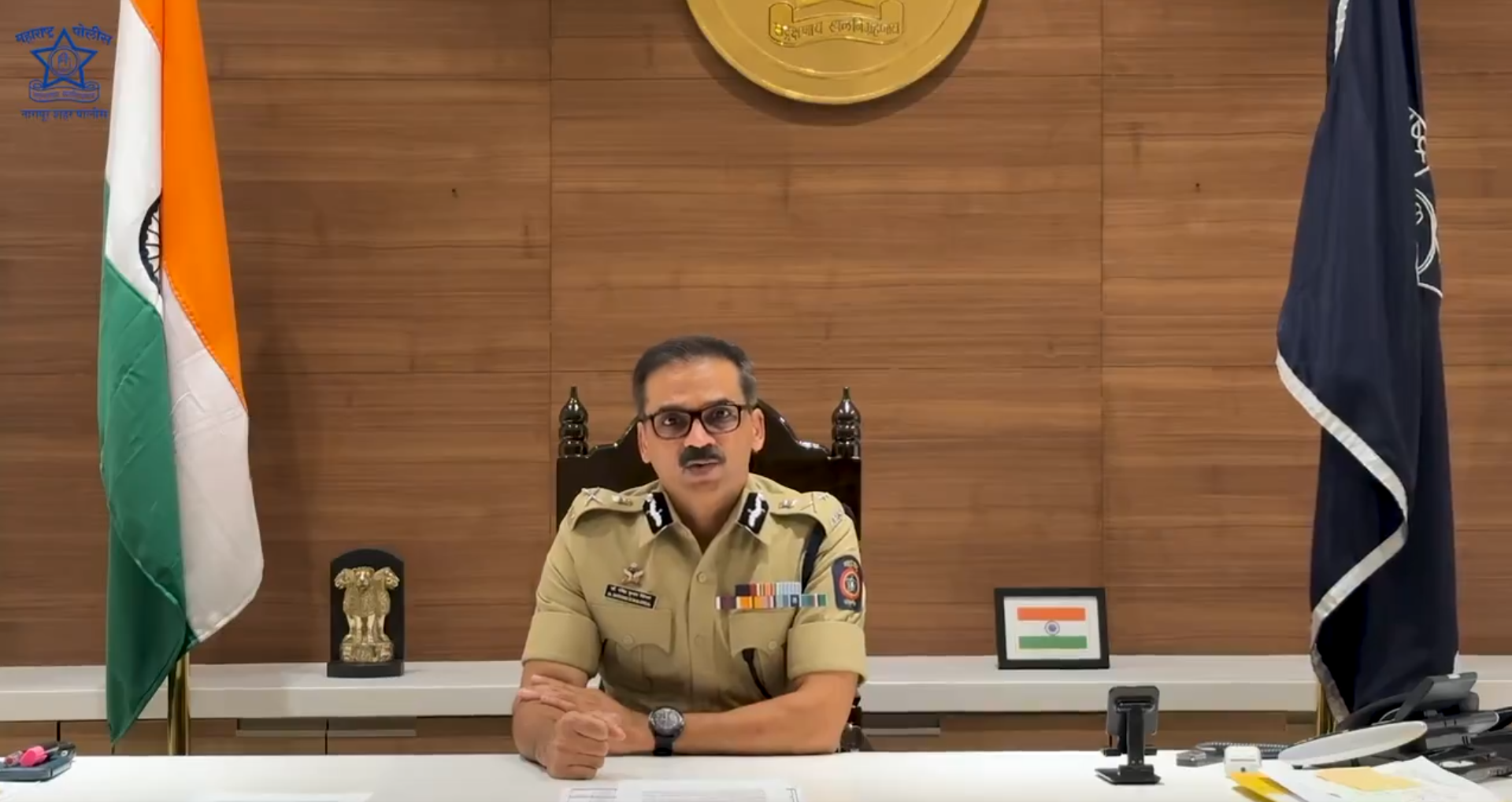
In the bustling city of Nagpur, road safety has become a paramount concern. Recent statistics reveal a harrowing truth: 97 lives lost in just three months due to road accidents. In response, the Nagpur police, under the leadership of Commissioner Ravinder Kumar Singal, have launched a robust campaign to address the alarming rise in reckless driving practices. With a focus on curbing wrong-side driving, the authorities have registered a staggering 400 cases. Let’s delve deeper into the initiatives and strategies employed by the Nagpur police to enhance road safety and instill traffic discipline among citizens.

The Need for Vigilance: Understanding the Gravity of the Situation

The surge in road accidents and fatalities underscores the pressing need for immediate action. Commissioner Singal’s acknowledgment of the grim reality highlights the urgency of implementing stringent measures to safeguard lives and property on Nagpur’s roads. The comprehensive campaign spearheaded by the police aims not only to penalize offenders but also to induce behavioral changes among motorists.

Cracking Down on Wrong-Side Driving: A Step Towards Safer Roads

Central to the police’s efforts is the crackdown on individuals driving recklessly, particularly those flouting traffic norms by driving on the wrong side of the road. Through rigorous enforcement of the Motor Vehicles Act and relevant sections of the Indian Penal Code, the authorities are sending a clear message: reckless behavior will not be tolerated. With 400 cases registered and chargesheets set to be submitted promptly, the emphasis is on swift and decisive action.

Promoting Traffic Discipline: A Collective Responsibility

Commissioner Singal’s call to instill traffic discipline resonates deeply with the citizens of Nagpur. Beyond enforcement, the campaign seeks to foster a culture of responsibility and adherence to traffic regulations. By raising awareness and educating motorists about the consequences of reckless driving, the police aim to cultivate a sense of civic duty and respect for road safety norms.

Towards a Safer Tomorrow

As Nagpur grapples with the scourge of road accidents, the proactive measures undertaken by the police offer a glimmer of hope. Through robust enforcement, education, and community engagement, the city is striving to create safer roads for all. However, the onus lies not only on law enforcement but also on every citizen to prioritize safety and adhere to traffic rules. Together, we can pave the way towards a future where road accidents are a rarity rather than a grim reality.

Frequently Asked Questions (FAQs)

1. What are the penalties for wrong-side driving in Nagpur?

In Nagpur, wrong-side driving can lead to fines and legal consequences under the Motor Vehicles Act and relevant sections of the Indian Penal Code.

2. How can citizens contribute to road safety in Nagpur?

Citizens can contribute by obeying traffic rules, reporting violations, and actively participating in awareness campaigns organized by the police.

3. Are there initiatives to improve infrastructure for road safety in Nagpur?

Yes, the authorities are continuously working to enhance infrastructure such as signage, lighting, and road markings to improve road safety in Nagpur.

4. What steps are being taken to educate drivers about road safety in Nagpur?

The police conduct workshops, seminars, and awareness drives to educate drivers about the importance of road safety and adherence to traffic rules.

5. How can I report instances of reckless driving or traffic violations in Nagpur?

You can report instances of reckless driving or traffic violations to the Nagpur police helpline or through online platforms provided by the authorities.

Exit mobile version