Nagpur’s Iconic Jai Stambh in Poor Condition — Citizens Demand Action Over Neglected War Memorial

Published: June 17, 2026 | Category: Nagpur Local | Jai Stambh Nagpur | By: Nagpur Updates Desk


A monument built to honour those who sacrificed their lives is rotting in neglect — and Nagpur’s citizens are furious.

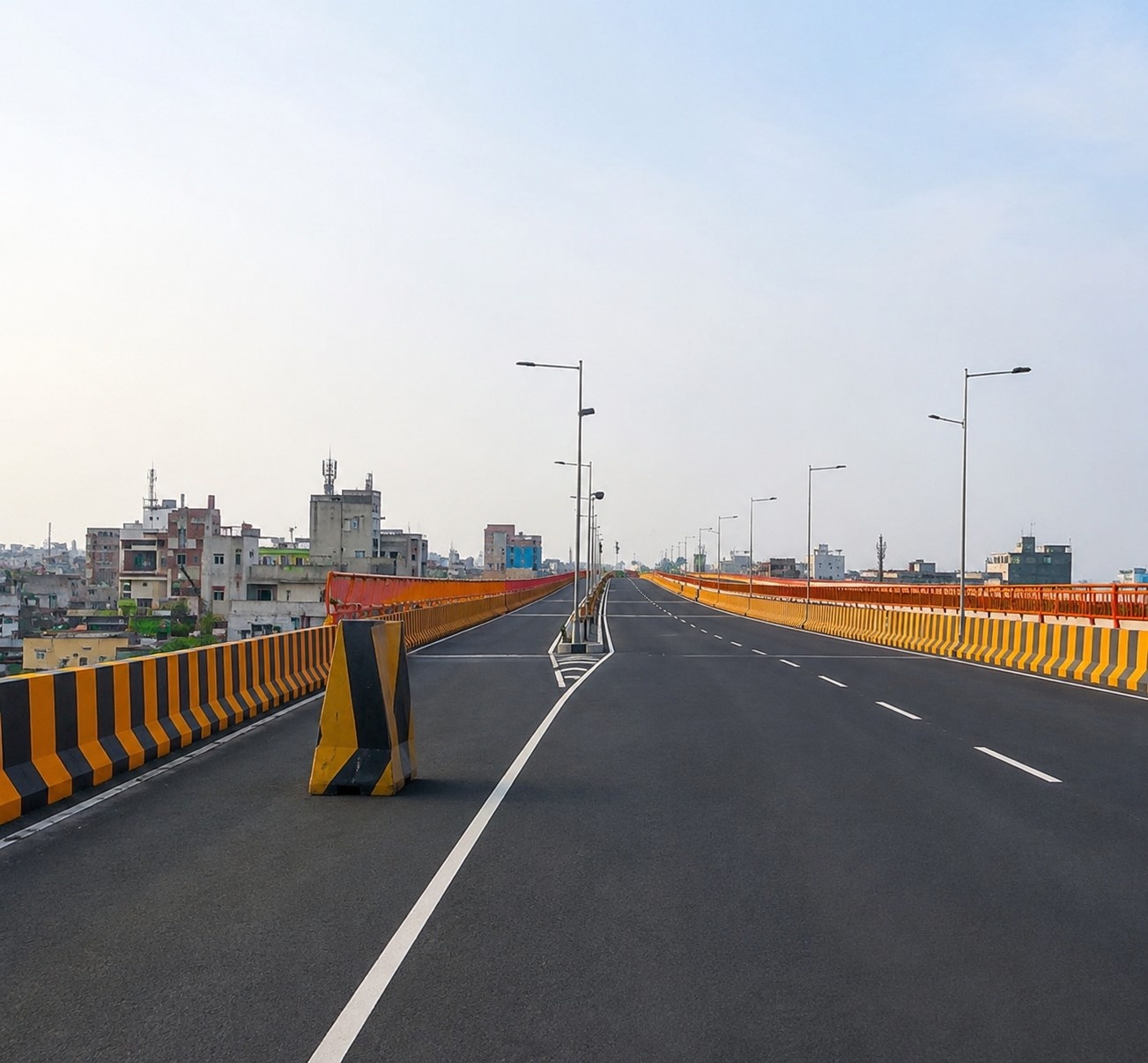
The Jai Stambh — one of Nagpur’s most historically significant war memorials — is in a state of serious disrepair. Once standing proudly before Nagpur Railway Station, the monument was relocated near the Army Recruitment Office due to Metro bridge construction. Today, citizens report the site is covered in dirt and algae, with its base littered with liquor bottles and beer cans — a far cry from the dignity it deserves.


What Is the Jai Stambh and Why Does It Matter?

The Jai Stambh is a memorial built to honour the martyrs of India’s freedom struggle and soldiers who sacrificed their lives for the nation. For decades, it has been one of Nagpur’s recognisable landmarks — a symbolic reminder of the sacrifices that secured India’s independence.

Originally located at a prominent position before Nagpur Railway Station, the monument occupied a place of honour at one of the city’s busiest and most visible junctions — visible to every traveller arriving in or departing from Nagpur.


Why Was It Relocated?

The Jai Stambh’s relocation was not a choice driven by neglect — it was made necessary by infrastructure development. As Nagpur Metro bridge construction progressed in the area around the railway station, the monument had to be moved to make way for the elevated Metro corridor.

It was relocated to a new site near the Army Recruitment Office — a location with its own military significance, given the recruitment office’s role in inducting young Nagpurians into the armed forces.

While the relocation itself was a reasonable infrastructure necessity, what has happened to the monument since the move is where the real problem lies.


The Current State: A Monument in Crisis

According to citizens and local observations, the current condition of the Jai Stambh memorial is deeply troubling:

Covered in dirt and algae — The monument’s surface, once clean and well-maintained, is now coated in layers of grime and algae growth — suggesting prolonged exposure without any cleaning or maintenance.

Littered with liquor bottles and beer cans — Perhaps most distressing, the base of the memorial has become a dumping ground for empty alcohol bottles and cans — turning a site of national reverence into what citizens describe as a “public nuisance zone.”

No regular cleaning or maintenance — There is no visible evidence of any institutional maintenance schedule for the monument since its relocation.

Public nuisance zone — The area around the memorial has reportedly become a gathering spot for activities entirely inappropriate for a war memorial — turning a place meant for quiet reflection and respect into a site of disorder.


Citizens Speak Out: “Heritage Sites Are Our History, Our Identity”

The neglect of the Jai Stambh has provoked genuine anger among Nagpur residents — particularly given the contrast with the city’s spending on other beautification and development projects.

One local resident captured the sentiment powerfully: “Heritage sites are not just for taking photographs, they are our history, our identity.”

Citizens are openly questioning why the Nagpur Municipal Corporation (NMC) can allocate public funds for various beautification projects across the city, yet apparently fail to allocate even basic maintenance resources for a national monument of such historical importance.

The criticism is not about opposing development — Nagpur residents broadly support the city’s infrastructure transformation. The criticism is about priorities: how can a city invest in grand new landmarks while allowing an existing memorial honouring freedom fighters to fall into disrepair?


A Pattern of Heritage Neglect in Nagpur

The Jai Stambh’s condition is unfortunately not an isolated case. It reflects a broader pattern that Nagpur has struggled with — the gap between the city’s ambitious new development projects and its care for existing heritage and memorial sites.

We previously reported on how Nanga Putla Square — one of old Nagpur’s most beloved informal landmarks — suffers from similar administrative apathy, with no formal heritage recognition or dedicated maintenance.

The pattern is consistent: Nagpur builds ambitious new landmarks — from the 162-foot Hanuman statue at Koradi to the 1,200 kg Ashoka Stambh at Ashok Square — while older memorials and heritage sites, lacking the same political visibility, are left to decay.


Why This Matters Beyond Aesthetics

The neglect of a war memorial is not simply an aesthetic failing. It carries deeper significance.

War memorials exist to ensure that the sacrifices of soldiers and freedom fighters are never forgotten — that each generation is reminded of the cost of the freedoms they enjoy. When such a memorial is allowed to become a dumping ground for liquor bottles, it represents more than civic negligence. It represents a failure to honour the very purpose for which the monument was built.

For families of veterans, for serving soldiers who walk past the Army Recruitment Office daily, and for ordinary citizens who understand the significance of the freedom struggle, the current state of the Jai Stambh is a source of genuine hurt — not just frustration.


What Citizens Are Demanding

Nagpur residents and heritage advocates are calling for the following immediate actions:

Emergency cleaning — Immediate removal of accumulated dirt, algae, and litter from the monument and its surrounding area.

Regular maintenance schedule — NMC must establish and publicly commit to a routine cleaning and upkeep schedule for the Jai Stambh, similar to maintenance protocols for other civic monuments.

Security/monitoring — Measures to prevent the site from being used as a dumping ground or gathering spot for inappropriate activities — potentially including better lighting, signage, and periodic patrol.

Formal heritage status — Just as has been suggested for other neglected Nagpur landmarks, the Jai Stambh should be given formal recognition and protection under the city’s heritage conservation framework.

Public accountability — NMC should explain why the monument has been allowed to reach this state since its relocation, and present a clear restoration timeline.

Q: Where is the Jai Stambh located now? The Jai Stambh has been relocated near the Army Recruitment Office in Nagpur, having been moved from its original location before Nagpur Railway Station due to Metro bridge construction.

Q: Why was the Jai Stambh moved? It was relocated to accommodate the construction of the Nagpur Metro bridge near the railway station area.

Q: What does the Jai Stambh commemorate? The Jai Stambh is a memorial honouring the martyrs of India’s freedom struggle and soldiers who sacrificed their lives for the nation.

Q: Who is responsible for maintaining the Jai Stambh? As a public monument, maintenance responsibility falls under the Nagpur Municipal Corporation (NMC).

Q: How can I report the poor condition of the Jai Stambh to authorities? Citizens can lodge complaints through the NMC’s online complaint portal or contact the local ward office responsible for the area near the Army Recruitment Office.


A Memorial Deserves Better

The Jai Stambh was built to ensure that Nagpur — and India — never forgets the price of freedom. Today, that memorial stands neglected, its dignity buried under dirt, algae, and discarded liquor bottles.

This is not a difficult problem to fix. It does not require a multi-crore budget or years of planning. It requires a cleaning crew, a maintenance schedule, and — most importantly — the institutional will to treat heritage and memory with the respect they deserve.

Nagpur’s citizens have spoken clearly: they want their city to honour its past even as it builds its future. The NMC must listen.

Nagpur Updates will continue to highlight the condition of Nagpur’s heritage sites and memorials, and report on any restoration action taken at the Jai Stambh.


Tags: Jai Stambh, Nagpur Heritage, War Memorial, NMC Nagpur, Nagpur Monuments, Citizens Concern, Nagpur Neglect, Nagpur Local News 2026
PWD Starts Kamptee Road Concretisation — 6.4 km Project Awarded at ₹77 Crore, But Monsoon Timing Has Commuters Worried

Published: June 10, 2026 | Category: Nagpur Local | By: Nagpur Updates Desk


Five months after the bhoomipujan, work has finally begun.

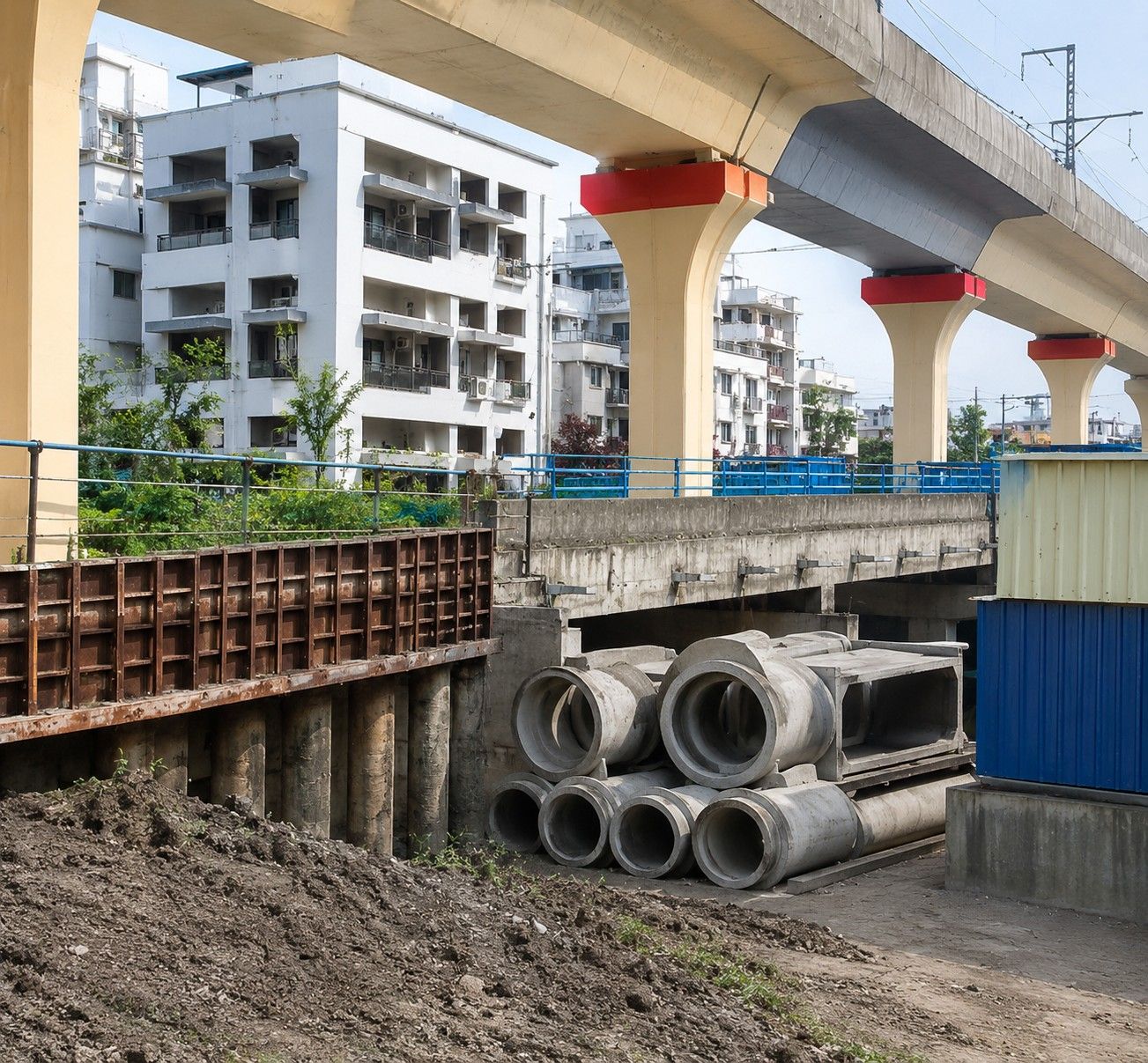
The Public Works Department (PWD) has commenced concretisation of the 6.4-kilometre Kamptee Road stretch from RBI Square to Automotive Square — one of Nagpur’s most heavily used traffic corridors. Work has started from the Automotive Square side, with crews currently working up to Nari Metro Station.

But the timing is raising eyebrows. With the monsoon expected within weeks, thousands of commuters on this critical artery are bracing for months of disruption — with reduced lanes, waterlogging risks, and peak-hour gridlock on the horizon.


Project at a Glance

Detail Information
Executing agency PWD (Public Works Department)
Stretch RBI Square to Automotive Square
Total length 6.4 kilometres
Estimated cost ₹150 crore (original estimate)
Awarded at ₹77 crore (including utility shifting)
Work order issued May 2026
Bhoomipujan January 2026 (5 months ago)
Deadline 18 months
Phase 1 Automotive Square to Gurudwara (~4 km)
Phase 2 Gurudwara to RBI Square (~2.4 km)

The ₹77 Crore Surprise

The original project estimate was ₹150 crore. But when tenders were floated, the project was awarded at ₹77 crore — including utility shifting and associated works. That is nearly half the estimated cost.

This significant gap between estimate and award price is worth noting. It could mean:

  • More competitive bidding than anticipated
  • A revised project scope
  • Or — a concern that engineers raise frequently — an unrealistically low bid that may lead to cost revisions later

PWD officials have not explained the ₹73 crore gap between estimate and awarded amount publicly. Nagpur Updates will seek clarification on this from the department.


Two-Phase Execution Plan

PWD has divided the 6.4km concretisation into two clear phases:

Phase 1 — Currently Underway: Work has started from the Automotive Square side — moving towards the Gurudwara. Around 2km has been started from the right side of the road. The phase will cover the stretch from Automotive Square to the Gurudwara — approximately 4km.

A notable additional work in Phase 1: resolving the chronic waterlogging issue at the underpass near the Gurudwara — a perennial monsoon nightmare for commuters on this stretch.

Phase 1 Timeline: Approximately 8 months

Phase 2 — To Follow: The remaining stretch from the Gurudwara to RBI Square will be taken up after Phase 1 is complete.

Overall project deadline: 18 months — but the PWD official stated: “We are planning to complete it before time.”


The 9-km Seamless Concrete Corridor: The Big Picture

The Kamptee Road project does not stand alone. PWD is simultaneously concretising Wardha Road between Rahate Colony and Zero Mile — a ₹25 crore project.

When both are complete, Nagpur will have a seamless 9-km concrete road corridor from Rahate Colony to Automotive Square — passing through:

  • Rahate Colony
  • Zero Mile
  • RBI Square
  • Indora
  • Sadar
  • Railway Station Road
  • Dhantoli
  • Sitabuldi
  • Nari
  • Automotive Square

This 9km corridor covers some of Nagpur’s most critical commercial and residential zones — and will be a transformational improvement for hundreds of thousands of daily commuters once complete.


The Monsoon Problem: Timing Could Not Be Worse

Here is the uncomfortable truth about this project’s timing.

The work started in June 2026 — right as Nagpur’s monsoon season begins. The combination of road construction and heavy monsoon rainfall creates a particularly difficult situation for commuters.

Wardha Road: One lane between Rani Jhansi Square and Lokmat Square has already been closed for the ongoing concretisation work — forcing traffic onto a single lane in several sections and causing peak-hour bottlenecks.

Kamptee Road: Now joining Wardha Road in simultaneous disruption. With both roads under concurrent construction, the entire Wardha Road-Kamptee Road arterial corridor faces months of reduced capacity.

The risk: During heavy monsoon rains, construction excavations turn into waterlogged trenches. Reduced carriageway widths already cause congestion — add rain, flooded patches, and slower traffic — and the situation could become genuinely severe.

PWD officials say they are “taking all measures to avoid traffic congestion” — but commuters on both roads will understandably take that assurance with caution given the scale of disruption already visible.


Which Areas Will Be Most Affected?

Commuters on the following routes should prepare for delays over the next 8 months (Phase 1):

  • Automotive Square to Nari — work already underway, lane restrictions active
  • Nari to Gurudwara — work approaching, expect disruption within weeks
  • Rani Jhansi Square to Lokmat Square (Wardha Road) — single-lane restriction already in place

Areas connected to this corridor that will see ripple effects:

  • Sitabuldi, Sadar, Dhantoli — traffic from Wardha Road side
  • Kamptee, CRPF, Airport corridor — commuters from Kamptee direction
  • Indora, Gondi — connecting routes

What Commuters Can Do

If you regularly travel on Kamptee Road or Wardha Road, plan ahead:

Adjust timings. Leave earlier or later than peak hours (8-10 AM and 5-8 PM) to avoid the worst congestion.

Use alternate routes. The Indora-Dighori flyover is awaiting inauguration — once open, it will provide significant relief on the Indora side. The Mominpura Y-shaped flyover will eventually provide relief on the Mominpura corridor.

Use Metro where possible. Nagpur Metro’s Aqua Line serves the Automotive Square area — consider parking and riding if your destination is Metro-accessible.

Monitor PWD updates. Follow Nagpur Traffic Police’s social media for real-time traffic advisories during the construction period.

Q: How long will Kamptee Road work last? Phase 1 (Automotive Square to Gurudwara) will take approximately 8 months. Total project deadline is 18 months — though PWD aims to finish earlier.

Q: Why was the project awarded at ₹77 crore when the estimate was ₹150 crore? The official explanation has not been provided. The ₹73 crore gap is significant and warrants public clarification from PWD.

Q: Will the Gurudwara underpass waterlogging be fixed? Yes — this is specifically included in Phase 1 scope. PWD has confirmed that the chronic waterlogging at the Gurudwara underpass will be addressed as part of this project.

Q: Is Wardha Road also under construction? Yes — a separate ₹25 crore PWD concretisation project is ongoing on Wardha Road between Rahate Colony and Zero Mile. One lane near Rani Jhansi Square-Lokmat Square is already closed.

Q: When will the full 9km corridor be ready? Both projects — Kamptee Road (18-month deadline) and Wardha Road — need to be completed. Realistically, the full seamless 9km concrete corridor may be ready by late 2027 or early 2028.


Worth the Wait — But the Wait Will Hurt

Cement concrete roads last 25-30 years with minimal maintenance — compared to 3-5 years for asphalt in Nagpur’s monsoon conditions. Once complete, the Kamptee Road-Wardha Road concrete corridor will be a genuine long-term improvement for a route that handles extraordinary traffic volumes daily.

But the next 18 months will be painful. Simultaneous construction on both Wardha Road and Kamptee Road — during monsoon — on a corridor that connects some of the city’s busiest zones — is a serious commuter challenge.

Just as Nagpur is managing the Narendra Nagar underpass flood project and multiple flyover projects simultaneously, the city’s commuters are being asked to absorb significant short-term pain for long-term infrastructure gain.

Nagpur Updates will track construction progress on Kamptee Road and Wardha Road and report on any significant traffic developments during the monsoon season.

Nanking Hotel Nagpur Sealed by NMC: Fire Safety Violations, What Happened & Why It Matters

One of Nagpur’s Best-Known Hotels Has Been Shut Down — Here’s Why

Nagpur’s Nanking Hotel — a name familiar to generations of the city’s residents — has been sealed by the Nagpur Municipal Corporation (NMC) following the discovery of serious fire safety violations on the premises.

The action was taken by NMC’s fire and enforcement teams as part of an ongoing citywide crackdown on commercial establishments that have been operating without valid fire safety compliance. For a city that has been grappling with a growing gap between its expanding hospitality sector and its fire safety enforcement infrastructure, the sealing of a prominent, long-standing establishment sends a strong signal.


What Violations Were Found?

The primary trigger for the sealing was the hotel’s failure to comply with mandatory fire safety norms. Establishments like hotels, restaurants, and commercial buildings in Maharashtra are required to obtain a Fire No Objection Certificate (NOC) from the local fire department. This certificate is not a one-time formality — it must be renewed, and the premises must remain compliant with the conditions under which it was issued.

At Nanking Hotel, authorities found that proper fire safety systems were either absent, non-functional, or not maintained to the required standard. Operating without a valid fire NOC in Maharashtra is a direct violation of the Maharashtra Fire Prevention and Life Safety Measures Act, 2006 — the state law that governs fire safety compliance for all commercial and public buildings.

Under this law, and under the powers of the NMC, establishments found in violation can be served notices, fined, and ultimately sealed until they achieve full compliance.


Why Fire NOC Compliance Matters — Especially in Hotels

A fire NOC isn’t bureaucratic paperwork. It exists because hotels are among the highest-risk categories of buildings in any city.

Think about what makes a hotel uniquely vulnerable:

  • Unfamiliar occupants. Unlike offices or residences, hotel guests don’t know the building layout — where the exits are, which staircase leads where, which door is locked.
  • Round-the-clock occupancy. Hotels are occupied at all hours, including late nights when response times are longer.
  • Kitchens and electrical loads. Restaurants and hotel kitchens generate constant fire hazards through cooking equipment, gas connections, and high electrical loads.
  • Blocked exits. A recurring pattern in fire tragedies is that exits which existed on paper had been locked, blocked, or converted for other uses.

When a hotel lacks a valid fire NOC, it typically means one or more of these critical systems are missing or deficient: sprinkler systems, fire extinguishers, smoke detectors, emergency exit signage, panic alarms, or functional escape routes. Any one of these gaps can be the difference between life and death in an actual fire emergency.

The Delhi Malviya Nagar hotel fire in June 2026, which claimed multiple lives and drew national attention, involved a budget hotel with sealed windows, a single entry-exit point, and no fire NOC. It served as a grim reminder of what happens when these compliance checks are treated as optional.


The Bigger Picture: Nagpur’s Fire Safety Crisis

The sealing of Nanking Hotel is not an isolated incident. It is part of a much larger pattern that has been building in Nagpur for years.

According to NMC’s own fire department data, more than 300 eating establishments across Nagpur were found to be operating without adequate fire safety arrangements. That figure comes from official NMC records, not estimates.

The Trimurti Nagar fire station zone alone had 72 hotels and restaurants without proper firefighting systems — the highest among all fire station jurisdictions in the city.

And it’s not just restaurants. A comprehensive fire audit by NMC’s Fire and Emergency Services Department found that 1,848 high-rise and specialized buildings in Nagpur lacked essential fire-fighting arrangements, with 1,286 of them declared outright unsafe.


Is NMC Enforcement Keeping Up?

Here’s where the picture gets complicated. While NMC has been stepping up enforcement actions — sealing non-compliant establishments, issuing notices, directing detailed compliance reports — the fire department itself is severely understaffed.

Of the 872 posts sanctioned for Nagpur’s fire department, only around 120 permanent firemen are currently deployed across 13 fire stations. That’s a shortfall of more than 750 personnel. Chief Fire Officer Tushar Barahate has publicly acknowledged that in situations requiring at least seven firemen, teams are often dispatched with just three.

The result is a systemic gap: authorities are trying to enforce compliance with a department that doesn’t have the manpower to inspect, certify, and monitor the thousands of establishments under its jurisdiction.

NMC has announced plans to address this — including adding a 70-metre hydraulic platform to handle high-rise fires, opening 11 new fire brigade stations, and procuring 14 new water tenders. These are meaningful steps. But recruitment and training to fill the personnel gap will take considerably more time.


What Happens Now to Nanking Hotel?

Once a commercial establishment is sealed by NMC for fire safety non-compliance, the standard path to reopening involves:

  1. Acknowledging the violations cited in the sealing order
  2. Installing or repairing the required fire safety equipment and systems
  3. Requesting a re-inspection by the NMC fire department
  4. Obtaining a fresh Fire NOC upon satisfactory compliance
  5. Applying to NMC for the seal to be lifted

The timeline depends entirely on how quickly the owner addresses the violations and how fast NMC can schedule the re-inspection. For well-resourced establishments, full compliance can be achieved in a matter of weeks. For others, it can drag on much longer.

There is also the question of legal liability. If a sealed establishment is found to be operating in violation of the sealing order, it invites far harsher action under Maharashtra law.


What Does This Mean for Nagpur’s Hotel and Restaurant Industry?

The sealing of a high-profile establishment like Nanking Hotel will send a clear message to every other restaurant, hotel, and food outlet in Nagpur: NMC’s fire safety enforcement drive is not selective and it is not going away.

In the wake of renewed national scrutiny on hotel fire safety following tragedies in Delhi and other cities, municipal corporations across India have come under pressure to show that they are actively enforcing compliance — not just issuing paper notices that go unheeded.

For Nagpur’s food and hospitality sector, this is a moment to take stock. Establishments that have been putting off fire NOC renewals, ignoring notices, or deferring repairs to fire safety equipment should treat this sealing as a warning shot.

The cost of compliance — installing proper fire extinguishers, maintaining sprinkler systems, keeping exits clear, training staff on emergency procedures — is a fraction of the cost of losing a business to a fire or, far worse, losing lives.


What Should Restaurant and Hotel Owners Do Right Now?

If you own or operate a hotel, restaurant, banquet hall, or any commercial establishment in Nagpur, here’s the compliance checklist that NMC and the Maharashtra fire department will scrutinize:

  • Valid Fire NOC from NMC’s Fire Department (renewed as required)
  • Functional fire extinguishers at designated points, serviced regularly
  • Smoke detectors and fire alarms operational throughout the premises
  • Emergency exits clearly marked, unobstructed, and unlocked during operating hours
  • Sprinkler systems (mandatory for high-rise and large commercial buildings)
  • Emergency lighting for exit routes
  • Staff fire drill records — trained personnel who know evacuation procedures
  • LPG and electrical compliance — regular checks on gas lines and wiring

The Maharashtra Fire Prevention and Life Safety Measures Act requires that compliance certificates be submitted to the Chief Fire Officer twice a year — in January and July. If your last submission was missed, now is the time to rectify it.


Key Facts at a Glance

Detail Information
Action Taken Sealed by NMC
Reason Fire safety violations / no valid Fire NOC
Governing Law Maharashtra Fire Prevention and Life Safety Measures Act, 2006
City-Wide Problem 300+ eateries in Nagpur lack fire safety (NMC data)
Highest Risk Zone Trimurti Nagar — 72 non-compliant hotels/restaurants
NMC Fire Staff Strength ~120 deployed out of 872 sanctioned posts
Re-opening Condition Full compliance + fresh Fire NOC required

The Bottom Line

The sealing of Nanking Hotel by NMC is a reminder that fire safety compliance is not optional — regardless of how well-known or long-established a business might be. The law applies equally, and the consequences of ignoring it fall not just on the owner but potentially on every staff member and guest who walks through the door.

In a city where hundreds of establishments have been flagged for fire safety gaps, and where the fire department is operating at a fraction of its required strength, every business owner bears a responsibility to self-regulate. Waiting for NMC’s inspection team to show up is not a fire safety strategy.


This article is based on publicly available NMC fire safety data, Maharashtra fire law provisions, and reported enforcement actions in Nagpur. For official compliance requirements, contact NMC’s Fire and Emergency Services Department directly.


Tags: Nanking Hotel, NMC Nagpur, Fire Safety, Hotel Sealed, Fire NOC, Maharashtra Fire Act, Nagpur News, NMC Enforcement, Public Safety, Restaurant Safety Nagpur

Nagpur-Butibori Road Traffic Diversion Begins June 10 Amid Maha Metro Phase 2 Pillar Work

Commuters travelling between Nagpur and Butibori must plan their journeys carefully starting June 10, 2026. The Nagpur Butibori Road traffic diversion June 2026 has been announced as Maharashtra Metro Rail Corporation Limited (Maha-Metro) begins pillar construction work for its Phase 2 metro project along NH-361. Nagpur Rural Police have issued official traffic diversion orders that will remain in force until the construction work is fully completed.

Where Exactly Is the Construction Taking Place?

The construction activity covers two specific stretches on NH-361, which falls under the jurisdiction of Butibori Police Station in Nagpur Rural district.

The first affected section is a 155-metre stretch between Pillars 307 and 312, located near Sutgirni Turning. The second affected section covers a 125-metre stretch between Pillars 372 and 377, located near Satgaon Turning.

Both stretches are active construction zones where Maha-Metro is carrying out pillar foundation work for the Phase 2 metro line extension.

What Are the Traffic Restrictions?

Nagpur Rural Police have issued a clear set of traffic restrictions for the affected stretches. As per orders issued by Superintendent of Police Dr Harssh A Poddar, vehicles travelling from Butibori towards Nagpur will not be permitted on the affected sections between 12:01 AM and 6:00 AM every day.

During these restricted hours, traffic from both the Nagpur side and the Butibori side will be channelled through a single lane near the construction zones at Sutgirni Turning and Satgaon Turning. This arrangement applies every night until the project construction is complete.

Why Are Night Hours Restricted?

The 12 AM to 6 AM restriction window has been chosen specifically because pillar construction work and heavy equipment operations are easier to manage during low-traffic nighttime hours. Restricting movement to a single lane during this period allows construction crews to work safely without fully blocking the highway.

The daytime traffic movement on the route is expected to continue normally, though commuters should remain alert to possible slowdowns near the two construction zones.

Who Issued the Order and What Authority Backs It?

The traffic diversion order has been issued under the authority of Superintendent of Police Dr Harssh A Poddar of Nagpur Rural Police. The order is binding on all motorists using the NH-361 stretch between Nagpur and Butibori.

Nagpur Rural Police personnel will be deployed at both construction sites to manage the traffic flow, guide vehicles through the single-lane section, and ensure that the diversion rules are followed properly throughout the construction period.

About Maha Metro Phase 2 in Nagpur

Maha-Metro’s Phase 2 expansion is one of the most significant infrastructure projects currently underway in the Nagpur region. The Phase 2 network extends the metro connectivity of Nagpur significantly beyond the Phase 1 corridors. The Nagpur-Butibori corridor is a key component of this expansion, aimed at connecting the major industrial zone of Butibori to the city’s metro network.

Pillar construction is one of the most critical and physically demanding stages of elevated metro construction. It requires extensive excavation, foundation laying, and heavy concrete pouring — all of which demand controlled traffic conditions on the adjacent road.

What Commuters and Truck Drivers Must Do

If you regularly travel on NH-361 between Nagpur and Butibori during the early morning hours, prepare for the diversion well in advance. Heavy vehicle operators, factory workers travelling to the Butibori MIDC area, and truck drivers using this highway should note the 12 AM to 6 AM restriction and plan alternative timings if possible.

Police have urged all motorists to cooperate with the authorities, follow the diversion routes, and plan their travel to avoid unnecessary delays near the construction zones.

Indora-Dighori Flyover Viral Video: Motorcycle Was Unauthorised Entry — Flyover NOT Open Yet, Inauguration Date Still Pending

Published: June 8, 2026 | Category: Nagpur Local | By: Nagpur Updates Desk


Did you see that viral video of a motorcycle riding on the Indora-Dighori flyover? The flyover is NOT open.

A video clip showing a motorcycle being ridden on the first phase of the Indora-Dighori Elevated Corridor went viral on social media — sparking widespread rumours that Nagpur’s most anticipated flyover project had finally been thrown open to traffic. It has not.

NHAI officials have confirmed: no public access has been permitted. The viral video was the result of unauthorised entry. Security guards have been deployed at both ends of the flyover. And some individuals have reportedly been threatening security personnel with weapons to force their way onto the structure.

The flyover is ready. But it awaits a formal inauguration ceremony — and the date has not been finalised yet.


The Viral Video: What Actually Happened

Detail Facts
What went viral Video of motorcycle riding on Indora-Dighori flyover
Is the flyover open? NO — not open to public
Who entered? Unauthorised individuals — forced entry
Security deployed? Yes — guards at both ends
Armed threats reported? Yes — multiple incidents
Inauguration date? Not finalised yet

The video spread rapidly because thousands of Nagpur commuters have been desperately awaiting this flyover — originally promised by April 2026. When they saw footage of a vehicle moving on it, the assumption was natural: it must be open.

It is not. And the security situation at the site is more alarming than most realise.


Armed Intruders: A Disturbing Development

Beyond the viral video, NHAI officials revealed something genuinely alarming — some individuals have been threatening security guards with weapons and forcibly entering the flyover despite repeated warnings.

Such incidents have been reported on multiple occasions.

This is a serious public safety concern. A flyover that has not been formally inspected, commissioned, and opened is not safe for public use — regardless of how complete it looks. Finishing works, safety checks, lighting installation, and road marking must all be in place before a structure of this complexity can safely carry high-speed traffic.

The unauthorised entries — particularly by those using threats against security personnel — are putting both themselves and the guards at risk. NHAI has urged the public to wait for the formal inauguration and not attempt to access the flyover illegally.


Phase 1: Ready — But Waiting for Inauguration

Here is the current status of the Bhande Plot Square to Dighori Square stretch — Phase 1 of the project:

What is complete:

  • The main elevated structure of Phase 1 is ready
  • The landing ramp near Bada Tajbagh — which was the last pending construction work — has now been completed
  • The flyover is structurally ready for traffic

What is pending:

  • A formal inauguration ceremony — which NHAI says must happen before traffic is allowed
  • Finalisation of the inauguration date — which has not happened yet

The April 2026 opening deadline was missed because of the pending Bada Tajbagh ramp work. That work is now done. But instead of an immediate opening, the project is now waiting for a ceremony — and nobody has announced when that ceremony will be.

For commuters who have been suffering through months of construction-related traffic disruption, this is deeply frustrating. The structure is physically ready. The delay is now purely administrative and ceremonial.


Phase 2: Still Waiting for Railway Permission

While Phase 1 awaits its inauguration, Phase 2 of the Indora-Dighori corridor faces a more substantive challenge.

The second phase involves a critical element: launching girders over the railway crossing at Pachpaoli — where the elevated corridor must pass over active Indian Railways tracks.

Current status of Phase 2:

  • NHAI is still awaiting Indian Railways’ formal permission to launch the girder at Pachpaoli
  • Without this Railway nod, the most technically complex part of Phase 2 cannot proceed
  • Even after permission is granted, NHAI officials acknowledge that substantial finishing work will remain:
    • Road surfacing
    • Painting
    • Installation of streetlights
    • Other ancillary works
    • Construction of ramps near Daga Hospital — still in progress

The June-end deadline: NHAI had set a June 2026 target for completing the entire project — both Phase 1 and Phase 2. With less than three weeks remaining to June-end and Phase 2 still awaiting Railway clearance, meeting this deadline appears extremely unlikely for Phase 2.


What Commuters Need to Know

If you are a daily commuter on the Nagpur-Kamptee Road, the Bhande Plot area, or the Dighori corridor — here is the honest picture:

Phase 1 (Bhande Plot to Dighori):

  • Structurally complete ✅
  • Inauguration ceremony pending — date not announced ⏳
  • Expected to open: Soon after inauguration is scheduled — could be days or weeks

Phase 2 (Kamal Square to Reshimbagh via Ashok Square):

  • Awaiting Indian Railways permission for Pachpaoli girder ❌
  • Substantial work remaining after permission ❌
  • June-end target appears unlikely to be met ❌
  • Realistic completion: Several months away

The Ashoka Stambh: Covered and Waiting

The 1,200 kg Ashoka Stambh installed at the iconic Ashok Square rotary — the centrepiece of the Phase 2 elevated rotary — remains covered, awaiting its formal unveiling at the inauguration ceremony.

The combination of the completed Phase 1 flyover and the covered Ashoka Stambh tells the story of this project right now: magnificent infrastructure, ready and waiting — but held back by the absence of a ceremony date and pending Phase 2 work.

Q: Is the Indora-Dighori flyover open to traffic? No. As of June 8, 2026, the flyover is NOT open to public traffic. NHAI has confirmed this. The viral video was of unauthorised entry.

Q: When will the Indora-Dighori flyover open? No inauguration date has been announced. Phase 1 (Bhande Plot to Dighori) is structurally complete and is awaiting a formal ceremony. Phase 2 will take several more months.

Q: Why hasn’t it opened if Phase 1 is ready? NHAI policy requires a formal inauguration ceremony before traffic is permitted on a new national highway infrastructure project. The date for this ceremony has not been finalised.

Q: What was the viral video? Someone entered the flyover without authorisation and filmed a motorcycle ride on the structure. The video spread rapidly because people assumed it meant the flyover had opened.

Q: Is it safe to enter the flyover? No — it is illegal and potentially dangerous. The flyover has not been formally commissioned. Security personnel are deployed and have been threatened by unauthorised entrants. Do not attempt to access the flyover.

Q: When will Phase 2 open? Phase 2 requires Indian Railways’ permission for the Pachpaoli girder crossing, followed by substantial finishing work. The June-end deadline is unlikely to be met. A realistic estimate is late 2026 at the earliest.


Nagpur Is Watching — And Waiting

The Indora-Dighori flyover has been one of the most anticipated infrastructure projects in Nagpur’s recent history. The ₹998 crore project has already missed multiple deadlines. The new DCPs assigned to Nagpur have specifically identified traffic bottlenecks as their top priority — and the Dighori corridor is central to that challenge.

The viral video — however misleading — reveals one important truth: Nagpur’s commuters want this flyover open so badly that the mere sight of a motorcycle on it triggers citywide celebration. That level of public anticipation deserves a faster, clearer, and more accountable response from NHAI on when exactly the inauguration will happen.

Nagpur Updates will confirm the inauguration date the moment it is announced and bring you live coverage of the opening. Stay tuned — this moment is close.

FDA Nagpur Seizes ₹65 Lakh in Goods — Enerzal Declared Misbranded, Skin Clinic Raided, Prohibited Foods Seized

Published: June 5, 2026 | Category: Nagpur Local | Tukaram Mundhe FDA Nagpur | By: Nagpur Updates Desk


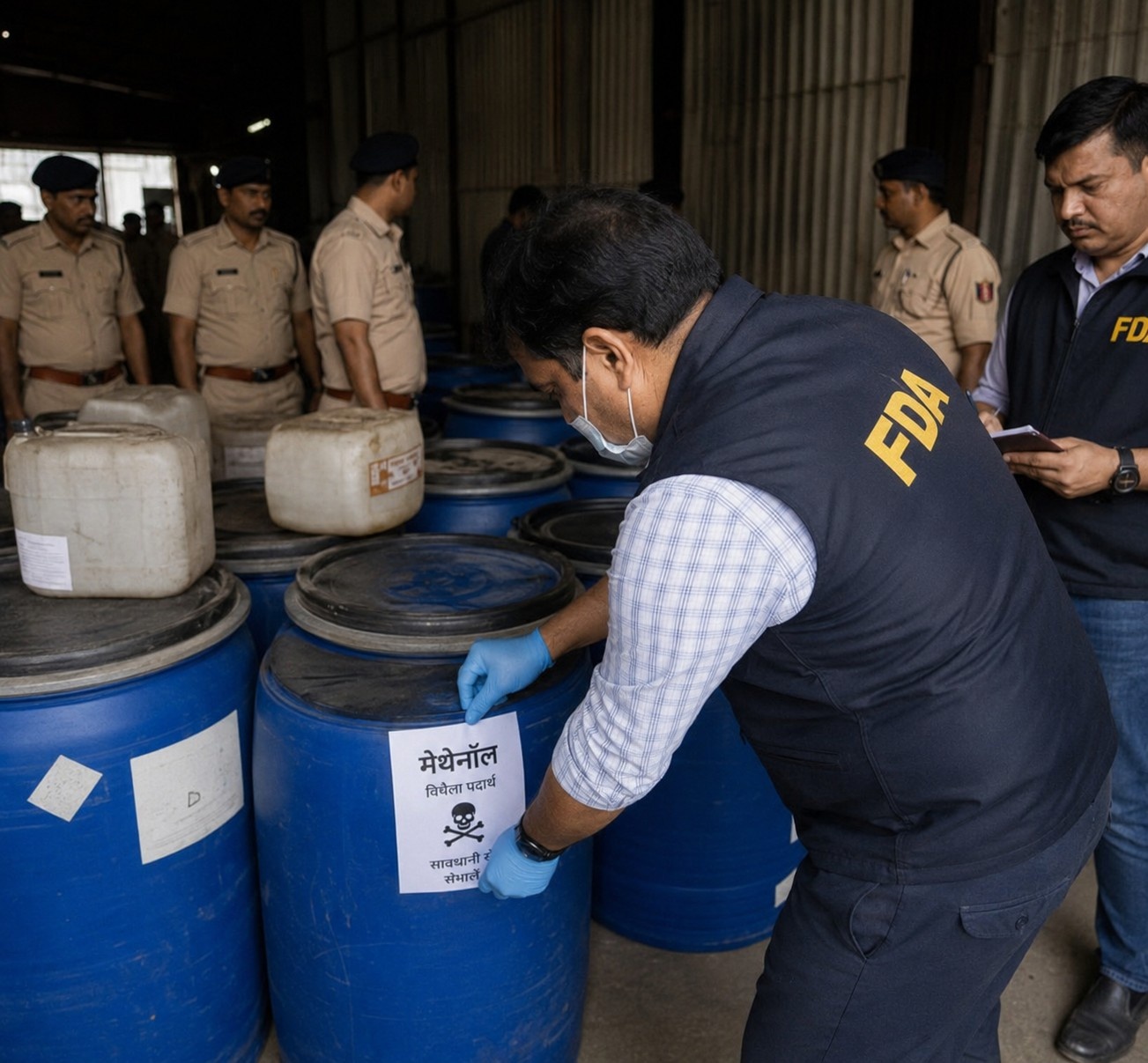
In its biggest single-day enforcement action in recent memory, FDA Nagpur has seized goods worth over ₹65 lakh — targeting misbranded beverages, illegal medicines at a skin clinic, unauthorised nutraceuticals, and prohibited food items across Nagpur city and district.

The sweeping action forms part of FDA Commissioner Tukaram Mundhe’s intensifying enforcement campaign — which has now seized nearly ₹80 lakh worth of goods in Nagpur alone in just 10 days.


Total Seizures at a Glance

Category Establishment Value Seized
Misbranded beverages FDC Limited (Enerzal), MIDC Nagpur ₹55.67 lakh
Illegal medicines New Roots Skin Clinic, Dhantoli ₹7 lakh
Nutraceutical products New Roots Skin Clinic ₹1.42 lakh
Prohibited food items Multiple establishments ₹1.31 lakh
TOTAL ₹65.40 lakh+

Seizure 1: Enerzal Declared Misbranded — ₹55.67 Lakh Seized From FDC Limited

The largest and most significant action was against the popular Enerzal Energy and Electrolyte Drink — manufactured by M/s FDC Limited.

Following laboratory analysis conducted by the State Food Laboratory under the Food Safety and Standards Act, Enerzal products were declared “misbranded” — meaning the product’s labelling does not meet the standards prescribed under food safety law. Misbranding typically involves incorrect, misleading, or incomplete information on product labels.

Based on these laboratory findings, FDA officials traced the products back to FDC Limited’s MIDC facility in Nagpur and conducted a detailed inspection. The result: 36,366 litres of various Enerzal products were seized — valued at ₹55.67 lakh.

What exactly was seized:

  • Enerzal Energy and Electrolyte Drinks
  • Ready-to-Serve Fruit Beverages — Orange, Blitz, and Apple variants
  • Flavoured drink premixes

The action was taken to prevent these products — which allegedly failed to meet food safety and labelling standards — from reaching consumers.

What is Enerzal? Enerzal is a well-known brand of electrolyte and energy drinks marketed for hydration and replenishment — particularly popular among athletes, travellers, and those recovering from illness. It is manufactured by FDC Limited, a publicly listed Indian pharmaceutical company. The misbranding declaration by the State Food Laboratory means the FDA found the labelling to be non-compliant — not necessarily that the product itself is unsafe to consume, though consumers should exercise caution until the matter is resolved.


Seizure 2: New Roots Skin Clinic, Dhantoli — ₹7 Lakh in Illegal Medicines

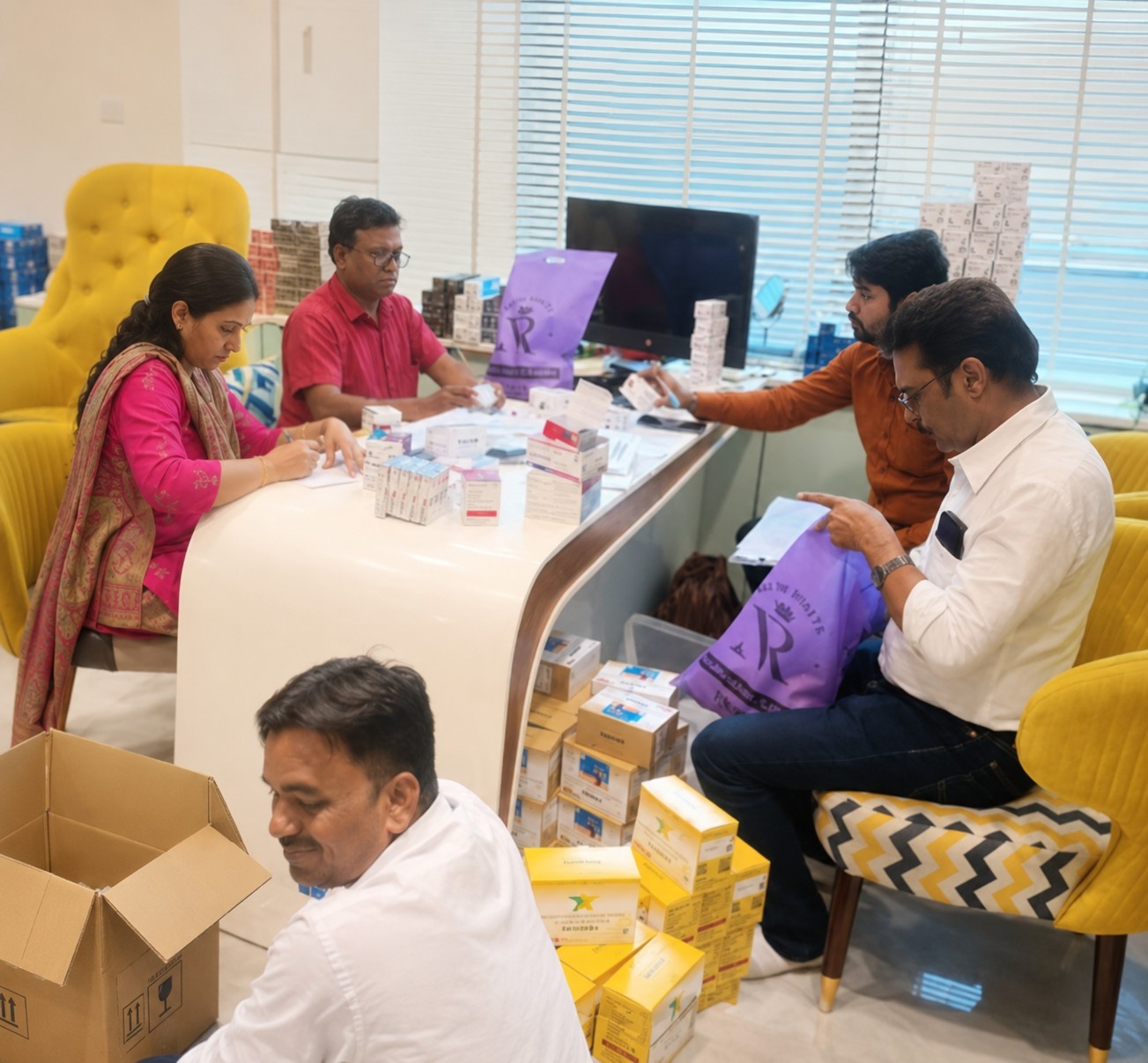
In a separate operation on June 3 — which we had earlier reported — FDA officials raided New Roots Skin, Laser and Hair Transplant Clinic near Dhantoli Garden, Nagpur, following intelligence about unauthorised medicine sales.

The full picture that has now emerged is more detailed:

What was found:

  • Allopathic medicines stored and sold without a valid drug sale licence
  • 25 varieties of medicines including:
    • Antibiotics
    • Antifungal drugs including Ketoconazole
    • Medicated shampoos
    • Proton pump inhibitors (PPIs)

The billing fraud angle: FDA investigators found that medicines were being supplied to patients through bills issued in the name of 116 Remedies, Nashik — a pharmacy in another city entirely — despite the clinic not holding any licence to sell pharmaceutical products in Nagpur. This suggests a deliberate attempt to create a paper trail of ostensibly legal sales while running an unlicensed pharmacy out of a skin clinic.

Operations Manager Akanksha Bondre was unable to produce purchase records, invoices, or any documents authorising the sale of medicines.

Legal section invoked: Section 18 of the Drugs and Cosmetics Act, 1940 — which prohibits the sale and distribution of drugs without proper authorisation.

Four samples have been sent for laboratory analysis. Full legal action will follow once the results are received.


Seizure 3: Nutraceuticals — ₹1.42 Lakh

During the same New Roots Skin Clinic inspection, FDA officials also seized nutraceutical products worth ₹1.42 lakh for alleged violations under the Food Safety and Standards Act.

What was seized:

  • 536 strips of nutraceutical products
  • 22 plastic jars of nutraceuticals

These products are now being examined for regulatory compliance — checking whether they are properly registered, correctly labelled, and legally permitted to be sold from a skin clinic premises.


Seizure 4: Prohibited Food Items — ₹1.31 Lakh

As part of the wider enforcement drive across Nagpur district, food safety officers also seized 161 kilograms of prohibited food products worth ₹1.31 lakh from multiple establishments.

The specific nature of the banned items has not been disclosed by the FDA yet — pending investigation — but such actions typically involve prohibited colour additives, banned preservatives, or food items made with unauthorised ingredients.


Tukaram Mundhe’s FDA: 10-Day Scoreboard

This latest action adds to a remarkable 10-day enforcement record since FDA Commissioner Tukaram Mundhe took charge on May 25, 2026:

Date Action Amount
May 25-27 Statewide raid — Patanjali and others ₹73.24 lakh (Maharashtra)
May 29 Patanjali Divya Pharmacy, Katol Road ₹7.26 lakh
June 3 Unlicensed skin clinic ₹7 lakh
June 5 Enerzal + New Roots + prohibited food ₹65.40 lakh
Total (Nagpur) ~₹79.66 lakh in 10 days

This pace — nearly ₹80 lakh seized in Nagpur alone in 10 days — is extraordinary by Maharashtra FDA’s historical standards. It reflects a commissioner who is operationally serious about enforcement and is setting a new baseline for what FDA activity in the city should look like.


What This Means for Nagpur Consumers

If you drink Enerzal: The misbranding declaration is a labelling compliance issue — not necessarily a product safety issue. However, given the FDA action, it is reasonable to be cautious. Wait for the official resolution of the FDC Limited case before drawing conclusions about the product’s safety.

If you visit skin/hair clinics: The New Roots Skin Clinic raid confirms that some clinics in Nagpur are selling prescription medicines illegally. Before starting any medicine prescribed at a skin or hair clinic, check that the clinic has a valid drug licence — and ask for the prescription on the clinic’s official letterhead with the doctor’s registration number.

For general food safety: Report any suspected misbranded, adulterated, or prohibited food product to the FDA helpline or at fda.maharashtra.gov.in.

Q: Is Enerzal safe to drink? The FDA declared it “misbranded” — which relates to labelling compliance, not necessarily product safety. The full lab report findings have not been made public. Exercise caution and await further official communication from FDC Limited or the FDA.

Q: What is a misbranded product? A misbranded product has incorrect, incomplete, or misleading information on its label — violating the Food Safety and Standards Act labelling requirements. This could include wrong ingredient lists, missing nutritional information, false health claims, or incorrect batch/expiry details.

Q: Which skin clinic was raided? New Roots Skin, Laser and Hair Transplant Clinic near Dhantoli Garden, Nagpur was raided on June 3, 2026.

Q: Can I file a complaint about a food safety violation? Yes — report to Maharashtra FDA at fda.maharashtra.gov.in or call the FDA helpline. You can also report to FSSAI at fssai.gov.in.

Q: Will FDC Limited face criminal charges? Based on the misbranding declaration, FDA can initiate prosecution under the Food Safety and Standards Act. The outcome depends on the full investigation and laboratory report findings.


A City Getting Cleaner — One Raid at a Time

Tukaram Mundhe’s FDA is rapidly changing the enforcement landscape in Nagpur. From Patanjali’s misleading claims to Enerzal’s misbranding to unlicensed skin clinic pharmacies — no corner of Nagpur’s food and drug ecosystem appears to be outside the regulator’s focus.

For consumers, this is good news. Every seized misbranded product, every unlicensed clinic shut down, every prohibited food item confiscated is a direct protection of public health in the city.

Nagpur Updates will track further developments in all active FDA cases and update you as laboratory results and legal proceedings unfold.


Tags: FDA Nagpur, Tukaram Mundhe, Enerzal FDC Limited, Misbranded Food, New Roots Skin Clinic, Illegal Medicines, Food Safety Nagpur, Nagpur Local News 2026

Nagpur District Ranks 2nd in India for Rooftop Solar — 89,255 Homes Now Solar-Powered Under PM Surya Ghar

Published: June 5, 2026 | Category: Nagpur Local | By: Nagpur Updates Desk


Nagpur district has achieved a remarkable national milestone — ranking 2nd in India for rooftop solar installations under the PM Surya Ghar: Muft Bijli Yojana.

With 89,255 rooftop solar installations completed under the scheme, Nagpur district is outperforming nearly every other district in the country — placing second nationally in a scheme that has now benefited over 40 lakh households across India.

For a city already investing heavily in clean energy infrastructure — from the Bhandewadi waste-to-energy plant that converts garbage to bus fuel to the Mahavitran solar grid support charge reforms — this ranking is a powerful statement: Nagpur is serious about solar.


Nagpur’s Solar Achievement at a Glance

Metric Figure
National ranking 2nd in India
Installations in Nagpur district 89,255 homes
National scheme total 40 lakh+ households
May 2026 national record 3.16 lakh installations in one month
Total national subsidy disbursed ₹22,750 crore
Households with zero electricity bills 17 lakh+ nationally
Scheme launch February 2024
National target by December 2026 75 lakh installations

What Is PM Surya Ghar: Muft Bijli Yojana?

PM Surya Ghar: Muft Bijli Yojana — translated as the “Free Electricity from the Sun” scheme — was launched by Prime Minister Narendra Modi in February 2024. It is one of the most ambitious rooftop solar adoption programmes in Indian history.

The scheme’s core promise: up to 300 units of free electricity per month for households that install rooftop solar panels — subsidised by the Central Government.

Monthly installations have risen from around 7,000 before the scheme’s launch to more than 3 lakh today. May 2026 recorded the highest-ever monthly addition of 3.16 lakh installations, while over 15,000 households were connected in a single day.

More than 17 lakh households have already reported zero electricity bills after installing rooftop solar systems.


How Much Subsidy Can You Get?

This is the question every Nagpur homeowner wants answered. Here is the complete subsidy structure:

Solar System Size Subsidy Amount
Up to 2 kW ₹30,000 per kW (max ₹60,000)
2 kW to 3 kW ₹18,000 per kW for the additional capacity
3 kW and above Maximum subsidy capped at ₹78,000

In plain terms:

  • Install a 1 kW system → get ₹30,000 subsidy
  • Install a 2 kW system → get ₹60,000 subsidy
  • Install a 3 kW or larger system → get ₹78,000 subsidy (maximum)

The subsidy is provided as Central Financial Assistance (CFA) directly to your bank account — after the installation is completed, inspected, and the net meter is installed by MSEDCL.


How Much Free Electricity Will You Get?

The free electricity under PM Surya Ghar is based on what your rooftop solar system generates versus what you consume:

System Size Typical Monthly Generation Free Units (approx.)
1 kW ~100 units/month ~100 units free
2 kW ~200 units/month ~200 units free
3 kW ~300 units/month ~300 units free

A 3 kW system generating 300 units per month can cover the electricity needs of a typical Nagpur middle-class household — potentially bringing your electricity bill to zero.


How to Apply for PM Surya Ghar in Nagpur — Step by Step

Step 1 — Register online Visit pmsuryaghar.gov.in and register with your:

  • Electricity consumer number (from your MSEDCL bill)
  • Mobile number linked to Aadhaar
  • Basic household details

Step 2 — Apply for net metering After registration, apply for a net meter from MSEDCL through the same portal. Net metering allows your solar system to export excess electricity back to the grid — earning credits on your bill.

Step 3 — Choose an empanelled vendor Select a MNRE-empanelled solar installer from the list on the PM Surya Ghar portal. Only installations by empanelled vendors are eligible for the subsidy.

Step 4 — Installation The empanelled vendor installs your rooftop solar system. This typically takes 1-3 days once the vendor is booked.

Step 5 — Inspection by MSEDCL MSEDCL conducts an inspection of the installed system and the net meter — verifying compliance with technical standards.

Step 6 — Subsidy disbursement Once the system passes inspection, the subsidy amount is credited directly to your bank account — typically within 30-60 days of inspection.


Why Is Nagpur Ranking So High?

Nagpur’s 2nd-place national ranking is not accidental. Several factors have combined to make the city an exceptional solar adoption hub:

Sunlight advantage. Nagpur receives among the highest solar irradiance in Maharashtra — averaging 5.5-6 kilowatt-hours per square metre per day. This means rooftop solar panels in Nagpur generate more electricity than in most other Indian cities — making the financial case for installation stronger.

Awareness and outreach. Local MSEDCL officials, solar vendors, and community networks have driven strong grassroots awareness about the scheme in Nagpur and its surrounding districts.

Rising electricity bills. With petrol crossing ₹107 and inflation affecting household budgets, the appeal of a zero electricity bill has never been stronger for Nagpur’s middle-class households.

Active vendor network. Nagpur has a large and growing network of solar installation vendors — making it easier for interested households to get quotes, compare options, and complete installations quickly.


India’s PM Surya Ghar: The National Picture

Nagpur’s achievement sits within an extraordinary national solar surge.

The PM Surya Ghar Muft Bijli Yojana has crossed 40 lakh beneficiary households within two years of its launch, with the government now targeting 75 lakh rooftop solar installations by December 2026.

Over ₹22,750 crore in subsidies have been disbursed so far, including ₹2,743 crore in May alone.

The scheme’s scale is staggering — and Nagpur’s contribution of 89,255 installations places the district at the vanguard of this national clean energy transformation.

Q: How do I apply for PM Surya Ghar scheme in Nagpur? Apply online at pmsuryaghar.gov.in using your MSEDCL consumer number. Select an empanelled vendor from the portal, get the system installed, pass MSEDCL inspection, and receive the subsidy in your bank account.

Q: What is the maximum subsidy available? Up to ₹78,000 for a 3 kW or larger rooftop solar system.

Q: Will I really get zero electricity bill? A 3 kW system in Nagpur (with its high solar irradiance) typically generates around 300 units per month — which is sufficient to cover the electricity needs of most households and bring the bill to zero or near-zero.

Q: How long does the installation take? Once you register, get MSEDCL approval, and book an empanelled vendor, the physical installation typically takes 1-3 days. The subsidy is credited within 30-60 days of inspection.

Q: Is there a deadline to apply? The scheme is currently active with a national target of 75 lakh installations by December 2026. Apply early — the subsidy pipeline is competitive and vendor schedules fill up.

Q: What size system should I install? For most middle-class Nagpur households consuming 200-300 units per month, a 3 kW system is ideal — it maximises subsidy (₹78,000) and can potentially bring your electricity bill to zero.

Q: Where can I find empanelled solar vendors in Nagpur? Visit pmsuryaghar.gov.in → “Empanelled Vendors” section → enter your district (Nagpur) to get a list of MNRE-approved installers.


Nagpur’s Solar Future: Bright and Getting Brighter

Nagpur’s 2nd-place national ranking in PM Surya Ghar installations is a remarkable achievement — and a signal of the city’s growing clean energy ambitions.

With 89,255 homes already solar-powered and more installations being added every day, Nagpur is building a distributed, clean energy ecosystem that reduces electricity bills, cuts carbon emissions, and makes the city more energy-resilient.

If you have not yet applied for PM Surya Ghar — and you own your home — there has never been a better time. The subsidy is generous, the process is online, and Nagpur’s sunlight does the rest.

Nagpur Updates will bring you the latest updates on PM Surya Ghar scheme progress in Nagpur and alert you to any changes in subsidy rates or eligibility. Bookmark this page for the latest solar news.


Tags: PM Surya Ghar, Rooftop Solar Nagpur, Solar Scheme India, Free Electricity, MSEDCL, Nagpur District, Solar Subsidy India, Nagpur Local News 2026

Nagpur Airport Handles 12.22 Lakh Passengers and Earns Rs 74.86 Crore Revenue in 2026: RTI Reveals

Dr. Babasaheb Ambedkar International Airport in Nagpur has recorded impressive growth in the first few months of 2026. According to an RTI reply, Nagpur Airport passengers revenue 2026 figures show that the airport handled over 12.22 lakh travellers and generated Rs 74.86 crore in total revenue between January 1 and May 15, 2026. The data was disclosed by MIHAN India Limited under the Right to Information Act in response to an application filed by Nagpur-based activist Abhay Kolarkar.

RTI Filed by Abhay Kolarkar Reveals Airport Data

The information was provided by MIHAN India Limited (MIL) in response to an RTI application filed by Nagpur-based activist Abhay Kolarkar, who sought details related to airport operations, passenger traffic, revenue generation, cargo movement, and private aircraft activity.

The RTI reply offers one of the most detailed public disclosures of Nagpur Airport’s operational and financial performance in recent years. The numbers paint a picture of a fast-growing airport that is steadily building its case for major expansion.

Passenger Traffic: Over 12 Lakh in 4.5 Months

Between January 1 and May 15, 2026, a total of 12,22,413 passengers travelled through Nagpur Airport. Of these, 6,07,297 were arriving passengers while 6,15,116 were departing passengers.

The near-equal split between arrivals and departures indicates a healthy and balanced traffic flow at the airport. It also suggests that Nagpur is functioning effectively as both an origin and destination point rather than merely a transit hub.

Month-Wise Traffic Was Consistently Strong

According to the month-wise data furnished by MIL, passenger traffic remained robust during the entire period from January to mid-May 2026. There was no significant seasonal dip, which reflects the growing importance of Nagpur as a business and travel destination in central India.

At this pace, the airport is on track to handle well over 25 lakh passengers by the end of the calendar year, which would represent significant growth over previous years.

Revenue Breakdown: Rs 74.86 Crore in 4.5 Months

MIHAN India Limited earned a total revenue of Rs 74.86 crore during the period from January 1 to May 15, 2026. The largest share of revenue came from User Development Fees (UDF), which contributed Rs 44.44 crore. Aeronautical income accounted for Rs 17.43 crore, while non-aeronautical revenue generated Rs 12.04 crore. Cargo royalty income added another Rs 93.50 lakh to the airport’s earnings.

The dominance of UDF in the revenue mix reflects strong passenger volumes, as UDF is charged directly on each ticket. The healthy non-aeronautical revenue from retail, parking, and commercial activities further shows that the airport is monetising its facilities effectively.

Cargo Hub Also Performing Well

The RTI reply also provides details about cargo operations at the MIHAN Cargo Hub. Between January 1 and May 15, 2026, the Cargo Hub generated approximately Rs 4.80 crore in cargo royalty revenue. Government of Maharashtra

Nagpur’s strategic location at the geographical centre of India makes it one of the most important cargo hubs in the country. The MIHAN Cargo Hub handles both domestic and international freight, and its growing revenue contribution reflects increasing utilisation by logistics and e-commerce companies.

Expansion Plans Already in Motion

The strong passenger and revenue numbers add urgency to Nagpur Airport’s already-announced expansion plans. After the upgrades are completed, the airport is expected to handle up to 3 crore passengers annually. Higher passenger capacity will help accommodate more flights and reduce congestion.

As passenger and aviation activity grows, the airport is also expected to get a second runway within the next eight years. A second runway will be important for handling more aircraft movement, improve operational efficiency, and support future airline expansion.

What This Means for Nagpur

These RTI figures confirm what regular Nagpur travellers have been experiencing firsthand — a busier, more active airport with more flights, more passengers, and growing commercial activity. The numbers also strengthen the case for faster completion of the new integrated passenger terminal and other infrastructure upgrades that are currently underway.

For a city that is rapidly emerging as a major business, logistics, and connectivity hub in central India, a thriving international airport is one of the most critical assets.

👉 Also Read: Nagpur Infrastructure and Development News – NagpurUpdates.in

Key Numbers at a Glance

Detail Figure
Period Covered January 1 – May 15, 2026
Total Passengers 12,22,413
Arriving Passengers 6,07,297
Departing Passengers 6,15,116
Total Revenue Rs 74.86 crore
User Development Fee (UDF) Rs 44.44 crore
Aeronautical Income Rs 17.43 crore
Non-Aeronautical Revenue Rs 12.04 crore
Cargo Royalty Income Rs 93.50 lakh
Cargo Hub Revenue Rs 4.80 crore
RTI Filed By Abhay Kolarkar, Nagpur
Data Disclosed By MIHAN India Limited (MIL)

Stay updated with the latest Nagpur news at NagpurUpdates.in


Major Nagpur Police Reshuffle: 5 DCPs Get New Postings — Deepak Agrawal Takes Crime Branch, Mirkhelkar Heads Traffic

Published: June 5, 2026 | Category: Nagpur Local | By: Nagpur Updates Desk


Nagpur City Police has carried out a significant administrative reshuffle — transferring five Deputy Commissioners of Police across key departments.

The most notable change: DCP Deepak Agrawal — previously posted at the Police Headquarters — has been given charge of the crucial Crime Detection Branch. Meanwhile, the recently transferred DCP Aditya Mirkhelkar has been assigned as the in-charge of Nagpur’s Traffic Branch — a critical appointment given the city’s mounting traffic challenges.

Here is the complete picture of all the changes.


All Transfers at a Glance

Officer Previous Posting New Posting
DCP Deepak Agrawal Police Headquarters Crime Detection Branch
DCP Aditya Mirkhelkar Transferred from Nashik Rural Traffic Branch, Nagpur
DCP Annapurna Singh Transferred from CSB Rural Zone-II, Nagpur
DCP Nityanand Jha Zone-II Zone-V
DCP Rahul Makanikar Crime Detection Branch Police Headquarters

DCP Deepak Agrawal: New Head of Crime Branch

The most significant appointment in this reshuffle is DCP Deepak Agrawal taking charge of the Crime Detection Branch — one of Nagpur Police’s most critical and high-profile departments.

The Crime Detection Branch handles:

  • Investigation of serious and complex crimes — homicides, kidnappings, major fraud
  • Organised crime and gang activity
  • Economic offences and financial crimes
  • Intelligence gathering and surveillance
  • Cybercrime investigation in coordination with the Cyber Cell
  • High-profile cases that require specialised investigative capability

Agrawal comes from a posting at the Police Headquarters — where officers typically handle administrative and policy-level work. His appointment to the operational, investigation-focused Crime Branch signals that the Police Commissioner values his specific capabilities for this demanding role.

He replaces DCP Rahul Makanikar, who has been moved to the Police Headquarters — completing the rotation.


DCP Aditya Mirkhelkar: Traffic Branch — A Critical Appointment

DCP Aditya Mirkhelkar has been assigned as the in-charge of Nagpur’s Traffic Branch — a posting that comes with enormous responsibility given the city’s current state of traffic crisis.

As we recently reported, Nagpur is simultaneously dealing with:

Mirkhelkar’s assignment to Traffic is timely — and his performance in this role will directly determine how well Nagpur manages its traffic during the infrastructure construction period and the upcoming monsoon season.


DCP Annapurna Singh: Confirmed in Zone-II

DCP Annapurna Singh — one of the three new DCPs recently transferred to Nagpur from Chhatrapati Sambhajinagar Rural Police — has been formally confirmed in Zone-II. As we reported earlier, she has already taken swift action against 87 criminals in her early days in the zone.

Zone-II covers a significant portion of Nagpur’s urban area, including areas with complex law and order dynamics. Singh’s early decisiveness in the zone has been noted positively.


DCP Nityanand Jha: Zone-II to Zone-V

DCP Nityanand Jha — who had been heading Zone-II — has been transferred to Zone-V in this reshuffle. Jha is a familiar name to Nagpur residents — he made headlines earlier this year when he ordered the externment of 8 Mankapur gang members in a major crackdown on organised crime in his zone.

His transfer to Zone-V brings his track record of decisive action to a new jurisdiction — while making room for DCP Annapurna Singh to take charge of Zone-II.


Why This Reshuffle Matters for Nagpur

This is the second significant police reshuffle in Nagpur in recent weeks — following the appointment of IG Sandeep Patil to Nagpur Range and the arrival of three new DCPs. Together, these changes represent a substantial refresh of Nagpur’s police leadership — bringing new energy and capabilities to key departments.

Crime Branch: The appointment of Deepak Agrawal to Crime Branch comes at a time when Nagpur is dealing with multiple ongoing criminal cases and investigations. The Crime Branch’s effectiveness directly impacts how quickly serious crimes are solved and how well organised criminal networks are disrupted.

Traffic Branch: Mirkhelkar’s assignment to Traffic comes at perhaps the most challenging time for Nagpur’s traffic management in recent memory — with construction-related diversions, monsoon approaching, and the need to coordinate with the IITMS AI traffic system across 32 junctions.

Zone rebalancing: The movement of DCP Jha from Zone-II to Zone-V ensures that his proven track record in organised crime crackdowns is applied to a fresh jurisdiction — while Zone-II gets fresh leadership under Annapurna Singh.

Q: What is the Crime Detection Branch? The Crime Detection Branch is a specialised unit within Nagpur City Police responsible for investigating complex, serious, and high-profile crimes — including homicides, kidnappings, organised crime, economic offences, and major fraud cases.

Q: Who was heading the Crime Branch before Deepak Agrawal? DCP Rahul Makanikar was heading the Crime Detection Branch. He has been transferred to the Police Headquarters in this reshuffle.

Q: What zone does Annapurna Singh head? DCP Annapurna Singh heads Zone-II of Nagpur City Police.

Q: Where is Zone-V in Nagpur? Zone-V covers areas in the eastern parts of Nagpur city. DCP Nityanand Jha has been transferred there from Zone-II.

Q: How can I contact Nagpur City Police?

  • Control Room: 0712-2560200
  • Police helpline: 100
  • Online complaints: nagpurpolice.gov.in

Nagpur’s Police Command: Rapidly Reshaping

The June 2026 reshuffle — combined with the May transfers — means Nagpur City Police is operating with a largely fresh leadership team across its key departments.

The question for Nagpur’s citizens is whether this fresh leadership translates into measurable improvements in law enforcement, traffic management, and public safety. The early signs — from Annapurna Singh’s 87-criminal crackdown to Nityanand Jha’s Mankapur externment drive — suggest that the new officers are not waiting to make their mark.

Nagpur Updates will track the performance of the reshuffled police command and report on significant actions taken across all departments.


Tags: Nagpur Police, DCP Transfer, Deepak Agrawal, Crime Branch Nagpur, Aditya Mirkhelkar, Annapurna Singh, Nityanand Jha, Nagpur Local News 2026

FDA Raids Unlicensed Nagpur Skin Clinic, Seizes ₹7 Lakh in Medicines — No Bills, No Licence, Antibiotics Stocked Illegally

Published: June 4, 2026 | Category: Nagpur Local | Tukaram Mundhe FDA Nagpur | FDA raid unlicensed skin clinic Nagpur | By: Nagpur Updates Desk


FDA Commissioner Tukaram Mundhe’s enforcement machine rolled into a Nagpur skin clinic on June 3 — and what inspectors found was alarming.

A special FDA inspection team raided an unlicensed medical clinic in Nagpur and seized allopathic medicines worth approximately ₹7 lakh — including antibiotics, anti-inflammatory drugs, medicated shampoos, and medicines used for alopecia (hair loss) treatment. When asked to produce purchase bills and related records, the clinic management failed to provide any documents.

Four medicine samples have been sent for laboratory testing. Further legal action is expected based on the results.


What the Raid Found

Category Details
Date of raid June 3, 2026
Location Unlicensed skin/medical clinic, Nagpur
Ordered by FDA Commissioner Tukaram Mundhe
Team Assistant Commissioners, Drug Inspectors, Intelligence Wing
Medicines seized Antibiotics, anti-inflammatory drugs, medicated shampoos, alopecia medicines
Value seized Approximately ₹7 lakh
Samples sent for testing 4 medicine types
Documents produced None — purchase bills and records not provided
Clinic licence status Unlicensed

The raid was conducted under the guidance of FDA Commissioner Tukaram Mundhe and senior officials of the Nagpur division. The special inspection team included assistant commissioners, drug inspectors, and officers from the intelligence wing — indicating this was a planned, intelligence-led operation, not a random check.


Why This Clinic Was Dangerous

The medicines found at this unlicensed skin clinic are not over-the-counter products. They are prescription-only allopathic drugs — which can only be legally sold by licensed pharmacies with a valid drug licence, and can only be prescribed by registered medical practitioners.

Antibiotics: One of India’s most serious public health concerns is antibiotic resistance — caused partly by the unregulated, over-the-counter dispensing of antibiotics without prescription. An unlicensed clinic stocking antibiotics without proper documentation is directly contributing to this crisis.

Anti-inflammatory drugs: Commonly misused for pain relief, these medicines carry significant side effects — including gastric damage and kidney stress — when used without medical supervision.

Alopecia (hair loss) medicines: This is a particularly significant find. Hair loss treatment is a booming industry — and it attracts a large number of unregulated clinics making dubious claims with medicines of questionable origin and quality. Patients seeking hair loss treatment are particularly vulnerable to such clinics.

Medicated shampoos: While seemingly innocuous, medicated shampoos for conditions like seborrheic dermatitis or psoriasis contain active pharmaceutical ingredients — and must be used under medical guidance.

The absence of purchase bills and procurement records means there is no way to verify:

  • Where these medicines came from
  • Whether they were stored correctly (temperature, humidity)
  • Whether they were within their expiry dates
  • Whether they were genuine, or counterfeit

Tukaram Mundhe: A Commissioner Who Acts

This June 3 raid is the latest in a rapid series of FDA enforcement actions since Tukaram Mundhe assumed office as FDA Commissioner on May 25, 2026 — just 10 days ago.

In those 10 days, Mundhe’s FDA has:

  • May 29: Raided a Patanjali Divya Pharmacy outlet on Katol Road, Nagpur — seized ₹7.26 lakh in medicines with misleading health claims
  • May 25-27: Led a statewide enforcement drive seizing ₹73.24 lakh across 7 Maharashtra divisions for misleading pharmaceutical advertising
  • June 3: Raided unlicensed skin clinic in Nagpur — seized ₹7 lakh in allopathic medicines

This pattern makes Mundhe’s intent clear. FDA Commissioner Tukaram Mundhe issued a stern warning: the administration would show no leniency towards individuals or establishments found compromising public health.

His actions are backing up his words — with a speed and scale of enforcement that Maharashtra’s FDA has rarely seen.


The Bigger Problem: Unlicensed Clinics in Nagpur

The June 3 raid exposes a problem that exists across India’s cities — including Nagpur. Unlicensed medical clinics and skin treatment centres operate openly, often advertising aggressively for hair loss treatment, skin whitening, acne treatment, and anti-ageing procedures — while having no valid drug licence and stocking prescription medicines without proper documentation.

These establishments typically target young urban consumers who are self-conscious about appearance-related issues and willing to pay for treatment — but who may not know how to verify whether the clinic they are visiting is legally registered and medically qualified.

The risks are real:

  • Medicines of unknown origin — possibly counterfeit or substandard
  • Prescription drugs dispensed without proper diagnosis
  • No accountability if a patient suffers adverse effects
  • Antibiotics without prescription contributing to drug resistance

What You Should Check Before Visiting a Skin Clinic

Before visiting any skin, hair, or cosmetic clinic in Nagpur, protect yourself with these checks:

1. Verify the doctor’s registration The treating doctor must be registered with the Maharashtra Medical Council (MMC). Ask to see the registration certificate. You can also verify at mmc.gov.in.

2. Check the pharmacy licence If the clinic sells medicines, it must have a valid Drug Licence issued by the Maharashtra FDA. Ask to see it.

3. Demand a prescription Any prescription medicine — antibiotic, steroid, or hair loss drug — must be prescribed in writing with the doctor’s name, registration number, and signature.

4. Verify the clinic on FDA’s portal Maharashtra FDA maintains a database of licensed medical establishments. Check at fda.maharashtra.gov.in before visiting.

5. Report suspicious clinics If you suspect a clinic is operating without a licence or selling medicines illegally, report it to the FDA helpline or online at fda.maharashtra.gov.in.

Q: Is the skin clinic named in the raid? The official FDA statement and available reports have not disclosed the specific name and address of the raided clinic. Further details are expected as the investigation progresses.

Q: What will happen to the seized medicines? Four medicine samples have been sent for laboratory testing to verify quality, authenticity, and legality. Depending on the test results, further legal action — including criminal prosecution — may follow.

Q: Can a skin clinic legally sell prescription medicines? Only if it has a valid Drug Retail Licence issued by the FDA, and only with a valid prescription from a registered doctor. Without these, selling prescription medicines is illegal.

Q: What is the punishment for running an unlicensed medical practice? Under the Drugs and Cosmetics Act, 1940, selling drugs without a licence is punishable by imprisonment of up to 3 years and/or a fine. Criminal prosecution under the Indian Penal Code may also apply.

Q: How many such raids has FDA Nagpur conducted recently? Under Commissioner Tukaram Mundhe’s direction since May 25, FDA Nagpur has conducted multiple raids — including the Patanjali Divya Pharmacy seizure (₹7.26 lakh) and now this skin clinic raid (₹7 lakh). The enforcement drive is ongoing.


Nagpur’s FDA Moment

Under Tukaram Mundhe’s leadership, Maharashtra’s FDA is experiencing a moment of genuine enforcement vigour — the kind that is visible, systematic, and sends a clear message to the entire pharmaceutical and medical establishment.

For Nagpur’s citizens, this is good news. The city’s healthcare landscape — like that of any large Indian city — has pockets of unregulated, unlicensed, and potentially dangerous medical practice. Raids like the June 3 skin clinic action create a deterrence effect that benefits every patient who might otherwise have walked through an unlicensed door.

Just as Nagpur’s new DCPs are targeting traffic bottlenecks and road discipline and Operation U-Turn targets drug-impaired driving, Tukaram Mundhe’s FDA is doing its part — ensuring that what goes into Nagpur’s pharmacies and clinics meets the legal and safety standards that protect public health.

Nagpur Updates will continue to track FDA enforcement actions in Nagpur and bring you updates on the laboratory test results from the June 3 raid.


Tags: FDA Nagpur, Tukaram Mundhe, Skin Clinic Raid, Unlicensed Clinic, Allopathic Medicines, Nagpur Health, Illegal Medicines, Nagpur Local News 2026

Exit mobile version