Nagpur-Butibori Road Traffic Diversion Begins June 10 Amid Maha Metro Phase 2 Pillar Work

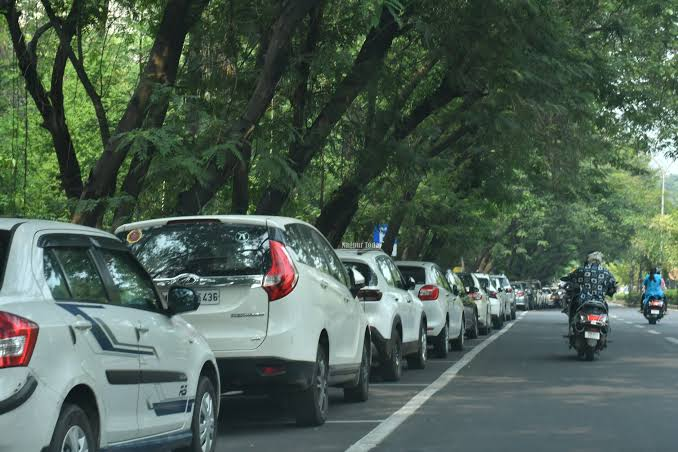
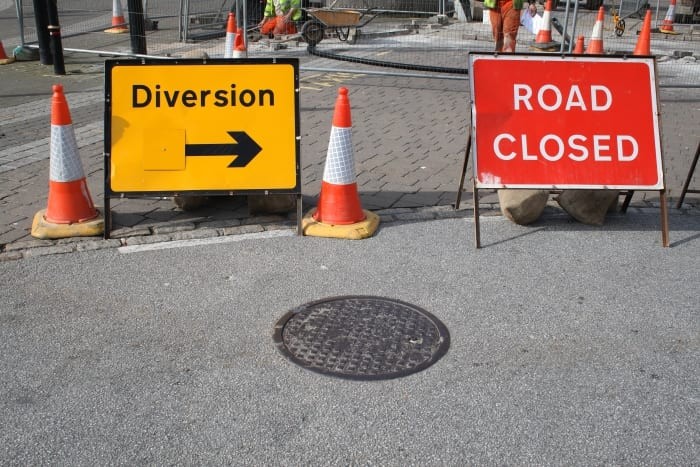
Commuters travelling between Nagpur and Butibori must plan their journeys carefully starting June 10, 2026. The Nagpur Butibori Road traffic diversion June 2026 has been announced as Maharashtra Metro Rail Corporation Limited (Maha-Metro) begins pillar construction work for its Phase 2 metro project along NH-361. Nagpur Rural Police have issued official traffic diversion orders that will remain in force until the construction work is fully completed.

Where Exactly Is the Construction Taking Place?

The construction activity covers two specific stretches on NH-361, which falls under the jurisdiction of Butibori Police Station in Nagpur Rural district.

The first affected section is a 155-metre stretch between Pillars 307 and 312, located near Sutgirni Turning. The second affected section covers a 125-metre stretch between Pillars 372 and 377, located near Satgaon Turning.

Both stretches are active construction zones where Maha-Metro is carrying out pillar foundation work for the Phase 2 metro line extension.

What Are the Traffic Restrictions?

Nagpur Rural Police have issued a clear set of traffic restrictions for the affected stretches. As per orders issued by Superintendent of Police Dr Harssh A Poddar, vehicles travelling from Butibori towards Nagpur will not be permitted on the affected sections between 12:01 AM and 6:00 AM every day.

During these restricted hours, traffic from both the Nagpur side and the Butibori side will be channelled through a single lane near the construction zones at Sutgirni Turning and Satgaon Turning. This arrangement applies every night until the project construction is complete.

Why Are Night Hours Restricted?

The 12 AM to 6 AM restriction window has been chosen specifically because pillar construction work and heavy equipment operations are easier to manage during low-traffic nighttime hours. Restricting movement to a single lane during this period allows construction crews to work safely without fully blocking the highway.

The daytime traffic movement on the route is expected to continue normally, though commuters should remain alert to possible slowdowns near the two construction zones.

Who Issued the Order and What Authority Backs It?

The traffic diversion order has been issued under the authority of Superintendent of Police Dr Harssh A Poddar of Nagpur Rural Police. The order is binding on all motorists using the NH-361 stretch between Nagpur and Butibori.

Nagpur Rural Police personnel will be deployed at both construction sites to manage the traffic flow, guide vehicles through the single-lane section, and ensure that the diversion rules are followed properly throughout the construction period.

About Maha Metro Phase 2 in Nagpur

Maha-Metro’s Phase 2 expansion is one of the most significant infrastructure projects currently underway in the Nagpur region. The Phase 2 network extends the metro connectivity of Nagpur significantly beyond the Phase 1 corridors. The Nagpur-Butibori corridor is a key component of this expansion, aimed at connecting the major industrial zone of Butibori to the city’s metro network.

Pillar construction is one of the most critical and physically demanding stages of elevated metro construction. It requires extensive excavation, foundation laying, and heavy concrete pouring — all of which demand controlled traffic conditions on the adjacent road.

What Commuters and Truck Drivers Must Do

If you regularly travel on NH-361 between Nagpur and Butibori during the early morning hours, prepare for the diversion well in advance. Heavy vehicle operators, factory workers travelling to the Butibori MIDC area, and truck drivers using this highway should note the 12 AM to 6 AM restriction and plan alternative timings if possible.

Police have urged all motorists to cooperate with the authorities, follow the diversion routes, and plan their travel to avoid unnecessary delays near the construction zones.

Nagpur Gets AI-Powered Traffic Control: 32 Junctions Live on IITMS, Work Underway at 80 More — ₹198 Crore Upgrade in Full Swing

Published: May 11, 2026 | Category: Nagpur Local | Nagpur IITMS AI traffic management | By: Nagpur Updates Desk


Nagpur’s roads are getting smarter. The city’s Integrated Intelligent Traffic Management System — better known as IITMS — has now been installed at 32 key junctions across Nagpur. Work is actively underway at 80 more intersections. When fully operational, this AI-powered system will transform how traffic flows through every major road in the city.

The state government has allocated ₹198 crore for this upgrade. The installation is being carried out by Keltron, a government agency with expertise in electronics and technology. This is not a minor upgrade — it is a complete overhaul of Nagpur’s outdated traffic infrastructure.


Why Nagpur Needed This Change

The problem was simple but serious. Nagpur was relying on 171 traffic signals to manage its growing traffic. Many of these signals were over 25 years old. They were fixed-timer signals — switching at preset intervals regardless of actual traffic on the ground.

The construction of cement roads, flyovers, and ring roads made things worse. As executive engineer of NMC, Rajendra Rathod, explained: “Due to the construction of cement roads, flyovers and ring roads in the city, the height of old signals had become inadequate, making them less visible. The new system will significantly ease traffic management.”

Old signals at elevated junctions were simply too low to be seen clearly. Drivers were missing signal cues. Congestion was building up. It was time for a complete upgrade.


What is IITMS and How Does It Work?

IITMS stands for Integrated Intelligent Traffic Management System. It is an AI-powered platform that manages traffic automatically — without human intervention at each junction.

Here is how it works in practice:

Real-time signal adjustment. The system monitors traffic density at every junction continuously. It then adjusts signal timings dynamically. If one road has more vehicles, the green light stays longer. Waiting time goes down. Queues get shorter.

Central command centre. All 32 — and eventually all 112 — junctions will be connected to a central command centre. Police officials will monitor key routes across the entire city from one location. They can intervene instantly if needed.

Elevated placement for better visibility. Unlike old roadside signals, the new IITMS signals are installed at an elevated position in the middle of junctions. This makes them clearly visible from all directions — even at complex intersections.


ANPR Cameras: The Crime-Fighting Layer

Beyond traffic management, IITMS adds a powerful crime control dimension to Nagpur’s road network.

Each junction is equipped with Automatic Number Plate Recognition (ANPR) cameras. These cameras scan the High Security Registration Plate (HSRP) of every vehicle passing through a checkpoint. The system instantly checks the plate against a database. If a stolen vehicle passes through, an alert is raised immediately.

This makes IITMS a tool not just for traffic police but for crime investigation as well. Vehicle movement history can be tracked. Suspects can be located faster. The system adds a layer of security that Nagpur’s traffic infrastructure never had before.


Auto E-Challans: No More Escaping Traffic Violations

One of the most impactful features of IITMS is its ability to generate e-challans automatically.

The system will detect and record the following violations without any manual intervention:

  • Triple riding on two-wheelers
  • Riding without a helmet
  • Driving without a seat belt
  • Signal jumping

Once a violation is detected, the e-challan is generated automatically and sent directly to the violator’s mobile phone. There is no need for a traffic constable to be physically present at the spot. The system does the job on its own — 24 hours a day, 7 days a week.

This is a significant shift in traffic enforcement. It removes human error, bias, and the possibility of corruption from the challan process.


Evidence Cameras and UDC Cameras: More Eyes on the Road

Beyond ANPR, IITMS also deploys two additional camera types at each junction.

Evidence cameras record all activities at the junction continuously. This footage serves as legal evidence in case of accidents, disputes, or criminal incidents. It also acts as a deterrent — drivers who know they are being recorded are more likely to follow rules.

UDC (Urban Data Collection) cameras assess traffic volume and congestion levels at each junction. This data feeds into the central AI system, helping it make smarter decisions about signal timing and traffic routing across the city.

Together, these three camera systems — ANPR, evidence, and UDC — create a comprehensive surveillance and data network across Nagpur’s junctions.


Timeline: Delayed But Back on Track

The project has faced some delays. The initial deadline for full installation was February 14, 2026. However, only 10 junctions were operational by that date. The deadline was subsequently extended to June 2026.

Since February, the pace has accelerated significantly. From 10 junctions, the live count has jumped to 32. Work is now underway at 80 more simultaneously. The June 2026 target appears achievable at the current pace.


RTO Integration: Tracking Vehicles Across the City

Police and Regional Transport Office (RTO) officials will have direct access to the IITMS platform. They will be able to track any vehicle using its ANPR data and movement history.

This integration with the RTO is particularly significant given recent developments in Nagpur’s transport enforcement landscape. The suspension of Nagpur City RTO Kiran Bidkar for failing to enforce school bus fitness certificates highlighted the urgent need for better vehicle monitoring systems. IITMS directly addresses this gap — giving authorities real-time visibility over every vehicle on the road.

Additionally, IITMS connects seamlessly with the broader push for road safety in Nagpur. Alongside Operation U-Turn’s drug testing drive, the AI-powered traffic system creates a multi-layered enforcement ecosystem that Nagpur has never had before.


What This Means for Nagpur’s Commuters

For daily commuters, the benefits of a fully operational IITMS are direct and real.

Shorter waiting times. Dynamic signal adjustment means no more sitting at a red light while the crossing road is empty.

Faster emergency response. The central command centre can clear corridors for ambulances and fire trucks instantly — addressing a concern highlighted recently when an ambulance was forced to turn back on the dug-up Seminary Hills road.

Safer roads. Automatic challan generation means traffic violations carry real consequences — every time, at every junction.

Smarter city. IITMS is a key pillar of Nagpur’s Smart City ambitions. It brings the city’s traffic infrastructure in line with other leading Indian cities that have already deployed AI-powered traffic systems.


Nagpur’s Smart Future — One Junction at a Time

Nagpur is moving fast. From the One Nation One Card upgrade at Nagpur Metro to the new RVR safety system at Nagpur Airport, the city’s infrastructure is being upgraded across multiple fronts simultaneously.

IITMS is among the most visible of these upgrades — one that every resident will experience directly every time they drive through a Nagpur junction.

By June 2026, Nagpur’s roads are set to be smarter, safer, and more efficient than they have ever been. That is a promise the city’s commuters have been waiting a long time to see fulfilled.

Nagpur Updates will bring you the latest on the IITMS rollout as more junctions go live across the city. Stay tuned.


Tags: IITMS Nagpur, AI Traffic Management, Nagpur Smart City, NMC Nagpur, E-Challan, ANPR Camera, Keltron, Nagpur Traffic, Nagpur Infrastructure, Nagpur Local News 2026

Nagpur Traffic Police Launch ‘Operation U-Turn’: Drug Testing Machines to Identify Impaired Drivers in Major Road Safety Drive

Published: May 9, 2026 | Category: Nagpur Local | Nagpur traffic police | DCP Lohit Matani Nagpur traffic | By: Nagpur Updates Desk


In a landmark step towards making Nagpur’s roads safer, the Nagpur City Traffic Police has launched a city-wide special enforcement drive — titled “Operation U-Turn” — aimed squarely at one of the most dangerous and underreported causes of road accidents: driving under the influence of narcotic substances and alcohol.

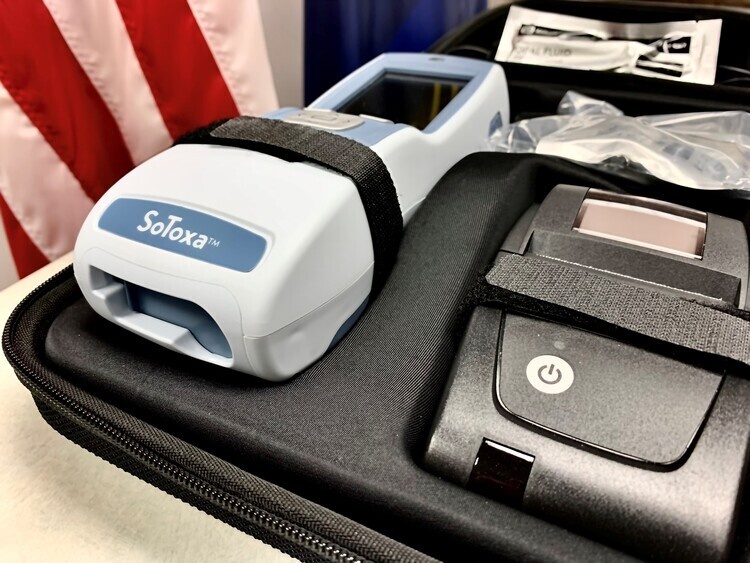
For the first time in Nagpur, advanced drug testing machines and breath analysers are being deployed on the city’s roads to conduct on-the-spot tests of vehicle drivers. The initiative marks a significant upgrade in the city’s road safety enforcement capabilities — moving beyond traditional visual checks to technology-driven, scientifically accurate testing that leaves no room for doubt or dispute.


Operation U-Turn: What It Is and How It Works

Launched from May 1, 2026, Operation U-Turn is a special traffic enforcement campaign initiated by the Nagpur City Police under the leadership of Commissioner of Police Dr. Ravinder Kumar Singal. The campaign is specifically designed to identify and take strict legal action against motorists who are driving under the influence of narcotic drugs or alcohol — a growing concern that has been linked to a significant number of serious road accidents and fatalities in the city.

Under this drive, Nagpur Traffic Police personnel are empowered to stop vehicles at designated points across the city and conduct on-the-spot drug tests using the newly acquired testing devices. Drivers found to be under the influence of narcotics or alcohol will face immediate and strict legal action under the relevant provisions of the Motor Vehicles Act and the NDPS Act (Narcotic Drugs and Psychotropic Substances Act, 1985).

The launch event for Operation U-Turn was held at the Police Commissioner’s Office in the presence of Commissioner Dr. Ravinder Kumar Singal, Piyush Tewari — Founder and CEO of the SaveLIFE Foundation — and several senior police officers including Joint Commissioner Navinchandra Reddy and Deputy Commissioner of Police (Traffic & Cyber) Lohit Matani (DCP Lohit Matani Nagpur traffic).


The Technology: Drug Testing Kits and Breath Analysers

At the heart of Operation U-Turn is a set of state-of-the-art enforcement tools that have been formally handed over to the Nagpur City Police by the SaveLIFE Foundation (SLF) under a Corporate Social Responsibility (CSR) initiative, with support from Mercedes-Benz India.

The equipment includes:

  • 2 advanced drug testing kits — designed to detect the presence of narcotic and psychotropic substances in a person’s system through a quick, non-invasive saliva or swab-based test
  • 10 breath analysers — for accurate, on-the-spot detection of blood alcohol content (BAC) in drivers

The handover was formalised through a Memorandum of Understanding (MoU) signed between the Nagpur City Police and the SaveLIFE Foundation, facilitated by DCP Lohit Matani. This MoU ensures that the collaboration is structured and sustained — not just a one-time equipment donation, but a long-term partnership aimed at strengthening road safety enforcement in Nagpur.


Why Drug Testing on Roads? The Growing Threat of Impaired Driving

While drunk driving has long been a recognised road safety concern, driving under the influence of narcotic substances — including marijuana, heroin, methamphetamine, and prescription drugs misused as intoxicants — is an equally serious problem that has received comparatively less attention and enforcement focus.

Impaired driving caused by drugs is particularly dangerous because:

  • Unlike alcohol, which has a widely understood and socially recognised impact on driving ability, drug impairment is often invisible to other road users and even to the driver themselves
  • Many drivers mistakenly believe that drug-impaired driving is harder to detect than drunk driving — and until now, in the absence of portable drug testing equipment, this has unfortunately been true on Nagpur’s roads
  • Drug impairment affects reaction time, judgment, spatial awareness, and motor control — all of which are critical for safe driving

By deploying drug testing kits alongside breath analysers, Nagpur Police are sending a clear and unambiguous message: there is no safe way to drive under the influence of any intoxicant on Nagpur’s roads, and the police now have the tools to prove it.


SaveLIFE Foundation: Nagpur’s Road Safety Partner

The SaveLIFE Foundation is one of India’s most respected non-profit organisations working in the field of road safety and emergency medical care. Founded in 2008 by Piyush Tewari, the organisation has played a key role in India’s road safety legislation, including the implementation of the landmark Good Samaritan Law that protects bystanders who help road accident victims.

SLF pioneered the Zero Fatality Corridor model — a data-driven, engineering and enforcement-based approach to road safety that led to a 58% reduction in road crash deaths on the Mumbai-Pune Expressway. In 2024, the organisation was awarded the prestigious Skoll Award for Social Innovation.

The partnership between SLF and the Nagpur City Police — with support from Mercedes-Benz India’s CSR programme — brings this world-class road safety expertise and technology to Nagpur’s streets. For residents of the city, it is a significant and concrete investment in public safety.


Focus on the Samruddhi Mahamarg: A High-Risk Corridor

While Operation U-Turn covers the entire city, a particular focus of the drug testing and breath analyser deployment is the Hindu Hrudaysamrat Balasaheb Thackeray Maharashtra Samruddhi Mahamarg — the 701-km greenfield expressway connecting Nagpur and Mumbai.

The Samruddhi Mahamarg, despite being one of India’s most modern and well-engineered highways, has been the site of numerous fatal accidents since its opening — many of them occurring late at night and early in the morning when the risk of driver fatigue, drunk driving, and drug-impaired driving is significantly elevated. The deployment of enforcement technology on this corridor is expected to act as a powerful deterrent and reduce the number of accidents on this critical national highway.


Strict Action Assured: Police Send Strong Warning

At the launch of Operation U-Turn, senior police officials made it explicitly clear that there will be zero tolerance for impaired driving in Nagpur. Motorists found to be driving under the influence of drugs or alcohol will face:

  • Immediate arrest and detention
  • Suspension of driving licence
  • Heavy fines under the amended Motor Vehicles Act
  • Criminal prosecution under NDPS Act provisions in cases involving narcotic substances
  • Seizure of vehicle in repeat offence cases

The police have appealed to all citizens of Nagpur to strictly follow traffic rules, drive responsibly, and never get behind the wheel after consuming alcohol or any intoxicant. They have emphasised that road safety is a shared responsibility — and that Operation U-Turn is their commitment to upholding that responsibility.


Nagpur’s Road Safety: A City Taking Action

Operation U-Turn is the latest in a series of meaningful road safety and civic initiatives being undertaken in Nagpur. Just as the city has been addressing civic challenges — from the controversy over facilities at the Mominpura encroachment drive to landmark administrative decisions like the replacement of Saat-Baara with Property Cards — the city’s police force is also stepping up its game on road safety with modern tools and a determined approach.

For Nagpur’s residents, Operation U-Turn is a welcome and necessary development. Every driver who is stopped and tested, every impaired driver who is removed from the road, and every accident that is prevented as a result of this drive is a life saved — and a safer city for everyone.

Nagpur Updates urges all readers to drive responsibly, follow traffic rules, and support the Nagpur Traffic Police’s efforts to make the city’s roads safer for everyone.


Tags: Nagpur Traffic Police, Operation U-Turn, Drug Testing, Road Safety, SaveLIFE Foundation, DCP Lohit Matani, Nagpur Police, Drunk Driving, Nagpur Local News

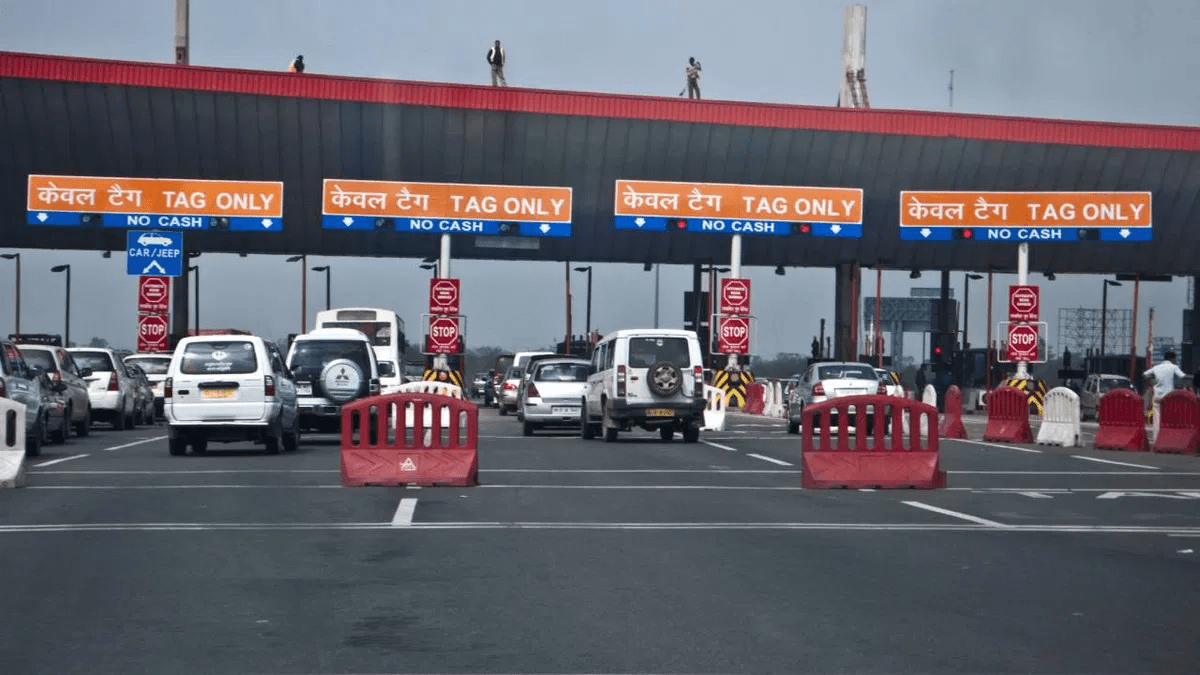
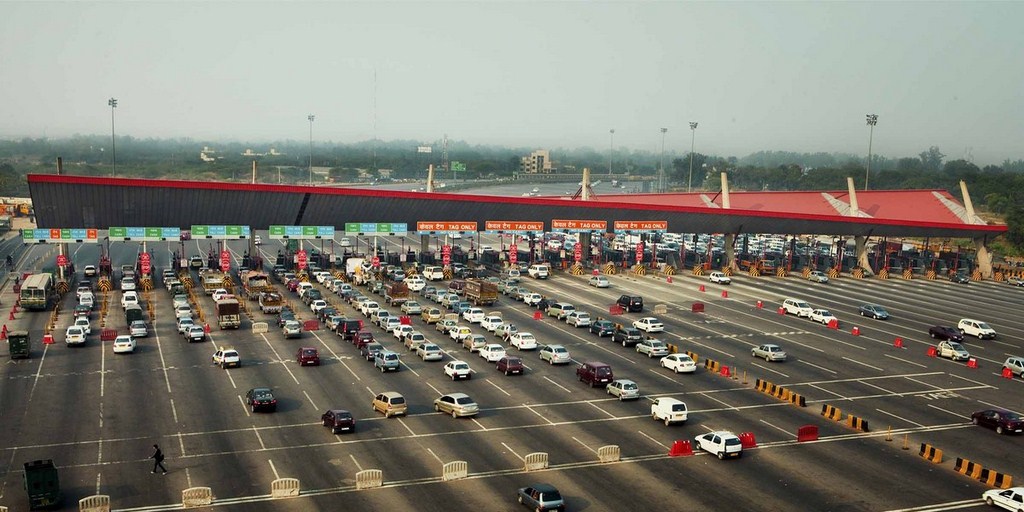
FASTag Annual Pass to Launch on August 15 for Private Vehicles: All You Need to Know

The Ministry of Road Transport and Highways is revolutionizing how India travels with a new FASTag Annual Pass for private vehicles, priced at ₹3,000. This long-awaited initiative, launching on August 15, 2025, is designed to make highway toll payments smoother, faster, and more convenient for millions of vehicle owners across India.

With this announcement, Union Minister Nitin Gadkari has taken a major leap forward in improving the efficiency of the country’s toll system and reducing congestion at toll plazas.


What Is the FASTag Annual Pass and Who Can Use It?

The FASTag Annual Pass is a prepaid toll solution exclusively available to non-commercial private vehicles, including:

  • Cars

  • Jeeps

  • Vans

Under the scheme, vehicle owners can pay ₹3,000 once and enjoy up to 200 toll-free trips or one-year validity, whichever comes earlier. This makes it ideal for frequent travelers who often commute across states or cities via national highways.


Key Features of the ₹3,000 FASTag Annual Pass

  • Validity Period: 12 months from the activation date

  • Trip Cap: 200 toll trips in total (after which regular charges apply)

  • Vehicle Category: Private-use vehicles only (not for taxis, trucks, or commercial fleets)

  • Digital Activation: Pass can be activated via the Rajmarg Yatra App, NHAI official site, or MoRTH portal

  • No Hidden Charges: One-time payment, no monthly deductions or service charges

  • Valid Pan India: Usable across all FASTag-enabled toll plazas across the country


How to Apply for FASTag Annual Pass

Applying for the FASTag Annual Pass is designed to be seamless and entirely digital. Here’s a step-by-step process to enroll:

  1. Download the Rajmarg Yatra App (available on Android and iOS)

  2. Register or login with your mobile number and vehicle details

  3. Choose the ‘Annual Pass’ option under the toll services

  4. Enter vehicle details (RC, FASTag ID)

  5. Make a secure online payment of ₹3,000

  6. Receive confirmation and pass activation details via SMS and app

You can also visit the official NHAI (National Highways Authority of India) and MoRTH (Ministry of Road Transport & Highways) websites to access the same service.


Benefits of the FASTag Annual Pass for Private Vehicle Owners

This initiative is a part of India’s ongoing smart infrastructure development and aims to simplify the toll payment experience. Here’s how private vehicle owners benefit:

1. Time-Saving Convenience

The FASTag pass eliminates the need for repeated deductions and avoids cash payments, drastically reducing waiting time at toll booths.

2. Cost-Effective for Frequent Travelers

For those who regularly use highways, the ₹3,000 flat fee covers up to 200 journeys, offering significant savings compared to pay-per-trip models.

3. Stress-Free Long Drives

No need to check FASTag balances before a journey. You’re prepaid and worry-free until your trip limit or 12-month term expires.

4. Environment Friendly

Less idling and stopping means reduced fuel consumption and emissions, contributing to a greener highway ecosystem.


Why This Policy Matters: Addressing the 60-Km Toll Plaza Complaint

A common grievance among drivers has been the proximity of toll plazas — many within a 60-km stretch. With the FASTag Annual Pass:

  • Drivers no longer feel penalized by closely spaced toll points

  • A single transaction streamlines travel across multiple tolls

  • Disputes and misunderstandings at toll booths are minimized

This policy is also expected to reduce human interactions, streamline toll processing, and help authorities gather real-time data on traffic movements and toll revenue efficiency.


How the FASTag Annual Pass Will Impact Highway Traffic

India’s highways witness millions of vehicle crossings daily, and toll collection is often a bottleneck. With a single-pass system in place:

  • Congestion will reduce

  • Lane throughput will improve

  • Faster vehicular movement across tolls will enhance logistics and emergency response times

The scheme is particularly expected to ease traffic around high-density corridors, including:

  • Delhi-Mumbai Expressway

  • Bengaluru-Hyderabad stretch

  • Chennai-Kolkata route

  • Pune-Nagpur highways


Security and Transparency Built-In

The FASTag Annual Pass will be linked directly to a user’s verified FASTag ID and will operate with real-time toll tracking. This ensures:

  • No misuse or unauthorized sharing

  • Instant deductions only after trip count ends

  • Digital receipts and dashboard visibility on the Rajmarg Yatra App


What Happens After 200 Trips or 12 Months?

Once either the trip cap or time limit is reached:

  • The pass automatically expires

  • Users return to pay-per-trip FASTag charges

  • Renewal option will be available online for the following year

Travelers will be notified via SMS and the app dashboard as they approach the trip or time limit to avoid surprise charges.


A Digital India Move Aligned with Gati Shakti Vision

This annual pass scheme aligns with India’s ‘Gati Shakti Master Plan’, aiming for seamless, multi-modal transport. By integrating digital payment with highway infrastructure, it:

  • Reduces dependency on physical toll handling

  • Encourages digital adoption among rural and urban drivers

  • Prepares Indian roads for AI-based traffic analytics in future


Final Thoughts: Is the ₹3,000 FASTag Annual Pass Worth It?

Absolutely. For any frequent traveler, family road-tripper, or intercity commuter, the FASTag Annual Pass offers:

  • Convenience

  • Value

  • Speed

  • Simplicity

It’s a smart investment in a smoother travel experience, backed by transparency and nationwide applicability.

Sitabuldi Shopkeepers Get Relief as Traffic Cops Notify Parking Spaces

Sitabuldi parking rules: Sitabuldi, one of the most vibrant commercial hubs of Nagpur, has long been grappling with unregulated parking and hawker encroachments. But recently, a wave of relief swept through the area’s shopkeepers and daily visitors alike. Why? Because the Nagpur Traffic Police have finally stepped in with a structured and well-enforced parking notification.

Let’s dive deep into how this new parking system is reshaping Sitabuldi, what rules are in place, and how it might just be the turning point the area has been waiting for.


🛍️ The Lifeline of Nagpur: Why Sitabuldi Matters | Sitabuldi parking rules

 A Hub of Commerce and Chaos

For decades, Sitabuldi has been the go-to spot for shopping, trading, and even socializing in Nagpur. But with its popularity came problems—namely, unplanned parking, street vendor congestion, and total traffic disorder.

 Daily Struggles of Shopkeepers and Shoppers

Navigating Sitabuldi was nothing short of an obstacle course. Shopkeepers were losing customers due to lack of parking space. Hawkers took over footpaths and sometimes even parts of the road. This didn’t just disrupt business; it made the whole area hazardous.


🚓 The Game-Changer: New Parking Notification

A Timely Intervention by Traffic Police

The Nagpur Traffic Department, led by DCP Archit Chandak, took swift action after NMC removed unauthorized encroachments. This was followed by a detailed parking notification that brought clarity to where vehicles could be legally parked.


📍 New Parking Guidelines Simplified

Here’s a simplified breakdown of where vehicles can now be parked in Sitabuldi:

 For Two-Wheelers (Left Side)

  1. From Bala Footwear (Variety Square) to Raja Opticals

  2. From Silky Lingerie to Khadi Gram Udyog

  3. From Joshi Ice Cream to Old Parekh Jewellers, excluding:

    • Rajaram Library Gate

    • Road to Temple Bazar

    • Gate in front of Rakesh Telange’s residence

 For Four-Wheelers (Right Side)

  1. From Bata Showroom (Variety Square) to Novelty

  2. From Bombaywala to Dream Shoppee

 Two-Wheelers (Right Side)

  1. From Venkatesh Market to Parekh Jewellers, excluding:

    • Modi No 1, 2, and 3 roads

These areas are now officially notified for vehicle parking as of May 19, 2025, and will stay in force until further orders.


⛔ No More Hawkers: 30-Meter Restriction

 The Encroachment Issue Finally Addressed

The notification also prohibits hawkers from setting up stalls within 30 meters of the designated roads and turns. This comes after several failed attempts to regulate hawkers in the area.

 Why It Took So Long

Despite previous efforts by the Nagpur Municipal Corporation (NMC) and court orders, hawkers often returned to reclaim space. In some cases, legal battles dragged on, making enforcement inconsistent and weak.


⚖️ Legal Battle in the High Court

 The Shopkeepers’ Long Road to Justice

Shopkeepers eventually had to approach the High Court for resolution. The court acknowledged the area as a non-hawking zone back in 2000. However, due to administrative lapses and political pressure, enforcement remained patchy.


🏢 The Role of the Town Vending Committee

 Who Decides What?

Under Rule 11 of the Maharashtra Street Vendors Act (2016), the Town Vending Committee—led by the Municipal Commissioner—has the power to regulate vending zones. Sitabuldi is officially marked a non-hawking zone since 2001.


🧑‍⚖️ Missed Meetings and Decisive Moves

Sources say hawker representatives skipped three consecutive committee meetings, giving authorities the legal edge to clear the area. Dr. Abhijeet Chaudhary, the current Municipal Commissioner, acted decisively this time, relocating hawkers to Maharajbag.


📈 The Problem of Unauthorized Hawkers

 Numbers That Tell a Story

The situation has worsened over time. What was once 70 hawkers in the 1990s has ballooned to over 700, most of them unauthorized. This surge has paralyzed movement and created an uneven playing field for legal businesses.


🗺️ Previous Relocations and Their Failures

 The Netaji Market Experiment

In 2016, hawkers were given alternative space at Netaji Market, but none relocated. Why? Lack of footfall, poor infrastructure, and sheer defiance.


📜 Legal Provisions That Back the Action

 What the Law Says

  1. The Street Vendors Act, 2014 – Prevents undue harassment of vendors but also regulates their operation.

  2. SC Orders – Mandate that hawking be restricted within:

    • 100 meters of places of worship, schools, and hospitals

    • 150 meters of markets and railway stations

Sitabuldi falls under these restrictions due to its proximity to other markets and religious landmarks.


🛑 Why Authorities Failed Earlier

H3: Lack of Political Will and Monitoring

Even after court orders and Town Vending Committee directives, previous enforcement efforts fizzled out due to poor monitoring and lack of follow-up.


✅ What’s Different This Time?

H2: Enforcement Backed by Policy

This time, the authorities have:

  • Notified 11 roads for on-street parking

  • Provided alternative space for hawkers

  • Created strict monitoring protocols


💬 Voices From the Ground

H3: Shopkeepers Speak Out

Vijay Agrawal, Secretary of the Sitabuldi Merchants Association, said:

“This is the first time enforcement is serious. If the administration remains committed, Sitabuldi will truly thrive again.”


🌐 A Vision for the Future

With designated hawker-free zones, well-marked parking, and active monitoring, Sitabuldi could once again become a hassle-free commercial destination. But this vision depends on continued vigilance and cooperation between citizens and the administration.


A New Chapter for Sitabuldi

Sitabuldi’s long-pending issues with traffic and hawkers are finally being addressed with clarity and courage. The new parking rules and no-hawking zones give much-needed breathing space to both shopkeepers and shoppers. But let’s face it—real change depends on consistent enforcement and public support. If Nagpur gets this right, Sitabuldi could set the benchmark for urban commercial regulation across India.

1. When did the new parking rules for Sitabuldi come into effect?

The rules became effective from May 19, 2025, and will remain active until further orders.

2. Where can two-wheelers be parked under the new system?

Two-wheelers must be parked on the left side of designated stretches like:

  • Bala Footwear to Raja Opticals

  • Silky Lingerie to Khadi Gram Udyog

  • Joshi Ice Cream to Old Parekh Jewellers (excluding restricted areas)

3. What action has been taken against hawkers?

All hawkers have been relocated to a site near Maharajbag, and no stalls are allowed within 30 meters of specified roads.

4. What is the role of the Town Vending Committee?

It regulates hawking zones and is chaired by the Municipal Commissioner. It played a key role in enforcing the no-hawking rule in Sitabuldi.

5. Are these parking guidelines likely to remain permanent?

They are in effect until further notice. If successful, they might become permanent city policy.

Pay No Toll For EVs in Maharashtra: Free Entry on Mumbai-Pune Expressways, Atal Setu And More

EV Toll Free Maharashtra: Electric vehicles (EVs) are not just changing the way we drive—they’re reshaping the roads we drive on. In a bold and eco-forward move, the Maharashtra government has just rolled out a game-changing incentive: no toll for four-wheeler EVs and buses on major expressways like the Mumbai-Pune Expressway, Atal Setu, and Samruddhi Mahamarg. Curious to know how this impacts you, your wallet, and the planet? Buckle up, because we’re diving deep into what this new Electric Vehicle Policy 2025 means for EV owners, the environment, and the future of mobility.


🚗 What’s All the Buzz About?

This isn’t just a regular government update. It’s a revolution in motion. On April 29, during a cabinet meeting chaired by Chief Minister Devendra Fadnavis, Maharashtra unveiled the Electric Vehicle Policy 2025—a plan that makes owning and driving EVs more rewarding than ever.


🔑 Key Highlights of the Policy

  • 100% toll exemption on Mumbai-Pune Expressway, Atal Setu, Samruddhi Mahamarg for 4-wheeler EVs and buses.

  • 50% toll reduction on state and national highways for EVs.

  • Valid till 2030.

  • Rs 1,993 crore allocated for EV incentives and infrastructure.

  • Charging stations every 25 km on national highways.

  • 10%-15% purchase concession for various EV types.

  • Zero registration fees for EVs.


⚡ Why This Move Matters for Maharashtra

1. Pollution, Meet Your Match

Think of this policy as a breath of fresh air—literally. Maharashtra is tackling urban pollution head-on by promoting clean, green transportation. By making EVs more affordable and convenient, the government is nudging citizens toward a low-emission lifestyle.

2. Your Wallet Will Thank You

Let’s be honest—toll fees on expressways can burn a hole in your pocket. With toll-free travel, EV owners can save thousands annually, especially those who commute daily between cities like Mumbai and Pune.


🛣️ Roads That Are Now Toll-Free for EVs

✅ Mumbai-Pune Expressway

The most traveled highway in Maharashtra now welcomes EVs with zero toll. Weekend getaways just got greener!

✅ Atal Setu (Mumbai Trans Harbour Link)

This engineering marvel is now also a symbol of clean mobility. If you’re in Navi Mumbai or Mumbai, you’ll feel the benefit almost immediately.

✅ Samruddhi Mahamarg (Nagpur-Mumbai Expressway)

Long-distance travel just got eco-friendlier. Whether it’s work or wanderlust, your EV can now cruise toll-free.


🔋 Charging Infrastructure: Powering Up Every 25 KM

Range anxiety? Not anymore. The state will install charging stations every 25 km on national highways. No more hunting for chargers or panicking mid-trip—just plug in and power up wherever you go.


🎯 Subsidies Galore: Who Gets What?

🛵 Electric Two & Three-Wheelers

  • 10% subsidy on purchase.

  • Designed to encourage delivery fleets and last-mile transport services.

🚗 Private Four-Wheelers

  • Eligible for 10% discount on purchase price.

  • Plus, you get waived registration fees.

🚌 State Transport Buses & Private Buses

  • Full toll exemption and purchase subsidy.

  • Helps public transport go green.

🚛 Goods Vehicles & Tractors

  • 15% subsidy for goods-carrying EVs and electric tractors.

  • Big win for logistics and agriculture!


🧾 No More Registration Fees for EVs

That’s right. All EV owners—whether it’s a car, scooter, or electric rickshaw—will be exempted from paying registration charges. It’s not just a win for the environment, but also a pocket-friendly shift for first-time EV buyers.


🌍 Clean Mobility Transition Model (CMTM)

This is where things get futuristic. Maharashtra is embracing the Clean Mobility Transition Model, which aims to gradually phase out fossil-fuel vehicles by promoting:

  • Cleaner production of EVs.

  • State-sponsored incentives.

  • Urban planning with EV-first infrastructure.


📊 How Will the Rs 1,993 Crore Be Spent?

  • Charging Infrastructure – 40%

  • Subsidies – 30%

  • Awareness & Promotion – 15%

  • EV Manufacturing Incentives – 10%

  • Research & Monitoring – 5%

Smart investments now will bring smarter, cleaner transportation later.


🏭 Boosting Local EV Manufacturing

Under this policy, Maharashtra is becoming a hotbed for EV production. Manufacturers setting up plants in the state will get added incentives. This means more local jobs, tech innovation, and a sustainable economy.


🚦 Making Every Ride Smarter and Greener

With integrated apps, GPS-guided chargers, and dedicated EV lanes coming soon, Maharashtra’s roads are being redesigned for future-ready driving.


💬 What EV Owners Are Saying

“I travel between Mumbai and Pune thrice a week. The toll exemption just made my EV the smartest investment of the year!” – Anil M., EV Owner

“The charging points every 25 km mean I can plan long drives without stress. Finally, EV travel feels practical.” – Reena D., Tech Professional


📅 How Long Will These Benefits Last?

The Electric Vehicle Policy 2025 will remain active till 2030. So if you’re thinking of buying an EV, now’s the time to make that move while the perks are still hot.


🛠️ What Needs to Be Improved?

No plan is perfect. Here’s what we hope gets better:

  • Faster rollout of charging stations.

  • Better awareness campaigns in rural areas.

  • Inclusion of used EVs in subsidy plans.


🌱 Final Thoughts: Drive the Change

Maharashtra has thrown down the gauntlet and challenged the status quo. With zero tolls, juicy subsidies, and a vision for green mobility, the future is not just electric—it’s exhilarating.

So, if you’ve ever flirted with the idea of going electric, now’s the time to stop thinking and start driving. Because in Maharashtra, every EV isn’t just a vehicle—it’s a ticket to a cleaner, smarter tomorrow.

1. Is the toll exemption only for private EVs?

Nope! It also includes state and private buses that run on electricity.

2. Do I need any special documents to avail toll exemptions?

Usually, your EV registration should be enough. However, check for updates at your local RTO.

3. Will this toll-free policy apply outside Maharashtra?

Currently, it’s valid only on select roads within Maharashtra. Other states may follow suit in the future.

4. Are hybrid cars included in this exemption?

As of now, the policy mainly focuses on pure EVs, not hybrids.

5. Can tourists driving EVs from other states enjoy toll-free travel?

Yes, as long as the EV is a four-wheeler or bus, it qualifies regardless of registration state.

New Motor Vehicle Fines 2025 – Traffic Penalties Increased Up to 10x

New Motor Vehicle Fines 2025: India has rolled out a stricter traffic penalty system from March 1, 2025, increasing fines by up to 10 times for major violations. This move aims to curb reckless driving, ensure road safety, and enforce stricter compliance with traffic laws. The new penalties include heavier fines, potential jail time, and even community service, reinforcing the government’s firm stance on road safety.

Why the Increase in Fines?

With road accidents on the rise, the government is cracking down on violations. The new penalties serve as a strong deterrent to traffic offenders, making Indian roads safer for everyone.

Major Traffic Violations and Their New Penalties |New Motor Vehicle Fines 2025

1. Drunken Driving

  • New Penalty: Rs 10,000 fine and/or 6 months imprisonment.
  • Repeat Offense: Rs 15,000 fine and up to 2 years in jail.
  • Previous Fine: Rs 1,000 – Rs 1,500.

2. Using Mobile While Driving

  • New Penalty: Rs 5,000 fine.
  • Previous Fine: Rs 500.
  • Why? Distracted driving is a leading cause of accidents.

3. No Helmet / No Seatbelt

  • Helmet Violation: Rs 1,000 fine, possible 3-month license suspension.
  • Seatbelt Violation: Rs 1,000 fine.
  • Previous Fine: Rs 100.

4. Driving Without Documents

  • No Valid License: Rs 5,000 fine, possible 3-month jail time, community service.
  • No Insurance: Rs 2,000 fine (Rs 4,000 for repeat offenders).
  • No Pollution Certificate: Rs 10,000 fine and/or six months in jail.

5. Triple Riding & Dangerous Driving

  • Triple Riding: Rs 1,000 fine.
  • Racing / Reckless Driving: Rs 5,000 fine.

6. Not Yielding to Emergency Vehicles

  • New Penalty: Rs 10,000 fine for blocking ambulances or emergency response vehicles.

7. Signal Jumping & Overloading

  • Signal Jumping: Rs 5,000 fine.
  • Overloading Vehicles: Rs 20,000 fine (previously Rs 2,000).

8. Juvenile Offenders

  • Penalty: Rs 25,000 fine, 3 years imprisonment.
  • Additional Punishments:
    • Cancellation of vehicle registration.
    • Ban on obtaining a license until 25 years of age.

What This Means for Motorists

With these harsher penalties, authorities hope to instill discipline among drivers. Motorists are urged to follow traffic laws diligently to avoid these heavy fines.

India’s revised traffic penalties for 2025 send a strong message—road safety is non-negotiable. These new fines are expected to make roads safer by discouraging reckless behavior. So, if you’re hitting the road, buckle up, drive responsibly, and stay within the law.

1. When did the new traffic fines come into effect?

The new penalties have been enforced from March 1, 2025.

2. What is the fine for drunken driving in 2025?

First-time offenders face a Rs 10,000 fine and/or 6 months in jail. Repeat offenders face Rs 15,000 and up to 2 years imprisonment.

3. Will my license be suspended for not wearing a helmet?

Yes, apart from a Rs 1,000 fine, you could also face a 3-month license suspension.

4. Can minors drive legally in 2025?

No. If caught, the minor’s guardian will face a Rs 25,000 fine, and the minor will be banned from obtaining a license until the age of 25.

5. What happens if I fail to yield to an emergency vehicle?

You will be fined Rs 10,000 for blocking an ambulance or emergency response vehicle.

Tragedies Mar Holi Festivity: SUV Falls Off Butibori Flyover, Youth Killed, Sister and 3 Others Injured

Butibori flyover | Butibori Police |  Nagpur: Holi, the festival of colors, is supposed to be a time of joy, laughter, and togetherness. However, this year’s celebrations turned tragic near Butibori, Nagpur, where a fatal accident claimed the life of an 18-year-old youth and left four others severely injured. The mishap occurred when a Mahindra 700 SUV lost control and plunged 20 feet off a flyover, turning festivities into mourning.

The Fateful Accident: What Happened? (Butibori flyover)

On Friday afternoon, a group of friends traveling from Wardha to Nagpur met with a horrifying accident near Butibori T-point on Wardha Road. The SUV driver, in an attempt to rectify a wrong turn, lost control of the vehicle, causing it to hit the protective wall of the flyover and crash down below.

Victims of the Tragic Incident

Deceased

  • Arinjay Abhijit Shrawane (18) – He succumbed to fatal injuries and was declared dead on the spot.

Injured Individuals

  1. Akshata Abhijit Shrawane (22) – Sister of the deceased, sustained severe injuries.
  2. Saksham Vijay Bafna (19) – The driver of the SUV, injured but survived.
  3. Himanshu Vijay Bafna (22) – Passenger, critically injured.
  4. Manas Shailendra Badani (22) – Passenger, suffered multiple injuries.

The Course of Events Leading to the Accident

The victims were on their way to Nagpur to celebrate Holi. However, Saksham Bafna, who was driving, mistakenly took a wrong turn on the Butibori flyover. In a panicked attempt to correct the mistake, he sped up and lost control, leading to the catastrophic crash.

Impact of the Crash

  • The vehicle fell 20 feet below, crashing into trees before hitting the ground.
  • The SUV was severely damaged, and all passengers sustained injuries.
  • Emergency services rushed to the scene, transporting victims to the hospital.

Eyewitness Accounts and Police (Butibori Police) Response

Eyewitness Reports

Bystanders at the scene described the accident as terrifying. They heard a loud crash and saw the SUV topple off the flyover.

Police Action

  • The Butibori Police, led by Inspector Prataprao Bhosle, responded promptly.
  • The injured were taken to hospitals across Nagpur.
  • An investigation was launched into the accident.

Seat Belts and Safety Measures: Lessons to Learn

Seat Belt Usage

  • The driver and front-seat passenger were wearing seat belts, which helped in deploying airbags.
  • The passengers in the back row were not wearing seat belts, leading to severe injuries.

Road Safety Awareness

  • Speeding on flyovers poses a significant risk.
  • Wearing seat belts is crucial, even for back-seat passengers.
  • Avoid making abrupt turns at high speeds.

Emotional Impact on the Family

The tragic loss of Arinjay Shrawane has left his family in deep shock. His sister Akshata, who survived the accident, remains in critical condition. The friends who were supposed to celebrate Holi together are now struggling to recover from this devastating incident.

Public Reactions and Condolences

The accident has sparked discussions on road safety, with many urging drivers to be more cautious. Social media platforms flooded with condolence messages for the victims’ families, emphasizing the need for better road awareness.

Preventive Measures to Avoid Such Tragedies

1. Always Follow Road Signs

  • Wrong turns can be fatal. Drivers should stay alert and follow road signs carefully.

2. Never Panic While Driving

  • If a wrong turn is taken, drivers should find a safe spot to turn around instead of making hasty decisions.

3. Maintain a Safe Speed Limit

  • Speeding increases the risk of losing control over the vehicle.

4. Wear Seat Belts – Front and Back Seats

  • Airbags deploy properly when seat belts are worn.
  • Back-seat passengers are at equal risk in accidents.

5. Proper Vehicle Maintenance

  • Regular checks on brakes, tires, and airbags can prevent mechanical failures that might contribute to accidents.

Government and Authorities’ Role in Road Safety

Authorities must take proactive steps to improve road safety by:

  • Installing better signboards and warning signals at tricky intersections.
  • Conducting public awareness campaigns on the importance of seat belts.
  • Strictly enforcing speed limits and traffic regulations.

Holi is meant to be a celebration of life, but for the families involved in this tragic accident, it turned into a day of sorrow. This unfortunate event is a stark reminder of the importance of road safety, seat belt usage, and responsible driving. Let us ensure that every journey we take is safe and free from such devastating consequences.

1. What was the cause of the Butibori flyover accident?

The accident was caused due to a wrong turn taken by the driver, leading to panic, loss of control, and a crash off the flyover.

2. Could seat belts have prevented serious injuries in this accident?

Yes. The front-seat passengers who wore seat belts had airbags deployed, reducing injuries. The back-seat passengers, who were not wearing seat belts, suffered more severe injuries.

3. What steps can drivers take to avoid similar accidents?

Drivers should always follow road signs, avoid panic in case of a wrong turn, maintain speed limits, and ensure all passengers wear seat belts.

4. How did emergency services respond to the accident?

Butibori Police and local authorities responded immediately, rushing the injured to hospitals and beginning an investigation.

5. What lessons can be learned from this tragedy?

The key takeaways include the importance of seat belts, road awareness, responsible driving, and safe decision-making while on the road.

Nagpur Traffic Police Record Highest Action Against Wrong Side Driving in 3 Years

Nagpur Traffic Police: Nagpur’s roads witnessed a major crackdown on reckless driving as the city’s traffic police took strict action against rule violators. On March 12, authorities penalized 672 motorists in a single day, marking the highest enforcement against traffic violations in the past three years. This special drive primarily targeted wrong-side driving and signal jumping, two major causes of road accidents.

A Record-Breaking Crackdown

Massive Traffic Violations in a Single Day

The traffic police’s operation was a response to increasing complaints about reckless driving. Here’s a breakdown of the violations recorded:

  • Wrong-side driving offenders: 384 motorists penalized
  • Signal jumping offenders: 288 motorists fined

Areas With the Highest Violations

Some of Nagpur’s busiest areas saw the highest number of offenders:

  • Wrong-side driving:
    • Cotton Market – 57 cases
    • Sonegaon – 47 cases
    • MIDC – 46 cases
  • Signal jumping:
    • Sitabuldi – 79 cases
    • Indora – 72 cases
    • Sonegaon – 34 cases

Why Is Wrong-Side Driving a Major Concern?

Wrong-side driving not only endangers the driver but also puts pedestrians and other motorists at risk. It leads to severe accidents, traffic congestion, and confusion on the roads. This crackdown by the Nagpur Traffic Police aims to eliminate such dangerous practices.

Strict Measures to Improve Road Safety

Ongoing Enforcement Drives

The authorities have assured that such drives will continue to ensure better road discipline. Traffic police officers are actively monitoring roads and penalizing offenders.

Hefty Fines for Violators

Fines for wrong-side driving and signal jumping have been increased to discourage repeat offenses. Additionally, repeat offenders may face stricter actions, including suspension of their driving licenses.

Use of Surveillance Cameras

The traffic department has deployed CCTV cameras across major junctions to capture violations in real time, ensuring that offenders do not go unnoticed.

Encouraging Citizen Participation

To make Nagpur’s roads safer, the police are encouraging citizens to report traffic violations. Residents can share photos, time, and location details of violations through the “Traffic Mitra” WhatsApp helpline at 8976897698.

How Citizens Can Contribute to Road Safety

Follow Traffic Rules

  • Always drive on the correct side of the road.
  • Stop at red signals and wait for the green light.
  • Use pedestrian crossings and follow lane discipline.

Report Violations

If you notice any traffic violations, take a photo or video and send it to the Traffic Mitra helpline. This helps authorities take swift action.

Spread Awareness

Educate your family and friends about the importance of road safety. The more people follow rules, the fewer accidents occur.

Nagpur’s traffic police have taken a strong stance against reckless driving, and this recent crackdown is a testament to their commitment to road safety. By enforcing strict penalties and encouraging public participation, they aim to create a disciplined and secure road environment. As responsible citizens, we must do our part by following traffic rules and reporting violators. A little caution can go a long way in making our roads safer.

1. What was the main focus of the Nagpur traffic police’s recent crackdown?

The primary focus was on wrong-side driving and signal jumping, which are major causes of road accidents and traffic congestion.

2. How can citizens report traffic violations in Nagpur?

Citizens can report violations via the Traffic Mitra WhatsApp helpline (8976897698) by sharing photos and details of the incident.

3. What are the penalties for wrong-side driving in Nagpur?

Wrong-side driving attracts heavy fines, and repeat offenders may face stricter actions such as license suspension.

4. Which areas in Nagpur recorded the highest traffic violations?

Cotton Market, Sonegaon, and MIDC had the highest cases of wrong-side driving, while Sitabuldi, Indora, and Sonegaon reported the most signal jumping violations.

5. Will the traffic police continue such enforcement drives?

Yes, the authorities have assured that similar operations will be conducted regularly to maintain road safety and discipline.

Over 90% of Vehicles Yet to Install HSRP in Nagpur

HSRP installation in Nagpur | High Security Number Plates (HSRP) Despite the mandate to install High-Security Registration Plates (HSRP) on vehicles, a vast majority of vehicle owners in Nagpur have yet to comply. With deadlines extended and enforcement measures looming, it’s crucial to understand why compliance remains low and what vehicle owners need to do to avoid penalties.

What is HSRP and Why is it Important?

HSRP is a standardized license plate with security features that prevent counterfeiting and enhance vehicle tracking. This initiative aims to curb vehicle theft and improve law enforcement capabilities.

Key Features of HSRP

  • Made of aluminum with a unique identification number
  • Tamper-proof with non-removable snap locks
  • Laser-etched with a permanent identification number
  • Comes with a chromium-based hologram to prevent duplication

Current Compliance Rates in Nagpur | HSRP installation in Nagpur

Data from the three Regional Transport Offices (RTOs) in Nagpur reveal a concerning trend:

  • Nagpur Rural RTO: 16,711 orders placed, only 2,801 plates installed (16.7%)
  • Nagpur City RTO: 19,671 orders placed, 5,182 plates installed (26.3%)
  • Nagpur East RTO: 13,360 orders placed, 2,815 plates installed (21%)

With a total of 22.62 lakh vehicles requiring HSRP, these numbers indicate a significant backlog.

Why Are Vehicle Owners Delaying Installation?

Lack of Awareness

Many owners remain unaware of the mandatory installation and the consequences of non-compliance.

Limited Fitment Centers

Despite 92 centers being operational, the process remains slow due to high demand and delays in service.

Cost Concerns

Some owners hesitate due to the cost:

  • Two-wheelers & tractors: ₹450 (excluding GST)
  • Three-wheelers: ₹500 (excluding GST)
  • Passenger cars & light vehicles: ₹745 (excluding GST)

Deadline Extensions Creating Complacency

With the deadline now extended to April 30, 2025, many owners believe they have more time and delay the process.

Consequences of Not Installing HSRP

  • Possible Fines & Penalties: Authorities may impose fines post-deadline.
  • Vehicle Seizure Risks: Non-compliant vehicles could face stricter enforcement.
  • Difficulty in Vehicle Verification: HSRP facilitates smoother verification during law enforcement checks.

How to Get an HSRP Installed?

Step 1: Place an Order

  • Visit the official transport department website or an authorized vendor.
  • Enter vehicle registration details.
  • Pay the prescribed fee.

Step 2: Schedule an Appointment

  • Choose a fitment center from the available 92 locations in Nagpur.
  • Select a convenient date and time.

Step 3: Visit the Fitment Center

  • Carry necessary documents (RC book, ID proof, and appointment confirmation).
  • Get the HSRP installed and secured with snap locks.

Government’s Role in Speeding Up Implementation | High Security Number Plates (HSRP)

Enhanced Awareness Campaigns

The transport department plans to launch city-wide campaigns to educate vehicle owners about the importance of HSRP.

Stricter Enforcement Measures

Officials may introduce penalty measures if compliance rates do not improve before the deadline.

Increase Fitment Centers

Expanding the number of authorized centers can help streamline installations and reduce backlogs.

Common Myths About HSRP

1. “HSRP is Only for New Vehicles”

False. All vehicles registered before March 31, 2019, must install HSRP.

2. “HSRP is an Optional Upgrade”

Incorrect. It is a government-mandated regulation.

3. “HSRP Can be Installed at Any Mechanic Shop”

No. Only authorized centers can install these plates.

Final Thoughts: Act Before the Deadline!

With over 90% of vehicles still non-compliant, it’s time for vehicle owners to act. Avoid penalties, reduce last-minute rush, and contribute to a safer, more regulated transport system.

1. What happens if I don’t install HSRP before the deadline?

You may face fines and enforcement actions from the transport department.

2. Can I install HSRP myself?

No. HSRP installation must be done at authorized centers to ensure security and authenticity.

3. How long does the installation process take?

It typically takes 15-30 minutes, but wait times may vary based on demand.

4. Can I transfer my HSRP to another vehicle?

No. Each HSRP is uniquely assigned to a specific vehicle and cannot be transferred.

5. Where can I check my HSRP order status?

You can check the status on the official transport department website or the vendor’s portal.

Exit mobile version