Traffic Challan Issued? Check If It’s Yours Before Paying

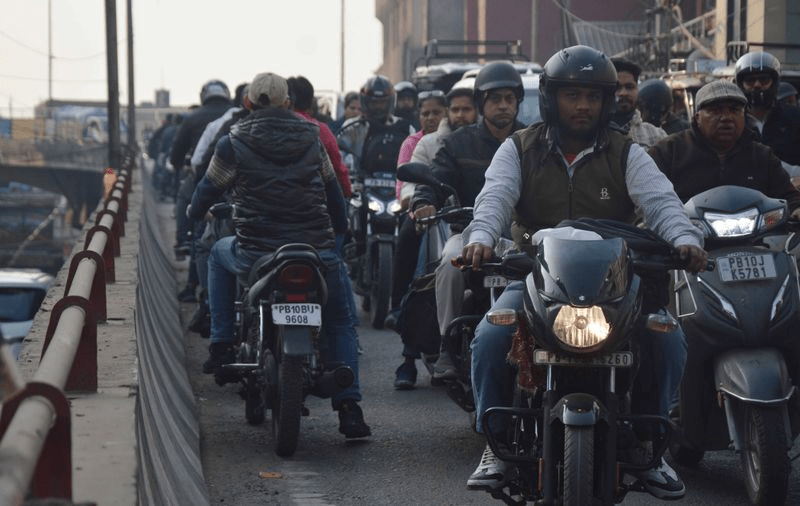
Traffic Challan Verification | Wrong Traffic Challan: Imagine receiving a traffic challan for a vehicle you don’t own or a violation you never committed. Sounds frustrating, right? Unfortunately, this is a reality for many citizens in India. Whether due to clerical errors, number plate cloning, or fraudulent activities, wrongful traffic challans are becoming an increasing concern. In this article, we’ll guide you on how to verify a challan, understand the causes behind wrongful challans, and the steps to dispute them.

What Is a Traffic Challan?

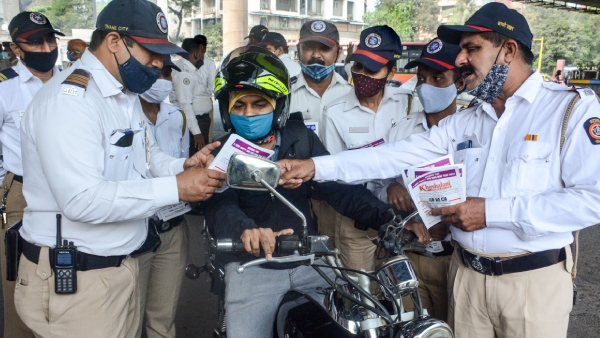
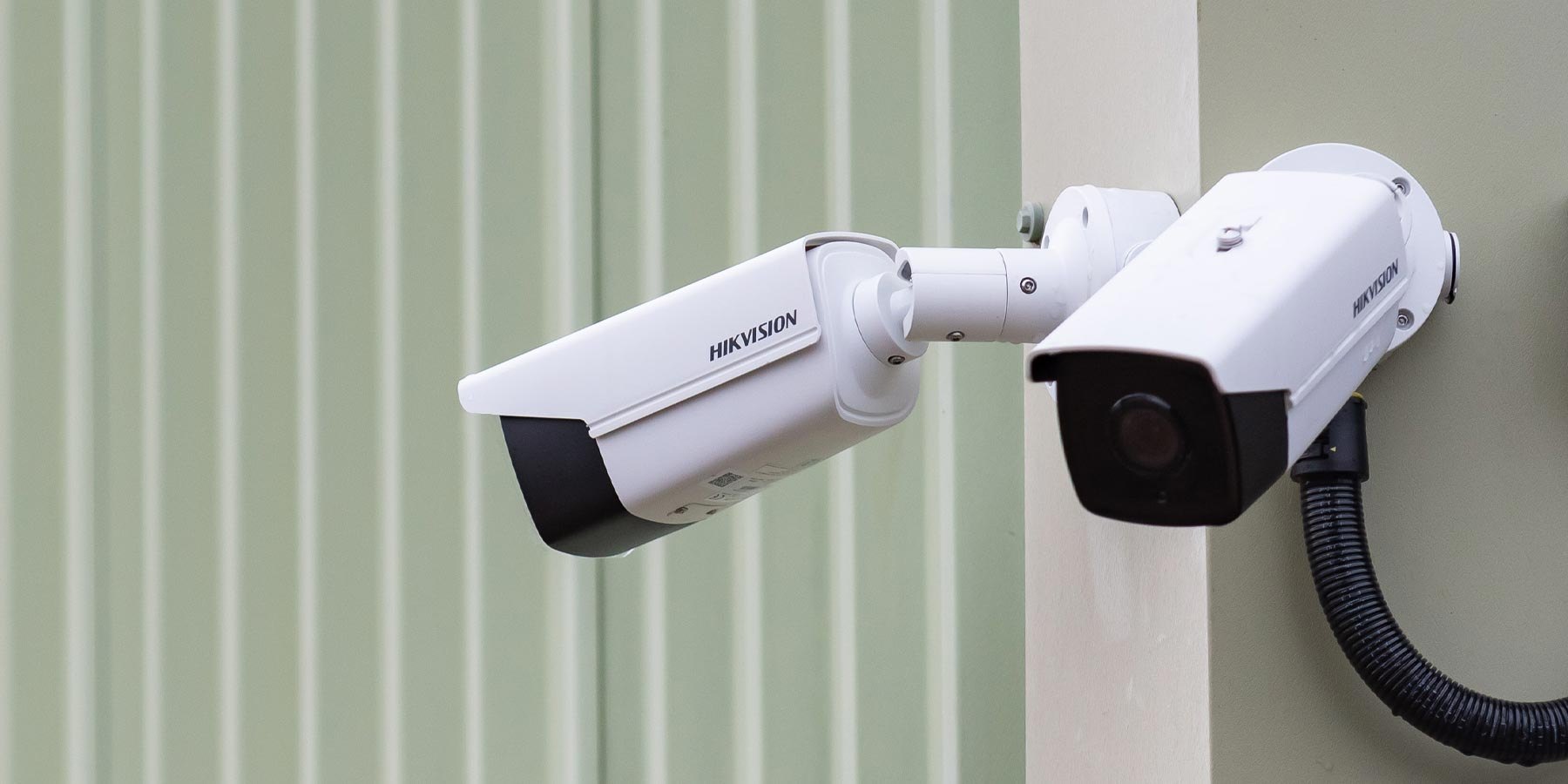
A traffic challan is a fine issued to vehicle owners for violating traffic rules. It can be generated manually by a traffic officer or automatically through an electronic surveillance system such as CCTV cameras.

Why You Might Receive a Wrong Challan? (Wrong Traffic Challan)

Even if you are a law-abiding citizen, you might still receive a challan due to the following reasons:

1. Clerical Errors

Mistakes happen, and sometimes an incorrect vehicle number might be entered into the system, leading to wrongful fines.

2. Number Plate Cloning

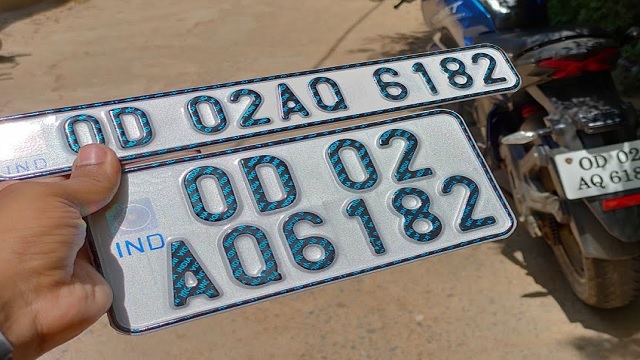
Fraudsters often duplicate registration numbers to avoid paying fines, causing innocent vehicle owners to be penalized.

3. Misinterpretation by AI-Based Surveillance

Automated systems might misread vehicle numbers due to low image quality or similar-looking digits.

4. Stolen Vehicles Being Used for Violations

If your vehicle has been stolen, it might be used for illegal activities, and the challans will be sent to the registered owner.

How to Check If the Challan Is Yours? Traffic Challan Verification

Step 1: Verify the Vehicle Details

Before paying, check whether the vehicle number and type mentioned in the challan match your actual vehicle.

Step 2: Check the Violation Image

Most e-challans come with an attached image or video proof of the violation. Analyze it carefully.

Step 3: Use the Government Portal

You can verify the challan details by visiting the official traffic police website:

Step 4: Use the MahaTraffic App

In states like Maharashtra, you can raise complaints via the MahaTraffic app, which prioritizes resolving such grievances.

What to Do If You Receive a Wrong Challan?

1. Contact the Traffic Police Department

Visit the nearest traffic police office with the challan and your vehicle documents to explain the error.

2. Raise a Grievance Online

Most state traffic websites provide a grievance redressal section where you can file a dispute.

3. File a Complaint at the RTO

If the issue persists, approach the Regional Transport Office (RTO) to report number plate duplication.

4. Seek Legal Help If Needed

If authorities do not resolve your issue, consider consulting a lawyer and filing a complaint in consumer court.

How to Avoid Wrongful Challans?

  • Regularly check your vehicle’s challan status online.
  • Avoid buying second-hand vehicles without verifying ownership history.
  • Immediately report any lost or stolen number plates to the police.
  • Install a dashboard camera to record your movements as proof against wrongful accusations.

Wrongful challans can be frustrating, but verifying and disputing them can save you from unnecessary penalties. Always check your challan details before paying and take the necessary steps if you suspect an error.

1. How can I check if a challan issued is genuine?

You can check it on the official e-challan website by entering your vehicle registration number.

2. What should I do if my vehicle number is cloned?

Report it immediately to the traffic police and RTO with proof that your vehicle was not at the location of the violation.

3. Can I dispute a traffic challan online?

Yes, most state traffic websites allow users to dispute a challan through an online grievance redressal system.

4. What happens if I don’t pay a wrong challan?

Non-payment can lead to legal consequences, including increased fines or even vehicle registration suspension.

5. How long does it take to resolve a disputed challan?

It depends on the case complexity, but typically, resolutions take anywhere from a few days to a few weeks.

Nagpur Traffic Police Introduce ‘Traffic Mitra’ WhatsApp Helpline for Public Complaints

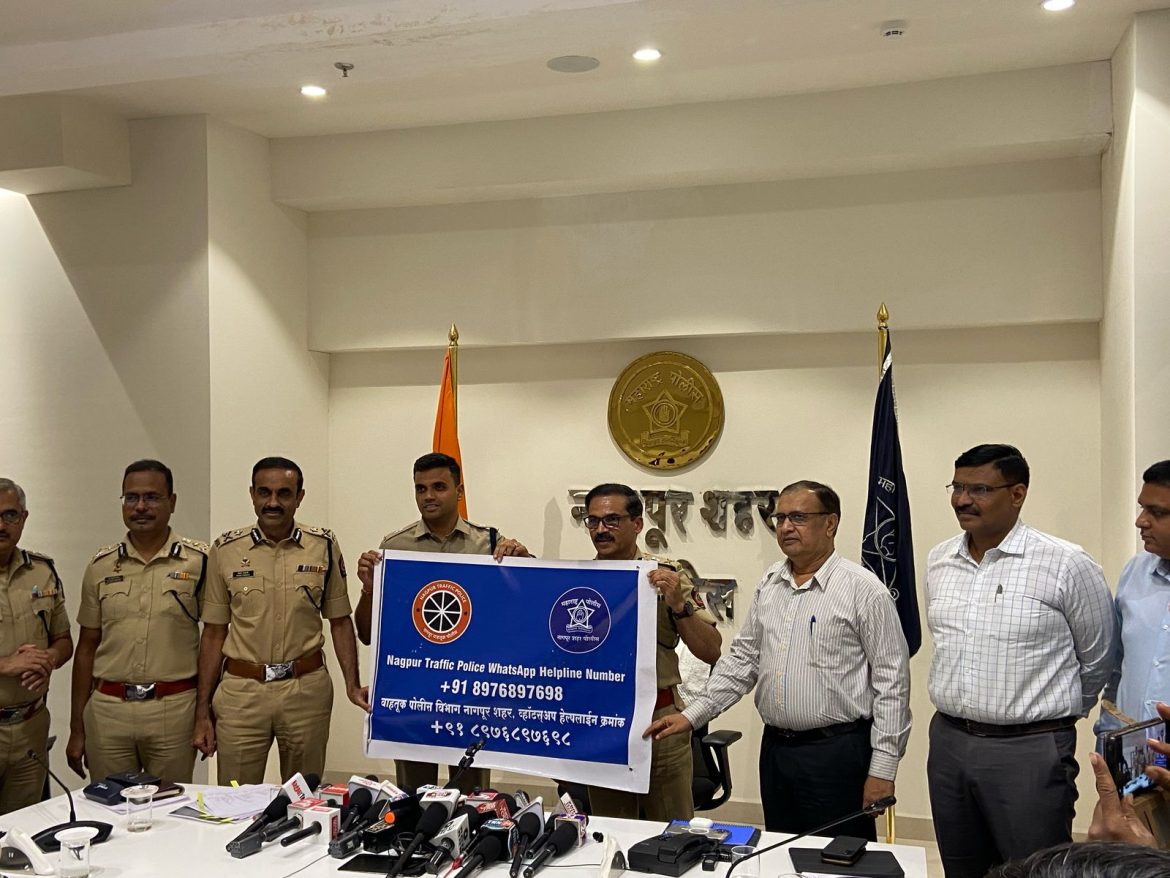
Traffic congestion and rule violations have been persistent issues in urban areas, making daily commuting a challenge. To combat these problems and improve road safety, the Nagpur Traffic Police have launched an innovative initiative called ‘Traffic Mitra’—a dedicated WhatsApp helpline for the public to report traffic-related concerns.

What is Traffic Mitra?

Traffic Mitra is a citizen-friendly initiative aimed at enhancing public participation in traffic regulation. The WhatsApp helpline (8976897698) enables residents to report traffic violations, congestion, accidents, and illegal parking with ease.

How Does the Traffic Mitra Helpline Work?

Residents can utilize the helpline to send WhatsApp messages regarding any traffic-related issue. These complaints are then forwarded to the Nagpur Police Control Room, where they are reviewed and addressed by the traffic department.

What Can Citizens Report?

  • Traffic rule violations (e.g., jumping signals, reckless driving)
  • Traffic congestion (e.g., bottlenecks, roadblocks)
  • Accidents (e.g., collisions, hit-and-run cases)
  • Illegal parking (e.g., vehicles parked in no-parking zones)

How to Lodge a Complaint Effectively?

For a quick and effective response, the Nagpur Traffic Police recommend that complainants include the following details:

  1. Clear Images: Capturing rule violations or road obstructions.
  2. Accurate Location: Sharing GPS coordinates or a detailed address.
  3. Incident Timing: Mentioning the exact time of the occurrence.

Why WhatsApp?

Using WhatsApp as a complaint platform offers several advantages:

  • Ease of Use: Most citizens are familiar with WhatsApp, making it an accessible platform.
  • Real-Time Reporting: Instant message delivery ensures quick action.
  • Image and Location Sharing: Enables authorities to assess the situation efficiently.

Police Response Mechanism

Once a complaint is received:

  1. The Nagpur Traffic Police Control Room evaluates the issue.
  2. Complaints are verified using provided details.
  3. The appropriate traffic enforcement teams are deployed for immediate action.

Public Awareness and Participation

The success of Traffic Mitra depends on public involvement. Authorities urge citizens to actively report issues and contribute to making Nagpur’s roads safer.

Limitations of the Traffic Mitra Helpline

  • No Voice Calls: The helpline supports only WhatsApp messages.
  • Not for Emergency Situations: In case of severe accidents or medical emergencies, citizens should dial 100 or 112.
  • Response Time May Vary: Depending on complaint volume, responses may take time.

Impact of Traffic Mitra on Nagpur’s Traffic Management

This initiative is expected to:

  • Enhance road safety by curbing violations.
  • Improve traffic flow by addressing congestion promptly.
  • Strengthen community policing by fostering citizen-police collaboration.

Conclusion

The Traffic Mitra WhatsApp Helpline is a game-changer for Nagpur’s traffic management. It empowers citizens to participate in road safety actively and ensures quicker action against traffic violations. If used effectively, it can lead to smoother and safer roads for everyone.

FAQs

1. Can I report a complaint anonymously?
Yes, complaints can be lodged anonymously. However, providing your contact details can help authorities seek clarification if needed.

2. Will I receive a response after filing a complaint?
While immediate acknowledgment may not be available, authorities will take action based on the severity of the issue.

3. What if my complaint is not addressed?
If no action is taken within a reasonable timeframe, citizens can follow up with the Nagpur Traffic Police directly.

4. Can I report non-traffic-related issues on this helpline?
No, the helpline is strictly for traffic-related complaints. Other issues should be reported to relevant departments.

5. Is the Traffic Mitra initiative available 24/7?
Yes, complaints can be sent at any time, but response times may vary based on urgency and police availability.

SEO Elements:
Focus Keywords: Nagpur Traffic Police WhatsApp Helpline
SEO Title: Nagpur Traffic Police WhatsApp Helpline | Report Traffic Issues
Slug: nagpur-traffic-mitra
Meta Description: Report traffic violations in Nagpur using the Traffic Mitra WhatsApp Helpline. Share images, locations, and details for swift police action.
Alt Text for Image: A citizen using WhatsApp to report a traffic violation to Nagpur Traffic Police.

Pardi Flyover to Finally Open on February 16 After Years of Delays

A Long-Awaited Relief for Nagpur Commuters

After nearly a decade of delays and setbacks, the Pardi Flyover in Nagpur, India is set to finally open on February 16, 2025. Originally conceived to ease congestion and enhance traffic flow in the eastern part of the city, the project has faced multiple obstacles, including financial constraints, contractor issues, and unforeseen structural failures.

The National Highways Authority of India (NHAI) has confirmed that the final touches, such as recarpeting, lighting, and safety installations, are being completed. This development comes as a much-needed relief for commuters who have endured prolonged inconvenience due to the construction delays.


Project Overview and Key Milestones

The Pardi Flyover Project has been one of the most ambitious infrastructure projects in Nagpur. However, its execution has been fraught with difficulties, leading to significant cost escalations and missed deadlines.

Key Details of the Project:

  • Initial Estimated Cost: ₹446 crore
  • Revised Cost: ₹650 crore
  • Total Length: 7.1 km
  • Bhoomipujan Ceremony: August 2014
  • Construction Start: June 2016
  • Original Completion Deadline: June 2019
  • Major Girders Collapse: October 2021
  • Partial Opening (Three Arms): September 2023
  • Final Opening Date: February 16, 2025

The project, initially slated for completion in 2019, suffered multiple delays due to structural failures and logistical hurdles. The most severe setback occurred in October 2021, when ten girders collapsed on the Kalamna arm, causing further delays and raising serious safety concerns.


Challenges Faced During Construction

1. Structural Failures and Design Issues

One of the most significant challenges in this project was the collapse of ten girders in October 2021, which led to a complete halt in construction for several months. Investigations revealed that poor material quality and engineering flaws contributed to the incident, forcing authorities to reassess the construction approach.

2. Budget Overruns and Delays

Originally budgeted at ₹446 crore, the final cost of the project has escalated to ₹650 crore, a 46% increase from the initial estimate. The primary reasons for this spike include inflation, revised safety measures, and structural modifications after the 2021 collapse.

3. Traffic Congestion and Commuter Inconvenience

For years, commuters traveling through Pardi, Kalamna, and Bhandara Road have suffered severe traffic congestion. The alternative roads beneath the flyover were riddled with potholes and uneven surfaces, making daily travel frustrating and unsafe.

4. Political and Administrative Delays

The project has also been marred by bureaucratic hurdles, contractor disputes, and changes in governance. Multiple shifts in administrative policies and fund allocations contributed to the extended timeline.


Impact of the Pardi Flyover Opening

With the full operational launch of the flyover on February 16, 2025, significant benefits are expected:

1. Improved Traffic Flow and Reduced Travel Time

The flyover is designed to decongest Pardi Junction, a critical traffic bottleneck in Nagpur. The direct connectivity it offers will cut travel time by 30-40% for daily commuters.

2. Enhanced Safety for Motorists and Pedestrians

The installation of high-mast LED lights, modern crash barriers, and designated pedestrian pathways will improve overall road safety. The flyover will also eliminate several accident-prone zones previously caused by potholes and uneven road conditions.

3. Economic Growth and Infrastructure Development

The completion of this project is expected to boost commercial activities in East Nagpur, particularly in areas like Kalamna, Bhandara Road, and Pardi. Improved connectivity will enhance trade and logistics for local businesses.

4. Reduced Pollution and Fuel Consumption

By alleviating congestion, the flyover will contribute to lower vehicle emissions and reduced fuel wastage, promoting an environmentally friendly urban transit system.


Final Touches Before the Grand Opening

As the inauguration date nears, the NHAI and local authorities are ensuring that all aspects of the project meet the necessary safety and quality standards. The final steps include:

  • Last-phase asphalt laying and recarpeting.
  • Installation of LED street lights for enhanced nighttime visibility.
  • Signage and lane markings to guide motorists.
  • Crash barriers and pedestrian crossings for safety.
  • Beautification of adjacent roads and underpasses.

Public Reaction and Expectations

Residents of Nagpur, particularly those who rely on Pardi Junction, have expressed a mix of relief and frustration. Many commuters have endured years of detours and extended travel times, leading to heightened anticipation for the flyover’s full opening.

Local Voices:

  • Rajesh Sharma, a daily commuter: “This project has been delayed far too long. But now that it’s finally opening, we hope it truly solves the traffic mess in this area.”
  • Anita Deshmukh, a shop owner near Pardi: “We’ve suffered losses because customers avoided this area due to road conditions. Hopefully, business will pick up now.”
  • Sunil Verma, a logistics operator: “Transporting goods through this route was a nightmare. The flyover will save us both time and fuel.”

The opening of the Pardi Flyover marks a milestone in Nagpur’s urban infrastructure development. While the journey to completion has been fraught with challenges, its operationalization will significantly enhance commuter convenience, road safety, and economic activity. As Nagpur continues to expand, such projects are crucial for ensuring a modern and efficient transportation network.

With the long-anticipated launch just days away, the Pardi Flyover is set to bring a new era of smooth and seamless connectivity to the people of Nagpur.

Enhancing Airport Connectivity: Nagpur Metro’s Plan for Extended Hours and Additional Buses

Nagpur Metro is gearing up to revolutionize airport connectivity by extending operational hours and introducing more buses, particularly focusing on the Airport Metro Station. This initiative aims to address the growing concerns of passengers regarding first and last-mile connectivity.

Current Operational Hours and Challenges

Presently, Nagpur Metro operates from 6 AM to 10 PM, with trains running every 10 minutes during peak hours and every 15 minutes during off-peak times. However, this schedule doesn’t align well with many flight timings, leading to over half of the flights either overlapping with or falling outside the metro’s operating hours. Consequently, a significant 87% of travelers resort to taxis or private vehicles to reach the airport.

Expert Insights on Extended Hours

Transportation experts believe that extending the metro’s operational hours could substantially improve airport connectivity. For instance, Delhi Metro operates from 5 AM to 11:30 PM, with its airport line starting as early as 4:45 AM. Similarly, Bangalore Metro runs from 5 AM to 11 PM, and Pune Metro from 6 AM to 11 PM. Aligning Nagpur Metro’s schedule with these cities could help synchronize with nearly 60% of flight departures.

MahaMetro’s Response to Connectivity Concerns

In response to these challenges, MahaMetro is actively working on multimodal integration and plans to introduce additional shuttle buses. A senior MahaMetro official stated, “We are working on multimodal integration and additional shuttle buses. The Detailed Project Report (DPR) for this proposal is in progress and will soon be submitted to the state government, following a recent meeting with Chief Secretary Sujata Saunik.”

Evaluating Feasibility of Extended Service Hours

MahaMetro is also assessing the feasibility of extending metro service hours. The official added, “We plan to extend operational timings till late night once the Butibori line of Phase 2 becomes operational. With additional rolling stock from Phase 2, along with the existing Phase 1 fleet, we aim to cater to both night-shift workers at Butibori MIDC and airport travelers. However, extending service hours at just one station is challenging at this stage, as multiple factors need to be considered.”

Infrastructure Improvements for Seamless Connectivity

Beyond operational extensions, MahaMetro is exploring further infrastructure enhancements. “We are considering a dedicated physical link between the airport and the Airport Metro Station. The goal is to ensure a seamless transition for flyers using the metro,” the official noted.

Current Utilization of Airport Metro Station

Despite achieving a daily ridership of 1.5 lakh, the Airport Metro Station remains underutilized, with only about 530 passengers per day. Authorities believe that improved connectivity, extended hours, and additional shuttle services could significantly boost metro usage among airport-bound travelers, reducing congestion and promoting sustainable transport.

Nagpur Metro’s proactive approach to extending operational hours and enhancing connectivity through additional shuttle services and infrastructure improvements is poised to transform airport transit in the city. These initiatives not only aim to provide convenience to passengers but also promote sustainable and efficient urban transportation.

  1. What are the current operational hours of Nagpur Metro?

    • Nagpur Metro currently operates from 6 AM to 10 PM.
  2. Why is there a need to extend metro operational hours?

    • Extending operational hours would better align with flight schedules, providing improved connectivity for airport travelers.
  3. What steps is MahaMetro taking to improve airport connectivity?

    • MahaMetro plans to extend operational hours, introduce additional shuttle buses, and explore infrastructure improvements like a dedicated link between the airport and the Airport Metro Station.
  4. How does Nagpur Metro’s current schedule compare to other cities?

    • Cities like Delhi, Bangalore, and Pune have longer metro operating hours, starting as early as 5 AM and ending around 11 PM, which better accommodate airport travelers.
  5. What is the current daily ridership of the Airport Metro Station?

    • The Airport Metro Station currently has about 530 passengers per day, despite the overall metro system’s daily ridership of 1.5 lakh.

40% of Nagpur Smart City CCTV Cameras Non-Functional

Nagpur Smart City CCTV Issue: Nagpur’s ambitious smart city project is facing a serious challenge: 40% of the CCTV cameras installed for city surveillance are non-functional. The Nagpur Smart and Sustainable City Development Corporation Limited (NSSCDC) has consistently missed installation targets, and maintenance issues have led to a rapid decline in working cameras. But why is this happening, and what does it mean for the city’s safety and traffic management?

Nagpur Smart City CCTV Project: An Overview

The NSSCDC launched an extensive CCTV surveillance network to enhance security and improve traffic management. The goal was to install thousands of cameras across the city, yet a significant percentage remain non-operational.

Planned vs. Actual Installations

  • 2019-20 Target: 3,912 cameras
  • Cameras Installed: 3,692
  • 2023-24 Target: 3,841 cameras
  • Cameras Installed: Far below target

The trend of failing to meet targets has continued for years, with little improvement in execution.

Why Are So Many Cameras Non-Functional?

Several factors contribute to the declining functionality of Nagpur’s CCTV network.

1. Poor Maintenance

The number of operational cameras has decreased from 3,412 in 2019-20 to just 2,671 in 2023-24 due to inadequate maintenance and repairs.

2. Infrastructure Damage

Ongoing road construction, power cable installations, and pipeline projects have damaged fiber optic connections, leading to connectivity issues.

3. Budget Constraints

NSSCDC has struggled with budget allocations, delaying repairs and replacement of faulty cameras.

4. Vandalism and Theft

Some cameras have been stolen or vandalized, further reducing their effectiveness.

Importance of CCTV Cameras in Nagpur’s Smart City Initiative

CCTV cameras are not just about surveillance; they play a crucial role in:

1. Traffic Management

The Intelligent and Integrated Traffic Management System (IITMS) relies on these cameras to:

  • Synchronize traffic signals
  • Detect red-light and stop-line violations
  • Recognize number plates automatically
  • Monitor vehicle speed

2. Crime Prevention

Functioning CCTV cameras deter criminal activity and help law enforcement solve crimes.

3. Public Safety

Cameras enhance security at traffic junctions, public places, and crowded areas, ensuring a safer environment for citizens.

NSSCDC’s Next Move: Hiring a Private Agency

With persistent issues in installation and maintenance, NSSCDC has decided to outsource CCTV network management to a private agency. This step aims to:

  • Ensure better maintenance and repairs
  • Improve uptime of existing cameras
  • Enhance real-time monitoring and efficiency

Challenges in Outsourcing CCTV Maintenance | Nagpur Smart City CCTV Issue

While hiring a private firm sounds promising, there are concerns:

  • Costly contracts: Will taxpayers bear the extra cost?
  • Efficiency concerns: Will the private agency deliver better results than NSSCDC?
  • Accountability issues: Who will be responsible for system failures?

How Can Nagpur Improve Its CCTV Network?

Here are some steps that can help fix the city’s CCTV issues:

1. Regular Maintenance Checks

Implementing scheduled maintenance will ensure that cameras remain functional.

2. Improved Infrastructure Planning

Coordinating with city planners can prevent fiber optic damage during road and cable projects.

3. Increased Budget Allocation

More funds should be dedicated to maintaining and upgrading the CCTV network.

4. Stronger Security Measures

Preventing vandalism and theft with protective enclosures and security patrols will help safeguard camera installations.

Nagpur’s smart city vision is heavily dependent on a robust surveillance network. However, the non-functionality of 40% of its CCTV cameras is a major setback. By outsourcing maintenance, improving infrastructure coordination, and increasing security measures, the city can regain control over its surveillance system. But the real question remains—will these steps be enough to turn things around?

1. Why are so many CCTV cameras in Nagpur not working?

Poor maintenance, fiber optic damage from infrastructure work, budget constraints, and vandalism are the primary reasons.

2. How does this issue affect Nagpur’s traffic management?

Dysfunctional cameras hinder IITMS operations, leading to inefficient traffic signal synchronization and poor enforcement of traffic rules.

3. What steps is NSSCDC taking to fix the problem?

The organization is outsourcing CCTV network management to a private agency to improve maintenance and functionality.

4. Can a private company ensure better CCTV maintenance?

It depends on the contract’s execution, accountability measures, and funding allocation. If managed well, a private firm can improve uptime and monitoring.

5. How can citizens help improve Nagpur’s CCTV network?

Citizens can report damaged or stolen cameras, support security initiatives, and push for better governance in surveillance system management.

Nagpur Traffic Department’s Strategic Planning Ensures Smooth Vehicle Flow During Cricket Match

Nagpur Traffic Management | DCP Traffic Archit Chandak:  When it comes to cricket in Nagpur, the excitement is palpable. But let’s be honest: Navigating traffic to Jamtha Stadium can be daunting. However, during the recent India-England ODI on February 6, 2025, the Nagpur Traffic Department turned the tide, ensuring fans could focus on the game rather than the gridlock.

A New Dawn in Traffic Management Nagpur | Archit Chandak

Gone are the days when attending a match meant bracing for hours-long traffic snarls. This time, the city’s traffic maestros orchestrated a plan that was nothing short of a symphony. Over 550 personnel were deployed, each playing their part to perfection. Fans who arrived early found themselves breezing through, reaching the stadium in just 45 to 60 minutes—a stark contrast to the 1.5 to 2-hour ordeal of previous matches.

The Morning Rush: A Minor Hiccup

Between 11:30 AM and 1:30 PM, Wardha Road did experience bumper-to-bumper traffic. But here’s the kicker: once the match began, the congestion melted away like ice on a summer day. One fan quipped, “I was stuck in traffic just before the stadium for around 15 minutes; otherwise, the traffic was moving smoothly. My friends and I were already prepared about being stuck in jams for hours, but it did not happen.”

Behind the Scenes: The Mastermind

Deputy Commissioner of Police (Traffic) Archit Chandak, a Nagpur native, knew the city’s traffic woes all too well. Drawing from his personal experiences, he crafted a comprehensive plan that included disciplined parking arrangements, strategic traffic diversions, and personnel stationed at key junctions. His hands-on approach—being present from dawn till the final whistle—ensured everything ran like clockwork.

Heavy Vehicles: Rerouted for Relief

To keep the main arteries clear, heavy vehicles were diverted via the Samruddhi Expressway. While this led to some confusion among truck drivers and queues on internal roads, it was a small price to pay for the overall fluidity experienced by match-goers.

Parking: Plenty of Room at the Inn

The department arranged parking for approximately 10,000 vehicles, promoting these facilities widely. Yet, many fans chose to park along Wardha Road—a practice permitted as long as it didn’t obstruct traffic. For those who missed the memo, five towing vans were on standby to clear any disruptions.

The Post-Match Exodus: A Pleasant Surprise

Historically, the journey home after a match was a test of patience, with fans often stranded for 3-4 hours. This time, vehicles reached Nagpur within half an hour. Spectators couldn’t help but applaud the traffic department’s efforts in preventing the usual chaotic gridlocks. One fan shared, “I parked my car in the designated parking lot, but I was able to take out my car and reach Chinchbhuvan within 15 minutes. I left the stadium during the final over and even had dinner at a dhaba but did not witness a traffic jam.”

Innovations in Traffic Management

For the first time, drones were deployed to monitor traffic flow towards the stadium. This aerial perspective allowed for real-time adjustments, ensuring any potential bottlenecks were addressed promptly.

Green Corridors: VIP Treatment for All

A green corridor was established from Jamtha to Rahate Colony Square, facilitating the swift exit of vehicles post-match. This initiative ensured that the usual bottlenecks were averted, allowing fans to head home without unnecessary delays.

Public Transport: A Viable Alternative

Spectators were encouraged to utilize public transport, with continuous shuttle services connecting parking areas to the stadium. This move not only reduced the number of vehicles on the road but also offered fans a hassle-free commute.

Community Feedback: A Resounding Success

The positive feedback from the public was overwhelming. Many expressed their appreciation for the meticulous planning and execution, noting the stark improvement from previous experiences. The absence of severe parking issues and the smooth traffic flow marked a significant achievement for the traffic department.

Lessons Learned and the Road Ahead

While the day’s success was commendable, it also offered insights for future events. The importance of clear communication regarding parking facilities became evident, as did the need for better guidance for heavy vehicle drivers on diverted routes.

The Nagpur Traffic Department’s (Archit Chandak) strategic planning and effective execution transformed what was once a dreaded ordeal into a seamless experience. Their efforts ensured that the focus remained on the thrill of the game, rather than the trials of the commute.

  1. What measures were taken to improve traffic flow during the match?

    The department deployed over 550 personnel, established green corridors, utilized drones for monitoring, and rerouted heavy vehicles to ensure smooth traffic flow.

  2. Were there sufficient parking facilities available?

    Yes, approximately 10,000 parking spaces were arranged, and fans were encouraged to use these designated areas to prevent roadside congestion.

  3. How effective were the drone deployments?

    The drones provided real-time aerial views, allowing authorities to promptly address and manage any emerging traffic issues.

  4. What was the public’s reaction to the new traffic management strategies?

    Spectators widely appreciated the efforts, noting a significant improvement from previous events and expressing relief at the absence of severe traffic jams.

  5. Will these traffic management strategies be used for future events?

    Given the success of these measures, it’s likely that similar strategies will be implemented and refined for future large-scale events in Nagpur.

Traffic Management Plan for the India-England Match

Jamtha Parking: DCP Traffic Archit Chandak has implemented a structured traffic control plan to minimize congestion. Additional traffic personnel will be deployed to manage the flow efficiently.

Public Transport – The Best Choice for Spectators

Why Use Public Transport?

  • Avoid getting stuck in traffic jams
  • Reduce fuel expenses and hassle
  • Contribute to an eco-friendly environment
  • Enjoy stress-free travel without worrying about parking

Metro Services for Spectators

The MIHAN Metro Station will offer continuous shuttle services to the stadium, ensuring quick and efficient transportation.

Parking Arrangements at the Stadium | Jamtha Parking

To accommodate various vehicles, designated parking zones have been allocated:

Two-Wheelers | Jamtha Parking

  • Parking Zone C – Located near Gate No. 1

Four-Wheelers

  • Zone B, D-1, and D-2 – On either side of the stadium

Overflow Parking

  • Zones E and F near Gabbar Da Dhaba
  • Free city bus service will shuttle spectators from these parking areas, approximately 1 km away, to the stadium

Strict No-Parking Policy on Highways

Key Enforcement Actions:

  • Illegally parked vehicles will be towed immediately
  • Five towing vans will be on patrol
  • Two hydra cranes will be deployed to remove large obstructing vehicles

Exit Strategy for Smooth Dispersal

A one-way system has been designed to improve traffic flow. Vehicles will exit via designated routes opposite the parking lots through a newly constructed road.

Key Travel Guidelines for Spectators

  • Arrive at least two hours before the match to avoid last-minute congestion
  • Follow police instructions and signboards for seamless movement
  • Utilize public transport for hassle-free access to the venue

Heavy Vehicle Movement Restrictions

To avoid congestion, the movement of heavy vehicles will be banned on Wardha Road from Thursday morning.

Traffic Diversions for Heavy Vehicles

  • Vehicles from Nagpur towards Wardha will turn right at Mundle School Key Cutting and proceed via Samruddhi Expressway
  • Vehicles from Jabalpur Bypass towards Wardha will use Panjri Toll Gate to Samruddhi Zero Circle via Datala road
  • Vehicles from Chandrapur, Hyderabad, and Wardha towards Nagpur will reroute via Mauli Cutting
  • Vehicles from Amravati towards Chandrapur and Hyderabad will take the Wayfal toll plaza and Datala route

Benefits of Using Public Transport for the Match

  1. Saves Time – Avoid unnecessary delays due to traffic congestion
  2. Eco-Friendly – Reduces carbon emissions and fuel consumption
  3. Affordable – Saves fuel and parking charges
  4. Safer – Minimizes the risk of vehicle theft or damage
  5. Stress-Free Experience – Allows fans to focus on the game without transportation worries

What Happens If You Park Illegally?

  • Your vehicle will be towed
  • You may have to pay a fine
  • You could experience unnecessary delays retrieving your vehicle

Police Assistance and Support | DCP Traffic Archit Chandak

Police personnel will be stationed throughout the area to assist visitors, answer queries, and ensure a seamless experience for all spectators.

Final Tips for Match-Day Travel

  • Plan your travel in advance
  • Use metro and shuttle services
  • Park only in designated areas
  • Follow traffic rules and police instructions

The India-England ODI match at Jamtha Stadium promises to be an exciting event. To ensure a hassle-free experience, spectators must utilize public transport, park in designated zones, and avoid illegal parking on highways. Following these guidelines will contribute to a smoother and more enjoyable match-day experience for all.

1. Can I park my vehicle on the highway near the stadium?

No, a strict no-parking policy is in place, and illegally parked vehicles will be towed.

2. Where should I park if the stadium lots are full?

Overflow parking is available in Zones E and F, with a free city bus shuttle service to the stadium.

3. How early should I arrive at the stadium?

It is advised to arrive at least two hours before the match to avoid traffic congestion.

4. What public transport options are available?

Spectators can use metro services from MIHAN Metro Station, which provides continuous shuttle services to the stadium.

5. Are there any restrictions for heavy vehicles?

Yes, heavy vehicle movement is banned on Wardha Road, and diversions are in place to manage traffic effectively.

Nagpur Traffic Guidelines for India vs England ODI at Jamtha

India vs England ODI | Jamtha Stadium Parking: Cricket fever is at its peak as India takes on England in a thrilling One Day International (ODI) match at Jamtha Stadium, Nagpur. With thousands of fans expected to pour into the city, the Nagpur Traffic Police has issued detailed traffic and parking guidelines to ensure a seamless experience for spectators. If you’re attending the match, read on to avoid any last-minute confusion!

Traffic Guidelines to Follow

1. Route Directions for Spectators

  • All vehicles must take the Nagpur-Wardha Road route up to Jamtha T-point for direct access to the stadium.
  • Alternative routes are discouraged to prevent congestion.

2. Designated Parking for Four-Wheelers

  • Parking Zones:
    • Primary parking areas for four-wheelers: Parking B, D1, and D2 (near the stadium).
    • Additional spaces: Parking E and F (for overflow parking).
  • Post-match exit routes are predefined for B, D1, and D2 vehicles.

3. Two-Wheeler Parking Arrangements

  • Primary parking: Parking C (adjacent to the stadium).
  • Overflow parking: Vehicles will be directed to Parking F.

4. Overflow Parking Arrangements

  • Once Parking B, C, D1, and D2 reach 75% capacity, traffic will be rerouted to Parking E and F (1 km away).
  • Shuttle buses will ferry spectators from Parking E and F to Jamtha T-point.

5. Early Arrival is Highly Recommended

  • To avoid last-minute congestion, fans should reach the stadium at least two hours before the match starts.

6. Metro Services for Hassle-Free Commuting

  • Commuters are advised to use the Nagpur Metro up to Khapri station.
  • Shuttle buses will be available from Khapri station to the stadium.

7. Traffic Management Measures

  • Traffic personnel will be stationed along key points.
  • Directional signage will be installed throughout the route to guide spectators.

8. Heavy Vehicle Diversion | Jamtha Stadium parking

  • Heavy vehicles will be rerouted from Nagpur-Wardha Highway to Samruddhi Mahamarg to prevent unnecessary traffic buildup.

9. Strict Towing Operations in Effect

  • Five towing vans will be patrolling the stadium vicinity.
  • Illegal parking is strictly prohibited—vehicles parked on main roads will be towed immediately.

Additional Tips for Spectators

  • Carpooling is encouraged to reduce vehicle congestion.
  • Carry a valid match ticket to access parking and shuttle services.
  • Follow signboards and listen to police personnel for smooth entry and exit.
  • Stay hydrated and wear comfortable clothing for the long game.

The India vs England ODI at Jamtha Stadium is set to be an electrifying event, and a little planning can make your match-day experience stress-free. By following the Nagpur Traffic Police guidelines, you can avoid unnecessary delays and fully enjoy the game. So, gear up, reach early, and cheer for your team!

1. What are the best parking options for four-wheelers?

The best parking zones for four-wheelers are Parking B, D1, and D2, with overflow options available in Parking E and F.

2. Is there a shuttle service available from metro stations?

Yes, shuttle buses will be available from Khapri metro station to the stadium for easy access.

3. What time should spectators arrive to avoid traffic congestion?

Spectators are advised to arrive at least two hours before the match to prevent last-minute rushes.

4. Are heavy vehicles allowed near Jamtha Stadium on match day?

No, heavy vehicles will be diverted to Samruddhi Mahamarg to reduce congestion.

5. What happens if I park my vehicle in a restricted zone?

Vehicles parked in unauthorized zones will be towed by the Nagpur Traffic Police, with fines applicable.

Manishnagar RUB to Open for Traffic from January 28

Manishnagar RUB Opening: The long wait for the residents of Manishnagar and surrounding areas is finally over! The much-anticipated Railway Under Bridge (RUB) at Manishnagar is set to open for public use on January 28. This monumental infrastructure project, which promises to transform daily commutes and bring relief to thousands, will be inaugurated by Maharashtra Chief Minister Devendra Fadnavis, Union Minister Nitin Gadkari, and Guardian Minister Chandrashekhar Bawankule.

Let’s dive deeper into the details and understand why this development is such a big deal for the people of Nagpur and its surrounding regions.


What Makes the Manishnagar RUB Special?

Infrastructure projects often come with a hefty price tag, but they’re worth it when they solve long-standing problems. The Manishnagar RUB is no exception. With a total project cost of Rs 33.83 crore, this underpass promises to bring convenience, safety, and efficiency to one of the busiest stretches in the city.

Key Dimensions and Features

  • Length: 190 meters
  • Width: 8 meters
  • Height: 4 meters
  • Pedestrian Walkway: A dedicated walkway for safe pedestrian movement

This thoughtful design ensures the underpass is suitable for both vehicles and pedestrians.


Strategic Location and Importance

The RUB has been constructed on the Mumbai-Howrah and Delhi-Chennai railway lines, two of the busiest rail routes in India. This strategic location is critical, as it connects Manishnagar to Wardha Road, providing better accessibility for residents of Manishnagar, Besa, Ghogali, and Beltarodi.


Benefits of the Manishnagar RUB

Wondering how this project will make a difference in your life? Here are some key advantages:

1. Relief from Traffic Jams

Before the RUB, the railway crossing caused endless traffic jams, delaying commutes and frustrating residents. The new underpass ensures uninterrupted movement, significantly reducing congestion.

2. Time Savings

No more waiting for trains to pass! Commuters can now save valuable time with the seamless connectivity offered by the RUB.

3. Improved Connectivity

The underpass bridges the gap between Manishnagar and Wardha Road, ensuring smoother commutes and better access to essential services and business hubs.

4. Enhanced Safety

With a separate pedestrian walkway, the RUB ensures the safety of those on foot, reducing the risk of accidents.


A Milestone for Urban Development

The inauguration of the Manishnagar RUB marks a significant milestone in Nagpur’s urban development journey. It reflects the government’s commitment to improving infrastructure and prioritizing the needs of citizens.


Inauguration Day Highlights

The grand opening ceremony, scheduled for January 28, will be a star-studded event. Chief Minister Devendra Fadnavis, Union Minister Nitin Gadkari, and Guardian Minister Chandrashekhar Bawankule will officially inaugurate the project.

Once the ribbon is cut, the RUB will be open for public use, ushering in a new era of convenience and connectivity for the region.


What Residents Are Saying

The buzz around the RUB has been palpable, with residents eagerly awaiting its opening. Many believe this project will be a game-changer, especially for those who frequently commute to Wardha Road.

Here’s what some locals had to say:

  • “Finally, we can say goodbye to those endless waits at the railway crossing. This RUB is going to save us so much time!” – Ramesh, a local resident.
  • “The pedestrian walkway is a thoughtful addition. It’s great to see infrastructure projects considering everyone’s needs.” – Anita, a daily commuter.

Looking Ahead

The opening of the Manishnagar RUB is just the beginning. As Nagpur continues to grow, projects like this will play a crucial role in ensuring the city’s infrastructure keeps up with its expanding population.

With improved connectivity and reduced traffic congestion, this underpass is poised to become a model for similar projects in other parts of the country.


1. When will the Manishnagar RUB open for public use?

The RUB will be inaugurated on January 28 and will be open for public use immediately after the ceremony.

2. Who will inaugurate the Manishnagar RUB?

The inauguration will be led by Maharashtra Chief Minister Devendra Fadnavis, Union Minister Nitin Gadkari, and Guardian Minister Chandrashekhar Bawankule.

3. What is the cost of the Manishnagar RUB project?

The total cost of the project is Rs 33.83 crore.

4. How will the RUB benefit the residents of Manishnagar?

The RUB will provide relief from traffic jams, save time, improve connectivity to Wardha Road, and ensure safety with a dedicated pedestrian walkway.

5. What are the key dimensions of the Manishnagar RUB?

The RUB is 190 meters long, 8 meters wide, and 4 meters high, with a separate pedestrian walkway.

Nagpur Traffic Police Launches ‘Footpath Freedom’ Campaign to Tackle Illegal Parking and Encroachments

Why ‘Footpath Freedom’ Matters

Imagine navigating busy streets, only to find yourself forced to walk amidst honking cars because the sidewalks are blocked. Sounds frustrating, right? Nagpur Traffic Police have stepped in with a game-changing initiative—the “Footpath Freedom” campaign—aimed at reclaiming pedestrian spaces and tackling illegal parking and hawker encroachments. Let’s dive into what this campaign is all about and why it’s a big deal for everyone in the city.


 Understanding the Footpath Freedom Campaign

 The Core Objectives

The primary goal of the Footpath Freedom campaign is to ensure pedestrian safety and smooth traffic flow. By targeting illegal parking and unauthorized hawker setups, the initiative aims to:

  • Reclaim sidewalks for pedestrians.
  • Reduce traffic congestion.
  • Minimize accidents caused by pedestrians walking on roads.

 The Problem of Illegal Parking

 Blocking Pedestrian Pathways

Many vehicle owners casually park on footpaths, leaving no space for pedestrians. This forces people to walk on busy roads, increasing the risk of accidents.

 Legal Consequences

The traffic police are towing vehicles parked on footpaths under:

  • Section 122 of the Motor Vehicle Act: Prohibits unauthorized parking.
  • Section 127 of the Motor Vehicle Act: Allows vehicle removal from no-parking zones.
  • Section 177 of the Motor Vehicle Act: Imposes penalties for violations.

 The Issue of Hawker Encroachments

 Temporary Setups with Long-Term Impact

Unauthorized hawkers often set up stalls on sidewalks. While convenient for shoppers, these stalls obstruct pathways and worsen traffic.

 Action Taken by Authorities

Under Sections 102 and 117 of the Maharashtra Police Act, the traffic police and Nagpur Municipal Corporation (NMC) are working together to remove these unauthorized setups.


 Key Features of the Campaign

 Collaborative Enforcement

The Nagpur Municipal Corporation has deployed towing vehicles to assist in clearing footpaths. This partnership ensures effective and sustained enforcement.

 Awareness Initiatives

 Educating Citizens

Deputy Commissioner of Police (Traffic), Archit Chandak, has appealed to citizens to park responsibly and use designated spaces. Hawkers have been advised to:

  • Avoid obstructing footpaths.
  • Encourage customers to use proper parking.

 Leveraging Media

Through social media and local news, the police are spreading awareness about the campaign’s objectives and legal repercussions for violations.


 The Impact on Nagpur’s Traffic and Safety

 Enhanced Pedestrian Safety

Clear footpaths mean pedestrians no longer risk walking on busy roads, reducing the likelihood of accidents.

 Smoother Traffic Flow

With fewer vehicles parked haphazardly, traffic congestion is significantly reduced, making commutes quicker and less stressful.

 Positive Public Response

Citizens have started noticing the difference, with many praising the initiative for restoring order to the city’s streets.


 How Can Citizens Contribute?

 Follow Parking Rules

Always park in designated areas and encourage others to do the same. It’s a simple step that can make a big difference.

 Support Hawker Compliance

Shop from hawkers who adhere to rules and avoid encroaching on public spaces.

 Report Violations

If you notice illegal parking or encroachments, report them to the authorities. Be the change you want to see.


 The Road Ahead

The Footpath Freedom campaign is a significant step toward creating a safer and more organized Nagpur. However, its success depends on collective effort. Authorities are doing their part, but it’s up to each citizen to support and sustain this initiative. Together, we can ensure that Nagpur’s streets are safe and accessible for everyone.


The “Footpath Freedom” campaign is more than just a crackdown on illegal parking and encroachments; it’s a movement toward reclaiming public spaces for pedestrians. Let’s embrace this initiative, follow the rules, and encourage others to do the same. After all, safer streets mean a better quality of life for all Nagpurians.


1. What is the Footpath Freedom campaign?

The campaign is an initiative by Nagpur Traffic Police to tackle illegal parking and hawker encroachments on footpaths, ensuring pedestrian safety and smoother traffic flow.

2. How are violations being addressed?

Vehicles parked on footpaths are being towed under the Motor Vehicle Act, and unauthorized hawker setups are removed under the Maharashtra Police Act.

3. What can citizens do to support this initiative?

Citizens can park in designated areas, avoid shopping from non-compliant hawkers, and report violations to authorities.

4. Who is leading the campaign?

Deputy Commissioner of Police (Traffic), Archit Chandak, is spearheading the initiative with support from the Nagpur Municipal Corporation.

5. What are the expected outcomes?

The campaign aims to enhance pedestrian safety, reduce traffic congestion, and promote a more organized city environment.

Exit mobile version