Nagpur Traffic Deptt Destroys 440 Illegally Modified Silencers

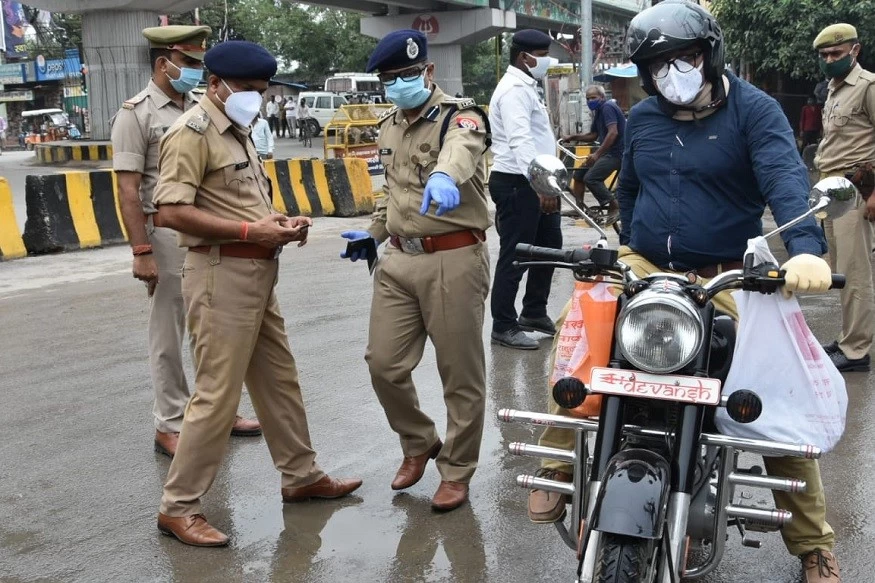
Nagpur traffic Police: In an important initiative to tackle noise pollution and encourage responsible driving, the Nagpur City Traffic Department, led by Dr. Ravinder Kumar Singal, Commissioner of Police, and Archit Chandak, Deputy Commissioner of Police (Traffic), launched a special campaign from January 5 to 9. This campaign aimed at curbing the use of modified silencers on two-wheelers, which have become a major concern due to their loud, disruptive noise.

The Growing Problem of Modified Silencers

Modified silencers on two-wheelers have long been a source of irritation for citizens, particularly senior citizens who find the loud noise unbearable. These after-market silencers are designed to amplify engine noise, often producing a shrill sound that is not only disturbing but also poses a significant health risk, contributing to anxiety and stress among the public. Complaints regarding these noisy modifications have been increasing, leading to the Nagpur Traffic Department taking action.

Special Campaign to Seize Modified Silencers

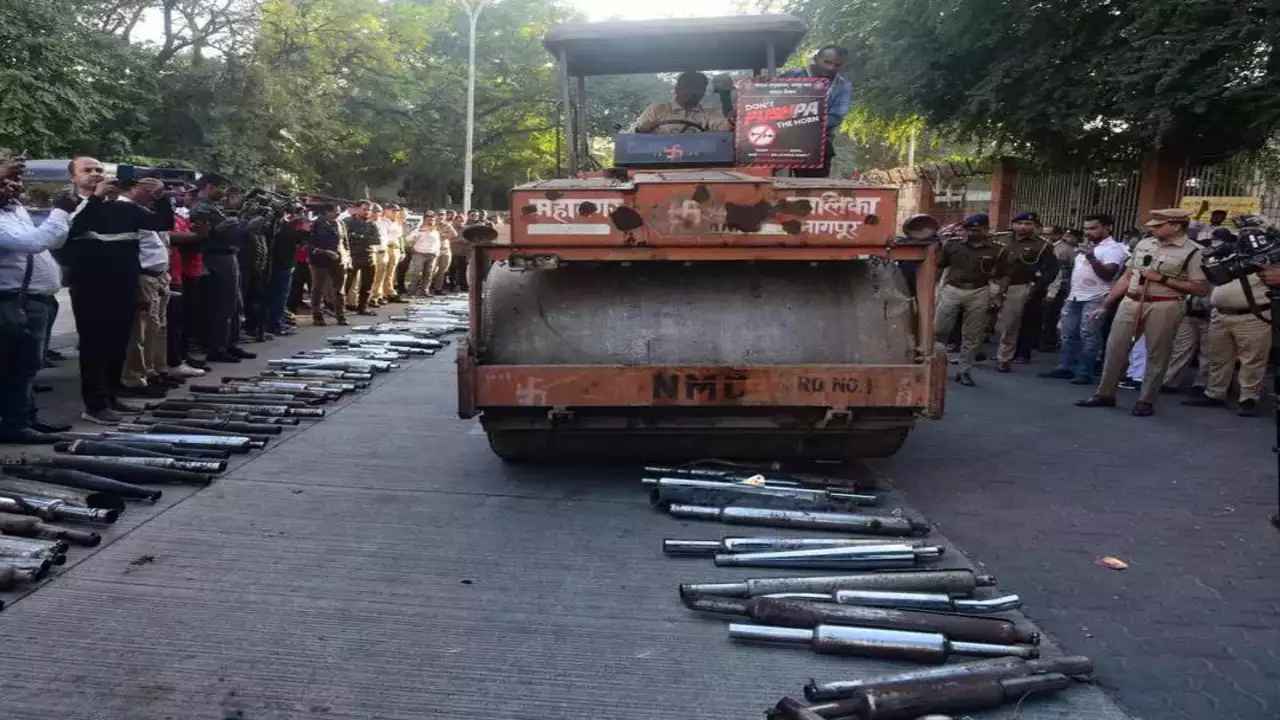
To address this issue, the Traffic Department conducted a special campaign focused on removing illegal silencers from two-wheelers. Over the span of five days, between January 5 and 9, the campaign successfully seized 440 illegally modified silencers from local vehicles. The authorities took immediate steps to destroy these silencers, using a road roller in a public demonstration at Samvidhan Square.

Involvement of Local Community

A key feature of the campaign was the involvement of local school students, who participated in the event where the seized silencers were destroyed. This initiative was not just about penalizing offenders, but also about raising awareness among younger generations regarding the dangers and consequences of such illegal modifications.

The Destruction Process

The 440 modified silencers were destroyed under the road roller in front of police officers, students, and the public. This symbolic act underscored the severity of the violation and aimed to send a clear message to those who continue to engage in such practices. The destruction was witnessed by local citizens, emphasizing the community’s collective effort to reduce noise pollution.

Penalties for Violators

Alongside the destruction of the modified silencers, the Traffic Department also imposed fines on the violators. Under Sections 190(2) and 198 of the Motor Vehicles Act, the offenders were penalized a total sum of Rs 3,97,050. This serves as a reminder that modifying silencers is not only illegal but also harmful to public health and safety.

Replacement with Original Silencers

As part of the campaign, the authorities also replaced the modified silencers on the seized two-wheelers with original, legal silencers. This step ensures that the vehicles are brought back into compliance with the law, reducing the impact of noise pollution in the city.

The Role of Noise Pollution in Public Health

Dr. Singal highlighted the broader issue of noise pollution, which affects not only the immediate environment but also the mental well-being of individuals. Excessive noise from vehicles, whether from modified silencers or unnecessary honking, contributes to stress, anxiety, and even hearing loss over time. By addressing the source of these noises, the Traffic Department is helping to create a quieter, safer, and more relaxed driving environment for everyone.

Looking Ahead: Continued Action Against Illegal Silencers

The campaign in Nagpur is just one part of the city’s broader efforts to combat noise pollution and promote responsible driving practices. Dr. Singal assured that similar actions will continue in the future, targeting individuals who are using, manufacturing, or selling modified silencers. The Traffic Department is committed to ensuring that these illegal practices are eradicated to improve the quality of life for all citizens.

Enforcement of Liquor Laws: A Parallel Initiative

In a related effort, the Zone-IV Police also took action by destroying 40 motorcycle silencers and 1,580 sealed bottles of illegal liquor as part of the Maharashtra Police Foundation Week-2025. This action, which took place on January 9 at the Wathoda Dumping Yard, was in response to several cases registered under the Prohibition Act in the region. The destruction of these items under a road roller symbolizes the police’s dedication to curbing illegal activities and ensuring public safety.

Collaboration with Local Authorities (Nagpur traffic Police)

The destruction of the silencers and liquor bottles was carried out under the supervision of senior officials, including DCP Zone IV Rashmita Rao and ACP Ajni Vinayak Kote. Their leadership played a pivotal role in ensuring the success of this enforcement initiative, which is part of a larger effort to maintain law and order within the city.

The Impact on Traffic and Public Safety

The destruction of these illegal items, both in terms of modified silencers and alcohol, reflects the continued focus on improving public safety and traffic management in Nagpur. By enforcing these regulations, the authorities aim to reduce road accidents, improve the driving experience, and ensure a safer environment for all.

The recent campaign against illegally modified silencers in Nagpur is a critical step toward reducing noise pollution and promoting safer, more responsible driving. With the involvement of local citizens, school students, and enforcement agencies, the campaign has not only removed harmful silencers from the streets but has also raised awareness about the importance of abiding by traffic laws. The continuous efforts of the Traffic Department and the local police demonstrate their commitment to creating a quieter, safer, and more harmonious environment for the residents of Nagpur.

  1. What are modified silencers, and why are they illegal? Modified silencers are after-market parts installed in vehicles that amplify engine noise. They are illegal because they exceed the noise limits set by traffic laws, causing unnecessary disturbances and health issues for the public.
  2. How many modified silencers were destroyed in the campaign? A total of 440 illegally modified silencers were seized and destroyed during the campaign held from January 5 to 9.
  3. What penalties did violators face? Offenders were fined a total of Rs 3,97,050 under the relevant sections of the Motor Vehicles Act.
  4. Why were school students involved in the campaign? Involving school students in the campaign aimed to raise awareness among younger generations about the importance of responsible driving and the dangers of noise pollution.
  5. What other actions are being taken against modified silencers? The Nagpur Traffic Department has committed to continuing strict actions against the use, manufacturing, and sale of modified silencers to ensure compliance with traffic laws.

Nagpur RTOs Register Over 1.5L Vehicles in 9 Months of 2024-25

Nagpur RTO Vehicle Registrations: Nagpur’s roads are buzzing with activity, and the numbers back it up! With an impressive 1,51,872 vehicles registered between April and December 2024, the city’s three Regional Transport Offices (RTOs) — East, City, and Rural — have reported a 47.02% increase compared to the same period last year. What’s driving this surge? Let’s dive deep into the stats and trends shaping Nagpur’s vehicle landscape.

A Snapshot of the Numbers

The data tells a compelling story:

  • Daily Registrations: On average, 554 vehicles were registered each day.
  • Breakdown by RTOs:
    • East RTO: 66,252 vehicles (up from 58,900 in 2023-24).
    • City RTO: 28,285 vehicles (up from 26,722 in 2023-24).
    • Rural RTO: 57,335 vehicles (up from 52,109 in 2023-24).

Growth Over the Years

Each RTO has shown steady growth since 2020:

East RTO

  • 2024-2025: 66,252
  • 2023-2024: 58,900
  • 2022-2023: 54,127
  • 2021-2022: 42,140
  • 2020-2021: 38,272

City RTO

  • 2024-2025: 28,285
  • 2023-2024: 26,722
  • 2022-2023: 24,352
  • 2021-2022: 19,287
  • 2020-2021: 16,790

Rural RTO

  • 2024-2025: 57,335
  • 2023-2024: 52,109
  • 2022-2023: 46,867
  • 2021-2022: 41,083
  • 2020-2021: 39,224

Why the Surge in Registrations? (Nagpur RTO Vehicle Registrations)

The numbers don’t lie, but they also tell a story of recovery and growth. Here’s what’s fueling the rise:

Post-Pandemic Recovery

The pandemic significantly impacted mobility trends, but Nagpur’s vehicle market has rebounded strongly. The surge is a testament to renewed economic activity and consumer confidence.

Urbanization and Mobility

With Nagpur expanding its urban and rural infrastructure, more people are opting for personal vehicles. The convenience of private transport continues to attract residents in both urban centers and outlying areas.

Affordable Financing Options

Banks and financial institutions are offering enticing deals, making it easier for individuals to own vehicles. Low-interest loans and simplified EMIs are key drivers.

Challenges of Growing Registrations

While the increase in vehicle registrations indicates economic growth, it also presents challenges:

Traffic Congestion

Nagpur’s road networks are feeling the strain. With over 554 vehicles added daily, the city’s infrastructure needs a significant upgrade.

Environmental Concerns

More vehicles mean more emissions. Addressing air quality issues is crucial for sustainable urban development.

Public Transport Integration

Public transportation systems like MSRTC buses, NMC’s Aapli Bus fleet, and MahaMetro need to scale operations to accommodate the growing population. Expanding their reach is essential.

Breaking Down Public Transport in Nagpur

Nagpur’s public transport system is robust but faces increasing pressure:

  • MSRTC Buses: Operate extensively in rural areas.
  • Aapli Bus Fleet: 400 buses covering 125 routes with over 4,000 trips daily.
  • MahaMetro: Aqua and Orange Lines run 304 trips daily across 18 trains.
  • Auto-Rickshaws: Over 30,000 ply within city limits.

Proposed Solutions for a Growing City

Nagpur must address these challenges head-on:

1. Expanding Public Transport

  • Increase the fleet size of buses and metro trains.
  • Introduce more routes to connect underserved areas.

2. Traffic Management

  • Implement intelligent traffic systems to optimize flow.
  • Enforce stricter parking regulations.

3. Promoting Green Initiatives

  • Encourage the adoption of electric vehicles (EVs).
  • Develop more EV charging stations across the city.

4. Infrastructure Development

  • Widen major roads and build bypasses to ease congestion.
  • Invest in smart city projects that integrate technology with urban planning.

Nagpur’s rising vehicle registrations highlight its growth and vibrancy. However, this surge comes with its share of challenges. By focusing on sustainable transportation and robust infrastructure, the city can ensure that its progress doesn’t come at the cost of its residents’ quality of life. The road ahead might be busy, but with the right strategies, Nagpur can navigate it smoothly.

1. Why are vehicle registrations increasing in Nagpur? The rise is due to economic recovery, urbanization, and accessible vehicle financing options.

2. How is public transport coping with the surge? While Nagpur’s public transport system is extensive, it’s under pressure and needs expansion.

3. What challenges come with more vehicles? Increased congestion, environmental concerns, and strain on infrastructure are key issues.

4. What steps can address traffic congestion? Expanding public transport, better traffic management, and promoting EVs can help.

5. Are EVs a viable solution for Nagpur? Yes, EVs can reduce emissions and contribute to sustainable urban growth.

Nagpur Traffic Police Issue Challans Worth Over ₹14.22 Crore for 13.67 Lakh Traffic Violations in 2024

Nagpur traffic challans: The bustling city of Nagpur witnessed a landmark year in traffic management as the Nagpur Traffic Police cracked down on violators like never before. With over 13.67 lakh traffic violations recorded and fines amounting to ₹14.22 crore issued in 2024, the city has set an exemplary benchmark in enforcing road safety laws. Curious to know how this unfolded? Let’s dive in!


A Year of Vigilance: Key Statistics

The numbers speak for themselves. Compared to 2023, the city saw a significant increase in the number of recorded traffic violations and corresponding challans. Let’s break it down:

1. Helmet Violations

  • 2024 Cases: 8.93 lakh
  • 2023 Cases: 6.43 lakh
  • Increase: A whopping 2.50 lakh additional cases!

It’s clear that riders are yet to embrace the helmet as their best friend on the road.

2. Mobile Phone Usage While Driving

  • 2024 Cases: 9,255
  • 2023 Cases: 6,410
  • Increase: A rise of 2,845 cases.

Distracted driving is a growing menace. Think about it—is that text message really worth your life?

3. Driving Without Licenses

  • 2024 Cases: 73,653
  • 2023 Cases: 71,537
  • Increase: 2,116 cases.

Unlicensed driving is like walking into a battlefield unarmed—dangerous for everyone involved.

4. Dangerous Driving

  • 2024 Cases: 575
  • 2023 Cases: 1,108
  • Decrease: 533 fewer cases.

Could this reduction indicate growing awareness among drivers? Let’s hope so!

5. Seat Belt Violations

  • 2024 Cases: 25,756
  • 2023 Cases: 35,367
  • Decrease: A decline of 9,611 cases.

It’s heartening to see more citizens buckling up for safety.


Nagpur Traffic Police: Champions of Road Safety

The Nagpur Traffic Police’s unwavering commitment to safer roads has been nothing short of commendable. Deputy Commissioner of Police (Traffic), Archit Chandak, emphasized the importance of strict enforcement and public cooperation in achieving these results.

Proactive Measures Taken

  1. Increased Patrolling: More officers on the streets to catch violators in real-time.
  2. Surveillance Technology: Deployment of CCTV cameras to monitor and capture violations.
  3. Awareness Campaigns: Educating citizens on the dangers of traffic rule violations through workshops and public events.
  4. Digital Payment Options: Streamlining the challan process with online payment systems.

Why These Numbers Matter

Statistics aren’t just numbers; they tell stories. The rise in violations highlights areas that need attention, while the declines show positive behavioral shifts. Every challan issued is a step toward safer roads for everyone.

The Ripple Effect of Strict Enforcement

  • Reduced Accidents: Fewer violations often lead to fewer accidents.
  • Better Traffic Flow: Obedience to rules ensures smoother traffic movement.
  • Civic Responsibility: Citizens become more aware and responsible.

Citizens’ Role in Road Safety

Traffic police alone cannot shoulder the responsibility of road safety. It’s a two-way street—pun intended! Here’s how you can contribute:

1. Follow Basic Rules

  • Always wear a helmet and seatbelt.
  • Avoid using mobile phones while driving.

2. Educate Others

Spread awareness among friends and family about the importance of traffic rules.

3. Be Patient

Road rage solves nothing. Stay calm and composed during commutes.


Looking Ahead: Road Safety in 2025

With the lessons learned in 2024, the Nagpur Traffic Police aims to further enhance their strategies. Plans for 2025 include:

  • Increased Surveillance: More CCTV cameras across the city.
  • Innovative Penalties: Introducing community service as a form of penalty.
  • Collaborations: Partnering with NGOs to promote road safety awareness.

Nagpur’s journey toward road safety in 2024 is a testament to what can be achieved through determination and collaboration. With over ₹14.22 crore in challans issued and more than 13.67 lakh violations addressed, the city has set a shining example for others to follow. However, the road to complete safety is long, and every citizen has a role to play. Together, let’s make Nagpur’s streets safer for everyone.


1. What was the most common traffic violation in Nagpur in 2024?

Helmet violations topped the list, with 8.93 lakh cases recorded.

2. How did the Nagpur Traffic Police address violations?

They utilized increased patrolling, advanced surveillance technology, and awareness campaigns.

3. Did any violations decrease in 2024?

Yes, dangerous driving and seat belt violations saw significant decreases.

4. How can citizens help improve road safety?

By following traffic rules, educating others, and staying patient on the roads.

5. What are the plans for 2025?

The department plans to increase surveillance, introduce community service penalties, and collaborate with NGOs.

1,000 Women-Driven Pink E-Rickshaws in City Soon

Empowering Women Through Pink E-Rickshaws

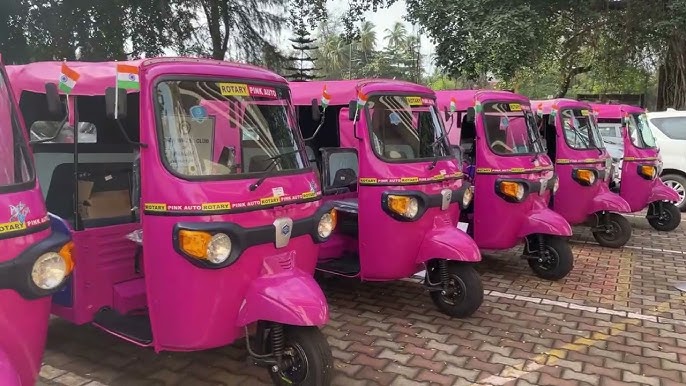
Imagine a city where women not only drive their future but also steer others towards progress. Nagpur is about to witness a groundbreaking initiative that brings 1,000 women-driven pink e-rickshaws onto its streets by January next year. This visionary program is set to revolutionize women’s empowerment and self-employment.


A Drive for Empowerment

The pink e-rickshaw project, initiated by the Women and Child Development Department, is not just a transportation upgrade—it’s a movement. The scheme aims to:

  1. Empower Women: Provide self-employment opportunities for women.
  2. Boost Mobility: Improve public transport options.
  3. Encourage Sustainability: Promote eco-friendly commuting.

Targeting Women Across Eight Districts

This initiative isn’t limited to Nagpur alone. Women in eight districts of the state will benefit from this scheme. An equal number of e-rickshaws will be introduced in rural areas, making it a holistic endeavor.


Eligibility and Benefits

Who Can Apply?

Women aged between 20-40 years are eligible. This age group was chosen to target young and middle-aged women ready to embrace self-reliance.

Financial Structure

Here’s how the scheme breaks down:

  • Loan Coverage: 70% of the e-rickshaw’s cost, repayable over five years.
  • Subsidy: 20% of the vehicle’s cost.
  • Self-Investment: Candidates need to cover just 10% of the cost.

Approval Process

District Collector Vipin Itankar has already approved 102 applications in Nagpur. These applications have been forwarded to banks for further processing. Loan approval depends on the applicant’s creditworthiness—a fair and efficient way to ensure genuine beneficiaries.


Coordination by MAVIM

Mahila Arthik Vikas Mahamandal (MAVIM), under the Women and Child Development Department, is at the helm of this scheme. They ensure:

  • Seamless application processing.
  • Collaboration with banks for timely loan disbursal.
  • Continuous monitoring for successful implementation.

Collaboration with MahaMetro and MTDC

To enhance income opportunities, the initiative aims to tie up with:

  • MahaMetro: Facilitating last-mile connectivity.
  • Maharashtra Tourism Development Corporation (MTDC): Offering tourism-related routes to women drivers.

The Role of Technology

In a tech-driven world, this initiative integrates technology for better implementation. From GPS tracking in e-rickshaws to digital application systems, it’s a perfect blend of tradition and modernity.


Sustainability at Its Core

Eco-Friendly Commuting

Pink e-rickshaws are electric vehicles, reducing carbon emissions and paving the way for sustainable urban transport.

Reduced Plastic Usage

The initiative indirectly supports the state’s mission to reduce plastic usage by promoting green alternatives.


Community Impact

This program is more than a financial opportunity; it’s a social revolution. By enabling women to take the wheel, the city:

  1. Encourages Independence
  2. Improves Public Safety
  3. Fosters Gender Equality

Challenges and Solutions

Challenges

  • Lack of awareness about the scheme.
  • Financial barriers for initial investment.
  • Navigating a male-dominated transport sector.

Proposed Solutions

  • Conducting workshops and awareness drives.
  • Offering financial literacy programs.
  • Ensuring safety measures for women drivers.

Testimonials from Early Applicants

Priya Sharma, Nagpur

“Driving a pink e-rickshaw has not only provided me with an income but also immense confidence. I’m proud to be part of this initiative.”

Anita Rao, Rural District

“This scheme has opened doors to financial independence for women like me. I’m excited to start my journey!”


The Road Ahead

As the program gains momentum, it’s expected to:

  • Increase women’s participation in the workforce.
  • Enhance urban and rural connectivity.
  • Inspire other states to adopt similar initiatives.

The pink e-rickshaw initiative is not just about transport; it’s about transformation. By empowering women, enhancing sustainability, and improving public transport, Nagpur is setting an example for cities across the nation. So, are you ready to witness this revolutionary drive?


1. Who is eligible for the pink e-rickshaw scheme?

Women aged 20-40 years residing in the specified districts are eligible.

2. What financial assistance is provided?

The scheme covers 70% of the cost as a loan, 20% as a subsidy, and requires 10% self-investment.

3. How can women apply for the scheme?

Applications can be submitted through MAVIM. Approved applications are forwarded to banks for loan processing.

4. Are there collaborations to improve income opportunities?

Yes, partnerships with MahaMetro and MTDC aim to provide better income avenues.

5. When will the e-rickshaws hit the streets?

By January next year, around 1,000 pink e-rickshaws will be operational in Nagpur.

Heavy Fine if Your Pre-2019 Vehicle Has No High-Security Number Plates

High-Security Number Plates Maharashtra: The Maharashtra government has taken a bold step to enhance road safety and curb vehicle-related crimes by mandating high-security registration plates (HSRP) for vehicles registered before April 1, 2019. Vehicle owners need to comply with this directive by March 31, 2025, or face steep penalties under the Motor Vehicles Act, 1988. Let’s dive deep into everything you need to know about this significant change.


What Are High-Security Number Plates (HSRP)?

High-Security Registration Plates are tamper-proof number plates designed with a unique laser-etched code and a non-removable snap lock. These plates ensure that your vehicle cannot be easily duplicated or used for unlawful activities.


Why Is HSRP (High-Security Number Plates Maharashtra) Mandatory?

  • Enhanced Security: HSRPs are designed to prevent counterfeiting and theft.
  • Legal Compliance: The directive aligns with Supreme Court rulings and Central Motor Vehicle Rules (CMVR), 1989.
  • Curbing Crimes: The move aims to reduce vehicle-related crimes, including theft and the use of fake registration plates.

Who Needs an HSRP?

All vehicles registered before April 1, 2019, in Maharashtra must replace their existing registration plates with HSRPs by March 31, 2025. This rule affects over 35.39 million vehicles.


How to Get an HSRP Installed?

Step 1: Online Booking

Vehicle owners must schedule an appointment for HSRP installation through authorized online portals. Walk-ins are not permitted.

Step 2: Verification

Ensure your vehicle’s registration, chassis number, and engine number are verified through the VAHAN portal.

Step 3: Appointment Rescheduling

If needed, you can reschedule your appointment up to 90 days after the initial date.

Step 4: Old Plate Surrender

At the time of installation, you must surrender your old registration plates for destruction.


HSRP Installation Costs

Here’s a breakdown of the installation charges (excluding GST):

  • Two-wheelers and Tractors: ₹450
  • Three-wheelers: ₹500
  • Light Motor Vehicles (Passenger Cars & Goods): ₹745

Penalties for Non-Compliance

Failure to comply with the HSRP mandate will lead to fines and other consequences:

  1. Monetary Fines: Heavy fines will be imposed on vehicles without HSRPs after March 31, 2025.
  2. Service Denial: Services such as ownership transfer and address changes will not be processed.

Authorized Agencies for HSRP Installation

The state has been divided into three zones, with specific agencies assigned to manufacture, supply, and install HSRPs. These agencies will soon open offices to streamline the process.


Key Benefits of HSRP Compliance

  • Road Safety: Enhanced security features deter misuse.
  • Streamlined Enforcement: Police and transport authorities can easily verify vehicles.
  • Peace of Mind: Ensures your vehicle isn’t used for unlawful activities.

Government’s Call to Action

Vehicle owners are urged to schedule their appointments early to avoid last-minute rushes and ensure compliance before the 2025 deadline.


Challenges You Might Face

  • Booking Delays: High demand may lead to delays in securing appointments.
  • Compliance Costs: The charges might seem high, but they ensure long-term security.

SOPs for HSRP Implementation

  • Mandatory HSRP installation for vehicles registered before April 1, 2019.
  • Online booking portals managed by authorized agencies.
  • Verification of vehicle details via VAHAN.
  • Surrender and destruction of old plates.
  • Penalties for non-compliance post-March 31, 2025.

1. What is the last date to get an HSRP?

March 31, 2025.

2. Can I walk in for HSRP installation?

No, you must book an appointment online.

3. What happens if I don’t comply with the HSRP mandate?

You will face fines, and services like ownership transfer will be denied.

4. Are the charges inclusive of GST?

No, the charges mentioned exclude GST.

5. What documents are required for HSRP installation?

Vehicle registration certificate, chassis number, and engine number verification.

Closed for Rehab Work, Dhantoli RUB Reopened in 24 Hours to Ease Gridlock

Dhantoli RUB traffic update: The reopening of the Dhantoli Railway Under Bridge (RUB) in Nagpur within 24 hours after its closure created ripples of relief among commuters. This significant action highlights the importance of balancing infrastructural upgrades with public convenience. Let’s dive into the details of this dramatic turn of events and what it means for the city.


What Led to the Closure?

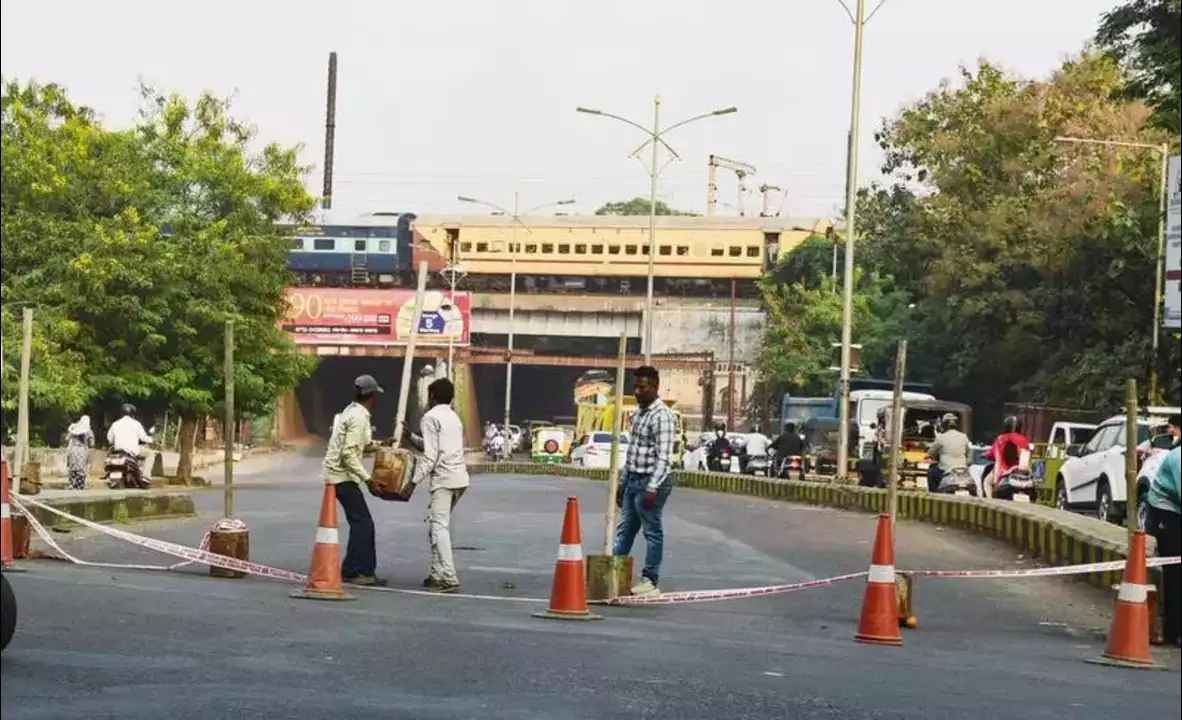
The Dhantoli RUB, a vital link connecting Nagpur’s west and southeast regions, faced a temporary closure for essential rehabilitation work. The closure started on December 3, 2024, and was slated to last until the month’s end.

Railway officials deemed the intervention critical to maintain the bridge’s structural integrity, which had been flagged during recent inspections. The RUB is a 100-year-old stone masonry arch bridge with five spans, making its upkeep essential for long-term functionality.


The Unexpected Gridlock

The plan, however, hit a snag when no alternate route was ready to accommodate the traffic. Chaos ensued, with vehicles, including ambulances and funeral processions, stranded in long queues.

Deputy Commissioner of Police (Traffic), Archit Chandak, remarked:

“We granted closure permission on the condition of a diversion. Since none existed, we had to withdraw it.”

This decision resulted in a rapid reopening of the span to alleviate the congestion.


A Strategic Lifeline for Nagpur

Why Is the Dhantoli RUB So Important?

  • Critical Connectivity: Links areas like Mokshadham, Govt Medical College & Hospital (GMCH), and private hospitals in Dhantoli and Ramdaspeth.
  • Busy Thoroughfare: MSRTC and long-distance buses ply this route, making it a lifeline for commuters and goods transport.
  • Emergency Services: Ensures the swift movement of ambulances and emergency vehicles.

The Rehabilitation Work: A Deeper Dive (Dhantoli RUB traffic update)

The rehabilitation involves strengthening the two roadway spans after successfully upgrading the three waterway spans over the Nag River. The work aligns with compliance reports urging immediate intervention.

Key Facts About the Project

  • Span Dimensions: Each span measures 9.14 meters.
  • Work Timeline: Scheduled for completion by December 2024.
  • Objective: To extend the lifespan and safety of the bridge.

Lessons Learned: Planning Traffic Diversions

The Missed Step

The absence of a prepared diversion amplified the chaos. Senior divisional commercial manager Aman Mittal acknowledged the need for a diversion and assured its construction soon.

Future Considerations

Authorities must prioritize seamless diversion planning for similar projects to avoid such disruptions.


Impact on the Public

The abrupt reopening was met with mixed reactions. While the relief was palpable, frustration lingered over the initial oversight. Commuters like businessman Arun Ajmera voiced their concerns:

“It was exasperating to see ambulances and buses crawling. Such disruptions affect lives directly.”


The Way Forward

Improved Coordination

Collaborative efforts between traffic police and railway authorities can prevent similar mishaps.

Technological Integration

Using real-time traffic monitoring systems can help assess and address congestion swiftly.

The reopening of the Dhantoli RUB within 24 hours underscores the city’s adaptability but also highlights the gaps in planning. With proper coordination, infrastructural upgrades can coexist with public convenience.

1. Why was the Dhantoli RUB closed?

It was closed for rehabilitation work to strengthen its roadway spans and ensure long-term durability.

2. What caused the gridlock during the closure?

The lack of an alternate route led to severe traffic congestion, affecting commuters and emergency services.

3. How does the Dhantoli RUB benefit Nagpur?

It connects key areas, supports emergency services, and facilitates intercity travel.

4. When will the rehabilitation work be completed?

The work is expected to conclude by December 2024.

5. What steps are being taken to avoid future disruptions?

Authorities plan to construct diversions and improve coordination for smoother traffic management.

Nagpur Traffic Police Adjust Signals to Optimize Traffic Flow and Fuel Usage

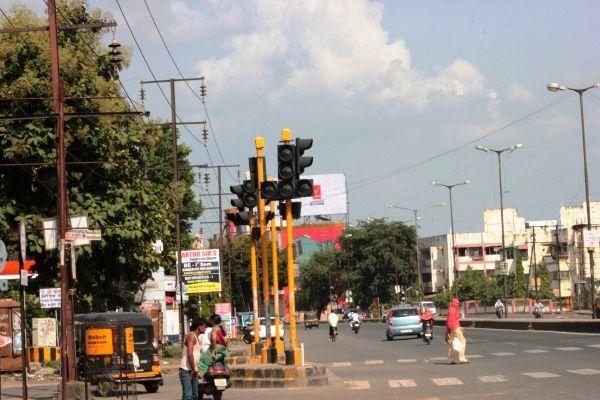
Nagpur Traffic Signals: Nagpur’s traffic management is undergoing a smart transformation! With an innovative approach to streamline traffic and conserve fuel, the Nagpur Traffic Police Department has adjusted signal operations at key intersections. By targeting off-peak hours and prioritizing efficiency, this initiative not only reduces delays but also contributes to a greener environment. But what’s the buzz all about? Let’s dive in!


Why Adjust Signal Operations?

Ever felt stuck at a red light when there’s no other vehicle in sight? Frustrating, isn’t it? The Nagpur Traffic Police recognized this pain point and sought to provide a solution. By modifying signals during low-traffic periods, they aim to ensure smoother commutes while minimizing fuel wastage.

Key Objectives

  • Streamline Traffic Flow: Reduce unnecessary halts and delays.
  • Enhance Fuel Efficiency: Save fuel by minimizing idle time.
  • Improve Commuter Experience: Make travel more convenient and less stressful.
  • Promote Safety: Maintain order with adjusted speed limits.

What’s New in Signal Operations?

Blinker Mode for Low-Traffic Periods

Between 1:00 PM and 4:00 PM, signals at select intersections will operate in blinker mode, displaying a flashing yellow light. This mode allows drivers to proceed cautiously without unnecessary halts, ensuring safety and efficiency.

Speed Limit Enforcement (Nagpur Traffic Signals)

To complement the blinker mode, a 20 km/h speed limit has been imposed at these intersections, ensuring vehicles navigate safely during these hours.


Key Intersections in Blinker Mode

Here are the main intersections where the new system is in place:

  1. NIT T-Point
  2. Bajaj Nagar Square
  3. Gajanan School T-Point
  4. Trisharan Square
  5. Awari Square
  6. Vijay Talkies T-Point
  7. Kannanwar Square
  8. Ahimsa Square
  9. Raja Rani Square
  10. Dharampeth Y-Point
  11. Ajit Bakery T-Point
  12. GPO Square
  13. Moh. Rafi Square
  14. 10-Number Pulia

Benefits of the Initiative

1. Reduced Fuel Consumption

With fewer stops, vehicles consume less fuel, directly benefiting drivers’ pockets and the environment.

2. Shorter Commute Times

By eliminating unnecessary delays, commuters can reach their destinations faster.

3. Enhanced Safety

The combination of blinker mode and speed restrictions ensures cautious driving, reducing the risk of accidents.

4. Environmental Impact

Lower fuel usage means reduced emissions, contributing to cleaner air in Nagpur.


How Does It Work?

Traffic Analysis

Traffic data was meticulously analyzed to identify intersections with minimal vehicular movement during off-peak hours.

Adaptive Signal Programming

Signals at these intersections were reprogrammed to switch to blinker mode between 1:00 PM and 4:00 PM.

Public Awareness

The Traffic Police launched awareness campaigns to educate citizens about the new system and encourage compliance.


What Commuters Should Know

  1. Drive at 20 km/h: Safety first! Maintain the speed limit during blinker hours.
  2. Yield When Necessary: Use caution and give way to other vehicles if needed.
  3. Follow Traffic Rules: Blinker mode is not a free pass—stay vigilant and drive responsibly.

Frequently Asked Questions

1. Will this system be expanded to other areas?

The Traffic Police are monitoring the success of this initiative and may expand it to additional intersections based on results.

2. What happens during peak hours?

Signal operations remain unchanged during peak hours to manage high traffic volumes effectively.

3. How are violations monitored?

Traffic cameras and patrol officers are actively ensuring compliance with speed limits and other rules.

4. Is blinker mode safe for pedestrians?

Yes, the reduced speed limit ensures pedestrian safety at these intersections.

5. Can this system reduce traffic congestion long-term?

While primarily designed for off-peak hours, smoother traffic flow can contribute to overall congestion reduction.

Nagpur Traffic Police’s innovative signal adjustments are a step toward smarter, more efficient city traffic management. By addressing off-peak inefficiencies, this initiative is paving the way for smoother commutes, reduced fuel usage, and a cleaner environment. Together, let’s embrace these changes and make Nagpur’s roads safer and greener for everyone!

Nagpur’s Traffic Woes Intensify with 78,000 Cases of Illegal Parking This Year

Diwali traffic: As one of India’s rapidly growing cities, Nagpur is grappling with increasing traffic problems, particularly related to illegal parking. As more vehicles hit the streets and available parking spaces shrink, the city is facing a parking crisis that shows no sign of slowing down. In the first 295 days of this year, over 78,000 cases of illegal parking have been registered under sections 122/177 of the Motor Vehicles Act. This traffic violation wave is contributing to daily congestion, leaving commuters frustrated and impacting road safety.

The Surge in Illegal Parking

Why the Numbers Are So High
From January 1 to October 22, the city’s traffic police have issued an average of 266 challans per day for illegal parking. By the end of the year, this figure is expected to surpass the previous year’s total of 88,187 cases. But what’s causing this surge in illegal parking violations?

With the Diwali season (Diwali traffic) in full swing, families are rushing to markets, making the city’s traffic conditions even more chaotic. More vehicles on the road mean more people looking for parking, which often results in cars being parked illegally when no space is available.

Traffic Zones Worst Affected (Diwali traffic)

Sitabuldi: The Epicenter of Illegal Parking

Leading the list of violators is Sitabuldi, one of Nagpur’s busiest commercial areas. The area reported a staggering 22,305 parking violations. Sitabuldi’s narrow streets and bustling marketplace mean parking is at a premium, with cars often parked haphazardly, blocking turnings and exacerbating traffic (Diwali traffic) flow problems.

Other Problem Zones

Sitabuldi isn’t the only area affected. The following zones also face a heavy burden:

  • Cotton Market: 11,922 cases
  • Sonegaon: 9,637 cases
  • Sadar: 9,780 cases
  • Sakkardara: 10,606 cases

These areas have major roads that serve as key arteries for traffic in and out of Nagpur, making illegal parking an especially pressing issue.

Key Roads Suffering from Illegal Parking

Several major roads in Nagpur are choked by vehicles parked illegally. Some of the most congested roads include:

  • Residency Road
  • Central Avenue
  • Cotton Market Road
  • Itwari
  • Gandhibagh
  • West High Court Road
  • East High Court Road

These roads are vital for the daily commute, and illegal parking, especially around turnings, further aggravates the already slow-moving traffic.

Diwali Season: A Peak Time for Parking Violations

Festive Rush Intensifies the Problem

Diwali is traditionally one of the busiest shopping times of the year. Markets are packed with people, and naturally, vehicles. This surge in vehicles leads to an increase in parking violations as drivers scramble for space in crowded market areas.

Parking Spaces Are Scarce

With parking space already limited, the influx of holiday shoppers only makes the problem worse. In places like Sitabuldi and Cotton Market, where parking is already a nightmare, Diwali turns the situation into a logistical disaster.

The Role of Nagpur Traffic Police

Special Drives to Curb the Issue

To tackle the situation, Nagpur’s traffic police, under the leadership of Deputy Commissioner of Police Archit Chandak, have launched special drives targeting areas with frequent violations. The focus has been on clearing parking around road turnings and commercial zones, aiming to improve traffic flow and reduce congestion.

Fines and Strict Enforcement

The police have also intensified enforcement of existing parking regulations. Fines are being issued daily, and towing vehicles is becoming a more common practice. However, without a long-term solution for parking infrastructure, enforcement alone won’t fix the problem.

Commercialization of Residential Areas: A Growing Concern

The Impact of Unplanned Commercialization

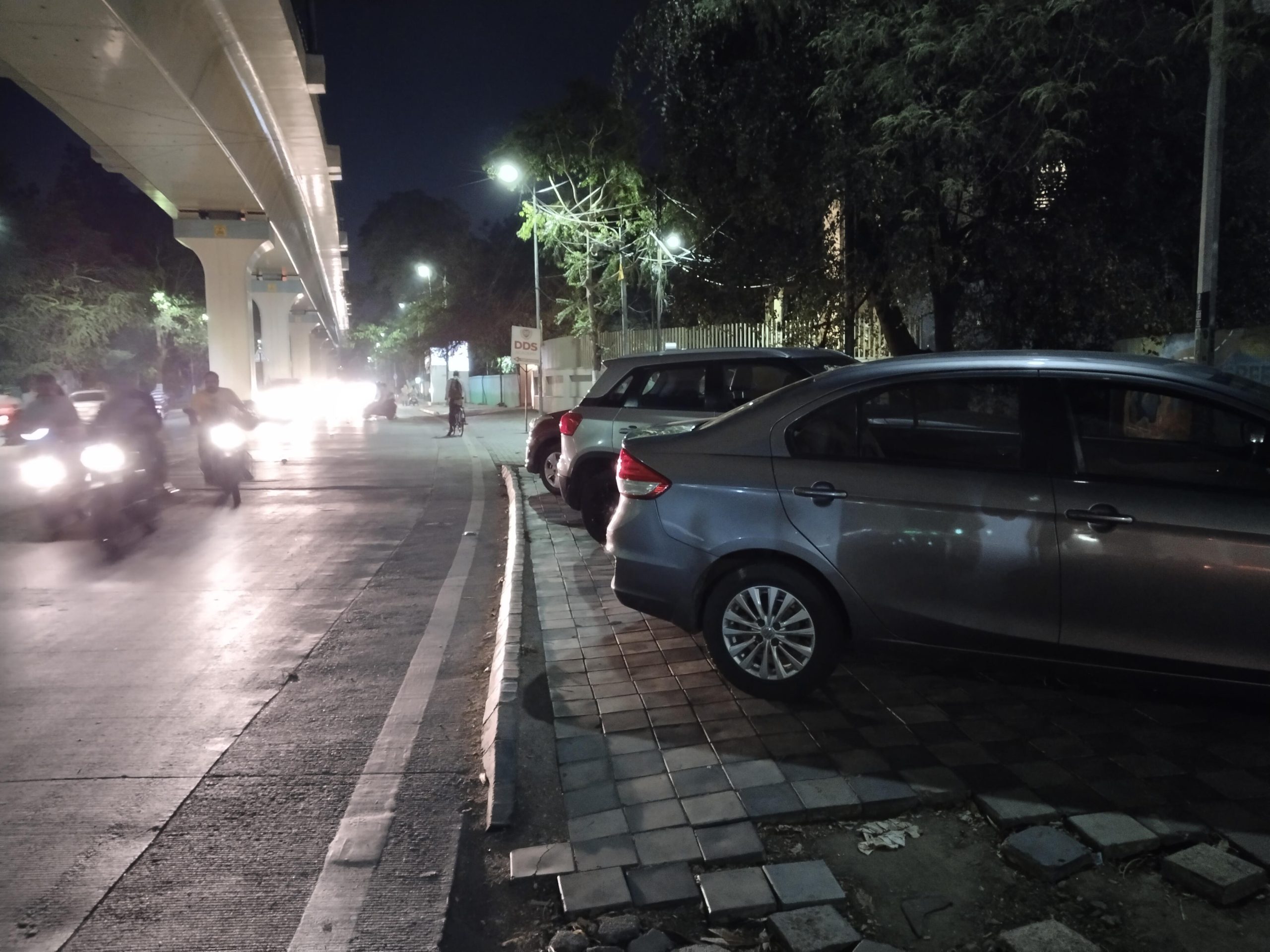
Another factor contributing to Nagpur’s parking woes is the unplanned commercialization of residential areas. In neighborhoods like Ramdaspeth, Dharampeth, and Gokulpeth, residential properties are being converted into commercial establishments, often without providing sufficient visitor parking. This transformation has resulted in an overflow of vehicles onto narrow lanes, disrupting the flow of traffic.

Narrow Lanes and Traffic Obstructions

Vehicles parked on the streets of these residential areas often block roads, leaving commuters stuck in slow-moving traffic. Without proper planning or designated parking, these areas are now hotspots for traffic jams.

How Illegal Parking Affects Emergency Services

Access Blocked for Emergency Vehicles

One of the gravest concerns surrounding illegal parking is its impact on emergency services. Illegally parked cars can block roads, making it difficult for ambulances, fire trucks, and police vehicles to pass. This poses a severe risk to public safety, particularly in densely populated areas where quick response times are critical.

Risk to Public Safety

Illegal parking not only slows down traffic but also heightens the risk of accidents, especially at congested turnings. Vehicles blocking visibility or parked too close to intersections make it harder for drivers to navigate safely.

Solutions to Nagpur’s Parking Crisis

Long-Term Infrastructure Development

For Nagpur to effectively manage its parking issues, long-term infrastructure solutions are needed. Building more parking garages and creating designated parking zones in commercial areas are critical steps toward solving the problem.

Public Transportation as a Solution

Encouraging the use of public transportation can also reduce the number of vehicles on the road. Expanding the city’s bus network and improving the availability of metro services could ease congestion, particularly in heavily trafficked areas like Sitabuldi and Cotton Market.

Improved Parking Regulations

Nagpur can also benefit from improving its parking regulations. Implementing stricter zoning laws to prevent unplanned commercialization of residential areas and introducing better parking management systems, such as paid parking, can make a significant difference.

Nagpur’s traffic woes, primarily driven by illegal parking, are unlikely to improve without significant intervention. While the city’s traffic (Nagpur traffic) police are working hard to enforce existing rules, the real solution lies in addressing the root cause—insufficient parking infrastructure. Without better planning and development, the residents and visitors of Nagpur will continue to face daily frustration and safety risks due to gridlock and traffic congestion.

  1. What are the main reasons for Nagpur’s illegal parking issues?
    The growing number of vehicles and limited parking spaces, especially in commercial areas like Sitabuldi, are the main reasons for the rise in illegal parking.
  2. How does illegal parking impact emergency services in Nagpur?
    Illegally parked vehicles block access for emergency services, making it difficult for ambulances and fire trucks to reach their destinations quickly.
  3. What areas in Nagpur are most affected by illegal parking?
    Sitabuldi, Cotton Market, and Sonegaon are among the areas with the highest number of parking violations.
  4. What are some potential solutions to Nagpur’s parking problem?
    Long-term solutions include improving parking infrastructure, encouraging public transportation use, and stricter parking regulations.
  5. How does Diwali contribute to the parking issue?
    The festive season brings an influx of shoppers to markets, leading to more vehicles on the road and more illegal parking due to the lack of available spaces.

Nagpur’s Air Quality Declines as Winter Begins, AQI Hits ‘Poor’ Levels

As the crisp winter air approaches Nagpur, it brings with it a troubling reality—deteriorating air quality. The city’s Air Quality Index (AQI) has consistently hit “Poor” levels, signaling the beginning of a season plagued by pollution. Over the past few days, AQI levels have soared, with multiple monitoring stations in the city reporting dangerous readings, exceeding 200. This article explores the factors contributing to this decline, the health impacts, and what measures can be taken to mitigate the situation.

 Why is Nagpur’s Air Quality Declining?

Nagpur’s air quality declines dramatically as winter sets in, and the reasons are multifaceted. While the cooler weather may bring relief from summer’s heat, it also traps pollutants closer to the ground. The city’s topography and industrial activities play a significant role in amplifying the pollution levels.

The Onset of Winter and Its Effects on Air Quality

Winter weather, particularly in urban areas, often brings with it a rise in air pollution. This phenomenon is attributed to the way cold air traps pollutants, a process known as temperature inversion. During winter, the cool air in Nagpur sits beneath a layer of warmer air, preventing pollutants from dispersing into the upper atmosphere. This creates a concentration of harmful particles near the ground, which is especially evident during the mornings and evenings.

Temperature Inversion – The Key Culprit

Temperature inversion plays a critical role in worsening air quality during winter. It essentially forms a lid over the city, trapping pollutants such as vehicle emissions, industrial waste, and even dust particles, which would otherwise escape into the atmosphere. This results in rising AQI levels, especially in densely populated areas like Nagpur.

The AQI: What Does ‘Poor’ Mean?

The Air Quality Index (AQI) is a number used to communicate how polluted the air currently is or is forecasted to become. Nagpur’s AQI readings exceeding 200 signal “Poor” air quality. But what does this mean for the average citizen?

Health Implications of Poor AQI Levels

A “Poor” AQI reading, between 201 and 300, is unhealthy for sensitive groups, including children, the elderly, and individuals with respiratory or cardiovascular conditions. Prolonged exposure to such air can lead to significant health issues, including asthma attacks, lung infections, and even heart problems.

 Sources of Air Pollution in Nagpur

Nagpur’s pollution is the result of several contributing factors. As winter intensifies, certain sources of pollution become more pronounced.

 Vehicular Emissions – A Major Contributor

Nagpur’s growing population has led to an increase in the number of vehicles on the roads. Vehicular emissions are a significant source of particulate matter (PM), nitrogen dioxide (NO2), and other harmful gases that exacerbate air pollution.

Industrial Pollution and Dust Accumulation

The industrial sector in and around Nagpur plays a huge role in pollution levels. Factories emit a range of pollutants that add to the PM2.5 and PM10 levels, particles that are particularly dangerous to human health. Additionally, construction activities and unpaved roads contribute to dust pollution, worsening air quality.

Garbage Burning and Household Chulhas

During winter, many households resort to burning garbage and using traditional chulhas for warmth and cooking, releasing harmful pollutants like carbon monoxide (CO) and fine particulate matter (PM2.5), which are especially dangerous in poorly ventilated spaces.

 Continuous Ambient Air Quality Monitoring Stations (CAAQMS)

Nagpur has four Continuous Ambient Air Quality Monitoring Stations (CAAQMS) that regularly record and monitor AQI levels across the city. Unfortunately, real-time data from these stations has not been available to the public for several days, adding to the concern.

 The Highest AQI Levels Recorded

The highest AQI was recorded at Town Hall in Mahal, where levels reached 216. Other stations in Ram Nagar, Ambazari, and the Government Post Office (GPO) also showed worrying trends with AQI readings between 192 and 210.

 Effects of Air Pollution on Daily Life

Poor air quality doesn’t just affect your health—it can significantly impact daily activities as well. From limiting outdoor exercise to increasing healthcare visits, the consequences of bad air go beyond physical ailments.

 Limiting Outdoor Activities

As the air quality worsens, it is advised to limit outdoor activities, particularly for vulnerable populations like children, the elderly, and those with pre-existing health conditions. Schools may need to adjust their schedules, and citizens are often urged to stay indoors when AQI levels are especially high.

 Indoor Air Quality Concerns

It’s not just the outdoor air that poses a threat. Indoor pollution from cooking, smoking, and even household cleaners can add to the overall burden of pollutants in the air. In homes without proper ventilation, this can lead to a buildup of harmful substances.

 What Can Be Done to Improve Air Quality in Nagpur?

While the situation may seem bleak, there are steps both citizens and the government can take to improve Nagpur’s air quality. These measures range from reducing emissions to increasing public awareness about the importance of clean air.

Government Initiatives

The Maharashtra Pollution Control Board (MPCB) has implemented the National Clean Air Programme (NCAP) to address pollution levels. These efforts include the installation of more air monitoring stations, stricter regulations on industries, and initiatives to reduce vehicular emissions.

Individual Responsibility

Citizens can also play a role in reducing air pollution. Simple measures like carpooling, using public transportation, and avoiding the burning of garbage can make a big difference. Additionally, installing air purifiers and regularly checking AQI levels can help safeguard health during periods of poor air quality.

Looking Ahead: The Future of Air Quality in Nagpur

While the immediate outlook for Nagpur’s air quality might not be optimistic, long-term solutions are being considered. By combining stricter regulations, technological advancements, and public participation, the city can gradually improve its air quality and protect its citizens from the health risks associated with pollution.

Nagpur’s declining air quality is a serious concern as winter approaches, bringing with it a rise in AQI levels and associated health risks. While the causes of pollution are clear—ranging from vehicular emissions to industrial activity—addressing the issue requires a collective effort. From government initiatives like the NCAP to individual actions, there are steps that can be taken to reverse the trend. Citizens must remain vigilant, stay informed about AQI levels, and take necessary precautions to protect their health.

  1. What is the Air Quality Index (AQI)?
    • The AQI is a measure of air quality, with levels above 200 indicating “Poor” conditions that can negatively impact health.
  2. Why does air quality worsen in winter?
    • Winter leads to temperature inversion, which traps pollutants close to the ground, making the air quality worse.
  3. What are the main sources of pollution in Nagpur?
    • Vehicular emissions, industrial activities, garbage burning, and household chulhas are significant contributors to pollution.
  4. How can individuals reduce their exposure to polluted air?
    • By staying indoors during high AQI periods, using air purifiers, and avoiding outdoor exercise when pollution levels are high.
  5. What steps can the government take to improve air quality?
    • Implementing stricter regulations on industries, promoting clean energy, and increasing public awareness about the dangers of pollution.

NMC Installs Signal Bollards at Key Intersections in Pratap Nagar and Sawarkar Nagar

The Nagpur Municipal Corporation (NMC) has taken significant steps to enhance road safety in South-West Nagpur. By installing advanced signal bollards at crucial intersections, the city is tackling traffic management and pedestrian safety head-on. In this article, we explore the details of the project, its purpose, and the broader impact on the city’s traffic flow.

What Are Signal Bollards?

Signal bollards are illuminated structures installed at road junctions, synced with traffic lights to provide clear guidance for drivers and pedestrians. They act as visual aids, enhancing road safety by marking pedestrian zones and ensuring that vehicles stay within their designated paths.

Why NMC Installed Signal Bollards

Traffic congestion and pedestrian safety have been long-standing concerns in Nagpur, particularly in busy areas such as Pratap Nagar and Sawarkar Nagar Square. The installation of these bollards aims to streamline the movement of vehicles while keeping pedestrians safe, reducing accidents and confusion at intersections.

Key Areas of Installation

The project covers seven major intersections, including:

  • Pratap Nagar Square
  • Sawarkar Nagar Square
  • Various T-points across four key routes in South-West Nagpur

These areas are known for high traffic density, making them prime locations for the installation of signal bollards.

How Signal Bollards Improve Traffic Flow

Bollards guide drivers by providing a visual cue to stop before the designated pedestrian zones. This minimizes the tendency of drivers to cross stop lines, which often leads to chaos and accidents at busy intersections. As a result, the flow of traffic becomes more organized and predictable, improving overall efficiency.

Enhancing Pedestrian Safety

For pedestrians, the bollards act as markers, guiding them to crosswalks and keeping them away from moving vehicles. The illuminated nature of the bollards ensures visibility at night, providing a safer environment for people walking after dark. With these bollards in place, the distance between vehicles and pedestrians is more controlled, reducing the likelihood of accidents.

Improved Night-Time Safety

Nighttime visibility has always been a challenge in urban traffic management. The new illuminated bollards shine bright at night, significantly improving the safety of pedestrians crossing busy intersections. Their lights are synced with traffic signals, further reinforcing safe crossing practices.

Feedback from the Community

The response from locals has been overwhelmingly positive. Residents, especially motorists, have noted improvements in the behavior of drivers at these intersections. According to motorist Dinesh Kale, “Earlier, drivers would often stop beyond the stop line, but now they are more disciplined.”

Positive Impact on Pratap Nagar Square

Pratap Nagar Square, one of the busiest intersections in the city, has seen a marked improvement in traffic discipline since the installation of the signal bollards. Drivers are now more likely to stop behind the designated stop lines, reducing congestion and confusion at the junction.

Cost and Funding of the Project

The cost of each signal bollard is estimated to be around ₹20,000. The NMC has utilized funds originally sanctioned for the G20 Summit to complete the project, making efficient use of unspent resources.

Strategic Placement of Bollards

The placement of these bollards was carefully planned to cover high-traffic areas and intersections where pedestrian movement is frequent. By marking safe zones and directing both vehicle and pedestrian movement, the NMC is ensuring that traffic flows smoothly without compromising on safety.

Other Traffic Management Initiatives

This bollard installation is part of a broader effort by the NMC to improve traffic conditions in South-West Nagpur. In addition to the bollards, the NMC has been working on the following:

  • Improving the geometry of intersections: This involves redesigning the layout of roads to ease the flow of traffic and reduce bottlenecks.
  • New road markings: Road markings have been upgraded to improve visibility and guide drivers more effectively.
  • Repairs and upgrades: Ongoing roadwork aims to address any structural issues and improve the overall driving experience.

Future Plans for Traffic Improvement

The NMC has ambitious plans to continue its work on traffic management across the city. In addition to the current upgrades, 12 more junctions are scheduled for development. These efforts are part of a long-term vision to make Nagpur’s roads safer and more efficient for both drivers and pedestrians.

The Importance of Road Markings

In addition to bollards, new road markings have been installed to complement the bollards’ functionality. These markings help delineate pedestrian zones, stop lines, and vehicle lanes, creating a more organized traffic system.

Enhancing the City’s Aesthetic Appeal

Beyond safety, the NMC’s traffic improvement initiatives aim to beautify the city. By upgrading intersections with advanced technology and thoughtful design, Nagpur is set to not only improve traffic but also enhance the overall appearance of its roadways.

The installation of signal bollards at key intersections in South-West Nagpur is a significant step forward in improving both traffic flow and pedestrian safety. The project, which utilizes funds effectively and addresses long-standing issues, has already shown positive results in areas like Pratap Nagar Square. As the NMC continues to upgrade more intersections, residents can look forward to a safer and more organized traffic system.

1. What are the benefits of signal bollards?

Signal bollards improve both vehicle and pedestrian safety by providing clear, illuminated guidance at intersections, reducing accidents, and organizing traffic flow.

2. How much does each bollard cost?

Each signal bollard costs approximately ₹20,000, with funding drawn from unspent G20 Summit resources.

3. Which areas in Nagpur have received these bollards?

The installation has been completed at seven intersections, including Pratap Nagar Square and Sawarkar Nagar Square, along with several T-points in South-West Nagpur.

4. How do signal bollards improve night-time safety?

The illuminated bollards enhance visibility at night, making it easier for drivers and pedestrians to navigate busy intersections safely.

5. What are the future plans for traffic improvements in Nagpur?

The NMC plans to upgrade 12 additional junctions across the city and continue improving the geometry of intersections to streamline traffic flow.

Exit mobile version